COVID-19 SOCIO-ECONOMIC RESPONSE AND RECOVERY PLAN - UNDP
←
→
Page content transcription
If your browser does not render page correctly, please read the page content below
COVID-19
                                   SOCIO-ECONOMIC RESPONSE
                                   AND RECOVERY PLAN

       June 2020

Photo credit: WHO Moldova    Photo credit: UNFPA Moldova

Photo credit: UNDP Moldova   Photo credit: FAO Moldova
Table of contents

I.      INTRODUCTION..........................................................................................................................4

II.     THE THEORY OF CHANGE............................................................................................................5

III.    ASSESSMENT................................................................................................................................6

IV.     FIVE STRATEGIC PILLARS............................................................................................................9

V.      RESPONSE DELIVERY.................................................................................................................13

VI.     COMMUNICATIONS..................................................................................................................13

VII. RESOURCE MOBILIZATION AND PARTNERSHIPS.....................................................................14

        a) United Nations Recover Better Fund...................................................................................................... 14

        b) Moldova 2030 SDGs Partnership Fund.................................................................................................. 14

VIII. ANNEXES................................................................................................................................... 15

        ANNEX I: RE-PROGRAMMING OF EXISTING RESOURCES......................................................................... 15

        ANNEX II: COVID-19 DONOR ENGAGEMENTS........................................................................................... 16

        ANNEX III: COVID-19 PROGRAMME PORTFOLIO....................................................................................... 18

2 | Page                                                                            Socio-Economic Response and Recovery Plan – June 2020
Plan at a Glance
                 Actions/ projects                                                        Requirements                                      Identified partners

                         44                                                           $   70.2 M                                                     37

    Requirements by Pillar                                                                            List of SDGs and targets covered by the Plan

                                            $29.2 M

    $16.4 M

                                                                                     $11.5 M
                         $8.9 M
                                                                 $4.4 M

       Health           Protecting           Economic         Macroeconomic           Social
        First             People             Response           Response             Cohesion

    Number of projects by contribution to Building Back Better

                     Pillar 1 - Health
                                  PillarFirst
                                         1 - Health First                       12.9M       12.9M                3.5M       3.5M

            Pillar 2 - Protec�ng
                         Pillar 2 - People
                                    Protec�ng People                                 2.3M            2.3M                                 6.6M        6.6M

        Pillar 3 - Economic
                     Pillar 3 -Response    1.5M
                                Economic Response                             1.5M                             27.7M        27.7M

Pillar 4 - Macroeconomic
            Pillar 4 - Macroeconomic    0.5M
                           Response Response                                       0.5M         3.9M        3.9M

               Pillar 5 - Social
                            Pillar
                                 Cohesion         1.1M
                                   5 - Social Cohesion                             1.1M                10.4M       10.4M

                                                       0                  0    2            2    4           4     6           6    8            8   10      10 12         12
                                                                                                            # of projects # of projects

* Data labels indicate
                   * Data
                       thelabels
                           project
                                 indicate
                                    implementa�on
                                          the project implementa�on
requirements in USrequirements
                    $             in US$
                                                             Response   and Response
                                                                            Recovery and
                                                                                     Projects
                                                                                         Recovery Projects
                                                                                                   Building Back Be�er
                                                                                                                 Building
                                                                                                                        Projects
                                                                                                                          Back Be�er Projects

    Socio-Economic Response and Recovery Plan – June 2020                                                                                                    Page    | 3
I. Introduction

The United Nations in Moldova has been actively            The response and recovery plan will be a living
involved in Covid-19 preparedness planning prior           document and will be updated on the basis of ongoing
to the declaration1 of a Public Health Emergency           assessments that are feeding into the larger UN Social-
of International Concern. This long-term support           Economic Impact Assessment (led by UNDP). The joint
on capacity assessment, policy development,                programme portfolio that this Response and Recovery
training, clinical support, community outreach and         Plan supports will be further developed based on
risk communication, and provision of materials             the last and most up to date assessment data and
and supplies has placed the UN at the forefront of         government priorities.
supporting the Government’s response together with
development partners.                                      The Government of Moldova (GoM, from now on) has
                                                           developed the Covid-19 Preparedness and Response
The Covid-19 pandemic is far more than a health crisis:    Plan with the support of the WHO (available in the WHO
it is affecting the whole of the Republic of Moldova       Partner Portal), which was approved on 13th of March
and is impacting on nearly every aspect of social and      by the Prime Minister. The Plan covers the 7 pillars (1 to
economic life.                                             be added) mentioned in the WHO guidelines.

As an immediate support offer, the United Nations has      By 23rd of March, WHO and the United Nations Resident
developed this Response and Recovery Plan, with a          Coordinators Office (RCO) developed a comprehensive
12-18 months horizon based upon the United Nations         Needs Assessment of the Health System in Moldova
framework for the immediate socio-economic response        to respond to the Covid-19 crisis. The document
to Covid-19.                                               has guided the support of different development
                                                           partners programmes (Sweden, World Bank, Norway,
The aim of this response and recovery plan is to anchor,   Switzerland, etc.) and also the investment from the
as soon as possible, the socio-economic response to        Ministry of Health Labour and Social Protection. As a
Covid-19 firmly within the national Covid-19 response      result, a large deficit was identified on PPEs, health
and long term development plans. As such, this Plan        equipment (ventilators, oxygen concentrators, etc.),
will support and remain fully cognisant of:                medicine and consumables. The total cost of the
                                                           response has been estimated at $38,366,494.61, of
    ● The National Covid-19 Response Plan;
                                                           which $ 35,642,013.39 were requested to be covered
    ● World Health Organization’s Strategic                by development partners. Additionally, the GoM has
      Preparedness and Response Plan;                      manifested reduced capacity to import materials and
                                                           equipment and has requested support from the UN
    ● The Government Action Plan 2020 – 2023;
                                                           system in this regard.
    ● The National Development Strategy Moldova
      2030 (when approved);                                In line with the Assessment, the WHO Partner Platform
                                                           has been updated with requests of resources for more
    ● Findings of the Agenda 2030 Voluntary National
                                                           than $35mln. The WHO Partner Platform currently has
      Review, and
                                                           eight UN agencies, eight member states, and the GoM
    ● The Sustainable Development Goals.                   participating (35 total registered users).

1   30 January 2020

4 | Page                                                        Socio-Economic Response and Recovery Plan – June 2020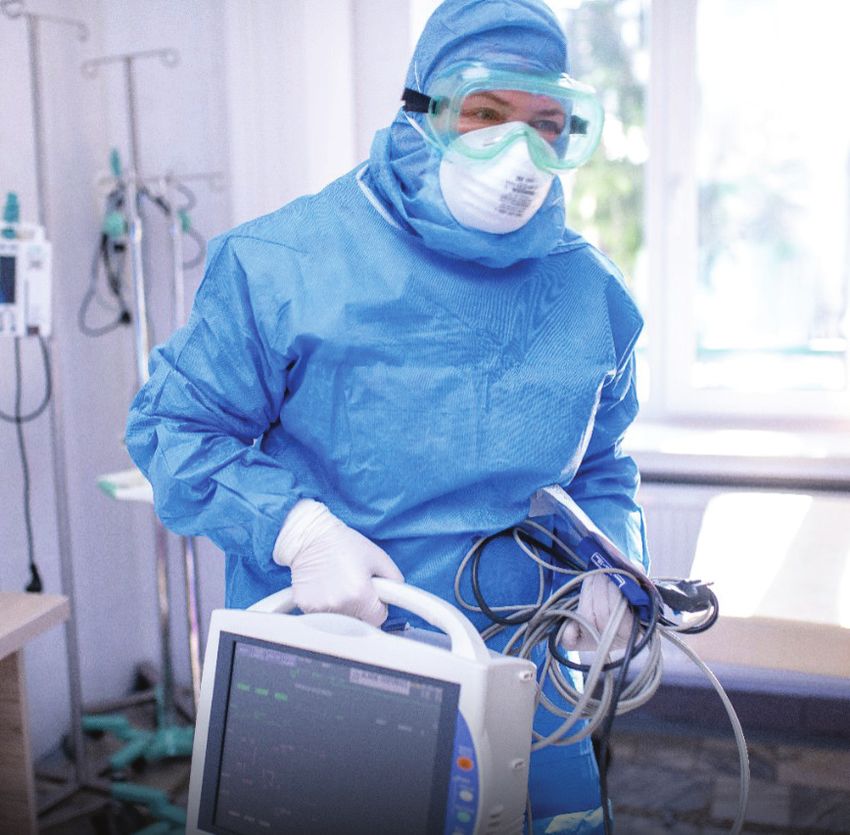
II. The Theory of Change

The theory of change is focused on supporting the                                      in the informal sector through economic
Government of Moldova to tackle the health emergency                                   recovery, including enhancing social
as well as to address the social and economic impact                                   responsibility of business towards their labour
of the pandemic. Additionally, it aims to reduce the                                   force;
country’s vulnerability to the pandemic allowing a
                                                                                    ● Help guide the necessary surge in fiscal
transparent, human rights compliant, gender sensitive
                                                                                      and financial stimulus to make the
and effective recovery process, placing attention on
                                                                                      macroeconomic framework work for
populations for whom this emergency compounds pre-
                                                                                      the most vulnerable and marginalized
existing marginalization, inequalities, and vulnerabilities.
                                                                                      and foster sustainable development and
The United Nations in Moldova has started by                                          strengthen multilateral and regional
protecting the health system during the Covid-19                                      responses;
crisis; at the same time, and equally urgent, we will                               ● Promotion social cohesion and build
     ● Map those most at risk of being left behind                                    trust through social dialogue and political
       (but through the foundational causes as well as                                engagement and invest in community-led
       longer terms effects);                                                         resilience and response systems will be an
                                                                                      important lens for all interventions.
     ● Help protect people through social protection
       and basic services to enable people to have                               The theory of change relies on the collaborative
       access to and to claim their rights;                                      advantages of the UN system to expand partnership
     ● Protect jobs, small and medium-sized                                      opportunities and develop a coherent response to
       enterprises, and the vulnerable workers                                   Covid-19 crisis.

            HEALTH FIRST:                                                                     The healthcare system and other relevant
                                                            IMPACT
 1          Protecting health services
                                                      The people of Moldova,
                                                                                              authorities and stakeholders in Moldova
                                                                                              have improved capacities, means and
                                                                                                                                           Projects
            and systems during the crisis
                                                       in particular the most      Output 1   instruments for a rapid response to the
                                                                                                                                           and
                                                                                                                                           activities
                                                          vulnerable, have                    gaps, needs and priorities in connection
                                                         access to essential                  with the outbreak of the pandemic
                                                       services, in particular
            PROTECTING PEOPLE:                        health, and livelihoods
 2          Social protection and basic services        opportunities during                  Identified vulnerable groups in Moldova      Projects
                                                        the COVID Response         Output 2   are benefiting from social protection,       and
                                                          and recuperation                    education and essential services             activities

                                                                                              Ensured protection of jobs, small
            ECONOMIC RESPONSE & RECOVERY:
                                                                                              and medium-sized enterprises, and            Projects
 3          Protecting jobs, small and medium-sized
            enterprises, and the informal sector
                                                                                   Output 3   vulnerable workers in the informal           and
            workers                                                                           economy through targeted policy,             activities
                                                                                              technical assistance an support
                                                          OUTCOME
                                                         The Government
                                                        of the Republic of                    Analytical advisory and technical
            MACROECONOMIC RESPONSE                       Moldova and its                      assistance services provided to the          Projects
 4          AND MULTILATERAL
                                                       people successfully         Output 4   Government of Moldova for evidence-          and
            COLLABORATION                                                                     based policy making and better social        activities
                                                           overcome the
                                                          immediate and                       expenditure
                                                           medium-term
                                                          adverse health,
                                                                                              Enhanced social cohesion through the
                                                       social and economic                                                                 Projects
            SOCIAL COHESION AND                                                               promotion of inclusive social dialogue,
 5          COMMUNITY RESILIENCE
                                                       consequences of the         Output 5   community resilience and governance,
                                                                                                                                           and
                                                       COVID-19 pandemic                                                                   activities
                                                                                              grounded on human rights

                Figure 1: Priorities of the UN Moldova Socio-Economic Response and Recovery Plan

Socio-Economic Response and Recovery Plan – June 2020                                                                                    Page   | 5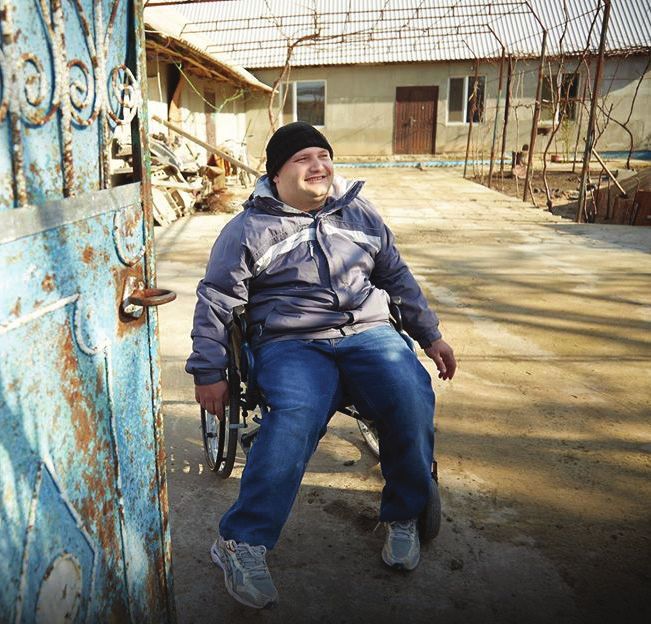
There will be no return to the „old normal”. The                    ● Build knowledge in national CSOs on how
linkages between health and nature are clear, as is the               to reduce the vulnerabilities of the different
need to bridge the lessons learnt from this crisis to                 underrepresented groups they work with;
the climate crisis ahead. The United Nations response
                                                                    ● Implement innovations to will help the country
and recovery plan will fully support the delivery of the
                                                                      to stay on track for a sustainable future and, in
Sustainable Development Goals (SDGs) and the aim to
                                                                      general, the achievement of the SDGs
Build Back Better. To this end, a particular focus will be
given to:                                                           ● The recovery phase will highlight the scope
                                                                      and limits of existing productive development
   ● Develop technical tools and capacities at national
                                                                      strategies – bringing the potential of green
     and local level that can enhance preparedness in
                                                                      economy solutions, e-commerce and the
     the context of future possible Covid-19 outbreaks
                                                                      digital economy into sharper focus.
     or other epidemics

III. Assessment
Because time is of the essence, it is imperative                and conflict-sensitivity, all assessments will include an
that we assess, programme and respond almost                    analysis of the human rights and gender impacts to
simultaneously rather than sequentially. This response          inform the design of policies that address these risks
and recovery plan has been designed with this in mind,          and protect development gains.
using a number of sources and feedback loops to
continuously revise and update programme priorities.            Programmes will ensure everyone is protected
                                                                and included in the response to this crisis. Hence,
UNDP, in particular, will ensure the integration of             the United Nations support, from assessment to
multi-dimensional perspectives into existing and new            programming, from policy advice to advocacy, will be
assessments. As part of our promise to “do no harm”             driven by the following guiding questions:

               OUR PURPOSE                                          THE UN ’ S GUIDING QUESTIONS

    Tacking the immediate                                    Who has been targeted when devising the country’s
    emergency                                                health and socio-economic response measures?

                                                             What is the demographic and where do they reside?

                                                             Where are the gaps?

    Focusing on the social impact                            Which barriers keep people beyond the reach of
    and the economic response                                infrastructure, employment , services, jobs and other
                                                             socio-economic response measures?

    “Recovering better”                                      How can those who are excluded, marginalized and
                                                             vulnerable come into the fold? How can they be made
                                                             more resilient to shocks an crises?

                                                             How can the responses help remove and avoid
                                                             exacerbating structural drivers of exclusion,
                                                             inequalities and discrimination?

6 | Page                                                              Socio-Economic Response and Recovery Plan – June 2020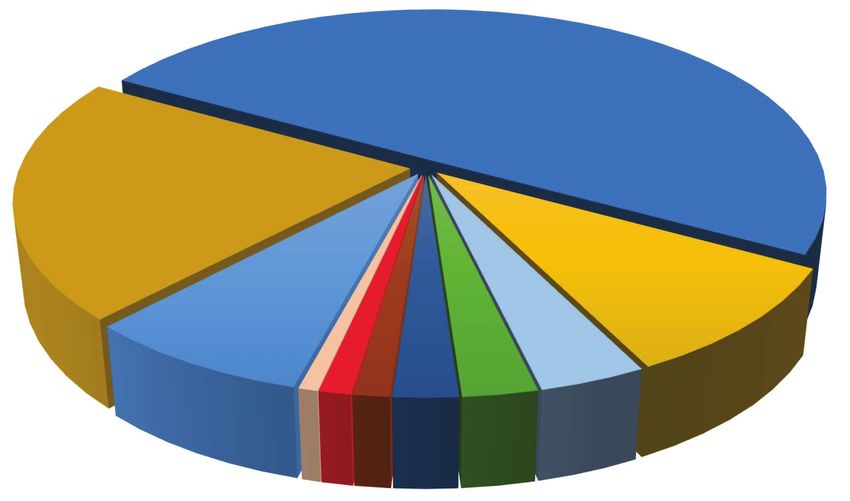
The above questions have been strengthened through          ● Social Economic Impact Assessment (UNDP
the development by the UN in Moldova of background            leading and in collaboration with the UNCT) –
policy notes on Covid-19 in the following areas:              July 2020

   ● International Covenant on Civil and Political          ● Survey to evaluate the impact of Covid-19 on
     Rights, Restrictions and Limitations                     social cohesion (RCO) – June/July 2020
   ● Labour Rights in the Context of Covid-19               ● Study on the socio-economic impact of COVID-19
   ● Human Rights Compliant Crisis Communication              on the returning migrants and vulnerable
     and Covid-19                                             families affected by the decrease of remittances,
                                                              employing Displacement Tracking Matrix (DTM)
   ● Right to Health and Covid-19                             methodology (being initiated, to be conducted
   ● Rights of Persons with Disabilities and Covid–19         over the summer period, IOM) – September 2020

   ● Policy Brief on Older Persons and Covid-19             ● Rapid diaspora survey on the impact of COVID-19
                                                              on plans and socio-economic situation of the
   ● Joint statement on COVID19 in prisons and other
                                                              Moldovan migrants abroad (conducted in 10
     closed settings                                          destination countries in April-May, IOM)

Additionally, the UN Country Team initiated a Covid-19      ● Impact of Covid-19 on education (UN
Policy Dialogue Series to ensure complementarity              coordinated Education Task Force for COVID-19,
to ongoing assessments. To date this has included             led by UNICEF) – July/August 2020
analysis on:                                                ● Assessment of the Covid-19 crisis policy
   ● Covid-19 Thematic Brief on Migration                     responses in Moldova. Effects and needs for
                                                              further inclusive recovery (ILO) – Late 2020
   ● Covid-19 Impact on the World of Work
                                                            ● Implications of Covid-19 on intergenerational
   ● Covid-19 Impact on the Agriculture and Food              economy based on national transfer accounts
     Value Chains                                             UNFPA) - August 2020
   ● Covid-19 Thematic Brief on Industrial                  ● Implications of Covid-19 on older people
     Development                                              (UNFPA) - June 2020

Concurrently, other UN led thematic assessments will        ● Implications of Covid-19 on young people
complement this work by focusing and deepening the            (UNFPA) - July 2020
analysis in specific areas. Assessments planned and         ● Assessment of the impact of Covid-19 on
finished to date, include:                                    refugees, asylum-seekers and stateless people
   ● Needs Assessment of the Health System in                 (UNHCR)
     Moldova to respond to the Covid-19 crisis (RCO,        ● Survey based assessment of the impact of
     WHO) – completed in March 2020                           COVID-19 induced economic crisis and changes
                                                              in non tariff measures to contain the pandemic
   ● Rapid assessment of front line workers needs
                                                              on micro, small and medium (UNECE) -
     in non-health related public agencies (police,
                                                              completed in May
     border police, penitentiaries, Transnistria
     Region) (RCO, IOM, UNODC, WHO) – completed             ● Assessment on the impact of the crisis on female
     in April 2020 and ongoing                                owned enterprises (UNECE) - June 2020
   ● Rapid assessment for organizations supporting          ● Implications of Covid-19 for people who use
     vulnerable people – NGO Task Force on Human              drugs (UNODC) August 2020
     Rights and COVID-19 – completed in April 2020
   ● Rapid assessment for organizations supporting
                                                         UNDP will lead on a comprehensive socio-economic
     people with HIV (UNAIDS) – completed in May
                                                         impact assessment of needs and impact of the
     2020
                                                         pandemic in the Republic of Moldova, supported by
   ● Moldova’s economic vulnerabilities to the           the United Nations Country Team. The Assessment
     consequences to the coronavirus pandemic            aims to support the Government in assessing
     (RCO) two reviews – completed in May 2020           the immediate and projecting the medium-term
                                                         and long-term impact of the Covid-19 crisis. It is
   ● Assessment of the Covid–19 crisis on women (UN
                                                         planning to do so with putting specific emphasis
     Women) – June 2020
                                                         on the impact of the crisis on the most vulnerable
   ● Rapid assessment of women’s needs, affected         and the ‘new vulnerable’ as outlined above, but
     by gender-based violence and of the systemic        also on the local private sector and the small and
     response to cases of violence (UN Women) –          medium-sized companies for all sectors of the
     June 2020                                           economy. UNDP Moldova plans to assess not only

Socio-Economic Response and Recovery Plan – June 2020                                                Page     | 7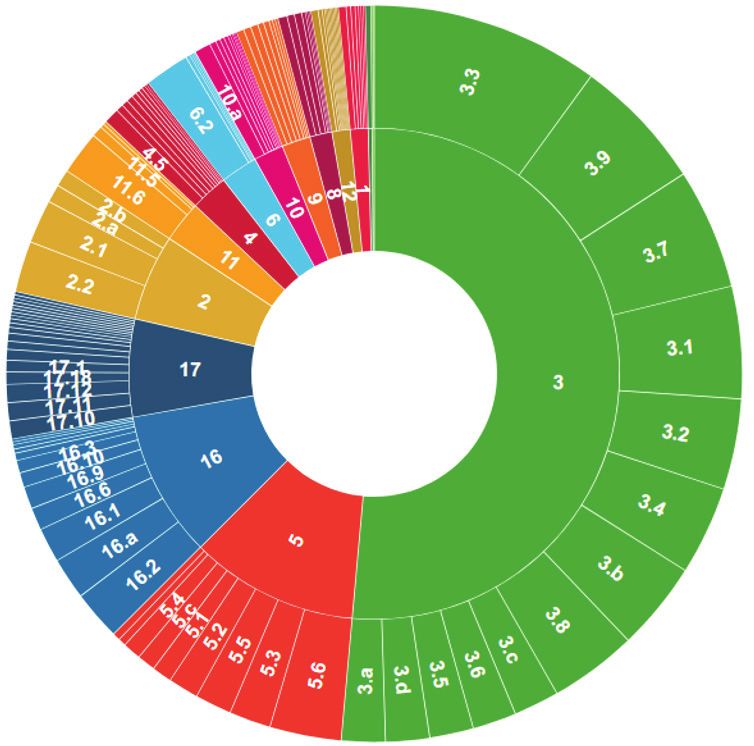
the social and economic impact but also look into         COORDINATION OF THE RESPONSE
the environmental dimension and how the crisis is
affecting the overall sustainability of the country
progress achieved so far towards the nationalized         ONE UN
SDGs. The assessment will culminate with the
development of specific policy recommendations            In order to ensure a coherent and coordinated
and updated programmatic opportunities for                response among UN entities by promoting the spirit
the Government, UN agencies, and development              of the ONE UN approach, the below mechanisms were
partners. This is an important process that will          put in place:
reinforce the continued feedback loops of the                ● Six inter-agency groups are currently active:
ongoing sectoral assessments and policy and                    UN coordinated Education Task Force for Covid-19
programme development. This will ensure that this              (with participation by several UN Agencies and
response and recovery plan is continually updated.             WB), Socio-economic Impact Task Force (with the
                                                               participation of the EU, WB, IMF, EBRD, among
                                                               others), Big Data for COVID response task team,
VULNERABLE POPULATION                                          Transnistria Region Task Force, Gender Thematic
                                                               Group, and Migration Task Force.
At-risk populations experiencing the highest degree of
                                                             ● UN Communications Group supporting the
socio-economic marginalization and requiring specific
                                                               GoM Crisis Communications Center chaired by
attention in the response:
                                                               the MoHLSP
   ● Women                                                   ● Internal Situational Reports: The UNCT
   ● Elderly                                                   develops weekly internal reports that are shared
                                                               with all UN staff in order to facilitate access to
   ● Children, adolescents, and youth, especially girls        information about the crisis, epi curve progress,
     and young women including those in institutions           political situation and measures taken by the
   ● Persons with disabilities including those in              Government.
     residential institutions, persons with mental           ● Crisis Management Team: the CMT have been
     health conditions                                         holding meetings since early March to approve
                                                               common procedures and develop the COVID-19
   ● Ethno-linguistic minorities, including Roma
                                                               Pandemic Strategic Preparedness Plan.
     community
   ● Migrants, asylum-seekers, refugees and stateless
     persons                                              DEVELOPMENT PARTNERS LIAISON
   ● Persons in prison
                                                             ● With the aim of providing policy advice and
   ● Adults and children in institutionalized
                                                               promote coordination with development
     settings (e.g. persons in psychiatric care,
                                                               partners and the Government of the Republic
     drug rehabilitation centres, old age homes,
                                                               of Moldova, the RC and WHO RR are attending
     institutions for persons with disabilities)
                                                               the Exceptional Situations Commission of
   ● People living with HIV/AIDS and other people              Moldova and the Extraordinary Public Health
     with pre-existing and/or chronic medical                  Commission
     conditions                                              ● Situational reports distributed to more than 50
   ● Small farmers, rural workers in informal and              development partners
     formal markets, and other people living in              ● Policy Briefs distributed to more than 50
     remote rural areas as well as urban informal              development partners.
     sector and self-employed who depend on the              ● Additionally, up to date, six Development
     market for food                                           Partners Meetings were organized by the RC,
   ● People in extreme poverty or facing insecure and          WHO and WB. More than 90 representatives
     informal work and incomes, incl. as a result of           from Embassies, international financial
     the loss/decline of income from remittances, or           institutions, donors, and UN agencies
     returning from abroad following the loss of job/          participated and including the participation of
     income                                                    senior management from the Ministry of Health,
                                                               Ministry of Finance and Ministry of Foreign
   ● Groups that are particularly vulnerable and               Affairs. The meetings have allowed partners to
     marginalized because laws, policies and practices         communicate with government counterparts and
     do not protect them from discrimination and               have a single point of communication. Sessions
     exclusion (e.g. LGBTI people)                             are organized every 15 days.
   ● People who use drugs and people who undergo
     drug dependency treatment

8 | Page                                                       Socio-Economic Response and Recovery Plan – June 2020
IV. Five Strategic Pillars

This socio-economic response framework consists            connected by strong environmental sustainability,
of five streams of work to protect the needs and           gender equality and human rights focus, and an
human rights of people living under the duress of          imperative to build back better. Building a better,
the pandemic, with particular focus on the most            post-pandemic future will require social and economic
vulnerable and marginalized groups and people              interventions today for more resilience to future
who risk being left behind. These five streams are         shocks.

              HEALTH FIRST:
1             Protecting health services and systems during the crisis

    UN entities                   Partners                    Projects                        Requirements (US$)

      10                           14                           7                             $   16.4 M
The UN Country Team will support targeted actions             ● Enhance the capacities of the points of entry to
to maintain essential lifesaving health services and a          ensure infection control and management
complementary effort targeting health systems recovery,
                                                              ● Support on tracking and reaching vulnerable and
preparedness and strengthening with a focus on Primary
                                                                marginalized populations without discrimination
Health Care (PHC) and Universal Health Coverage (UHC)
and preparedness for future waves of Covid-19.                ● Support to ensure continuity of health services
                                                                to pregnant women and children, including
This will be done through supporting the Government’s           vaccination
COVID-19 Preparation and Response Plan, developed with
UN support, to:                                            Recovering better requires a new outlook on how to
                                                           achieve the SDGs on health care – including flagging
    ● Providing analytical and policy support, and rapid
                                                           the links between health and nature. Steps to recovery
      technical guidance
                                                           will include helping primary care systems to get back
    ● Provision of supplies and equipment                  on their feet in a stronger and more resilient position,
                                                           strengthening monitoring and information systems which
    ● Support on risk / crisis communication and
                                                           include rights holders to understand recovery needs, and
      outreach
                                                           supporting civil society and private sector engagement to
    ● Programme implementation and technical support       optimize services and better meet people’s needs.

                  PROTECTING PEOPLE:
2                 Social protection and basic services

    UN entities                   Partners                    Projects                        Requirements (US$)

        9                          13                          12                               $   8.9 M
The UN’s response in the field of social protection and       ● Scale-up and expand resilient and pro-poor
basic services will support the Government to adapt,            social protection systems
extend and scale-up services in several areas:

Socio-Economic Response and Recovery Plan – June 2020                                                    Page      | 9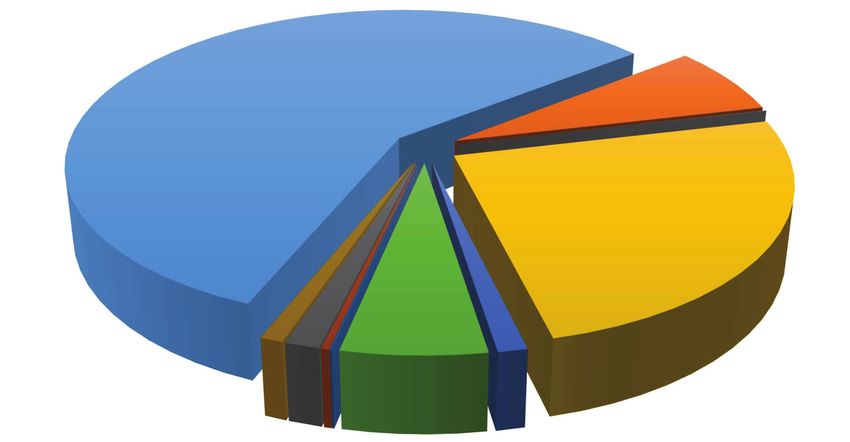
● Maintain essential food and nutrition services
    ● Ensure continuity and quality of water and
      sanitation services
    ● Secure sustained learning for all children,
      and adolescents, preferably in schools and
      non-formal education for those out of school
    ● Support the continuity of social services and
      access to shelters
    ● Support the delivery of targeted social aid to the
                                                                                         Photo credit: UN Women Moldova
      vulnerable families affected by the decrease of
      remittances income and unemployment benefits
      to eligible returning migrants                           ● Support older persons, people with disabilities,
    ● Support the continuity of public services (police,         refugees and other vulnerable groups
      penitentiaries, national statistical office, etc)
                                                            Recovering better should include strengthening
    ● Ensure a framework for safe and orderly               progress towards universal social protection,
      Migration for the returning migrants deciding to      building on the increase of coverage during the
      re-migrate abroad                                     Covid-19 response, redesigning social protection
    ● Support the continuity of TB/HIV health services      systems so they are more responsive to shocks,
      (prevention, ARV treatment, PMTCT, care and           including climate shocks, and strengthening care
      support, including for women)                         systems so they respond to the needs of women
                                                            and men as well as vulnerable and marginalized
    ● Support survivors of Gender-Based Violence            groups throughout their lifecycle without
      (GBV)                                                 discrimination.

              ECONOMIC RESPONSE & RECOVERY:
3             Protecting jobs, small and medium-sized enterprises, and the informal sector workers

    UN entities                   Partners                     Projects                        Requirements (US$)

        7                           8                          11                              $   29.2 M
The UN’s response in the field of economic recovery            ● Address the specific needs and vulnerabilities of
will focus on protecting and improving the productive            returning migrants and households affected by
sectors, protecting jobs and promoting decent work.              the decline of remittances-sourced income and
The UNCT’s response will include:                                valorizing their skills and assets
    ● Rapid and gender-responsive socio-economic               ● Investments to improve productivity and
      assessments and advice on nature-based                     working conditions in micro and small firms
      solutions for development, including for SMEs            ● Technical support to women micro and small
    ● Integrated, country-specific policy advice and             entrepreneurs
      programme support                                        ● Support the digitalization of industrial and
    ● Support to young people and social partners                production processes, stimulating innovation
      in entrepreneurship and social innovation in               in local enterprises to improve productivity and
      response to Coid-19 (incl. social entrepreneurship)        trade readiness
    ● Support on strategies for green fiscal stimulus          ● Support mechanisms for rebuilding skills and
      packages                                                   re-qualification of returning migrants and skills
    ● Business match-making and advisory services                development in sectors affected by deskilling/
      support, expanding small business start-up                 brain-drain/brain-waste
      support services, so as to provide the impacted          ● Digital payments support, e-commerce and
      groups, including the returning migrants and               digital solutions to allow secure access to
      persons affected by the decrease of remittances            services needed at the time of crisis, particularly
      with gainful livelihood opportunities                      by vulnerable groups

10 | Page                                                       Socio-Economic Response and Recovery Plan – June 2020
● Assistance to address trade challenges and In addition to redoubling efforts to create green,
facilitating trade flows sustainable jobs, a job-rich recovery will require
● Support smallholder farms in accessing cheap increased fiscal spending on public employment
financial resources and inputs programmes to promote greater labour market
resilience to future crises while combatting
● Introduce and integrate environment-friendly
discrimination and addressing inequalities.
technologies in the production processes,
This encompasses ensuring decent work, equal
stimulating green innovation and circular economy
treatment with respect to rights and benefits among
● Create and ensure economic opportunities for workers in different contractual arrangements and
marginalized and underrepresented groups the self-employed, as well as unpaid care workers.
including Roma, single mothers, persons with The recovery phase will highlight the scope and
disabilities, economically poor families, vulnerable limits of existing productive development strategies
returning migrants and vulnerable groups – bringing the potential of green economy solutions,
affected by the loss of remittances income e-commerce and the digital economy into sharper
● Mobilize Moldovan diaspora resources for focus.
community recovery and development
4 MACROECONOMIC RESPONSE AND MULTILATERAL COLLABORATION
UN entities Partners Projects Requirements (US$)
6 12 6 $ 4.4 M
A three-step approach is essential for the socio- priorities to assist governments in rebalancing
economic response to the Covid-19 crisis. First, a rapid public expenditures
assessment of the potential impact of the crisis is
● Conduct of comprehensive impact assessments
needed in order to quantify the spending necessary to
at the household level, and to undertake
contain it. Second, an assessment of the fiscal space
context-specific socio-economic impact analyses
available for increasing spending, as it will in large
of the crisis
part determine the Government’s capacity for action.
Third, an analysis of policy priorities and available ● Coordinate closely with partner international
policy measures considering both financing and financial institutions (World Bank, IMF, EBRD,
implementation constraints faced by Moldova is equally EIB, and CEB)
required. The possible implications of the proposed
policy measures will need to be accounted for as well. Recovering better will require creating the fiscal
To support this, the UNCT will: space to address the SDG agenda; investing in health,
● Provide analytical, advisory and technical education, social protection, sustainable infrastructure
assistance services and crisis preparedness, while directing the economic
recovery along a significantly more sustainable and
● Stepped-up technical support to the
Government in improving the evidence base for carbon-neutral trajectory, closing the digital divide,
policy making while also reviewing strategies to curb inequalities
and conducting human rights impact assessments of
● Support production and analysis of population suggested economic reforms. In recovering better,
number, including internal and external multilateral and regional collaboration will be critical
Migration and demographic indicators, as well as on issues including data; technology innovation and
the specific impact of Covid-19 crisis on well-being transfer, closing the digital divide, sustainable finance,
of returning migrants and households affected by debt management, and crisis preparedness. For
the decrease of remittances-sourced income example, a coordinated push towards the suspension
● Advice on social expenditure monitoring and of debt repayments from those countries that need it
mapping of budgets for social development will be critical.
Socio-Economic Response and Recovery Plan – June 2020 Page | 115 SOCIAL COHESION AND COMMUNITY RESILIENCE
UN entities Partners Projects Requirements (US$)
5 20 8 $ 11.5 M
The urgency of responding to the current crisis ● Develop community level programming
needs to consolidate not side-line important to improve inclusive economic, social and
ongoing processes of social dialogue and democratic psychosocial reintegration of the returning
engagement in many countries and ensure that the migrants
limited gains made on gender equality in the past
● Raise awareness and prevent the stigmatization
decades are not rolled back. It is important to base the
of the returning population
socio-economic response to Covid-19 on well-tailored
social dialogue and political engagement, grounded on
The assessments of the next 12 months will help to
fundamental human rights such as peaceful assembly,
expose structural vulnerabilities and inequalities. It
freedom of association and the right to collective
is an opportunity to reverse the trend of shrinking
bargaining, access to justice system, freedom of
civic space; institutionalize community led-response
expression, press freedom, gender equality and the
systems; rely on social dialogue; empower local
inclusion of women, amongst others. Communities
governments; scale-up community and city level
must be at the centre of all efforts to strengthen social
resilience; and enhance legal and institutional
cohesion.
frameworks. During and after this pandemic, public
institutions, democracy, multilateralism, social
The UNCT will:
dialogue, and the rule of law will all be tested. Hard-
● Facilitate inclusive social dialogue, advocacy, and won gains on equality, human rights, and civic
political engagement freedoms could be lost and inequalities increased.
While Government has an obligation to control the
● Empower community resilience, participation,
pandemic, doing so should not be a pretext for
and equitable service delivery
discrimination, repression or censorship. Gender
● Support for governance, fundamental freedoms, equality commitments must be put into practice and
access to justice, and the rule of law good governance strengthened.
Photo credit: UNFPA Moldova
12 | Page Socio-Economic Response and Recovery Plan – June 2020V. Response Delivery
To ensure a development response of the required ● Risks must be taken and managed, by
speed, the below principles will guide our actions: making full use of entity specific and joint risk
management tools, and by speeding up the
● Transaction costs must be minimized to the
sharing of information on what works and what
extent possible, by using existing platforms, doesn’t all at all levels inside and outside of the
capacities, institutions and systems. UN system.
● Flexibility must be enhanced by drawing on ● Coherence and discipline must be everyone’s
programming and operational modalities usually focus, by working with and through collective
reserved for high risk / conflict / humanitarian initiatives and frameworks, including when it
responses. comes to resource mobilization.
Photo credit: UNFPA Moldova
VI. Communications
Building on the main/umbrella messages of the the ONE UN approach to support the country to
Strategy Building Back Better and Stronger/Consolidated recover from the crisis should be mentioned during all
for future crisis the communication envisages the use communication done for the Strategy (by any of the
of different available joint approaches to reach the agencies). UN agencies will collaborate to implement
specified target groups so that no-one is left behind, joint activities and will ensure the communication
meaning that the information should be accessible around the activities implemented/results reached
and easy to understand in order to make the call and visibility of all partners involved in line with their
to action or raise the awareness. Since this is a UN own guideline taking into consideration the ONE UN
Moldova implemented Response and Recovery Plan, approach mentioned earlier.
Socio-Economic Response and Recovery Plan – June 2020 Page | 13VII. Resource Mobilization and
Partnerships
UNITED NATIONS RECOVER BETTER FUND MOLDOVA 2030 SDGS PARTNERSHIP FUND
The United Nations Recover Better Fund is a UN To address the COVID-19 pandemic, the UNCT Moldova
inter-agency finance mechanism launched by the UN created the Moldova COVID-19 Response and Recovery
Secretary-General to support low- and middle- income Window under the Moldova 2030 SDGs Multi-Partner
programme countries in overcoming the health and Trust Fund. The new Window is a pooled funding
development crisis caused by the COVID-19 pandemic. instrument targeted for COVID-19 related actions, which
The Fund’s assistance targets those most vulnerable is offering the possibility for development partners
to economic hardship and social disruption. The Fund to contribute funds in a pooled mechanism. This will
is open for donors who wish to provide contributions allow a rapid and efficient disbursement of funds to
to the Fund which are earmarked to a specific country implement actions and procure essential supplies and
operation. services, as well as design and implement medium-term
Additionally, the Fund allows donations from recovery interventions. The theory of change of the
individuals. The Fund’s coverage extends to all low- Fund Window is focused in supporting the Government
and middle- income programme countries helping of Moldova to tackle the health emergency as well as to
to safeguard their progress towards the Sustainable address the social and economic impact of the pandemic
Development Goals. It serves as an instrument UN in the social and economic sectors. Additionally, it aims
Country Teams can leverage to support national to reduce the country’s vulnerability to the pandemic
governments and communities in meeting priorities allowing a transparent and effective recovery process.
and defining programming responses that assure their The Window complements and will also contribute
recovery and reach the poor and the vulnerable. to the World Health Organization (WHO)’s Strategic
Preparedness and Response Plan.
IMPACT
The Government of the Republic of Moldova and its people successfully overcome the immediate and long-term
adverse health, social and economic consequences of COVID-19 pandemic
INDICATORS
Limit the rate of a possible increase in the number of people below the poverty line
The number of SDG target indicators remaining on track
The Government of the Republic of Moldova has suppressed transmission of the virus
Output 5.1 Output 5.2
The healthcare system and other relevant authorities The social and economic consequences of the
and stakeholders in Moldova have improved capacities, outbreak of the pandemic on affected sectors, areas
means and instruments for a rapid response to the and vulnerable groups are effectively addressed
gaps, needs and priorities in connection with the through targeted policy, technical assistance
outbreak of the pandemic and support
INDICATORS
Number of tested people on COVID-19 Number of successfully developed and enacted
Number of treated and recovered COVID-19 policy instruments focused on COVID-19 recovery
infected people Number of people from various vulnerable groups
Number of supported COVID-19 healthcare and institutions benefiting from social and
facilities economic support and recovery actions
Figure 2: Programmatic priorities of the UN Moldova COVID-19 Partnership Window
14 | Page Socio-Economic Response and Recovery Plan – June 2020ANNEX I: RE-PROGRAMMING OF EXISTING RESOURCES
Re-programming of existing resources
EU4Moldova Focal
$20,000.00 UNICEF PPE for Cahul and Ungheni
Regions Project
Sanitizers, food and PPEs. The support will be
Sweden $200,000.00 UN Women offered to shelters/NGOs and social assistants in all
districts and Transnistria
Swiss Cooperation
Basic medical equipment/protection kits for 35
Migration and Local $37,000.00 UNDP
target communities
Development Project
EU4Moldova Focal Basic medical equipment/protection kits for 70
$81,000.00 UNDP
Regions Project target communities
Basic medical equipment/protection kits for
EU – Confidence Building
$22,000.00 UNDP communities from both banks of the Nistru and
Measures Programme
awareness materials
1,500 protective shields, antiseptic spray 240 btls
EU – EUBAM project $11,884.80 IOM (5 Ltr each) delivered and 36 digital thermometers
being imported for the Border Police
UNFPA and To be decided based on requests and results of the
EU4Gender Project $33,000.00
UN Women rapid gender assessment of COVID-19
EU Strengthened Gender
Action in Cahul and $100,000.00 UN Women Hygienic and personal protection sets for members
Ungheni districts of the MDTs in Cahul and Ungheni, hygienic and
food sets for vulnerable families with children,
EU Strengthened Gender activity sets and books for children based on
Action in Cahul and $55,000.00 UNICEF different age groups
Ungheni districts
Support to return of stranded Moldovan migrants
Norwegian MFA $15,000.00 IOM due to COVID-19 and awareness raising of
COVID-19 in Moldova’s efforts on THB
Procurement of PPE for health facilities responding
UNICEF Regular
$150,000.00 UNICEF to COVID 19 and procurement of 10 Oxygen
Resources
concentrators
Procurement of hygienic kits for shelters,
procurement of food and hygienic kits for most
vulnerable older people, risk communication,
UNFPA Regular Resources $125,000.00 UNFPA
support to education sector: psychological support
programme for young people, real time monitoring
dashboard on COVID
Delivery of drugs and masks, disinfectants and
UNAIDS $10,000.00 UNAIDS
gloves for the NGO staff involved in the delivery
UNODC $2,000.00 UNODC PPEs delivered to prisons
IAEA $98,000.00 IAEA Covid tests and consumables
Total $959,884.80
Socio-Economic Response and Recovery Plan – June 2020 Page | 15ANNEX II: COVID-19 DONOR ENGAGEMENTS
CONTRIBUTIONS PER UN ENTITY FOR MEDICAL EQUIPMENT,
SUPPLIES FOR VULNERABLE POPULATION AND TECHNICAL SUPPORT
WHO;
WHO;6055511;
$6,0658%
M
UNWOMEN;
UNWOMEN;731700; 7% M
$0,73
UNODC;
UNODC; 2000; 0% M
$0,002
UNICEF;
UNICEF; $2,6025%
2595000; M
IAEA; $0,10
IAEA; 98000; M
1%
IOM; 146884,8; 2% UNFPA;
UNFPA; 125000;
$0,131%M
IOM; $0,15 M
OneUN;
UN; $0,03
32800; M
0% UNDP;
UNDP;611995;
$0,616%M
One UNAIDS;
UNAIDS;10000; 0% M
$0,01
WHO UNWOMEN UNODC UNICEF UNFPA UNDP UNAIDS One UN IOM IAEA
CONTRIBUTIONS FROM DONORS THROUGH THE UN SYSTEM
FOR MEDICAL EQUIPMENT, SUPPLIES FOR VULNERABLE POPULATION
AND TECHNICAL SUPPORT
EU;
EU;5185899,8;
$5,19 M 50%
USAID;
USAID;2200000;
$2,2021%
M
COVID
COVIDTF;TF;
1000000;
$1,00 10%
M
Swiss
Swiss Cooperation; 819541;
Cooperation; $0,82 8%
M
UN
UNentities
entitiescorecore
funds; 385000;
funds; $0,39 M
GPE; $0,07 M
GPE; 70000; 1% 4%
Japan;
Japan;268700;
$0,272%
M
Norway; 115000;
Norway; $0,12 1%
M Germany; 131950;
Germany; $0,13 1%
M Sweden;
Sweden;232800;
$0,232%
M
Swiss Cooperation USAID EU COVID TF UN entities core funds Japan Sweden Germany Norway GPE
16 | Page Socio-Economic Response and Recovery Plan – June 2020Contributions through the UN System
Source of Contributions Implementing Areas of support
funding partner
SWISS
$200,000 UNDP PPEs (gowns)
COOPERATION
SWISS
$271,995 UNDP Respiratory ventilators
COOPERATION
SWISS Risk communication, monitoring, materials for the
$310,546 WHO
COOPERATION laboratory, among others
Risk communication, infection prevention, provision
of critical hygiene materials, and socio-economic
USAID $1,550,000 UNICEF
impact assessment of COVID-19 on most vulnerable
families and children)
USAID $650,000 WHO Risk communication and surveillance
SWEDEN $32,800 One UN Risk communication
Project in progress (PPEs and equipment for
EU $4,863,015 WHO
hospitals, among others)
Training, equipment, monitoring, PH Emergency
NORWAY $100,000 WHO
Center
Training, equipment, monitoring, lab tests and
GERMANY $131,950 WHO
consumables, capacity building
UN COVID-19 Procurement and delivery of Personal Protective
$750,000 UNICEF
MPTF Equipment
Contribute to strengthening the infection control
UN COVID-19 system and prevention measures assisting the
$120,000 IOM
MPTF Ministry of Interior to deliver on procedures and
infrastructure at points of entry
Provision of immediate and preventive supplies
that will be delivered to targeting affected groups
UN COVID-19 of vulnerable women, including women affected
$130,000 UN Women
MPTF by violence; women living in shelters, HIV and AIDS
positive women, disabled women, and the Roma
women
GPE $70,000 UNICEF Education
JAPAN $268,700 UN Women People Protection (supplies for vulnerable women)
$9,449,006 Total
Note: Two new contributions from UK ($200,644) and ADA (US$338,253) are being developed. The support from ADA will contribute to the Moldova
2030 Trust Fund, COVID Window.
Socio-Economic Response and Recovery Plan – June 2020 Page | 1718 | Page
ANNEX III: COVID-19 JOINT PROGRAMME PORTFOLIO
Globally, the UN has identified five key pillars for the support to countries in the multilateral and regional responses; and finally, promoting social cohesion and
COVID-19 response. Protecting the health system itself during the COVID-19 crisis building trust through social dialogue and political engagement, and investing in
is the first priority. At the same time, and equally urgent, are the following: helping community-led resilience and response systems.
protect people through social protection and basic services; protecting jobs,
small and medium-sized enterprises, and the most vulnerable productive The Outcome of the Socio-Economic Response and Recovery Plan is “The
actors through economic recovery; helping guide the necessary surge in fiscal Government of the Republic of Moldova and its people successfully overcome the
and financial stimulus to make the macroeconomic framework work for the immediate and medium-term adverse health, social and economic consequences of the
most vulnerable, and fostering sustainable development and strengthening COVID-19 pandemic”
Pillar 1: Health First
Output: The healthcare system and other relevant authorities and stakeholders in Moldova have improved capacities, means and instruments for a rapid
response to the gaps, needs and priorities in connection with the outbreak of the pandemic
National development priorities or goals: GoM AP 2020-2023 - Section VI-VII: Effective and efficient social protection, healthcare services and education for all
Moldova UNPFSD 2018-2022 outcomes:
Outcome 4: The people of Moldova, in particular the most vulnerable, demand and benefit from gender-sensitive and human rights-based, inclusive, effective and
equitable quality education, health and social policies and services.
Socio-Economic Response and Recovery Plan – June 2020
SDGs: SDG 3: Ensure healthy lives and promote well-being for all at all ages
United Nations partners: IOM, OHCHR, UNAIDS, UNDP, UNFPA, UNICEF, UNODC, UNOPS, UNWOMEN, WHO
No. Project Title Timeframe Project Outputs Total Cost Government Implementing
for Impact Counterpart UN Entity
1.1 Strengthening the Long - Essential health services and systems during and following the $5,654,669 MHLSP WHO
national health system (6 months outbreak are maintained by prioritizing services, shifting service
capacity to respond or more) delivery and actively managing health workforce, supplies and
to the COVID-19 crisis data to support essential clinical and outreach services;
and prepare for future - Financial barriers for essential services are reduced and access
waves, and enhancing to emerging technologies such as diagnostics, vaccines and
the surveillance system treatments that will support the safe delivery of effective essential
for communicable services is accelerated;
diseases and public - Most vulnerable populations are reached and protected by
health events ensuring the continuity of services in fragile settings;
- Personal protective equipment, health equipment and
consumables provided.Socio-Economic Response and Recovery Plan – June 2020
1.2 Enhancing national Short - Minimum Initial Service Package integrated into the National $500,000 MHLSP UNFPA
capacities to address (1- 3 Civil Protection Preparedness Plan and Public Health Emergency
the sexual and months) Preparedness and Response Plans, and provisions fully implemented;
reproductive health - Minimum Initial Service Package training curricula for public
needs and rights of health specialists and for medical personnel with secondary
people in the context education developed and integrated into the programme of
of public health medical education institutions;
emergencies - Healthcare providers capacitated in the use of SOPs on the
response of healthcare facilities to domestic violence and the use
of the Standardized Protocol on Clinical Management of Rape
Survivors as well as on ensuring the continuity of family planning
services in emergency situations;
- Field simulation exercise on preparedness and response in case of
emergencies conducted.
1.3 Enhancing the Long - LPAs have capacities to mainstream gender equality in plans and $75,000 State UNWOMEN
capacities of LPAs (6 months budgets in the COVID-19 context. Chancellery,
on developing plans or more) MoF, LPAs
and budgets from
the gender equality
perspective in the
COVID-19 context
1.4 Improving the access Short - COVID-19-related supplies made available to 53 medical facilities, $6,608,757 MHLSP UNICEF, UNDP,
of the health system (1 - 3 including hospitals, primary healthcare facilities, youth friendly UNOPS, WHO
in Moldova to required months) health centers, etc.
health protective
equipment
1.5 Supporting the Medium - Displacement tracking system developed and functional; $25,000 MHLSP, MoI, IOM
development and (3 - 6 - Up-to-date data and analysis on the numbers and profiles of General
implementation of a months) returning migrants and vulnerable families affected by the loss Inspectorate of
displacement tracking of remittances available through the use of rapid surveying Border Police
system solutions developed using IOM’s Displacement Tracking Matrix
methodology.
1.6 Enabling the justice Long - Prison population reduced by 15% by December 2022 to decrease $1,500,000 MoJ, MoI, UNODC,
system to reduce the (6 months the risk of COVID-19 infection among prisoners and prison staff; MHLSP, NPA, OHCHR,
Page
number of people in or more) - Alternatives to incarceration measures applied to reduce the NIJ, PO, NPO UNAIDS, UNDP
prisons and suppress the burden for the criminal justice system and prevent new people
| 19
transmission of COVID-19 entering prisons.
among prisoners20 | Page
1.7 Strengthening Long - Legal and normative framework, financial coverage schemes and $2,000,000 MHLSP, NHIH, UNDP, UNFPA
the health system (6 months treatment protocols for telemedicine services developed based on E-Governance
crisis response and or more) existing best practices; Agency,
service delivery - Telemedicine pilot, involving the provision of software, Chisinau
capacities through the strengthening of the hardware base, staff training, and public Mayor’s Office
institutionalization of awareness raising and communication, implemented in Chisinau
telemedicine Municipality;
- Roadmap for scaling up elaborated, pilot results widely
communicated and public awareness on the access to
telemedicine strengthened;
- Methodological guidance on telemedicine, including standards
of service and guidance on psychological aspects, for health staff
developed.
Total Pillar 1 $16,363,426
Pillar 2: Protecting People
Output 2: Identified vulnerable groups in Moldova are benefiting from social protection, education and essential services
Socio-Economic Response and Recovery Plan – June 2020
National development priorities or goals: GoM AP 2020-2023 - Section VI-VII: Effective and efficient social protection, healthcare services and education for all
Moldova UNPFSD 2018-2022 outcomes:
Outcome 1: The people of Moldova, in particular the most vulnerable, demand and benefit from democratic, transparent and accountable governance, gender-sensitive,
human rights- and evidence-based public policies, equitable services, and efficient, effective and responsive public institutions.
Outcome 4: The people of Moldova, in particular the most vulnerable, demand and benefit from gender-sensitive and human rights-based, inclusive, effective and
equitable quality education, health and social policies and services.
SDGs: SDG 1: End poverty in all its forms everywhere; SDG 4: Ensure inclusive and equitable quality education and promote lifelong learning opportunities for all; SDG 5:
Achieve gender equality and empower all women and girls; SDG 10: Reduce inequality within and among countries; SDG 16: Promote peaceful and inclusive societies for
sustainable development, provide access to justice for all and build effective, accountable and inclusive institutions at all levels.
United Nations partners: FAO, ILO, OHCHR, UNAIDS, UNESCO, UNFPA, UNICEF, UNODC, UNWOMENSocio-Economic Response and Recovery Plan – June 2020
No. Project Title Timeframe Project Outputs Total Cost Government Implementing
for Impact Counterpart UN Entity
2.1 Increasing access of Short - Women from vulnerable groups, including Romani women, $350,000 MHLSP UNWOMEN
vulnerable women (1 - 3 women with disabilities, sex workers, single mothers, women with
and their dependents months) low or no income, etc., have access to food, personal care and
to food and other hygiene products, and protection supplies.
essential supplies,
including prevention
supplies
2.2 Increasing the access Short - 250 victims of domestic violence have access to personal care and $50,000 MHLSP UNFPA,
of victims of domestic (1 - 3 hygiene products, and protection supplies; UNWOMEN
violence to hygienic kits months) - 15 NGOs and shelters have access to personal care and hygiene
and necessary supplies products, and protection supplies.
2.3 Increasing access to Short - Impact of COVID-19 on older persons and persons with disabilities $800,000 MHLSP, UNFPA, OHCHR
life-saving support to (1 - 3 assessed to ensure that authorities are better informed and better National
the most vulnerable months) to able to shape their response; Agency for
persons, including long - 10,000 most vulnerable older persons and persons with Social Work,
older persons (6 months or disabilities, including stateless persons, asylum-seekers and Ombud-
and persons with more) refugees, provided with life-saving food, hygienic products and sperson’s
disabilities, during assistive technologies; Office, 112
quarantine and post - Phone support programme for lonely and isolated older persons Emergency
quarantine designed and implemented; Service
- Availability of transportation services to the most vulnerable in
remote areas increased to ensure their access to primary health care;
- Staff of public social assistance services and NGOs trained on the
application and continuity of a human rights-based approach to
social services during the COVID-19 pandemic;
- Persons with disabilities, older persons and persons with limited
reading skills have access to information on COVID-19 and on their
human rights.
2.4 Supporting sustainable Long - Technical assistance and advice to farmers contributing to the $1,000,000 MARDE FAO
agriculture production, (6 month or national food supply chains delivered;
Page
access to food and the more) - Matching grants for maintaining quality standards in agriculture
development of food production provided.
| 21
supply chains22 | Page
2.5 Improving access to Short - Training on healthy and safe hygiene practices delivered; $500,000 MECR UNICEF
water and sanitation in (1 - 3 - Hygiene supplies delivered.
schools months)
2.6 Facilitating the Short - 16,000 of students and 2,600 teachers reached with support for $400,000 MECR UNICEF
continuity of (1 - 3 distance learning, including equipment, connections, training,
learning through months) information and materials.
the development
and provision of
materials, support
and IT equipment to
teachers, students
and parents
2.7 Building resilience of Short - Psychological assistance to young people and teachers with $500,000 MECR UNFPA
young people through (1 - 3 a focus on the COVID-19 recovery period developed and
life skills education months) to implemented;
programmes, including long - Schools enabled to sustainably deliver life skills-based education
a psychological support (6 months or programmes, including in crisis situations, based on innovative
programme more) materials and increased capacities of teachers;
- Young people have access to life skills-based education through
peer-to-peer education;
- Teachers, parents and community members promote and
Socio-Economic Response and Recovery Plan – June 2020
support the right of young people to life skills-based education
programmes and healthy lifestyle.
2.8 Ensuring continuing Long - TVET quality increased by complementing face-to-face learning $600,000 MECR, VET ILO, UNESCO
access to TVET in (6 months or with quality e-learning materials and methodologies; schools,
Moldova through the more) - Resilience of TVET provision increased to allow for shifts centers of
creation of a TVET to e-learning upon need, thereby reducing infection and excellence
e-learning platform contagion risks during any potential upcoming COVID-19
waves.
2.9 Equipping prisoners Short - 1,000 guards and escorts have access to PPE, including gloves, $500,000 MoJ, MHLSP, UNODC
affected by COVID-19 (1 - 3 masks and sanitizers, for 3 months; NPA, NPO
and prison guards and months) - 2,000 electronic monitoring bracelets procured and delivered to
escorts with protective serve the needs of prisoners (from both banks) escorted to public
equipment hospitals.You can also read


