SARS-COV-2 VACCINATION IN PATIENTS WITH MULTIPLE SCLEROSIS IN GERMANY AND THE UNITED KINGDOM: GENDER-SPECIFIC RESULTS FROM A LONGITUDINAL ...
←
→
Page content transcription
If your browser does not render page correctly, please read the page content below
Articles

SARS-CoV-2 vaccination in patients with multiple
sclerosis in Germany and the United Kingdom: Gender-
specific results from a longitudinal observational study
Niklas Frahm,a,b* Firas Fneish,a David Ellenberger,a Judith Haas,c Micha Loebermann,d Tina Parciak,e Melanie Peters,f
        €hlau,c Jeff Rodgers,g Anna-Lena Ro
Dieter Po                                   €per,a,c Sarah Schilling,a Alexander Stahmann,a Herbert Temmes,c Uwe K. Zettl,b and
Rodden M. Middleton g
a
  German MS-Registry, MS Forschungs- und Projektentwicklungs-gGmbH (MS Research and Project Development gGmbH
[MSFP]) Krausenstr. 50, 30171 Hannover, Germany
b
  Department of Neurology, Neuroimmunological Section, University Medical Center of Rostock, Gehlsheimer Str. 20, 18147
Rostock, Germany
c
  Deutsche Multiple Sklerose Gesellschaft, Bundesverband e.V. (German MS Society Federal Association [DMSG]), Krausenstr.
50, 30171 Hannover, Germany
d
  Department of Tropical Medicine, Infectious Diseases and Nephrology, University Medical Center of Rostock, Ernst-Heyde-
mann-Str. 6, 18057 Rostock, Germany
e
  Biomedical Research Institute & Data Science Institute, Hasselt University, Diepenbeek 3590, Belgium
f
  Gesellschaft f€
                ur Versorgungsforschung mbH (Society for Health Care Research [GfV]), Krausenstr. 50, 30171 Hannover,
Germany
g
  UK MS Register, Swansea University Medical School, Data Science Building, Swansea SA2 8PP, United Kingdom

Summary
Background Vaccines offer people with multiple sclerosis (PwMS) an effective protection against severe COVID-19                    The Lancet Regional
disease courses. However, representative real-world data on the tolerability of SARS-CoV-2 vaccines in PwMS are                    Health - Europe
limited. We aimed at analysing vaccination reactions (VRs) and MS deterioration following SARS-CoV-2 vaccina-                      2022;22: 100502
                                                                                                                                   Published online 2 Sep-
tions in German and United Kingdom (UK) PwMS, especially regarding gender-specific differences.
                                                                                                                                   tember 2022
                                                                                                                                   https://doi.org/10.1016/j.
Methods The German Multiple Sclerosis Society and the UK MS Registry acquired health data via an online system                     lanepe.2022.100502
following the first (X1) and second SARS-CoV-2 vaccination (X2), respectively: sociodemographic and clinical data,
vaccines used, VRs, MS deterioration (worsened or new MS symptoms, Germany only) and relapses (Germany
only). The frequencies of VRs and MS deterioration were analysed stratified by gender.

Findings Following X1 (X2), 2346 (1835) German PwMS and 3796 (683) UK PwMS participated in the study. The
most frequent vaccination scheme was two-dose tozinameran for Germany (77¢1%, 1424/1847) and two-dose
AZD1222 for the UK (61¢3%, 419/683). The most common VRs were fatigue, headache and pain (at the injection
site) and occurred more often in women compared with men. German PwMS reported VRs more frequently after
X2 vs. X1 (65¢4% [1201/1835] vs. 61¢2% [1435/2346]), while for UK patients it was the opposite (X1 vs. X2: 48¢7%
[1849/3796] vs. 30¢0% [205/683]). MS deterioration occurred in 19¢0% (445/2346) of the German PwMS without
resulting in gender-specific differences. Fatigue and gait impairment were the most frequent deteriorated MS
symptoms.

Interpretation Female PwMS reported experiencing VRs more often than men. Longitudinal data are needed to
enable valid statements regarding long-term MS deterioration and long-lasting VRs.

Funding German Multiple Sclerosis Society (DMSG Bundesverband e.V.), Biogen, Bristol Myers Squibb, Merck
Serono, Mylan, Novartis, Roche and Sanofi.

Copyright Ó 2022 MS Forschungs- und Projektentwicklungs-gGmbH (MS Research and Project Development
gGmbH). Published by Elsevier Ltd. This is an open access article under the CC BY-NC-ND license (http://
creativecommons.org/licenses/by-nc-nd/4.0/)

DOI of original article: http://dx.doi.org/10.1016/j.lanepe.2022.100512
*Corresponding author at: MS Research and Project Development gGmbH, Krausenstr. 50, 30171 Hannover, Germany.
   E-mail addresses: frahm@msregister.de, niklas.frahm@med.uni-rostock.de (N. Frahm).

www.thelancet.com Vol 22 November, 2022                                                                                                                 1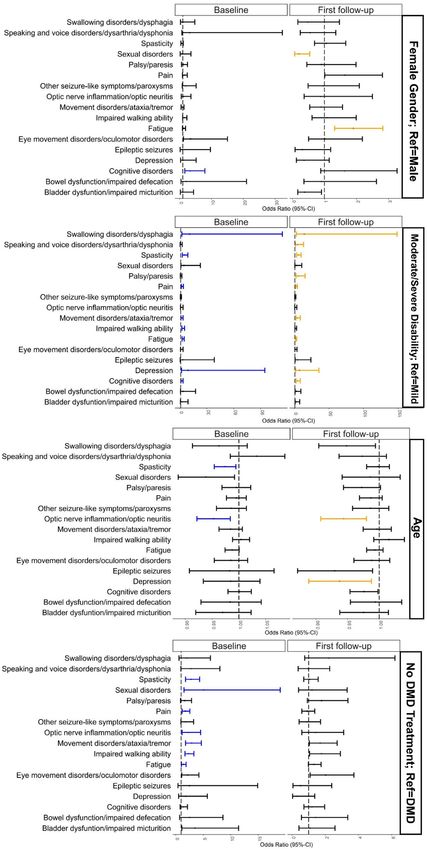
Articles

               Keywords: SARS-CoV-2; COVID-19; Vaccination; Vaccination reaction; Multiple sclerosis; Gender; Adverse events

                                                                               Introduction
                  Research in context                                          Severe acute respiratory syndrome coronavirus type 2
                                                                               (SARS-CoV-2) is responsible for the infectious disease
                  Evidence before this study                                   known as COVID-19, which has spread rapidly through-
                                                                               out the world.1 As of July 2022, over 554 million cases of
                  Previous studies on the use of SARS-CoV-2 vaccine in
                  PwMS provided limited data on the tolerability, vaccine      SARS-CoV-2 infections and over 6¢4 million deaths
                  reactions and side effects. Those studies included fewer     associated with SARS-CoV-2 were confirmed by the
                  than 600 patients and focused on a few or single SARS-       World Health Organization.2
                  Cov-2 vaccines. For example, the studies by Achiron et al.       For the estimated 2¢8 million people with multiple
                  and Lotan et al. only provided data on tozinameran.          sclerosis (PwMS) worldwide, infectious episodes, for
                  What is currently completely lacking in the literature is    example with SARS-CoV-2, can noticeably increase the
                  representative real-world data on vaccination reactions      risk of a worsened MS disease course as well as relapses,
                  and MS deterioration following SARS-CoV-2 vaccination        especially in patients with comorbidities other than MS,
                  in PwMS, particularly considering gender-specific differ-
                                                                               certain (B cell depleting) disease-modifying drugs
                  ences. Due to the design of the pivotal SARS-CoV-2 vacci-
                                                                               (DMDs) and neurological disability.1,3,4 One of the most
                  nation trials that exclude patients with chronic diseases
                  such as MS, results from large multicentre studies in real   important preventive measures against infectious dis-
                  world settings are urgently needed for the clinical          eases is vaccination. There is no evidence of a link
                  practice.                                                    between inactivated vaccines and a worsening of MS
                                                                               disease progression or relapses.5 However, there is evi-
                  Added value of this study                                    dence for disease exacerbations after the application of
                                                                               live-attenuated vaccines such as yellow fever in immu-
                  This prospective, non-interventional, observational study
                  provides real-world data of 6142 PwMS from Germany           nocompromised patients.6 Regarding SARS-CoV-2, vac-
                  and the UK and represents the largest investigation of       cines based on new modes of action have been approved
                  SARS-CoV-2 vaccine tolerability in MS to date. In addition   in the European Union and the United Kingdom (UK):
                  to the vaccine distribution among German and UK              the mRNA vaccines tozinameran (BNT162b2, Com-
                  PwMS, the study analysed the occurrence of vaccination       irnatyÒ from BioNTech/Pfizer) as well as elasomeran
                  reactions and MS deterioration following vaccination         (mRNA-1273, SpikevaxÒ from Moderna) and the vector-
                  with tozinameran, elasomeran, AZD1222 or Ad26.COV2.S,        based vaccines AZD1222 (VaxzevriaÒ from AstraZe-
                  with special regard to differences between male and          neca) and Ad26.COV2.S (COVID-19 Vaccine Janssen
                  female PwMS. The gender analysis revealed that women
                                                                               from Janssen/Johnson&Johnson).1 Until July 2022,
                  with MS reported vaccination reactions considerably
                                                                               over 12¢0 billion vaccine doses globally had already been
                  more often than men. Regarding the worsening and new
                  onset of MS symptoms in total, no gender differences         administered against SARS-CoV-2, of which over
                  occurred. Age, gender, disability level and DMD treat-       183 million doses had been administered in Germany
                  ment status were analysed in terms of an association         and over 149 million doses in the UK.2 Internationally
                  with the worsening or new onset of single MS symptoms        and nationally, there are recommendations for PwMS
                  following SARS-CoV-2 vaccination. Furthermore, the           to get vaccinated against SARS-CoV-2.7,8 However, the
                  short-term relapse activity following vaccination was        timing and choice of DMDs to treat PwMS play an
                  considered.                                                  important role in vaccine efficacy.1 The willingness of
                                                                               PwMS to get vaccinated is about 70% according to dif-
                  Implications of all the available evidence                   ferent surveys.9,10 The main concerns of SARS-CoV-2
                  Gender seems to play a role in the short-term occur-         vaccination hesitants included the possible adverse
                  rence of vaccination reactions. Data with a minimum          long-term effects of the vaccine, safety aspects, insuffi-
                  observation period of one year are necessary to con-         cient information and concerns due to accelerated
                  clude solid statements on long-lasting vaccination reac-     approval procedures.9,11 Further concerns are the fear of
                  tions and long-term MS deterioration following SARS-         MS worsening, especially the occurrence of MS relapses
                  CoV-2 vaccination.                                           following vaccination and adverse events, such as (life-
                                                                               threatening) thromboembolic events associated with

2                                                                                                  www.thelancet.com Vol 22 November, 2022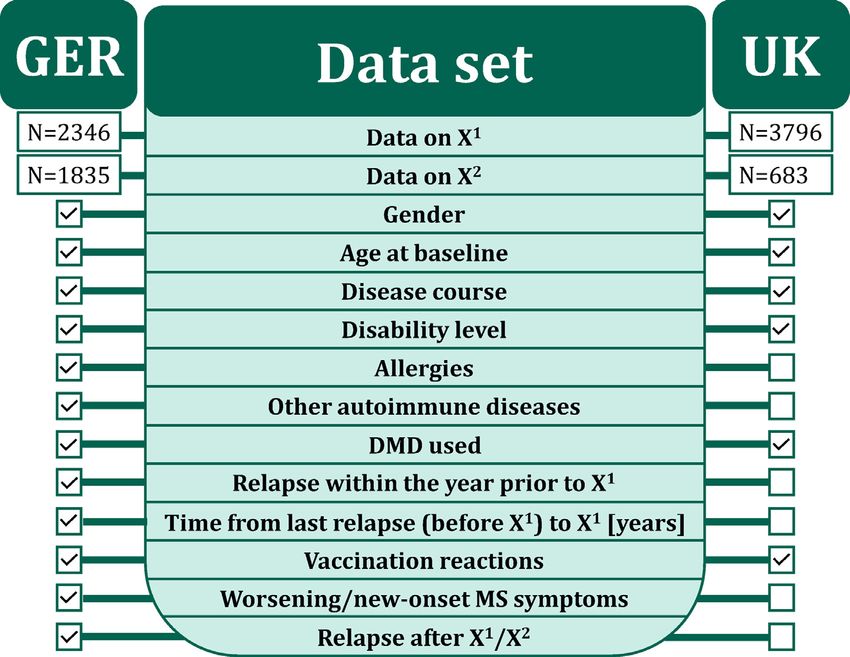
Articles

vector-based vaccines, which led to a short-term or per-     three follow-up surveys, with the option of an additional
manent suspension of the vaccine in several countries.12     survey of patient subgroups.
The willingness to get vaccinated with vector-based vac-         Following patient-reported sociodemographic and
cines was much lower in Germany than in the UK at            clinical baseline data were recorded: age (date of birth),
the time after these side effects were reported.12           gender (female, male, gender-diverse), date of first MS
    In Germany and the UK, the most populous coun-           symptom, date of MS diagnosis, disease course (relaps-
tries in Europe, comprehensive data on vaccination           ing remitting MS [RRMS]; primary progressive MS
reactions and associations of SARS-CoV-2 vaccinations        [PPMS], secondary progressive MS [SPMS], undefined
with disease worsening as well as new-onset symptoms         MS course), degree of disability (patient-determined dis-
among PwMS were not yet available. The known studies         ease steps [PDDS]), current and past DMDs, concomi-
on the efficacy and safety of the available vaccines were    tant other autoimmune diseases and date of last relapse
related to relatively compact study populations and were     prior to the first SARS-CoV-2 vaccination. In addition,
monocentric in design as well as limited to only one of      data on the respective vaccines (tozinameran, elaso-
the new SARS-CoV-2 vaccines.13−15 Although gender            meran, AZD1222 and Ad26.COV2.S), immediate vacci-
plays an important role in the epidemiology and therapy      nation reactions, MS deterioration (defined here as the
of MS,16 no data on gender-specific differences in the       onset of new or the worsening of already present MS
post-vaccinal disease status are currently available         symptoms), the disability level (PDDS) and the occur-
either. However, data acquisition on the tolerability of     ring relapses following the SARS-CoV-2 vaccinations
the SARS-CoV-2 vaccines in PwMS was comparable in            were collected on a patient-reported base.
Germany and the UK. Therefore, the German MS Soci-
ety and the UK MS Registry decided to cooperate and
compare their results. The aim of this observational         Data collection in the United Kingdom
study was to present data regarding the frequency of         A comparable online survey regarding the SARS-CoV-2
vaccination reactions, worsened MS symptoms and              vaccination distribution and vaccination reactions
new-onset MS symptoms of a broad study population in         among PwMS was conducted by the UK MS Registry.
Germany and the UK considering gender-specific differ-       Patient-reported data from the UK MS Registry compa-
ences. Furthermore, associations of worsened or new          rable to the German survey were age at the baseline sur-
MS symptoms after SARS-CoV-2 vaccinations with age           vey, gender, disease course, DMD treatment status,
at vaccination, gender, disability level and DMD use         disability level, vaccine distribution and vaccination
were analysed.                                               reactions following the first as well as the second SARS-
                                                             CoV-2 vaccination. Unification of PDDS (Germany) and
                                                             MS Impact Scale−29 (MSIS-29; UK) to the disability
                                                             level categories mild, moderate and severe was per-
Materials and methods                                        formed according to Salter et al.17 The data set of the
Data collection in Germany                                   German as well as the UK study population is shown in
This prospective non-interventional observational study      Figure 1.
is based on a longitudinal nationwide online survey.
The first data acquisition (start date 3rd May 2021) was     Inclusion criteria and ethics
performed using a (patient-reported) online question-        This study included people from Germany and the UK
naire after voluntary registration of MS patients with at    with a diagnosis of MS who were at least 18 years of age
least one SARS-CoV-2 vaccination on the website of the       for Germany and 20 years of age for the UK at the time
German Multiple Sclerosis Society (baseline survey).         of the survey. The participants should have received at
Participants of the baseline survey were contacted by e-     least one SARS-CoV-2 vaccination and electronically
mail at a time when they should have received their sec-     consented to participate in the survey voluntarily.
ond SARS-CoV-2 vaccination (for two-dose vaccines)               The study was approved by the institutional
following the recommendations of the German Stand-           review board of the University Medical Center at the
ing Committee on Vaccination (STIKO), depending on           University of Rostock (registration number: A 2021-
the vaccine used and asked to complete a first follow-up     0079) and prospectively registered under the num-
survey. At approximately three months following the          ber: DRKS00025221 in the German Registry for
second vaccination, these patients were contacted again      Clinical Trials. The UK MS Register has research
for a second follow-up survey. A third follow-up survey      ethics approval from South West Central Bristol
is planned for one year after the patient’s first vaccina-   Research Ethics Committee 16/SW/0194.
tion. An additional survey based on questions developed
during the study (e.g., on specific patient subgroups)
within the 1-year period is optional. Thus, four surveys     Statistics
will be conducted per patient within the year following      The data export for the first analysis of this prospective
the first SARS-CoV-2 vaccination: a baseline survey and      non-interventional observational study was 19th August

www.thelancet.com Vol 22 November, 2022                                                                                              3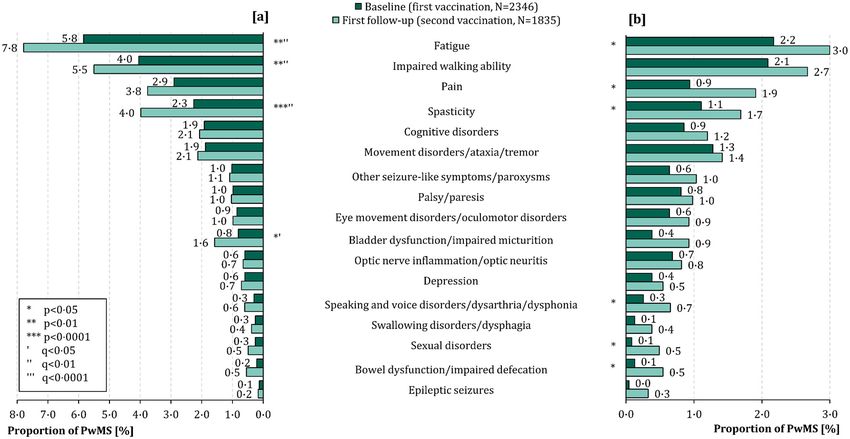
Articles

               Figure 1. Data set of the study populations. The green middle area reveals the variables of interest of the study. The boxes on the
               left and right indicate the availability of the corresponding data in the German and UK study populations.
                    DMD − disease-modifying drug
                    GER − Germany
                    N − number of patients
                    SARS-CoV-2 − severe acute respiratory syndrome coronavirus 2
                    UK − United Kingdom
                    X1 − first SARS-CoV-2 vaccination
                    X2 − second SARS-CoV-2 vaccination.

               2021. For this analysis, data of the baseline survey (fol-         The p-value adjustment according to the false discov-
               lowing the first SARS-CoV-2 vaccination) and the first             ery rate (FDR) of 5% was conducted to take into
               follow-up (following the second SARS-CoV-2 vaccina-                account the alpha error accumulation in multiple
               tion) were considered. Means, standard deviations,                 testing. To investigate associations of the worsening
               medians, percentages and confidence intervals (CIs)                of present MS symptoms or the onset of new symp-
               were calculated to characterize the study population.              toms with age, gender, disability level and DMD
               Each individual analysis included patients for whom                treatment status, univariable as well as multivariable
               data were available. Patients with incomplete data                 logistic regressions were conducted. Statistical analy-
               were excluded for the respective analyses. Thus, dif-              ses, data transformation and generation of figures
               ferent numbers of patients are available for some                  were performed using R 4.0 (The R Foundation for
               analyses. The frequency of vaccination reactions, the              Statistical Computing, Vienna, Austria). R packages
               worsening of MS symptoms and the onset of new                      used for the analysis were a part of R base installa-
               MS symptoms after the first as well as the second                  tion available from the stats package v4.3.0.18 Addi-
               vaccination were calculated. Fisher’s exact tests, chi-            tional compareGroups19 and gtsummary20 packages
               square tests, Mann-Whitney U tests were used to                    were retrieved from the Comprehensive R Archive
               compare patient subgroups, such as men vs. women                   Network (CRAN) repository. Tidyverse21 packages
               or patients with relapses following vaccinations (from             were also retrieved from CRAN for data manage-
               the first vaccination to the first follow-up) vs. patients         ment, manipulation and graphical representation.
               without relapses during this period. The frequencies
               of vaccination reactions and new as well as worsened
               MS symptoms following the first and second SARS-                   Data statement
               CoV-2 vaccination were compared using the McNe-                    Anonymised data will be made available on request by
               mar test. The significance level was set at a=0¢05.                any qualified investigator under the terms of the

4                                                                                                        www.thelancet.com Vol 22 November, 2022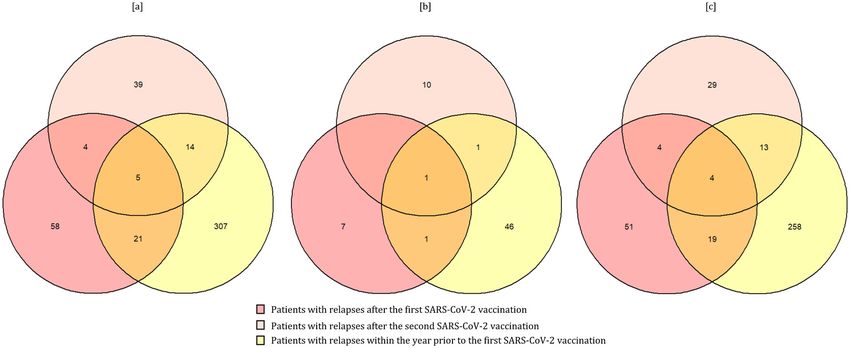
Articles

registries’ usage and access guidelines and subject to       5% vs. 39¢4%, Fisher’s exact test: p
Articles

                                                                                          Germany                               United Kingdom
                 N                                                                        2346                                  3796

                 Gender, N (%) [CP CI]
                 Female                                                                   1819 (78¢1) [76¢3−79¢7]               2918 (76¢9) [75¢4−78¢2]
                 Male                                                                     503 (21¢6) [19¢9−23¢3]                875 (23¢1) [21¢7−24¢4]
                 Diverse (GER)/not indicated (UK)                                         7 (0¢3) [0¢1−0¢6]                     3 (0¢1) [
Articles
Vaccine Vaccine Tozinameran Elasomeran AZD1222 Ad26.COV2.S
Preparation ComirnatyÒ SpikevaxÒ VaxzevriaÒ COVID-19 Vaccine Janssen
Company BioNTech/ Pfizer Moderna AstraZeneca Janssen/ Johnson&Johnson
Vaccination frequency in MS N (%)I
GER
Solely (NI=1682) 1424 (84¢7) 177 (10¢5) 64 (3¢8) 17 (1¢0)
Heterologous after X1 (NI=165) 3 (1¢8) 4 (2¢4) 158 (95¢8) 0 (0¢0)
UK
Solely (NI=675) 256 (37¢9) 0 (0¢0) 419 (62¢1) 0 (0¢0)
Heterologous after X1 (NI=8) 2 (25¢0) 1 (12¢5) 5 (62¢5) 0 (0¢0)
Applied vaccine doses in the Total: Total: Total: Total:
general population (GER), N (%)II£ 74,896,395 (75¢4) 9,167,210 (9¢2) 12,631,735 (12¢7) 2,690,046 (2¢7)
X1 (NII=53,276,005) 37,004,574 (69¢5) 4,359,449 (8¢2) 9,221,989 (17¢3) 2,689,993 (5¢0)
X2 (NII=46,104,401) 37,887,668 (82¢2) 4,807,022 (10¢4) 3,409,711 (7¢4) 0 (0¢0)
X3 (NII=4980) 4153 (83¢4) 739 (14¢8) 35 (0¢7) 53 (1¢1)
Applied vaccine doses in the general Total: Total: Total: Total:
population (UK), N (%)IIa 25,613,328 (40¢9) 442,837 (0¢7) 36,602,474 (58¢4) 0 (0¢0)
X1 (NII=38,614,683) 15,424,349 (39¢9) 405,814 (1¢1) 22,784,520 (59¢0) 0 (0¢0)
X2 (NII=24,043,956) 10,284,910 (42¢8) 1,645 (Articles
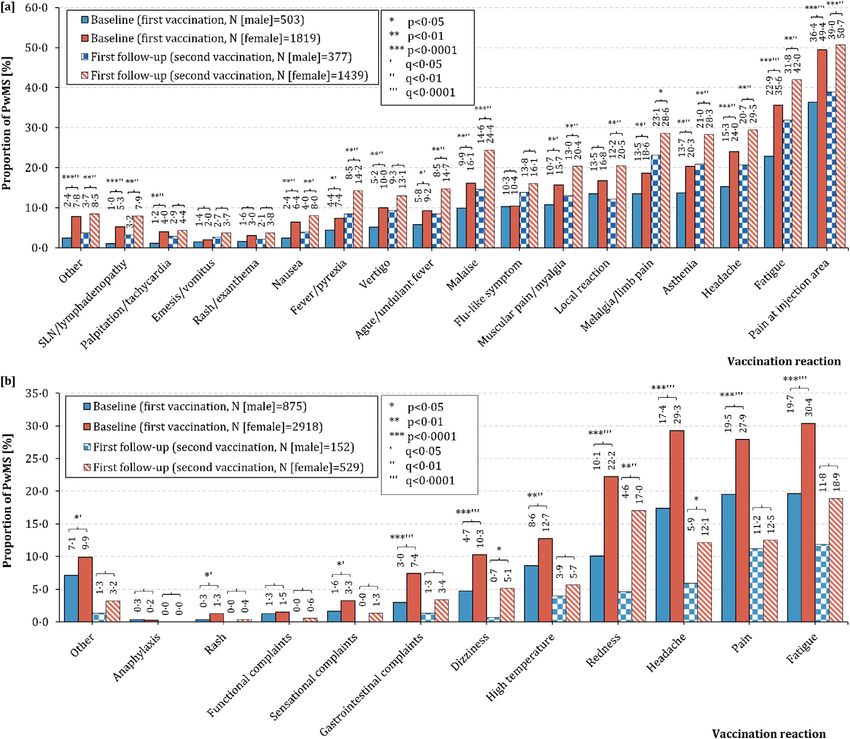
Figure 2. Frequency of vaccination reactions following SARS-CoV-2 vaccinations in male and female people with multiple
sclerosis in [a] Germany and [b] the United Kingdom. [a] In Germany, the most common vaccination reaction was pain at the
injection area, both for male (first vaccination: 36¢4%, second vaccination: 39¢0%) and female PwMS (first vaccination: 49¢4%, second
vaccination: 50¢7%). German females reported significantly more often vaccination reactions compared with males: pain at the injec-
tion area, fatigue, headache, asthenia, limb pain, malaise, myalgia, ague, vertigo, fever, nausea, tachycardia, swollen lymph nodes
and others for the first vaccination (chi-square test: p≤0¢02). There were the same significant differences in the second vaccination,
except for local reactions (only significant following the second vaccination: pArticles
First vaccination Second vaccination pMc q
Germany
N 2346 1835
N % CP CI N % CP CI
Pain at injection area 1094 46¢6 44¢5−48¢6 887 48¢3 46¢0−50¢6 0¢55 0¢55
Fatigue 771 32¢9 30¢9−34¢8 731 39¢8 37¢5−42¢1Articles
McNemar test: pArticles well as female gender in three of 17 MS symptoms (age: 3¢2 years; Mann-Whitney U test: p0¢99) or AZD1222 able logistic regression model revealed significant asso- (6¢8% vs. 1¢5%; p=0¢17) (Supplementary Table 6). ciations of fatigue with moderate/severe disability (first vaccination: OR=3¢52, p
Articles

                Figure 4. Associations between disease exacerbation following SARS-CoV-2 vaccinations and age, gender, immunomodulat-
                ing treatment and disability level among German people with multiple sclerosis.                            (Continued)

12                                                                                               www.thelancet.com Vol 22 November, 2022
Articles
Figure 5. Relapse frequency following SARS-CoV-2 vaccinations [a] in total and among [b] male and [c] female people with
multiple sclerosis. The Venn diagrams show the numbers of PwMS (total, men, women) with relapses following the first SARS-CoV-
2 vaccination (deep pink circles, N=88), following the second vaccination (light pink circle, N=62) and within the year prior to the first
vaccination (yellow circle, N=347). Overlaid areas show intersections between patient groups, e.g., in total, there were nine patients
that reported relapses after both vaccinations.
MS − multiple sclerosis
N − number of patients
p − p-value
PwMS − people with MS
SARS-CoV-2 − severe acute respiratory syndrome coronavirus 2.
study, the occurrence of fatigue (first vaccination: 32¢9% by Achiron et al. with 555 tozinameran-vaccinated
vs. 25¢8%, second vaccination: 39¢8% vs. 26¢4%) and PwMS showed pain at the injection site (16¢0%, 14¢2%)
pain (at the injection area) (first vaccination: 46¢6% vs. and fatigue (9¢2%, 15¢9%) as the most common vaccina-
23¢9%, second vaccination: 48¢3% vs. 22¢2%) was tion reactions following the first and second SARS-CoV-
higher among German PwMS than in UK patients, 2 vaccinations.13 The low rates of vaccination reactions
both for the first as well as the second vaccination. This can be attributed to a relatively short follow-up period.
could be due to the different frequencies of the vaccines In the study by Lotan et al. with 239 tozinameran-vacci-
used in the two settings. In the UK, AZD1222 was the nated PwMS, local pain/redness/swelling at the injec-
most commonly used vaccine (first vaccination: 58¢7%, tion site (46¢4%) and fatigue (38¢1%) were also the most
second vaccination: 61¢3%), whereas in Germany, tozi- common adverse events following the vaccinations.15
nameran was applied most frequently (first vaccination: The results of these two pioneer studies, with relatively
77¢9%, second vaccination: 84¢3%). One reason for the small study populations of MS patients and a focus on
difference considering the occurrence of vaccination only one SARS-CoV-2 vaccine, were consistently
reactions especially in pain could be the different varia- extended and finally confirmed by our study with more
bles in data collection: German patients were explicitly than 6000 PwMS. To extend the discussion of our
asked about pain at the injection area, while UK patients results with international studies to further SARS-CoV-
were asked about muscle, joint or other pain together. 2 vaccine doses, we should also take a look at an Israeli
Comparing our results internationally, two Israeli study that examined 211 MS patients who had already
single-centre studies revealed similar results. The study received a third dose of tozinameran (first booster
This figure shows the results of a multivariable logistic regression model regarding the associations between worsened/new-
onset MS symptoms and sociodemographic, clinical as well as therapeutic patient characteristics. The small, black-framed boxes
show the values of the odds ratios on the x-axis. The whiskers emanating from the boxes enclose the 95% confidence interval of
the odds ratios. Significant associations were represented by blue (following the first vaccination) and yellow markers (following the
second vaccination).
CI − confidence interval
DMD − disease-modifying drug
MS − multiple sclerosis
Ref − reference
SARS-CoV-2 − severe acute respiratory syndrome coronavirus 2.
www.thelancet.com Vol 22 November, 2022 13Articles
vaccination).26 In those patients, vaccination reactions days) and female sex (adjusted relative risk: 1¢43, 95%
occurred in 54¢5% during a median follow-up of CI: 1¢32−1¢56). This observation could also be found in
66 days following the third vaccination, with fatigue, the general population. In a study analysing the occur-
pain at the injection area, fever, muscle pain and joint rence of adverse events following vaccination with tozi-
pain as the most frequent adverse events. Thus, a signif- nameran in men and women, the female-to-male risk
icant proportion of MS patients are still affected by vac- ratios of reported adverse events following the first and
cination reactions after the first booster vaccination. second dose were 1¢89 and 1¢82.31
Shifting the focus from MS to further neurological dis- In UK PwMS, vaccination reactions occurred more
eases, similar observations can be made regarding vacci- frequently after the first vaccination, whereas in Ger-
nation reactions after the first two SARS-CoV-2 man PwMS, reactions tended to occur more often after
vaccinations. The study by Boekel et al. with 505 the second vaccination. This is related to the different
patients with autoimmune diseases and 204 healthy vaccine distribution in both countries. In the German
controls revealed that the occurrence of vaccination cohort, mRNA-based vaccines (tozinameran, elaso-
reactions between patients with autoimmune diseases meran) were used in the majority of cases: in 87¢7% of
and healthy controls were comparable (≥1 mild: 51% vs. the analysed patients as the first vaccine, in 96¢3% as
52%, ≥1 moderate: 21% vs. 19%, ≥1 severe: 1% vs. 0%), the second vaccine. This also corresponds to the vaccine
with pain at the injection area as the most frequent distribution in the German general population: here,
adverse event (39% vs. 40%). With reference to this, the too, mRNA-based vaccines were used in the majority of
lack of a matched control group was a limitation of our cases (first vaccination: 77¢6%, second vaccination:
study. A healthy and vaccinated control group would 92¢6%), although not quite as frequently as in the Ger-
allow further conclusions on the occurrence and persis- man MS population of our observational vaccination
tence of vaccination reactions in PwMS. An unvacci- study.22 The situation is different in the UK MS
nated control group of MS patients could provide patients; the majority (61¢3%) received the vector-based
further information on the influence of vaccination on vaccine AZD1222. This is consistent with the UK gen-
relapse frequency and worsening of MS symptoms. eral population, where about 60% of the vaccine doses
In both the German and the UK study population, administered were AZD1222 (extrapolated from the
vaccination reactions were reported considerably more Welsh vaccination data).23 We know that the timing of
frequently by women than by men. A similar result was tangible vaccination reactions might depend on the type
obtained in a South Korean study by Bae et al. in which of the SARS-CoV-2 vaccine. When using mRNA-based
5589 healthcare workers were vaccinated with AZD1222 vaccines, noticeable vaccination reactions occur more
and 277 with tozinameran for the first time.27 They often following the second vaccination,13,15 whereas in
documented the vaccination reactions using a mobile the vector-based vaccine AZD1222, these reactions
self-report questionnaire within three days following already occur more frequently following the first
the SARS-CoV-2 vaccination. Among participants vacci- vaccination.27
nated with AZD1222, women also had significantly Comparing the study populations from Germany
more vaccination reactions than men. This could not be and the UK with their national MS cohorts from previ-
observed for tozinameran.27 It should be noted that the ous studies revealed overwhelming similarities, respec-
tozinameran group in the study was much smaller than tively.17 In addition, a study on data harmonisation
in our analysis. In addition, only the first vaccination between the MS registries of Germany, the UK and
was examined and the vaccination reactions were only Northern America, in which the socio-demographic
recorded over the relatively short period of three days basic data of these three national MS cohorts have
following the vaccination. Numerous studies on the already been matched, should serve as a reference.17
immune response to established vaccines for the protec- German participants of the observational study on
tion against other infectious diseases, e.g. dengue fever, SARS-CoV-2 vaccination showed a slightly higher pro-
hepatitis A and B, diphtheria and measles, revealed that portion of women than the German MS cohort from
women (in general) also show a higher immune the data harmonisation study (78¢1% vs. 71¢7%) and UK
response as well as more frequent adverse events follow- participants of the vaccination study were on average six
ing vaccination than men.28,29 This could be an expla- years older than the UK MS cohort of the data harmoni-
nation for the more frequent vaccination reactions in sation study (55¢3 years vs. 47¢8 years). However, these
women in our study. Similar results are also found in a differences should not be over-interpreted. They are
study from the Netherlands, which examined 2081 probably due to the design of our observational study on
patients with immune-mediated inflammatory diseases vaccination (voluntary online survey). The comparison
(for example MS, rheumatoid arthritis or Crohn’s dis- of the baseline data between the German and UK partic-
ease) and 178 healthy controls for the occurrence of vac- ipants of the vaccination study revealed differences in
cination reactions after SARS-CoV-2 vaccinations.30 the mean age of about ten years (Germany vs. UK:
One of the results was an association between the occur- 45¢7 years vs. 55¢3 years) and in the proportions of
rence of relevant vaccination reactions (persistence >2 RRMS patients (74¢6% vs. 56¢7%) as well as DMD
14 www.thelancet.com Vol 22 November, 2022Articles
treated patients (72¢6% vs. 45¢7%) (Table 1). These dif- 221 PwMS [6¢8%]).15 Our analysis revealed that disease
ferences schematically match the composition of the deterioration (worsening or new onset) of many MS
respective national MS cohorts and are due to the differ- symptoms was associated with moderate/severe disabil-
ences in data collection between European MS registries ity (in ten of 17 symptoms) and a lack of DMD treatment
on the one hand and the differentiated health care sys- (in seven of 17 symptoms). More disabled patients often
tems between Germany and the UK on the other.32 have a more severe disease progression, which, as a
In general, 19¢0% of the analysed German PwMS hypothesis, may correlate with the perception of wors-
reported the worsening of already existing symptoms or ened or new-onset MS symptoms. Without a DMD
the onset of completely new MS symptoms (first vacci- treatment, a stronger immune response is expected fol-
nation: 11¢6%, second vaccination: 14¢6%). Previous lowing the vaccinations.34 This may have a more signifi-
studies on the tolerability of the administered SARS- cant impact on the occurrence of worsened or new MS
CoV-2 vaccines revealed considerable differences in the symptoms. On the other hand, the worsening or onset
frequencies of the worsened or new-onset MS of new MS symptoms may directly be explained by the
symptoms.13,15 In the study by Lotan et al., 15¢1% of the absence of an immunomodulatory treatment and not
analysed PwMS showed worsened or new MS symp- related to the administered SARS-CoV-2 vaccines.
toms after the vaccinations,15 while the rates were much The frequency of patient-reported relapses after vac-
lower in the study by Achiron et al. (2% following the cination in our study was 7¢7% among German MS
first and 4¢8% following the second SARS-CoV-2 vacci- patients. However, these data do not allow us to draw
nation).13 A study by Boekel et al. on the tolerability of conclusions about a causal relationship between the
vaccines in patients with autoimmune diseases in gen- SARS-CoV-2 vaccinations and a subsequent increase in
eral (e.g. MS and rheumatoid arthritis) also revealed a disease activity. Rather, the clinical and demographic
deterioration of the disease over two months following composition of the study population and increased dis-
SARS-CoV-2 vaccination in 5% of patients.33 Extending ease activity before the vaccination could be related to
the analysis with regard to the first booster vaccination the occurrence of post-vaccination relapses. As our data
(third dose), Dreyer-Alster et al. revealed that 3¢8% of revealed, patients with relapses were characterized by a
tozinameran-vaccinated PwMS experienced a transient younger age, a relapsing MS course, the absence of an
deterioration of MS symptoms.26 These differences in immunomodulatory therapy and relapses in the recent
patient proportions experiencing disease deterioration past. Longitudinal 1-year data expected this year could
following the first two doses of SARS-CoC-2 vaccines contribute to clarify the question of causality. Other
might arise from the different study designs. The previ- studies also showed no evidence of disease exacerbation
ous studies examined relatively small patient popula- following generally recommended vaccinations, for
tions (N≤555). The MS studies by Achiron et al. and example against poliomyelitis, hepatitis B and influ-
Lotan et al. gathered data from one MS centre, respec- enza.35 The SARS-CoV-2 vaccine tolerability study
tively, and were limited to tozinameran as the adminis- among PwMS by Achiron et al. also did not find consid-
tered vaccine. In contrast, data collection in the study erably increased short-term relapse activity following
with further autoimmune diseases was conducted via the vaccinations compared to an unvaccinated control
an online survey and the vaccines used were tozina- group.13 Another study on the tolerability of SARS-CoV-2
meran, elasomeran and AZD1222. Moreover, the vaccines in MS patients, which was multicentre and pro-
recording of changes in disease symptoms differed spectively designed, found relapses in 2¢2% of the 178
between these studies: Lotan et al. and Boekel et al. pro- MS patients examined over eight weeks after the first vac-
vided anonymised questionnaires (in case of Boekel et cination.36 In contrast, relapses within eight weeks
al.: online) to the patients (patient-reported),15,33 before the initial vaccination occurred in 6¢2% of patients
whereas in the study by Achiron et al., data were col- (p=0¢06). These data therefore reinforce the clear expert
lected by the physician via face-to-face meetings (physi- recommendation for MS patients to get vaccinated
cian-reported).13 The most common worsened and new- against SARS-CoV-2.37 Studies on other autoimmune
onset MS symptoms among German participants in diseases also showed no unusually increased relapse
our study were fatigue (worsened [first vs. second vacci- rates following the vaccinations. Dinoto et al. analyzed
nation]: 5¢8% vs. 7¢8%; new-onset: 2¢2% vs. 3¢0%) and 66 patients with antibody-mediated disorders affecting
gait impairment (worsened: 4¢0% vs. 5¢5%; new-onset: the central nervous system. Post-vaccination disease
2¢1% vs. 2¢7%), respectively. In the articles by Achiron relapses occurred in only 8% of patients and were associ-
et al. as well as Boekel et al., the single symptoms were ated with an increased disability level at vaccination (p=0¢
not listed.13 In the study by Lotan et al., although wors- 025).38 A larger study of 300 patients with autoimmune
ening or new onset of fatigue was not assessed, the neurological conditions and 347 healthy controls found
occurrence of gait impairment (the worsening or new that the relapse incidence prior and posterior to the vacci-
onset of walking difficulty and gait instability was sum- nation did not differ (incidence rate ratio: 0¢72, 95% CI:
marised) was within the range of our finding (first vs. 0¢29−1¢83). The decision against the vaccination could
second vaccination: seven of 239 PwMS [2¢9%] vs. 15 of lead to severe COVID-19 courses in the case of an
www.thelancet.com Vol 22 November, 2022 15Articles
infection,3 especially in PwMS with particular DMDs and most frequent worsened or new MS symptoms. The wors-
disease features. Moreover, data from a longitudinal ening or onset of these two MS symptoms were associated
study by the UK MS registry suggest long-lasting with the absence of a DMD treatment and moderate or
COVID-19 symptoms after overcoming COVID-19 in at severe disability. Considering the disease deterioration,
least 30% of the PwMS studied.39 male and female patients showed no significant differen-
There are some limitations in this study. The outcomes ces. Valid statements regarding long-term MS deteriora-
were not assessed against a control group of non-vacci- tion and long-lasting vaccination reactions following
nated PwMS. For this reason, there is no information con- SARS-CoV-2 vaccination might be possible when data
cerning the number of patients who might have with a minimum observation period of one year are avail-
developed disease exacerbation/progression without vacci- able, which are expected this year. MS disease deteriora-
nation. Additionally, patients who experienced vaccination tion, relapse activity or MRI changes after one or more
reactions or MS deterioration following the vaccinations booster vaccinations against SARS-CoV-2 are other impor-
could be more likely to continue participating in the fol- tant research topics for the future.
low-up surveys. In this case, when the lack of follow-up is
not missing (completely) at random, methods to address
for sample selection biases ought to be used in future Contributors
research. This requires first the identification of a set of Niklas Frahm, Firas Fneish, David Ellenberger, Uwe K.
relevant covariates to be used when adjusting through Zettl, Alexander Stahmann, Jeff Rodgers and Rodden M.
imputation or selection and pattern-mixture models. Middleton conceptualised and designed the study. Firas
Another limitation could be the patient-reported data Fneish, Niklas Frahm, David Ellenberger, Alexander Stah-
acquisition. One the one hand, the data were directly mann, Jeff Rodgers and Rodden M. Middleton analysed
obtained from the participants and represent up-to-date and interpreted the data gathered. Niklas Frahm drafted
and comprehensive real-world data. On the other hand, the manuscript. David Ellenberger, Firas Fneish, Sarah
we do not have clinically confirmed data on vaccinations, Schilling, Judith Haas, Micha Loebermann, Melanie
vaccination reactions, disease deterioration and relapses Peters, Dieter P€
ohlau, Anna-Lena R€ oper, Alexander Stah-
but only patient-reported data. This could have led to over- mann, Herbert Temmes, Uwe K. Zettl, Tina Parciak, Jeff
or underestimation of the occurrence of vaccination reac- Rodgers and Rodden M. Middleton critically revised the
tions and clinical changes in MS progression. In addition, manuscript for important intellectual content. All authors
the temporal delay from the time of vaccination to the approved the final version of the manuscript.
occurrence of the relapses afterwards as well as changes in
results of magnetic resonance imaging (MRI) could not
be assessed, as these data were not available. However, Data sharing statement
questions on clinically confirmed, so physician-diagnosed, Anonymized data will be made available on request by
relapses (including the date of the relapse diagnosis) were any qualified investigator under the terms of the regis-
included in another follow-up survey collecting 1-year data tries’ usage and access guidelines and subject to
following initial SARS-CoV-2 vaccination, which are informed consent of the patients.
expected this year. There might also be a reporting bias
with people experiencing possible side effects being more
interested in taking part in this study. Furthermore, we Declaration of interests
lost patients from the first to the second vaccination docu- Niklas Frahm is an employee of the MSFP. Moreover,
mentation. This may indicate that only those with adverse he is an employee of Rostock’s University Medical Cen-
events continued the study. However, this is the largest ter and received travel funds for research meetings from
investigation of post-vaccine adverse events and disease Novartis; none resulted in a conflict of interest.
worsening with over 6000 involved PwMS in two of the Firas Fneish, Melanie Peters, David Ellenberger and
biggest countries in Europe and revealed important safety Sarah Schilling had no personal financial interests to
data of the new SARS-CoV-2 vaccines. disclose other than being employees of the German MS
In conclusion, we presented the largest dataset con- Registry; none resulted in a conflict of interest.
cerning adverse events and disease deterioration follow- Tina Parciak had no personal financial interests to
ing SARS-CoV-2 vaccination among PwMS from disclose.
Germany and the UK, with a special regard to gender- Anna-Lena R€ oper is employee of the MSFP and Ger-
specific differences. Vaccination reactions occurred in many MS society, which is funded by many public and
nearly the half of the German and UK PwMS examined, corporate sponsors. She received travel funds from
with fatigue, headache and pain (at the injection site) as Novartis. None resulted in a conflict of interest.
the most common adverse events. Generally, women Micha L€obermann received speaker honoraria from
reported vaccination reactions more frequently than Sanofi, AbbVie and Pfizer, he served as investigator in
men. One fifth of the German PwMS suffered from MS vaccine studies sponsored by Janssen, GSK and Novar-
deterioration, with fatigue and gait impairment as the tis; none resulted in a conflict of interest.
16 www.thelancet.com Vol 22 November, 2022Articles
Herbert Temmes has no personal pecuniary inter- References
ests to disclose, other than being the Secretary General 1 Monschein T, Hartung HP, Zrzavy T, et al. Vaccination and multi-
ple sclerosis in the era of the COVID-19 pandemic. J Neurol Neuro-
of the German MS Society, federal association, which surg Psychiatry. 2021;92(10):1033–1043. https://doi.org/10.1136/
receives funding from a range of public and corporate jnnp-2021-326839.
2 World Health Organization. WHO coronavirus (COVID-19) dash-
sponsors, recently including Bundesgesundheitsminis- board. https://covid19.who.int. Accessed 13 July 2022.
terium (BMG), The German Innovation Fund (G-BA), 3 Sormani MP, Schiavetti I, Carmisciano L, et al. COVID-19 severity
The German MS Trust, Biogen, Bristol Myers Squibb, in multiple sclerosis: putting data into context. Neurol Neuroimmu-
nol Neuroinflammation. 2022;9(1):e1105. https://doi.org/10.1212/
Merck Serono, Novartis, Roche, Sanofi, Viatris (former NXI.0000000000001105.
Mylan); none resulted in a conflict of interest. 4 Simpson-Yap S, Brouwer ED, Kalincik T, et al. Associations of
Judith Haas has no personal pecuniary interests to DMT therapies with COVID-19 severity in multiple sclerosis.
Neurology. 2021;97(19):e1870–e1885. https://doi.org/10.1101/
disclose, other than being the President of the German 2021.02.08.21251316.
MS Society, federal association, which receives funding 5 Centonze D, Rocca MA, Gasperini C, et al. Disease-modifying ther-
apies and SARS-CoV-2 vaccination in multiple sclerosis: an expert
from a range of public and corporate sponsors, recently consensus. J Neurol. 2021;268(11):3961–3968. https://doi.org/
including BMG, G-BA, The German MS Trust, Biogen, 10.1007/s00415-021-10545-2.
Bristol Myers Squibb, Merck Serono, Novartis, Roche, 6 Farez MF. Yellow fever vaccination and increased relapse rate in
travelers with multiple sclerosis. Arch Neurol. 2011;68(10):1267.
Sanofi, Viatris (former Mylan); none resulted in a con- https://doi.org/10.1001/archneurol.2011.131.
flict of interest. 7 Gold R, F€atkenheuer G, Hartung HP, et al. Vaccination in multiple
Dieter P€ohlau received speaking fees, travel support sclerosis patients treated with highly effective disease-modifying
drugs: an overview with consideration of cladribine tablets. Ther
and financial support for research projects from: Allmir- Adv Neurol Disord. 2021;14. https://doi.org/10.1177/
all, Bayer, Biogen-Idec, Merck-Serono, Octapharm, 17562864211019598. 175628642110195.
8 Di Filippo M, Cordioli C, Malucchi S, et al. mRNA COVID-19 vac-
Novartis, Roche, Sanofi-Aventis and Teva; none resulted cines do not increase the short-term risk of clinical relapses in mul-
in a conflict of interest. tiple sclerosis. J Neurol Neurosurg Psychiatry. 2022;93(4):448–450.
Jeff Rodgers has no personal pecuniary interests to https://doi.org/10.1136/jnnp-2021-327200.
9 Huang Y, Rodgers WJ, Middleton RM, et al. Willingness to receive
disclose, other than being an employee of the UK MS a COVID-19 vaccine in people with multiple sclerosis − UK MS
Register which is funded by the MS Society, travel Register survey. Mult Scler Relat Disord. 2021;55:103175. https://doi.
research and conference costs are also funded by them; org/10.1016/j.msard.2021.103175.
10 Heidler F, Baldt J, Frahm N, et al. Vaccination setting of patients
none resulted in a conflict of interest. with autoimmune diseases in times of SARS CoV-2 pandemic
Uwe K. Zettl has received speaking fees, travel sup- using the example of multiple sclerosis patients: a longitudinal
multi-center study. Eur Neurol. 2022;85(2):104–111. https://doi.
port and /or financial support for research activities org/10.1159/000519582.
from Alexion, Almirall, Bayer, Biogen, Bristol-Myers- 11 Ehde DM, Roberts MK, Humbert AT, Herring TE, Alschuler KN.
Squibb, Janssen, Merck Serono, Novartis, Octapharm, COVID-19 vaccine hesitancy in adults with multiple sclerosis in
the United States: a follow up survey during the initial vaccine roll-
Roche, Sanofi Genzyme, Teva as well as EU, BMBF, out in 2021. Mult Scler Relat Disord. 2021;54:103163. https://doi.
BMWi and DFG; none resulted in a conflict of interest. org/10.1016/j.msard.2021.103163.
Alexander Stahmann has no personal financial inter- 12 Statista. Willingness for taking AstraZeneca COVID-19 vaccine in
Europe 2021. https://www.statista.com/statistics/1220729/willing
ests to disclose, other than being the leader of the ness-for-taking-astrazeneca-covid-19-vaccine-in-europe/. Accessed
German MS Registry, which receives funding from a 13 July 2022.
13 Achiron A, Dolev M, Menascu S, et al. COVID-19 vaccination in
range of public and corporate sponsors, recently includ- patients with multiple sclerosis: What we have learnt by February
ing G-BA, The German MS Trust, German MS Society, 2021. Mult Scler. 2021;27(6):864–870. https://doi.org/10.1177/
Biogen, Bristol Myers Squibb, Merck, Novartis, Roche 13524585211003476.
14 Lotan I, Romanow G, Levy M. Patient-reported safety and tolerabil-
and Sanofi; none resulted in a conflict of interest. ity of the COVID-19 vaccines in persons with rare neuroimmuno-
Rod Middleton has no personal pecuniary interests logical diseases. Mult Scler Relat Disord. 2021;55:103189. https://
to disclose, other than being the lead of the UK MS Reg- doi.org/10.1016/j.msard.2021.103189.
15 Lotan I, Wilf-Yarkoni A, Friedman Y, Stiebel-Kalish H, Steiner I, Hell-
ister which is funded by the MS Society, travel research mann MA. Safety of the BNT162b2 COVID-19 vaccine in multiple
and conference costs are also funded by them; none sclerosis (MS): early experience from a tertiary MS center in Israel. Eur
J Neurol. 2021;28(11):3742–3748. https://doi.org/10.1111/ene.15028.
resulted in a conflict of interest. 16 Gilli F, DiSano KD, Pachner AR. SeXX matters in multiple sclero-
sis. Front Neurol. 2020;11:616. https://doi.org/10.3389/
fneur.2020.00616.
Acknowledgements 17 Salter A, Stahmann A, Ellenberger D, et al. Data harmonization for
collaborative research among MS registries: a case study in employ-
We would like to thank all patients that have given their ment. Mult Scler. 2021;27(2):281–289. https://doi.org/10.1177/
informed consent. This study would not have been pos- 1352458520910499.
18 R Core Team. R: The R Stats Package. https://stat.ethz.ch/R-man
sible without the efforts of the participating patients. ual/R-devel/library/stats/html/00Index.html. Accessed 13 July
2022.
19 Subirana I, Sanz H, Vila J. Building bivariate tables: the compar-
egroups package for R. J Stat Softw. 2014;57:1–16. https://doi.org/
Supplementary materials 10.18637/jss.v057.i12.
Supplementary material associated with this article can 20 Sjoberg DD, Whiting K, Curry M, Lavery JA, Larmarange J. Repro-
be found in the online version at doi:10.1016/j. ducible summary tables with the gtsummary package. R J. 2021;13
(1):570–580.
lanepe.2022.100502.
www.thelancet.com Vol 22 November, 2022 17Articles
21 Wickham H, Averick M, Bryan J, et al. Welcome to the tidyverse. J 31 Green MS, Peer V, Magid A, Hagani N, Anis E, Nitzan D. Gender
Open Source Softw. 2019;4(43):1686. https://doi.org/10.21105/ differences in adverse events following the Pfizer-BioNTech
joss.01686. COVID-19 vaccine. Vaccines. 2022;10(2):233. https://doi.org/
22 Robert Koch Institute. COVID-19-impfungen in Deutschland. 10.3390/vaccines10020233.
https://github.com/robert-koch-institut/COVID-19-Impfunge 32 Karampampa K, Gustavsson A, Miltenburger C, Eckert B. Treat-
n_in_Deutschland/blob/4bcef2add8a9df79471f56 ment experience, burden and unmet needs (TRIBUNE) in MS
a74693ed2485391987/Aktuell_Deutschland_Bundeslaender_CO study: results from five European countries. Mult Scler. 2012;18
VID-19-Impfungen.csv. Accessed July 13, 2022. (2_suppl):7–15. https://doi.org/10.1177/1352458512441566.
23 UK Government Digital Service. Vaccinations in the UK | Corona- 33 Boekel L, Kummer LY, van Dam KPJ, et al. Adverse events after
virus in the UK. https://coronavirus.data.gov.uk/details/vaccina first COVID-19 vaccination in patients with autoimmune diseases.
tions. Accessed July 13, 2022. Lancet Rheumatol. 2021;3(8):e542–e545. https://doi.org/10.1016/
24 K€onig M, Torgauten HM, Tran TT, et al. Immunogenicity and S2665-9913(21)00181-8.
safety of a third SARS-CoV-2 vaccine dose in patients with multiple 34 Ciotti JR, Valtcheva MV, Cross AH. Effects of MS disease-modify-
sclerosis and weak immune response after COVID-19 vaccination. ing therapies on responses to vaccinations: a review. Mult Scler
JAMA Neurol. 2022;79(3):307–309. https://doi.org/10.1001/jama- Relat Disord. 2020;45:102439. https://doi.org/10.1016/j.
neurol.2021.5109. msard.2020.102439.
25 Wu Q, Dudley MZ, Chen X, et al. Evaluation of the safety profile of 35 Loebermann M, Winkelmann A, Hartung HP, Hengel H, Rei-
COVID-19 vaccines: a rapid review. BMC Med. 2021;19(1):173. singer EC, Zettl UK. Vaccination against infection in patients with
https://doi.org/10.1186/s12916-021-02059-5. multiple sclerosis. Nat Rev Neurol. 2012;8(3):143–151. https://doi.
26 Dreyer-Alster S, Menascu S, Mandel M, et al. COVID-19 vaccina- org/10.1038/nrneurol.2012.8.
tion in patients with multiple sclerosis: safety and humoral efficacy 36 Ciampi E, Uribe-San-Martin R, Soler B, et al. Safety and humoral
of the third booster dose. J Neurol Sci. 2022;434:120155. https:// response rate of inactivated and mRNA vaccines against SARS-
doi.org/10.1016/j.jns.2022.120155. CoV-2 in patients with multiple sclerosis. Mult Scler Relat Disord.
27 Bae S, Lee YW, Lim SY, et al. Adverse reactions following the first 2022;59:103690. https://doi.org/10.1016/j.msard.2022.103690.
dose of ChAdOx1 nCoV-19 vaccine and BNT162b2 vaccine for 37 Reyes S, Cunningham AL, Kalincik T, et al. Update on the
healthcare workers in South Korea. J Korean Med Sci. 2021;36(17): management of multiple sclerosis during the COVID-19 pan-
e115. https://doi.org/10.3346/jkms.2021.36.e115. demic and post pandemic: an international consensus state-
28 Zimmermann P, Curtis N. Factors that influence the immune ment. J Neuroimmunol. 2021;357:577627. https://doi.org/
response to vaccination. Clin Microbiol Rev. 2019;32(2):e00084. 10.1016/j.jneuroim.2021.577627.
https://doi.org/10.1128/CMR.00084-18. 38 Dinoto A, Gastaldi M, Iorio R, et al. Safety profile of SARS-CoV-2
29 Flanagan KL, Fink AL, Plebanski M, Klein SL. Sex and gender dif- vaccination in patients with antibody-mediated CNS disorders.
ferences in the outcomes of vaccination over the life course. Annu Mult Scler Relat Disord. 2022;63:103827. https://doi.org/10.1016/j.
Rev Cell Dev Biol. 2017;33:577–599. https://doi.org/10.1146/ msard.2022.103827.
annurev-cellbio-100616-060718. 39 Garjani A, Middleton RM, Nicholas R, Evangelou N. Recovery from
30 Wieske L, Kummer LYL, van Dam KPJ, et al. Risk factors associ- COVID-19 in multiple sclerosis: a prospective and longitudinal
ated with short-term adverse events after SARS-CoV-2 vaccination cohort study of the united kingdom multiple sclerosis register.
in patients with immune-mediated inflammatory diseases. BMC Neurol Neuroimmunol Neuroinflammation. 2022;9(1):e1118. https://
Med. 2022;20(1):100. https://doi.org/10.1186/s12916-022-02310-7. doi.org/10.1212/NXI.0000000000001118.
18 www.thelancet.com Vol 22 November, 2022You can also read


