School Charter 2020 - 'Empowering a community of learners - Kia whakamana ai i te hapori akonga' - Wanaka Primary School
←
→
Page content transcription
If your browser does not render page correctly, please read the page content below
School Charter - 2020
‘Empowering a community of learners - Kia whakamana ai i te hapori akonga’
                                                                             1
‘Empowering a community of learners - Kia whakamana ai i te hapori akonga’

2
SCHOOL
DESCRIPTION
Wānaka Primary School is sited at 7 Ironside Drive in Scurr Heights. The original site was in
Tenby Street with the school being relocated to the new state of the art campus in October
2010. The original school was opened in 1879 and was relocated to the Tenby Street site in
1950. In 2005 a jubilee was celebrated. The school has undergone several designations over
the years, being a district high school, an area school and now a contributing year 0-6.

Wānaka is an area where wine growing and tourism abound as the growing industries. Nearby
we have a lake, picturesque mountains and scenic tracks which enable us to take advantage of
many E.O.T.C activities such as aquatics, cross-country and alpine skiing, and exploring the
local area.

Wānaka School is a U7 school with a decile 10 rating. The school roll will start with 585
students at the beginning of 2020 and we project an end of year roll of 680. Our roll has
shown steady growth over the last few years. The opening of a new school and zoning will
slowly impact on our numbers over the next year or so. Our campus has 32 classrooms with
25 of these being used for class groups of children from the start of the year, with 3 more
new entrant rooms starting up before the end of the year. Each pod has a large awhina area
which offers more space for flexible learning and teaching opportunities. Two Board owned
classrooms and the hall enable us to have a room for extra programmes, as well as for after
school usage. The STAR gifted and talented programme also operates out of the B.O.T. rooms.
We have a large PE shed situated behind the tennis courts and also a caretaker’s workshop.

As well as 45+ teachers, we have an administration manager, three office assistants,
SENCO, learning support specialist teachers, teacher aides who assist with learning support
programmes, a librarian, Te Reo tutor, music tutors, a caretaker, cleaners and an enthusiastic
pool of relievers. We have over 20 students with English as a second language and these
students are supported by well trained ELAs (English Language Assistants) within the
classroom and in small groups. A One Day School (STAR programme- operated through
REAP) for Gifted and Talented students also operates from our site every Wednesday and
Thursday. We have a Board committed to providing quality learning opportunities and
excellence for all and a dynamic P.T.A who provide social and community building activities
and events for the school community, as well as undertaking fundraising.

The classroom pods encircle a large paved courtyard area which is decked out in shade sails in
terms 1 and 4. We also have a school hall which provides us with a large court area for indoor
sports and physical education, as well as a venue for whole school assemblies and cultural
activities. The hall has a kitchen, meeting rooms and storage areas. We have three adventure

                                                                                                 3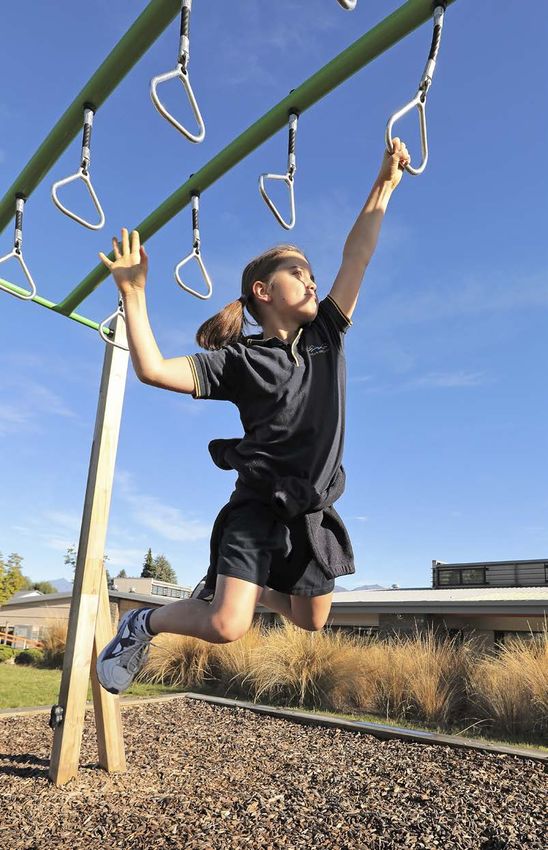
playgrounds. The senior playground is located on the large playing field and was designed around
    enhancing fitness skills. The middle school playground situated between Pod 2 and 3 is ‘The Octagen’
    and it has equipment that extends upper body movements and builds on P.M.P skills. The junior
    playground is in the shape of a pirate ship and has been designed to capitalise on our P.M.P programme.
    Our ‘PLAYSCAPE’ developments behind Pods 1 and 2 are used to provide younger students with smaller,
    less boisterous places to play. A fitness trail was built in 2017 behind pods 3 – 7 and is well utilised by
    our middle and senior school students. A ball wall is to be constructed over by Pod 8, with an orchard
    and plantings on the hill behind pod 8 as part of this year’s playground developments.

    The Board recognises New Zealand’s cultural diversity and provides learning opportunities in Tikanga
    Mäori and Te Reo Mäori through specific lessons, implemented by a Māori Language teacher, and also
    through our cultural weeks and specific units of study in Social Studies and The Arts. Māori language
    and protocols are integrated within our everyday life as much as possible.

    Wānaka School has close, warm relationships with students, parents, the community and other schools
    in our area. Our strengths are in the integrated, school wide programmes and quality teaching we
    provide. Teachers strive to provide well balanced learning programmes, where a connected curriculum,
    inquiry pedagogy, critical thinking, co-operative learning strategies, e-learning and digital literacies are
    an integral part of our approaches. We provide extra programmes for our at risk students and for our
    more able students, over and above the work undertaken in the classroom. Literacy and numeracy have
    a high priority. We have a Tribe (school house) system which fosters ‘esprit de corps’ where all students
    and teachers in the school are placed within a tribe (with native bird names) and participate in sporting,
    cultural and social days within these tribes in a collaborative or competitive spirit depending on the
    activity. These tribes contribute to our positive, happy school culture.

    Wānaka School’s physical learning environment shows the value we place on the arts. We have strong
    sporting involvement. We are an ‘Active School', 'SunSmart School’ and also an ‘Enviroschool’. Ongoing
    curriculum, teaching and achievement reviews ensure goals are set and worked towards to advance the
    learning environments provided for our students. The staff benefit from a strong professional learning
    programme. We value our supportive student welfare processes, with staff modelling appropriate
    negotiation and mediation skills through our ‘Restorative Justice’ practices and philosophy, and we
    are proud of our harmonious, happy school culture. We pride ourselves on the development of the
    all roundedness and self-management of our students. We have adopted the Positive Behaviour for
    Learning (P.B.4.L.) framework to ensure our students are resilient, self-managing and confident in all
    aspects of school life. We also implement New Pedagogies for Deep Learning (N.P.D.L.) philosophies
    and strategies which are based around the 6Cs – communication, critical thinking, creativity, character,
    citizenship and collaboration. Our N.P.D.L. learning through-line which will guide our learning this year is
    ‘Be the Change’ - Kia panoni ai koe’

    Wānaka Primary School is a learning community where we strive to make a real difference for our
    students within a supportive, yet dynamic learning environment and collaborative, self-managing
    culture. We aim to promote educative achievement, both individually and collectively, to the highest
    possible standard. We create opportunities for and stimulate deep learning, academic achievement,
    personal growth, physical well-being, social development and cultural awareness and appreciation. Our
    school mission statement is ‘Empowering a Community of Learners’.

4
VISION STATEMENT
Wānaka Primary School is a dynamic learning community where children respect themselves and others as they develop the
skills, knowledge and attitudes that are necessary for taking an active part in an ever-changing society. It is our aim to ensure
all children at Wānaka Primary School are given the opportunities to achieve to the best of their capabilities. The aim is a
joint venture in partnership with the parents, teachers and children to achieve successful learning outcomes. Our mission is to
'Empower a Community of Learners - Kia whakamana ai i te hapori akonga’.

Wānaka Primary School empowers a community of learners by:
• Fostering the warm, inclusive, caring school culture we are proud of which has an atmosphere of trust, respect and whanau.
• Ensuring the needs of the whole child is paramount and that the core business of the school is implemented in a positive,
  purposeful way to ensure the learning needs of all children are met and children are at the ‘cutting edge’ and ‘just in time’ of
  their learning.
• Parent/student/teacher relationships are supportive, cooperative and collaborative.
• Providing a balanced programme, implementing the best possible teaching strategies and resources, with e-learning
  embedded within these approaches, covering a wide range of experiences, and focusing on the core competencies as well as
  achieving to the highest levels in relation to Curriculum Standards.
• Focusing on the key competencies particularly communication skills, thinking skills and decision-making skills.
• Providing a caring, healthy and safe environment.
• Developing within children a positive self-image and sense of identity.
• Ensuring each child is passionately engaged, does the best that they possibly can and develops positive work ethics.
• Developing within children a sense of responsibility for their own behaviour, a tolerance of others and effective social skills.
• Ensuring children have knowledge, understanding and appreciation of local Tikanga and that of other cultures.

We are a community of learners where:
• We have shared values and vision, collective responsibility for students’ learning, reflective professional inquiry, collaboration,
  and the promotion of group, as well as individual learning.
• Emphasis is placed on literacy and numeracy, values, learner dispositions and the Global Competencies.
• Students at risk, and those who are talented and gifted or high performers, are identified and appropriate programmes are
  provided to meet learning needs.
• We provide a safe, healthy, nurturing environment to develop children’s confidence and self-esteem. Conflict resolution skills
  and Restorative Justice strategies are actively taught and practised to build social skills. Children are taught values such as
  caring for others, respect and self-respect. Wānaka Primary School is a safe place to be where bullying is not accepted.
• A strong information-based inquiry/e-learning approach is embedded, focusing on critical thinking, inquiry learning processes
  and cooperative learning skills across the school.
• High expectations are placed on children’s academic performance and behaviour.

                                                                                                                                        5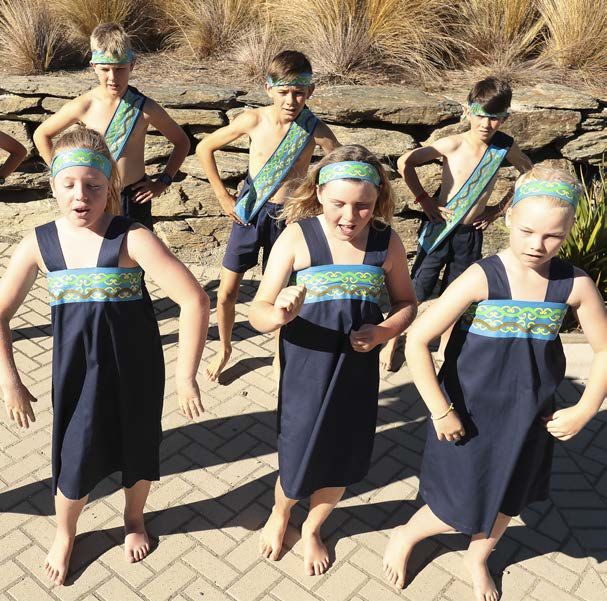
p e ak
                                             st
                                     highe
                                 r e n ce               e e p l e a r n i n g                                   empowerme
             i n g a d i   f f e                  for d
         mak

                                                                                                                            nt
    Make a                                       Reach the                      Deep                          Learners are
    Difference                                   Highest Peak                   Learning is..                 Empowered
    Our learners are...                          To achieve...                  Being...                      With...
    • Resilient                                  • Personal excellence          • An informed, enabled,       • Inquiry learning
                                                 • Being the best they            confident learner             strategies
    • Adaptable
                                                   can be                       • A communicator              • Personalised learning
    • Persistent
                                                 • Strong character                                             pathways
                                                                                • Confident, self motivated
    • Action takers
                                                                                  and self-directed           • Global connections
      (notion of agency)
                                                                                • Challenged                  • Values
    • Lifelong learners
                                                                                • Reflective                  • Attitudes
    • Reflective
                                                                                • A critical thinker          • Key Competencies
    • Informed decision makers
                                                                                • Collaborative               • Essential Learning Areas
    • Open to unexpected pathways
                                                                                • Creative
    • Global Citizens

           ‘Empowering a community of learners
                             ‘Empowering       - Kia whakamana
                                          a Community            ai i te hapori akonga’
                                                        of Learners’

6
CULTURAL DIVERSITY

The Board takes all reasonable steps to provide instruction in Tikanga Māori and Te Reo Māori.
When developing policies and practices, every endeavour is made to reflect New Zealand’s
cultural diversity and the unique position of the Māori culture. Critical elements include; Treaty
of Waitangi, identity of language and culture, productive relationships, Ako and Māori potential,
quality leadership, and strong engagement from students, whanau and community.

Wānaka Primary School adopts the philosophy and intents of Ka Hikitia to raise student
achievement:

Manaakitanga – We care for students as culturally located and indigeneity is special and adds
distinctiveness

Mana Motuhake – We want students to achieve

Whakapiringatanga – We provide a safe well managed learning environment based on the best
pedagogical knowledge

Ako – We use teaching strategies to promote effective teaching and learning relationships with
learners where they collaborate and co-construct learning

Kotahitanga – We use an outcome based approach to lead to improved Māori achievement

Wānanga – We use Māori language interactions to support Māori learners

So we will:

·   Retain high levels of Māori student achievement in literacy and mathematics

·   Integrate elements of identity, language and culture into the curriculum teaching and learning

·   Use student achievement data to target resources for optimal effect

·   Provide early, intensive support for those students who are at risk of falling behind

·   Create productive partnerships with parents, whānau, hapū, iwi, communities and businesses
    that are focused on educational success

·   Retain high expectations of students to succeed in education as Māori

·   Utilise the expertise of our Te Reo specialist to work with our students in Tikanga and Te Reo
    and at the same time empower teachers in their teaching of Te Reo and Tikanga

                                                                                                     7
‘Empowering a community of learners
                                                                                    - Kia whakamana ai i te hapori akonga’

    PRINCIPLES                                                                                          SKILLS & ATTITUDES
    High Expectations
    and Personal
                                                              VALUES                                                       Self-motivation

    Excellence                                                                                                                 Teamwork

    Treaty of Waitangi
                         Responsibility        Respect              Honesty             Being the best we can be                Creativity
                          Takohanga            Whakaute           Ngākaupono                Me he tētē kura
    Cultural Diversity                                                                                                    Critical thinking

    Inclusion
                          1.   Embed a Futures approach to                         within both management and            Self-management
                               learning to maximise student                        governance matters
                               engagement and achievement                      2.2 Make trustees more visible               Perseverance
    Learning To Learn          1.1 Quality teaching and learning               2.3 Manage change as roll growth/
                                   maximise engagement and                         fluctuations and stabilisations
    Community                      achievement                                     occur                                        Resilience
                               1.2 We open students to                         2.4 Continually share the distinct
    Engagement                     opportunities that technology                   ‘characters’ of the school                    Empathy
                                   provides
    Coherence                  1.3 We utilise and develop expertise       3.   Manage and innovate for future              Environmental
                                   of staff to lift student achievement        changes
    Future Focus               1.4 We develop and nurture individual           3.1 Manage fluctuating roll numbers             awareness
                                   interests and talents                           and the challenges and
                                                                                   opportunities a new primary
                               1.5 We recognise and support special
                                                                                   school in Wānaka presents
                                   learning needs and cultural
                                                                               3.2 Manage staffing provision and
                                   diversity
                                                                                   expertise. Be reflective and
                               1.6 We connect with our local and
                                                                                   innovative with staffing structures
                                   global community and our parent
                                                                                   and organisation for learning
                                   and wider community are involved            3.3 Be creative, future focused and
                                   in the life of the school                       well planned with property and
                          2.   Further grow effective community                    resourcing
                               communication and engagement                    3.4 Plan and be proactive with
                               2.1 Continually review stakeholders                 changes to Board, upcoming
                                   and the communication                           elections, Government changes
                                   strategies for the different groups

8
OUR                                                                                 We are a
                                                                                    community of
LEARNERS                                                                            learners where:
●   Are LITERATE AND NUMERATE.                                                      •    We have shared values and vision,
●   RELATE TO OTHERS BY: Contributing, participating, collaborating, co-                 collective responsibility for students’
    operating, including others, active empathetic listening, feeling safe and           learning, reflective professional inquiry,
    cared for.                                                                           collaboration, and the promotion of
                                                                                         group, as well as individual learning.
●   THINK BY: Questioning, problem solving, being a clear, precise
    communicator, knowledge seeking, making connections, taking on                  •    Emphasis is placed on literacy and
    challenges, being emotionally intelligent, being informed, being creative            numeracy, values, learner dispositions and
    and critical, thinking about thinking, actively seeking, using and creating          the Key Competencies.
    knowledge.
                                                                                    •    Students at risk, and those who are
●   PARTICIPATE AND CONTRIBUTE BY: Being enthusiastic, seeing                            talented and gifted or high performers,
    themselves as successful, being confident, being respectful, self                    are identified and appropriate
    motivation, taking responsible risks, being adaptable and flexible, being            programmes are provided to meet
    networked within local and global settings, showing citizenship, finding             learning needs.
    humour, and seeing the WOW!
                                                                                    •    We provide a safe, healthy, nurturing
●   MANAGE SELF BY: Goal setting, planning, taking action, being task
                                                                                         environment to develop children’s
    oriented, self reflection, self evaluation, taking responsibility for own
                                                                                         confidence and self-esteem. Conflict
    learning and actions, being adaptable, persistence, being open to
                                                                                         resolution skills and Restorative Justice
    continuous learning, managing impulsivity, striving for accuracy and by
                                                                                         strategies are actively taught and
    being an informed decision maker, setting high standards and aiming for
                                                                                         practised to build social skills. Children
    personal excellence.
                                                                                         are taught values such as caring for
●   CARE AND RESPECT THE ENVIRONMENT: Our aim is to foster                               others, respect and self-respect. Wānaka
    a generation of people who instinctively think and act                               Primary School is a safe place to be
    sustainably. Sustainability has many different interpretations. To us it             where bullying is not accepted.
    means living in a country where people work with positive energy to
    connect with each other, their cultural identity and their land, to create a    •    A strong information-based inquiry/e-
    healthier, peaceful, more equitable society. It means the regeneration of            learning approach is embedded, focusing
    resilient, connected communities in which people care for each other and             on critical thinking, inquiry learning
    the environment. It means valuing indigenous knowledge and celebrating               processes and cooperative learning skills
    diversity so that everyone thrives. We believe this can be achieved if we            across the school.
    learn together in empowering and action-oriented ways.
                                                                                    •    High expectations are placed on children’s
                                                                                         academic performance and behaviour.
●   Have an awareness and appreciation of CULTURAL DIVERSITY.
●   Are PHYSICALLY, EMOTIONALLY and SPIRITUALLY HEALTHY.

6Cs:     Collaboration                 Communication                        Character            Creativity                Critical Thinking    Citizenship
           Mahitahi                   Whakawhiti kōrero                     Mārohirohi          Auahatanga                Whakaaro Arohaehae   Kirirarautanga
                                                                                                                                                                9
A Wānaka Primary School Learner is
                                   INFORMED, ENABLED, CONFIDENT

                             Communication       Character     Creativity     Critical Thinking
                            Whakawhiti kōrero    Mārohirohi    Auahatanga    Whakaaro Arohaehae
     Collaboration

                             Is literate & numerate           Thinks creatively and critically

                                                                                                  Kirirarautanga
                                                                                                           Citizenship
               Mahitahi

                                Relates to others              Participates and contributes
                          Appreciates cultural diversity             Is physically and
                                   Manages self                     emotionally healthy
10
STRATEGIC PLAN
11STRATEGIC
AIMS
1. Embed a Futures approach to learning to maximise student engagement and achievement
1.1 Quality teaching and learning maximise engagement and achievement
1.2 We open students to opportunities that technology provides
1.3 We utilise and develop expertise of staff to lift student achievement
1.4 We develop and nurture individual interests and talents
1.5 We recognise and support special learning needs and cultural diversity
1.6 We connect with our local and global community and our parent and wider community are
involved in the life of the school
2. Further grow effective community communication and engagement
2.1 Continually review stakeholders and the communication strategies for the different groups within
both management and governance matters
2.2 Make trustees more visible
2.3 Manage change as roll growth/fluctuations and stabilisations occur
2.4 Continually share the distinct ‘characters’ of the school
3. Manage and innovate for future changes
3.1 Manage fluctuating roll numbers and the challenges and opportunities a new primary school in
Wānaka presents
3.2 Manage staffing provision and expertise. Be reflective and innovative with staffing structures and
organisation for learning
3.3 Be creative, future focused and well planned with property and resourcing
3.4 Plan and be proactive with changes to Board, upcoming elections, Government changes
12STRATEGIC PLAN 2019-2021
Wānaka Primary School’s strategic plan sets priorities, focuses energy and resources, strengthens operations, ensures that staff, the Board and other stakeholders are working toward common goals, establish-
es agreement around intended outcomes/results, and assesses and adjusts the school’s direction in response to a changing environment. This plan directs decisions and actions that shape and guide what our
school is, who it serves, what it does, and why it does it, with a focus on the future. Effective strategic planning articulates not only where an organization is going and the actions needed to make progress, but
also how it will know if it is successful.
Strategic Aims 2019 Targets 2020 Targets 2021 Targets
Futures Focused Learning Engage in Year 3 of NPDL contract with UC Embed NPDL in all aspects of school life Extend NPDL ‘contagion’ within the learning
cluster and learning including cross curriculum community
implementation, assessment and reporting
Engage in Year 1 of Tier 2 PB4L programme with processes Plan and implement Tier 3 of PB4L whilst
UC cluster maintaining Tier 1 & 2 strategies
Set up the Learning Design teacher portal for the
Further develop Literacy Lift programmes for newly developed Learning Design plan Review and further refine/develop personalised
Specific Learning Differences and continue literacy learning pathways
to enrich teaching and learning of foundation Year 2 of Tier 2 PB4L programme,
literacies establish Tier 2 strategies
Year 2 of digital technologies PLD and
implementation
Embed and further enhance Literacy Lift
programmes, and provision for students with
learning and behaviour differences within the
classroom, and with ‘specialist’ programmes
Community Communication and Review/consult all stakeholders around changes Review/consult changing stakeholders Review/consult stakeholders
Engagement with new school in 2020 and re Board elections
Trustees actively share in school activities and Trustees work with management to ensure a
Trustees are more visible in sharing the character events variety of communication networks are open
of the school and the role of governance and transparent and parents encouraged to be
Trustees regularly provide varied opportunities to actively involved
impart the work of the Board/school
Reporting to parents processes actively engage
parents and students
Manage and Innovate for Future Manage roll growth and the challenges and Manage unpredictability of roll numbers after Plan for roll stabilisation and future growth
Changes opportunities the new primary school presents opening of new school, planning for a drop in roll
re staffing provision and expertise and property numbers. Use this as an opportunity to innovate
and resourcing
Construction of school house
Maintain smaller classroom sizing through
effective organisational practices and Board Construction of garage for minivans
funding
13‘Empowering a community of learners - Kia whakamana ai i te hapori akonga’ 14
ANNUAL PLAN

              15
Annual Plan
This annual plan provides structure and direction for Wānaka Primary School for the 2020 year. Our strategic goals and the strategies to achieve those goals are the focus in regards to planning and implemen-
tation for the year. This annual plan is based on the collective knowledge of our learning community to identify the incremental changes necessary to drive future growth.
1. Embed a ‘Futures Focused’ approach to learning to maximise student engagement and achievement
OBJECTIVE: ANNUAL PLAN STRATEGIES
Quality teaching and learning maximise engagement and Foundation Literacies are optimised through quality PD, use of Curriculum docs and plans, evidence based practice and high teacher
achievement expectation and mentoring.
Implement 4th Year NPDL strategies and plans using the throughline ‘Be the Change - Kia panoni ai koe’.
Embed competencies and learning design across the curriculum and through assessment and reporting practice. Critical thinking and
citizenship are the main competencies to be focused on.
Set up and add to new Learning Design teacher portal which has been designed to put Deep Learning at the centre.
Develop the Learning Design parent portal over the year and launch once it is completed.
Implement PB4L Tier 2 strategy embedding Tier 2 processes.
‘The purpose of our PB4L plan is to enhance personal, social and academic growth, which promotes safe, respectful relationships for all
within the school framework. This includes a framework and school-wide processes that are consistent and coherent and reflect our visions,
values and principles.’
We open students to opportunities that technology PLD for all staff in Digital Technologies Curriculum (UC cluster).
provides
Digitech leader to provide mentoring and coaching by working with teachers and their classes on digitech activities. Release time will be
provided to enable this to happen regularly and consistently over the year.
Implement ICT provision and implementation plan.
Continue building up the Digitech Hub Learning Centre and the specialised digital learning opportunities to take place in this hub e.g.
coding club, Minecraft club, robotics club.
16OBJECTIVE: ANNUAL PLAN STRATEGIES
We utilise and develop expertise of staff to lift student Learning Support programmes/Te Reo Tutor.
achievement
Music specialists provide extension opportunities.
Staff PLD is based on school targets and needs.
Participation in the ALIM maths PLD by our 2 mathematics lead teachers.
The two lead teachers in Māori will take part in training in Te Reo and the curriculum provided through REAP.
Lead teachers in NPDL to take part in Facilitation Training in term 1 2020.
Junior teachers to attend a Playbased learning workshop in term 1 holidays. Webinar PLD also accessed by leadership team.
Play is the Way (PB4L) workshop for all teachers held in term 2.
We develop and nurture individual interests and talents Student leadership and talents/interest groups are active within the school.
Enviro/Science/Choirs/band/Kapahaka/sport/The Arts/PALs/Tribes/extension groups/interest groups (such as chess, robotics).
Introduce the learning of Mandarin for senior students - start with a group of 25 in 2020. These lessons are delivered through a live webinar
with a teacher from China.
We recognise and support special learning needs and ORS, Learning Support, ELL/ELA-ESOL programmes and literacy/numeracy lift.
cultural diversity
Counselling support, RP & PB4L programmes are set up based on identified needs.
Macrons added to school logo and mission statement, Māori terms for our values, and global competencies added to our charter, website,
planning docs to support our cultural responsiveness.
We connect with our local and global community and our Connection through NPDL/PB4L in classroom activities.
parent and wider community are involved in the life of the
school Parents are invited into school at least 2 times a term for sharing learning, learning conversations and reporting.
Digital connection through pod newsletters, FlexiBuzz, Facebook, Website, weekly newsletters, class emails, PTA/Pod liaison role, Seesaw.
Set up new website to launch early Term 1 2020.
172. Further grow effective community communication and engagement
OBJECTIVE: ANNUAL PLAN STRATEGIES
We continually review stakeholders and the communication To electronically and face to face connect, interact and communicate with our stakeholders to keep high levels of transparency around
strategies for the different groups within both management school changes and activities.
and governance matters
Launch new website.
Develop Teacher Portal on website for Learning Design.
Develop Parent Portal on website for information on curriculum design and reporting.
Make trustees more visible Drop in sessions to provide parents with information about governance, bus zones, enrolment zones, upcoming Board election, governance
roles, what different trustees bring to the Board.
Use a variety of ways to engage - Board buzz in newsletter, emails, appearances at school activities and parent meetings.
Use school house build and school developments to promote Board and their work.
Manage change in roll growth/fluctuations and Use data to positively fund staffing and resourcing - spread of class numbers and physical classroom space.
stabilisations.
Take the opportunity to use staffing organisation innovatively.
Continually develop and share the distinct ‘characters’ of Share successes (PB4L, NPDL, Digihub, Enviro/Science, sports The Arts, school and cluster events).
the school
Plan for 1 whole school celebration and 1 school showcase a term e.g. Welcome to 2020 Picnic in Term 1 (February).
183. Manage and innovate for future changes
OBJECTIVE: ANNUAL PLAN STRATEGIES
Manage fluctuating roll numbers and the challenges and Liaise with schools re enrolments.
opportunities a new primary school in Wānaka presents
Use data to positively fund staffing and resourcing.
Walking DPs assist teachers to personalise responses to learning, behaviour and school organisation.
Develop travel to school plans - walking school bus, bus changes etc. as required.
Manage staffing provision and expertise. Be reflective and Reflect and make decisions based on data/predictions.
innovative with staffing structures and organisation for learning
Flexible staffing structures responsive to change.
Monitor banked staffing proactively.
Board provides extra staffing funding.
Use of part time/experts.
Use of specialist teachers to address teacher/student ratios e.g. Literacy Lift, Learning Support, Music.
Be creative, futures focused and well planned with property and School house developments.
resourcing
Recladding of school (MoE).
Extend playscaping - Ball Wall, Enviro/Science.
Develop a 10YPP.
Build a garage for minivans.
Apply for solar panels through Ministry of Education sustainability fund and install if successful.
Plan and be proactive with changes to Board, upcoming elections, Trustee visibility and celebration.
Government changes.
MoE decisions/meetings/correspondence re educational changes, challenges.
19STUDENT ACHIEVEMENT TARGETS AND PLANNED ACTIONS: LITERACY
National Aim: All students are able to access the New Zealand Curriculum as evidenced by achievement in relation to curriculum standards.
Strategic Aim 1a: Quality teaching and learning maximise student engagement and achievement.
Annual Objective: To increase the number of students achieving at or above the expected curriculum standard in writing.
Baseline Data: Our baseline data at the end of 2019 identified a need for continued whole school achievement in writing. Targeted groups for 2020 include all students highly at risk (2 years below
expected level) and at risk (1-2 years).
TARGET: All students below/well below the expected age level at the end of 2019, will make progress towards achieving at or above the curriculum standard by the end of 2020. Our focus cohorts are
boys, Māori and 2020 Year 4s.
WHAT: WHEN: WHO: INDICATORS OF PROGRESS:
Review end of year assessment data First 2-3 weeks of term 1 Literacy Lift Learning Support/Literacy Lift Team: Kit All children identified as below or well below are tested and
with staff, undertake further screening tools and screening process based on South, Emma Stewart, Marg Grieve, Marj levels of learning needs identified. Teachers are made aware
for students at risk, using the revised Teacher Only Day discussions. Cosgrove along with Leadership Team: of these students and their next learning steps within the
screening process (2019 review). Wendy Bamford, Jennie Croxford, Jason progressions.
Cowan, Kerry Guise.
Literacy Lift lead teachers and Learning Weeks 1-2 of term 1. Kerry Guise (LL leader), Kit South, Emma Students for accelerated programmes identified by week 4.
Support Team identify which students Stewart, Marg Grieve – Literacy Lift Targeted programmes commence week 4.
need priority support – targeted acceleration team. Ongoing monitoring and review of students’ progress.
instruction to accelerate progress in one
to one or small groups.
Implement one to one, small group Begin week 3 and ongoing throughout Accelerated groups - Marg Grieve, Emma Targeted children and those requiring priority support have
programmes in writing/spelling the year. Stewart, Kit South. ongoing, in-depth learning based on Alpha to Omega, STEPS
phonological awareness - accelerated Pod groups - Leadership team and Pod and Sounds Alive.
groups and in-pod groups. leaders.
STEPS TA groups - Kerry Guise and Leah
Allison (SENCO)
School wide PD for teachers on Ongoing over the year. Wendy Bamford, Kerry Guise, Jason Cowan Teacher moderation within/across Pods.
consistency on using the writing Regular sharing of books (feedback and and Jennie Croxford. PD provided.
process and associated strategies, feedforward) in Pod meetings and with Monitoring of students’ writing books at Leadership Team
moderation, feedback, feedforward, etc. children. level – the results are fed back to teachers.
20WHAT: WHEN: WHO: INDICATORS OF PROGRESS:
Implement Literacy Lift professional Teacher Only Day 30th January - PLD breakouts ongoing over 2020 - based All staff attend whole school workshops, Pod workshops
learning programme – whole staff, and ’Literacy Teaching and Students with on identified need or new information/ and undertake their own teacher inquiry around the student
within Pods, individual staff based on Specific Learning Differences’ - Use resources etc. achievement and classroom writing initiatives.
identified teacher need. of Phonological Awareness, Alpha to
Omega, STEPS presented by LL team.
Teacher modelling/mentoring in T1.
Ongoing over 2020.
Identify progressions and resources Ongoing over 2020. Leadership Team: Teachers are familiar with the progressions, the teaching
to support learning in these areas as a Marg/Kit/Emma/Marj. needs/next learning steps and resources and are
guide for all teachers. implementing the Literacy Lift programme in writing.
Regular monitoring meetings – Pod Ongoing throughout the year. Pod leaders, Deputy Principals, Learning Meetings are ongoing with moderation within and across
based and Student Achievement/ Support Team, Literacy Lift Team, Student Pods, critique of programmes, teaching strategies and
Learning Support team/Literacy Lift Achievement Team and Classroom students’ progress leading to appropriate gains in student
team to discuss progress of targeted Teachers. achievement.
students and school wide programmes.
Work with parents and whanau around Parent workshop Term 2. Literacy Team Parents, family and whanau receive practical support in
ways to support students’ learning so Leadership Team supporting student progress so they feel well informed and
they are more confident and informed Learning Support Team confident.
about helping their children. Parents to Pod Leaders
participate in home ‘writing’ activities Classroom Teachers
with their children.
Share assessment data with parents and
identify ways they can support their
children.
Introduce literacy support at transition A slot at each Te Ara Hono session in
programme and include as a regular week 1 and week 5 of each term for N.E.
part of Te Ara Hono for parents with parents.
their children at home.
Teachers will include a teaching Ongoing throughout the year. All staff Appraisal documentation and evidence recorded in web diary.
or writing goal in their appraisal
portfolio for 2020. Actions to include
observations, surveys, sharing of
group teaching goals and strategies,
professional reading, moderation.
Teachers undertake inquiries around Ongoing throughout the year. Pod Teams Appraisal portfolios show evidence of reflective thinking
the new initiatives and share and Leadership Team following an inquiry or critique.
collaboratively critique at Pod meetings. Pod meeting minutes and Leadership Team meeting minutes
show evidence of shared reflections, collaborative critique and
robust discussion.
Progressions/tracking and monitoring Ongoing throughout the year. Jason (lead), Wendy and Kerry. A schoolwide student tracking system for writing within the
system set up digitally on Edge and link Edge (MUSAC) Student Management System is used to track
into reporting to parents. students.
21WHAT: WHEN: WHO: INDICATORS OF PROGRESS:
Provide reports of progress, strengths As per reporting agenda and as part of Wendy, Literacy Lift Team, Kerry and Jason. Regular, timely reports are provided for the Board as per the
and barriers in writing for reporting to Principal’s Report to the Board around reporting schedule.
the Board/community. student targets and strategic targets. Newsletter reports, information meetings, school website,
Report to the community as needed or Seesaw and informal one to one parent teacher meetings are
requested. used to report to all stakeholders.
Analyse and reflect on end of year data End of Year. Leadership Team. End of year results are used to inform next year’s planning.
to inform progress, and planning for the
following year.
Monitoring Monthly reporting against each of the actions is completed for the Leadership Team and Board.
Resourcing These actions will cost $10,000 (for resources) from literacy budget. Marg 0.6 FTTE, Kit 0.6 FTTE, Emma 0.6 and Marj 0.8.
Details are provided within the annual budget, PLD plan, staffing schedule.
22STUDENT ACHIEVEMENT TARGETS AND PLANNED ACTIONS: MATHEMATICS
National Aim: All students are able to access the New Zealand Curriculum as evidenced by achievement in relation to Curriculum Standards.
Strategic Aim 1: Quality teaching and learning maximize student engagement and achievement.
Annual Objective: To increase the number of students achieving at or above the curriculum standard in mathematics.
Baseline Data: Our 2019 end of year OTJs and 2020 P.A.Ts and teacher assessments will identify students at risk of not achieving at the expected curriculum standard.
TARGET: All students identified as at risk will make progress towards achieving at or above the expected curriculum standard by the end of 2020.
WHAT: WHEN: WHO: INDICATORS OF PROGRESS:
PAT, JAM and Gloss assessments used Early term 1 and ongoing as required. All Teachers Assessments are used to identify learning needs, group
to collect data on student needs and Maths Team students, develop learning programmes and track student
identify at risk learners. Pod Leaders/Team Leaders progress.
Pod Leaders to test targeted students and group.
Provide training and PLD opportunities Leadership and Maths Teams. Maths consultant as required New staff have in-school/in-class support, undertake their
for identified staff, with extra support Robyn and Kylie - Maths Team Leaders. own inquiry and feel confident in their practice.
for new teachers. All staff attend staff workshop.
Work with new staff re numeracy Ongoing over the year.
teaching, modelling good practice,
observation of teachers, feedback and
feedforward on teacher capabilities and
setting up teacher inquiry into an aspect
of their practice.
Whole staff workshop on teaching Ongoing over the year.
strands and attend workshops as
offered.
Maths Lead Teachers Kylie Brown and Ongoing 2020. Maths adviser - Viv Thompson to work with Lead Teachers will implement a maths ‘lift’ programme for
Robyn Blennerhassett to take part in Maths Leads and the groups they select to targeted groups and complete all requirements of this PLD
ALIM maths PLD. be the target groups. contract.
Parent information sessions led by Ongoing 2020. Parents feel informed and confident in supporting their
maths team around how to support children at home.
their child’s learning at home as
required or as opportunity arises.
Maths programmes are delivered Ongoing 2020. Teachers, Pod Leaders and Deputy Quality maths programmes are delivered to foster student
according to the Maths Plan in the Principals to monitor and support. progress and raise achievement.
Learning Design teacher portal to cater
for all learning needs.
23WHAT: WHEN: WHO: INDICATORS OF PROGRESS:
Assessment and reporting is through Rock into Reporting Teachers Parent reports via EDGE and parent portal and interviews.
EDGE and also includes written Mid-year and end of year Leadership team
reporting, 3 way conferences. Rock Edge assessments loaded regularly by
into Reporting and as required through classroom teachers
parent teacher meetings.
Provide reports of progress, strengths As per reporting agenda and as part of Wendy Regular and timely reports to the Board as per the reporting
and barriers on maths development for Principal’s Report to the Board around schedule.
reporting to the Board/community. student targets and strategic targets. Newsletter reports, information meetings, school website,
Report to the community as needed or Seesaw and informal one to one parent teacher meetings are
requested. used to report to all stakeholders.
Monitoring Monthly reporting against each of the actions is completed for Leadership Team and Board.
Resourcing PD teacher release as required - included in PD relievers’ budget.
2425
7 Ironside Drive, Wānaka
      Phone: (03) 443 7687

        Wanaka.school.nz

26
You can also read


