SECONDQUARTER EARNINGS SUPPLEMENTAL AUGUST 5, 2021 - 2020 Strategic Plan Meeting of the Board of Directors | Q4 2019
←
→
Page content transcription
If your browser does not render page correctly, please read the page content below

SECOND QUARTER EARNINGS SUPPLEMENTAL
           AUGUST 5, 2021

                                                        2020 Strategic Plan
                                Meeting of the Board of Directors | Q4 2019 1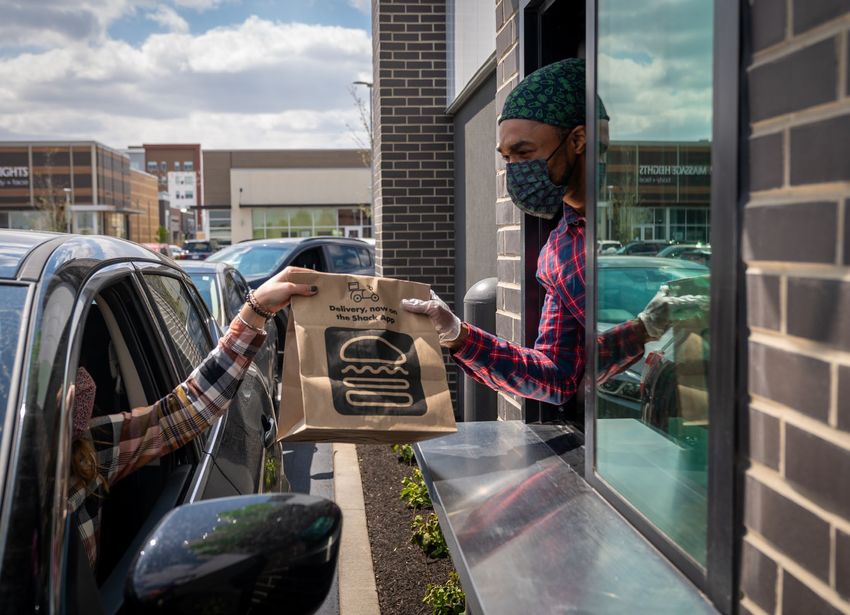
C A U T I O N A RY N O T E O N F O R WA R D - L O O K I N G S TAT E M E N T S

This presentation contains forward-looking statements,                                        "outlook," "potential," "project," "projection," "plan," "seek," "may," "could," "would,"
                                                                                              "will," "should," "can," "can have," "likely," the negatives thereof and other similar
within the meaning of the Private Securities Litigation                                       expressions. All forward-looking statements are expressly qualified in their entirety by
Reform Act of 1995 ("PSLRA"), which are subject to                                            these cautionary statements. Some of the factors which could cause results to differ
                                                                                              materially from the Company’s expectations include the impact of the COVID-19
known and unknown risks, uncertainties and other                                              pandemic, our ability to develop and open new Shacks on a timely basis, the
important factors that may cause actual results to be                                         management of our digital capabilities and expansion into delivery, and risks relating to
                                                                                              the restaurant industry generally. You should evaluate all forward-looking statements
materially different from the statements made herein.                                         made in this presentation in the context of the risks and uncertainties disclosed in our
                                                                                              Annual Report on Form 10-K for the fiscal year ended December 30, 2020 as filed with
All statements other than statements of historical fact included in this presentation are     the Securities and Exchange Commission (the "SEC"). All of the Company's SEC
forward-looking statements, including, but not limited to, expected financial results         filings are available online at www.sec.gov, www.shakeshack.com or upon request
and operating performance for fiscal 2021, including guidance for the third quarter of        from Shake Shack Inc. The forward-looking statements included in this presentation
2021 and the full year of 2021, expected 2021 key financial drivers, expected                 are made only as of the date hereof. The Company undertakes no obligation to publicly
development targets for fiscal 2021 and fiscal 2022, including expected Shack                 update or revise any forward-looking statement as a result of new information, future
construction and openings, expected same-Shack sales growth and trends in the                 events or otherwise, except as otherwise required by law.
Company’s operations, the Company's licensed business, the Company's investment
in its employees, the expansion of the Company’s delivery services, the Company’s
digital investments and strategies, and statements relating to the effects of COVID-19
and the Company’s mitigation efforts.

Forward-looking statements discuss the Company’s current expectations and
projections relating to its financial operations, plans, objectives, future performance and
business. You can identify forward-looking statements by the fact that they do not
relate strictly to historical or current facts. These statements may include words such
as "aim," "anticipate," "believe," "estimate," "expect," "forecast," "future," "intend,"                                                          2020 Strategic Plan
                                                                                                                          Meeting of the Board of Directors | Q4 2019                2
Q 2 2 0 2 1 R E S U LT S

Total Revenue:                                                                                                                   Shack system-wide sales1:                                                                                                           Same-Shack Sales versus 20202,3:

$187M                                                                                                                                $282M                                                                                                                                      +52.7%
     +104.2% YoY                                                                                                                              +127.7% YoY                                                                                                               (12.4%) decrease in SSS versus
                                                                                                                                                                                                                                                                                     2019

                                                        Shack-level operating profit4:                                                                                                                        Adjusted EBITDA5:

                                                               $34.8M                                                                                                                                     $20.6M
                                                                19.2% of Shack sales                                                                                                                     11.0% of Total Revenue

1.    “Shack system-wide sales” is an operating measure and consists of sales from the Company's domestic Company-operated Shacks, domestic licensed Shacks and international licensed Shacks. The Company does not recognize the sales from licensed Shacks as revenue. Of these amounts,
      revenue is limited to licensing revenue based on a percentage of sales from domestic and international licensed Shacks, as well as certain up-front fees, such as territory fees and opening fees.
2.    "Same-Shack sales" or “SSS” represents Shack sales for the comparable Shack base, which is defined as the number of domestic Company-operated Shacks open for 24 full fiscal months or longer. For Shacks that were temporarily closed, the comparative prior period was also adjusted.
3.
4.                                                                                                                                                                                                                                     2020 Strategic Plan
      To normalize for the 53rd week in fiscal 2020, the compare periods for both 2020 and 2019 have been shifted forward a week from the fiscal calendar in order to show a more like-for-like comparison. See Financial Details section for more information and 2021 SSS comparative periods.
      "Shack-level operating profit," a non-GAAP measure, is defined as Shack sales less Shack-level operating expenses including food and paper costs, labor and related expenses, other operating expenses and occupancy and related expenses. See Financial Details section for definition and

5.
      reconciliation to most comparable GAAP measure.
                                                                                                                                                                                                               Meeting of the Board of Directors | Q4 2019
      “Adjusted EBITDA,” a non-GAAP measure, is defined as EBITDA excluding equity-based compensation expense, deferred lease costs, impairment and loss on disposal of assets, amortization of cloud-based software implementation costs, as well as certain non-recurring items that the
                                                                                                                                                                                                                                                                                                    3
      Company does not believe directly reflect its core operations and may not be indicative of the Company's recurring business operations. See Financial Details section for definition and reconciliation to most comparable GAAP measure.
BUSINESS HIGHLIGHTS
In-Shack Come Back: Standing Together: Strong New Openings and
Average weekly sales (AWS)1 Investing $10M in Shack team Development:
improvement, at $72K in Q2, with wage increases and Class of 2021 AWS $81K and
driven by the return of in- retention bonuses over next opened 19 Company-operated
Shack sales. Digital sales 12 months, while doubling YTD as of fiscal July. Targeting 35-
retention remains high at down on team member 38 total openings in 2021, including
~80%2. professional development. the first Shack drive thru.
Total Revenue System-wide Sales System-wide Shack Count Cash Flow from Operations
$631 Million $944 Million 339 as of Q2 2021 $56 Million
339
$595 $631 $944M 311 $90
$895M 275 $85
$523
$459 $779M $71
208
$359 $672M $54 $56
159
$268 $532M $37
114
$403M
2016 2017 2018 2019 2020 Q2 2016 2017 2018 2019 2020 Q2 2016 2017 2018 2019 2020 Q2 2016 2017 2018 2019 2020 Q2
2021 2021 2021 2021
(TTM) (TTM) (TTM)
1. Average Weekly Sales (“AWS”) is calculated by dividing total Shack sales by the number of operating weeks for all Shacks in operation during the period. For Shacks that are not open for the entire period, fractional adjustments are made to the number of operating weeks open
such that it corresponds to the period of associated sales. 2020 Strategic Plan
2. Retention of fiscal January 2021 digital sales levels in fiscal June 2021, when digital sales peaked.
3. CAGR for total revenue, system-wide sales, system-wide Shack count and cash flow from operations, is the compounded annual growth rate between 2016 and the end of Q2 2021. Meeting of the Board of Directors | Q4 2019 4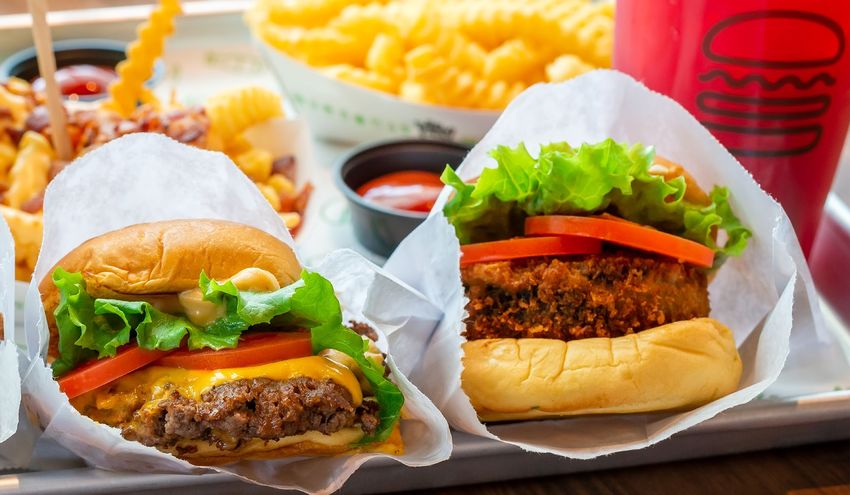
F I S C A L J U LY 2 0 2 1 S N A P S H O T

Building Sales Momentum:                                                                                                                Strong New Shack Sales:                                                                                                                          SSS vs 2020 Recovery:

    $74K                                                                                                                                         $81K                                                                                                                                             38%
    Fiscal July AWS,                                                                                                               Fiscal July Class of 2021 AWS;                                                                                                                    Increase in fiscal July SSS
   up from $64K in Q1                                                                                                                 ~20% higher than rest of                                                                                                                              versus 20201
                                                                                                                                     Company-operated Shacks

                                                               SSS vs 2019 Improvement:                                                                                                                     Urban SSS v 2019 Progress:

                                                                            (9%)                                                                                                                                      (18%)
                                                              Fiscal July SSS versus 2019,                                                                                                                 Urban fiscal July SSS versus
                                                               improvement from (15%) in                                                                                                                  2019, improvement from (27%)
                                                                       fiscal April                                                                                                                                in fiscal April

                                                                                                                                                                                                                                               2020 Strategic Plan
                                                                                                                                                                                                                       Meeting of the Board of Directors | Q4 2019                                        5
     1.   To normalize for the 53rd week in fiscal 2020, the compare periods for both 2020 and 2019 have been shifted forward a week from the fiscal calendar in order to show a more like-for-like comparison. See Financial Details section for more information and 2021 SSS comparative periods.
INVESTING ADD’L $10M IN SHACK TEAM OVER NEXT 12 MONTHS
   W E A R E F O C U S E D O N R E TA I N I N G A N D D E V E L O P I N G O U R C U R R E N T A N D F U T U R E E M P L O Y E E S

Announced an additional          Also providing $1M in               Shake Shack is proud to             Leadership development
investment of more than          hiring and retention                offer equity grants for             programs train team
$9M in Shack team member         bonuses.                            General Managers,                   members for internal
wage increases, following                                            allowing them to grow               promotions and build our
the raises provided earlier                                          with the company.                   pipeline for growth.
                                                                                                             2020 Strategic Plan
this year.                                                                            Meeting of the Board of Directors | Q4 2019   6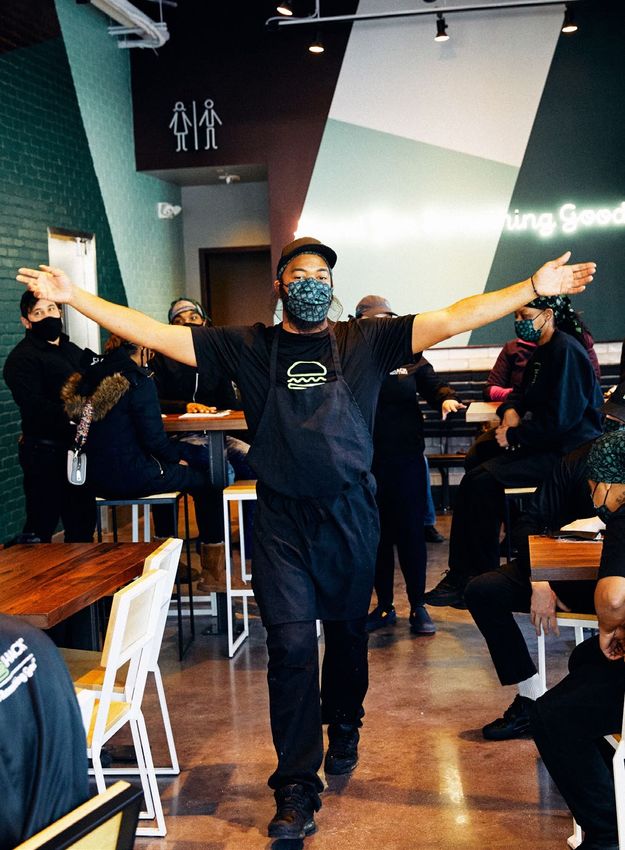
AV E R A G E W E E K LY S A L E S R E C O V E RY C O N T I N U E S
   H I G H L E V E L S D R I V E N P R E D O M I N AT E LY B Y I N - S H A C K S A L E S > 3 0 0 % I N Q 2 2 0 2 1 V E R S U S 2 0 2 0

                                                                                                                                                                                       Q2 AWS $72K

                                                                                                                                                                                                                            $74K                         $74K
                                                                                                                                                                                               $71K
                                    AWS                                                                                                                           $69K
                                                                                                                                     $64K
                                                                                                         $62K
                                                                       $58K

                                    $45K

Total YoY Shack Sales
Growth / (Decline)
                                   (39%)                              (17%)                                  (3%)                      9%                         171%                          85%                          82%                           62%
                                   Second                              Third                             Fourth                       First                        Fiscal                       Fiscal                       Fiscal                       Fiscal
                                   Quarter                            Quarter                            Quarter                     Quarter                       April                         May                         June                          July
                                    2020                               2020                               20201                       2021                         2021                          2021                        2021                          2021
                                                                                                                                                                                                                                                                  2020 Strategic Plan
    1.   Fourth Quarter 2020 total YoY Shack sales decline excludes impact of the  53rd                                                                                                                              Meeting
                                                                                          fiscal accounting week and compares the thirteen weeks from September 24, 2020 through December 23, 2020 to the thirteen weeks             of26,the
                                                                                                                                                                                                                         from September          Board
                                                                                                                                                                                                                                          2019 through       of25,Directors
                                                                                                                                                                                                                                                       December    2019. The | Q4 2019   7
         favorable impact of the 53rd week in fiscal 2020 was an incremental Shack sales of $10.7 million.
O N G O I N G U R B A N R E C O V E RY D R I V I N G C O M PA N Y I M P R O V E M E N T
S U B U R B A N H O L D I N G S T E A D Y AT 2 0 1 9 L E V E L S

URBAN/SUBURBAN1 SAME-SHACK SALES VS PRIOR YEAR AND 20192

 Second Quarter                           Third Quarter                         Fourth Quarter                           First Quarter                             Fiscal April                            Fiscal May                             Fiscal June                             Fiscal July
     2020                                     2020                                   2020 3                                  2021                                     2021                                    2021                                   2021                                    2021

         Suburban SSS%                                          Urban SSS%

         Total SSS%

                                                                                                                                                                                                                                                                                                     48%
                                                                                                                                                                                                                                                                                                     38%
                                                                                                                                                                                                                                                                                                     30%
                                                                                           (0%)
                                                                                                                                                                                  (1%)                             1%                                        (1%)                                  1%
                                                  (16%)                                  (17%)                                            (4%)
                                                                                                                                                                                                                                                                                                  (9%)
                                                                                                                                          (15%)                                   (15%)                          (12%)                                      (11%)
                                                  (32%)                                                                                   (25%)                                                                  (23%)                                                                            (18%)
          (38%)                                                                                                                                                                   (27%)                                                                       (19%)
          (49%)                                                                          (31%)
                                                  (43%)
          (57%)
                                                                                                                                                                                                                                                                         Dotted lines represent
                                                                                                                                                                                                                                                                         2021 SSS % vs 2019

1.
                                                                                                                                                                                                                                          2020 Strategic Plan
     Urban refers to a Shack that is located in a very densely populated city area. These locations tend to be very walkable, close to lots of traffic, shopping, tourism and/or office buildings. Suburban is any Shack that is not classified as urban.
2.                                                                                                                                                                                                                Meeting of the Board of Directors | Q4 2019
     To normalize for the 53rd week in fiscal 2020, the compare periods for both 2020 and 2019 have been shifted forward a week from the fiscal calendar in order to show a more like-for-like comparison. See Financial Details section for more information and 2021 SSS comparative periods.            8
3.   For Q4 2020, same-Shack sales excludes the impact of the fourteenth week and compares the thirteen weeks from September 24, 2020 through December 23, 2020 to the thirteen weeks from September 26, 2019 through December 25, 2019.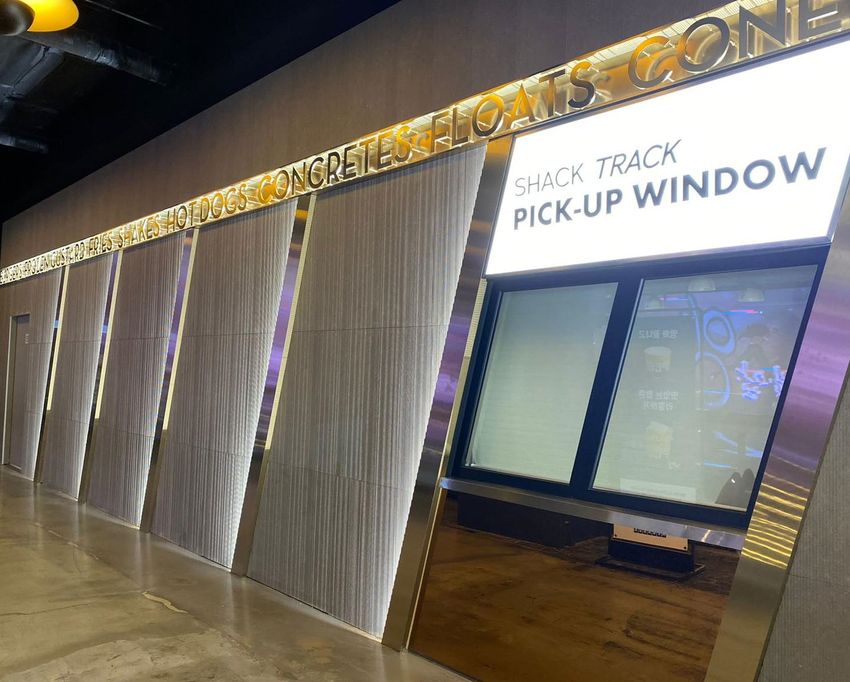
BROAD BASED SAME SHACK SALES IMPROVEMENT ACROSS
  A L L R E G I O N S , L E D B Y N Y C R E C O V E RY

 REGIONAL1 SAME-SHACK SALES 2 VS PRIOR YEAR3
                                                                                                                                                                                                                                                                                 Fiscal                Fiscal
Second Quarter Third Quarter Fourth Quarter                                                     First Quarter                      Fiscal April                     Fiscal May                      Fiscal June                       Fiscal July                                April                  July
    2020           2020           2020 4                                                            2021                              2021                             2021                            2021                              2021                                   2021 vs               2021 vs
                                                                                                                                                                                                                                                                                  2019                  2019

                                  Northeast                                  Midwest                                                                                                                                                                                                2%                  4%
                                  Southeast                                  NYC (incl. Manhattan)
                                  West                                       Manhattan                                                                                                                                                              68%                            (9%)                (5%)
                                                                                                                                                                                                                                                    53%
                                                                                                                                                                                                                                                    51%                           (11%)                (8%)
                                                                                                                                                                                                                                                    48%
                                                                                                                                                                                                                                                    30%
                                                                                                                                                                                                                                                    25%                           (17%)                (9%)

                                                                                                                                                                                                                                                                                  (35%)               (26%)
(41%)
(41%)
(45%)                                                                                                                                                                                                                                                                             (44%)               (33%)
(47%)
(64%)
(69%)
   1.   The regions of domestic Company-operated Shacks are defined as: NYC, which represents 5 boroughs; Northeast, which represents non-NYC NY, CT, DC, DE, MA, MD, NJ, PA, RI, VA; Southeast, which represents AL, FL, GA, LA, NC, TN, TX; Midwest, which represents IL, KS, KY, MI, MN,

   2.
        MO, OH, WI; and West, which represents AZ, CA, CO, NV, UT, WA.                                                                                                                                                                   2020 Strategic Plan
        "Same-Shack sales" or “SSS” represents Shack sales for the comparable Shack base, which is defined as the number of domestic Company-operated Shacks open for 24 full fiscal months or longer. For days that Shacks were temporarily closed, the comparative year period was also adjusted.
   3.                                                                                                                                                                                                            Meeting of the Board of Directors | Q4 2019
        To normalize for the 53rd week in fiscal 2020, the compare periods for both 2020 and 2019 have been shifted forward a week from the fiscal calendar in order to show a more like-for-like comparison. See Financial Details section for more information and 2021 SSS comparative periods.           9
   4.   For Q4 2020, same-Shack sales excludes the impact of the fourteenth week and compares the thirteen weeks from September 24, 2020 through December 23, 2020 to the thirteen weeks from September 26, 2019 through December 25, 2019.
R E TA I N E D ~ 8 0 % O F D I G I TA L S A L E S A S I N - S H A C K R E C O V E R S 1 , 2
 ~ 1 7 % I N C R E A S E O F N E W P U R C H A S E R S I N C O M PA N Y- O W N E D A P P & W E B C H A N N E L S Q o Q ,
 2 . 8 M T O TA L P U R C H A S E R S A C Q U I R E D S I N C E M A R C H 2 0 2 0

         In-Shack Sales $
                                                                                                                                                                                                                                                             Q2 Digital Mix 47%
         Digital Sales $
                                                                                                                                                                                                     Q1 Digital Mix 60%
                                                                                                                                              Q4 Digital Mix 59%
                                                                                      Q3 Digital Mix 60%

                               Q2 Digital Mix 75%

                                                                                                                                                            60%                60%                64%               62%                54%                51%                   48%
% Indicates                                 81%               68%                62%                60%                59%               58%                                                                                                                                          42%      40%
 digital mix             78%
    of sales

                        Fiscal             Fiscal             Fiscal             Fiscal           Fiscal            Fiscal              Fiscal            Fiscal   Fiscal                        Fiscal            Fiscal              Fiscal             Fiscal            Fiscal    Fiscal   Fiscal
                        April               May               June                July            August          September            October          November December                       January           February             March              April              May      June      July
                        2020               2020               2020               2020              2020             2020                2020              2020     2020                          2021               2021               2021               2021              2021      2021     2021
                                                                                                                                                                                                                                              2020 Strategic Plan
  1.   Retention of fiscal January 2021 digital sales levels in fiscal June 2021, when digital sales peaked.
                                                                                                                                                                                                                      Meeting of the Board of Directors | Q4 2019                                       10
  2.   Digital sales includes sales made through the Shake Shack mobile application, Shake Shack website, and delivery partners. Does not include sales through Kiosks that are located inside Shacks. Digital sales are normalized to reflect a consistent four-week period.
C L A S S O F 2 0 2 1 O P E N I N G S : AW S ~ 2 0 % > R E S T O F C O M PA N Y
1 9 S H A C K S O P E N E D A S O F F I S C A L J U LY, 3 5 - 3 8 S H A C K S T O TA L I N 2 0 2 1 ; 4 5 - 5 0 O P E N I N G 2 0 2 2
New Shacks will incorporate elements
of Shack Track digital experience,
delivering greater guest convenience.
Fishers, IN, our second Shack Track
drive-up window currently serving
~20% of sales.
About a third of class of 2021 new
Shacks will have Shack Track walk-up
windows and 10% will have drive-up
windows.
2020 Strategic Plan
Meeting of the Board of Directors | Q4 2019 11TA R G E T I N G 1 0 D R I V E T H R U O P E N I N G S T H R O U G H 2 0 2 2
D Y N A M I C D E S I G N S W I L L E L E VAT E T H E D R I V E T H R U G U E S T E X P E R I E N C E A N D P R O V I D E
CONVENIENCE
First drive thru opening in 2021; Drive thrus incorporate enlightened
milestone in multi-format evolution hospitality through branded digital features
2020 Strategic Plan
Meeting of the Board of Directors | Q4 2019 12LICENSED BUSINESS STRENGTHENED IN Q2
D O M E S T I C T R AV E L , S TA D I U M V E N U E R E O P E N I N G S A N D C E R TA I N I N T E R N AT I O N A L M A R K E T S
D R O V E I M P R O V E M E N T S , W H I L E C O V I D - I M PA C T E D G L O B A L M A R K E T S R E M A I N V O L AT I L E
$8.6M $8.7M
$7.7M
Licensed Weekly Sales 1
$6.6M
$6.1M $6.0M
$5.3M
$2.7M
Total YoY
Licensed Sales
(55%) (20%) (11%) (6%) 233% 227% 144% 86%
Growth /
(Decline)
Second Quarter Third Quarter Fourth Quarter First Quarter Fiscal April Fiscal May Fiscal June Fiscal July
2020 2020 20202 2021 2021 2021 2021 2021
1.
2020 Strategic Plan
Licensed weekly sales is an operating measure and consists of sales from domestic licensed Shacks and international licensed Shacks. The Company does not recognize the sales from licensed Shacks as revenue. Of these amounts, revenue is limited to licensing revenue based on a percentage of sales
from domestic and international licensed Shacks, as well as certain up-front fees, such as territory fees and opening fees. Meeting of the Board of Directors | Q4 2019 13
2. Fourth Quarter 2020 total YoY licensed sales decline excludes impact of the 53rd fiscal accounting week. The favorable impact of the 53rd week in fiscal 2020 was an incremental licensed sales of $7.0 million.L I C E N S E D B U S I N E S S G L O B A L F O O T P R I N T E X PA N S I O N
15 Shacks opened 20-25 Shacks targeted in Strong class of 2021; Expanded development
through fiscal July, 20-251 2022 in new and existing opening of first Shack in agreement with partners
total expected for fiscal markets, including Shenzhen saw one of the in China to grow
2021. Shack Track formats. highest opening week footprint over next 10
sales across all system- years; including more
One permanently closed wide Shacks. Shacks in South China
and 10 remain temporarily and entry into Central
closed through fiscal July China.
primarily due to COVID. 2020 Strategic Plan
Meeting of the Board of Directors | Q4 2019 14
1. 2021-2022 expected Shack openings is gross and does not include closures.F O C U S O N C U L I N A RY I N N O VAT I O N
LT O C A L E N D A R F E AT U R E S C H I C K E N A N D S E A S O N A L L E M O N A D E S . L I F T I N AV E R A G E
IN-SHACK CHECK IN Q2 VERSUS Q1 DRIVEN BY POPULAR BEVERAGE OFFERINGS
2020 Strategic Plan
Meeting of the Board of Directors | Q4 2019 15
152021 OUTLOOK
Q3 2021 Guidance
Q3 and full year 2021 guidance is derived from recent trends and does not assume
Total revenue $194M to $200M
material changes to the current operating environment, inclusive of any potential
Shack sales $188M to $193M further COVID impacts
Licensed revenue $6M to $7M
Same-Shack sales versus 2020 + mid to high 20s%
Shack-level operating profit margin 15% to 17%
FY 2021 Guidance
Domestic Company-operated openings 35 to 38
Licensed openings (gross) 20 to 25
General and administrative expenses $86M to $88M1
Equity-based compensation Approximately $9M
Depreciation expense $60M to $63M
Pre-opening costs $13M to $14M
1. Includes approximately $8M of the approximately $9M total Equity-based compensation.
These forward-looking projections are subject to known and unknown risks, uncertainties and other important factors that may cause actual results to be
materially different from these projections. Factors that may cause such differences include those discussed in the Company's Form 10-K for the fiscal year
ended December 30, 2020 and our Cautionary Note On Forward-Looking Statements herein.
These forward-looking projections should be reviewed in conjunction with the condensed consolidated financial statements and the section titled “Cautionary
2020 Strategic Plan
Note Regarding Forward-Looking Information” which form the basis of our assumptions used to prepare these forward-looking projections. You should not Meeting of the Board of Directors | Q4 2019 16
attribute undue certainty to these projections, and we undertake no obligation to revise or update any forward-looking information, except as required by law.MARGIN PRESSURES INCLUDING LABOR INVESTMENTS
EXPECTED IN Q3
COMMITTED TO SUPPORT TEAM MEMBER RETENTION AND DEVELOPMENT
Anticipated impact of investments in team wages
and training as well as resumption of select costs
as guests come back to dining rooms
17% High
19.2%
14.8% 16.0% 15.0% 15% Low
2.2%
Second Third Fourth First Second Labor & Third
Quarter Quarter Quarter Quarter Quarter Other Quarter
2020 2020 2020 2021 2021 Impacts 2021
Guidance
2020 Strategic Plan
Meeting of the Board of Directors | Q4 2019 17FINANCIAL
DETAILS 2020 Strategic Plan
Meeting
Board
of the
ofBoard
Directors
of Directors
Meeting| | Q1
Q4 2020
20192 0 2 1 M E T H O D O L O G Y F O R S A M E - S H A C K S A L E S C A L C U L AT I O N
Notes Fiscal Calendar Comparisons
Reason for Shifted Weeks:
Given the 53rd fiscal week in 2020 the
comparison periods for 2021 Same-Shack
Sales have been shifted one week forward in
both 2019 & 2020 to ensure comparable dates
and key holidays fall in similar weeks and,
therefore, create a more aligned year-over-year
compare
How to Read the Fiscal Calendar
Comparisons:
Fiscal periods are color coded to show
comparison weeks from the prior two years
For example: P1 W1 2021 (beginning 12/31/20)
is compared to P1 W2 2020 (beginning 1/2/20)
2020 Strategic Plan
Meeting of the Board of Directors | Q4 2019 19I N C O M E S TAT E M E N T
Thirteen Weeks Ended Twenty-Six Weeks Ended
June 30, 2021 June 24, 2020 June 30, 2021 June 24, 2020 (1) As a percentage of Shack sales.
Shack sales $ 181,470 96.8% $ 89,519 97.5% $ 332,138 96.9% $ 227,567 96.9%
Licensing revenue 5,990 3.2% 2,267 2.5% 10,604 3.1% 7,389 3.1%
TOTAL REVENUE 187,460 100.0% 91,786 100.0% 342,742 100.0% 234,956 100.0%
(1)
Shack-level operating expenses :
Food and paper costs 54,917 30.3% 30,027 33.5% 99,547 30.0% 69,591 30.6%
Labor and related expenses 52,631 29.0% 30,933 34.6% 99,013 29.8% 72,699 31.9%
Other operating expenses 24,275 13.4% 14,304 16.0% 47,419 14.3% 32,083 14.1%
Occupancy and related expenses 14,876 8.2% 12,323 13.8% 28,787 8.7% 24,881 10.9%
General and administrative expenses 20,366 10.9% 14,017 15.3% 39,931 11.7% 30,208 12.9%
Depreciation and amortization expense 14,472 7.7% 12,089 13.2% 28,198 8.2% 23,857 10.2%
Pre-opening costs 2,258 1.2% 1,734 1.9% 5,834 1.7% 3,977 1.7%
Impairment and loss on disposal of assets 358 0.2% 434 0.5% 727 0.2% 2,522 1.1%
TOTAL EXPENSES 184,153 98.2% 115,861 126.2% 349,456 102.0% 259,818 110.6%
OPERATING INCOME (LOSS) 3,307 1.8% (24,075) (26.2)% (6,714) (2.0)% (24,862) (10.6)%
Other income, net 108 0.1% 394 0.4% 139 0.0% 301 0.1%
Interest expense (359) (0.2)% (442) (0.5)% (874) (0.3)% (554) (0.2)%
INCOME (LOSS) BEFORE INCOME TAXES 3,056 1.6% (24,123) (26.3)% (7,449) (2.2)% (25,115) (10.7)%
Income tax expense (benefit) 991 0.5% (6,092) (6.6)% (10,089) (2.9)% (6,005) (2.6)%
NET INCOME (LOSS) 2,065 1.1% (18,031) (19.6)% 2,640 0.8% (19,110) (8.1)%
Less: net income (loss) attributable to non-controlling interests 121 0.1% (1,820) (2.0)% (613) (0.2)% (1,939) (0.8)%
NET INCOME (LOSS) ATTRIBUTABLE TO SHAKE SHACK INC. $ 1,944 1.0% $ (16,211) (17.7)% $ 3,253 0.9% $ (17,171) (7.3)%
Earnings (loss) per share of Class A common stock:
Basic $ 0.05 $ (0.43) $ 0.08 $ (0.48)
Diluted $ 0.05 $ (0.43) $ 0.06 $ (0.48)
Weighted-average shares of Class A common stock outstanding:
Basic 39,114 37,309 39,031 35,876 2020 Strategic Plan
Diluted 43,789 37,309 43,289 35,876 Meeting of the Board of Directors | Q4 2019 20S H A C K - L E V E L O P E R AT I N G P R O F I T D E F I N I T I O N S
Shack-Level Operating Profit operating results that are directly impacted by the Shacks and exclude items that may
Shack-level operating profit is defined as Shack sales less Shack-level operating not be indicative of, or are unrelated to, the ongoing operations of the Shacks. It may
expenses, including Food and paper costs, Labor and related expenses, Other also assist investors to evaluate the Company's performance relative to peers of various
operating expenses and Occupancy and related expenses. sizes and maturities and provides greater transparency with respect to how
management evaluates the business, as well as the financial and operational decision-
making.
"Shack-level operating profit margin," a non-GAAP measure, is defined as Shack
sales less Shack-level operating expenses, including food and paper costs, labor and
related expenses, other operating expenses and occupancy and related expenses as Limitations of the Usefulness of this Measure
a percentage of Shack sales. Shack-level operating profit and Shack-level operating profit margin may differ from
similarly titled measures used by other companies due to different methods of
calculation. Presentation of Shack-level operating profit and Shack-level operating profit
How This Measure Is Useful margin is not intended to be considered in isolation or as a substitute for, or superior to,
When used in conjunction with GAAP financial measures, Shack-level operating profit the financial information prepared and presented in accordance with GAAP. Shack-level
and Shack-level operating profit margin are supplemental measures of operating operating profit excludes certain costs, such as General and administrative expenses
performance that the Company believes are useful measures to evaluate the and Pre-opening costs, which are considered normal, recurring cash operating
performance and profitability of its Shacks. Additionally, Shack-level operating profit expenses and are essential to support the operation and development of the Company's
and Shack-level operating profit margin are key metrics used internally by Shacks. Therefore, this measure may not provide a complete understanding of the
management to develop internal budgets and forecasts, as well as assess the Company's operating results as a whole and Shack-level operating profit and Shack-
performance of its Shacks relative to budget and against prior periods. It is also used level operating profit margin should be reviewed in conjunction with the Company’s
to evaluate employee compensation as it serves as a metric in certain performance- GAAP financial results. A reconciliation of Shack-level operating profit to operating
based employee bonus arrangements. The Company believes presentation of Shack- income, the most directly comparable GAAP financial measure, is set forth on next slide.
level operating profit and Shack-level operating profit margin provides investors with a
supplemental view of its operating performance that can provide meaningful insights
to the underlying operating performance of the Shacks, as these measures depict the
2020 Strategic Plan
Meeting of the Board of Directors | Q4 2019 21S H A C K - L E V E L O P E R AT I N G P R O F I T
Thirteen Weeks Ended Twenty-Six Weeks Ended
(dollar amount in thousands) June 30, 2021 June 24, 2020 June 30, 2021 June 24, 2020
Operating income (loss) $ 3,307 $ (24,075) $ (6,714) $ (24,862)
Less:
Licensing revenue 5,990 2,267 10,604 7,389
Add: - - - -
General and administrative expenses 20,366 14,017 39,931 30,208
Depreciation and amortization expense 14,472 12,089 28,198 23,857
Pre-opening costs 2,258 1,734 5,834 3,977
Impairment and loss on disposal of assets(1) 358 434 727 2,522
Shack-level operating profit $ 34,771 $ 1,932 $ 57,372 $ 28,313
Total revenue $ 187,460 $ 91,786 $ 342,742 $ 234,956
Less: licensing revenue 5,990 2,267 10,604 7,389
Shack sales $ 181,470 $ 89,519 $ 332,138 $ 227,567
(2)
Shack-level operating profit margin 19.2% 2.2% 17.3% 12.4%
(1) For the twenty-six weeks ended June 24, 2020, amount includes a non-cash impairment charge of $1.1 million related to one Shack.
(2) As a percentage of Shack sales.
2020 Strategic Plan
Meeting of the Board of Directors | Q4 2019 22ADJUSTED EBITDA DEFINITIONS
EBITDA and Adjusted EBITDA How These Measures Are Useful
EBITDA is defined as Net income (loss) before interest expense (net of interest When used in conjunction with GAAP financial measures, EBITDA and adjusted
income), Income tax expense (benefit) and Depreciation and amortization EBITDA are supplemental measures of operating performance that the Company
expense. Adjusted EBITDA is defined as EBITDA (as defined above) excluding believes are useful measures to facilitate comparisons to historical performance
equity-based compensation expense, deferred lease cost, Impairment and loss on and competitors' operating results. Adjusted EBITDA is a key metric used
disposal of assets, amortization of cloud-based software implementation costs, as internally by management to develop internal budgets and forecasts and also
well as certain non-recurring items that the Company does not believe directly serves as a metric in its performance-based equity incentive programs and certain
reflect its core operations and may not be indicative of the Company's recurring bonus arrangements. The Company believes presentation of EBITDA and
business operations. adjusted EBITDA provides investors with a supplemental view of the Company's
operating performance that facilitates analysis and comparisons of its ongoing
business operations because they exclude items that may not be indicative of the
“Adjusted EBITDA margin,” a non-GAAP measure, is defined as net income Company's ongoing operating performance.
(loss) before interest expense (net of interest income), taxes, depreciation and
amortization, which also excludes equity-based compensation expense, deferred
lease costs, impairment and loss on disposal of assets, amortization of cloud- Limitations of the Usefulness of These Measures
based software implementation assets, as well as certain non-recurring and other EBITDA and adjusted EBITDA may differ from similarly titled measures used by
items that the Company does not believe directly reflect its core operations, as a other companies due to different methods of calculation. Presentation of EBITDA
percentage of revenue. and adjusted EBITDA is not intended to be considered in isolation or as a
substitute for, or superior to, the financial information prepared and presented in
accordance with GAAP. EBITDA and adjusted EBITDA exclude certain normal
recurring expenses. Therefore, these measures may not provide a complete
understanding of the Company's performance and should be reviewed in
conjunction with the GAAP financial measures. A reconciliation of EBITDA and
adjusted EBITDA to net income, the most directly comparable GAAP measure, is
set forth on next slide. 2020 Strategic Plan
Meeting of the Board of Directors | Q4 2019 23ADJUSTED EBITDA
Thirteen Weeks Ended Twenty-Six Weeks Ended
(dollar amounts in thousands) June 30, 2021 June 24, 2020 June 30, 2021 June 24, 2020
Net income (loss) $ 2,065 $ (18,031) $ 2,640 $ (19,110)
Depreciation and amortization expense 14,472 12,089 28,198 23,857 (1) Represents amortization of capitalized implementation costs related to cloud-based software
arrangements that are included within General and Administrative expenses.
Interest expense, net 359 442 874 554
(2) Reflects the extent to which lease expense is greater than or less than contractual fixed base rent.
Income tax expense (benefit) 991 (6,092) (10,089) (6,005)
(3) Includes losses on disposals of property and equipment in the normal course of business. For the
EBITDA 17,887 (11,592) 21,623 (704)
twenty-six weeks ended June 24, 2020, this amount includes a non-cash impairment charge of $1.1
- - - - million related to one Shack.
Equity-based compensation 1,958 1,419 3,639 2,719 (4) Costs incurred in connection with the Company’s Convertible Notes, issued in March 2021, including
Amortization of cloud-based software implementation costs(1) 314 368 627 628 consulting and advisory fees.
Deferred lease costs(2) (75) 479 129 149 (5) Expense incurred to establish an accrual related to the settlement of a legal matter.
(3) (6) Represents fees paid in connection with the search and hiring of certain executive and key
Impairment and loss on disposal of assets 358 434 727 2,522
(4)
management positions.
Debt offering related costs - - 236 - (7) Represents consulting and advisory fees related to the Company's enterprise-wide system upgrade
(5) initiative called Project Concrete.
Legal Settlement 24 - 619 -
(8) Represents incremental expenses incurred related to an inventory adjustment and certain employee-
Executive transition costs(6) 179 34 179 68 related expenses.
(7)
Project Concrete - 24 - (237) (9) Calculated as a percentage of total revenue, which was $187,460 and $342,742 for the thirteen and
Other (8) - - - 285 twenty-six weeks ended June 30, 2021, respectively, and $91,786 and $234,956 for the thirteen and
twenty-six weeks ended June 24, 2020, respectively.
Adjusted EBITDA $ 20,645 $ (8,834) $ 27,779 $ 5,430
- - - -
Adjusted EBITDA margin (9) 11.0% (9.6)% 8.1% 2.3%
2020 Strategic Plan
Meeting of the Board of Directors | Q4 2019 24A D J U S T E D P R O F O R M A E F F E C T I V E TA X R AT E D E F I N I T I O N S
Adjusted Pro Forma Effective Tax Rate Limitations of the Usefulness of this Measure
Adjusted pro forma effective tax rate represents the effective tax rate assuming the Adjusted pro forma effective tax rate may differ from similarly titled measures used
full exchange of all outstanding SSE Holdings, LLC membership interests ("LLC by other companies due to different methods of calculation. Presentation of
Interests") for shares of Class A common stock, adjusted for certain non-recurring adjusted pro forma effective tax rate should not be considered an alternative to
items that the Company does not believe are directly related to its core operations effective tax rate, as determined under GAAP. While this measure is useful in
and may not be indicative of its recurring business operations. evaluating the Company's performance, it does not account for the effective tax
rate attributable to the non-controlling interest holders and therefore does not
provide a complete understanding of effective tax rate. Adjusted pro forma
How This Measure Is Useful effective tax rate should be evaluated in conjunction with GAAP financial results. A
When used in conjunction with GAAP financial measures, adjusted pro forma reconciliation of adjusted pro forma effective tax rate, the most directly comparable
effective tax rate is a supplemental measure of operating performance that the GAAP measure, is set forth on next slide.
Company believes is useful to evaluate its performance period over period and
relative to its competitors. By assuming the full exchange of all outstanding LLC
Interests, the Company believes this measure facilitates comparisons with other
companies that have different organizational and tax structures, as well as
comparisons period over period because it eliminates the effect of any changes in
effective tax rate driven by increases in its ownership of SSE Holdings, which are
unrelated to the Company's operating performance, and excludes items that are
non-recurring or may not be indicative of ongoing operating performance.
2020 Strategic Plan
Meeting of the Board of Directors | Q4 2019 252 0 2 1 A D J U S T E D P R O F O R M A E F F E C T I V E TA X R AT E
Thirteen Weeks Ended Fiscal Year Ended
June 30, 2021 June 30, 2021
Income Tax Income (Loss)
Expense Before Income Effective Tax Income Tax Income Before Effective
(dollar amounts in thousands) (Benefit) Taxes Rate Expense Income Taxes Tax Rate
As reported $ 991 $ 3,056 32.4% $ (10,089) $ (7,449) 135.4%
Non-GAAP adjustments (before tax):
Debt offering related costs - - 236
Revolving Credit Facility amendment-related costs - - 323
Legal settlement 24 - 619
Executive transition costs 179 - 179
Tax effect of non-GAAP adjustments and assumed exchange of
outstanding LLC Interests (112) (136) -
Adjusted pro forma $ 879 $ 3,259 27.0% $ (10,225) $ (6,092) 167.8%
Less:
Net tax impact from stock-based compensation 121 8,472 -
Adjusted pro forma (excluding windfall tax benefits) 1,000 $ 3,259 30.7% $ (1,753) $ (6,092) 28.8%
2020 Strategic Plan
Meeting of the Board of Directors | Q4 2019 262 0 2 0 A D J U S T E D P R O F O R M A E F F E C T I V E TA X R AT E
Thirteen Weeks Ended Fiscal Year Ended
June 24, 2020 June 24, 2020
Income Tax Income (Loss)
Expense Before Income Effective Tax Income Tax Income Before Effective
(dollar amounts in thousands) (Benefit) Taxes Rate Expense Income Taxes Tax Rate
As reported $ (6,092) $ (24,123) 25.3% $ (6,005) $ (25,115) 23.9%
Non-GAAP adjustments (before tax):
Executive transition costs 34 - 68
Project Concrete 24 - (237)
Inventory adjustment and certain employee-related expenses - 285
Tax effect of non-GAAP adjustments and assumed exchange of
outstanding LLC Interests 286 (1,533) -
Adjusted pro forma $ (5,806) $ (24,065) 24.1% $ (7,538) $ (24,999) 30.2%
Less:
Windfall tax benefits from stock-based compensation (876) 593
Adjusted pro forma (excluding windfall tax benefits) $ (6,682) $ (24,065) 27.8% $ (6,945) $ (24,999) 27.8%
2020 Strategic Plan
Meeting of the Board of Directors | Q4 2019 27C O N TA C T I N F O R M AT I O N
INVESTOR CONTACT
Melissa Calandruccio, ICR
Michelle Michalski, ICR
(844) Shack-04 (844-742-2504)
investor@shakeshack.com
MEDIA CONTACT
Kristyn Clark, Shake Shack
kclark@shakeshack.com
2020 Strategic Plan
Meeting of the Board of Directors | Q4 2019You can also read


