Shaping the future of your Green Wedge - Discussion Paper - Yan Yean Reservoir - Engage City of ...
←
→
Page content transcription
If your browser does not render page correctly, please read the page content below

Shaping the future
                     of your Green Wedge
                     Discussion Paper

Yan Yean Reservoir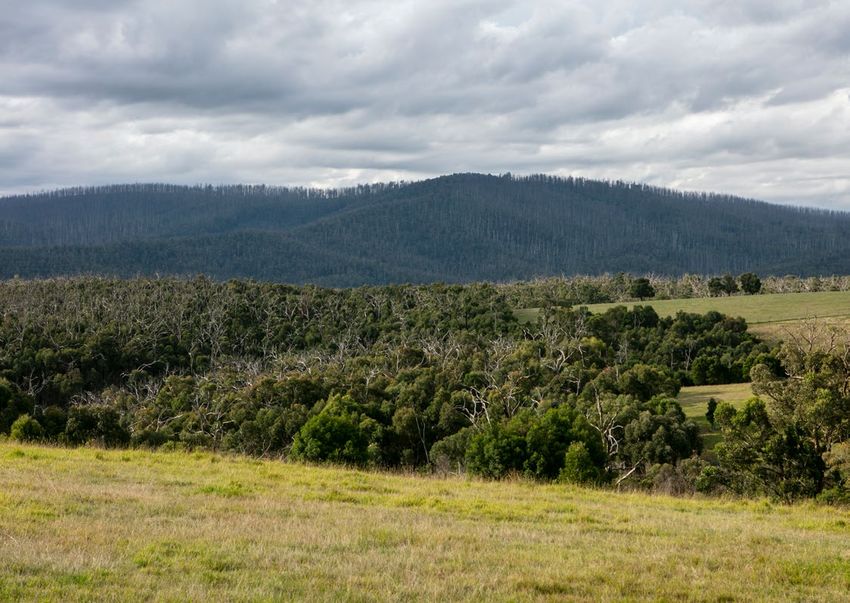
Contents                                                                                   Acknowledgement of
    Acknowledgement of Traditional Owners........................... 2                         Traditional Owners
    Abbreviations..................................................................... 2                        The City of Whittlesea recognises the rich
    Shaping the future of your Green Wedge                                                                      Aboriginal heritage of this Country and
    - Executive Summary.......................................................... 3                             acknowledges the Wurundjeri Willum Clan
    Part 1: Policy Context......................................................... 6                           as the traditional owners of this place.
       National & State Government Framework                                              7
                                                                                                                Artwork created by Mandy Nicholson Wurundjeri
       Local Framework                                                                    7                     artist, contains traditional Wurundjeri motifs and
    Part 2: The Whittlesea Green Wedge.................................. 9                                      represents how we are connected to the Earth, just
       Key Features and Values                                                            10                    like our fingerprints.
       Biophysical conditions                                                             13
       Community Snapshot                                                                 13
       Benefits of our Green Wedge
       Managing Whittlesea’s Green Wedge
                                                                                          15
                                                                                          17
                                                                                               Abbreviations
    Part 3: Agribusiness in the City of Whittlesea...................... 18                    ABS       Australian Bureau of Statistics
       A Changing Agricultural Landscape                                                  19
                                                                                                         Australian Institute of Aboriginal and Torres Strait
       A Growing Local Food Economy                                                       21   AIATSIS
                                                                                                         Islander Studies
       Understand our Challenges and Advantages                                           21
                                                                                               CoW       City of Whittlesea
    Part 4: Opportunities & Key Strategies................................ 22
       Whittlesea 2024 Goal 1: Connected Community                                        23             Department of Environment, Land, Water and
                                                                                               DELWP
                                                                                                         Planning
       Whittlesea 2024 Goal 2: Liveable Neighbourhoods                                    25
                                                                                                         Department of Economic Development, Jobs,
       Whittlesea 2024 Goal 3: Strong local Economy                                       29   DEDJTR
                                                                                                         Transport and Resources
       Whittlesea 2024 Goal 4: Sustainable Environment                                    35
                                                                                               DJPR      Departments of Jobs, Precincts and Regions
    Part 5: What does success look like?................................... 38
    References......................................................................... 41     GWMP      Green Wedge Management Plan
    Glossary ............................................................................ 42   UGB       Urban Growth Boundary
    Appendices........................................................................ 42
                                                                                               VCAT      Victorian Civil and Administrative Tribunal

2
Shaping the future of
your Green Wedge

                                                                                                                                                             Toorourrong Reservoir

Executive Summary
Over 60% of the City of Whittlesea is rural land and is currently protected from               children and grandchildren. It is now up to us to look after this important land
further urban development. This land which sits outside the Urban Growth                       through good planning and land management.
Boundary (UGB) is known as the ‘Green Wedge’. It is home to our beloved
National Parks, forests, reservoirs and nationally significant plants and animals.             What does a Green Wedge Management Plan (GWMP) do?
                                                                                               Like any other place, our Green Wedge is dynamic and constantly evolving. A
It is the green lungs of our rural and urban communities - its plants and soil clean
                                                                                               GWMP will provide clarity and greater certainty in respect to the future of the
the air we breathe, filter the water we drink, lower the temperature and reduce
                                                                                               Whittlesea Green Wedge area. It enables Council and its community to ‘clearly
the risk of flood in extreme weather events.
                                                                                               articulate the kinds of development or activities that are likely to be supported in
It is the green heart that connects us - its parks, open space and landscapes are              the Green Wedge’ (DELWP 2015).
where we walk, play and relax with family, friends and neighbours.
                                                                                               It is a State government requirement1 that all Councils2 containing Green Wedge
It is the green food bowl that feeds us – its farms and markets are where we                   areas must prepare a GWMP. The current Whittlesea GWMP is due for review in
work or get our fresh local fruits and vegetables.                                             2021. Council is reviewing the plan with the aim to finalise a 2022-2032 GWMP
Above all, it is the land that nourished us and it will continue doing so for our              ready for implementation by June 2022.

1
  The State government’s Planning Practice Note 31 - Preparing a Green Wedge Management Plan (DEWLP 2015) also provides a guide for the
preparation of a GWMP and sets out the general requirements that should be met.
2
  The Planning and Environment Act 1987 identify the 17 fringe councils including the City of Whittlesea.                                                                             3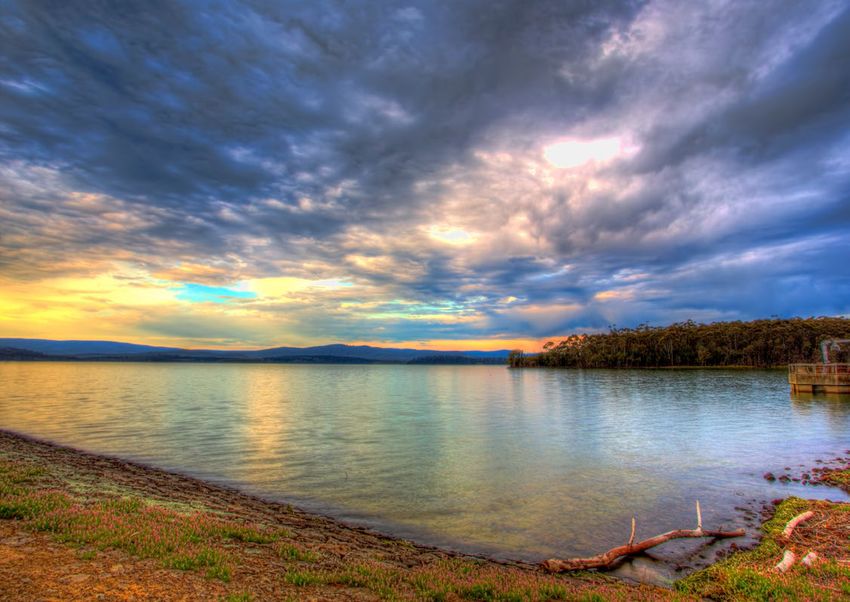
Purpose of the Discussion Paper                                                  Whittlesea 2040 Goal 3 - Strong local Economy
    Council are keen to understand what our community and stakeholders’ value         Opportunity 3.1 -   Support a stronger local food economy for local jobs and
    about the Whittlesea Green Wedge. This Discussion Paper has been developed        		                  healthier community.
    for public consultation in May 2021. It aims to:                                  Opportunity 3.2 -   Plan for sustainable, diverse and innovative farming
     ˗ Inform the community and other stakeholders about the Green Wedge              		                  practices
       Management Plan (GWMP) Review project and more broadly about the               Opportunity 3.3 -   Support Agritourism in the Green Wedge
       Whittlesea Green Wedge                                                         Opportunity 3.4 -   Protect and manage existing extractive industry and
     ˗ Generate and collect feedback on the identified opportunities for the          		                  landfill in the Green Wedge
       sustainable management of our Green Wedge
     ˗ Inform the development of a refreshed vision and priorities for the new
       GWMP 2022-32.                                                                 Whittlesea 2040 Goal 4 - Sustainable Environment
                                                                                      Opportunity 4.1 -   Improve the management and protection of biodiversity
    Proposed key opportunities                                                        Opportunity 4.2 -   Support local agriculture and improve water
    The Discussion Paper proposes the following key opportunities in the context      		                  management
    of the four overarching goals of Council’s Community Plan - Whittlesea 2040: A
                                                                                      Opportunity 4.3 -   Our residents and our environment benefit from a
    place for all:
                                                                                      		                  diverse, colourful, and healthy City Forest
    Whittlesea 2040 Goal 1: Connected Community
     Opportunity 1.1 - Support a rural community of diverse needs                    Have Your Say
     Opportunity 1.2 - Empower community on community-led initiatives                You can help shape the future of the Green Wedge by telling us what you value
     Opportunity 1.3 - Connect the Green Wedge with urban neighbours                 about our Green Wedge and what you feel should be the key priorities. In mid-
                                                                                     late 2021, after reviewing all the feedback received, we will come back to the
                                                                                     community with a draft GWMP for further comment. Council will also provide
    Whittlesea 2040 Goal 2: Liveable Neighbourhoods                                  a consultation report that summarises how the feedback from this current
                                                                                     consultation has informed the development of the draft GWMP Plan.
     Opportunity 2.1 -   Protect and enhance landscape amenity and rural
     		                  character
     Opportunity 2.2 -   Provide for safer settlement
     Opportunity 2.3 -   Manage sodic and dispersive soils
     Opportunity 2.4 -   Improve management of urban & rural interface
     		                  including discouragement of land speculation
     Opportunity 2.5 -   Finalise and start implementation of the new
     		                  Whittlesea Township Strategy

4
Timeline of the Whittlesea GWMP Review
Stage 1 Prepare the Stage 2 Finalise Final
Consultation Draft new Consultation GWMP for GWMP ready for
GWMP Council approval implementation
May/June 2021 June 2021 Mid - Late 2021 Early - Mid 2022 June 2022
What Council has been doing to date - Implementation of the Plan and implement trails within the Green Wedge:
GWMP 2011-2021 This includes a range of actions such as: Advocating for funding for regional
trails such as the Whittlesea Rail Trail from Mernda Station to connect to
The current GWMP 2011 -2021 Action Plan comprises 84 actions relating to
Whittlesea township; Working with Parks Victoria, Nillumbik Council and other
the themes of Land, Biodiversity, Water and People. Steady progress has been
agencies to implement the Plenty River Trail from the M80 Ring Road to Bridge
achieved to date in implementing the GWMP.
Inn Road by June 2023; Preparation, adoption and implementation of the
Below are some notable examples of completed actions and achievements. Refer Quarry Hills Parkland Master Plan.
to Appendix 1 – GWMP Implementation Progress Table for a complete summary Dedicated resource on safeguarding diverse values of our Green Wedge. The
of all the actions and their current progress. appointment of an Agribusiness Officer and an Environmental Protection
Whittlesea Community Food and Farm Collective: Officer.
A partnership between Melbourne Polytechnic, City of Whittlesea, Yarra Implementation of the increased differential farm rate of 40% to better
Valley Water and Whittlesea Community Connections to develop a community support agribusiness from 2017.
farm, educational programs, volunteering opportunities and pathways to
employment at Aurora Water Treatment Site in Epping North. The project Endorsement of a new Biodiversity Strategy which will map the biodiversity
will explore farming opportunities through the use of recycled water and also assets across the municipality, including the Green Wedge, to inform
support Whittlesea Community Connections in supplying food to vulnerable consideration of appropriate planning tools for protection.
community members. Completion of the Cultural Heritage Strategy that identifies and protects
Partnership between Council and Deakin University: heritage places across the municipality including Council owned places within
A Land Capability Assessment report was produced and disseminated to the Green Wedge.
the wider community. A further partnership project with Deakin University
focusing on climate resilient agriculture is currently in progress.
5
PART 1: Melbourne’s Green Wedges
Policy Context
GREATER
BENDIGO STRATHBOGIE
!
Seymour
MOUNT
ALEXANDER MITCHELL
Broadford
!
Kyneton
! MACEDON
RANGES Kilmore
!
HEPBURN MURRINDINDI
!
Gisborne WHITTLESEA
HUME
!
Ballan Bacchus NILLUMBIK
MELTON
BALLARAT Marsh
!
MOORABOOL
YARRA RANGES
BRIMBANK
MANNINGHAM
Melbourne
WYNDHAM !
MAROONDAH
HOBSONS KNOX
BAY
GOLDEN PLAINS
GREATER
GEELONG BAW BAW
KINGSTON
GREATER
DANDENONG
CARDINIA
FRANKSTON ! Warragul
! Drouin !
SURF COAST Geelong CASEY
This section outlines the national, Torquay
QUEENSCLIFFE
state and local legislative and policy ! SOUTH
Jan Juc ! GIPPSLAND
framework within which the GWMP MORNINGTON
PENINSULA
operates. BASS COAST
6
National & State Government Framework In addition, Council’s submission has also identified a range of matters that
require further careful consideration by DELWP. A copy of Council’s submission
At a national level, the Environment Protection and Biodiversity Conservation Act can be accessed on Council’s website: Green Wedge Management Plan -
1999 (the EPBC Act) provides a legal framework to protect and manage nationally Whittlesea Council. The findings of the State government review are planned
and internationally important flora, fauna, ecological communities and heritage to be released in mid-2021. Council officers will work closely with DELWP to
places. incorporate results from the GWAL review into the Whittlesea GWMP 2022-32.
In 2002, the State Government established an Urban Growth Boundary (UGB)
around Melbourne to manage outward expansion in a coordinated manner. Difference between the City of Whittlesea’s GWMP Review
It also identified 12 Green Wedge areas in 17 local government areas and and the State Government’s GWAL Review
put in place policies to protect these valued areas. This includes a legislative While the Whittlesea GWMP identifies local land use planning policy directions
requirement outlined in the Planning and Environment Act 1987 requiring for our Green Wedge areas, it must operate within the overarching Victorian
that any proposed alteration of its location be ratified by both Houses of the legislative and policy framework that will be updated by the State government
Parliament of Victoria. GWAL review. This means that the GWMP Review project cannot change things
The current State government articulates its future vision and desired planning such as the UGB or override any other policies or controls set out by the State
outcomes for Melbourne’s Green Wedge via Plan Melbourne 2017–2050 (‘Plan Government. On the other hand, the State Government is proposing a wide
Melbourne’) - the city’s current metropolitan strategy. Above all, Plan Melbourne range of changes to the State planning system in relation to the Green Wedges.
states the Victorian Government’s intention to maintain a permanent urban It is important to note that the State government’s GWAL Review does not
growth boundary to strengthen protection and management of Melbourne’s propose any change to the UGB. Council has been advocating for relevant
green wedges. It also articulates a vision for Green Wedges and is an important changes supporting stronger protection of biodiversity conservation and
reference for policy formulation and decision-making in relation to the Green agriculture land through the GWAL review process.
Wedges (see Appendix 2 - Plan Melbourne 2017-2050 Desired planning
outcomes for green wedge and peri-urban areas).
Local Framework
State Government’s Planning for Melbourne’s Green Wedge The Whittlesea Planning Scheme, the GWMP and other relevant Council
and Agricultural Land Review (GWAL) Project strategies provide the local framework for manging land use and development in
As part of the Plan Melbourne implementation, the GWAL Review is currently our Green Wedge.
underway to strengthen Green Wedge planning provisions and protect
Whittlesea Planning Scheme
agricultural land.
The Whittlesea Planning Scheme contains both local provisions and broader
Post the first-round consultation in 2019, the Department of Environment, Land, state and regional provisions that apply across all relevant municipal planning
Water and Planning (DELWP) released a consultation paper in November 2020 schemes.
that outlined the proposed changes to the legislative and policy framework.
Council has made a submission to the GWAL Review which is generally The Whittlesea Planning Scheme contains the following state and regional
supportive of the following key proposals identified in the consultation paper to: provisions relevant to Green Wedges:
Further strengthen the legislative and policy framework for Green Wedge. ˗ Clause 11.01-1R Green Wedges – Metropolitan Melbourne
˗ Clause 11.03-3S Peri-urban areas
Protect all agricultural land rather than just strategic agricultural land.
˗ Clause 51.02 Metropolitan Green Wedge Land
Establish ‘right to farm’ legislation where the zoning supports agricultural use
as a primary purpose. ˗
Part 1: Policy Context | 7
˗ The Whittlesea Planning Scheme also contains the following local policies                 Other City of Whittlesea Strategies
        relevant to Whittlesea’s Green Wedge:                                                     In developing a whole of government approach for managing our Green Wedge,
      ˗ Clause 02.03 Municipal Planning Strategy                                                  the new GWMP needs to recognise and complement a range of other Council
      ˗ Clause 11.01-1L Green Wedge                                                               strategies that all play a crucial role in facilitating ongoing rural sustainability and
      ˗ Clause 12.01-1L Protection of biodiversity                                                prosperity. The Discussion Paper notes the relevant strategies, including but not
                                                                                                  limited to:
      ˗ Clause 14.01-2L Sustainable agricultural land use
      ˗ Clause 15.03-1L Heritage Conservation in Whittlesea                                         ˗ Whittlesea 2040: A Place for All3
     There are three rural zones in the Whittlesea Green Wedge and all of these                     ˗ Biodiversity Strategy and Action Plan (2019)
     zones provide for the use of land for agriculture and biodiversity enhancement. A              ˗ Greening Whittlesea City Forest Strategy (2020-2040)
     summary of rural zones in the Whittlesea Planning Scheme is included below.                    ˗ Economic Development Strategy (2017)
                                                                                                    ˗ Water for All Strategy (2020)
     Table 1. Rural zones applied in Whittlesea Green Wedge
                                                                                                    ˗ City of Whittlesea Open Space Strategy (2016)
                    Zone                                     Description                            ˗ Health and Wellbeing Partnership Plan (2017-2021)
         Rural Conservation Zone       a conservation zone that caters for rural areas with         ˗ Cultural Heritage Strategy (2019 -2025)
                                       special environmental characteristics                      In addition, a new Investment Attraction Strategy is also being developed which
         Green Wedge Zone              a zone that provides for all agricultural uses and         will outline Council’s approach to supporting and encouraging investment across
                                       limits non rural uses to those that either support         the whole municipality whilst future review of Council’s Economic Development
                                       agriculture or tourism, or that are essential for          Strategy may include specific actions in respect tourism and the visitor economy.
                                       urban development but cannot be located in
                                       urban areas for amenity or other reasons
         Green Wedge A Zone            a zone that provides for most (i.e. Intensive animal
                                       production is prohibited) agricultural uses and
                                       limits non rural uses to those that either support
                                       agriculture or tourism, or that are essential for
                                       urban development but cannot be located in
                                       urban areas for amenity or other reasons.
                                       The Zone also recognises and protects the amenity
                                       of existing rural living areas

         (The table is developed based on Planning Practice Note 42 – Applying the Rural
         Zones)

     3
      Note the new Council Plan 2021-2025 is being prepared at the time of writing this
     Discussion Paper. Findings from the consultation will inform the drafting of the new GWMP.

8   | Part 1: Policy Context
PART 2:
                                                                                                                          Toorourrong

Green Wedge
                                                                                                                          Reservoir
                                                   Beveridge
                                                                                                                                                     Yea Road

                                                                                   Eden Park                                            Humevale

                                                                                                                   ownship                            Kinglake West
                                                                                                          and Surrounds

                                             Donnybrook

                                                                         Woodstock
                                                                                                       Yan Yean       Yan Yean
                                                                                                                      Reservoir

our Green Wedge: the physical features       Wollert                                                                                    Area of Studies

                                                                                                             Doreen
of our land and its associated values,                                                        Mernda
                                                                                                                                             Suburb boundaries

                                                                                                                                             Green Wedge Areas
our people. It is followed by a discussion
                                                                                          South Morang
                                                       Epping
and how Council manage our Green
Wedge in partnership with other
                                                                                    Mill Park
                                                  Lalor

                                             Thomastown                            Bundoora
                                                          Metropolitan Ring Road

                                                                                                                                                                      9
Key Features and Values Wedge is public land used for closed water catchments, national parks and state
forests. Other land uses and characteristics include:
Before European settlement, the Wurundjeri Willum clan people lived on
the land that now forms the Whittlesea Green Wedge. Caring for Country Significant flora and fauna habitats
is a term used to describe the relationship between traditional owners and Agricultural activities
their country. Caring for Country is more than the physical management of Rural living and small settlements
the land, water, plants and animals, but also encompasses looking after all
of the values, places, resources, stories, and cultural obligations associated Recreation and tourism attractions opportunities
with the area, as well as associated processes of spiritual renewal, Scenic landscapes
connecting with ancestors, food provision and maintaining kin relations Significant Aboriginal and European heritage places
(AIATSIS 2011).
Extractive resources such as sand, clay, gravel and stone
Nowadays, our Green Wedge contains two distinctly different parts: the
Whittlesea Township4 and the rural settlements around it (Map 1. Whittlesea The table below summarises what our community told us in 2011, 2018 and most
Green Wedge). The latter includes the localities of Eden Park, Humevale, recently in 2021 regarding what they value about our Green Wedge and more
Kinglake West, part of South Morang, Woodstock, part of Wollert, part of broadly the rural area5. The results indicate that the broader City of Whittlesea
Donnybrook, part of Beveridge, part of Mernda, part of Doreen, part of community, regardless of where they live, care about our rural area and the Green
Whittlesea and Yan Yean. The Whittlesea Green Wedge is characterised by Wedge. It is also worth noting that unsurprisingly wellbeing benefit was ranked as
its diverse landforms, soil types and land uses. Almost half of our Green the second most valued benefits of our Green Wedge in the March 2021 survey
administered amid the pandemic.
Table 2. Green Wedge Values identified by CoW communities
Top Green Wedge Value identified in 2011 GWMP Consultation (CoW 2011) What our residents love about and hope for What do you value most about the ‘Green
our rural area? Wedge’ parts of the City of Whittlesea?
key words from Whittlesea 2040 Council Plan 2021-2025 Council Plan Engagement (CoW
Consultation (CoW 2018) 2021)
1. Rural vistas: Visually open, green spaces, atmosphere, peace and quiet, ‘vista ˗ kind, friendly people ˗ Just the pure existence of natural
of Melbourne’ providing a visual break from residential development ˗ rural/country atmosphere landscapes and features like hills, trees,
2. Connection to the land: Good land stewardship, productivity of rural ˗ natural surroundings; wildlife; and beautiful waterways and animals
activities, intergenerational knowledge and experience views ˗ The positive effects on my wellbeing from
˗ retain our rural feel and appropriate new enjoying green natural spaces
3. Connection to each other: Social links between residents and government
developments ˗ Environmental benefits (e.g. reduced
leads to wellbeing and harmony
˗ more activation and support of rural areas pollution in the air and water)
4. Biodiversity: Upper reaches of several water catchments, ‘lungs of
Melbourne’ and conservation of a range of habitats
5. History: Links to past and present places of significance
4
Council officers are currently in the process of finalising a draft Strategy for the Whittlesea Township to guide future planning and decision making within the Township. A key action from the
draft Strategy is to establish a clear Township Boundary around the Township. Subject to endorsement of the Strategy by Council and If the State Government supports this action in the form of a
permanent UGB around the Township, the Whittlesea Township would then not form part of the Green Wedge as defined under the Planning and Environment Act 1987.
5
The rural area in the Whittlesea 2040 context is slightly different to the Green Wedge boundary. The former including Beveridge, Eden Park, Humevale, Kinglake West, Whittlesea (township),
Woodstock and Yan Yean.
10 | Part 2: The Whittlesea Green WedgeTable 3. Whittlesea Green Wedge - Key features and values identified by GWMP 2011-2021
The Whittlesea Green Wedge is Significant landscapes include the
home to a diverse range of native flat agricultural landscape of the
Biodiversity plants and animals, including native Landscape Plenty Valley, scattered River Red
grasslands of National and State Gums and majestic Plenty Ranges
significance, River Red Gum Grassy that provide a scenic backdrop to
Woodland, and forested areas the city of Melbourne. These rural
such as Kinglake National Park and and natural landscapes provide a
Mount Disappointment State Forest. sense of place whilst contributing
Rural areas provide the majority to ecological values, supporting
of habitat for native species, and tourism and also being culturally
in some cases contain the only significant. The landscape
remaining vegetation community qualities of the Green Wedge are
within the region. Healthy natural a part of Melbourne’s distinctive
environments and the ecosystem character and appeal.
services they support are important
for the prosperity and liveability for
which Melbourne is renowned.
Areas of productive agricultural land The Whittlesea Green Wedge
support locally grown produce such supports the upper and middle
as olives, wineries, berry farms and catchment areas of the Plenty
Agriculture cheese products offered for sale at
Water River, Darebin Creek and Merri
local markets. Although a part time Creek. This area contains several
pursuit for many residents, grazing closed water supply catchments
and equestrian activities are also that contribute to Melbourne’s
common. Productive agricultural water supply, and is home to the
land is a finite resource and plays Toorourrong and Yan Yean water
an important role in contributing storage reservoirs. Waterways,
to local food supply and making wetlands and floodplains within
Melbourne a sustainable city. In the the municipality provide valuable
Whittlesea Green Wedge, high value environmental, social and
is placed on the quality of the rural economic benefits for residents
landscape, contributing an essential and visitors alike.
liveability element.
11 | Part 2: The Whittlesea Green WedgeThe Green Wedge is highly valued Before European settlement,
for its liveability with many small the Aboriginal people of the
Communities rural settlements and areas of rural Heritage Wurundjeri wilam clan inhabited
& Settlements living. The township of Whittlesea the area. There are many sites of
is the most significant, containing cultural significance throughout
around half of the rural population. the Green Wedge associated
Many residents are attracted to the with Aboriginal culture, such as
Green Wedge by the rural lifestyle scarred trees, along waterways
and sense of community. and stony rises. Remnants of
early European settlement occur
on rural living lots and broadacre
farms, often delineated by dry
stone walls, outbuildings and
historic hedgerows. These sites
hold special meaning for all
Melburnians and need to be
sustained for future generations.
The Whittlesea Green Wedge Several extractive industry
supports a wide range of recreational operations which were previously
Tourism & pursuits, natural attractions and Extractive located within the Whittlesea
Recreation events. Key attractions range from Industry Green Wedge area have been
the Country Music Festival to the included within the new UGB,
Whittlesea Agricultural Show. leaving only two of the current
Other attractions include farmers Work Authorities partly located
markets, golf courses, local farm gate within the Green Wedge. Extractive
products, bushwalking, camping and industries play a fundamental role
horse riding trails. These activities in supporting Melbourne’s future
deliver important economic, social development and prosperity.
and environmental benefits to
local communities and broader
Melbourne.
Part 2: The Whittlesea Green Wedge | 12Biophysical conditions How does the Green Wedge compare with 10 years ago? A comparison of
population in 2021 and 2011 shows a similar trend:
The biophysical conditions are the qualities of the land including the soil, water
and air. Slow population growth with an increasingly higher proportion of people who
live in the Whittlesea Township.
Much of the northern area of the Whittlesea Green Wedge is hilly and
susceptible to gully formation resulting from erosion. Any removal of vegetation An ageing population overall, with a minor but steady decrease in average
and ground cover in these areas heightens the risk of gully formation and household size.
erosion, especially when the soils are sandy or sodic and prone to structural A far more culturally homogenous community compared to the rest of the city.
decline. One reverse trend worth noting is the change in the level of education of Green
Based on high level soil mapping information, it is believed that Whittlesea’s Wedge residents. In 2011, 42% of our Green Wedge residents had some form
Green Wedge area is likely to contain sodic and dispersive soils (Jacobs 2020). of qualification6, slightly below the municipal average at 46%. By 2016, 47% of
The significant environmental and economic impacts of erosion are often site- Green Wedge residents had some form of qualification whilst the municipal
specific, yet their effects are wide ranging including but not limited to: average has dropped to 39%.
Increased erosion potential In comparison with the rest of the municipality, other notable features about our
Green Wedge residents include:
A deterioration in water quality and degradation of aquatic flora and fauna
habitat, Highest median age and highest volunteering rate.
Failure of civil and private assets (i.e. roads, fences and sheds) due to soil Higher rate of disengaged youth – defined as 15-24-year-olds who are not in
movement employment, looking for work or in full-time study.
Diminishing areas of productive agricultural land Considerably higher proportion of Technicians and Trade Workers and a
Poor ability to establish vegetative growth leading to a failure to thrive for slightly higher proportion of Managers or Professionals.
open spaces, gardens and street trees. A notable trend of the 14-25 and 45-59 age cohort moving out of the Green
Decreased infiltration and high runoff rates Wedge.
In addition, soil salinity has previously been identified as a key biophysical threat Higher and growing proportion of Aboriginal and Torres Strait Islanders
to our Green Wedge with saline soils recorded across much of our Green Wedge population.
area. Saline soils can have a significant impact on biodiversity, farming, water Population distribution in the city of Whittlesea
quality and physical condition of rivers and streams. Similar to sodic soil, it can
also degrade soil structure and cause erosion. Rest of Green Wedge 1%
W. Township 3%
Community Snapshot
Our Green Wedge is home to 3.7% of the municipal population. Of those 8,855
people, 64 per cent live in the Whittlesea Township (ID Demographic Profile,
2020). Urban Areas
96%
6
In this case, it refers to Vocational, Diploma or Advanced Diploma, Bachelor or Higher degree
13 | Part 2: The Whittlesea Green WedgeTable 4. Whittlesea Green Wedge Social- Economic Profile Born in non-English speaking Country Volunteering
People 40%
Median Age Takes public Unemployed 35%
transport to 30% 33.4% CoW - Non Green
work Wedge Area 10.8%
25%
Green Wedge 38.9 4.3% 3.9% 20%
Non-Green 35.0 12.8% 5.8% 15%
Wedge 10%
CoW - Green
Families and households 5% Wedge Area 20%
Ave. Households Median weekly 0% 3.9%
CoW - Green CoW - Non Green
people per experiencing household Wedge Area Wedge Area 0% 5% 10% 15% 20% 25%
household mortgage stress income
Green Wedge 2.8 9.1% $1,300
Non-Green 3 14.4% 1,350
Wedge
Lone Person Household Houses with four or more bedrooms
Dwellings
Medium/ Homes owned Three or more
25%
high density outright motor vehicles
42%
housing per dwelling
Green Wedge 5.8% 34.1% 28.8%
20%
21.2% 41%
40% 41.3%
15%
Non-Green 17.4% 26.3% 19.5% 15.8% 39%
Wedge 38%
10%
37%
Source: ID Demographic Profile https://profile.id.com.au/
Whittlesea (2016 Census data) 5%
36% 36.9%
35%
0% 34%
CoW - Green CoW - Non Green CoW - Green CoW - Non Green
Wedge Area Wedge Area Wedge Area Wedge Area
Part 2: The Whittlesea Green Wedge| 14It is worth noting that the data above is based on Australian As discussed in Key Features and Values on page 10, results
Bureau of Statistics (ABS) data which was collected before the from the March 2021 survey suggest that while the intrinsic
COVID19 pandemic. The pandemic has and could continuously value of our Green Wedge continues to be recognised as the
disrupt the trends observed in the past decade. According top value, wellbeing benefit for the first time is ranked as the
to the ABS, in the June 2020 quarter alone, there was a net second most valued benefit of our Green Wedge.
loss of 10,484 people from capital cities to regional Australia.
On the other hand, the importance of access to healthy local
Greater Melbourne (including Green Wedges) went from
food has been a recurring message from our research and our
slightly positive migration in the June 2019 quarter to a loss of
community: A Food System background report (CoW, 2015,
almost 8,000. If extrapolated out to a year, it could translate
p24) indicated that there are high levels of dietary-related ill-
into a net loss of 32,000 people from Melbourne per annum.7
health in our municipality. Access to affordable healthy food is DISCUSSION:
A report commissioned by Council suggests that it is too early a critical issue for our low- and middle-income groups. As part
to tell how the outward migration from Greater Melbourne to of the Whittlesea 2040 Consultation in 2018, our community What do you feel the
regional areas might have implications for our Green Wedge told us that ‘ensuring safe and healthy local food options in top 3 benefits are of
area (SGS, 2021). Council would need to closely monitor the a climate constrained future’ (Whittlesea 2040 Community the Whittlesea Green
implication as part of the GWMP implementation. Engagement Report, 2018: p58) was important to them. Wedge?
In 2020 before the Covid-19 pandemic hit Melbourne, the
Benefits of our Green Wedge Upper Merri Creek communities (including those in the City of
Whilst it is valued for its own sake, our Green Wedge also Whittlesea) have been advocating for local food production.
provides essential benefits for the health and wellbeing of The effects of the pandemic are anticipated to only further
our rural residents and the broader community. The range of amplify these preferences. (Upper Merri Creek Integrated
benefits include but are not limited to: Water Management Plan Partnership, 2020)
Protects areas of landscape amenity and environmental Finally, there is significant potential economic benefit of
significance providing more local jobs via agriculture, agri-tourism and
related agribusiness in our Green Wedge. According to Deloitte
Reduces pollution in the air and water Access Economics (2016), the estimated existing economic
Reduces impacts from extreme climate events like flood, contribution of food production and manufacturing in Greater
drought and heat Melbourne’s Green Wedge and peri urban area contributes
Provides access to green and blue open space for physical $2.45 billion per annum to the city’s regional economy and
and mental health creates 21,001 full-time equivalent jobs. More information
regarding our local agribusiness will be provided in Part 3.
Provides local jobs in agriculture, agri-tourism and related Agribusiness in the City of Whittlesea.
agribusiness.
Provides fresh local food
Supports the overall liveability of Melbourne
7
Source: ABS, Regional internal migration estimates, provisional, June 2020, cited in id. Blog Exodus from Melbourne to the regions during the
pandemic | .id blog
15 | Part 2: The Whittlesea Green WedgeBenefits of our Green Wedge:
Reduces impact of
extreme weather
events such as
floods, droughts and
heatwaves Green spaces,
rural and natural
landscapes provide
a sense of place
Provides jobs in
agriculture and
agri-tourism
Absorb CO2, reduce
pollution in the air
and water
A place to
escape the city
Provides fresh
local food
Habitat for plants
and animals
Places with rich
historical and
cultural values
Water catchments
provide us with
Home to our clean water to drink
beloved forest and
national parks
Part 2: The Whittlesea Green Wedge| 16Managing Whittlesea’s Green
Wedge
Managing Whittlesea’s Green Wedge is a shared responsibility
and involves a wide range of stakeholders including:
Traditional owners
Private landowners, residents, local business owners.
Government departments, power companies and service
DISCUSSION: agencies such as VicRoads, Melbourne Water, Parks Victoria
who manage significant land holdings, natural features,
What do you feel the state assets or local facilities.
key challenges are to Volunteers and community groups including Landcare
properly manage our groups, Friends of groups, Country Fire Authority, dedicated
Green Wedge? community interest groups and sporting groups such as
equestrian clubs.
What could the City of
It is important to recognise that Council has different roles
Whittlesea do to better
and responsibilities in the management of the Green Wedge.
manage the green Increasingly, the City of Whittlesea also needs to partner with
wedge? the federal and state governments, other local councils and
organisations who share a common interest in managing our
How could the City Green Wedge areas. Below is a summary of the various roles
of Whittlesea better and responsibilities that Council has in relation to the Green
support you to manage Wedge:
your land?
We provide essential community services and infrastructure
(Provider)
We advocate to state and federal governments for
environmental protection, funding of community services
and infrastructure projects. (Advocator)
We support and work with local community groups,
organisations and government agencies to deliver
environmental protection, services and infrastructure
projects the community needs (Facilitator)
We prepare local planning policy guiding development
and determine planning applications in our Green Wedge.
Council also issues permits for native vegetation, septic
tank, local laws, land management and so on (Regulator)
17PART 3:
Agribusiness in the
City of Whittlesea
Agribusiness, for the purpose of this
section, includes following:
Primary production, or farming,
forestry, aquaculture and fisheries
Manufacturing activities that process
the primary products, such as milk
processors, wine making, food
manufacturers/processors
Wholesaling the primary, or processed
products, such as grain storage
Agri-tourism with our rural landscapes,
wineries/vineyards, harvest trails
and small-scale food producers who
contribute to our visitor economy
18A Changing Agricultural
Landscape
Historically, the City of Whittlesea was a strong,
diverse agricultural region servicing Melbourne with
a wide array of produce, including meat, milk, wool,
grain, fruit, vegetables and eggs. Many influences
including the impact of urban development have
since changed the overall value and diversity of our
agriculture sector.
In 2015/16, the municipality has an agricultural
commodity value at around 83 million with
mushrooms being the dominant agricultural
commodity. In fact, about 83% of the mushrooms
(value) produced in Greater Melbourne are produced
in the City of Whittlesea. The other main commodity
is fruits such as berries, apricots, apples, pears and
peaches, comprising 0.4 percent of the total value.
In addition, there remains a small amount of dairy,
while poultry and egg production are experiencing
renewed interest in the area.
The number of people employed in Agriculture,
forestry and fishing industries has reduced steadily
from 481 people in 1996 to 332 in 2011. However,
the number starts to increase in 2016. In 2016, 514
local residents were employed by the agriculture,
forestry and fishing industries. Amongst those
working in the industry, 100 of them are GW
residents (id, community profile, 2020).
19 | Part 3: Agribusiness in the City of WhittleseaTable 5. 2015-2016 Agricultural Production in CoW (Source: id economic profile)
Commodity/Production Value Value % CoW Total
Crops for Hay 158,799 0.2
Eggs 357,045 0.4
Livestock Cattle and 2,023,819 2.4
slaughtering calves
(2.9%)
Sheep and 203,444 0.2
lambs
Goats 30,908 0.0
Poultry 166,031 0.2
Milk 182,667 0.2
Nurseries & cut flowers 1,669,224 2.0
Nuts (Almonds)8 2,135,128 2.6
Other broadacre crops 18,004 0.0
Fruits 352,140 0.4
Vegetables Mushrooms 75,571,428 91.0
(91.1%)
Other 96,283 0.1
Wool 117,646 0.1
Agriculture - Total Value 83,082,568 100.0
8
This is due to the existence of one large nuts wholesaler in our municipality.
Part 3: Agribusiness in the City of Whittlesea| 20A Growing Local Food Economy
industry and a growing food retailing industry in the municipality that makes up our food chain. This might involve:
our growing local food economy.
food product
Data indicates that food product manufacturing
manufacturing isis the
the largest
largest manufacturing
manufacturing Growing our own food in backyard, community or school kitchen gardens,
sub-sector in the City of Whittlesea. In 2015/16, the sub-sector was worth
Embracing farm gate and other direct and short value chain sales, and
$860.5 million. Food Retailing is another growing sector with significant speciali-
sation in our municipality, worth $230.3 million (total output) in 2015/16. The Buying local and regional food
growth is potentially linked to the contribution of local agricultural products in
local markets. (Agribusiness Profile, CoW,2018) Understand our Challenges and Advantages
Green Wedge community told us that ‘Rural residents want to give living on the land
ecological and social health. It goes on to suggest that a go, but it is becoming tougher’
boost employment growth and business development in agriculture, food Engagement Findings Report, Capire, 2019).
Market at Epping’ (CoW, 2015, p3). the agricultural sector. The Table below summarises the key issues and advantages
Table 6. Challenges and advantages of our Agribusiness
facing agriculture, and the broader agribusiness in our municipality.
Challenges Advantages
Proximity to growing urban markets,
Changing demographics and lifestyle of our Green Wedge residents (lack of
farming as a profession) Access to key transport infrastructure, including the Hume Freeway, Melbourne
Airport and the future Beveridge Intermodal Freight Terminal (BIFT)
Rising ‘on farm’ costs (e.g. rates, water, employees, soil and crop
University’s strong agricultural programs
dominance of a larger, more intensive farming industry
Council commitment to protect and encourage agricultural land use, including a
Unequal treatment of farmers in peri-urban areas as opposed to regional dedicated agribusiness support resource.
bodies)
21PART 4:
Opportunities &
Key Strategies
This section provides a summary of the
key opportunities for our Green Wedge
over the next decade. It will be discussed
in the context of the overarching goals
of Council’s Community Plan Whittlesea
2040: A place for all:
1. Connected Community
2. Liveable Neighbourhoods
3. Strong local Economy
4. Sustainable Environment
22PART 4:
Opportunities & Key Strategies
These are outlined in the table below:
Strengths Constraints
A stable and increasingly better qualified working Knowledge gap on how the pandemic will impact
Whittlesea 2040 age group. The proportion of working age settlement patterns or housing markets in the
Goal 1
group is projected to stabilise at around 60%. In Green Wedge
addition, the level of qualification of our Green Lack of renewal and rejuvenation of community
Wedge community has been increasing. There groups given the minor population growth and
is opportunity to accommodate those in skilled the ageing population
labour by providing more local jobs, especially
Outward migration of the 14-25 and 45-59 age
Connected
those 45-54 age cohort who are moving outward
cohorts
Existing enthusiasm from volunteers. Despite the
concern over rejuvenation of community groups A gradual but steady cultural shift in a perception
Community members, there is a much higher proportion that the Green Wedge might be ‘given over’ to
(20%) of residents in the GW doing some sort residential development as more city people
of volunteering, compared to the CoW average move into rural areas, putting more value on
(12%) rural living vs agricultural and conservation
value, as well as expecting levels of services and
facilities akin to urban areas rather than the
Green Wedge
A Green Wedge Supports and In addition, some of the constraints identified in the In preparing a new GWMP, it is important our rural
Connects all current GWMP are also still relevant today: and urban residents of all ages, needs and cultural
Limited understanding by the broader community backgrounds have an opportunity to inform the
The Whittlesea Green Wedge snapshot of the role of farmers in contributing to land development of the new Green Wedge vision, but
outlined in Part 2 provides an overview of management, revegetation and conserving and also in participating in any community-led initiatives
the profile of our Green Wedge community. regenerating scenic rural landscapes. identified that are vital for achieving the vision of
From this snapshot we can draw some of our Green Wedge.
Limited interaction with traditional landowners
the potential strengths and constraints restricts understanding and preservation of
to achieving the goal of a Connected Aboriginal heritage places. Also, a lack of
Community in the context of our Green understanding of how Aboriginal Caring for
Wedge. Country practices can be best utilised to improve
the land.
Lack of knowledge by the community of existing
heritage places within the municipality
23OPPORTUNITIES & STRATEGIES
The following opportunities and key strategies are identified Opportunity 1.3 - Connect the Green Wedge with urban
to contribute to the goal of a connected communities, which neighbours
include but not limited to:
Enhancing the community’s understanding about the
Opportunity 1.1- Support a rural community of diverse needs diverse roles our Green Wedge plays in supporting climate
DISCUSSION:
resilience, health and well-being and food security.
Investigating the reasons behind the outward immigration
trend occurring in the Green Wedge in order to meet the Developing/implementing actions to better acknowledge
needs of our residents. and celebrate heritage, in particular Aboriginal cultural
To what extent do
heritage in our Green Wedge.9
Investigating ways to provide local education and training you agree with the
opportunities for the 10-24 age cohort. Foster a stronger connection between the Green Wedge opportunities and
and the rest of municipality. Some of the sub-strategies key strategies in this
Exploring opportunities to support home business or other
could involve:
flexible employment opportunities that are compatible with section?
Green Wedge values. ˗ Leveraging the enthusiasm from volunteers, working
with schools and other youth groups in both urban and Do you have any other
Opportunity 1.2- Empower community on community-led
non-urban areas to rejuvenate the Green Wedge interest ideas or things you
initiatives
groups. would like to change?
Supporting partnership among community groups and ˗ Contributing to the open space network that provides
residents. (E.g. Ask the community what role the City of opportunities for people to connect with each other and
Whittlesea can play to enable the community groups to with the natural environment. i.e. provision for complete
better connect with fellow residents or each other) path networks, cycling paths and removal of ‘missing
Better informing and preparing the local rural residents links’ in existing networks to enable greater use of these
on various aspects of rural living. (E.g. rural character/ facilities for informal activity and active travel.
amenity, rural land capability, planning controls regarding ˗ Connecting urban residents with the Green Wedge and
vegetation removal, planning controls for agricultural use rural community via events. i.e. Open Farm Day that
in Rural Conservation Zone, sustainable land management, provides opportunities for the urban community to learn
regenerative principles, pest and weed management.) about the food supply chain and the value of agricultural
Exploring opportunities for Council to involve community production in our Green Wedge.
members as local experts on land use and sustainable land
management topics.
9
It is worth noting that the City of Whittlesea has just commenced an Aboriginal Culture Study in partnership with the traditional owners towards the
identification and protection of tangible and intangible Aboriginal Cultural Heritage.
24PART 4:
Opportunities & Key Strategies
Liveability could cover a wide range of things: Some believe that many of those who choose
a more rural lifestyle prioritise factors such as
˗ a mild climate
rural and natural landscapes, socially cohesive
˗ diverse and affordable housing
communities and will tolerate lower income
˗ sufficient physical infrastructure (i.e. transport
levels, less accessible employment and inadequate
Whittlesea 2040 and telecommunication systems) and social
infrastructure (Michael Buxon & Andrew Butt
Goal 2
infrastructure like health care, education
2020). In the Whittlesea context, as indicated by the
˗ affordable living costs
earlier discussion under Key Feature and Values, our
˗ safety and stability
community, regardless of where they live, care about
˗ amenity
rural character, atmosphere and ensuring that new
˗ a clean environment
development is appropriate. As such, the following
˗ a sense of connectiveness to family and friends
Liveable ˗ a general sense of well-being
opportunities and key strategies are proposed:
Neighbourhoods OPPORTUNITIES & STRATEGIES
Opportunity 2. 1 - Protect and enhance landscape development in these areas retain landforms that
amenity and rural character contribute to diverse environments and sense of
place.
Further analysing and then articulating the
components of the existing landscape amenity in Based on Council’s planning application data, one
Liveable Green Wedge for local planning policies, key strategy could be supporting the community
Urban & Rural Communities Developing design guidelines for rural to achieve better siting and design of outbuildings/
developments and using design as a tool to sheds in the Green Wedge. In the past decade, over
Liveability can be defined as the ‘general half of the statutory planning applications in our
mitigate land-use conflicts
quality of a place which makes it pleasant Green Wedge are related to outbuildings/sheds. This
Working with the State government to better can cause problems for multiple reasons:
or agreeable for people to reside’ (Tract
define appropriate uses in the Green Wedge and
Consultants & Deloitte Access Economics setting up clear expectations regarding the design ˗ Potential inconsistency with the purposes of the
2015). and scale/intensity of those uses. More will be Green Wedge;
discussed in the next section of the paper. ˗ The intensity of the building size and associated
uses - some of those sheds are built at a
The Green Wedge and rural land character local scale larger than those on industrial blocks in
policy in the Whittlesea Planning Scheme already designated industrial areas and have multiple cars
identifies the need to protect landscape amenity and trucks entering and leaving sites via dirt roads
and rural land character. The City of Whittlesea, with that were not designed for heavy use.
the guidance and support from State government, ˗ Erosion - some are built on structurally unstable
can seek to provide our rural community with sodic soils which create environmental issues such
more clarity, ensuring the built form and design of as tunnel erosion.
25Opportunity 2.2 - Provide for safer settlement further subdivision in locations that are identified as being
highly susceptible to those environmental hazards. For
Discouraging the further subdivision of rural land for
example, Eden Park has sodic soils and as a result tunnel
residential purposes, especially those in areas prone to
erosion is widespread in the area which constrains its ability
environmental hazards such as flooding, erosion and
to accommodate further growth. Refer to page 27 for
bushfire.
background on the Eden Park subdivision. The issue of sodic
Encouraging land consolidation to rectify historically soils specifically is covered in further detail in the next section
inappropriate subdivision. below.
Better partnering with local community and other parties in
managing environmental hazards/risks such as bushfire and
It is a State government strategy in Clause 11.01-1R Green DISCUSSION:
Wedges – Metropolitan Melbourne of the Whittlesea Planning
erosion. For instance, stronger engagement regarding the Scheme to ‘Consolidate new residential development in What are the factors you
requirement of landowners to reduce bush fire risk. existing settlements and in locations where planned services value the most about
Encouraging better management of both public and private are available and Green Wedge values are protected.’ the liveability of our
open space, especially those located at the urban rural Green Wedge?
In addition, the Discussion Paper identifies above strategies for
interface. (i.e. encourage land regeneration will not only
consultation.
mitigate fire and flood risk but also prevent land from future Do you agree that we
degrading, increase the region’s resilience and liveability. Opportunity 2.3 Manage sodic and dispersive soils should, as a group,
Due to historic subdivision, there are several pockets of rural
Advocating to the State government and relevant agencies prioritise certain value
(e.g. Melbourne Water) on the importance of soil above others to manage
living settlements in our Green Wedge. Rural living or rural
management for collaboration. potential land use
residential development refers to the occupation of rural
land primarily for lifestyle residential purpose rather than for Investigating funding mechanisms to establish detailed conflicts?
farming10. understanding of the distribution and severity of the sodic
and dispersive soil in our Green Wedge (e.g. soil mapping). If so, what should these
While rural living is not listed as a purpose of the Green Wedge
Improving community understanding of sodic and dispersive values be?
Zone and Rural Conservation Zone which comprise over 50%
of the land in our Green Wedge; one of the purposes of the soil distribution and its implications.
Green Wedge A Zone, which comprises only 22% of our Green Support public and private landowners on soil conservation
Wedge, is ‘to recognise and protect the amenity of existing and the benefits of regeneration practices where the land is
rural living areas.’ (WPS, Clause 35.05, Green Wedge A Zone) already showing the implications (e.g. reduced clearing of
However, some of these existing rural living settlements are vegetation, topsoil removal and other disturbances to land).
located in areas subject to environmental risks and hazards Exploring ways to better reflect and manage soil conditions
such as bushfire, erosion and flooding which can present via the planning scheme (e.g. suitable overlays to protect
a risk to the community and the land itself. In the context lands with fragile soil condition, advocate to DELWP on
of climate change, where extreme events might be more reviewing general earth works permit trigger / require Sodic
severe and unpredictable, it is important that we protect and Dispersive soil management plan etc.)
the existing community in our Green Wedge and prevent
10
‘Rural residential development’ refers to land in a rural setting, used and developed for dwellings that are not primarily associated with agriculture.
Some agriculture may take place on the land however it will be ancillary to the use for a dwelling. It is likely to be carried on for ‘lifestyle’ reasons and
is unlikely to provide a significant source of household income. Planning Practise Note 37 Rural Residential Development, DELWP, 2015 26The City of Whittlesea has long recognised the environmental importance of
soil conservation and has been actively working with landowners to enhance Historic subdivision of Eden Park
soil quality via a framework of sustainable land management. An emerging The subdivision of Eden Park dates to the 1880’s when the subdivision was
issue, however, is the management of sodic and dispersive soil that is believed approved in London without consideration of the local topography, soil type
to be widespread across the northern growth corridor in areas like Shenstone or any other land capability factors. It turns out that this area has a range of
Park, Wollert, Donnybrook and Beveridge and in established areas such as Eden biophysical constraints making it vulnerable to erosion including shallow skeletal
Park. Sodic and dispersive soils are soils that are prone to structural decline. It soils, areas of steep topography and fine, easily mobilised soils. Eden Park now
has profound impacts on not only the condition of our environmental assets,
has many sites of existing gully and tunnel erosion, not only causing failure of
agriculture production but also on the safety of new and existing community
civil and private assets (e.g. Septic tanks), but also negatively impacting the
settlements, and the viability of infrastructure delivery.
environment, including off-site impacts on the waterway system.
Based on high level soil mapping information, it is believed that Whittlesea’s
Green Wedge area is likely to contain sodic and dispersive soils (Jacobs 2020) The area is rated as Very High to Extreme Risk on the Victoria Fire Risk Register.
and can have numerous implications, including but not limited to: Eden Park last experienced a significant fire (grassfire) in 1970. The last large-
scale bushfire was in 1926, so the elevated bushland areas have been unburnt
Increased erosion potential for a significant period of time. (Eden Park Bushfire Erosion Mitigation Plan, CoW,
A deterioration in water quality and degradation of aquatic flora and fauna 2017). If there is a bushfire event, and in the context of existing erosion damage/
habitat risk, loss of organic matter on the surface and changes to soil characteristics
Failure of civil and private assets due to soil movement from high intensity fire can increase the quantity and energy of overland water
Diminishing areas of productive agricultural land flow. Both drainage and road design need to address potential deterioration in
soil structure and increased overland flow. This applies to private landowners as
Poor ability to establish vegetative growth leading to a failure to thrive for
well as public infrastructure, as culvert sizes and road maintenance requirements
open spaces, gardens and street trees.
should also be applied to driveways and farm tracks. Farm dam embankments
Decreased infiltration and high runoff rates are also at risk of failure, particularly when built on dispersive soils and without
In this regard, the above key strategies have been identified. vegetative buffers (relatively common in Eden Park).
In the meantime, it is worth noting that the Australian Government, state and In the late 1970’s, the Eden Park Working Committee was set up to look at the
territory governments, the National Soils Advocate, research institutes and subdivision layout. As a result, a Restructure Overlay (RO) was introduced into
the soil community are working to develop a National Soil Strategy by June the planning scheme in the 1980’s. The purpose of the RO is to reduce the large
2021. The strategy aims to address key soil priorities for Australia. For more number of small lots in Eden Park that range in size from 4000sqm to 8000sqm.
information, please visit https://www.agriculture.gov.au/ag-farm-food/natural- A permit to construct or extend a dwelling or other building in the RO may
resources/soils. be granted for all or part of land in a restructure lot area only when the lot is
Opportunity 2.4 - Improve management of urban & rural interface including restructured. The Restructure Plan continues to be the subject of enquiries
discouragement of land speculation by landowners and prospective purchasers. To date there have been multiple
Advocate for permanent and stronger protection of Green Wedge from Victorian Civil and Administrative Tribunal (VCAT) decisions which have supported
urban encroachment. Council’s approach to the existing Restructure Overlay.
Better recognise and protect respective Green Wedge values and assets by Moving forward, Council would work with the landowners in Eden Park to
appropriately applying local controls such as overlays, and better articulate identify ways to mitigate these environmental risks through sustainable land
management practises and appropriate land use planning.
27You can also read


