SOCIAL IMPACT SCAN OF ROSES - Impact Institute
←
→
Page content transcription
If your browser does not render page correctly, please read the page content below
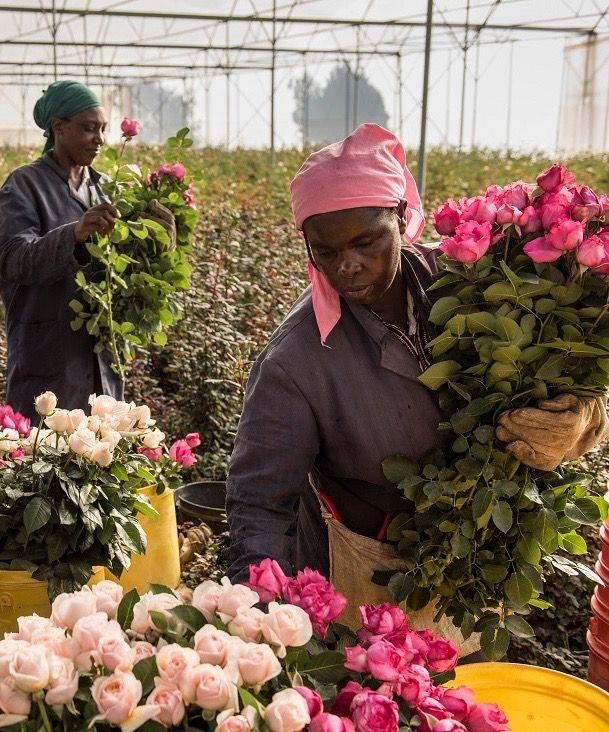
SOCIAL IMPACT SCAN OF ROSES
Social Impact Scan of roses sourced from Kenya

December 2020 – Final report

impactinstitute.com

   Copyright 2020 Impact Institute. All rights reserved. Results shared under embargo   1   1
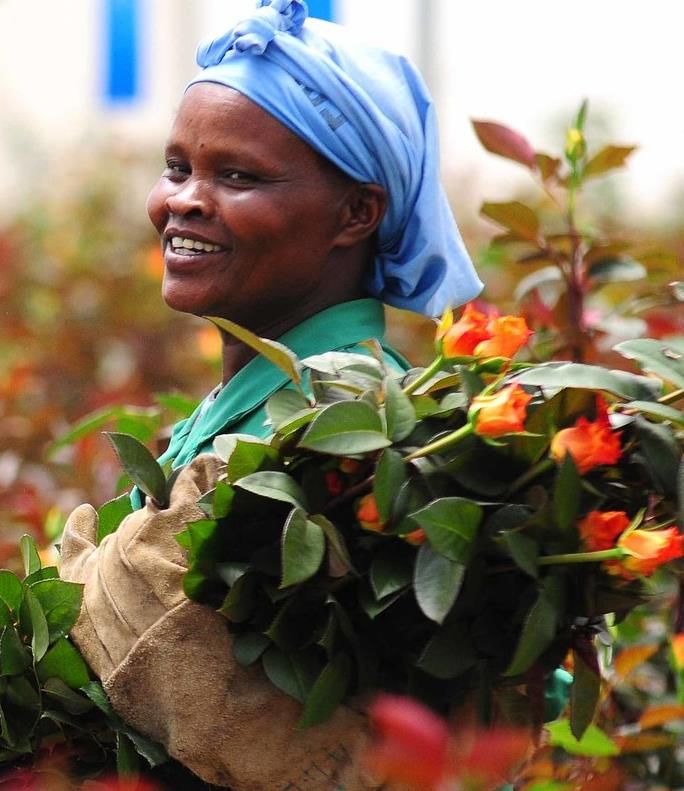
SOCIAL IMPACT SCAN | CONTENTS
Results of the Social Impact Scan of Roses sourced from Kenya

                                                                                          Introduction       Page 3

                                                                                          Approach           Page 5

                                                                                          Results           Page 10

                                                                                          Recommendations   Page 16

                                                                                          Appendix          Page 20

     Copyright 2020 Impact Institute. All rights reserved. Results shared under embargo                               2   2
Introduction

   Copyright 2020 Impact Institute. All rights reserved. Results shared under embargo   3   3
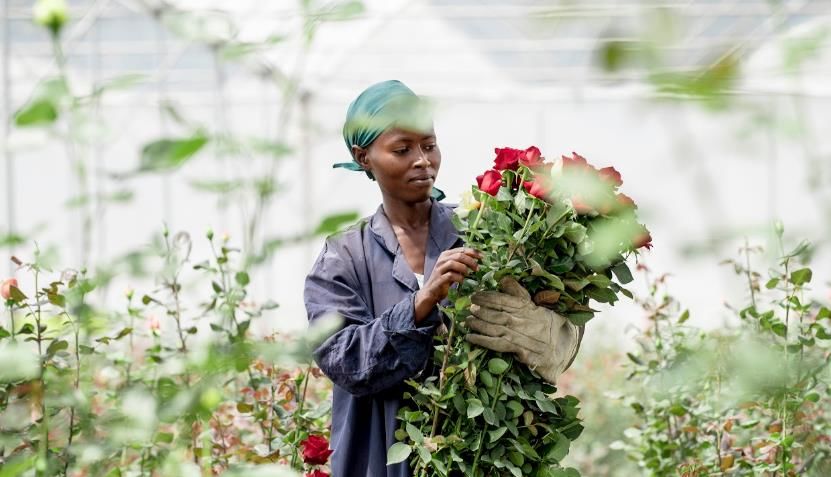
INTRODUCTION | ROSES FROM KENYA
Impact Institute performed a Social Impact Scan on the Jumbo roses sourced from Kenya

As part of its Human Rights policy, Jumbo has                                   As part of the CSR Africa initiative, Impact Institute
defined a due diligence process, which, among                                   has developed a Social Impact Scan (SIS) specifically
other steps, includes researching the social impact                             for the Kenyan horticulture sector. The SIS offers a
of their suppliers. This includes select farms in Kenya.                        developed     methodology       for     collecting     and
These farms supplies directly to Jumbo.                                         analysing    the   impact   and       drivers   of   social
                                                                                externalities. This report will offer the results of the
Actionable and reliable information on social impact
                                                                                SIS of a Kenyan farm, including an analysis of the
can be difficult to collect and analyse. This lack of
                                                                                drivers of its social impact and recommendations on
robust information can result in uncertainty when
                                                                                how to improve them.
implementing interventions for improvement.

How can Jumbo work together with the suppliers of
their roses to measure the social impact and
implement            effective            interventions               for
improvement?

        Copyright 2020 Impact Institute. All rights reserved. Results shared under embargo                                                    4   4
Approach

  Copyright 2020 Impact Institute. All rights reserved. Results shared under embargo   5   5

APPROACH | THE SOCIAL IMPACT SCAN
The scan performed here follows the standard process of Impact Institute’s developed method for Social Impact Scans

A Social Impact Scan involves the quantification and                              different impacts. Based on the monetary values,                       Case example: previous CSR Africa scans
monetisation of the social and human impacts                                      resources can be allocated to reduce the highest
                                                                                                                                                         Together with Hivos, Impact Institute performed a Social
included in a true price (excluding the                                           costs in the most efficient manner.
                                                                                                                                                         Impact Scan of a standard rose, calculating the social
environmental impacts).                                                                                                                                  cost of a benchmark rose from Kenya.
                                                                                  Using the social impact of standard roses from the
True Pricing, the method of calculating a true price,                             CSR Africa* benchmark analysis as an example (on                       It was discovered that, on top of the retail price of €1.11,
                                                                                                                                                         the social costs amounted to €0.12 per rose. The largest
uses human rights as its starting point. A true price                             the right), the Social Impact Scan highlighted the
                                                                                                                                                         drivers of this impact are harassment (€0.06) and wages
quantifies the extent to which the creation and sale                              relatively high cost and prevalence of harassment in
                                                                                                                                                         and social security (€0.02).
of a product violates the human rights of all                                     rose production. With this knowledge, the farms                                                                   € 0,01
stakeholders involved, including the environment                                  involved can work to reduce their social costs by
                                                                                                                                                                                             € 0,01
and society-at-large.* These costs are then                                       allocating resources towards ending worker                                                                                 € 0,06
                                                                                                                                                                €0.12
monetised (exchanged from footprints to monetary                                  harassment.
                                                                                                                                                                                                  € 0,02
units) using established monetisation factors.                                     The true price method is in line with                                         €1.11
                                                                                   the OECD Guiding principles on
Monetised impacts give an actionable perspective                                   Business and Human Rights.
                                                                                                                                                                                Harassment                   Wages and social security

for improvement. Presenting impacts in monetary                                                                                                                                 Freedom of association       Health and safety

                                                                                   It serves as a tool for human rights due                                                     Gender equality              Overtime
units allows us to directly compare impacts to a                                   diligence and provides information on                                 Further information on our methodology and a selection of
product’s market price and other products. It                                      reparation and compensation costs                                     resources can be found towards the end of this report, or
highlights the relative urgency and drivers of the                                 (remedy) and the costs of prevention.                                 through this link.

*More information on True Pricing’s relation to human rights due diligence can be found in Annex I.

          Copyright 2020 Impact Institute. All rights reserved. Results shared under embargo   *CSR Africa is an initiative to provide African entrepreneurs with quantitative information on the social performance                     6   6
                                                                                               of their sector and a library of resources for improvement., beginning with the Kenyan horticulture sector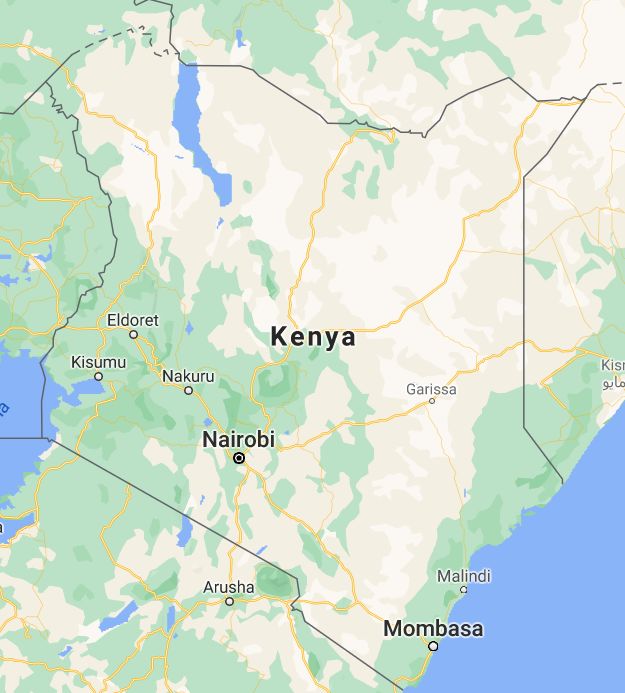
APPROACH | THE SOCIAL IMPACT SCAN PROCESS
The social impact scan follows a three step process

The social Impact Scan follows a developed process                              Data Collection
to reach monetised results representing the social
impact involved in the production of roses. This                                Second, primary data on the production of roses is          1. Impact scoping
process follows three general steps: impact scoping,                            collected from the farm. For this project, data was
data collection and analysis.                                                   collected by Impact Institute’s local partner, Ufadhili
                                                                                trust. If the collected data is incomplete, secondary
Impact Scoping                                                                  data is researched or assumptions are made to fill in
                                                                                necessary gaps.
The first step in the SIS is impact scoping. Impact
Institute (through its sister organisation, True Price)                         Analysis                                                    2. Data collection
has a standard list of social impacts that can be
involved in the process of production. Of these                                 The final step to reach results is data analysis. In this
impacts, some may not be seen as relevant for the                               step, the data is processed into monetised results,
product being analysed and will be left out of scope.                           representing the social impacts involved in
For example, in the SIS of roses, child labour and                              production. Impact Institute and True Price have
forced labour were left out of scope, as the                                    published multiple open-source documents on this
certifications earned by the farm ensures that it                               process; more information on it can be found in the
                                                                                                                                            3. Analysis
does not employ this kind of labour.                                            Appendix.

        Copyright 2020 Impact Institute. All rights reserved. Results shared under embargo                                                                       7   7
APPROACH | IMPACTS IN SCOPE
The first step was defining the impacts in scope; this Social Impact Scan has seven impacts in scope, based on their expected
materiality
                     Gender discrimination                                                     Lack of freedom of association        Negative     effects   on        employee
                                                                                                                                     health and safety
                     The value of the pay gap between                                          The impact of denying workers the
                     female and male employees along                                           right to join unions or other work-   The occurrence of accidents in the
                     the value chain                                                           related organizations                 value chain and cost of workers
                                                                                                                                     performing      work        in     unsafe
                     Underpayment in the value chain                                           Excessive and unpaid overtime         conditions

                     The gap between workers’ wages,                                           The value of unpaid and excessive
                     the local minimum wage and the                                            overtime worked
                     local living wage

                     Lack of social security                                                   Occurrence of harassment

                     The cost of not providing legally                                         The occurrence and cost of sexual
                     required social security benefits                                         and non-sexual harassment towards
                                                                                               workers in the value chain

*More information on True Pricing’s relation to human rights due diligence can be found in Annex I.

          Copyright 2020 Impact Institute. All rights reserved. Results shared under embargo                                                                                     8   8
APPROACH | DATA COLLECTION
The final step before reaching results is data collection; the collected data resulted in two data gaps that required notable
assumptions to fill
The Social Impact Scan is based on primary data                                The second data gap was the breakdown of
collected through two questionnaires: one directed                             employees per position and contract type
at workers and one directed at farm management.                                (permanent versus temporary). No indication of the
For this study, Impact Institute’s partner, Ufadhili                           number of temporary employees that work at the
Trust, collected data locally.                                                 farm was given, yet multiple workers responding to
                                                                               the worker questionnaire self-identified as
Most of the collected data was complete, with few                              temporary workers. To resolve this gap, ratios
omissions. However, there were two gaps that                                   representing the percentage of all workers that had
required assumptions to be made.                                               permanent or temporary contracts were created,
                                                                               also utilizing data from previous CSR Africa SIS’s.
The first was employee wages. While a
comprehensive breakdown of the wages of                                        It was assumed that the total producer-given
permanent employees and managers was provided,                                 number of male and female workers represented
the wages of temporary workers and supervisors                                 the total workers at the farm. This total was
were omitted. To fill this gap, data from previous                             multiplied by the temporary and permanent worker
CSR Africa SIS’s was utilized to create a ratio of the                         ratios and the resulting values were further broken
percentage of permanent employees’ wages that                                  down according worker roles.
temporary employees in the same position are paid.

       Copyright 2020 Impact Institute. All rights reserved. Results shared under embargo                                            9   9
Results

  Copyright 2020 Impact Institute. All rights reserved. Results shared under embargo   10 10
RESULTS | BREAKDOWN OF THE SOCIAL COSTS
The Social Impact Scan resulted in a calculated total social cost of €0.031 per rose

       Social costs
                                                                                                                                         Total social cost: 0.031 €/stem

                                                                                                                             € 0.017                Gender discrimination
                                                                                                                             € 0.008                Underpayment in the value chain
                                                                                                                             € 0.006                Lack of social security
                                                                                                                             € 0.001                Negative effects on employee health & safety
      Retail Price
                                                                                                                             € -                    Occurrence of harassment*
                                                                                                                             € -                    Excessive and unpaid overtime*
                                                                                                                             € -                    Lack of freedom of association*

      Copyright 2020 Impact Institute. All rights reserved. Results shared under embargo   * These impacts where measured, but resulted in no social costs. A detailed explanation of what this entails for   11   11
                                                                                           the farm can be found in the Conclusion section below.
RESULTS | GENDER DISCRIMINATION
The external costs of Gender discrimination are 58% of the total social costs
The impact Gender discrimination is the single 52% are male (318). However, there are only 9 female
Gender discrimination breakdown
largest social impact. It measures the extent to managers to 46 male (16% of managers), 5 female
which female workers are paid equally for the work supervisors to 23 male (18% of supervisors).
they perform (in respect to male workers) and the The data points to the fact that while the employee
amount of maternity leave provided (in contract and population is nearly half female, and women get
in reality). paid equally for equal work, women are not being
Drivers given the same opportunity for higher paid positions
0% Female workers without maternity
that men are.
The external costs from Gender discrimination leave provision
amount to €0.017. This result is driven mainly by the 0.5% Value of denied maternity leave
overall wage gap between men (€1.997 per FTE) and
32% Wage gap from unequal pay in similar
women (€1.546 per FTE), which results from the position
relative lack of women in higher paid positions. To 67% Wage gap from unequal
opportunities
exemplify this, 48% of workers are female (290) and
1% Cost of auditing the labor force for
discrimination
Copyright 2020 Impact Institute. All rights reserved. Results shared under embargo 12 12RESULTS | UNDERPAYMENT IN THE VALUE CHAIN
The SIS indicates that the second largest social impact is underpayment in the value chain
The second largest social impact on the farm is the living wage, as no workers are paid below the Underpayment in the value chain
underpayment in the value chain. This impact Kenyan legal minimum wage. breakdown
amounts to €0.008 per stem, 26% of the total social
Recommendations for Impact reduction
impact.
The living wage gap can be reduced in various ways.
Drivers
The most straightforward is to pay workers higher
Underpayment in the value chain is calculated in wages, such that all workers are paid above the
two steps. First, the gap between workers wages living wage. 0% Wage gap workers earning below
minimum wage
and the legal minimum wage is assessed, then the
Wage gap workers earning above
gap between workers wages and the living wage is 98% minimum wage but below decent
assessed. More information on living wages can be living wage
found in the recommendations section. 2% Cost of auditing the labor force for
insufficient wages
Underpayment at the farm is driven by workers who
are paid above minimum wage but are paid below
Copyright 2020 Impact Institute. All rights reserved. Results shared under embargo 13 13RESULTS | LACK OF SOCIAL SECURITY
The impact of Lack of social security is 19% of the total social impact
The impact Lack of social security measures the Recommendations for Impact reduction
Lack of social security breakdown
extent to which legal social security contributions To reduce this impact the farm could set up better
are provided. This includes the provision of auditing processes to ensure that all social security
unemployment, annual leave, sick leave and other contributions are paid to all workers. Additionally,
contributions. the farm could ensure that all workers know what
Drivers benefits they are entitled to and which they are
receiving under their contract.
The external costs from Lack of social security
98% Workers without legal social security
amount to €0.008. This result is driven by workers
without legal social security. According to our
0% Value of denied paid leave
analysis, the largest contributor is a lack of
unemployment payments (61% lacking Cost of auditing the labor force for
2%
unemployment payments). The other contributor is insufficient social security
workers with a lack of pension payments (4%
without).
Copyright 2020 Impact Institute. All rights reserved. Results shared under embargo 14 14RESULTS | NEGATIVE EFFECTS ON EMPLOYEE HEALTH & SAFETY
The external impact of Negative effects on employee health & safety is 3% of the total social impact
The impact Negative effects on employee health & occurring in the workplace, 5 accidents over the
Negative effects on employee health
safety measures the extent to which workers course of 2019.
& safety breakdown
comply with legal health and safety regulations and Recommendations for Impact reduction
accidents are sufficiently avoided or otherwise
To reduce this impact, the farm can ensure that all
compensated fairly.
workers are provided with adequate health and
Drivers safety training and are aware of all health and safety
The external costs from Negative effects on protocols. Additionally, increased training for all Insured non-fatal occupational
38%
incidents
employee health & safety amount to €0.001. This workers might reduce the number of accidents that
0% Uninsured non-fatal occupational
result is driven mainly by work performed in occur. incidents
violation of health and safety standards. This cost is 0% Fatal occupational incidents
driven by 2% of the workforce, or 13 workers, that 0% Occupational injuries with breach of
H&S standards
does not have proper health and safety training. The Work performed in violation of H&S
41%
total cost is also partly driven by insured accidents standards
21% Cost of auditing the labor force for
H&S
Copyright 2020 Impact Institute. All rights reserved. Results shared under embargo 15 15Recommendations Copyright 2020 Impact Institute. All rights reserved. Results shared under embargo 16 16
RECOMMENDATIONS | GENDER DISCRIMINATION
The SIS indicates that gender discrimination is the largest social impact

The largest social impact is gender discrimination.                             Suggestions for improvement                                      Strengthening the gender committee*
The impact amounts to €0.017 per stem, or 58% of                                In this report, we suggest three interventions that              A gender committee can make women workers
the total social costs.                                                         can help reduce the gender representation of high-               voices heard and their needs addressed. This is
The gender wage gap                                                             paying positions. The first is to track the length of            necessary to guarantee that employment benefits
                                                                                time male and female employees are in similar                    male and female employees equally.
The impact gender discrimination is primarily driven
                                                                                positions and promote them in a similar timeframe
by unequal opportunities; an underrepresentation of                                                                                              ▪ Involve the gender committee in an effective
                                                                                as men. The second is to advertise high paid
women in high paying positions.                                                                                                                     grievance mechanism.
                                                                                positions (when hiring) specifically towards women
This underrepresentation also significantly raises the                                                                                           ▪ Make sure that the side benefits of employment
                                                                                or otherwise alter posted positions so that they
average male wage, creating a gender-based wage                                                                                                     benefit women as much as men.
                                                                                attract more female applicants. A third intervention
gap between the average male and female wage.
                                                                                is to strengthen the gender committee (see box on                ▪ Offer training to committee members on their

                                                                                the right).                                                         role, leadership skills, communication skills and
                                                                                                                                                    how to efficiently handle harassment cases.

        Copyright 2020 Impact Institute. All rights reserved. Results shared under embargo                                                                                                              17 17
                                                                                             * See www.csrafrica.com for more information about gender committees
RECOMMENDATIONS | UNDERPAYMENT IN THE VALUE CHAIN
Underpayment in the value chain is primarily driven by workers earning below the living wage for the area and can be improved
through higher wages or more inclusive benefits
Underpayment in the value chain is calculated in an average family size of 5.5 persons with 1.71
two parts. First, the gap for workers paid below the workers.
minimum wage is calculated and second, the gap for Suggestions for improvement
workers paid above the minimum wage but below
As previously noted, the most straightforward way
the living wage for the area is calculated.
to improve the impact of underpayment is to pay all
What is a living wage? workers above a living wage. However, since this
A living wage is the wage a worker would need to can prove difficult, workers can be provided with
be paid to afford a decent household, decent other benefits, such as food or housing, that can
necessary non-housing, non-food necessities (such help close the gap but potentially cost less than
as clothing), a decent and varied diet and to be able raising wages.
to save enough for emergencies. The living wage Moreover, the farm could petition the end client,
used for this SIS was €1,897 per full-time equivalent alone or in a coalition with other suppliers, to pay a
(FTE), adapted from the Anker & Anker living wage premium for ‘living wage roses’, on the condition
for the area (Mt. Kenya). This living wage is based on that all workers involved are paid a living wage.*
18 18
Copyright 2020 Impact Institute. All rights reserved. Results shared under embargo *More information on living wages and how to reduce the gap of underpayment is published by organisations like the Global
Living Wage Coalition and the Living Income Community of Practice.RECOMMENDATIONS | IMPACTS WITH NO COSTS
Three impacts, occurrence of harassment, excessive and unpaid overtime and lack of freedom of association all resulted in no
social costs
While the farm did have a social cost resulting from Excessive and unpaid overtime Occurrence of harassment
four impacts, it is noteworthy that three impacts This impact measures the extent to which workers It is especially noteworthy that there were no
resulted zero social costs. Occurrence of harassment, perform excessive (over the maximum limit of reported cases of harassment, verbal, physical or
excessive and unpaid overtime and lack of freedom working hours per week) or unpaid (less than the sexual, at the farm. Harassment is a prominent issue
of association all had no social cost after the SIS legally required 150% share of regular wage for for many of the farms analysed throughout the
analysis. overtime work) overtime at the farm. While not all course of the CSR Africa project, and normally
Lack of freedom of association worker respondents provided input for the related constitutes one of the largest social costs.
questions, those who did respond indicated that
This impact measures the extent to which workers The evident lack of harassment at the farm is a great
they work an acceptable amount of overtime and
feel threatened or unsafe due to discrimination accomplishment and suggests effective training
are fairly compensated for this work.
against members of trade unions. No workers among workers and a safe working environment.
indicated that they felt any such pressure from the
farm and are determined to have sufficient freedom
of association.
Copyright 2020 Impact Institute. All rights reserved. Results shared under embargo 19 19Appendix Copyright 2020 Impact Institute. All rights reserved. Results shared under embargo 2020
Pre-final draft, not to be circulated.

APPENDIX | ABOUT IMPACT INSTITUTE
Impact Institute enables organizations to measure, report and steer on impact

Vision
We believe one of the greatest opportunities of the                                         Selection of clients
21st century is the realization of the impact economy: an
economy in which work, entrepreneurship, innovation and
technology engender a better world.

Mission
Our mission is to empower organizations and individuals to
realize the impact economy. We do this by providing
organizations with the tools, data, training, and services
they need to measure, report and steer on their impact.

Organization
Impact Institute – a spin-off of True Price – is recognized as
a global leader in impact measurement and valuation. It
has contributed to international frameworks such as the
NCP and the TEEB framework. It developed the first
methods worldwide for true pricing, the integrated profit
& loss, and impact statement.

       Copyright 2020 Impact Institute. All rights reserved. Results shared under embargo                                                                   21 21
Pre-final draft, not to be circulated.
APPENDIX | TRUE PRICING AND HUMAN RIGHTS DUE DILIGENCE
True Pricing enables companies to do quantitative human rights due diligence
Over 70 years after the adoption of the Universal scan, the human rights violations prevalent in a True
Declaration of Human Rights, organisations with product’s value chain can be quantified, monetised price Social
international value chains are still struggling to and reported in reference to the market price. This costs
External
ensure these rights are being respected by all highlights the extent to which certain violations are Environ costs
-mental
members in the chain. harming society and how prevalent they are in the
Market costs
chain.
In-depth studies into production chains can help to price
create an integrated picture of a particular value
chain, but do not provide insights into the human The true price method is in line with
rights violations that occur at different chain the OECD Guiding principles on
Business and Human Rights.
members. Beyond this lack of knowledge, there is a
lack of consensus on the relative importance of It serves as a tool for human rights due
diligence and provides information on Product Goal
different violations and the harm they create. These
reparation and compensation costs
issues make it difficult to objectively measure The True Price method is based on
(remedy) and the costs of prevention. international agreements and conventions
human rights violations and track progress towards
their improvement.
True Pricing offers a unique methodology for exactly
this. With either a full true price or a social impact
Copyright 2020 Impact Institute. All rights reserved. Results shared under embargo 2222Pre-final draft, not to be circulated.
APPENDIX | METHODOLOGY AND RESOURCES
These resources detail the development and us of the True Pricing methodology
Impact Institute works together with the Principles for True Pricing Monetisation Factors for
organisations True Price to apply True Pricing. This publication sets out the True Pricing
Part of the vision of True Price is to make it a underlying principles of True The monetisation factors
standard for all products available. To do this, the Pricing as a methodology. It utilised to exchange quantified
process for conceptualising true prices and the explains how true prices utilise impacts into monetary values.
human rights and other All factors are researched and
methodology for calculating them needs to be
international conventions as the established by external
made public. True Price is in the process of making
basis for their quantification and organisations.
these open-source, together with a.o.
monetisation.
Wageningen University, ABN AMRO and
Rabobank. A roadmap for true pricing Framework for Impact
The roadmap details the vision of Statements
The four publications presented on the right detail
realising a sustainable economy Here, the Impact Pathway
the conceptualisation, vision and monetisation of
through True Pricing. It is the first methodology for determining
true price impacts. Examples of these
in a series of open-source the impacts created by an
methodologies in use can be seen in the variety of publications about True Pricing. organisation are set out, as well
case studies published on impactinstitute.com.
as an indicative list of standard
impacts.
Copyright 2020 Impact Institute. All rights reserved. Results shared under embargo 2323Address: Haarlemmerplein 2, 1013 HS, Amsterdam
Site: www.impactinstitute.com
Facebook: /impactinstitutecom
Twitter: impact_inst
Tel.: +31 202 403 440
Mail: info@impactinstitute.com
CONFIDENTIALITY REQUEST AND DISCLAIMER
Information, data, and drawings embodied in this document are confidential and are supplied with the kind
request that they will be held confidentially and not disclosed to third parties without the prior written
consent of Impact Institute.
Copyright 2020 Impact Institute. All rights reserved. Results shared under embargo 2424You can also read


