Space Exploration Systems - MSc in Department of Physics and Astronomy - www.le.ac.ukdepartments/physics
←
→
Page content transcription
If your browser does not render page correctly, please read the page content below

Department of
                       Physics and Astronomy

MSc in

Space Exploration Systems

             www.le.ac.uk/departments/physics
2   University of Leicester

                                    Welcome to Leicester
                                    We believe that our world-changing research produces
                                    high-quality teaching – and will inspire you to go further.

Contents                            At Leicester we consider education and knowledge to be a power for good.
                                    We aim to push the boundaries and discover ways to improve and change the
                                    world for the better.
Page
                                    For example our Department of Physics and Astronomy is currently involved in a
3    About the Course
                                    number of future missions including the European Space Agency’s (ESA) ExoMars
4    Why Study                      rover, and the ESA Jupiter Icy Moons Explorer Mission to explore the solar
                                    system’s largest planet and two of its moons, Ganymede and Europa. A Leicester-
6    Course Details and Structure
                                    built instrument has been operating in space every year since 1967, and many
10 Student Life                     of the insights and technologies pioneered by our expert academics during these
                                    missions have advanced our understanding of the universe and solar system and
                                    have also led to technology applications back home.

                                    But it this is not just about what we do – this is about you. Because we’re
                                    equally as passionate about giving you the chance to find your own way, push
                                    the boundaries and put your mark on the world.

                                    We know our work is better in a shared academic community that includes
                                    you. Where you’re coming from and your journey up to this point will have
                                    given you your own personal perspectives and ideas. Your experience, energy
                                    and willingness to ask the difficult questions benefits you and us.

                                    You’ll be working with our leading academics who are at the cutting edge of
                                    their disciplines. By sharing their enthusiasm you’ll become part of a stimulating
                                    and innovative learning community, which will enable you to realise your
                                    potential and to compete alongside the very best.

                                                                          www.seeds-master.eu
                                                                              Left: 3D image of the carrier rocket, Ariane-5.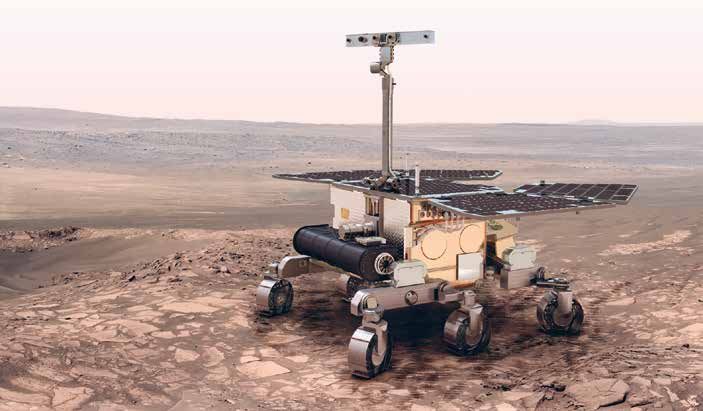
MSc in space exploration systems     3

About the course

Our Space Exploration Systems MSc, focuses on robotic and human space
exploration systems, instrumentation and techniques. It will equip you with the
in-depth knowledge and professional skills to embark on a successful career in
the thriving and innovative international space industry.

Designed for both physicists and engineers, this cutting-          This course aims to bridge the divide between systems
edge course will explore space systems engineering, space          engineering and space and planetary science. You will
instrumentation, the space environment, space power systems        be educated in an international environment, and you
(including nuclear power systems) and space mission design.        will graduate equipped with the top-level competency,
                                                                   professional skills and advanced space project experience
Over the duration of the course, you will acquire the core
                                                                   to meet the requirements of the European and broader
applied physics and engineering skills required to develop space
                                                                   international space sectors.
systems and missions from initial concept through design,
assembly and verification, to launch and operations.

For physicists, the MSc will provide the systems engineering       Professional Accreditation
knowledge required to work in industry. For engineers, it
                                                                   This is a new course and accreditation by the Institute of
will stimulate an appreciation for space science, and
                                                                   Physics and Institution of Mechanical Engineers (IMechE)
the enabling technologies for robotic and human space
                                                                   will be part of the course development programme once the
exploration and instrumentation which contribute to that
                                                                   course is running.
science.
4   University of Leicester

Why Study

Be at the cutting-edge                                     technology transfer and knowledge exchange to the
                                                           benefit of the general population. Knowledge and
It is recognised that the challenges associated with
                                                           technology transfer from non-space sectors of the
space exploration and research promote economic
                                                           economy to the benefit of space exploration initiatives
growth through education and training, innovation
                                                           can accelerate the development of space systems and
and technology development. You have the chance to
                                                           promote growth across industry sectors.
be a part of this. Programmes like the MSc in Space
Exploration Systems foster the development of this
knowledge-based and innovation-based economy               Knowledge with far-reaching applications
and contribute to developing the next generation
of highly skilled space scientists and engineers.          People trained to deal with the challenges posed by
                                                           space exploration and research are well placed to
Space exploration missions and their associated            solve challenging problems in other fields. Many space
challenges are an important source of inspiration and      science and engineering technologies and methods have
innovation, which can lead to a transfer of technologies   direct applications in the wider aerospace industries.
to the benefit of other sectors of the economy. Space      Specialist topics covered in this MSc programme such
science and exploration can result in both successful      as Space Nuclear Power have relevance to terrestrial
                                                           nuclear power, a large growth industry with expanding
                                                           employment prospects. In a world characterised by rapid
                                                           technological development, graduates with the ability to
                                                           apply their skills in a professional context will increasingly
                                                           work across traditional industry boundaries.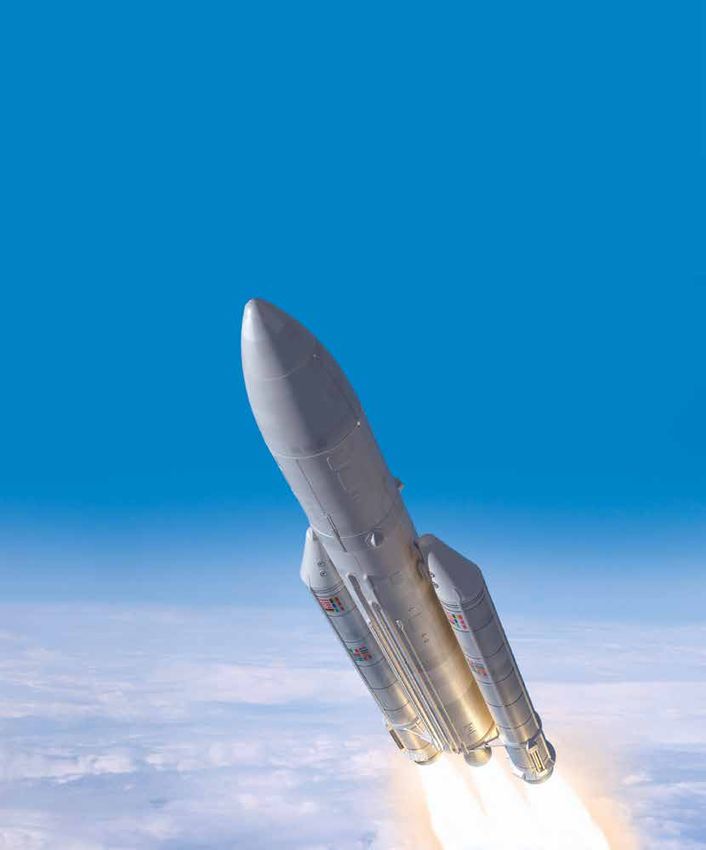
MSc in space exploration
                                                                                           MSc in
                                                                                                development
                                                                                                  space exploration
                                                                                                             systemssystems
                                                                                                                     (seeds)   5

Excellent prospects
Highly skilled space scientists and engineers will be
needed to meet the requirements of the European
space industry and fill the large numbers of high-
value jobs that will be created by UK initiatives such
as the Catapult Innovation and Technology Centre,
which is dedicated to new space applications.

Additionally, our MSc programme can give you crucial
real-world experience. It offers you the chance to work
in large teams, interact with industry and work in
space project environments, which are representative
of industrial environments. You will be using industry-
standard methods and tools, and will contribute to
project work informed by cutting-edge research.

International Outlook
The MSc programme gives you a valuable
opportunity to participate in an international
project phase. You will work in multidisciplinary
and multinational teams across three European
countries. By completing this international project
you will receive, in addition to your MSc, a certificate
recognising your experience and achievement
of working in an international environment.

Right: The David Wilson Library on campus, winner of the prestigious
Times Higher Education Outstanding Library Team award.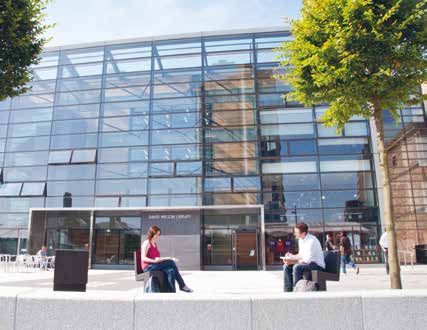
6   University of Leicester

Course Details and Structure
The MSc structure and facilities are aimed at recreating the industrial settings and methods that characterise space projects. Project
work is a key focus of the programme and is designed to be topical and relevant to industry needs.

The course offers an international placement option for the major project component of the course.

    International Project Place Opportunity, Space Exploration Development Systems (SEEDS)

    Taught Component: 180 credits – 120 credits               Project Component: 60 credits

    The taught component will be completed in the UK. The project component will be part of a collaborative programme with
    Politecnico di Torino, Italy, and Institut Supérieur de l’Aéronautique et de l’Espace (ISAE), Toulouse, France. You will spend 2
    months at each of the 3 institutions during the project phase and you will be required to cover basic travel and subsistence
    costs. The project component will require you to work in large interdisciplinary teams mimicking the environments found
    in industry. The course is taught in English at all three sites. An industrial advisory body will be appointed to assist with the
    selection and definition of projects.

    Each of the partner universities has a local programme director or coordinating team. The current local programme directors
    are: Prof Gianfranco Chiocchia (Politecnico di Torino), Prof Bénédicte Escudier (ISAE), and Dr Richard Ambrosi (University of
    Leicester). The University of Leicester coordinating team includes: Dr Nigel Bannister, Dr Hugo Williams and Dr Ian Hutchinson.

    The international SEEDS programme is supported and endorsed by Politecnico di Torino (Italy), ISAE (Toulouse, France), Thales
    Alenia Space (Torino, Italy), ASI (Italian Space Agency), CNES (French Space Agency), UK Space Agency, ALTEC – Advanced
    Logistics Technology Engineering Centre (Torino, Italy) and other companies and institutions.

    Complete your Major Project in the UK

    Taught Component: 180 credits – 120 credits               Project Component: 60 credits

    You will complete all elements of the course in the UK and work with the Leicester-based project supervision and mentoring
    teams. The course work and structure of the project activity will be identical to that of the international MSc programme, the
    only difference being that you will remain in the UK throughout the programme. The project component will require you to
    work in large interdisciplinary teams mimicking the environments found in industry. The projects offered would be based on
    discussions with an industrial advisory body due to be appointed in the near future.
    This course is open to all European and international students meeting the entry requirements.

    Postgraduate Diploma (PG Dip)

    Taught Component: The Postgraduate Diploma (120 UK credits) shares the taught component of the MSc.
    If you graduate with a PG Dip you can meet the requirements of the MSc by completing the project component
    at a later date.
MSc in space exploration systems        7

Duration                                                           Entry Requirements
This is a full time, campus based course.                          A first or 2:1 BSc, BEng, honours degree, MPhys, MEng or Master’s
• The MSc takes 12 months to complete full time, or up to          degree in a relevant subject or a qualification recognised by the
  four years part-time.                                            University of Leicester as equivalent. Students that do not strictly
                                                                   meet these requirements (e.g. students with a 2:2 BSc, BEng,
• The PG Diploma takes 6 months to complete.                       honours degree, MPhys, MEng or Master’s degree in a relevant
                                                                   subject or a qualification recognised by the University of Leicester
Start Date                                                         as equivalent) may be considered on a case-by-case basis.
October 2013.
                                                                   Facilities
Teaching and Assessment Methods                                    The course will make extensive use of teaching, laboratory and
The taught component of the MSc and PG Dip courses runs            computer facilities in the Department of Physics and Astronomy.
for six months and encompasses a range of teaching methods:
lectures, computational and practical workshops, laboratory
work, seminars, project based learning, independent learning       Career Pathways
and team working activities.
                                                                   The aim of the MSc is to provide you with the training and high-
Seminars and course material will be delivered by industrial       level skills required to meet the needs of the European or wider
partners and experts in the space sector, and comprise a key       international space sectors. The course is aimed at students with
element of the programme. International collaborators with         an interest in following a career in the space sector whether in
honorary positions at the University of Leicester will provide     academia or industry.
assistance in delivering the taught component of the course.
                                                                   The aim is for the course and project supervision to be delivered
The project-based component of the MSc course spans six            in collaboration with industry, which ensures that the project
months. During this phase you will have the opportunity to         work and course content remain topical and relevant to industry
interact with mentors and project supervisors from academia        needs and practices.
and industry. These individuals will be expert practitioners in
                                                                   Additionally the skills you will develop in the project phase are
the fields which they supervise.
                                                                   excellent preparation for life in the workplace. Your knowledge
Assessment methods will include examinations and assessment        and understanding of the pressures of industry-level projects will
by course work. Additional assessment methods are currently        be greatly enhanced, and you will perfect the interpersonal skills
under development.                                                 required to work as part of a successful cross-disciplinary team.

                                                                   The course offers a solid foundation for further study if you wish
Course Fees                                                        to participate in a PhD programme or pursue a research career
MSc Course                                                         in applied/experimental physics or engineering.

• Home/EU: £5,010 · International: £15,305                         You can receive more general advice from our Career
                                                                   Development Service web site: www.le.ac.uk/careers
PG Dip Course

• Home/EU: £4,010 · International: £12,244                         The History of SEEDS
University of Leicester alumni will be eligible for a 10%
                                                                   The international placement in Space Exploration Development
discount. This loyalty scheme applies to all taught courses and
                                                                   Systems (SEEDS) is a successful programme that started in 2005.
research degrees except:
                                                                   Led by the Politecnico di Torino, Italy, the current incarnation of the
• Distance learning courses        • PGCE programmes               international element of the course also includes Institut Supérieur
                                                                   de l’Aéronautique et de l’Espace, France and more recently the
• Part-time courses                • Four-year M-level
                                                                   University of Leicester. All three partners share common features
                                     programmes
                                                                   including: strong links with space industry, heritage in space
This discount is only available to self-financing students         research and exploration, and the inclusion of high-level expertise
who have successfully completed a full-time, campus-based          in the delivery of teaching. The aim of the course is to produce
undergraduate degree with the University of Leicester. It cannot   graduates with the advanced space systems knowledge and focus
be combined with any other discount on course fees.                to meet the requirements of the European space sector.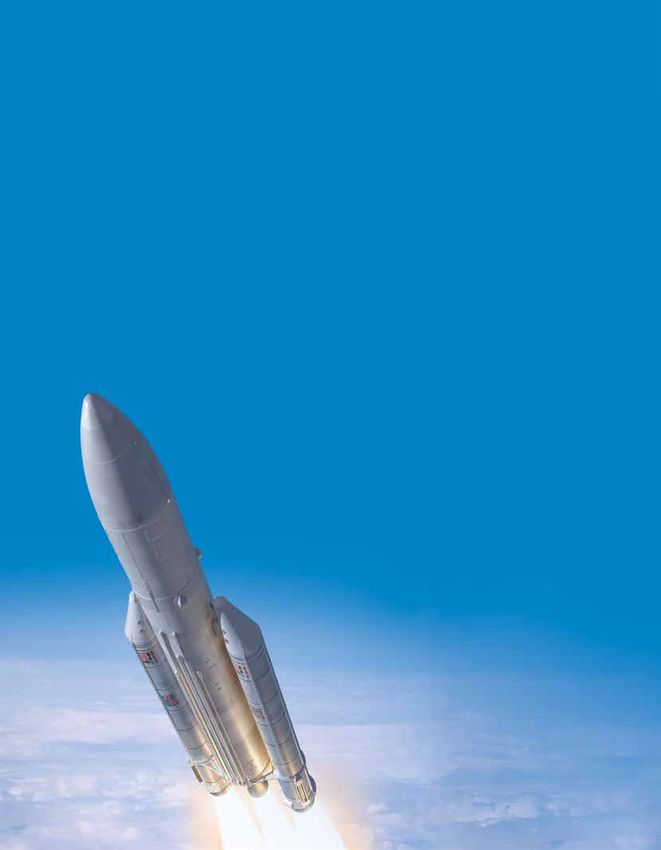
8   University of Leicester

MSc Course                                                            be covered in more detail building on previous modules and also
                                                                      delve into the space missions enabled by these systems.
Semester 1                                                            • Advanced Spacecraft Engineering
• Foundations of Professional Space Science and Engineering
                                                                      This optional module will build on previous modules by providing
Professional skills and disciplinary context are targeted. Provides   graduates with the tools required to translate the objectives
physicists and engineers with the fundamental space science,          of space exploration or space science mission into a spacecraft
instrumentation background and engineering skills. Reference is       system or instrument that will deliver the science requirements.
made to the unique challenges of space exploration and space          The focus will be on the use of more advanced design and
systems development.                                                  analysis packages used in industry and the experimental
                                                                      verification and validation of these methods and designs. In
• MATLAB and CAD                                                      addition this module will also provide an understanding of the
This module will enable students to use MATLAB in an                  European Cooperation for Space Standardization (ECSS) system.
interactive mode, entering and assigning data to variables and        • X-ray, UV Optics and Applications
using plotting functions. This module will enable students to
write simple programs and user-defined functions.                     This optional module will provide a deeper understanding of X-ray
                                                                      and UV optics and their application in astronomy and planetary
This module will introduce students to state-of-the-art               science.
CAD tools relevant to their chosen discipline such as the
Communications toolbox, SIMULINK, Spice and Solid Works.              • Aerospace Materials
Design and analysis of appropriate systems is introduced.             This optional module focuses on the development of new materials
• Systems Engineering and Spacecraft Systems                          and enhanced materials properties, which are at the forefront of
                                                                      the enormous improvement in the performance, reliability and
Introduces students to the discipline of systems engineering and      sustainability of advanced aerospace systems. The performance
the key sub-systems found in spacecraft, exploration systems          requirements of air and spacecraft place huge demands on their
and how they closely interact.                                        materials of construction. Graduates with sound knowledge of the
• Spaceflight Dynamics and Propulsion                                 attributes of different classes of materials will be at the forefront of
                                                                      these developments. In addition to the traditional aerospace sector,
This module will tackle the fundamental engineering principles        other industries are increasingly adopting materials with aerospace
appropriate to astronautics with specific emphasis on rocket          heritage, e.g. automotive, motorsport, marine and renewable
propulsion, rocket engines, launchers, space vehicles, and            energy. The Aerospace Materials module will provide a sound
orbital mechanics. Electric and nuclear propulsion will also be       foundation for a wide variety of careers and give you an appreciation
covered in this module.                                               of how material properties contribute to the performance of
                                                                      advanced engineering systems. The module provides an opportunity
• Space and Planetary Environment, Planetary Surfaces
                                                                      to study a comprehensive range of topics in structural materials,
The design challenges of the space environment include                informed by the latest research and industrial practice.
accounting for: high radiation, temperature extremes, lack of
                                                                      • Major Research Project
insolation without neglecting getting to and onto the surface
of planets or planetary bodies. This module will tackle these         The research project will enable students to work in
elements of space exploration.                                        multidisciplinary small teams to tackle topical space exploration
                                                                      research projects, which will be designed in collaboration with
Semester 2                                                            advisors from the space industry.
• Spacecraft Instrumentation for Space and Planetary Science          • Optional Major Project Placement –
                                                                        Space Exploration Development Systems (SEEDS)
Gain insight into instrument development and design for space
and planetary science applications. This module will cover            This optional international placement will enable students to work
instrument systems for particle detection as well as a large part     in multidisciplinary small teams to tackle topical space exploration
of the electromagnetic spectrum.                                      research projects, which will be designed in collaboration with
                                                                      advisors from the space industry. The international research project
• Human Spaceflight and Nuclear Systems
                                                                      placement in collaboration with the Politecnico di Torino, Italy, and
This optional module will provide a detailed overview of the          the Institut Supérieur de l’Aéronautique et de l’Espace, Toulouse,
specific requirements and challenges introduced by human              France. Students will have the opportunity to spend time working on
spaceflight. Space nuclear power and propulsion systems will          their project in multidisciplinary student teams in Italy and France.
MSc in space exploration systems        9

PG Dip Course                                                    Semester 2
                                                                 • Spacecraft Instrumentation for Space and Planetary
Semester 1                                                         Science
• Foundations of Professional Space Science and
                                                                 Gain insight into instrument development and design for
  Engineering
                                                                 space and planetary science applications. This module will
Professional skills and disciplinary context are targeted.       cover instrument systems for particle detection as well as a
Provides physicists and engineers with the fundamental           large part of the electromagnetic spectrum.
space science, instrumentation background and engineering
                                                                 • Human Spaceflight and Nuclear Systems
skills. Reference is made to the unique challenges of space
exploration and space systems development.                       This optional module will provide a detailed overview of the
                                                                 specific requirements and challenges introduced by human
• MATLAB and CAD
                                                                 spaceflight. Space nuclear power and propulsion systems
This module will enable students to use MATLAB in an             will be covered in more detail building on previous modules
interactive mode, entering and assigning data to variables and   and also delve into the space missions enabled by these
using plotting functions. This module will enable students to    systems.
write simple programs and user-defined functions.
                                                                 • Advanced Spacecraft Engineering
This module will introduce students to state-of-the-art
                                                                 This optional module will build on previous modules by
CAD tools relevant to their chosen discipline such as the
                                                                 providing graduates with the tools required to translate the
Communications toolbox, SIMULINK, Spice and Solid Works.
                                                                 objectives of space exploration or space science mission
Design and analysis of appropriate systems is introduced.
                                                                 into a spacecraft system or instrument that will deliver the
• Systems Engineering and Spacecraft Systems                     science requirements. The focus will be on the use of more
                                                                 advanced design and analysis packages used in industry and
Introduces students to the discipline of systems engineering
                                                                 the experimental verification and validation of these methods
and the key sub-systems found in spacecraft, exploration
                                                                 and designs. In addition this module will also provide an
systems and how they closely interact.
                                                                 understanding of the European Cooperation for Space
• Spaceflight Dynamics and Propulsion                            Standardization (ECSS) system.

This module will tackle the fundamental engineering              • X-ray, UV Optics and Applications
principles appropriate to astronautics with specific emphasis
                                                                 This optional module will provide a deeper understanding of
on rocket propulsion, rocket engines, launchers, space
                                                                 X-ray and UV optics and their application in astronomy and
vehicles, and orbital mechanics. Electric and nuclear
                                                                 planetary science
propulsion will also be covered in this module.
                                                                 • Aerospace Materials
• Space and Planetary Environment, Planetary Surfaces
                                                                 This optional module focuses on the development of new
The design challenges of the space environment include
                                                                 materials and enhanced materials properties, which are at the
accounting for: high radiation, temperature extremes, lack of
                                                                 forefront of the enormous improvement in the performance,
insolation without neglecting getting to and onto the surface
                                                                 reliability and sustainability of advanced aerospace systems.
of planets or planetary bodies. This module will tackle these
                                                                 The performance requirements of air and spacecraft place
elements of space exploration.
                                                                 huge demands on their materials of construction. Graduates
                                                                 with sound knowledge of the attributes of different classes
                                                                 of materials will be at the forefront of these developments. In
                                                                 addition to the traditional aerospace sector, other industries
                                                                 are increasingly adopting materials with aerospace heritage,
                                                                 e.g. automotive, motorsport, marine and renewable energy.
                                                                 The Aerospace Materials module will provide a sound
                                                                 foundation for a wide variety of careers and give you an
                                                                 appreciation of how material properties contribute to the
                                                                 performance of advanced engineering systems. The module
                                                                 provides an opportunity to study a comprehensive range of
                                                                 topics in structural materials, informed by the latest research
                                                                 and industrial practice.
10   University of Leicester

Student Life

Campus                                      Academy Leicester. You are encouraged       halls if you apply for accommodation by
                                            to get involved with the SU – there are     1 September of your year of entry.
On our bustling compact campus it’s         over 200 student societies covering a
rare to walk from one end to the other                                                  www.le.ac.uk/accommodation
                                            huge range – sport, politics, media,
without bumping into someone you
                                            performing arts and much, much more.
know along the way. The campus is a                                                     Sports facilities
                                            It’s a great way of meeting new people,
vibrant community, with all manner of
                                            gaining skills or trying something          The University has recently invested
places to meet, eat and drink, as well as
                                            completely different!                       £10m in its sports facilities. You can
study. We’re committed to providing you
with high quality facilities and our £1bn                                               enjoy a work out, take a swim or work
campus development plan ensures all         Accommodation                               up a sweat in a fitness class at our sports
our resources meet the needs of modern                                                  centres on campus or at Manor Road
                                            Our accommodation offers you a wide
and ambitious students.                                                                 (next to the Oadby Student Village).
                                            variety of choice. Whether you fancy
                                                                                        You are also encouraged to get involved
                                            self-catered or catered, en-suite or
Students’ Union                                                                         with our sports clubs, which welcome
                                            standard, there will be a package to suit
                                                                                        members of all abilities. Keen competitors
The Students’ Union is brimming with        you. Our halls at Oadby are surrounded
                                                                                        can also represent the University through
opportunities that will make your           by beautiful Botanic Gardens and offer
                                                                                        Team Leicester, the hotly-contested
time at Leicester unforgettable. The        a thriving social life. Accommodation
                                                                                        Varsity matches and get involved with our
spectacular Percy Gee building boasts       in the city gives you independence and
                                                                                        thriving Intramural events.
superb facilities, from bookshops to bars   the amenities of the city right on your
and the fantastic live-music venue, O2      doorstep. You are guaranteed a room in      www.le.ac.uk/sports
MSc in space exploration systems 11
Embrace Arts short walk from campus so you’ll never therapy, bars, cafés and restaurants. For
be far from the action. those with independent tastes Leicester
The University has its own arts centre,
Lanes houses a variety of boutiques and
Embrace Arts, with a packed programme Leicester’s diverse heritage is reflected
specialist shops.
for students and the public, featuring in a dazzling array of festivals and
music, dance, theatre, comedy as well cultural experiences including the As you would expect from a true
as exhibitions. It also runs courses largest Diwali celebrations outside student city, there is a huge variety of
covering everything from salsa dancing India, the UK’s longest running Comedy bars, clubs and live music venues that
to jewellery making. Students can get Festival, the eclectic Summer Sundae cater for all kinds of tastes. Food lovers
concessionary prices and discounts on Music Festival, and the University’s are treated to a fantastic selection of
courses and workshops. hugely successful book festival – restaurants, with specialities available
Literary Leicester. from every corner of the world.
www.embracearts.co.uk
Recent developments have led to
About the City of the opening of the world-class
Curve Theatre and Phoenix Square
Leicester Independent Arts Centre in the new
Leicester is a lively and diverse city Cultural Quarter, which complement
and the tenth largest in Britain. It Leicester’s existing array of cinemas,
has all the activities and facilities you theatres, museums and galleries. The
would expect, with a friendly and safe sparkling Highcross complex features
atmosphere. The city centre is just a 110,000 square metres of retailContact Details
Department of Physics & Astronomy
University of Leicester
University Road
Leicester LE1 7RH · UK
t: +44 (0)116 252 3570
e: kr124@le.ac.uk
w: www.le.ac.uk/departments/physics
All information in this brochure was correct at the time of going to
press. However, changes and developments are part of the life of
the University, and alterations may occur to the programmes and
services described in this brochure. The University reserves the right
to change or cancel elements of the programme or the programme
in the brochure and on the web page.
© University of Leicester
Leicester LE1 7RH
UK
This brochure was printed by Print Services, University of Leicester,
www.le.ac.uk using vegetable based inks on FSC certified stock
5855_07/13You can also read


