STRATEGIC PLAN 2017/18-2021/22 - MINISTRY OF AGRICULTURE, WATER & FORESTRY
←
→
Page content transcription
If your browser does not render page correctly, please read the page content below
REPUBLIC OF NAMIBIA

MINISTRY OF AGRICULTURE, WATER & FORESTRY

STRATEGIC PLAN
      2017/18-2021/22
         MINISTRY OF AGRICULTURE, WATER AND FORESTRY
                STRATEGIC PLAN - 2017/18-2021/22
MINISTRY OF AGRICULTURE, WATER AND FORESTRY
       STRATEGIC PLAN - 2017/18-2021/22
TABLE OF CONTENTS

ABBREVIATIONS...................................................................................................................... i
ACKNOWLEDGEMENT........................................................................................................... ii
FOREWORD............................................................................................................................iii
EXECUTIVE SUMMARY......................................................................................................... iv
1     INTRODUCTION............................................................................................................... 1
2     Purpose of Strategic Plan.................................................................................................. 2
3     THE SYNOPSIS OF THE REVIEW OF THE PREVIOUS STRATEGIC PLAN................. 2
      3.1 Agriculture Sector........................................................................................................ 2
      3.2 Water and Sanitation Sector....................................................................................... 3
      3.3 Forestry Sector........................................................................................................... 4
      3.4 Challenges.................................................................................................................. 4
4     HIGH LEVEL STATEMENTS............................................................................................. 4
      The Mandate..................................................................................................................... 5
      Vision Statement............................................................................................................... 5
      Mission Statement............................................................................................................ 5
      Core Values...................................................................................................................... 6
5     ENVIRONMENTAL SCANNING........................................................................................ 7
6     STRATEGIC ISSUES........................................................................................................ 8
7     STRATEGIC PROGRAMMES AND OBJECTIVES......................................................... 10
8     STRATEGIC PLAN TERMINOLOGIES........................................................................... 12
9     STRATEGIC PLAN MATRIX........................................................................................... 13
10 RISK ASSESSMENT....................................................................................................... 20
11 CRITICAL SUCCESS FACTORS.................................................................................... 23

                                   MINISTRY OF AGRICULTURE, WATER AND FORESTRY
                                          STRATEGIC PLAN - 2017/18-2021/22
ABBREVIATIONS

    BSE: 		   Bovine Spongiform Encephalopathy

    CAADP:    Comprehensive Africa Agriculture Development Programme

    CBPP:     Contagious Bovine Pluropneumonia

    CFS: 		   Critical Success Factors

    DAPEES:   Directorate of Agricultural Production, Extension and Engineering Services

    DARD:     Directorate of Agricultural Research and Development

    DGS:      Directorate of General Services

    DO: 		    Desired Outcome

    DoF:      Directorate of Forestry

    DPBD:     Directorate of Planning and Business Development

    DVS: 		   Directorate of Veterinary Services

    DWRM:     Directorate of Water Resources Management

    DWSSC:    Directorate of Water Supply and Sanitation Coordination

    GRN: 		   Government of the Republic of Namibia

    HPP: 		   Harambee Prosperity Plan

    ICT:      Information Communication Technology

    KPI: 		   Key Performance Indicator

    MAWF:     Ministry of Agriculture Water and Forestry

    MTEF:     Medium Term Expenditures Framework

    NCA: 		   Northern Communal Area

    NDP5:     Fifth National Development Plan

    OIE:		    World Organization for Animal Health

    OPM: 		   Office of the Prime Minister

    PA: 		    Performance Agreements

    PESTEL:   Political, Economical, Sociological, Technological, Environmental and Legal

    PMS: 		   Performance Management System

    PPR: 		   Peste des Petits Ruminants

    SP:		     Strategic Project

    SWOT:		   Strengths, Weaknesses, Opportunities and Threats

    VCF:      Veterinary Cordon Fence

                                  MINISTRY OF AGRICULTURE, WATER AND FORESTRY
i                                        STRATEGIC PLAN - 2017/18-2021/22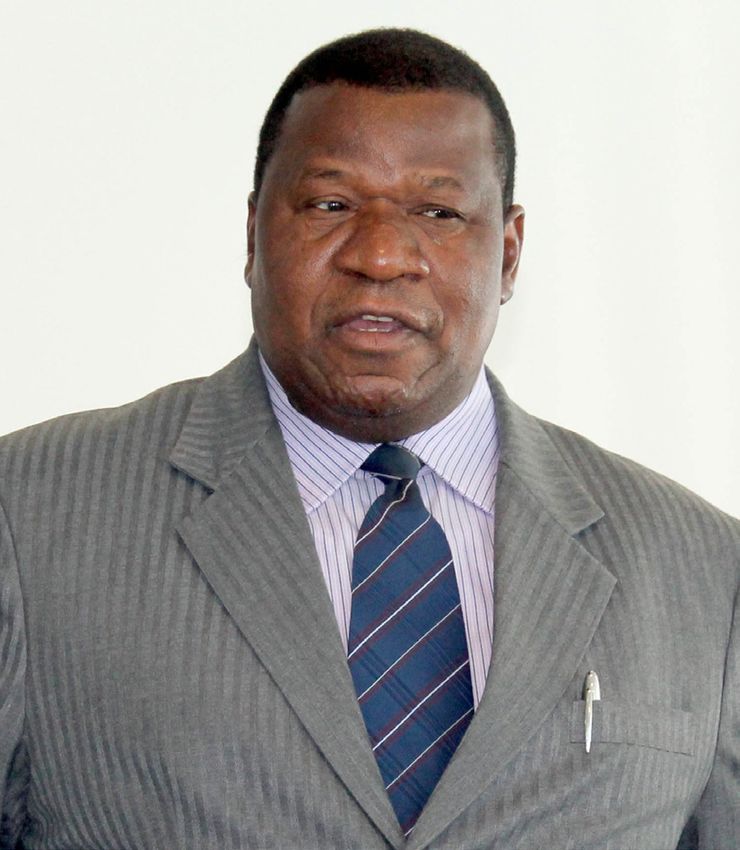
ACKNOWLEDGEMENT

The Strategic Plan 2017/2018 – 2021/2022 articulated in this document is a guiding framework on which the
Ministry of Agriculture, Water and Forestry’s (MAWF) development interventions seeking to respond to the
aspirations and the needs of the stakeholders within the agriculture, water and forestry sectors will be based.
The strategic plan is set to achieve the NDP 5 desired outcomes and the Namibia Harambee Prosperity Plan
geared towards realizing the country’s Vision 2030.

The formulation of this Strategic Plan followed an extensive consultation process involving various stakeholders
at regional and national level.

The successful development of the Strategic Plan 2017/2018 – 2021/2022 is mainly due to the full guidance
and support of the Minister of Agriculture, Water and Forestry, Honourable John Mutorwa, Deputy Minister
of Agriculture, Water and Forestry, Honourable Anna Shiweda, the Management, and the participation of all
staff at central and regional levels. Their efforts, dedications and commitments are highly acknowledged.

The Ministry sincerely thanks the Agriculture, Water and Forestry sector stakeholders, i.e. farmers, agricultural
boards, State Owned Enterprises (SOEs), OMAs and Development partners for having actively participated
in the process of developing this Strategic Plan through the Stakeholder Situation Analysis. Without their
inputs, this Strategic Plan could not have been a reality. The Ministry has no doubt that the various strategies
outlined in this Plan will address the needs and expectations of all stakeholders.

Finally, MAWF wholeheartedly thanks the Office of the Prime Minister (OPM) for its guidance and support
rendered during the development of this Strategic Plan. The Ministry calls upon all staff members &
stakeholders to remain committed, focused and resourceful in ensuring the successful implementation of this
Plan.

                                MINISTRY OF AGRICULTURE, WATER AND FORESTRY
                                       STRATEGIC PLAN - 2017/18-2021/22                                             ii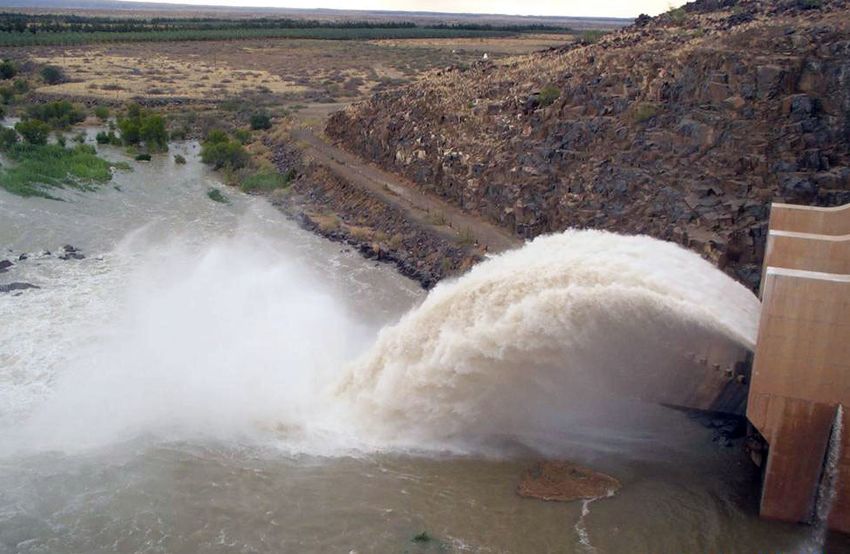
FOREWORD

      T   he Ministry of Agriculture, Water and Forestry is mandated
          to promote, manage and utilize the agriculture, water and
      forestry resources sustainably. In this ever changing environment,
      the Ministry has to position itself in such a way so as to continue
      carrying out its mandate and functions. To this end, a Strategic
      Plan for the Ministry has been developed. This Strategic Plan for
      2017/18 to 2021/22, will serves as a road map for the Ministry for
      the next five years. It is a frame work that outlines the programmes,
      projects and strategic objectives which need to be vigorously
      pursued in order for the Ministry to deliver effective and efficient
      service to its customers.

      The process of developing this Strategic Plan has taken into
      account the internal environment of the Ministry in terms of its own
      weaknesses, strengths, opportunities and threats. Moreover the
      external environment looked at political, economical, sociological,
      technological, legal and environmental factors which may have
      impacts on the MAWF performance. In order to align the strategies and approaches of the Ministry to the
      stakeholders’ expectations, all relevant stakeholders at central and regional levels were widely consulted in
      this process.

      This Strategic Plan will form the basis of the annual work plans of various Directorates, Departments
      and eventually the whole Ministry. These annual work plans are the building blocks of the Performance
      Management System. Each and every staff member will have to commit to this Strategic Plan by signing
      performance agreements.

      In this context, I therefore urge the entire Management of the Ministry to be committed to the implementation
      of this Strategic Plan so as to attain the desired outcomes of the fifth National Development Plan, Harambee
      Prosperity Plan and Vision 2030. I have no doubt that in so doing the agriculture, water and forestry sectors
      will have a positive impact to the livelihood of all Namibians.

      John Mutorwa, MP
      MINISTER

                                        MINISTRY OF AGRICULTURE, WATER AND FORESTRY
iii                                            STRATEGIC PLAN - 2017/18-2021/22
EXECUTIVE SUMMARY

T   his Strategic Plan articulates interventions for achieving the
    Ministry of Agriculture, Water and Forestry’s mandate and
objectives during the period of 2017/2018 – 2021/2022. The
Strategic Plan is set to achieve the NDP 5 desired outcomes and
the Namibia Harambee Prosperity Plan (HPP) geared towards
realizing the country’s Vision 2030.

The formulation of this needs based oriented Strategic Plan
followed an extensive consultation process involving various
stakeholders at regional and national level aiming at enhancing
efficiency, effectiveness and value for money. The consultations
encompassed the Ministry’s vision, mission, functions,
responsibilities, programmes and projects of various Directorates
within the Ministry; identifying external opportunities and
threats, and its internal strengths and weaknesses; identifying
stakeholder needs and expectations, setting long-term objectives
and developing various interventions to address the challenges.
The Strategic Plan consists of a plan matrix which clearly sets out the pillars/themes, strategic objectives,
programmes, strategic projects, key performance indicators and targets which will serve as an important tool
in monitoring its implementation.

At national level, the formulation of this Plan is guided by the Constitution of Namibia, Vision 2030, 2014
SWAPO Party Manifesto, NDP 5, HPP as well as Agenda 2030, Paris Agreement of Climate Change, Agenda
2063, CAADP, and other international, continental and regional agreements, conventions, protocols, and
treaties which Namibia is party to. MAWF vows to embrace this holistic approach advocated throughout
the planning process by ensuring continued establishment and supporting of coordinated platforms and
complementary programmes by stakeholders to ensure synergy and improved service delivery. In spite of
the positive achievements by MAWF, Namibia faces many challenges including amongst others, the effects of
climate change such as drought and flood, land degradation, lack of industrialization in farming technologies,
decline in commodity prices on the global market resulting in a relatively small contribution of 3.7% to the
country’s GDP and a deficit in our current country trade balance.

This 5 year Strategic Plan targets to achieve a decrease in food insecurity from 25% to 12%, an increase in
food production by 20% from the 2015/2016 production base, 100% of Namibian household have improved
access to safe drinking water from the current 91%, ensure water supply volumes have increased for human
consumption and industry use, and that Namibia is sustainably managing her natural resources. MAWF has
five (5) strategic pillars/themes and, to address these themes, there are also twelve (12) strategic programmes
under which there are twenty-two (22) Strategic Projects (SPs) which will be implemented on an annual basis
during the Plan’s period. MAWF shall uphold to its core values for improved service delivery to customers, and
while promoting the critical and prerequisite success factors including improved leadership, commitment and
ownership; teamwork; effective communication; good stakeholder relation; alignment to the budget; training
and development; performance recognition; monitoring and evaluation as well as performance management
system roll-out. This Strategic Plan appeals for rededication, devotion, focus, innovation and commitment by
the workforce to ensure its successful implementation.

Percy W. Misika
Permanent Secretary

                               MINISTRY OF AGRICULTURE, WATER AND FORESTRY
                                      STRATEGIC PLAN - 2017/18-2021/22                                            iv
1 INTRODUCTION

    The Ministry of Agriculture, Water and Forestry’s Strategic Plan for the period 2012/13-2016/17 came to end
    and a need arose to develop the next five years Strategic Plan (2017/18 – 2021/2022). The expiry of that
    Strategic Plan coincided with the development of Fifth National Development Plan (NDP5), and as such
    the development of this Strategic Plan is aligned with the other national planning initiatives contained in the
    NDP5 and Harambee Prosperity Plan. The second reason for developing a new Strategic Plan is to develop
    strategic objectives that link the operational planning with MTEF in order to accelerate the implementation of
    the high level goals and ensure desired outcomes.

    The process of preparing a Strategic Plan for MAWF was consultative with the involvement of all relevant
    stakeholders in different sector fora. The Ministry consulted both internal and external stakeholders and
    obtained various expectations which were used to come up with strategies which are as responsive as possible
    to stakeholders needs. The new plan outlines responsibilities to determine how the strategic objectives and
    programmes will be achieved and who will be responsible for carrying them out. Once the Strategic Plan
    is endorsed, annual operational plans for the next five years will be developed to monitor and evaluate the
    implementation of the Strategic Plan on a regular basis.

    The key features of the Strategic Plan are desired outcomes which are derived from the Fifth National
    Development Plan (NDP5) and Strategic Objectives some of which were also derived from NDP5 and others
    which were newly developed. The other features are KPIs, indicator definitions, indicator types, baselines,
    annual targets for the next five years, programmes and projects as well as the required budget.

    The methodology followed to develop MAWF Strategic Plan was based on the Public Service Strategic
    Planning Framework that has been developed by the OPM to guide the process of developing Strategic
    Plans across the entire Public Service.

                                     MINISTRY OF AGRICULTURE, WATER AND FORESTRY
1                                           STRATEGIC PLAN - 2017/18-2021/22
2 PURPOSE OF STRATEGIC PLAN

The purpose of this Strategic Plan is to position MAWF to become a responsive, efficient and effective
institution. It is seen as the instrument to chart the contribution of MAWF towards the attainment of the
objectives of HPP, NDP 5 in the short and medium-term and Vision 2030 in the long-term. This Strategic Plan
will drive MAWF to live up to its Mandate and achieve its Vision and also serves as the road map to success, if
fully implemented. The Plan will enable MAWF to provide targeted and enhanced services delivery at central,
regional and local levels and contribute to a public sector that is accountable, transparent and professional.

The Strategic Plan forms the basis of the broader Public Service reform initiatives in Namibia, especially
within the context of public sector Performance Management System (PMS). MAWF embraces PMS as
its vehicle to fulfil its mandate which is “to promote, manage and utilize the agriculture, water and forestry
resources sustainably”.

The Plan, therefore, is a basis for the effective implementation of the Performance Management System (PMS)
through which Performance Agreements at individual/staff level are developed. Performance Agreements
clearly state the roles of the individuals in performing specific duties and projects within specific timeframes
and budgets. In this way, each individual is linked to the Vision and can clearly see his/her contribution to the
realization of a corporate vision. To realize this, the Plan will be implemented through well-designed holistic
programmes and projects.

3 THE SYNOPSIS OF THE REVIEW OF THE PREVIOUS STRATEGIC PLAN

During the preceding Strategic Plan period, the Ministry set a number of targets covering the following areas:
Policy and Legislation; Sustainable Management and Utilization of Agriculture, Water and Forestry Resources;
Agriculture Production; Marketing and Trade; Infrastructure Development; Performance Management and
Operation Efficiency among others. The performance of MAWF has somewhat varied during the Strategic
Plan period. This section outlines some of the key achievements and challenges experienced during the
strategic period.

3.1    Agriculture Sector
During the preceding Strategic Plan period, the agriculture sector experienced a contraction of 1.7% in real
terms1. This is against the real growth sector performance target of 4% over the NDP4 period. This outcome
is a result of the effect of climate change and variability experienced during the period under review, and
outbreaks of animal and plant diseases and pests e.g. FMD, which grounded livestock marketing in the
NCAs, north of the Veterinary Cordon Fence (VCF). In 2015, the Ministry successfully revised the 1995
National Agricultural Policy and developed the Namibia Food Safety Policy. The Ministry has also produced
foundation and certified seed from 233 tons for major staple grains (e.g. pearl millet, sorghum and maize) and
leguminous crops (e.g. cow pea). Furthermore, the total area under irrigation increased by 800ha while the
National Strategic Food Reserve storage capacity increased from 14 000 tons to 22 900 tons.

The market share of local horticultural produce increased from 39% to 44% during this period. MAWF has
successfully negotiated market access opportunities for livestock products to Russia, Hong Kong, USA,
and China. In addition, the World Organization for Animal Health (OIE) approved Namibia’s FMD and

                                MINISTRY OF AGRICULTURE, WATER AND FORESTRY
                                       STRATEGIC PLAN - 2017/18-2021/22                                             2
Contagious Bovine Pluropneumonia (CBPP) Eradication Strategy and Implementation Plan for the NCAs and
    recognized the country’s free status from Bovine Spongiform Encephalopathy (BSE) nationally and Peste
    de Petit Ruminants (PPR) south of the VCF. Furthermore, consultations on the erection of the livestock
    movement control fence along the Namibia-Angola border were successfully concluded paving the way for
    the construction of the fence in the future.

    During the same period, the Ministry successfully contained an outbreak of FMD in the NCAs, west of
    Ndiyona Constituency that occurred for the first time in about 40 years. In order to mitigate the effects of
    climate change, the Ministry successfully conserved and developed 24 livestock breeds/eco-types while
    50 crop varieties were conserved and 6 crop varieties under development for current and future use by the
    agricultural sector.

    3.2       Water and Sanitation Sector
    Through the implementation of various water supply schemes, the percentage of households that have
    access to potable water (within a proximity distance of 2.5 km) increased from 83% to 88% over the
    preceding Strategic Plan implementation period. The Water Resources Management Act No. 11 of 2013
    was promulgated and Technical drafting of Regulations were finalized. The construction of Neckartal dam
    in the //Karas Region commenced. In order to promote and enhance health and hygiene awareness in rural
    and urban areas, the Ministry continued to coordinate the development of sanitation facilities with the aim
    of eliminating open defecation and the use of the bucket system countrywide. In this regard, a total of 3,433
    rural sanitation facilities benefiting 7,076 households were constructed.

    This is an average of growth rates for all the quarters since 2012/13 as available in NSA National Account Quarterly Reports. Please note that this
    average is exclusive of the 2016/17 fourth quarter sector performance figure as this has not yet been released.

                                                MINISTRY OF AGRICULTURE, WATER AND FORESTRY
3                                                      STRATEGIC PLAN - 2017/18-2021/22
3.3 Forestry Sector
With regards to forestry, a total of 2.5 million hectares of land has been placed under forestry management.
For the purpose of controlling unwanted fires, a total of 19 536km of fire breaks were cleared and maintained.
The Ministry has managed to increase the area under tree planting from 94 ha to 190 ha during the strategic
period. On de-bushing, a total of 15,884 ha were cleared. The Ministry has also finalized and gazetted
the Forest Regulations. Furthermore, the Ministry has finalized the development of the National Strategy
for Optimization of Rangeland Management and Encroacher Bush Utilization and submitted to Cabinet.
The Strategy, once approved, will provide incentives for industrialization through support systems for value
addition to the invader bush in line with the Namibian Growth at Home Strategy. The Ministry has successfully
maintained all existing research trials and established 8 new ones.
3.4 Challenges
The Ministry operates in a very dynamic and volatile environment wherein climate and market conditions
vary seasonally, which affect the performance of the sectors. Continued exports of livestock (on hoof) from
Namibia has affected throughput of local abattoirs and hence a decline in the sector growth. The outbreak
of FMD was one of the factors which had a negative impact on the marketing of the livestock and livestock
products originating from the NCA. Furthermore, outbreaks of crop pests and poultry disease experienced
during the strategic period also resulted in poor return in the agriculture sector. Prolonged drought of three
consecutive seasons resulted in the significant drop of groundwater, dam and river levels. Consequently,
despite MAWF drilling 685 boreholes, 218 of them were unsuccessful. The forestry sector encountered large
volumes of illegal harvesting of forest products which led to the destruction of forests. In addition, wildfires
further exacerbated the deforestation rate.
Limited funding experienced during the 2015/16 and 2016/17 Financial Years have resulted in non-completion
of many projects as planned during the strategic period.
4 HIGH LEVEL STATEMENTS
The Mandate
The Mandate specifies the core service areas in which the Ministry of Agriculture, Water and Forestry has to
perform. It specifies the core functions and responsibilities of the MAWF to the stakeholders and public. The
mandate of the Ministry is derived from the following documents:
• Namibian Constitution;
• Vision 2030;
• National Development Plans;
• Harambee Prosperity Plan;
• 2014 SWAPO Party Elections Manifesto;
MINISTRY OF AGRICULTURE, WATER AND FORESTRY
STRATEGIC PLAN - 2017/18-2021/22 4• Sustainable Development Goals;
• Growth at Home Strategy;
• Agenda 2030;
• Agenda 2063;
• Paris Agreement of Climate Change;
• Comprehensive Africa Agriculture Development Programme
MANDATE
“To promote, develop, manage and utilize agriculture, water and forestry resources sustainably”
Vision Statement
The Vision Statement of the Ministry of Agriculture, Water and Forestry defines what the Ministry wants to
become and achieve through its ultimate goals and direction for its employees through the implementation of
the Plan.
VISION
“A recognized leading contributor to food and nutrition security, equitable access to agriculture, water and
forestry resources and enhanced livelihoods”
Mission Statement
The Mission Statement justifies the reason for existence for the Ministry of Agriculture, Water and Forestry.
In other words it defines the Ministry’s purpose and primary objective.
MISSION
“To create an enabling environment and develop strategies, programmes and projects aimed at enhancing
food and nutrition security and improving the livelihoods of Namibians”
MINISTRY OF AGRICULTURE, WATER AND FORESTRY
5 STRATEGIC PLAN - 2017/18-2021/22Core Values
The core values are guiding beliefs about how things should be done and represent the way in which Ministry
of Agriculture, Water and Forestry will provide services to customers and stakeholders. The Ministry’s actions
will be guided primarily by the core principles of the Public Service Charter.
CORE VALUES DESCRIPTIONS
1. Standards Set, publish and monitor clear standards of service public servant
should uphold.
2. Courtesy and Helpfulness Provide a courteous and helpful service suitable to the convenience
of those entitled to the service.
3. Accountability Provide details of performance against targets and identify who is
responsible. Such services are being provided by public servants
who can be identified readily by their customers as they should be
wearing name badges. To ensure that public servants are accountable
for their actions at all times.
4. Non-Discriminations Ensure that services are available and provided equally and fairly to
all.
5. Value for Money Provide efficient, effective and affordable public services.
6. Information Provide information about public services in a prompt straightforward
and open manner that is readily understandable.
7. Consultation and Ensure that there is a regular consultation and communication with
Participation service users and, taken their views and priorities into account,
provide a choice wherever possible.
8. Transparency Disclose how public services are managed together with the cost and
performance of specific services which are open to public scrutiny in
all actions taken in public office.
9. Quality of Service Publicize straightforward feedback procedures. Provide where errors
have been made, and apology, full explanation and early correction
of the error.
10. Accessibility Ensure accessibility to public service by accommodating the service
needs of our service users.
MINISTRY OF AGRICULTURE, WATER AND FORESTRY
STRATEGIC PLAN - 2017/18-2021/22 65 ENVIRONMENTAL SCANNING
MAWF has conducted a Situation Analysis through which SWOT and PESTEL analyses were carried out
in order to identify both the external and internal factors affecting the successful implementation of the
Ministerial programmes and projects. Various stakeholders were engaged countrywide in order to ensure
their strategic needs are addressed. Consequently, MAWF was able to position itself in terms of what the
challenges were during the implementation of the preceding Strategic Plan and device new strategies to
address these challenges.
From the stakeholders’ analysis, the common strengths identified were: enabling environment (policy and
legal frameworks); well established agriculture; water and forestry infrastructure; well organized animal health
control system; services moved closer to the rural communities; and coordinating platforms in place where
national and international stakeholders are engaged. Meanwhile, the common weaknesses include: outdated
policies and legislation; high farmer to extension staff ratio; high staff turnover rate; lack of understanding
of Performance Management System, hence, poor implementation rate; and lack of integrated information
management system, especially the absence of computerised fleet management system.
Opportunities are some of the external factors that can enhance the Ministry’s performance and the common
ones were identified as follows: water run-off from Angola which can be harvested; development partners
interests in water and sanitation sub-sector development; utilization of perennial rivers for water supply;
develop and facilitate markets for NCA meat; value addition to raw materials; and existence of indigenous
knowledge to alleviate the burden of pests and diseases. However, the sectors also encountered external
threats which hamper progress and development and the common ones are: budget constraints; poor
MINISTRY OF AGRICULTURE, WATER AND FORESTRY
7 STRATEGIC PLAN - 2017/18-2021/22implementation of programmes and projects due to absence of proper implementation plans of new policies
and legislations between organizations; climate change and variability which makes planning difficult; bush
encroachment (destruction of rangelands); community attitudes towards sustainable resources management
and utilization.
Critical investigation of PESTLE presented both positive and negative factors which allowed MAWF to have
a clear way forward in terms of planning. The common political factors were: prevailing enabling and stable
political environment; overlapping traditional authority/ constituency/regional jurisdictions; land distribution
and delays in allocating land for sectors development by Local Authorities.
To enhance socio-economic development in rural communities, MAWF identified the following common
economic factors that need to be addressed: development of agriculture, water and forest/botanical products
for value addition; striving towards less reliance on donor funding by developing self-sustaining rural projects
and creation of employment opportunities. Social factors such as diseases, alcohol and drug abuse, unsolved
land issues (e.g. ancestral land, etc.), tribalism and lack of access to timely information by rural communities
hamper development initiatives. With respect to Technological factors, inadequate ICT infrastructure, the
inability of the users as well as inadequate research and development on ICT technology in the agriculture,
water and forestry sectors need to be taken into account for all future development projects.
6 STRATEGIC ISSUES
The situational analysis (stakeholder analysis, external and internal analyses) identified the major threats,
opportunities, strengths and weaknesses faced by MAWF, and were summarized in an environmental
scanning. From this the key strategic issues were identified.
The major issues of strategic importance are to:
1) Build internal capacity in MAWF by means of competent human resources, sufficient financial
resources, supporting physical and structural resources in order to undertake specialized functions
for agriculture, water and forestry;
2) Capacity development programmes for all producers in the agriculture, water and forestry sectors;
3) Create employment opportunities in the agriculture, water and forestry sectors to improve the
contribution towards GDP;
4) Build good relations with industry stakeholders towards improved participation, collaboration and
partnerships;
5) Diversify agricultural practices and products to create opportunities for innovation and entrepreneurship;
6) Develop markets for agricultural and forestry products;
7) Develop commodity value chains and commercialize subsistence agriculture (compliance to standards
and requirements);
8) Enhance food and nutrition security at household and national level;
9) Develop participatory research projects for efficient information and knowledge management;
10) Ensure access to potable water and sanitation for all urban and rural communities;
11) Promote integrated environmental management in order to ensure the sustainable use and
management of agriculture, water and forestry resources;
MINISTRY OF AGRICULTURE, WATER AND FORESTRY
STRATEGIC PLAN - 2017/18-2021/22 812) Improve regulatory environment where laws, regulations and policies are responsive to current
development initiatives;
13) Implement and monitor food safety standards, in recognition of the close link between food production
and human health.
14) Improve and maintain optimal animal health status in Namibia
In response to these identified key strategic issues, MAWF needs to develop an appropriate strategy to
address the challenges and capitalize on the opportunities for growth and development. Ultimately, MAWF
needs to achieve the desired socio-economic and environmental outputs and outcomes if it wants to reach
its Vision.
MINISTRY OF AGRICULTURE, WATER AND FORESTRY
9 STRATEGIC PLAN - 2017/18-2021/227 STRATEGIC THEMES/PILLARS AND OBJECTIVES
STRATEGIC
Themes/Pillars DEFINITIONS
OBJECTIVES
1. Sustainable 1.1 Ensure optimal First objective aimed to promote and ensure sustainable
livestock & Forest management and development, production, management and utilization of
Management utilization of forest agriculture and forest resources in order to contribute to
resources food and nutrition security at both household and national
level, employment creation and reduction of income
inequality and enhancing resilience to natural disasters
1.2 Enhance animal and climate change effects. Second objective would
health provide Veterinary services that are critical in terms
of maintaining a healthy national herd with the view to
increase animal production, reproduction and productivity
as well as continue to work towards diseases freedom,
especially in the NCAs.
2. Sustainable 2.1 Ensure food The objectives aimed to increase productivity during the
Food production security in strategic period through the implementation of appropriate
Namibia technologies e.g. Comprehensive Conservation Agriculture
(CCA) and mechanization in order to ensure food security
at both household and national level. Increasing the grain
storage capacity to ensure the availability of food at all
times. To strengthen agriculture, water and forestry research
capacities for technology development and strengthen the
coordination between research and advisory services to
2.2 Promote facilitate technology transfer. The strengthened coordination
adoption of between research and advisory services will transform the
productivity sector into a more knowledge intensive system through
& enhancing research, capacity building and professionalization of
technologies. producers thereby ensuring efficient and effective technology
generation and dissemination.
3. Value chain 3.1 Ensure effective The objectives aims to strengthen coordination of commodity
development and co-operative value chain stakeholders and to enhance the participation
Market-oriented development of all stakeholders in the development of each commodity
Infrastructure value chain. The strengthened coordination and enhanced
3.2 Promote participation of all stakeholders will, in turn, create a
efficient conducive environment for agro-business entrepreneurship
agricultural development and facilitate market access. The objectives
marketing are also to provide the associated technical expertise and
system infrastructure including agro-processing and agri-business
development to enhance producer knowledge in areas of
3.3 Ensure quality control, post-harvest management and marketing, in
increased order to contribute to food and nutrition security and create
production and shared wealth and jobs. It is also aimed at supporting and
productivity in promoting the development of sectoral organizations and
prioritized areas cooperatives.
MINISTRY OF AGRICULTURE, WATER AND FORESTRY
STRATEGIC PLAN - 2017/18-2021/22 10STRATEGIC
Themes/Pillars DEFINITIONS
OBJECTIVES
4. Water and 4.1 Ensure water The objectives aim to ensure efficient and sustainable
Sanitation security management of water resources in the country as well
Infrastructure for human as shared watercourses through assessment of their
consumption, potential; protection from pollution and ensuring equitable
livestock access for Namibia to transboundary water resources.
and industry Promote coordination of the Water and Sanitation sector
development activities in partnership with relevant stakeholders in order
to increase access to potable water and promote hygienic
4.2 Improve practices.
sustainable
management The objectives will further develop and maintain strategic
and utilization water and sanitation infrastructure as well as promoting
of existing water and enhancing health and hygiene awareness for
resources behavioural change among communities in rural and
4.3 Ensure access urban areas in order to eliminate open defecation and the
to adequate use of the bucket system.
and improved
sanitation
facilities
5. Operational 5.1 Ensure The objectives provide professional support services in the
Excellence improved public following areas: Information communication technology
service delivery (ICT); effective planning, monitoring and evaluation
of MAWF programs and projects; human resource
5.2 Ensure development through the provision of financial assistance
regulatory for further studies in critical areas and decentralization
framework and of MAWF functions for sustainable management and
compliance utilization of Agriculture, Water and Forestry resources.
5.3 Enhance The objectives also enhance the capacity of MAWF top
organisational management, middle management and supervisors
performance to implement E-Governance systems such as IFMS,
EDRMS, HRMS, etc.
MINISTRY OF AGRICULTURE, WATER AND FORESTRY
11 STRATEGIC PLAN - 2017/18-2021/228 STRATEGIC PLAN TERMINOLOGIES
Defining the Strategic Programmes and Objectives is not enough. A matrix for the Strategic Plan was
developed to ensure that there is a clear direction and successful implementation of strategy. The following
terminologies are used in the matrix:
Strategic Objective: is the statement of the desired result.
NDP5 DO: the desired outcome in the prevailing NDP (NDP5) to which the programmes(s) contribute(s)
Key Performance Indicators: are simply measures of performance. They answer the question “How can
success be measured and tracked?” Indicators help MAWF to define and evaluate how successful is the
Ministry towards the implementation of the initiatives
Indicator definition: the definition of the indicator (needs to be extremely clear and specific so that
everyone would understand exactly what the indicator is measuring)
Baseline value: the value of the indicator that serves as the starting or reference point against which
future performance will be measured, i.e. it is the actual data available for a particular indicator at the
starting point of the plan
Targets: simply indicate the desired result of a performance measure. The level of performance or rate
of improvement needed or required. There is a strong correlation of an orientation towards the future
objective. They are established by month; quarter, half-year, year. Its purpose is to keep the MAWF
focused on achieving the set Strategic Objectives.
Programme/Projects: are means by which the MAWF achieves the strategic objectives. They drive
strategic performance. They should be at a higher level and strategic in nature avoiding the business
as usual. Programmes are long-term in nature and will comprise projects which are short-term. They
should bring about change in service delivery in the MAWF.
Budget: Estimate costs for the initiatives that will be required. Resource allocations (Budgets) should
be aligned, so as to ensure the achievement of maximum results with minimum resources. The focus
should be on strategic outcomes/customer benefits/impacts as defined in the Strategic Plan.
Accountable Unit: A unit identified and given the accountability to take the ownership of the initiative
set out in the Strategic Plan.
Project (MTEF Activity): the set of interrelated tasks to be executed over the programmes period
(equates with the MTEF Activity)
MINISTRY OF AGRICULTURE, WATER AND FORESTRY
STRATEGIC PLAN - 2017/18-2021/22 129 STRATEGIC PLAN MATRIX
13
S T R A T E G I C P L A N 2017/2018 – 2021/2022
Baseline Yearly Targets
Strategic Key Performance Indicator (N$’000)
Desired Outcome Themes/ Pillars 2016 Programme Project Responsible Unit
Indicator (KPI) Type 2017 2018 2019 2020 2021
/17 Developmental
/18 /19 /20 /21 /22
Areas (ha) The forest area (ha)
of forests that are sustainably
managed according Absolute 3 200 5 600 6 950 8 300 8 300 8 300 177 700 16 000
sustainably
managed to the forest
management plan
DO 28: By area of land planted
Number of forest Forest Resource Soil and forest
2022, Namibia management with trees from
hectares covered Absolute 190 260 360 460 560 660 Management 110 340 24 600 DoF, supported
is sustainably both GRN and
by planted trees and judicious land by DAPEES
managing her of forest non-government
Nurseries Development husbandry
natural resources resources
The adherence of
Percentage forest resources
compliance with by all stakeholders
Incremental 0 70 80 85 90 100 73 560
forest permit who are issued
with forest permit
Sustainable
livestock
& Forest
Management The animals that
are to be vaccinated
against priority
Percentage
of animals Incremental 86 88 90 92 94 95
diseases (FMD,
vaccinated
CBPP, Rabies in
NCA and Anthrax in
Tsumkwe)
Maintenance of DVS, supported
Enhance animal Animal Health animal health & by DAPEES,
health 1 009 882 250 000
Management Development of DARD, DWSSC,
STRATEGIC PLAN - 2017/18-2021/22
The process of
the border fence DoF, DPBD, DGS
DO 03: By 2022, of border fence
between Namibia
Percentage
MINISTRY OF AGRICULTURE, WATER AND FORESTRY
of food insecure and Angola for
household has the purpose of Incremental 0 5 10 40 60 75
Namibia/Angola
dropped from 25%
border fence controlling trans
to 12% and food
boundary animal
increased from 5% diseases in the NCA.
to 30%;
Tonnage of
quality seed Seed system DARD supported
Absolute 280 225 300 350 400 425 319 941
produced development by DAPEES, DPBD
produced on a
Sustainable Ensure food yearly basis.
Crop and
Food security in
Namibia
Crop
Yields in tons of average yields in DAPEES,
cereals harvested tons of sorghum, supported by
pearl millet and 300 000
per hectare Absolute 0.79 0.83 0.872 0.916 0.962 1000 (Green scheme DARD, DPBD, DoF
under rain fed maize harvested and Kalimbeza
per hectare under ongoing)Baseline Yearly Targets
Strategic Key Performance Indicator (N$’000)
Desired Outcome Themes/ Pillars 2016 Programme Project Responsible Unit
Indicator (KPI) Type 2017 2018 2019 2020 2021
/17 Developmental
/18 /19 /20 /21 /22
of CCA by 13 000
DO 03: By 2022, which represent
43% of 30 000
of food insecure % of farmers farmers supported
household has by MAWF to
dropped from 25% implement at least Incremental 0.5 15 25 35 40 43
to 12% and food Agriculture (CA) one of the following
increased from 5%
to 30%;
Ensure food DAPEES,
organic soil cover. Agricultural
security in 135 675 supported by
Namibia DARD, DPBD
This indicator
measure the
hectares developed
Number of
hectares by MAWF in
Absolute 13
developed for 5 670 0 0 3300 2000
970
the expansion to
the area under
country
The farmers trained
vs total number
of rural farmers
in the country and
Sustainable development
gained knowledge
Food of sustainable
and skills in Crop
By 2022, Namibia agricultural
of farmer’s DAPEES and DVS,
will be an Livestock
% of farmers 843 000 supported by
Incremental 31 43 55 67 81 85 & Capacity
and knowledge- capacitated and plant health, DARD, DWSSC,
development for DWRM
based economy and Rangeland
Producers
STRATEGIC PLAN - 2017/18-2021/22
through enhanced Management
investment in through training,
research and
development
MINISTRY OF AGRICULTURE, WATER AND FORESTRY
across all levels Promote community and
farm visits.
The new
& enhancing
technologies that
technologies.
are developed
Number of
through applied DARD, DVS and
research. It is Absolute 0 10 2 2 4 4 452 371 2 000 DoF, supported
technologies
expected to by DAPEES
developed Research and
of cowpeas and technology
sorghum transfer, advisory
services and
The plant and
of producers
resources that
Number of DARD, supported
are conserved for
Absolute 32 51 3 3 5 5 131 778 by DoF,
current and future
conserved DAPEES
use. This is inclusive
of animals and
plants.
1415
Baseline Yearly Targets
Strategic Key Performance Indicator (N$’000)
Desired Outcome Themes/ Pillars 2016 Programme Project Responsible Unit
Indicator (KPI) Type 2017 2018 2019 2020 2021
/17 Developmental
/18 /19 /20 /21 /22
By 2022, the trend
of economic The incremental of
structural Percentage
Ensure DPBD,
of viable Co-
is visible with Incremental 42 48 53 59 68 74 45 000 supported by
successful development DAPEES, DARD
secondary and businesses
development
services industries increased
with a surplus
to GDP
The change in
Percentage percentage share
increase in the of locally produced
59 380
Incremental 3 3 4 5 6 7
share of local and grain products
agricultural that are absorbed
products DPBD,
markets Agricultural
supported by
Trade and
The change DAPEES, DVS
By 2022,
Percentage of in tonnage of
tonnage of local locally produced conducive
value added agricultural Incremental 5 6 7 8 9 10 environment for
exports have products meat and meat agro-business;
increased in exported products that are entrepreneurship
real terms exported development
Value chain
and Namibia’s
development market access
and Market- of crops and
gap has improved livestock products
oriented
Infrastructure sold by local
Promote producers and DPBD,
Tonnage of local
agricultural agro-processors supported by
agricultural Absolute 3 300 4 000 4 500 5 000 5 500 6 000 7 990
products sold to to Government DARD, DAPEES,
DoF, DVS
system through the
Government
STRATEGIC PLAN - 2017/18-2021/22
procurement
scheme.
DO 28: By The development
MINISTRY OF AGRICULTURE, WATER AND FORESTRY
2022, Namibia Number of of new wood
is sustainably and non-wood DoF supported
forest products Absolute 2 0 1 0 0 1 58 042 181 600
managing forest products by DARD
value added
her natural for the purpose of
resources; By Development
Commodity
of priority crop;
Value Chains
The development forest and
& Agribusiness
and value of a single value livestock value
Number of Development
added exports chain will be chains DPBD,
have increased livestock
developed for supported by
in real terms product Absolute 0 1 1 1 1 1 79 920
each livestock DAPEES, DVS,
and Namibia’s value chains
product i.e. dairy, DARD
developed
poultry, meat,
gap has improved hides and skinsBaseline Yearly Targets
Strategic Key Performance Indicator (N$’000)
Desired Outcome Themes/ Pillars 2016 Programme Project Responsible Unit
Indicator (KPI) Type 2017 2018 2019 2020 2021
/17 Developmental
/18 /19 /20 /21 /22
DO 28: By
2022, Namibia
is sustainably
managing The development
her natural of a single
resources; By Value chain Promote value chain for Development
Number of Commodity
development selected cereal of priority crop; DPBD,
crop product Value Chains
and Market- agricultural Absolute 1 1 1 1 1 1 forest and 30 000 supported by
value chains & Agribusiness
and value oriented products, i.e. pearl livestock value DAPEES, DARD
developed Development
added exports Infrastructure system millet, cowpea, chains
have increased sorghum, wheat
in real terms and maize
and Namibia’s
gap has improved
The indicator
measure the
Sustainable
Number of
DWSSC,
infrastructure 816 523 40 661
Absolute 100 0 13 13 13 13 supported by
infrastructure (earth dams
DWRM
constructed and canals)
development
constructed
Ensure water
security
DO 10: By Water Supply
for human
2022, Namibian Infrastructure
households have The average Development
livestock Percentage of percentage of
increased access and industry DWSSC,
to safe drinking rural households households in
development with access to urban and rural Incremental 91 92 93 94 96 100 1 512 300 supported by
water for human and maintenance
potable water areas that have DWRM and
of rural Water
countrywide access to potable DPBD
from 91% to Supply and
100%. Industry water
in urban areas infrastructure
STRATEGIC PLAN - 2017/18-2021/22
to 100% and in (ongoing)
rural areas to
95.0%. Moreover, The new Integrated
each rural Water Resource
Water &
MINISTRY OF AGRICULTURE, WATER AND FORESTRY
water resources Management
will have water monitoring
infrastructure Percentage of
access above Water Resources
current monitoring DWRM,
50% Water Monitoring Incremental 65 65 70 75 80 85 146 166 7 196 supported by
supply volumes Network fully
maintained to be DWSSC
have increased to
from 340 million
cubic meters to provide data on
Improved water quality and
to 380 million Water Resources
sustainable
cubic meters Management
management
for human The indicator (Monitoring)
measure the water
industry use management
water
plans developed
resources Percentage
for the water DWRM,
of water
basins out of supported
basins with Incremental 63 63 75 88 100 100 32 166 20 000
a total of 8 by all other
management
water basin Directorates
plans
management
accordance with
the Water Act
1617
Baseline Yearly Targets
Strategic Key Performance Indicator (N$’000)
Desired Outcome Themes/ Pillars 2016 Programme Project Responsible Unit
Indicator (KPI) Type 2017 2018 2019 2020 2021
/17 Developmental
/18 /19 /20 /21 /22
Percentage The average
DO 23: By percentage of
2022, Namibian DWSSC,
households rural and urban
households Decremental 59 57 51 50 47 43 supported by
households DWRM
have improved
hygiene with Ensure access
Water & to adequate country wide Enhance
access to 125 253
improved and improved The average
infrastructure Percentage of
percentage of services
households DWSSC,
increased to 40% rural and urban
with access supported by
in rural areas and households Incremental 42 44 46 50 54 56
to improved DWRM, DVS
75% in urban
and DoF
areas
countrywide
Policies,
Strategies and
Laws reviewed
and aligned to
the Ministry’s
prevailing needs
(Drought Policy;
Dairy Product Act;
Meat Company
Act; Livestock
Improvement
Act; Agronomic
industry Act; Meat
industry Act; Law
on Agricultural
Land Sub-Division
DO32: By 2022, (Strategy); Act Regulatory
Namibia has Ensure Number of 36/1947 Farm Framework DPBD,
improved service Operational regulatory Laws, Policies (Development & supported
STRATEGIC PLAN - 2017/18-2021/22
Excellence Absolute 2 7 5 3 0 3 & Policy Review) 1 500
delivery to the framework & and Strategies by all other
satisfaction of compliance reviewed Agricultural Monitoring & Directorates
citizens Remedies Compliance
(Act); MAWF
MINISTRY OF AGRICULTURE, WATER AND FORESTRY
Training (Policy);
undesirable
residue in meat
(Act); Karakul
(Act); Soil
Range Land
(Strategy)
Community Based
Management
(Strategy)Baseline Yearly Targets
Strategic Key Performance Indicator (N$’000)
Desired Outcome Themes/ Pillars 2016 Programme Project Responsible Unit
Indicator (KPI) Type 2017 2018 2019 2020 2021
/17 Developmental
/18 /19 /20 /21 /22
Policies & Strategy
that aims to
accelerate the
of the Ministry’s
programmes:
Forest and veld Regulatory
Ensure Number of Framework DPBD,
regulatory Policies and (Development & supported
and Bee Keeping; Absolute 1 3 2 1 0 0 & Policy Review) 45 383
framework & strategies by all other
compliance developed Monitoring & Directorates
of indigenous Compliance
livestock; Disaster
strategy (DRR);
Knowledge,
technology policy.
These are key
public services
that are to be
Ministerial
Ensure Number of decentralized
improved Government of
public service the regions up to Absolute 0 0 1 1 1 1 Services 5 000
supported
delivery decentralised to the grass roots (sectoral
by all other
DO32: By 2022, the regions level, through
Directorates
Namibia has
improved service of power to the
delivery to the Excellence regional councils
Ministerial capital
Capital &
Number Infrastructure
projects subjected DPBD, supported
STRATEGIC PLAN - 2017/18-2021/22
of Projects Project
to monitoring and Absolute 32 5 13 15 18 20 1000 by all other
monitored and Development
Directorates
evaluated (Monitoring and
budget plans.
MINISTRY OF AGRICULTURE, WATER AND FORESTRY
The rate of
customer in the
% customer ministry’s service HR Management
Incremental 0 50 60 70 80 90
delivery and its & Development
Enhance conformity with Performance
the Customer Improvement
Performance Service Charter
The overall DGS, supported
performance by all other
scores of Directorates
the ministry;
calculated by Performance
% of ministerial Management
performance Incremental 55 70 80 90 95 100 (PMS, BPR, C.S. 3 000
simple average
score Charters)
score of the
each annual
Performance
Review
1819
Baseline Yearly Targets
Strategic Key Performance Indicator (N$’000)
Desired Outcome Themes/ Pillars 2016 Programme Project Responsible Unit
Indicator (KPI) Type 2017 2018 2019 2020 2021
/17 Developmental
/18 /19 /20 /21 /22
Business
processes that
have an impact
on customers Performance
% of key
and stakeholders Performance Management
processes Incremental 25 50 75 80 100 100 3 000
needs, re- Improvement (PMS, BPR, C.S.
streamlined
engineered and Charters)
implemented
which is out of 3
planned
The KPI measures
DO32: By 2022,
Namibia has and accessibility DGS,
Enhance % of key services
improved service of the Ministry’s Incremental 20 30 40 60 70 100 40 688 48 287 supported
accessed online
delivery to the Excellence key services on by all other
Performance line by all clients/ Directorates
customers.
ICT Infrastructure
Percentage
MAWF
of integrated
management
Incremental 0 10 20 35 70 100
system developed,
and technology
integrated and
(ICT) system in
maintained
place
Percentage
The compliance of
compliance with Financial
Management &
in accordance Absolute [-] 80 100 100 100 100 100 40 688 48 287
Auditor General Audit Services;
to all OAG
(OAG) statutory Auxiliary Services
requirements
requirements
STRATEGIC PLAN - 2017/18-2021/22
Grand Total 4 170 389 2 983 513
MINISTRY OF AGRICULTURE, WATER AND FORESTRY10 RISK ASSESSMENT
Risk
Assessment Action required
Strategic Responsible
Risk Title Who is affected (Low, to Mitigate the
Objective Units/Heads
Moderate risk
and High)
Pests and MAWF, Enhance High Develop DAPEES,
diseases Producers, animal health; sectoral disaster DVS,
Agro-processors risk reduction supported by
and other Ensure food strategy to carry DARD DBPD
stakeholders security in out vaccination
Namibia campaigns,
treatment and
disinfection, use
of pesticides,
surveillance,
education of
producers,
awareness
creation to
producers and
bio-security
measures
Drought and MAWF, Ensure food High Develop DAPEES,
erratic rain Producers, security in sectoral disaster DWSSC,
Agro- Namibia; risk reduction DWRM, DVS,
processors strategy to do DARD, DBPD
and other Enhance research in
stakeholders sustainable drought resistant
development plants and
and animals, use
intensification techniques on
of agricultural climate change
production adaptation and
development of
early warning
systems
MINISTRY OF AGRICULTURE, WATER AND FORESTRY
STRATEGIC PLAN - 2017/18-2021/22 20Risk
Assessment Action required
Strategic Responsible
Risk Title Who is affected (Low, to Mitigate the
Objective Units/Heads
Moderate risk
and High)
Floods MAWF, Ensure water High Develop disaster DWSSC,
Producers, security risk reduction DWRM,
Agro-processors for human strategy in order DVS,
and other consumption, to construct DAPEES,
stakeholders livestock infrastructure DARD,
and industry for flood water DBPD
development; harvesting
for irrigation,
domestic
use; create
alternative
uses through
the diversion
of flood water
to cultivate
rice and
development of
early warning
systems
Domestic Agriculture, Ensure food Moderate Increase DBPD,
price Water and security in agricultural supported by
volatility Forestry Namibia; production DVS, DAPEES
Stakeholders at National and DoF
Promote level and
adoption of value addition,
productivity increase
& enhancing strategic food
technologies. reserves
Ensure effective capacity and
co-operative enhance
development domestic
marketing
schemes
International Agriculture, Promote Moderate Negotiate for DBPD,
price volatility Water and efficient more market supported
Forestry agricultural access for local by DVS,
Stakeholders marketing agricultural DAPEES and
system. produce, DoF
develop external
markets and
diversification
of markets and
agricultural
products
21 MINISTRY OF AGRICULTURE, WATER AND FORESTRY
STRATEGIC PLAN - 2017/18-2021/22Risk
Assessment Action required
Strategic Responsible
Risk Title Who is affected (Low, to Mitigate the
Objective Units/Heads
Moderate risk
and High)
Unsustainable Producers, Agro- Ensure optimal High Develop an DoF, DWRM,
use of processors and utilization annual plan DWSSC,
agriculture, stakeholders of forest on awareness, supported
water and resources; reinforce by DAPEES,
forestry implementation DARD
resources Improved of legislation;
sustainable create
management participatory
and utilization agriculture,
of existing water and
water resources forestry
resource
management
platforms
Insufficient MAWF Enhance Moderate Increase funding Office of
staff in Organisational for studies in the PS,
specialized performance critical areas; supported
areas & Poor Negotiate with by all line
coordination OPM for the Directorates
among the implementation
Directorates of the
Recruitment
and Retention
Policy;
Revisit planning
at inter-
Directorate
levels; share
resources for
the execution of
activities;
MINISTRY OF AGRICULTURE, WATER AND FORESTRY 22
STRATEGIC PLAN - 2017/18-2021/22You can also read


