Strategic Plan 2017-2022 - Saving and Improving Lives
←
→
Page content transcription
If your browser does not render page correctly, please read the page content below
Strategic Plan
2017-2022

Saving and Improving Lives
Contents

     Focus on the future                                         3
     Who we are                                                  4
     What we do and why we do it                                 4
     Challenges ahead                                            7
     Our priorities                                             10
     Organ Donation and Transplantation                          12
     Blood Supply                                               14
     Diagnostic and Therapeutic Services                        16
     Group Services                                             18
     Money Matters                                              18
     Your Voice                                                 20

   This summary document has been produced to share our priorities for the years ahead
   with our employees and stakeholders.

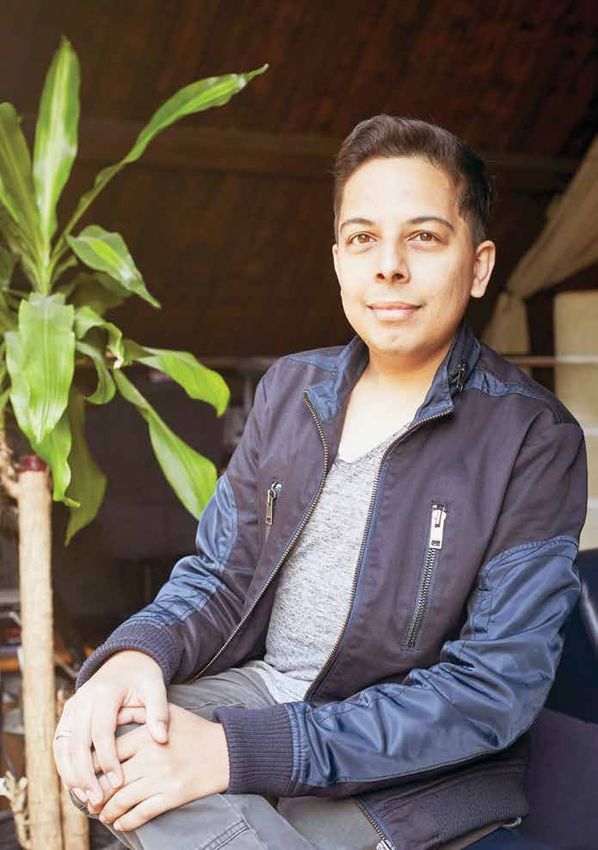
   Front cover: Amit, who receives regular blood transfusions as treatment for his blood disorder,
   Beta Thalassaemia Major.

2 Strategic Plan – Summary 2017-22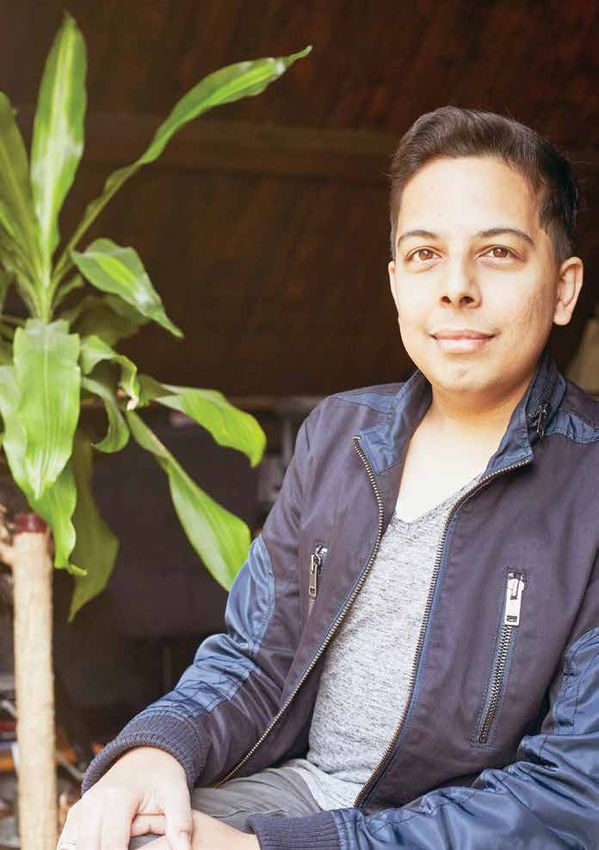
Focus on the future
Ian Trenholm, Chief Executive

Our ambition is to ensure that more people            NHS long into the future as well as setting
receive the organ transplants they desperately        ourselves up to support the development of
need, receive the right blood transfusions            important future therapies such as regenerative
at the right time and get the best specialist         medicine.
support and products to save or improve their
lives. People are still dying because of a lack of    As our health system faces increasing pressures
donors and it is our role to act with others to       we have a duty to be as efficient as we possibly
improve outcomes for patients.                        can so that the NHS has more resources
                                                      to spend on frontline services to patients.
Doing things better means more innovation,            Efficiency does not just mean ‘cheap’, it means
greater flexibility and a continued focus of living   looking to achieve value for money. We very
up to our values of providing a Caring, Expert        much recognise that investing in our people,
and Quality service. It will also mean doing          our equipment and our buildings is a necessary
some things differently so that we can achieve        part of what we need to do to deliver a great
even better outcomes. Our employees, donors           experience for donors, which in turn ensures
and patients will experience change in the years      we can keep delivering for patients.
ahead and we will need to work hard to explain
why and how it is making things better.               We have much to be proud of at NHS Blood
                                                      and Transplant. We are a great organisation
Our investment in our IT and other                    and great organisations are never complacent.
infrastructure is all about being able to continue    By focusing on innovation and continuous
to deliver a safe and sustainable supply of           improvement we can, and we will, save and
blood, tissues, stem cells and organs to the          improve more lives.

Our Ambition
To be the best organisation of our type in the world

Our Purpose
To save and improve lives

Our values
Caring about our donors, their families, our staff and the patients we serve.
Being expert in meeting the needs of our customers and patients.
Providing quality products, services and experiences for donors, staff and patients.
Three small words, one big difference.

                                                                      Strategic Plan – Summary 2017-22 3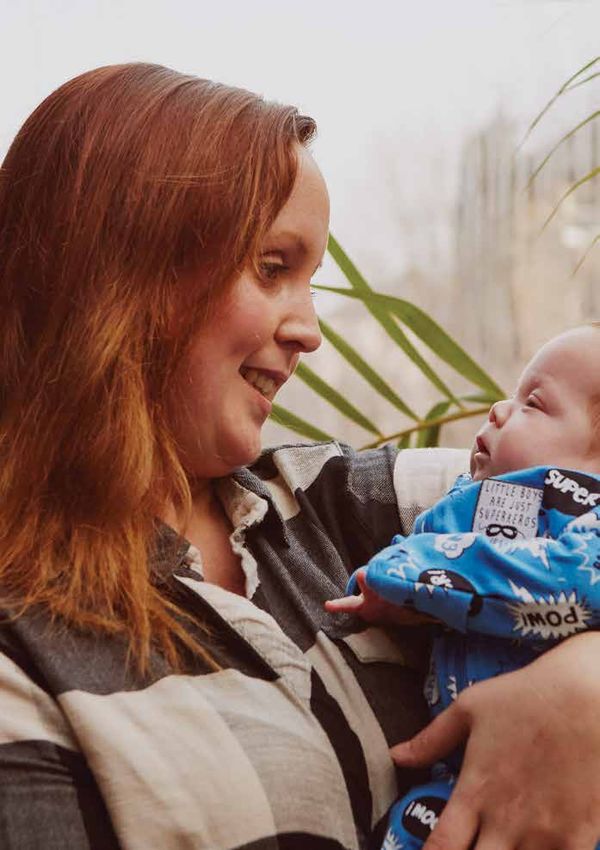
Who we are:
   NHS Blood and Transplant is a Special Health
   Authority responsible for ‘saving and improving
   lives’ by providing a safe, reliable and efficient supply
   of blood components, stem cells and diagnostic
   services to health care providers in England and solid
   organs and tissues across the UK.

   What we do and
   why we do it:
   NHS Blood and Transplant aims to be the               • Organ Donation and Transplantation
   best donation service in the world for blood,           – matching patients who require organ
   organs, tissues and stem cells. We benchmark            transplants with the organs they need
   everything we do against similar organisations          from donors, including the difficult
   globally to make sure we are delivering the             conversations with potential donor
   best possible service to the NHS, patients and          families when their loved one is close to
   donors.                                                 death.
   Our services include:                                 • Diagnostic and Therapeutic Services
                                                           – providing a range of products and
   • Blood Supply – collecting blood from
                                                           services to the NHS such as stem cell
     our donors, using it to manufacture a
                                                           and tissue products, laboratory services
     range of safe blood component products
                                                           to ensure blood products and organs are
     and making sure it reaches the patients
                                                           safe and match the patients who need
     who need it through an effective supply
                                                           them, and specialist treatments, such as
     chain to hospitals and other healthcare
                                                           therapeutic apheresis, for patients with
     providers.
                                                           particularly complex needs.

4 Strategic Plan – Summary 2017-22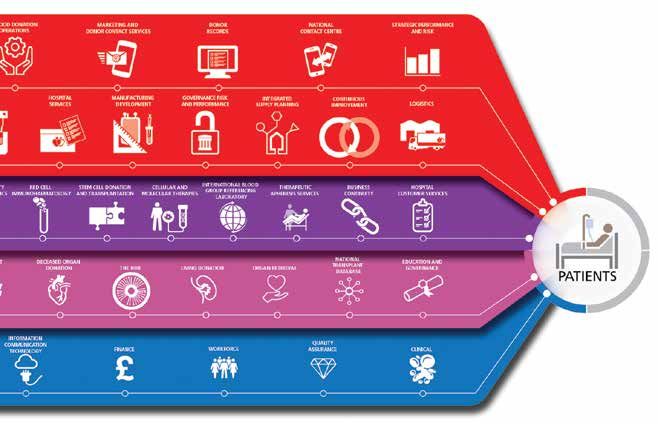
NHSBT run
                                            BLOOD            23,000
                                             FACT            blood donation
                                                             sessions across
                                                             the country
                                                             every year

                                                               Last year saw
                                            ORGAN
                                                               the highest
                                                               ever number
                                             FACT              of deceased
                                                               donors
                                                               1,366
                                                               but the number
                                                               of living donors
                                                               fell to
                                                               1,075

                           Last year over
       NHSBT run                                                 Last year
OO D                       3,500     BLOOD SUES
                                                        This year the

ACT
       23,000                              IS
                                       FACTT CT
                                                                3,779
                                                        price of a unit
                                                        of blood has
       blood donation      lives were saved
                           or improved by F
                                             A              people had their
                                                        been set at
       sessions across                                      sight restored
       the country         organ donation,
                                                     122.35pthrough cornea
       every year
                           6,500                            transplants
                           on the waiting list,
                           nearly

        Last year saw      500     died while waiting
                                   for a transplant
                                                 Only
GAN     the highest
                                   ORGAN
ACT
        ever number
        of deceased
        donors
                                    FACTBLO
                                            OD
                                         FACT
                                                5,000
                                                people die each year in
        1,366                                   circumstances in which
                                                donation is possible.
        but the number                                     Last year
        of living donors
        fell to                                            10,000 5,000
                                                Last year saw the highest
                                                everStrategic
                                                      number  Plan of  deceased
                                                                   – Summary 2017-22 5

        1,075                                   donors black people               of them fo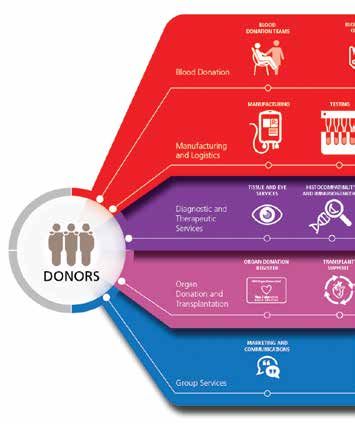
Daniel’s story
     Daniel, 19, receives regular blood
     transfusions as treatment for Sickle Cell
     Disease. At just six years old Daniel had
     a stroke as a result of a sickle cell crisis.
     A year later, another stroke led to a brain
     haemorrhage which left him in a coma for
     three days.

     Daniel said: “My doctors have told me I
     will need blood transfusions for the rest of
     my life. Sickle cell affects me and my family
     in so many ways. It is always there and
     many people don’t understand the pain
     that it can cause. I’m very grateful to all
     who give blood, but it is vital more people
     understand the need for black African and
     Caribbean donors, so patients can get the
     closely matched blood they need.”

   Beth’s story
     Beth, 21, from the Midlands, died in 2013
     following a brain haemorrhage. Beth
     donated her organs and saved or improved
     the lives of four people. Beth’s family
     knew her decision to donate after having
     previously discussed organ donation with
     the family over dinner.

     Beth’s step‑dad, Jim, said: “Without that
     conversation, we would have been lost.
     We feel we are quite strong but without
     knowing that’s what Beth wanted, it would
     have been an impossible decision at a
     devastating time.”

6 Strategic Plan – Summary 2017-22
FACT                  of deceased          fell to                FA
                                                              donors
                                                                                   1,075
                                                              1,366
Challenges ahead                                  but the number
                                                  of living donors
                                                  fell to
The NHS is facing increasing pressures. It is essential that all partsLast year
                                                                       of the

                                            TISSUE
service are as efficient and productive as possible
be focussed on frontline services for patients.
                                                    so        1,075
                                                    S that resources can             3,779
                                                           FACT                 people had their
We have a strong record of continuous improvement, quality and efficiency. The sight
                                                                                  headlinerestored
                                                                                            price
                                                                                 through
of a unit of blood has been reduced from £140 in 2008/9 to £120 in 2016/17. Despite            cornea
                                                                                         a slight
                                                                 Last year transplants
increase this year to £122.35 as we invest to modernise our infrastructure, the overall cost of
blood to the NHS has fallen from £260m in 2008/9 to £183m in 2016/17 due to the decline
                                    T
in demand. We remain one of the lowest      ESsuppliers of blood components in the world.
                                      ISSUcost                  3,779
                                  ACTyear ahead: people had their
Four major challenges face us inFthe
                                                           sight restored
Demand for blood: We continue to explore ways              through cornea
to improve productivity and efficiency in the blood        transplants
supply chain. This is not easy as many of our costs
                                                         BLOOD                                            DT
                                                          FACT
are fixed and the demand for blood is falling as
medical practices improve. There is an increasing                                                         FA
focus on those blood groups and products where
demand is high and supply is short. Supporting
Sickle Cell disease patients with ethnically matched                          Last year
                                          OO D
blood from black donors is a particular challenge.
We also need to maintain donationsB   ofLthe                                  10,000 5,
universal O negative whole blood and AA
                                        F    CT
                                           negative                           black people              of t
platelets that can be used safely with patients from                          gave blood                the
any blood group.

This drive for greater efficiency and more targeted      Last year            To meet demand we
blood collection so we only collect the blood the
NHS needs, when it is needed, will mean changes          10,000 40,0005,000   must find another

for our donors. They are likely to experience fewer      black people of them for
and larger blood donor sessions in fixed sites in        gave blood              the first time
major towns and cities, and fewer mobile sessions
in more remote locations. Our donors are hugely
                                                         To meet demand we
important to us and we must explain the rationale
                                                         must find another
and impact of changes with sensitivity and care.
                                                         40,000

                                                            Strategic Plan – Staff Summary 2017-22 7
sessions across
                                                                                                 the country
                                                                                                 every year

            WHY WE URGENTLY NEED MORE
            BLOOD FROM BLACK DONORS
                                                                                                  Last year saw
                                                         O R AN that patients
            Advances in the treatment of sickle cell disease mean
                                                            G               the highest
                                                                            ever number
            with this condition are living longer and require more transfusions
            than ever before.                              FACT             of deceased
                                                                                                  donors
            They need blood which is more closely matched to their own to get the best outcome
            from treatment. Black donors are more likely to have blood with the Ro sub-type which 1,366
            is needed by Sickle Cell patients - yet only 1% of blood donors are black. 50% of donors
                                                                                                but the number
            of black heritage have this special blood type, compared with only 2% of white donors.
                                                                                                of living donors
            Together, we can vastly improve the lives of the 15,000 people in the UK who live fell to
            with Sickle Cell Disease and over 300 new babies born every year with the condition.
            About 10,000 donors of black heritage donated blood in the last year. We need         1,075
            40,000 black donors to meet demand.

            You have it in you to do something amazing. In just one hour you could save lives.
            Visit www.blood.co.uk
                                                                                                    Last year
                                                                          S                         3,779
                                                                    TISSUE
                                                                      FACT                  people had their
                                                                                            sight restored
        IT investment: Many of the IT systems which are central to our processes are old, close
        to end of life and in some cases vulnerable because they depend on a single supplierthrough
                                                                                             for      cornea
        support and maintenance. Significant investment is needed to upgrade everything fromtransplants
        our desktop software to our core business systems. In common with many organisations of
        our size we are moving our systems into the ‘cloud’. We are also investing in a new system
        to replace the system used for the coordination of
        organ donation and transplantation.

      Any modernisation programme of this scale carries

                                                                     BLOOD
      some risk. However we are minimising this risk

                                                                      FACT
      by rolling out new systems in small steps. Taken
      together Core Systems Modernisation, the Organ
      Donation and Transplant Hub, and the Desktop
NHSBT run
                                                    BLOOD
      Refresh represent an investment of £50m over the                           This year the
23,000next five years. This investment in our infrastructure

                                                     FACT
                                                                                        Last
                                                                                 price of     year
                                                                                          a unit
                                                                                           10,000 5,
      is essential if we are to maintain the safe and
                                                                                 of blood has
bloodsustainable
        donation    supply of blood and deliver more organs
                                                                                 been set  at
      for transplant into the future. The cost will mean
sessions   across                                                                       black people               of t

                                                                              122.35p
      a small increase in the price of a unit of blood to
the country                                                                                gave blood              the
      our customers in the short term, although due to
every demand
      year reductions, the overall cost of blood to the
      NHS continues to reduce as demand falls.                                             To meet demand we
                                                                                           must find another

     8 Strategic Plan – Summary 2017-22
                                                                                           40,000
  Last year saw                                                       Only
FACT blood donation sessions across FACT of blood
been set at has
blood
sessions donationthe country
across
sessions across every year
the country 122.35p 122.35p
been set at
the country
every year
every year
122.35pLast year saw
N
Opportunities to donate: We are aiming to
ORGA
the highest
ensure that no opportunity for organ donation and ever number
transplantation is missed. On average three people FA C T of deceased
Last of
die every day in the UK because year
the saw
lack of an Only donors
Norgan.
ALast
Last year
ORGhighest
sawTo reduce this
thenumber
highest
ORGAN 1,366
5,000
available we must Only
the year saw ever organ R G A N Only
5,000
ofnumber
T highest
significantly increase the levels
O donation and
FACT
RGAN Cthe
FAnumber RtheGAN
O
5,000
ever Whilst we of deceased
transplantation.
ever number
continue
C T
to increase
FAtransplants but the numbe
FACT T
of deceased
number of deceased organdonors
of deceased donations and
FAC peopleofdie
living
eachdonor
year
donors
every
1,366 1,366
year we are still not on track to hit our ambitiouspeople die each year in
donors fell to
circumstances in whi
people die each
1,075
year in is possible.
targets for saving and improving more lives. Key to circumstances
so
1,366
more agree to be
but the number
delivering this increase is influencing public behaviour donation
but thepeople
number of livingand
donors donors
have the donation
in which
circumstances
donation
is possible.in which
Last year saw the hig
is possible.
of butdonors
living the numberfell to Last year saw the highest
conversation aboutdonors
their wishes with their families. ever number of dece
of living Last year ofsaw the highest
1,36
fell to
1,075
We alsofell
needtoto work with clinicians to improve
ever number deceased
donors
1,366
ever number of deceased
1,075 donors
1,075 1,366
utilisation of organs so that no opportunities for donors Last year
transplants are missed. Funding for Organ Donation
and Transplantation is unlikely to increase in the
UESnumber of livingthe
3,779
ISSthe
Tbut
but numb
donors f
Tbut thefell
FACliving number ofhad their
1,07
years ahead so investment in behaviour change and living donors to
people
1,075
Last year
new technologies will be under pressure. We must
donors fell to
sight restored
1,075
Last year
Sto changes
3,779
TI SUELast
alsoSadapt year in legislation in Wales where through cornea
SUES a
3,779
FACT in approachpeople
3,779
deemed consent is now in place, and be prepared for
difference across
had their
the different countries
transplants
people had their
FACT
sight restored
in the
sight people
UK.
restored had theirthrough cornea
through sight restored transplants
cornea
Innovative income streams: A Triennial Review of
DTS
through
transplants cornea
NHStransplants
S
Blood and Transplant published in September
T
D our S
2016 was very supportive of the contribution
DT One FACDT
organisation makes to the health systemFin CT UK.
Athe BLOO
FACT
FACT
of the recommendations was that we should challenge
our Diagnostic and Therapeutic Services (DTS) to find
340,000340,0
OOD in 2016/17 to around £100m by 2021/22.
340,000
new and innovative ways to increase income – from
BL£68.6m
the
LOOD FACT income enables us to invest in improving our
Increasing Lastblood
blood donors have agreed
yeardonors
FACT
service, products and outcomes for patients at minimal
10,000 5 to be potentia
4
to be blood donors
potential stemhave
cell agreed
donors yet
400
cost to the NHS. DTS is already a world leader in many to be potential stem cell
donors yet black people o
Last year
400
areas of its work and we will be exploring ways to donors yet gave blood t
Last year
10,000 5,000
capitalise on our expertise in new areas and develop patients a
newLast year
10,000 5,000
partnerships.
10,000of them5,000
patients a year don’t
To meet
receive a patients
transplant
receive a tra
a year
anddemand
don’t w
200
black people of them for
receive a must find
transplant another
and
200
black people gave for
blood the first time
200 40,000
black peoplethe first
gave blood oftime
them for
gave blood the first time
To meet demand we die because a
To meet demand we must find another die because a matcheddonor can’t be
To meet
must find demand we
another donordie because
can’t a matched
be found
40,000 40,000
must find another donor can’t be found
40,000
Strategic Plan – Summary 2017-22 9There are
1.3m 23m
There are
Our priorities 1.3m 23
registered blood donors
registered blood donors
of those
have signed up
organ donation
have sign
That’s who could organhav
Less than do
ThereThere
are are
less of those the
give blood
than
1
3% %
That’s who could
1.3m
wit
1.3m3 23m
Less than
2 less
23m
To save and improve more lives than give blood
1fam
by getting the right blood to the 2
right people at the right time, registered bloodblood
registered donors
donors have have
signed up toup
signed theto the
organorgan
donation register
donation register
and making the most of every That’s
of those
of those
have discussed
less
who could
That’s who could Less than have discussed
opportunity for organ and tissue than
less
give blood
give blood 1 1
Less than their wishes
their wishes
3%3%
than
with their
transplants to take place. 2 2 with their
familyfamily
ECTIVE
EFF
To invest in the infrastructure required to make PEOPLE
I
CHN OGY
NF
NHS Blood and Transplant the best organisation
ORMATION
Core Systems
OL
E XCE
NT
Modernisation
(CSM)
of its type in the world.
TE
C IE
PR O
C E SS
LL
EN
FI
T EF
By keeping costs down
we have passed on
£80m
By keeping costs down
we have passed on
To be as efficient and productive as we possibly
can to save money which the NHS can use to
By keeping
safeguard frontline services for patients.
we have
costs down
By keeping
passed
we have
productivity
costs
on on
passed
down £80m
savings to the NHS
£80m
£80m
productivity savings to the NHS
productivity savings
productivity to thetoNHS
savings the NHS
To be a great employer with great people
dedicated to saving and improving more lives. 94%
94%
94%
94%
of employees believe the work
they doofisemployees
contributing to saving
believe the work
and improving lives.
they do is contributing to saving
of employees believe
of employees the work
believe the work
and improving lives.
they do is contributing
they to saving
do is contributing to saving
and improving lives. lives.
and improving
10 Strategic Plan – Summary 2017-22Amit receives regular blood transfusions
as treatment for his blood disorder –
Beta Thalassaemia Major.
Amit said: “Without blood transfusions,
it would be game over for me. I’ve never
taken the blood I receive for granted. I never
turned up and there’s been no blood for me
but there’s always a concern.”
Strategic Plan – Summary 2017-22 11Organ Donation and
Transplantation
Objective
To make sure that no opportunity for an organ transplant is missed
1. To improve consent/ 3. To transplant more organs –
authorisation – we will promote we will work with hospitals and surgeons to
a shift in behaviour to increase consent/ use the latest techniques and technologies
authorisation rates, making it easy to pledge to increase the number of organs that can be
support for donation and for the wishes of transplanted safely to the most appropriate
the individual to be honoured. recipients.
Sarah Hanner Hopwood – Marketing and Ben Hume – Assistant Director –
Campaigns Manager Transplantation Support Services
“We want to get to the heart of the family to “We need better systems and processes
inspire conversations about organ donation and to support our core purpose of saving and
normalise saving lives. By encouraging multiple improving lives. One of the ways of meeting
conversations in the home, online and between this challenge is by creating an Organ Donation
friends, we hope people will feel proud to shout and Transplantation (ODT) Hub. This will be at
about organ donation and support what their the heart of our service and will support people
relatives want”. working across ODT.
The ODT Hub will safely and efficiently support
2. To raise the UK deceased donor increasing numbers of potential referrals,
rate – we will work with hospitals and NHS donations and transplants. We will be engaging
colleagues to provide excellent support for with the organ donation and transplantation
donation and ensure that each donor can community at each step of the change towards
give as many organs as possible. an ODT Hub, to ensure that we are modernising
Amanda Jayne Snape, Specialist Nurse in a safe way and respond to their needs.”
Organ Donation – Specialist Requestor,
North West team 4. To increase transplants – we will
“Our focus is on patients and their families provide quality support systems and
and together with colleagues in hospitals, we processes to enable more donations and
provide them with the vital support they need transplants to happen.
during an extremely difficult time in their lives. Jacki Newby – Donor Care and
In my role of specialist requestor and using Coordination Team Manager
specialist training I’ve received on approaching
“We are developing a computerised organ
families and securing consent, I will deliver
matching and offering system which will
enhanced support particularly during complex
provide a safe and speedy process for allocating
circumstances, which will enable us to increase
organs to recipients. This will reduce the time
organ donation consent rates.”
the offering process takes and will enable
staff to facilitate more organ donations and
transplants.”
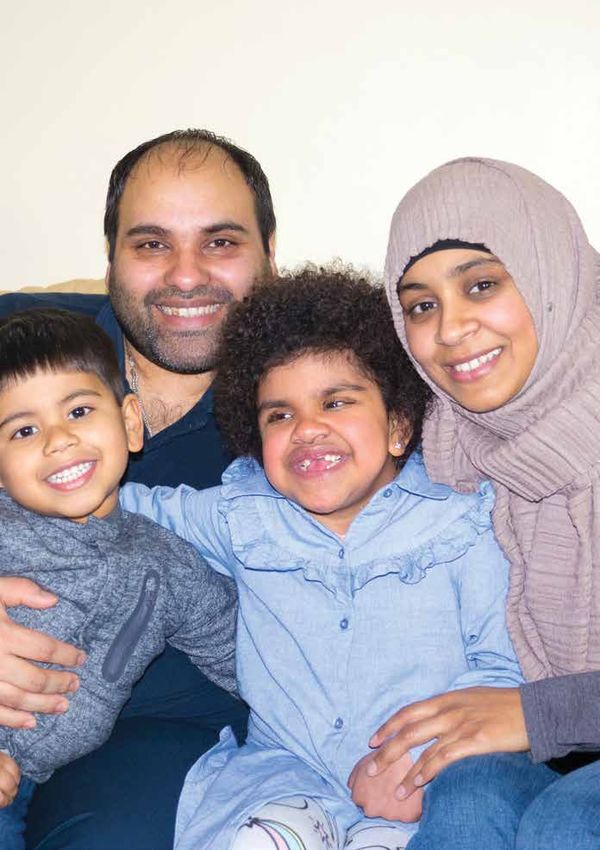
12 Strategic Plan – Summary 2017-22Monira, mum of two, was in intensive care with her health rapidly deteriorating
when she received a life‑saving liver transplant.
Monira said: “I can’t explain what it means to me to be able to spend time with my
family now. In the days before I received my transplant, doctors told my family to prepare
for the worst. I was scared that I’ll never see my children again, but my transplant has
given me precious time with them. This is only possible because of my donor.”
Read the full strategy at www.nhsbt.nhs.uk/to2020/
Strategic Plan – Summary 2017-22 13Blood Supply
Objective
To ensure that all patients, including those with complex
needs, have the right blood available at the right time.
1. Donor experience – we will collect 3. Customer service – we will use the
only the blood hospitals need when they latest technology to tailor our services and
need it by making sure we have the right transport system to meet the changing
number of donors, modernising donor needs of hospitals.
sessions and improving the way we use Chris Philips – Head of Hospital Customer
technology to contact the right donors Service
at the right time.
“Our online blood ordering system (OBOS)
Mike Stredder – Director of Blood Donation
is now available on multiple devices and our
“We will continue to improve donor satisfaction partnership with hospitals continues to drive
by further investment in new technologies that development. We are using data from our
will enhance the experience and reduce the Transport Management System to work with
time taken to donate. Targeted recruitment, hospitals to optimise the timing and frequency
specifically of black donors will also help us to of deliveries.”
better match the needs of patients.”
4. Hospital integration – we will work
2. Supply chain – we will build on more closely with hospitals to help them
productivity improvements in manufacturing manage blood stocks, testing and supply.
and testing to provide a safe, responsive Lucy Frith – Process Improvement
and high quality service to our customers Manager
in hospitals.
“We are working with Hospital IT providers
Sarah Raymond – Assistant Director
and hospital transfusion laboratories to
National Operations
increase the number of hospitals using our
“We are using continuous improvement stock management service from eight to 20.
events such as strategy deployment, rapid This work will see the development of solutions
improvement events and other lean tools to by hospital IT providers which will then enable
identify improvements in productivity whilst the service to be offered to a wider number of
ensuring product safety and quality.” hospitals.”
14 Strategic Plan – Summary 2017-22Natasha, mum of three, received
39 units of blood during a
seven-hour surgery following a
complicated emergency C-section
on Christmas Day 2015.
“I just wouldn’t be alive without
blood donors. My children wouldn’t
have their mother and my husband
wouldn’t have his wife.”
Read the full strategy at
www.nhsbt.nhs.uk/download/
blood-2020.pdf
Strategic Plan – Summary 2017-22 15Diagnostic and Therapeutic
Services
Objective
To be a trusted brand built on compassion for donor families and
an ethical supply of products and services from within the NHS.
1. Supplier of choice – to be the supplier 3. Increase product sales in all areas –
of choice to the NHS for tissue and eye to develop products and innovative techniques
services, stem cell therapies, therapeutic that have the potential to deliver an income
apheresis, specialist blood diagnostic (Red surplus that can be reinvested into services and
Cell Immunohaematology) and organ testing further research.
(Histocompatibility and Immunogenetic) Helen Gillan – General Manager Tissue Services
services.
“The demand for cornea transplants is relentless;
Catherine Howell – Chief Nurse Diagnostic
we rely heavily on our communication
and Therapeutic Services
department to keep awareness high to
“We pride ourselves on the consistently high meet the target of 10 eye donors per day.”
standards of care we give to patients. Our patient
satisfaction survey scores are world class.”
4. Leading the way on regenerative
medicine – To establish NHS Blood and
2. More stem cell treatments – Transplant as the preferred provider of
to increase the number of patients benefiting established cell therapies to the NHS, and of
from curative stem cell transplants. innovative cellular and DNA based therapies
Guy Parkes – Head of Stem Cell Donation for academic and commercial organisations.
and Transplant Dr Jon Smythe – Head of Cellular and
“In Stem Cell Donation and Transplantation, we Molecular Therapies
are constantly seeking to recruit the best donors “Advanced cellular and molecular therapies offer
to the British Bone Marrow Registry and bank the promise of new treatments and potential
the best cord blood units in our NHS Cord Blood cures for many diseases and disorders. We will
Bank, so that we can continue to provide more keep pace with these developments by investing
stem cell transplants, ensuring better outcomes in our manufacturing capacity and training more
for more patients. We are striving to ensure scientists to equip them with the highly specialised
that no patient should miss out on a lifesaving skills that are required. NHS Blood and Transplant
transplant due to the lack of a well matched is uniquely positioned to support the exciting
stem cell donation.” developments that are taking place in this field.
Our experience in the manufacture of clinical
grade advanced cellular and molecular therapies,
combined with our strong links to clinicians
means we can help researchers translate their
groundbreaking work to the bedside.”
16 Strategic Plan – Summary 2017-22Alison’s story
Alison from Manchester, gave the gift of sight to
two people when she donated her corneas in 2010.
Alison died aged 28, just six short weeks following
a bowel cancer diagnosis.
Alison’s mum Ann said:
“I am so proud of Alison, and we now know that her
eye donation helped two people to see again. I love to
think that there is a very small but beautiful part of Alison
living on. But I am also proud that we, her family, had the
strength and courage to agree to her request despite our
terrible grief.”
More than 400
patients each year
in the UK fail to get access to the
stem cell transplant they need.
200 lives are
lost due to
– a lack of matched
There is a stem cell donor.
disproportionate
impact on BAME patients,
where we need more
donors.
Strategic
Strategic
Plan –Plan – Summary 2017-22 17
StaffGroup Services
The vital supply of blood and organs to the health service could
not happen without the support services which underpin NHS
Blood and Transplant.
• ICT – modernising our IT infrastructure through the Organ Donation and
Transplantation Hub, Core System Modernisation and Desktop Refresh
• Estates – reducing the size of our estate so that it is in the right shape for the
future – including exploring locations for possible new blood donor centres for
example in Leicester and South London, a new manufacturing and testing centre
to replace our Leeds and Sheffield centres, and a major expansion at Filton
• Workforce – supporting change and staff learning and development
• Quality – ensuring we meet our legal and regulatory requirements
• Marketing and Communications – making donation matter to people so they
donate if and when they can
• Clinical and Research – delivering a world leading research and development
programme
• Finance and Business Transformation – ensuring we deliver highly effective services
to the NHS at the lowest possible cost.
Money Matters
How do things look for us in 2017/18?
We are in a strong position thanks to the efficiencies and productivity improvements we continue
to make. We have made a small increase to the unit price of blood to help fund an essential
investment in our IT infrastructure to secure the safe supply of blood into the future. However,
as the demand for blood continues to fall the overall cost of blood to the NHS continues to
reduce. Grant funding for organ donation and transplant is expected to remain at the same level
requiring us to reprioritise to ensure that we can deliver IT modernisation. Our Diagnostic and
Therapeutic Services continue to innovate and develop new products to improve the service to
patients such as establishing Therapeutic Apheresis Services closer to patients as we have done
with our new centre in Birmingham.
18 Strategic Plan – Summary 2017-22Where does our money come from?
Income Compared to 2016/17 Increase Equal Decrease
Red Cells, Platelets and Plasma £257.1 million
Organ Donation £74 million
Specialist Services £72.7 million
Research and Development £1.1 million
Other £7 million
Total £411.9 million
How we allocate our budget
Expenditure Compared to 2016/17 Increase Equal Decrease
Wages £200.6 million
Marketing £9.2 million
IT £13.8 million
Other consumables £21.7 million
Transport £17.2 million
Data: 2017/18 Rent, Rates and Utilities £12.7 million
Capital charges £17.9 million
Microbiology Test Kits £14.2 million
Blood and Platelet Packs £22.3 million
ODT contracts and other £19.5 million
Other £76.5 million
(inc hall hire, equipment and maintenance)
Total £425.6 million
Strategic Plan – Summary 2017-22 19Your Voice
We have regular conversations with our employees to check how they
are feeling about working at NHS Blood and Transplant. Our latest
Your Voice survey shows high levels of engagement and a commitment
to saving and improving lives.
% 88%
80% 88%
80%
83% 88%
80%
83% 80%
83% 83
of staff took part are happy to go the are proud to work say that working for
in the survey extra mile at work for NHSBT NHSBT makes them
want to do the best
they can
We still have things to work on. Every directorate has their own action plan to ensure that
actions are meaningful at a local level and these are monitored. Corporately we are focusing
on areas that we will continue with (e.g. Communication), areas to continue, but adapt
(e.g. management capability) and areas which are new (e.g. increased senior leadership visibility).
We will ask our employees again in 2018 to tell us what it is like to work at NHSBT.
Caring, Expert, Quality.
Being the best in all we do.
We are NHS Blood and Transplant. We stand for hope. We stand for life. We stand for
helping people do something extraordinary, saving and improving the lives of others. As an
essential part of the NHS we take pride in playing our part to make the most of absolutely
every donation – from blood and organs to tissues and stem cells. Every day we bring the
values of caring, expertise and quality to our roles. When we break new scientific ground,
when we connect with donors and families, when we help to save a life – it’s because of
each and every one of us. The donors who make our work possible do so selflessly, giving
life and changing life for the better. It is because of them, and the people who need their
life-saving and life-enhancing donations, that we strive to be the best in all we do.
20 Strategic Plan – Summary 2017-22You can also read


