Sydney Football Stadium - Environmental Impact Statement Overview - Infrastructure NSW
←
→
Page content transcription
If your browser does not render page correctly, please read the page content below
Environmental Impact Statement Overview

Sydney Football Stadium

                                          Artist impression only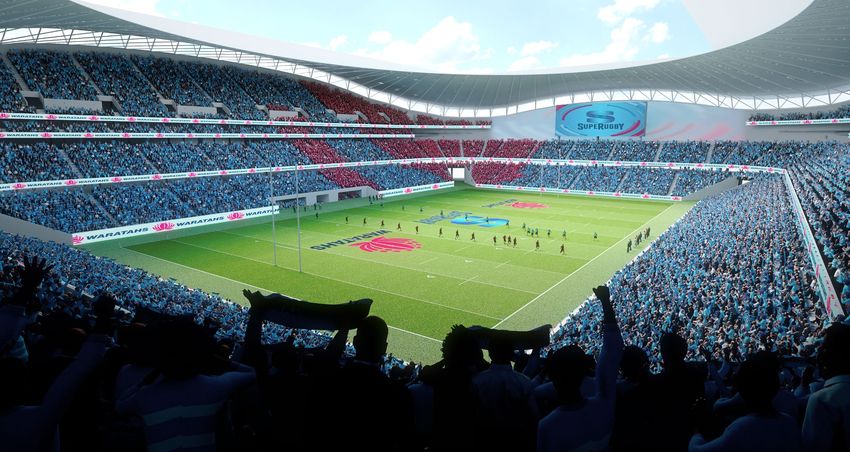
Artist impression only

                             1.0 Introduction

                             1.1      Purpose of the document
                             This document provides an overview of the State Significant Development
                             Application (SSDA) and its Environmental Impact Statement (EIS), including
                             associated technical documents for the proposed redevelopment of the Sydney
                             Football Stadium (SFS) at Moore Park. The EIS has been prepared in response to the
                             technical studies, consultation and findings undertaken by Infrastructure NSW.
                             The full EIS is a publicly available document that provides information on the
                             project, including the environmental impact and the mitigation measures that will be
                             implemented when undertaking the redevelopment. The EIS is used to inform the
                             assessment of the development and is available on the NSW Department of Planning
                             and Environment’s Major Projects website (majorprojects.planning.nsw.gov.au).
                             The purpose of this document is to summarise the key information from the EIS
                             regarding:
                             •   proposed works;
                             •   the steps involved in the assessment and delivery process;
                             •   the potential environmental impacts of the redevelopment; and
                             •   what can be done to mitigate or minimise these impacts.

2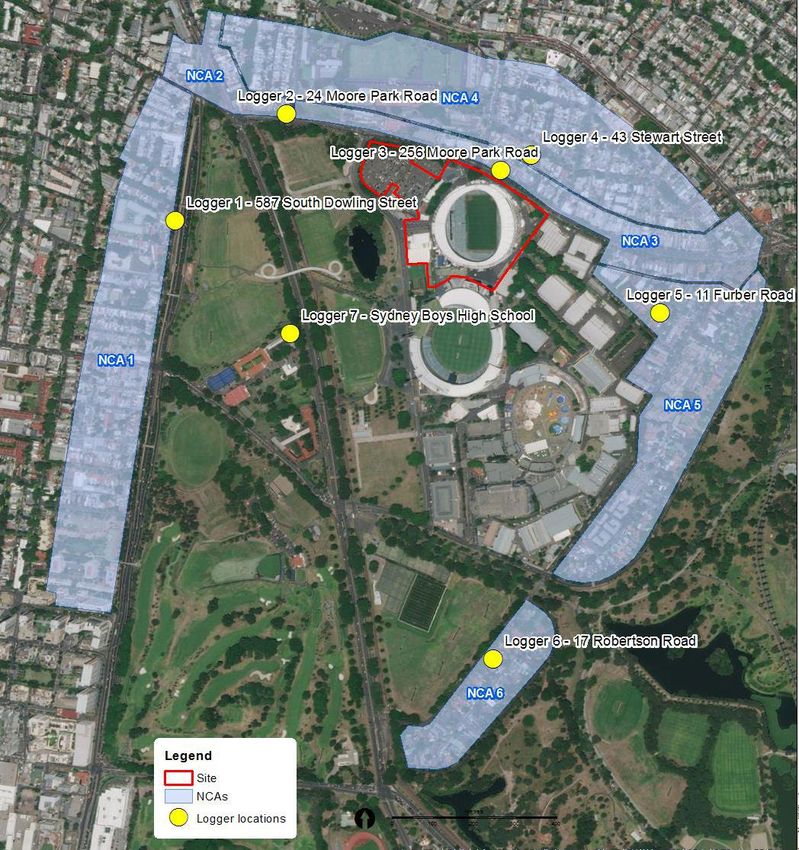
1.2       Background
On 24 November 2017, the NSW Premier announced       The SFS was one of the first stadia of its kind       •   reaffirm the Sydney Cricket and Sports Ground
the replacement of the existing SFS with a new       in Australia and was designed primarily as an             Precinct as the Eastern City’s premiere sporting
venue accommodating up to 45,000 seats on land       amphitheatre to watch sport, setting a new                destination by delivering a new rectangular-
administered by the Sydney Cricket and Sports        standard for facilities in the 1980s. It has since        pitch stadium that is capable of hosting national
Ground Trust at Moore Park. The redevelopment will   become the oldest top-tier rectangular stadium            and international-scale events equal to Sydney’s
facilitate a modern and competitive Tier 1 stadium   in Australia and has not kept pace with the               status as a global city;
and seek to improve:                                 modern sports landscape in terms of the standard
                                                                                                           •   deliver a venue for the growth of men’s and
                                                     of facilities and user experience. Ultimately for
•   patron experience;                                                                                         women’s elite sport alike, as well as the ability to
                                                     the reasons detailed in the Final Business Case
                                                                                                               adapt to new sports and the rise of e-sports;
•   crowd management;                                Summary document, that can be accessed via the
                                                     Infrastructure NSW website (www.infrastructure.       •   ensure that the redevelopment of the Sydney
•   safety/security;
                                                     nsw.gov.au), the NSW Government has decided               Football Stadium is informed and guided by
•   accessibility;                                   that the proposed redevelopment of the stadium            carefully developed and appropriate urban
                                                     represents the best possible outcome from a social,       design principles;
•   facilities for core tenants;
                                                     economic and environmental perspective.
                                                                                                           •   build a stadium that is integrated with its
•   operational efficiency;
                                                     The project will resolve the current operational          surrounds including Centennial and Moore Parks
•   hospitality and food/beverage offerings; and     inefficiencies, concerns for safety, security and         and the surrounding residential and business
•   media requirements.                              compliance, and the key shortcomings in venue             areas;
                                                     experience, and has been charged with achieving
                                                                                                           •   create a publicly accessible entertainment and
                                                     the following objectives:
                                                                                                               recreational facility;
                                                                                                           •   enhance pedestrian connectivity;
                                                                                                           •   demonstrate excellence in environmental
                                                                                                               sustainability and design; and
                                                                                                           •   maximise the direct and indirect economic,
                                                                                                               social and cultural benefits to NSW from the
                                                                                                               project.

                                                                                                                                                                      3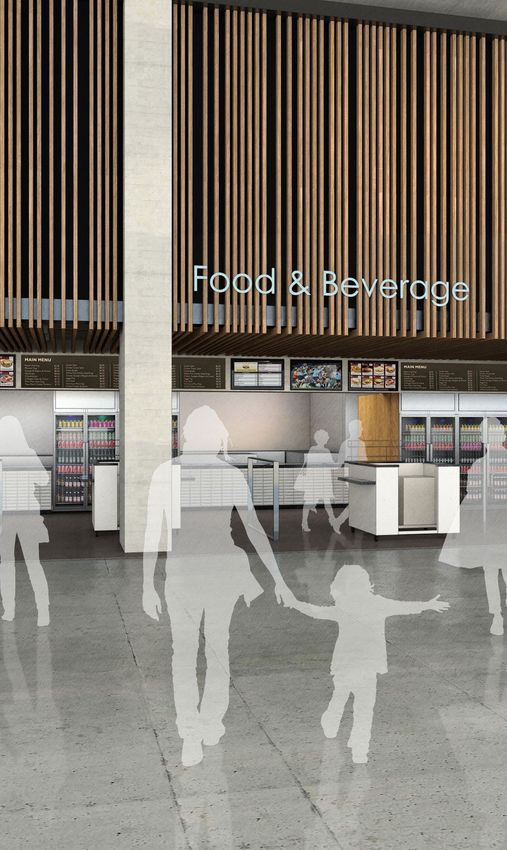
2.0 Project description

     In June 2018, Infrastructure NSW
     lodged an SSDA to the NSW
     Department of Planning and
     Environment (DP&E) for the first stage
     of the project, known as ‘Stage 1’.
     Stage 1 seeks approval for a concept
     plan for the new stadium and for
     demolition works. The project is
     being assessed as State Significant
     Development under the Environmental
     Planning and Assessment Act 1979 as
     the redevelopment is for the purposes
     of a ‘recreation facility (major)’ and
     has a Capital Investment Value of more
     than $30 million.

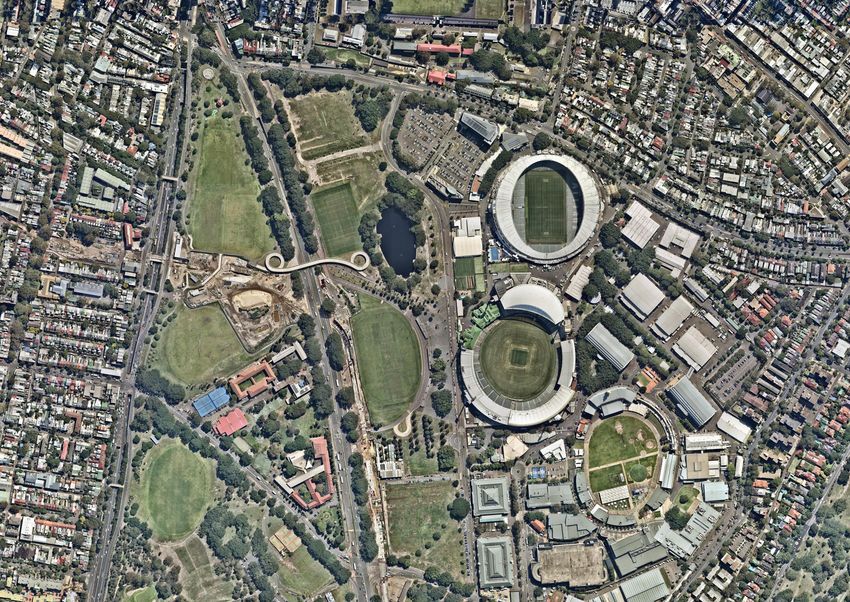
                                              Aerial image of Sydney Football Stadium
4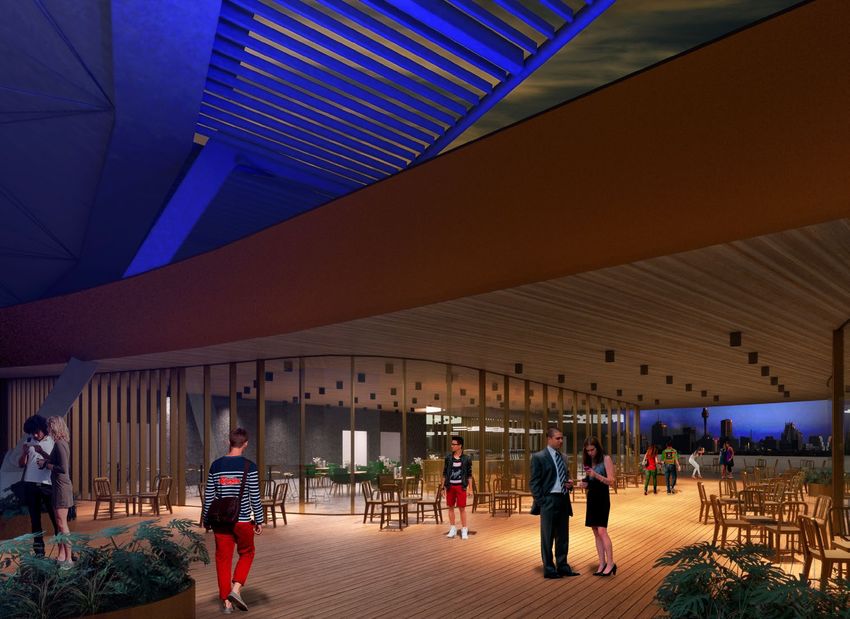
Artist impression only

2.1      The concept plan
The Stage 1 DA establishes the ‘concept’ for the       •   a Design Excellence Strategy that describes the    –– lifts and vertical circulation to meet modern
future redevelopment of the stadium. It sets out           competitive process being implemented for the         design and accessibility standards;
the planning and development framework that will           detailed design of the stadium, to ensure that
                                                                                                              –– a new roof with 100% drip-line coverage of all
inform the future detailed design, construction and        the future stadium design embodies a high-
                                                                                                                 permanent seating;
operation of the stadium, which will be considered         quality development;
under a Stage 2 DA for the project. The Stage 1                                                               –– lighting, stadium video screens and other
                                                       •   the principles and strategies for transport and
application seeks consent for the following:                                                                     associated fittings;
                                                           access arrangements; and
•   the use of the land for a stadium and associated                                                          –– facilities for team, media, administration and
                                                       •   the general functional parameters for the design
    facilities;                                                                                                  amenity such as changing rooms, media
                                                           and operation of a new stadium, including:
                                                                                                                 rooms, and post and pre-event spaces; and
•   the maximum building envelope, being the
                                                           –– 45,000 seats (with up to 55,000 patron
    maximum horizontal and vertical dimensions                                                                –– ancillary uses within the stadium and
                                                              capacity in concert mode);
    that the future stadium must be contained                                                                    surrounds, such as offices, administration
    within;                                                –– a 360-degree pedestrian circulation zone           spaces, and food and beverage outlets.
                                                              within the stadium structure;
•   Urban Design Guidelines that will guide the
    detailed design of the new stadium, including          –– basement ring-road for internal loading
    the building architecture, public domain and              facilities and up to 50 restricted parking
    landscape architecture;                                   spaces for use by stadium administration,
                                                              officials and stadium hirers only;

                                                                                                                                                                  5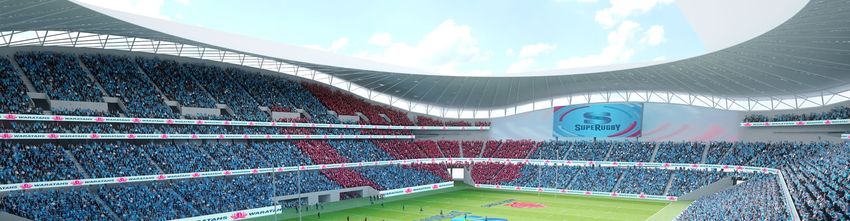
PROJECT DESCRIPTION

    The building envelope                                   Urban Design Guidelines                                   Stadium operation
    The building envelope is defined as a building’s        Urban Design Guidelines have been prepared by             It is anticipated that the stadium will accommodate
    horizontal and vertical planes that set out the         SJB Urban (Appendix C of the EIS). The Guidelines         between 49-52 events per year. Future events are
    maximum parameters that the future detailed             set out qualitative and quantitative criteria that will   likely to include:
    stadium design must be contained within. The            guide the future detailed design of the new stadium
                                                                                                                      •   International Rugby League and Rugby Union
    Stage 1 DA seeks consent for the maximum                and public realm. It includes detailed guidelines on
                                                                                                                          games;
    envelope, although the ultimate design will occupy      the following aspects of the :
    lesser volume than is maximally permitted                                                                         •   Women’s competitions;
                                                            •   key moves and design intent;
    Establishing a ‘loose-fit’ envelope enables                                                                       •   Waratah Super Rugby season games;
                                                            •   access and movement;
    Infrastructure NSW to assess the maximum possible
                                                                                                                      •   NRL season games and finals Rugby Sevens;
    impacts of the stadium, and provides the future         •   building height and massing;
    designers of the stadium with a degree of flexibility                                                             •   Sydney FC season games and international
                                                            •   public realm and open space;
    to consider different design solutions within the                                                                     football games;
    envelope. Innovative ideas, options testing, and        •   security and safety;
                                                                                                                      •   Exhibition sporting events;
    design efficiencies will be explored as part of the     •   activation;
    design development process to lock in the final                                                                   •   AFLX, and international tournaments; and
    design (discussed further in Section 3.2 below).        •   wayfinding, signage and interpretation;
                                                                                                                      •   Concerts.
                                                            •   architectural expression;
                                                                                                                      The stadium will be designed to support the growth
                                                            •   sustainability; and
                                                                                                                      in women’s sport with facilities that will better cater
                                                            •   cultural and heritage significance.                   to female players and spectators.
                                                                                                                      The stadium currently limits itself to six (6)
                                                            The Guidelines support a series of strategies and
                                                                                                                      concerts/entertainment events per annum, which
                                                            principles that establish the design intent towards
                                                                                                                      will not change. There will also be no change to
                                                            the role and relationship of the new stadium to its
                                                                                                                      the existing time limits for sporting, concert and
                                                            context. Alignment with these guidelines will be a
                                                                                                                      other events.
                                                            key consideration for the future Stage 2 DA.

6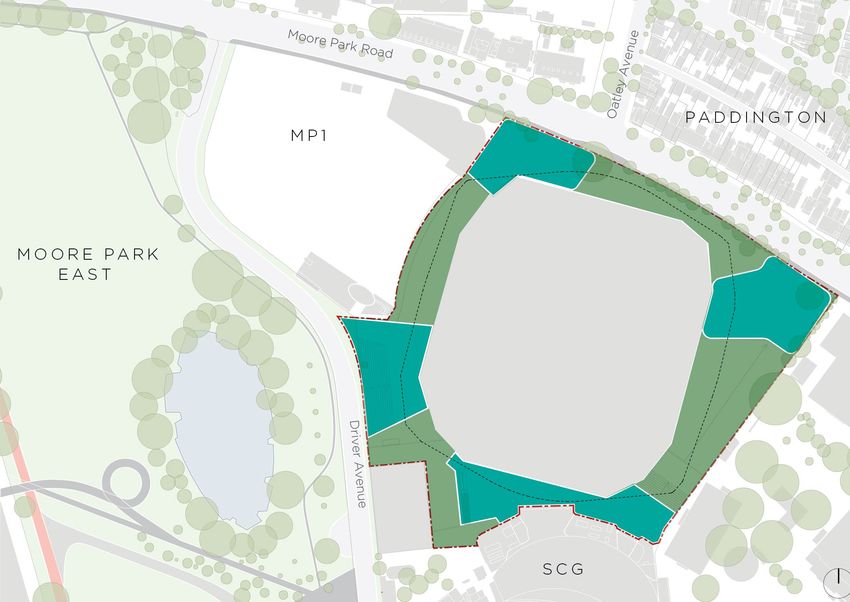
Public realm and open space

                              7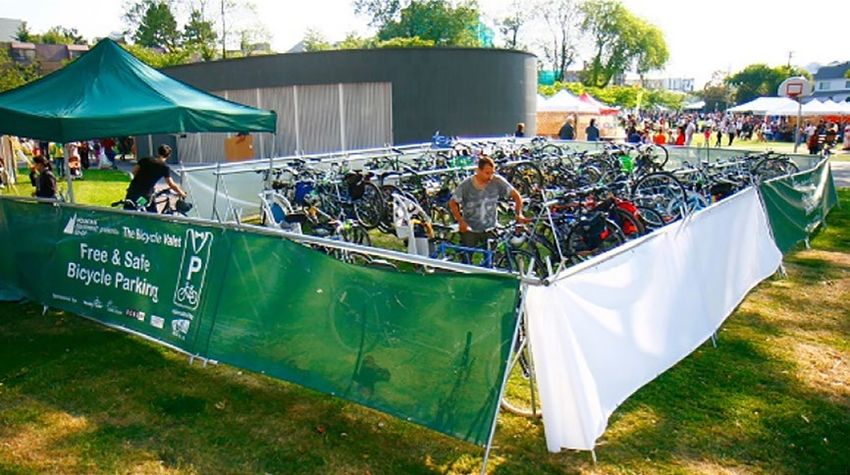
PROJECT DESCRIPTION

    2.2 Design                               Artist impression only

    excellence strategy
    A Design Excellence Strategy has
    been prepared by Infrastructure NSW
    in collaboration with, and endorsed
    by, the NSW Government Architect’s
    Office (see Appendix D of the EIS)
    to ensure that the future stadium
    achieves the highest standard of
    architectural, urban and landscape
    design. The strategy sets out how
    the proposed project will achieve the
    relevant statutory requirements of the
    Sydney Local Environment Plan 2012
    (Sydney LEP), and the steps involved.
    The winning competitor’s design
    will form the basis of the Stage 2 DA
    along with the functional design to be
    completed by a stadium architect.

8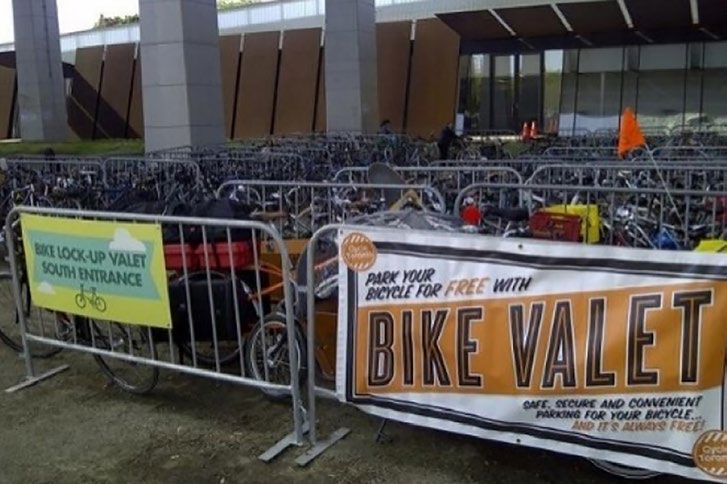
2.3 Physical works
The Stage 1 DA also sets out and seeks consent for the first stage of physical works on the site, which comprises demolishing the existing Sydney Football Stadium,
ancillary buildings and tree removal. These works will be carried out over a period of up to 12 months, subject to the program of the selected demolition contractor.
Demolition is expected to commence in early 2019, with the exception of the Cricket NSW building and indoor wickets that will be demolished in September 2019,
to allow for the transfer of these uses into a new facility.

Site protection                           Tree removal                               Construction and                          Hours of work
Fencing will be erected around            The proposed development will              demolition compound                       All works on site will be completed
the perimeter of the construction         remove 26 trees within the forecourt       The existing Moore Park 1 (‘MP1’) car     within the standard construction
site to control access and protect        and in the south west of the site, and     park will be utilised as a construction   hours, unless otherwise notified by
pedestrians using the surrounding         will retain and protect 100 trees within   compound during the proposed              the DP&E in writing, as verification of
footpaths. The fence line will            the site. Trees to be retained include:    demolition works, and potentially         unusual circumstances. Work hours
generally follow the existing property                                               during future stages of construction      will be:
                                          •   the Moreton Bay Fig near Moore
boundary and will not impede existing                                                work. It will be used for on-site
                                              Park Road and Sheridan Building                                                  •   7am and 6pm Monday to Friday;
pedestrian footpaths along Moore                                                     waste processing (i.e.: the separation
                                              (known as ‘Tree 125’);
Park Road and Driver Avenue.                                                                                                   •   8am and 1pm Saturday; and
                                                                                     of waste streams, storage and
                                          •   the cluster of trees, including a
                                                                                     processing), stockpiling, loading         •   No work on Sundays or public
                                              Weeping Hill Fig, near the Moore
                                                                                     and deliveries, materials storage             holidays.
                                              Park Road gates and Paddington
                                                                                     and handling, site sheds and other
                                              Lane;
                                                                                     demolition/construction management        It should be noted that these hours
                                          •   the trees immediately to the south     activities.                               are unlikely to be fully utilised,
                                              of the Sydney Cricket Ground                                                     particularly with respect to Friday
                                              (SCG) outdoor practice wickets                                                   evenings and Saturday afternoons
                                              and to the rear of the Members’                                                  given no demolition works will occur
                                              Stand, and all other trees in the                                                before to or during events hosted at
                                              realm of the SCG that are outside                                                the SCG.
                                              of the project boundary; and
                                          •   existing street trees along Moore
                                              Park Road and Driver Avenue and
                                              surrounding the car park.

                                          The Urban Design Guidelines identify
                                          areas for replanting and landscaping
                                          as part of the redevelopment, to
                                          better contribute to the parkland
                                          setting of the stadium.

                                                                                                                                                                         9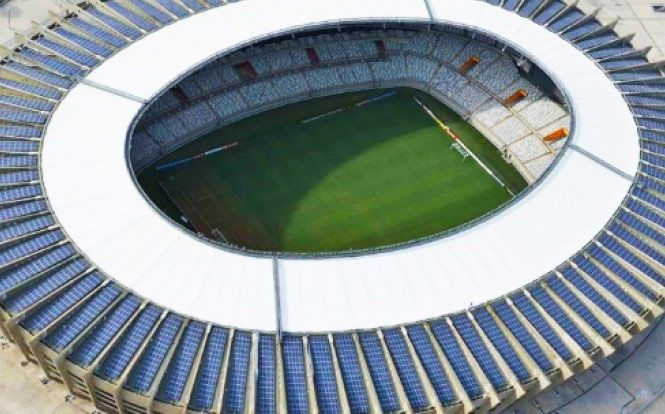
3.0 Planning process

                                                      Stage 1
      Before the redevelopment of the Sydney          The first phase of the process (‘Stage 1’) involves establishing the overarching
                                                      concept for the site, including the stadium envelope and land uses, and seeks
      Football Stadium can commence,                  consent to commence early works on the site comprising demolishing the
      Infrastructure NSW must obtain the relevant     existing facility and associated structures, and the use of the SCG Members car
      planning approvals for the demolition,          park for construction staging.

      construction and operation of the stadium.
      These planning approvals are being sought       Stage 2
      via a staged State Significant Development      The second phase of the process (‘Stage 2’) involves seeking consent for the
                                                      detailed design, construction and operation of the stadium and all associated
      process, which is a common approach in
                                                      public domain and structures. This application will be required to demonstrate
      the delivery of large-scale projects in NSW.    consistency with the planning and development framework established in
      The general staging for the redevelopment       the Stage 1 DA. This includes the approved building envelope, Urban Design
                                                      Guidelines, Design Excellence Strategy, and the series of strategies and
      is identified below, and discussed further in
                                                      principles founded in the technical studies that accompany the Stage 1 DA (ie:
      Section 3 of this document.                     traffic and parking, noise management, etc.).
                                                      Ongoing stakeholder and community consultation and a competitive design
                                                      and review process will occur at various stages throughout this process. An
                                                      overview of the planning process is provided below.

10
STAGE 1 COMMENCES STAGE 2 COMMENCES (if Stage 1 approved)
A request is lodged for the Secretary’s Environmental Assessment A request is lodged for SEARs, and SEARs are issued incorporating
Requirements (SEARs) in April 2018, and the SEARs are issued in May feedback from agencies and councils
2018 incorporating feedback from agencies and councils
Preliminary
Preliminary
Stakeholder and community consultation is undertaken before
Early project consultation undertaken before lodgement across May lodgement
2018
Project is refined on the basis of the early consultation, and preliminary
Project refined on the basis of the early project consultation. design review by the assessment panel
Infrastructure NSW prepares and submits a SSDA to DP&E, which Infrastructure NSW prepares and submits an SSDA to DP&E, which
includes supporting documents outlining the project and its likely includes supporting documents outlining the project and its likely
Environmental Impact Statement
impacts impacts
Environmental Impact Statement
WE
DP&E exhibits the EIS and invites public submissions ARE DP&E exhibits the EIS and invites public submissions
HERE
DP&E may require Infrastructure NSW to respond to submissions
DP&E may require the proponent to respond to submissions and submit a preferred project report outlining proposed changes to
and submit a preferred project report outlining proposed changes to minimise environmental impacts or address any other issues raised
minimise environmental impacts or address any other issues raised during the assessment of the application. Design changes will be
during the exhibition of the application reviewed by the assessment panel
DP&E prepares the assessment report with recommended conditions or DP&E assessment report is prepared with recommended conditions or
refusal. refusal. Agencies and councils consulted by DP&E
Determination by the Minister, including if approved, any conditions of Determination by the Minister, including if approved, any conditions of
approval approval
Physical
Works
Construction of the new stadium:
October 2019 – June 2021
114.0 Stakeholder and community consultation
Ethos Urban provided stakeholder and community
consultation (see Appendix G of the EIS) services
during the preparation of the EIS. The consultation
program included engagement and collaboration
with the local community, neighbours, key
stakeholders, and government agencies to present
the proposal and gather feedback.
The consultation activities were designed to
address the SEARs, ensure all stakeholders
were informed about the proposal and had
the opportunity to provide feedback prior to
submission of the Stage 1 DA. The feedback
received during the initial consultation process has
been considered during the finalisation of the Stage
1 DA.
125.0 Transport
5.1 Concept proposal
Arup has prepared a 5.1.1 Parking level of service during existing major events
Transport Assessment including double-headers; and
The MP1 car park is the only parking provided
Report (see Appendix J of within the Sydney Cricket and Sports Ground • the new stadium will provide improved facilities
the EIS) to determine the Trust (SCSGT) land for use by patrons (members for active travel, particularly cycling, and will
potential impacts of the only) and provides approximately 600 spaces. seek to better integrate with existing and future
These spaces will be reinstated upon completion pedestrian linkages to encourage walking from
proposed development on
of the demolition and construction phases of the surrounding areas including Central Station,
the surrounding transport redevelopment. It is not proposed to increase Surry Hills and Paddington.
network, both as a result of the parking for patrons within the site above these
Stage 1 physical works (ie: site current levels, for the following reasons: Up to 50 spaces will be provided within the internal
ring-road/basement area of the new stadium, for
establishment, demolition) and • the provision of additional car parking would stadium staff and hirers (teams, medical staff,
the expected future operation be incompatible with existing City of Sydney officials etc.) within a secure environment. These
of the stadium. policies to reduce private car usage within the parking requirements are usually accommodated
Central Sydney area; within the MP1 car park during events.
• increasing car parking will induce patrons to use It is noted and acknowledged that the Moore Park
private vehicles for travel to the stadium during Master Plan 2040 seeks to remove on-grass car
events, resulting in increased congestion within parking that is presently available during events
the local traffic network and environmental around Kippax Lake, however, the Master Plan
costs; makes clear that this removal will be progressive,
• additional car parking would require the occur over the medium and long-term and will only
construction of a multi-deck parking structure or occur where increased access via other transport
below-ground car parking, which would result in modes and/or additional car parking is provided in
significant additional costs and potential delays, alternative locations. This is to be explored further
to the delivery of the project; via a stakeholder working group, and Infrastructure
NSW and the SCSGT will continue to liaise with
• existing public transport arrangements, the Centennial and Moore Park Trust regarding the
supplemented by the future CBD and South East implementation of their Moore Park Master Plan
Light Rail and emerging point-to-point transit 2040, which affects land outside of Sydney Football
systems (eg: Uber, Lyft), perform to a reasonable Stadium Redevelopment DA.
13TRANSPORT
5.1.2 Transport access arrangements
Vehicle access Travel demand
The site and surrounding precinct is highly accessible through a range of As the stadium capacity will not increase from current conditions, the number
transport options that the future design and operation of the stadium will seek of people travelling to the stadium during peak periods will remain unchanged.
to improve and capitalise on. Access to the site via vehicle, bicycle, walking, Based on the transport mode under a range of different scenarios, the future
public transport, taxi and rideshare will either be improved or maintained as transport network has the capacity to accommodate the expected travel
result of the redevelopment. demand to the SFS.
The redeveloped SFS proposes to use Driver Avenue and the existing MP1
car park as the primary access and egress point for service vehicles to the Pedestrians
stadium - reducing reliance on Paddington Lane. Management strategies are A key outcome of the SFS redevelopment is to create a more permeable and
already in place to manage the interaction between pedestrians and vehicles on accessible site.
Paddington Lane, and these would remain in force in future. Whilst the full extent of public domain improvements and the final design of the
Access to the future internal ring road/basement within the stadium for stadium are the subject of a separate and future Stage 2 application, the overall
servicing and deliveries will also occur via Paddington Lane and the MP1 car accessibility of the site will be improved. The Urban Design Guidelines ensure
park, as is currently the case for the SFS loading and servicing arrangements that more space will be provided for pedestrian access/egress and circulation
and SCG basement access. through the site.
External to the site, the revitalisation of Devonshire street as part of the Sydney
CBD and South East Light Rail development will enhance a key pedestrian route
to/from the stadium including a widened footpath, enhanced wayfinding, and
an increase in patronage of the Tibby Cobber and any future bridges crossings
for South Dowling Street and Anzac Parade. This will reduce pedestrian
demand along Foveaux Street and congestion at key ‘pinch-points’ particularly
at the intersections of Moore Park Road / Flinders Street / Anzac Parade.
14Private vehicles
The proposal does not seek to increase the capacity
of the stadium, nor the capacity of patron car
parking, and as such the operation of the future
stadium will not generate any additional traffic.
Traffic Management Plans will continue to be
developed in consultation with key stakeholders
(like NSW Police and Transport for NSW) prior to
special events occurring, to manage vehicle and
pedestrian movements before, during and after
events.
Cycling Event day valet bike parking
The site is located at the junction of key local
and regional cycle routes, including segregated
cycle and shared paths. Cyclists do not make up
a significant proportion of people accessing the
existing stadium, and so the redevelopment will
target increasing the use of bicycles to get to/
from events. The redevelopment will provide more
bicycle parking spaces, end-of-trip facilities (ie:
showers, lockers, change rooms) for staff, improved
wayfinding and potential pop-up initiatives like
valet bicycle parking during events to promote the
uptake of this mode of transport.
15TRANSPORT
Public transport Infrastructure NSW will prepare and provide a Green Travel Plan within the
future Stage 2 application, which will detail site-specific measures to promote
Arup has assessed the adequacy of public transport in the area and initiatives and maximise the use of more sustainable modes of travel, including public
for the future stadium to better integrate with the public transport network and transport. This plan will be made available to staff and visitors, communicating
encourage its use (see Section 5 of Appendix J). the options for getting to and from the site, and exploring measures such as
The site will benefit from a new light rail stop on the eastern side of Anzac integrated ticketing whereby the cost of public transport is included in event
Parade, accessed via a bridge crossing. It forms a key connection between the tickets.
heavy rail network (Central Station) and the stadium, and can accommodate
up to 11,000 passengers per hour during special events. This capacity may also Taxis and ride share
be bolstered during larger anticipated event sizes by running special event
Taxi and rideshare services represent a significant proportion of people
shuttle buses from Central Station and other locations. It is expected that these
travelling to the SFS. The use of this mode of transport has also increased with
special event buses will cease operating during smaller events, which can be
the growth of point-to-point rideshare services (ie: Uber, Lyft etc).
accommodated by the new light rail line alone.
Existing infrastructure for buses on the site and within the wider precinct will
be unaffected by the future operation of the stadium. No change is proposed to
the existing bus loop and turnaround facility on the site, the major bus routes
and bus stops along Anzac Parade, Moore Park Road and Oxford Street, and
the existing bus lane parallel to Anzac Parade that enables buses to bypass
peak hour traffic.
16Inbound construction vehicle routes
5.2 Stage 1 physical works
Arup has prepared a preliminary Construction Pedestrian and Traffic
Management Plan (CPTMP) (see Section 6 of Appendix J) to assess the
proposed access and operation of construction vehicles and their potential
impact on the surrounding area. The contractor, once appointed, will prepare
a detailed CPTMP prior to the commencement of works on the site with
reference to the Draft CPTMP and any mitigation measure or condition of
consent that are imposed on the Stage 1 DA.
5.2.1 Access
All trucks will enter and exit the site from Moore Park Road using existing
vehicle entry point on Paddington Lane, adjacent to the Sheridan Building
and Driver Avenue. These vehicles will travel to and from the site using main
and multi-lane roads, and not surrounding local streets. No vehicles will be
permitted to use Oatley Road or Regent Street.
Outbound construction vehicle routes
Pedestrian access to the SCG will be maintained throughout the
redevelopment. The following measures will be taken when events are being
held at the SCG:
• works will cease;
• the construction area will be enclosed;
• alternative pedestrian routes will be clearly demarcated and identified
with signage; and
• a qualified traffic controller will be on site to manage vehicles entering
and exiting the site to avoid conflicts between vehicles and pedestrians.
Vehicles will continue to be able to access the Rugby League Central
building from Driver Avenue and the Australian Rugby Development Centre
building from Moore Park Road.
17TRANSPORT
5.2.2 Traffic generation 5.2.3 Parking 5.2.4 Public transport
The Stage 1 works, which involve readying the No or minimal parking will be provided on site Public transport services will not be impacted by
site and demolishing structures, are expected for contractors completing the demolition works. construction traffic as the work is confined within
to generate in the order of five light vehicle Approximately 30 contractors are expected to be the established SFS site, and the traffic generated
movements (eg: cars and vans) a day and up to 40 on site at any one time, and these workers will be by these works is both minimal and manageable.
heavy vehicle movements (eg: trucks) a day. This encouraged to use public transport, the untimed The construction routes have been developed to
represents a traffic generation rate of less than 10 parking areas on Driver Avenue, or the multi-storey avoid key bus corridors wherever possible.
vehicles per hour, which is minimal in the context car park within the Entertainment Quarter. It is
of the established road network. The temporary noted that parking in residential areas surrounding
closure of the MP1 car park, and its 600 available the site are generally time-restricted and controlled
spaces, will also reduce the number of vehicles by parking permits. The impacts of the Stage 1
accessing the site over the course of the day while workforce on parking is therefore expected to be
the Stage 1 works are being completed. minimal.
The temporary closure of the MP1 car park will
also not result in any significant impacts on local
parking. The MP1 car park is used by SFS members
that are visiting the Stadium Club, and by staff and
visitors of the Sheridan Building, Roosters Building,
Waratahs Building and Cricket NSW building, all of
which will be demolished as part of Stage 1. Parking
is available within the remaining Australian Rugby
Development Centre and Rugby League Central
buildings that are being retained, and any overflow
parking demand for these two buildings can be
accommodated along Driver Avenue and within the
Entertainment Quarter.
186.0 Noise
6.1 Concept proposal
Arup has completed a An assessment of the potential noise generated Based on the above, the modelling confirms that
Noise and Vibration Impact during events, including amplified music and noise impacts are not expected to increase with the
Assessment (see Appendix K announcements and crowd noises, has been operation of the new stadium. The noise emitted
conducted by Arup against the project-specific during sporting events will be largely similar or less
of the EIS) that identifies and
noise criteria and existing noise policy that applies than the existing ambient noise levels. The noise
assesses the likely sources of to the stadium, being the Sydney Cricket Ground emitted during concerts is generally within 5dB
noise and vibration generated and Allianz [SFS] Stadium Noise Management Plan of ambient noise levels recorded during the day
by the demolition and future 2017. This noise policy applies to events and the set- from road traffic, and 10dB during the night (up
up and pack down of events and outlines the noise to 10:30pm when all events cease). The maximum
operation of the stadium.
management measures and monitoring procedures, noise emissions during concert events are predicted
As the final design and and the processes for handling complaints. to generally comply with established noise limits at
construction of the stadium will receivers surrounding the stadium when speakers
The noise modelling completed for this preliminary
be considered at Stage 2, the stage of the development is based on the following
are facing south. Alternative speaker locations are
therefore not recommended without prior noise
assessment includes strategies assumptions:
monitoring and testing occurring at the nearest
that will be used to shape • the roof is not included, as a conservative receivers on Moore Park Road.
the detailed engineering and assumption that this element provides no
Other potential sources of noise when the
operation of the stadium. shielding effect;
stadium is operating include mechanical plant and
• the sound systems for concerts are placed in equipment, staff car parking, the operation of the
three different configurations, being to the north, loading dock on site, and the collection of waste
centre, and south of the field; and recycling. Because the detailed design of the
stadium and associated services will occur at Stage
• crowd noises will originate from all tiers of the
2 of the redevelopment, Arup cannot accurately
stadium; and
assess these components of the stadiums design
• there is no change to event operations, including and operation. It is, therefore, recommended
the existing time limits for sporting, concert and that the future Stage 2 DA examines the ancillary
other events. operational noise sources and detail associated
mitigation and management strategies.
19NOISE
6.2 Stage 1 physical works Measurement locations and Noise Catchment Areas (NCAs)
The period with the highest potential to impact surrounding areas is
the initial demolition phase, when noisy equipment such as excavators,
rock breakers and concrete crushers will be used. In order to provide a
conservative assessment, the modelling completed by Arup assumes that
all machinery would be operating simultaneously, which is unlikely to
occur in practice and represents the worst-case scenario.
In some instances during this worst-case demolition period, it has been
modelled that noise emission will exceed the criteria by up to 9dBA in
the worst affected areas along Moore Park Road and in Paddington.
These exceedances would be temporary and do not represent significant
breaches of the criteria, meaning that no surrounding residences are
classified as being highly affected. No works are planned to occur
between 6pm and 7am, ensuring that the proposal does not breach the
sleep disturbance criteria for surrounding residences.
207.0 Heritage
SFS was listed on the National Trust Register in other statutory registers. The HIS characterises the realm to enhance the relationship of the stadium
2015, which has no statutory effect but provides impacts of the proposal as either being a physical with surrounding heritage items and conservation
some indication of value placed on this building impact, visual impact or an archaeological impact. areas. The Urban Design Guidelines, that form part
by parts of the community. The site is also located of the Stage 1 application, identify opportunities
within the Sydney Cricket Ground Conservation Physical for heritage interpretation in the detailed design of
Area and is in close proximity to a number of buildings, the landscape and public art on the site.
heritage items of varying levels of significance. The demolition of the existing SFS and the ancillary
buildings will result in the removal of modern, non- The Stage 1 Physical Works involve the demolition
The site has over a century of direct cultural heritage fabric only and is not expected to result in of the existing, modern SFS, which has no historic
association with sporting and recreational events any direct impacts upon heritage-listed items such visual relationship with any of the heritage items or
and facilities through the operation and use of the as the SCG Members Stand. The existing SFS will be heritage conservation areas within the vicinity of
Sydney Cricket Ground and later the Sydney Sports subject to archival recording to assist in the future the site. The proposed demolition is not expected
Ground and Oval No.2. Over time, the nature of understanding of the place. The construction of the to give rise to any heritage impacts.
facilities has changed, adapted and expanded to new stadium will occur on the site of the former
meet the modern functional requirements of the SFS and other secondary modern buildings which
day, such as the expansion of the Sydney Sports are not identified heritage items.
Ground and its demolition and replacement with the
SFS in the 1980s.
Visual
The redevelopment of the SFS represents the next
Whilst the Concept Proposal provides a building
phase in this history of the precinct, ensuring that
envelope with the potential to increase the bulk and
the site remains at the heart of the Eastern City’s
scale of the stadium, the scale is consistent with
major sporting events for the next 50 years and that
the character of the precinct as one of significant
the history of the site and precinct is carried on.
large-scale sporting venues that are distinctive
within their setting. The HIS finds that the proposed
7.1 Non-Indigenous building envelope will not adversely impact on any
views or vistas to nearby heritage items, including
Curio Projects has prepared a Heritage Impact
the SFS, Moore Park Road and Paddington South
Assessment (HIS) (see Appendix L of the EIS)
Heritage Conservation Area. The views to the site
that considers the potential impacts of the
will continue to be of a large-scale sporting stadium
redevelopment on the heritage values of the site
that is in keeping with the historic and intended Section of Busby’s Bore near intersection of Liverpool and
and surrounds, with a primary focus on those
future character of the precinct. Opportunities exist College streets, this section of the bore was constructed.
heritage items identified under the Sydney Local As an open cut trench, laid with sandstone masonry and
in the detailed design of the stadium and public
Environment Plan 2012, the Heritage Act 1977 and slab roof (Source: Sydney Water archives, ref: a1029)
21Archaeological 7.2 Indigenous A search of the Aboriginal Heritage Information
Management System database confirms that there
The primary known archaeological resource within Curio Projects has also prepared an Archaeological are no known artefacts or potential archaeological
the site is Busby’s Bore, which is a tunnel that was Assessment (AA), incorporating an Aboriginal deposits identified within the site, or within
constructed by convicts in the early 1800’s and runs Heritage Due Diligence Assessment Report (see close proximity of the site. A review of previous
for some 3.6kms beneath parts of Central Sydney. It Appendix M of the EIS). The AA considers the archaeological investigations that have been
is understood that the tunnel traverses the northern archaeological potential and significance of the completed for development in proximity of the site
portion of the site in the vicinity of Moore Park site and its surrounds, and determines whether confirms that there is the potential for Aboriginal
Road, however, much of the exact alignment of Aboriginal objects are likely to be present, and artefacts to be present in the area, regardless of the
Busby’s Bore is unknown. if so, if they are likely to be harmed through the level of site disturbance.
The Stage 1 works involve the demolition of proposed redevelopment. The assessment has
Accordingly, whilst the Stage 1 DA does not
the existing stadium down to existing slab level been completed in accordance with the relevant
incorporate any site excavation or earthworks
only, and do not comprise any excavation or the guidelines and policies including the NSW Office of
and will not directly disturb any indigenous
disturbance of sub-surface areas. Care will be taken Environment and Heritage’s Due Diligence Code of
archaeology, further detailed investigations are
during the demolition works to avoid impacts Practice for the Protection of Aboriginal Objects in
warranted and should be completed before Stage
from heavy equipment and plant. There is also NSW.
2 of the redevelopment commences. This includes
the opportunity during this initial stage of the The Moore Park area of Sydney is part of the Aboriginal community consultation, the preparation
redevelopment to complete further archaeological traditional lands of the Gadigal people, which of an Aboriginal Cultural Heritage Assessment
investigations, in an attempt to better locate the stretches along the southern side of Sydney Report and Aboriginal Archaeological Technical
Bore and any access shafts within the site. Harbour from South Head, west to approximately Report, and a future program of test excavations.
The detailed design of the stadium at Stage 2, will Darling Harbour, and south towards Botany Bay.
be required to avoid the known shafts of Busby’s Whilst there are only limited records of the Moore
Bore and to mitigate potential impacts where the Park areas being used by Aboriginal people upon
Bore is understood to run beneath the site. The the arrival of colonists in the late-1700s, the AA
stadium building envelope has been designed to states that the area would have provided local
achieve this outcome. Aboriginal people with a rich and diverse resource
zone.
228.0 Environmentally sustainable development
An Environmentally Sustainable Design Strategy has Further sustainability initiatives that go beyond the • prioritising pedestrian circulation and
been prepared by Aurecon (see Appendix N of the targeted LEED Gold certification are detailed in the permeability in the future design, providing
EIS), to explore a range of sustainability strategies, Strategy and include, but are not limited to: bicycle parking for staff and visitors including
and outline examples of best practice sustainable exploring ‘valet bike parking’ to assist in game-
• salvaging 90% of construction and demolition
building principles that can be implemented in the day peak periods, and other measures to
waste for reuse or recycling;
delivery of the project. encourage the uptake of sustainable modes of
• exceeding the overall energy efficiency transport;
The future stadium is targeted to achieve a LEED
benchmark by 20% through a combination of
(Leadership in Energy and Environmental Design) • installing electric vehicle charging points, and
LED lighting, smart envelope design, and the
Gold rating. The LEED certification process is the prioritising parking for green vehicles;
inclusion of an energy generation system such as
most widely used green building rating system in
solar panels on the roof; • enhancing planting on site with 95% of the new
the world and has been utilised by other local and
vegetation to be Australian native species; and
overseas stadia development. It ensures a standard • exceeding the overall water efficiency
is met across the full spectrum of sustainability benchmark by 20% through efficient fittings and • installing digital monitoring systems to manage
initiatives, with further initiatives being identified fixtures, minimising landscape irrigation needs, and reduce energy demands real-time.
and explored as part of the detailed design process rainwater collection and reuse, and expanding
at Stage 2. bore water facilities at the SCG; The Stage 2 DA will be required to demonstrate
that it has considered the initiatives in the Strategy
and demonstrate that the stadium is capable of
achieving the relevant LEED certification.
Taiwan Stadium 2014, Brazil Mineirao
239.0 Visual impact 10.0 Contamination
A Visual Impact Assessment (VIA) has been prepared by Ethos A Preliminary Site Investigation report has been prepared by
Urban (see Appendix H of the EIS) to assess the visual impact of Douglas Partners (see Appendix S of the EIS) that summarises
the Concept Proposal, in particular the maximum building envelope. a desktop assessment completed for the site to determine the
As discussed in Section 2.1, the future stadium will not be ‘built potential for contamination. The assessment draws upon previous
out’ to the full volume of the building envelope for which consent contamination information that has been gathered as part of other
is sought. Accordingly, the visual impacts of the final stadium are development projects in the surrounding precinct, including soil
expected to be less than those assessed as part of this Stage 1 testing completed for the construction of the Sheridan Building,
application that establishes the overarching framework for the site. Bradman Noble Stand and Australian Rugby Development
Centre building. It confirms that there is the potential for some
The VIA confirms that whilst the maximum building envelope will
contamination beneath the site that is associated with previous
be more prominent within the broader visual catchment of the site,
filling and the demolition of previous structures on the site, prior to
compared to the existing SFS, the visual effect will be consistent
the construction of the current SFS in the 1980s.
with that of the existing SCG and SFS cluster that protrudes above
the tree line of Moore Park and acts as a landmark within the CBD The physical works being completed on the site as part of the
periphery. The proposal will not change the fundamental visual Stage 1 DA comprise the demolition of the stadium and some
character of the catchment that is an urban landscape within a surrounding buildings down to slab level only. No soil will be
natural setting, and will not affect or detract from views to or from disturbed and accordingly no contamination impacts are expected
Moore Park or Centennial Park. to arise as a result of these preliminary works.
The Stage 2 DA will be accompanied by an updated VIA which A Detailed Site Investigation (Phase 2) will be undertaken and
provides an assessment of the detailed stadium design. submitted with the Stage 2 DA, including a Remedial Action Plan
(if contaminants are found) confirming the nature and extent of
contamination present within the site and the protocols for the
classification and management of any contamination.
2411.0 Mitigation measures 12.0 Next steps
A ‘mitigation measure’ is a commitment to undertake further The Environmental Impact Statement, and all technical studies, are
assessment, testing or work in order to mitigate an impact that available for public comment on NSW Department of Planning and
might occur as a result of development. In the context of the Stage Environment’s Major Projects website (majorprojects.planning.nsw.
1 DA, the mitigation measures comprise recommendations of the gov.au). These documents inform the assessment of the proposed
technical consultants reports and outline those commitments development by the Department of Planning and Environment,
that must be met as part of the future and separate Stage 2 which will be an ongoing process and include a response by
DA, or as part of the preliminary demolition works occurring on Infrastructure NSW to any submissions received during this
site. The mitigation measures demonstrate Infrastructure NSW’s exhibition process.
commitment to managing environmental impacts associated with
In the event that approval is granted to the Stage 1 Development
the development, and would be imposed in conjunction with any
Application, the next phase of the development will be to
other condition of consent if approval is granted for the Stage 1 DA.
commence the detailed design and assessment process of the
The mitigation measures are detailed in Section 8 (Table 8 and 9) stadium, including a competitive design process and separate and
of the EIS, and relate to the future detailed built form and urban future Stage 2 Development Application.
design of the stadium and surrounds, transport and accessibility,
heritage, biodiversity, stormwater and flooding, contamination
and geotechnical investigations, utilities and services, waste
management, wind impacts, construction management, community
consultation, safety and security, groundwater, and environmentally
sustainable development.
2513.0 Appendix list
The EIS and appendices listed can be found on the
NSW Department of Planning and Environment’s
Major Projects website: majorprojects.planning.nsw.gov.au. A. Secretary’s Environmental Assessment Requirements
B. Site Survey
C. Urban Design Guidelines
D. Design Excellence Strategy
E. Construction (Demolition) Management Plan
F. Arboricultural Impact Assessment
G. Consultation Outcomes Report
H. Visual Impact Assessment
I. Wind Considerations for Stadium Design
J. Transport Impact Assessment
K. Noise and Vibration Impact Assessment
L. Heritage Impact Statement
M. Archaeological Assessment
N. ESD Strategy and Statement
O. Social and Economic
P. Stormwater and Flooding Report
Q. Biodiversity Development Assessment Report
R. Security Principles Report
S. Phase 1 Contamination Assessment
T. Groundwater Assessment Report
U. Infrastructure Management Strategy
26You can also read


