CONSTRUCTION
  SITE TRAFFIC
 MANAGEMENT
         GUIDE
←
→
Page content transcription
If your browser does not render page correctly, please read the page content below
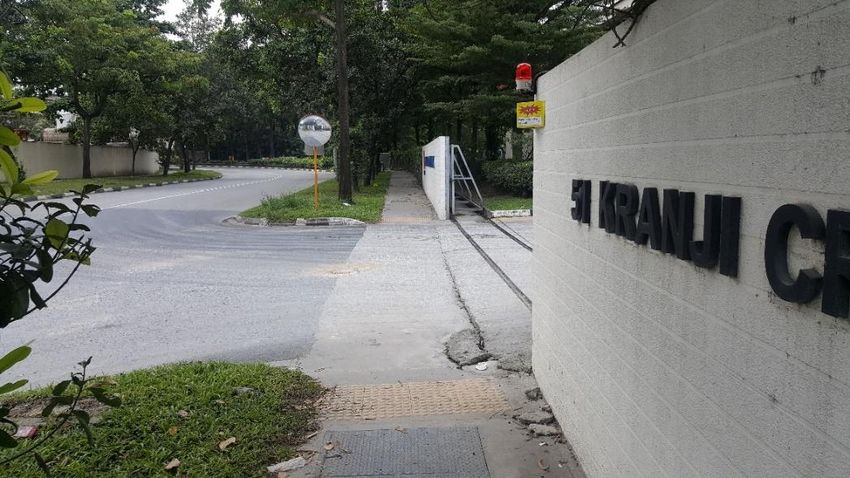
CONSTRUCTION
SITE TRAFFIC
MANAGEMENT
GUIDE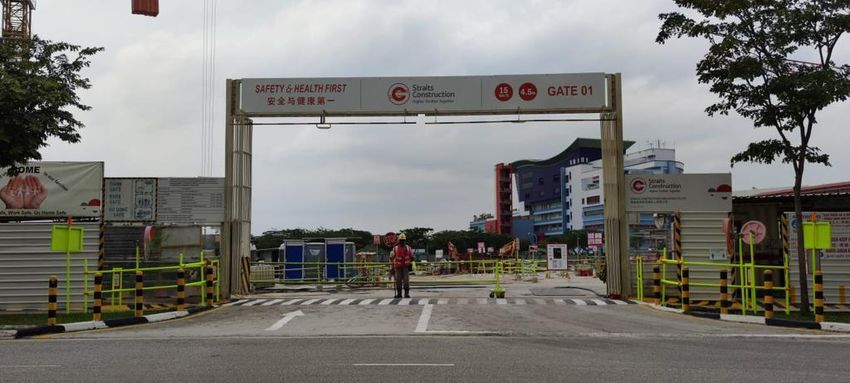
This Construction Site Traffic Management Guide was approved by the Workplace Safety &
Health Sub-committee on behalf of The Singapore Contractors Association Limited (SCAL) on 31
March 2021.

The Workplace Safety & Health Sub-committee, appointed by The Singapore Contractors
Association Limited, consists of the following members:

                   Name                      Capacity

Chairman:          Mr Lee Kay Chai           1st VP, SCAL

                                             Lian Soon Construction Pte Ltd

Vice Chairman:     Mr Ong Yong Seng          Shimizu Corporation Ltd

Vice Chairman:     Mr Loh Yeow Leng          SC2 Pte Ltd

Secretariat:       Ms Esther Heng            The Singapore Contractors Association Limited

                   Mr Tan Shu Jun            The Singapore Contractors Association Limited

                   Mr Yeo Wei How            The Singapore Contractors Association Limited

Members:           Mr Chia Keng Wah          Penta-Ocean Construction Co. Ltd

                   Mr Goh Chye Guan          Individual Capacity

                   Mr Henry Ho Koon Tuang Sembcorp Specialised Construction Pte Ltd

                   Mr Howard How             Boustead Projects Ltd

                   Mr Sukumar Karmaker       Tiong Aik Construction Pte Ltd

                   Mr Andrew Khng            Tiong Seng Contractors Pte Ltd

                   Mr Roy Khoo               Kimly Construction Pte Ltd

                   Mr Lee Yan Shyong         Sato Kogyo (S) Pte Ltd

                   Mr Allan Low              Teambuild Engineering & Construction Pte Ltd

                   Mr S T Moorthy            Sanchoon Builders Pte Ltd

                   Mr Don Wilson Paua        Straits Construction Singapore Pte Ltd

                   Mr Periasamy Muthukumar Straits Construction Singapore Pte Ltd

                   Mr Rong Jing Xiang        Woh Hup (Pte) Ltd

                   Mr Seah Kok Hua           Samwoh Corporation Pte Ltd

                   Mr Marcus Ho              Kimly Construction Pte Ltd

                                                                                            1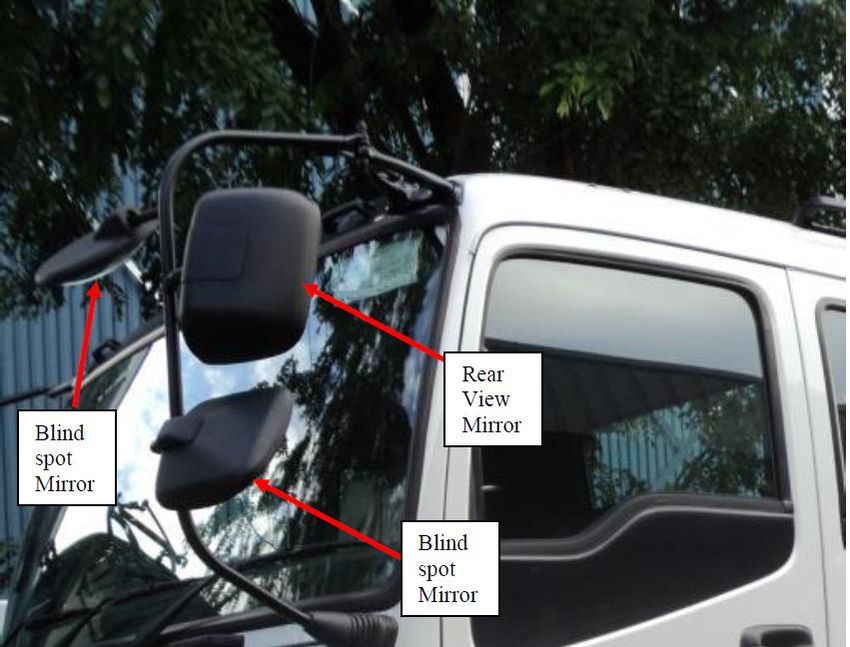
Mr Tay Ban Hong         Lum Chang Building Contractors Pte Ltd

                   Mr Yeo Kim Hock         Individual capacity

                   Mr Jeffrey Yu           HSL Ground Engineering Pte Ltd

                   Mr Nick Yeow            Sanchoon Builders Pte Ltd

                   Mr Yong Jian Rong       Woh Hup (Pte) Ltd

The Construction Site Traffic Management Guide Working Group, appointed by the Workplace
Safety & Health Sub-committee, comprises the following:

            Name                           Capacity

Leader:     Mr Seah Kok Hua                Samwoh Corporation Pte Ltd

Co-Lead:    Mr Henry Ho Koon Tuang         Sembcorp Specialised Construction Pte Ltd

Members:    Mr Sukumar Karmaker            Tiong Aik Construction Pte Ltd

            Mr Periasamy Muthukumar        Straits Construction Singapore Pte Ltd

            Mr Marcus Ho                   Kimly Construction Pte Ltd

                                                                                       2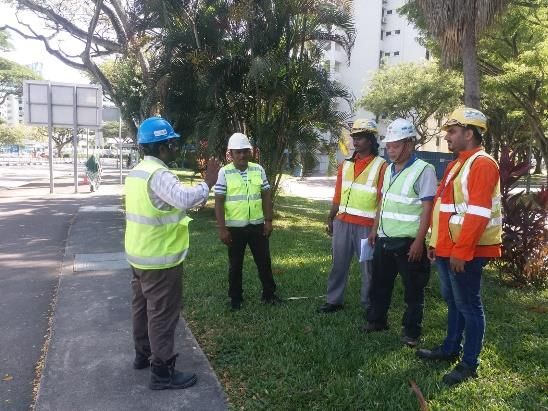
Foreword

In construction sites, effective site traffic management will mean reduced risk of traffic-related
accidents happening in the work sites. Traffic-related accidents can lead to loss of lives, human
injuries and property damage. They may also result in stop work orders leading to loss in
productivity and reputation and business opportunities to the contractor. Therefore, it is crucial
that contractors provide sufficient attention to site traffic management at their worksites.

This guidebook was prepared by the Construction Site Traffic Management Guide Working Group
appointed by the Workplace Safety & Health Sub-committee under The Singapore Contractors
Association Limited.

It highlighted some principles that can be adopted to create a safe traffic environment. Factors
that can lead to traffic-related safety hazards are discussed. Some examples of traffic-related
hazards faced in construction sites and recommended control measures to eliminate or mitigate
the safety risks are shared. An update on available innovative tools to manage site traffic-related
issues was also provided.

In preparing this guidebook, reference was made to the following publications:

   1. WSHC Workplace Safety and Health Guidelines – Workplace Traffic Safety Management
      (1st rev 2014) and WSHC online resources
   2. Traffic Safety at LTA Worksites
   3. LTA Good Practices Handbook (2018 ed)
   4. Contribution materials from WSH Sub-committee and members of SCAL.

Acknowledgement is made for the use of information from the above publications and contribution
from members of SCAL.

                                                                                                 3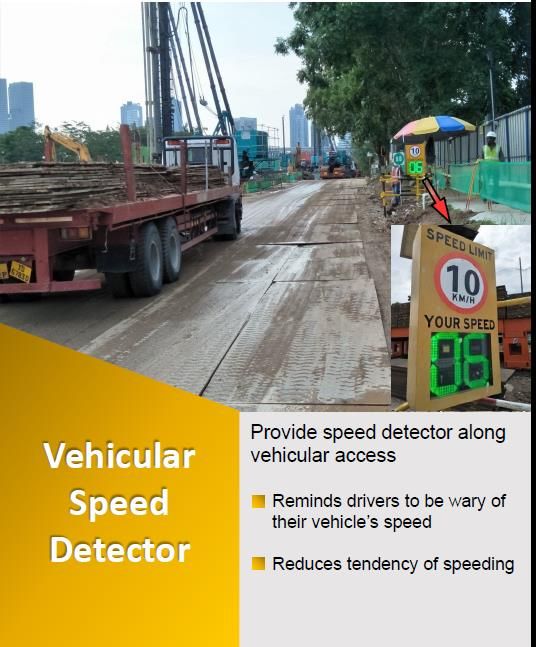
Content                                                               Page
 1. Scope                                                                5

 2. Definitions                                                          5

 3. Principles in traffic safety                                         5

 4. Planning                                                             7

        a. Traffic management plan                                       7
        b. Areas to consider when preparing Traffic Management Plan      7

 5. Operations                                                           8
      a. Control Measures to Manage Hazards Arising from
          Management-related issues                                      8
      b. Control measures to manage Hazards Arising from
          Man-related issues                                             9
      c. Control Measures to Manage Hazards Arising from
          Machine-related issues                                         10
      d. Control Measures to Manage Hazards Arising from
          Medium-related issues                                          10
      e. Control Measures to Manage Hazards Arising from
          Mission-related issues                                         11

 6. Check, Review and Improve                                            12
      a. Review effectiveness of implemented measures                    12
      b. Emergency preparedness and response                             12
      c. Incident investigation                                          12
      d. Audit                                                           13
      e. Implement improvement solutions following review of
          findings from the check and review stage                       13

 7. Innovative tools in traffic management                               14

 8. References                                                           18

 9. Annexes
      A. Sample: Roles and Responsibilities                              19
      B. Samples of Risk Assessment for Site Traffic-related
         Hazards                                                         23
      C. Common Site Traffic-related Hazards and Control
         Measures                                                        40
      D. Sample Safety Time Out Checklist                                53

                                                                              4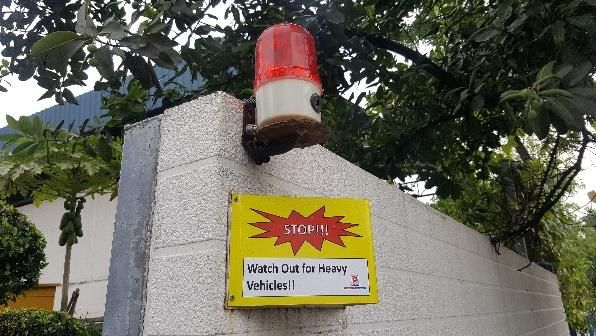
1.   Scope
     This Construction Site Traffic Management Guide is a reference guide for
     contractors to manage traffic at their construction sites through sharing some good
     practices from contractors in Singapore.

     It acts as a learning and sharing tool for contractors in managing traffic in
     construction sites.

     This guide does not apply to areas outside the construction workplace where the
     contractor has no management control.

     Traffic conditions differ on each site and it is recommended that user compiles his
     own Traffic Management Plan.

2.   Definitions
     In this   guide, the following terms apply:
         a.    Traffic would mean either human or vehicular/ machinery flow on site.
         b.    Human traffic would mean pedestrian flow on site.
         c.    Vehicular/ machinery traffic would mean vehicular/ machinery flow on site.

3.   Principles in Traffic Safety
     Traffic safety in a construction site can be effectively managed by abiding to the
     following principles, though they are not exhaustive:
         a. Eliminate conflicts between pedestrian and vehicular/ machinery traffic flow.
         b. Forward plan and develop specific traffic management plans.
         c. Update traffic management plan to ensure it stays relevant to site changes.
         d. Ensure that there are direct and continuous pedestrian flow routes.
         e. Ensure vehicular/ machinery movements are guided.
         f. Vehicles/ machinery to be well maintained and fit for use.
         g. Goods on vehicles/ machinery to be well-secured.
         h. Drivers/ operators of vehicles/ machinery to be competently trained on in-
             house safety and traffic rules.
         i. Actively identify, remove or warn users of blind spots.

     Factors to consider in managing construction site
     traffic
     The principles in traffic safety are affected by many factors.

                                                                                            5
By effectively managing these factors, we can eliminate or reduce traffic-related
safety risks at the workplaces.

These factors are:

 Management            Management shall:

                       i.   take ownership and be committed to provide a safe
                            work environment for all stakeholders
                      ii.   provide adequate resources and support
                     iii.   ensure that a site traffic management system is set
                            up and enforced
                     iv.    allow only competent people are tasked to operate
                            vehicle and machinery
                      v.    ensure all people are rested adequately and fit to
                            operate vehicle and machinery safely

 Man                  i.    People to take ownership and be committed to a safe
                            work environment when operating vehicle and
                            machinery
                     ii.    People do not behave rashly when operating vehicle
                            and machinery
                     iii.   All stakeholders do their due responsibilities and
                            exercise caution while carrying out any activities in
                            the work site

 Machine              i.    All vehicles and machinery have been properly
                            maintained
                     ii.    All vehicles and machinery are being used in
                            accordance with its designed usage

 Medium                i.   Operational condition of environment is visible and
                            adequately level without unreasonable obstruction
                            and the environment is well-lit

 Mission               i.   Driver/ operator is well-informed of the route of travel
                            and be prepared for the conditions of the route

                                                                                       6
4.   Planning
     Plan and ensure that active control measures are taken to manage the hazards
     arising from traffic at the workplace.

     The planning stage will result in a Traffic Management Plan to be used as reference
     by all stakeholders in the site:

     a.   Traffic Management Plan

          A Workplace Traffic Management Plan helps to minimise risks and hazards.

          The plan should be prepared by construction manager/ engineer under advice
          of a WSH Professional and endorsed by Project Manager (Occupier).

          An effective Traffic Management Plan shall include the following elements
          (non-exhaustive):

               i.   Workplace Safety and Health (WSH) policy:
              ii.   Safety and Health objectives;
             iii.   Duties and Responsibilities;
             iv.    Traffic Rules and Regulations;
              v.    Risk Management;
             vi.    Safe Work Procedures;
            vii.    Training;
            viii.   Emergency Response Plan;
             ix.    Incident Investigation.

     b.   Areas to consider when preparing Traffic Management Plan:

               i.   Adequate setback of workplace from the main road
              ii.   Consider expected congestion of workplace – alternative parking
                    areas may need to be considered.
             iii.   Consider access to and from the workplace - active traffic control
                    measures may need to be considered.
             iv.    Designated travel paths within the workplace – pedestrian and
                    traffic routes.
              v.    Designated delivery and loading/ unloading areas.

                                                                                      7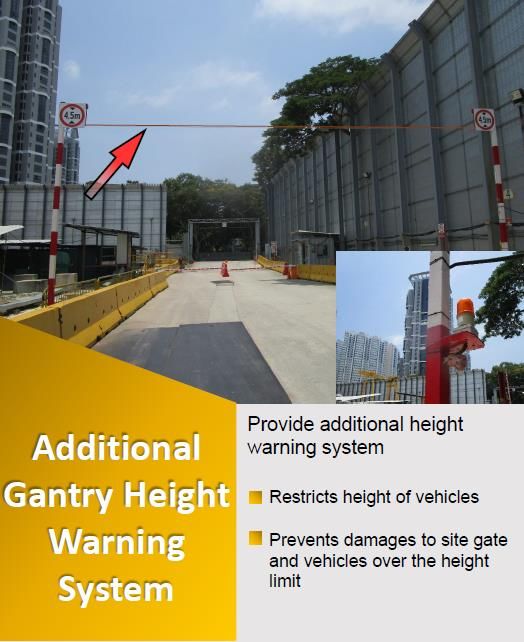
5.   Operations
     With a Traffic Management Plan in place, control measures need to be
     implemented to eliminate / reduce the safety risk arising from the hazard identified.

     Samples of the Risk Assessment and Management on traffic related hazards is
     provided in Annex B.

     These hazards can also be classified under the following categories:
        a. Management-related issues
        b. Man-related issues
        c. Machine-related issues
        d. Medium-related issues
        e. Mission-related issues

        a. Control Measures to Manage Hazards Arising
           from Management-related issues

       Ensure all stakeholders have commitment and responsibilities to site
       traffic management

         a. All stakeholders to have the commitment and ownership of taking up
            the responsibilities to ensure a safe environment in relations to site
            traffic matter

         b. A site traffic management system be set up and enforced.

       Ensure workers are allocated dedicated and proper rest areas which
       are protected from safety hazards.

        a. Management needs to allocate dedicated rest areas which are safe
           for workers to take their rest.

       Ensure no conflicts between pedestrian and vehicular/ machinery
       traffic flow.

        a. Movement of pedestrians within the site to be through dedicated
           walkway which is protected by hard barricades. At junctions with
           oncoming vehicular/ machinery traffic, warning signage to be placed
           to warn pedestrians and vehicular/ machinery operator to look each
           other out and exercise caution.

                                                                                        8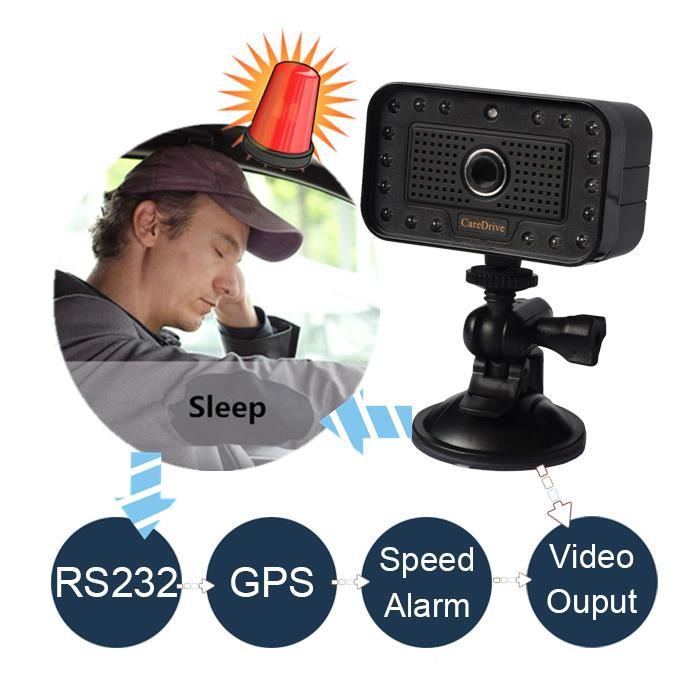
b. Control Measures to Manage Hazards Arising
    from Man-related issues

Ensure competency of manpower resource

 a. Drivers / operators to be competent and possess valid licences /
    certificates, fit and responsible to carry out their driving safely.

 b. Drivers / operators under medication or any substance which may
    affect his judgement should not be allowed to operate the vehicle /
    mobile machinery.

 c. Drivers / operators to be competently trained with valid licences /
    certificates and assessed.

 d. Drivers / operators to be familiar with the models of vehicles they will
    be operating.

 e. Drivers / operators to perform safe driving:

        i.   Adhere to the stated speed indicated at site
       ii.   No using hand phone while driving
      iii.   Perform daily vehicle check
      iv.    Secure seat belts (if applicable) before driving/ operating
       v.    Turn on head lights when within the site, and hazard lights
             when stationary at all times

 f. Workforce/ site personnel to be trained and made aware that they
    have to:
       i. Abide by the in-house safety and traffic rules when moving
          within the site.
      ii. Putting up the required PPE to ensure their visibility especially
          when working in the nights.
     iii. To only rest in the allocated rest areas at the workplace.

Define roles and responsibilities for clarity and build ownership in
managing traffic related issues at the workplace

  a. Clearly define the duties and responsibilities of personnel managing
     and implementing the Traffic Management Plan.

  b. Consider the legal obligations such as WSH Act and its subsidiary
     regulations when assigning responsibilities and duties.

                                                                               9
c. Control measures to manage Hazards Arising
from Machine-related issues
Check condition and maintenance of vehicles and machinery
a. Ensure vehicles and machinery used are fit for use and regularly
serviced by qualified mechanics
b. Ensure prior operation daily checks by operator / driver using
prepared checklist
c. Ensure vehicle is maintained in accordance to the prepared
maintenance schedule
Parking of Vehicle/ Machinery. Driver / Operator to:
a. Ensure vehicles and machinery are parked in areas that are
authorised and do not pose hazards to other stakeholders in the
workplace.
b. Ensure that vehicles and machinery are safely parked and do not
move. On slope areas, wheel chocks to be enforced.
d. Control Measures to Manage Hazards Arising
from Medium-related issues
Ensure environment is safe for driving and operating machinery and
vehicle
a. Vehicles and machinery movement through the site to be done in a
safe manner, noting the following conditions:
i. Height limit restriction
ii. Poor ground condition
iii. Blind spot
iv. Inadequate lighting
v. Poor road condition
vi. Visibility must be as clear as reasonably practicable and drive
with hands on the steering wheel and eyes on the road.
10b. Blind spots at the workplace to be identified as part of the traffic
management plan. Appropriate convex mirrors to be placed at
strategic locations to warn all when approaching blind spots to
ensure caution is exercised.
c. Cameras to be installed at appropriate locations of machinery and
vehicles to ensure that driver/ operator can see those blind spots
during operation.
d. Movement of machinery/ vehicle to be facilitated with the guidance
of banksmen.
e. Control Measures to Manage Hazards Arising
from Mission-related issues
Planning and documentation of resource
a. Plan and execute movement of vehicle and machinery to and through
the work site.
b. Vehicles and machinery movement through the site to be done in a
safe manner.
c. Submit proper documentation to Safety Dept for verification.
d. Plan and review Heavy/ Oversized vehicle/ plant/machinery access
route.
e. Traffic controller to be briefed a day in advance of the mobilization
schedule. Mobilization into the site to be guided.
Forward planning – Driving over-sized vehicle
a. Oversized heavy vehicles which are used to carry large and heavy
cargo slow down traffic. They may also affect road structures due to
their large size and heavy weight. The movement of these vehicles
is therefore regulated for the safety and convenience of other road
users.
b. You need to apply for an oversized vehicle movement (OVM) permit
3 days in advance via LTA.PROMPT for these vehicles.
116. Check, Review and Improve
a. Review effectiveness of implemented measures
i. Review regularly the adopted traffic management system at the site
as the works in the construction worksite progress.
ii. This is to ensure that the traffic management system remains
effective with the changes in the site environment.
b. Emergency preparedness and response
i. In any emergency, it is crucial that we can save lives and minimize
losses. To meet this aim, it is necessary that an emergency
response plan be established and effectively implemented.
ii. The emergency response plan may include the following:
• Procedure for raising alarm
• Procedure for evacuating and rescue of victims
• Provision of means of rescue and first aid
• Provision of means of communication with relevant
government and response agencies.
• Provision of an emergency response team, stipulating all
their duties and responsibilities.
• Creation of an emergency contact list.
c. Incident investigation
i. Incident investigation is conducted to establish the root causes of
an incident.
ii. This will lead to the recommendation and implementation of
necessary preventive measures to create a safer and more
productive workplace.
iii. Typically, the incident investigation is carried out under the following
stages:
• Information gathering
o Conduct interviews, check incident area and take
photographs.
• Analysis
o Analyse information and establish root cause(s).
• Review and implement
o Review risk assessment
o Implement changes
• Communicate all relevant information to workers.
12d. Audit
i. Regular audit serves to review the effectiveness of the established
site traffic management plan and to identify the gaps observed from
the audit. These gaps can then be addressed to improve the
effectiveness of the site traffic management plan.
ii. The audit can be done under the following guide:
• Monthly on-site inspection by WSH personnel to ensure
proper implementation of the proposed mitigation and
management measures.
• WSH Officer to review the monitoring checklist and
correction form to ensure appropriate corrective actions are
proposed and implementation is undertaken by the
specified timescale.
• Monitoring checklists to be archived in an orderly manner
for external auditing.
• All monitoring checklists to be maintained at the workplace.
e. Implement improvement solutions following review of findings from the
check and review stage.
i. Use findings established from the check and review stage to
propose improvements to the site traffic management plan.
ii. The proposed measures shall be planned and documented with
follow up to be done by identified responsible person with the
targeted implementation timeline.
137. Innovative tools in traffic management
Many innovative tools to assist in traffic management are available in the market today. A
summary of the available tools is provided in the below Table. Information on these
innovative tools is available in the internet.
Available tools: Remarks:
Training videos in multi-languages to train team from
Safety videos
different nationalities.
14VR tools Tools to simulate actual work situations for work team to
experience the impact as part of experiential learning.
SCAL Website Brief and effective reminders on good practices in traffic
https://www.scal.com.sg/me management.
dia-publications
15Reflective safety vest Reflective safety vest filled with LED lights to increase visibility
and ensure safety of motorists and workers working in the
nights.
Your Speed warning to Alert approaching driver of his vehicle speed and to take
approaching drivers appropriate action to reduce speed.
Blind spot sensor of Alert driver on the blind spots of vehicles when reversing or
vehicles moving into adjacent lanes.
16Driver behaviour and Alert driver when allowable speed is exceeded or when
fatigue management fatigue sets in. Provides fleet management through indicators
such as speeding
QR Code Checklist Enables instantaneous retrieval of inspection checklists and
other document and improve accountability of documents
178. References
a. WSHC Workplace Safety and Health Guidelines – Workplace Traffic Safety
Management (1st rev 2014) and WSHC online resources.
b. Traffic Safety at LTA Worksites
c. LTA Good Practices Handbook (2018 ed)
d. Contribution materials from the following SCAL members:
i. Penta-Ocean Construction Co Ltd
ii. Samwoh Corporation Pte Ltd
iii. Sembcorp Specialised Construction Pte Ltd
iv. Shimizu Corporation
v. Teambuild Engineering & Construction Pte Ltd
vi. Tiong Aik Construction Pte Ltd
vii. Straits Construction Singapore Pte Ltd
18ANNEXES:
Annex A -Sample: Roles and Responsibilities
Annex 1: Roles and Responsibilities
To have an effective Traffic Management Plan, each stakeholder got to carry out their
duties and responsibilities effectively. These duties and responsibilities include:
a. Responsibilities of Project Management Team (PMT)
• Project Management Team includes person-in-charge such as Project
Manager, Construction Manager, Engineers, WSH personnel,
supervisors, foremen.
• Their responsibilities include (non-exhaustive):
i. Project manager shall develop and implement the workplace
traffic safety management plan with the assistance of
Construction Manager and WSH Officer;
ii. Project Manager and WSH Officer shall ensure that the workplace
traffic safety management plan is implemented effectively and
communicated to all levels of workers;
iii. Engineers and trade supervisors shall ensure that workplace
traffic safety rules, training programmes and safe work
procedures (SWPs) are followed by workers;
iv. Engineers and trade supervisors shall provide the training and
awareness amongst drivers to encourage systematic parking,
following traffic rules, preventing unnecessary stoppages and
overtaking
v. Engineers and trade supervisors shall provide all workers with the
necessary information, instruction, training and supervision to
ensure their safety and health at the workplace;
vi. Engineers and trade supervisors shall provide and ensure proper
use of personal protective equipment (PPE);
vii. Engineers and trade supervisors shall ensure that there are safe
means of access to and egress from any part of the workplace
viii. Engineers and trade supervisors shall ensure that all equipment
(including vehicles) used are properly maintained in accordance
with the manual;
ix. Engineers and trade supervisors shall ensure that all workers
under their charge have attended the relevant safety training
course and possess the relevant certification for the work that is
to be carried out;
x. Engineers and trade supervisors shall provide all necessary
emergency facilities required at a workplace such as first aid kits;
xi. Engineers and trade supervisors shall ensure that workers are
familiar with the contingency or emergency plan;
xii. WSH Officer / or his designate shall keep records of reported
accidents, incidents and diseases and take necessary action to
prevent a recurrence;
xiii. WSH Officer / or his designate shall undertake monthly monitoring
to ensure proper implementation of the proposed mitigation and
19management measures in accordance with the requirements of
the Traffic Safety Management Monitoring Checklist.
xiv. Construction Manager/ WSH Officer shall review the monitoring
checklist and corrective action form to ensure appropriate
corrective actions are proposed and implementation is
undertaken by the timescale specified.
b. Responsibilities of Workers
• Workers include construction workers, machine operators, drivers.
• Their responsibilities include:
i. Follow workplace traffic instructions and safety warnings or
signages at the workplace
ii. Attend workplace traffic safety and health training or briefing
sessions
iii. Only operate plant or equipment if they hold valid licences,
possess the relevant safety certification and have been given the
authorisation to do so
iv. Understand where the blind spot of the operated machines.
v. Observe emergency procedures, instructions and arrangements
as established and instructed
vi. Operate equipment with care and do not use equipment (including
vehicles) beyond their capacity or designated purpose;
vii. Use all safety devices and PPE as provided
viii. Never misuse, interfere with or modify any of the devices or
equipment
ix. Report any damage, malfunction or suspected defect of plant,
equipment, safety device or PPE to their respective supervisor
x. Report accidents, incidents, diseases and any workplace hazards
to the supervisor or person-in-charge
xi. Suggest ways to improve traffic safety at the workplace if they
identify any lapses during the course of work.
c. Responsibilities of Traffic Controllers / Banksmen
• Trained traffic controllers / banksmen shall be appointed to assist in
directing transport vehicles at the workplace during difficult manoeuvres
such as unavoidable blind spots and tight bends.
• Where the driver has difficulty seeing a single traffic controller /
banksman, two or more traffic controllers / banksmen, or other
alternatives should be appointed.
• Traffic controllers / banksmen must be properly trained to direct traffic
and are aware of the risks they are exposed to.
• Traffic Controller / banksman shall wear the following standardised PPE:
i. Safety helmet, safety boots and reflective vest with “Traffic
Controller” / “Banksman” labelled behind the vest.
ii. Reflective hand glove or baton
iii. Whistle
20• The following are some responsibilities (not exhaustive) of traffic
controllers / banksmen:
i. To control and direct traffic flow to ensure vehicles and
personnel access in and around the Workplace boundary safely
ii. Observe SWPs or safe traffic measures
iii. Remain highly visible to the driver at all times
iv. Use a clear or standard signalling system understood by the
driver
v. Stand at a safe position while guiding the transport vehicle
vi. Wear highly visible reflective vests at all time
d. Responsibilities of Sub-Contractors/ Suppliers Person In-Charge
• To provide direction and coordination related to the use of work
access.
• To ensure traffic controller is deployed at their area of work to control
and direct traffic.
• To provide feedback on any of the project’s traffic related issues to
Project Management Team.
• To nominate trained and qualified personnel for authorisation by
Project Management Team to operate vehicles / mobile machinery on
the project site.
• To ensure all faulty vehicles and mobile machinery are Locked Out and
Tagged. To verify that the repaired vehicles / mobile machinery is
repaired satisfactorily and in safe for use condition before removing the
LOTO and informing authorised operators the repaired vehicles /
mobile machinery is safe for use.
e. Responsibilities of Vehicle Driver / Mobile Machinery Operator
• To adhere to all project rules and regulations, risk assessments and
safe work procedures whilst operating the vehicles and mobile
machinery as per instructions.
• All vehicle drivers / mobile machinery operators shall conduct daily pre-
operation inspection on their vehicle / mobile machinery prior to use.
They shall feedback to their immediate supervisor / Project
management team if they discover the vehicle / mobile machinery is
faulty.
• Drivers and operators shall turn on the lights of their vehicles and
mobile machinery when the visibility is low.
• To ensure all loads are tied and secure before commencing
transportation.
• To ensure all unattended vehicles and mobile machineries are
effectively immobilised to prevent rolling / sliding, etc. by ensuring the
vehicle / mobile machinery is set in “Parking” gear with hand-brake
applied. Wheel chocks shall be provided to chock the wheels from
movement.
• To ensure wheels of vehicles and mobile machinery under repair are
chock using wheel chocks.
• All drivers and operators must observe the safety of other personnel
and ensure pedestrians always have the right of way.
21• Sound the horn prior to reversing and whenever driving off from
stationary position.
• To report all incidents and near-miss to their immediate supervisor /
project management team.
• To assist in investigation of traffic related incidents.
• Do not operate the vehicle / mobile machinery if the driver/ operator is
feeling unwell or is under medication that may cause drowsiness.
f. Responsibilities of Pedestrians
• To adhere to all rules and regulations, whilst walking at the designated
safe personnel walkway.
• To understand and follow all safety signs posted in all working areas.
• To be alert of all the vehicles and mobile machinery around their walking
area.
g. Responsibilities of Visitors
• All visitors must only enter through the designate personnel entry / exit
access points and report to the project security post to register their
details.
• Visitors who have to drive into the project premises must register their
vehicle with the project security.
• Visitors shall be briefed on the project’s WSH requirements before they
are allowed to enter the project premise.
• All visitors, except ad-hoc suppliers and persons performing self-collection,
shall be accompanied by the project personnel that they are visiting.
22Annex B – Samples of Risk Assessment for Site Traffic-related hazards
Sample No: 1
WSH Risk Assessment (WSH RA) - CONSTRUCTION SITE TRAFFIC MANAGEMENT GUIDE
Reference Rev
Project: XXX Project Company: XYZ Pte Ltd SCAL/RA/Annex A 00
No.: No.:
Next
Title of WSH DD MM
Site Traffic-related hazards Review
RA: YYYY
Date:
Work Process Work
General Vehicular Traffic Management Within Site
/ Activity: Location(s):
WSH RA Conducted By:
Signature / Signature /
S/N Name Company Designation S/N Name Company Designation
Date Date
1 XYZ Pte Ltd 7
2 ABC Pte Ltd 8
3 XX Pte Ltd 9
4 10
5 11
6 12
WSH RA Approved By:
Approval
S/N Name Company Designation Signature
Date
1 XYX Pte Ltd Project Manager
2
23WSH Risk Matrix
Likelihood Remote (2)
Rare (1) Occasional Frequent Almost Certain
No likely to (3) (4) (5)
Severity Not
occur under
expected to Possible or Common Continual or
normal
occur but known to occurrenc repeating
circumstance
still possible occur e experience
s
• Fatality, fatal diseases or multiple major injuries or permanent
disability.
Catastrophic • Effect on human community and resulting outrage is high with Medium Medium High Risk High Risk
High Risk (25)
(5) possibility of civil legal action being taken against the company. Risk (5) Risk (10) (15) (20)
• May result in Authority summon to court, stop work order &
heavy penalty fines.
• Serious injuries or life-threatening occupational diseases, or
injury requiring professional medical attention with 4 or more
days of medical leave given or hospitalization for more than
24 hours.
Medium Medium Medium High Risk
Major (4) • Effect on human community and resulting outrage is high High Risk (20)
Risk (4) Risk (8) Risk (12) (16)
with possibility of civil legal action being taken against the
company.
• May result in Authority summon to court, stop work order or
heavy penalty fines.
• Injury or ill-health leading to temporary disability (i.e. minor
fractures, cuts, wounds that require stitches, etc.).
• Require professional medical attention with less than 3 days
of medical leave given or hospitalization for less than 24 Low Risk Medium Medium Medium
Moderate (3) hours. High Risk (15)
(3) Risk (6) Risk (9) Risk (12)
• Effect on human community and outrage caused is moderate
/ minimal.
• May result in Authority warnings or minimal penalty fines.
• Injury or ill-health requiring only first-aid treatment (e.g. minor Low Risk Medium Medium Medium Medium Risk
Minor (2) cuts & bruises, irritation, ill-health with temporary discomfort). (2) Risk (4) Risk (6) Risk (8) (10)
• Little or no possibility of legal implications.
Low Risk Medium
Negligible (1) • Not likely to cause injury or ill-health. Low Risk (2) Low Risk (3) Medium Risk (5)
(1) Risk (4)
Low Risk (1 to 3) =
Medium Risk (4 to 12) = TOLERABLE High Risk (15 to 25) = NOT ACCEPTABLE
ACCEPTABLE
• No additional risk control • A careful evaluation of the hazards should be carried • High Risk Level must be reduced to at least Medium Risk Level
measures are required. out to ensure that the risk level is reduced to as low as before work can commence.
reasonably practicable (ALARP) within a defined
• Frequent review is required to timeframe. • There should not be any interim risk control measures & control
ensure that the risk / impact level measures should not be overly dependent on administrative
assigned is accurate and does not • Interim risk control measures such as administrative control or personal protective equipment.
increase over time. controls shall be implemented.
• If practicable, the hazard should be eliminated before work
• Management attention is required. commencement.
• Management review is required before work commencement.
24WSH Risk Assessment (WSH RA)
Control
Initial Residual Person In-
Measures
Control Measures for Charge for
WSH Hazard & Risk Identification
Initial Risks Risk Risk Control
for Residual
Index* Index* Measures
Risks
Additional
S/ Process / Existing Control Person In-
WSH Hazard WSH Risk S L R Control S L R
N Work Activity Measures Charge
Measures
• Engineer In-
1.0 Personnel and WSH Hazard: WSH Risk: ENGINEERING 5 2 1 ADMIN 5 1 5 charge
vehicles CONTROLS 0 CONTROLS
accessing into • No proper • Vehicle
the work site safe hitting • Provide physically • Conduct in-
from the access personnel personnel separated personnel house briefing of
gates. access at the access gate from the project’s
walkway gate area vehicle access gate at personnel • Supervisor In-
provided at while the project’s work access access walkway charge
the gate entering/e points. entry/exit points
access xiting the to inform all
• Personnel worksite • Provide blinking/rotating workers.
and vehicle • Fatality or warning lights, speed • Supervisors to
using the serious limit sign and convex brief workers
same access injury to mirror at teach vehicle during their daily
way to personnel access gate to alert Toolbox
enter/exit the . driver and provide them Meetings to
project. with visual aids and remind them to
information to drive in only use
and out of the work site designated safe
safely. personnel
access entry /
• Provision of lighting at exit points to
the personnel and enter or exit the
vehicle entry/exit gates worksite.
to illuminate the area for • Daily inspection
safe access and
maintenance of
personnel
access entry /
ADMIN CONTROLS
exit gates by
designated
• Post information signs at person in-
the personnel access charge.
gate to indicate it is a • Vehicles
designated personnel entering the
entry and exit point into worksite must
the worksite. switch on their
headlights and
• Full time gate marshals limit their speed
provided at each gate to to only 15-
guide & ensure workers 20km/hr.
use the designated Personnel
personnel access gates ALWAYS have
to enter/exit the work the Right of Way
site. and vehicles
MUST stop to
• Paint the portion of the allow personnel
ground crossing from to move off
one end of the gate to safely first before
the other end with Red & proceeding
White stripes to warn where necessary
drivers to slow down and
25WSH Risk Assessment (WSH RA)
Control
Initial Residual Person In-
Measures
Control Measures for Charge for
WSH Hazard & Risk Identification
Initial Risks Risk Risk Control
for Residual
Index* Index* Measures
Risks
Additional
S/ Process / Existing Control Person In-
WSH Hazard WSH Risk S L R Control S L R
N Work Activity Measures Charge
Measures
stop to look out for • Conspicuous
personnel/pedestrian information
who maybe crossing the signboards
access gate stating this
requirement
shall be posted
at the entry of
every vehicle
access gates to
inform drivers of
the
requirements.
Stating this
requirement
shall be posted
at the entry of
every vehicle
access gates to
inform drivers of
the
requirements.
PPE
• All personnel
must always
wear their
safety reflective
vests before
entering the
work site and
while they are in
the worksite.
• Engineer In-
2.0 Personnel WSH Hazard: WSH Risk: ENGINEERING 5 2 1 ADMIN 5 1 5 charge
accessing to CONTROLS 0 CONTROLS
different work • No proper • Vehicles/
areas within the safe machiner • Provide personnel • Conduct in-
worksite personnel y hitting access walkway (of at house briefing of
access personnel least 900mm in width) project’s
walkway when that are physically personnel • Supervisor In-
provided for moving separated from vehicle access walkway charge
worker to within the access way, using rigid entry/exit points
access to worksite. barrier system such as to inform all
different water barriers, rigid workers.
work areas • Fatality or barricade, etc.
within the serious • Personnel and vehicle • Supervisors to
work site. injury to access brief workers
personnel walkway/driveway must during their daily
• Personnel . be provided with Toolbox
and moving adequate illumination. Meetings to
26WSH Risk Assessment (WSH RA)
Control
Initial Residual Person In-
Measures
Control Measures for Charge for
WSH Hazard & Risk Identification
Initial Risks Risk Risk Control
for Residual
Index* Index* Measures
Risks
Additional
S/ Process / Existing Control Person In-
WSH Hazard WSH Risk S L R Control S L R
N Work Activity Measures Charge
Measures
vehicles/ remind them to
machinery only use
using the ADMIN CONTROLS designated safe
same access personnel
way to move • Install symbol directional access entry/exit
within the signs and text-form points to enter or
worksite informational signs to exit the worksite.
guide workers along the
routes of the personnel • Daily inspection
access walkway. and
• At areas where it is maintenance of
designated for personnel personnel
to cross over a vehicle access entry/exit
access driveway, the gates by
crossing shall be designated
demarcated clearly by person in-
painting red and white charge.
stripes on the ground.
Designated personnel • Vehicles moving
crossing signs and the worksite
STOP signs shall be must switch on
provided facing both the their headlights
directions to inform lights and limit
drivers to slow down and their speed to
stop when personnel are only 15-20km/hr.
crossing the driveway. Personnel
• Implement project ALWAYS have
requirement that all the Right of Way
personnel must observe and vehicles
a safety distance away MUST stop to
of at least 5 meters from allow personnel
all moving vehicles. to move off
safely first before
proceeding
where
necessary.
Conspicuous
information
signboards
stating this
requirement
shall be posted
at the entry of
every vehicle
access gates to
inform drivers of
the
requirements.
27WSH Risk Assessment (WSH RA)
Control
Initial Residual Person In-
Measures
Control Measures for Charge for
WSH Hazard & Risk Identification
Initial Risks Risk Risk Control
for Residual
Index* Index* Measures
Risks
Additional
S/ Process / Existing Control Person In-
WSH Hazard WSH Risk S L R Control S L R
N Work Activity Measures Charge
Measures
PPE
• All personnel
must always
wear their
safety reflective
vests before
entering the
work site and
while they are in
the worksite.
• Engineer In-
3.0 Vehicles WSH Hazard: WSH Risk: ADMIN CONTROLS 5 2 1 ADMIN 5 1 5 charge
moving within 0 CONTROLS
the worksite. • Vehicles • Vehicles • Implement restriction on
reversing in hitting the areas whereby • Conduct in-
the worksite personnel vehicles may reverse. house briefing • Supervisor In-
, Areas whereby vehicles of project’s charge
structure, may reverse shall be personnel and
equipmen demarcated with signs. drivers on the
t, safety
material, • Implement project requirements
etc. when requirement that for driving on
moving the worksite. • Vehicle Driver
vehicles may only In-Charge
within the reverse under the
worksite. direction of a banksman • Supervisors to
or signaler. brief workers
during their
• Banksman/signaler must daily Toolbox
observe the safe Meetings to
distance of at least 5 remind them to
meters from the vehicle only use the
and must always stand designated
at the driver’s side of the safe personnel
vehicle to ensure the access
driver walkways to
move within the
worksite and
maintain a
safety distance
PPE
of at least 5
meters away
• Banksman/signaler must from all
be attired in safety vehicles.
reflective vests and
wearing the traffic signal
gloves.
• Engineer In-
4.0 Vehicles WSH Hazard: WSH Risk: ADMIN CONTROLS 5 2 1 ADMIN 5 1 5 charge
moving on 0 CONTROLS
28WSH Risk Assessment (WSH RA)
Control
Initial Residual Person In-
Measures
Control Measures for Charge for
WSH Hazard & Risk Identification
Initial Risks Risk Risk Control
for Residual
Index* Index* Measures
Risks
Additional
S/ Process / Existing Control Person In-
WSH Hazard WSH Risk S L R Control S L R
N Work Activity Measures Charge
Measures
vehicle ramp • Personnel • Vehicles • No personnel are • Conduct in-
areas accessing hitting allowed to use the house briefing • Supervisor In-
vehicle ramp personnel vehicle ramp as of project’s charge
areas moving personnel access. Only personnel and
illegally on the vehicles are allowed to drivers on the
vehicle access the vehicle risk controls for
ramp. ramps. vehicle ramp
areas.
• Warning signs shall be
provided at all entry/exit • Supervisors to
points leading to the brief workers
vehicle ramp areas at during their
every level to warn daily Toolbox
personnel from Meetings to
accessing the ramp as remind them on
personnel access the restriction
walkway. to access the
vehicle ramp
• No personnel are areas.
allowed to rest at the
vehicle ramp area at ALL
TIMES, including during
breaks and after office
hours.
• The project shall include
personnel performing
work on vehicle ramp in
their Permit To Work
System to control all
personnel and work at
the ramp areas.
• In cases of personnel
having to access and
perform work at the ramp
area, the same physical
provisions for personnel
access walkway shall be
implemented.
• Engineer In-
WSH Hazard: WSH Risk: ENGINEERING 5 2 1 ADMIN 5 1 5 charge
CONTROLS 0 CONTROLS
• Vehicle • Vehicles
accessing colliding • The ramp shall be • Conduct in-
the ramp or hitting separated by means of house briefing • Supervisor In-
area structures rigid barrier system at of project’s charge
/other the center to separate personnel and
vehicles and guide vehicles drivers on the
when moving up and down the risk controls for
moving
29WSH Risk Assessment (WSH RA)
Control
Initial Residual Person In-
Measures
Control Measures for Charge for
WSH Hazard & Risk Identification
Initial Risks Risk Risk Control
for Residual
Index* Index* Measures
Risks
Additional
S/ Process / Existing Control Person In-
WSH Hazard WSH Risk S L R Control S L R
N Work Activity Measures Charge
Measures
on the ramps with provision of vehicle ramp
ramp direction signs. areas.
• Convex mirrors shall be • Supervisors to
provided at suitable brief workers
locations as visual aids during their
for drivers to see blind daily Toolbox
spots at turning points. Meetings to
remind them on
• Speed limit of 5km/hr the restriction
shall be imposed for all to access the
vehicles moving on the vehicle ramp
ramp areas. Speed areas.
humps may be provided
at appropriate locations
to slow vehicles down.
• Adequate lighting shall
be provided along the
entire vehicle ramp area.
ADMIN CONTROLS
• One-way traffic lanes
shall be marked with a
no-entry sign on the exit.
• Warning signs such as
speed limits, STOP
signs, SLOW DOWN
signs, LOOK OUT FOR
PEDESTRIANS signs,
etc. to warn drivers.
• Objects are not allowed
to be placed or stored on
the vehicle ramp areas
• All obstructions on the
ramp shall be brightly
cordoned off and
demarcated to warn the
drivers.
• No material, equipment,
machinery, objects are
allowed to be placed or
stored on the vehicle
ramp areas.
30WSH Risk Assessment (WSH RA)
Control
Initial Residual Person In-
Measures
Control Measures for Charge for
WSH Hazard & Risk Identification
Initial Risks Risk Risk Control
for Residual
Index* Index* Measures
Risks
Additional
S/ Process / Existing Control Person In-
WSH Hazard WSH Risk S L R Control S L R
N Work Activity Measures Charge
Measures
• Engineer In-
5.0 Vehicle parking WSH Hazard: WSH Risk: ADMIN CONTROLS 3 4 1 ADMIN CONROLS 3 3 9 charge
2
• Parking on • Illegally • Signage to enforce no • Regular • Supervisor In-
non- parked parking in non- enforcement on charge
designated vehicle designated areas. illegal parking.
areas becomes
obstructio • Regular briefing to all
n to other site stakeholders on
site parking rules and guide.
operation
and risk
human
injury and
property
damage
in the
event of
collision.
• Vehicle • Engineer In-
• Parking on roll down • No parking on slope 4 3 1 • Regular 4 2 8 charge
slope slope. warning sign displayed. 2 enforcement on
illegal parking. • Supervisor In-
charge
* S = Severity; L = Likelihood; R = Risk Rating
31Sample No: 2
Hazard Identification Risk Evaluation Risk Control
Re Work Hazard Possible Existing Risk S L R Additional S L RP Impleme Due Rem
f Activity Accident Controls P Controls N ntation Date arks
or Injury N Person
& Ill
health
1 Drivers Unauthori Fatal - Elimination - 5 1 5 NIL 5 1 5 Site
credential sed Supervi
driving -Substitution - sor
-Engineering WSHC
Controls-
Traffic
-Administrative Controll
Controls- er
- Only drivers
with the
qualified class
of license to
drive the
vehicles (Class 21/0
3 & above) 9/19
-Statutory safety
training and in-
house safety
training
-Drivers to
adhere to road
traffic Act and
LTA
requirements
-PPE-
2 Entry/Exit Knockdow - - Elimination - 5 2 1 NIL 5 1 5 Site
of vehicles n or run Serious 0 Supervi
via site over by Injury to -Substitution - sor
gate the body
vehicles. WSHC
-Engineering
-Fatal Controls
Traffic
- -Ensure Controll
Damage sufficient width er
to for vehicles to
property ingress/egress
21/0
9/19
- Maintain
regularly the
vehicles.
- Blind spot
mirrors to install
Administrative
Controls-
- Workers at
washing bay are
32Hazard Identification Risk Evaluation Risk Control
Re Work Hazard Possible Existing Risk S L R Additional S L RP Impleme Due Rem
f Activity Accident Controls P Controls N ntation Date arks
or Injury N Person
& Ill
health
trained and
alert.
-Drivers are
inducted to
follow the speed
limit in site(15
kph)
-Use baton,
illuminous vest
and gloves.
- Provide proper
signage’s at the
entry /exit point
-PPE
Helmet, Safety
shoes, reflective
vest, reflective
hand gloves and
other PPE.
3 Driving Knockdow - -Elimination - 5 2 1 NIL 5 1 5 Site 21/0
within site n or run Serious 0 Supervi 9/19
and over by Injury to -Substitution - sor
reversing the body
vehicles. WSHC
-Engineering
-Fatal Controls
Traffic
- -Regular Controll
Damage maintenance of er
to vehicle
property
-No illegal
modification
-Clear
demarcation of
the entry /exit
point
-Administrative
Controls-
- Workers at
washing bay are
trained and
alert.
-Drivers are
inducted to
follow the speed
33Hazard Identification Risk Evaluation Risk Control
Re Work Hazard Possible Existing Risk S L R Additional S L RP Impleme Due Rem
f Activity Accident Controls P Controls N ntation Date arks
or Injury N Person
& Ill
health
limit in site (15
kph)
-Use baton,
illuminous vest
and gloves.
- Provide proper
signage’s at the
entry /exit point
-No works
during adverse
weather
-Adequate
illumination
during night.
-Effective
supervision
-PPE
Helmet, Safety
shoes, reflective
vest, reflective
hand gloves and
other PPE.
4 Maintenanc Stuck by Serious -Elimination – 5 2 1 NIL 5 1 5 Site 21/0
e works machinery injuries Major repairs 0 Supervi 9/19
and regular / ,cuts, should be done sor
services Maintenan fatal , at the
ce staff amputat workshops WSHC
suffered ion
electrical -Substitution -
shock/Bod Traffic
y parts Controll
caught in -Engineering er
between/S Controls
lips, trips
and falls -Park the
vehicle at stable
position
-
Administration
-Trained and
authorised
person to carry
out
- Using proper
tools
-Buddy system
to follow
34Hazard Identification Risk Evaluation Risk Control
Re Work Hazard Possible Existing Risk S L R Additional S L RP Impleme Due Rem
f Activity Accident Controls P Controls N ntation Date arks
or Injury N Person
& Ill
health
-Good
housekeeping
-Effective
supervision
-PPE
Helmet, safety
shoe/full body
harness,
goggle, gloves
& Etc.
5 Adverse High Heat -Elimination - 5 1 5 NIL 5 1 5 Site 21/0
weathers humidity/H cramps, Supervi 9/19
ot/Heavy Stress, -Substitution - sor
rain/Lightn
ing Electroc WSHS
-Engineering
ution & Controls
Slip and Traffic
fall Controll
-Regular service
of air cons er
-Provision of
good rest area
-Provision of
cool drinking
waters
- Standby fire
extinguishers
-Administrative
Controls-
-Train to identify
the adverse
weather
-Heat stress
programs
-Maintain
lightning system
-Regular
supervision
-PPE
35Hazard Identification Risk Evaluation Risk Control
Re Work Hazard Possible Existing Risk S L R Additional S L RP Impleme Due Rem
f Activity Accident Controls P Controls N ntation Date arks
or Injury N Person
& Ill
health
Helmet, safety
shoe/full body
harness,
goggle, gloves
& Etc.
6 Health -Noise, NID, -Elimination - 5 1 5 NIL 5 1 5 Site 21/0
hazards Heat, Heat Supervi 9/19
Dust, stress, -Substitution - sor
Ergonomi Allergie
cs related s, WSHC
factor, Cancers -Engineering
Fatigue , , Fatal, Controls
Wrong Lung Traffic
decision disease -Proper Controll
making & ventilation er
Taking
short cuts -Off the engine
when not in use
-Regular
servicing of
engines
Localised noise
barriers,
hoardings ,
screen walls
-Fire
extinguishers
Administrative
Controls-
- Only trained
personnel are
allowed
-Subdue the
dust , damp the
ground
-Correct body
posture
-Job rotation
-No smoking /
naked lights
-SDS briefing
-Regular intake
of water to cool
the body
-Sufficient rest
36Hazard Identification Risk Evaluation Risk Control
Re Work Hazard Possible Existing Risk S L R Additional S L RP Impleme Due Rem
f Activity Accident Controls P Controls N ntation Date arks
or Injury N Person
& Ill
health
-Follow
RA/SWP
-PPE
Helmet, safety
shoe/full body
harness,
goggle, gloves
& Etc.
7 Housekeep Loose Cut, -Elimination - 5 2 1 NIL 5 1 5 Site 21/0
ing materials, laceratio 0 Supervi 9/19
Debris n, Body -Substitution - sor
injuries
-Engineering WSHC
controls
Cordon off the
area
Administrative
Controls
- Daily
housekeeping
- Regular
reminders on
housekeeping
-Clearing of
grease and oils
immediately
after spilling
PPE
Helmet, safety
shoe/full body
harness,
goggle, gloves
& Etc.
8 Emergency Vehicle Serious Elimination – 5 1 5 NIL 5 1 5 Site 21/0
Situation ram in to injury or Supervi 9/19
the fatality Substitution sor
structure,
topple, WSHC
Fire Engineering
Controls
Traffic
- Regular Controll
maintenance, er
Inspection
-Stable access
37Hazard Identification Risk Evaluation Risk Control
Re Work Hazard Possible Existing Risk S L R Additional S L RP Impleme Due Rem
f Activity Accident Controls P Controls N ntation Date arks
or Injury N Person
& Ill
health
Administrative
Controls
- Pre checks of
limit switches ,
brakes, access,
latches and
other devices
-No overloading
-No damaged
materials used
-No horseplay
-Regular
housekeeping
-Flammable
liquids stored in
proper manner
-No refuelling of
fuel while
engine on
-No smoking on
site
- RA&SWP
briefed and
followed
-Effective
supervision
PPE-
Helmet, safety
shoe/full body
harness,
goggle, gloves
& Etc.
9 Human Operators/ Injuries, Elimination 5 1 5 NIL 5 1 5 Site 21/0
factor workers fatal Supervi 9/19
not ,Propert Substitution sor
following y
SWP, In- damage WSHC
house Engineering
rules and Controls
regulation, Traffic
Personnel Administrative Controll
hygiene, Controls er
Alcohol
consumpti
on.
38Hazard Identification Risk Evaluation Risk Control
Re Work Hazard Possible Existing Risk S L R Additional S L RP Impleme Due Rem
f Activity Accident Controls P Controls N ntation Date arks
or Injury N Person
& Ill
health
-Safety
induction course
for all workers
and drivers.
-Regular
reminders
-Periodical
refresher
training
-Daily tool box
meeting
- Proper
supervision
Severity Likelihood Risk / Impact Level
Level Severity Level Classificatio Rare Remo Occasion Frequent Almost
n (1) te (2) al (3) (4) Certain (5)
5 Catastrophic 1 Rare Catastro 5 10 15 20 25
phic (5)
4 Major 2 Remote Major (4) 4 8 12 16 20
3 Moderate 3 Occasional Moderate 3 6 9 12 15
(3)
2 Minor 4 Frequent Minor (2) 2 4 6 8 10
1 Negligible 5 Almost certain Negligibl 1 2 3 4 5
e (1)
1 to 3 – Low Risk 4 to 12 – Medium Risk 15 to 25 – High Risk
39Annex C – Common Site Traffic-related Hazards and Control Measures
Hazard Risk Control Measures
Workers unaware or have reduced awareness of traffic Supervisor to conduct daily toolbox
safety. meeting to the drivers/ operators
Hazard Risk Control Measures
No dedicated personnel to manage traffic flow Establish a competent traffic control
especially with many stakeholders. team with adequate PPEs.
40Hazard Risk Control Measures
Work teams working in the vicinity of each other. Traffic control team ensures that adequate
clearance distance is maintained as the
machinery travels within the site.
Hazard Risk Control Measures
Untrained and incompetent traffic controller. Competent traffic controller trained by
Approved Training Provider such as SCAL
Academy
41Hazard Risk Control Measures
Untrained and incompetent drivers. Drivers to be competently trained and
assessed.
Hazard Risk Control Measures
Vehicle not properly maintained. Ensure vehicles go through regular
maintenance regime as prescribed in the
servicing manuals.
Ensure that daily pre-operational checks
be done prior to usage of the vehicle using
prepared checklist such as the one shown
in the below sample.
42Sample Daily Pre-operational Checklist
4344
Hazard                                                    Risk Control Measures

Using hand phone while driving                            Site supervisor to ensure the driver /
                                                          operator no usage of hand phone
                                                          while driving.

Hazard                                                    Risk Control Measures

Not buckling up the seat belt during driving/ operating   a. Secure seat belts (if applicable)
vehicle/ machinery                                           before driving/ operating.
                                                          b. Equip with warning device when
                                                             seat belt is not deployed.

                                                                                             45
Hazard Risk Control Measures
Vehicle running down on slope due to inadequate Wheel chocks should be used in pair
parking. and placed centrally and squared with
the tire.
On a downhill grade, position the
chocks in front of the front wheels.
On an uphill grade, position the chocks
behind the rear wheels.
On a level grade, position the chocks
on the front and back of a single wheel.
Downhill grade Uphill grade
Level grade
46Hazard Risk Control Measures
Tall vehicle travelling in places with height restrictions. Additional Gantry Height Warning
System
Hazard Risk Control Measures
Inadequate lighting. Provide adequate lighting resources to
improve visibility
47Hazard Risk Control Measures
Inadequate illumination. Driver to turn on head lights and
hazard lights during the time when
illumination is poor
Hazard Risk Control Measures
Speeding by drivers. Drivers to adhere to the stated speed
indicated at site.
48Hazard Risk Control Measures
Pedestrian/ cyclist coming into path of truck coming out Provide rotating light with sounding
from the workplace. alarm to warn pedestrian/ cyclist each
time a truck is coming out from the
workplace.
Hazard Risk Control Measures
Unsecured or improperly lashed loads falling from Ensure effective lashing of goods
travelling vehicles. done before moving the vehicle.
49Hazard Risk Control Measures
Stacking of materials on truck above its headboard Material not to be stacked higher than
resulting in an unsafe situation that may result in vehicle the headboard.
toppling or material spillage.
Hazard Risk Control Measures
Blind spots causing truck drivers not able to see any 1. Provide aids such as mirrors to
other stakeholders that may be in the path of the moving enable drivers to overcome blind
vehicle. spot areas.
2. Provide warning label on Danger
Blind Spot to warn any stakeholders
in the vicinity to stay clear from the
truck.
5051
Hazard                                                   Risk Control Measures

No provision of dedicated and proper:                    1. To provide dedicated, safe and
                                                            proper rest areas and walkway for
1. Pedestrian walkway                                       workers to ensure movement of
2. Worker rest area                                         workers are contained.
3. Work zone                                             2. Cordon off work zone from traffic.

resulting in conflict zones between worker and vehicle
movements.

                                                                                           52
You can also read


