THE MALAYSIAN SMART SCHOOLS:
DEVELOPING 21ST CENTURY SKILLS
←
→
Page content transcription
If your browser does not render page correctly, please read the page content below
THE MALAYSIAN SMART SCHOOLS: DEVELOPING 21ST CENTURY SKILLS
VISION 2020

              2
TRANSFORMING CURRICULUM
   FOR THE 21ST CENTURY
    “We are examining our education
    system to create a curriculum where
    people learn how to learn so they
    can continue their education
    throughout the rest of their lives.
    The measure of success in 2020 will
    be the number and quality of our
    people who can add value to
    information.”
                          Tun Dr. Mahathir Mohamad
                 MSC Malaysia Launch, 1st Ogos 1996

                                                3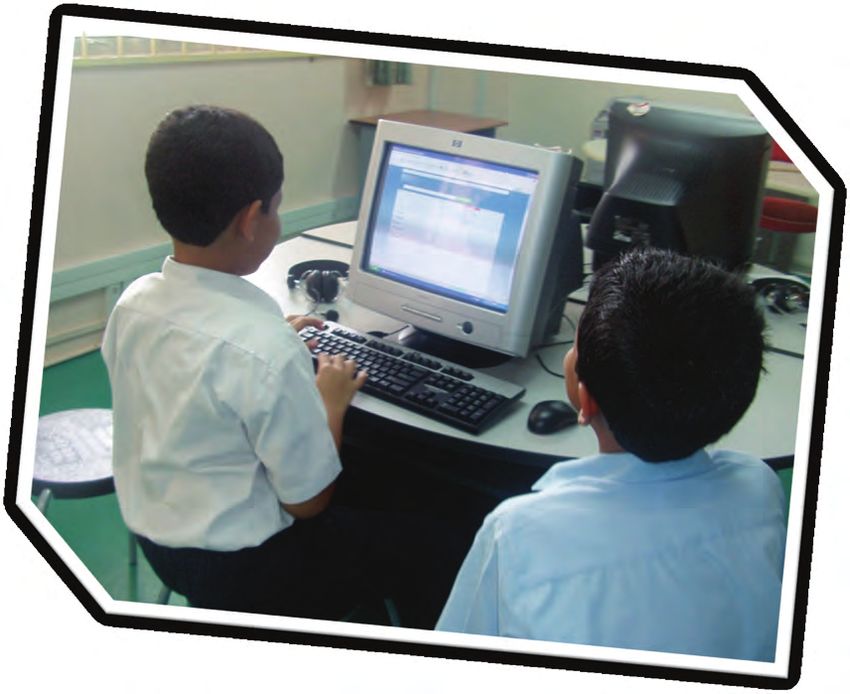
THE BEGINNING
- THE SMART SCHOOL -

                       4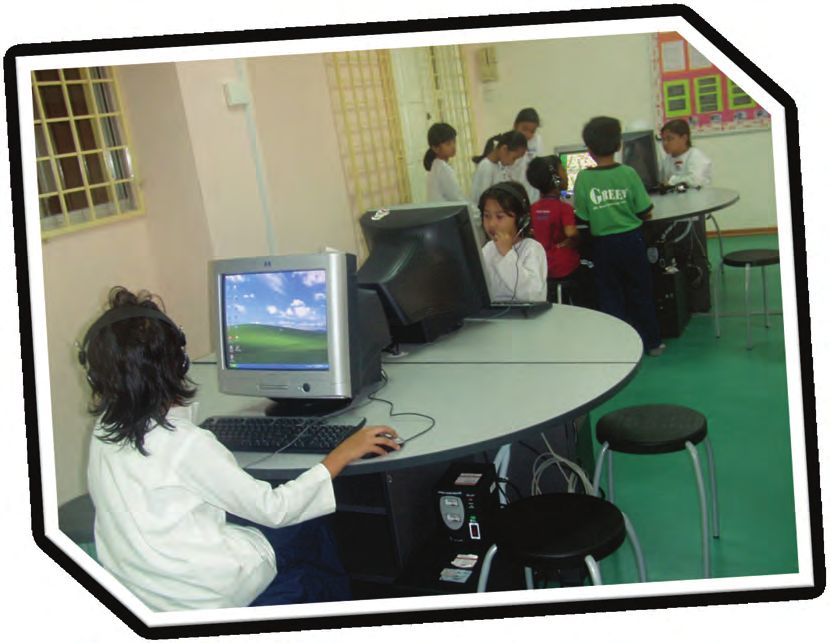
THE WORLD HAS CHANGED…
Natural Resources based…..          Knowledge based…

    Different           Different
                          Skills       Different
      Economy                            Learning

  “In today’s economy, the most important resource is
    no longer labour, capital or land; it is knowledge.”
                                         – Peter Drucker

                                                           5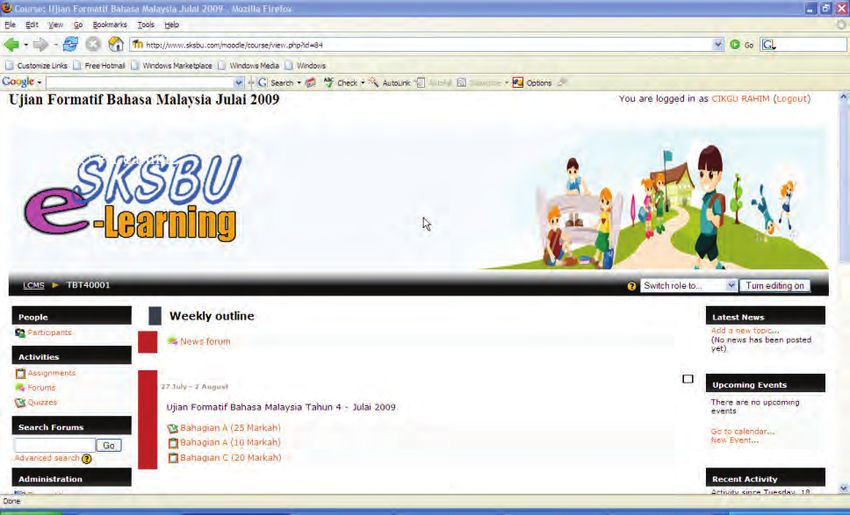
MSC MALAYSIA FLAGSHIP APPLICATIONS
            SMART SCHOOL

           MULTI-PURPOSE CARD

              TELE-HEALTH

             ELECTRONIC
             GOVERNMENT

           TECHNOPRENEUR
           DEVELOPMENT

           R&D CLUSTERS

          ELECTRONIC
          TRANSACTIONS

                                6
THE SMART SCHOOL

                                 MAIN
… a learning                  COMPONENTS
institution that has
been
SYSTEMICALLY             Skills                Processes
reinvented in terms of            Management

teaching-learning                   Teaching &
                                     Learning
practices and school
                                  Administration
management in order
                                                   Policies
to prepare children      Technology

for the Information
Age

                                                              7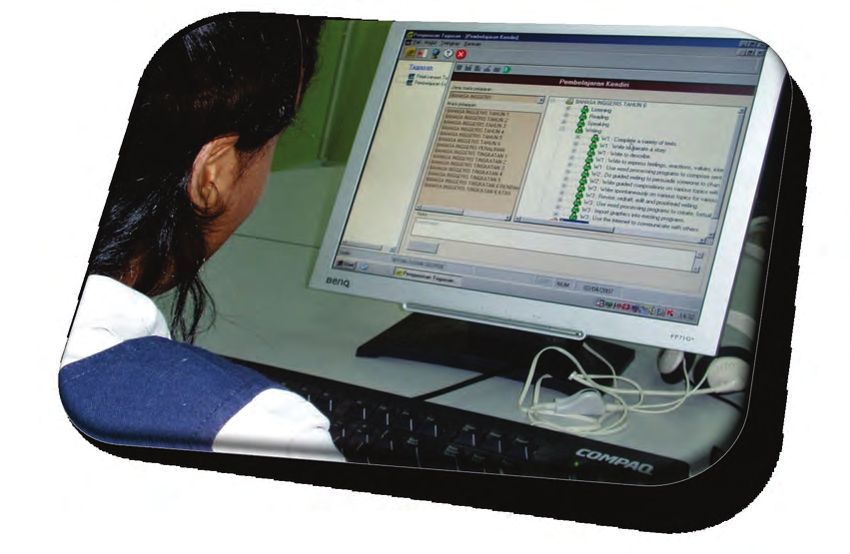
IMPLEMENTATION WAVES
            Pilot Phase (1999 – 2002)
Wave 1        88 school nationwide selected

             Post-Pilot (2002 – 2005)
Wave 2   Massive computerization phase to all 10,000
                         schools

         Making All Schools Smart (2005 - 2010)
Wave 3           Leveraging all ICT initiatives

         Consolidate & Stabilize (2010 – 2020)
Wave 4    Innovative practices using ICT enculturated

                                                        8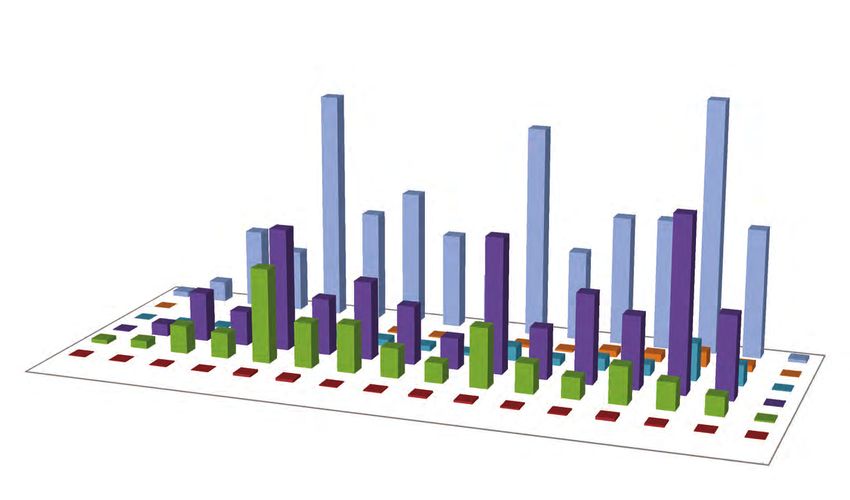
SMART SCHOOL PILOT PROJECT
                Pilot Project of 88 Smart Schools ends in December, 2002
             (Level A : 6 schools, Level B+ : 2 schools, Level B : 80 schools

                                Teachers and principles trained in use of
                                      Smart school applications

  A Smart School                                                               ICT Infrastructure &
Management System                                                           systems as an enabler for
 with 9 modules for                                                             quality teaching &
                                                                                     learning
    major school
      functions

                                                                                     Data Centre

                                                                                Help Desk
T& L Content for 4 core subjects Malay Language,
   English Language, Science & Mathematics.                                     Call Centre
   Coursewares for individualised learning for
advanced students, teachers facilitate the average
          and below average students                                                               9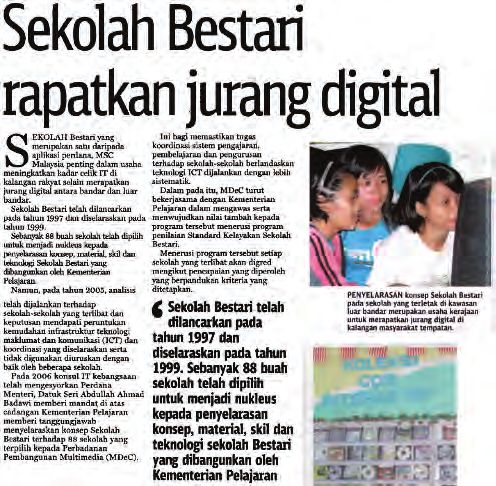
MOVING FORWARD :
MAKING ALL SCHOOLS SMART

                           10
Online Libraries Experts Learning Other
Resources Resources Schools
and
Communities
MAKING ALL SCHOOLS SMART
Making All Schools Smart is a continuous process to
acculturate the use of technology in education to ensure
quality teaching & learning, effectiveness of school
administration and management and teachers’ ICT
competency.
11PRIMARY OBJECTIVES
To produce a knowledge society that is
1
critical, creative and innovative
2
To produce technology savvy individuals
Primary for the Information Age
Objectives
3 To bridge the digital divide
4
To cultivate life-long learning based on
ICT
12THE SMART SCHOOL
TOWARDS HUMAN CAPITAL DEVELOPMENT
13SMART SCHOOLS DEVELOPING
21st CENTURY SKILLS
• Technology and Media Literacy
• Learning & Innovation Skills
• Creativity & Innovation
• Critical thinking & Problem solving
• Communication & Collaboration
• Life and Career Skills
14CHARACTERISTICS OF A SMART SCHOOL
Students
Student- exhibit Creative and
centred Higher-Order innovative
teaching & Thinking Teachers, and teachers Smart
learning Skills Administrators using ICT as
partnerships
skillful in enabler and
Catering to Self-paced using ICT in accelerator with various
different daily tasks for better agencies
Self-
learning teaching and
accessed
styles learning
Self-directed
15THE SMART SCHOOL STUDENTS
Smart Schools nurture a
new generation of thinkers
who are equipped with the
relevant knowledge and
skills to innovate and
compete in an increasingly
complex world
16CATERING TO THE INDIVIDUAL STUDENT
ICT as an enabler in
T&L
17CREATIVE APPROACHES IN T&L
18COMBINING THE TRADITIONAL AND NEW
TECHNOLOGY IN TEACHING & LEARNING
19COMPUTER LABS TO INCREASE ICT UTILIZATION
20SCHOOL ACCESS CENTRES PROVIDE ADDITIONAL
CONTACT TIME WITH THE INTERNET
21ONLINE LEARNING FOR THE
DIGITAL NATIVES
22USE OF COURSEWARES FOR SELF-PACED, SELF
ACCESSED, SELF DIRECTED LEARNING
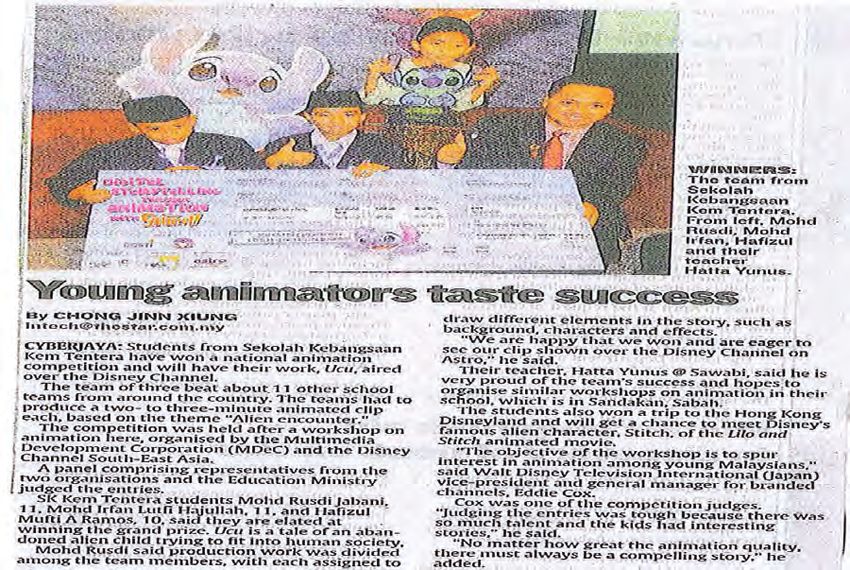
23CREATIVITY AND INNOVATION IN ACTION
DIGITAL STORY TELLING
(ANIMATION) WORKSHOPS
ANIMATION BY
The Star Newspaper; 17th August 2010
SK KEM TENTERA SABAH
(A RURAL SCHOOL)
24SMART PARTNERSHIPS
LOCALLY AND GLOBALLY
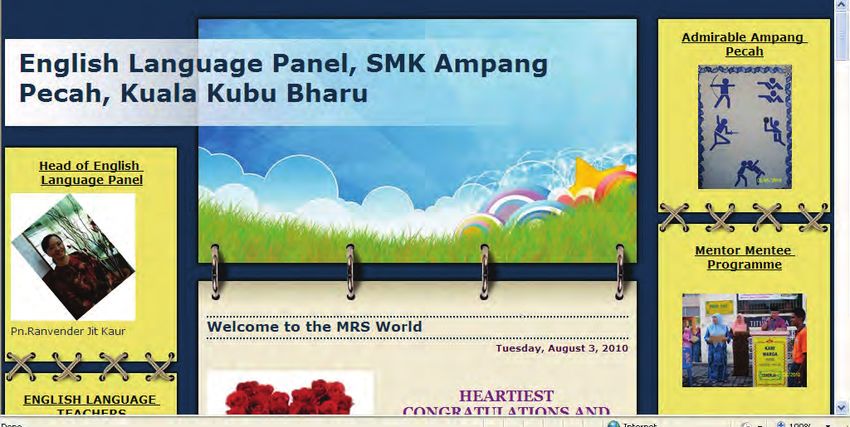
School Adoption
School Linkages – Programme with Industry
Sister School
Support from PTA
25QUALITY ASSURANCE
26THE MONITORING TOOL :
SMART SCHOOL QUALIFICATION STANDARDS
10% (SSQS)
10%
The SSQS is a
Utilization
monitoring tool to
Human Capital measure and increase
40% Application the utilization of ICT in
Infrastructure schools.
40%
27SSQS STAR RATINGS
ADVANCED PLUS (5*)
Highest approval ranking; Smart Schools
with advanced conditions for most
indicators
ADVANCED (4*)
Smart Schools with good or advanced
conditions for most indicators
MEDIAN (3*)
Smart Schools with fair or average
conditions of all indicators
BASIC PLUS (2*)
Schools with below average conditions for
all indicators
BASIC (1*)
Schools with merely basic conditions
across all indicators
28• 8454 SCHOOLS RATED SSQS 2009
• 7575 ACHIEVED
MINIMUM OF 3 STAR 1119 1227
RATING
1032
RANKINGS NO OF SCHOOLS
5 Star 96
4 Star 2412
3 Star 5067 656
2 Star 662 535 627 836
633
387 595 626
1Star 217 461 654
300 436
459
100 380 275
26 239 430
274
0 0 167 283
0 59 1 2 0 2194 233 350 399
4 136 6 8 50 3 289 245
123 27 6 5151 5
19 38 33 180
143 25
14 6812 8 30 72
3 34 59 37 14
2 4 96 143 180 54 100
32
2 11 1
12 103 132
4 5 3
9 9 92
6 1
5 12
7 7
3
2
5* 4* 3* 2* 1* Total
Jumlah
29SSQS 2009 STAR RATING
THE RURAL SMART SCHOOLS
SSQS 2008 SSQS 2009
1 1 1
6
8
13
Advanced Plus
Advanced (4) (5)
Advanced (4)
Median (3)
Basic Plus (2) Median (3)
30THE FUTURE
31Making a transformative shift to build national
competitiveness and change the nation’s
socioeconomic landscape
Tangible Outcomes
Outcomes
3rd National
Key Result Area
Improving student 21st Century SKills
outcomes and V
access to quality I 2
‘Our approach is two- education
ICT IN Problem
pronged, that is, we must EDUCATION S0
Solving
be big and we must be
bold – the Two Bs. If we Creative I 2
do this incrementally, it Thinking O0
wouldn’t be big and bold’
Effective N
Communication
Collaboration
Maximizing impact of ICT to accelerate Technology & Media
improving student outcomes Literacy
32Continuous monitoring and coaching of
innovative use of technology in schools
Upgrading of infrastructure such as the
broadband and hardware
Instilling the ownership of the
Smart School initiatives among
stakeholders
Changing the mindset of teachers
and stakeholders
Alignment of objectives at all levels
required, within the Ministry and
between Ministries/agencies
33LOOKING BACK, MOVING FORWARD
Leapfrog into
High Income
10th MP Economy
(2020)
Making All Driving
Schools Smart Transformation
(2009) Sustainability
Making All Catalysts in (2011)
Schools Smart Clusters (2010)
(2005)
Post-Pilot 500 Schools
Leveraging
(2002) ICT Initiatives High Value
Enhancement in 10,000
Launch of of 88 Smart Schools
MSC Ph. 1 Schools
(1996)
Pilot Creativity
Project 88
Smart
Schools Innovation
34THANK YOU
best@moe.edu.my
35You can also read


