Vegetable seed catalog profi 2020 - SEMO
←
→
Page content transcription
If your browser does not render page correctly, please read the page content below

Vegetable seed
         catalog
                 profi
                   2020
         ®

             1
®

        GPS 49°29‘51.355“N,17°5‘20.035“E

    Dear business friends,

    We offer an open invitation for you to visit us at our premises, so we can show you SEMO’s facilities and our as-
    sortment of our new and existing varieties. You are welcome to visit us at any time. The best time for a visit is the
    last week of July, as this is time when the most crops are ready, especially cucumbers, tomatoes and peppers.
    Our managers, breeders and the rest of our staff look forward to hosting your visit during this week.

    Your SEMO team

     SEMO a.s.
     798 17 Smržice u Prostějova
     CZECH REPUBLIC
     Phone: +420 - 582 301 903, +420 - 582 301 911
     Fax: +420 - 582 381 189
®    E-mail: profi@semo.cz
     www.semo.cz
Index:                                                                                                                                                              Signs
                                                                                                                                                                         new variety
                                                                                                                                                                         variety in preparation

Bean – bush (dwarf) .........................................                6    Pepper – ornamental ........................................             49
Bean – climbing (pole) ......................................                7    Pumpkin and Squash .......................................               50
                                                                                                                                                                         very suitable variety
Bean – runner ...................................................            7    Radish – black type ..........................................           55
Bean – broad ....................................................            8    Radish – Daikon (mooli) ...................................              55            suitable variety
Beetroot ............................................................        8    Radish – standard type ...................................               55            not suitable variety
Brussels sprouts ...............................................             9    Rocket ..............................................................    58
Cabbage ...........................................................          9    Sweet Corn .......................................................       58
                                                                                                                                                                    Please note:
Cabbage – Chinese ..........................................                 10   Tomato – bush ..................................................         60
                                                                                                                                                                    All variety descriptions and recommendations in
Carrot ...............................................................       11   Tomato – indeterminate ....................................              62
                                                                                                                                                                    this catalogue are based on our experience in
Celeriac ............................................................        13   Turnip................................................................   65
                                                                                                                                                                    Central Europe. Growing times, size of fruit, color
Celery ...............................................................       13   Watermelon ......................................................        66       and other characteristics may vary in other regi-
Cucumber – pickling .........................................                14   Vegetable suitable for growing                                                    ons. Buyers need to determine which varieties are
Cucumber – salad ............................................                17   in containers or self-watering boxes .................                   67       likely to be adapted to the prevailing conditions in
Dill .....................................................................   20   Vegetables for "microgreens"                                                      their own areas by performing trials in their loca-
Eggplant ...........................................................         21   and for "salad mix/baby leaf" ............................               69       tions.
Garlic ................................................................      22   Rootstocks ........................................................      71
Chive ................................................................       23   Herbs ................................................................   72       Non-GMO Declaration
Leek ..................................................................      24   The "NECTAR PARTY"                                                                We confirm that none of our varieties is a product
Kohlrabi ............................................................        25   - honey pasture seeds blends ........................                    74       of genetic manipulation and that our seed is there-
                                                                                                                                                                    fore free of genetic modification (GMO).
Lettuce – butterhead ........................................                26   Silage and grain corn .......................................            76
Lettuce – cos ....................................................           28   RECOMMENDATIONS FOR GROWING .........                                    78
                                                                                                                                                                    Resistance:
Lettuce – iceberg ..............................................             28
                                                                                                                                                                    We use the definitions according to ISF rules
Lettuce – leaf and batavia ................................                  29
                                                                                                                                                                    (International Seed Federation):
Onion ................................................................       30                                                                                     IR = intermediate/moderate resistance
Onion – bunching .............................................               33                                                                                     HR = high/standard resistance
Parsley – leaf ....................................................          34    Country distributor:
Parsley – root ...................................................           34
Parsnip .............................................................        36
Pea – green ......................................................           36
Pea – sugarsnap ..............................................               39
Pepper – sweet ................................................              39
Pepper – hot .....................................................           46
Pepper – for drying (spice) ...............................                  49

                                                                                                                                                                3
Dear growers,                                                         WHO we are
    "Everything we do, we do for our shared success". For us it‘s         SEMO a.s. is a Czech company that was founded in 1994. With
    not just a phrase. In order to succeed in the challenging and         its formation, SEMO continued more than 50 years of tradition
    competitive world of seed breeding we must offer high qua-            in plant breeding connected with the former Vegetable Breeding
    lity, competitive varieties of excellent seed quality. This is what   Station. Now SEMO is acknowledged as a leader in the breeding
    we mean by our motto – "Seed from the right hands". The               of vegetable crops in Europe. We concentrate mainly on fruit ve-
    proof of our success is evidenced by the growing interest in our      getables (especially tomatoes, cucumbers, and peppers), green
    high quality varieties and hybrids from our wide assortment.          peas, lettuces, onions and root crops. Our varieties are known in
                                                                          many countries and our customer base is increasing every year.
    We are very pleased to introduce our new catalog. Included in
    it are established varieties, as well as promising new varieties      In 2017 we acquired the Slovak breeding company Zelseed. The
    from our breeding program. We believe that many of them will          best sweet corn hybrids from its program are now in our catalog.
    prove successful in your fields, plastic tunnels or greenhouses.      In addition to sweet corn we also have a strong assortment of
    We thank you for your current business and look forward to wor-       grain, silage and CCM varieties of corn.  You can find details about
    king with you in the future.                                          them in this catalog.
    I wish you a successful and profitable growing season.
                                                                          Seed Quality
    Ing. Jan Prášil
    Chairman of the Board of Directors                                    SEMO is proud of the high quality of its products. We produce
                                                                          seeds all over the world – in environments that have the best con-
                                                                          ditions for seed production for each specific crop. All new seeds
                                                                          are then tested here in our laboratory for germination, purity and
                                                                          health. Testing continues in our greenhouses and trial fields, and
                                                                          the quality of the seed inventory is regularly monitored. All seeds
                                                                          leaving SEMO comply with our high quality standards.

                                                                          Approach to Growers
                                                                          We offer the following two basic categories of seeds:
                                                                          - STANDARD seed
                                                                          - PRECISION seed

                                                                          STANDARD seed
                                                                          STANDARD seed is sold by weight (kilos). Our STANDARD seed
                                                                          meets ISTA standards (the International Seed Testing Associati-
                                                                          on). Most of the seed in this category is coated with fungicides.

                                                                          PRECISION seed
®                                                                         PRECISION seed is sold by count (in units of 1000 seeds). This
                                                                          seed is of a high quality and is subjected to additional treatments.
                                                                          The treatment given to PRECISION seed includes the following:

     4
Grading                                                                Organic seed
The seed is sorted according to its size. The uniform size of the      Our organic seed is certified by the Czech Government authority,
seeds results in uniform germination.                                  and is intended for organic farming. We also offer organic seed of
                                                                       some herbs, such as basil and dill.
Hot Water Treatment (HWT)
HWT is carried out by SEMO on all pepper, carrot, parsley and          Next special types of treatment are coming
brassica seed lots. This treatment eliminates any bacterial infecti-
on that may be on the surface of the seed.                             Treatment of seeds with mycoparasitic and supportive effects
                                                                       We intensively test the suitability of mycoparasitic and supportive
Special coatings                                                       preparations for the treatment of vegetable seeds. In particular,
PRECISON seed is coated by a wider spectrum of seed tre-               we assess the effects of this treatment on the rate of emergence
atments. You can find more information about the treatments in         and the health of the growing plants. We believe that we will be
our price list.                                                        able to offer you this type of seed treatment in near future.

Other types of seed treatments                                         Cold plasma seed treatment
                                                                       In the testing phase is seed treatment by cold plasma. It is not,
                                                                       of course, a full substitution for chemical treatment. Through
Primed seed of parsley, celeriac and carrot                            this process we can only eliminate pathogens on seeds surface.
Germination is quicker and more uniform using primed seed.             Unfortunately, it does not prevent infection after sowing.
                                                                       As there is an emphasis on decreasing chemical use in agricul-
Thermo-primed seed of lettuce                                          ture, existing and new methods of physical seeds disinfection are
Important for summer (hot weather) sowing, where the germinati-        becoming more and more important.
on is better and more uniform with thermo-primed seed.

Pills/Pellets
SEMO offer pelleted seed of selected varieties. The Dutch firm
INCOTEC pellets our seeds.

                                                                                      5
Bean – bush (dwarf)
                                                Phaseolus vulgaris L.

                                                 for fresh pods

         GAMA
         (green pods: 10 – 12 cm, diameter 0.7 cm, white seeds: WTS 220 g)
         A mid-late variety of French bean with a sturdy plant and uniform pods. GAMA has a high yield
         potential. Intermediate resistance to anthracnose. We recommend this variety for processing and
         for fresh market.

         AIDAGOLD
         (wax pods: 10 – 12 cm, diameter 0.75 cm, white seeds: WTS 230 g)
         A mid-early variety of wax French bean. Its yellow pods are straight and attractive. Medium vigorous
         plants that are well adapted to mechanical harvesting. Good for fresh market and various proce-
         ssing including canning and freezing.

         LILANA
         (wax pods: 12 – 15 cm, diameter 0.8 cm, light brown seeds: WTS 210 g)
         A mid-early bush bean with yellow pods and large, light brown seeds. LILANA offers shiny strin-
         gless pods that are prefect for fresh use as well as for freezing and canning. Excellent and fancy
         appearance.

                         Days from                                   Pod                            Seed
                         sowing to           Plant height
               Variety             Earliness                                                   TSW**
                          harvest*              (cm)      length diameter
                                                                                colour      of dry seeds   colour
                                                           (cm)    (cm)
                                                                                                 (g)

GAMA           GAMA         75      mid-late     40 - 45    10 - 12     0.70   dark green    200 - 240     white    AIDAGOLD

LILANA                                                                                                      light   PETRONILA
           LILANA           70     mid-early     30 - 40    12 - 15     0.80     yellow      190 - 220
                                                                                                           brown

          AIDAGOLD          70     mid-early     30 - 40    10 - 12     0.75     yellow      210 - 250     white

         * In Central European conditions ** Thousand seed weight

                                                 for dry beans
         PETRONILA
         (pods: 8 – 10 cm, white seeds: WTS about 380 g)
         A mid–early variety. The height of plant is 50 – 60 cm. Medium length pods are set high on upright
         and lodge resistant plants so that the beans stay off the ground. White seeds are medium-sized
         and oval. Suitable for fresh market and canning. PETRONILA is a vigorous variety with resistance
         to BCMMV. 100 days for harvest of dry beans in Central Europe.

           6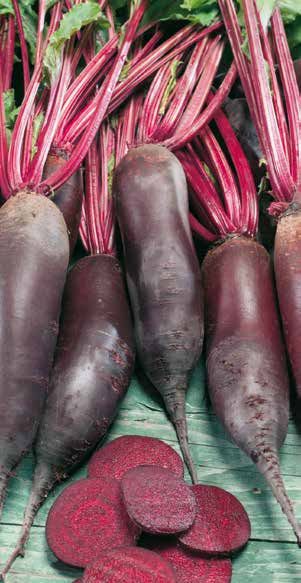
NUGETKA
          (shell wax pods: 13 – 17 cm, light brown seeds: WTS about 600 g)
          An early shell bush bean with yellow pods and large, light brown seeds. Can be eaten as a fresh
          shell bean or dry bean. Excellent flavor fresh, frozen or canned.
          Growing period (from sowing in conditions of Central Europe):
          - 70 days for fresh shell beans
          - 100 days for dry beans

                              Bean – climbing (pole)
NUGETKA                                          Phaseolus vulgaris L.                                                NUGETKA

ALBENA    ALBENA
          (green pods 12 -19 cm, large white seeds - WTS about 1,400 g)
          A mid-early climber with long light green pods and large, white seeds. ALBENA grows up to 3 me-
          ters. Can be used as a fresh shell bean or a dry bean. Good for cooking and canning. The vines are
          productive and produce until frost.
          Growing period (from sowing in conditions of Central Europe):
          - 80 days for harvest of fresh shell beans
          - 110 days for harvest of dry beans

          ANITA
          (yellow pods 12 - 19 cm, white seeds - WTS about 300 g)
          A mid-late variety growing up to 3 - 4 meters. Yields well until frost. Can be used as a fresh shell bean
          or a dry bean. Beans are delicious fresh or frozen.
          Growing period (from sowing in conditions of Central Europe):
          - 90 days for harvest of fresh shell beans
          - 120 days for harvest of dry beans

                                                                                                                       ANITA

                                         Bean – runner                                                                SCARLET

                                                 Phaseolus coccineus

          SCARLET
          A runner bean with light green long pods (17 - 22 cm) and very large, black, mottled seeds (WTS
          about 1,700 grams). The vines are very vigorous and can reach 4 meters. Seeds have an excellent
          flavor and are suitable for cooking or canning. The plants produce over a long period and will be
          productive until late autumn. The flowers are shiny red and very attractive. SCARLET combines both
          edible beans and a beautiful plant!
          Growing period (from sowing in conditions of Central Europe):
           - 100 days to harvest of first dry beans

                                                                                                                7
Bean – broad
                                                Vicia faba L.subsp.Major

            SATURN
            A mid-early variety suitable for North Europe and areas with a similar climate. Medium vigorous
            plant (height about 65 cm). Pods are about 8.5 cm long with, depending upon weather conditions,
            3-5 seeds. The beans are large (WTS about 1,500 grams) with very good flavor. Seeds can be used
            both as a fresh and dry bean.

            Other types of beans
            We offer many other varieties of beans in different colors of pods and seeds. If you are
                                                                                                                     We offer many other varieties of
 SATURN     looking for a special type please don´t hesitate to contact us at profi@semo.cz.                                     beans

RED SHINE                                                                                                                      KARKULKA

                                                 Beetroot
                                           Beta vulgaris L. var. conditiva Alef.

            RED SHINE
            RED SHINE seeds are "one sprout types" that are genetically monogerm. Uniform beets are
            globe-shaped with very smooth skin. Dark red flesh with high sugar content. Vigor is medium with
            strong, short tops. High tolerance to bolting allows for early sowing. Since each seed produces just
            one embryo, RED SHINE is ideal for precision sowing. Excellent uniformity. Perfect for bunching or
            marketing without tops at full maturity. Suitable for fresh market and processing.

            CERVENA KULATA
            A high yielding, medium-late DETROIT type with strong erect foliage. Beets with a deep-red color
            and paler rings are very suitable for industry and long term storage. Firm skin and very good plant
            health are important characteristics of this "time-tested" variety.

            BETINA
            A selection of Detroit type with more uniform round roots and very healthy tops. Deep red flesh with
            slightly paler rings. A reliable variety for fresh market as well as for processing, including canning
            of baby roots.

            KARKULKA
            Excellent flavor and deep red color are the most important characteristics of KARKULKA. Cylin-
            drical shaped roots with smooth skin. High yield potential. Excellent for fresh market and storage.
            KARKULKA is suitable for all types of processing including slicing, pickling and production of chips.
            It is sensitive to cold so later spring sowings are recommended to avoid bolting.

            8
Brussels sprouts
                             Brassica oleracea L. convar. oleracea var. gemnifera (DC).

            DANET F1
            Nice mid-early hybrid with a short stem and high tolerance to lodging. The sprouts are smaller at the
            top of the stem and are bigger at the bottom. The firm sprouts are round, with good color and are
            easy to harvest. DANET is recommended for home gardens and fresh market. Excellent tolerance
            to cold allows for winter harvest in areas with moderate winters.

DANET F1                                                                                                                LENA F1
                                                   Cabbage
                                     Brassica oleracea L. convar.capitata (L) Alef.

            We offer an exclusive range of cabbage hybrid varieties directly from the breeder, Mrs. Jitka
            Hrubešová, and her team. These hybrids are suitable for fresh market, processing and long-term
            storage.

            MINICA F1
            Nice mini cabbage for high density planting. MINICA is tolerant to cracking and holds well on the
            field. Heads are small (0.5 kg - 1.0 kg) but firm, and good for fresh use or storage. Leaves are thin
            with a nice mild and sweet flavor and are excellent for fresh use or cooking.

            UNIKAT F1
            An early cabbage hybrid for fresh market. Heads are round and uniform, average weight is about
            1.2 kg. They have a short core and tender leaves. High tolerance to cracking and good field-stan-
MINICA F1   ding ability.                                                                                             PORTOZA F1

UNIKAT F1                                                                                                               POLAR
            LENA F1
            Mid-early cabbage for all year growing, including winter crops in Mediterranean and regions with
            a similar climate. Heads are round with dense internal structure and very short core. Nice tender
            leaves with sweet flavor makes it suitable for the fresh market. Weight of heads is 2.0 - 2.5 kg.

            PORTOZA F1
            A very attractive hybrid. Firm round heads with a good field holding ability. Weight depends on den-
            sity of sowing, ranging between 3.0 - 6.0 kg. Very tolerant to cold conditions, cracking and thrips. An
            all-purpose variety for processing and long-term storage (Zerlina type). Performs well with stable
            yields even in difficult weather conditions.

                                                                                                                9
Cabbage
                                        Use                                                  Days                             Head                Recommended
       Variety           fresh                                    Earliness          from transplanting to           weight                          number                            General remarks
                                     processing     storage                                 harvest*                                   shape       of plants/ha
                         market                                                                                       (kg)
                                                                                                       for fresh market
                                                                                                                                  round to                                             short internal core,
     MINICA F1                                                          early                     70                 0.5 - 1.0                       65,000
                                                                                                                                 egg-shaped                                            tolerant to cracking
                                                                                                                                                                                 uniform heads with short core,
     UNIKAT F1                                                          early                     80 **              0.9 - 1.5         round         60,000
                                                                                                                                                                         perfect for fresh market, holds well in the field
                                                                                                                                                                               dense head, tolerant to cracking,
      LENA F1                                                         mid-early                   85                 2.0 - 2.5         round         50,000
                                                                                                                                                                                     good for processing
                                                                                       for processing or for long term storage
                                                                                                                                                                              firm head with dense internal structure,
    PORTOZA F1                                                          late                  130                    3.0 - 6.0         round         32,000
                                                                                                                                                                  tolerant to thrips, good for long term storage and processing
                                                                                                                                      flattened
       POLAR                                                            late                  150                    3.0 - 4.0                       32,000                standard variety for sauerkraut production
                                                                                                                                        round

        HOLT                                                            late                  150                    2.5 - 3.0         round         40,000                       standard variety for storage

* valid for central Europe conditions ** 50 days in Panjab-India 		               very suitable           suitable     not suitable

                                                                                                                                               CONCORD F1                                      RAPID F1 (SM 9/18 CHU)

                             Cabbage – Chinese
                                         Brassica rapa L.

RAPID F1 (SM 9/18 CHU)
An early hybrid (approximately 60 days from transplanting to maturity) with compact semi cylindri-
cal dark green heads (weight 1.5 – 2.0 kg). RAPID is strong against flowering. Also it is tolerant to
pepper spot and fungi diseases including Alternaria. Recommended hybrid for fresh market and
medium term storage. Uniform chinese cabbage. Recommended harvest season from September
to November.

MERKUR F1 (SM 10/18 JIN)                                                                                                                                                                      MERKUR F1 (SM 10/18 JIN)
A mid-early hybrid (approximately 65 days from transplanting to maturity) with shorter semi cylindri-
cal compact heads (weight 1.7 – 2.5 kg). The heads can be easily cleaned after storage. MERKUR
is suitable for long term storage. High tolerance to flowering and to packet of fungi diseases are
advantages of this hybrid. Recommended harvest season from September to November.

CONCORD F1
A mid-late chinese cabbage (approximately 68 days from transplanting to maturity) for all summer
sowing including early one. Compact cylindrical heads weighing 1.5 – 2.0 kg with good long-term
storage ability. The tops of firm heads are very nicely covered. The heads can be easily cleaned
when taken out from the storage place. Recommended harvest season from August to November.

                                                     10
Carrot
Daucus carota L.
MARQUETTE
Very uniform smooth roots with excellent internal and external color. Especially suitable for the fresh
market.
JARANA F1
The earliest Nantes hybrid from SEMO. Medium long roots with good internal and external color.
Suitable for the fresh market and bunching. Intermediate resistance to alternaria. Performs well in
ANINA in Yemen
GERDA subtropical areas. CHAMARE
ANINA
Main crop Nantes type variety. The roots are smooth skinned, deep orange, and have a long cy-
lindrical root with a blunt end. The tops are very healthy and strong. Suitable for fresh market and
long-term storage. Popular in subtropical areas.
JOLANA F1
A Nantes hybrid that has short, extremely healthy tops. Tolerant to alternaria. Roots are attractive,
uniform and smooth with excellent external and internal color. Excellent hybrid for bunching and
mechanical harvesting. Does well in subtropical areas.
CHAMARE
A mid-late Chantenay carrot with strong foliage and good storage ability. Roots are smooth skinned
with good color. Suitable for juicing and fresh market.
JITKA F1
MARQUETTE A mid-late high yielding Berlicum type. Suitable for processing and fresh market. Its blunt, bright JITKA F1
orange roots are uniform and very tolerant to cracking. Approximately 135 days from sowing to
JOLANA F1 maturity. Early bunching is possible in 100 days. TABORSKA ZLUTA
KOLOSEUM F1
A high yielding, late Berlicum hybrid. The tops are strong and healthy, and tolerant to alternaria.
Roots have good internal and external color and high dry matter. They have good long term storage
potential. KOLOSEUM F1 is suitable for processing, especially canning and freezing.
TABORSKA ZLUTA
Extremely high yielding variety of late yellow Flakee type. Suitable for both fresh market and
salad-pack industry.
11Carrot
Days from Root Use
Variety Type Earliness sowing to General remarks
harvest* colour length fresh
shape storage processing
flesh / skin (cm) market
MARQUETTE Nantes early 115 8/8 18 - 22 A nice variety for bunching
very uniform, smooth roots,
JARANA F1 Nantes early 115 7/8 18 - 20 A
A B
very good for fresh market and bunching
NANTES 5 Nantes early 115 5/7 16 - 18 A world-wide known variety
KAROTINA Nantes early 115 8/7 15 - 18 A high beta carotene content
ANDREIKA Nantes early 115 7/7 18 - 21 A roots are uniform, smooth and blunt
(TIP - TOP)
Nantes early 120 6/7 16 - 20 A world-wide known variety
NANTES 3
long uniform roots, strong foliage,
C
ANINA Nantes mid-early 125 7/7 20 - 22 A
D performs well in subtropical area
universal carrot for bunching also good
for late harvest and storage,
JOLANA F1 Nantes mid-early 125 9/8 18 - 22 A
very uniform roots,
high tolerance to Alternaria
CHAMARE Chantenay mid-late 135 7/7 13 - 15 C very suitable for juice production
JITKA F1 Berlicum mid-late 135 9/8 18 - 22 B suitable for fresh market and processing
high yielding variety, high dry matter
KOLOSEUM F1 Berlicum late 145 8/8 19 - 24 B
content, for processing and long storage
standard variety for processing
KATLEN Berlicum late 145 8/8 18 - 22 B
and long term storage
high dry matter,
KARDILA Flakkee late 150 8/8 18 - 24 E-1
for long-term storage
yellow,
TABORSKA ZLUTA Flakkee late 150 1/1 18 - 24 E-2
high yielding variety
round round, very sweet, tolerant to cracking,
E-1 E-2 PARIJSE MARKT 4 Parisian very early 85 7/7
3-5
D
good for tunnels
* valid for Central European conditions Color 1 = yellow 10 = intensive red very suitable suitable not suitable
12Celeriac
Apium graveolens L. var. rapaceum (Mill.) Gaud.
NEON
An early, high yielding and reliable variety with smooth white roots (they do not contain Anthocyanin)
that stay white when cooked. NEON has an extensive root system, healthy tops and is not suscep-
tible to septoria. Roots are dense, resistance to hollow heart, and store well. Suitable for drying and
for fresh market. Approximately 137 days from transplanting to maturity.
MAXIM
An improved selection of Prague Giant. A high-yielding, late variety producing smooth and very
NEON
GERDA large roots. MAXIM is resistant to bolting and septoria. High dry matter makes this variety very sui- NEON pills
table for processing. Approximately 145 days from transplanting to maturity.
Celery
Apium graveolens L.
JEMNY
A high yielding variety with smooth, aromatic, healthy leaves. Very good for mechanized harvest.
Suitable for drying and freezing. Bolt tolerant.
NUGET
An early variety with yellow-green leaves for harvest of leafstalks. Maturity about 70 days from
transplanting.
MAXIM MERLIN NUGET
An early variety with long erect stems and medium dark green leaves. MERLIN can be grown su-
JEMNY ccessfully for summer and for autumn harvests. The most important characteristics of this celery are MERLIN
high tolerance to septoria and bolting. High yielding. Suitable for both fresh market and processing.
13Pickling cucumber
Cucumis sativus L.
Cucumbers are an important crop in SEMO’s breeding program. We offer premium varieties of
picklers, American slicers and indoor cucumbers in different sizes. Variety requirements differ by
country, region and production systems. Our assortment is therefore increasing every year to meet
these requirements.
Spined type – non parthenocarpic
BARA F1
BARA F1 An early variety producing high yields of attractive, slim, dark green cucumber. The plants are vigo-
rous and have intermediate resistance to downy mildew and anthracnose. Suitable for both salt and
vinegar pickling.
BOHEMIA F1
An early, high yielding, spined variety. The uniform fruits are dark green and slim, with a very good
pickling quality. Fruits are easy to harvest as the medium length vines are less dense than for a typi-
cal cucumber. Intermediate resistance to downy mildew and tolerant to high temperatures.
IWONNA F1
This SEMO hybrid produces light green, spined fruits on healthy plants. Fruits are very tasty with
crunchy flesh and a firm core. Perfect for salt pickling as the color is very stable.
CHANTAL F1
A high yielding variety producing very uniform, top class fruits. Very attractive, very spiny fruits are
suitable for pickling, especially in vinegar.
BOHEMIA F1
Spined type – parthenocarpic NAJADA F1
CHANTAL F1 DAFNE F1
NAJADA F1
An extremely early variety with long, attractive fruits. Recommended for all indoor and field growing
techniques including trellising. Medium vigorous plants have an excellent disease package including
intermediate tolerance to both downy and powdery mildews and tolerance to low and high tempera-
tures. NAJADA is well suited for salt and vinegar processing. Nice long fruits (up 10 cm) are excellent
for fresh market sales.
DAFNE F1
This spined parthenocarpic hybrid is very early and very high yielding. It produces attractive, dark
green fruits suitable for fresh market and salt and vinegar pickling. For indoor (spring and autumn
cycle) and outdoor environments. Good tolerance to high temperatures and good fruit setting for the
whole season.
14ANYA F1
Spined parthenocarpic hybrid with slightly shorter and darker fruits than DAFNE. Very early maturity.
ANYA has high early yields, keeps producing well the entire season. A great advantage of this variety
is its ability to recover from weather events such as frost or hail. ANYA is excellent for both the poly-
tunnel/unheated greenhouse and open field.
GRACIE F1
A very early variety well adapted to various climates and suitable for growing in green house and
open field. The plant is medium vigorous and therefore suitable for trellising. Fruits are very long,
up to 12 cm, and very slender. They have dark green skin with white spines. Very healthy vines with
intermediate tolerance to downy mildew and tolerance to low and high temperatures. GRACIE is well
suited for salt and vinegar processing. Sells well on the fresh market.
ANYA in Poland ANYA F1
Smooth type – non parthenocarpic
CHARLOTTE F1
An extremely early variety producing 3-4 cucumbers per node. Fruits are long, thin and attractive.
The plant‘s canopy is not very dense so the fruits are easy to see and harvest. Charlotte is very
suitable for growing on a trellis.
ORNELLO F1
A mid-early, multi-fruited variety with a high yield potential. Plants are vigorous with good resistance
to downy mildew. The fruits are similar in appearance to CHARLOTTE. Compact plants make har-
vests easier. Recommended for field cultivation as well as for trellising.
Smooth type – parthenocarpic
SONADA F1
A high yielding variety suitable for semi-intensive and intensive production with drip irrigation in both
tunnels and the open field. Nice looking, dark green fruits and healthy plants ensure good results
GRACIE F1 from this hybrid. CHARLOTTE F1
ORNELLO F1 HARRIET F1
HARRIET F1
Recommended for intensive production systems using drip irrigation. This parthenocarpic variety is
very high yielding. Plants are healthy and stress tolerant. The fruits are attractive, cylindrical and are
very dark green. Recommended for outdoor or tunnel production. HARRIET has a high tolerance to
many fungal diseases. Fruits hold well on the vines.
ELISABET F1
ELISABET is stress tolerant and suitable for growing in adverse weather conditions, such as irregu-
lar irrigation or rainfall. Healthy plants produce very early harvests of dark green fruits.
15Pickling cucumber
Fruit Recommended for Resistance
Genetically
cornichons
growing on
processing
harvest by
Type Variety Earliness Plant vigour General remarks
machine
growing
non-bitter
indoor
trellis
length/
salt
spine color CMV CC ALS DM PM
width
attractive slim fruit
BARA F1 early vigorous no white 3.3 : 1 8 HR HR HR 6 very healthy plants
uniform fruit
BOHEMIA F1 early compact - vigorous yes white 3.6 : 1 8 HR HR 7 IR very tolerant to DM
Spined
BLANKA F1 early very vigorous no white 2.8 : 1 9 HR HR HR 5 IR withstands poor conditions
type
standard variety
non-parthenocarpic REGINA F1 early very vigorous no white 3.1 : 1 8 HR HR 4 tolerant to DM
IWONNA F1 mid-early vigorous no white 3,0 : 1 7 HR HR HR 5 withstands poor conditions
tasty crunchy flesh
CHANTAL F1 mid-early compact - vigorous no white 3.2 : 1 8 HR HR HR 4 IR very good for salt pickling
very healthy, extremely early
NAJADA F1 very early compact - vigorous yes white 4.1 : 1 8 HR HR HR 4 IR very suitable for fresh market
(harvest up to a length of 10 cm)
extremly good yields of nice dark fruit
DAFNE F1 compact - vigorous yes white 3.4 : 1 8 HR HR 4
early stress tolerant
Spined type
parthenocarpic high yielding for a long harvest window
ANYA F1 very early compact - vigorous yes white 3.1 : 1 9 HR HR 4 IR stress tolerant
quick recovering
nice very slender fruits
GRACIE F1 very early compact - vigorous yes white 5.0 : 1 9 HR HR 4 very suitable also for fresh market
(harvest of fruits with length up 10 cm)
easy to pick up, very early,
CHARLOTTE F1 very early compact yes white 3.6 : 1 7 HR HR 3 IR concentrated fruit set long and slender
Smooth type attractive fruits
non-parthenocarpic easy to pick up,
ORNELLO F1 mid-early compact yes white 3.4 : 1 8 HR HR 3 tolerant to poor conditions,
concentrated fruit set
large stable yield,
SONADA F1 very early compact yes white 3.2 : 1 8 HR HR 3 good field health
Smooth type very high yielding variety,
HARRIET F1 very early compact yes white 3.3 : 1 7 HR HR 3
parthenocarpic for intensive growing systems
ELISABET F1 very early compact yes white 3.2 : 1 7 HR HR 2 tolerant to poor conditions
Legend:
color: 1 – pale green, 9 - dark green very suitable
CMV – Cucumis Mosaic Virus, CC – Scab, ALS – Cucumber Anthracnose, DM – Downy Mildew, PM – Powdery Mildew suitable not suitable
Resistances: IR = intermediate resistance HR = high resistance DM 1 = sensitive, 9 = full resistance
16Salad cucumber
Cucumis sativus L.
SLICING TYPE
Non-parthenocarpic varieties for outdoor and indoor production.
All of them require pollination.
MARKYZA F1
A very early hybrid ideal for open field and indoor growing. MARKYZA produces uniform dark green
fruits that maintain their quality during the entire harvest period. Healthy plant with high tolerance to
downy and powdery mildews makes it suitable for late summer and autumn sowing. It's small seed
MARKYZA F1 cavity makes it suitable for processing into slices or cubes. Highly resistant to stress, especially to
high temperatures, with good results in the Mediterranean.
MARLEN F1
Vines are very healthy and with a high yield potential of very uniform cylindrical fruits make Marlen
highly recommended for highly intensive professional growing. Showing very good results in open
field, in plastic tunnels and unheated greenhouses with pollinators. It is resistant to cucumber mosaic
virus, scab, anthracnose and tolerant to downy and powdery mildews.
LILI F1
A reliable standard slicing cucumber with attractive, dark green fruits and healthy plants. Fruits are
resistant to defects and store well. Particularly recommended for growing in the open field. Interme-
diate resistance to powdery mildew.
CHEER F1
An early American slicing cucumber that is exceptionally early maturing. The shiny dark green fruits
have firm skin which makes them highly tolerant to insect damage and suitable for storage. Very
good for open field production. Performs well from summer sowings.
MARLEN F1 AMANDA F1
AMANDA F1
CHEER F1 An early non-parthenocarpic variety from SEMO. The fruits are long and of very high quality and LIVIE F1
very uniform. Plants are very healthy and have a high tolerance to downy and powdery mildews.
Recommended for tunnels, perfect variety for autumn growing - Well adapted to high temperatures,
high yields even at the end of vegetation.
LIVIE F1
LIVIE offers fruits similar to indoor beit alpha cucumbers but its plants are strong and healthy like
slicing cucumbers. LIVIE is primarily intended for growing in tunnels though open field production is
possible, especially if the plants are trellised. LIVIE is not parthenocarpic so it requires the presence
of pollinators. Fruits are light green and average 18-25 cm in length. They are genetically non bitter
and have excellent flavor and small cores. This variety has several other advantages over standard
beit alpha types including better tolerance to cold weather and other stressful conditions as well
as being extremely early. We recommend LIVIE for spring, summer and autumn growing. Growers
have given LIVIE much positive feedback.
17JAPANESE BURPLESS TYPE
Non-parthenocarpic variety for outdoor and indoor production.
It requires pollination.
AVANTGARDE F1
This is the first Japanese-type cucumber from SEMO. Plants produce slim fruits with small white
spines. The flesh has an excellent sweet taste, but the ends of the fruit can be bitter – a typical
characteristic for this cucumber type.
MINI TYPE
Indoor, parthenocarpic.
AVANTGARDE F1
BABY F1
A very early high yielding mini cucumber with medium vigor plants. The bright green fruits have firm
skin, giving them a long shelf life. BABY is recommended for harvesting as baby fruits (length about
10 cm), requiring harvests every two days. BABY is suitable for year-round growing in greenhouses
and plastic tunnels.
OFELIE F1
Our next mini cucumber for year-round growing. Medium to dark green fruits (slightly darker than
BABY) have an excellent sweet taste. Perfect for harvesting as baby fruits (length about 10 cm).
OFELIE is a multifruit setting type especially on appropriate rootstock such as our SPRINTER F1.
MEDIUM SIZE TYPE
Indoor, parthenocarpic.
MINISPRINT F1
A fast maturing variety producing large yields of attractive, uniform, shiny green fruits with tender
BABY F1 skin. Plants are strong and reliable growers, continually producing throughout the growing season. EMILIE F1
Good yield potential.
OFELIE F1 FORMULE F1
EMILIE F1
A very early and high yielding cucumber with medium vigor for indoor production. Uniform, dark
green fruits have smooth, firm skin, making it suitable for transport and storage. Fruit length is
19 – 22 cm. EMILIE shows good tolerance to very high temperatures and is recommended for
subtropical areas.
FORMULE F1
A very early and very high yielding beit alpha parthenocarpic type. The long dark green fruits are
uniformly cylindrical. The size is between medium and long types and they can be harvested from
16 cm to 24 cm. A reliable variety for year-round production in greenhouses and tunnels. Due to its
high tolerance to shortening days and low light levels, FORMULE is also suitable for autumn and
winter (in southern regions) growing.
18Salad cucumber
Growing Fruit Resistance
winter season
open field
Plant Genetically
summer
season
indoor
indoor
Type Variety Earliness Flowering trait length weight General remarks
vigour non-bitter color CMV CC ALS DM PM
(cm) (g)
very medium to predominantly very early harvest,
MARKYZA F1 yes 18 - 22 300 - 360 9 HR HR IR IR
early strong female attractive uniform fruit with fine skin
very medium to predominantly very early high yielding cucumber
MARLEN F1 yes 18 - 20 280 - 340 9 HR HR HR IR IR
early strong female good health
SLICING TYPE medium to predominantly
- outdoor and indoor LILI F1 early yes 23 - 24 370 - 420 9 HR HR IR IR dark slender fruit
- nonparthenocarpic
strong female
very firm skin
medium to predominantly
CHEER F1 early yes 20 - 22 340 - 390 9 HR HR IR tolerant to damage by insect
strong female suitable also for summer planting
very medium to predominantly
AMANDA F1 yes 23 - 28 300 - 360 9 HR HR HR IR long slicer for indoor production
early strong female
JAPANESE BURPLESS multiple disease resistance
TYPE medium to predominantly shallow ridges
- outdoor and indoor
AVANTGARDE F1 mid-early no 26 - 28 410 - 440 9 HR HR HR IR IR
strong female small white spines
- nonparthenocarpic end of fruit can be bitter
BEITH ALPHA TYPE
very predominantly indoor beit alpha cucumbers
- outdoor and indoor LIVIE F1 vigorous yes 23 - 27 390 - 450 6 HR HR HR
- nonparthenocarpic early female light and fine skin really narrow core
very
MINI TYPE
BABY F1 medium 100% female yes 8 - 10 120 - 320 7 HR HR IR excellent for baby fruit production
early
- indoor
- parthenocarpic very excellent for baby fruit production
OFELIE F1 medium 100% female yes 8 - 17 120 - 300 8 HR HR HR IR IR
early overripe fruit (up 10 cm) are also nice
very fairly - high yielding, uniform fruit
MINISPRINT F1 100% female yes 15 - 17 280 - 310 7 HR HR HR
early vigorous excellent flavor
MEDIUM SIZE
TYPE very extremely early
- indoor EMILIE F1 medium 100% female yes 20 - 21 300 - 360 9 HR HR HR IR
early firm skin
- parthenocarpic
very also suitable for autumn growing
FORMULE F1 medium 100% female yes 16 - 24 330 - 370 9 IR HR IR
early tolerant to shortening days
very vigorous,
SUPERSTAR F1 early medium 100% female yes 25 - 30 380 - 420 9 HR HR high yielding hybrid
LONG (DUTCH) high reliable yields,
TRIBUTE F1 early medium 100% female yes 28 - 35 410 - 450 10 HR HR attractive dark fruit
TYPE
- indoor also suitable for autumn growing,
- parthenocarpic VISTA F1 mid-early medium 100% female yes 35 - 40 420 - 460 8 HR HR IR tolerant to day shortening
excellent fruit quality,
ORCA F1 mid-early medium 100% female yes 40 - 50 440 - 480 9 HR HR IR high yielding hybrid
Legend:
color: 1 – pale green, 9 - dark green very suitable suitable not suitable
CMV – Cucumis Mosaic Virus, CC – Scab, ALS – Cucumber Anthracnose, DM – Downy Mildew, PM – Powdery Mildew
Resistances: IR = intermediate resistance HR = high resistance
19LONG TYPE
Parthenocarpic varieties for indoor production.
SUPERSTAR F1
A cucumber with attractive long fruits and medium sized plants. The plants have good growth reco-
very when pruned intensively. Fruits are 25 - 30 cm long, dark green, with slight ribbing. SUPER-
STAR is suitable for spring and summer growing in greenhouses and tunnels.
TRIBUTE F1
An early parthenocarpic variety with medium plant vigor, producing high yields of dark green fruits
that are 28 – 35 cm long. Good for spring and summer indoor production. Plants are healthy and
have a high level of tolerance to heat.
TRIBUTE F1 VISTA F1
VISTA F1
A parthenocarpic salad cucumber with medium growth. The medium green fruits average length is
35 - 40 cm. Plants are tolerant to shortening days, making VISTA suitable for year-round growing in
greenhouses, including autumn or winter (southern regions) growing.
ORCA F1
The slightly ribbed fruits are exceptionally long, averaging 40 – 50 cm. Recommended for spring to
autumn growing in greenhouses and tunnels. Very high yielding hybrid.
Dill
Anethum graveolens L.
ORCA F1 HANAK MAMUT
A high-yielding variety with a fine spicy taste. The plants are 80 - 100 cm tall, with medium foliage
HANAK and bright green leaves. HANAK has a high ratio of leaves to total plant green matter. Excellent, COMPACT
uniform color. Approximately 70 days from sowing to harvest (in Central European conditions).
COMPACT
This variety is recommended for growing in containers. However, it is also very suitable for sowing in
open fields. COMPACT is only slightly shorter than the traditional field variety HANAK. The advan-
tage of COMPACT is its color as it is the darkest green of the dills that we offer. Approximately
70 days from sowing to harvest (in Central European conditions).
MAMUT
The variety with darker leaves and thicker stalks than HANAK, making this variety ideal for bunch-
ing. The plants are vigorous and bunches have a long life after cutting. Approximately 75 days from
sowing to harvest (in Central European conditions).
20Eggplant
Solanum melongena L.
CESKY RANY
Proven variety adapted to a colder climate. Very suitable for open field production. Plants are solid
and compact. The bell-shaped fruits are smooth and dark purple with creamy white flesh. CESKY
RANY has proved to be an excellent variety for easy home garden growing.
KLASIK
A mid-early eggplant with high tolerance to heat stress. Fruits have a classic shape - long, slim with
black skin. The greenish flesh is very tender and delicious. KLASIK has healthy plants that perform
well in the field.
CESKY RANY KRASAN
KRASAN
A B A mid-early heirloom variety. Strong plants produce oval-round shaped fruits with shiny black skin.
The flesh is a delicate creamy-white without any bitterness and very few seeds. KRASAN is very
reliable and performs well under less favorable climatic conditions.
SE 02 F1
An early high yielding hybrid suitable for greenhouse and open field production. Black fruits are
round-oval shaped, with fleshy pulp and very few seeds. SERENA has excellent plant health, inclu-
C D1 ding resistance to fusarium and other soil borne fungal diseases.
BE 02 F1
A mid-early hybrid is suitable for heated or unheated indoor growing, as well as open-field produc-
tion. Very attractive pink fruits are oval-round and slightly ribbed. The flesh remains white even after
cutting. Nice variety for fresh market. Good fruit setting even under high temperature conditions.
D2 E
CL 02 F1
This mid-early white hybrid is almost spineless. For indoor as well as for open field growing. Heavy
fleshy fruits are round-oval and slightly ribbed with attractive white skin. Delicate taste and high KLASIK
eating qualities are important benefits of this hybrid.
From the left: SE 02 F1, CL 02 F1 and BE 02 F1
Plant growth Fruit
Variety Earliness
habit shape color average size (cm) weight cca (g)
CESKY RANY early compact B dark purple/black 15 x 7 480
SE 02 F1 early medium A black 17 x 11 550
KLASIK mid-early medium C black 23 x 5 450
KRASAN mid-early vigorous D1 black 19 x 13 580
BE 02 F1 mid-early medium D2 light purple 13 x 11 560
CL 02 F1 mid-early medium E white 13 x 10 580
21Garlic
Allium sativum L.
STEPAN
A mid-early variety of overwintering soft neck garlic for autumn planting and a harvest time of around
10th July (in Central European conditions). Bulbs weigh 80 - 100 g (immediately after harvest) and
have creamy white wrappers and 8 - 12 brown-skinned cloves. Good health, long term storability and
a delicious taste are the most important characteristics of this variety. Intermediate to long day type.
KAREL IV.
A mid-late overwintering hard neck variety that produces large bulbs 70 - 90 g (immediately after
STEPAN harvest) with creamy wrappers and 5 - 7 violet skinned cloves. Under Central European conditions KAREL IV.
the bulbs are harvested between 15 - 20th July. Performs well in adverse weather conditions, pro-
ducing big yields in both dry and wet conditions. Stores well. Grows vigorously in the spring, making
this variety very good for bunching. Long day type.
IVAN
A mid-early overwintering hard neck garlic. Under Central European conditions the bulbs are harves-
ted between 10 - 15th July (about one week before KAREL IV.). Vigorous leaves and very big bulbs
(80 to 120 grams) are important characteristics of this nice garlic. Creamy colored bulbs with violet
strips contain 6 - 7 brown-violet skinned cloves which peel easily. A strong garlic aroma is typical for
this variety. IVAN has been shown to yield well in favorable and stressful conditions. Suitable for
long-term storage. Long day type.
VACLAV
A late variety of overwintering hard neck garlic for autumn planting. In Central European conditions
the harvest is around 25 - 30th July. VACLAV produces very large bulbs with beige wrappers and
8 - 10 brown skinned cloves. After planting the cloves emerge very slowly, ensuring perfect over-
wintering ability even in very cold years. When harvested at full maturity bulbs store very well. Long
VACLAV day type. Our team for breeding of garlic
IVAN ADAM ADAM
An early variety for spring sowing with pleasant delicate taste. In Central European conditions har-
vest is around 15th July. It has smaller than average bulbs (30 to 50 grams) with a fine white creamy
skin. It contains 10 to 12 narrow curved cloves, with a light violet skin. ADAM is well adapted to low
temperatures and is suitable for very early spring plantings. The most important advantages of this
variety are long-term shelf life (bulbs can be succesfully stored until the new harvest) and excellent
plant health. Intermediate to long day type.
22Garlic
Bulb Storage
(1 - 10)
Variety Type Earliness Leaf weight number General remarks
color of skin shape 1=very short
(g) * of cloves 10=very long
wide
soft neck, creamy white good plant health,
STEPAN mid-early erect 80 - 100 round 8 - 12 8
for autumn sowing with fine brown strips tolerant to dry conditions
light green
wide
hard neck, creamy white very healthy,
IVAN mid-early erect 80 - 120 slightly flattened round 6-7 6
for autumn sowing with intensive violet strips large bulbs
green
wide
hard neck, creamy white
KAREL IV. mid-late erect with bent tops 70 - 90 slightly flattened round 5-7 7 stable high yield
for autumn sowing with intense violet strips
dark green
wide
hard neck,
VACLAV late mid-erect 70 - 90 beige with brown strips slightly flattened round 8 - 10 8 good cold tolerance
for autumn sowing
blue-green
fine * Valid for sowing density
soft neck, excellent plant health, 180 000 plants/ha
ADAM early bent tops 30 - 50 creamy white slightly flattened round 10 - 12 10
for spring sowing for long-term storage and lower
light green
Chive
Allium schoenoprasum L.
JEMNA
An early variety with fine and shiny green leaves. Very pleasant, aromatic flavor. Recommended
especially for home garden.
PRAGA
An early variety with firm, dark green leaves and an intense chive aroma. Good for fresh market and
potted plants.
JEMNA PRAGA
ERECTA
ERECTA An early variety with thick, erect leaves. Delicious flavor but the aroma is not quite as intense as
PRAGA, making it very good for mixed vegetable salads. A perfect variety for both the fresh and pot
markets.
23Leek
Allium porrum L.
Many years of our breeding has resulted in our three hybrid leeks. Their common feature is high
yield, fast growth, and good health – all under the less favorable climatic conditions. The feedback
of trials in many countries has been excellent. We expect that all three hybrids find their place in the
market very quickly.
BYSTRIN F1
A leek with a long white shaft for early July harvest (in Central Europe conditions) also suitable for
fields covering by row cover. BYSTRIN has showed very long field life - we can keep it on the field
until autumn. The plants are very tall with light green and very upright leaves. BYSTRIN is very resi-
stant to high temperatures and lodging.
- Growing period 75 days
(from planting to time of first possible harvest in Central Europe)
- Length/diameter of the white shaft 45/3 cm
- Leaf color light green
MORAVIN F1
A medium tall and very fast growing leek for harvest from August through October (in conditions in
Central Europe). An advantage of MORAVIN is high tolerance against diseases and thrips. It also
tolerates both cold and high temperatures very well. Tolerant to lodging.
- Growing period 85 days
- (from planting to first possible harvest, valid for Central Europe)
- Length/diameter of the white shaft 35/5 cm
- Leaf color dark green
BYSTRIN F1 MORAVIN F1
BYSTRIN F1 ODRIN F1 ODRIN F1
A winter variety with superior cold tolerance and a short but robust plant. It has a very strong root
system and grows fast, even at low temperatures. In the spring it grows much faster than the Dutch
varieties. ODRIN is also very resistant to bolting. Harvest November through April (in conditions in
Central Europe). Resistant to lodging.
- Growing period 100 - 140 days
(from planting to first possible harvest, valid for Central Europe) (depends on
day of planting)
- Length/diameter of the white shaft 30/6 cm
- Leaf color blue - green
24Kohlrabi
Brassica oleracea L. convar. acephala (DC.) Alef. var. gongylodes
DVORANA
A white kohlrabi, known for its earliness and resistance to bolting. Bulbs maintain quality even under
poor light conditions and low temperatures. Suitable for growing in tunnels or under row covers for
early crops or in the open field. The bulbs are flattened and attractive bright green.
SPARTA F1
A mid-early hybrid, about 70 days from transplanting (in Central Europe conditions) with bigger,
flattened round, bright green, crack tolerant bulbs. SPARTA is suitable for all year growing as it is
DVORANA MODRAVA F1
tolerant to bolting, allowing for summer growing. Performs well under low temperatures and poor
light conditions making it an excellent choice for late autumn sowing. Extended harvest is possible
till hard frosts.
MODRAVA F1
A purple, kohlrabi hybrid for spring and autumn field production. Early, about 60 days from transplan-
ting (in Central Europe conditions). The bulbs are medium-sized and flattened, and the flesh is of
high quality. Tolerant to lignification and cracking, the bulbs will develop uniformly even in poor
conditions.
PURPURAN F1
A purple hybrid for spring and autumn growing. Mid-early, about 65 days from transplanting (in Cen-
tral Europe conditions) – about 5 days later than MODRAVA. A vigorous variety with attractive bulbs
resistant to lignification, cracking and greening. The eating quality is excellent, quite sweet and
crunchy. PURPURAN is intended especially for field growing in spring and autumn.
SPARTA F1 PURPURAN F1
* valid for central Europe conditions
* Growing period Bulb Plant
Variety Earliness from transplanting Leaves density General remarks
(days) color shape (cm)
also grows well in low temperatures and poor light conditions,
DVORANA very early 55 white slightly flattened round low, fine 25 x 20
nice for tunnels or early field growing
MODRAVA F1 early 60 purple flattened round mid-high 25 x 30 very uniform bulbs, suitable for spring and autumn field production
BLANKYT early 60 purple flattened round low, fine 25 x 30 tolerant to cracking, nice for field production, including summer planting
AZUR mid-early 65 purple flattened round high 25 x 30 tolerant to cracking
PURPURAN F1 mid-early 65 purple flattened round mid-high 25 x 30 big bulbs, tolerant to cracking, suitable for spring and autumn field production
big uniform bulbs, tolerant to cracking,
SPARTA F1 mid-early 70 white flattened round mid-high 30 x 30
nice for field production, including summer planting
VIOLETA late 90 purple slightly flattened round high, vigorous 30 x 40 very big bulbs (close to 1 kg), tolerant to cracking, for long-term storage
GIGANT very late 110 white slightly flattened round mid-high 40 x 40 gigantic bulbs (close to 5 kg), tolerant to cracking, for long-term storage
25Butterhead Lettuce
Lactuca sativa L. var. capitata L.
Our customers can choose from many varieties of butterhead, iceberg, leaf and cos/romaine lettu-
ces. The common features of the lettuces of PROFI series are:
- Good health (resistance to most important NL and BL races)
- Good field-holding ability
- Suitability for medium-term storage
We produce our lettuce seeds in Chile, where the optimal combination of high altitude, plenty of
sunshine and low humidity typically result in seed lots with superior germination and seed health.
The seeds are produced in protected net houses and certified as 100% "LMV free". We offer not
only STANDARD and PRECISION seeds but also pills/pellets. Seeds pelleting of some our varieties
CITRIN is very tolerant to bottom rot is made by the Dutch company INCOTEC. We offer "Split Pill" 2.75 mm pills. You can find our pills BREMEX
offered in our price list for the current season.
CITRIN
Butterhead lettuce for early sowings. This variety can be grown successfully in both heated and
unheated glasshouses and tunnels. The heads have smooth, matte green leaves and weigh over
200 g. The plants have an erect growth habit, making them tolerant to rot. Resistant to most races
of Bremia lactuca.
BREMEX
The earliest variety for indoor forcing. It gives firm well covered heads with weight about 200 grams.
The leaves are smooth, shiny light green. Bremex has good bolting tolerance and resistance to
Bremia.
PS: We have tested BREMEX for an open field summer growing and the results have shown a high
tolerance to bolting. So, BREMEX is very suitable for indoor forcing and for summer sowing in the
open field.
NEFERIN
CITRIN An early variety for both indoor and early covered field production. Neferin produces big (about 300 MARSALUS
grams), firm heads. The leaves are slightly blistered with an attractive green color. Very good bolting
NEFERIN tolerance and resistance to Bremia. MERKURION
MARSALUS
A mid–early butterhead lettuce for year-round open field production. Very uniform, large heads
(about 380 g) that hold well in the field and ship and store well. Leaves are smooth and thick with a
nice shiny green color. High level of resistance to Bremia and good tolerance to high temperatures
make this variety an excellent choice for summer cropping.
MERKURION
A nice mid–early variety with large heads (380 g) and a good field standing ability. Suitable for year-
-round cropping as it shows high tolerance to both hot and cold conditions. Leaves are smooth, thick
and have an attractive light green color. Very healthy plants with resistance to Bremia and LMV.
26CERVANEK
This red green butterhead lettuce is ideal for outdoor production in the spring and autumn. Its
The seeds are produced in blistered heads are firm and heavy (about 360 g). High tolerance to low and high temperatures and
protected net houses and certified good tolerance to bolting.
as 100% LMV free (Chile) CERVANEK
Butterhead Lettuce - Varieties for greenhouse / tunnel
Head
Variety Earliness weight leaf High resistance to Bremia lact. (NL) General remarks
color
(g) surface texture
CITRIN very early 250 smooth green 1 2 3 4 5 6 7 8 9 10 11 12 13 14 15 16 17 18 19 20 21 22 23 24 25 upright bottom leaves,
BREMEX early 250 slightly blistered matt green extremely tolerant to bolting
NEFERIN mid-early 300 slightly blistered dark green thick dark green leaves,
Butterhead Lettuce - Varieties for open field
Growing period Head
(Central Europe conditions)
High resistance to Bremia lactucae
Variety Earliness weight leaf (races) General remarks
color *
(g) surface texture
spring summer autumn
MARS very early 360 smooth green 1 2 3 4 5 6 7 8 9 10 11 12 13 14 15 16 17 18 19 20 21 22 23 24 25 a fast-growing summer lettuce
MARATON mid-early 380 blistered yellow-green standard variety
MARSALUS mid-early 380 smooth light resistant to bolting, thick leaf,
intermediate resistance to LMV,
uniform large heads,
MERKURION mid-early 380 smooth green
tolerant to hot and cold conditions,
holds well in the field
JUPITER mid-late 400 smooth yellow-green intermediate resistance to LMV
CERVANEK early 360 slightly reddish attractive red color and delicious taste
HUMIL for overwintering early 340 slightly light for overwintering
not tested
resistance very suitable suitable not suitable LMV = Lettuce mosaic virus
27Iceberg Lettuce
Lactuca sativa L. var. capitata L.
MEDIMO
A mid-early lettuce for all year production with extremely good bolting resistance. Well wrapped
heads are uniform with slightly blistered leaves and an average weight of more than 450 g.
MEDIMO can be grown successfully in hot summers as it shows high tolerance to heat and interme-
diate resistance to sclerotinia rot. Intermediate resistance to LMV.
MEDIMO is one of the most tolerant icebergs to tip burn caused by lack of calcium uptake.
MAXIMO
Late season variety of iceberg lettuce with very large heads (about 500 g) and deep green, smooth
leaves. Maximo shows strong tolerance to high temperatures and is very slow to bolt. Intermediate
MEDIMO MAXIMO
resistance to LMV.
Iceberg Lettuce
Growing period Head
Variety Earliness leaf HIGH RESISTANCE to Bremia lact. (NL) General remarks
spring summer autumn Weight color
type
MINIKO small firm head,
very early 400 smooth green 1 2 3 4 5 6 7 8 9 10 11 12 13 14 15 16 17 18 19 20 21 22 23 24 25
excellent bolting tolerance
slightly intermediate resistance to LMV, high level of tolerance
MEDIMO mid-early 450 green
blistered to head rot, good bolting resistance
slightly large head,
MAXIMO mid-late 500 green
blistered perfect for salads
slightly yellow attractive yellow-green heads
LEDANO early 460
blistered green "BLONDE DE PARI" type
GELBUS GLOBUS
Cos Lettuce
Lactuca sativa L. var. longifolia
GELBUS
A mid-early Romaine type with very attractive yellow-green leaves. Heads are well formed and weigh
about 700 - 800 g. Good for spring and autumn production. Suitable for selling as individual heads
as well as for indoor and outdoor baby leaf production. Young leaves are very firm and grow upright.
GLOBUS
GLOBUS is unusual for a cos lettuce as this variety produces large round green heads (about
900 g). Also very good for baby leaf production.
28You can also read


