WASTE & RECYCLING INFORMATION GUIDE - Wake County Solid Waste Management Division
←
→
Page content transcription
If your browser does not render page correctly, please read the page content below
Wake County Solid Waste Management Division

WASTE & RECYCLING
INFORMATION GUIDE

                                                 »» Waste and Recycling Options

                                                 »» Convenience Centers

                                                 »» Household Hazardous Waste Facilities

                                                 »» Multi-Material Recycling Facilities

                                                 »» Waste Disposal Facilities

                                                 »» Outreach and Education Programs

                                                 »» and more...

Solid Waste Management Division • PO Box 550 • Raleigh, NC 27602 • 919-856-7400 • www.wakegov.com/recycling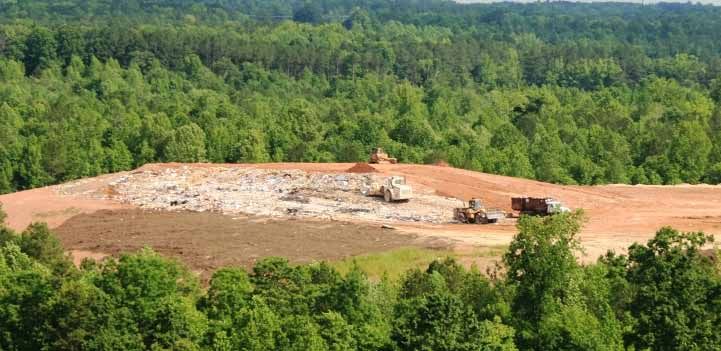
Wake County’s Solid Waste Management
Division provides waste disposal and
recycling services. The division manages
17 waste facilities, including a landfill, a
waste transfer station, eleven residential
waste and recycling convenience
centers, two household hazardous
waste drop-off facilities and two multi-
material recycling drop-off facilities.
The Solid Waste Management Division
also provides an array of outreach and
education programs, including the Feed
the Bin school recycling program and
86it Anti-Litter Campaign.

In 2014, the Solid Waste Management
Division landfilled over 400,000 tons
of garbage, recycled 30,000 tons of
materials collected at Convenience
Centers, generated enough energy
using landfill gas to power as many as
8,000 homes, and won two national
environmental protection and energy
awards.

This Waste & Recycling Information
Guide is a thorough introduction to
the programs and services provided by
the Solid Waste Management Division,
in addition to other useful waste and
recycling resources.
CONTENTS
 4 Waste & Recycling
   Options
    Use this table to identify which solid waste
    facility accepts which materials.

 6 Convenience Centers
    Learn more about Wake County’s eleven
    residential waste and recycling centers.

 8 Household  Hazardous
   Waste Facilities
    Wake County has two facilities to safely dispose
    of potentially hazardous materials from your
    home.

10 Multi-Material
   Recycling Facilities
    These facilities accept materials that can’t go in
    your curbside bin, such as electronics, motor oil,
    tires and more.

12 WASTE Disposal
   Facilities
    Learn more about the South Wake Landfill and
    East Wake Transfer Station.

14 Landfill Gas-to-Energy
    Learn how Wake County turns landfill gas into
    electricity.

16 Outreach
   Programs
             & Education
    Feed the Bin School Recycling, 86it Anti-Litter
    Campaign, landfill tours and more.

20 The Recycling Process
   in Wake County
    You’ve done your part, now learn what happens
    to your recyclables after they are collected.

22 The Journey of Trash in
   Wake County
    Learn what happens to your trash after you roll
    your cart to the curb.

24 North  Wake Landfill
   District Park
    Learn how the North Wake Landfill got a second
    life as a park.

26 Organic Waste
    Find resources on how to manage your food
    waste and yard waste.

28 Curbside Collection
    If you live in the city or town limits, curbside
    collection is provided by the local municipality.
WAKE COUNTY SOLID WASTE MANAGEMENT DIVISION
RECYCLING & DISPOSAL OPTIONS
AUTOMOTIVE ELECTRONICS GLASS HOUSEHOLD
Furniture & Up to 2 Mattresses
R = recycled
Any Corded Electronic Device
Child Car Seats & Strollers
Computers, Monitors, TV’s
Used Motor Oil & Filters
Re = reused
Fluorescent Tubes
Clothing & Shoes
CD’s, DVD’s, Tapes
Large Appliances
Ink Cartridges
Glass Bottles
Car Batteries
Cell Phones
D = disposed
Auto Fluids
Glass Jars
Batteries
Garbage
Carpet
Tires
Convenience Centers • Open to Wake County Residents Only • Hours: Daily, 7 a.m. - 7 p.m.
R R R R Re D D
Site 1: 10505 Old Stage Road
Raleigh 27603
R R Re D D
Site 2: 6025 Old Smithfield Road
Apex 27539
R R Re D D
Site 3: 266 Aviation Parkway
Morrisville 27560
R R R R Re D D
Site 4: 3600 Yates Mill Pond Road
Raleigh 27606
R R Re D D
Site 5: 8401 Battle Bridge Road
Raleigh 27610
R R Re D D
Site 6: 3913 Lillie Liles Road
Wake Forest 27587
R R Re D D
Site 7: 9024 Deponie Drive
Raleigh 27614
R R Re D D
Site 8: 2001 Durham Road (Hwy.98)
Wake Forest 27587
R R Re D D
Site 9: 3337 New Hill-Holleman Road
New Hill 27562
R R Re D D
Site 10: 5216 Knightdale-Eagle Rock Road
Knightdale 27545
R R R R R R R Re D D
Site 11: 5051 Wendell Boulevard (Bus. 64)
Wendell 27591
Household Hazardous Waste Facilities • Open to Wake County Residents Only • Hours: Monday - Saturday, 8 a.m. - 4 p.m.
R R R R
North Wake: 9037 Deponie Drive
Raleigh 27614
R R R R
South Wake: 6130 Old Smithfield Road
Apex 27502
Multi - Material Recycling Facilities • Open to Wake County Residents & Businesses • Hours: Monday - Saturday, 8 a.m. - 4 p.m.
R R R R Re R R R R R R R Re Re
North Wake: 9029 Deponie Drive
Raleigh 27614
R R R R Re R R R R R R R Re Re
South Wake: 6130 Old Smithfield Road
Apex 27502
Municipal Solid Waste Disposal Facilities • Open to Wake County Businesses • Hours: Monday - Saturday, 7 a.m. - 4 p.m.
D D
South Wake Landfill: 6300 Old Smithfield
Road, Apex 27502
D D
East Wake Transfer Station: 840
Corporation Parkway, Raleigh, NC 27610
4 WASTE & RECYCLING OPTIONS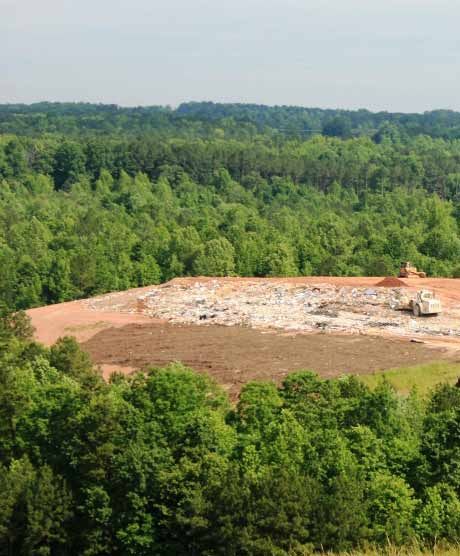
The following table displays the primary materials that are currently accepted at Wake County’s solid waste facilities. Please call ahead
(919-856-7400) or visit www.wakegov.com/recycling to confirm that the information provided is the most recent. Residents may utilize
Convenience Centers, Multi-Material Recycling Facilities and Household Hazardous Waste Facilities free of charge. Commercial businesses
may utilize the Multi-Material Recycling Facilities free of charge. Commercial businesses will be charged disposal fees at both the South
Wake Landfill and East Wake Transfer Station.
ITEMS HAZARDOUS WASTE METAL PAPER PLASTIC
Remodeling Construction Debris
Plastic Cartons & Containers
Juice, Milk & Soup Cartons
CFL’s/Energy Saving Bulbs
Magazines & Newspapers
Mercury Containing Items
Paperboard & Chipboard
Cards & Wrapping Paper
Pesticides & Containers
Paints, Stains, Lacquers
Aluminum Cans & Foil
Plastic Jugs & Bottles
Chemicals & Poisons
Household Cleaners
Plastic Caps & Lids
Tin & Steel Cans
Shredded Paper
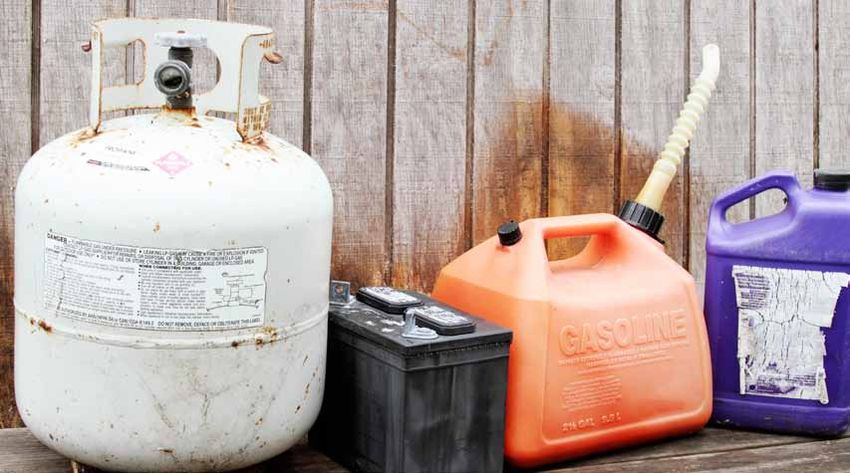
Propane Tanks
Oyster Shells
Phone Books
Mixed Paper
Scrap Metal
Cardboard
Books
Toys
R D R R R Re R R R R R R R R R R R
R D R R R Re R R R R R R R R R R R
R D R R R Re R R R R R R R R R R R
R D R R R Re R R R R R R R R R R R
R D R R R Re R R R R R R R R R R R
R D R R R Re R R R R R R R R R R R
R D R R R Re R R R R R R R R R R R
R D R R R Re R R R R R R R R R R R
R D R R R Re R R R R R R R R R R R
R D R R R Re R R R R R R R R R R R
R D R R R Re R R R R R R R R R R R
R R R R R R R
R R R R R R R
Re R R R Re R R R R R R R R R R R
Re R R R Re R R R R R R R R R R R
5 WASTE & RECYCLING OPTIONS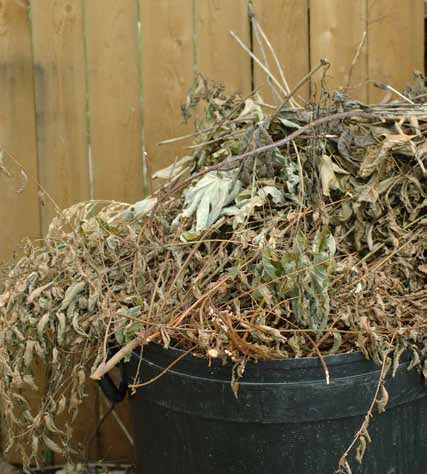
CONVENIENCE CENTERS
Convenience Centers are waste and recycling
drop-off facilities that are open to all Wake
County residents only. Residents may recycle
or dispose of waste, free of charge at any of the
11 locations located throughout Wake County.
Locations
 1   10505 Old Stage Road, Raleigh

 2   6025 Old Smithfield Road, Apex

 3   266 Aviation Parkway, Morrisville                    Convenience Center Site #7 at 9024 Deponie Drive off of Durant
                                                          Road in Raleigh.
 4   3600 Yates Mill Pond Road, Raleigh

 5   8401 Battle Bridge Road, Raleigh

 6   3913 Lillie Liles Road, Wake Forest                                                 8

 7   9024 Deponie Drive, Raleigh                                                                    6
 8   2001 Durham Road/Hwy. 98, Wake Forest                                              7

 9   3337 New Hill-Holleman Road, New Hill
                                                                   3                                             11
10   5216 Knightdale-Eagle Rock Road, Knightdale
                                                                                                    10
11   5051 Wendell Blvd./Business 64, Wendell
                                                                            4
                                                                                                5
Operational Hours                                              2
Open Daily: 7 a.m. to 7 p.m.                          9                          1
Open to Wake County residents only
Closed on Thanksgiving Day, Christmas Eve (at noon)
and Christmas Day.

6     CONVENIENCE CENTERS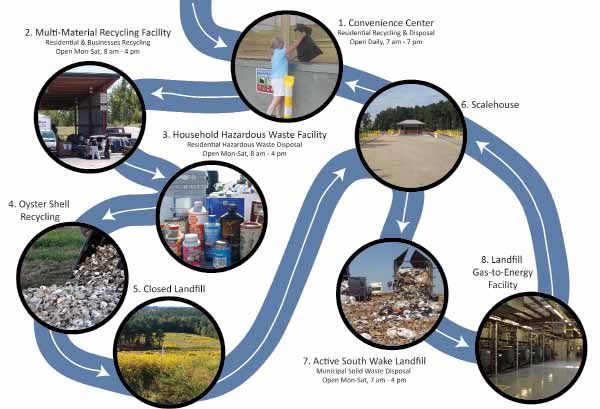
CONVENIENCE CENTERS
Acceptable items

Cardboard                       Clothing & Shoes               Construction                   Garbage
Corrugated Cardboard            Books                          waste                          Bulky Garbage (under 8 feet
                                                               (sites 1, 2, 4, 7, 11 ONLY)
                                Clothing                                                      long/wide)
                                                               Wood
                                Shoes                                                         Furniture
                                                               Drywall
                                                                                              Garbage
                                                               Shingles
                                                                                              Mattresses
                                                               Carpet

Electronics                     Mixed Recycling                Oyster Shells                  Scrap Metal
(sites 1, 4, 11 only)           Aluminum Cans & Foil           Oyster Shells                  Bicycles
Any Corded Electronic Device Cartons (Aseptic Containers)                                     Buckets
Computer Equipment           Glass Bottles & Jars                                             Frames
Game Consoles                   Magazines & Newspapers                                        Lawn Mowers (all oil & gas
Printers & Copiers              Metal, Steel & Tin Cans                                       removed)
Small Appliances                Mixed Paper                                                   Mixed Metals
Stereo, Audio, Video Players    Phone Books & Catalogs                                        Pipes
Televisions                     Paperboard & Chipboard                                        Sinks (not ceramic)
VCRs, DVDs, Tape Players        Plastic Bottles, Jugs &
                                Containers (caps ok)

unacceptable ITEMS
Business or commercial waste               Drums or tanks                             Liquid waste
Bricks, concrete and/or stone              Household hazardous waste                  Radioactive waste
Burning or smoldering material             Medical waste                              Sewage plant sludge
Dead animals                               Items larger than 8 feet                   Yard waste, stumps or logs

7    CONVENIENCE CENTERS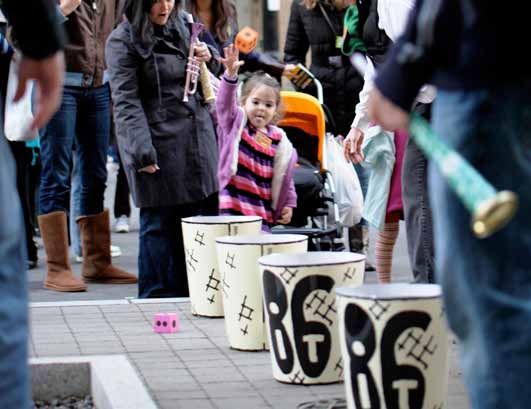
HOUSEHOLD HAZARDOUS WASTE
FACILITIES
Common household items may contain hazardous materials that should not be disposed of
in household garbage due to their harmful properties. Wake County residents only may drop
off such materials at a Household Hazardous Waste Facilities free of charge.

Locations
          North Wake Household Hazardous Waste Facility
 NW       9037 Deponie Drive, Raleigh

          South Wake Household Hazardous Waste Facility
    SW    6130 Old Smithfield Road, Apex

                                                           Paints are collected at the Household Hazardous Waste Facility.

                                 NW

            SW
                                                           Staff sort materials delivered to the Household Hazardous Waste
                                                           Facility.

Operational Hours
Open Monday - Saturday: 8 a.m. to 4 p.m.
Open to Wake County residents only
Closed Sundays, New Years Day, 4th of July, Thanksgiving
Day, Christmas Eve (at noon) and Christmas Day

                                                           Mercury containing elements are sorted at the Household
                                                           Hazardous Waste Facility.
8        HOUSEHOLD HAZARDOUS WASTE FACILITIES
HOUSEHOLD HAZARDOUS WASTE
                                           FACILITIES
Acceptable items
batteries                      chemicals                        Finishes                       Flammables
Alkaline                       Acids & Bases                    Lacquers                       Gas
Cell Phone                     Herbicides                       Paints                         Fuel Oil
Computer                       Household Cleaners               Polishes                       Lighter Fluid
Lead Acid/Vehicle              Photographic Chemicals           Stains                         Kerosene
Lithium                        Pesticides                       Thinners                       Propane Tanks
Power Tool                     Poisons                          Wood Preservatives
Rechargeable                   Solvents                         Mercury
Fire                           Fluorescent                      thermometers
extinguishers                  light bulbs

unacceptable ITEMS
Business or commercial waste                Hypodermic needles/syringes              Smoke detectors
Ammunition                                  Medical waste                            Garbage
Explosives/shock-sensitive items            Radioactive materials                    Unknown materials

9    HOUSEHOLD HAZARDOUS WASTE FACILITIES
MULTI-MATERIAL RECYCLING FACILITIES
Multi-Material Recycling Facilities are designed to accept recyclable materials that may not
be accepted curbside or at Convenience Centers. Businesses and residents may utilize either
of the Multi-Material Recycling Facilities free of charge.

Locations
       North Wake Multi-Material Recycling Facility                 NW
NW     9029 Deponie Drive, Raleigh

       South Wake Multi-Material Recycling Facility
 SW    6130 Old Smithfield Road, Apex

Operational Hours
                                                           SW
Open Monday - Saturday: 8 a.m. to 4 p.m.

Open to Wake County residents & businesses

Closed Sundays, New Years Day, 4th of July, Thanksgiving
Day, Christmas Eve (at noon) and Christmas Day.

10    MULTI-MATERIAL RECYCLING FACILITIES
MULTI-MATERIAL RECYCLING FACILITIES
Acceptable items
Disks & Tapes
rigid plastic
Antifreeze Plastic Baskets
Mixed Recycling Plastic Buckets
Aluminum Cans & Foil Plastic Crates
Cartons & Aseptics Plastic Garbage Cans
Glass Bottles & Jars Plastic Furniture
Magazines & Newspaper Plastic Recycling Bins
Electronics Metal, Steel & Tin Cans
Any Corded Electronic Device Mixed Paper
Computer Equipment Phone Books & Catalogs
Cardboard Game Consoles Paperboard & Chipboard
Printers & Copiers Plastic Bottles, Jugs &
Small Appliances Containers (caps ok)
Stereo, Audio, Video Players
Televisions
VCR, DVD & Tape Players
Scrap Metal
Cell Phones Bicycles
Buckets
Frames
Motor Oil Lawn Mowers
(all oil & gas removed)
Mixed Metals
Pipes
LARGE Appliances Sinks
Child Items Air Conditioners
Car Seats Dish Washers
Strollers Dryers
Toys Fridges & Freezers
Stoves & Ovens OIL Filters
Washing Machines
Water Heaters
Tires
Cooking oil
Wood Pallets
11 MULTI-MATERIAL RECYCLING FACILITIESWASTE DISPOSAL FACILITIES
South Wake Landfill
The South Wake Landfill, located between Apex and Holly Springs is the only active municipal
solid waste (MSW) landfill in Wake County. South Wake Landfill provides waste disposal for
Wake County residents and businesses. The landfill opened in 2008 and is expected to have a
disposal capacity of 30 plus years.
Location
South Wake Municipal Solid Waste Landfill
6300 Old Smithfield Road, Apex
Operational Hours
Open Monday - Saturday: 7 a.m. to 4 p.m.
Closed: Sundays, New Years Day, Memorial Day, 4th
of July, Labor Day, Thanksgiving Day, Christmas Eve
(at 1 p.m.) and Christmas Day
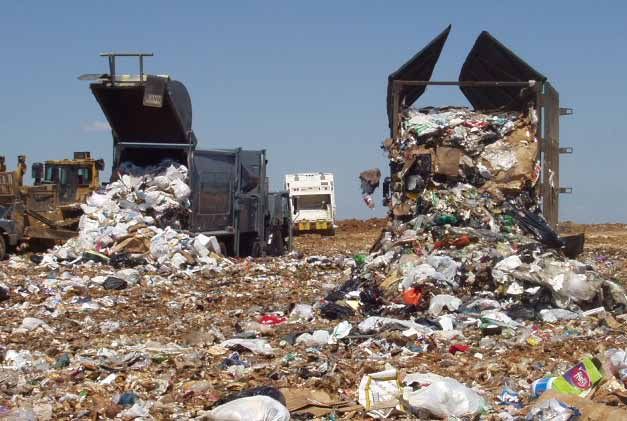
Acceptable items Garbage trucks unload waste at the South Wake Landfill.
South Wake Landfill is permitted to take municipal solid waste from Wake County sources only. MSW consists of general
household and business garbage and other non-hazardous wastes. South Wake Landfill receives about 150 garbage trucks
a day, which amounts to over 400,000 tons of garbage each year.
landfill Design
The South Wake Landfill is designed and engineered to protect public health and the environment. The South Wake
Landfill is built with a thick liner system designed to separate trash from the surrounding environment. The landfill gas
collection system extracts landfill gas and sends it to the Landfill Gas-to-Energy Facility located adjacent to the landfill.
Leachate, rainwater that percolates through the landfill, is collected through a series of pipes and is treated at Holly
Springs Water Reclamation Facility. At the end of each day, waste is covered to reduce odors, control litter and deter
scavengers.
Workers install a rain flap to manage stormwater. Leachate collection pipes are installed to collect rainwater that
percolates through the landfill.
12 WASTE DISPOSAL FACILITIESWASTE DISPOSAL FACILITIES
environmental
monitoring
South Wake Landfill is carefully monitored to safeguard the
environment and public health. The groundwater around the
landfill is routinely monitored through an extensive system
of wells to insure that the liner system is performing as
expected. The landfill also has an air permit issued by the
State that requires routine sampling of methane emissions.
Environmental monitoring of municipal solid waste landfills
continues long after the landfill closes. MSW landfills are
required by law to be monitored for an additional 30 years
post closure. A capped landfill gas collection monitoring well.
East Wake Transfer Station
Location
East Wake Transfer Station
840 Corporation Parkway, Raleigh
Operational Hours
Open Monday - Saturday: 6 a.m. to 3 p.m.
Closed: Sundays, New Years Day, 4th of July, Thanksgiving Day,
Christmas Eve (at noon) and Christmas Day
A garbage truck unloads waste at the East Wake
About Transfer Station.
East Wake Transfer Station is a waste consolidation station. Municipal solid waste collected from routes in the eastern
and northern parts of Wake County is unloaded and transferred into larger tractor trailer vehicles for transport to the
South Wake Landfill. By combining the loads of several smaller garbage trucks into a single tractor trailer, garbage
haulers can save time and costs associated with hauling garbage to the South Wake Landfill. Once garbage trucks
unload waste at the transfer station, loaders push waste into tractor trailers. Once the tractor trailer is full, it is
transported to the South Wake Landfill. In addition to saving time and money, the transfer station also reduces the
number of garbage trucks traveling to and from the landfill, which reduces their impact such as, carbon footprint,
and the amount of congestion near the landfill.
13 WASTE DISPOSAL FACILITIESLANDFILL GAS-TO-ENERGY FACILITY
Landfill Gas is a natural byproduct of the
decomposition of organic material in municipal
solid waste landfills. It contains approximately
50% methane and 50% carbon dioxide. Both gases
occur naturally in the environment in smaller
quantities, but landfills are the second largest
man-made source of methane in the United States.
Methane is a volatile and harmful greenhouse gas,
over 20 times more potent than carbon dioxide.
In greater concentrations, such as those produced
from municipal solid waste landfills, landfill gas
must be captured to prevent emission into the
environment.
Landfill gas collection well. Industrial blower. Blower and flare station. Landfill gas-to-energy facility.
At South Wake Landfill, gas collection wells have been The landfill Gas-to-Energy facility is owned and operated by
inserted into the landfill cells. The wells are then connected Ingenco. Once the gas enters the gas-to energy facility there
to a network of collection pipes that are connected to an are currently 18 refurbished diesel engines that have been
industrial blower. The gas blower creates a vacuum that converted to run off landfill gas. Diesel engines are used
slowly pulls the gas out of the landfill. From here the because they do not ignite the fuel, rather they compress it,
landfill gas is piped to a landfill gas-to-energy facility or it which makes the whole process much safer. The combined
is burned off at a flare station (if the gas-to-energy facility power produced by the diesel engines generates about
is experiencing lower demand). 4 megawatts of energy - enough to power 4,000 homes
at peak demand or 8,000 plus homes at low demand. As
the landfill fills with waste it will produce more gas. The
facility has the ability to produce up to 12 megawatts, or
enough energy to power up to 24,000 homes.
14 LANDFILL GAS-TO-ENERGY FACILITYLANDFILL GAS-TO-ENERGY FACILITY
Benefits
Prevents harmful greenhouse gases produced by
landfill sites from entering the atmosphere
Provides a local, renewable source to generate
electrical power
Reduces dependence on nuclear and fossil fuels to
produce power
Generates revenue for the County through the sale of
electricity
Creates jobs, and encourages economic
development
Refurbished diesel engines from tractor trailers
convert landfill gas into electricity.
Gas Collection Electric Grid
Gas Flare Exhausts
Wells
Collection
Line
Landfill Gas Blower Diesel Electric Transformer
Engines Generator
This system
Landfill gas is
directs the Electrical power is
extracted from Landfill gas is
collected gas to the sold to Duke Energy
landfills using a series converted to electrical
Landfill Gas-to-Energy and is used to power
of wells and a blower/ power using refurbished
Facility adjacent to homes and businesses
flare (or vacuum) diesel engines.
the South Wake in the area.
system.
Landfill.
15 LANDFILL GAS-TO-ENERGY FACILITYOUTREACH & EDUCATION PROGRAMS
SOLID WASTE OUTREACH & EDUCATION PROGRAMS
Wake County Solid Waste provides various an array presentations to community and school groups as well as
of outreach and educational programs to the public, participate in various events to promote waste reduction
including the 86it Anti-Litter Program, Feed the Bin School and recycling. Connect with us on Facebook www.facebook.
Recycling Program and more. Outreach staff also provide com/wakecountywasteandrecycling for more information.
Visit
our web
page to request a
presentation
Students participate in a Feed the Bin school Outreach staff conduct a recycling
recycling assembly. www.wakegov.com/recycling/outreach information session to local businesses.
or waste reduction
booth at your event.
A child plays trash toss at the 86it anti-litter campaign booth Wake County Solid Waste Management Division’s information
during a community event. booth at a community event.
To learn more about Wake County’s outreach and education programs visit
www.wakegov.com/recycling or like us on Facebook Wake County Waste & Recycling.
16 OUTREACH & EDUCATION PROGRAMSOUTREACH & EDUCATION PROGRAMS
86IT ANTI-LITTER CAMPAIGN
In 2008, the Wake County Board of Commissioners adopted a goal to address
the increasing roadside litter problem. The 86it Anti-litter Campaign was
launched in 2010 with strategies to emphasize the importance of citizen
participation by focusing on the positive action of throwing trash away instead
of shaming those who litter. Since then, 86it has been thriving by participating
in community events, organizing clean-ups, and providing
litter kit supplies to groups for the purpose of conducting
cleanup events in their respective communities.
The 86it Anti-Litter Campaign stands apart by engaging
citizens to be part of the solution, while emphasizing the
importance of personal responsibility in the reduction of litter
in our community. Stopping old litter habits is about starting
new positive behaviors, so 86it focuses on celebrating positive
behavior and the act of “86ing” litter.
Screenshot of the 86it.com webpage.
“86ables” (a litter bag, car magnet and 86it Litter Kits are customized for Local high school group that conducted a cleanup
sticker) are available by request via 86it.com individuals conducting litter cleanups. utilizing 86it litter kits.
Visit www.86IT.com to
Take the litter pledge
Check out a litter cleanup kit to
organize your own cleanup event
Request free litter bags
Volunteer at cleanup events
Screen shot from 86it commercial, featuring Carolina Hurricane defenseman
Justin Faulk. (visit https://www.youtube.com/user/Channel86it to view)
17 OUTREACH & EDUCATION PROGRAMSOUTREACH & EDUCATION PROGRAMS
FEED THE BIN SCHOOL
RECYCLING PROGRAM
FEED THE BIN is a county-sponsored paper recycling program
at Wake County Public Schools and public charter schools.
It also provides complimentary educational resources for
students and teachers. The program is offered to public
school students and is intended to reach the majority of
the Wake County population as students share information
regarding waste reduction and recycling with their families.
Since FEED THE BIN began in 2004, the program has proven
very successful in promoting recycling and reducing waste
at school sites and in educating students about solid waste
issues. Presently, 179 school participate in the program
with the addition of new schools each year. Each school is
recycling mixed paper that consists of: white and colored Students recycle paper at Wake County Public Schools.
paper, brochures, pamphlets, envelopes, file folders, junk
mail, letterhead, magazines and catalogs, newspaper, Environmental Education
notebook paper, posters, and sticky notes.
A large component that has made the program so
Service Learning successful is the education of students and school staff.
Each new school is required to have an interactive
The success of the FEED THE BIN program is attributed to assembly-style presentation for the first 3 years to firmly
the service learning component for students to be actively set expectations and develop good recycling habits among
engaged in the program. This creates a sense of teamwork both students, teachers, and staff. After the three year
and responsibility when students are given charge to guideline schools have the option to request a solid waste
move recyclables through the school. Many schools have educator visit the school. Many request education every
formed clubs and teams to collect the bins and hold year as a reminder for students and staff. Other education
contests and make announcements during the school day. activities that are provided at no-cost to the schools are:
Most importantly, this component is essential to teach
leadership, teamwork and problem-solving skills among • Teacher activity kits for classroom use
students.
• Recycling and solid waste teacher workshops
Since it began more than 12 million
pounds of paper have • Free hands-on lesson plans on recycling, landfills,
ED
FEH
been recycled through the T E composting, and plastics
FEED THE BIN program.
BIN
e d over
yc l Curriculum alignment document that connects all
Rec million per
•
The program has won presentations and activities to the state standards
several awards including 12 of pa
nds 4!
a national award from the pou ce 200 • Free landfill and recycling center field trips
American Forest and Paper sin
Association as the “Best • Free promotional incentive items for students and
School Recycling Program staff
in the U.S.” Additionally,
FEED THE BIN is a nationally
recognized school recycling
program, and is frequently Visit www.wakegov.com/recycling/recycle/ftb or contact the
used as best practice Feed the Bin Program Coordinator at feedthebin@wakegov.
for system-wide school com for more information.
recycling programs.
18 OUTREACH & EDUCATION PROGRAMSOUTREACH & EDUCATION PROGRAMS
SOUTH WAKE SOLID WASTE FACILITY TOURS
Wake County’s solid waste outreach staff provide public
landfill tours for residents to learn what happens to
their waste. The tour also provides participants with the
opportunity to learn where they can recycle additional
household items too large to collect at the curb, what
common household items are harmful to the environment
if placed in the garbage, where residents can dispose of
hazardous household items safely, and how Wake County is
leading the State in modern waste management practices by
recycling hazardous household items and turning household
garbage into a renewable energy source.
In addition to touring the South Wake Landfill, participants
will get to ride through a Multi-Material Recycling Drop- Landfill tour participants overlook the South Wake Landfill from the
off Facility, a Convenience Center, a Household Hazardous top of a closed landfill.
Waste Drop-off Facility, and a Landfill Gas-to-Energy Facility.
The tours take place at the South Wake Solid Waste Management Facilities,
6000 Old Smithfield Road, Apex.
Tours last approximately one hour and participants are required to ride in
a multi-passenger vehicle around the 700+ acre facility. Space on the tours
is limited and registration is required. To learn about the tours including
upcoming dates, visit www.wakegov.com/recycling/outreach.
Facility tour bus drives to the working
face of the South Wake Landfill.
South Wake Solid Waste Management Facility Tour Map Participants line up to get on the
facility tour bus.
19 OUTREACH & EDUCATION PROGRAMSRECYCLING IN WAKE COUNTY
Have you ever wondered what happens after you leave your
recycling at the curb or drop it off at a Convenience Center?
#1 Collection #1
Recyclable materials collected curbside or at
drop-off locations are transported to a materials
recovery facility, (or a MRF - pronounced
“murf”). A MRF is a specialized plant that
receives, separates and prepares recyclable
materials to be sold to manufacturers.
What
Happens
TO YOUR
RECYCLING?
#4 re-manufacturing
Once the processed materials arrive at
the manufacturer what happens next
depends on the material. Aluminum can
be used over and over again because
#4
it never breaks down or loses quality.
Aluminum can be used to make soda
cans, airplanes or bicycles. In fact, 75 per
cent of all the aluminum produced since
1888 is still in use today. Likewise, there
is no limit to the amount of times glass
is recycled. Recycled glass is primarily
used to make new containers. Plastics
can be recycled into new containers,
fabrics, plastic lumber or carpeting. In
fact, recycling just five 2-liter bottles can
produce a square yard of carpet. Paper
and cardboard can be made into paper,
packaging or tissue.
20 RECYCLING IN WAKE COUNTY5 Common
#2 Sorting
Recycling Myths
Recyclables are unloaded onto a conveyor belt in preparation for
sorting. The sequence by which each material is then sorted from
Debunked
the stream varies based on the design of the MRF, but the types of
sorting mechanisms used operate on the same principles. Steel cans Myth: A recycle symbol on the
are sorted using magnets and aluminum cans are sorted using eddy bottom of a plastic container
currents, which shoot the aluminum into a catch bin, plastic means it’s recyclable
bottles are sorted using optical eyes or laser sensors, which No. The recycling symbol represents the type of plastic the
can detect different densities of plastic material is made from, not that it is recyclable. There are
and trigger jets of air that push thousands of types of plastic products, made from a different
#2 the plastic into different catch recipe of chemical resins. Refer to your local municipality on
bins, paper and cardboard whether certain plastic containers can be recycled.
is separated using rotating
disc screens that push Myth: Plastic bottle caps should
cardboard over the be removed from the bottle
top and allow paper to before they are recycled
fall between the discs, No. Plastic bottle caps should be put back on the empty
and finally glass bottles bottle to ensure they get recycled. Removing them will
and jars are sorted using cause them to get lost in the material sorting machinery, and
gravity, as denser materials eventually disposed of.
such as glass will drop into
glass pits. Myth: If I think an item should
be recycled its ok to put it in
my recycling cart without
checking first
No. People may think they are helping by recycling more,
but in reality the presence of a significant amount of non-
recyclable items in a load may be rejected by the MRF and
ultimately thrown away. The right thing to do is to follow
instructions from your local municipality.
Myth: Items recycled in Wake
County are sent overseas
#3 Processing Maybe. The recyclables that Wake County collects are
Once sorted, materials are
#3 then baled by weight (usually
sent to local vendors, the majority of whom operate within
NC. However, the recycling industry is a global market.
one ton bails), and are ready Recyclables are a commodity driven by economics. Whether
for market. Where they are materials are used domestically or abroad is a function of
bought by re-processors market demand for specific materials.
and turned into new
products. Whether Myth: Pizza boxes cannot be
materials are reprocessed recycled
domestically or overseas No. Unsoiled pizza boxes without food or grease can be
depends on the market recycled as cardboard. Heavily soiled pizza boxes with grease
demand for specific and food debris cannot be recycled. Alternatively, heavily
materials. soiled pizza boxes can be composted in your backyard
compost bin (just remember to cut them up first).
21 RECYCLING IN WAKE COUNTYTHE JOURNEY OF TRASH IN WAKE COUNTY
Trash is a part of our daily life, we all make it. In Wake County, it begins with
1,000,000 people and ends with 410,000 tons of household garbage each year.
When we roll our trash cart Modern garbage trucks pick up the
to the curb on collection day trash and transport it to either
#1 that’s just the first step in a
long journey for our trash.
#2 the East Wake Transfer
Station or the South Wake
Landfill, depending on
where you live.
Bulldozers spread the trash out evenly and a large
compactor rolls over the waste several times to
minimize air and space between the trash in order
to achieve a high compaction rate. At the end of
#6
each day, the compacted trash is covered to minimize
odors, control litter and deter scavengers.
#7
Landfills are filled in sections. Once a section is full, it is capped
with a thick plastic liner that totally encapsulates the trash.
Another layer of soil is added and then special grasses are
planted to control erosion. Because of the anaerobic conditions
(no oxygen) waste decomposes very slowly. Trash will remain in #8
the landfill indefinitely.
22 JOURNEY OF TRASH IN WAKE COUNTYAt the East Wake Transfer Station trash is unloaded
from garbage trucks and reloaded into large tractor
trailers for transfer to the South Wake Landfill. By
combining the loads of several garbage trucks Tractor trailers from the East
#3 into a tractor trailer, it reduces the number Wake Transfer Station, as well as
of trips to and from the landfill, saving local garbage trucks bring trash
time, operating costs, and reducing our to the South Wake Landfill. Upon
carbon footprint. entering the landfill, all trucks are
weighed at the scale house.
#4
The trucks then drive up
to the working face of the
landfill and unload their
waste. As the trucks exit the
landfill they are weighed once #5
again at the scale house and
issued a weigh ticket for the tons Once the landfill reaches capacity, it is
of trash disposed. capped and monitored for a minimum
of 30 years. Landfills can have a second
life, like the North Wake Landfill in North
Raleigh that is now a park.
#9
Landfill gases are produced as the organic matter in the
landfill slowly decomposes. This process releases methane
and carbon dioxide gases that are captured throughout
the landfill by a vacuum system that transports it to the
landfill gas-to-energy facility located adjacent to the South
Wake Landfill. At this facility the landfill gas is converted to
electrical power that is used to power homes and businesses.
23 JOURNEY OF TRASH IN WAKE COUNTYNORTH WAKE LANDFILL DISTRICT PARK
The North Wake Landfill disposed of most Location
of Wake County’s household waste for more
North Wake Landfill District Park
than 20 years until the site reached capacity 9300 Deponie Drive, Raleigh
and closed in 2008. As disposal operations
ceased, it was apparent there was a good operational hours
opportunity to turn the site into a community Daily, 8 a.m. to dusk
asset, beneficial to all the areas inhabitants. Closed: Thanksgiving Day, Christmas Eve, Christmas
In 2004, a group of residents and Wake County staff formed Day and New Year’s Day
the North Wake Landfill Citizens Committee as part of the
post-closure planning process to seek ideas from local
residents as to how the site would ultimately be used after
the active landfill closed. The committee met monthly for
more than a year to assist the County in the development of
a post closure land use plan.
When the landfill closed in 2008, the first phase of the
multi-phase master plan started construction and in 2010,
the North Wake Landfill District Park opened. Another
phase of the land use plan also includes the development
of an elementary school, and an athletic and community
recreation complex. The Abbott’s Creek Elementary School
is currently under construction and is expected to open in
2015, as well as a City of Raleigh’s Abbott’s Creek Park and
Community Center.
North Wake Landfill District Park.
Photos courtesy of the Wake County Parks, Recreation and Open Space Natural Resources Inventory Database.
The North Wake Landfill District Park is home to a variety of local wildlife including a number of frog and toad
species, over 60 species of birds including, herons, hawks, kestrels, woodpeckers, blue jays, chickadees, nuthatches,
wrens, robins, mockingbirds, starlings, warblers, sparrows, cardinals, and finches to name but a few, as well as
species of possums, woodchucks, rabbits, squirrels, coyotes, raccoons, and deer! To search the Wake County’s
Natural Resource Inventory Database for a full list of critters that call the North Wake Landfill District Park home
visit wcnrid.wakegov.com/public.php
24 NORTH WAKE LANDFILL DISTRICT PARKNORTH WAKE LANDFILL DISTRICT PARK
park amenities:
Top of the Hill Trail (.07 mile) Sycamore Picnic Shelter and other
You can climb to the top of the hill (469 feet above sea picnic areas
level) and you will be rewarded with a nice view of the The shelter has 10 regular tables and 2 wheelchair
surrounding area including downtown Raleigh. accessible tables for seating up to 100 people.
Paved Trails (1.8 miles)
The paved walking trails connect all of the park amenities
and also include the popular Nance Spring Loop Trail,
which is 0.4 miles. The park’s paved trails also connect to
the City of Raleigh’s Falls River Greenway.
Hiking and Mountain Bike Trails (2
miles)
There are 2 miles of hiking and mountain bike trails.
Mountain Bike Skills Area
There is an area for those wishing to build their mountain
biking skills.
Northward view from the Top of the Hill Trail.
Playground and Open Play Area
The playground is unsupervised and includes a kid’s lot
(ages 5-12) and a tot lot (ages 2-5) features a climbing wall
and big climbing web.
Schematic of the North Wake Landfill District Park.
Playground at the North Wake Landfill District Park.
25 NORTH WAKE LANDFILL DISTRICT PARKORGANIC WASTE
Organic waste is anything that comes from plants or animals that is biodegradable. The most
common organic material in the waste stream is food waste and yard waste. According to
a 2011 waste characterization study, over 37% of Wake County’s waste stream consisted of
organic materials. Food waste accounted for 15% of the organic waste.
Food Waste
At 15% of the waste stream, food waste is one of the
largest single items going into Wake County’s landfill.
Food waste can be separated and processed into a
rich compost material for gardening, landscaping and
farming.
Residents can manage their own food waste at
home through composting. Additionally there are
some companies in the area that will provide front
door pick-up of food waste. Other options include
vermi-composting or backyard composting. For more
information about food waste management. visit www.
wakegov.com/recycling/recycle/Pages/organics.aspx
yard Waste
Yard waste is vegetative material such as grass clippings,
plant trimmings, leaves, pine straw, hay, pine cones, twigs,
weeds, brush, small logs, small tree branches and limbs,
shrubbery clippings, small stumps, and roots.
North Carolina state law prohibits yard waste from being
disposed of in municipal solid waste landfills. Therefore,
yard waste must be managed separately from household
garbage.
Many of the municipalities in Wake County offer curbside
collection of some types of yard waste. If you live within
the city or town limits, contact your municipality to get
more information about the collection schedule.
Another option is to haul yard waste to a privately owned land
clearing and inert debris (LCID) facility. For a list of facilities visit
www.wakegov.com/recycling/recycle/Pages/yardwaste.
aspx
26 ORGANIC WASTECURBSIDE WASTE COLLECTION
If you live within the city or town limits, your garbage, recycling and yard waste collection is
coordinated by the municipality. For more information about these services, please contact
your town/city.
Town of Apex Public Works Town of Rolesville Utilities
www.apexnc.org www.rolesvillenc.gov
919.362.8676 919.556.3506
Town of Cary Public Works Town of Wake Forest Public Works
www.townofcary.org www.wakeforestnc.gov
919.469.4090 919.435.9570
Town of Fuquay-Varina Public Works Town of Wendell Public Works
www.fuquay-varina.org www.townofwendell.com
919.753.1027 919.365.4822
Town of Garner Public Works Town of Zebulon Public Works
www.garnernc.gov www.townofzebulon.org
919.772.7600 919.269.5285
Town of Holly Springs Public Works
www.hollyspringsnc.us
919.552.5920
Town of Knightdale Public Works
www.knightdalenc.gov
919.217.2290
Town of Morrisville Public Works
www.townofmorrisville.org
919.463.7070
City of Raleigh Solid Waste Services
www.raleighnc.gov
919.996.6890
Residents that live in the unincorporated areas of Wake
County can contract with a private hauling company
to provide curbside trash and recycling services. To
locate a service provider search “trash service” in a
web browser.
27 CURBSIDE WASTE COLLECTIONWe hope you will use this guide as a reference.
If not, please share it with another or recycle it.
Solid Waste Management Division • PO Box 550 • Raleigh, NC 27602 • 919-856-7400 • www.wakegov.com/recyclingYou can also read


