WE COUNT TOO! - A toolkit to fi nd forgotten Nurses, VADs & other women who served during World War One - NI Archive
←
→
Page content transcription
If your browser does not render page correctly, please read the page content below
WE
  COUNT
  TOO!
  A toolkit to find forgotten Nurses,
  VADs & other women who served
  during World War One

  Featuring local case
  studies from Causeway
  area and key influencers
  on wartime nursing,
  orthopaedics & medicine.

A project supported by the European Union’s PEACE IV Programme, managed by the Special EU Programmes Body (SEUPB).
WE COUNT TOO!
By Roe Valley Ancestral Researchers

Edited by B. McNerlin MBE
© 2019 Causeway Coast and Glens Borough Council Museum Services. All rights
reserved. No part of this book may be reproduced without permission of Causeway
Coast and Glens Borough Council Museum Services and the individual authors.

Printed in Northern Ireland

ISBN 978-1-9161494-5-8

Design by Colin the Designer

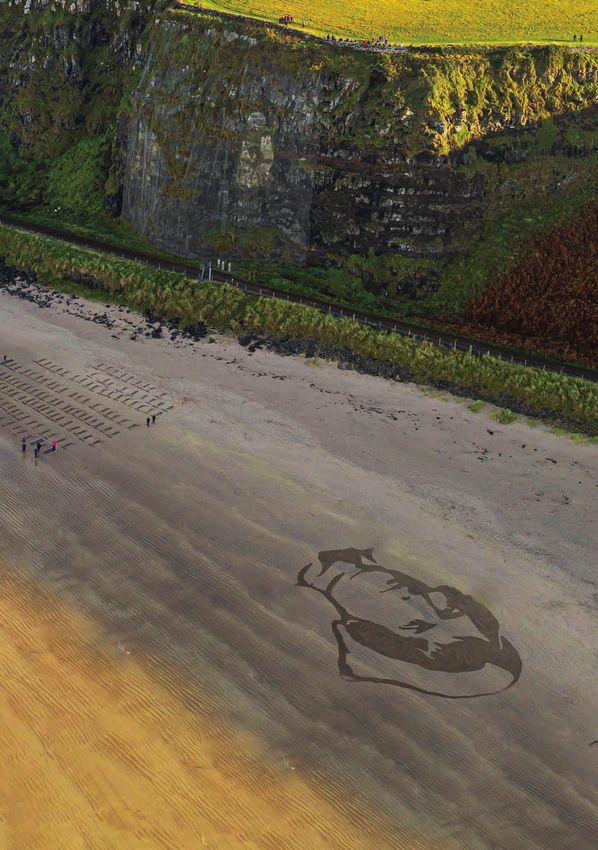
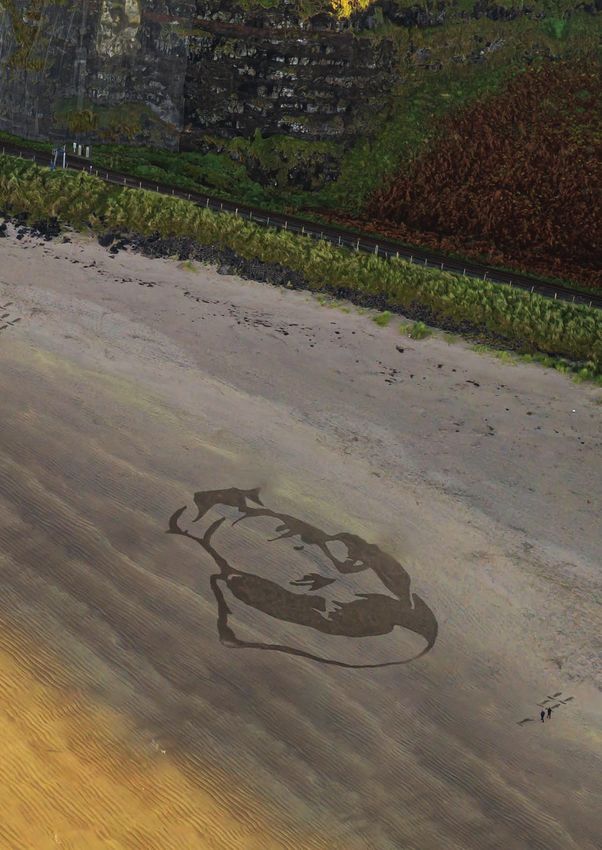
Image used on front and back cover was taken at the Downhill ‘Pages of the Sea’ event on
11th November 2018 as part of the UK wide initiative led by Danny Boyle, to mark 100
years since Armistice and the end of the First World War. Courtesy of Aerial Vision NI.

This book was produced with the generous financial support of the Special EU
Programmes Body as part of the European Union’s PEACEIV Programme.
Contents
Contents

                                                                                                                                                                            Contents
           Contents ..................................................... 4                Chapter Five – Women’s War Effort
                                                                                           At Home ................................................... 49
           Acknowledgements ..................................... 6                        Catherine A S Trench ................................................ 50
                                                                                           May Traill ................................................................ 54
           Dedication .................................................. 7
                                                                                           Lady May Bradford ................................................... 56

           Foreword .................................................... 8                 Great Influencers on Modern War Nursing

           Preface ....................................................... 9               Chapter Six – Florence Nightingale ............ 59

           Introduction .............................................. 10                  Chapter Seven – Mary Jane Seacole .......... 69

           Chapter One – The Search For a Roe Valley
                                                                                           Chapter Eight – Anne Acheson .................. 77
           Nurse Awarded the Military Medal (MM) .... 11

           Chapter Two – Toolkit -                                                         Chapter Nine – Agnes Jones ...................... 85
           Finding Your Nurse .................................... 17
           Searchable Websites ................................................ 18         Postscript ................................................. 91
           Further Information Available ..................................... 23

                                                                                           Appendix One – List of local VADs
           Chapter Three – Courageous Women ......... 27
                                                                                           – Co Londonderry ...................................... 92
           Casualties ............................................................... 31
           Military Medals Awarded 1918 .................................. 33
                                                                                           Appendix Two – Visit by Florence
           Nurses’ Diaries ........................................................ 34
                                                                                           Nightingale to Magee .............................. 105

           Chapter Four – Womens’ War Effort ........... 35
           Dr Louise McIlroy ..................................................... 36      Appendix Three – Bibliography ................. 106
           Nurse Rachel Ferguson ............................................. 38          Bibliography .......................................................... 106
           Miss Emily Mary Hezlet ............................................. 40         Other Sources ....................................................... 106
           Nurse Laura Gailey ................................................... 43       Free Learning Resources for
           Sister Molly McGinnis ............................................... 46        Young People and Adults ......................................... 107

 4                                                                                                                                                                            5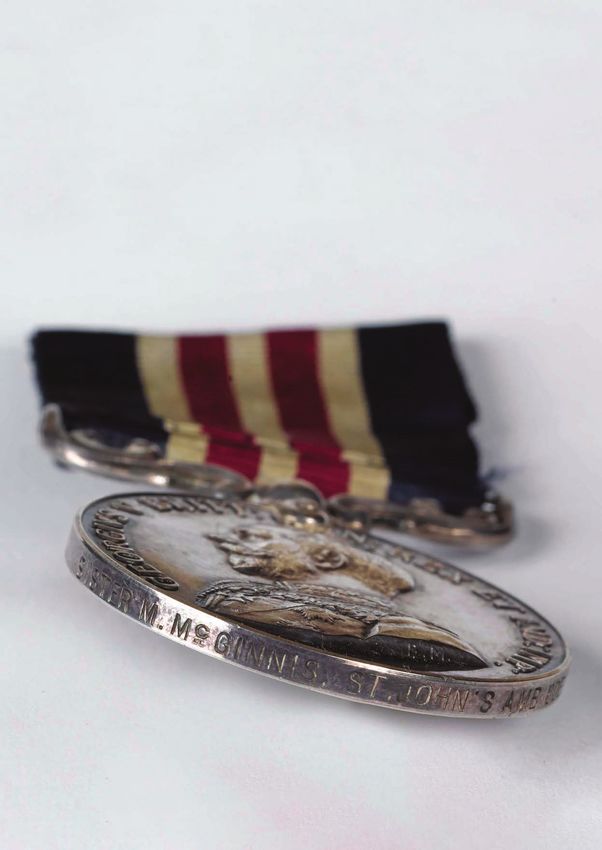
Acknowledgements                                                                           Dedication
Acknowledgements

                                                                                                                                                                                                       Dedication
                   In compiling this publication there are several people, Government Departments,            This book is dedicated to all the women who served and supported those who went to the
                   Individuals, Societies and Associations without whom it would not have been possible to    Great War (1914-1918), both at home and abroad.
                   have completed the research and permissions required to go to print.
                                                                                                              Also to four of the most important influencers of the 50 years previously who set the
                   The following is a list of those we wish to thank, whose help, expertise, assistance and   standards and the pathways for modern nursing and medical care.
                   financial support are truly valued and appreciated:

                   ` PEACE IV and The Special EU Programmes Body

                   ` Causeway Coast & Glens Borough Council Museum Services

                   ` St John Ambulance Museum, Clerkenwell, London

                   ` Public Record Office of Northern Ireland

                   ` Imperial War Museum

                   ` The Red Cross Society

                   ` Isabel Apsley, St John Ambulance, Inver Museum, Larne

                   ` Commonwealth War Graves Commission

                   ` Nigel McFarland, Aerial Vision NI

                   ` Patrick Deeny, Senior Lecturer, School of Nursing, Magee

                   ` Michael Kelly, Liverpool

                   ` Margaret Edgar

                   ` Ann Moore, Fahan

                   ` Nina McNeary

                   ` David Weir, Armagh, Banbridge and Craigavon Borough Council.

                   ` Peter Wood, Swindon

                   ` Karen Humpage

                   ` Hannah McEwen (daughter of Sue Light – Scarletfinders)

                   ` Friends of the Somme, Mid Ulster Branch, Cookstown War Dead Book WW1

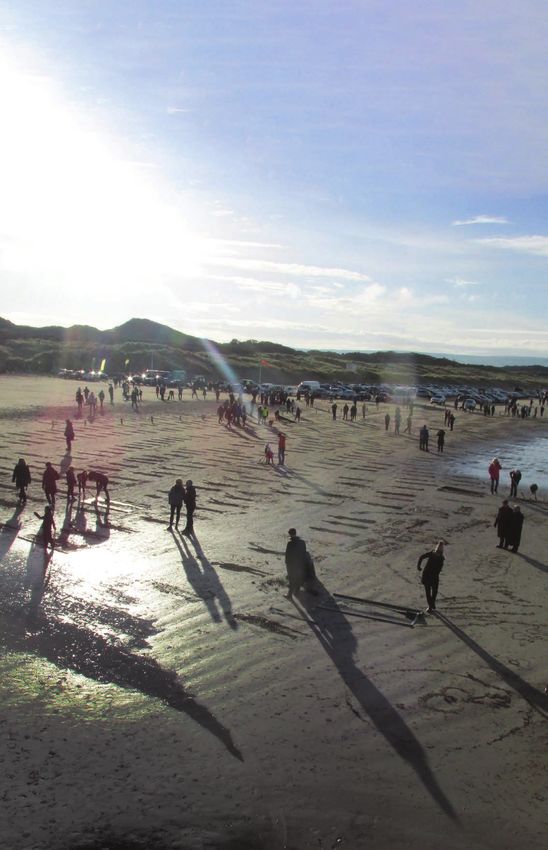
                   If anyone has been omitted, forgive us, but please know that your assistance was           Image taken at the Downhill ‘Pages of the Sea’ event on 11th November 2018 as
                   deeply appreciated.                                                                        part of the UK wide initiative led by Danny Boyle, to mark 100 years since Armistice
                                                                                                              and the end of the First World War.
                                                                                                              Courtesy of RVAR.

   6                                                                                                                                                                                                     7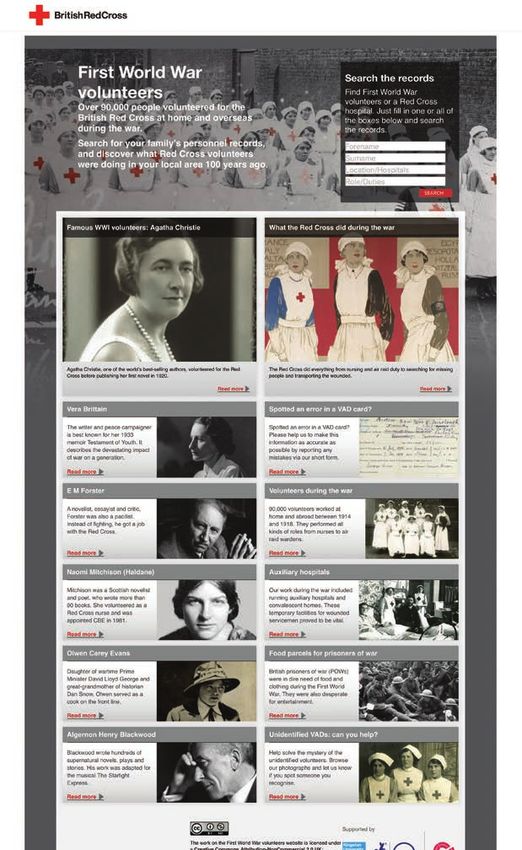
Foreword                                                                                       Preface
Foreword

                                                                                                                                                                                                        Preface
           It is with great pleasure that I introduce this book “We Count Too!, another positive result   By Chair Robert Guthrie
           of the hugely popular and successful “Understanding Our Area” Peace IV Programme.
           The book shines a light on the involvement of women, with a specific focus on nurses,
                                                                                                          Welcome to the first major publication by the Roe Valley Ancestral Researchers (RVAR).
           during World War One, which in many cases is an area that is all too often overlooked
           sometimes sadly forgotten. The book compiles in great detail and with lovely consideration
           these women, their backgrounds and their journey through a World War that changed the          I am one of the first chairpersons for the RVAR. The Association was formed in September
           political landscape of Europe over a hundred years ago.                                        2016, after two years as a small informal history group based in Ballykelly village.

           Some of the prominent women featured in the book are local to the Borough, so I would          Our Aims are
           encourage you to pick up a copy and join them on their journey, to learn more about some
           of the local women who left these shores over 100 years ago to care for others in new and      ` to collect and document records, stories and histories of local people around the Roe
           unfamiliar territories in Wartime Europe.                                                        Valley area and its environs;
                                                                                                          ` to put together a database of graveyards and headstones within burial sites of the Roe
           I would like to congratulate Roe Valley Ancestral Researchers and Causeway Coast and
           Glens Borough Council Museum Service for this excellent toolkit and the depth and breadth        Valley;
           of research that has gone into the publication of this book. We hope that individuals from     ` to record for posterity the socio-economic profile of the Roe Valley area as far as we
           far and wide will take guidance and learning for their own journeys.                             can.

           Dermot Nicholl                                                                                 We have many combined years of professional experience within the Association, to help
                                                                                                          and direct those who are researching their family histories. The Association is a member
           Chair - Peace IV Partnership
                                                                                                          of The Federation for Ulster Local Studies, and a non-profit organisation registered with
                                                                                                          the Charity Commission NI, and recently registered with Companies House as a Company
                                                                                                          Limited by Guarantee.

                                                                                                           The publication idea came out of research commenced on the Heritage Lottery Fund project
                                                                                                          “1914-1916: “On The Brink” with Causeway and Mid Antrim Museum Services and visits
                                                                                                           and outings within the Province of Ulster. Our committee members have backgrounds
                                                                                                           that include training, research, ICT, Civil Service, nursing/medical and senior management
                                                                                                           in government departments. We therefore came to a consensus that each member of
                                                                                                           the committee would choose a woman whom they felt had contributed to the war effort
                                                                                                           1914-18 to be their prime area of research and to write a chapter for that “Forgotten
                                                                                                           Woman”, to honour those who had served both at home and abroad. Ultimately, what
                                                                                                           happened was that four “Influencers” would also be included and brought once again
                                                                                                           to the forefront, as they were the women who set the first standards for nursing, care,
                                                                                                           and medical support services. Those who served, whether as civilians or military, paid or
                                                                                                           unpaid, carried the flag forward in the conflict of World War One, for the formal baseline
                                                                                                           setup of modern career nursing and medical care.

                                                                                                          We are working presently with the Causeway Coast & Glens Borough Council Museums
                                                                                                          Service under PEACE IV Understanding our Area. On behalf of RVAR, I wish to thank PEACE
                                                                                                          IV for funding the publication of this book.

                                                                                                          For additional information please visit http://www.rascahan.org

 8                                                                                                                                                                                                       9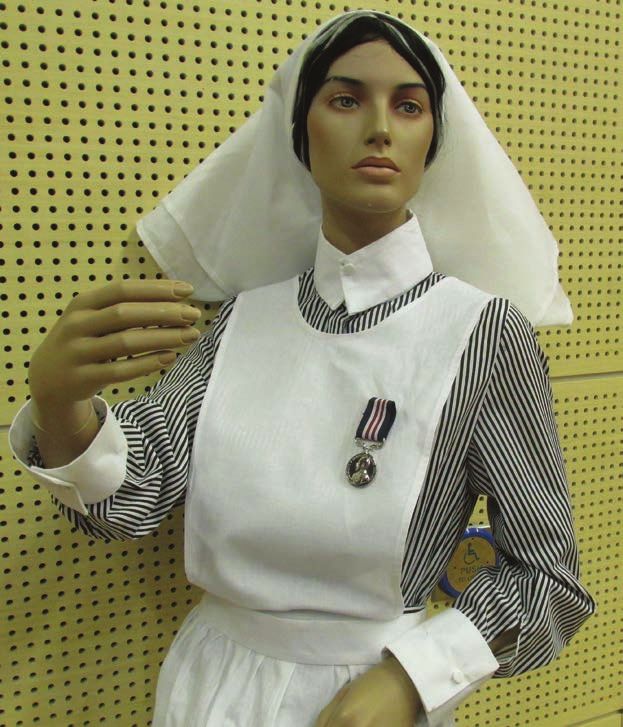
Introduction                                                                                     CHAPTER ONE
Introduction

               By Robert Peacocke
               This publication is mainly concerned with the sometimes forgotten women who made a               The Search For a Roe Valley
                                                                                                                Nurse Awarded the Military
               difference in the times of conflict of the Great War. This was a time when most men firmly
               believed that a woman’s place was in the home, although the cause of woman’s suffrage
               was very much on people’s minds.

               At the outbreak of the Great War, Ireland was in a state of conflict over the subject of Home
                                                                                                                Medal (MM)
               Rule. There were two opposing traditions; on one side were the anti-Home Rulers under
                                                                                                                By Betty McNerlin MBE
               the leadership of Edward Carson and on the other side were the pro-Home Rulers under
               the leadership of John Redmond. Both sides had begun to arm themselves and a bloody
               civil conflict was on the horizon. When world events started to unravel and the conflict
               began, young men from both traditions, many of whom had never been out of Ireland
               before, volunteered to go and fight the common foe. There was never any conscription
               on the island of Ireland during World War One. These brave young men went off to war, in
               1914, many thinking that they would be victorious and home for Christmas. Little did they
               know of the terrible slaughter that would be the fate of so many, as The Great War went
               on for four dreadful years.

               Those of the Unionist tradition hoped that by showing their loyalty to King and country
               the Home Rule Bill would be overturned in the parliament and those of the Nationalist
               tradition hoped that by joining the fight against the German foe it would strengthen their
               case for Home Rule. This led to the formation of two distinct divisions within the British
               Army. The mainly Unionist, 36th (Ulster) Division and the mainly Nationalist 16th (Irish)
               Division may have joined up for different reasons, but they fought and died together in
               massive numbers, in some of the worst battles of the Great War. Their very lives depended
               on each other and on the many exceptionally brave women from Ireland who were nurses,
               doctors and those working in other essential services behind the front lines. Many women
               from the island of Ireland went to the battlefronts and saved the lives of thousands of
               those who were wounded or gassed.

               Those young nurses were supported by their sisters on the home front, as many of them
               had joined the Voluntary Aid Societies of the Red Cross and St. John Ambulance, in order
               to do all they could to help the war effort. Whether that was gathering sphagnum moss
               from the bogs of their native land to use as battle dressings or knitting socks for their poor
               menfolk in the waterlogged trenches. They too had an important role to play. Many women
               also took on the roles and jobs that their brothers and fathers had played before heading
               off to the war. This gave them an important boost in their quest for votes for women.

               I hope you enjoy reading about these wonderful women and can gain a better understanding
               of the important role that their efforts played in one of the most disastrous periods of         Military Medal awarded to Molly Maginnis 1918.
               world history.                                                                                   By kind permission of R. Henderson. Courtesy of Causeway Coast and Glens Borough Council.

10
There were two searches for Molly McGinnis; one being a personal journey by her                   This was early 2016 and I had been involved from May 2014 with a project called “On The
The Search For a Roe Valley Nurse Awarded the Military Medal (MM)

                                                                                                                                                                                                                                                                     The Search For a Roe Valley Nurse Awarded the Military Medal (MM)
                                                                    great-niece from Derry/Londonderry and one by the author of this particular chapter –             Brink, The Politics of Conflict 1914-1916”, which was a three-year heritage-based project
                                                                    myself, Betty McNerlin. This publication forms part of a project with Roe Valley Ancestral        run by Council’s Museum Services, exploring with local communities, the local connections
                                                                    Researchers (RVAR), an association of volunteers actively interested in and researching           with the impact and legacy of World War One. I was a volunteer researcher with a small
                                                                    local history, people and events relevant to the Roe Valley area in the North West of             history group in Ballykelly (later to become RVAR) at Ceres House and found myself deeply
                                                                    Northern Ireland, encompassing Ballykelly & Limavady, betwixt and between the City of             interested in the role of women in World War One, especially the emerging nursing profession
                                                                    Derry/Londonderry and the town of Coleraine along the North Coast.                                (two of my sisters are nurses). Our group met once a month and researched local people
                                                                                                                                                                      who would today be called ‘heroes’.
                                                                    Little did I know that my search had started some years before 2016 via a website
                                                                    called Rootschat around the year 2010 with a single query from America asking for                 Part of the project research was also to develop a local tour based on World War One heroes
                                                                    details of a relative who had been a nurse in the Great War and had been awarded a                and heroines. I decided to concentrate on three women in the Causeway Coast & Glens
                                                                    medal for bravery. Just a one-off query but it appeared in a forum I was engaged in at            Borough Council area because all three of the women had been recognised for their service
                                                                    the time and obviously my location of Limavady was something that prompted the writer             and/or bravery in World War One and had been honoured with civilian medals. They were:
                                                                    to pose the question. Until then I had never heard of Molly McGinnis.

                                                                    Let’s give the lady her proper name - Mary Agnes McGinnis. She was called Molly by her               Sister Molly                  Catherine Anne                      Dr Louise McIlroy
                                                                    family and it is Molly McGinnis that is written on the rim of her medal.                             McGinnis (MM)                 Swetenham                           (Born Loughguile)
                                                                    Her citation, as I later discovered, was published in the London Gazette and the Edinburgh                                         Trench MBE                          OBE
                                                                    Gazette, August 2, 1918 as follows:

                                                                    Sister Molly McGinnis, St John Ambulance Brigade Hospital. For gallantry and
                                                                    devotion to duty during an enemy air raid. She showed great courage, took charge
                                                                    of a ward, and sustained her patients.

                                                                    Coleraine Chronicle on July 2nd 1918 published the following as part of their Limavady
                                                                    District Notes:

                                                                       NURSE WINS MEDAL
                                                                       ‘The Military Medal has been awarded to Sister McGinnis for conspicuous
                                                                        bravery and devotion to duty during attacks by Germans on a St John
                                                                        Ambulance Brigade Hospital from May 19th to Jun 1st. Miss McGinnis was                           Sister Molly McGinnis         Catherine Anne                      Dr Louise McIlroy (Born
                                                                        on the staff of the City of Dublin Nursing Institution before joining the Red                    (MM) (born in Carrichue       Swetenham Trench MBE                Loughguile) for her
                                                                        Cross at the outbreak of war, and has served over three years in France. She                     Ballykelly) for bravery       (born Limavady) for her             work with The Scottish
                                                                        is a daughter of the late Mr McGinnis, Carrichue, Co Derry, and sister of Dr                     in the field in Etaples,      work with Red Cross                 Women’s Hospitals
                                                                        McGinnis, Chesterfield.’                                                                         France.                       parcels in Londonderry              during World War One.
                                                                                                                                                                         Courtesy of R Henderson.      and Limavady.                       Courtesy of
                                                                                                                                                                                                       Courtesy of a private collection.   Glasgow City Archives.
                                                                    With thanks to Limavady Historian Alistair Harper (Limavady) 01 Sept 2016 for this information.

                                                                    Unfortunately there were three family members who were also called ‘Molly’ and another
                                                                    nurse in Canada with the same name of Molly McGinnis (Mary Geraldine and her father               One of our researchers, Monica Doherty, had left a monthly group meeting in mid-2016
                                                                    also Patrick) who had some service in World War One but who died at home of flu.                  and with a throw-away comment as she went out the door said “Just saw on BBC TV, a
                                                                    On this discovery, I thought my search had ended prematurely, and gave it no further              wee community note about a nurse in Faughanvale who won a medal for bravery …
                                                                    thought – story put on the back burner.                                                           think her name was McGinnis …”.

12                                                                                                                                                                                                                                                                   13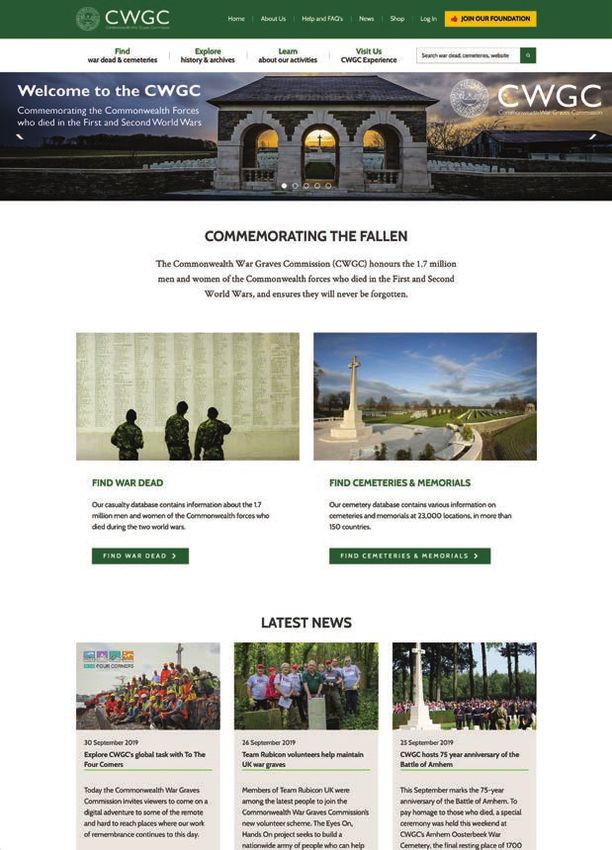
The BBC were broadcasting ‘World War One At Home’ – the final local stories from a “I have something in my hand that you might be
The Search For a Roe Valley Nurse Awarded the Military Medal (MM)
The Search For a Roe Valley Nurse Awarded the Military Medal (MM)
global conflict to be broadcast on BBC local radio stations from Saturday 25th June. All interested in it”, she said, “It’s a medal”.
the final World War One at Home stories and many more are available online through the Surely not – I thought! But yes!!
BBC website. “It’s Molly’s medal – can I bring it up to Ballykelly to
show it to you?” An hour’s conversation ensued and no
That re-started my search for Molly McGinnis. I remembered Rootschat and sent an email sleep happened that night!
to her relative in America.
Molly’s great-neice duly arrived at Ceres House in Ballykelly
On 13th September 2016 I received an answer, which read: with two bags of family photos, research on the medal
already completed and a willingness to share her great-
aunt’s story. The medal itself was in its original box and
“Dear Betty, was exhibited to the group.
I was very pleased to receive your message this morning. Molly McGinnis was
my great aunt, sister of my grandfather Patrick McGinnis. Since my grandfather
Where is Molly buried?
died when my mother was young, I have few details of my McGinnis history.
RVAR figured out it had to be the Hallow Chapel (St Finlough’s,
However, I did know of Aunt Molly’s service and that she was awarded the
in the Parish of St Mary’s Limavady). The graveyard is at 20
Victoria Cross (I believe) for bravery and I do have a photo of her with a medal
Loughermore Road, but whilst the present address may be Military Medal awarded
pinned to her dress. I actually met her in 1958 when I was in Ireland for a
Loughermore, ever since postcodes were allocated, and whilst to Molly McGinnis lent to
brief visit with my mother. I was also in touch with her a few years later and
she sent me a few details of the family history. I would be delighted to have there is consensus also that some local people relate to the PEACEIV Understanding
any information or details about her war record and I do so appreciate your chapel being in Faughanvale - the true address of the Chapel Our Area ‘1918 - Local
contacting me.” and its graveyard is Ballykelly, within the Parish of St Mary’s Voices’ exhibition, by
Limavady. Sure enough, when we went there with her great- kind permission of R.
niece, she walked straight to the grave, the McGinnis plot. No Henderson.
mention of Molly on the headstone however, but checking
Well, well – another ‘push’ from Molly? Who knows? Certainly, the story gained momentum Courtesy of
with her great-uncle Patrick, he confirmed that this was the
and I asked more questions on Rootschat but no birth or death certificate information was Causeway Coast and
last resting place of Sister Molly McGinnis MM. Glens Borough Council.
forthcoming from that direction either. I had to be sure I had the right local woman – she
was hard to verify!
On 18th January 2017, RVAR was formally launched at Limavady Library and part of the
opening was putting on show Molly’s medal and giving local people a summary of her story, with
Time to recruit local helpers. The history group had evolved into a formal association in
the few pieces of historical evidence we had been able to put together. Molly was apparently
September 2016 and Roe Valley Ancestral Researchers was born. The new Secretary
known in the family as an inveterate photographer but her collection of wartime photos may
Matthew Ferguson was heavily involved with documenting and digitising gravestones in
the area. I posed the question – “Where is Molly McGinnis buried?” have been lost to us in a house clearance.
Matthew had gravestone photos of most local churches and chapels and he searched but Molly’s story was also delivered as a mini-lecture in May 2018 at the Roe Valley Arts &
could not find a headstone with Molly’s name on it. Further investigation suggested that Cultural Centre Limavady. The advertising in the Causeway Coast and Glens Borough Council’s
Molly was buried in “Creggan” – this could have been either Faughanvale, Star of the Sea Museum Services Whats On Guide April - August 2018, read:
or City Cemetery in the Creggan. Nothing was found. Plenty of McGinnis family members
but not the Molly I needed to see.
‘Among the Great War tragedies, battles and deaths there rose a flurry of
On 20th September, I represented Northern Ireland (UK) at a Storytelling Conference in white wings - the nursing sisters’ caps and veils. Sister Molly McGinnis MM.
Helsinki and went to bed hoping for a few hours of sleep prior to an early departure for the from Faughanvale, is one of those unknown stories local to the Ballykelly
airport the next morning. I got a phone call at midnight. The voice on the other end said, / Greysteel area. This talk by the Roe Valley Ancestral Researchers (RVAR)
“I believe you might be looking for me?” details their search for Molly and the story of courageous service while
volunteering in military hospitals in Etaples, France. The Search for Molly by
“Oh yes?” I queried, “And you are?” Roe Valley Ancestral Researchers is part of the PEACE IV Understanding Our
“I am the great-niece of Molly McGinnis, I live in the Creggan, Derry” she said. Area Programme.’
There was a pause.
14 15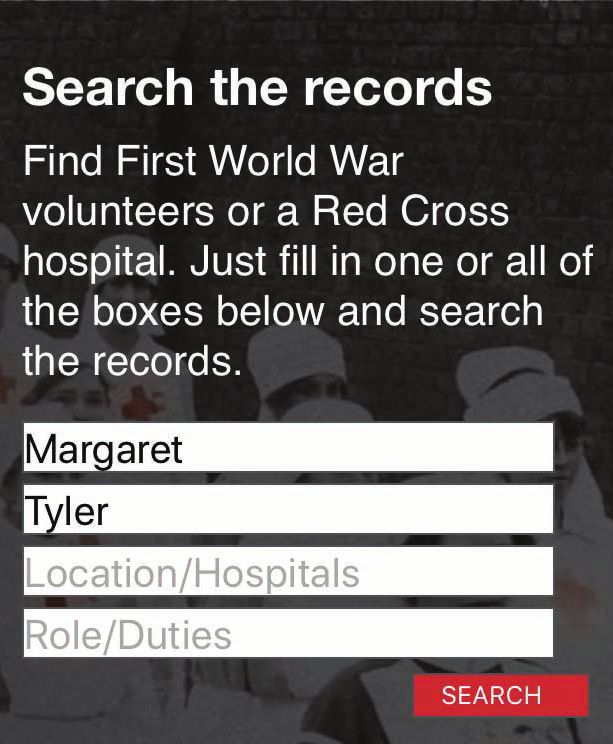
Subsequently, the story of Sister Molly McGinnis (MM) as a nurse featured in PEACEIV
The Search For a Roe Valley Nurse Awarded the Military Medal (MM)
Understanding Our Area ‘1918 - Local Voices’ exhibition by Museum Services, in
Ballymoney and Limavady November 2018 - March 2019.
‘Finding Molly’ talk
31st May 2018 Joanne
Honeyford (left - PEACEIV
Understanding Our Area
Project Officer) with
members of RVAR at the
talk in Limavady.
Courtesy of RVAR.
RVAR members
introducing Mary
McMahon to the project.
Mary spent 37 years as a
St John Ambulance trainer
in London before settling
into her retirement in
Limavady.
Courtesy of RVAR.
“Those beautiful white
veils and cuffs had to
be washed and starched
every night, fresh for the
next day’s work! The
Ministry of Defence did
not provide uniforms for
civilian nurses/VADs and
there were many varieties
of dress depending on the
sponsor and the ability
CHAPTER TWO
of each volunteer to find
‘appropriate’ apparel in the
early years of the war”
B.McNerlin. 2019
Toolkit - Finding Your Nurse
Replica of typical
Voluntary Aid Detachment Searching online for nurses and auxiliaries who volunteered
(VAD) Nurse’s uniform during World War One 1914-18
made by R Henderson.
Courtesy of RVAR. By Betty McNerlin MBE
16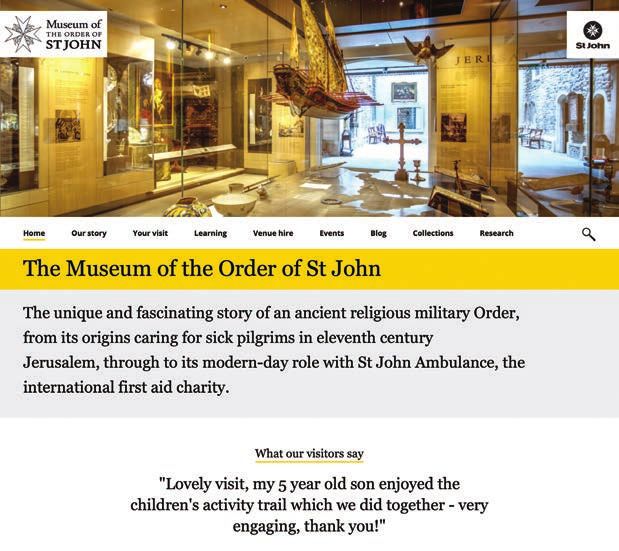
Searchable Websites
                                                                                                                            When this screen appears you can then
Toolkit - Finding Your Nurse

                                                                                                                                                                           Toolkit - Finding Your Nurse
                                                                                                                            enter the name of the nurse you think may
                                                                                                                            have served as a VAD during World War One.

                                What websites can help your search?                                                         In the example below Margaret Tyler was the
                                                                                                                            name that was entered into the search box
                                Most nurses in World War One were either fully qualified nurses or VADs. “VAD”              to see if there was any information about
                                stands for Voluntary Aid Detachment which was a voluntary unit of civilians that            her as a VAD nurse from the Limavady area.
                                provided nursing care for military personnel.
                                                                                                                            Results list for
                                The first thing that you need to do when it comes to searching for nurses and VADs
                                that volunteered during World War One, is to identify which websites are free to
                                                                                                                            Margaret Tyler
                                search for information on both military nurses and civilian volunteers.
                                                                                                                            The first record that appears is a Miss
                                                                                                                            Margaret M Tyler from Co Londonderry
                                                                                                                            which was the main aim of the research -
                                                                                                                            find local Limavady nurses that volunteered
                                                                                                                            during World War One. When you click into
                                                                                                                            her profile it brings you up the information
                                                                                                                            shown below.

                                                                                          British Red
                                                                                          Cross
                                                                                         The most popular website
                                                                                         that is used to search for
                                                                                         these types of nurses who
                                                                                         volunteered in World War
                                                                                         One is the British Red Cross.

                                                                                         To find out the information
                                                                                         on the British Red Cross go
                                                                                         to: https://vad.redcross.
                                                                                         org.uk/

                                                                                          When you click on the
                                                                                          above link it should bring
                                                                                          up a screen like that shown
                                                                                          here.

                                                                                          British Red Cross
                                                                                          Home Screen
                                                                                          Please note that all screen
                                                                                          shots from the British Red
                                                                                          Cross Society website have
                                                                                          been reproduced with their kind
                                                                                          permission.

18                                                                                                                                                                         19
Margaret M Tyler VAD Card Public Records
Toolkit - Finding Your Nurse
Toolkit - Finding Your Nurse
This search also allows you to view Margaret M Tyler’s VAD card for her period of service, Office NI (PRONI)
when she volunteered during World War One as a nurse.
PRONI has an excellent website that can
be used to search for World War One
resources. It is: https://www.nidirect.gov.
uk/articles/first-world-war-resources
Screen grab reproduced by kind permission of
the Deputy Keeper of the Records, Public Record
Office of Northern Ireland.
The National
Archives
http://www.nationalarchives.gov.uk/
By setting the search criteria to ‘First
World War’ and ‘Nursing’, it is possible to
start searching with even the minimum of
criteria. The trick with any online searchable
databases is to start with perhaps just 2
options and then work forward from results.
Screen grab reproduced by kind permission of
National Archives.
Northern Ireland Archive
http://www.niarchive.org
This site houses museums and community
archives primarily from the Causeway area.
Here you will find projects, exhibitions,
learning resources and other useful links
to a wide range of local history including
World War One.
VAD cards. Screen grab reproduced by kind permission of
Courtesy of British Red Cross Museum and Archive. Causeway Coast and Glens Borough Council.
20 21Common- Further Information Available
Toolkit - Finding Your Nurse
Toolkit - Finding Your Nurse
wealth War
Graves St John Ambulance
Commission
You can go onto St John Ambulance home page http://www.sja.org.uk and click on
Here you can also search the the link View our Museum. You can also go directly to the updated museum website
for nurses that have died http://www.museumstjohn.org.uk.
in World War One on the
Commonwealth War Graves Please note that the screen grabs below are produced with kind permission of St John Ambulance.
website. To get onto this
website go to: https://www. By using the search tool
cwgc.org/ you will be able to access
their blog to find out more
Screen grab reproduced by kind information. Screen grab
permission of Commonwealth one: type in World War
War graves Commission
One and an overview of the
history of the organisation
will appear.
Type in the search function
Veronica Nisbet and her
The example that is being information will appear.
used for a search is Staff Scroll through for more
Nurse Agnes Murdoch information.
Climie.
War Dead Records Agnes
Murdoch Climie
When this record appears,
click on the arrow at the
right hand side to look at
the information about how
she died during World War
One in more detail.
Agnes Murdoch Climie
War Dead details
The image also gives you
expanded details about
when and how she was
killed, any medals or
honours awarded, who her
parents were and where
they lived.
22 23Scarletfinders
Toolkit - Finding Your Nurse
Toolkit - Finding Your Nurse
Another website that can be used
to research nurses from World
War One is Scarletfinders.
http://www.scarletfinders.
co.uk/2.html
Please note that these screen grabs are
courtesy of Scarletfinders website.
Scarletfinders Home
Screen
To find out about the VAD
nurses on this website click the
Inver Museum, link which says “Voluntary Aid
Larne Detachments” on the left hand
side of the screen, which will
To find out more information bring up the following page.
about St John Ambulance
you can visit Inver Museum
to see a collection of
different memorabilia that
are stored at the museum.
http://invermuseum.com/
Screen grab by kind permission
Inver Museum, Larne.
Inver Museum
Home Screen
To find the St John
Ambulance memorabilia
that are kept at the museum,
click on the exhibit button at
the top of the page and then
click on World War 1. When
you click on the exhibit link
it will take you to a screen
like that shown here.
24 25Pages of the Sea
CHAPTER THREE
Toolkit - Finding Your Nurse
You can also search for nurses that passed
away during the World War One by going
to Pages of the Sea website. https://www.
pagesofthesea.org.uk/ Courageous Women
Pages of the Sea was a UK wide initiative
led by Danny Boyle, held on 11th VAD Cards, Diaries, Blogs & Journals!
November 2018, to mark 100 years since
Armistice and the end of World War One.
Downhill Beach was one of the chosen
locations and featured Nurse Rachel
Ferguson whose story can be found in
Chapter Four.
Images courtesy of RVAR
Book References
You can also search for nurses, VADS and
Auxiliary Staff who died in World War One by
reading the many books and pamphlets that
have been published. A limited list of those
used in the research for this book can be
found in the Bibliography section.
Other Useful Websites
http://www.ucd.ie/archives/
- holds material from private and public
collections, online archive list. Requires
permission to access records.
http://www.familysearch.org
- general search for ancestors
http://www.iwm.org.uk
- general search, national depository of war
related material
http://www.britisharmynurses.com
- can be searched by name
http://www.census.nationalarchives.ie
- searchable by name, address and place
http://www.angloboerwar.com
- holds information on regiments and military
nurses, can be searched by name
http://www.rascahan.org
- Roe Valley Ancestral Researchers (local
community archive Limavady/Ballykelly) Cartoon regarding the bath of VAD nurse Veronica Nisbet.
Images courtesy of RVAR. Courtesy St John Ambulance.
26Our research brought us into the realms of women in war and VADs working at home.
Courageous Women
Courageous Women
Their diaries would be the forerunners of today’s blogs and journals.
How did this come about? Well …… the shortened version is …… Most nurses in World War
One were either fully qualified nurses or VADs. “VAD” stands for Voluntary Aid Detachment
which was a voluntary unit of civilians that provided nursing care for military personnel.
The outbreak of World War One in 1914 saw St John Ambulance join forces with the Red
Cross to form the Joint War Committee, providing medical care for war casualties in hospitals
in England and overseas.
This period also saw the expansion of the Red Cross Journal at a time when newspapers
and periodical magazines played an important role in providing information to those at home,
abroad and in the trenches. A communication tool was required - instant TV coverage was NOT
an option just yet!
Of course, readership in the early days of the war initially came from the ‘middle classes’,
amongst which Red Cross County leadership was recruited. However, in 1915 the focus
started to shift to war news and information relevant to Voluntary Aid Detachments (VADs) in
particular; so much so that in April 1916 a new section was launched called “V.A.D. Notes
and News”. As VAD numbers increased, so did mention in the Journal of their detachments, VAD record Letitia Adams.
postings, obituaries and honours. Courtesy of British Red Cross Museum and Archive.
The VAD News section grew so much that it was later divided into Men’s and Women’s VAD
news, the latter often the most detailed. This evolution towards a greater presence of VADs is
particularly worth noticing in comparison with the relative decrease in the number of portraits
of prominent Red Cross members, which were a frequent feature in the Journal during the
years 1914 - 1916; this change could be interpreted as greater recognition being given to
members beyond prominent patrons. This shift is also telling of the growing importance of
the figure of the female VAD within British society: alongside munitions workers for example,
VAD members became one of Great Britain’s “distinctive figures of mobilization” (Purseigle,
Pierre. 2012. “Home fronts: the mobilisation of resources for total war.).
The fast-increasing volume of enquiries received was repeatedly emphasised, and regular
updates on the number of queries received were also published; for example, readers were
informed that 8,702 enquiries were received by the Missing and Wounded Department, and
11,838 reports collected by researchers in August 1916. In addition to quantitative surveys,
letters from prisoners of war expressing their gratitude for the ‘comfort’ parcels sent through
the British Red Cross Society (BRCS) were also published, showing the value of this activity.
The Red Cross also recruited home based workers and the Volunteer Card became the record
of their work on the Home Front. Two examples of the Card are shown below, chosen from the
list of local names printed at Appendix 2. The Appendix is also located on http://www.niarchive.
org and will be updated by RVAR as more names are revealed.
One of the best equivalents of today’s news ‘blog’ can be found on the Scarletfinders website VAD Record Margaret Ritter.
(there is a web link to the site in the Toolkit Online Guide). Courtesy of British Red Cross Museum and Archive.
28 29For this book, the important date of 31st May 1918 is relevant to Molly McGinnis and
Casualties
Courageous Women
Courageous Women
these extracts can be found by using the tabs down the left hand side of the page. Click
on May 1918 (visits).
Died
Miss E. M. Warnock, VAD from pleurisy, on 5.5.18
‘May 30th Etaples:
On this night there was another air-raid which lasted 2 hours. There were no
casualties in the hospitals but one YMCA worker was killed and another wounded, in Killed
a car on the Paris Plage road. N/Sister K. M. Macdonald, CAMC (bomb wounds) on 19.5.18
N/Sister D. M. Y. Baldwin, CAMC (bomb wounds) on 29.5.18
N/Sister E. L. Pringle, CAMC (bomb wounds) on 29.5.18
May 31st Etaples: N/Sister A. McPherson, CAMC (bomb wounds) on 29.5.18
Sister M. W. Bain, SJAB (bomb wounds) on 31.5.18
There was a terrible raid right over the hospitals. Practically all the Etaples
hospitals suffered, those which had the most casualties being the St. John’s
Ambulance Brigade Hospital, where 1 Sister was killed and 5 wounded,
besides many patients and personnel, the Liverpool Merchants’ Hospital (1 Died of wounds
Sister wounded), No.24 General Hospital (2 of the nursing staff wounded, one N/Sister G. M. M. Wake, CAMC, Compound Fractured Femur, on 21.5.18
severely), No.56 General Hospital, where there were no casualties amongst
N/Sister M. Lowe, CAMC, wound of chest, penetrating, on 28.5.18
the nursing staff but the administrative block was almost destroyed, and
No.26 General Hospital, as well as the two Canadian hospitals (Nos.1 and
7) which had suffered so severely before. The St. John Ambulance Brigade
Hospital, which was beautifully equipped, is entirely wrecked. Besides the Wounded
above raids which were especially severe, almost every area behind the lines N/Sister G. D. Long, CAMC (wrist l., buttock l.) on 19.5.18
was bombed during the month.’ N/Sister I. K. G. Wishart, CAMC (contusion back) on 19.5.18
N/Sister E. A. Gallagher, CAMC (injury to eye) on 19.5.18
This was a summary from Scarletfinders for May 1918, N/Sister M. C. Hirsch, CAMC (multiple shrapnel wounds) on 19.5.18
readers can see the continuous toll on trained staff and VADs: N/Sister B. McKinnon, CAMC (leg. l. and back) on 19.5.18
Miss N. Marshall, VAD (gsw arm) on 19.5.18
Arrivals Resignations sent forward
Miss D. L. Draper, VAD (gsw scalp) on 19.5.18
Trained – 115 Trained – 9 (2 for marriage)
Miss W. A. Brampton, VAD (wrist, and shell shock) on 19.5.18
VADs – 50
Transfers to Home Establishment Miss D. M. Crewdson, VAD (slight wound wrist) on 19.5.18
Trained – 4 S/Nurse M. de H. Smith, CHR (slight eye wound) on 19.5.18
Sent home sick
Sister L. B. Leedam, QAIMNSR (leg l.) on 24.5.18
Trained – 32 Approximate No. of leaves
N/Sister M. Hodge, CAMC (head and knee) on 29.5.18
VADs – 21 granted
Sister M. McKinnon, SJAB (head) on 31.5.18
To United Kingdom – 351
Returned from sick leave To Etretat – 6 Sister E. P. Eadie, SJAB (fractured ankle) on 31.5.18
Trained – 8 Total – 357 Sister M. M. Thompson, SJAB (contusion) on 31.5.18
VADs – 5 Sister M. M. Dann, SJAB (contusion) on 31.5.18
VADs returned to England
Sister H. M. Gubb, SJAB (contusion) on 31.5.18
Resigned – 9 (4 for marriage)
Total at present sick in England Sister Sanne, BRCS (shell shock) on 31.5.18
Termination of contract – 11
Trained – 115 Transfer to Home Establishment – 2 Miss K. M. Freshfield, VAD (head, severe) on 31.5.18
VADs – 63 Total – 22 S/Nurse B. Dascombe, QAIMNSR (head, slight) on 31.5.18
30 31Total requirement of nurses Total British staff now in BEF The extract below is copied from the Scarletfinders ‘blog’ for 2019.
Courageous Women
Courageous Women
in the BEF according to War Trained nurses – 2475
Establishment on the L of C,
including Stationary Hospitals in
Americans attached to British
the front areas:
units nursed by British personnel Military Medals Awarded 1918
Trained nurses – 2311
VADs and SMP – 1703 Trained – 97
Sister C. L. A. Robinson, QAIMNS: General Hospital, Etaples
No.10 Stationary Hospital, St. Omer S/Nurse B. Dascombe, QAIMNSR: No.24
AANS attached to British units
Total requirement in Front areas
nursed by British personnel A/Sister N. Galvin, CHR: No.10 General Hospital, Etaples
(CCS, Trains, Barges, etc.)
Trained – 20 Stationary Hospital, St. Omer
Trained nurses – 623 Miss K. M. Freshfield, VAD: No.24
A/Sister M. de Guerin, CHR: No.10 General Hospital, Etaples
VADs and Special Military Stationary Hospital, St. Omer Miss L. A. Gregory, VAD: No.24 General
Total requirement in BEF
Trained nurses – 2934 Probationers S/Nurse K. R. Lowe, QAIMNSR: No.10 Hospital, Etaples
VADs and SMP – 1703 1767
Stationary Hospital, St. Omer Matron C. E. Todd, SJAB: SJAB Hospital,
S/Nurse S. D. Munroe, QAIMNSR: No.46 Etaples
Shortage
Stationary Hospital, Etaples Asst. Matron M. Chittock, SJAB: SJAB
Trained nurses – 342
Miss W. A. Brampton, VAD: No.46 Hospital, Etaples
Stationary Hospital, Etaples
Grand total in BEF (including Sister K. Warner, SJAB: SJAB Hospital,
Overseas and Americans) Miss D. L. Crewdson, VAD: No.46 Etaples
Trained nurses – 4886 Stationary Hospital, Etaples
Civilians – 26 Sister J. Bemrose, SJAB: SJAB Hospital,
VADs and SMP – 3380* A/Matron L. M. M. Toller, RRC, QAIMNS: Etaples
*includes 828 General Service VADs working No.26 General Hospital, Etaples
in British units Sister M. McGinnis, SJAB: SJAB Hospital,
Sister M. E. Davis, QAIMNS: No.26 Etaples
Military Medals were normally awarded General Hospital, Etaples Sister M. H. Balance, SJAB: SJAB
for bravery shown by enlisted personnel. A
S/Nurse A. M. McGrath, QAIMNSR: Hospital, Etaples
change was needed and King George V, in
No.26 General Hospital, Etaples Commandant Miss W.E.S.M. Batten:
recognition of the bravery by civilian VADs
& Trained Nurses, decreed that they would Miss M. G. Campbell, VAD: No.26 BRCS Motor Convoy, Etaples
be given the same Military Medal awarded General Hospital, Etaples Senior Section Leader J. V. Mellor:
to enlisted nurses in the Queen Alexandra’s
Imperial Military Nursing Service (QAIMNS) Miss E. Hounslow, ARRC, VAD: No.26 BRCS Motor Convoy, Etaples
for bravery in the field. General Hospital, Etaples Sub-Section Leader G. M. Cuthbert:
Miss M. Cavanagh, VAD: No.56 General BRCS Motor Convoy, Etaples
Image left is Queen Alexandra’s Imperial
Hospital, Etaples Section Leader G. F. Johnston: BRCS
Military Nursing Service Medal.
Courtesy of Nina McNeary. Sister L. A. Wilkinson, QAIMNSR: No.24 Motor Convoy, Etaples
32 33Nurses’ Diaries
CHAPTER FOUR
Courageous Women
And, finally, we come to nurses’ diaries. There have been quite a few published for the
World War One Centenary events in 2018, and some are listed in the bibliography for this
Women’s War Effort
book as reference material – please read a few of them!
Our researchers read through examples held in the Archives of St John Ambulance
Museum, St John’s Lane, London, EC1M 4BU.
Entries ranged from the everyday notes of one young lady trying to arrange her marriage
whilst volunteering on the Front and trying to ascertain if her fiancé (a serving soldier) was
still alive after every event he was involved in. Notes were exclusively on the subject of
dress fittings on her next leave home, trying to find material for bridesmaids, cake making
and making sure they both got leave to appear at the church together!
Another diary had wonderful cartoons on almost every page, detailing how to find enough
warm water for a field bath, how to secure enough starch for the nightly (yes … EVERY night)
wash of white stiff aprons and caps and all the other necessities required by a young lady
away from home for extended periods! There were plenty of complaints to the Red Cross
Journal about the clothing they were issued with – indeed there were many variations of the
‘proper’ clothing as ladies improvised. One entry in the Journal was submitted:
Surely there is no necessity for the enormous unwieldy brims of both winter and
summer hats, or the out-of-the-way ugly shape of the latter also. […] The gabardine
hats for winter wear have deservedly met with nothing but praise; is it too much to
hope that some day an equally satisfactory and comfortable summer headgear may
be given to us?
Extract from Emily Hezlet’s diary on the occasion of her sitting her Nursing exam.
See Page 39 for her story.
Courtesy of Coleraine Museum.
Tapestry produced in 2018 by Building Ballysally Together to commemorate the end
of World War One and all those who served.
Courtesy of Coleraine Museum.
34Dr Louise McIlroy
Dr McIlroy was given command of a hospital at Troyes in France before serving in Serbia
Women’s War Effort
Women’s War Effort
and then in Salonika. During her time in Salonika she established a nurses’ training school
for Serbian women. At the end of the war she was working as a surgeon at a Royal Army
By Causeway Coast and Glens Borough Council Museum Medical Corps hospital in Constantinople.
Services for ‘1916: Legacy and Impact’ exhibition Working under canvas and maintaining high hygiene standards in the time before antibiotics
were available, she wrote home: ‘we are hoping to (teach) the French the enormous
Name Dr Louise McIlroy OBE DBE advantages of the open air and sunlight for septic wounds. Our results have been simply
1874 – 1968 extraordinary, no antiseptics at all.’
Dates
Buried Turnberry, Ayrshire, Scotland In June 1918, Dr McIlroy’s new orthopaedic department (for ‘helping our wounded Serbian
Service The Scottish Women’s Hospital Foreign Service, Surgeon allies’) is described as: ‘A canvas shed has been erected where carpenters are ... making
hospital ward furniture,... Some of [the patients] are making beautiful stonework designs
Medals French Croix de Geurre avec Palme, French Medaille des Epidemies, Serbian ... the thistle and Serbian eagle feature largely ... most of the wards are making gardens
Order of St Sava and the Serbian Red Cross. outside the barracks’.
Anne Louise McIlroy was born in Loughguile, Co Antrim in 1874. Her father, Dr J. McIlroy,
a medical practitioner in Ballycastle and Justice of the Peace, educated his four daughters
to a very high standard for the time. Louise graduated in 1898 – the first woman from
the University of Glasgow to earn a Doctorate in Medicine and then the first female
gynaecological surgeon at the Royal Infirmary Glasgow.
‘It had been ordained that
women could not fight,
and therefore they were
of no use in war time’.
A L McIlroy, British Medical
Journal, 14 Mar 1914, p579;
Dr McIlroy and other
female medical graduates
offered their services to
the government. After
rejection by the War Office,
Dr Elsie Inglis, founder
of the Scottish Women’s Dr McIlroy inspecting tents at Troyes.
Suffragette Federation
was inspired to start a Courtesy of Glasgow City Archives.
hospital of ‘our own’, with
influential supporters. The In recognition of her services during World War One, she was awarded the French Croix
Scottish Women’s Hospital de Geurre avec Palme, French Medaille des Epidemies, Serbian Order of St Sava and
Foreign Service, set up the Serbian Red Cross. In 1920 she was appointed an Officer of the Order of the British
with the aim of using all Empire (OBE) for her war effort. In 1921 she became the first female full professor at a
female staff to care for University – Professor of Obstetrics and Gynaecology at the London School of Medicine for
the Allied wounded, and Women and was made a Dame in 1929 for her services to midwifery. In 1939 when World
became known for its War Two broke out Dr McIlroy became a consultant for Buckinghamshire County Council.
Dr Louise Mcllroy. surgical brilliance and
Courtesy Glasgow City Archives. administrative efficiency. Dr Louise McIlroy MBE died on 8th February 1968 and is buried in Turnberry, Ayrshire.
36 37On finding Dr Louise McIlroy She was educated at Ballygoney National School
Women’s War Effort
Women’s War Effort
and Our Lady’s School, Cookstown, before training
at the Royal Victoria Hospital, Belfast.
By Helen Perry
During the war, she served in Italy, where
During the research period for our On the Brink 1914 - 1916 project funded by HLF, a Commonwealth forces operated from November
wonderful photographic album titled Scottish Womens Hospital (SWH) was revealed in the 1917, with medical units based behind the front.
Public Records Office of Northern Ireland. This led me to search their online website http:// The 62nd General Hospital was posted at the town
www.scottishwomenshospital.co.uk where names of the women (doctors and nurses) of Bordighera, Liguria in Italy, from January 1918
could be found. I went looking for women from the Causeway Area. There Dr Louise McIlroy onwards. Rachel had returned from leave on May 25,
was found. The website is currently not available. However you can find a list of names on but on June 26 she was admitted there as a patient,
http://www.scarletfinders.org. suffering from bronchopneumonia. She was by then
already dangerously ill and died later that day. Her
Her record there led me to Glasgow City Archives where SWH financial records are held. Whilst personal effects were sent to her father, being a wrist
not available online, staff there were so helpful and copied me their index of the archives watch and strap, a gold penknife, Reserve Badge
they held. Other useful sources included Glasgow University - https://www.gla.ac.uk/schools/ ribbon and brooch, pendant, silver pencil case, scarf
medicine/aboutus/history/ourfamousscholars/annelouisemcillroy/ pin, one small coin and two brooches.
Nurse Rachel Ferguson QAIMNS
As part of the Danny Boyle ‘Pages of The Sea’
project on 11th November 2018 to mark 100 years
Letter written by the sister of
since Armistice and the end of the First World War, a
Rachel Ferguson, donating her
By Betty McNerlin sand picture of her face was drawn in the beach at
portrait to the Imperial War
Downhill, Co Londonderry.1 Rachel reportedly visited
Museum in 1919.
relatives at Downhill during summer school holidays.
Name © IWM (EN1/3/DEA/004/64)
Staff Nurse Rachel Ferguson QAIMNS
Rachel is remembered on the War Memorial at Cookstown and her details are recorded
Dates by Friends of the Somme Mid Ulster Branch in their ‘Cookstown War Dead Book WW1’.2
1886 – 26 June 1918
Rachel Ferguson on Downhill
Buried 1 https://www.pagesofthesea.org.uk/beaches/downhill/
Strand as part of ‘Pages of the
Bordighera British Cemetery, Italy 2 https://www.cookstownwardead.co.uk
Sea’ 11th November 2018.
Service
Queen Alexandra’s Imperial Courtesy of Aerial Vision NI.
Nursing Service
Medals
British War Medal, Victory Medal
© IWM (WWC H21-44)
Rachel Ferguson was part of Queen
Alexandra’s Imperial Military Nursing
Service, one of the main providers of
female nurses for the British Army. During
the war, 10,000 members of the service
were deployed as far afield as India and
East Africa.
Rachel was the daughter of Annie and John Stewart Ferguson, of Lanebrooke House,
Ballygoney, Moneymore, County Londonderry, with three brothers and three sisters.
38 39Miss Emily Mary Hezlet
Women’s War Effort
Women’s War Effort
By Causeway Coast and Glens Borough Council Museum
Services for ‘1916: Legacy and Impact’ exhibition
Name
Miss Emily Mary Hezlet
Birth/Death
c.1879 – 1958
Address
Bovagh, Aghadowey, Co Londonderry
Service
V.A.D. NURSE 03/06/1917 – 12/07/1917
Emily Hezlet of Bovagh, Aghadowey, was
Matron at Morden Hall, London for a period
during 1918. Morden Hall was provided
on loan to the London Hospital during
1914 - 1918 as a home for recovering
military patients injured during the war.
Courtesy of Coleraine Museum.
The following are extracts from Emily Hezlet’s Register notebook whilst she worked at
Morden Hall. It contains messages of appreciation from the patients.
“Kindest regards to Nurse Hazlet(sic) and many thanks for the kindness shown to me
while at Morden Hall 28.1.18 – 6.5.18. Pte E. V. Francis.”
“I offer you my kindest regards (Nurse Hazlet) for your kindness and treatment to me,
while my stay at Morden Hall. Thank you! W. Wilson.
Emily Hezlet received a letter from Morden Hall on 2nd October 1918, asking her to VAD Record, front and reverse, for Emily Hezlet.
return to fill a nursing vacancy Courtesy of British Red Cross Museum and Archive.
“…in a place like this one does need someone with a little nice dignity! Just to keep Members of Emily Hezlet’s family were also involved in World War One. Emily’s youngest
the rowdy patients from getting beyond themselves and I know you understand that brother, Lieutenant Colonel Charles Owen Hezlet (1891-1965), received a DSO for
as well as the professional side of nursing.” ‘conspicuous gallantry and devotion to duty during an enemy attack’.
40 41Nurse Laura Gailey
Major General Robert Knox Hezlet (1879 - 1963), Emily’s older brother, also served during
Women’s War Effort
Women’s War Effort
World War One. He was mentioned in Despatches twice and also received a DSO.
From a golfing family, during 1920 - 1921 Emily Hezlet was Captain at Portrush Ladies’ By Betty McNerlin MBE
Branch and remained on the committee until her death in 1958.
During World War Two Emily Hezlet was a committee member of the Portrush branch of Name
the Women’s Voluntary Services, helped form a local Girl Guide company and was actively Miss Laura Gailey
involved with St. John Ambulance Brigade. Birth/Death
1886 - 1917
Address
Asylum Road, Londonderry
Finding Emily Hezlet Buried
Liverpool, England
By Sarah Carson Service
V.A.D. Nurse
Within the Hezlet collection, held by Coleraine Museum, I discovered an envelope with
a photograph of Emily Hezlet in a nurse’s uniform with an accompanying letter sent Laura Gailey was born and brought up in
from Morden Hall, Surrey and dated 2nd Oct 1918. On the outside of the envelope Londonderry (now known as The City of
was handwritten ‘Photos, self, 1918, Morden Hall.’ In another box I found a small red
Derry/Londonderry). Before the outbreak of
notebook that was full of messages of thanks from soldiers treated by Nurse Hezlet, dating
World War One, Laura lived at 6 Bayview
from Dec 1917. There wasn’t much else in the collection that filled in any of the blanks
about what Emily had been doing during World War One, even her obituary didn’t reveal Terrace, Asylum Road, Londonderry. During
much about this period of her life. So I had to start and look elsewhere. the First World War she was a nurse with
Nurse Laura Gailey who died of
the Voluntary Aid Detachment (VAD) and
pneumonia on service.
After doing some desktop research I found Emily’s VAD record on The British Red Cross was based in Liverpool.
© IWM (WWC H2-54)
website. This confirmed that she worked in Morden Hall for 6 months. Before that she
worked at Heyton House Auxilliary Red Cross Hospital in Carlisle. As well as this, Emily In her work during the First World War,
worked at the Coleraine War Hospital Supply Depot. Laura transferred to Fazakerly Hospital
(now Aintree University Hospital) in
I spent some time at PRONI searching through the items they have relating to the Hezlet Liverpool, where she worked tending the
family. Some of this material shed more light on what Emily had been doing leading up to wounded soldiers who were returning
and during World War One. There were a number of letters about ambulances, hospitals, from the battlefields. While treating her
collection of Sphagnum moss and training which Emily was involved in, including a letter
patients, Laura caught measles and died
from Leopold Canning, responding to Emily’s query about using Garvagh House as a
hospital, as well as many letters on the headed paper of the South Derry Women’s Unionist from pneumonia in March 1917. She was
Association. buried with full military honours and after a
campaign by her family in Londonderry, her
While I still think there is more to be discovered and fully researched about Emily, what we name was added to the war memorial at
have uncovered has revealed much more than what we knew about her from the Museum the Diamond in the centre of the City.
Collection alone.
She is the only female name listed in full
on the city’s war memorial.
https://www.creativecentenaries.org/
toolkit/case-study/junction-laura-
gailey-film
42 43In 2015, the Women’s Orange Order
Women’s War Effort
Women’s War Effort
Lodge, Mountjoy WLOL 29 dedicated a
new bannerette depicting Laura on one
side. When they heard that Laura’s grave
in Liverpool did not have a headstone,
fundraising commenced to cover the cost
of providing a suitable marker.
The headstone has now been erected and
it was dedicated during a ceremony which
had also been organised to mark the 100th
anniversary of Laura’s death in 1917.
Members of the Mountjoy Lodge travelled
to Liverpool to attend the ceremony.
New gravestone for Laura Gailey in
Liverpool dedicated in 2017.
Courtesy of Women’s Orange Order lodge,
Mountjoy WLOL 29.
Women’s Orange Order lodge, Mountjoy WLOL 29 at the graveside in Liverpool, 2017.
VAD record Laura Gailey. Courtesy of British Red Cross Museum and Archive. Courtesy of Women’s Orange Order Lodge, Mountjoy WLOL 29.
44 45Sister Molly McGinnis
Women’s War Effort
Women’s War Effort
By Causeway Coast and Glens Borough Council Museum
Services for ‘1916: Legacy and Impact’ exhibition
Name
Miss Molly McGinnis
Birth/Death
1880 - 1967
Address
Legahoire, Carrichue, Ballykelly
Buried
St Finlough’s Chapel Ballykelly
Service
Nursing Sister St John Ambulance
Medals
Military Medal (MM)
Sister Mary Agnes McGinnis, known as
Molly, was born in January 1880 near
Ballykelly. She was the fifth child of Patrick
and Roseanna McGinnis. After leaving
school, Molly trained at the City of Dublin
Nursing Institute for three years. When war
broke out, Molly was a St John Ambulance
Nurse, she enlisted on the 18th March
1915 and served in the VAD (Voluntary Aid
Detachment) Hospital at Horncastle until
Sister Mary Agnes McGinnis (Molly).
June 1915. From there she travelled to
Courtesy of R. Henderson. Newton Abbot VAD Hospital in Devon until
January 1916, before being posted with the
rank of Sister in February of that year to St
John Ambulance Brigade Hospital at Etaples,
France. During the month of May 1918, the
hospital at Etaples and surrounding area
suffered sustained bomb raids. On the night
of 31st May 1918, the hospital was hit and
many were killed and injured.
VAD Record (front and reverse) for Sister Molly McGinnis.
Courtesy of British Red Cross Museum and Archive.
46 47You can also read


