Web-Based Peer Support Interventions for Adults Living With Chronic Conditions: Scoping Review
←
→
Page content transcription
If your browser does not render page correctly, please read the page content below
JMIR REHABILITATION AND ASSISTIVE TECHNOLOGIES                                                                                              Hossain et al

     Review

     Web-Based Peer Support Interventions for Adults Living With
     Chronic Conditions: Scoping Review

     Saima N Hossain1*, BSc; Susan B Jaglal1,2,3,4*, PhD; John Shepherd2*, MBA; Laure Perrier5*, PhD; Jennifer R
     Tomasone6*, PhD; Shane N Sweet6*, PhD; Dorothy Luong1*, MSc; Sonya Allin3*, PhD; Michelle L A Nelson4,7*, PhD;
     Sara J T Guilcher4,8, PT, PhD; Sarah E P Munce9*, PhD
     1
      Toronto Rehabilitation Insititute, University Health Network, Toronto, ON, Canada
     2
      Rehabilitation Sciences Institute, University of Toronto, Toronto, ON, Canada
     3
      Department of Physical Therapy, University of Toronto, Toronto, ON, Canada
     4
      Institute of Health Policy, Management, and Evaluation, University of Toronto, Toronto, ON, Canada
     5
      University of Toronto Libraries, University of Toronto, Toronto, ON, Canada
     6
      School of Kinesiology and Health Studies, Queen's University, Kingston, ON, Canada
     7
      Collaboratory for Research and Innovation, Lunenfeld-Tanenbaum Research Institute, Toronto, ON, Canada
     8
      Leslie Dan Faculty of Pharmacy, University of Toronto, Toronto, ON, Canada
     9
      Toronto Rehabilitation Institute - Rumsey Centre, University Health Network, Toronto, ON, Canada
     *
      these authors contributed equally

     Corresponding Author:
     Sarah E P Munce, PhD
     Toronto Rehabilitation Institute - Rumsey Centre
     University Health Network
     345 Rumsey Road
     Toronto, ON, M4G 1R7
     Canada
     Phone: 1 416 597 3422 ext 5313
     Email: sarah.munce@uhn.ca

     Abstract
     Background: Globally, 1 in 3 adults live with multiple chronic conditions. Thus, effective interventions are needed to prevent
     and manage these chronic conditions and to reduce the associated health care costs. Teaching effective self-management practices
     to people with chronic diseases is one strategy to address the burden of chronic conditions. With the increasing availability of
     and access to the internet, the implementation of web-based peer support programs has become increasingly common.
     Objective: The purpose of this scoping review is to synthesize existing literature and key characteristics of web-based peer
     support programs for persons with chronic conditions.
     Methods: This scoping review follows the PRISMA (Preferred Reporting Items for Systematic Reviews and Meta-Analyses)
     extension for scoping reviews guidelines. Studies were identified by searching MEDLINE, CINAHL, Embase, PsycINFO, and
     the Physiotherapy Evidence Database. Chronic diseases identified by the Public Health Agency of Canada were included. Our
     review was limited to peer support interventions delivered on the web. Peers providing support had to have the chronic condition
     that they were providing support for. The information abstracted included the year of publication, country of study, purpose of
     the study, participant population, key characteristics of the intervention, outcome measures, and results.
     Results: After duplicates were removed, 12,641 articles were screened. Data abstraction was completed for 41 articles. There
     was a lack of participant diversity in the included studies, specifically with respect to the conditions studied. There was a lack of
     studies with older participants aged ≥70 years. There was inconsistency in how the interventions were described in terms of the
     duration and frequency of the interventions. Informational, emotional, and appraisal support were implemented in the studied
     interventions. Few studies used a randomized controlled trial design. A total of 4 of the 6 randomized controlled trials reported
     positive and significant results, including decreased emotional distress and increased health service navigation, self-efficacy,
     social participation, and constructive attitudes and approaches. Among the qualitative studies included in this review, there were
     several positive experiences related to participating in a web-based peer support intervention, including increased compassion
     and improved attitudes toward the individual’s chronic condition, access to information, and empowerment.

     https://rehab.jmir.org/2021/2/e14321                                                          JMIR Rehabil Assist Technol 2021 | vol. 8 | iss. 2 | e14321 | p. 1
                                                                                                                         (page number not for citation purposes)
XSL• FO
RenderX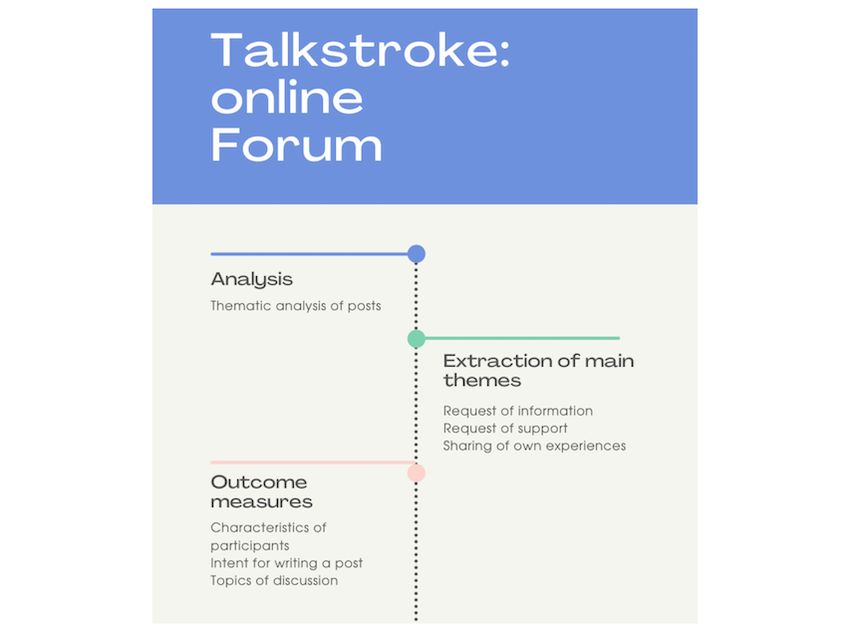
JMIR REHABILITATION AND ASSISTIVE TECHNOLOGIES                                                                                        Hossain et al

     Conclusions: There is limited recent, high-level evidence on web-based peer support interventions. Where evidence exists,
     significant improvements in social participation, self-efficacy, and health-directed activity were demonstrated. Some studies
     incorporated a theoretical framework, and all forms of peer support—emotional, informational, and appraisal support—were
     identified in the studies included in this review. We recommend further research on web-based peer support in more diverse
     patient groups (eg, for older adults and chronic conditions outside of cancer, cardiovascular disease, and HIV or AIDS). Key
     gaps in the area of web-based peer support will serve to inform the development and implementation of future programs.

     (JMIR Rehabil Assist Technol 2021;8(2):e14321) doi: 10.2196/14321

     KEYWORDS
     online; peer support; self-management; chronic conditions; scoping review

                                                                           to the internet (eg, over 32 million people in Canada [14] and
     Introduction                                                          55.1% of the world’s population [15]), the implementation of
     Background                                                            web-based peer support programs, in particular, has become
                                                                           increasingly common and relevant [14-16].
     In Canada, 1 in 5 adults live with cardiovascular disease, cancer,
     diabetes, or chronic respiratory disease [1]. These chronic           Objective
     conditions account for 65% (153,000) of deaths in Canada each         With the increasing implementation of web-based peer support
     year [2] and are the leading causes of death globally [1]. These      interventions, there is a need to examine the characteristics of
     chronic conditions account for 42% of direct health care costs        these interventions and determine the gaps in this emerging
     in Canada or Can $39 billion (US $32 billion) per year [2]. The       literature. The purpose of this scoping review is to synthesize
     total economic burden is a combination of medical costs (Can          the existing literature and key characteristics (eg, duration;
     $38.9 billion; US $31.9 billion) and indirect productivity losses     frequency; delivery setting; type of intervention; type of support
     (Can $54.4 billion; US $44.6 billion) [2]. Globally, 1 in 3 adults    provided, including emotional, informational, and appraisal;
     live with multiple chronic conditions [3], and among Americans        and underlying theories for the intervention, behavior change
     aged ≥65 years, approximately 3 in 4 adults have multiple             techniques, or mechanisms) of web-based peer support programs
     chronic conditions [4]. Thus, effective interventions are needed      for persons with chronic conditions.
     to prevent and manage these chronic conditions and to reduce
     the associated health care costs.                                     Methods
     Teaching effective self-management practices to people with
     chronic diseases is one strategy to address the burden of chronic
                                                                           Overview
     conditions [4]. For example, in the United States, the Affordable     The methodology for this scoping review has been previously
     Care Act encourages chronic disease self-management practices         published [17], but it is briefly described below. This scoping
     [5]. The Affordable Care Act offers reimbursement opportunities       review follows the PRISMA (Preferred Reporting Items for
     for providers of chronic disease management services and              Systematic Reviews and Meta-Analyses) extension for scoping
     provides government support for the development of programs           reviews guidelines [18].
     aimed at self-management [5]. In the context of chronic
                                                                           Search Strategy and Information Sources
     conditions, self-management refers to a patient’s ability to
     manage various physical and psychosocial ailments and lifestyle       A comprehensive literature search was conducted by an
     changes [6,7]. Previous research has indicated that peers can         experienced librarian (LP) with input from the investigators.
     support chronic disease self-management [8] in a cost-effective       Literature search strategies were developed using medical
     manner [8-10]. For example, an economic evaluation conducted          subject headings and text words related to chronic conditions
     by Graffy et al [11] found lower total health care costs due to       and peer support interventions. The MEDLINE search has been
     decreased hospitalization expenses among individuals with             previously published in our protocol paper [17]. The search was
     diabetes who had received peer support (group or one-to-one           initially run on May 6 and 8, 2017, and rerun on June 6, 2018.
     delivery) compared with those among control groups.                   The following databases were searched: MEDLINE (OVID),
                                                                           MEDLINE In-Process & Other Non-Indexed Citations (OVID),
     In the context of chronic disease management, peer support            MEDLINE Epub Ahead of Print (OVID), Embase (OVID),
     refers to providing assistance to other individuals with similar      CINAHL (EBSCOhost), Physiotherapy Evidence Database,
     conditions [8,11]. Programs with an associated peer support           and PsycINFO (OVID). A validated search filter for identifying
     component have 3 commonalities: support for emotional,                age-specific studies that specifically identified citations for
     informational, and appraisal needs [12]. Emotional support            adults was added to MEDLINE, Embase, and CINAHL.
     includes caring, empathy, and encouragement of the individual.        Duplicates were removed by using EndNote’s duplicate
     Informational support refers to providing advice, suggestions,        identification feature and by reviewing records manually.
     and alternative actions. Appraisal support involves affirmation,      Searches were limited to studies conducted from 2012 to 2018
     constructive feedback, and the provision of information useful        and English language studies. Studies were included from this
     for self-evaluation [13]. Peer support programs can be delivered      6-year window to increase the relevance to the current health
     using a wide variety of modalities, including face-to-face,           care context. Due to time and resource constraints, we were
     telephone, or internet. With the increasing availability and access
     https://rehab.jmir.org/2021/2/e14321                                                    JMIR Rehabil Assist Technol 2021 | vol. 8 | iss. 2 | e14321 | p. 2
                                                                                                                   (page number not for citation purposes)
XSL• FO
RenderX
JMIR REHABILITATION AND ASSISTIVE TECHNOLOGIES Hossain et al
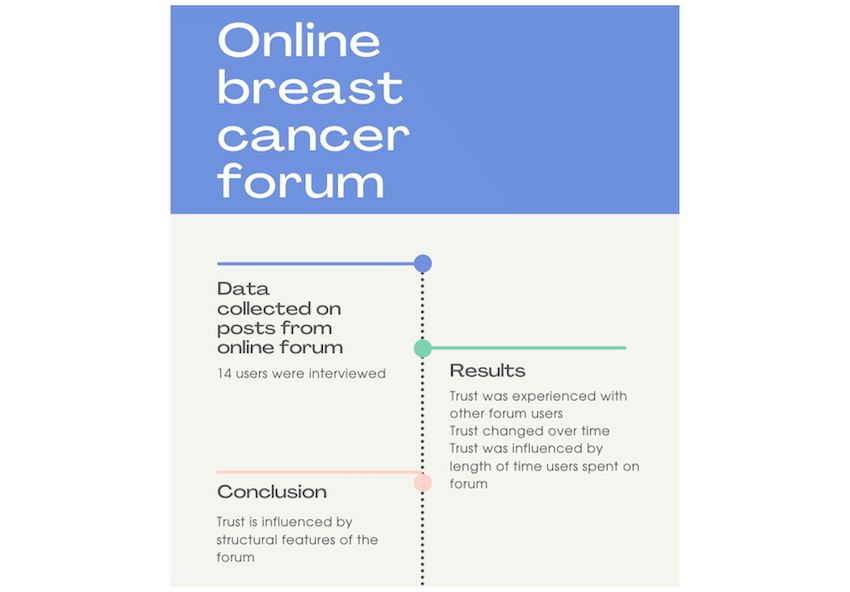
unable to extend the search beyond this 6-year window. In The study Development of Trust in an Online Breast Cancer
addition, for feasibility considerations, no hand searching was Forum: A Qualitative Study by Lovatt et al [24] was included
performed. in this review. This study explored the breast cancer care forum
by collecting discussion threads and analyzing them. In this
Eligibility Criteria case, the web-based forum was the modality for delivering peer
Chronic diseases identified by the Public Health Agency of support. The study The Emerging Diabetes Online Community
Canada (PHAC), including cancer, heart disease (cardiovascular by Hilliard et al [25] was excluded from our study. Although
disease), hypertension, stroke, chronic respiratory diseases the study reported on multiple web-based platforms (eg, forums,
(asthma, chronic obstructive pulmonary disease, and sleep blogs, video or podcasts, and social media websites used by
apnea), diabetes, inflammatory bowel diseases (Crohn disease individuals living with diabetes), the study did not report on the
and ulcerative colitis), multiple sclerosis, neurological conditions outcomes or experiences of a specific web-based peer support
(eg, Alzheimer disease and other dementias), cerebral palsy, intervention. Finally, the study Online support for individuals
epilepsy, multiple sclerosis, Parkinson disease or parkinsonism, with spinal cord injuries: An ethnographic investigation by
traumatic brain injury, traumatic spinal cord injury, arthritis, O’Riley et al [26] was excluded. This study involved interviews
and osteoporosis, were included [19]. This list of chronic to explore how individuals with a spinal cord injury could
conditions is consistent with other global definitions of chronic benefit or might use the internet for support. However, no
conditions (eg, the World Health Organization) [20]. This review specific peer support intervention had been implemented.
included studies involving individuals with chronic conditions, Finally, all study designs (eg, observational studies, randomized
including comorbid mental illness. Studies must have reported controlled trials, and qualitative studies) were included.
on adults (age≥18 years) with one of the previously listed PHAC
chronic conditions or HIV or AIDS. Although mental illness is Study Selection
included in the PHAC list of chronic diseases, it was excluded The studies were screened using a 2-step process. First, the titles
for the purposes of this review because peer support and abstracts were screened in duplicate by independent
interventions for this specific group may have unique features reviewers, followed by full-text screening, which was conducted
(eg, coping with stigma, including self-blaming, guilt, and in duplicate. Both level 1 and level 2 screening followed the
shame) that may not be generalizable to other patient populations same screening form. DistillerSR reference manager was used
with chronic disease [21,22]. Similarly, although not included by independent reviewers to keep track of the decisions.
in the PHAC list, due to the high volume of web-based peer Discrepancies were resolved by discussion between reviewers
support interventions reported on individuals with HIV or AIDS, and, if necessary, the senior author (SEPM).
it was included in this review’s list of chronic diseases [23]. In
addition, including HIV or AIDS in this list of inclusion criteria
Data Abstraction
was further rationalized by a similar review conducted by Data abstraction forms developed by the research team were
Lauckner et al [12], who examined peer support for people with used. The information abstracted included year of publication,
chronic conditions in rural areas. country of study, purpose of the study, participant population
(eg, chronic condition, age, sex, gender, and education), key
Our review was limited to peer support interventions delivered characteristics of the intervention (eg, duration; frequency;
on the web. Studies were included if a web-based peer delivery setting; type of intervention; type of support provided,
component was part of their intervention. Support must be including emotional, informational, and appraisal; underlying
provided by a peer who has the same chronic condition. theories for the intervention, behavior change techniques, or
Examples of web-based peer interventions include video-based working mechanisms; and context), outcome measures, and
discussions using formats such as Skype, social media peer results. Results including P values were collected for the
interactions, and text messages from peers. Peer-led quantitative studies; themes and subthemes were abstracted for
interventions that used a web-based modality in combination the qualitative studies. For qualitative studies, similar themes
with another modality, such as telephone or face-to-face across studies were clustered together by the lead author (SNH)
interventions, were included. Interventions describing in consultation with the senior author. Data abstraction was
professional-led groups involving community health workers conducted independently in duplicate.
who are not peers (eg, health care professionals), e-counseling
service interventions, studies reporting on outcomes of usability Results
testing but not the outcomes of the participants, support group
interventions, and telephone-based peer support interventions Overview
were excluded. In addition, studies were excluded if they
The literature searches yielded 13,286 articles. After duplicates
described the benefits of using the internet generally but did
were removed, 12,641 articles were screened. After level 1
not describe an intervention and the reported outcomes of that
screening, 368 articles were included in the full-text screening.
intervention. If the study described an intervention that had a
Of these 368 items, 5 oral presentations and 37 abstracts from
combination of peer- and professional-led support, it was
conferences were excluded, as it was not possible to obtain
excluded.
full-text articles. A total of 9 protocol papers were excluded
To further describe the types of articles that were included and because there were no data on the results of the reported
excluded in this review, we provide an example of 1 study that interventions. After level 2 screening, data abstraction was
was included and 2 that were excluded. completed for 41 articles. The reasons for article exclusion
https://rehab.jmir.org/2021/2/e14321 JMIR Rehabil Assist Technol 2021 | vol. 8 | iss. 2 | e14321 | p. 3
(page number not for citation purposes)
XSL• FO
RenderXJMIR REHABILITATION AND ASSISTIVE TECHNOLOGIES Hossain et al
varied but were primarily related to not having a peer support within the Eligibility Criteria section. The PRISMA flowchart
component implemented in the studied intervention. Further is shown in Figure 1.
rationale as to why articles were excluded are described above
Figure 1. PRISMA (Preferred Reporting Items for Systematic Reviews and Meta-Analyses) flowchart.
remaining studies were mixed methods studies (4/41, 10%),
Study Characteristics nonrandomized controlled trials in which matched controls
A summary of the included studies with information on patient served as the comparison group, quasi-experimental studies
characteristics, peer support intervention characteristics, (1/41, 2%), and integrative reviews (1/41, 2%).
outcome measures, and impact is included in Multimedia
Appendix 1 [24,27-65]. A total of 18 studies were conducted There were various limitations to the included studies. Among
in the United States, 5 in Australia, 5 in the United Kingdom, the randomized controlled trials, there were small sample sizes
and 4 in Canada. The remaining 9 studies were conducted in (sample sizes ranged from 30 to 227) [27-32], weak validity
Finland, Sweden, Germany, China, Italy, South Africa, and and reliability of the measures included [30], and the type of
Sweden. control group used in the trial (eg, control condition involved
usual treatment) [31]. In terms of the limitations of the
Around half of the studies included in this review were qualitative studies, some examples included selection bias [33],
qualitative (20/41, 49%). Specifically, 14 of these studies limited transferability of the study findings [34], and the
analyzed content posted on web-based discussion forums, potential for information to be removed by a moderator [35].
whereas the other 6 were qualitative studies that reported on
the experiences of the patients participating in a web-based peer Patient Characteristics
support program. The quantitative studies included in the review The studies included participants with cancer (15/41, 36%),
were randomized controlled trials (6/41, 14%) and diabetes (9/41, 21%), and HIV (7/41, 17%). The remaining 10
cross-sectional studies using a survey design (8/41, 19%). The studies included participants with arthritis (2/41, 4%), atrial
https://rehab.jmir.org/2021/2/e14321 JMIR Rehabil Assist Technol 2021 | vol. 8 | iss. 2 | e14321 | p. 4
(page number not for citation purposes)
XSL• FO
RenderXJMIR REHABILITATION AND ASSISTIVE TECHNOLOGIES Hossain et al
fibrillation (1/41, 2%), chronic pain (1/41, 2%), inflammatory Type of Support
bowel disease (1/41, 2%), multiple sclerosis (2/41, 4%), No studies have reported on interventions that included only
peripartum cardiomyopathy (1/41, 2%), and stroke (2/41, 4%). one type of support. Instead, the interventions provided a mix
The individuals included in the studies were aged between 19 of emotional, informational, and appraisal support. A total of
and 70 years. This broad range of age groups made it difficult 29 studies failed to define a theoretical framework underpinning
to summarize the studies based on specific age groups. In the the intervention.
majority of the studies, the ratio of male to female participants
varied, except in studies on chronic conditions that are of higher Underlying Theories
prevalence in a specific sex (eg, breast cancer and prostate In total, 12 studies included the following underlying theories,
cancer) [24,33,36-39,66]. Specifically, of the 3 studies that models, or approaches: social learning theory [50,58,67], social
reported on breast cancer, 2 reported that all participants were comparison theory [37,68], social support theory by La
female. Coursiere [42,69], self-management theory by Bandura
Key Characteristics of the Peer Support Interventions [28,70,71], Information-Motivation-Behavioral Skills model
[46,72], self-efficacy theory [30,70], person-centered care
This section outlines the following key characteristics of the approach [32,73], stress process model [31,74], the concept of
studies on web-based peer support interventions included in our human bonding and social support as defined by Namkoong et
review: duration; frequency; delivery setting; type of al [34,75], and the conceptual framework outlined by Dennis
intervention; type of support provided, including emotional, [76] (emotional, informational, and appraisal support).
informational, and appraisal; and underlying theories for the
intervention, behavior change techniques, or mechanisms. Outcomes Measures and Impact
Duration and Frequency Among the randomized controlled trials (6/41, 15%), the
outcomes used were participant openness, trust, motivation,
For the included studies, the duration and frequency of the knowledge, self-efficacy, self-care behavior levels, social
interventions varied. Of the 41 included studies, 15 (36%) had relationships, emotional distress, depression, mastery,
interventions lasting for 2 weeks to 16 weeks self-esteem, social support, and general well-being
[27-31,33,40-47,66], whereas some interventions (2/41, 4%) [27,28,30-32]. The measures included were the Working
lasted for 1-2 years [48,49]. The frequency of peer interaction Alliance Inventory [27], California Psychotherapy Alliance
ranged from weekly interactions to monthly updates Scale [27], Patient-Reported Outcome Quality of Life subscales
[27,29-31,41,43,46,48]. of body change [30], Positive Outlook Self-Efficacy Scale [30],
Delivery Setting Health Education Impact Questionnaire [30], and Well-being
Questionnaire [32]. The randomized controlled trials included
A total of 15 of the 41 studies described a web-based discussion
in this review reported on the following conditions: diabetes
board as the means of delivering the intervention
(2/6, 33%) [28,32], HIV (2/6, 33%) [29,30], cancer (1/6, 17%)
[24,32-35,39,40,43,45,50-54,66]. Moreover, 9 of the 41 studies
[27], and stroke (1/6, 17%) [31].
used an existing social network site such as Facebook, Twitter,
or Myspace [29,36,37,44,47,48,55-57]. In addition, 6 of the 41 A total of 2 of the 6 randomized controlled trials on diabetes
studies described a unique web-based platform that consisted management reported no statistically significant differences
of different components such as information modules, live chats, between groups for self-efficacy, general well-being, or self-care
and web-based discussion boards to create a community of behaviors (eg, general diet, exercise, and smoking) [28,31];
participants involved in web-based discussions however, a higher level of disease-specific knowledge was
[30,31,38,49,58,59]. Furthermore, 5 of the 41 studies used a reported in the group of participants receiving web-based peer
combination of delivery mechanisms, including Skype, social support [28]. The remaining 4 of the 6 randomized controlled
networking sites, forums, telephone, and face-to-face [42,60-63]. trials reported positive and significant results, including
One of the 41 studies used Skype video conferencing [41], increased feelings of acceptance and respect by others, health
whereas another study used another web-based video service navigation, self-efficacy, social participation, and
conferencing software [27]. A total of 2 of the 41 studies used constructive attitudes and approaches and decreased emotional
a web-based chatroom interface [64,65], and an additional 2 distress [28,46-48].
studies used text messaging as a means of peer support
In the qualitative studies, some of the positive experiences of
(Multimedia Appendix 2) [28,46].
participating in an web-based peer support program included
Types of Interventions increased compassion and improved attitudes toward their
Of the included studies, 21 of the 41 studies reported on using condition (ie, people felt that they were not alone in their
a group-type intervention [27,29-33,35,40,43-45,47-49,51, struggles or that peer support reduced isolation) [38,52], access
53,55,57-59,64]. A total of 5 of the 41 included studies had to information that people could not access through their health
web-based peer support delivered through a one-on-one format care professionals (ie, experiences of people with a similar
[24,28,39,41,46]. In the remaining studies (15/41, 37%), it was condition and the gathering of information about a treatment
unclear whether the type of support was delivered through a option) [38,52,60], and empowerment (ie, taking an active role
group or one-on-one format. in one’s condition) [33]. Among these qualitative studies, several
barriers and enablers to obtaining peer support were identified.
Some of the barriers to participating in the web-based peer
https://rehab.jmir.org/2021/2/e14321 JMIR Rehabil Assist Technol 2021 | vol. 8 | iss. 2 | e14321 | p. 5
(page number not for citation purposes)
XSL• FO
RenderXJMIR REHABILITATION AND ASSISTIVE TECHNOLOGIES Hossain et al
support program included challenges of timing with other life and the usability of the platform [38,42,48,50]. Furthermore,
events, a lack of availability or access, the perception of not studies have reported that participants viewed web-based support
fitting in with a web-based group, and the need for more programs as a unique resource that allows them to be engaged
condition-specific content [33,38,52]. Enablers to using the in a program from home anonymously [37,60,65]. To exemplify
program included the use of appropriate language (ie, clear and some of the web-based peer support interventions described in
easy to understand), flexibility or self-pacing, appropriate the studies included in this review, we have presented 2 case
module length (ie, did not represent a burden to the participant), examples in Figures 2 and 3.
Figure 2. An example of an article included in this study. De Simoni et al [35] reports on web-based stroke forum.
https://rehab.jmir.org/2021/2/e14321 JMIR Rehabil Assist Technol 2021 | vol. 8 | iss. 2 | e14321 | p. 6
(page number not for citation purposes)
XSL• FO
RenderXJMIR REHABILITATION AND ASSISTIVE TECHNOLOGIES Hossain et al
Figure 3. An example of an article included in this study. Lovatt et al [24] reports on the difference between standard of care and web-based support.
participation, and constructive attitudes and approaches and
Discussion decreased emotional distress [28,46-48], whereas for the
Principal Findings qualitative studies, participants reported increased compassion
and improved attitudes toward their condition [38,52]. To the
Overview best of our knowledge, this is the first scoping review to
This scoping review aims to determine what is known from the synthesize evidence on web-based peer support interventions
existing literature about the key characteristics (eg, duration; across a variety of chronic conditions.
frequency; delivery setting; type of intervention; type of support Patient Characteristics
provided, including emotional, informational, and appraisal;
Across the 41 included studies, the age range was 19-70 years.
and underlying theories for the intervention or behavior change
Although it is recognized that some conditions are more
techniques or mechanisms) of web-based peer support
common among younger individuals (eg, HIV or AIDS), the
interventions for adults with chronic conditions. The main
absence of recent evidence on web-based peer support
findings of this review were as follows: (1) a lack of participant
interventions for individuals aged ≥70 years is noteworthy. For
diversity in the included studies, specifically with respect to the
example, in Canada, about 20% of breast cancers are diagnosed
conditions studied (ie, the majority of the studies included were
in women agedJMIR REHABILITATION AND ASSISTIVE TECHNOLOGIES Hossain et al
The findings of this review suggest that there is a need for more Group peer-to-peer discussion boards may be particularly
studies on web-based peer support interventions for individuals valuable, as noted by a qualitative study on the perspectives of
≥70 years, in these and other specific disease populations, and individuals with type 1 diabetes using an internet
for improved methods to target these vulnerable groups. self-management system, as they allow patients to share tips
Furthermore, Statistics Canada indicates that rates of internet and advice on managing their conditions and provide an
use vary across age groups within the senior population, with opportunity to relate to fellow patients [81]. Similarly, in a
81% use among older adults aged 65-69 years, compared with qualitative study on one-to-one versus group-based peer support
74% use among those aged 70-74 years, 64% use among those for breastfeeding, Hoddinott et al [82] determined that
aged 75-79 years, and 49% use among those aged ≥80 years group-based peer support was more popular, as it normalized
[79]. Although it is unclear whether these decreased rates are breastfeeding in a social environment, which in turn improved
due to issues related to internet access and/or computer literacy, participants’ sense of well-being. Participants also indicated
these potential barriers should be addressed to realize the that the group format in particular assisted women with decision
benefits of web-based peer support (including the benefits making [82]. The impact of web-based, one-to-one versus
outlined in the current review) for older adults with chronic group-based peer support could be the focus of future
health conditions. In terms of the breadth of chronic diseases randomized controlled trials.
included, our results align with a scoping review on peer support
for people with chronic conditions in rural areas in terms of
Types of Support Provided
identifying studies on a limited range of chronic conditions. In our review, we identified all 3 types of support—emotional
Specifically, Lauckner and Hutchinson [12] determined that (eg, communicating a sense of belonging, inclusivity, and
many studies were related to individuals with diabetes. reinforcing the presence of others), informational (eg, asking
others for guidance and providing detailed explanations), and
Duration and Frequency appraisal (eg, goal setting and action planning that can provide
We determined that there was a lack of consistency in terms of opportunities for constructive feedback)—across the included
reporting intervention characteristics. Similarly, in a systematic studies. A review by Lauckner and Hutchinson [12] determined
review of peer support interventions for individuals with that the majority of programs provided general social support
acquired brain injury, cerebral palsy, and spina bifida, members and support related to the development of new skills (eg,
of our research team concluded that experts from relevant appraising health information using a computer; preparing
disciplines collaborated to develop the peer support meals; and improving self-management skills, goal setting and
interventions, but they did not specify the methods by which problem solving, and general skills to support lifestyle changes).
the key components of the interventions such as session Although they did not identify the specific constructs of
duration, frequency, and intervention length were chosen or emotional, informational, and appraisal support as we did in
how these decisions were informed. Given this lack of our review, there appears to be an overlap between the types of
consistency, it is suggested that future studies reporting on support identified in their review and our review, particularly
web-based peer support interventions consistently use the better in the areas of informational support (eg, development of new
reporting of interventions: a Template for Intervention skills) and appraisal support (eg, goal setting and problem
Description and Replication checklist and guide [80]. This guide solving).
includes the following items: brief name, why, what, who
provided, how, where, when and how much (ie, duration and
Underlying Theories for the Intervention
frequency), tailoring, modifications, and how well. The Only 12 of the 41 studies provided an underlying theory or
application of this checklist could promote the replicability of model or approach, with some of these studies reporting only
the intervention and an understanding of the program an underlying approach (ie, person-centered care approach).
components that are associated with improved outcomes. At Previous research suggests that a thorough approach to
the same time, it is important to recognize that the need to better intervention development, including a clear rationale for the
report the intervention duration and frequency does not apply design and development of interventions, is recommended
equally to all web-based peer support contexts. Finally, the [83,84]. Thus, future peer support interventions should
number of trials included in this review was too small to draw implement an underlying theory or model to inform
any associations between the frequency of the peer interactions interventions, which in turn would support the intended
and the duration of the programs and associated outcomes. outcomes of the intervention.
However, future trials in this area should examine these
Impact
associations (ie, dose response).
Lauckner and Hutchinson [12] determined that of the 9 studies
Delivery Setting and Types of Intervention that reported on program outcomes, 8 reported positive
Other important aspects of this review were the delivery settings outcomes, whereas 1 study reported mixed results. Overall
and the types of interventions. In terms of the randomized program success, participants valuing the social components of
controlled trials, as previously mentioned, the number included the program, improved activity or weight loss, and participants
was too small to draw any associations between the delivery feeling an increased sense of efficacy were the related positive
setting and the type of interventions and outcomes. Among the outcomes reported. Similarly, among the trials included in our
studies involving nonexperimental designs, 37% (15/41) used review, it was demonstrated that web-based peer support
web-based discussion boards with a group type of intervention. programs resulted in improved social participation, self-efficacy,
https://rehab.jmir.org/2021/2/e14321 JMIR Rehabil Assist Technol 2021 | vol. 8 | iss. 2 | e14321 | p. 8
(page number not for citation purposes)
XSL• FO
RenderXJMIR REHABILITATION AND ASSISTIVE TECHNOLOGIES Hossain et al
and health-directed activity. Thus, peer support may serve as include IEEE and ACM, and they should be explored in future
an important supplement to formal care, as noted by Smith et reviews on web-based interventions. This review did not look
al [85] in an evaluation of a web-based peer support community at the types of funding each study was provided with, and
intervention. Furthermore, Lauckner and Hutchinson [12] noted therefore, we cannot make definitive conclusions on whether
that the use of telecommunications with deidentification interventions were scaled up. Furthermore, this review was
protocols, such as passwords and pseudonyms, decreased the limited to English language studies only and the published
perceived stigma related to program participation. They also research literature. As a result, we likely have a bias toward
noted that this is particularly important for vulnerable studies from English-speaking countries, and we acknowledge
populations. This perspective was noted across many of the that we likely excluded reports on other available, relevant
included qualitative studies in our review, where participants programs (ie, but not published in peer-reviewed journals).
appreciated the anonymity that a web-based program affords Similarly, we excluded conference abstracts of posters or oral
[60,65]. Lauckner and Hutchinson [12] reported that studies presentations (ie, without an accompanying, published article).
that used telecommunications as part of the intervention often
provided technical support services to ensure effective program
Conclusions
implementation. Similarly, we determined that the availability The results of this review demonstrate that there is a limited,
of technical support was a key enabler for the implementation recent high-level evidence (ie, randomized controlled trials) on
of web-based peer support interventions. The review by web-based peer support interventions. Where evidence exists,
Lauckner and Hutchinson [12] and our review across similar significant improvements in social participation, self-efficacy,
chronic conditions suggests that the impact of face-to-face peer and health-directed activity were demonstrated. However, these
support interventions may be comparable with web-based peer trials were limited to 4 conditions only: diabetes, HIV, cancer,
support interventions, with web-based peer support interventions and stroke. Thus, we recommend the study of web-based peer
promoting accessibility and potentially reducing the stigma support in a much broader range of conditions. We further
associated with face-to-face interventions. recommend the use of web-based peer support for older adults
(ie, aged >70 years) with chronic conditions. We determined
Limitations that some of the included studies incorporated a theoretical
We acknowledge some limitations of this scoping review. This framework, and all forms of support—emotional, informational,
review did not include primary mental health conditions and a and appraisal—were identified in the studies included in this
variety of other disabilities. As previously mentioned, review. Future peer support interventions should implement an
interventions that focused on mental illness were excluded from underlying theory or model to inform interventions, which in
our list of chronic diseases, given that peer support interventions turn would support the intended outcomes of the intervention.
for this group may have unique features not generalizable to Future studies should also consistently report on the intervention
other patient populations with chronic disease, and a systematic characteristics, including the frequency and duration of the
review of digital peer support interventions for people with intervention, to promote replicability and to draw associations
lived experience of a serious mental illness has recently been between intervention characteristics and specific outcomes.
completed [86]. As web-based interventions also relate to Overall, the results of this review have identified key gaps in
computer science and information studies, there are additional the area of web-based peer support that will serve to inform the
databases that could have been included and would likely have development, implementation, and evaluation of future
identified a separate subfield of studies. Potential databases programs.
Acknowledgments
The authors would like to acknowledge the following contributions of their team: Nigel Barnim for contributing to the level 1
screening process and Mehdi Sabour for assisting with data abstraction.
Conflicts of Interest
None declared.
Multimedia Appendix 1
Complete data set.
[XLSX File (Microsoft Excel File), 42 KB-Multimedia Appendix 1]
Multimedia Appendix 2
Frequency of delivery settings.
[PNG File , 45 KB-Multimedia Appendix 2]
References
https://rehab.jmir.org/2021/2/e14321 JMIR Rehabil Assist Technol 2021 | vol. 8 | iss. 2 | e14321 | p. 9
(page number not for citation purposes)
XSL• FO
RenderXJMIR REHABILITATION AND ASSISTIVE TECHNOLOGIES Hossain et al
1. How healthy are Canadians? A trend analysis of the health of Canadians from a healthy living and chronic disease perspective.
Public Health Agency of Canada. 2016. URL: http://publications.gc.ca/site/archivee-archived.html?url=http://publications.
gc.ca/collections/collection_2017/aspc-phac/HP40-167-2016-eng.pdf [accessed 2019-04-03]
2. Mirolla M. The cost of chronic disease in Canada. The Chronic Disease Prevention Alliance of Canada. 2004. URL: http:/
/www.gpiatlantic.org/pdf/health/chroniccanada.pdf [accessed 2019-04-03]
3. Hajat C, Kishore SP. The case for a global focus on multiple chronic conditions. BMJ Glob Health 2018;3(3):e000874
[FREE Full text] [doi: 10.1136/bmjgh-2018-000874] [Medline: 29989034]
4. Gerteis J, Izrael D, Deitz D, LeRoy L, Ricciardi R, Miller T, et al. Multiple chronic conditions chartbook. Agency for
Healthcare Research and Quality. 2014. URL: https://www.ahrq.gov/sites/default/files/wysiwyg/professionals/
prevention-chronic-care/decision/mcc/mccchartbook.pdf [accessed 2021-04-30]
5. Tsasis P. Chronic disease management and the home-care alternative in Ontario, Canada. Health Serv Manage Res 2009
Aug;22(3):136-139. [doi: 10.1258/hsmr.2009.009002] [Medline: 19633182]
6. Clarke JL, Bourn S, Skoufalos A, Beck EH, Castillo DJ. An innovative approach to health care delivery for patients with
chronic conditions. Popul Health Manag 2017 Feb;20(1):23-30 [FREE Full text] [doi: 10.1089/pop.2016.0076] [Medline:
27563751]
7. de Silva D. Helping people help themselves : a review of the evidence considering whether it is worthwhile to support
self-management. The Health Foundation. 2011. URL: https://www.health.org.uk/publications/
evidence-helping-people-help-themselves [accessed 2021-04-30]
8. Kitts J, Beaton B, Cook C, Doiron C, Kendel D, Cooper B. Self-management support for Canadians with chronic health
conditions. Health Council of Canada. 2012. URL: https://www.selfmanagementbc.ca/uploads/
HCC_SelfManagementReport_FA.pdf [accessed 2021-05-03]
9. Heisler M. Overview of peer support models to improve diabetes self-management and clinical outcomes. Diabetes Spectr
2007 Oct 01;20(4):214-221. [doi: 10.2337/diaspect.20.4.214]
10. Economic analysis in peer support: breadth of approaches and implications for peer support programs. Peers for Progress.
URL: http://peersforprogress.org/wp-content/uploads/2015/04/150417-economic-analysis-in-peer-support.pdf [accessed
2019-04-03]
11. Wingate L, Graffy J, Holman D, Simmons D. Can peer support be cost saving? An economic evaluation of RAPSID: a
randomized controlled trial of peer support in diabetes compared to usual care alone in East of England communities. BMJ
Open Diabetes Res Care 2017 Sep;5(1):e000328 [FREE Full text] [doi: 10.1136/bmjdrc-2016-000328] [Medline: 29225890]
12. Lauckner HM, Hutchinson SL. Peer support for people with chronic conditions in rural areas: a scoping review. Rur Rem
Health 2016;16(1):3601 [FREE Full text] [Medline: 26943760]
13. Bamuhigire OB. The Healing Power of Self Love. Indiana, United States: iUniverse; 2009:1-504.
14. Johnson J. Number of internet users in Canada from 2000 to 2019. Statista. 2021. URL: https://www.statista.com/statistics/
243808/number-of-internet-users-in-canada/ [accessed 2019-04-03]
15. World internet users and 2021 population stats. Internet World Stats. URL: https://www.internetworldstats.com/stats.htm
[accessed 2019-04-03]
16. Internet in 4 out of 5 households. Statistics Canada. 2010. URL: https://www150.statcan.gc.ca/n1/pub/11-402-x/2012000/
chap/information/information01-eng.htm [accessed 2019-04-03]
17. Munce SE, Shepherd J, Perrier L, Allin S, Sweet SN, Tomasone JR, et al. Online peer support interventions for chronic
conditions: a scoping review protocol. BMJ Open 2017 Sep 24;7(9):e017999 [FREE Full text] [doi:
10.1136/bmjopen-2017-017999] [Medline: 28947464]
18. Tricco AC, Lillie E, Zarin W, O'Brien KK, Colquhoun H, Levac D, et al. PRISMA extension for Scoping Reviews
(PRISMA-ScR): checklist and explanation. Ann Intern Med 2018 Oct 02;169(7):467-473. [doi: 10.7326/M18-0850]
[Medline: 30178033]
19. Chronic diseases. Government of Canada. 2019. URL: https://www.canada.ca/en/public-health/services/chronic-diseases.
html [accessed 2019-04-03]
20. Bernell S, Howard SW. Use your words carefully: what is a chronic disease? Front Public Health 2016;4:159 [FREE Full
text] [doi: 10.3389/fpubh.2016.00159] [Medline: 27532034]
21. Tricco AC, Antony J, Ivers NM, Ashoor HM, Khan PA, Blondal E, et al. Effectiveness of quality improvement strategies
for coordination of care to reduce use of health care services: a systematic review and meta-analysis. Can Med Assoc J
2014 Oct 21;186(15):568-578 [FREE Full text] [doi: 10.1503/cmaj.140289] [Medline: 25225226]
22. Pulcu E, Zahn R, Elliott R. The role of self-blaming moral emotions in major depression and their impact on social-economical
decision making. Front Psychol 2013;4:310 [FREE Full text] [doi: 10.3389/fpsyg.2013.00310] [Medline: 23750148]
23. Prestage G, Brown G, Allan B, Ellard J, Down I. Impact of peer support on behavior change among newly diagnosed
Australian gay men. J Acquir Immune Defic Syndr 2016 Aug 15;72(5):565-571. [doi: 10.1097/QAI.0000000000001017]
[Medline: 27046267]
24. Lovatt M, Bath PA, Ellis J. Development of trust in an online breast cancer forum: a qualitative study. J Med Internet Res
2017 May 23;19(5):e175 [FREE Full text] [doi: 10.2196/jmir.7471] [Medline: 28536093]
https://rehab.jmir.org/2021/2/e14321 JMIR Rehabil Assist Technol 2021 | vol. 8 | iss. 2 | e14321 | p. 10
(page number not for citation purposes)
XSL• FO
RenderXJMIR REHABILITATION AND ASSISTIVE TECHNOLOGIES Hossain et al
25. Hilliard ME, Sparling KM, Hitchcock J, Oser TK, Hood KK. The emerging diabetes online community. Curr Diabetes Rev
2015;11(4):261-272 [FREE Full text] [Medline: 25901500]
26. O'Riley AA, Rose J, Dalal B. Online support for individuals with spinal cord injuries: an ethnographic investigation. J
Spinal Cord Med 2014 Mar;37(2):179-185 [FREE Full text] [doi: 10.1179/2045772313Y.0000000118] [Medline: 24090378]
27. McGill BC, Sansom-Daly UM, Wakefield CE, Ellis SJ, Robertson EG, Cohn RJ. Therapeutic alliance and group cohesion
in an online support program for adolescent and young adult cancer survivors: lessons from "Recapture Life". J Adolesc
Young Adult Oncol 2017 Jun 05:568-572. [doi: 10.1089/jayao.2017.0001] [Medline: 28581346]
28. Wu CJ, Chang AM, Courtney M, Kostner K. Peer supporters for cardiac patients with diabetes: a randomized controlled
trial. Int Nurs Rev 2012 Sep;59(3):345-352. [doi: 10.1111/j.1466-7657.2012.00998.x] [Medline: 22897185]
29. Young SD, Cumberland WG, Lee S, Jaganath D, Szekeres G, Coates T. Social networking technologies as an emerging
tool for HIV prevention: a cluster randomized trial. Ann Intern Med 2013 Sep 3;159(5):318-324 [FREE Full text] [doi:
10.7326/0003-4819-159-5-201309030-00005] [Medline: 24026317]
30. Millard T, Agius PA, McDonald K, Slavin S, Girdler S, Elliott JH. The positive outlook study: a randomised controlled
trial evaluating online self-management for HIV positive gay men. AIDS Behav 2016 Sep;20(9):1907-1918. [doi:
10.1007/s10461-016-1301-5] [Medline: 26896121]
31. Smith GC, Egbert N, Dellman-Jenkins M, Nanna K, Palmieri PA. Reducing depression in stroke survivors and their informal
caregivers: a randomized clinical trial of a web-based intervention. Rehabil Psychol 2012 Aug;57(3):196-206 [FREE Full
text] [doi: 10.1037/a0029587] [Medline: 22946607]
32. Linden K, Berg M, Adolfsson A, Sparud-Lundin C. Person-centred, web-based support in pregnancy and early motherhood
for women with Type 1 diabetes mellitus: a randomized controlled trial. Diabet Med 2018 Feb;35(2):232-241 [FREE Full
text] [doi: 10.1111/dme.13552] [Medline: 29171071]
33. Huber J, Maatz P, Muck T, Keck B, Friederich H, Herzog W, et al. The effect of an online support group on patients
treatment decisions for localized prostate cancer: an online survey. Urol Oncol 2017 Feb;35(2):19-28. [doi:
10.1016/j.urolonc.2016.09.010] [Medline: 27810256]
34. Lobchuk M, McClement S, Rigney M, Copeland A, Bayrampour H. A qualitative analysis of "Naturalistic" conversations
in a peer-led online support community for lung cancer. Cancer Nurs 2015;38(5):21-31. [doi:
10.1097/NCC.0000000000000207] [Medline: 25254411]
35. De Simoni A, Shanks A, Balasooriya-Smeekens C, Mant J. Stroke survivors and their families receive information and
support on an individual basis from an online forum: descriptive analysis of a population of 2348 patients and qualitative
study of a sample of participants. BMJ Open 2016 Apr 06;6(4):e010501 [FREE Full text] [doi:
10.1136/bmjopen-2015-010501] [Medline: 27053271]
36. Bender JL, Katz J, Ferris LE, Jadad AR. What is the role of online support from the perspective of facilitators of face-to-face
support groups? A multi-method study of the use of breast cancer online communities. Patient Educ Couns 2013
Dec;93(3):472-479. [doi: 10.1016/j.pec.2013.07.009] [Medline: 23928354]
37. Bender JL. The web of care: a multi-method study examining the role of online communities as a source of peer-to-peer
supportive care for breast cancer survivors. Dalla Lana School of Public Health, University of Toronto. 2012. URL: https:/
/tspace.library.utoronto.ca/handle/1807/31690 [accessed 2021-04-30]
38. Kemp E, Koczwara B, Butow P, Turner J, Girgis A, Schofield P, et al. Online information and support needs of women
with advanced breast cancer: a qualitative analysis. Support Care Cancer 2018 Oct;26(10):3489-3496. [doi:
10.1007/s00520-018-4206-1] [Medline: 29693203]
39. Rising CJ, Bol N, Burke-Garcia A, Rains S, Wright KB. Perceived stress in online prostate cancer community participants:
examining relationships with stigmatization, social support network preference, and social support seeking. J Health Commun
2017 Jun;22(6):469-476. [doi: 10.1080/10810730.2017.1304471] [Medline: 28414570]
40. Redman K, Thorne S, Lauck SB, Taverner T. 'What else can I do?': insights from atrial fibrillation patient communication
online. Eur J Cardiovasc Nurs 2017 Mar;16(3):194-200. [doi: 10.1177/1474515116678103] [Medline: 28240140]
41. Ahola Kohut S, Stinson J, Forgeron P, Luca S, Harris L. Been There, Done That: the experience of acting as a young adult
mentor to adolescents living with chronic illness. J Pediatr Psychol 2017 Oct 01;42(9):962-969 [FREE Full text] [doi:
10.1093/jpepsy/jsx062] [Medline: 28340203]
42. Yli-Uotila T, Rantanen A, Suominen T. Online social support received by patients with cancer. Comput Inform Nurs 2014
Mar;32(3):118-127. [doi: 10.1097/CIN.0000000000000028] [Medline: 24335490]
43. Lewallen A. Linguistic predictors of peer responsiveness in an online cancer support group. Loma Linda University
Electronic Theses, Dissertations and Projects. 2013. URL: https://scholarsrepository.llu.edu/etd/133/ [accessed 2021-04-30]
44. Sepah SC, Jiang L, Peters AL. Translating the diabetes prevention program into an online social network: validation against
CDC standards. Diabetes Educ 2014 Apr 10;40(4):435-443. [doi: 10.1177/0145721714531339] [Medline: 24723130]
45. Kodatt SA, Shenk JE, Williams ML, Horvath KJ. Leadership qualities emerging in an online social support group intervention.
Sex Relation Ther 2014 Nov 01;29(4):467-475 [FREE Full text] [doi: 10.1080/14681994.2014.941346] [Medline: 25642144]
46. Senn TE, Braksmajer A, Coury-Doniger P, Urban MA, Rossi A, Carey MP. Development and preliminary pilot testing of
a peer support text messaging intervention for HIV-infected black men who have sex with men. J Acquir Immune Defic
Syndr 2017 Feb 01;74 Suppl 2:121. [doi: 10.1097/QAI.0000000000001241] [Medline: 28079722]
https://rehab.jmir.org/2021/2/e14321 JMIR Rehabil Assist Technol 2021 | vol. 8 | iss. 2 | e14321 | p. 11
(page number not for citation purposes)
XSL• FO
RenderXJMIR REHABILITATION AND ASSISTIVE TECHNOLOGIES Hossain et al
47. Rath L, Vijiaratnam N, Skibina O. Alemtuzumab in multiple sclerosis: lessons from social media in enhancing patient care.
Int J MS Care 2017;19(6):323-328 [FREE Full text] [doi: 10.7224/1537-2073.2017-010] [Medline: 29270090]
48. Myrick JG, Holton AE, Himelboim I, Love B. #Stupidcancer: exploring a typology of social support and the role of emotional
expression in a social media community. Health Commun 2016;31(5):596-605. [doi: 10.1080/10410236.2014.981664]
[Medline: 26453480]
49. Kim SE, Sweet CM, Gibson E, Madero EN, Rubino B, Morrison J, et al. Evaluation of a digital diabetes prevention program
adapted for the Medicaid population: study design and methods for a non-randomized, controlled trial. Contemp Clin Trials
Commun 2018 Jun;10:161-168 [FREE Full text] [doi: 10.1016/j.conctc.2018.05.007] [Medline: 30035241]
50. Willis E. The making of expert patients: the role of online health communities in arthritis self-management. J Health Psychol
2014 Dec;19(12):1613-1625 [FREE Full text] [doi: 10.1177/1359105313496446] [Medline: 23988679]
51. Donovan EE, LeFebvre L, Tardif S, Brown LE, Love B. Patterns of social support communicated in response to expressions
of uncertainty in an online community of young adults with cancer. J Appl Commun Res 2014 Jul 07;42(4):432-455. [doi:
10.1080/00909882.2014.929725]
52. Brady E, Segar J, Sanders C. Accessing support and empowerment online: the experiences of individuals with diabetes.
Health Expect 2017 Oct;20(5):1088-1095 [FREE Full text] [doi: 10.1111/hex.12552] [Medline: 28718928]
53. Guo Y, Goh DH. “I Have AIDS”: content analysis of postings in HIV/AIDS support group on a Chinese microblog. Comput
Hum Behav 2014 May;34:219-226. [doi: 10.1016/j.chb.2014.02.003]
54. Coulson N. Patterns of engagement with inflammatory bowel disease online support groups: comparing posters and lurkers.
Gastroenterol Nurs 2015;38(5):348-353. [doi: 10.1097/SGA.0000000000000131] [Medline: 26166421]
55. Fasciano KM, Souza PM, Braun I, Trevino K. An innovative website in the United States for meeting the emotional and
supportive care needs of young adults with cancer. J Adolesc Young Adult Oncol 2015 Mar;4(1):44-49. [doi:
10.1089/jayao.2014.0035] [Medline: 26812430]
56. White K, Gebremariam A, Lewis D, Nordgren W, Wedding J, Pasek J, et al. Motivations for participation in an online
social media community for diabetes. J Diabetes Sci Technol 2018 May;12(3):712-718 [FREE Full text] [doi:
10.1177/1932296817749611] [Medline: 29310448]
57. Hess RF, Weinland JA. The life-changing impact of peripartum cardiomyopathy: an analysis of online postings. MCN Am
J Matern Child Nurs 2012;37(4):241-246. [doi: 10.1097/NMC.0b013e31824b52ed] [Medline: 22739480]
58. Willis E, Royne MB. Online health communities and chronic disease self-management. Health Commun 2017
Mar;32(3):269-278. [doi: 10.1080/10410236.2016.1138278] [Medline: 27218836]
59. Mitchell SE, Mako M, Sadikova E, Barnes L, Stone A, Rosal MC, et al. The comparative experiences of women in control:
diabetes self-management education in a virtual world. J Diabetes Sci Technol 2014 Nov;8(6):1185-1192 [FREE Full text]
[doi: 10.1177/1932296814549829] [Medline: 25212580]
60. Harkin LJ, Beaver K, Dey P, Choong K. Navigating cancer using online communities: a grounded theory of survivor and
family experiences. J Cancer Surviv 2017 Dec;11(6):658-669 [FREE Full text] [doi: 10.1007/s11764-017-0616-1] [Medline:
28470506]
61. Lewinski AA, Fisher EB. Social interaction in type 2 diabetes computer-mediated environments: how inherent features of
the channels influence peer-to-peer interaction. Chronic Illn 2016 Jun;12(2):116-144. [doi: 10.1177/1742395315601414]
[Medline: 26304692]
62. Longinetti E, Manoharan V, Ayoub H, Surkan PJ, El-Khatib Z. Utilization of social media and web forums by HIV patients
- a cross-sectional study on adherence and reported anxiety level. Prev Med Rep 2017 Jun;6:137-143 [FREE Full text] [doi:
10.1016/j.pmedr.2017.02.009] [Medline: 28316909]
63. Libreri C, Graffigna G. Mapping online peer exchanges on diabetes. Neuropsychological Trends. 2012. URL: https:/
/publicatt.unicatt.it/handle/10807/60496#.YIwdTLUzayI [accessed 2021-04-30]
64. Henwood R, Patten G, Barnett W, Hwang B, Metcalf C, Hacking D, et al. Acceptability and use of a virtual support group
for HIV-positive youth in Khayelitsha, Cape Town using the MXit social networking platform. AIDS Care 2016
Dec;28(7):898-903. [doi: 10.1080/09540121.2016.1173638] [Medline: 27098208]
65. Kohlmann T, Wang C, Lipinski J, Hadker N, Caffrey E, Epstein M, et al. The impact of a patient support program for
multiple sclerosis on patient satisfaction and subjective health status. J Neurosci Nurs 2013 Jun;45(3):3-14. [doi:
10.1097/JNN.0b013e31828a4161] [Medline: 23636073]
66. Huber J, Maatz P, Muck T, Keck B, Friederich HC, Herzog W, et al. 365 The impact of an online support group on patients'
treatment decisions for localized prostate cancer: an online survey. European Urology Supplements 2015 Apr;14(2):e365.
[doi: 10.1016/s1569-9056(15)60360-8]
67. Bandura A, Walters R. Social Learning Theory. Englewood Cliffs, NJ: Prentice-hall; 1977:2-256.
68. Festinger L. A theory of social comparison processes. Hum Relat 2016 Apr 22;7(2):117-140. [doi:
10.1177/001872675400700202]
69. LaCoursiere SP. A theory of online social support. ANS Adv Nurs Sci 2001 Sep;24(1):60-77. [doi:
10.1097/00012272-200109000-00008] [Medline: 11554534]
70. Bandura A. Self-efficacy: toward a unifying theory of behavioral change. Psychol Rev 1977 Mar;84(2):191-215. [Medline:
847061]
https://rehab.jmir.org/2021/2/e14321 JMIR Rehabil Assist Technol 2021 | vol. 8 | iss. 2 | e14321 | p. 12
(page number not for citation purposes)
XSL• FO
RenderXYou can also read


