What to look for when
choosing a well-designed
  house or apartment
←
→
Page content transcription
If your browser does not render page correctly, please read the page content below

What to look for when choosing a well-designed house or apartment

HOM
     E
OPEN
TODA
     Y
Well-designed homes
make life easier
Houses and apartments come in many
different sizes and configurations. When
they are well-designed, they improve
your quality of life and help you save on
maintenance and operating costs. They
let more light in, are energy efficient,
have outdoor spaces, gardens and other
amenities, and are constructed to last.

The benefits go beyond each
building — these homes create
better streets, neighbourhoods and
make for a more liveable city.

Use these easy to follow 10 principles
of good design when buying or renting
your next house or apartment.

Context and Character
Well-designed homes fit into
the local neighbourhood
How a house or apartment building sits within its surroundings is
an essential element of good design. Whether it blends in - or has
its own distinctive character – it should still relate well to the other
buildings around it.

 •• How does the building sit within the existing streetscape?
 •• What is the character and feel of the place? Does it reflect what
    you like about the neighbourhood? i.e. “very Freo” “so North Perth.”
 •• How does its use of materials, shapes and colours relate to the
    buildings around it?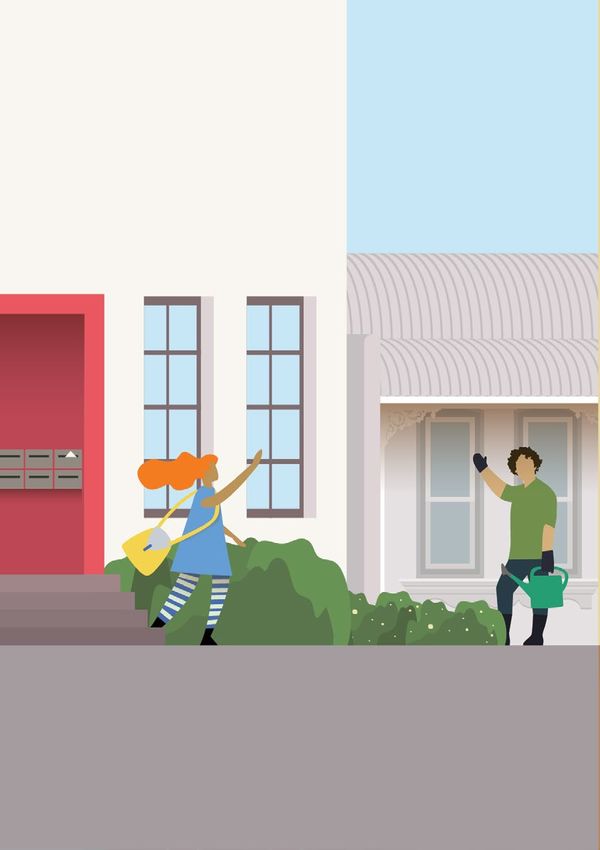
Landscape Quality
Well-designed homes incorporate
quality landscaping
Good landscaping adds to the look, feel and function of a house or
apartment, and offers you a better quality of life.

 •• What natural landscaping is there?
    Are there good sized trees and gardens?
 •• Are the landscaped areas well maintained and in good condition?
 •• For apartments, are shared gardening facilities provided?
Built Form and Scale
A house or apartment should
be sized to suit its location
Houses and apartments should fit naturally into the local
landscape in terms of their size and scale, both in the present
and into the future.

 •• How does the building’s size sit within the overall streetscape?
 •• Are larger buildings, such as apartments, attractive and
    welcoming at ground level?
 •• How does the scale of the building fit with potential future
    development plans for the area?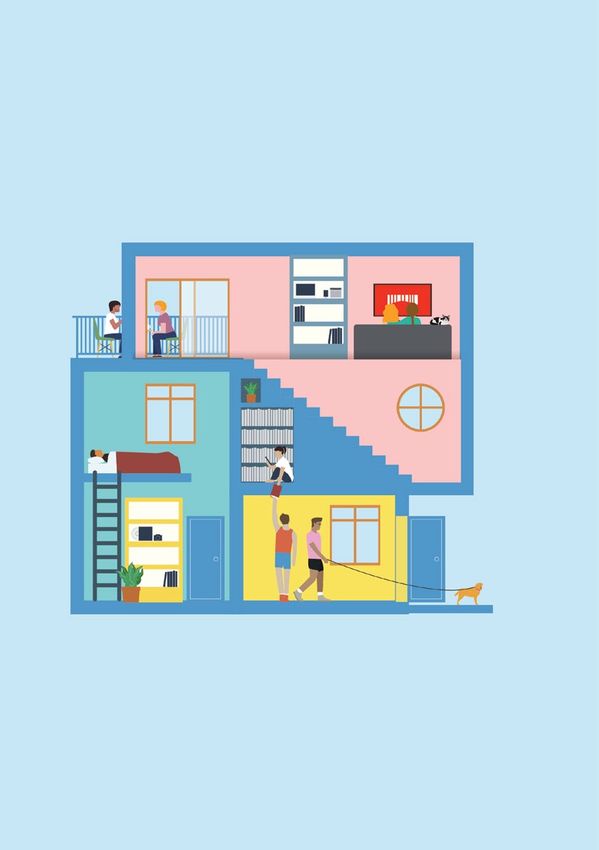
Functionality and Build Quality
Well-designed homes should have a functional
layout and use quality materials that will last
The overall layout of a house or apartment should suit your
lifestyle and have good quality internal finishes that are easy to
maintain and adaptable to your changing needs over time.

 •• Do the room layouts provide spaces that are easy to furnish?
 •• Is adequate storage provided for bulkier items?
 •• Are the internal and external finishes of good quality
    and easy to maintain?
Sustainability
Well-designed homes minimise energy use
and support the environment
Good design incorporates energy efficiency into the layout. The
positioning of windows and outdoor spaces, insulation, waste
management, and building materials also contribute to a home’s
overall sustainability.

 •• Are the windows for living spaces and outdoor spaces facing
    north? Are windows facing east and west provided with shading?
 •• Are opening windows located on opposite sides of the house or
    apartment to allow for good cross-ventilation?
 •• Does the apartment achieve a minimum 6 out-of-10 star NatHERS
    sustainability rating?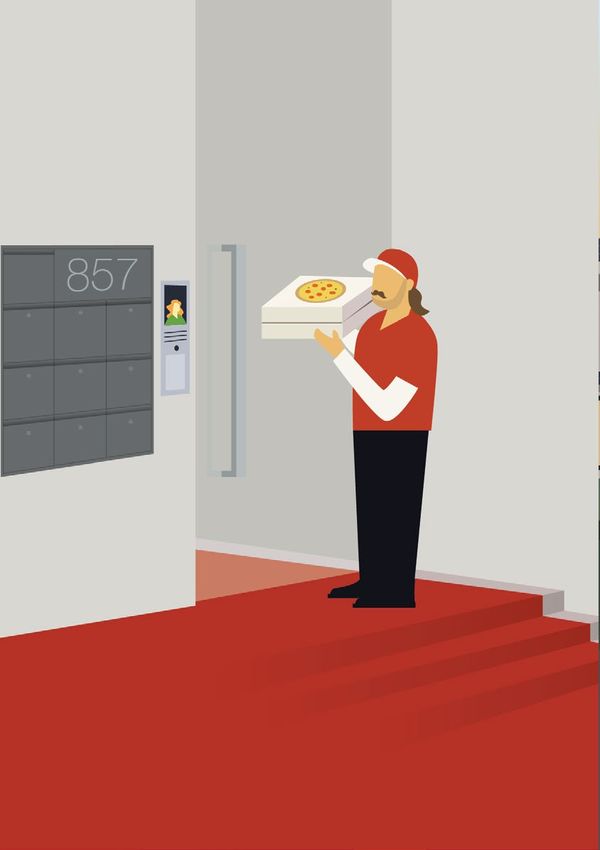
Amenity
Well-designed homes are comfortable
and welcoming places
Comfortable houses and apartments are well-lit, with plenty of
natural sunlight and sufficient privacy. They also provide places
where you can experience a sense of peace and quiet.

 •• How quiet and peaceful are the rooms and outdoor spaces? Are
    sleeping areas away from louder living spaces?
 •• What is the level of natural light in each of the living spaces
    and bedrooms?
 •• What provisions are there for privacy? I.e. screens, blinds, hedges
    and protection from noise.
Legibility
Well-designed homes are easy to
navigate - even for first-time visitors
For larger buildings, like apartments, car parking facilities and front
entrances should be accessible and easy to find.

 •• How straightforward is it to make your way to the front door?
 •• For apartments, how accessible is the car park and entrance from
    the street?
 •• Is it easy to tell the difference between outdoor areas for private,
    communal and public access?
Safety Well-designed homes feel safe, day and night Houses and apartments should be secure and designed so neighbours can look out for each other. •• Do balconies and windows open onto the street and communal areas to encourage neighbours to look out for each other? •• How visible, well-lit and secure (particularly at night) are the building entrances and car park areas? •• For urban areas, is the street lively, with a mix of uses? Do people frequently come and go?
Community
Well-designed homes respond
to community needs
A home should allow for social interaction with people in your
street or apartment building. It’s also important that there are
community spaces nearby to suit your needs now and into the future.

 •• Are there any community spaces within a short walk, such as
    parks for recreation, plazas to meet friends, and local shops?
 •• Are there a variety of housing types for different needs,
    demographics and budgets within the neighbourhood?
 •• For apartments, does the building encourage you to keep
    physically and socially active? e.g. are there easy to find
    stairways, bike facilities and good communal facilities?
Aesthetics
Well-designed homes are aesthetically
pleasing and inviting
A home is where you live, play and go about your life - so it’s
important that it looks good and ages well. This includes all the
finer details that can often get overlooked.
•• Is the building visually engaging?
Would you feel proud to live there?
•• Does the design possess elegance, character and beauty?
•• Has the design been followed through to the finer finishes
of the building?Rate the places on your short-list Context and Character • How does the building sit within the existing streetscape? • What is the character and feel of the place? Does it reflect what you like about the neighbourhood? i.e. “very Freo” “so North Perth.” • How does its use of materials, shapes and colours relate to the buildings around it? Landscape Quality • What natural landscaping is there? Are there good sized trees and gardens? • Are the landscaped areas well maintained and in good condition? • For apartments, are shared gardening facilities provided? Built Form and Scale • How does the building’s size sit within the overall streetscape? • Are larger buildings, such as apartments, attractive and welcoming at ground level? • How does the scale of the building fit with potential future development plans for the area? Functionality and Build Quality • Do the room layouts provide spaces that are easy to furnish? • Are the internal finishes of good quality and easy to maintain? • Is adequate storage provided for bulkier items? Sustainability • Are the windows for living spaces and outdoor spaces facing north? Are windows facing east and west provided with shading? • Are opening windows located on opposite sides of the house or apartment to allow for good cross-ventilation? • Does the apartment achieve a minimum 6 out-of-10 star NatHERS sustainability rating?
Amenity
• How quiet and peaceful are the rooms and outdoor spaces? Are sleeping areas away
  from louder living spaces?
• What is the level of natural light in each of the living spaces and bedrooms?
• What provisions are there for privacy? I.e. screens, blinds, hedges and protection
  from noise.

Legibility
• How straightforward is it to make your way to the front door?
• For apartments, how accessible is the car park and entrance from the street?
• Is it easy to tell the difference between outdoor areas for private, communal and
  public access?

Safety
• Do balconies and windows open onto the street and communal areas to encourage
  neighbours to look out for each other?
• How visible, well-lit and secure (particularly at night) are the building entrances
  and car park areas?
• For urban areas, is the street lively, with a mix of uses?
  Do people frequently come and go?

Community
• Are there any community spaces within a short walk, such as parks for recreation,
  plazas to meet friends, and local shops?
• Are there a variety of housing types for different needs, demographics and budgets
  within the neighbourhood?
• For apartments, does the building encourage you to keep physically and socially
  active? e.g. are there easy to find stairways, bike facilities and good communal facilities?

Aesthetics
• Is the building visually engaging? Would you feel proud to live there?
• Has the design been followed through to the finer finishes of the building?
• Does the design possess elegance, character and beauty?
For further information
The State Government is developing policies to improve the way
houses and apartments are built. By providing clear and proven
guidance for planners, designers, developers and residents, these
future well-designed buildings will contribute to the well-being of
both the community and the environment.
You can read our policies at www.planning.wa.gov.au/designwa
You can also find more information about house and apartment
design at www.yourhome.gov.au

Acknowledgements
A collaboration with Open House Perth.
Illustrations by Kelwin Wong, Architect and graphic designer.

            Department of Planning, Lands and Heritage
            Department of Finance
            Office of the Government Architect
You can also read


