WILD ATLANTIC SALMON IN HOT WATER - THE MISSING SALMON ALLIANCE
←
→
Page content transcription
If your browser does not render page correctly, please read the page content below
WILD
                                        ATLANTIC
                                         SALMON
                                                IN HOT WATER

THE MISSING       Saving wild Atlantic salmon through
SALMON ALLIANCE   evidence, analysis and action           2021
WORKING TOGETHER |                            THE MISSING SALMON ALLIANCE

                THE ALLIANCE                                                     THE OBJECTIVE
                Atlantic Salmon Trust                                            Saving the wild Atlantic salmon will
                Through stimulating research and sound science, the
                Atlantic Salmon Trust is the foremost evidence-based
                                                                                 take hard work over a sustained
                                                                                 period and, most importantly, will
                                                                                 take coordinated effort. There is
                                                                                                                                    GROWING
                salmon conservation charity in the UK.
                                                                                 no silver bullet. By coordinating
                                                                                                                                                THE
                Fisheries Management Scotland
                The representative body for Scotland’s District Salmon
                Fishery Boards, Rivers and Fisheries Trusts and the River
                                                                                 expertise, pooling resources and
                                                                                 working together The Missing                MISSING SALMON
                                                                                 Salmon Alliance objective is to
                                                                                                                                ALLIANCE
    Fisheries
 Management     Tweed Commission.                                                increase the number of adult
    Scotland
                Promoting and ensuring the best evidence-based fisheries         salmon returning to the UK.
                management for the conservation of Scotland’s wild salmon
                and native freshwater fish.

                The Angling Trust
                Is a representative body for all anglers in England and Wales.
                They lobby government, campaign on environmental and
                angling issues including many of the factors which are
                affecting Salmon.                                                Booklet 3 in The Missing                “We are delighted to welcome
                                                                                 Salmon Series                           Fisheries Management Scotland
                Game & Wildlife Conservation Trust                               The purpose of WILD ATLANTIC
                A leading UK charity conducting conservation science to          SALMON IN HOT WATER (Booklet 3)
                                                                                                                         and the Rivers Trust to The Missing
                enhance the British countryside for public benefit. Their        is to report on projects the Alliance   Salmon Alliance.
                Salmon and Trout Research Centre, East Stoke, is at the          partners have been engaged with         The Rivers, Fisheries Boards and
                forefront of NGO salmon research in England and Wales.           over the last year, describing          Trusts they represent are key to
                The Rivers Trust                                                 projects that have been committed
                                                                                 to and giving our stakeholders
                                                                                                                         our collective effort to increase the
                Is the umbrella body for more than 60 member Rivers Trust
                charities in the UK and Ireland working to restore rivers and    an overview of possible future          number of adult salmon returning.”
                their catchments by implementing collaborative, nature-          conservation work.                      David Mayhew CBE - Chairman of the
                                                                                                                         Missing Salmon Alliance.
                based solutions.

                                                                                                                                                                 1
THE PLAN |                 EVIDENCE ANALYSIS ACTION

                                                                                                                                                HOW DO WE
                                                                                                                                               INCREASE
                                                                                                                                                   the number of
                                                                                                                                                    adult salmon

                                                                                                                                          RETURNING
                                                                                                                                                     to UK rivers?
    In booklet 3 of The Missing Salmon Series we will explore
    how we can increase the number of returning adults to UK
    Rivers . To do this we will discuss:
                                                                                                                                                          Photo: Linda Pitkin/scotlandbigpicture.com

1                            2                                  3
                                                                                                “It will be action, rather than rhetoric, that restores healthy wild salmon
    EVIDENCE                           ANALYSIS                     ACTION                      populations. The Missing Salmon Alliance’s collaborative approach will
    How we are gathering               Understand where and         Detail the actions taking
    evidence.                          why salmon are going         place today and how we      increase the scope, scale and pace of action and I urge you to support its
                                       missing.                     will approach the future.
                                                                                                important work.” Robbie Douglas Miller, Chairman of the Atlantic Salmon Trust.
EVIDENCE GATHERING | THE MORAY FIRTH TRACKING PROJECT THE MORAY FIRTH TRACKING PROJECT
THE OBJECTIVE Marine Receivers
Smolt Capture Sites The Year 1 Results
To take a whole region of salmon rivers, River and Estuary Receivers
around the Moray Firth, and study the smolt River Salmon Confirmed Detected on
migration to understand reasons for salmon Smolts Survival to Spey Bay
Tagged Rivermouth Array
mortality, from the headwaters through the
main stem, the estuary and up to 120km Shin Deveron 100 38% N/A
out to sea, and to understand what we Spey 149 59% 46%
can do to mitigate mortality. This includes Findhorn 101 53% 40%
understanding the smolts dispersal patterns Oykel
Ness 100 9% 8%
in the coastal zone of their migration. Conon 99 46% 19%
Oykel 153 70% 34%
Shin 100 89% 58%
Findhorn
Conon
Photo: DJTaylor/Shutterstock.com
Deveron
50% OF SMOLTS Ness Spey
THE PROJECT TIMELINE
WENT MISSING
BEFORE THE METHODOLOGY
Using acoustic tracking technology we have
tracked 800 smolts over 7 river systems and
Year 1 – 2019
Evidence gathering on a macro
scale across the region and in the
Year 2 – 2021
In year 2 we wish to ensure that the results
from 2019 were not unusual due to either
Year 3 – 2022
With the evidence from
years 1 & 2 to work with
THEY LEFT THE RIVER they have been recorded on the receivers over
15 million times. This has provided a valuable
coastal zone. To understand the
dispersal pattern of the smolts
conditions or other factors. We will also
be focusing on why the smolts are going
policy makers to trial and
then establish management
In years 2 & 3 we intend to find out why fish are
going missing and prescribe actions to increase resource to understand where the smolts went with reference to the Moray East missing and deploying an acoustic tracking practices to make a
the number of adults returning. missing. From there, we focus on the ‘why’ and Wind Farm. project which builds on the year 1 results. difference.
identify how we better look after them.
For more information visit www.missingsalmonalliance.org 5
EVIDENCE GATHERING |                                THE WEST COAST TRACKING PROJECT                                        THE WEST COAST TRACKING PROJECT

THE OBJECTIVE

                                                                                                                                                                                                                    Photo: Richard Davies
The West Coast Tracking project is a
partnership between Marine Scotland,
Fisheries Management Scotland and The
Atlantic Salmon Trust. The project will                                              e
                                                                                Laxford
track Atlantic salmon over a three year                                       11.
period to better understand how they                                          12.
migrate through coastal waters and
to inform policy. This will assist the
forthcoming wild/farmed regulatory
                                                                   Badachro
regime which is designed to protect
wild Atlantic salmon and sea trout.
As not all rivers can be monitored the
results will be used to ground truth a
smolt dispersal model, developed by
                                                                  Morar
Marine Scotland, so that migration                                        Loy
paths can be worked out for all west
                                                                                    Lundy
coast Scottish rivers.
                                                                                     Etive

                                                                                     Awe
                                      Smolt Trapping Site
                                      Receivers All Projects
                                                                                                         To protect the fish we need to know how they migrate through coastal waters.
      WHERE SHOULD WE
    FOCUS OUR EFFORTS TO

BETTER PROTECT                                                                                                                     THE PROJECT TIMELINE
                                                                                                    Year 1 – 2021                                               Year 2 & 3 – 2022/23
WILD SALMON                                                                                         We will strategically deploy receivers across the west
                                                                                                    coast of Scotland to listen for up to 1,000 tagged salmon
                                                                                                                                                                Refine our understanding of smolt dispersal
                                                                                                                                                                patterns across the west coast of Scotland and
    FROM AQUACULTURE                                                                         Nith
                                                                                                    smolts from 10 rivers, ranging from the Solway to           ensure that evidence collected on fish migrations
        IMPACTS ?                                                               Bladnoch            Sutherland and across to the Hebrides. The first results    is used to protect wild salmon smolts.
                                                                                                    will be available in late autumn 2021.
6                                                                                                                                                                                                               7
EVIDENCE GATHERING | SAMARCH - TRACKING IN THE ENGLISH CHANNEL                                                                                                  SAMARCH - TRACKING IN THE ENGLISH CHANNEL
The English Channel is one of the busiest

                                                     Photo: MISTER DIN/Shutterstock.com
stretches of water in the world, for shipping,                                            The key findings to date
inshore and offshore commercial fishing                                                   Too often, migratory fish are in the wrong place at the
                                                                                                                                                                                                         Frome
and human activity. SAMARCH (SAlmonid                                                     wrong time, making them susceptible to becoming a                                                                     East Stoke
MAnagement Round the CHannel) will provide                                                by-catch in coastal nets.                                                                      Tamar
                                                                                                                                                                                                              Research Centre

evidence to better protect salmon and sea                                                 This project, along with other research projects in the
trout from these activities. This project is being                                        UK, has shown that larger wild smolts are more than
                                                                                                                                                                                                                                               NEL
                                                                                                                                                                                                                                           H AN
delivered by a number of different partners and                                           three times as likely to survive the perils at sea.
led by the Game and Wildlife Conservation Trust.
                                                                                                                                                                                                                  I S H C
THE OBJECTIVE                                                                                                                                                                                                 ENGL                                                      Bresle

Understand how salmon and sea trout use the
coastal environment and to quantify how many
smolts are lost during their estuarine migration.
What marine habitats do the adults utilise when                                                    EVIDENCE FROM                                                                                                                                            Marine Receivers
at sea, and where, and does this present a risk of
                                                                                                ACROSS THE UK SHOWS
                                                                                                                                                                                                                                                            Smolt Capture Sites
accidental capture by commercial fisheries?                                                                                                                                                                                                                 River and Estuary Receivers
                                                                                                                                                                                                    Scorffe

                                                                                            MORE SALMON
To understand how the freshwater phase impacts
the ability to survive at sea, and how this has
changed over the years.
We will develop new policies and improve current
ones to better protect these fish at sea.
                                                                                              RETURN                                                                              THE PROJECT TIMELINE
Work is ongoing to develop flexible models to make
                                                                                                WHEN THE SMOLTS ARE
                                                                                                          LARGER
the best use of information, collected over the last 30                                                                                             2017 - 2021                                                                 2021-2023
years at East Stoke, to estimate salmonid abundances                                                                                                900 smolts were tagged with acoustic tags and 300                           Data will be interrogated to understand in greater
and changes in their migration behaviour. This                                                                                                      adults were tagged with both an acoustic and a data                         depth what is causing smolts to go missing in
information will help understand the future behaviour
of salmon populations to the north of the English                                                   WHEN THEY LEAVE                                 storage tag in four rivers discharging into the English                     these key coastal and transitional waters.
Channel as climate change moves north.                                                                                                              Channel.

8                                                                                                                                                                               For more information visit www.missingsalmonalliance.org                                                  9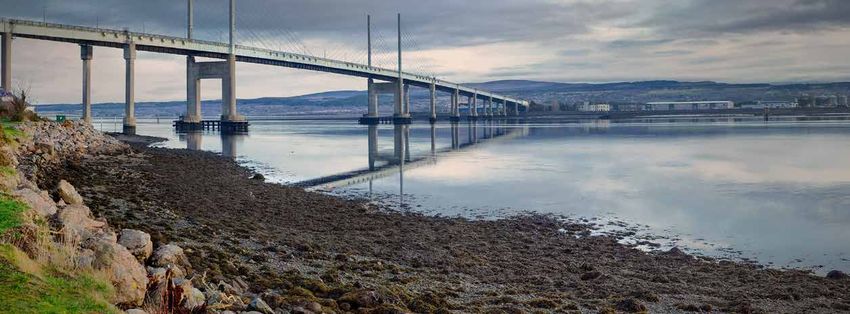
EVIDENCE GATHERING |    TECHNOLOGY             All this data feeds
                                                                                                          THE DEPLOYMENT OF TECHNOLOGY TO HELP FIND THE SUSPECTS

                                                                     Photo: jack perks/Shutterstock.com
                                       THE LIKELY                                                         Below are some of the technologies being used to understand where and why salmon
                                        SUSPECTS                                                          are going missing.

                                      FRAMEWORK                                                           Where salmon are going missing
                                      and increases the scrutiny
                                         of particular suspects.                                          Acoustic Tracking
                                                                                                          Salmon smolts are implanted with uniquely coded tags, that are picked up on
                                                                                                          strategically placed receivers in rivers and seas, to help establish where fish go missing.

                                                                                                          Why Salmon are going missing
                                                                                                          Radio Tracking
                                                                                                          Not all predators are easy to spot, and by miniaturising radio tags we can start to
                                                                                                          understand the relative impacts of both fish and avian predators on young salmon.

                                                                                                          Environmental DNA (eDNA)
                                                                                                          All animals leave their signature DNA in the environment. By examining the DNA in
                                                                                                          scats from riverbanks we can establish the diet of various predators, estimate their
                                                                                                          population size and impact on wild salmon.

                                                                                                          Drone Technology
    TECHNOLOGY                                                                                            Drones have the potential to allow us to rapidly and accurately identify and count the
  HELPS SHINE A LIGHT                                                                                     number of potential predators along a section of river.
 ON UNDERSTANDING WHY

     SALMON                          To find out where migrating
                                           salmon and smolts are
                                                                                                          Data Storage Tags
                                                                                                          Record temperature to model the movements of fish at sea and pressure to assess
     ARE GOING                          dying we need to use the
                                        latest technology to help
                                                                                                          their swimming depths.

      MISSING                               identify the suspects.
                                                                                                          As technologies are developed we are assessing them to understand which ones we can
                                                                                                          utilise to further our work in understanding the reasons behind the decline in salmon
                                                                                                          and what we can do about them.
                                                                                                                                                                                                        11
EVIDENCE GATHERING | THE PRESSURES MAPPING TOOLS
Pressures mapping tools have been developed by pressures that salmon face in their catchment areas.
WA T E R Q U
AL
CLIMATE CHANGE
CEFAS in England and by Marine Scotland and Fisheries For the first time the tools establish a consistent
Management Scotland in Scotland. These are national approach to illustrate the nature and intensity of the
I
TY
efforts to determine priorities for action and measure challenges faced by salmon at local, regional and
UA N TIT Y INTENSIFIES
progress. national levels.
E RQ
They enable local fishery managers to quantify and
THE PRESSURE
T
WA
com
illustrate the severity and status of each of the different
ck .
ION OF OTHER FACTORS
to
T
rs
E N O N N AT I V DA
ut
te
Sh
et/
IV ES Kaenti an Stre
ON SALMON
AS
E
PR
MENTS
rd
P
INV
LO
B oa
E ri
es
he
Tay Fis
District Salmon
V
C O A S TA L D E
S T O M I G R AT INST REAM
ER IO T
RI
t
TA
us
r
sT
Galloway Fish
e rie
PA R I A N I
RI
R
N
B
AT
BA
HA
ro
TIO N IT
C
wn
I TA
Est
ate S
E M P E R AT U R
cotland
LO
B
HA
E TIC IN T T E
GEN R ER
P
O
EX
T
WA
GR
nd
ES
tla
co
Ric tS
har en
SIO N
d Davies em
F I S H H E A LT
Fishe
ries Manag
H Riv
ne e r De
ok
ma e
d a1
/Shut com
terstock. Ric
har
ro d Davies
C
wn
Est
ate Sc
otland “The use of mapping tools to quantify the pressures faced by Atlantic
salmon will allow these to be better understood at local, regional
he and national scales and will inform and focus essential management
Fi
s
rie
sM d
lan
actions.” Dr Alan Wells - CEO Fisheries Management Scotland
anag
ement Scot
12
ANALYSE | THE LIKELY SUSPECTS FRAMEWORK THE LIKELY SUSPECTS FRAMEWORK | ANALYSE
Creating The Framework
In the previous pages we have outlined projects
focussed on gathering evidence as to what is
causing salmon mortality, whether in freshwater
or at sea. Many of these projects have been
prioritised by The Likely Suspects Framework
Likely Suspects Framework THE FRAMEWORK
and commissioned to form an accurate picture
Achievements To Date
DATA
of actions we can take to increase the number of The team developing The Likely Suspects REPOSITORY
THE CONCEPT adult salmon returning to the UK. Framework has been brought together
under the leadership of the principal S
Historic data
on salmon PR
O
CT
Just what is The Likely Suspects
JE
JE
investigator Dr Colin Bull.
CT
RO
Gather the evidence Framework?
S IN
COMPLETED P
The core team is now supported by a
PROGRESS
There is a vast resource of information available dedicated group of leading salmon and MARINE
SUSPECTS
FRESHWATER
SUSPECTS
out there on salmon, but it has never been environmental researchers from eight
Organise the data
pulled together to understand the big picture. countries from around the Atlantic and
The Framework seeks to bring this information further afield. DOMAINS
Analyse data by domain together so that we can locate, quantify and With the support of the North Atlantic RIVER CHARACTERISTICS
understand the cause of salmon mortality Salmon Conservation Organisation
Apply river characteristics through each stage of its lifecycle, with a view to (NASCO) and the International Council
promoting appropriate management solutions. for the Exploration of the Seas (ICES) PREDICTED OUTCOME BY SUSPECT
This is done by breaking the lifecycle down into we are, for the first time, collating the
% mortality caused by a domains and using the wealth of information information and devising a plan to bring
suspect in a domain about salmon and their environment to establish it together in the cohesive form of the
framework.
MANAGEMENT ACTIONS
the scale, location and likely loss in each of
Management actions these domains. By making the best use of this
information we can target the most appropriate “Over many decades excellent research has been undertaken to help us
management actions to help rebuild stocks of understand the pressures salmon face. The Likely Suspects Framework
salmon.
allows us to collate, analyse and access this information to form a
consensus on which mortality factors can be targeted as priorities for
The Likely Suspects Framework practical management action.’ Mark Lloyd, CEO of The Rivers Trust.
14 15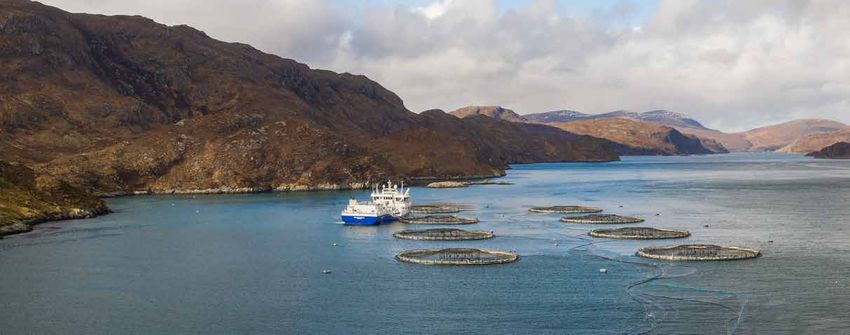
ANALYSE | THE LIKELY SUSPECTS FRAMEWORK                                                                                                                                                 THE LIKELY SUSPECTS FRAMEWORK   | ANALYSE
The Moray Firth Tracking Project
An example of The Likely Suspects Framework in practice                                                                  “The development of The Likely Suspects Framework enables us to
                                                                                                                         prioritise actions that can be taken in the freshwater environment while
The Atlantic Salmon Trust, Marine Scotland and the          freshwater phase further and starting the process
six boards of the Moray Firth Rivers are currently          of understanding the contribution to salmon
                                                                                                                         we further understand the complexities of the marine world”
preparing for year 2 of the Moray Firth Tracking project.   mortality from each of the potential suspects. This          Dr Colin Bull – Principal Investigator for The Likely Suspects Framework
The preliminary results across all seven rivers indicate    includes understanding if this was down to particular
that approximately 50% of migrating smolts went             conditions in 2019 or other factors. By assessing
missing before they reached the estuary. A further 15%
went missing between the estuary and the Spey Bay
                                                            these suspects through the framework we will be
                                                            able to advocate the most effective management to
                                                                                                                                                                                                                 USING THE
Array. Of the smolts which make it to the estuary we
believe less than 5% are returning as adults.
In year 2 of the project we are investigating the
                                                            protect young salmon and increase the number of
                                                            returning adults.                                                                                                                       LIKELY SUSPECTS
 DOMAINS         HEADWATERS               MAIN STEM                   ESTUARINE                   COASTAL ZONE           OPEN OCEAN                                                                      FRAMEWORK
                                                                                                                                                                                                       TO UNLOCK HOW TO
                                                                                                                                                                                                    PROTECT SALMON
                                                                                                                                                                                                      IN THE MORAY FIRTH
                                                                                                                    SPE
                                                                                                                         Y
                                                                                                                    A R R B AY
                                                                                                                          AY

 Approx
 smolts
 missing
                                    50%                                                       15%
 from the
 migration
                                                                                                                                                                                                                                17
ACTION | ACTION ACTION | ACTION
PRODUCING ACTIONS TO INCREASE THE NUMBER THERE IS NO
OF ADULT SALMON RETURNING TO THE UK REASON TO DELAY,
Salmon populations in the UK are declining. In January 2020 the Scottish
Government recognized that salmon “were in crisis.”
Fisheries Management Scotland and The Angling Trust are well positioned to
“ACTION”
make things happen. They are: CAN BE TAKEN
TODAY
Influence Policy
1. Fisheries Management Scotland and the Atlantic Salmon
Trust sit on Scotland’s national wild salmon strategy
advisory group, facilitating our ongoing advocacy for
policies and outcomes which we believe are key for the
recovery of populations.
2.
Working with Industry
Through connections into industries which impact salmon
populations, actions are being taken to mitigate loss of
salmon through improving management practice.
Promoting Action
3. It is local managers that will deliver real change. Through
the fundraising success of The Missing Salmon Alliance
resources can be provided to River Managers to take real
action which will result in more adult salmon returning.
“The key to the future is to use our resources in the most efficient way
Photo: Einar Gudmann
by taking the right management actions. There are things we can do
now and we just need to get on with it.” Jamie Cook - CEO The Angling Trust
18ACTION | WHAT IS BEING DONE
A RIVER RESTORATION WHAT IS BEING DONE | ACTION
PROJECT
Fisheries managers and researchers across
the UK have developed a suite of management
approaches which can improve habitat and
increase production of salmon. The Missing
Salmon Alliance is discussing, with its partners,
the opportunity to take this knowledge and apply
it at a catchment scale to a west coast river,
to assess how big a difference we can make.
The outputs from this work will give us crucial
information on how we can support fisheries
managers to deliver this vital work at scale. We
need to measure the effect of each management
action we take in order to evaluate its success
and then understand if this can be replicated with
other river systems.
RESTORING A
SALMON “It is essential that we turn
POPULATION theory into practice. By taking
a river and deploying these
TO TURN THEORY tools to devise and, crucially,
deliver, a plan to restore a
INTO PRACTICE healthy number of salmon into
Photo: Gordie Broon Photography
a catchment, it will provide
TO CREATE A BLUEPRINT a beacon of hope for salmon
FOR OTHER RIVERS stocks.”
Professor Ken Whelan – Research Director
Atlantic Salmon Trust
20ACTION | WHAT IS BEING DONE WHAT IS BEING DONE
Many salmon restoration actions are being
conducted locally by fisheries managers, such
as the easing of barriers to migration. Marine
Scotland has identified three further priority
areas for potential future large scale action that
can be started now.
1. Increase resilience and restore over-heated
uplands. The science is already in place to
identify where planting of trees and fencing
to encourage bankside vegetation can
restore salmon and protect against climate
change. This is a process that has started
but must be accelerated and scaled up, with
the right tree species- such as aspen, willow
and alder- in the right places.
2. Feed the streams to feed the salmon. Adding
nutrients to impoverished upland streams
has been shown to increase the length and
WHERE condition of juvenile salmon. We should now
HABITAT IS GOOD
investigate if this exercise can be carried out
on a larger scale to increase numbers and
quality of salmon smolts.
SALMON THRIVE 3. Reduce losses to predators, parasites and
pollution. Better solutions are needed to
alleviate predation. From goosanders to
AND WE NEED TO seals – all take their toll on a beleaguered
PROTECT THEM
wild salmon population. Close working with
the aquaculture industry is required to
Photo: Niall Benvie
reduce impacts of sea lice and broad scale
action by regulators is needed to tackle
pollution.
23ACTION | AQUACULTURE AQUACULTURE
There is a long history of debate about salmon farming Actions we are currently taking include:
on the west coast of Scotland and significant concerns • Working with all of the stakeholders involved in
about the impact of this activity on our wild salmon. salmon aquaculture, its regulation and the wild
WORKING TO Fisheries managers have worked hard to demonstrate fish sector to ensure that the essential changes to
ADDRESS THE and address these impacts, but this has been challenging regulation are delivered in order to have thriving
IMPACTS
due to the size and economic importance of the industry. salmon and sea trout populations without negative
In 2018, following two inquiries in the Scottish Parliament, impacts arising from salmon farming.
the Salmon Interactions Working Group was established, • Fisheries Management Scotland have employed
OF and industry, regulators and the wild fish sector, led an Aquaculture Interactions Officer to support the
AQUACULTURE by Fisheries Management Scotland, came together to
develop positive solutions.
management and monitoring of interactions between
wild and farmed fish and develop a more positive
ON WILD SALMON The group recognised the hazard that salmon farming can working relationship between the sectors.
POPULATIONS present to wild salmon and sea trout and concluded that • Understanding the dispersal patterns of salmon on
the regulatory regime should be reformed to ensure that The West Coast – The West Coast Tracking Project.
it is fit for purpose. They agreed 42 recommendations
that will be used to inform and shape this new regulatory
regime. For the first time, the regulation of salmon
farming in Scotland will need to take into account the
needs of wild salmon.
The Scottish Government is due to publish its response
to the proposals. The partners of The Missing Salmon
Alliance are working together to make sure policy makers
deliver the recommendations of the Salmon Interactions
Working Group in full and deliver an effective regulatory
“We now have a unique opportunity system that protects wild salmonids.
to work together in a positive and
collaborative manner to make
Photo: Richard Davies
meaningful change for the benefit
of our precious wild salmon.”
Richard Sankey – Chairman of Fisheries Management Scotland
25ACTION | IMPLEMENTATION We can do things TODAY to make a difference
Use the Work with
PRESSURES INDUSTRIES
MANAGEMENT TO
Work with
Build on the
MORAY FIRTH TOOL PROTECT GOVERNMENTS
TRACKING PROJECT
to drive actions SALMON ON WILD SALMON
to understand further why STRATEGIES
Support
SMOLTS ARE GOING salmon in the
MISSING
ABILITY
TO ADAPT
to climate
change
Improve
river habitats to
HELP SMOLTS Use the
become LIKELY
STRONGER SUSPECTS
Use the
Likely Suspects
FRAMEWORK
to drive management
Restore
Photo: Linda Pitkin/scotlandbigpicture.com
Framework
action
A SALMON
to understand why
Establish the
FEWER ADULT
POPULATION MIGRATION SALMON RETURN
on a west coast
river
PATTERNS from the marine
enviroment
of west coast
salmon For More Information
www.missingsalmonalliance.orgACTION | CLIMATE CHANGE CLIMATE CHANGE | ACTION
RAISING THE PROFILE OF WILD SALMON “The majestic, wild Atlantic
IN THE CLIMATE CHANGE DEBATE salmon is a powerful symbol
The members of The Missing Salmon Alliance have SALMON IN of the health of our rivers and
worked tirelessly to successfully raise the profile
of salmon with policy makers. In January 2020, HOT WATER ocean, and of our relationship
for example, Fisheries Management Scotland and with the natural environment
Scottish Land & Estates hosted a multi-stakeholder that sustains all human
event at which there was a commitment by
Roseanna Cunningham, Cabinet Secretary for activity…….When all is well
Environment, Climate Change and Land Reform, with the salmon, all is well
to do everything possible to safeguard the future
of Scotland’s wild salmon. Fisheries Management
with the world!.”
HRH The Prince of Wales at a speech to commemorate the
Scotland and the Atlantic Salmon Trust were
50th anniversary of the Atlantic Salmon Trust in 2017
subsequently invited to sit on Scotland’s wild
salmon strategy advisory group, facilitating our on-
going advocacy for policies and outcomes which we
believe are key for the recovery of populations.
Wild salmon is Scotland’s most iconic species which
is under significant threat from the consequences
of climate change related impacts, such as warming
sea surface temperatures, changing ocean currents WE INFLUENCE
POLICY MAKERS
and more frequent extreme weather events. The
Missing Salmon Alliance therefore views wild
salmon as the ideal Climate Change Adaptation
Graphic: Niall Benvie/NASA
Focus Species. In addition to the wider biodiversity BY RAISING THE
benefits that stem from the management
interventions required to recover wild salmon, the
Alliance believes that this work has the potential to
PROFILE
send out ripples far beyond our primary focus.
28
OF SALMONTHE MISSING GOVERNMENT AGENCIES OUR SUPPORTERS
SALMON ALLIANCE
Fisheries
Management
Scotland
INTERNATIONAL ORGANISATIONS
PROJECT FUNDING
The Missing Salmon Alliance was
created to co-ordinate fund-raising
• Funders can have confidence that
their money is being well-spent on
“The projects in
for a variety of NGOs actively involved the right projects; this booklet have RIVER BOARDS/TRUSTS
in wild Atlantic salmon conservation • Projects between the different benefited from funds
in the UK. The partners forming the NGOs are co-ordinated which
Alliance help to ensure that money avoids duplication and fosters
from The Missing
raised goes to where it does the most the exchange of knowledge and Salmon Alliance. Outer Hebrides
good for salmon. Launched in 2019 expertise; However the real Fisheries Trust
the Alliance, to date, has raised and • It enables transparency of funding
allocated more than £1.5 million to the and allows for other agencies to
beneficiary has been
projects outlined in this booklet. become involved in projects; the wild Atlantic
Over the next 3 years the MSA needs
to raise a further £3 million in order
• It has created an unprecedented
salmon”
level of collaboration between
Teresa Dent CBE, Chief Executive, the
to fund projects which are vital to NGOs and government, something Game and Wildlife Conservation Trust.
achieve our common goal: to reverse the MSA strongly believes is to the
wild salmon’s decline and safeguard salmon’s benefit.
its future across Britain.
This co-operative model works
because:
30Please help by supporting the MSA THE TIME TO ACT IS NOW
www.missingsalmonalliance.org
As Chairman of The Missing Salmon Alliance the
question I always ask is, ”Will this project help wild
Atlantic salmon?” If it will, then we will see how the
MSA can fund it.
So, my question to you is this: “Do you think the
projects here, funded by The Missing Salmon Alliance,
can help to get salmon out of hot water?” We believe
they will help and if you share our belief, you can
show your support - for the fish - by donating to
The Missing Salmon Alliance. Thank you for your
contribution.
David Mayhew CBE - Chairman of the
Missing Salmon Alliance.
WILD ATLANTIC SALMON
Start helping our salmon today. ARE IN CRISIS
For further information on our work or if you HELP US MAKE
wish to make a donation, please contact:
Photo: NPL /naturepl.com
The Missing Salmon Alliance
THE DIFFERENCE
contact@missingsalmonalliance.orgBooklet 3 in The Missing Salmon Series
THE MISSING SALMON ALLIANCE
Photo: NPL/naturepl.com
SAVING WILD ATLANTIC SALMON THROUGH
EVIDENCE, ANALYSIS AND ACTION.
www.missingsalmonalliance.orgYou can also read


