Wound Formulary HANDBOOK - April 2019 - GP Portal
←
→
Page content transcription
If your browser does not render page correctly, please read the page content below
Basingstoke, Southampton and Winchester
District Prescribing Committee and
Portsmouth and South East Hampshire
Area Prescribing Committee

Wound
Formulary

HANDBOOK

April 2019
Wound Formulary April 2019 Version 6
Ratified by the Basingstoke, Southampton and Winchester District Prescribing Committee and Portsmouth and South East Hampshire Area Prescribing Committee
Introduction

Dressings are only one component of wound care and, on their own, will not heal wounds. It is assumed that each healthcare professional
will be responsible for ensuring they are up to date with current wound/skin care practice and ensure they are familiar with the products
selected for use.

The purpose of the Hampshire wide Wound Formulary is to provide a list of dressings, bandages, hosiery and topical applications, which
based on the evidence available, should be selected for approximately 90% of prescribing in this area.
There may be a small number of occasions when, after using the Wound Formulary 1 st and 2nd line, you consider a non-formulary product
may be appropriate.

In secondary/acute care settings there may be differences due to availability and procurement routes which will be highlighted where known-
please refer to local protocols. These dressings can be switched to formulary equivalents once the patient is discharged to primary care,
unless a particular dressing is requested by a TVN or clinical specialist.

The Wound Formulary is a working document with input from all disciplines across nursing, pharmacy and podiatry within acute and primary
care. The Wound Formulary Group continues to meet to provide a forum for the evaluation of new and current products and to document the
evidence available for inclusions to the Wound Formulary for consideration by the District Prescribing Committee.

Product selection has been based on evidence of efficacy (although there is little research evidence available), manufacturers literature,
practical experience of use and cost effectiveness. The recommendations have been developed by collaboration between health
professionals from primary care and secondary care.

In the Wound Formulary we have provided an Exception Reporting form (available electronically) for use when non-formulary products are
used. The information that you provide will be reviewed by the Wound Formulary Group and will be taken into consideration when the
formulary is revised and updated. The Wound Formulary Group requires feedback/comments/rationales on the form. (See last section at
bottom of page).The group also value any comments you have regarding this edition of the formulary.

NB Not all products are available in secondary care. Please refer to local policy.
General References sources: BNF Sept 2018: 76, SHIP Guidelines for Antibiotic Prescribing in the Community 2018, Journal of Wound Care Handbook www.woundcarehandbook.com,
www.worldwidewounds.com, www.evidence.nhs.uk, www.nice.org.uk, www.sign.ac.uk, www.tissueviabilityonline.com/, www.ewma.org, www.britishjournalofnursing.com, www.wounds-
uk.com/pdf/content_9364.pdf, Drug Tariff April 2019

2
Wound Formulary April 2019 Version 6
Ratified by the Basingstoke, Southampton and Winchester District Prescribing Committee and Portsmouth and South East Hampshire Area Prescribing Committee

CONTENTS                                                                                                                                                    PAGE
   1. NON/LOW ADHERENT DRESSINGS                                                                                                                               4
   2. ADHESIVE FILM                                                                                                                                            4
   3. TOPICAL ANTIBACTERIALS                                                                                                                                   5
   4. ODOUR CONTROL                                                                                                                                            7
   5. ALGINATES                                                                                                                                                8
   6. GELLING FIBRE DRESSINGS                                                                                                                                  8
   7. HYDROGEL                                                                                                                                                 9
   8. FOAM DRESSINGS                                                                                                                                          10
   9. HYDROCOLLOIDS                                                                                                                                           11
   10. PASTE BANDAGES                                                                                                                                         11
   11. BANDAGES                                                                                                                                               12
   12. SUPPORT HOSIERY                                                                                                                                        16
   13. ADHESIVE TAPE                                                                                                                                          18
   14. ABSORBENT DRESSINGS                                                                                                                                    18
   15. MISCELLANEOUS                                                                                                                                          19
Appendix 1 Aseptic technique and 2 Protocol for taking swab                                                                                                   21
Appendix 3 Best Practice in Older Persons skin care                                                                                                           22
Appendix 4a Wound Infection Continuum                                                                                                                         23
Appendix 4b Wound Infection Check List                                                                                                                        25
Appendix 4c Wound Infection Flowchart                                                                                                                         26
Appendix 4d Critically Colonised/Infected wound                                                                                                               27
Appendix 5 Product Selection Tools
Skin Tear, Superficial Burns/Scalds                                                                                                                           28
Epithelialising Wounds, Granulating Wounds                                                                                                                    29
Over Granulation, Sloughy Wounds                                                                                                                              30
Necrotic, Fungating                                                                                                                                           31
Sinus/Cavity Wounds                                                                                                                                           32
Appendix 6 Contacts                                                                                                                                           33
Appendix 7 Signposting /Useful References                                                                                                                     34
Appendix 8 Exception Reporting Form                                                                                                                           35

3
Wound Formulary April 2019 Version 6
Ratified by the Basingstoke, Southampton and Winchester District Prescribing Committee and Portsmouth and South East Hampshire Area Prescribing Committee

Product Type                            Product               Size             Cost/        Comments
                                         Name                                 Dressing
1. NON/LOW ADHERENT                    Atrauman®             5x5cm              34p         Knitted polyester dressing impregnated with neutral triglycerides. May
DRESSINGS                                                  7.5x10cm             35p         not be suitable for patients with sensitivities to coconut or its derivatives.
                                                           10x20cm              80p         Consider Tricotex® for patients with coconut allergy.
                                                           20x30cm             £2.20        1. Consider Mepitel® for large skin tears where the skin flap needs
                                                                                            immobilising.
                                                                                            2. Tricotex® is suggested as an alternative for simple non adherent
                                                                                            dressings
                                                                                            NB An Exception reporting form will be needed in both instances.
                                                                                            Please store flat to avoid sticking
                                                                                            Choice of dressing for use under topical negative pressure is
                                                                                            determined by local specialist advice

                                       Softpore®             6x7cm                6p        Not to be used on fragile skin.
                                                             (3x4cm)                        For minor superficial wounds where all that is required is protection from
                                                            10x10cm              13p        friction.
                                                             (5x6cm)                        Can be used as a post op dressing which may stay in place 3 – 5 days.
                                                            10x15cm              20p
                                                            (5x10cm)
                                                                                            Wound contact pad size in brackets
                                                            10x20cm              35p
                                                            (5x15cm)
                                                            10x25cm              40p
                                                            (5x20cm)
                                                            10x30cm              49p
                                                            (5x25cm)
                                                            10x35cm              58p
                                                            (5x30cm)
2. ADHESIVE FILM                       Hydrofilm®            6x7cm               23p        Dry, non-infected wounds; retention of lines; fixation of secondary
Vapour permeable film                                      10x12.5cm             43p        dressings.
                                                            10x15cm              54p
                                                            10x25cm              83p
                                                            12x25cm              88p
                                                            15x20cm              99p
                                                            20x30cm             £1.63       NB: management of IV sites – refer to local guidelines

.

4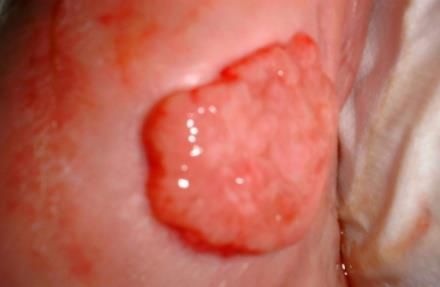
Wound Formulary April 2019 Version 6
Ratified by the Basingstoke, Southampton and Winchester District Prescribing Committee and Portsmouth and South East Hampshire Area Prescribing Committee
Product Type                                   Product                Size          Cost/     Comments
                                                Name                                Item
                                                    Management of critically colonised and infected wounds
 Appendice 4a, 4b, 4c and 4d for Wound Infection Continuum, Check List, Wound Infection Flowchart and guidance on choice of dressings. All antimicrobial
 dressings should be used for two weeks only. Expert specialist advice and guidance should be sought if antimicrobial dressings are required for a longer
 period. NB: some antimicrobial dressings to be cut to size of wound. Do not apply to intact skin except for Medihoney HCS
 3. TOPICAL ANTIMICROBIALS                Inadine®            5x5cm        33p      Non-adherent dressing impregnated with 10% povidone-iodine. Colour
a. Iodine based                                             9.5x9.5cm      49p      change indicates when to change dressing.
                                                                                    Management and prevention of infection in ulcers, minor burns and minor
                                                                                    traumatic skin injuries. Not effective in medium to heavy exudate.

                                               Iodoflex®               5g           £4.19     Cadexomer dressing with iodine. For the treatment of chronic exuding
                                                                      10g           £8.37     wounds. Not to be used on dry necrotic tissue.
                                                                                              Can apply up to 50g per dressing change, cover with secondary
                                                                                              dressing; change when paste is saturated. Do not exceed 150g
                                                                                              Iodoflex® paste in one week or more than 3 months single course of
                                                                                              treatment. BE AWARE OF CONTRAINDICATIONS FOR USE. See SPC
                                                                                              and BNF https://bnf.nice.org.uk/wound-management/iodine.html

                                             Medihoney®               20g           £3.99     Medical honey. Useful on sinus wounds. Indicated for infected or critically
b.   Honey                                   Antibacterial            50g           £9.97     colonised wounds. Can be effective if malodour present, as a desloughing
                                            Medical Honey                                     agent or in the treatment of necrotic wounds.

                                             Medihoney®            10x10cm          £3.00     Strong woven dressing impregnated with antibacterial honey, sterile. For
                                            Tulle dressing                                    superficial wounds.

                                             Medihoney®              5x5cm          £2.01     Non-adherent, non-absorbent, protease modulating matrix, sterile.
                                             Antibacterial         10x10cm          £3.42     Contains calcium and antibacterial Honey
                                            Honey Apinate          1.9x30cm         £4.23

                                             Medihoney®             6x6cm           £2.26     An all-in-one dressing that combines 63% Medihoney in a hydrogel
                                               HCS                 11x11cm          £4.50     dressing with a superabsorbent polymer. The adhesive dressing does not
                                                                                              require a secondary dressing. For dry to moderately exudating wounds.
                                               Adhesive            11x11cm          £3.08     Other sizes for specialist use only

5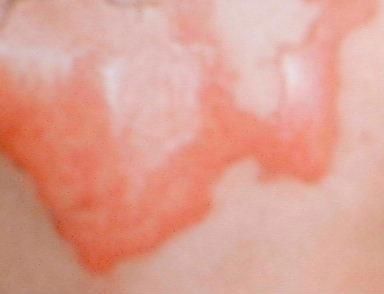
Wound Formulary April 2019 Version 6
Ratified by the Basingstoke, Southampton and Winchester District Prescribing Committee and Portsmouth and South East Hampshire Area Prescribing Committee

Product Type                            Product                     Size                 Cost/          Comments
                                         Name                                             Item
c.   Topical Antimicrobials           Suprasorb X +               5x5cm                  £2.63          Light to moderately exuding, superficial and deep, critically
     (cont)                              PHMB®                    9x9cm                  £5.24          colonised and infected wounds. Bio-cellulose dressing
     PHMB                                                        14x20cm                 £11.93         impregnated with broad-spectrum antimicrobial (PHMB
                                                                 2x21cm                   £7.43         (polyhexamethylene biguanide 0.3%). Can be effective if the
                                                                                                        wound is infected and painful.

        d. Irrigation                   Prontosan®             350ml bottle              £4.90          Wound irrigation solution containing Betaine which is a gentle
                                                                                                        effective surfactant which penetrates, disturbs and removes
                                                              40ml x 24 pod             £14.57          biofilm and wound debris, and PHMB to help control bacterial
                                                                                       (24 pods)        levels on the wound. Note: for single patient use the 350ml
                                                                                                        bottle is more cost effective and has a shelf life of 8
                                                                                                        weeks once opened. Prontosan® pods should be reserved
                                        Prontosan®               30ml gel                £6.55          for acute use only.
                                                                                                        Cleansing, decontamination and moisturising of acute and
                                                                                                        chronic skin wounds, first and second degree burns.
                                                                                                        (Impregnated with dialkylcarbamoyl chloride)
        e. Antimicrobial            Cutimed Sorbact®              4x6cm                  £1.69          DACC-coated, hydrophobic, antimicrobial wound contact layer
           wound contact                 swab                   (11x16cm)                               designed to bind bacteria under moist wound conditions. The
           layer                                                  7x9cm                  £2.82          dressing can be used folded or unfolded.
                                                                (17x27cm)                               Primary dressing for contaminated, colonised or infected
                                                                                                        superficial or deep wounds including superficial wounds,
                                                                                                        traumatic wounds, postoperative or dehisced wounds, ulcers
                                                                                                        (venous, arterial, diabetic, pressure) and fungal infections.
                                                                                                        Suitable for fungal infections in the groin, skin folds, or
                                                                                                        between digits.
        f.   Silver                   Durafiber Ag®               5x5cm                  £1.81          A highly absorbent, non-woven, silver gelling fibre dressing
                                                                 10x10cm                 £4.32          composed of a blend of cellulose-based fibres. Dressing fibres
                                                                 15x15cm                 £8.12          coming into contact with exudate swell and form a soft
                                                                 2x45cm                  £4.33          cohesive gel sheet. Exudate is locked in the dressing
                                                                  4x10cm                 £2.63          structure. Use as a primary dressing for moderately to highly
                                                                 4x20cm                  £3.42          exuding wounds where there is infection.
                                                                  4x30cm                 £5.12

6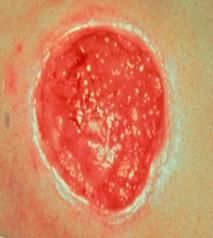
Wound Formulary April 2019 Version 6
Ratified by the Basingstoke, Southampton and Winchester District Prescribing Committee and Portsmouth and South East Hampshire Area Prescribing Committee

Product Type                          Product                    Size                  Cost/          Comments
                                       Name                                            Item
4. ODOUR CONTROL                      Clinisorb®               10x10cm                 £1.94          Sterile activated charcoal cloth sandwiched between layers of
                                                               10x20cm                 £2.58          nylon/viscose rayon cloth. Apply as a secondary dressing over
                                                               15x25cm                 £4.15          an appropriate primary dressing. Exudate will reduce the
NB: charcoal is not                                                                                   dressing’s effectiveness. Can be cut to size. Can be used in the
effective once wet                                                                                    management of malodorous wounds such fungating wounds,
                                                                                                      pressure ulcers, leg ulcers and diabetic foot ulcers. May wish to
                                                                                                      consider using Anabact® (non-formulary).

7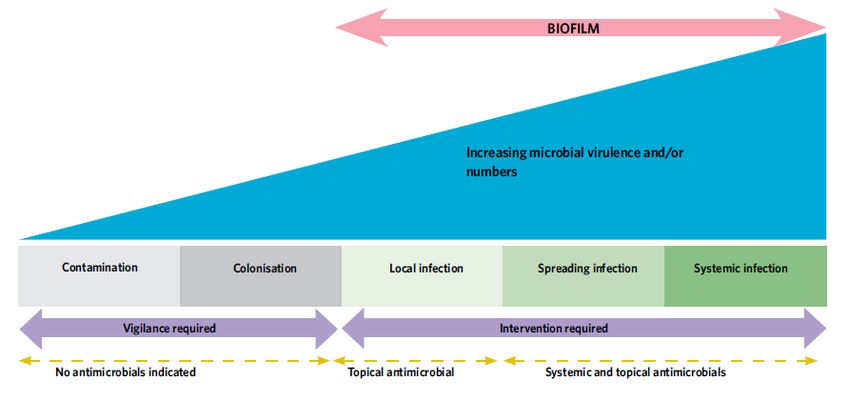
Wound Formulary April 2019 Version 6
Ratified by the Basingstoke, Southampton and Winchester District Prescribing Committee and Portsmouth and South East Hampshire Area Prescribing Committee

Product Type                          Product                Size          Cost/       Comments
                                       Name                                Item
5. ALGINATES                        Suprasorb A®           5x5cm            64p        Calcium alginate primary dressing for use in shallow, moist wounds.
                                                          10x10cm          £1.26       For management of moderately or heavily exuding wounds.
                                                                                       Secondary dressings are required to support the alginate in situ and maintain
             ®
NB: Kaltostat On contact                                                               a moist environment.
with a bleeding wound,                                                                 Is easily removed by irrigation.
promotes haemostasis but
should not be left in place.
Local guidance is to leave for
10 mins and then remove.
         ®
Kaltostat is non-formulary.

                                    Suprasorb A®          2g(30cm)         £2.34       For exudate management and wound healing of large open or cavity
NB: use only where you
can see the base of the                Rope                                            wounds.
wound as fibres/dressing
can be left in situ’

6. GELLING FIBRE                      Exufiber®             5x5cm           85p        For infected/heavily exudating wounds. Do not use on a dry or low exudating
DRESSING                                                  10x10cm          £2.05       wound. Requires secondary dressing.
                                                          15x15cm          £3.85
                                                          20x30cm          £8.94       Strong polyvinyl alcohol (PVA) fibres that are entangled together in all
                                                           2x45cm          £1.85       directions, as well as mechanically secured to each other, providing high wet
                                                          4.5x10cm         £1.12       integrity (Hydrolock®Technology). Locking properties of the PVA technology,
                                                          4.5x20cm         £1.64       and the even space between the fibres, minimises free fluid inside the
                                                          4.5x30cm         £2.48       product, give it high absorption and retention capacity.
                                                                                       Apply in a cavity wound or on shallow wounds. Should overlap the wound
                                                                                       margins.

8
Wound Formulary April 2019 Version 6
Ratified by the Basingstoke, Southampton and Winchester District Prescribing Committee and Portsmouth and South East Hampshire Area Prescribing Committee
Product Type Product Size Cost/ Comments
Name Item
7. HYDROGEL IntraSite 10x10cm £1.85 Primarily indicated for treatment of necrotic and sloughy wounds, e.g. leg
Conformable® 10x20cm £2.50 ulcers, pressure ulcers and non-infected diabetic foot ulcers.
NB: cut to size and do 10x40cm £4.47
not place on intact skin Effective for desloughing and debriding wounds.
For dry ‘sloughy’ or necrotic wounds, lightly exudating wounds, granulating
wounds and cavities. Not suitable for infected or heavily exudating
wounds. Secondary Dressings required.
IntraSite Conformable® is a hydrogel sheet. It has the added advantage of
being bacteriostatic due to its propylene glycol content. It can be shaped
to fit the wound so reducing the risk of maceration.
Non adhesive KerraLite Cool® 6x6cm £1.77 Consider when pain is a significant factor.
8.5x12cm £2.61
Adhesive 8x8cm £2.05 Soothing, debriding and moisture-balancing gel dressing. Manages wound
11x11cm £2.73 exudate levels and protects against wound dehydration and external
15x15cm £4.35 bacterial contamination. The gel provides both cushioning and absorption
For use on chronic wounds, painful wounds, and skin conditions such as
leg ulcers, radiation therapy damage, burns and scalds. May be used on
low-exuding and non-exuding wounds to assist in autolytic debridement by
hydration of necrotic and sloughy tissue and for absorption of exudate.
9Wound Formulary April 2019 Version 6
Ratified by the Basingstoke, Southampton and Winchester District Prescribing Committee and Portsmouth and South East Hampshire Area Prescribing Committee
Product Type Product Size Cost/ Comments
Name Item
8. FOAM DRESSING Kliniderm® 7.5x7.5cm £1.18 For use on moderately exuding wounds.
Foam Silicone 10x10cm £1.63
Adhesive Border 12.5x12.5cm £2.33 A soft, conformable absorbent polyurethane foam dressing with an
15x15cm £3.95 adhesive silicone wound contact layer and a moisture permeable film
10x20cm £3.20 backing.
15x20cm £5.00
Foam dressings should be left in place for up to 7 days. Their mode of
Non adhesive Kliniderm® 5x5cm 95p action means exudates will be visible but this does not mean the
Foam Silicone 10x10cm £1.95 dressing requires changing. Change when strike through 1cm from edge.
10x20cm £3.49
15x15cm £3.95 Foam dressings should not be used for pressure relief
20x20cm £6.50
Adhesive Biatain® 7.5x7.5cm £1.48 A soft, absorbent polyurethane foam pad with a vapour-permeable film
Silicone 10x10cm £2.18 backing and a silicone adhesive border.
12.5x12.5cm £2.67
15x15cm £3.96
10Wound Formulary April 2019 Version 6
Ratified by the Basingstoke, Southampton and Winchester District Prescribing Committee and Portsmouth and South East Hampshire Area Prescribing Committee
Product Type Product Size Cost/ Comments
Name Item
9. HYDROCOLLOIDS To aid debriding, promote granulation, occlusive barrier.
For light to medium exudating wounds ONLY. Ensure correct
Sterile, thin hydrocolloid DuoDERM® 5x10cm 78p size of dressings applied; overlap the wound by at least 2cms
dressing. Extra Thin 7.5x7.5cm 82p N.B. Odour from the dressing constituents can be a concern to
10x10cm £1.36 patients. Not suitable for infected wounds unless observed
frequently.
Not indicated routinely on diabetic foot wounds- contact
local Diabetic/Foot Protection Team for advice.
Comfeel® Plus 4x6cm 98p Absorbent hydrocolloid dressing with added alginate for
Ulcer 10x10cm £2.50 absorption, a vapour-permeable film backing and bevelled edge.
15x15cm £5.36
10. PASTE BANDAGES Ichthopaste® 7.5x6m £3.78 Chronic eczema/dermatitis where occlusion is indicated. Zinc
paste and ichthammol bandage.
Ensure any residue is removed before rebandaging. Patch
testing required prior to use. To be applied as per
manufacturer’s instructions and not as a primary dressing or as
a patch.
11Wound Formulary April 2019 Version 6
Ratified by the Basingstoke, Southampton and Winchester District Prescribing Committee and Portsmouth and South East Hampshire Area Prescribing Committee
Product Type Product Size Cost/ Comments
Name Item
11. BANDAGES
a) Light weight
conforming
bandages
Sub compression padding bandage used to protect the limb
Padding Ultra Soft® 10cmx 3.5m 39p and for shaping if required.
Ultra Lite® 10cmx4.5m 85p This bandage should be used as an alternative to K Lite where
there are symptoms of, or identified arterial disease present in
the lower leg.
K-lite® 10cmx4.5m £1.02 For 2nd-line use after Ultra Lite®
Elasticated viscose CliniFast® 3.5cmx1m 56p Red line
stockinette /Comfifast® 5cmx1m 58p Green line
7.5cmx1m 77p Blue line
10.75cmx1m £1.20 Yellow line
17.5cmx1m £1.83 Beige line
Also available in 3m and 5m lengths for green, blue and yellow
line, which may be more cost effective.
12Wound Formulary April 2019 Version 6
Ratified by the Basingstoke, Southampton and Winchester District Prescribing Committee and Portsmouth and South East Hampshire Area Prescribing Committee
Product Type Product Name Size Cost/ Comments
Item
Please see Local Leg Ulcer Treatment Algorithm
ALL healthcare professionals must ensure their competencies for applying compression bandaging are up to date
Arterial screening (i.e. Doppler ultrasound) must be undertaken before compression hosiery or bandaging is commenced. Note that arterial screening
must be repeated periodically if compression therapy is ongoing. Ref: Local Leg Ulcer Guidelines/Standard Operating Procedures
11. BANDAGES Cohesive short stretch bandages for single use and adapted
(cont’d) Actico® (not latex 10cmx6m £3.43 according to ankle circumference. Can be worn for up to 7
free) days. Recommended in patients with an ABPI of > 0.8.
b) Short stretch 10cm is width for routine below knee leg ulcer bandaging.
compression
bandages providing Actico® (not latex 8 cmx6m £3.31 8 and 12 cm Actico bandages are for use in patients with
full and reduced free ) 12cmx6m £4.38 chronic oedema . 8cm should be applied to the foot and 12cm
compression. to the thigh.
Coban® 2 layer 10 cm x 3.5m £8.31 The Coban 2 bandage system is the second line choice short
compression stretch bandage system for patients requiring full compression
system where Actico is considered inappropriate, known latex allergy,
or slippage may be a concern.
This system is designed to be used as a kit and should not be
used with other wadding or bandages.
Two-layer compression system that delivers sustained,
therapeutic compression. To be used as a kit comprising of the
latex-free foam padding layer and a latex-free cohesive,
compression bandage. After application the two layers bond to
form a single-layer bandage. Can be worn for up to 7 days.
Recommended in patients with an ABPI of > 0.8. 10cm is the
bandage width for routine below knee bandaging.
Coban® 2 Lite £8.31 The Coban 2® Layer Lite Compression System is designed to
compression be comfortable for patients less tolerant of compression
system therapy and/or who require reduced compression therapy.
This system is designed to be used as a kit and should not be
used with other wadding or bandages.
10cm is the width for routine below knee bandaging.
13Wound Formulary April 2019 Version 6
Ratified by the Basingstoke, Southampton and Winchester District Prescribing Committee and Portsmouth and South East Hampshire Area Prescribing Committee
Please see Local Leg Ulcer Treatment Algorithm
ALL healthcare professionals must ensure their competencies for applying compression bandaging are up to date
Arterial screening (i.e. Doppler ultrasound) must be undertaken before compression hosiery or bandaging is commenced. Note that arterial screening
must be repeated periodically if compression therapy is ongoing. Ref: Local Leg Ulcer Guidelines/Standard Operating Procedures
11. BANDAGES Coban® 2 10cmx3.5m £7.45 Individual components of Coban 2 bandage kit. These may
(cont’d) Comfort Foam be required for the larger/ longer leg.
Layer (layer1)
b) Short stretch
compression Coban® 2 10cmx4.5m £4.83
bandages Compression
providing full and Layer (layer 2)
reduced
compression. Coban® 2 Lite 10 cmx2.7m £5.86 Individual components of Coban® 2 Lite bandage kit. These
comfort foam may be required for the larger/longer leg.
layer (layer 1)
Coban® 2 Lite 10cmx3.5m £4.63
compression
layer (layer 2)
Coban® 2 15cmx3.5m £11.41 The Coban® 2 15cm width bandage should be used for
Comfort Foam bandaging the knee and thigh of patients with chronic
Layer oedema.
(layer1)
Coban® 2 15cmx4.5m £7.20
Compression
Layer (layer 2)
14Wound Formulary April 2019 Version 6
Ratified by the Basingstoke, Southampton and Winchester District Prescribing Committee and Portsmouth and South East Hampshire Area Prescribing Committee
Please see Local Leg Ulcer Treatment Algorithm
ALL healthcare professionals must ensure their competencies for applying compression bandaging are up to date
Arterial screening (i.e. Doppler ultrasound) must be undertaken before compression hosiery or bandaging is commenced. Note that arterial screening
must be repeated periodically if compression therapy is ongoing. Ref: Local Leg Ulcer Guidelines/Standard Operating Procedures
11. BANDAGES Coban® 2 Lite 15cmx2.7m £8.84 The Coban® 2 Lite 15cm width bandage should be used for
(cont’d) comfort foam applying reduced compression to the knee and thigh of
layer (layer 1) patients with chronic oedema.
b) Short stretch
compression bandages Coban® 2 Lite 15cmx3.5m £6.27
providing full and reduced compression
compression. layer (layer 2)
Comprilan® 10cmx5m £3.46 Reusable system (washable). High cotton content.
(Latex free) For specialist chronic oedema management.
c) Chronic oedema Actico® 8cmx6m £3.31
(not latex free) 10cmx6m £3.43
12cmx6m £4.38
Comprilan® 10cmx5m £3.46
(Latex Free)
Coban® 2 layer Multi-layer £8.31
Bandages of choice for lymphoedema/chronic oedema
compression compression
management.
system bandage kit
Two-layer compression system that delivers sustained,
therapeutic compression to be used as a kit comprising of
Coban® 2 10cmx3.5m £7.45
latex-free foam padding layer and a latex-free, cohesive,
Comfort Foam
compression bandage. Apply the two layers which bond to
Layer
form a single-layer bandage. Can be worn for up to 7 days.
(layer1)
Recommended in patients with an ABPI of > 0.8.
The Coban 2® Layer Lite Compression System designed to
Coban® 2 10cmx4.5m £4.83
be comfortable for patients less tolerant of compression
Compression therapy and/or reduced ABPI (ankle brachial pressure index).
Layer (layer 2)
15Wound Formulary April 2019 Version 6
Ratified by the Basingstoke, Southampton and Winchester District Prescribing Committee and Portsmouth and South East Hampshire Area Prescribing Committee
Please see Local Leg Ulcer Treatment Algorithm
ALL healthcare professionals must ensure their competencies for applying compression bandaging are up to date
Arterial screening (i.e. Doppler ultrasound) must be undertaken before compression hosiery or bandaging is commenced. Note that arterial screening
must be repeated periodically if compression therapy is ongoing. Ref: Local Leg Ulcer Guidelines/Standard Operating Procedures
Product Type Product Size Cost/ Comment
Name Item
12. SUPPORT HOSIERY Activa® The make of hosiery selected depends on comfort, cosmetic
Class 1 appearance and ease of application.
Light (mild) Support Below knee £7.52 Activa® (Activa Health Care) are deemed the preferred products
Compression at ankle 14- Thigh length £8.24 by the Formulary Group.
17mmHg
Class 2 Below knee £11.00
Medium (moderate) Thigh length £12.24
Support Compression at
ankle 18 – 24 mmHg
Class 3 Below knee £12.47 For recurring leg ulceration and gross varices.
Strong Support Thigh length £14.51
Compression at ankle 25-
35mmHg
Hosiery Kit Jobst UlcerCARE® 1 Stocking and 2 £32.85 Available as small, medium, large, X large, XX large, XXX large
Hosiery Kit liners and XXXX large. Commence compression hosiery if limb is not
(with zip option) distorted and no reducible oedema, and exudate controlled
within primary dressing.
Accessories Jobst UlcerCARE ® 3 Liners £19.84 Liner pack available in all sizes.
Liner Pack
Acti-Glide® £14.62 Supply of single unit only.
Compression hosiery
application system
Waterproof Protector LimbO® Standard and £10.56 Available as slim, normal and large build.
short ½ leg
16Wound Formulary April 2019 Version 6
Ratified by the Basingstoke, Southampton and Winchester District Prescribing Committee and Portsmouth and South East Hampshire Area Prescribing Committee
ALL healthcare professionals must ensure their competencies for applying compression bandaging are up to date
Arterial screening (i.e. Doppler ultrasound) must be undertaken before compression hosiery or bandaging is commenced. Note that arterial screening
must be repeated periodically if compression therapy is ongoing. Ref: Local Leg Ulcer Guidelines/Standard Operating Procedures
Product Type Product Size Cost/ Comment
Name Item
12. SUPPORT HOSIERY These products increase the venous and lymphatic return by aiding
(cont’d) the absorption of excess limb fluid. They can help in the
Available management of recurring ulcers and when conventional hosiery not
Hosiery for Chronic below and containing oedema of limbs. They have a higher ‘Stiffness Index’
oedema/lymphoedema above knee (aids stimulation to lymph to encourage fluid return) and can last up
with a wide or to 6 months before replacing if undamaged.
regular
Class 1 ActiLymph® silicone band Provide light compression for early mild oedema with little leg
18-21mmHg to prevent distortion. Suitable for chronic oedema, lymphoedema, lipoedema,
slippage at prophylaxis, maintenance therapy, palliative use.
thigh
Class 2 1 stocking per Provide medium compression for moderate to severe chronic
23-32 mmHg prescription oedema and lymphoedema, where resistant oedema occurs and
item. some shape distortion.
Variety of
Class 3 colours, sizes, Provides strong compression and should be used for maintenance
34-46mmHg open and of severe chronic oedema and lymphoedema, where resistant
closed toe. oedema persists, history of recurring ulceration or where lymphatic
damage is considerable and when use of lower classes has proved
ineffective.
Hosiery Kit Jobst Ulcer Care® 1 Stocking £32.85 Medical Stocking & Compression Liner. Available as small, medium,
Hosiery Kit and 2 liners large, X large, XX large, XXX large and XXXX large.
(with zip option) .
Jobst Ulcer Care ® 3 Liners £19.84 References:
Liner Pack MORRIS, A. (2004) Cellulitis and Erysipelas. Clinical Evidence 12: 2271-7
MOFFAT, C. (2003) Lymphoedema: an underestimated health problem.
Quality Journal of Medicine. 96: 731-8
National Wound Care Strategy Programme (NWCSP) Preventing and
Improving Chronic Lower Limb Wounds
Lower Limb | AHSN Network
17Wound Formulary April 2019 Version 6
Ratified by the Basingstoke, Southampton and Winchester District Prescribing Committee and Portsmouth and South East Hampshire Area Prescribing Committee
Product Type Product Size Cost/ Comment
Name Item
13. ADHESIVE TAPES
Non-woven synthetic Clinipore® 1.25cmx5m 35p
2.5cmx5m 59p
5cmx5m £1.00
Hypafix® 2.5cmx10m £1.73 To be used only when Clinipore® is deemed unsuitable.
5cmx5m £1.48
10cmx5m £2.49
14. ABSORBENT Zetuvit® 10x10cm 22p Absorbent and protective. Used as a secondary dressing.
DRESSINGS 10x20cm 25p NB community nurses can obtain Surgipads® from central stores.
20x20cm 40p
20x40cm £1.12
Hyper-absorbent Allevyn Life® 12.9x12.9cm £2.55 For use on high exudating wounds where a wear time of 5 – 7 days
Adhesive Dressing 15.4x15.4cm £3.12 is required.
Kliniderm 10x10cm 49p .
Super Absorbent Superabsorbent® 20x20cm 99p
Dressing 10x15cm 69p
10x20cm 85p
20x30cm £1.49
20x40cm £1.99
18Wound Formulary April 2019 Version 6
Ratified by the Basingstoke, Southampton and Winchester District Prescribing Committee and Portsmouth and South East Hampshire Area Prescribing Committee
Product Type Product Size Cost/ Comments
Name Item
15. MISCELLANEOUS
Sterile Skin Closures Leukostrip® 6.4x76mm £6.48 Available on FP10, more cost effective than Steri-strip®.
Dressing Packs Polyfield® Nitrile® 52p Sterile dressing pack containing powder-free nitrile gloves, laminate
Patient Pack sheet, 7 non-woven swabs, towel, apron and disposable bag.
Nurse It® dressing 55p Pair of powder-free latex vinyl gloves, 7 non-woven swabs, 1
packs compartment tray, disposable forceps, laminated paper sterile field,
large apron, paper towel and white polythene disposable bag.
Non-woven Fabric Swab sterile 7.5x7.5cm 27p Use for general purpose swabbing and cleansing.
(5 pack)
Sodium Chloride Clinipod® 20ml x 25 £4.80 Normal Saline – is the irrigation solution of choice. All irrigation
solutions should be applied at body temperature. Tap water only to
be used according to local policy for leg washing and all chronic and
acute wounds will be cleansed with a sterile, single use solution, if
required.
Gauze and Cotton Tissue Gamgee® 500g £5.53
Drug Tariff Gamgee® - For use to absorb large amounts of exudate. Not to be
(Pink) used as primary dressing. If used in leg management always pad
OUTSIDE the bandage to maintain adequate pressures (if
compression) to the leg. Can be cut to size if required.
19Wound Formulary April 2019 Version 6
Ratified by the Basingstoke, Southampton and Winchester District Prescribing Committee and Portsmouth and South East Hampshire Area Prescribing Committee
Product Type Product Size Cost/ Comments
Name Item
15. MISCELLANEOUS Please refer to local formulary/dermatological guidance for detailed product list and advice.
(cont’d) Table of all the products can be found in MIMS and includes the potential sensitisers.
http://www.mims.co.uk/Tables/882437/Emollients-Potential-Skin-Sensitisers-Ingredients/
To protect surrounding skin in high exudate wounds to prevent maceration. For
Skin Protectant ®
LBF Sterile No 5x1ml use over excoriated skin and around stomas. Use in moist areas where it is
£3.93
Sting Barrier 5x2ml difficult to get dressing adhesion.
£5.15
Film When used appropriately LBF® reduces wound trauma. The 2ml LBF stick, when
evaluated was found to provide adequate coverage in comparison to a 3ml stick.
(Medi Derma S may be selected at the discretion of local trusts following guidance
from their procurement team)
Adjunct therapy only. Short-term treatment for wet weepy, infected or eczematous
legs.
Potassium One tablet dissolved in 4 litres of water.
permanganate Permitabs® 30 Indicated for short term use only. Maximum of 2 weeks in conjunction with
£19.25
assessment to ascertain cause of infection or weeping and treat underlying cause.
Warn patients about staining. If treating feet suggest using white soft
paraffin around the toe nails to reduce staining.
Please see Permitabs leaflet for further information and guidance at link below
http://www.southernhealth.nhs.uk/_resources/assets/inline/full/0/100606.pdf
20Wound Formulary April 2019 Version 6
Ratified by the Basingstoke, Southampton and Winchester District Prescribing Committee and Portsmouth and South East Hampshire Area Prescribing Committee
APPENDIX 1 7. Wound history and other treatment tried
8. Any relevant co-morbidities or current diseases
ASEPTIC NON TOUCH TECHNIQUE
Record the taking of the swab in the patient’s notes. It is the
Refer to organisational policy practitioner’s responsibility, as the patient’s advocate, to access the
results and liaise with the medical staff to act on the swab result if
APPENDIX 2 indicated.
Bacteriological sampling from a wound bed should be taken using the best
method available e.g. biopsy, aspiration, scraping or swab. Any systemically unwell patient should have a NEWS score (or
similar) to assess for signs of sepsis.
PROTOCOL FOR TAKING SWAB FROM A SUSPECTED INFECTED OR
NON-HEALING WOUND Infection is not implied by the mere presence of organism. The
Bacteriological swabs should only be taken when there is clinical evidence of microbiology result must be taken into account along with the clinical
infection in a wound (see appendices 4a, 4b and 4c). For example indicators for infection.
1. Spreading cellulites and/or
2. New or increased pain not accounted for by underlying arterial Ref: Patten, H. (2010) Identifying wound infection: Taking a swab.
disease or Wound essentials.64-66
3. Patient is systemically unwell possibly with abnormally high or low SCAN Guidelines for Antibiotic Prescribing in the Community 2018
temperature, raised pulse, raised respiration or raised white blood page 59
cell count
Clean the wound with a sterile solution to remove debris, slough, pus or
other foreign material. Swabs should be taken from the deepest part of the
cleaned wound. Gently pass the swab over the area in a zig zag motion
ensuring it is turning in a circular motion so the entire swab is covered.
Swab from the centre to the outside of the wound and ensure that if there is
any exudate present it is thoroughly absorbed onto the swab.
Send the swab to the pathology department as soon as possible including
the following information:
1. Patient name, date of birth and NHS number
2. Location of the patient, identity of who has taken the swab and
where the results should be directed
3. Site where the swab was taken from
4. Clinical indicators for taking the swab
5. Any antibiotics the patient may be on currently or recently
6. The clinical investigation required
21Wound Formulary April 2019 Version 6
Ratified by the Basingstoke, Southampton and Winchester District Prescribing Committee and Portsmouth and South East Hampshire Area Prescribing Committee
APPENDIX 3
Best Practice in Older Person’s Skin Care
(Best Practice Statement: Care of the Older Person’s Skin. London: Wounds UK, 2012. Download from www.wounds-uk.com)
Aim: To Maintain the Integrity of the Skin
As a person ages, changes in the skin occur, increasing skin vulnerability to a variety of damage. Older skin is less able to regenerate & protect, increasing the risk of skin
breakdown
Dry & vulnerable skin
Older skin is thinner and dryer making it vulnerable to splitting and bacterial invasion and the dryness is often a cause of itching. Emollients applied twice daily are seen as
the first line of treatment and will help rehydrate and maintain skin integrity. Traditional soaps dry the skin out, increasing the problem.
Emollient therapy is recommended as best practice for care of older person’s skin and should be used as an alternative to soap. Adequate quantities should be used
according to the patient’s need (refer to BNF for types of preparations and quantities)
Total emollient therapy (Lawton, 2009)
Soap substitutes Soap is an irritant and can make the skin itchy. Soap substitutes cleanse effectively but do not leave the skin feeling dry. Products
containing SLS (e.g. Aqueous cream) should not be used as a soap substitute.
Moisturisers Moisturisers are ‘leave on’ emollients. They are available as:
Ointments: they have the highest oil content and are greasy. They can be messy to apply, leave the skin looking shiny and stain
clothes. They are suitable for very dry skin and may be best applied at night. Ointments usually work by occlusion.
Creams: they are quickly absorbed and more cosmetically acceptable. Creams are good for daytime use and work by occlusion or
‘active’ humectant effect, but are much less effective than ointments.
Lotions: the lightest and least greasy emollients (contain less oil). They are not suitable for dry skin conditions.
Damage related to moisture from maceration & incontinence
Excess fluid on the skin from wounds, sweating, urine and/or faecal incontinence and peri-stomal exudate are likely to increase the damage to the skin causing maceration.
Excessive moisture due to urine/faecal incontinence can lead to skin damage presenting as a moisture lesion. A protective skin barrier is required as prevention, please see
page 20.
Product choice for an individual patient involves consideration of patient preference, consistency required, ingredients including potential allergens, suitable packaging and
cost. The products of choice are therefore ones which are effective, the patient finds acceptable and is prepared to use on a regular basis. Refer to local
formulary/dermatological guidance for more detailed product list and advice. Table of all the products can be found in MIMS and includes the potential sensitisers.
http://www.mims.co.uk/Tables/882437/Emollients-Potential-Skin-Sensitisers-Ingredients/
Risk of Severe and Fatal Burns with Paraffin containing and Paraffin-free emollients – MHRA Dec 2018
Warnings about the risk of severe and fatal burns are being extended to all paraffin-based emollients regardless of paraffin concentration. Data suggest there is also a risk
for paraffin-free emollients. Advise patients who use these products not to smoke or go near naked flames, and warn about the easy ignition of clothing, bedding, dressings,
and other fabric that have dried residue of an emollient product on them. (See link below for more information)
https://www.gov.uk/drug-safety-update/emollients-new-information-about-risk-of-severe-and-fatal-burns-with-paraffin-containing-and-paraffin-free-emollients
22Wound Formulary April 2019 Version 6 Ratified by the Basingstoke, Southampton and Winchester District Prescribing Committee and Portsmouth and South East Hampshire Area Prescribing Committee Appendix 4a Wound infection continuum 23
Wound Formulary April 2019 Version 6
Ratified by the Basingstoke, Southampton and Winchester District Prescribing Committee and Portsmouth and South East Hampshire Area Prescribing Committee
The wound infection checklist
This checklist places the signs and symptoms of the wound infection continuum categories into a checklist to act as a prompt to aid diagnosis and treatment
of wounds.
It is anticipated that this will enable appropriate use of antimicrobial dressings and reduce the use of antibiotics
This is not a validated tool but based on practical experience and information from the International Wound Infection Institute Consensus Document 2016
How to use the checklist
Identify the signs and symptoms exhibited by the patient through observation and listening to the patient’s story.
Check blood results. Initiate FBC and CRP, if no recent investigations have been undertaken, when wound enlargement /deterioration is identified.
Tick the signs and symptoms identified ensuring that they are ticked in every column in which they appear
Decide which stage of the wound infection continuum the wound falls into as follows:
1. A tick in the top grey italic box gives the best indication as to where the wound is on the wound infection continuum
2. If no tick is present in the top italic box then the most ticked column indicates the stage of the wound infection continuum that the wound
is in
3. If there is no tick in the top italic box and an equal number of ticks in more than one column the most severe wound infection continuum
should be picked
Having established what stage of the wound infection continuum is present use the wound infection flowchart to guide treatment options
CLINICAL FINDINGS SHOULD OVERIDE THIS CHECKLIST AT ALL TIMES
Ref: International Wound infection Institute. Wound infection in clinical practice. Wounds International 2016
Young T (2010) Managing the 'at risk' patient: minimizing the risk of wound infection. British Journal of Nursing (Supplement .S1-S12).Information within this article is adapted from the Sign Checker Tool with kind permission of
Andrew Kingsley cited in Young 2010
24Wound Formulary April 2019 Version 6
Ratified by the Basingstoke, Southampton and Winchester District Prescribing Committee and Portsmouth and South East Hampshire Area Prescribing Committee
Appendix 4b WOUND INFECTION CHECKLIST
Signs and symptoms exhibited by individuals as wound infection emerge (Please use in conjunction with local antibiotic guidelines)
*symptoms in isolation are not indicative of spreading infection
Local infection
Classic signs.
In addition to the signs noted in column
“Local infection subtle signs “ the
Spreading Infection
following signs may be present
Local Infection
Contamination/Colonised * Diabetics and patients who are Systemic Infection
Subtle signs Signs of local infection together with
immunocompromised may not show
the symptoms below
the classic signs of infection. For these
patients consider subtle signs of
infection to identify early signs of
infection.
Local erythema spreading 2cm from
Expected wound progression deterioration in wound bed Severe sepsis
Wound enlargement/deterioration in wound margin
appearance
the wound bed
Delayed wound healing Local swelling /warmth Inflammation/swelling of lymph glands Septic shock
Necrotic tissue/thick slough
Friable/unhealthy looking Wound breakdown with or without
present but debriding as New /increased necrosis Organ failure
granulation tissue satellite lesions
expected
Purulent discharge
New/increased pain Malaise/lethargy Bacteraemia
Mobile slough present New/increased odour Non-specific physical deterioration
Bridging and pocketing in
Loss of appetite
granulation tissue
Exudate appropriate to stage of Delayed wound healing with or
Overgranulation
wound healing without erythema
Thick non responsive slough or
Haemorrhagic patches/spots
slough that is fast to return
Raised or increased White Cell
*Pyrexia/rigor
Count
Normal granulation tissue
Raised or increased CRP *Confusion
present
Blue/green exudate Altered NEWS (or local scoring system)
Increased exudate which may
Epithelial tissue evident cause dermatitis to the Rapid deterioration in wound bed.
periwound area.
Decrease in size in 1 – 2 weeks Blistering
25Wound Formulary April 2019 Version 6
Ratified by the Basingstoke, Southampton and Winchester District Prescribing Committee and Portsmouth and South East Hampshire Area Prescribing Committee
Appendix 4c
Wound Infection Flowchart
THIS CHART SHOULD NOT BE USED FOR DIABETIC PATIENTS, PATIENTS WITH PERIPHERAL VASCULAR DISEASE OR THOSE WHO ARE IMMUNOCOMPROMISED
Diabetes Foot Ulceration – Refer all patients with an active ulcer within 24 hours to your local Diabetes Foot Protection team.
Early referral to specialist teams for diabetes management, offloading, debridement and appropriate wound-care, which all are key to achieve the best outcome.
As per wound formulary
Contamination / Colonised Local Infection Spreading Infection Systemic Infection
Using ‘SignChecker’ Select appropriate antimicrobial Check if recent wound swab results available. Seek urgent medical
regularly to monitor dressing Ensure antibiotics reflect sensitivities. opinion
wound progress Monitor closely If swab was not taken, ensure one is taken now
and antibiotics commenced.
Check results to ensure antibiotics are correct
Good clinical No improvement
Good clinical If improvement not noted or wound
outcome after 10—14 days
outcome has deteriorated, check further for
consider an
signs of systemic infection at each
alternative
contact, i.e. *NEWS or similar.
Discontinue If wound remains
antimicrobial unchanged or Continue with
dressing after 2 deteriorates antibiotics as If wound or patient
weeks and monitor appropriate. deteriorates further, seek
consider
Follow local urgent medical opinion
commencing
guidelines
antibiotics
*NEWS-National Early Warning Score
If no improvement at 7 days Royal College of Physicians (working party
take a sample from the wound 2012)
bed using the best method SHFT Physical Observation Policy
26 available e.g. biopsy, scraping,
swab, or aspirationWound Formulary April 2019 Version 6
Ratified by the Basingstoke, Southampton and Winchester District Prescribing Committee and Portsmouth and South East Hampshire Area Prescribing Committee
Appendix 4d
Diabetes Foot Ulceration – Refer all patients with an active ulcer within 24 hours to your local Diabetes Foot Protection team. Early referral to specialist teams for
diabetes management, offloading, debridement and appropriate wound-care, which all are key to achieve the best outcome.
Critically Colonised or Infected Wounds
Management of lower leg wounds on patients with diabetes requires referral to your local specialist team.
Management of foot ulcers on patients with or without diabetes requires referral to your local specialist team.
Description
See Wound Infection Checklist and Sign Checker Flowchart for identification
Aim To reduce critical colonisation or infection to reduce wound bio-burden and infection. It is expected that all
nursing staff will familiarise themselves with the products suggested and their appropriate use. This guide is intended for first line treatment/product
consideration. It is not considered as an exhaustive list or to be applicable for all patients. All healthcare professionals are expected to use their clinical
judgement when assessing patients and wounds.
Presentation - refer to Wound Infection Checklist and Sign Checker Flowchart.
Treatment – Primary dressing – Low to moderate exudate – Inadine or Cutimed Sorbact swab or Medihoney range or Suprasorb X and PHMB
Moderate to high exudate – Iodoflex or Cutimed Sorbact swab or Medihoney range or Durafiber Ag
Secondary dressing – absorbent dressings such as Zetuvit or Kliniderm Superabsorbent
Factors to consider – Clinisorb for odour control
Other factors to consider
Antimicrobial dressings should be used initially for two weeks only; if after reassessment the need for further antimicrobial use is indicated, this should be
actioned and documented in the patient’s notes together with the rationale.
Note: inflammation around wound edges is an expected part of the inflammatory process of wound healing in acute wounds and may be evident for up to
three days post wounding. Patients who are immuno-compromised, diabetics or elderly may not show the classic signs of infection.
Please refer to local Sepsis guidelines or NICE Guidelines https://www.nice.org.uk/guidance/ng51?unlid=280104107201611917351
27Wound Formulary April 2019 Version 6
Ratified by the Basingstoke, Southampton and Winchester District Prescribing Committee and Portsmouth and South East Hampshire Area Prescribing Committee
Appendix 5 Product Selection Tools
Diabetes Foot Ulceration – Refer all patients with an active ulcer within 24 hours to your local Diabetes Foot Protection team. Early referral to specialist
teams for diabetes management, offloading, debridement and appropriate wound-care, which all are key to achieve the best outcome.
Skin Tears
Presentation- Superficial or traumatic wound, where the skin rips, commonly occurs in the elderly and the dehydrated
Aims- Promote atraumatic removal prevents infection, cover and protect
Treatment – Clean with normal saline
Where skin flap can be realigned gently reposition skin back with gloved finger and apply Atrauman with gauze pad
secured with Comfifast/Clinifast, secondary dressing Softpore or Kliniderm Foam Silicone/ Biatain Silicone
Where the edges cannot be aligned apply Kliniderm Foam Silicone/ Biatain Silicone
Factors to consider – Date dressing and place an arrow on dressing to show direction for removal.
Remove dressing after 24 to 48 hours to check wound for infection
Superficial Burns/Scalds
Presentation – Partial thickness- Red inflamed skin, potentially with blistering
Aims – To cover and protect & minimise scarring
Treatment – Cover with Atrauman and gauze pad/Kliniderm Superabsorbent as secondary dressing or
Kliniderm Foam Silicone/Biatain Silicone whilst seeking further advice from TVN
Factors to consider - For scalds, monitor initially as effects can continue for a few days after event
NB: monitor intensively initially and seek immediate advice from your local burns unit if burn progresses
Burns Helpline - Salisbury Plastics Trauma Team support/help-line email is: Shc-tr.PlasticsTrauma@nhs.net
If leaving an email please inform Burns Co-ordinator via switchboard on 01722 336262 – Bleep 102
Please seek advice if unsure, particularly if the burn is on the hand
Polymem- may be used for radiotherapy burns – for specialist use only
28Wound Formulary April 2019 Version 6
Ratified by the Basingstoke, Southampton and Winchester District Prescribing Committee and Portsmouth and South East Hampshire Area Prescribing Committee
Diabetes Foot Ulceration – Refer all patients with an active ulcer within 24 hours to your local Diabetes Foot Protection team. Early referral to
specialist teams for diabetes management, offloading, debridement and appropriate wound-care, which all are key to achieve the best outcome.
Epitheliasing Wounds
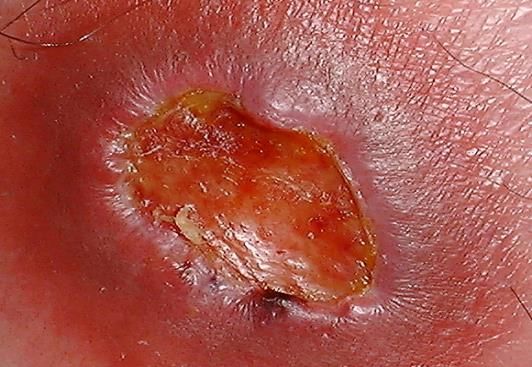
Presentation - The wound is pink in colour; the tissue is fragile with evidence of healing wound bed and/or margins
Aim - Protect new tissue and support wound closure
Treatment - Primary Dressing – cover wound with Atrauman or Hydrofilm or Kliniderm Foam Silicone/Biatain
Silicone or Duoderm Extra Thin
Granulating Wounds
Presentation- Wound could be red in colour and has a granular ‘bubbly’ appearance
Aim – To promote healing and support wound to epitheliasing stage
Treatment – low exudate – Atrauman or Kliniderm Foam Silicone/Biatain Silicone
Treatment – moderate to high exudate - Exufiber with Kliniderm Superabsorbent as secondary dressing
29Wound Formulary April 2019 Version 6
Ratified by the Basingstoke, Southampton and Winchester District Prescribing Committee and Portsmouth and South East Hampshire Area Prescribing Committee
Diabetes Foot Ulceration – Refer all patients with an active ulcer within 24 hours to your local Diabetes Foot Protection team. Early referral to specialist
teams for diabetes management, offloading, debridement and appropriate wound-care, which all are key to achieve the best outcome.
Over-Granulating Wounds
Presentation- Characterised by proud-flesh occurring after the wound bed has filled with granulation tissue
Aim – To reduce the excessive laying down of new blood vessels
Treatment - One fingertip unit of a mild topical steroid such as Hydrocortisone or Haelan (Fludroxycortide)
Tape/Cream.
Kliniderm Foam Silicone/Biatain Silicone as secondary dressing
(if bleeding or infection suspected consider antimicrobial as primary dressing)
Review wound after 3-4 days
Haelan® tape – SPC https://www.medicines.org.uk/emc/product/2694/smpc
NB: Haelan has been re-named under its generic name Fludroxycortide
Sloughy Wounds
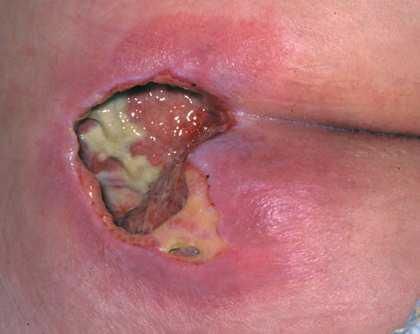
Presentation- Presence of yellow or soft brown/grey devitalised tissue
Aim - To rehydrate in order to support process of debridement and the removal of devitalised tissue
To provide a clean wound base for granulation
Treatment –primary dressing - low to moderate exudate - IntraSite Conformable or KerraLite Cool or
Comfeel Plus or (Medihoney if wound infected)
- moderate to high exudate – Exufiber or Suprasorb A
Secondary dressing – low exudate - Gauze and Hydrofilm
moderate to high exudate - Zetuvit or Kliniderm Superabsorbent for frequent dressing
changes
30Wound Formulary April 2019 Version 6
Ratified by the Basingstoke, Southampton and Winchester District Prescribing Committee and Portsmouth and South East Hampshire Area Prescribing Committee
Diabetes Foot Ulceration – Refer all patients with an active ulcer within 24 hours to your local Diabetes Foot Protection team. Early referral to specialist
teams for diabetes management, offloading, debridement and appropriate wound-care, which all are key to achieve the best outcome.
Necrotic Wounds
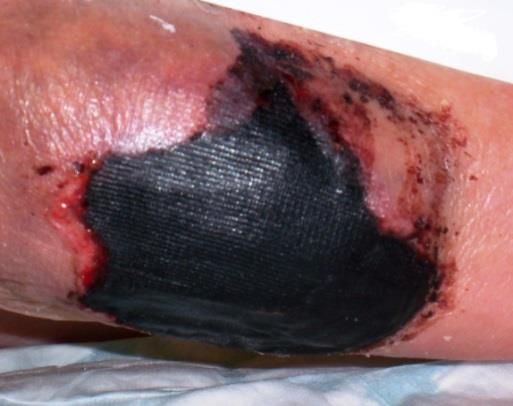
Presentation - The presence of black or yellowish brown devitalised /dead tissue
Aim - To rehydrate and ‘break down’ or soften devitalised tissue
To rehydrate tissue and promote debridement
Treatment – Primary dressing – IntraSite Conformable, or Kerralite Cool
If wound is infected
Iodoflex or Medihoney HCS
protect wound edges with LBF barrier film
Secondary dressing – absorbent dressing such as Zetuvit or Kliniderm Superabsorbent
NB: Black, hard, dry necrotic tissue to heels to be left exposed
NB: Dressings will need reviewing daily if high exudate
Fungating Wounds
Presentation – discharging lesions/tumour that breaks through the skin surface
Aim – complex wound requiring management of exudate, bleeding, odour and pain
Treatment –Prontosan soak
Primary dressing – low to moderate exudate –Prontosan gel or Suprasorb X and PHMB or Medihoney HCS
Primary dressing – moderate to high exudate- Exufiber or Suprasorb X and PHMB or Medihoney medical
honey
Secondary dressing –Zetuvit or Kliniderm Superabsorbent
NB: Clinisorb for odour control is essential. Seek advice if bleeding or uncontrolled odour
31Wound Formulary April 2019 Version 6
Ratified by the Basingstoke, Southampton and Winchester District Prescribing Committee and Portsmouth and South East Hampshire Area Prescribing Committee
Diabetes Foot Ulceration – Refer all patients with an active ulcer within 24 hours to your local Diabetes Foot Protection team. Early referral to specialist
teams for diabetes management, offloading, debridement and appropriate wound-care, which all are key to achieve the best outcome.
Reproduced by permission of NHS Lothian
Cavity Wounds
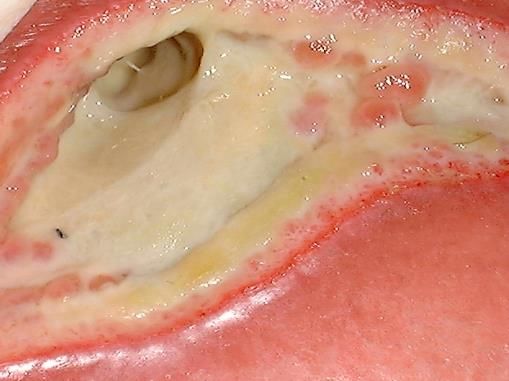
Presentation – A wound which is categorised by its depth and tissue involvement
This wound type may be acute or chronic
Aim
To establish extent and depth of tissue damage
To achieve management and free drainage of exudate
To protect the surrounding skin
To prevent infection or manage infection
To remove necrosis or slough
To promote granulation from the base of the wound.
Treatment
Treatment is dependent on the position of the wound and the amount of exudate (Dealey 2005).
‘Tight’ packing is to be avoided, rather layering to fill the wound space, therefore allowing free drainage of
exudate
Primary dressing – Cavity fillers e.g. Suprasorb A, Exufiber
If wound is infected Medihoney antibacterial medical honey applied via syringe into
the wound bed or Durafiber Ag
Secondary dressing – Kliniderm Foam Silicone Border/Biatain Silicone for low to moderate exudate
Kliniderm Superabsorbent or Allevyn Life adhesive for moderate to high exudate
ALL DRESSINGS APPLIED AND REMOVED FROM A CAVITY WOUND MUST BE RECORDED IN THE
PATIENTS NOTES
Factors to consider
Rehydration of sloughy wounds may increase the odour and exudate levels
Negative pressure closure may be indicated, if wound exudate or depth is significant
There may be undermining with such wounds and this must be measured and documented using an appropriate
wound probe
Reference: Dealey, C. (2005) The Management of Patients with Acute Wounds. In: The Care of Wounds, 3rd
edn. Oxford: Blackwell Science
32You can also read


