2020 CALL FOR PROPOSALS - BBI JU
←
→
Page content transcription
If your browser does not render page correctly, please read the page content below

The catalyst for a sustainable
bio-based economy in Europe

                                         Bio-based Industries
                                          Joint Undertaking

                                 2020
                                 CALL FOR
                                 PROPOSALS
TABLE OF
    CONTENTS

    1
    INTRODUCTION
    Philippe Mengal
                           Page 04
                                     2
                                     ABOUT THE BIO-BASED
                                     INDUSTRIES JOINT
                                                            Page 4

                                     UNDERTAKING (BBI JU)

    3
    CALL CONDITIONS,
    RULES AND EVALUATION
                           Page 13
                                     4
                                     CALL FOR PROPOSALS 2020
                                                            Page 15

    5                      Page 29

    TOPICS PER TYPE OF ACTION
                                     6
                                     JOIN THE PARTNERING
                                                            Page 31

                                     PLATFORM

    7
    EXPERTS NEEDED
                           Page 32
                                     8                      Page 33

                                     BBI JU FOUNDING PARTNERS

2
MISSION

          BBI JU’s mission is to implement the Strategic Innovation &
          Research Agenda (SIRA) developed by industry in collaboration
          with the EU, operating under Horizon 2020 rules and
          procedures.

          BBI JU organises yearly calls for proposals to support research,
          demonstration and deployment activities enabling the
          collaboration between stakeholders along entire value chains,
          covering primary production of biomass, processing industries,
          and final use.

          Our vision is a competitive, innovative and sustainable Europe
VISION

          leading the transition towards a post-petroleum society while
          decoupling economic growth from resource depletion and
          negative environmental impacts.

          Together with pan-European and cross-sector industries/SMEs,
          research organisations, universities, regions, and countries, we
          will develop a bio-based economy for Europe.
1 INTRODUCTION
                                   This year we are launching the seventh and last BBI JU call for proposals under
                                   the Horizon 2020 programme. What a great journey it has been. Since our first
                                   call in 2014, the BBI JU portfolio has grown to 101 projects with nearly 1,200
                                   beneficiaries from 36 countries and total funding of €600 million. By mid-2020,
                                   another 23 projects from the 2019 Call will join in, raising the number of
                                   beneficiaries to almost 1,500 and the number of countries to 37.

                                   The current project portfolio is well balanced in terms of geographical coverage,
                                   types of actions and across the value chains of our Strategic Innovation and
                                   Research Agenda (SIRA). Furthermore, even though BBI JU is an industry-driven
                                   initiative, research organisations and higher education establishments play
                                   a significant role in our projects and attract about 30% of the funding. It is
                                   important to know that 41% of our unique beneficiaries are SMEs that provide
                                   key technologies and out-of-the-box solutions. A recent study dedicated to
                                   SME participation clearly shows that the BBI JU was essential to scale up their
                                   technologies and get access to the market.

                                   As we enter our seventh call year, I can proudly say that the industry is maturing
                                   and our projects are delivering concrete results. The two main positive effects of
                                   BBI JU are still the structuring and mobilising effect of key stakeholders across
                                   sectors, regions and countries towards the creation of new value chains. BBI JU
                                   projects are expected to create more than 200 new cross-sector interconnections
                                   and 180 new bio-based value chains by 2020, well exceeding the targets set in
                                   SIRA, which called for 36 new interconnections and 10 new value chains.

                                   The BBI JU projects are also delivering tangible socio-economic results. Our
                                   portfolio now includes nine flagship biorefinery plants that are well spread over
                                   Europe, with two more coming in 2020. The first nine biorefineries are creating
                                   around 3,300 direct jobs and more than 10,000 indirect ones, most of them in
                                   rural areas. In total, these nine flagships received €195 million worth of grants,
                                   leveraging €1.2 billion of private investment that enabled diversification and
                                   growth of farmers’ income, as well as rural revitalisation. Once operational,
                                   the flagships will reduce CO2 emissions by 600kT/year showing a flavour of
                                   contribution to the European Green Deal.
      Philippe MENGAL              Our achievements demonstrate that the programming process of this
      Executive Director           institutional public-private partnership (iPPP) based on the SIRA developed by the
      Bio-based Industries Joint   Bio-based Industries Consortium in collaboration with the European Commission
      Undertaking                  and our two advisory bodies - Scientific Committee and States Representatives
                                   Group - is more relevant than ever.

                                   This year’s call will continue in the same direction. With an indicative budget
                                   of €102 million, our 2020 Call will cover 16 topics in four strategic orientations:
                                   feedstock, process, products, and market uptake. I invite you to apply for this
                                   opportunity and join our community of beneficiaries who are working together
                                   to build a bio-based sector that is putting Europe back on the map of attractive
                                   areas for investment in bio-based industries.

                                   Best of luck in the preparation of your proposals!

4
ABOUT THE BIO-BASED INDUSTRIES
    2   JOINT UNDERTAKING (BBI JU)

          DEVELOPING A SUSTAINABLE BIO-BASED
          INDUSTRY SECTOR IN EUROPE
          THE BIO-BASED INDUSTRIES SECTOR
          The bioeconomy covers the use of renewable biological resources and their
          conversion into food, feed, bio-based products and biofuels via a range of
          technologies. In 2016 the EU28 bioeconomy sector accounted for 18.6 million jobs
          for a total turnover around €2.3 trillion.

          Bio-based industries are a significant and fast-growing subsector of the
          bioeconomy, accounting for 3.6 million jobs and around €700 billion turnover in
          the EU28*. Bio-based industries use renewable and sustainably-sourced biological
          raw materials, called biomass, as the basic materials for producing bio-based
          chemicals, materials and fuels replacing in a wide range of applications their
          oil-based equivalent.

          However, a distinct and coherent single European bio-based industry sector does
          not yet exist, and currently comprises a wide range of different industrial sectors,
          often working in isolation.

          Existing economic segments like the chemical, forestry, pulp and paper sectors, as
          well as technology providers including biowaste industries, all have an interest in
          moving from an unsustainable fossil-based economic model to a bio-based one.
          This can be achieved by improving the cooperation around all parts of the value
          chain and encouraging cross-sectoral collaborations.

          Integrated biorefineries play a central role in the bio-based industry sector.
          They convert biomass, including organic waste, through efficient and innovative
          technologies into different types of bio-based products such as feed, fibres,
          materials, chemicals and bioenergy. By ensuring a sustainable supply of suitable
          biomass we can reduce the current European reliance on imported fossil-based
          raw materials.

          *Data: Eurostat (2016)
5
BBI JU VALUE CHAIN

                             Waste streams
                             Municipal organic waste
                             By-products & side-streams
                             Forestry side-streams
                             Dedicated agricultural crops and residues
  BIOMASS
                             Aquatic biomass
                             Food processing residues
                             Process and waste water
                             Bio-based CO2

                             (Pre-) treatment
BIOREFINERIES
                             Transformation

                             Bioplastics
                             Building blocks
                             Biopolymers
 INDUSTRIAL                  Surfactants
APPLICATIONS                 Active ingredients
                             Biomaterials
                             Biolubricants

                             Biofuels
                             Textiles
                             Packaging
                             Solvents
  CONSUMER                   Furniture
    GOODS                    Personal care
                             Construction materials
                             Pharmaceuticals
                             Clothing
                             Car components

                                                                         6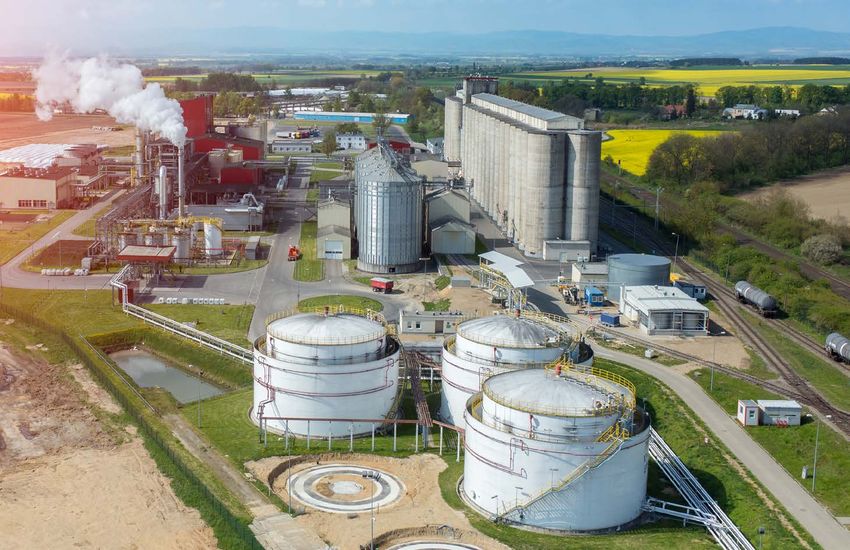
CHALLENGES FOR THE EUROPEAN BIO-BASED
         INDUSTRIES
         The European economy is heavily dependent on fossil-based raw materials as
         a source of chemicals, materials and energy. Reducing this dependency is of
         paramount importance in view of the increasing depletion of fossil resources and
         their impact on climate change.

         A strong European bio-based industrial sector will help to reduce Europe’s
         dependency on fossil-based products, moving Europe more quickly towards
         the many socioeconomic benefits of a post-petroleum society. To unlock their
         full potential, Europe’s bio-based industries will need to make sustainable,
         resource-efficient and largely waste-free use of Europe’s renewable materials
         to play an important role in spurring sustainable growth and boosting Europe’s
         competitiveness.

         However, bio-based industries are still considered as an emerging sector that
         is extremely fragmented across geographical areas and organisations. This
         sector faces specific challenges related to feedstock supply, inadequate logistical
         infrastructure, and lack of consumer awareness.

         Biorefineries require large, risky investments, and the sector is also faced with
         non-technological and regulatory hurdles on several levels of the value chains.

    Bio-based industry sector                            European bio-based
    has a turnover of around                            industries account for
        € 700 billion                                    3.6 million jobs
            in Europe

                                                               *Data: Eurostat (2016)

7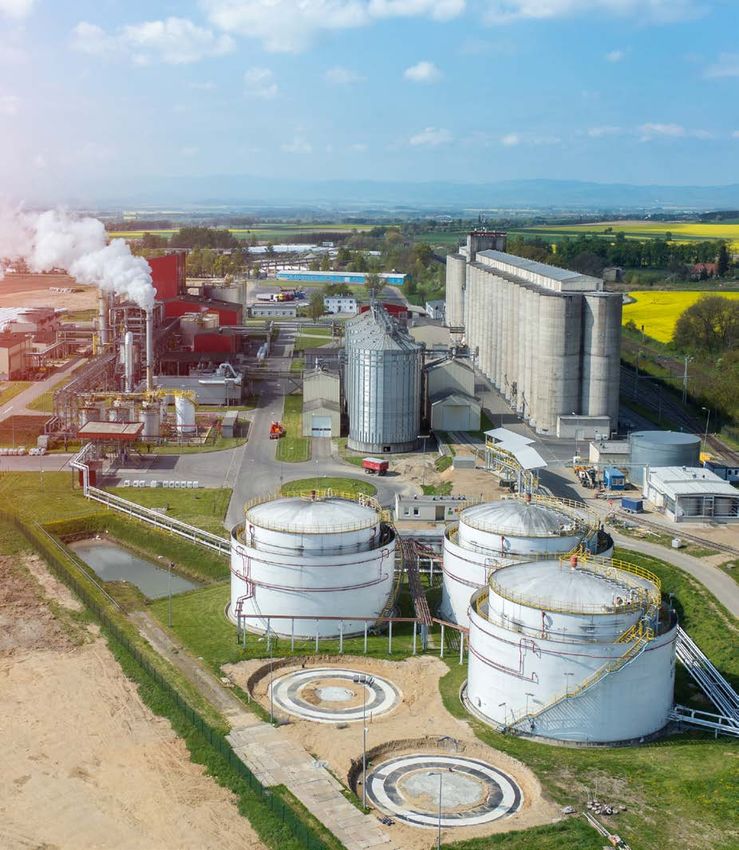
WHAT IS THE BIO-BASED INDUSTRIES JOINT
                   UNDERTAKING (BBI JU)?
                   The BBI JU initiative is a € 3.7 billion public-private partnership between the
                   European Union (EU) and the Bio-based Industries Consortium (BIC). It is an
                   autonomous EU body operating under Horizon 2020 rules and procedures,
                   dedicated to investing in research and innovation projects.

                   In 2012, as part of the impact assessment of the initiative, the European
                   Commission conducted a public consultation. Respondents answered
                   overwhelmingly in favour (over 94%) for the launch of an EU initiative for bio-
                   based industries, and a large majority requested an institutional public-private
                   partnership between the EU and the bio-based industry.

                   Bio-based industries and their value chains are faced with complex and
                   substantial technological and innovation challenges. BBI JU was created to act a a
                   catalyst to tackle these challenges by de-risking investments for private research
                   and innovation, structuring the sector to allow it to reach critical mass in a focused
                   and coherent way. This will enable long-term stability and predictability for the
                   sector.

                   The BBI JU initiative is about connecting key sectors, creating new value chains and
                   producing a range of innovative bio-based products to ultimately create a new bio-
                   based community and economy.

                                                       BBI JU GOVERNANCE

                                                                                            Large companies
                                                                                                  SMEs
              EUROPEAN UNION                       +                      +                   Universities
               represented by the                                                         Technology platforms
              European Commision                                                              Associations
                    DG R&I                                                                  Regional clusters
                    DG AGRI                                                                 Public Institutions
                   DG GROW                                                                         RTOs

                                                                  =
                                   BIO-BASED INDUSTRIES JOINT UNDERTAKING (BBI JU)

Executive Director                                                    Governing Board
Responsible for day-to-day management of the BBI JU in                (10 seats)
accordance with the decisions of the Governing Board                  Responsible for the strategic orientation and the operations of
                                                                      the BBI JU and for the supervision of its activities
Programme Office
Responsible for the management of the grant management                States Representatives Group
life cycle and implementation of specific activities to further       (Member States + Associated Countries)
consolidate BBI JU’s vision and mission                               Advisory body of the BBI JU, responsible for providing advice
                                                                      to the Governing Board on the programme progress and
                                                                      achievement of its targets
                                                                      Scientific Committee
                                                                      (15 seats)
                                                                      Advisory body of the BBI JU, responsible for providing scientific
                                                                      advice to the BBI JU, such as scientific priorities to be addressed

                                                                                                                                            8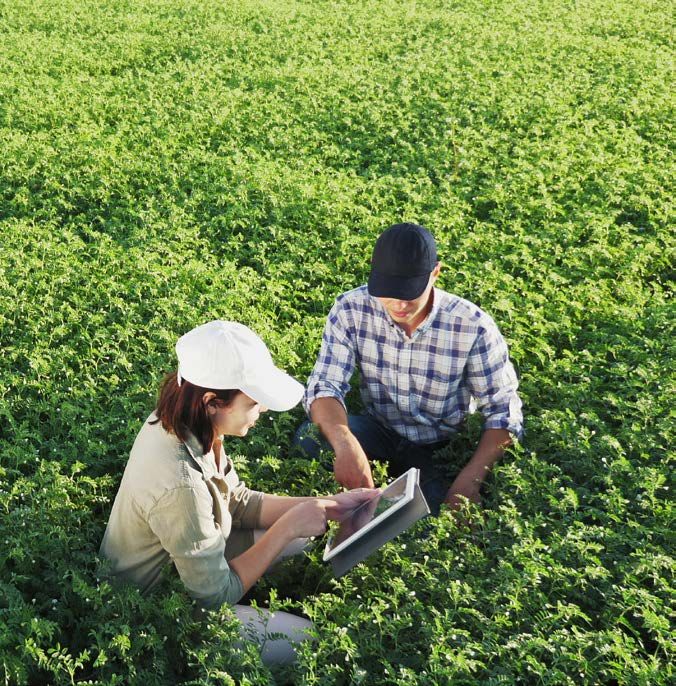
Common Vision
    BBI JU will realise the common vision of the EU and BIC for a competitive, innovative and sustainable
    Europe leading the transition towards a post-petroleum society, while decoupling economic growth
    from resource depletion and negative environmental impacts.

    Together with pan-European and cross-sector industries/SMEs, research organisations, universities,
    regions, and countries, we will develop an economy that:

       Produces locally              Tests and develops               Creates jobs and         Places sustainability,
      sourced renewable             bio-based processes            investments in a range       smart and efficient
        raw materials                 and materials to              of sectors, triggering      use of resources at
                                      bring to market               rural growth accross      the heart of industrial,
                                                                           regions              business and social
                                                                                                     activities

    Mission
    BBI JU’s mission is to implement the Strategic Innovation & Research Agenda (SIRA) developed by
    industry in collaboration with the EU, operating under Horizon 2020 rules and procedures.

    BBI JU organises yearly calls for proposals to support research, demonstration and deployment
    activities enabling the collaboration between stakeholders along entire value chains, covering primary
    production of biomass, processing industries, and final use.

    BBI JU is specifically in charge of:

     Building Annual        Call management              Proposal           Grant Agreement          Project
       Work Plan                                        evaluation            Preparation         management life
                                                                                                      cycle

                                 Communication, dissemination & stakeholder management

                                   Monitoring and reporting on the initiative’s performance

9
Objectives
BBI JU’s objectives are to contribute to a more resource-efficient and sustainable low-carbon economy
and to increase economic growth and employment, in particular in rural areas, by developing
sustainable and competitive bio-based industries in Europe. These objectives will be based on advanced
biorefineries that source their biomass sustainably, and in particular to:

                                                        1

           Demonstrate technologies that enable new chemical building blocks, new materials, and new
            consumer products from European biomass, which replace the need for fossil-based inputs

                                                         2
            Develop business models that integrate economic actors along the value chain from biomass
          supply via biorefinery plants to consumers of bio-based materials, chemicals and fuels, including
             the creation of new cross-sector interconnections and supporting cross-industry clusters

                                                        3
        Set up flagship biorefinery plants that deploy the technologies and business models for bio-based
        materials, chemicals and fuels and demonstrate cost and performance improvements to levels that
                                   are competitive with fossil-based alternatives

                                                                                                              10
HOW WILL BBI JU ACHIEVE ITS OBJECTIVES?
BBI JU is using its funding programme to support research and innovation to demonstrate enabling
technologies which can produce new chemical building blocks, new bio-based materials, and new
consumer products from sustainable sources of European and sustainably sourced biomass. This will
reduce the need for raw materials based on non-sustainable inputs such as petroleum and natural gas
into the European Economic Area.
Calls
BBI JU implements open calls for proposals supporting projects which operate under Horizon
2020 rules and procedures. BBI JU calls are open to private & public ‘for-profit’ and ‘not-for-profit’
organisations, including large enterprises and SMEs, research and technology organisations (RTOs),
universities, associations, and any other type of legal entity interested in BBI JU activities.
Types of Action
Research & Innovation Actions (RIA)
Research & Innovation Actions aim to fill the technological gaps within specific value chains,
leading to the development of new knowledge or a new technology. RIAs cover actions with
a Technology Readiness Level (TRL - see details on next page) 3 – 5 by the end of the project.
Innovation Actions - Demonstration Actions (IA-DEMO)
Demonstration Actions include the establishment of a demo-scale production facility in
Europe, being a new installation, a substantial modification of an existing facility, or the use
of existing demo facilities. Demonstration projects aim at reaching TRL 6-7 by the end of the
project so that the scale-up of the technology and the business case are demonstrated.
Innovation Actions - Flagship Actions (IA-FLAG)
Flagship Actions aim to support the application / market introduction of an innovation
that has already been demonstrated but not at a size enabling commercial deployment.
A flagship project must be the first-of-their-kind in Europe and address a complete value
chain from procurement, growth, feedstock supply via biorefineries to the final product or
products. Flagship projects should aim to reach a TRL 8 by the end of the project.
Coordination and Support Actions (CSA)
Coordination & Support Actions typically address cross-sectoral challenges and support
value chains through knowledge development, studies and networking. Funding covers
the coordination and networking of research and innovation projects, programmes and
policies.
Discover the impact of BBI JU
and its projects in the publication
BBI JU 2014-2019. Achievements
of a high-impact initiative for the
bioeconomy in Europe.
11BBI JU ACTIONS
RIA IA-DEMO IA-FLAG
Research and Innovation Innovation Actions - Innovation Actions -
Actions Demonstration Flagship
TRL1 TRL2 TRL3 TRL4 TRL5 TRL6 TRL7 TRL8 TRL9
Development and validation Demo-scale production A first-of-their-kind
of technology facility in Europe application, large-scale
production facility in Europe
CSA
Coordination and Support Actions -
no link to TRLs*
* TRLs (Technology Readiness Levels) are a method of measuring the maturity level of the technology development in a project.
This method provides a common understanding of technology status and innovation.
PARTICIPATION & FUNDING RATES PER ACTION (INDICATIVE)
Type of Participant RIA IA (DEMO & FLAG) CSA
Large Industries ** 70% **
SMEs 100% 70% 100%
Universities & RTOs (non profit, legal entities) 100% 100% 100%
Duration of the project 3-5 years 4-5 years 1-3 years
** non-eligible for funding
More information about eligible costs is available in the Annual Work Plan and in the guidelines for participants available via the Participant Portal and the BBI
JU website.
12CALL CONDITIONS,
3 RULES AND EVALUATION
Disclaimer: the overview of the BBI JU Call 2020 conditions, management rules and
evaluation provided in this document serves as a quick summary. For a full description of the
guidelines and procedures, as well as to consult all topics, please check the Annual Work Plan
2020 and other relevant Horizon 2020 Legal Framework documents available on the Call 2020
page and reference documents.
For UK applicants: Please be aware that following the entry into force of the EU-UK
Withdrawal Agreement [1] on 1 February 2020 and in particular Articles 127(6), 137 and
138, the references to natural or legal persons residing or established in a Member State
of the European Union are to be understood as including natural or legal persons residing
or established in the United Kingdom. UK residents and entities are therefore eligible to
participate under this call.
The BBI JU operates under the Horizon 2020 rules for participation, set out in Regulation
(EU) No 1290/2013 of the European Parliament and of the Council of 11 December 2013.
CALL CONDITIONS
Call identifier H2020-BBI-JTI-2020
Publication date 15 April 2020
Indicative deadline 03 September 2020 17:00 (Brussels local time) - single stage call
Indicative budget € 102 million
Indicative budget by type of actions
Type of action Indicative budget
Research and Innovation Actions € 22 000 000
Innovation Actions - Demonstration Actions € 28 000 000
Innovation Actions - Flagship Actions € 47 000 000
Flagship BBI2020.SO1.F1 € 15 000 000
Flagship BBI2020.SO1.F2 € 16 000 000
Flagship BBI2019.SO1.F3 € 16 000 000
Coordination & Support Actions € 5 000 000
Total € 102 000 000
[1] Agreement on the withdrawal of the United Kingdom of Great Britain and Northern Ireland from the European Union and the European
Atomic Energy Community.
13CALL MANAGEMENT RULES
Rules for participation in BBI JU Calls for proposals are the same as in Horizon 2020. This means that BBI JU calls are open
to private for-profit and not-for-profit organisations, including large enterprises as well as SMEs, Research and Technology
Organisations, universities, associations, or any legal entity interested in BBI JU activities.
Everyone can apply and everyone is strongly encouraged to do so. The principles of openness, transparency and excellence
prevail, and the three Horizon 2020 criteria for evaluation of excellence, impact and quality & efficiency of implementation
apply. The main exception is that large enterprises are not eligible to receive funding for Research and Innovation Actions
and Coordination and Support Actions under the BBI JU programme.
EVALUATION
The BBI JU programme office is the neutral facilitator for the administration of the BBI JU call processes and procedures.
It selects and appoints independent experts to conduct a fair and transparent evaluation of the received proposals.
Independent external observer(s) monitor the evaluation process and ensure that it is conducted in line with these
principles.
Proposals are evaluated on their scientific excellence, potential impact, and potential of proposal implementation to resolve the
challenges defined in the call topics. Proposals (excluding CSAs) are also evaluated on their potential socio-economic impact,
and all processes and products described in the proposal have to undergo a lifecycle analysis.
External evaluators are selected based on their expertise, and come from different professional backgrounds including
industry (both large and small), academic and research institutions, public bodies, associations, etc.
FUNDING AND TENDER OPPORTUNITIES PORTAL – SEDIA
The Funding and Tender Opportunities portal – SEDIA (former Participant Portal) is the single-entry point for all interactions
with the EU research and innovation programmes offered by the European Commission, its Executive Agencies, and BBI JU. It
offers tools and services that facilitate the monitoring and management of BBI JU proposals and projects.
All BBI JU Call information and documents are published centrally on the SEDIA portal. These include:
Call description
Topics and submission service
Call documents
FAQs and support
GRANT MANAGEMENT LIFECYCLE
Call for proposals Evaluation Grant Agreement Project
Management
Periodic and
final reports
Evaluation of Grant Grant
Publication Submission Call proposals by Results of the Information Agreement Agreement
Call launch Submission of
of topics of proposals closure independent evaluation to applicants Preparation signature deliverables
experts (GAP)
Reviews
15 Apr. 2020 03 Sep. 2020 Max. 5 months 1-5 years
Max. 8 months
144 CALL FOR PROPOSALS 2020
THE STRATEGIC ORIENTATIONS
This is the seventh BBI JU Annual Work Plan and Budget (AWP). It continues focussing on faster development of new
sustainable value chains, from biomass feedstock supply via efficient processing, to the acceptance and application of bio-
based products in the end-markets.
The AWP 2020 confirms the focus on better integrating biomass feedstock suppliers at the front end of the value chain,
creating a demand for biomass feedstock from biorefining processes. Similarly, the 2020 AWP will stimulate the building of
partnerships with end-market actors to create a ‘market pull’ for bio-based products for identified applications.
The scientific priorities and impacts for the year 2020 were identified by BIC and the EC, in collaboration with BBI JU, via a
wide consultation of industry members that are part of of BIC, as well as universities, RTOs, European Technology Platforms
and European industry associations, and BBI JU’s advisory bodies - the States Representatives Group (SRG) and the Scientific
Committee (SC). The scientific priorities are aligned with the SIRA, which presents four main strategic orientations:
Foster supply of sustainable biomass feedstock to feed both existing and new value chains
Optimise efficient processing for integrated biorefineries through research, development and innovation (R&D&I)
Develop innovative bio-based products for identified market applications
Create and accelerate the market uptake of bio-based products and applications
A priority paper for 2020 has been developed, which updates the priority paper 2019-2020 of February 2018. The update
reflects the priorities left to be dealt with taking into account the AWP 2019. In addition, BIC industry members have included
a few new potential themes for 2020.
In 2020, the Call has an indicative budget of €102 million for a total of 16 topics with 5 RIA topics, 4 CSAs, 4 DEMOs and 3
FLAGs.
2020 CALL TOPICS
Disclaimer: the scope sections of the BBI JU Call 2020 topic texts described in this document are indicative and solely
aimed at providing a quick overview of all Call 2020 topics. However, all proposal evaluations will be based on the
full topic texts and the relevant Horizon 2020 Legal Framework as described in the Annual Work Plan 2020 available
on the reference documents.
The anticipated total contribution of BBI JU funding shown for each topic is the estimated amount which would allow the
specific challenge to be addressed appropriately. Nonetheless, this estimate does not preclude the submission and selection
of proposals with another requested contribution.
15Strategic Orientation 1 - FEEDSTOCK
Foster suply of sustainable biomass-feedstock to feed both
existing and new value chains
The first strategic orientation aims to expand and diversify the
biomass feedstock portfolio through improving utilisation of
existing sources and tapping into new sources.
Focus areas for this strategic orientation are:
Improve the utilisation of existing feedstock sources from
the agro-, forest, marine, chemical and waste industry
sectors, also in geographical areas with currently low
biobased activities. This includes feedstock from the
paper and pulp and the food production and processing
industries.
xpand the utilisation of the organic fraction of municipal
E
solid waste (MSW), sludge from urban wastewater
treatment, industrial organic waste and residues from
perennial crops as a feedstock for the bio-based industry.
xploit the opportunities of aquatic biomass as feedstock
E
for the bio-based industry.
alorise co-products and residues from bio-based
V
operations, including (existing) biorefineries.
16MAKE BETTER USE OF EXISTING FEEDSTOCK SOURCES
BBI2020.SO1.D1 – RESOLVE SUPPLY-CHAIN HURDLES FOR TURNING RESIDUAL WASTE STREAMS
INTO FUNCTIONAL MOLECULES FOR FOOD AND/OR NON-FOOD MARKET APPLICATIONS 17
INDICATIVE FUNDING: maximum € 7 million
TYPE OF ACTION: Innovation Action – Demonstration Action
Residual streams from various industries contain functional molecules that could be used for food
and non-food market applications. The functions of interest depend on the intended use of the final
products that operators intend to make with the targeted molecules. Residual streams are any streams
that are not main products of an industrial operation and are disposed of at low or no value. They
include residues from the agricultural, livestock, marine, aquatic, fisheries, food processing, forestry
and forest-based industry sectors.
Today, most of these residual streams either find low-value applications that are mainly based on their
calorific content (i.e. they are used as fuel), or they are not used at all, often because of supply-chain
constraints. The supply-chain constraints could be due to a variety of reasons, including: (i) the relatively
long distances between where the residues are generated and where they can be processed; (ii) the
low density and/or high water content of the residues; (iii) the capacity of available processing units
exceeding available local feedstock.
It is crucial that the functional molecules from these residual streams be separated in a way that is cost-
efficient, energy-efficient and eco-efficient. This will mean that these molecules can be made available
for subsequent use in higher-value applications, which will provide significant employment and income
opportunities for the primary sectors and may improve the commercial sustainability of existing
processes.
Fully enjoying the opportunities of these functional molecules will only be possible if the availability of
the residual streams can be maximised by resolving any supply-chain constraints.
Various technologies exist to separate and convert the functional molecules from residual streams into
high added-value intermediates and products. However, the applicability of these technologies depends
on sustainable integration of the feedstock supply.
The specific challenge is to resolve supply chain hurdles and enable the recovery and processing of
functional molecules in residual streams from various sectors.
MAKE GREATER USE OF UNDER-USED OR NEW FEEDSTOCK FOR
BIO-BASED INDUSTRIES
BBI2020.SO1.F1 – VALORISE THE ORGANIC FRACTION OF MUNICIPAL SOLID WASTE THROUGH AN
INTEGRATED BIOREFINERY AT COMMERCIAL LEVEL
INDICATIVE FUNDING: maximum € 15 million
TYPE OF ACTION: Innovation Action – Flagship Action
The organic fraction of municipal solid waste (OFMSW) presents an important feedstock for biorefining
to convert it into valuable compounds for applications in a variety of market segments. However, this
precious feedstock is often perceived as a challenge for urban agendas, due to its potential pressure
on the environment and human health. Together with other waste streams, the OFMSW is often used
for energy recovery or sent to landfill. This pre-empts exploiting its potential for valuable products
achievable in cascading operations. Aerobic (composting), anaerobic digestion and energy recovery
processes on the OFMSW have been able to reduce this fraction going to landfill. However, these
processes mainly result in low-value products such as compost, biogas and digestate, and incineration
of valuable resources.
Building on earlier projects on OFMSW, industry is ready to scale up the total value chain to a first-of-
a-kind biorefinery at commercial level. Successful operation at this level will start to realise a better
exploitation of the potential of the OFMSW in Europe.
The specific challenge is to sustainably scale up the conversion of OFMSW into added-value products
to commercial levels.
17BBI2020.SO1.D2 — USE BIOGENIC GASEOUS CARBON TO INCREASE FEEDSTOCK AVAILABILITY FOR
THE INDUSTRY 18
INDICATIVE FUNDING: maximum € 7 million
TYPE OF ACTION: Innovation Action – Demonstration Action
Gaseous-carbon emissions are a threat to climate stability when they exceed the extraction capacity
of plants, forests and the sea. This threat has been present since gaseous-carbon emissions from
industrial activities started to add to the natural (biogenic) carbon cycle. Some sections of industry
are therefore seeking to create a low-carbon emission economy by avoiding or reducing fossil-based
carbon emissions or capturing these emissions for storage or use. Carbon-containing emissions are
also potential feedstock sources for industry (serving as ‘C1-carbon’ sources). Some conversion and
use technologies for gaseous carbon have been proven in the laboratory and even at pilot scale.
It is now time to scale up these technologies to demonstration level so they can subsequently be
commercialised.
The bio-based industry can demonstrate efficient recycling and recovery concepts for its biogenic
gaseous emissions. Turning biogenic emissions into something of value by producing valuable
chemicals contributes to the industry’s ‘zero-waste’ biorefining objectives and abates climate change.
Biogenic gaseous carbon can be used: (i) as a feedstock for the conversion into platform chemicals;
(ii) to increase the growth of biomass as feedstock for industrial exploitation; or (iii) to create energy
solutions. However, the last option is not within the scope of this topic.
The specific challenge is to use biogenic gaseous carbon as a feedstock for the bio-based industry
through: (i) direct conversion into bio-based chemicals or intermediates; or (ii) growing new biomass
sources.
BBI2020.SO1.F2 — TURN LIGNIN INTO MATERIALS AND CHEMICALS FOR HIGH-END APPLICATIONS
INDICATIVE FUNDING: maximum € 16 million
TYPE OF ACTION: Innovation Action – Flagship Action
Lignin occurs in wood and non-wood cellulosic biomass. It is available in very large quantities as a
by-product of lignocellulosic biorefineries and chemical pulping operations. Although it is a valuable
biopolymer, it is currently mainly burnt as low-value fuel.
Several projects are running or have been completed at demonstration levels (TRL 6-7) to turn the
by-product lignin from industrial operations into added-value products, often replacing fossil-based
counterparts in the process. Industry now sees enough opportunities to scale up these value chains
to commercial levels. Large-scale transformation of lignin into high-end applications will significantly
improve the economics of lignocellulose biorefineries. And replacing fossil-based products with lignin-
based high-end products will make a significant contribution towards a climate-neutral Europe by 2050.
Lignin can be used ‘as is’ in various added-value applications, among others in the construction
industry. In the latter case, lignin is able to sequester biogenic carbon for decades, and can
substantially contribute to climate change mitigation. Lignin can also be treated to increase its usability
in chemical and biotechnological processing. This processing allows it to be used in fibre applications,
platform chemicals, and building blocks. The high polymeric character of lignin means it contains many
functionalised molecules. Smart processing steps can therefore retain the desired polymerisation and
functionality. Functionalised building blocks can lead to high-end applications in a variety of market
sectors.
The specific challenge is to sustainably commercialise the transformation of lignin into chemicals and
materials for high added-value applications.
18BBI2020.SO1.F3 — PRODUCE FOOD INGREDIENTS WITH HIGH NUTRITIONAL VALUE FROM AQUATIC
SOURCES 1919
INDICATIVE FUNDING: maximum € 16 million
TYPE OF ACTION: Innovation Action – Flagship Action
Among the UN Sustainable Development Goals, ‘feeding the planet’ features prominently. The growing
world population will need additional sources of protein and ingredients with high nutritional value
that do not deplete finite natural resources. The food industry can make a substantial contribution by
increasing its resource efficiency. However, there will also be a need to tap new sources of protein.
The aquatic and marine worlds and the fisheries and aquaculture industries contribute to the UN’s
goal while maintaining healthy marine and aquatic ecosystems. Scientific evidence unambiguously
points to sustainable culture and capture at low trophic levels as a way to bring about an increase of
food production from aquatic resources. These include, for example, microalgae, seaweed, marine
invertebrates, side streams from the fish processing industry, and herbivore filter feeders (e.g.
molluscs). Moreover, the recent implementation of the landing obligation for fish bycatch under the
common fisheries policy opens up opportunities for the efficient and sustainable transformation of
such under-used streams into valuable ingredients.
A number of projects have demonstrated the successful conversion of aquatic biomass, mainly algae,
into high-value ingredients for food applications. Actors in the aquatic and marine worlds are confident
that by combining forces they can start converting the many aquatic and marine species and fisheries/
aquaculture-industries side streams into food applications at commercial level. Europe can take the
lead in this direction by enabling such a first-of-its-kind operation.
The specific challenge is to sustainably scale up the conversion of new and sustainable aquatic and
marine sources for human food and contribute to food and nutrition security.
19Strategic Orientation 2 - PROCESS
OPTIMISE EFFICIENT PROCESSING FOR INTEGRATED
BIOREFINERIES THROUGH R&D&I
The second strategic orientation aims to improve efficiency
and sustainability of ‘biorefining biomass into compounds for
chemicals (including food and feed ingredients) and materials’
and to develop new, breakthrough processes.
Focus areas for this strategic orientation are:
Improve the effectiveness of pre-treatment steps.
Further increase the efficiency of chemo- and bio-catalysis
targeting better product quality, higher selectivity, higher
output, lower cost and/or lower energy consumption.
20CONVERSION OF PRE-TREATED FEEDSTOCKS TO BIO-BASED
CHEMICALS AND MATERIALS
BBI2020.SO2.R1 — USE ENABLING TECHNOLOGIES TO IMPROVE FEEDSTOCK AVAILABILITY AND
SUSTAINABILITY FOR THE BIO-BASED INDUSTRY 21
INDICATIVE FUNDING: between € 2 million and € 5 million
TYPE OF ACTION: Research and Innovation Action
Bio-based operations often deal with variable or even unpredictable conditions (e.g. weather,
geographical differences, pathogens) affecting the overall resource efficiency of the targeted value
chains. Proper planning of bio-based operations must take into account multiple inputs on soil
conditions, biodiversity, logistics, resources management, etc. There are many enabling technologies
that promote smarter, safer, more efficient and more environmentally friendly bio-based value chains.
These technologies include: ‘big data’, geographic information systems, sensors, artificial intelligence,
the internet of things, and prediction algorithms. The technologies can also assist the bio-based
industry to better evaluate quality and availability of (residual) biomass as feedstock for bio-based
operations. Consequently, the bio-based industry can better plan its feedstock supply and align its
operational steps accordingly.
The technologies mentioned above will also help bio-based operators to adapt and fine-tune the
technological steps in pre-treatment, conversion and downstream processing.
The specific challenge is to increase biomass availability, resource efficiency and sustainability for the
bio-based industry through enabling (advanced and innovative) technologies.
BBI2020.SO2.R2 — DEVELOP INTEGRAL FRACTIONATION OF LIGNOCELLULOSE TO PRODUCE
COMPONENTS FOR HIGH-VALUE APPLICATIONS
INDICATIVE FUNDING: between € 2 million and € 5 million
TYPE OF ACTION: Research and Innovation Action
Lignin and hemicellulose are mostly treated as low-quality, low-value side streams of lignocellulose
fractionation. However, both lignin and hemicellulose are some of the most abundant raw materials
— and a potential feedstock — for the bio-based industry. They could play a crucial role in promoting
the regional supply and refinement of sustainable biomass feedstock for both existing and new value
chains. Several high-value and moderate-value applications of lignin and hemicellulose have already
been demonstrated. And both lignin and hemicellulose are potentially already available in large
quantities from existing operations. However, it remains a challenge to raise their quality to suitable
levels for further processing in an affordable resource-efficient way. To do so, it will be necessary to
identify specific, sustainable and economically attractive applications. It will also be necessary to specify
the required quality aspects of lignin and hemicellulose to help promote commercialisation.
For example, lignin has enormous potential as a feedstock for aromatics. However, turning it
into a feedstock for bio-aromatic value chains requires chemical reactivity for further processing.
Technologies to convert hemicellulose are advancing. Some of these technologies use conversion
methods such as fermentation. However, the feedstock must be of adequate quality, and further
developments in yeast strains able to transform hemicellulosic sugars are needed. Moreover, new high-
volume applications are essential to create a large enough outlet for the large stream of hemicellulose
becoming available. Industry is interested in using both lignin and hemicellulose as feedstock for new
bio-based value chains.
The specific challenge is to break up lignocellulose into its components to create value for most of all
fractions (not only cellulose) in identified applications.
21BBI2020.SO2.R3 — DEVELOP BIO-BASED SOLUTIONS TO RECYCLE COMPOSITES 22
INDICATIVE FUNDING: between € 2 million and € 5 million
TYPE OF ACTION: Research and Innovation Action
The full recyclability of composites through the effective separation and recovery of their components
is still an issue. This is mainly due to the adhesives used to bind the different layers and materials
together. The fossil-based bonding components that are currently used cannot easily be separated
from the other components, nor can they be recycled together with the matrix material.
Industry can improve the recyclability of composites by designing bio-based bonding materials that will
decompose21 under specific conditions (e.g. pH, temperature, microorganisms). These new bonding
materials will replace fossil-based counterparts in composites and allow multilayer plastics and
composites to be recycled more easily.
A useful concept when considering recyclability is ‘extended producer responsibility’ (EPR). EPR makes
manufacturers of composites – or any product – responsible for the entire life cycle of the product,
especially for the take-back, recycling and final disposal. EPR is crucial for creating a sustainable and
circular bioeconomy. EPR will be an important input to some quickly expanding application areas, such
as 3D printing of cellulose-based materials, which offers new opportunities for regional industries.
The specific challenge is to increase the recyclability of composites.
BBI2020.SO2.R4 — EXTRACT BIOACTIVE COMPOUNDS FROM NEW, UNDER-EXPLOITED AND/OR
RECALCITRANT RESIDUAL BIO-BASED STREAMS FOR HIGH-VALUE APPLICATIONS
INDICATIVE FUNDING: between € 2 million and € 5 million
TYPE OF ACTION: Research and Innovation Action
There is a strong continuing interest in obtaining high-value, sustainable, bio-based ingredients from
new and alternative sources. These sources include under-exploited, ‘recalcitrant’ (i.e. requiring
innovative processes/technologies to handle) side streams containing bioactive compounds with high
market potential.
Currently, there is great demand for bio-based bioactive compounds in market sectors such as food,
feed, performance chemicals, cosmetics, nutraceuticals, pesticides and pharmaceuticals. This trend is
driven by consumer demand for functional products with ever-better performance, and for ‘natural’
and sustainable products.
Extracting bioactives from diverse sources brings challenges. These challenges include finding
appropriate methods for the pre-treatment, handling and processing of raw materials and for properly
characterising their diverse bioactive contents. In addition, the extraction processes themselves should
be environmentally sustainable and economically viable while simultaneously preserving the functions
and qualities of the targeted compounds.
The specific challenge is to develop appropriate processing schemes to extract bioactives from
new, under-exploited and/or recalcitrant residual streams so they can be used in high-value-added
applications.
22BBI2020.SO2.D3 — UPSCALE THE PRODUCTION OF BIO-BASED PLATFORM MOLECULES FOR LARGER
MARKET APPLICATIONS 23
INDICATIVE FUNDING: maximum € 7 million
TYPE OF ACTION: Innovation Action – Demonstration Action
The sustainable production of bio-based platform molecules with a broad range of potential
applications could increase the competitiveness of bio-based materials and products compared with
their fossil-based counterparts.
Platform chemicals are intermediate molecules that can be used to produce a large number of end-
products, such as biopolymers, high-value additives, and other bio-based products. They can therefore
unlock entire bio-based value chains if produced at competitive cost, to a high quality, and in sufficient
quantities. Promising bio-based platform molecules include: HMF, FDCA, some organic acids, and
alcohols from various biomass feedstocks.
Market interest in bio-based platform molecules is increasing, and market actors are requesting larger
quantities of these molecules for further formulation and testing in specific applications, including
food, feed and consumer personal care. To foster the market penetration of these molecules — and
make them competitive against fossil-based counterparts — industry must increase the production of
targeted bio-based platform molecules. This must be done at a competitive cost and quality compared
with the state of the art.
The specific challenge is to upscale the production of bio-based platform molecules in sufficient
quantities and at sufficient quality to promote their larger application in new and existing markets.
23Strategic Orientation 3 - PRODUCTS
DEVELOP INNOVATIVE BIO-BASED PRODUCTS FOR
IDENTIFIED MARKET APPLICATIONS
The third strategic orientation aims to increase the applicability
of high value-added bio-based products and avoid price
competition with fossil-based products by pursuing advanced
functionalities and unmatched performance.
Focus areas for this strategic orientation are:
io-based materials that outperform fossil-based
B
materials in comparable applications in the packaging,
construction, agriculture, transportation, personal care
and hygiene sectors.
Breakthrough bio-based chemicals that have no fossil-
based counterpart or industrial-scale production.
New bio-based chemicals and materials for high-value
applications meeting all safety and regulatory
requirements.
Proteins and bio-based additives from plants, residual
streams in the food production and other (waste) streams
that are rich in protein and high-value molecules.
Bio-based plastics that are biodegradable/compostable or
suitable for recycling.
24BIO-BASED PRODUCTS THAT OUTPERFORM FOSSIL-BASED
COUNTERPARTS
BBI2020.SO3.R5 — IMPROVE THE SUSTAINABILITY OF COATINGS 25
INDICATIVE FUNDING: between € 2 million and € 5 million
TYPE OF ACTION: Research and Innovation Action
Coatings are widely used in many applications, such as in glass, concrete, metal and furniture.
Depending on the specific performance required by the intended applications, coatings must
serve different purposes. These purposes include preventing reflectivity, self-cleaning, protection,
waterproofing, fire resistance, anti-corrosion, insulation and anti-fouling.
Because of this diverse and expanding range of requirements, people increasingly demand sustainable
coatings. As part of this development, producers are introducing bio-based alternatives in coating
formulations, replacing fossil-based compounds. Some of these fossil-based compounds (e.g. some
solvents) present potential health risks to humans.
The specific challenge is to substitute fossil-based compounds in coatings with bio-based alternatives,
while ensuring that the performance of the coating is at least identical to the traditional coating.
BBI2020.SO3.D4 — DEMONSTRATE SUPERIOR BIO-BASED PACKAGING SOLUTIONS WITH MINIMAL
ENVIRONMENTAL DAMAGE
INDICATIVE FUNDING: maximum € 7 million
TYPE OF ACTION: Innovation Action – Demonstration Action
Packaging is key to sustaining the quality and durability of consumer and industrial products through
their lifespan. Today, most packaging materials are fossil-based and may cause environmental
problems at the end of their life cycle if not properly managed.
For example, oxo-plastics (also called oxo-degradable plastics) are used in agricultural films, rubbish
bags, carrier bags, food packaging and landfill covers. However, they break down into very small
particles, potentially contributing to environmental (soil, marine, air) contamination by microplastics.
And not all biodegradable packaging materials disintegrate quickly enough to avoid becoming marine
litter or contaminating the soil.
With its 2018 plastics strategy, the European Commission has laid out plans to: (i) make all plastic
packaging on the EU market recyclable by 2030; (ii) reduce single-use plastics; and (iii) restrict the
intentional use of microplastics. Products made from oxo-degradable plastics will be banned from the
EU market from July 2021.
Industry can develop and produce bio-based packaging materials that enable better functional
performance than their fossil-based counterparts. This improved performance can be improved gas-
barrier functionality; longer shelf lives for food-packaging applications; and better consumer safety
features. In addition, bio-based packaging materials can be made reusable or recyclable in applications
that demand recyclability for a sustainable end-of-life. For other applications, bio-based packaging
material that outperforms fossil-based alternatives can be made biodegradable21, industry- or home-
compostable, or degradable in specific environments if this feature is demanded. These features may
be desirable for applications such as food packaging. If a packaging material contains food remains
after use, it cannot always be recycled as part of recyclable plastic streams. Making packaging material
for specific food applications compostable will allow it to be collected together with food waste and to
be composted, thus diverting it from landfill or incineration.
The specific challenge is to upscale the production of sustainable and high-performing bio-based
packaging solutions that do not create environmental damage during and after use.
25Strategic Orientation 4 - MARKET UPTAKE
CREATE AND ACCELERATE THE MARKET UPTAKE OF BIO-BASED
PRODUCTS AND APPLICATIONS
The fourth strategic orientation aims to respond to the concerns
of society about bio-based products by engaging in dialogue with
societal and consumer groups on benefits and how potential
risks are addressed and managed.
Focus areas for this strategic orientation are:
Identify and propose solutions to remove (potential)
hurdles to the increased use of the organic fraction of
waste (specific co-products, side streams and residues from
industrial and urban sources) for the bio-based industry.
Increase and improve communication and dialogue
with all stakeholders on the benefits and possible risks
of new bio-based products. These include materials for
applications with food contact (such as nutraceuticals and
packaging materials), in the pharmaceutical sector, and
possibly also in the construction, agriculture, transportation,
personal care and hygiene sectors.
Establish cooperation and partnerships with brand owners
and consumer representatives to improve market access of
sustainable bio-based products.
26S1 – Help start-ups and spin-offs to gain access to finance
S2 – Provide insight on emerging technologies for bio-based value chains
BBI2020.SO4.S1 — HELP START-UPS AND SPIN-OFFS TO GAIN ACCESS TO FINANCE 27
INDICATIVE FUNDING: maximum € 1.5 million
TYPE OF ACTION: Coordination and Support Action
Start-ups and spin-offs, both young, innovative and entrepreneurial, often face big hurdles in attracting
investors, or using financial instruments to help finance their business plans. They find it especially
challenging in bio-based industries, as the hurdles to success are high, and investors find it more
difficult to judge the associated risks. These risks are different compared with more familiar sectors
like e.g. the digital sector. Entrepreneurs in the bio-based industry must cross extra hurdles to attract
investors and become independent as soon as possible.
One of the ways to overcome these hurdles is by seeking out networking opportunities through suitable
organisations, clusters and platforms. These opportunities can bring start-ups and spin-offs into contact
with large enterprises, regional clusters, open-innovation scale-up facilities, reference customers
and other market actors. This will make start-ups and spin-offs more visible, allowing them to secure
financing from the contacts them made.
The specific challenge is to help start-ups and spin-offs to improve their networking activities
with relevant stakeholders and help to improve their business case and to gain access to funding
opportunities in the bio-based sector.
BBI2020.SO4.S2 — PROVIDE INSIGHT ON EMERGING TECHNOLOGIES FOR BIO-BASED VALUE
CHAINS
INDICATIVE FUNDING: maximum of € 1 million
TYPE OF ACTION: Coordination and Support Action
Not all actors in the bio-based sector may be aware of or familiar with the existing and emerging
technologies that could be used in bio-based value chains. Moreover, technologies are continuously
evolving, and new technologies emerge so frequently that industry can hardly keep up. Without a clear
overview of relevant technologies for specific applications, selecting the right one(s) for a particular
value chain becomes difficult.
Mapping these technologies in a user-friendly database could resolve this situation and provide
toolboxes for various cases. Such a database should categorise each technology by its characteristics:
application fields, feedstock (e.g. source, size, and composition), working principle (e.g. chemical,
biotechnological, mechanical), maturity (TRL), energy consumption, maximum capacity (tonne/
hr), application conditions (e.g. temperature, pH), combined use with other technologies, relevant
engineering studies, etc.
It would also be relevant to include information on: (i) organisations that are active in the development
and licensing of the technology; (ii) where laboratory/pilot facilities are available; (iii) capital and
operational costs; (iv) competing technologies; etc.
The specific challenge is to provide a complete overview of relevant technologies for the bio-based
industry, both existing and emerging.
27S3 – Create and interlink bio-based education centres to meet industry’s needs of skills and competences
S4 – Expand circular economy to include the underexploited circular bioeconomy
BBI2020.SO4.S3 — CREATE AND INTERLINK BIO-BASED EDUCATION CENTRES TO MEET INDUSTRY’S
NEEDS OF SKILLS AND COMPETENCES 28
INDICATIVE FUNDING: maximum € 1.5 million
TYPE OF ACTION: Coordination and Support Action
Due to its cross-sectoral nature and (relative) novelty, the bio-based industry requires a set of skills and
competencies that are not available in some regions, but that are available — and taught — in certain
academic and vocational schools.
Part of the process of closing the skills gap is increased cooperation between industry and the academic
world. In some countries and regions, there is already interaction between the bio-based industry,
academia and government. This cooperation occurs in training or innovation centres that mostly focus
on joint projects or initiatives. In some regions, these centres also have education projects to meet
industry’s future needs for skills, and to meet the training needs of the existing workforce. The existing
centres typically focus on their regional situation and needs, benefiting local SMEs in particular. There is
very little coordination between existing centres.
Industry would like bio-based ‘education centres’ to interact with education institutions on the skills that
will be needed in the future, and on the skills that are needed by the existing workforce. Also, although
regional centres focus on local needs, connecting these centres to each other will help them to draw
up a common framework of standards and skills that could be tailored for local application. Increasing
interaction in this way will also benefit the society at large and the bioeconomy in general.
The specific challenge to increase cooperation between the bio-based industry and the education
system to avoid skills and competences gaps.
BBI2020.SO4.S4 — EXPAND CIRCULAR ECONOMY TO INCLUDE THE UNDEREXPLOITED CIRCULAR
BIOECONOMY
INDICATIVE FUNDING: maximum € 1 million
TYPE OF ACTION: Coordination and Support Action
The circular economy aims to maintain the value of products, materials and resources for as long
as possible by returning them into the product cycle at the end of their use, while minimising the
generation of waste. The bioeconomy covers all sectors and systems that rely on biological resources
(animals, plants, microorganisms and derived biomass, including organic waste), their functions and
principles.
The circular economy is a concept that has been promoted for more than 20 years. It brings together
many interest groups, including stakeholders from the processing industry, waste management
industry, recycling industry and others. In the early 1990s, several European countries began passing
waste-related laws and regulations, which prompted the European Waste Framework Directive in 2008.
New EU waste rules approved in May 2018 require more rigorous enforcement of the waste hierarchy
and introduce new requirements for waste management in the European Union.
With the bioeconomy becoming a reality, new interests have come into play, such as those focused
on making use of waste streams or residual streams that so far have not been used, or that have only
been used for burning as fuel.
This emergence of new interests can lead to potential conflicts of interests or at least to divergences
of views as regards strategies to adopt. Some stakeholders focus on waste disposal (via landfill,
incineration, etc.). Others focus on waste avoidance (e.g. by using renewable resources, utilising side
streams). And others focus on using the materials found in waste. For this last category, regulations
preventing the use of waste as a feedstock for other products, or preventing the moving of waste
across borders, can be a hurdle. Changes in the waste hierarchy lead to conflicts between different
stakeholders. The same conflict can arise when diverting biogenic waste streams from use in power-
and-heat generation and composting to bio-based operations for material use.
The description and visualisation of circular economy as a concept mostly refer to the ‘two-winged
butterfly’ by the Ellen MacArthur Foundation. Recent discussions on circular bioeconomy lead to
different and evolving positions by several actors.
It is therefore important to gain an insight into the different interests held by stakeholders about the
end-of-life stage for materials. This will make it easier to find ways of moving towards a bioeconomy
that fully uses the resources from the circular economy and fully contributes to a circular bioeconomy.
The specific challenge is to reconcile legislation, waste management, circularity and the bioeconomy.
28You can also read


