2021 CONFERENCE PACKET - San Francisco Parks Alliance
←
→
Page content transcription
If your browser does not render page correctly, please read the page content below
2021 CONFERENCE PACKET
Public Space Summit 2021

                            Packet Contents

Welcome Letter

Conference Schedule

Keynote Bios

Public Space Passport

Community Partner Network

Selected Capital Projects

Additional Resources
   - Equitable Community Engagement Handout
   - Helpful Links

                       Thank you to our sponsors
Public Space Summit 2021

Dear Public Space Summit Attendees -

Thank you so much for joining us this year as we celebrate, learn, and
connect over our shared love and commitment to great public spaces!

Your time and community building around these essential neighborhood
spaces has been a shining light this past year, and through the 50 years of
the Parks Alliance.

We hope you find connection, inspiration, and some joy in this year’s Summit.
Although we are online, I encourage you to exchange contact information,
send a chat, and ask questions of your fellow conference attendees and
session leaders.

As we look forward to another 50 years of great San Francisco Public Spaces,
it is with deep gratitude we acknowledge and appreciate your commitment
to these spaces and investment in our city..

Thank you and enjoy the Summit!

Drew Becher, CEO
San Francisco Parks Alliance
PUBLIC
                                                                                                    SPACE
                                                                                                   SUMMIT
                                                                                                   May 7 - 8

                                                 Friday, May 7 Schedule
                                                           1:00 p.m. to 6:00 p.m.
                                                                  via Zoom

1:00 p.m. to 2:30 p.m.
Opening & Keynote – Let’s Roll! with David Miles Jr., Godfather of Skate
Welcome to the 2021 Public Space Summit! In this opening session, you’ll hear from local leaders and sponsors, as well as an
opening keynote featuring the Godfather of Skate, David Miles Jr., in conversation with SF Chronicle Journalist Heather Knight as
they discuss the public space, community, equity, and more.

Remarks from: Drew Becher (CEO, SF Parks Alliance), Liz Farrell (Board Chair, SF Parks Alliance), Mayor London Breed, Phil Ginsburg (General
Manager, SF Recreation & Parks), and Philip Winn (Director of Parks & Place, SF Parks Alliance)

2:30 p.m. to 3:30 p.m
Partner Track – A Portal into the Future                                          General Track – Ecology & Equity: Strategies for
See a sneak preview of the Partner Portal! A single place to                      More Accessible and Sustainable Community Spaces
view updates and frequently asked for items. Within the new                       Putting equity into action is easier said than done. Any
Portal, you'll be able to access items such as Fiscal                             equitable strategy must include a strategy for increasing
Sponsorship Agreements or Independent Contractor forms,                           accessibility. Join us at this session for a conversation with
daily donation information, your most recent financial                            community garden stewards and farmers about the
statements, and much much more!                                                   challenges, opportunities, and strategies around promoting
                                                                                  stewardship in low-income, BIPOC communities.
Panelists include: Kearstin Krehbiel (Director of Research &
Development, SF Parks Alliance), Leigh Hiura (Development                         Panelists include: Thomas Namara (Southeast Area Manager, SF
Operations Manager, SF Parks Alliance), Matthew Blain (SF Urban                   Parks Alliance), Isaiah Powell & Danielle Fernandez (President &
Riders), Karen Rhodes (Tompkins Stairway Beautification Project)                  Director, Dragonspunk), Mei Ling Hui (Urban Agriculture &
Jolene Yee (Friends of Franklin Square)                                           Community Gardens Program Manager, SF Recreation & Parks),
                                                                                  Patricia Algara (Founder of With Honey in the Heart & founding
                                                                                  principal at BASE Landscape architecture)

3:30 p.m. to 4:00 p.m.
Wheel of Partners
The Community Partner Network is full of exciting projects and people all over the city, join us as we spin the WHEEL OF PARTNERS
to learn more about some of these projects and places and how you can get involved and support them!

This session will feature groups such as Garden for the Environment, Athens Avalon Stairway, Friends of Lakeside Village, Visitacion Valley Greenway,
SF Urban Riders and more!

4:00 p.m. to 5:00 p.m.
Partner Track – Growing Your Group                                                General Track – A Paradise Born from Disaster
Learn from three current members of the Parks Alliance                            Exploring how crisis can be a catalyst for transforming San
Community Partner Network on best practices to start your                         Francisco's public spaces, this is a look at how earthquakes,
group/project, fundraise, and undertake larger projects.                          fires and pandemics have all reshaped our City. With an eye
There will be breakout rooms with a Q + A with each partner.                      towards the future as much as the past, we'll examine how
                                                                                  the lessons of the past should inform our City's future.
Panelists include: Sara Ferree (North Area Manager, SF Parks
Alliance), Bonnie Bergeron (Tunnel Top Park), Rosaura Valley (Detroit             Panelists include: Luke Spray (Associate Director of Strategic
Steps Project), Steffen Franz (Friends of Lafayette Park)                         Partnerships, SF Parks Alliance), Gary Kamiya (Author and Local
                                                                                  Historian), Elizabeth Macdonald (Professor of Urban Design, UC
                                                                                  Berkeley), Claire Mooney (Project Coordinator, Golden Gate National
                                                                                  Parks Conservancy), Allison Arieff (Director of Communications, Replica)

5:00 p.m. to 6:00 p.m.
Closing & Keynote – Let's Do This with Jason Roberts, Founder of Better Block
In this Closing Session hear from SF Parks Alliance leaders about new initiatives for our Community Partner Network, and a closing
keynote from Jason Roberts, founder of Better Block, sharing inspirational stories of community groups that have used temporary
measures to transform and activate streets and public spaces around the country.

Remarks from: Philip Winn (Director of Parks & Place, SF Parks Alliance) and Sonia Gonzalez Banks (Director of External Affairs, SF Parks Alliance)
PUBLIC
                                                                                      SPACE
                                                                                     SUMMIT
                                                                                     May 7 - 8

                                          Saturday, May 8 Schedule
                                                   10:00 a.m. to 4:00 p.m.
                                                          citywide
You've heard about the Community Partner network, you've learned from some of the people that are community leaders,
now it is time to get out there and visit these amazing public spaces!

Explore and discover community-supported public spaces all over San Francisco. Use the Public Space Passport and
Partner Map to plan your day, then bring your passport to SF Parks Alliance HQ (1074 Folsom St.) between 10 a.m. - 4 p.m.
for prizes and more!

The list below includes all partners who will have staff or volunteers on-site. Refer to the Partner Map for a full list of sites to
explore at your own leisure.

Masks and social distancing required.

                                                 On-site Partner List
                     Space                           On-site Time                Location (All in San Francisco)

                SF Parks Alliance              10:00 a.m. - 4:00 p.m.                      1074 Folsom Street

          Friends of Lakeside Village          10:00 a.m. - 11:00 a.m.                    2500 Ocean Avenue

                 Sutro Stewards                 10:30 a.m. - 11:30 a.m.                   476 Johnstone Drive

            Athens Avalon Stairway             11:00 a.m. - 12:00 p.m.                      743 Avalon Avenue

                                                                                      Laguna Honda Trail System
                 SF Urban Riders                11:00 a.m. - 1:00 p.m.
                                                                                        Meet at the container

              With Honey & Heart                11:30 a.m. - 12:30 a.m.                 Market St. & Dolores St.

                                                                                            149 Leland Avenue
          Visitacion Valley Greenway                                               Presentation “Open Space Group and Local
                                                12:00 p.m. - 1:00 p.m.                  Business Collaborate to Revitalize
                    (GOAL)                                                                    Neighborhood” - 12-1.
                                                                                  Gather at Greenway’s Hans Schiller Plaza at 12.

                 Garden for the                                                              1590 7th Avenue
                                                1:00 p.m. - 2:00 p.m.
                  Environment                                                           Meet in the North Classroom

               Tompkins Stairway
                                                1:00 p.m. - 2:00 p.m.                      200 Putnam Street
              Beautification Group

                                                                                  Upper Steps (between Monterey and Joost)
             Detroit Steps Project              1:00 p.m. - 3:00 p.m.                               and
                                                                                   at the Lower Steps (Detroit and Hearst).

             Ridge Lane Neighbors                1:30 p.m. - 2:30 p.m.                        355 Tara Street
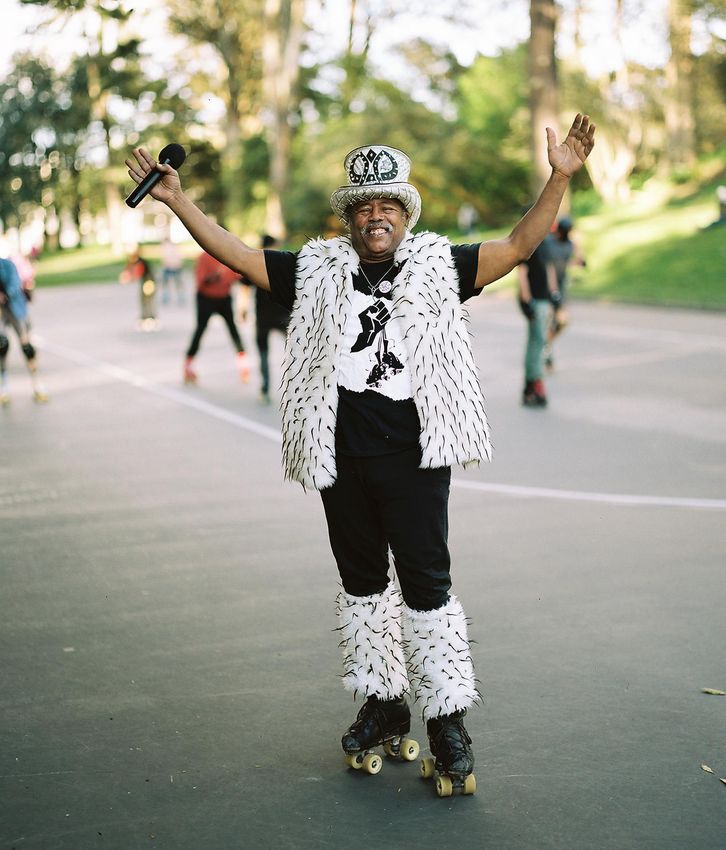
David Miles Jr., Godfather of Skate
                             Originally from Kansas City, Mo., David
                             moved to San Francisco in the spring of
                             1979. His third day in the City, he ventured
                             out to Golden Gate Park to see the sights.

                             While walking through the Conservatory of
                             Flowers, David was startled by four roller
                             skaters. This was unheard of in Kansas City,
                             but it totally fascinated David. The next day
                             he went out and bought his first pair skates.

                             He has developed a very vibrant and
                             successful skate community producing and
                             participating in over 2000 skate events,
                             competitions, races & parades, and more.
Photo Credit: Mina Seville
Heather Knight, SF Chronicle
Heather Knight is a columnist covering everything from
politics to homelessness to family flight and the quirks
of living in one of the world’s most fascinating cities.
She believes in holding politicians accountable for their
decisions or, often, lack thereof – and telling the stories
of real people and their struggles.

Heather co-hosts the Chronicle's flagship daily
podcast, Fifth and Mission, and co-founded its program
#TotalSF to celebrate SF’s wonder and whimsy.

She won first place for column writing in the 2021 Best of
the West journalism competition and was named the
top state columnist by the California Newspaper
Publishers Association in 2020.
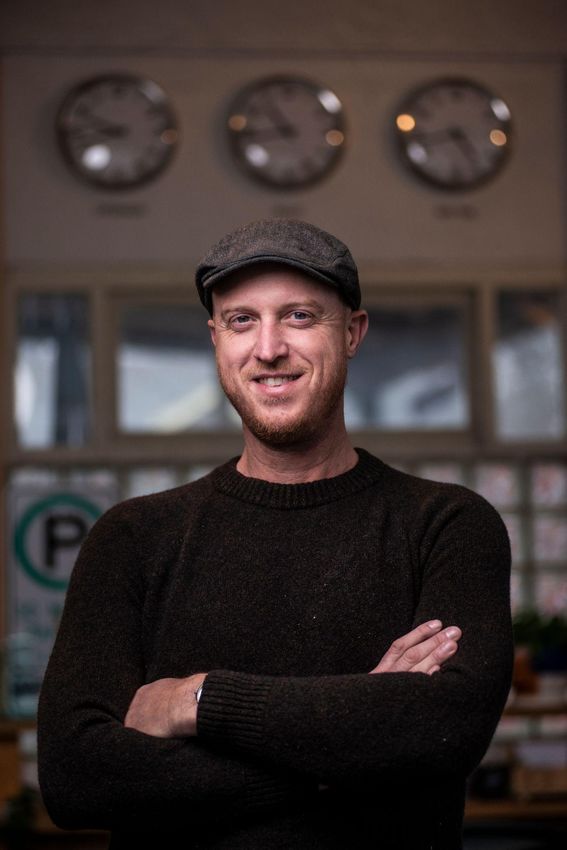
Jason Roberts, The Better Block
                             Jason Roberts is an urban planner, restaurateur, civic activist
                             and former US Congressional nominee. In 2006, Jason formed
                             the non-profit organization, Oak Cliff Transit Authority, to
                             revive the Dallas streetcar system, and later spearheaded the
                             city's effort in garnering a $23 Million dollar grant from the
                             federal government to help reintroduce a modern streetcar
                             system to Dallas. In 2010, Jason organized a series of "Better
                             Block" projects, taking blighted blocks with vacant properties
                             in Dallas and converting them into temporary walkable
                             districts with pop-up businesses, bike lanes, cafe seating, and
                             landscaping. The project has become an open-sourced
                             international movement occurring everywhere from
                             Melbourne, Australia to Tehran, Iran, and has been featured in
                             the New York Times, the BBC, and Dwell Magazine. Jason, has
                             received a Champions of Change award from the US White
                             House, showcased in the 2012 Venice Biennale, and was listed
                             in Planetizen's Top 100 Most Influential Urbanists. He currently
                             lives in North Oak Cliff and owns and operates Oddfellows
Photo Credit: Mina Seville
                             restaurant and Revelers Hall.
Community Partner Network
   SF Parks Alliance fiscally sponsors nearly 100 community groups, located all across San
Francisco. The work of our Partners is diverse and includes community gardens, urban farms,
       capital renovation projects, ongoing stewardship and more. Learn more about
            our Community Partner Network and individual Partner groups here!

22nd Street Jungle Stairs          Goettingen Neighbors Group              Pennsylvania Street Gardens
Alemany Farm (Friends of)          Golden Gate Park Band (Friends of)      Penny Lane (Friends of)
Alta Plaza Park (Friends of)       Golden Gate Park Dog Parks              Persia Triangle (Friends of)
Amphitheater at McLaren Park       (Friends of)                            Peru Avenue Stairs
(Friends of AMP)                   Golden Gate Park Handball Club          Pioneer Park Project
Athens Avalon Greenspace           Grattan Playground (Friends of)         Playland at 43rd Avenue (Friends of)
Bayview Hill Neighborhood          Greenhouse Project (The)                Polo Cycling Track (Friends of)
Association                        GreenTrust SF                           Potrero Hill Recreation Center
Bernal Heights Outdoor Cinema      Harvey Milk Plaza (Friends of)          (Friends of)
Buena Vista Neighborhood           Help McLaren Park                       Potrero Sustainable Living Group
Association                        Howard Langton Community Garden         Precita Valley Neighbors
Cabrillo Playground (Friends of)   Japanese Tea Garden (Friends of)        Ridge Lane Neighbors
Carolina Greenspace                Joe Dimaggio Playground (Friends of)    Rossi Playground (Friends of)
Christopher Park Playground        Jose Coronado Playground (Friends of)   San Bruno Ave Neighbors
(Friends of)                       Kenny Alley (Friends of)                SF Bee Cause
City Guides                        Kezar Triangle (Friends of)             SF Tennis Coalition
College Hill Neighborhood          Kids in Parks                           SF Urban Riders
Association (Bernal Cut Path)      La Placita                              Shared Schoolyards Project
Connecticut Friendship Garden      La Playa Park Coalition                 South Park Improvement
Conservatory of Flowers            Lafayette Park (Friends of)             Association
Corbett Heights Neighbors          Lakeside Village (Friends of)           Sunnyside Conservatory (Friends of)
Dahlia Society of California       Lakeview Summit Steps                   Sutro Stewards
DeHaro Street Community Project    Larsen Playground (Friends of)          Tompkins Stairway Garden
Detroit Steps Project              Lincoln Park Steps (Friends of)         Tunnel Top Park
Diamond Heights Blvd Median        Literacy for Environmental Justice      Upper Douglass Dog Park
Project                            Marina Earthquake Monument Group        (Friends of)
Dolores Park Ambassadors           McLaren Bike Park Founders              Urban Alchemy
Dolores Park Playground            Minnie and Lovie Ward Community         Urban Sprouts
(Friends of)                       Recreational Council                    Victoria Manalo Draves Park/Gene
ECOS SF                            Miraloma Arts Council                   Friend Rec Center (Friends of)
Far Out West Community Garden      Mountain Lake Park Playground           Visitacion Valley Agricultural Garden
Fay Park Citizens Advisory         (Friends of)                            Visitacion Valley Greenway (GOAL)
Committee                          Noe Valley Rec Center (Friends of)      Washington Square Park (Friends of)
Franklin Square (Friends of)       Northridge CommUNITY Garden             West Portal Playground (Friends of)
Garden for the Environment         Oak Woodlands Golden Gate Park          Wilder Community Garden
Geneva Community Garden            (Friends of)                            With Honey in the Heart
Glen Park Greenway
Capital Projects
      India Basin
      India Basin is a bay front inlet currently comprised of
      India Basin Shoreline Park, Heron’s Head Park, India
      Basin Open Space, and the former PG&E Hunters
      Point Power Plant. Development plans for the site will
      connect the various parcels of land to create one of
      the largest waterfront open spaces in the city.

      Crane Cove
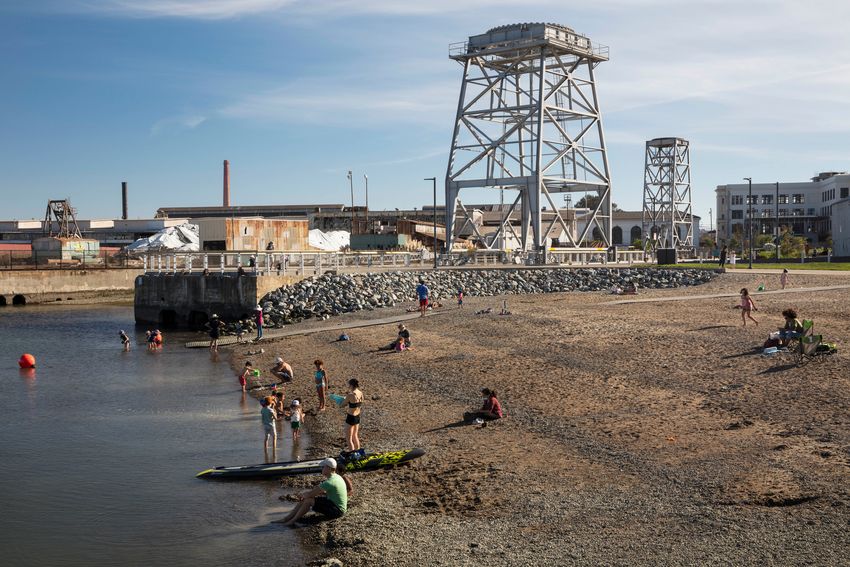
      Crane Cove Park is a new park along San Francisco’s
      Central Waterfront. Linking Mission Bay and
      Dogpatch, this 7-acre park transformed a formerly
      inaccessible, industrial shoreline into a stunning vista.
      When complete, Crane Cove Park will include: a new
      beach, two distinct play areas, a dog run, an aquatic
      center for boaters with restrooms and a small café.

      Let'sPlaySF!
      Let’sPlaySF! is a partnership between the SF
      Recreation & Park Department and SF Parks Alliance
      to transform 13 of San Francisco’s most timeworn
      playgrounds into dynamic hubs for creativity and
      family life. Public funds, combined with contributions
      from generous donors, will ensure that this initiative
      transforms all 13 playgrounds by the end of 2022.
Capital Projects
Moss Metamorphosis
SF Alliance was awarded grants for the improvement
of Moss Street and will be working closely with the
Street's neighbors to collectively decide on what the
community would like to create in this space. The goal
is to make Moss Street a safe and welcoming habitat
for local plants, animals, and humans alike!
Stevenson Alley
Located at mid-Market, Stevenson Alley has long been
plagued by illicit activity. In response, neighborhood
stakeholders have banded to create a culture of
safety, activation, and inclusivity. SF Parks Alliance is
supporting these efforts by convening neighbors to
host events and create a light installation to make the
neighborhood more vibrant.I LOVED you I LOVED
you you
you
I HEARD I HEARD
what
what
see
see
I SAW I SAW
draw draw
SPACE SPACE
I LOVED you I LOVED
you
you you
I HEARD I HEARD
what
see
what
see
I SAW I SAW
draw draw
SPACE SPACE
I LOVED I LOVED
you
you you
you
I HEARD I HEARD
what
see
what
see
I SAW I SAW
SPACE draw SPACE draw
you I LOVED page for full details. Have fun!
you
I HEARD prizes and more! Visit the link or QR code on the map
what
Alliance HQ (1074 Folsom St.) between 10 AM - 4 PM for
see
I SAW
to plan your day, then bring your passport to SF Parks
draw
SPACE spaces all over San Francisco. Use the passport and map
Explore and discover community-supported public
While you’re out today, enjoying the city’s finest public
spaces, support local businesses and enjoy the benefits!
Bring this passport when you visit these businesses and
receive 10% off your purchase.
san francisco
PUBLIC
4218 Mission Street 1248 9th Ave
SPACE
sc
ry
ove . fun
SUMMIT
di
.e
passport
xploration
riosi .
1231 9th Ave & 1698 Haight Street
ty
506 Clement St *bring passport and also receive
a Haight/Ashbury enamel pin
cu
ins
.
.
piration
Welcome Center across from
Conservatory of Flowers on JFK Drive
*bring passport and also receive a GGP150 enamel pin
PUBLIC SPACE SUMMIT : MAY 7-8 sfparksalliance.orgCommunity Partner
Network Map
Explore and discover community-
supported public spaces all over
San Francisco. Some of the spaces
will have community members
e in! present to answer questions and
lo r m learn from (details at the link).
Co Bring your map and passport to SF
Parks Alliance HQ (1074 Folsom St.)
between 10 AM - 4 PM for prizes!
Full details and interactive map:
https://bit.ly/PSS21Map
NORTHsan francisco
PUBLIC
SPACE
sc
ry
ove . fun
SUMMIT
di
.e
passport
xploration
riosi .
ty
cu
ins
.
.
piration
sfparksalliance.orgExplore and discover community-supported public
spaces all over San Francisco. Use the passport and map
to plan your day, then bring your passport to SF Parks
Alliance HQ (1074 Folsom St.) between 10 AM - 4 PM for
prizes and more! Visit the link or QR code on the map
page for full details. Have fun!
draw SPACE
I SAW
what
see
I HEARD
you
you
I LOVED
SPACE
draw
I SAW
what
see
I HEARD
I LOVED
you
you
SPACE
draw
I SAW
what
see
I HEARD
you
I LOVED youSPACE draw
I SAW
what
see
I HEARD
you
I LOVED you
draw SPACE
I SAW
what
see
I HEARD
you
you
I LOVED
SPACE draw
I SAW
what
see
I HEARD
you
you
I LOVED
SPACE
draw
I SAW
what
see
I HEARD
I LOVED
you
youWhile you’re out today, enjoying the city’s finest public
spaces, support local businesses and enjoy the benefits!
Bring this passport when you visit these businesses and
receive 10% off your purchase.
4218 Mission Street 1248 9th Ave
1231 9th Ave & 1698 Haight Street
506 Clement St *bring passport and also receive
a Haight/Ashbury enamel pin
Welcome Center across from
Conservatory of Flowers on JFK Drive
*bring passport and also receive a GGP150 enamel pin
PUBLIC SPACE SUMMIT : MAY 7-8Community Partner
Network Map
Explore and discover community-
supported public spaces all over
San Francisco. Some of the spaces
will have community members
! present to answer questions and
me in
Color learn from (details at the link).
Bring your map and passport to SF
Parks Alliance HQ (1074 Folsom St.)
between 10 AM - 4 PM for prizes!
Full details and interactive map:
https://bit.ly/PSS21Map
NORTHEquitable Community Engagement Guide
What is the Equitable Community
Engagement Guide?

The Equitable Community Engagement Guide is a toolkit designed to
help SFPA staff and partners ensure their engagement process is
inclusive and equitable. This guide provides tools that allow staff and
partners who are garnering community input to critically evaluate their
process and determine who may be unintentionally excluded from
engagement.
What is Equitable Community Engagement and
Why is it important?
     Equitable engagement involves participation from a group
     representative of the community, with emphasis on those most
     impacted by the project and those most often underrepresented.

     “The inability of many local governments to strongly and
     authentically engage their constituents in public decisions has
     contributed to producing, maintaining, and even worsening
     social and health inequities that persist today.”
     (Inclusive Community Engagement & Equitable Participation to Improve 4 Core Functions of Local Government)
What Does Inclusive Community Engagement
Look Like?
Engages community Emphasizes Proactively targets Prioritizes the
members to help accountability and participation from immediate needs,
shape activation continued reflection groups that tend to lived experiences,
and make more and evaluations of be excluded from and voices of
informed public programs or the community residents and
decisions projects based on engagement community
community process members
feedbackWhy Outreach Before and During COVID
Can Be Challenging
Survey Fatigue Lack of Trust
Computer
Lack of Time
Literacy
CHALLENGES
TO OUTREACH
Limited Unaware of
Transportation Community Resources
Lack of English Limited
Childcare ProficiencyEquity vs. Equality
Equality is the assumption that everyone Equity is the distribution of resources
benefits or can benefit from the same based on need.
resources and systems of support.
Systems based on equity acknowledge the
Often, systems based on equality rather than systemic barriers and actively works to
equity fail to acknowledge and address the redistribute resources so everyone gets
historic systemic treatment of marginalized the support they need.
communities.Be Careful of Deficit Thinking
Deficit thinking is an ideology that blames
victims of oppression for their own situation
The deficit mindset often occurs with
the good intention of supporting these
students; however, it can lead to
problematic assumptions.
(DISMANTLING DEFICIT THINKING: A STRENGTHS-BASED INQUIRY
INTO THE EXPERIENCES OF TRANSFER STUDENTS IN AND OUT OF
ACADEMIC LIBRARIES)Understand Obstacles and Manage
Expectations Be Flexible and
Undertanding with
Partners
Recognize Opportunity Gaps
Not all community groups
Arbitrary circumstances in and/or partners will have
which people are born—such the same access to
as their race, ethnicity, ZIP resources, expertise,
Avoid Deficit Thinking by
code, and socioeconomic capacity, or financial
Understanding Obstacles
status—often determine stability. Understand that
their opportunities, rather not all projects will require
than all people having the the same amount of time,
chance to achieve to the money, and resources.
best of their potential.Common Inequities:
Understanding Gender Inequity
Inequities in Disability Inequity
Community Racial Inequity
Engagement Language Barriers
Socio-Economic InequityGENDER INEQUITY:
Most commonly used data sets
only include information from
self-identified male and
females.
Non-binary and trans people
are often miscounted, or not
represented in data
Gender counts - which are
often used in data collection
rely on the assumption of a
person’s gender reinforce
(often outdated/hurtful)
This map of San Francisco, created via Social Explorer using 2018 AHS stereotypes about gender roles
results is an example of important data which excludes gender non-
conforming people and behaviorsGENDER INEQUITY:
ENGAGEMENT STRATEGIES
Learn about and avoid sexual and gender micro-aggressions
Don’t make assumptions about anyone’s pronouns,
relationships, or gender
Avoid heteronormative language
While conducting surveys always be inclusive and add a
“prefer not to answer” option as well
Know that there are more than two genders and keep in mind
gender focused data will often have a larger margin of error
Consider whether or not this information is relevant and
necessary to your project
Normalize the use of pronouns in everyday language:
Include your pronouns while introducing yourself in
community meetings
Include your pronouns in your email signatureDISABILITY INEQUITY
& ABLEISM
Ableism is the discrimination of and
social prejudice against people with
disabilities. Ableism is frequently left out
of conversations regarding social justice
and equity.
1 in 4 people with disabilities live in
poverty.
Even adults with disabilities who are
employed are more than twice as
likely to experience poverty.
1 in 3 people with disabilities feel
unsafe traveling alone in their
neighborhood at night.DISABILITY INEQUITY:
ENGAGEMENT STRATEGIES
Learn about and avoid ableist micro-aggressions
Always choose accessible venues for meetings and events:
Does the building meet ADA guidelines?
Will there be a translator available?
If venue is inaccessible for any reason, let meeting
attendees know ahead of time
Make sure all movies or video clips have captions or audio
descriptions
Include braille on signage
Have printed copies of presentations ready to hand out to
those who are vision or hearing impaired
Ask community members if they require additional support or
accommodations
Remember to ask this privately and allow people to answer
anonymouslyRACIAL INEQUITY: Recognizing trends in
demographic data can
show which groups are
more sensitive to
displacement.
Keep in mind trends in
racial data can be hard
to identify because of
reporting
inconsistencies
Demographic
information is not
necessarily reflective of
existing cultures in the
communities we work
in.RACIAL INEQUITY: ENGAGEMENT STRATEGIES
When doing outreach, it is more important to be inclusive than it is to align survey
questions with city data
Tailor surveys and outreach to match each neighborhood:
if you are asking for racial identity, include a broad range of options to choose
from based off neighborhood demographics
Remember representation matters: it does not feel good to always have to
check a box marked “other”, even though it has been normalized
Consider the consequences of inadequate questions about racial and ethnic
identity:
Although Hispanic or Latinx is often a separately asked question on census
data, it’s important to include this demographic on surveys, especially if you
are working in neighborhoods with a large Latinx population.
Be careful when grouping demographics together. While North African and
Middle Eastern is all considered “white” in most widely used data collection
methods, the lived experiences of North African, Middle Eastern, and Caucasian
people are very different.LANGUAGE BARRIERS
114 languages were
reported to be spoken
in San Francisco in
2017 (Language
Translation San
Francisco: A U.S. Cities
Spotlight)
20.1% of San
Francisco residents are
considered LEP (LEP=
limited English
proficiency, any person
age 5 or older who
reported speaking
English “not at all,”
“not well,” or “well”)LANGUAGE BARRIERS: ENGAGEMENT
STRATEGY Understand language barriers and possible
translation needs in your community before
starting engagement
You can get a good sense of the primary
languages spoken in each San Francisco
district here
Ask about primary languages spoken at
home on surveys
Consider outsourcing your translation needs:
We do not have enough staff or capacity to
translate our own work accurately.
Inaccurate translations do a disservice to
those who want to be involved but do
not use English as a primary language
Allow ample time for printed and online
material to be translated before launchSOCIO-ECONOMIC INEQUITY
San Francisco’s cost of living is 80%
higher than the national average
Wealth is distributed
disproportionately even within
neighborhoods
Consider planning meetings around
non-traditional work schedules
In 2018, 91.2% of households had a
computer in the house while 86% of
those households had internet access.
While these numbers seem high,
remember to consider the needs of
the 14% of households without
internet accessSOCIO-ECONOMIC INEQUITY:
ENGAGEMENT STRATEGIES
If a project is going to be utilized by multiple neighborhoods or areas with a diverse
socio-economic standing, make sure to be inclusive and thoughtful in community
engagement
Consider giving incentives to attend meetings: pay for public transportation,
distribute gift cards, providing food and child care, or host post-meeting raffles.
Some organizations are hesitant to take this approach as people will commonly
only attend meetings for the incentives - the incentive approach is better for
projects that value volume of input over forming a group of invested
stakeholders/residents
If hosting meetings virtually, consider hosting an in-person option as well. If this is not
possible, consider sending meeting minutes out via e-mail or physical mailing.
Consider multiple forms of outreach - include social media, websites, and physical
posters or pamphlets.
Remember to keep in mind the needs of unhoused people while planning for street
improvements, activation, and outreach: public spaces are for the publicRK Building Trust in Our Communities: GET TO KNOW YOUR COMMUNITY ASK FOR CONSENT ADVOCATE FOR OUR SITES BECOME ACTIVE MEMBERS OF THE COMMUNITY SET EXPECTATIONS AND ACKNOWLEDGE SHORTCOMINGS
BUILDING TRUST IN
OUR COMMUNITIES:
GET TO KNOW YOUR
COMMUNITY
               Important Questions to Ask:

    What methods of outreach work best in this neighborhood?
    What are some past projects that were successful and
    unsuccessful?
    What made these projects successful or unsuccessful?
    Who are key stakeholders and invested community members?
    What language barriers does this community face?
    How can we learn and understand the existing culture(s) in the
    community?
       How has this shaped the community and their values?
BUILDING TRUST IN
OUR COMMUNITIES:
ASK FOR CONSENT
“If you do not ask for consent, you become a savior”
(PBWC, Equity in the Workplace)
Make sure to conduct meaningful engagement before the project
begins
Make sure there is consensus between city agencies, community
partners, neighbors and residents, and local stakeholders.
Take negative feedback and concerns to heart
Work with community members to come up with solutions
If no solutions or compromises can be made, consider whether
or not this project is truly benefiting the community and if this is
still worth pursuingBUILDING TRUST IN
OUR COMMUNITIES:
ADVOCATE FOR OUR SITES
Remember the needs and the desires of those who will be directly
impacted by a project should always be the priority
Sometimes desires and needs of the community will conflict with
desires from project stakeholders & funders (eg. district
supervisors/city partners/board)
Always fight for community needs and come up with reasonable
compromises
If the project by nature is not completely inclusive, find ways to add
on to project to make it more inclusiveBUILDING TRUST IN
OUR COMMUNITIES:
BECOME ACTIVE MEMBERS OF THE COMMUNITY
Attend regular community meetings and events
Attending meetings and events is a great way to get to know
community leaders and stakeholders
Stay up to date on resources offered by local CBOs
Show support for the community by attending events
Volunteer or offer support to partners (even without a direct ask)
Make sure to show gratitude for our partners
Consider showing gratitude via social media shoutouts,
appreciation cards or gifts, or invitations to SFPA eventsBUILDING TRUST IN
OUR COMMUNITIES:
SET EXPECTATIONS AND ACKNOWLEDGE
SHORTCOMINGS
Let our partners know of our expectations ahead of time
Provide a project timeline with flexible deadlines
Be open about what SFPA can provide
Be willing to meet partners halfway
Be transparent with partners and internal staff
Design a plan to ask for support when a project cannot fulfill
its initial expectations.
Remember to ask for help!
Know who you can reach out to for support within SFPA
Keep a manageable workload: don't be afraid to acknowledge
when you're at capacitySFPA’s role in Addressing Inequities
Individual Project - Wide Organization - Wide
Bring an active awareness of Process over Product: Racial bias training
inequity into your decision Have an inclusive
making in all aspects of your engagement method that Nurture an active internal
personal and professional life. proactively targets the direct conversation about our EDI
community affected by the goals and strategies.
Make knowledgeable and project and be willing to
ethical decisions - how you change or expand outreach Encourage all projects to be as
vote, the businesses you methods if that community is inclusive and equitable as
patronize, the public not being reached effectively. possible
statements you make.
Support partners and
Be an ally→ actively call out community members
racism and microaggressions
when you see themDid we meet the direct needs of the
Is Your Project community?
Equitable and Did we adjust our outreach methods to better
serve community members?
Inclusive?
Did we set clear expectations with our community
partners?
Were we flexible with timelines?
SFPA'S ECE CHECKLIST: Did we help our partners gain access to resources
they were initially unaware of?
Were our outreach efforts truly inclusive? Did we build trust in the community?
Did we successfully reach out to LEP Did we actively attend community meetings and
communities? events?
Did we successfully reach out to a diverse age Have we developed lasting relationships with
range and racial group? residents, business owners, and other
Do our meeting attendees accurately reflect the stakeholders?
demographics of the neighborhood we are Are people excited when they see our projects?
working in? Did we show gratitude for our community
Did we make accommodations for people with partners?
hearing / visual impairments? Can we continue to support community members
after our project is completed?ADDITIONAL RESOURCES: Ableism: Ableism 101 - accessliving.org #Ableism - center for disability rights Disability Demographics - SFHSA Gender Inequity: LGBTQ+ Inclusive Language Guide Impact of sexual and gender microagressions Deficit Thinking Dismantling Deficit Thinking Equity vs. Equality What's the difference between equity and equality? Language Barriers San Francisco Languages - Telelanguage Blog San Francisco Language Diversity Data
ADDITIONAL RESOURCES:
                                                                      (continued):
Racial and Ethnic Inequity:
   SF Office of Racial Equity
   Impact of racial diversity in the workplace
   Continuing racial justice in the workplace
   Racial equity in public space
   Latinx vs. Hispanic in data collection
   History of displacement of communities of color in San Francisco
Socio - Economic Inequity:
   San Francisco Workforce breakdown
   San Francisco poverty rate demographics
   San Francisco unhoused population data
   San Francisco u housed population data (benchmark)
   Single parent household AHS data
Other Helpful Articles:
   How to be an ally:
   Creating equity in the workplace
Public Space Summit 2021
Helpful Links
Public Space Toolkit
Great streets, parks and public spaces are critical for all San Franciscans, now
more than ever. And, everyone should feel empowered to help create safe,
fun and accessible spaces in their neighborhoods, whether you are a resident,
neighborhood group or property owner. The SF Public Space Toolkit is your
one-stop resource for inspirational stories, services through the City and their
partners, and step-by-step guides to help you transform your streets, parks,
and public spaces. Content in this toolkit will continue to be updated in
response to the COVID-19 pandemic.You can also read


