5th UK Congress on Obesity 2018 - Newcastle University Armstrong Building, Newcastle upon Tyne, UK September 6-7, 2018 - Association for the Study ...
←
→
Page content transcription
If your browser does not render page correctly, please read the page content below
5th UK Congress on Obesity 2018
                           Newcastle University
     Armstrong Building, Newcastle upon Tyne, UK
                                        September 6-7, 2018

                 UKCO2018                                     1
                  September 6-7, 2018
2   UKCO2018
    September 6-7, 2018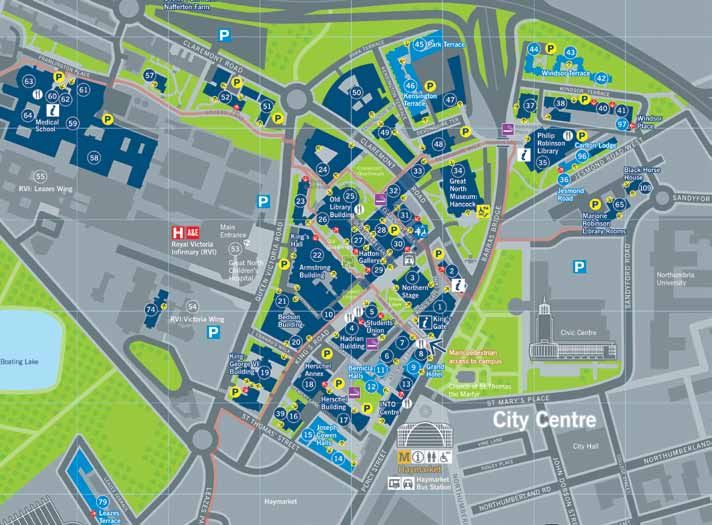
© World Obesity
ASO Networks Forum – All Welcome
(Thursday 14.00-14.30 Boiler House)
The ASO North East Network would like to invite representatives from ASO
Networks to an informal session to share ideas and experiences of running
an ASO Network. The North East Network will open the session with a brief
discussion of recent events and then facilitate discussion and exchange ideas for
future ASO Network meetings and involvement in future UKCO conferences.
This meeting is open to all delegates interested in finding out more about the
ASO Network events and those wishing to get involved with their local Network.

     ASO Networks
     The ASO has established ten networks throughout the UK
       • East of England Network                • London & South East Network
       • Midlands Network                       • North East England Network
       • North West England Network             • Northern Ireland Network
       • Scotland Network                       • South West England Network
       • Wales Network                          • Yorkshire Network

Aims of the ASO Networks
   • Organise meetings and events across the UK in order to meet the ASO
      mission and objectives at a regional level and to be responsive to local needs
   • Provide a forum for local networking between researchers, practitioners and policy
      makers in the field of obesity to share research, good practice and policy updates
   • Offer additional communication channels between the ASO and its members and
      allow the ASO to be more responsive to its members’ needs

Interested in attending or organising a meeting in your area?
Each ASO network aims to have one or two meetings per year. Meeting details can be found on the ASO website.
If you have an idea for a meeting contact the Network lead in your area.

                          Further information about the ASO networks can be found on the website at

                       www.aso.org.uk/aso-networks
                                                            UKCO2018
                 A UK company limited by guarantee – Registered in England & Wales No:4796449 – Registered Charity No 1100648                     3
                                                            September 6-7, 2018
4   UKCO2018
    September 6-7, 2018
Guest Speakers:
Dr Barbara McGowan, Guys and St Thomas’ NHS Foundation Trust
Professor Francesco Rubino, King’s College London
Dr. Carly Hughes, Fakenham Medical Practice
Paul Stevenson, Patient Representative

      UKCO2018 is a SCOPE Accredited event earning you 4 SCOPE points
   which can be used towards your SCOPE Certification. SCOPE is the official
 education programme of the World Obesity Federation developed by global
                    obesity experts to educate health professionals

     To earn your SCOPE points, you must complete the SCOPE sign sheet
                      which can be found at the registration desk.

                                            UKCO2018                           5
                                             September 6-7, 2018
Contents
    Welcome Note                                                                                                   7
    General Information                                                                                          8-9
    Programme Overview                                                                                            10
    Full Programme                                                                                             11-15
    Programme – Pre-Conference Workshop & Symposium                                                            16-17
    ASO Awards                                                                                                 18-20
    Commercial Symposia                                                                                           21
    Member – led Symposia                                                                                      22-25
    Sponsors and Exhibitors                                                                                    26-27
    Invited Speaker Presentations and Biographies                                                              28-34
    Poster Presentation List                                                                                   35-38
    6th UK Congress on Obesity                                                                                    44

                     UKC2018 Organising Committee
                                   Ashley Adamson, Newcastle University/Director of Fuse
                                            Zainab Akhter, Newcastle University
                                          Craig Blundred, Newcastle City Council
                                              Louisa Ells, Teesside University
                                            Louise Hayes, Newcastle University
                                          Nicola Heslehurst, Newcastle University
                                         Frances Hillier-Brown, Durham University
                                            Angela Jones, Newcastle University
                                           Scott Lloyd, Public Health South Tees
                                            John Mathers, Newcastle University
                                           Vicki McGowan, Newcastle University
                                     Eugene Milne, Newcastle Director of Public Health
                                            Judith Rankin, Newcastle University
                                          Laura Ritson, Newcastle University/Fuse
                                             Emma Slack, Newcastle University
                                           Falko Sniehotta, Newcastle University
                                         Carolyn Summerbell, Durham University
                                             Anita Tibbs, Newcastle University
                                           Wendy Wrieden, Newcastle University

                                                  Great North Run
                The Great North Run takes place straight after the UKCO Congress on Sunday 9th of September.
                      Thank you to our five participants who will be running and raising funds for the ASO!

                                                    Diarmuid Coughlan
                                                        Ian Copley
                                                       Beth Hadley
                                                    Madeleine Winnard
                                                       Paul Davison

6                                                   UKCO2018
                                                     September 6-7, 2018
Welcome
Dear Colleagues,                                                          Prior to the official opening of UKCO2018, we are pleased to
                                                                          announce that Fuse, the Centre for Translational Research
On behalf of the UK ASO Trustees it is with great pleasure                in Public Health, hosted a pre-congress symposium on the
that I welcome you to the 5th UK Congress on Obesity and to               translation of obesity research into practice. We are indebted
Newcastle University. This is only my second visit to Newcastle           to Fuse for this significant contribution to this year’s Congress
and I am looking forward enormously to the Congress and to                and, if you attended this symposium, we hope that you found
exploring this wonderful city again. We are extremely grateful to         the event both enjoyable and informative. On Tuesday 4th
Newcastle University for the encouragement and support it has             September we also hosted a public-engagement event in
provided to the Local Organising Committee and for its financial          collaboration with Newcastle University, Fuse and Café
contribution. It is especially pleasing that Professor Chris Day,         Scientifique. The public event was part of the Great Exhibition of
Vice Chancellor & President of the University is acting as our            the North programme and we are extremely thankful to everyone
host at the welcome reception on Thursday evening. We look                who was involved in creating this important event.
forward to seeing delegates at this reception when there will also
be an opportunity to view posters, to network and to visit our            Once again, this year we are delighted to be delivering the Early
exhibitors.                                                               Career Researchers workshop and we should thank Dr Maria
                                                                          Bryant for leading the organisation of this important activity.
UKCO is arguably the most important ASO activity and provides             The feedback we receive suggests that this workshop is highly
an opportunity for multidisciplinary researchers, practitioners,          valued, and we are extremely grateful to Slimming World for their
policymakers and other key stakeholders to share knowledge                sponsorship of this workshop. We hope that the Early Career
and experiences as part of our organised and collaborative                Researchers who attended found the event to be thoroughly
attempt to create more effective strategies for obesity treatment         worthwhile.
and prevention. I would encourage everyone to make full use of
the opportunity for networking that the Congress presents and to          The food and refreshments on offer at the Congress have been
engage with delegates and sponsors who may not be familiar to             carefully chosen to provide delegates with healthy alternatives
you.                                                                      and we are extremely grateful to the catering and technical staff
                                                                          at Newcastle University who help to make events like this run
The main theme of this year’s Congress is obesity through                 smoothly. Not to ignore the other side of energy balance, the
the life course and we should give our warm thanks and                    local organisers have also included walking buses and guided
congratulations to Dr Nicola Heslehurst and the Local Organising          runs that some delegates may wish to take part in. Details of
Committee who have produced such an excellent programme.                  these physical activities can be found in this programme book.
The main programme offers sessions from distinguished
leading researchers, clinicians, practitioners and early-career           On behalf of the UK ASO Trustees and Local Organising
researchers. A range of themed plenary lectures, topical ASO,             Committee members can I wish you an enjoyable and informative
commercial and member-led symposia and presentations of the               UKCO2018 and very fond memories of Newcastle. Last year
Best Practice and Best Abstract Awards are also included. Over            ASO celebrated its 50th anniversary, so we are at the beginning
the next two days we will, of course, hear a great deal about             of the next 50 years of ASO activities – who knows where
obesity through the life course. At a time when the UK is facing          delegates will be gathered in 2068!
the significant public health challenges of childhood obesity and
an ageing population, this year’s theme is very appropriate.              Dr Simon Williams
                                                                          Chair of ASO

                                                            UKCO2018                                                                           7
                                                             September 6-7, 2018
General Information
    Congress Venue: Newcastle University –                                      Poster Sessions
    Armstrong Building, Newcastle
                                                                                The poster sessions will take place on Thursday and Friday
    The Congress will take place at Newcastle University’s                      during the lunch breaks in the King’s Hall. Please see the
    Armstrong Building.                                                         Programme for times. We encourage all delegates to attend
                                                                                and vote for the best poster. Poster voting forms will be
    Please see the accompanying map (right) where the Armstrong                 available near the poster area. Please return voting forms to the
    Building is marked 22 on the campus map. The main auditorium                registration desk by Friday 14.30. The Best Poster winner will
    where most lecture sessions will take place is called the Boiler            be announced on Friday at 15.45 in the main lecture room – the
    House, marked 10 on the campus map. Other lecture sessions                  Boiler House.
    in the break out rooms are located in the Armstrong Building on
    the first floor, Rooms 1.04 and 1.06.                                       Poster Pitch Sessions: These sessions will be chaired and will
                                                                                take place at 13.15 on both Thursday and Friday. Please see
    The Exhibition, Poster Sessions, Lunches and Breaks will take               pages 36-39 to view the poster titles.
    place in King’s Hall in the Armstrong Building, marked 22 on the
    campus map. The Drinks Reception on Thursday evening will                   If you are presenting a poster please check the programme
    also take place in King’s Hall.                                             book on pages 36-39 for your poster number. We ask that
                                                                                you hang your poster prior to the session on Thursday which
    Congress Registration                                                       commences at 13.00. Help and materials will be provided to
                                                                                assist you. Please ensure that you are available to discuss and
    The Registration area is located inside the main entrance of the            answer any questions from delegates during the session. If your
    Armstrong building. The registration desk will open on Thursday             poster is nominated ‘best poster’ by delegates, you will receive
    6th of September from 08.30 to 09.45 and from 8.00 to 8.30                  a complimentary registration to UKCO 2019. Best poster will be
    on the Friday. Please ensure you wear your badge at all times               announced on Friday at 15.45 in the main lecture room – the
    during the Congress.                                                        Boiler House.

    Certificates of Attendance                                                  Wi-Fi
    Certificates of Attendance will not be issued at the Congress.              Visitors who cannot connect to eduroam can use the free cloud
    They will be provided after the event upon request as a PDF file.           Wi-Fi network Wi-Fi Guest to access the Internet using their
    Please email ukco@aso.org.uk from Tuesday September 11th                    device.
    to request a copy.
                                                                                1. From your device connect to the network Wi-Fi Guest
    Chairpersons and Speakers                                                       n the Cloud landing page locate the box Get online at
                                                                                2. O
                                                                                   Newcastle University and click Go
    All speakers should have their presentation available on a                  3. Scroll down to select Create Account
    memory stick so that it can be uploaded onto the provided                   4. Enter your details and the account will be created.
    equipment in each of the lecture rooms. Please ensure that you              5. The device will then be connected to WiFi Guest
    submit your presentation at least 15 minutes prior to the start of
    the session. Technical assistance will be available in each of the          Disclaimer: Newcastle University and the ASO will not accept any responsibility
    rooms.                                                                      for the loss or damage of any property at the Congress.

    We kindly ask that all chairpersons and speakers are available in
    the relevant lecture room at least ten minutes prior to the start of        Practising what we preach at UKCO
    each session. Please allow 5-10 minutes for audience questions
    at the end of each session.                                                 We are making every effort to ensure that the food provided
                                                                                and opportunities for activity align with obesity prevention
    Drinks Reception                                                            messages.

    The complimentary drinks reception takes place on the Thursday              The Scottish Cancer Prevention Network has produced a healthy
    evening from 18.00 to 19.30 in King’s Hall, Armstrong                       meeting score card* and we have tried to make sure that we
    Building. (marked 22 on the campus map). We encourage all                   score full marks for the coming conference not only in terms
    delegates to attend.                                                        of health but also in sustainability. As there is good evidence
                                                                                that we need to reduce meat consumption for our food supply
    Exhibition                                                                  to be sustainable and an awareness that many of us often
                                                                                choose vegetarian options even if we are not fully vegetarian the
    The exhibition will take place in King’s Hall marked 22 on the              conference lunches will be meat free. We have also requested
    campus map. Exhibition times will be during the lunches and                 wholemeal bread and scones, fruit, vegetables and salads with
    coffee breaks. Please see the programme for times.                          very small portions of sweet treats. In addition, we aim to reduce
                                                                                the use of plastic disposable packaging as far as is practical.
    Lunches and Breaks                                                          Water should be available from water coolers throughout the
                                                                                conference and please take the opportunity to move from your
    Lunches and coffee breaks on the Thursday and Friday will be                seat at the end of each presentation with standing ovations.
    available in the King’s Hall. This will be clearly signposted and
    we kindly ask delegates to make their way there promptly.                   *https://www.cancerpreventionscotland.org.uk/docs/
                                                                                healthymeetings/FormScorecard.pdf

8                                                                 UKCO2018
                                                                   September 6-7, 2018
General Information / Campus Map
Opportunities for physical activity                                         Join us for a morning run
and rest during UKCO                                                        We’ll depart for a leisurely 5km (30 minute) run from Motel One
                                                                            at 06:30 and 07:00 on Friday morning. For those looking for a
Standing applause after presentations                                       longer run join us at 06:30 and do both loops! We’ll be back in
As a means of breaking up the amount of time you spend sitting              good time for breakfast before heading to the first session of the
during the conference sessions, we encourage you to stand while             morning at 08:30. Disclaimer: ASO and Newcastle University
clapping at the end of each presentation if you are able.                   will not accept any responsibility for accident or injury during this
                                                                            activity.
Mobikes
Download the Mobike app (https://mobike.com/uk/download)                    Make a splash
and use Newcastle’s dockless bike-sharing scheme to hire a                  If swimming is your thing you can use the pool at
bike to get around the city. You pay a £1 refundable deposit and            Northumbria University
add credit to your ‘wallet’ before hiring a bike. Locate a bike near        (https://northumbriasport.com/facilities/swimming-pool).
you using the app, scanning the QR code on the bike using the               It’s open for public swimming from 07:00 every morning.
camera on your phone, and you’re off!
                                                                            And relax
Take a detour...                                                            If you find yourself in need of somewhere to go for a bit of quiet/
Why not see a bit more of Newcastle on your way to the                      breathing space, there are a few options to choose from. We will
conference? If you walk directly from Motel One to the Armstrong            have indoor seating in the Armstrong building and there will also
Building, Newcastle University, you’ll take approximately 1400              be a dedicated quiet room, near Kings Hall, for those who need
steps. You could take a detour around the lake in Leazes Park               some good quality rest. Then, if you find yourself in a need of
and increase your step count to 3200!                                       some fresh air, the Quadrangle is close by which has plenty of
                                                                            places to sit and is a nice place to watch the world go by if the
Walking bus                                                                 weather is nice (you can take a virtual tour here:
‘Walking buses’ will also be on offer during the conference.                https://www.ncl.ac.uk/tour/campus/quadrangle/).
Volunteers will lead a walking bus from The Sandman Signature
Hotel (meet at reception at 8.45am on Thursday and 8.00am on
Friday morning) and Motel One (meet at reception at 8.45am
on Thursday and 8.00am on Friday morning) to walk to the
conference venue. A walking bus will also leave the conference
for the train station at 16.15 on Friday.

                                                              UKCO2018                                                                              9
                                                               September 6-7, 2018
Programme Overview
Thursday 6th September Friday 7th September
Registration and Coffee Plenary Lecture 4
(08.30 - 09.45) Public Health England - National Pespective
Entrance Foyer - Armstrong Building Dr Alison Tedstone, Public Health England
(08.30 - 09.15)
Welcome Address Boiler House
Dr Simon Williams, ASO Chair & Professor David Burn,
PVC Faculty of Medical Sciences, Newcastle University Symposia and Oral Abstracts (09.15 - 10.45)
(09.45 - 10.15)
Boiler House N8 AgriFood
ASO Symposium 3 Oral Abstracts 2
Symposium
Molecular aspects Management and
Plenary Lecture 1 Food insecurity
of obesity Intervention
Periconceptional parental nutrition and mHealth and obesity
Boiler House Room 1.04
interventions to support health care Room 1.06
Professor Régine Steegers, Erasmus MC, The Netherlands
(10.15 - 11.00)
Coffee Break & Exhibition
Boiler House
(10.45 - 11.15)
Kings Hall
Prize talks: Best Practice Award and 'New to Research' Best Abstract Award
(11.00 - 11.30) Symposia and Oral Abstracts (11.15 - 12.45)
Boiler House
Member-led
Symposia and Oral abstracts (11.30 - 13.00)
ASO Symposium 4 Oral Abstracts 3 Symposium 3
Member-led Symposium 1 Reproduction and Basic and A whole systems
Ethicon Intergeneration Experimental Science approach to tackle
ASO Are ‘systems’ and ‘evidence-
Symposium Boiler House Room 1.04 obesity
Symposium 1 based/programme-focused’
Treatment and Room 1.06
Obesity and approaches contradictory or
Prevention: Surgery
age-related complementary in obesity
for Obesity and
disease prevention, and how shall we
Type II Diabetes ASO Annual General Meeting
Room 1.06 move forward?
Boiler House (12.45 - 13.30)
Room 1.04
Boiler House
Lunch, Exhibition and Posters (including poster pitch sessions)
(13.00 - 14.30) Lunch, Exhibition and Posters (including poster pitch sessions)
Kings Hall (13.00 - 14.15)
Kings Hall
ASO Networks Forum - All welcome
(14.00 - 14.30) Fuse Sponsored Plenary Lecture
Boiler House Obesity and Cancer - A duty of care or a duty of silence?
Professor Annie Anderson, Dundee University
Plenary Lecture 2
(14.15 - 15.00)
Public health International/European life course obesity
Boiler House
Jo Jewell, WHO Europe
(14.30 - 15.15)
Fuse Sponsored Best Abstract in Public Health Award
Boiler House
(15.00 - 15.15)
Symposia and Oral abstracts (15.15 - 16.45) Boiler House
Member-led Symposium 2
ASO Obesity Empowerment Network session
Oral Abstracts 1 Weight management and diet
Symposium 2 (15.15 - 15.45)
Health, Behaviour quality before and after pregnancy:
Bariatric surgery Boiler House
and Environment Public perception, priority areas
and life stages
Room 1.04 and what interventions work?
Boiler House Best Poster Award announcement and Closing Remarks
Room 1.06
Dr Simon Williams, ASO Chair & Prof. Eugene Milne,
Coffee Break & Exhibition Newcastle Director of Public Health
(16.45 - 17.15) (15.45 - 16.00)
Kings Hall Boiler House
Plenary Lecture 3
End of Programme
Translational research in childhood obesity
Professor Ashley Adamson, Newcastle University
(17.15 - 18.00)
Boiler House
Welcome Reception Drinks - Poster Networking & Exhibition
Host: Professor Chris Day, Vice Chancellor & President, Newcastle University
(18.00 - 19.30)
Kings Hall, Armstrong Building
10 UKCO2018
September 6-7, 2018Full Programme
Thursday 7th September
08.30 – 09.45 Registration and Coffee Main Foyer
09.45 – 10.15 Welcome address Boiler House
Dr Simon Williams, ASO Chair & Professor David Burn, Newcastle University
10.15 – 11.00 Plenary Lecture 1 Boiler House
Chair: Dr Simon Williams, ASO Chair
Periconceptional parental nutrition and mHealth interventions to support health care
Professor Régine Steegers, Erasmus MC, The Netherlands
11.00 – 11.30 Prize talks: Best Practice Award and ‘New to Research’ Best Abstract Award Boiler House
Chair: Dr Maria Bryant, Leeds University
Best Abstract Award
11.00
Investigating the association between pregnancy following bariatric surgery and adverse perinatal outcomes:
A systematic review and meta-analysis
Zainab Akhter, Newcastle University, Newcastle upon Tyne
Best Practice Award
11.15
The Spire Southampton ‘The Weigh Ahead’ Service
Faye Keefe, The Spire Southampton ‘The Weigh Ahead’ Specialist Tier 3 Weight Management Service, Southampton
11.30 – 13.00 ASO Symposium 1 – Obesity and age-related disease Room 1.06
Chair: Professor Graham Finlayson, Leeds University
11.30 Ageing, obesity and cardiovascular health
Dr Mario Siervo, Newcastle University
12.00 Oxygen, activity and the ageing brain; radical insights
Professor Damian Bailey, University of South Wales
12.30 Weight loss and osteoarthritis
Professor Henning Bliddal, Copenhagen University, Denmark
11.30 – 13.00 Commercial Symposium – Ethicon
Treatment and Prevention: Surgery for Obesity & T2D Boiler House
An overview of the science, guidelines and evidence for the surgical treatment of
Obesity & Type-II Diabetes and why we need to act now to provide the best
outcomes for patients, practitioners and payors.
Science of obesity/T2D
Dr Barbara McGowan, Guys and St Thomas’ NHS Foundation Trust
Evidence for surgery for obesity & T2D
Professor Francesco Rubino, King’s College London
Pathway success: pre, peri and post-operative (tier 3 setting)
Dr Carly Hughes, Fakenham Medical Practice
Paul Stevenson, Patient Representative
11.30 – 13.00 Member-led Symposium 1 Room 1.04
Chair: Dr Bai Li, University of Birmingham
re ‘systems’ and ‘evidence-based/programme-focused’ approaches contradictory or complementary in obesity
A
prevention, and how shall we move forward? An international symposium to exchange lessons learnt from studies
undertaken in developing and developed countries
11.30 Using a systems approach in community-based childhood obesity prevention
Professor Steven Allender, Deakin University, Australia
Continued >
UKCO2018 11
September 6-7, 2018Full Programme
The international Healthy Life Trajectories Initiative (HeLTI) - intervention studies focusing on childhood obesity
11.45
prevention
Professor William Fraser, Sherbrooke University, Canada
Lessons learnt from 10-year rigorous development and evaluation of an evidence- based childhood obesity
12.00
prevention programme (CHIRPY DRAGON) for Chinese primary school aged children
Dr Bai Li, University of Birmingham & Guangxi Medical University, China
12.15 Overview of childhood obesity prevention trials in the UK: Where next?
Professor Peymane Adab, University of Birmingham
12.30 Chess, not chequers
Professor Harry Rutter, London School of Hygiene & Tropical Medicine
12.45 Interactive discussion with delegate participation
13.00 – 14.30 Lunch, Exhibition and Posters Kings Hall
14.00 – 14.30 ASO Networks Forum – all welcome Boiler House
14.30 – 15.15 Plenary Lecture 2 Boiler House
Chair: Dr Nicola Heslehurst, Newcastle University
European public health perspective of obesity throughout the life course
Jo Jewell, WHO Regional Office for Europe
15.15 – 16.45 ASO Symposium 2 – Bariatric surgery and life stages Boiler House
Chair: Dr Barbara McGowan, Guys and St Thomas’ NHS Foundation Trust
15.15 Pregnancy following bariatric surgery
Professor Roland Devlieger, KU Leuven, Belgium
15.45 Bariatric surgery in the adolescent
Dr Andrew Beamish, Gothenburg University, Sweden
16.15 Bariatric surgery and aging
Speaker to be announced
15.15 – 16.45 Oral Abstracts Session 1 – Health, Behaviour & Environment Room 1.04
Chair: Dr Angela Jones, Newcastle University
15.15 Can individuals be entirely responsible for a healthy body weight in the current food system?
Natalie Savona, London School of Hygiene & Tropical Medicine, London
15.30 Quantifying the effect of screen advertising on dietary intake in children
Simon Russell, University College London
15.45 The relationship between meal times, calorie consumption and weight status amongst children
Sundus Mahdi, School of Health and Related Research (ScHARR), University of Sheffield
Diet and physical activity during and after adolescent pregnancy: A qualitative exploration with health care
16.00
professionals and young women
Grace Lucas, City, University of London
16.15 Mapping policy actions and risk factors for obesity onto the current prevention landscape
Helen Croker, University College London
Gestational weight gain (GWG) and pregnancy outcomes in Pakistani and White British women: An analysis of data
16.30
from the Born in Bradford (BiB) cohort
Emma Slack, Newcastle University, Newcastle upon Tyne
12 UKCO2018
September 6-7, 2018Full Programme
15.15 – 16.45 Member-led Symposium 2 Room 1.06
Chair: Dr Laura McGowan, Queen’s University, Belfast
Weight management and diet quality before and after pregnancy: Public perception, priority areas and what interventions
work?
Assessing the evidence linking preconception health and nutritional status, to pregnancy, birth and later health
15.15
outcomes: Opportunities for intervention?
Professor Judith Stephenson, University College London
Preconception micronutrient status in the UK and Ireland – nutrients of concern
15.35
Professor Jayne Woodside, Queen’s University, Belfast
Public perceptions of preconception health behaviours: What do men and women of child-bearing age in the UK
15.50
think about competing health priorities in the preconception period?
Dr Laura McGowan, Queen’s University, Belfast
Weight management after and between pregnancies – challenges and opportunities
16.05
Dr Michelle McKinley, Queen’s University, Belfast
Support for maternal weight management and healthy lifestyle behaviour following birth in an ethnically diverse,
16.25
inner city London population. Update from the SWAN feasibility study
Professor Debra Bick, King’s College London
16.45 – 17.15 Coffee Break & Exhibition Kings Hall
17.15 – 18.00 Plenary Lecture 3 Boiler House
Chair: Dr Maria Bryant, Leeds University
Translational Research
Professor Ashley Adamson, Newcastle University
18.00 – 19.30 Welcome Reception – Poster Networking & Exhibition Kings Hall
Host: Professor Chris Day, Vice Chancellor & President, Newcastle University
Friday 7th September
08.30 – 09.15 Plenary Lecture 4 Boiler House
Chair: Dr Clare Llewellyn, University College London
A life course approach to obesity policy in England
Dr Alison Tedstone, Public Health England
09.15 – 10.45 ASO Symposium 3 - Molecular aspects of obesity Boiler House
Chair: Dr Amy Ahern, Cambridge University
09.15 Genetic influences on weight loss - opportunities for personalisation?
Professor John Mathers, Newcastle University
09.45 Identification of metabolically unfavourable adiposity
Professor John Chambers, Imperial College London
10.15 Reversal of Type 2 Diabetes Throughout the Lifecourse
Professor Roy Taylor, Newcastle University
Continued >
UKCO2018 13
September 6-7, 2018Full Programme
09.15 – 10.45 N8 AgriFood Symposium on food insecurity & obesity Room 1.06
Chair: Professor Jason Halford, University of Liverpool
09.15 Food insecurity as a driver of obesity in humans: The insurance hypothesis
Professor Daniel Nettle, Newcastle University
“You cannot improve what you cannot measure” – The case for routine measurement of child food insecurity in
09.45
the UK
Dr Alison Fildes, University of Leeds
Towards understanding the relationship between food insecurity, socioeconomic status and obesity in families
10.15
in Northern England: A strategically important multidisciplinary project
Dr Sam Caton, University of Sheffield
09.15 – 10.45 Oral Abstracts 2 – Management and Intervention Room 1.04
Chair: Dr Emma Frew, University of Birmingham
Feasibility of trial procedures for the GLOWING pilot cluster randomised controlled trial: Supporting midwives
09.15
implementation of weight management in pregnancy guidelines
Catherine McParlin, Newcastle University & Newcastle upon Tyne Hospitals Trust
09.30 eight Management Interventions and NICE Guidelines: Development and implementation of an intervention
W
reporting template to complement the core outcome set
Lisa Heggie, Institute of Cardiovascular and Medical Sciences, University of Glasgow
Recruitment and delivery of a weight management programme for fathers of primary school aged children:
09.45
challenges experienced in the Healthy Dads, Healthy Kids-UK feasibility study
Tania Griffin, University of Birmingham
The equity impact of brief opportunistic interventions to promote weight loss in primary care: Secondary
10.00
analysis of the BWeL randomised trial
Kate Tudor, University of Oxford
Abandoned after the “honeymoon”. Patients’ experiences and needs for longer term follow up after bariatric
10.15
surgery: A rapid review and qualitative synthesis
Helen Parretti, Institution of Applied Health Research, University of Birmingham
10.30 Is a total diet replacement programme cost-effective to treat obesity?
Seamus Kent, University of Oxford
10.45 – 11.15 Coffee Break & Exhibition Kings Hall
11.15 – 12.45 ASO Symposium 4 – Reproduction and Intergeneration Boiler House
Chair: Dr Nicola Heslehurst, Newcastle University
11.15 Developmental origins of obesity
Professor Keith Godfrey, Southampton University
11.45 Interventions in pregnancy and offspring adiposity
Professor Lucilla Poston, Kings College London
Physical activity and pregnancy guidelines – from evidence to infographic
12.15
Dr Charlie Foster, University of Bristol
11.15 – 12.45 Oral Abstracts 3 – Basic and Experimental Science Room 1.04
Chair: Dr Laura McGowan, Queens University Belfast
Effect of weight loss on mitochondrial defects in the ageing human colon
11.15
Stella Breininger, Human Nutrition Research Centre & Centre for Ageing and Vitality, Newcastle upon Tyne
11.30 systematic review of long-term randomised controlled trials of weight management programmes for people
A
with BMI ≥35kg/m2: The NIHR HTA funded REBALANCE Project
Clare Robertson, Health Services Research Unit, University of Aberdeen
Effect of weight loss by low calorie diet on hepatic VLDL-TG export and remission of type 2 diabetes
11.45
Ahmad Al-Mrabeh, Newcastle Magnetic Resonance Centre, Institute of Cellular Medicine, Newcastle University
14 UKCO2018
September 6-7, 2018Full Programme
Platelets mitochondrial DNA methylation as a predictor of future CVD in adults with obesity
12.00
Sarah Corsi, Human Nutrition Research Centre, Institute of Cellular Medicine, Newcastle University,
Newcastle upon Tyne
12.15 Investigating the molecular basis and therapeutic potential of the heme oxygenase-1 (HO-1) – adiponectin
axis: Divergent effects of a HO-1 inducer (CoPP) on adiponectin, weight gain, inflammation and insulin
responsiveness in vitro and in vivo
Jon Whitehead, University of Lincoln
Reference values for skeletal muscle mass and fat mass by bioelectrical impedance analysis derived from the
12.30
UK Biobank population
Carmen Piernas, Nuffield Department of Primary Care, University of Oxford
11.15 – 12.45 Member-led Symposium 3 Room 1.06
Chair: Professor Paul Gately, Leeds Beckett University
A whole systems approach to tackle obesity
Why do Local Authorities need a whole systems approach to tackle obesity?
11.15
Jamie Blackshaw, Public Health England
11.45 The development of the Whole Systems Obesity process
Dr Duncan Radley, Leeds Beckett University
Implementation, experience and insights from delivering the Whole Systems Obesity process in our Local
12.15
Authority
Sue Weaver, Gloucestershire City Council
12.45 – 13.30 ASO Annual General Meeting Boiler House
13.00 – 14.15 Lunch, Exhibition and Posters Kings Hall
14.15 – 15.15 Fuse Sponsored Plenary Lecture & Award Lecture – best abstract in public health Boiler House
Chair: Professor Ashley Adamson, Newcastle University
Obesity and Cancer – A duty of care or a duty of silence?
14.15
Professor Annie Anderson, Dundee University
15.00 Fuse Award lecture – best abstract in public health
Developing a co-designed intervention for young adults, supporting healthier eating and safer alcohol use, to
reduce risks associated with obesity and risky drinking
Cassey Muir, Newcastle University, Newcastle upon Tyne
15.15 – 15.45 Obesity Empowerment Network Session Boiler House
Chair: Dr Nicola Heslehurst, Newcastle University
The complex tango of weight and health
Sharon Newsome and Ann Vincent, Obesity Empowerment Network
15.45 – 16.00 Best Poster Award announcement and closing remarks Boiler House
Dr Nicola Heslehurst, ASO Trustee & Chair of the Local Organising Committee
Professor Eugene Milne, Newcastle Director of Public Health
End of Programme
UKCO2018 15
September 6-7, 2018Pre-Conference Programme
ASO Early Career Researchers Workshop at UKCO2018
Sponsored by Slimming World
Wednesday 5th September – Room 1.06
Programme
12:00–12:30 Registration and lunch
12:30-12:40 Welcome: ASO and Early Career Researcher Network
Dr Maria Bryant, Leeds Institute of Clinical Trials Research, University of Leeds
12:40-13:40 kills to enhance the success of interviews
S
Professor Judith Rankin, Institute of Health & Society, Newcastle University
13:40-14:40 Conducting research with an aim to influence health-care policy
Dr Barbara McGowan, Guys and St Thomas’s NHS Trust
14:40-15:00 Break
15:00-14:00 Evaluating public health interventions
Professor Ashley Adamson, Human Nutrition Research Centre, Newcastle University
16:00-16:15 Discussion and Close – All speakers
Questions and wider discussion of the role of the ECRN in ASO
16.30-18.00 Fuse Symposium – Translation of obesity research into practice
Free to attend (but optional) to ECRN attendees
18:00-19:30 Drinks reception
Speaker Biographies
Professor Judith Rankin Professor Ashley Adamson
Professor Judith Rankin has a Personal Chair in maternal and Ashley Adamson is Director of Fuse, UKCRC Centre for
perinatal epidemiology in the Institute of Health and Society. Translational Research in Public Health. Fuse has a wide
Her two main research interests are in congenital anomaly network of partners working in public health practice and policy,
epidemiology and reproductive loss. She works closely with including Local Authorities, third sector organisations and
the PHE National Congenital Anomaly and Rare Diseases business. In April 2017, Ashley was appointed National
Registration Service (NCARDRS) and the European Surveillance Director for the NIHR School for Public Health Research
of Congenital Anomalies (EUROCAT). Taking an interdisciplinary http://sphr.nihr.ac.uk/ and NIHR Senior Investigator in 2018.
approach, she has been involved in qualitative research exploring She is a Professor of Public Health Nutrition at Newcastle
the experiences of parents and health professionals following University, and leads a research team in Public Health Nutrition
feticide, withdrawal of life-saving support from sick neonates Research in the Human Nutrition Research Centre. Ashley’s
and loss from a twin pregnancy and developed guidelines for personal research interests focus on the complex relationships
health professionals when there has been a loss from a multiple between the food environment and food choice, socio
pregnancy. demographic and wider upstream determinants of health with a
particular focus on prevention of obesity.
Dr Barbara McGowan
Barbara McGowan is a consultant and Honorary Senior Lecturer
in Diabetes and Endocrinology at Guy’s and St Thomas’
Hospital London. She was awarded a PhD from Imperial College
London in 2007 investigating the role of gut hormones and other
neuropeptides in appetite control. She currently leads the obesity
bariatric service at Guy’s and St Thomas Hospital where she
manages patients with complex obesity. Her areas of research
interest include gut hormones, obesity and remission of type 2
diabetes post-bariatric surgery. Her main remit within the ASO
is to promote education and training in obesity for all healthcare
professionals.
16 UKCO2018
September 6-7, 2018Pre-Conference Programme
Fuse Workshop –
Translation of obesity research into practice
Evidence and engagement: There’s more to
[research] life than a systematic review
Wednesday 5th September – Room 1.06
In this workshop the Foodscape Project (www.fuse.ac.uk/nihrsphr/cross-centrecollaboration/transformingthefoodscape.html) will
be used as a case study to demonstrate the process of evidence gathering and stakeholder engagement for the purpose of public health
intervention development and practice-based evaluation.
Programme
Welcome and introduction
Ashley Adamson, Professor of Public Health Nutrition, Director of Fuse and Director of SPHR
verview of Foodscape
O
Amelia Lake, Reader in Public Health Nutrition, Teesside University
Systematic mapping and evidence synthesis
Frances Hillier-Brown, Teaching Fellow in Sports and Exercise Science, Durham University
Stakeholder identification and involvement
Louis Goffe, Research Associate, Newcastle University
he importance of wider engagement
T
Amelia Lake, Reader in Public Health Nutrition, Teesside University
A Local Authority perspective
Scott Lloyd, Advanced Public Health Practitioner, Public Health South Tees
Group work
Participants will have an opportunity to work in small groups to reflect on how the Foodscape experience
might inform a project that they are involved with.
UKCO2018 17
September 6-7, 2018ASO Best Abstract Award
Zainab Akhter Maternal obesity is associated with adverse outcomes for both
mother and baby. Bariatric surgery prior to pregnancy reduces
Zainab Akhter is a final year PhD student in the risk of health complications for the mother but there is limited
the Maternal and Perinatal Research Team at evidence of the impact of bariatric surgery on perinatal outcomes.
the Institute of Health & Society, Newcastle Bariatric surgery can cause nutritional deficiencies which may
University. She started her epidemiology- impair fetal development. This systematic review investigated
based PhD in 2016 after completing her the association between pregnancy after bariatric surgery and
undergraduate degree in Genetics. Her adverse perinatal outcomes.
research interests include maternal obesity
and bariatric surgery in women of reproductive Six databases were searched up to February 2018 and
age and associations with adverse perinatal outcomes in supplemented by hand-searching relevant journals. Reference
a subsequent pregnancy. She is particularly interested in lists and citations of included studies were screened.
investigating congenital anomalies in pregnancy after bariatric Observational studies published in English language reporting
surgery due to the link with nutrition. Alongside her studies, perinatal outcomes after bariatric surgery compared to pre-
She has worked in a student support role, arranging training pregnancy obesity or BMI-matched controls were included. The
opportunities and an annual conference for PhD students in the primary outcomes were congenital anomalies and perinatal
Institute of Health & Society. mortality. PROSPERO registration: CRD42017051537.
Investigating the association between pregnancy following Nineteen studies with 8,206 pregnancies after bariatric surgery
bariatric surgery and adverse perinatal outcomes: and 206,413 controls were included. Meta-analysis identified
A systematic review and meta-analysis. significantly increased odds of perinatal mortality after bariatric
surgery (OR 1.57 95% CI 1.16-2.13). There were too few cases
Zainab Akhter1, Judith Rankin1, Rute Vieira1, Lem Ngongalah1, of congenital anomalies to calculate statistical significance.
Dries Ceulemans2, Roland Devlieger2, Roger Ackroyd3, Nicola Meta-analysis also identified significant associations with SGA
Heslehurst1 infants (OR 2.28 95% CI 2.05-2.55) and preterm birth (OR 1.28
95% CI 1.07-1.53). Narrative summary suggests reduced risks of
1
Institute of Health & Society, Newcastle University, Newcastle macrosomia, large-for-gestational-age (LGA) infants, and post-
upon Tyne, United Kingdom. 2UZ Leuven, Leuven, Belgium. term birth.
3
Northern General Hospital, Sheffield, United Kingdom
Bariatric surgery prior to pregnancy is significantly associated
with an increased risk of perinatal mortality, SGA infants, and
preterm birth. The risk of macrosomia, LGA infants, and post-
term birth may be decreased after bariatric surgery. Larger
scale studies of national and international data are required to
overcome sample size limitations for rare outcomes.
18 UKCO2018
September 6-7, 2018ASO Best Practice Award
Faye Keefe The Spire Southampton ‘The Weigh Ahead’ Service, is a
specialist Tier 3 weight management service, providing multi-
Faye Keefe, Head of Weight Management disciplinary weight management programmes for NHS patients
Services, Spire Hospital Southampton. across Southampton City, Hampshire, Dorset and the Isle of
Faye holds full registration with the Association Wight.
of Nutrition, she completed her degree in
Health Sciences in 2001, and specialised in We are a team of Nutritionists, Behaviour Change Therapists,
nutrition gaining a Master’s degree in 2006. Activity Advisors, Dieticians, Bariatric Nurses, Administrators
She worked in Southampton schools helping trained in motivational interviewing, GP with special interest in
to transform the school meal service and nutrition, and a Bariatric Physician.
supporting all Southampton schools to achieve healthy school’s
accreditation, going onto develop specialist weight management Since 2016, we have redeveloped the service to focus primarily
programmes. She works freelance writing for journals, lecturing on behaviour change and include compassion-focussed
to Health Promotion Undergraduates and is an accredited Weight interventions across the whole multidisciplinary team, which
Management Practitioner, having her own private practice Since studies have shown significantly improves shame, self-criticism
2011, also working with many commercial companies. She has and emotional eating.
headed up the Specialist Tier 3 Weight Management Service
‘The Weigh Ahead’ at Spire Southampton for the past 2 years, The Impact of this has been increased patient engagement
transforming the service over Hampshire, Dorset, Southampton with the 6 month service (less patients dropping out prior to
City and Isle of Wight. She has also developed a private completion), which increases the cost benefit to the NHS
‘Lifestyle’ weight management service, and since the beginning and overall effectiveness of the service (percent of patients
of 2018 has worked with the Spire Southampton Tier 4 bariatric completing in 2015 was 80%, compared with 83% in 2016, and
service, she also holds the internationally recognised SCOPE 85% in 2017 (based on patients referred from Hampshire and
certification and is a member of BOMSS. Southampton City Clinical Commissioning Groups).
The Spire Southampton ‘The Weigh Ahead’ Service. Since October 2017, the service has also started monitoring
additional clinical outcomes measures alongside weight loss.
Faye Keefe Most notable of these outcomes in relation to the introduction of
compassion-focussed interventions across the whole MDT is that
The Spire Southampton ‘The Weigh Ahead’ Specialist Tier 3 80% of patients completed their programme (between October
Weight Management Service, Southampton, United Kingdom 2017 and April 2018) with an improvement in their combined
PHQ-9 and GAD-7 score (Spitzer et al., 1999), which is an
indication of an improvement in mental wellbeing.
UKCO2018 19
September 6-7, 2018FUSE Award – Best Abstract in Public Health
Cassey Muir Background: Unhealthy eating and risky alcohol use can
contribute to weight gain both directly and indirectly. Intervening
Cassey Muir is a research assistant at in early adulthood, when these linked unhealthy patterns emerge
Newcastle University working across two and are prominent, may prove beneficial in reducing the risks
teams, public health nutrition and SPARKS associated with obesity and heavy drinking.
(supporting prevention and care for alcohol
and other risk behaviours). Her background is Aims: This study used co-design techniques to develop
in Health Psychology, with particular research intervention principles and core intervention concepts to support
interests in intervention development, public healthier eating and safer alcohol use amongst young adults.
health behaviour, and supporting young people.
In October she will be starting an NIHR School for Public Health Method: Data derived from this study were situated within a
Research funded PhD at Newcastle University. The aim of this broader research project focused on understanding the links
project is to co-design an intervention to promote resilience between unhealthy eating and alcohol use in early adulthood.
in children and young people affected by parental substance Qualitative data were collected across two co-design workshops.
misuse. She has also volunteered with different community Twenty-two young adults and thirty-six other stakeholders were
organisations over the past 5 years, including Children North recruited to confirm the projects’ earlier findings including how
East as a peer mentor and worked as an assistant psychologist young adults’ eating practices change before, during and after
in cardiopulmonary transplantation. alcohol consumption, and the socio-cultural links between
food and alcohol intake. Data were analysed using a thematic
Developing a co-designed intervention for young adults, framework developed deductively based on formative stages of
supporting healthier eating and safer alcohol use, to reduce the project.
risks associated with obesity and risky drinking.
Results: Intervention principles included the need to be
Cassey Muir1, Alice Graye1, Stephanie Scott2, Eileen Kaner1, accessible, personalised, social and mindful of young
Wendy Wrieden1, Ashley Adamson1 adults’ lifestyles and resources. Core intervention concepts
encompassed the importance of intervening in community
Newcastle University, Newcastle upon Tyne, United Kingdom.
1
settings with group-based approaches and to personalise the
Teesside University, Middlesbrough, United Kingdom
2
motivational hook, key messages, and goals to the young adult.
Conclusion: Further work is planned to explore emergent issues
and act as an authenticity check on initial analysis. The final
output will be a prototype intervention, with the aim to reduce
heavy alcohol consumption and/or unhealthy eating behaviours
associated with excess body weight amongst young adults.
20 UKCO2018
September 6-7, 2018Commercial Symposium
Thursday September 6th 11.30-13.00 Boiler House
Ethicon
Programme
Prevention or Cure? Surgery for Obesity & T2D
n overview of the science, guidelines and evidence for the surgical treatment of Obesity & Type-II Diabetes
A
and why we need to act now to provide the best outcomes for patients, practitioners and payors.
Science of obesity/T2D
Dr Barbara McGowan, Guys and St Thomas’ NHS Foundation Trust
Evidence for surgery for obesity & T2D
Professor Francesco Rubino, King’s College London
Pathway success: pre, peri and post-operative (tier 3 setting)
Dr Carly Hughes, Fakenham Medical Practice
Paul Stevenson, Patient Representative
Ethicon
Having made significant contributions to surgery for more than a century,
the Johnson & Johnson Medical Devices Companies are in the business of
reaching more patients and restoring more lives. The group represents the
most comprehensive surgical technology and specialty solutions business in
the world, offering an unparalleled breadth of products, services, programs
and research and development capabilities directed at advancing patient
care while delivering clinical and economic value to health care systems
worldwide.
www.ethicon.com/emea/
UKCO2018 21
September 6-7, 2018Member-led Symposia
Thursday September 6th 11.30-13.00 Room 1.04
Member-led Symposium: Are ‘systems’ and ‘evidence-based/programme-focused’ approaches
contradictory or complementary in obesity prevention, and how shall we move forward?
An international symposium to exchange lessons learnt from studies undertaken in developing
and developed countries. University of Birmingham
Background Main aim
Globally, extensive resources have been invested to develop The proposed international symposium aims to provide a timely
and evaluate intervention programmes to prevent obesity using opportunity for anyone involved in obesity prevention research,
various strategies in different settings. However, the pandemic practice or policy to join experts in the field to discuss this
continues to rise in almost all parts of the world. Even the most important question. Researchers with international experience
cost-effective intervention programmes are often subject to the in either ‘systems methods’ or ‘evidence-based/programme
question of sustainability. Meanwhile, growing understanding of focused’ approach to obesity prevention will share their views
the complex nature of obesity prevention is driving calls for the on the symposium questions. They will review the strengths and
increased use of systems theory and methods. The application of challenges/limitations in applying those approaches, drawing on
a systems approach to obesity prevention requires us to change their experience from completed or ongoing studies in 6 countries.
the way we think and work (e.g. to understand systems rather Where appropriate, they will also consider any interrelationships
than risk factors; to develop sustainable system interventions between the two approaches. Following the talks, the audience
rather than finite programmes; to use routine monitoring data will be invited and facilitated to join interactive discussions in small
rather than randomised controlled trials for evaluation). This is a groups to exchange experiences and opinions (detailed on the last
challenge to randomised controlled trials being the standard for the page). Both the talks and open discussion will be kept coherent
evidence-based practice and has led to debates on whether the to focus on the defined symposium questions. The expected
systems approach is complementary or contradictory. A shared outcome of the symposium is shared and improved understanding
understanding of these discussions could help identify effective of both approaches and possible ways to move our field forward in
and coordinated future approaches for obesity prevention. a more coordinative and effective way.
Programme
11.30 Using a systems approach to community-based childhood obesity prevention
Professor Steven Allender, Director, The Global Obesity Centre, Deakin University, Australia
Why do we need a systems approach to obesity prevention; Examples of using systems methods in community-based
childhood obesity prevention studies in Australia and beyond; Challenges in applying a systems approach.
The international Healthy Life Trajectories Initiative (LIFE TREE) - intervention studies focusing
11.45
on childhood obesity prevention
Professor William Fraser, Director of Centre hospitalier universitaire de Sherbrooke, Canada
Setting up evidence- based interventions involving important community activities to prevent childhood obesity in
Canada, China, India and South Africa.
Lessons learnt from 10-year rigorous development and evaluation of an evidence- based childhood obesity
12.00
prevention programme (CHIRPY DRAGON) for Chinese primary school aged children
Dr. Bai Li, Institute of Applied Health Research, University of Birmingham, UK. Guangxi Medical University, China
Advantages and disadvantages of a rigorous and lengthy approach to developing and evaluating childhood obesity
programmes in rapidly developing countries like China; Why and how the two approaches are complementary; Impact of
the stage of the epidemic on a country’s readiness to adopt a systems approach and on intervention outcomes.
12.15 Overview of childhood obesity prevention trials in the UK: where next?
Professor Peymane Adab, Lead for Chronic Disease Management, Institute of Applied Health Research,
University of Birmingham, UK
Summary of the main recent trials of obesity prevention in the UK; The extent to which recent trials incorporate systems
theory and approaches; The lessons learnt and what may be the next steps going forward.
12.30 Chess not chequers
Professor Harry Rutter, Deputy Director, Centre for Global Chronic Conditions, London School of Hygiene & Tropical
Medicine, UK
UK policy and practice responses to complex public health problems tend to focus on short-term impacts on proximal
factors. Part of the reason for this is the nature of the evidence base that underpins our actions, driven by structural
factors relating to the funding, conduct, publication and implementation of research. Adopting a complex systems
approach allows us to move beyond this focus on the proximal and consider wider effects across systems over the short,
medium and long term.
Funding statement: The chair of this proposed symposium (Bai Li) and the CHIRPY DRAGON project (3rd talk) are funded through a charitable donation to the University of Birmingham by Zhejiang
Yong Ning Pharmaceuticals, to support the CHIRPY DRAGON project and career development of Bai Li. The funder plays no roles in any aspects of the research project or the proposed symposium.
The University of Birmingham and CHIRPY DRAGON project team members have agreed to use Bai Li’s conference budget within the CHIRPY DRAGON fund to cover all speaker costs, to facilitate a
successful organisation of an international symposium at the 2018 UKCO.
22 UKCO2018
September 6-7, 2018Member-led Symposia
Thursday September 6th 15.15-16.45 Room 1.06
Member-led Symposium: Weight management and diet quality before and after pregnancy:
Public perception, priority areas and what interventions work Centre for Public Health, Queen’s University Belfast
Main aim (4) to outline the importance of the post-partum period as an
To examine the importance of weight management and good opportune time for weight management interventions and the
nutritional status for women during the reproductive years, with specific challenges of developing interventions targeting this stage
a focus on what is already known about effective intervention of life (with example of an on-going trial); and finally,
approaches in the preconception and post-partum period, public (5) to examine an alternative perspective on post-partum weight
perceptions, and priority areas for future interventions. management interventions using commercial weight management
groups as a way of reaching an ethnically-diverse UK population.
Background
Reviews highlight the importance of a mothers’ nutrition status Summary
before pregnancy for the healthy development and long-term Drawing on a forthcoming Lancet Series on ‘Preconception
health of the future generation1. Recent evidence also illustrates Health’ (to be published online in April), Professor Stephenson will
the important role fathers play; suggesting paternal, and not only begin by talking about the evidence linking preconception health,
maternal obesity significantly alters DNA methylation in offspring, particularly nutritional status, to pregnancy, birth and later health
leading to increased risk for chronic diseases in adulthood for their outcomes, and assess opportunities for intervention, including
offspring2. Given obesity rates have almost tripled worldwide since what is known about the extent of planning for pregnancy. In
19753, many more adults conceive a pregnancy with significant particular, she will present findings from a pilot study that assessed
amounts of excess weight, carrying forward chronic disease- the feasibility of an intensive weight loss intervention in obese
related risks. women requesting removal of contraceptive devices in order to
become pregnant.
In addition to obesity implications, research shows sub-optimal
maternal health behaviours (e.g. poor diet and thus poor nutritional Professor Woodside will further highlight the issue of nutrition by
status) are carried forward from the ‘preconception’ or ‘pre- discussing the micronutrient status of the population, for example,
pregnancy’ period into pregnancy yet identifying or limiting these iodine and folate, as well as folic acid use, in relation to PCC and
behaviours gestationally is often inadequate for negating adverse pregnancy health status. The talk will be based on recent surveys
maternal, birth and child health related-outcomes4-7. There is also carried out in both the UK and Ireland.
growing concern over population-wide micronutrient deficiencies
in nutrients such as iodine, folate and folic acid, known for their Despite advances in the evidence supporting the importance of
significant role in preconception health, fetal development and preconception health, little is known regarding public perceptions
early life8. of PCC. Dr McGowan, a Chartered Psychologist, will discuss
findings from a recent UK survey examining the views of men and
Lifestyle interventions to reduce the impact of obesity on maternal women of child-bearing age in the UK (18-60 years) in relation to
and child-health outcomes in the antenatal period have had mixed PCC and lifestyle behaviour modification at this time (for example,
success9; and intervening at this stage misses the opportunity to dietary change, weight reduction, supplement use, smoking,
reduce risk in the early stages of pregnancy or before conception7. alcohol use etc.,), and place this into context by illustrating how
Preconception care (PCC) is therefore increasingly recognised adults considered to be in the ‘child-bearing years’ currently
as vital across European countries within healthcare systems10, behave in relation to key health and lifestyle practices. These
although there is a stark lack of data regarding public perceptions findings contribute to the evidence-base surrounding public views
of PCC. Recent systematic review evidence supports PCC on PCC and lifestyle behaviours, in order to inform future PCC
interventions targeting a variety of lifestyle behaviours (including interventions.
diet and weight management) citing improvements in natural
pregnancy rates11,12. Evidence-based interventions for weight Furthermore, it is important to pay attention to weight management
management and dietary quality before, after and between before, after and between pregnancies as women have an
pregnancies is also of importance, as women have an increased increased risk of weight gain during the reproductive years.
risk of weight gain during the reproductive years, leading to higher Having a baby is a life-changing event for women from a
rates of severe obesity (BMI>40kg/m2) than men in England13,14. physiological, psychological, and social change perspective. Dr
Yet interventions targeting the postpartum period are lacking; McKinley will discuss the challenges of weight management at this
and there is a need to account for the life-changing and complex stage of life alongside opportunities for intervention. Key findings
circumstances surrounding this life-stage, which must be carefully from an NIHR funded text-message based intervention specifically
considered when developing interventions. designed for mums in the post-partum period will be highlighted.
Finally, Professor Bick will present the background to the
Together, this highlights the need for targeted, evidence-based development, implementation and evaluation of the NIHR funded
interventions for weight management and dietary quality across SWAN feasibility study. The aims of SWAN were to assess the
the reproductive life-cycle. feasibility of conducting a definitive RCT to assess effectiveness
of lifestyle information and access to Slimming World groups to
Objectives achieve and maintain healthy post pregnancy weight management
(1) To assess the evidence linking preconception health, in an ethnically diverse, inner city population. 193 women were
particularly nutritional status, to pregnancy, birth and later health recruited, with 97 randomised to control and 96 to the intervention.
outcomes, and assess opportunities for intervention; Findings from completion of 6 month follow up (which achieved
(2) to examine current diet and nutritional status in the 80% follow-up) will be presented, with preliminary findings from
preconception period in the UK and Ireland and highlight nutrients 12 month follow up. Focus will be on process outcomes of
of concern; interest, including women’s views and perceptions of access to
(3) to examine what adults of child-bearing age in the UK think the intervention offered, barriers and facilitators to access, impact
about the importance of key health behaviours (such as diet, on lifestyle, views and perceptions of participating in a weight
weight, alcohol etc.,) in the preconception period, and contrast this management study and considerations for future work.
against current health practices;
UKCO2018 23
September 6-7, 2018You can also read


