A THRIVING FORTH VALLEY - NHS Forth Valley Health Improvement Strategy 2017-2021
←
→
Page content transcription
If your browser does not render page correctly, please read the page content below
A THRIVING
FORTH VALLEY
NHS Forth Valley Health
Improvement Strategy 2017-2021

NHS Forth Valley Healthcare Improvement Strategy 2017-2021   1

Introduction
Shaping the Future, the NHS Forth Valley Healthcare
Strategy, sets out a vision for the shape of healthcare services
in Forth Valley over the next five years.                                                                       SHAPING
Although people in Forth Valley are healthier and living                                                      THE FUTURE
                                                                                                             NHS Forth Valley Healthcare
longer, we are seeing an increase in preventable long-term                                                          Strategy 2016-2021

disabilities and health conditions. In addition, the gap                         Our Vision is of a future where:-

between the health of our most affluent communities and                      Prevention keeps people well whilst early treatment
                                                                              and support stops conditions from getting worse.
those in deprived areas continues to widen.
                                                                              Health and social care services are Person Centred

The task now is to tackle preventable illness, reduce the
                                                                                 recognising that people have differing needs,
                                                                                    circumstances and expectations of care.

inequality gap and promote physical and mental wellbeing                 Health Inequalities are reduced and people are encouraged
                                                                        and supported to take Personal Responsibility for managing
                                                                                   their own health and health conditions.
Promoting good health and preventing disease will improve
                                                                                 Care is provided Closer to Home, and fewer
quality of life, keep people well, reduce avoidable hospital                             people need to go to hospital.

admissions or attendances, and help people get back home                  Planning Ahead and working in Partnership with staff,
                                                                          patients, local councils and community organisations avoids

quickly and safely. It will contribute to delivering Scottish            emergency hospital admissions and reduces A&E attendances.

Government objectives such as making Scotland the best                   Unnecessary Delays and Variations in services are minimised
                                                                         and our Workforce is fully supported to deliver high quality,

place to grow up and promoting economic prosperity.                                        safe and effective care.

2                                               NHS Forth Valley Healthcare Improvement Strategy 2017-2021
Vision
A Thriving Forth Valley, the NHS Forth                  Over the next four years we will work with
Valley Health Improvement Strategy 2017-                local partners to:
2021, sets out the way we will work with our            •    ensure every child in Forth Valley has the
local community planning partners to enable                  best start in life
all our communities to live healthier lives.
Like other Health Boards, we face financial             •    support children and young people to
challenges through increasing costs and                      become resilient and see themselves as
rising demand for services. We must use our                  successful
resources effectively to secure the very best           •    reduce the number of people affected by
possible levels of health improvement within                 substance misuse
funds available.
                                                        •    increase the number of people, including
This document sets out our priorities in five                school leavers, to enter and sustain quality
strategic themes; children and early years,                  employment
mental health and wellbeing, worthwhile
                                                        •    improve the health of the people of Forth
work, the effects of substance use on
                                                             Valley
individuals and families and population
wide health improvement programmes.
A subsequent document will provide an
implementation plan for key actions as agreed
with community planning partners.

NHS Forth Valley Healthcare Improvement Strategy 2017-2021                                                  3
(Health inequalities in Scotland, Audit Scotland, December 2012, licensed under the Open Government Licence]

The National Context – an overview
The Audit Scotland Health Inequalities Report                        •    Those living in the most deprived areas are
(2012) showed significant and long-standing                               1.7 times more likely to not breastfeed than
health inequalities in Scotland.                                          those in the least deprived areas.
It noted that children from disadvantaged                            •    Those in the most deprived areas are 2.3
backgrounds are more likely to experience                                 times more likely than those in the least
health problems and challenges surrounding                                deprived to have low birth weight babies.
health during their lifetime. Scottish                               •    Boys living in the most deprived
Government data highlights the continuing                                 households are 1.7 times more likely to
disparity in both heath and healthy behaviours                            be admitted to hospital than those in the
between the most and least deprived.                                      least deprived, with girls living in the most
For example:                                                              deprived households being 1.6 times more
•   Life expectancy for men living in the most                            likely to be admitted to hospital than those
    deprived areas can be as much as ten years                            in the least deprived households.
    fewer than in the most affluent.
•   Those living in the most deprived areas
    are 2.6 times more likely to smoke during
    pregnancy than those living in the least
    deprived areas.

4                                                             NHS Forth Valley Healthcare Improvement Strategy 2017-2021
Setting the Scene
The Christie Commission (2011)                          •    New legal requirements would require
on the future delivery of public services                    public bodies to take preventative action
recommended a decisive shift towards early                   on tackling inequalities.
intervention, to prevent problems which                 •    Underlying causes of inter-generational
otherwise leave the state with big bills in                  deprivation and low aspiration must be
the future. It noted an increasing demand                    targeted.
for public services and warned they would
‘buckle’ without more preventative measures             •    There must be greater investment in
to tackle inequality.                                        workforce development, and a more
                                                             transparent focus on performance.
Among its recommendations for reform, the
Commission said:                                        The Scottish Ministerial Taskforce on Health
                                                        Inequalities Report (Equally Well Review
•   Services must be designed with, and for,            2013) considered the implications of the
    people and communities - not delivered              Christie Commission for actions to tackle
    ‘top down’ for administrative convenience.          health inequalities.
•   Scarce resources must be maximised by
    using all resources from the public, private
    and voluntary sectors, as well as people,
    groups and communities.

NHS Forth Valley Healthcare Improvement Strategy 2017-2021                                               5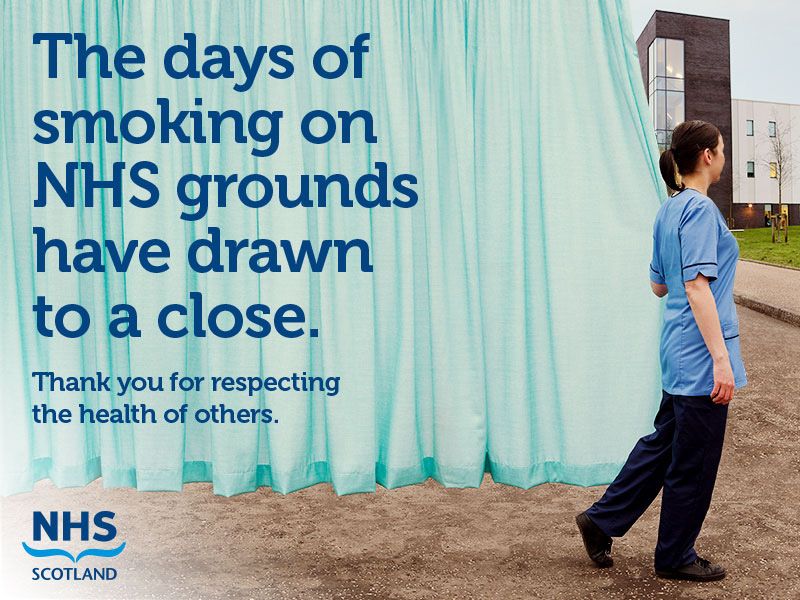
Realistic Medicine (Chief Medical                      The Health and Social Care Delivery Plan
Officer’s Annual Report 2014-2015)                     (2016) aims to improve everyone’s health
stresses the need to develop a culture, which          and wellbeing by promoting and supporting
encourages people to look after themselves             healthier lives from the earliest years. With
rather than becoming dependent on others.              a focus on prevention, it advocates early
The report presented national data illustrating        intervention and supported self-management.
stark inequalities in health outcomes between          To achieve this requires health and other
men and women in affluent and deprived                 community planning partners to work
areas.                                                 together, with services designed specifically
The National Clinical Strategy for                     to meet the needs of individuals, families and
Scotland (2016) describes a new clinical               their communities.
approach to address the challenges of people
living longer with long-term conditions.               The Scottish Government’s 2020 Vision
Care to fully informed patients, should be             is that everyone is able to live longer healthier
proportionate, effective and sustainable rather        lives at home, or in a homely setting and, that
than over-treating people with wasteful and            we have a healthcare system where:
unnecessary procedures and medication.
                                                       •   we have integrated health and social care
Beating Cancer: Ambition and Action
(2016) outlines 53 actions for NHS Scotland,           •   there is a focus on prevention, anticipation
focusing on the areas of:                                  and supported self-management
                                                       •   day case treatment will be the norm when
•   prevention                                             hospital treatment is required, and cannot
•   improving survival                                     be provided in a community setting
•   early detection and diagnosis                      •   whatever the setting, care will be provided
•   improving treatment                                    to the highest standards of quality and
•   workforce                                              safety, with the person at the centre of all
•   living with and beyond cancer                          decisions
•   quality improvement                                •   there will be a focus on ensuring that
                                                           people get back into their home or
•   research                                               community environment as soon as
A holistic needs assessment should be                      appropriate, with minimal risk of re-
provided for all cancer patients; which means              admission
looking at all of a person’s needs, not just their
disease. This involves assessing their financial       This approach recognises the importance of
situation, their home and social supports and          both physical and mental health, as well as
providing access to services and information,          addressing the underlying conditions that
which enable them to make the best care and            affect health.
treatment choices for themselves and their
families.

6                                                NHS Forth Valley Healthcare Improvement Strategy 2017-2021
The Population of Forth Valley
The population of Forth Valley is estimated as 304,480 as of June 2016.
By 2035, the population of Forth Valley is projected to be 330,235; an increase of 12.6%
compared to the population of Forth Valley in 2010. This increase is more than the projected
increase for Scotland of 10.2%. The population of under-16s in the Forth Valley area is projected
to increase by 5% by 2035, more than the projected increase of 3.2% in Scotland. The Scottish
Public Health Observatory (ScotPHO) Children and Young People Profiles (2012) provides the
most recent illustration of the health and wellbeing of children and young people locally (see
Appendix I).

Table 1: Selected indicators for Forth Valley and Scotland

 Measure                                               Forth Valley          Scotland
 Average male life expectancy                          77.4 years           76.6 years
 Average female life expectancy                        81.0 years           80.8 years
 Alcohol related hospital stays                        494.7                664.5
 Smoking prevalence (16+ years)                        21.0%                20.2%

However, within this, there are still significant inequalities between the least and most deprived
areas in Forth Valley.

NHS Forth Valley Healthcare Improvement Strategy 2017-2021                                           7

Table 2: male and female life expectancy within small areas across Forth Valley

                                        Examples of average life expectancy in different
                                        areas within Forth Valley

    Average male life expectancy        70.7 years in Bainsford and Langlees
                                        68.9 years in Raploch
                                        81.4 years in Dollar & Muckhart
    Average female life expectancy      76.7 years in Fishcross, Devonville and
                                        Coalsnaughton
                                        86.7 years in Lochgreen, Lionthorn and Prospecthill
                                        87.7 years in Dunblane West

Based on World Health Organisation estimates,      A strategic approach to tackling health
the cost of preventable ill health within NHS      inequalities and improving health was set out
Forth Valley could be as much as £200 million      in The Director of Public Health and Strategic
per year.                                          Planning’s (DPH)’s report on The Health of the
Population wide health improvement                 Population of Forth Valley 2013 -15 and is now
programmes and a focus on promoting                mirrored in the Single Outcome Agreements
healthy lifestyle choices have seen health in      (SOAs) of the three local community planning
Scotland rise over the past decade and yet the     partners.
inequality between the most and least well off
has increased.

8                                            NHS Forth Valley Healthcare Improvement Strategy 2017-2021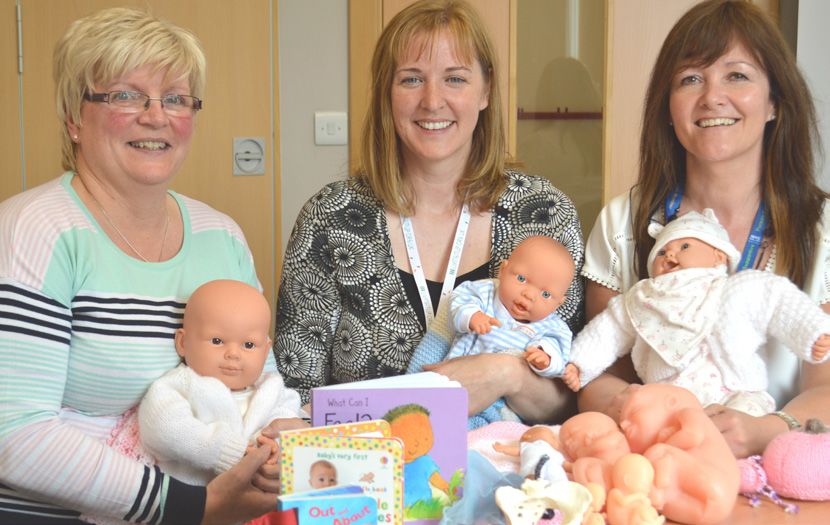
Community Planning Partners
NHS Forth Valley works in partnership with              and build on existing community assets to
three local authorities – Stirling, Falkirk and         address health inequalities. The focus of the
Clackmannanshire. Each council area has                 anticipatory care model is on wellbeing and the
a Community Planning Partnership (CPP)                  resilience of the client. A number of approaches
formed from representatives from health, local          like these have been developed in Forth Valley
authority, key agencies, and other statutory            in the last few years, for example, the Keep Well
third and private sector organisations. They            programme and the Hawkhill initiative.
work together to provide a good quality                 In addition to the health improvement
of life for all citizens and communities.               programme for the whole of Forth Valley, the
Each CPP publishes a plan setting out local             report by the NHS Forth Valley Director of
priorities. Themes include early years, support         Public Health and Strategic Planning singled out
for vulnerable individuals; including early             three crucial areas to be addressed:
intervention to prevent neglect and harm,
tackling the impact of alcohol and substance            • children and the early years
use, improving mental health and wellbeing              • worthwhile work
and promoting employment opportunities as
                                                        • substance use
well as addressing the impact of poverty on
young people.                                           The Community Planning Partners added a
                                                        fourth key priority to reflect local needs:
To ensure that proposed health improvement
outcomes are met, it is vital that services are         • mental health
delivered both effectively and efficiently, to          It was decided that the extent of mental health
address some of the main social and lifestyle           issues across our local communities warranted
factors, which can have a major impact on               immediate direct action by each CPP to
health. Within the community setting, there             promote mental wellbeing and prevent suicide
is potential to develop integrated anticipatory         and self-harm.
care plan (ACP) models for health improvement
NHS Forth Valley Healthcare Improvement Strategy 2017-2021                                              9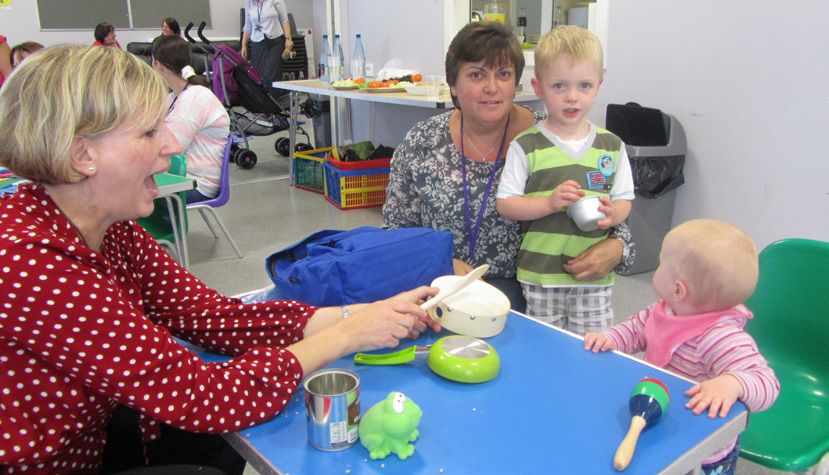
STRATEGIC PRIORITY 1
Children and the early years
Health improvement outcome: every child in Forth Valley has the best
possible start in life

     NHS Forth Valley will work in partnership with community planning partners to develop
     action plans and programmes, which ensure the following outcomes can be measured and
     achieved:
     •.improvement in healthy behaviours, especially in disadvantaged areas
     • .decrease in mothers smoking or drinking alcohol in pregnancy
     •.increased uptake of immunisations, vitamins and other early years support
     • .improving the health prospects of children and young people through working together

It is during the early years and even pre-birth         There is growing evidence that Adverse
that a large part of the pattern for our future         Childhood Experiences (ACEs) affect health
adult life is set. Investment pre-birth and in          throughout life. ACEs have a profound effect
a child’s early years pays dividends for that           on development and learning as they can
child in terms of educational outcomes, health          alter how children’s brains develop, as well as
outcomes, and future life prospects.                    changing development of immunological and
Evidence shows that disadvantages experienced           hormonal systems.
from pre-birth can impact adversely on the life          By their third birthday, children from deprived
chances of our children. Children need to have          backgrounds can be as much as a year behind
the best possible start and to this end a National      their peers in cognitive and social development.
Maternity Strategy has been developed.                  The impact of this disadvantage can be seen
                                                        throughout an individual’s life in poor health,
                                                        employment and social outcomes.
10                                                NHS Forth Valley Healthcare Improvement Strategy 2017-2021
ACEs Forth Valley has large areas of deprivation
but it is important to recognise that not all
• physical abuse or neglect
disadvantaged children and young people live
• mental abuse or neglect in identified areas of deprivation. Stigma may
• sexual abuse or neglect prevent disadvantaged children living in well
• domestic violence off areas from accessing the help available; free
• parental separation or divorce school meals, for example.
• bereavement The NHS Forth Valley Children and Young
• parental imprisonment Persons Strategic Framework 2015-2018
highlights a number of essential themes for
• parental mental illness
children’s services, which have an inequalities
Those with greater exposure to ACEs are more focus:
likely to develop health harming and anti-social
• ensure that healthcare services from
behaviours, often during adolescence, such as
pregnancy through to adolescence and
binge drinking, smoking and drug use, risky
beyond, will continue to be high quality,
sexual practice that can lead to unintended
evidence-based and safe, delivered at
teenage pregnancy and involvement in crime.
the right time and in the right place by
People who experience ACEs as children often
a trained, compassionate and supported
end up raising their own children in households
workforce
where ACEs are more common, leading to
cycles of childhood adversity, locking successive • reduce health inequalities by ensuring all
generations of families in poor health and anti- children, young people and families (with
social behaviour. particular note to children of parents with
substance use and mental health problems)
Actions to reduce adverse experiences in early are able to access services as close as safely
childhood and to close the education gap possible to their home
are central to reduce inequalities and break
• work with local community planning
intergenerational cycles of disadvantage.
partners to create opportunities and
conditions for all children, young people
and their families to achieve their potential.
NHS Forth Valley Healthcare Improvement Strategy 2017-2021 11CASE STUDY
CHILDREN AND THE EARLY YEARS
Helping Teenage Mums
Hundreds of first-time parents across Forth Foetal dolls give women guidance on how baby
Valley aged 19 or under have received a helping is developing and ‘model babies’ are used to
hand from the Family Nurse Partnership, show new mums how to bath and dress their
designed to give babies a healthier start in firstborn.
life. Being a parent is life-changing for most Where possible, the nurse works with the
people, but being a teenage parent brings with baby’s father and wider family members as well.
it even greater challenges. A pattern of weekly Advice is also offered on diet, education and
and fortnightly visits begins in pregnancy and employment.
continues until the child’s second birthday.
These are carried out by highly trained nurses Support from the Family Nurse Partnership
and midwives. not only increases the likelihood of the young
mum being able to go back to school or a
Using internationally recognised programme job, but can also lead to greater involvement
guidelines, materials and practical activities, of fathers. The babies are more likely to reach
nurses support young mothers to understand developmental milestones and be ready for
their baby, make changes to improve overall learning when they go to school.
wellbeing, develop emotionally and build on
positive relationships.
12 NHS Forth Valley Healthcare Improvement Strategy 2017-2021STRATEGIC PRIORITY 2
Mental Health and Wellbeing
Health improvement outcome: children and young people will be resilient
and see themselves as successful
NHS Forth Valley will work in partnership with community planning partners to develop
action plans and programmes, which ensure the following outcomes can be measured and
achieved:
• an increase in children and young people reporting that they are happy
• improved response for children and young people with greatest needs; for example,
looked after and accommodated children and young people
• reduction in suicide, self harm and risk taking behaviours
Good mental health and wellbeing is essential Improving mental health is a national priority
for a healthy life and achieving and improving for Scotland, with key activity in the areas
outcomes for individuals, families and children. of prevention and early intervention, self-
An estimated one in three people will be management, improving access and efficiency
affected by mental health issues in any one of services, tackling stigma and discrimination,
year. To achieve good mental health requires reducing inequalities, promoting recovery and
a systematic approach to address social, realising the rights of people with mental health
physical, economic and environmental factors problems.
that impact on health. People should be
supported to take personal responsibility for
managing their own health and understand the
importance of maintaining a healthy lifestyle.
NHS Forth Valley Healthcare Improvement Strategy 2017-2021 13Ensuring children and young people achieve As shown in the table below, S2 boys and girls
their full potential and are able to access in Clackmannanshire score significantly less
appropriate support services and information than the Scottish average in mental wellbeing.
is central to improving their future health and S2 boys in Stirling measure better than the
wellbeing. Scottish average. By S4, boys and girls across
Prevention and early intervention across the the three council areas are not significantly
life course, is paramount to improving mental different from the Scottish average, with the
health outcomes for all. There are greater exception of boys in Falkirk who measure
numbers of people experiencing poorer mental statistically better.
health living in deprived areas of Forth Valley Life satisfaction of children and young people
who struggle to cope with issues such as living in Forth Valley, reported by the Health
poverty, loneliness, isolation, unemployment Behaviour in School-aged Children survey,
and social exclusion. Adults in the most indicates that the majority of children in P7, S2
deprived areas are five times more likely to have and S4 report high life satisfaction. Boys report
below average wellbeing than those in the higher life satisfaction than girls across all year
least deprived. This has increased from 3 times groups and satisfaction reduces across both
below average wellbeing for those in the most genders as age increases. Forth Valley follows
deprived areas in just under a decade. the same trend as the national results.
mean mental wellbeing score in
secondary school pupils
S2 boys S2 girls S4 boys S4 girls
Clackmannanshire 48.4 47.6 49.4 47.0
Falkirk 51.6 49.5 51.6 46.3
Stirling 53.2 50.4 50.9 46.3
National average 51.1 49.3 50.5 46.8
In order to improve the mental health and
wellbeing of children and young people in
Forth Valley, community planning partners will
plan and deliver mental health improvement
programmes, which promote positive mental
health. They will target specific groups of
children and young people who are known
to have poorer mental health. Children and
young people must be able to access early
interventions and services when their mental
health is deteriorating.
14 NHS Forth Valley Healthcare Improvement Strategy 2017-2021CASE STUDY MENTAL HEALTH AND WELLBEING First Aid for Falkirk High School Falkirk High School asked for Mental Health The training was delivered by approved First Aid training for staff to strengthen their instructors over six twilight sessions. Thirty-eight ability to recognise and support mental health teachers expressed an interest in the training problems. The school, through their Attainment and 24 were trained on the first course. Challenge Programme, had already identified The course was very well received. Those the impact of mental health on learning taking part described it as useful in increasing outcomes for young people and had started knowledge about poor mental health and said it to engage with partner organisations to raise helped them provide better support to those in awareness and promote mental health and need. wellbeing for pupils, families and staff. Mental Health First Aid is help given to a person before appropriate professional help or treatment can be obtained. It teaches participants to ask about suicide, recognise signs of mental health distress and provide initial support. NHS Forth Valley Healthcare Improvement Strategy 2017-2021 15
STRATEGIC PRIORITY 3
Worthwhile Work
Health improvement outcome: more working age people, including school
leavers, enter and sustain quality employment

     NHS Forth Valley will work in partnership with community planning partners to develop
     action plans and programmes, which ensure the following outcomes can be measured and
     achieved:
     • reduction in the number of school leavers without a positive destination
     • increase early intervention support given to people within the vocational rehabilitation
       pathway, for example, through the Scottish Health and Fair Work Service
     • increased numbers of physically and mentally healthy staff in workplaces
     • local contractors provide the national living wage for staff, for NHS Forth Valley and local
       community planning contracts

Work can be categorised as paid employment (through a contract with one or more employer or
through self-employment), volunteering or caring.

                                         Paid employment                             Employer

            Work                            Volunteering                          Self-employed

                                                Caring

16                                               NHS Forth Valley Healthcare Improvement Strategy 2017-2021
Demographic predictions and the rising There is strong evidence that the longer the retirement age mean that people will have to duration of a period of sickness absence, the plan to stay healthier throughout their lives, lower the chances of, and the greater the self-manage their health conditions more obstacles, to returning to work (Review of effectively and work for longer. Health at Work, Scottish Government, 2013). Work has positive benefits for health, income, There is a strong link between unemployment social status and relationships. Employment is and deterioration in physical and mental health a recognised core plank of independent living and wellbeing. Unemployment increases and plays a key part in establishing personal rates of sickness, disability and mental health identity for many people. The benefits of work problems and decreases life expectancy. It are greater than the harmful effects of long- results in increased use of medication, medical term unemployment and prolonged sickness services, and higher hospital admission rates. absence. Employment data for Forth Valley and Scotland (January – December 2016)* All people Clackmannanshire Falkirk Stirling Scotland Economically active 74.3% 80.0% 75.7% 76.8% Economically inactive * 25.7% 20.0% 24.3% 23.2% Workless households 15.8% 19.2% 18.0% 18.0% *(www.nomisweb.co.uk/reports/lmp/la/1946157409/report.aspx) * student, looking after family, temporarily sick, long-term sick, retired The data from Clackmannanshire highlights the The key ladders out of poverty, apart from current national increase in poverty amongst education, as set out in ‘Routes out of Poverty: those who are working. The Joseph Rowntree a review of existing research evidence on Foundation reports that one in every eight what can help people get out of poverty’ are: workers in the UK, some 3.8 million people, • paid work; moves into work or increased now live in poverty. 7.4 million people, earnings including 2.6 million children, live in poverty, despite being in a working family and a record • increase in non-labour income, for example, 55% of people in poverty are from working benefits households in the UK. • change in household composition At a Scottish level, after housing costs, 64% of • moves out of ill-health or disability working age adults in poverty, live in working households, as do 70% of children. NHS Forth Valley Healthcare Improvement Strategy 2017-2021 17
Getting a job is the most common route out           To achieve the best outcomes requires
of poverty, but routes vary from one type of         engagement with pupils younger than currently
household to another.                                planned within CPP structures. This approach
A fundamental focus of worthwhile work has           offers significant opportunities for all CPP
to be young people who are about to leave            partners to make a huge difference to getting it
school. In 2016, Dame Carol Black presented          right for all young people in Forth Valley.
the Scottish Government Health Directorate           As part of the reform of community justice,
with findings from the UK Department of Work         new CPP strategies will help those within
and Pensions (DWP). A key recommendation             the community justice system to obtain
was to improve engagement of young                   employment.
people with work from an earlier stage
in their education and to support health
needs throughout the process. To progress
this, stronger partnerships will require to
be developed at community planning level
between employability, children’s services and
health groups.

18                                             NHS Forth Valley Healthcare Improvement Strategy 2017-2021
CASE STUDY

WORTHWHILE WORK
Jim’s story
Jim had a stroke that resulted in a short               and endurance and was supported to talk
admission to Forth Valley Royal Hospital.               through how he was feeling and given positive
Jim was then referred to the ReACH team                 feedback about his progress. Jim discussed his
for ongoing community rehabilitation. He                communication concerns and was provided
identified his main problems as fatigue, lack           with information and advice.
of confidence talking and difficulty coming to          With the help of his occupational therapist,
terms with having a stroke at a relatively young        Jim planned a phased return to work over
age. Jim’s goal was to get back to work in a            a six-week period. This involved a gradual
local supermarket but he was concerned about            weekly increase in his hours and included
his ability to speak to customers and manage            recommendations to support his optimal
the physical demands of the job.                        performance in the work place. A proposed
Jim was seen by an occupational therapist,              plan for this was discussed and agreed with
rehabilitation specialist nurse and speech and          occupational health and his line managers.
language therapist to help him reach his goal.          Jim started back at work. Initially he felt
His rehabilitation focused on understanding and         tired, but was pleased to report that he was
managing his fatigue. He joined Active Forth, a         managing (and enjoying) being back at work.
supervised exercise class, to build up his fitness      He was discharged from the ReACH team
                                                        having met his goal to return to work.
NHS Forth Valley Healthcare Improvement Strategy 2017-2021                                             19
STRATEGIC PRIORITY 4
Substance Use
Health improvement outcome: numbers of people and families affected by
substance use in Forth Valley reduced
NHS Forth Valley will work in partnership with community planning partners to develop action
plans and programmes, which ensure the following outcomes can be measured and achieved:
• number of recovery goals completed
• removal of barriers to education, housing, volunteering and employment opportunities once
on the road to recovery
• access to leisure, art and sports activities for children with a family member in recovery
• reduction in Forth Valley alcohol and drug related arrests and imprisonment
Changing Scotland’s Relationship with Alcohol Concern reports evidence suggesting
Alcohol: a framework for action (2009) set that ‘drinking alcohol earlier in life may
out the reasons why we have an unbalanced substantially increase the risks of developing
relationship with alcohol, our ‘favourite drug’. early-onset dementia (before the age of 65)’.
The most recent evidence published by the Findings report that frequent drinking in young
Scottish Government suggests an improvement. adults is the biggest risk factor for men who
Since 2009, alcohol consumption per adult develop early-onset dementia and outweighs a
has decreased by 8% although this is still 20% family history of dementia, use of other types
higher than in England and Wales. of drug or suffering from any other health
Alcohol is known to contribute to a number of condition. Alcohol has recently been shown to
diseases including liver disease, brain disorders contribute to the development of breast cancer.
and cancer. Faced with an ageing population;
20 NHS Forth Valley Healthcare Improvement Strategy 2017-2021Foetal alcohol syndrome is the leading cause
of mental development disorders and birth
defects. Avoiding alcohol during pregnancy
prevents this. During the early years and even
pre-birth, a large part of the pattern for our
future adult life is set. Investment in a child’s
early years pays dividends for that child,
in terms of educational outcomes, health
outcomes, and future life prospects and helps
prevent inequalities.
It is also important to consider the impact of
alcohol on antisocial behaviour and crime. Over
40 per cent of prisoners, including 60 per cent
of young offenders, were drunk at the time of
offending.
Recent strategy has moved to focus on recovery
Figures from the Information Services Division from addiction, with a coordinated network
show that in 2015/16 there were 11,954 of community-based services to help support
initial assessments for specialist drug treatment those with, or at risk of alcohol and drug
recorded on the Scottish Drug Misuse database. problems (Appendix II). These supports include
Among people reporting recent illicit drug use: family and community involvement.
Developing the Forth Valley recovery
• the percentage seeking treatment for heroin community will support people who are
(reporting it as their main drug) decreased recovering from problematic drug and alcohol
from 64% in 2006/07 to 47% in 2015/16 use, to achieve better health and life chances,
• the percentage of under 25s reporting improve prospects for their families and reduce
recent heroin use fell from 58% in 2006/07 the risk of adverse childhood events for young
to 25% in 2015/16 people in the household.
• a general downward trend was observed in People recovering from problematic drug and
the percentage of individuals who reported alcohol misuse should experience reduced
that they were currently injecting (from consumption, fewer co-occurring health issues,
28% in 2006/07 to 18% in 2015/16) improved family relationships and parenting
skills, stable housing, participation in education
• between 2006/07 and 2015/16 current
and employment, and involvement in social
sharing of needles/syringes decreased
and community activities. Action will continue
from 12% to 6%, whilst sharing of other
to reduce stigma and ensure that living in
injection-related equipment fell from 20%
recovery is a realistic goal.
to 8%
A significant challenge for people in recovery
• the percentage of individuals assessed for
is returning to community activity and gaining
specialist drug treatment who were aged 35
volunteering opportunities and employment.
and over increased from 30% in 2006/07 to
It is therefore imperative that outcomes for this
50% in 2015/16
section do not solely address health but also
This data supports the data of the NHS Forth social outcomes for both those in recovery and
Valley Substance Use Needs Assessment 2012 their children as a means of aiming to break
(see Appendix III). cycles of poverty.
NHS Forth Valley Healthcare Improvement Strategy 2017-2021 21CASE STUDY SUBSTANCE USE Getting Better Four ‘Recovery Cafes’ have been set up to There is a mutual aid meeting at each venue provide support for people recovering from which is either a Self-Management and substance abuse and their families. These are Recovery Training (SMART) meeting or a 12- funded by the Forth Valley Alcohol and Drug step fellowship meeting such as Alcoholics Partnership. Anyone can attend, providing Anonymous (AA) or Narcotics Anonymous (NA). they are clean and sober on the day. The cafes There is a welcoming, relaxed and supportive are in Falkirk on a Saturday, Stenhousemuir on culture in all four venues and on average, a Wednesday afternoon, Stirling on a Friday there are fifteen attendees at each cafe. In the afternoon and Alloa on a Monday evening. previous financial year (1st April 2016 – 31st Each cafe provides recreational activities March 2017), there were 2,707 individual including music, recovery films and entries to the cafes. entertainment, home cooking, gym-based The cafes have proved to be tremendously training and Tai Chi and Yoga. popular and have provided a much-needed The cafes have also generated other recovery opportunity for people to socialise and activities such as walking groups, training strengthen their recovery. The cafes have played for recovery volunteers, fundraising and the a significant role in tackling health inequalities innovative and successful annual Recovery and social exclusion and in promoting viable Olympics. and robust alternatives to substance misuse. 22 NHS Forth Valley Healthcare Improvement Strategy 2017-2021
STRATEGIC PRIORITY 5
Population Health
Improvement Programmes
Health improvement outcome: the people of Forth Valley are healthier
The health of the population of Forth Valley is         sustain the progress we have successfully
steadily improving. The lifestyles that cause ill       delivered through existing health improvement
health are increasingly well understood and co-         programmes.
ordinated action is driving health improvement.         Forth Valley already has a strong commitment
Alcohol and tobacco consumption, physical               to health improvement through the delivery of
inactivity and poor diet are being addressed            wide ranging health promotion programmes.
through both national policy and local                  Examples include; Scottish Mental Health first
action. Public health initiatives from screening        aid training, Max in the Middle and Smoke
programmes to smoke-free zones and minimum              Free Hospitals. There is also a requirement on
unit pricing for alcohol are effective evidence-        NHS Forth Valley and community planning
based measures. We know what works but we               partners in Single Outcome Agreements, to
also know that most of these programmes are             continue to deliver specific health improvement
more effective in affluent populations. This in         programmes. In addition, NHS Forth Valley
turn can increase inequality so, to reduce this,        must also deliver Scottish Government health
we must focus on getting health messages                campaigns. A copy of the current requirements
across to the more disadvantaged areas.                 is in Appendix IV.
Our Strategic Priorities 1-4 are designed to
reduce inequality. Strategic Priority 5 is to

NHS Forth Valley Healthcare Improvement Strategy 2017-2021                                           23
Prevention featured strongly in the local public            In the current financial climate, regular reviews
engagement work around Shaping the Future.                  of priorities and resources are imperative to
It was a key recommendation of the National                 secure and maintain financial balance. NHS
Conversation (2016) and identified as highly                Forth Valley will prioritise universal health
important in the clinical work streams.                     improvement activity that improves the health
As our population ages, it is vital we do all               of the population through:
we can to keep people well. A significant                   •   delivery of Scottish Government
number of diseases; including long term                         requirements – BBV and Sexual Health
conditions such as obesity and diabetes are                     Network, Health Improvement Annual
largely preventable, or can be improved with                    Review priorities, Health Promoting Health
appropriate lifestyle choices. It is essential that             Service and Healthy Working Lives
people are encouraged and supported to take                 •   focused health improvement interventions
responsibility for their own health and health                  which support the outcomes of this Health
outcomes. Early detection and prevention can                    Improvement Strategy
reduce the severity and impact of ill health.
                                                            •   agreed Single Outcome Agreement health
                                                                improvement priorities

24                                                    NHS Forth Valley Healthcare Improvement Strategy 2017-2021
CASE STUDY POPULATION HEALTH IMPROVEMENT PROGRAMMES Brighter Smiles All Round NHS Forth Valley takes part in the national To reduce inequalities the programme will Childsmile programme, designed to improve now concentrate on families in greatest the dental health of children in Scotland. need, offering home support, signposting to Childsmile is delivered by a range of health dental care, fluoride varnishing and additional professionals and the programme promotes a supervised toothbrushing in priority primary holistic approach to healthy living and teaches schools. children an important life skill. Since 2009, the number of children having Every child is provided with a dental pack general anaesthetics for dental treatment, has containing oral health messages, a toothbrush been reduced by more than half .The number and fluoride toothpaste containing at least of fluoride varnishes has increased from 3,000 a 1,000 parts per million (ppm) on at least six year to 14,000 per annum. Local children now occasions by the age of five years. have the best dental health since records began Children also receive a free-flow feeder cup by with seven out of ten primary children showing the age of one year. In addition, every three and no obvious signs of tooth decay. four year old child attending a nursery is eligible to be offered free, supervised toothbrushing within their nursery establishment on a daily basis. NHS Forth Valley Healthcare Improvement Strategy 2017-2021 25
Appendix I:
Scottish Public Health Observatory Children and
Young People Profiles 2012

The information below provides the most recent illustration of the health and wellbeing of children
and young people locally. Although this data is not the most up-to-date, it does provide some
indication of future trends.
•    There is a downward trend in the number of women smoking during pregnancy, but statistics
     show that around 19.6% of pregnant women were currently smoking at antenatal booking in
     2012 (Scotland: 19.3%).
•    The teenage pregnancy rate (
Appendix III:
NHS Forth Valley Substance Use
Needs Assessment 2012
Alcohol:
Within Forth Valley, there are high levels of alcohol-related harm in disadvantaged communities.
Throughout the three Community Health Partnerships (CHPs) there were striking differences in the
rate of patients hospitalised with alcohol conditions.
• Clackmannanshire CHP: the rate ranged from 436 to 1,238 with those in one intermediate zone
around 3 times more likely to be hospitalised than those in the least deprived zone
• Falkirk CHP: the rate ranged from 373 to 1,403 with those in one intermediate zone 3.7 times
more likely to be hospitalised than those in the least deprived zone
• Stirling CHP - the rate ranged from 313 to 2,414 with those in one intermediate zone 7.6 times
more likely to be hospitalised that those in the least deprived zone
Alcohol-related discharges from psychiatric hospitals showed a direct correlation to deprivation with
the number higher for those living in the least affluent communities. In 2008/09, those in the most
deprived communities were nine times more likely to be admitted to a psychiatric hospital.
A considerable proportion of people in prison could benefit from programmes to address alcohol
consumption and alcohol-related harm.
Drug use
• The estimated number of people with problem drug use in Forth Valley is 2,200 (prevalence of
just over 1.15% of 15-64 year olds compared to 1.71% for Scotland as a whole)
• The rate for drug-related offences in Clackmannanshire is 890 per 100,000. This is higher than
the rate for Scotland of 759. The rates for Falkirk and Stirling are 587 and 646 respectively.
• Of the 1,227 tests carried out at prisoner reception across Scottish jails in 2013/14, 80% were
positive for drugs (which included drugs prescribed as part of a treatment programme), and
77% were positive for illegal drugs (including illicit use of prescribed drugs) compared with
72% in 2012/13. The drugs most commonly detected when entering prison in 2013/14
were benzodiazepines (50% of tests (47% in 2012/13)) and cannabis (50% of tests (45% in
2012/13)). Opiates were found in 33% of tests (31% in 2012/13).
NHS Forth Valley Healthcare Improvement Strategy 2017-2021 27Appendix IV:
Scottish Government programmes
delivered within NHS Forth Valley
Outcome Links to existing strategies/ Performance
Outcome
Theme frameworks/contracts measurement
Maternal All stakeholders should Maternal & Infant Nutrition
and Infant understand the public Framework
Nutrition health imperative of making
maternal and infant nutrition
a priority and have a clear
vision of our aspirations. The
key aim is to prevent ill health
by:
Tackling the unsustainable
burden of poorly planned
preconception nutrition,
including folic acid uptake
and achieving a healthy
weight prior to the first
pregnancy.
Ensuring that pregnant
women continue to make
good nutritional choices,
including Vitamin D
supplementation.
Keeping breastfeeding
maintenance as a priority.
Ensure that the UNICEF
best practice standards for
supporting infant nutrition
are in place and core staff
have the necessary support,
tools, capacity and capability
to deliver this care and also
that the additional specialist
support for mothers with
feeding challenges in
maternity, neonatal and
community services is in
place.
Preventing childhood obesity,
nutritional deficiency or
growth delay, by ensuring
that parents have the ability
to make good choices about
weaning, toddler diets and
family mealtime behaviours
28 NHS Forth Valley Healthcare Improvement Strategy 2017-2021Dental Improve the oral health Childsmile Programme Quarterly
Services of Scotland’s children, monitoring
Early Years Framework
specifically the achievement
Childsmile Annual review
of the national outcomes: Fairer Scotland Action Plan
meeting
• 75% of P1 children with
no signs of dental disease
by 2022 (this requires
a ten percentage point
increase on each NHS
Board’s last National
Dental Inspection
Programme (NDIP) result)
• 80% of P7 children with
no signs of dental disease
by 2022 (this requires
a ten percentage point
increase on each NHS
Board’s last NDIP result)
Dental Improve the oral health National Oral Health Improvement Quarterly
Services of adults with priority Strategy for Priority Groups monitoring
care needs. Oral health
Dental National Heath & Well-being Annual review
improvement programmes
Priority Outcomes meeting
available for all residential
Group
units which care for:
Funding
• dependent old people
• people with special care
needs
• people who are homeless
• prisoners and ex-offenders
Effective NHS Boards will tackle the LDP Improvement Priority NHS Health
prevention: unsustainable burden arising Scotland Healthy
National Performance Framework
Adult and from poor diet and weight Weight leads
child health management through group meetings
weight interventions for at-risk monitor progress
intervention individuals/families that
Board level
stabilise or reduce weight
and local area
gain.
visits, if there
Promotion of health literacy are particular
within communities and at concerns about
risk groups to navigate the progress.
obesogenic environment.
Followed by
return detailing
outcomes.
NHS Forth Valley Healthcare Improvement Strategy 2017-2021 29Outcome Links to existing strategies/ Performance
Outcome
Theme frameworks/contracts measurement
Effective NHS Boards to tackle health LDP Standards Quarterly
prevention: inequalities by significantly reporting on the
National Performance Framework
tobacco reducing smoking rates national smoking
National Heath & Well-being
control amongst local communities, cessation
Outcomes
in line with the national database
target to reduce smoking Creating a Tobacco Free Generation
National survey
prevalence to 5% or less by a Tobacco Control Strategy for
data ScotPHO
2034. Scotland
Local Tobacco
Tobacco control through Profiles
cessation, supporting
HPHS returns
smokers to quit. Prevention,
supporting young people SALSUS
to choose not to take up Annual summary
smoking and protection, of local tobacco
supporting action to reduce plans.
exposure to second hand
smoke (e.g. protect children
from second-hand smoke in
the home and smoke-free
hospital grounds)
Effective Fewer newly- acquired blood Sexual Health and Blood Borne Virus Extensive
prevention: borne virus and sexually Framework Update 2015- 2020 monitoring data
Sexual transmitted infections
National
health and and fewer unintended
Monitoring and
blood-borne pregnancies.
Assurance Group
virus
A reduction in the health will monitor this
inequalities gap in sexual data and update.
health and blood-borne
Twice yearly
viruses.
meeting of NHS
Enable people affected by Board Executive
blood borne viruses to lead Leads (local
longer, healthier lives, with a budget holders)
good quality of life. monitor data at
national level.
Ensure sexual relationships are
free from coercion and harm. Board level
visits if required,
A society where the attitudes
if there are
of individuals, the public,
particular
professionals and the media
concerns about
in Scotland towards sexual
progress
health and blood-borne
viruses are positive, non-
stigmatising and supportive
Plus:
• Alcohol Brief Intervention reporting through ADP
• Health Promoting Health Service reporting – HPHS Steering Group – HIHI
• Healthy Working Lives delivery reporting – Health & Employability Working Group – HIHI
30 NHS Forth Valley Healthcare Improvement Strategy 2017-2021Appendix V: National Performance Framework NHS Forth Valley Healthcare Improvement Strategy 2017-2021 31
www.nhsforthvalley.com /nhsforthvalley @nhsforthvalley
You can also read


