Accelerating geothermal energy deployment in the agricultural and food sectors What challenges and success factors? - IRENA
←
→
Page content transcription
If your browser does not render page correctly, please read the page content below
Dr. Loredana Torsello
  CoSviG – Consortium for Development of Geothermal Areas
  Executive manager and responsible for technology transfer, international projects
  Cluster manager DTE-Toscana– Regional Technological District for Energy and Green Economy.
  Co-Chair SET Plan Temporary Working Group Deep Geothermal

                                                      Accelerating geothermal energy deployment in the
                                                      agricultural and food sectors
                                                      What challenges and success factors?
CoSviG: Consortium of Geothermal Areas

                               Regional Agency to support local development
                               in geothermal areas, owned by
                               • 14 Municipalities
                               • 2 provinces
                               • 4 consortium of municipalities
                               • Tuscany Region

                          CoSviG, in close collaboration with Regional Government and
                          Municipalities, has promoted the creation of development paths
                          involving all economic and social actors in the territories.

               A roadmap for sustainability was conceived from the diversification in production
               and use of energy (GEOTHERMAL ENERGY, mainly) from renewable sources,
               combined with the social, cultural and environmental features of the area and
               technological innovation chances.

Actions related to this model can produce results for new development schemes
 for the communities, consistent with the country's land development strategy, and in
cooperation with the private sector.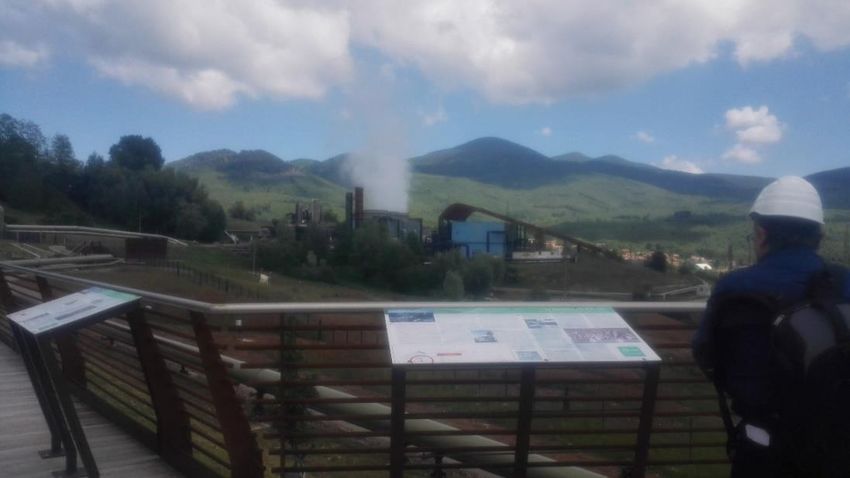
GEOTHERMAL ENERGY – opportunity and challenge
Renewable energy resource
Strategic for Tuscany, Italy, and Europe
It have to be fostered in a sustainable way
It allows improving identity roots of a territory, since ages Tuscan populations used it
daily the warm from the heart of earth
It can support/supported by innovation and technological opportunities
GEOTHERMAL EXPLOITATION and Governance
• The exploitation of geothermal energy is continuously growing across the
  world and in Europe, despite the potential available would allow a further
  development of the geothermal market.
• New challenges have emerged for geothermal. Currently, a further
  expansion of this market is indeed limited by some social and
  environmental concerns, often closely linked to technological constraints.
• In order to overcome these problems and continue to expand the use of
  geothermal energy and continue increase the use of the heat of the Earth,
  both for electricity and heat, a new model of governance which respects
  territories and boost sustainable development is necessary.
• In next future (2020), by the medium term horizon (2050) It should be
  found a synthesis among purposes, expectations and contrasts inside the
  communities, towards sustainable development of geothermal potential,
  respecting the vocation of territories and communities and supporting
  private businesses.
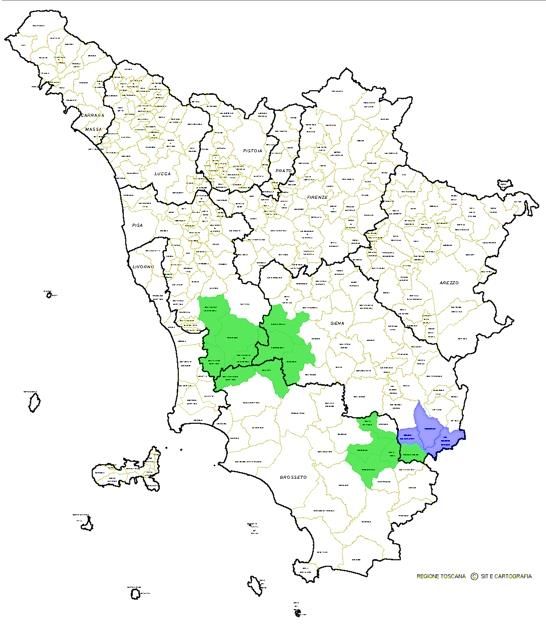
In order to promote the local socio-economic
                                   development, also through compensations to
                                   municipalities on which there are geothermal
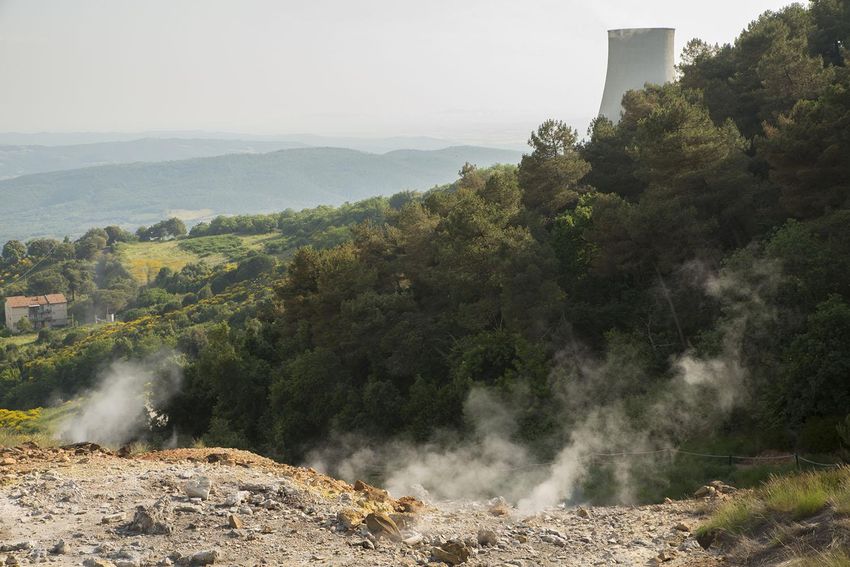
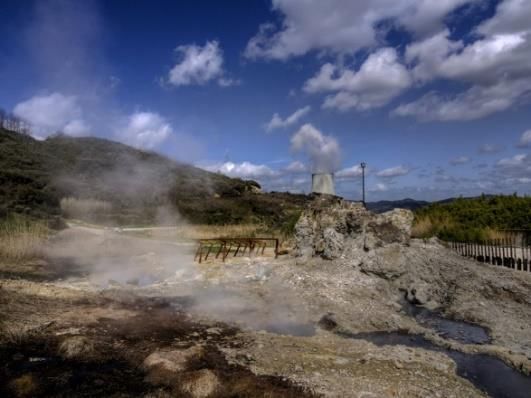
Geothermal areas in Tuscany
                                   exploitation permits, in 1988 local authorities of the
are the ideal place for a living
                                   traditional geothermal area funded the Consortium for
laboratory, where the constant
                                   the Development of Geothermal Areas (CoSviG), also
search for the right balance
                                   with the aim of coordinating technical and financial
between natural resources,
                                   fulfilments in charge to local authorities, to manage
innovation, technology and
                                   these funds.
historic and landscape heritage
has led the efforts of local
communities.
It represents an example of best
practice of economic system of
innovation-oriented technology
transfer for the promotion of a
model based on renewable
energy and sustainable dynamic
preservation.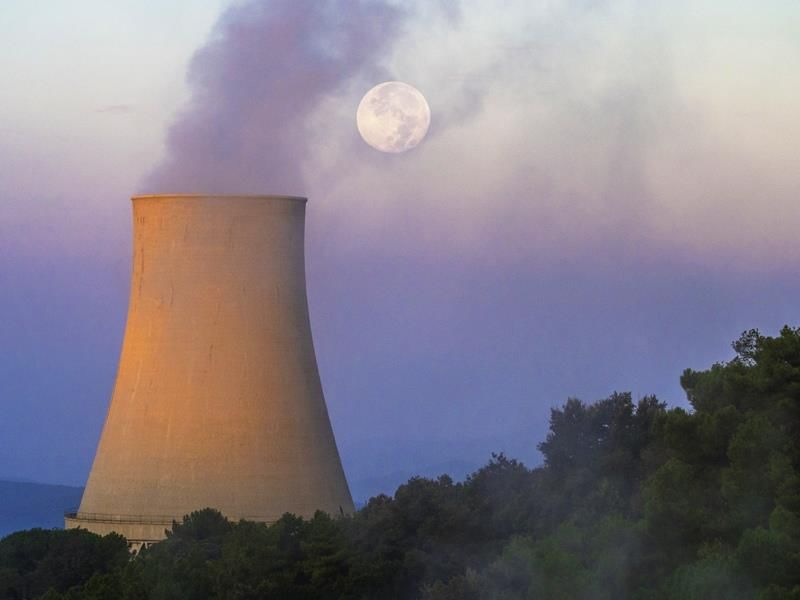
General Agreement on Geothermal

• From 2007, mechanisms to redistribute revenues of the
  geothermal energy exploitation were set up, in order to
  advantage local populations but also to improve the
  environmental impact of industrial activities.
• The main goal of Agreements is to propose a local development
  model in line with the vocations and the local economic
  traditions of these territories.
• CoSviG has promoted the creation of development paths
  involving all economic and social actors in the territories. A
  roadmap for sustainability was conceived from the
  diversification in production and use of energy from renewable
  sources, combined with the social, cultural and environmental
  peculiarities of the area and technological innovation. Actions
  related to this model can produce results for encouraging or
  multiplying design, even private, consistent with the country's
  land development strategy.
“Good, Clean and Fair”

The "Renewable Energy Food
Community," in Tuscany
commonly       called   "Food
Communities" is a free
association which is aimed to
                                SlowFood
the preservation of species,    Toscana

of varieties and of animal
breeds and traditional herbal
and/or local, at risk of
genetic erosion, and cultural
productions derived from
raw      materials    derived
exclusively from Tuscany and
utilizing mainly renewable                 Fondazione per
                                           la Biodiversità
energies.
Dr. Loredana Torsello
  CoSviG – Consortium for Development of Geothermal Areas
  Executive manager and responsible for technology transfer, international projects
  Cluster manager DTE-Toscana– Regional Technological District for Energy and Green
    Economy.
  Co-Chair SET Plan Temporary Working Group Deep Geothermal

                                                                      Thank you for your
                                                                      precious attention!
                                                                                      l.torsello@cosvig.it
You can also read


