Access City Award 2013 - Inspiring EU cities to become more accessible
←
→
Page content transcription
If your browser does not render page correctly, please read the page content below
Access•City
Award 2013
       Inspiring EU cities
       to become more accessible

       Justice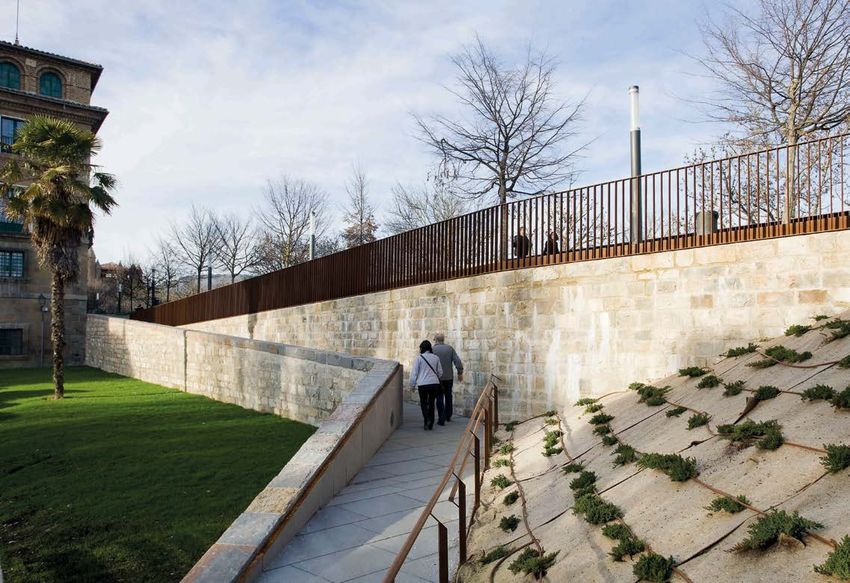
Europe Direct is a service to help you find answers to your
           questions about the European Union.
                     Freephone number (*):
                 00 800 6 7 8 9 10 11
   (*) Certain mobile telephone operators do not allow access to
            00 800 numbers or these calls may be billed.

More information on the European Union is available on the
Internet (http://europa.eu).
Cataloguing data can be found at the end of this publication.
Luxembourg: Publications Office of the European Union, 2013
ISBN 978-92-79-28190-7
doi:10.2838/41147
All pictures: © European Commission
Except cover: © iStockphoto
© European Union, 2013
Reproduction is authorised provided the source is acknowledged.
Printed in Belgium
Printed on elemental chlorine-free bleached paper (ECF)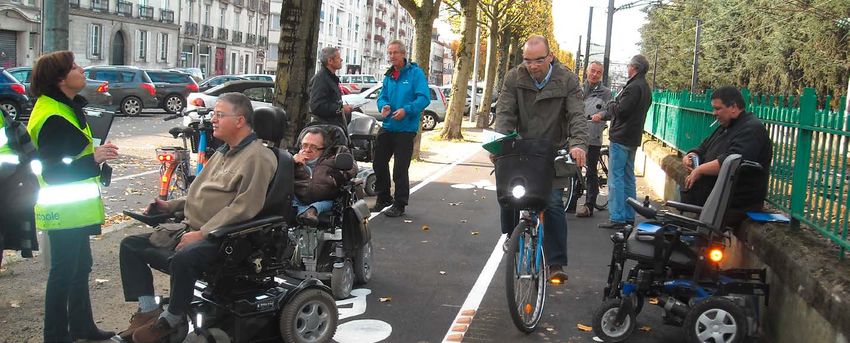
Contents

Foreword....................................................................................................................3

Access•City Award 2013 – Introduction...................................................4

Berlin, Germany – Winner.................................................................................5

Nantes, France – Finalist...............................................................................10

Stockholm, Sweden – Finalist.....................................................................14

Gdynia, Poland – Special mention for transport
and related infrastructure.............................................................................19

Bilbao, Spain – Special mention for information,
communication and ICT..................................................................................21

Pamplona, Spain – Special mention for built environment
and public spaces..............................................................................................23

Tallaght, Ireland – Special mention for accessible services
and facilities.........................................................................................................25

Participating in the Access•City Award 2014.....................................27
3

Foreword

                               This is the third year of the Access•City Award –
                               the European prize for making cities more
                               accessible to disabled and older people. I am
                               delighted to introduce this booklet which celebrates
                               the cities that were recognised this year.

But this award is not just about celebration, it is also about inspiration. We want
to share the good work, commitment and innovation that have been shown by the
cities featured here. Their initiatives provide a wealth of ideas for policy directions
and practical projects to make all our cities better places to live in for our growing
populations of disabled and older people. And, of course, making cities better for
disabled and older people makes them better for all of us.

I warmly congratulate all the cities featured in this booklet and I urge all of you in
cities all over Europe to learn from and share in their achievements.

Viviane Reding
Vice-President of the European Commission
Commissioner for Justice, Fundamental Rights
and Citizenship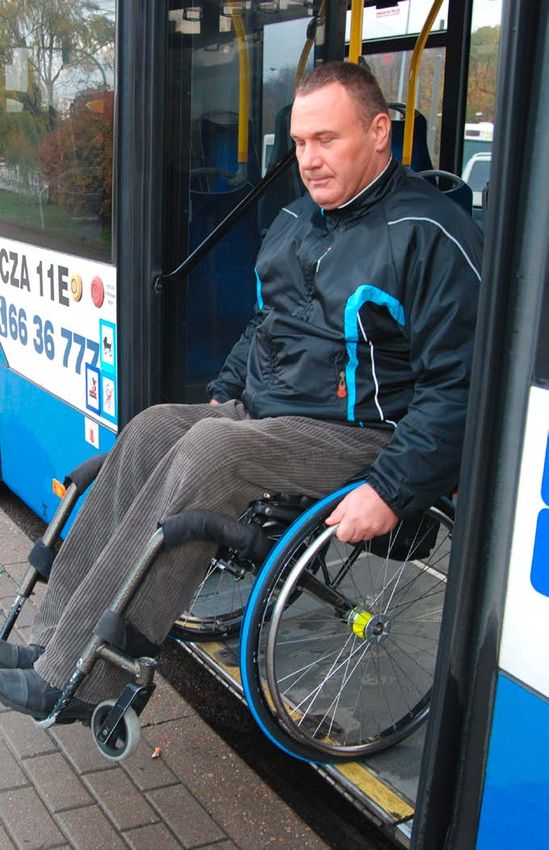
4

    Access•City Award 2013
    Introduction

    A
            round 80 million people living in the       projects and programmes to meet the needs of
            European Union have some kind of            disabled and older people.
            disability that impacts on their daily
    lives. Europe, in common with much of the           This brochure showcases some of the initiatives
    world, also has an ageing population. There is      taken by the winning City, the two other finalist
    a strong correlation between age and disability.    cities and the four cities which were awarded a
    Some two thirds of people with disabilities are     ‘special mention’.
    over retirement age.
                                                        The projects have been selected for their
    These trends mean that there is both an             originality and effectiveness. They are, in every
    economic and a social imperative to create          case, part of more comprehensive initiatives to
    societies within which older and disabled           address accessibility issues.
    people can live without barriers and can enjoy
    the same opportunities and life chances as          The Cities are spread across Europe and range
    every other citizen.                                from capital cities to small regional centres.
                                                        Some have major budgets and long-standing
    These imperatives are clearly set out both in       political commitment to accessibility. Others
    the United Nations Convention on the Rights of      are seeking to make progress with limited
    Persons with Disabilities and in the European       budgets and on a step-by-step basis.
    Union’s Disability Strategy 2010–2020.
                                                        The projects illustrated here demonstrate that
    Accessibility and inclusion must be at the          the most important factors, in every case, are
    heart of all aspects of city life, from barrier-    commitment at the highest level within the
    free streets, buildings and public transport to     City to improved accessibility and a clear and
    accessible websites and online information.         continuing link between the City at political
                                                        and operational levels and disabled and
    The Access•City Award, created in 2010, set         older citizens.
    out to recognise and celebrate cities that have
    worked to achieve accessible environments in
    all areas of life.

    One of the key goals of the Access•City Award
    is also to promote best practice in cities across
    Europe by highlighting innovative and inspiring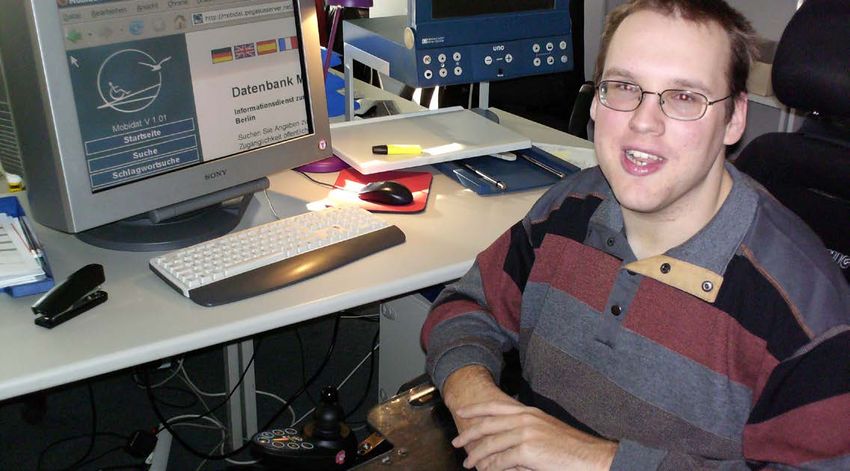
5

Berlin, Germany
       Winner

B
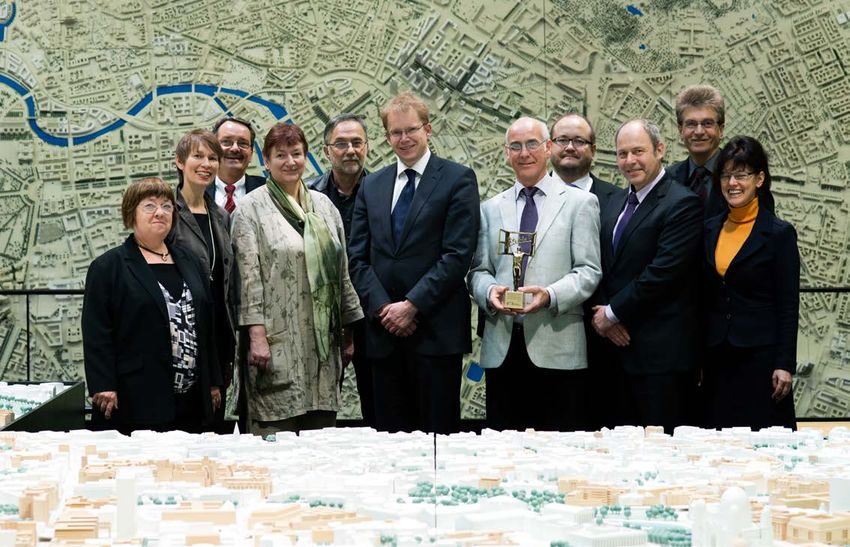
        erlin is the capital city and seat of       Berlin is the winner of the 2013 Access•City
        government of the Federal Republic of       Award for its strategic and inclusive
        Germany. It is both a federal state and     accessibility policies, which cover all aspects of
a city and forms the centre of the metropolitan     city life and are firmly embedded in both the
region of Berlin/Brandenburg.                       political and budgetary frameworks of the city.

With 3.5 million inhabitants, Berlin is the most    The projects highlighted here demonstrate the
populous city and, at 892 km², the largest city     innovative approaches that have been taken to
by area in Germany and Central Europe. Berlin       address accessibility in the city.
is divided into twelve independent boroughs.

After reunification in 1990, the two halves         Free database on barrier-free living:
of the city had to be brought together and          www.mobidat.net
different transport and planning systems
standardised. Today, Berlin is an important         Berlin has created a database with
regional, national and international transport      31 000 entries, giving information on the
hub. It is also considered to be an international   accessibility of facilities in all areas of life.
city of culture, politics, media and science.

“             Berlin should be accessible in all its diversity, without
              obstacles. Therefore, our task will be to continue
              changing public buildings and spaces so that they can be
              used by everyone independently, simply, intuitively and
              comfortably. Berlin can and will play a leading role here.
              The principles of Design for All remain a challenge which
              will determine the quality of our city.
              Ephraim Gothe, State Secretary for Building and Housing of
              the Senate Department for Urban Development and Environment
                                                                                        “
6

                                                                     Screenshot of Mobidat website

    The information provided by mobidat.net                 in Berlin and on implementing new
    includes leisure and culture, health, welfare           accessibility measures.
    and lifestyle. The website is aimed at
    people with sensory, mobility and cognitive             Verifying information and keeping it
    impairments, helping them with information              up to date
    about accessibility in their everyday lives
    and encouraging them to explore Berlin                  Data collection is based on German standards
    for themselves.                                         for barrier-free building with DIN 18 024,
                                                            18 025 and 18 040.
    The information is produced by an organisation
    for social and health services in cooperation           For each place or facility, a questionnaire
    with the Federal State of Berlin and an IT              is created, with the degree of accessibility
    service provider.                                       documented and archived for further editing.
                                                            The information is verified on site by experts
    The Mobidat project has been working for                in accessible design and construction and by
    20 years on documenting accessibility                   volunteers, often disabled people themselves.
                                                                       In addition, the data is checked again
                                                                       before public release, and sent to
                                                                       the organisations concerned for their
                                                                       information and consideration.

                                                                      The aim is to keep all information
                                                                      up to date by checking it every two
                                                                      to three years. Each data entry
                                                                      contains information on the original
                                                                      survey date and the last date it was
                                                                      modified. In addition, users can also
                                                                      provide information directly, and

                            Verifying data for the Mobidat website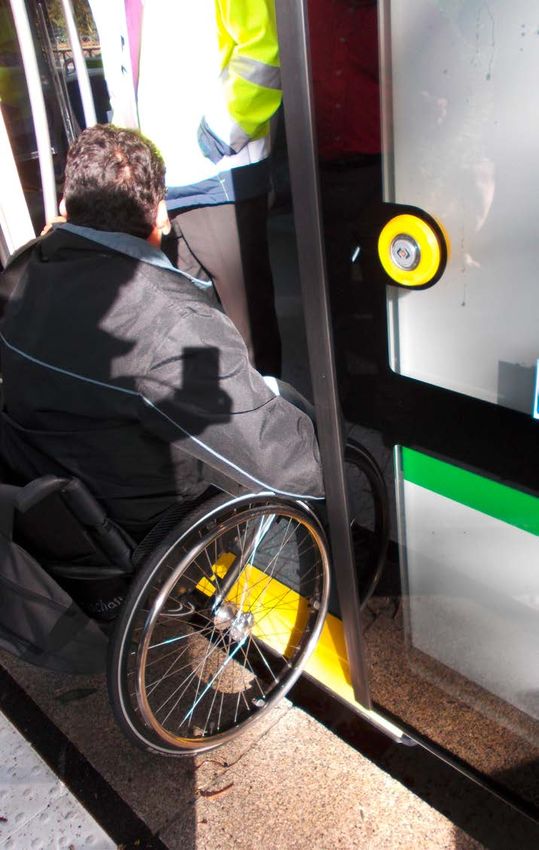
7

give feedback and reviews on the individual        In the Mobidat project, people with different
entries on the internet.                           disabilities are always included as workers.
                                                   For example, within the framework of a large
Funding                                            employment promotion programme from 2009
                                                   to 2011, some 40 severely disabled employees
Financial support comes from the Federal State     were hired. The fields of activity within the
of Berlin. The funds for the human resources       Mobidat project are organised in such a way
needed for data collection come from different     that they can be undertaken by people with
funding sources in the Federal Government,         different degrees of disability.
the Federal Employment Agency, the Berlin Job
Centre and the Federal State of Berlin.            This link between the social objective and the
                                                   work that needs to be done provides disabled
Research funding for the further development       people with the opportunity to help others
of the technical system comes from the             with disabilities to get more out of life in the
Federal Ministry of Education and Research         city. At the same time, Mobidat benefits from
as part of the funding priority ‘mobile into       the expertise of employees with personal
old age’ through a project entitled ‘WikiNavi’:    experience of barriers to mobility.
the development of a specific routeing
and navigation system for people with              In addition, there is regular feedback into the
physical disabilities.                             project from different organisations of disabled
                                                   and older people in the city of Berlin.
Involving disabled people
                                                      For further information contact:
Stakeholders are involved in the project through      Friedrich Kiesinger
networks of disabled and older people in Berlin.      kontakt@albatrosggmbh.de or
                                                      Thorsten Stellmacher kontakt@mobidat.net

  A member of the Mobidat staff team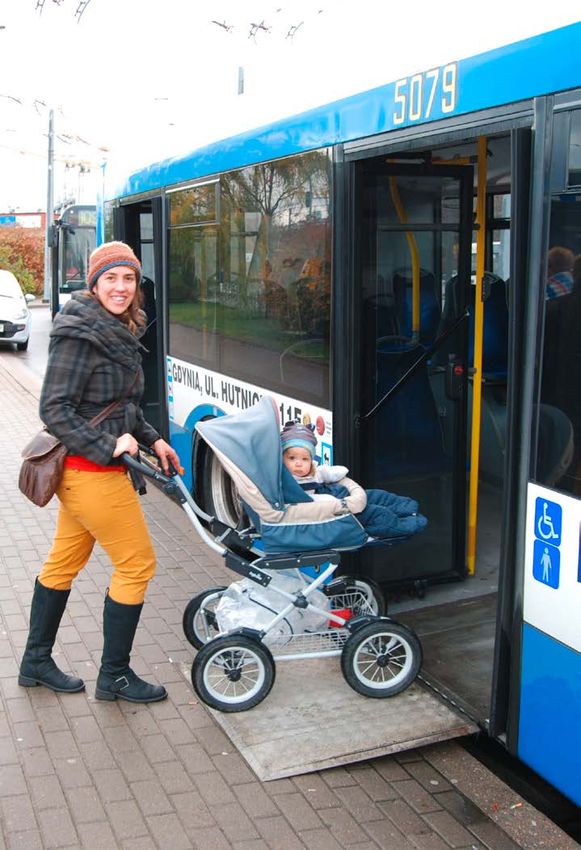
8

                                                                              Members of the Round Table

    Round Table ‘Barrier-free City’                     Commissioner for People with Disabilities also
                                                        have a seat at the Round Table.
    Berlin has set itself the objective of achieving
    accessibility without barriers for disabled and     The State Advisory Council for People with
    older people. One key tool for delivering this      Disabilities, which represents all the major
    objective is the Round Table ‘Barrier-free City’.   associations of people with disabilities in Berlin,
                                                        is also a member.
    This has been set up under the direction of the
    Senate Department for Urban Development             The Round Table meets four times a year.
    and the Environment to bring together
    stakeholders from government, business and          Terms of reference
    organisations representing disabled and older
    people. The aim is to agree on priorities and       To implement the UN Convention on the
    initiatives which will improve the accessibility    Rights of Persons with Disabilities, the Berlin
    of Berlin.                                          Senate adopted 10 disability policy guidelines
                                                        to be implemented by 2020. These policies
    Structure and organisation                          are based on a ‘design for all’ approach. This
                                                        represents a paradigm shift in city policy.
    The Round Table is chaired by the Permanent
    Secretary for Building and Housing. This means      The future task will be to ensure that all public
    that it has high-level decision-making powers.      buildings and spaces are able to be used by
                                                        everyone independently, simply, intuitively and
    It includes representatives of a wide range         comfortably. This means that special solutions
    of sectors in the economy, including tourism,       for people with disabilities will be largely
    hotels and restaurants, industry, commerce          redundant and future generations, regardless
    and transport.                                      of age, gender, ability or cultural background,
                                                        will be able to take part in social, economic
    Experts from other Senate departments and           and recreational activities as independently
    from Berlin’s boroughs as well as the Berlin        as possible.
9
Setting the agenda The goal is to establish a common platform
to bring together information, products and
The agenda is drawn up in close consultation services in the field of accessible travel and
with all members of the Round Table. A record tourism and to ensure that Berlin positions
of all meetings is written and sent to the itself both nationally and internationally as an
members for confirmation. Each member has ‘accessible city’.
the opportunity to propose topics for discussion.
For further information contact:
The work of the Round Table is coordinated by Gerd.Grenner@SenStadtUm.Berlin.de
the Senate Department for Urban Development
and the Environment. This Department also The winner of the Access•City Award gets
coordinates the EUROCITIES Working Group noticed in Japan
‘Barrier-free City for All’.
The Government of Japan has been inspired
Priority for 2013 by Berlin’s strategic approach to creating an
accessible city for all.
The priority for the coming year will be to focus
on developing Berlin as an accessible tourism PricewaterhouseCoopers Aarata (based in
venue, recognising the growing demand for Japan), have been commissioned by the
accessible tourism. Japanese Government’s Cabinet Office to
promote the ‘FutureCity’ Initiative (see
The Senate Department for Urban http://futurecity.rro.go.jp/en/). They are
Development and Environment as the planning conducting research on environmentally-
body plays a particularly important role. This friendly and age-friendly cities around the
includes the development of quality assurance world and have visited Berlin to learn from
measures for an accessible travel and service its experience.
chain (arrival, accommodation, programme of
tourist activities, departure).
Illustrating the FutureCity network10
Nantes, France
Finalist “
T
“
he sixth largest municipality in
France, Nantes, is situated on the
Whatever is done for disabled
Loire Estuary near the Atlantic
people is also of benefit to the
coast and has a total population of majority of people.
590 000 of whom 291 000 live in Member of the Nantes Council
the city. of Disabled People
Nantes has a long-standing commitment, both out or are scheduled. 130 have already taken
political and practical, to improving facilities place and the remaining 300 are planned for
and services for disabled people across all 2013–2014.
aspects of city life. The city has taken the view
that what is good for disabled people is of Scope of the audits
benefit to everyone.
The audits of public buildings are carried out
The underlying philosophy that Nantes has either by staff of the municipality or by external
adopted is based on a cross-disciplinary consultants. In the highways and pedestrian
approach involving all areas of municipal environment, the audits form part of the City
activity and on continuous dialogue with Plan for Accessibility of Highways and Public
disabled people. Space and they are carried out by technical
staff from the municipality.
The two projects described here illustrate
the imaginative and collaborative work on Site visits are organised by technicians and the
accessibility which characterises the City city’s Department of Disability at the request
of Nantes. of disabled residents to look at local access
problems and schedule improvements.
Auditing Accessibility Involving disabled people
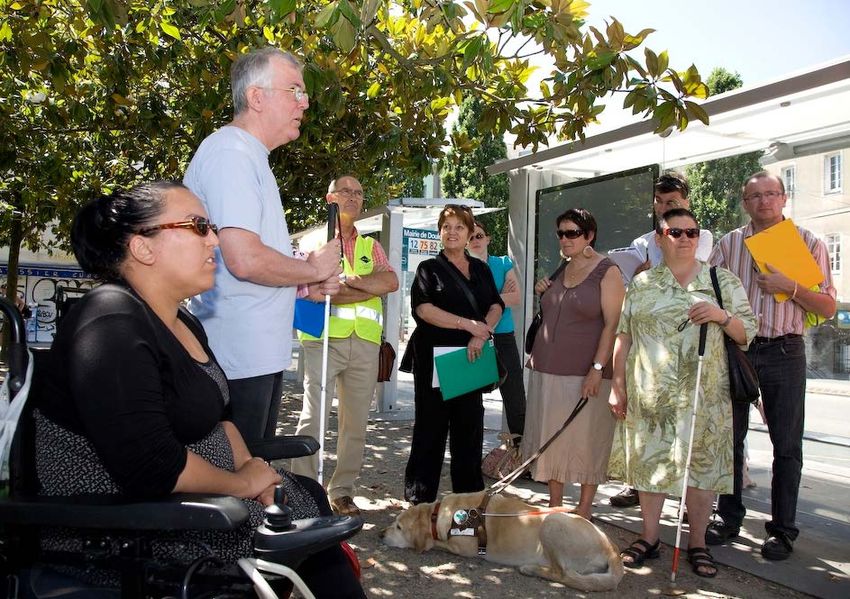
As part of the Disability Action Plan which the Site visits to audit facilities in the pedestrian
City has adopted, 430 access audits of public environment are often carried out with people
buildings and public open space (highways and with mobility difficulties and vision impairment.
the pedestrian environment) have been carried11
Testing facilities for bikes and pedestrians
Deciding priorities Paying for the audits
Priorities both for public building access and The City of Nantes pays for the audits of the
for the street and pedestrian environment are buildings and other facilities it owns, while the
agreed with the Nantes Council of Disabled owners of other buildings are required by law to
People and decisions are made on the basis of fund access audits.
levels of usage and the significance of the area
in terms of seamless travel.
Measuring accessibility
Accessibility is determined primarily in
accordance with the French National Law
of 2005 on the equality of rights and
opportunities, participation and citizenship of
disabled people and the regulations that flow
from that law.
Equally important, however, are the views of
the members of the Council of Disabled People
based on their practical experience of the area.
Delivering improvements
Once the need for particular improvements has
been identified and agreed, they are added to
the city’s rolling programme for the delivery and
funding of public works.
New tramway provides easier access for wheelchair user12
Maintaining standards people with an interest in accessible public
transport and by transport providers which have
A tracking system to monitor access a responsibility to deliver accessibility under the
improvements made to public buildings owned national law of 2005.
by the city was introduced in 2012. This
comprises an Excel spreadsheet on the city’s A team from the Department of Disability
shared intranet. Data is entered by the official works with the Nantes Council of People with
responsible for each building and includes the Disabilities (CNPH) to gather information
accessibility needs that have been defined, on every aspect of the daily living needs
the costs of improvement and the status of of disabled people, including access
the work. A similar tool for use in the area to housing, education, culture and the
of streets and pavements is currently being transport environment.
developed and the Department of Disability
organises training for technicians in the city and Involving disabled people
the metropolitan area.
Disabled people are at the heart of this and
all other initiatives of the City of Nantes. There
Ensuring accessibility of the whole are a total of 11 different workshops under the
travel experience Council of People with Disabilities, each looking
at a different topic such as employment,
Another key objective of the Disability Action housing and urban design. Sometimes there
Plan is to ensure that every stage of the is collaborative work between the Council of
journey is accessible to everyone, whatever People with Disabilities and the local councillor.
their disability. This includes upgrading parts
of the transport system that are already Reaching consensus
accessible and gradually expanding the
accessible network across the city. There can be different needs, for example
wheelchair users need a level surface, while
Identifying accessibility needs blind people need a change of level to help
them distinguish whether or not they are on
Accessibility gaps and needs are identified by the right side of a space shared by cyclists and
associations of disabled people, by other local pedestrians. In such cases, the city will work
“
“ What does the Council of Disabled People mean to me?
A huge improvement in the way we live. I believe that our
views will carry more and more weight with the City’s
decision makers.
Member of the Nantes Council of Disabled People“ 13
“ The Council of Disabled People provides a forum for
free expression among all citizens, with and without
disabilities, on the world around us and on local politics
to improve daily life in the City.
Member of the Nantes Council of People with Disability
with the different disability groups to try to find Paying for improvements
a solution that can meet everyone’s needs.
Each department of the City Council has a
Deciding priorities specific budget allocated to improvements
to meet the needs of disabled people. For
Priorities for improving accessibility to the transport and the pedestrian environment, the
public space network and for all projects finance comes directly from the municipality
are agreed by the Department of Disability, and the metropolitan area.
members of the Council of People with
Disabilities and the local councillor. For further information contact:
Liliane.MONIER@nantesmetropole.fr
In addition, professionals from the city and
the metropolitan area are involved in setting
priorities in order to guarantee follow-up.
Consulting with disabled people
on access improvements14
Stockholm, Sweden
Finalist
S
tockholm, Sweden’s capital city, has a Priority targets
population of nearly 869 000. It was
founded in the mid-13th century and is In 2011, Stockholm’s City Council decided on
located on 14 islands around one of Europe’s seven priority targets for the years 2011–2016
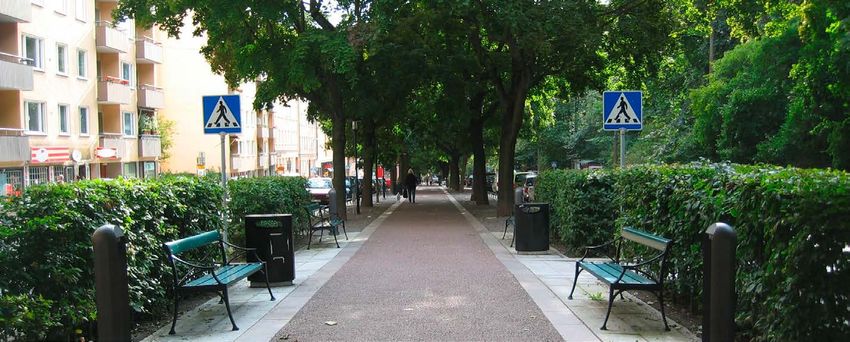
largest mediaeval city centres. to increase the participation of people with
disabilities in the life of the city:
The city has a long-standing commitment to
accessibility and has been running extensive 1. Everyone must be able to travel around,
accessibility programmes since 1999. It was visit and enjoy Stockholm’s indoor and
the first city in Sweden to acquire a Disability outdoor environment.
Ombudsman in 2002. It also has a Vice-Mayor 2. Everyone must be able to receive
for accessibility. information and to communicate on the
basis of their individual needs.
The three projects described here underline 3. Everyone must be treated with
that accessibility is embedded within both the understanding and respect and be
political and executive functioning of every personally involved in decisions on all
aspect of life in the city. issues that apply to him or her.
4. All children, adolescents and adults must
be able to participate in education and
Participation programme for people receive the support that is required to
with disabilities 2011–2016 attain their goals.
5. Everyone’s capacity to work must
Stockholm’s programme for people with be utilised.
disabilities is one of the city’s key policies. It is 6. Everyone must have accommodation that
a directive for all of the city’s committees and is individually adapted to their needs.
company boards. The underlying principles of 7. Everyone must be given the necessary
the programme are the UN Convention on the means to participate in and benefit from
Rights of Persons with Disabilities, the goals of leisure activities.
the Swedish National Action Plan 2011–2015,
and the city’s Vision 2030.15
Accessible pedestrian route
Delivering results Advisory Councils for Disability Issues linked
to every committee and company board,
The City Council sets the budget for and which include representation from disability
governs all city operations. In the budget, organisations, actively contribute to operational
the City Council establishes a number of planning and monitoring of the results on
indicators and activities that will contribute to disability issues.
the achievement of the disability policy goals.
Committees and company boards must decide The Ombudsman for Disability Issues also
which three relevant activities will be prioritised monitors disability-related responsibilities,
during the financial year to contribute to including developing procedures for dealing
achieving the targets. with ongoing problems and proposing corrective
measures. The committees and company
Monitoring accessibility boards are responsible for quality assurance
and handling complaints.
All committees and company boards report
their progress in achieving targets both in four- Indicators
monthly reports and in the annual financial
statement. The goals relating to accessibility The Participation Programme for People with
are monitored through the city’s monitoring and Disabilities comprises a range of indicators
follow-up system (ILS).
“
“ The ramp is a real boon, people coming here keep
telling us. The lift too is very smart and functional.
We’re so glad not having to send people round
to the back entrance anymore.
Mårten Castenfors, Director of Liljevalchs Art Gallery
in Stockholm16
to measure the extent to which accessibility The Ombudsman’s four main
targets are met. These include: responsibilities are:
• the proportion of the city’s indoor and 1. To follow external developments and share
outdoor environments that comply with knowledge and experience within the city’s
the applicable building regulations; committees and companies.
• the proportion of disabled people who 2. To monitor the enforcement of legislation,
perceive that the city’s indoor and outdoor city guidelines, policy statements and
environments are accessible and usable; projects at municipal level.
• the proportion of disabled people who 3. To provide information, advice and
perceive that they can access and guidance to individuals, organisations,
understand the city’s information; committees, boards, public agencies
• the proportion of the city’s e-services that and others.
are accessible to people with disabilities. 4. To develop good cooperation with
relevant central government bodies, the
Ensuring compliance regional County Council and the city’s
own operations.
There are no sanctions or penalties for
non-compliance. The city Executive Office
ensures through follow-up that objectives Handbook for the design
are achieved and that the committees of an accessible and useable
and company boards implement their environment
respective activities.
The ‘Handbook for the design of an accessible
The role of elected disability officials and useable environment’ is the third version
of design programmes developed by the City
The Vice-Mayor for Social Affairs has a special of Stockholm. The compilation of the two
focus on accessibility and equal opportunities earlier versions entailed extensive dialogue
for people with disabilities in the City with disability organisations. A major goal has
of Stockholm. been to clarify the building legislation and to
supplement it with Stockholm’s design principles.
The Vice-Mayor monitors all areas related
to accessibility and disability in the city. The The inventory
Vice-Mayor participates in the decision-making
and deliberations of the governing coalition A network of routes important for accessibility
and ensures that the disability perspective is has been agreed and comprises essential
maintained within the city’s different fields of streets, walkways, park paths, etc. The mapping
responsibility and policy (e.g. social affairs, city was produced in cooperation with the local
planning, culture, sports, housing). Advisory Councils for Disability Issues in the
respective city districts.
The Ombudsman for Disability Issues is a city
official appointed through ordinary recruitment Prioritised routes, junctions and public transport
from interested and qualified applicants. The nodes, such as areas in the proximity of
Ombudsman operates directly under the city underground stations and railway stations, have
Executive Board. been audited and an inventory of all key features“
“
17
You need to think holistically when rebuilding a
neighbourhood. The kerbstones at the bus stop have
to be as high as possible, but then it’s very important
that people should be able to reach the bus stop by way
of accessible crossings and passages.
Pernilla Johnni, District Accessibility Inspector
drawn up. These audits have included pedestrian Deciding priorities
crossings, bus stops, stairs, seats and obstacles.
A more detailed audit of the public transport The planned accessibility measures are
hubs has been conducted, e.g. of orientation prioritised based on the inventories and are
options and parking spaces for disabled people. compiled in an action plan. The action plan
The inventory has been conducted with the aid is reviewed by the Traffic Administration’s
of hand-held computers and all the data has Advisory Council for Disability Issues and is
been collected in a database for processing subject to political decision.
and analysis. The inventory was carried out by
students over summer. Dealing with problems
Resolving conflicting needs Problems are identified through the information
gathered in the inventory. Inadequacies can
The experience shows that conflicting needs also be reported by the public. Reports can
of different disability groups have not been be made by telephone, via an app or on the
a problem. Straightforward and constructive city’s website.
dialogue has produced solutions that work for
everyone. The so-called Stockholm Model for Inadequacies that are highlighted through
pedestrian crossings is an example of this, with the inventories are addressed gradually by
one part of the crossing containing a ramp means of yearly action plans or as part of
and the rest constructed with kerbstones and refurbishment projects. Priority is given to
contrast markings. problems reported by the public.
Funding
For the years 2013–2015,
funds are designated for
reconstruction and for
tackling shortcomings in the
existing environment. There
is always a risk of budget
cuts, but there is a political
consensus that disability
issues are important and that
Pedestrian crossing designed to meet the Stockholm must be a city
needs of blind people and wheelchair users“
“
18
A great supplement that I can use when I need it.
It provides the kind of navigation aids that my
stick fails to provide.
Users of the e-Adept system
for everyone. Aside from funds earmarked for The entire City of Stockholm is covered.
accessibility measures, all regular projects must
include measures to ensure good accessibility Users
for disabled people.
The service has been developed for people
with impaired vision, but has great potential
e-Adept: digital pedestrian network for further development. Possible groups are
people with cognitive disabilities as well as
e-Adept is a cooperative project for personal tourists and visitors. In order to utilise the
navigation, travel planning and safety. The service, a mobile telephone with Symbian 60,
aim of the project is to increase pedestrian the appropriate software, and a positioning box
accessibility for older people and people is required.
with disabilities.
Funding
The service facilities are offered via a mobile
telephone. Positioning equipment is connected Development costs have been divided between
to the hand unit. The positioning unit is based the City of Stockholm, the Swedish Post and
on GPS and inertia navigation equipment. The Telecom Authority (PTS) and the Swedish
combination of these technologies allows for Transport Administration (Trafikverket).
navigation both outside and indoors. Discussions on how the final service is to be
established are under way.
Unlike many existing navigation solutions,
e-Adept is based on a digitalised road network User training
for pedestrians and cyclists. Combined with
a precise and reliable positioning system, Those who have tested and evaluated the
the e-Adept solution provides a much more service during the development phase have
detailed route indication for the pedestrian user received instructions and have had access to
than the use of road maps aimed at car drivers. support. A users’ manual and a ‘cheat sheet’
The pedestrian route network also makes have been developed.
it possible for the user to be guided along
sidewalks, pathways and pedestrian crossings. For further information contact:
annika.raab@stockholm.se
The user receives information on his or her
mobile telephone, both as a spoken message
and as an illustration on a map.19
Gdynia, Poland
Special mention for transport
and related infrastructure
L
ocated on the Baltic Sea, Gdynia where not all vehicles and infrastructure
is a relatively young city and was are accessible.
developed together with the construction
of the port in the 1920s. It has a population
of just under 250 000. Training public transport drivers
For the past two decades, the city has Training of public transport drivers in Gdynia is
maintained a comprehensive policy to make delivered by individual carriers operating in the
Gdynia accessible to all citizens both in terms city, as a requirement of their contracts with
of removing barriers and in terms of promoting the city Transport Authority. The results of the
awareness and understanding of disability. training are verified through external tests –
in both written and oral form.
An important part of that policy is the systematic
training of public transport drivers to understand Passing the tests is a non-negotiable
and meet the needs of passengers with disabilities. requirement for taking up a job as a driver.
Each training session covers passenger service
Gdynia received a special mention for this (including passengers with disabilities) and
transport initiative. service quality.
The project described here underlines the Applicants who want to drive demand-
importance of investing in staff training, even responsive minibuses specifically for disabled
“
people have to undergo more thorough
“ I’m impressed by the comprehensive and far-reaching
way in which Gdynia approaches the issue of accessibility.
Year by year, the City consistently eliminates barriers that
contribute to social exclusion of people with disabilities.
Piotr Pawłowski, President of the Friends of Integration Association20
training. This includes a practical part, during There is also evidence that the training has
which would-be drivers observe their more influenced the quality of life of disabled people
experienced colleagues at work. in Gdynia by improving their comfort and
confidence to travel.
Basic training takes on average one week,
but precise timing depends on the ability of Funding
the individual driver. Extended training can
last up to two weeks. The training has to be The cost of basic training is covered by the
repeated only for drivers who receive more transport provider, but the extended training
than 10 contractual penalties or legitimate programme is funded on a 50/50 basis by the
complaints in the course of a year. company and the applicant for the driving job.
Benefits of training Future plans
People who have undergone the training The training programme will continue, as there
show higher levels of understanding in their is still much to be done in this field.
everyday work. They know how to interact with
a disabled person and are more willing to help. For further information contact:
j.leman@gdynia.pl
Low-floor accessible buses benefit everyone
Reducing the gap for wheelchair users: the result
of driver training21
Bilbao, Spain
Special mention for information,
communication and ICT
B
ilbao is a city in northern Spain and is Development of Municipal Portal
the capital of the province of Biscay www.Bilbao.net
in the autonomous community of the
Basque Country. With an area of 40.65 km2 and www.Bilbao.net is a municipal website
a population of about 355 000, it is the main city giving information on every aspect of life in
in a metropolitan area of 900 000 inhabitants the city, including transport, activities and
along the banks of the Nervión river. leisure facilities.
Bilbao received a special mention for its use The City of Bilbao has made a commitment
of information and communication technology that the website should be accessible in order
(ICT) to the benefit of people with disabilities. to provide equal access and equal opportunity
to people with disabilities. The city believes
The project described here demonstrates that an accessible Web can also help people
the city’s commitment to equal access for all with disabilities to participate more actively
citizens to information about every aspect in society.
of city life.
“ The Municipal Portal of Bilbao aims to provide universal
access and, as part of that commitment, has obtained
independent certification of the website’s accessibility. Other
accessible technical facilities include information by telephone
and online services. There are 20 accessible electronic offices
called ‘Bilbao Click’, while videoconference services are also
offered to sign language users.
Cristina Rodríguez-Porrero Miret, Director of CEAPAT-IMSERSO
“22
Screenshot from www.Bilbao.net – tabbed
browsing, an alternative to using a mouse
Accessibility features • shortcuts and hotkeys: keyboard shortcuts
that provide quick access to key points of
The website is designed to meet the needs the various web pages;
of the majority of disabilities (physical, visual, • text sizes and interface: all font sizes and
hearing and cognitive), and also the needs of other site elements can be changed using
older people. People with hearing and vision the controls of each browser.
impairments in particular have been involved in
the development. Funding
www.Bilbao.net has been developed using The website is funded through the City’s budget
accessible design and programming, with and continuity has been assured for 2013.
the goal of ensuring universal access to as
many users as possible. These criteria are Future developments
based on the WCAG / WAI recommendations
of the World Wide Web Consortium (W3C), an The goal over the coming years is to achieve
international consortium that is responsible compliance level ‘AAA’ in the Accessibility
for the supervision of internet technologies Guidelines, recommended by the working group
and standards. of the W3C WAI.
Features of www.Bilbao.net include: For further information contact:
e.sanz@ayto.bilbao.net
• adaptation of the content of the website
for users of sign language;
• implementation of a ReadSpeaker tool
that converts content into high quality
digital speech;23
Pamplona, Spain
Special mention for built environment
and public spaces
P
amplona, in northern Spain, is the capital Rehabilitation of the fortified
city of the autonomous region of Navarra enclosure and the Citadel and
and has a population of just under restoration of the walls and other
200 000. The old fortified city has been expanded aspects of the historic city
and developed over the years, with the modern
city comprising both the old town and more recent The project comprises rehabilitation of the
developments. The combination of old and new ancient fortified enclosure and the Citadel. This
and the city’s location spanning the river Arga has included restoration of a 5 km path along
present particular challenges for accessibility. the walls that surround the city.
Pamplona has been given a special mention In addition, there is a four-year plan to renovate
for its accessible urban environment and the local infrastructure both in the old town and
sustainable environmental policies. in newer developments in the city. This includes
pavement improvements and urban furniture
The project described here demonstrates the renovation: 100 % of the pavements have been
possibilities of achieving good access even in lowered; accessible playgrounds and fitness
historic cities with challenging terrain. parks for older people have been introduced.
Easy access to the Citadel“
24
The accessibility in the historic part of the city includes the
possibility for everybody to visit the walls and old buildings
and to walk by the river, where they will find new innovative
bridges and lifts, lighting, accessible signals and interactive
information for all visitors.
The playgrounds and fitness parks for elderly persons have
“
been designed to meet all accessibility criteria.
Cristina Rodríguez-Porrero Miret, Director of CEAPAT-IMSERSO
Furthermore, nine lifts (and four more planned), Two areas are not currently accessible, however
two ramps or escalators and six footbridges there are plans to add lifts.
have been built to overcome obstacles and
solve accessibility problems. Involving disabled people
Reconciling the need to preserve The project has been carried out in close
the historic integrity with the demands collaboration with wheelchair users, people
of accessibility with mobility difficulties, blind people in the
city, and regional disability associations.
Pamplona has created a completely accessible
tour of the walls by building roads and Funding
walkways that meet accessibility standards.
They have also introduced accessible This project has been built in phases to spread
information panels explaining the history. the cost. Funding has come from a range of
sources including local (City of Pamplona),
All the access improvements were designed in autonomous region (Navarra), and Central
a way that respects the architectural heritage Government (1 % from the Government of
and were carried out with the permission and Spain’s Cultural and Local Investment Fund).
supervision of the National Organisation for
the Protection of Heritage. All materials and For further information contact:
specifications were approved in advance. ji.alfonso@pamplona.es25
Tallaght, Ireland
Special mention for accessible services and facilities
T
allaght is the main ‘County Town’ for lighting, drainage, graffiti, illegal dumping and
South Dublin County. Its growth from a road and footpath maintenance to their local
village of 2 500 people in the mid-1960s authority. The scheme was piloted in South
to the present day population of approximately Dublin County Council and has now been rolled
83 152 has made Tallaght one of Ireland’s out nationally.
major urban centres. It has extensive residential
and employment areas and is served by a The technology
range of social, civic and commercial facilities,
and a number of new public spaces linked by a www.fixyourstreet.ie features interactive
high quality, accessible pedestrian network. content which is crowd-sourced but moderated
by the Council to ensure a safe browsing
The project described is an example of a experience for users of the service. The Citizen
scheme for all citizens, which has proved to be becomes the ‘sensor’ on the ground in order to
particularly useful to disabled and older people. advise the local authority of issues of interest
and/or concern in the local area.
Fixyourstreet.ie: publicly accessible The website itself www.fixyourstreet.ie is
website mobile-enabled, providing a simple interface
for viewing and reporting issues through the
Launched in August 2011, www.fixyourstreet.ie mobile phone web browser. Fix Your Street also
is a publicly accessible website with associated supports Twitter and email reporting of issues
mobile phone technologies to enable citizens
to report non-emergency issues such as street
to the local authority.
“
“ ‘Can’t be done’ is never accepted as an excuse not to
include disabled people. In South Dublin County
Council, it’s certainly a policy of Access ALL areas.
Carolyn, disabled resident, South Dublin County“
“
26
The upgrade work carried out throughout the county on
designated parking spaces and the addition of new ones
has proved of great benefit to disabled drivers like me.
Michael, disabled resident, South Dublin County
Response times Feedback from disabled people has been
very positive.
Whenever possible, issues are resolved within
48 hours. However, most issues require a number Funding
of steps to be taken, and so a guaranteed
response is received by the citizen within two Fix Your Street has been deployed using open
working days, advising them what action is being source software so there has been no software
taken / will be taken to resolve the matter. As purchase or ongoing licensing costs. The costs
actions are taken, the report is updated on thus far relate to the graphic design and branding
www.fixyourstreet.ie. The initiative is based on works required and some development of a
the concept of open data, and all reported issues, related theme to apply to the website. These
including the Council’s response, are kept in public costs are one off. The mobile apps are also based
view so there is openness and transparency. on a one off procurement cost and have no
ongoing cost implications in their present form.
Take up by disabled people
The operation of the service has the ongoing
www.fixyourstreet.ie was not designed with the costs of staff resources required to moderate
specific goal of enabling disabled people to bring the reports and respond to calls, however it is
access issues to the attention of the local authority. measurably more sustainable and more cost
However, this initiative has shown potential for effective for reports of issues to be dealt with
identifying and resolving urgent access issues through an online service such as Fix Your
which result in barriers for disabled people. Street than by more traditional means.
Logo for Fix Your
The category that has been found to have the
Street website
most impact on disabled pedestrians is road
and path defects. In 2012, South Dublin County
Council received 4 648 reports of issues requiring
attention in the County via www.fixyourstreet.ie.
The ‘Road or path defects’ category accounted for
622 of those reports.
Examples of actions undertaken, which have For further information contact:
improved access, include the repair of damaged hello@fixyourstreet.ie
dished paths to make road crossing safer for
wheelchair users, widening of narrow footpaths,
repair of broken footpaths and installation of a
designated accessible parking space.27
Participating in the
Access•City Award 2014
T
he Access•City Award is organised by Studying the questions in the application
the European Commission with the form is an excellent way to analyse your
involvement of the European Disability accessibility policies and identify their strengths
Forum. It aims to encourage cities to share their and weaknesses.
experience and to improve accessibility for the
benefit of all. Who can apply?
Would you like to have your city projects The applicant must be a government authority
featured in the next booklet of the Access•City of a city of over 50 000 inhabitants in one
Award? Do you want to share your experiences of the EU Member States. In Member States
and actions with other cities? with fewer than two such cities, urban areas
composed of two or more towns may also
We need your participation, so please take part participate if their combined population
in Access•City Award 2014! exceeds 50 000 inhabitants.
The launch of the fourth award is expected As the Access•City Award cannot be won by the
to take place in May 2013. same city in two consecutive years, the winning
city in 2013 is not invited to take part again
Applications must be made by completing and in 2014.
submitting the online application form by the
set deadline. All other cities, including the runners-up, the
finalists and those receiving special mentions,
Detailed information will be available at: are encouraged to participate again.
www.accesscityaward.eu
Selection process
Participating in the Access•City Award initiative
is not only an opportunity to win and be The Juries will consider measures taken and
recognised, but also a unique chance to planned in the following areas:
review the current situation in your city for
your own internal auditing purposes and to • Built environment and public spaces
measure progress. • Transport and related infrastructure28
• Information and communication, including The National Juries select a maximum
new technologies (ICTs) of three cities (called national candidates)
• Public facilities and services from among the national applicants using
the evaluation criteria provided by the
The Juries will evaluate the applications taking European Commission.
into account the following 5 criteria:
The national candidates are put forward to the
1. Scope of the actions second phase of the competition and assessed
2. Ownership, level of commitment by the European Jury.
3. Impact
4. Quality and sustainability of results The winner of the Access•City Award 2014
5. Involvement of people with disabilities and will be announced on 3 December 2013. The
relevant partners ceremony is part of the annual European
Day of People with Disabilities Conference
The selection process is divided into two organised in close cooperation with the
phases: pre-selection at national level and final European Disability Forum in Brussels.
selection at European level.
The Access•City Award Secretariat
The Juries are composed of accessibility
experts, public authorities and representatives The application process and the work of
of the European Disability Forum and the the Jury are facilitated by the Access•City
AGE Platform. Award Secretariat. If you need any additional
information, please contact:
secretariat@accesscityaward.eu
The new design of the trophy handed to the winner of
the Access•City Award 2013. The trophy was designed
for first time by the Polish artist, Emilia BOGUCKA, for
the European Commission annual award.European Commission Access•City Award 2013: Inspiring EU cities to become more accessible Luxembourg: Publications Office of the European Union 2013 — 28 pp. — 17.6 x 25 cm ISBN 978-92-79-28190-7 doi:10.2838/41147
DS-30-13-189-EN-C

doi:10.2838/41147
You can also read


