Better Together Greater Manchester Strategy 2013 - Manchester City Council
←
→
Page content transcription
If your browser does not render page correctly, please read the page content below
1

  Better Together
Greater Manchester Strategy 2013
2

                                                3
                                            Foreword

                                                 6
                                           Introduction

                                                 7
                                   A dynamic, changing landscape

                                                10
                                           The challenge

                                               14
                                         The opportunity

                                                 20
                                        An ideal for living:
                                     our vision and objectives

                                                22
                                           Our response

                                                24
                                      Growth – Our priorities

                                                48
                                      Reform – Our priorities

                                                65
                                        Making it happen –
                                          Governance

                                                66
                                        Making it happen –
                                         Implementation

                                               68
                                       Making it happen –
                                      Managing performance

                                                70
                                        Making it happen –
                                           Investment

Cover image courtesy of the
University of Manchester Library
3

Foreword

4

Foreword

The Greater Manchester Strategy (GMS)                It is the shared vision of our partnerships
published in 2009 was the response to the            across GM and the strategy will enable us to
Manchester Independent Economic Review               work together and galvanise the support of
– the most robust economic analysis ever             the local and national stakeholders who can
undertaken of a city, led by global experts.         contribute to our future success.
It was a worthy response and formed the
basis for the establishment of the Greater           Part of the solution is building on the solid
Manchester Combined Authority and the Local          foundations we have made – capitalising
Enterprise Partnership. It also provided a solid     on the diversity and strengths of our assets
platform for Greater Manchester’s engagement         right across Greater Manchester. We must
with government.                                     continue to work hard to ensure that there
                                                     are opportunities for all residents and all
However, since that publication there have           communities to contribute to and share in
been significant changes, which have                 prosperity. The need to understand our unique
prompted the need for a fresh analysis of our        histories, heritage and challenges is central
priorities. For all the evidence of progress,        if we are to overcome those challenges and
the problems we face remain profound.                fulfil our potential. GM was built on radicalism
The global economic downturn has created             – the original modern city – and that sense of
unprecedented and extremely difficult                entrepreneurialism will be needed again if we
economic conditions within which growth              are to prosper in what is going to be a difficult
has to be delivered, and these challenges are        period.
likely to persist. Yet the rapidly changing global
economic context, the rise of new economies          GM must become more confident and resilient
on the world stage and the relative decline          in its approach to our collective challenges. We
of the West provide opportunities as well as         must author our own future by making plans
challenges.                                          that we are confident will be implemented in
                                                     the current financial climate. That is why we
This revised strategy is about embedding a           have taken the opportunity to look again at
new boldness at the heart of all our collective      our priorities, ensuring that our response to
endeavours to enable us to rise to the               the challenges that we face is one that will
challenges and exploit opportunities, both           promote growth and secure radical public
internationally and closer to home.                  sector reform across Greater Manchester
                                                     to deliver the prosperity that we seek for
Our governance arrangements in GM continue           everyone; for all our citizens and in all our
to strengthen and mature. This has enabled           places.
us to secure a range of bespoke agreements
with government in our City Deal, helping            Lord Peter Smith, Chair, GMCA
to empower us to make our own decisions              Mike Blackburn, Chair, GM LEP
about what is needed to support growth.
These unique governance arrangements are
supported by an increasingly streamlined set
of delivery structures and a new cross-partner
focus on public service reform. This refresh of
the GMS sets out what can be done to realise
Greater Manchester’s full potential.
5

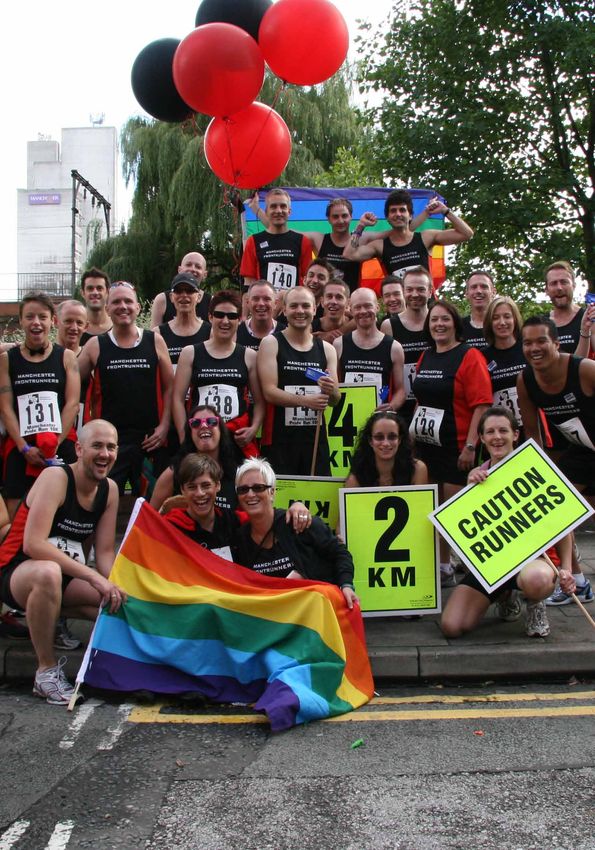
Image courtesy of Manchester Pride
6

Introduction

We have achieved much in the years between          Our investment in a 21st century transport
2009 and 2013, including the establishment of       system, including the expansion of the
the UK’s first Combined Authority and our Local     Metrolink and our support of the Northern Hub
Enterprise Partnership, agreement of the first      rail schemes, demonstrates our determination
City Deal and piloting new ways of delivering       to continually improve the transport offer,
public services through Greater Manchester’s        and to encourage the development of
status as a Whole Place Community Budget            further transformative proposals such as
Pilot. We have established a GM investment          the devolution of rail franchising and the
framework for growth, which includes the GM         development of High Speed Rail.
Evergreen Fund to be used to finance major
developments and the £1.5 billion Greater           But we are well aware that much more needs
Manchester Transport Fund (GMTF), and have          to be done if we are to realise the full potential
taken responsiblity for allocating our Regional     of Greater Manchester. This revised Greater
Growth Fund resources and the                       Manchester strategy sets out our approach.
Growing Places Fund.

By prioritising projects on the basis of
economic and employment benefits, we have
been awarded funding that will better support
the growth of GM businesses. Airport City
has been designated an Enterprise Zone;
MediaCityUK is a national hub for digital and
creative industries; and we have secured
investment in transformational initiatives,
such as the establishment of the National
Graphene Institute and the Sharp Project.
We have created the UK’s first Low Carbon
Hub to pioneer new ways to deliver a low
carbon economy and have successfully worked
with other cities to make the case for greater
investment in the North on the basis that it will
help to grow the UK economy as a whole.
7

A dynamic, changing
     landscape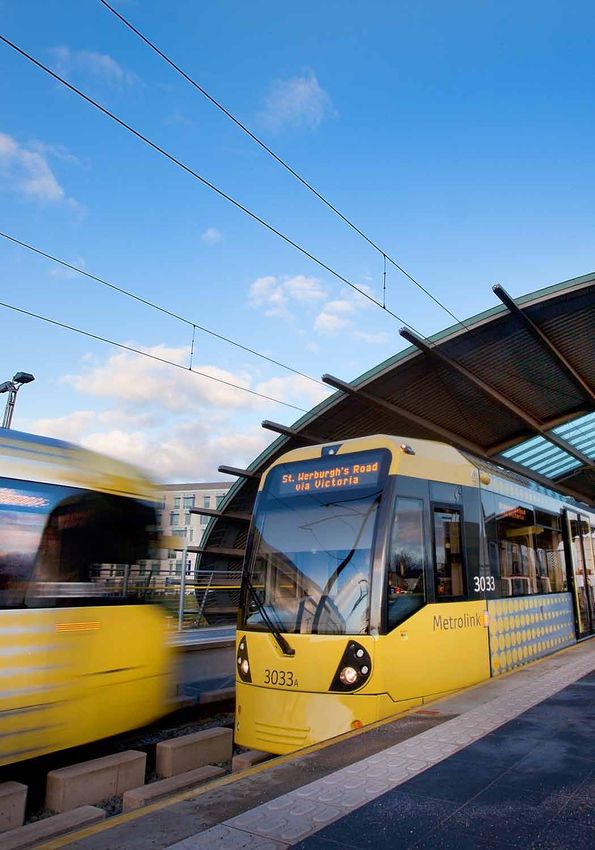
8

A dynamic, changing
landscape

The circumstances in which we operate            Although it has performed better than the
have changed drastically since publication of    wider North West region, Greater Manchester
the first GMS in 2009. The global economic       has not been immune to this global and
downturn has created unprecedented               national downturn. Unemployment has
economic conditions, making the delivery         increased by 24,500 since 2008 and the
of GM’s ambitious growth objectives more         number of active businesses has decreased
challenging than ever.                           by over 1,000 whilst local housing markets
                                                 remain stagnant. The 2008 GM Forecasting
The recession has been much longer and           Model expected the number of jobs to rise
more severe than expected. The economies         by 0.5% and GVA to increase by £2.3 billion
of Europe have struggled, with a 0.6% fall in    by 2012. In fact, job numbers have fallen by
GDP in the Eurozone in 2012. As GM’s main        2.2% and GVA increased by just by £1.1 billion.
trading partners, this has had a significant     Despite the reductions in funding as a result
impact on GM’s ability to drive growth.          of the last Comprehensive Spending Review,
Growth in the global economy has been            public sector spend across GM is increasing,
driven by emerging markets such as China,        with reductions in spend in one area offset
emphasising the importance of expanding          by increases in others, particularly the costs
and diversifying GM’s international reach.       associated with welfare benefits. Significant
                                                 reforms have been made to welfare, with the
UK economic forecasts have been repeatedly       total impact of welfare reform expected to
downgraded. In 2010, the Office for Budget       reach approximately £1 billion by 2015 across
Responsibility (OBR) estimated that growth       Greater Manchester. Local authorities have also
would be 2.6% in 2012 and 2.9% in 2013. In       seen their formula grant alone fall by 18%, with
fact, 2012 saw a contraction of 0.1% and the     other significant budgets such the Working
OBR is now forecasting that the economy          Neighbourhood Fund being closed altogether.
will expand by just 0.6% in 2013. In addition,
significant spending reductions have been        The effects of the economic downturn,
made across government with a total impact       the reductions in public sector funding,
of approximately £123 billion.                   and the broader impacts of welfare reform
                                                 together present a particular challenge for
The North West has been one of the               individuals and families living on low incomes,
hardest hit regions with a 0.7% decrease in      particularly in the conurbation’s most deprived
employment in 2011 and only a 0.3% increase      neighbourhoods. The cost of providing public
in GVA in the same year. The Northwest           sector services is becoming increasingly
Development Agency closed in March 2012,         unsustainable, with a greater proportion spent
which saw the loss of their funding, worth       on the costs of dependency and less on
£500 million at its peak.                        opportunities to increase growth and reduce
                                                 the demand for those services.

                                                 In the light of these global, national and local
                                                 changes, we must review and refresh our
                                                 strategic approach.
9

Image courtesy of Dig the City
10

The challenge
11

The challenge

Manchester’s population is the fastest             Despite the recession, Greater Manchester’s
growing in the UK, which presents a massive        economy has been shown to be more robust
opportunity to link the jobs we create with high   than most of the rest of the UK economy.
quality places to live so people are encouraged    Greater Manchester generates £48 billion GVA,
to stay and contribute to our success. But         a 4% share of the national economy, and is the
there are also huge challenges: an ageing          UK city region outside of London most likely to
population, concentrations of unemployment         be able to increase its long-term growth rate,
and low skills and changes to the welfare          to access international networks and enjoy
system mean that demand for services will          strong connections to the rest of the world.
only increase without radical reforms to           However, given the size of the GM economy,
improve the effectiveness of services, increase    we should be achieving more. We are currently
the self-reliance of our people and reduce         a ‘cost centre’ for the UK, requiring £22 billion
demand for those services.                         of public spending but only generating £17
                                                   billion in taxes. The aspiration is for Greater
The rapidly changing global economic context       Manchester to close and then eliminate that
and the rise of new economies provides             £5 billion deficit to become a net contributor to
opportunities as well as challenges. But it is     the national economy.
clear that 21st century cities like Manchester
need to do better even just to stand still.        The Manchester Independent Economic
We need to anticipate what is coming and           Review (MIER) estimated that a quarter of the
be much bolder in our response.                    productivity gap between Greater Manchester
                                                   and the UK as a whole is caused by higher
                                                   than average levels of worklessness and low
                                                   levels of economic activity. The other three
                                                   quarters is caused by lower levels of economic
                                                   output, with people in work not as productive
                                                   as elsewhere in the country. Low skill levels
                                                   are a key contributing factor to this.

Greater Manchester
generates £48 billion
GVA, a 4% share of the
national economy
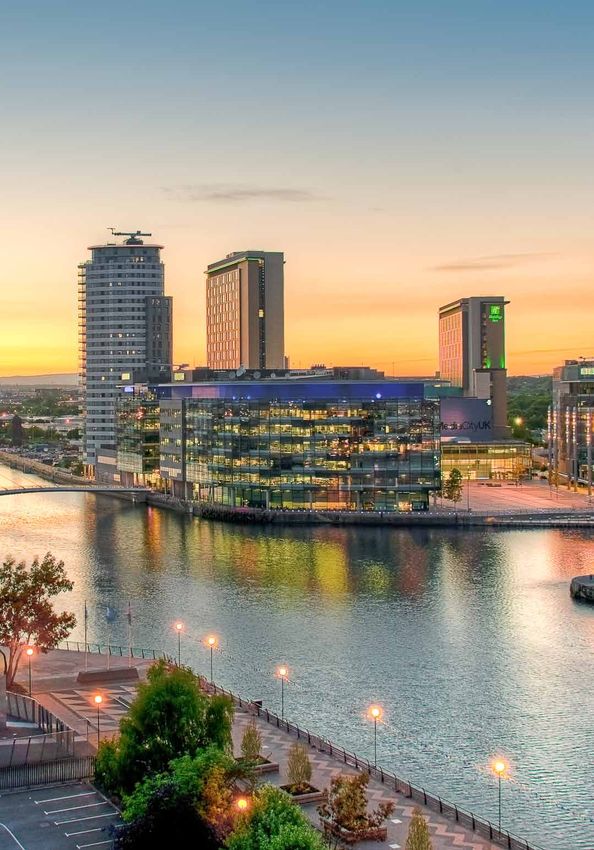
12 MediaCity UK
13

The challenge

The proportion of GM residents with no         Put simply, we need to reduce demand for
qualifications is higher than the UK average.  public services by helping our residents to
Across GM, 11.6% of people have no             become more self-reliant, get back into work,
qualifications compared to 9.9% across the     gain better quality work and remain in work.
UK. This means that a greater proportion of    We need to challenge the social norms, which
people in GM are unlikely to have the skills   foster dependency on support, and promote a
necessary to be successful in the modern       culture of resilience and enterprise. We need
economy and, as a result, more likely to be    to align our skill base with the jobs generated
workless and suffer the effects of deprivation.through economic growth to increase the
                                               productivity of GM’s businesses. We need to
Unemployment has risen sharply since the       understand the changing demand for labour
start of the recession. The number of people   – by 2020, half of all jobs will require Level 3
claiming Jobseeker’s Allowance (JSA) in        skills or above – and we need to ensure that
Greater Manchester almost doubled from         our residents have the skills required to meet
41,845 in January 2008 to 79,275 in June 2013. the demands of employers.
Young people have been severely affected:
one-quarter of JSA claimants are aged 16-24
and the unemployment rate for that group
                                               We must ensure that the
has risen from 6.3% to 9.8%. Long-term         jobs are available and
unemployment has also risen dramatically
with the number of people claiming JSA for
                                               accessible to our residents
more than six months more than tripling over   by repositioning Greater
threefold from 11,440 in January 2008 to
38,250 in June 2013.
                                               Manchester within changing
                                                  global markets, creating
                                                  the conditions for growth
                                                  to ensure that it is seen as a
                                                  place in which to invest, do
                                                  business, live and visit.
14 The opportunity
15

The opportunity

Creating the conditions for growth                 We need to understand the fundamental shift
                                                   in the market and how business models are
                                                   changing – this will allow us to re-examine
Addressing economic inactivity is at the heart
                                                   the role and function of our places and
of our strategy and goes hand in hand with
                                                   the offer that they can make. We need to
stimulating growth to ensure that the jobs are
                                                   understand market requirements and invest
created and safeguarded for people at all levels
                                                   what scarce public resources are available to
of the labour market.
                                                   support partners from the private sector and
                                                   social entrepreneurs in the delivery of those
The MIER identified that GM is the best-placed
                                                   requirements. We need to anticipate the
city outside London to increase its long-term
                                                   demand for flexible working space, advanced
growth rate based on its size and productive
                                                   and low carbon technology, access to research
potential. We need to create the conditions
                                                   and development, science and innovation to
that make Greater Manchester an investment
                                                   ensure that Greater Manchester is in a position
destination of choice, with all parts of the
                                                   to exploit its assets and meet the changing
conurbation fulfilling their potential and all
                                                   demands of the global economy.
residents able to contribute to and benefit from
that growth.
                                                   In the current financial climate, with restricted
                                                   funding and changing business models,
                                                   there is an increasing emphasis on value
                                                   and flexibility. To enable GM to compete, we
                                                   need to develop a clear, spatial and sectoral
                                                   understanding of occupier demand, both now
                                                   and in the future, in relation to commercial,
                                                   industrial and residential development. Our
                                                   investment strategy must be based on an
                                                   understanding of the offer required and the
                                                   creation of investment destinations that are
                                                   responsive to market demand.
16
The opportunity
Living quality lives in quality places The natural environment in GM brings great
benefits and we must protect and enhance
our blue and green infrastructure to improve
Creating quality places will be critical to
quality of life for our residents. The natural
success. We want this strategy to help deliver
environment can also contribute significantly
benefits right across Greater Manchester,
to economic growth, creating attractive places
recognising and encouraging its wide, healthy
where people want to invest and work, through
and hugely productive diversity, whether
its role in the visitor economy and through the
understood as ten local authority districts
creation of jobs and businesses that support
or as a broader collection of communities.
our green and blue assets.
This means making the most of the distinct
cultures, constituent parts and communities of
We must make our neighbourhoods
Greater Manchester.
sufficiently attractive to attract and retain the
diverse labour market required to support
It’s also important to recognise the
our growth objectives. Our neighbourhoods
importance of the relationship between GM
need to be accessible and well-connected,
and its surrounding areas; such as Cheshire,
enabling residents to access employment,
Derbyshire and Lancashire, and its access to
education, training and other opportunities.
other major conurbations such as Merseyside
Excellent schools and colleges, along with our
and the Leeds and Sheffield city regions.
world class cultural, sports and other assets
We are positioned at the heart of the North,
will enable us to compete with the best cities
along the axes of the main national motorway
around the world. We will work with our
corridors and key railway connections – Greater
communities, the police and the fire service to
Manchester’s productivity and prosperity is
tackle crime and anti-social behaviour, creating
intimately connected with the wider economic
clean, green, healthy, and safe neighbourhoods
growth potential of the North.
for our people to live in and promote
independent and resilient communities. We
We need to develop the supporting
must also revitalise the town centres that lie at
infrastructure to create and strengthen local,
the heart of our communities, and continue to
national and international connections. This will
support our more deprived neighbourhoods.
help to expand the depth and breadth of our
catchment to ensure that businesses are able
to access their supply chains and move goods
and services sustainably, efficiently and cost-
effectively. We must also ensure that energy,
water, waste and digital infrastructure is in
place to support growth.17
The opportunity
Reforming public services Building on the outputs of the Whole Place
Community Budget pilot and working with
partners across GM and with Whitehall we will
The refreshed GMS places greater emphasis
implement a public service reform programme.
on the need to reform both the efficiency and
Some of our residents and families face a
effectiveness of public services. This will help
series of complex and challenging issues –
GM residents get back into work and to remain
and they require similarly complex packages
in work, both in the short-term, through our
of support. Our current models of public
work in relation to complex families, offenders,
service delivery are simply not fit to provide
health and social care and worklessness, and
this, particularly given the scale of planned
also in the longer-term through reform of early
reductions in public spending. By working
years services.
collaboratively and creatively with Whitehall,
the voluntary sector and social enterprises, we
We need to begin by working with parents to
will develop new ways of working, to deliver
make sure that every child gets the best start
more effective services. Together we will
in life and can arrive at school ready to learn.
implement a radical programme of reform to
Whole family approaches need to provide
encourage self-reliance and reduce demand for
co-ordinated and effective support to break the
public services. The benefits of this approach
cycle of poverty that too many families face.
will not only be felt in the economy and in
We also need to respond to the increasing
public sector budgets, but by residents and
pressure on services for the elderly, frail
communities through improved quality of life.
and vulnerable by exploring new models
of integrated health and social care, and
securing the best outcomes from acute
services. And we need to target public health
care interventions to reduce the number of
people requiring those services in the first
place and stem the flow of demand.18
The opportunity
Supporting business The low carbon challenge
Our success will depend on the capacity of Fundamental to our approach to growth
our businesses to grow. We need to help our must be a successful transition to a low
businesses to adapt to the changing demands carbon economy. Failure to adapt will have a
of the future, embracing the drive towards catastrophic effect on our ability to compete,
a reduction in carbon emissions, pioneering threatening infrastructure, disruption to
technological developments, and responding businesses and services and hardship for
to changing customer demand. We need to those more vulnerable neighbourhoods
be much more forward thinking in relation or groups. We must ensure that our city
to newly emerging sectors of the economy; region is resilient to the changes, protect our
such as science and technology, to understand communities from the extreme weather events
where the potential for growth and jobs lies, that are now unavoidable and plan for a future
and the offer and support required to turn that in which the availability and price of resources
potential into investment. is significantly more volatile. With more than
250,000 of our households living in fuel
We must exploit Greater Manchester’s poverty, and with energy prices a significant
unparalleled expertise in academic research cost to businesses, the delivery of an
and development in key enabling technologies affordable, efficient energy infrastructure will
to position the city region as a world-class not only increase prosperity but will also help
centre. We must also bridge the gap between to maximise jobs and growth. The low carbon
knowledge and production to ensure that more agenda also presents huge opportunities to
of the innovations developed here are taken grow our technological, knowledge and cultural
to the market place within GM, enabling us to economies and develop new skills and strong
retain the jobs and growth resulting from those supply networks, creating jobs and businesses.
developments.
We also need a greater focus on
Over the last two decades Greater
internationalisation – developing and Manchester has rediscovered
strengthening our links with new and growing the boldness it has had for over
markets such as China, India and the Middle
East, whilst maintaining our links with
two centuries. This strategy is
established markets in Europe and North about embedding that boldness
America, to increase exports and encourage at the heart of our collective
greater inward investment.
endeavours to both exploit our
opportunities and rise to the
challenges we face.19 Image courtesy of Marketing Manchester
20

   An ideal for living:
our vision and objectives
21

By 2020, the Manchester city region will have pioneered a new
model for sustainable economic growth based around a more
connected, talented and greener city region where all our
residents are able to contribute to and benefit from sustained
prosperity and enjoy a good quality of life.

We will secure our place as one of Europe’s premier city regions,
synonymous with creativity, culture, sport and the commercial exploitation
of a world-class knowledge base.

We will compete on the international stage for talent, investment, trade
and ideas.

We will be seen and experienced as a city region where all people are valued
and are able to fully participate in and benefit from the city region’s success.

We will be known for our good quality of life, our low carbon economy and
our commitment to sustainable development alongside our outstanding
natural environment.

We will create a city region where every resident, neighbourhood and every
borough can contribute to and benefit from our shared sustainable future.

We will continue to grow into a fairer, healthier, safer and more inclusive
place to live, known for excellent, efficient, value for money services and
transport choices.

We will deliver focused and collegiate leadership of Greater Manchester
based around collaboration, partnerships and a true understanding that
through collective and individual leadership we are strong.

Manchester is one of the most successful cities in the UK.
We want to become one of the most successful cities in the world.
The priorities set out in this refreshed GMS describe a programme
of bold, collective action to help shape that success.
22

Our response
23

Our response

The 2009 Greater Manchester Strategy              The quality of Greater Manchester’s places
                                                  underpins our ability to deliver on both our
set an ambitious vision for 2020 – to
                                                  growth and reform agendas. To attract talent
secure long-term economic growth                  and improve our existing residents’ quality
and enable the city region to fulfil its          of life we must create safe, sustainable,
economic potential, whilst ensuring that          healthy places for our communities to live
our residents are able to contribute to           and build enough houses of the type and
and share in that prosperity.                     tenure needed. Further, we will ensure a
                                                  more integrated transport network that better
                                                  connects neighbourhoods with areas of
Our vision remains, but we must reassess
                                                  employment and business growth. And we will
our approach to achieving it. A precondition is
                                                  protect and enhance our natural environment,
sustainable economic growth, which in turn
                                                  both to improve quality of life in all of our
requires higher productivity from a better
                                                  neighbourhoods and in recognition of its role in
functioning labour market. We must increase
                                                  economic growth.
self-reliance and reduce demand for public
services, and ensure that all parts of the city
                                                  The Greater Manchester Strategy sets out a
region and its people enjoy the improved
                                                  strong, ambitious vision for the city region and
opportunities that a stronger economy brings.
                                                  is intended to galvanise partnerships across
                                                  GM, bringing together a range of stakeholders
The route to growth lies in creating the
                                                  to deliver a shared set of strategic priorities
conditions that make GM a destination for
                                                  based on the twin themes of growth and
investment, in consolidating the existing
                                                  reform. We will work closely with those
business base and in securing a much higher
                                                  stakeholders – both with government
growth rate in key sectors where we have the
                                                  and our local partners – to develop robust
assets and advantages to succeed nationally
                                                  implementation plans that will enable us to
and internationally.
                                                  deliver those ambitions collectively.
The key to sharing prosperity is in ensuring
that more of our people are able to access the
labour market, remain in work and develop the
skills required to progress within that labour
market, improving both productivity and self-
sufficiency and reducing demand for public
services.
24 Growth
25

Creating the
conditions for growth

Reshaping our economy to meet                       We must support our key sectors, those in
new, global demands                                 which we have a competitive advantage, and
                                                    leverage our assets to grow those sectors
The global economy is going through profound        further. We have a concentration of critical
changes. These changes threaten our                 assets in the health and life sciences sector,
prosperity if we fail to adapt to them, but offer   including Manchester Science Park, The
significant opportunities if we do. We must         Christie Hospital and UK Biobank, supporting
anticipate changes in global demand and put         163,000 jobs and creating GVA of £4.7 billion.
in place the economic conditions that position      Outside London, Manchester is the UK’s
Greater Manchester to succeed.                      main centre of financial and professional
                                                    services, employing over 190,000 people
We must ensure that our offer is informed           and generating £9 billion per year of GVA.
and driven by investor demand, offering             Our creative and digital sector accounts for
value-based, flexible workspaces that               105,000 jobs creating GVA of £4.7 billion each
meet the changing demands of investors              year with national growth opportunities at
in locations where the market wants to go.          MediaCityUK and the Sharp Project. Education
We must put in place the technology offer           employs 105,000 people and adds GVA of
to support innovation in business products          £3.0 billion per year to the city. The city’s five
and service delivery across the public and          universities have over 100,000 students, the
private sectors, supporting the development of      largest concentration of students in Europe.
creative clusters and centres of research and       The discovery of Graphene at the University of
development. We must build on the benefits          Manchester is a global growth opportunity.
of our agglomeration economy to strengthen
our Regional Centre, extending it to the east
and west, and capitalise on the assets in the
‘Manchester Corridor’, our central business
and education district, critical to the flow of
people, goods and ideas through the Greater
Manchester area.
26
Creating the
conditions for growth
The low carbon and environmental goods and We will:
services sector already employs 38,000 people
»» identify the land offer required for
and is one of the fastest growing sectors in the
the development of commercial and
UK. Manchester is an internationally famous
industrial space that offers flexibility of
sporting city, home to truly global brands in
use and cost efficiency in locations where
Manchester City and Manchester United, and
the market wants to go, supported by
with firms such as Adidas and Umbro having
the infrastructure required to help
a strong presence in the city. The wider sport
businesses to grow and flourish;
sector now employs 21,000 people. And,
despite the decline of the manufacturing »» employ a cohesive, structured and
sector, over 37,000 people now work in evidenced approach to attracting and
advanced manufacturing in the city region, in growing businesses with the greatest
firms including Siemens and Holroyd Precision. growth potential; and
»» collaborate with GM’s firms to help
them expand, working with the grain
of their strategic plans to build bespoke
initiatives in markets and sectors where
GM firms have comparative advantages
and existing assets.27
28

Creating the
conditions for growth

Delivering an investment strategy                We will develop a market-facing investment
                                                 strategy that:
based on market needs
                                                  »» is based on an understanding of the
Previous investment models are broken;               inherent catchment of areas to identify
we need to develop alternative approaches            the offer required and create investment
to establishing our places as investment             destinations responsive to market demand;
destinations. Our investment strategy will
                                                  »» enables us to work with the private sector
be based on a clear understanding of the
                                                     to bring forward an appropriate offer on the
role and function of places and the offer that
                                                     sites where the market wants to go;
those places can make. It will also include
an assessment of the infrastructure required      »» helps us to create a wider portfolio of
to support that offer and a review of the land       sites that are attractive to investors,
available to support housing and employment          meet developer requirements and drive
growth.                                              investment in priority areas for growth and
                                                     regeneration;
Our starting point is to identify our strategic
                                                  »» is based on a transparent framework
priorities for growing the economy and
                                                     to determine investment priorities and
then to develop a pipeline of investment
                                                     maximise the return on investment;
opportunities which are attractive to investors
and developers and which drive investment in »» uses available public funding and assets in
priority areas for regeneration, thereby creating    the most effective way; and
jobs, aligning the funds that are available to
                                                  »» applies a key test of sustainability based on
enable them to be delivered.
                                                     private sector leadership of development
                                                     opportunities, with public sector investment
                                                     deployed to support this, in accordance
                                                     with established investment criteria.
29
Creating the
conditions for growth
Revitalising our town centres We will:
»» build on the opportunities presented by
Our town centres lie at the heart of
the changing market to develop an offer
communities but are facing a series of
that meets emerging demand, including
fundamental challenges. The growth of
the provision of value-driven flexible
e-commerce and large out-of-town retailers
work space, access to high-speed digital
has left our town centres struggling to
connectivity and integrated public services;
adapt – and this trend is set to continue and
accelerate. In fact, the amount of retail space »» establish creative clusters, strengthening
required within town centres is set to contract the links with educational establishments to
by nearly a third by 2020. We need to examine create pathways to business incubation and
the unique characteristics of our town centres job creation;
and redesign them to both consolidate existing
»» broaden the range of investment and
strengths and develop an offer that meets
activity in our town centres through
emerging demand.
investment in the public realm and the
physical and natural environment and
through diversifying the day- and night-time
economies to include a safe and welcoming
residential, leisure and hospitality offer;
»» maintain a critical mass of activity within
the town centre cores, supporting shopping
centres at risk, fostering the growth of
independent traders and reducing operating
costs;
»» provide the right organisational support and
capacity in terms of staff and expertise and
financial investment;
»» provide direct financial support, through our
market-facing investment strategy; and
»» develop and implement investment models
and toolkits to support local authorities
as they work with landlords and address
issues such as vacant units.30 Image courtesy of Manchester Pride
31

Creating the
conditions for growth

Creating the spaces and places that                 We will develop a GM approach to meeting
                                                    future housing and employment land
will nurture success
                                                    requirements, based on:
Greater Manchester must be competitive,             »» an understanding of existing and future
and this involves ensuring that land is available      requirements based on the type of growth
in locations that are attractive to the market.        forecast and market demand for both
Failure to provide appropriate sites in areas          employment and housing land; and
where the market wants to invest, both for
                                                    »» the development of spatial options to meet
housing and employment uses, could mean
                                                       that demand based on viability, strategic
losing development and investment to other
                                                       fit, transport and other infrastructure
areas. Our approach to investment represents
                                                       implications.
a definitive move away from a grant culture
to a self-sustaining investment approach
founded on the ability to secure the benefits
of local growth – our Enterprise Zone is a
demonstration of this. We need to understand
the role of our places and the relationships
and connections between them to ensure that
we take an informed, integrated approach to
spatial planning across the city region.
32
Creating the
conditions for growth
Stimulating and reshaping our We will promote housing growth through three
inter-related work programmes, overseen by
housing market
our innovative Housing Investment Board,
which brings together key decision makers
Greater Manchester has seen a dramatic
from GM and the Homes and Communities
decrease in new housing completions since
Agency. Our three work programmes are:
the peak of the housing market in 2007 – new
creating new development models; tackling
supply is running at around 3,000 per annum
financial barriers; and easing the development
rather than the 9,000-10,000 we need. A lack
process in Greater Manchester.
of available mortgage finance and difficulties
in accessing development funding (problems
We will:
common across the country) are the key
barriers to overcome. Each passing year of »» test new business models based on
under-delivery adds to the pressure on the building new homes for market rent;
existing housing supply, making it more
»» work on products which offer alternatives to
difficult for new and existing households to
the traditional mortgage as routes to home
find and afford homes that fit their needs and
ownership; and
aspirations.
»» ensure our land supply continues to offer
Adding to the pressure, the average annual deliverable opportunities, including on public
household energy bill is approaching £1,300 sector land; and seek alternative sources
and nearly a quarter of a million households are of investment in new housing, including
in fuel poverty. Transforming existing stock and institutions such as pension funds.
using new housing development as a catalyst
for low carbon infrastructure will be key to We are also improving the quality of existing
providing healthy, safe, warm and affordable and new housing stock by promoting energy
homes. efficiency investment measures to eliminate
fuel poverty and make our houses healthy,
GMCA has committed to a target of 9,200 warm, affordable and fit for purpose in a low
new homes per year by 2015, and retrofitting carbon economy. This will be complemented
25,000 each year. We also recognise the by initiatives such as the successful Energy
employment and economic gains to be Switch campaign.
secured from a restored house building
and retrofit programme.
We will continue to drive new thinking and
innovation to ensure that Greater Manchester
offers existing and potential residents a
place to live that meets or exceeds their
expectations and which they can afford.33
Creating the
conditions for growth
Crafting a plan for growth and »» match the scale and distribution of
infrastructure investment in a more planned,
infrastructure
co-ordinated and cost effective way for long
term benefit;
It has long been recognised that infrastructure1
drives competitiveness and economic growth »» identify an agreed and shared set of
by increasing productivity, reducing costs and infrastructure priorities, supported by all GM
extending the reach of business. However, districts;
infrastructure planning traditionally has been
carried out on a site-by-site basis and the UK’s »» future-proof investment to ensure that next
financial, political and planning systems have generation energy requirements are met
no experience or expectation of a place-based and that infrastructure provision remains fit
co-ordinated programme of capital investment. for purpose over the coming decades; and
»» explore the use of funding mechanisms
Different parts of GM will experience different such as the UK Guarantees scheme,
pressures according to their geography, an ‘Earn Back’ model, the Community
history and population. Within GM, strategic Infrastructure Levy and a joint venture
economic priorities and infrastructure ‘pinch with Green Investment Bank to address
points’ are frequently found together. By infrastructure barriers, supporting the
building on the principles in the GM Transport delivery of major investment projects.
Fund, recognising the interconnectivity
and interdependency of different forms of
infrastructure and targeting interventions, We will:
we will ensure that ongoing growth and the »» prepare an integrated infrastructure plan (by
priorities outlined in the GMS are delivered mapping the investment needed in current
sustainably. This will enable GM to: and new infrastructure against ‘growth’
locations) to support resilient low carbon
growth;
»» develop new ways of funding infrastructure
investment to support growth, including
the UK Guarantees Scheme, an ‘Earn Back’
model and the Community Infrastructure
Levy; and
»» implement a place-based, co-ordinated and
prioritised programme of investment.
1 Critical infrastructure includes utilities, digital,
energy, water and green infrastructure34
Creating the
conditions for growth
Improving connectivity locally, »» the initial £1.5 billion Greater Manchester
Transport Fund (GMTF) includes new
nationally and internationally
Metrolink lines, transport interchanges,
rapid bus system developments and
Greater Manchester has consistently placed
connectivity and transport investment at strategic highway schemes. It is estimated
the heart of our economic strategy. We will to deliver an increase in GVA of £1.3 billion
continue to focus investment on the city per annum by 2021, whilst also securing
region’s strategic transport network to further improved access from the most deprived
enhance local, national and international communities and carbon benefits;
connectivity. This investment strengthens
and widens GM’s labour market, which is »» The ‘Earn Back’ model provides scope to
critical to our future success and enables GM extend GMTF spending power by up to
businesses to reduce costs by moving people a further £500 million by 2020, enabling
and goods more quickly, easily and reliably. the delivery of further transport priorities
that offer significant GVA potential, such
There is already significant investment in as the Metrolink extension to Trafford
our transport network, both underway and Park and funding for SEMMMS (the A6 to
planned, which will deliver a transformational Manchester Airport relief road), which will
step-change in connectivity: deliver enhanced access to the Airport City
Local Enterprise Zone;
»» The Local Sustainable Transport Fund
provides over £50 million investment in
active travel, smarter choices and intelligent
transport technologies, which aims to
at least double the levels of commuter
cycling in Greater Manchester and enable
all commuters to make more sustainable
choices in how they travel;
»» The £560 million investment in the Northern
Hub rail scheme, scheduled for delivery by
2019, is estimated to have an economic
impact of £2.1 billion each year across the
North of England;35
Creating the
conditions for growth
»» the second phase of High Speed Rail, We will:
scheduled for 2033, offers a GVA boost
of £1.2 billion per annum for the Northern »» continue to invest in GM’s strategic
economy, with the Piccadilly and the Airport transport network to link people and
stations poised to deliver massive growth neighbourhoods with jobs, and businesses
and regeneration benefits for the wider to their supply chains and markets;
area; and
»» ensure businesses and residents can
»» Manchester Airport, which provides direct take advantage of improved transport
employment for 19,000 people and has connectivity to access education, training
an estimated annual £1.7 billion impact on and employment opportunities across GM
the UK economy, will continue to act as a through ongoing public transport service
major driver of future growth, both directly development work, further review of travel
through the Airport City Enterprise Zone pricing and the roll-out of smart travel
and through the development of new trade technologies;
routes in support of GM’s target export
»» continue to work closely with local authority
markets.
partners and businesses to ensure that
The creation of the Combined Authority local public transport and active travel
provides greater capacity to further enhance provision, supported by recent and planned
and integrate our strategic transport network. interchange investment in a number of
Key opportunities include: locations, best supports the regeneration of
our primary town centres;
»» securing greater control over the
development of rail services through »» develop new technologies to provide smart
refranchising to ensure that rail service ticketing and real time travel information
provision is clearly aligned to support the systems that enable commuters to
economic priorities of GM and the North secure full network benefits of the
of England; transport system, and which delivers
network efficiencies and environmental
»» innovative arrangements for highways
sustainability; and
coordination and collaboration, in
partnership with all ten highway authorities »» explore new technologies and systems,
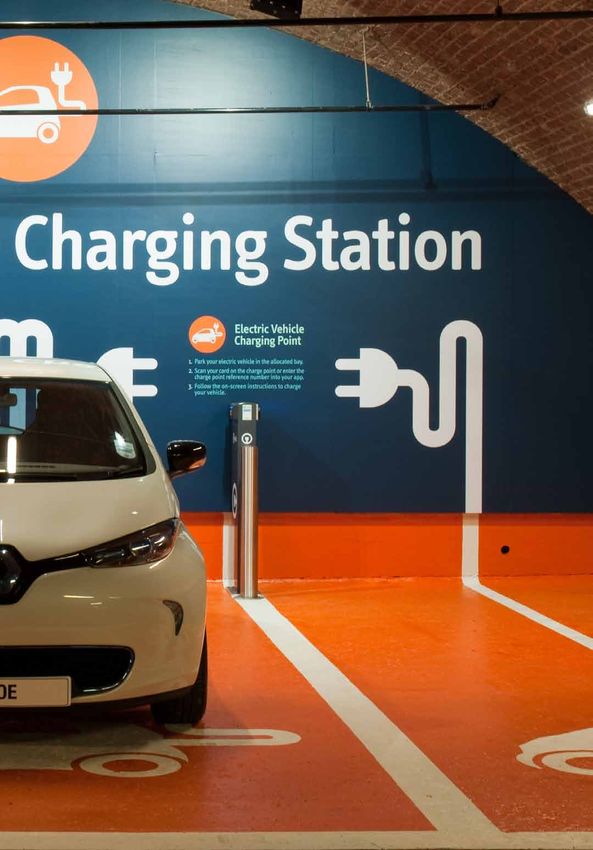
and the Highways Agency, to maximise the such as the electric vehicle charging
efficiency of the highway network; and programme, to reduce reliance on fossil
fuels and enable the acceleration of
»» establishment of future strategic freight
electrification of rail, freight, public transport
interventions across road, rail and water,
and private vehicles; and
in support of strategic economic growth
points such as Airport City, Trafford Park and »» deliver a step-change in smarter travel
Port Salford to best align the activities and choices and active travel (cycling and
investment priorities of the commercial and walking).
public sectors;36
37

Creating the
conditions for growth

Placing our city region at the leading
edge of science and technology                        Our assets include:
                                                      »» world-leading research and development
The world is changing rapidly. The growth of             in areas including advanced materials,
emerging economies such as China and India               health innovation including data intensive
and global trends such as urbanisation, an               healthcare, energy including nuclear,
ageing population, climate change and scarcity           biotechnology, high performance computing
of natural resources are happening at an                 and chip design, and interactive technology
unprecedented pace and scale. Productivity               and robotics. These technologies can be
will be driven by the next generation of                 exploited to produce the next generation
advanced products that respond to changing               of industrial products across sectors, be
global demand. The winners will be those who             they electric cars, smart energy networks,
can create and produce the multi-purpose                 mobile phones or medical devices;
technology that makes those products
possible.                                             »» the people, organisations and networks
                                                         surrounding the research excellence that
Greater Manchester’s leading experience                  allow ideas to be taken ‘from lab to market’;
in urbanisation, agglomeration, and                   »» the Nobel-Prize-winning discovery and
technological evolution puts it in a strong              commercial exploitation of Graphene, the
position to anticipate that growing demand               strongest, lightest substance known to
and to adapt itself to supply into it. Science,          man. This is the clearest manifestation
technology, and research and development                 of our expertise in advanced materials,
are at the heart of Greater Manchester’s                 which is being supported through the
plans for growth.                                        development of a £61 million Graphene
                                                         Hub; and
                                                      »» one of the world’s largest clusters of
                                                         health research, practice and commercial
                                                         development, along a corridor area that
                                                         is home to Manchester’s universities,
                                                         hospitals, science park and innovation
                                                         centres. Greater Manchester’s scale and
                                                         access to demand information via the
                                                         NHS gives us one of the world’s largest
                                                         test-beds for research. Products developed
                                                         in Greater Manchester via these routes,
                                                         such as Christie’s Proton Beam Therapy
                                                         service*, indicate the scale of the future
*Value of £150 million, estimated GVA £10.7 million
after 5 years (100 employees) plus additional GVA        economic potential.
of £2.4 million.
38
Creating the
conditions for growth
Our growth strategy will focus on how our We will:
public, private and academic institutions can »» increase the profile and credibility
act collectively to translate our science and of GM science;
technology assets into additional economic
output for Greater Manchester and the UK. »» expand and accelerate the
commercialisation of research;
Using an evidenced understanding of the »» improve GM’s science and technology
science and technology assets required by a skills base;
changing global market, we will focus on our
core research strengths to meet the needs of »» increase entrepreneurship
that market and maximise economic impact. and business growth;
»» improve the productivity of our
existing science base; and
»» bring public, private and academic
institutions together to commercialise
research and development at pace
and scale.39
Creating the
conditions for growth
Building our global brand This diversity of our assets can attract people
to GM and investment in our cultural and
A distinctive sense of place is a critical factor heritage offer is a key driver of innovation and
in attracting talent, investment and visitors. The growth. Focusing on both the creation and
visitor economy alone is worth over £5.8 billion promotion of genuinely distinctive elements
a year to Greater Manchester, and in the last of Greater Manchester’s offer will serve to
year more than 3,000 jobs were created as a raise our profile within priority national and
result of inward investment. international markets. We have a strong story
to tell, but it is not only our past that has
Each part of Greater Manchester has unique relevance. Recent developments, such as the
selling points – its diverse communities, Manchester International Festival, have made
landscape, places, tolerance and welcoming a significant global impact and the discovery
nature are key assets. From the shock city of Graphene showcases our strengths in
of the Industrial Revolution to MediaCityUK; innovation.
from physicist James Joule to the computer
pioneer Alan Turing; from the Free Trade Perceptions of our city region have been
movement to the political heritage of Peterloo, improving over recent years, but there is still
the co-operative and trade union movements; more to be done. In 2011, Manchester was
from the Hallé to the Stone Roses; from Fred ranked 29th in the Anholt City Brands index,
Dibnah to Anthony Wilson; from Fred Perry assessed against 50 international cities. This
to the sporting successes of the Velodrome, saw us move ahead of Dubai and Dublin, pull
Amir Khan and premier league football – an extra three places clear of Edinburgh, and
Greater Manchester has been the formative close the gap on Brussels and Chicago.
environment that continues to generate unique
and distinctive traditions, cultures and people.40
Creating the
conditions for growth
Visitor numbers have been increasing, with We will:
figures for 2011 showing a 22% increase »» continue to forge a distinctive sense of
in domestic visitors to 2.6 million, and an place for Greater Manchester focusing on
increase in international visitors of 15% to the quality of our business, cultural and
936,000. Growth in leisure visitors has been lifestyle offer, led by and drawing on the
particularly strong, demonstrating the strength expertise of Marketing Manchester;
of the events programme and the wider visitor
offer, as well as the impact of co-ordinated, »» work with key private and public sector
multi-channel marketing activity, led by our stakeholders, focusing on our strengths
own Marketing Manchester team. This, in and creating targeted, high impact
turn, offers significant potential to grow our multi-channel marketing campaigns that
hospitality offer. showcase Manchester as a destination to
live, visit, study and invest;
Manchester’s profile as a business destination
»» attract international conferences and
is also rising, with the city named as the most
deliver high quality mass spectator and
competitive business location in Europe by
mass participation events;
KPMG in 2012. In the financial year 2012-13,
just over half of successful projects and 70% »» improve the skills of the hospitality and
of jobs safeguarded, created or relocated were tourism sector’s workforce to support the
a result of foreign direct investment. development of our world class visitor
economy; and
»» create an ambassador network that
reflects the ability of Greater Manchester
to grow, attract and retain talent, and equip
them with the tools necessary to promote
the city region.41 Supporting Business
42

Image courtesy of Jonty Wilde / Marketing Manchester
43

Supporting Business

Supporting business growth with                   We will:
a strong, integrated offer                        »» we will make it simpler for businesses
                                                     to access the support they need by
We will engage with businesses more                  creating a differentiated business support
proactively and effectively using our combined       environment, driven by the needs of local,
expertise in business support ensuring that          national and international employers;
available resources are targeted on effective
support for inward and indigenous investing       »» use specialist advisors to provide a
firms, on attracting more entrepreneurs, start-      cohesive, structured and evidenced
ups, capital and talent, and on accelerating         approach to attracting and supporting
the growth of the 90,000 businesses with             businesses with the greatest growth
the greatest potential to expand. With proper        potential and helping our SMEs develop and
incentives, firms that are already successful        grow;
could become even more so.                        »» help businesses to access finance,
                                                     through advisory services and through the
Working with partners such as the                    development of a comprehensive suite
GM Chamber of Commerce and other                     of publicly supported alternative debt
organisations who support business growth,           and equity finance products, specifically
we will target activity on businesses with           designed to encourage business start up
growth potential and SMEs, which provide             and growth;
most of Greater Manchester’s private sector
employment and economic output. This              »» encourage businesses to support each
requires a private sector-led joining up of          other through mentoring programmes and
the various skills, business support, trade          growth groups;
and investment services available to Greater      »» offer specialist help and advice to promote
Manchester’s firms, as well as a common              business innovation and the adoption of
focus on a bespoke, agreed and evidenced             superfast broadband technologies;
plan for support. This plan will be driven by
the global market opportunities that offer        »» provide specific support to manufacturers
the greatest trade and investment prospects          and their supply chains;
and which respond to Greater Manchester’s
particular strengths, building on our domestic
and international assets.
44
Supporting Business
»» work with Government departments and »» use our engagement with GM businesses
their contractors to enhance the impact to understand their skills, workforce
of national programmes in GM, including development and employment needs in
Growth Accelerator, the Technology order to develop, on a multi-agency basis,
Strategy Board’s SMART and Innovation holistic packages of support; and
Voucher programmes and the Growth
»» create pathways between our education
Voucher programme for which we will seek
systems and the workplace, supporting
to establish GM as a pilot site;
the development of long-term relationships
»» encourage business start-ups with growth between schools, colleges and GM
potential and social enterprise start-ups in business to grow the ambitious workforce
deprived communities; employers require as our economy
strengthens and expands.
»» extend and deepen the international trade,
investment and connectivity of GM’s
businesses, building on existing links and
assets;45
Supporting Business
Improving our international The Greater Manchester Internationalisation
competitiveness Strategy identified six priority markets based
on the size of their economies and future
With an economy worth £48 billion, a growth prospects; the extent of their sectoral
population of 2.6 million people, and over strengths; the ease of doing business in them;
90,000 successful businesses, Greater and whether they have any existing ties with
Manchester already competes on a global GM. Those priority markets are the USA,
scale. It also has a strong track record in Europe, China, India, the United Arab Emirates
securing foreign direct investment, with its (UAE) and Brazil.
share of the UK market rising strongly from
3.4% in 2005-06 to 5.9% in 2009-10, well There is already significant public investment
above the regional average and GM’s relative in this agenda but more integration and focus
contribution to the UK economy (of 4%). is needed on how public funding is invested
In an increasingly global economy, it is vital – GM needs to work more closely with key
that more firms in GM establish international partners to develop a deeper and more
trading and investment and that we secure co-ordinated approach.
more inward investment. However, evidence
suggests that GM firms are less international We will:
than expected for a conurbation of its size,
and there is significant scope to increase »» maintain at least the level of international
connectivity and further open GM’s economy activity with the main current markets of
to foreign trade and investment opportunities. Europe and the USA, given the size of those
markets and the strong relationships that
We need to do more to exploit our potential. already exist;
We need more businesses to sell their goods »» develop robust and tailored arrangements
and services overseas, more investment from to radically increase international activity
overseas, and closer collaborative research with the growth markets of China, India,
links with other innovative economies. Brazil and UAE; and
GM must make improved use of its »» explore new partnerships, building on our
international assets. This includes Manchester asset base, to co-ordinate our approach to
Airport, its international brands, and the trading investment, enabling us to penetrate these
and investment of GM-based large firms. markets.
Key sectors where we have a comparative
advantage to be exploited and accelerated
include health and life sciences, financial and
professional services, creative and digital,
education, sport, culture and heritage and
advanced manufacturing (including low carbon
technologies).You can also read


