NSW FOOTBALL INFRASTRUCTURE STRATEGY - BETTER FACILITIES, CONNECTED COMMUNITIES - Football Facilities
←
→
Page content transcription
If your browser does not render page correctly, please read the page content below
NSW FOOTBALL
INFRASTRUCTURE STRATEGY
BETTER FACILITIES, CONNECTED COMMUNITIES
FOREWARD
FOREWARD
It is our pleasure to introduce you to the NSW Football Infrastructure Strategy – a document that sets the future
It is our for
direction pleasure
footballtofacility
introduce you to
planning, the NSW
provision Football
and Infrastructure
development Strategy
across NSW – a decade
for the document that sets the future direction
2020-2030.
for football facility planning, provision and development across NSW for the decade 2020-2030.
This Strategy has been collectively developed by Football NSW and Northern NSW Football through our
This Strategy
Facilities has beenUnit.
and Advocacy collectively
While ourdeveloped
organisationsby Football NSW
individually planand
for Northern
and deliverNSW Football
football acrossthrough
the stateour
of Facilities and
Advocacy Unit. While our organisations individually plan for and deliver football across the
NSW, this jointly funded and developed project is one of the largest planning exercises undertaken by a NSWstate of NSW, this jointly
funded and developed project
peak sporting body in recent times. is one of the largest planning exercises undertaken by a NSW peak sporting body in
recent times.
With almost 300,000 individual registered players, close to 1,000 sites and 2,250 playing fields used for football
Withweek,
every almost 300,000
Football individual
is the registered players,
largest participation sport in close
NSW, to 1,000
with sitesrapid
current andgrowth
2,250 certain
playingtofields used for football every
continue.
week, Football is the largest participation sport in NSW, with current rapid growth certain to continue.
We need to plan for the future. We need to identify the needs of our sport for those that currently play and for
We need
those to plan
that want for cannot.
to but the future. We need
We’ve to identify
identified the needs
there could of ouras
be as many sport for those
30,000 that players
additional currently play and for those that
across
want to but cannot. We’ve identified there could be as many as 30,000
NSW that could have played in 2019 if they had access to a football facility. additional players across NSW that could have
played in 2019 if they had access to a football facility.
Australia and New Zealand are set to co-host the FIFA Women’s World Cup in 2023. This is a once in a lifetime
Australia
event andunlock
that will New Zealand are set
the untapped to co-host
football the FIFA
potential of theWomen’s World
Asia-Pacific Cupand
region in 2023. This
increase is a once ingrowth
participation a lifetime event that
atwill
theunlock the untapped
grassroots level here football potential
in Australia. of the
An influx Asia-Pacificcorrelates
of participants region and to increase participation
an increase in demand growth at the grassroots
for football
level here
facilities. in Australia.
Therefore now isAn influx
the timeof
to participants correlates
invest in improved to an
football increase
facilities for in demand
girls for football
and women facilities.
to accompany theTherefore now
is the time
growing demandto invest
we areinexperiencing
improved football facilities to
and will continue forexperience
girls and women
for manyto accompany
years because of thethis
growing
worldwide demand we are
experiencing and will continue to experience for many years because of this worldwide event.
event.
Football’s
Football’s contribution
contribution towards
towards the health,
the health, socialsocial and economic
and economic benefitbenefit of thecommunity
of the NSW NSW community
is well is well documented. It
contributes $515
documented. million annually
It contributes to the
$515 million local economy
annually to the localand $4.5 million
economy annually
and $4.5 million in community
annually health benefits. This is
in community
a significant
health benefits.contribution to sportcontribution
This is a significant and to our great State.
to sport and to our great State.
Finally,toto
Finally, ourour partners,
partners, our our clubs,
clubs, the football
the football community
community and of our
and of course course our
facility facility providers
providers andinsponsors in local
and sponsors
government.
local government. WeWe wish to thank
wish youyou
to thank all all
forfor
supporting
supportingFootball
FootballininNSW
NSWand
andwe welook
look forward tocontinuing
forward to continuing our work with
you
our intowith
work theyou
future
intoand
the through
future and the implementation
through of the Strategy.
the implementation of the Strategy.
Sincerely,
Stuart
StuartHodge
Hodge David
David Eland
Eland
CEO,
CEO,Football
FootballNSW
NSW CEO,
CEO, Northern NSW Football
Northern NSW Football
NSW Football Infrastructure Strategy – Final June 2020 Page 2
2 NSW FOOTBALL INFRASTRUCTURE STRATEGY
ACKNOWLEDGEMENTS

TABLE OF CONTENTS                                             ABOUT THIS DOCUMENT
                                                              The NSW Football Infrastructure Strategy provides the NSW football community and its stakeholders with
1     Executive Summary................................ 04    a detailed assessment and analysis of the state’s football facility landscape across metropolitan, regional and
2 Introduction and Context........................ 07         northern NSW.
3 Football Infrastructure Framework.............17            The Strategy identifies the key focus areas for the future planning and development of almost 1,000 community
                                                              football facilities and over 272,970 active club participants across NSW. The Strategy will provide a strategic
4 Football Context.................................... 29     framework to support football’s vision of connecting communities through well located, welcoming, accessible
5 Participation Overview........................... 37        and sustainable football facilities.
6 Facilities Audit Overview..........................51       Specific facility and infrastructure priorities are provided in 26 Football Area Summaries, comprising:
7 Consultation Findings............................. 62       • 16 Metro Football NSW Associations
8 Demand Assessment.............................. 67          • 3 Regional Football NSW Branches, and
9 Football Facility Hierarchy....................... 78       • 7 Northern NSW Football Zones.
10 Strategy Implementation........................ 84
11 Appendices........................................... 93   Priorities have been recommended following a detailed need and demand assessment. Local area priorities are
                                                              evidenced based and will enable the football community and government partners to confidently and jointly
                                                              invest in future football related projects.
                                                              The Strategy will evolve over time and is versatile enough to respond and adapt to changes in the local, state and
                                                              federal environments. Collaboration between Football NSW (FNSW), Northern NSW Football (NNSWF), their
                                                              respective Associations and Zones, and all levels of government, is key to this Strategy and its collective funding.
                                                              The Strategy delivers on a range of recommendations established in the 2014 Football NSW Facilities Strategic
                                                              Plan and has been led and supported by the joint FNSW and NNSWF Facilities and Advocacy Unit.

    NSW FOOTBALL INFRASTRUCTURE STRATEGY                                                                                                                                         3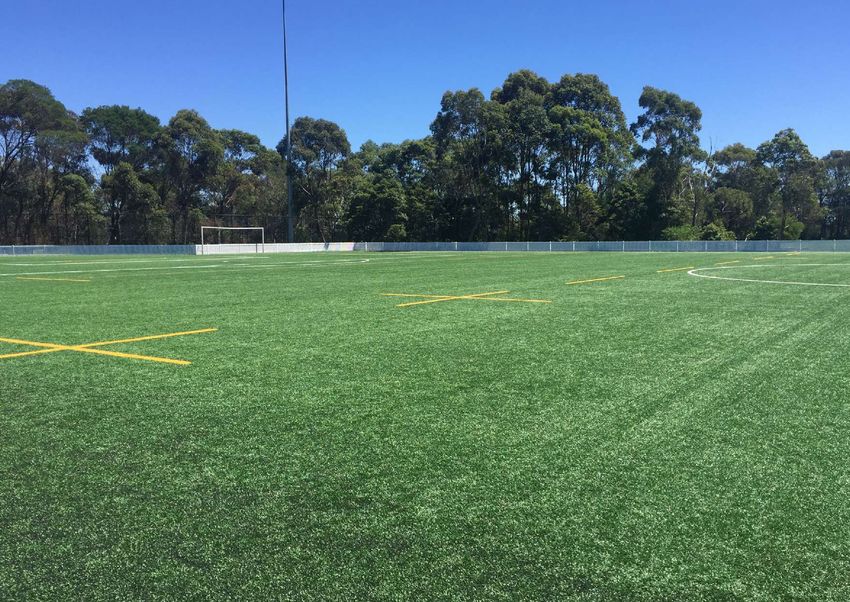
EXECUTIVE
SUMMARY
EXECUTIVE SUMMARY

                                                                                                   • Ageing nature of existing infrastructure
                                                                                                   • Quality of playing fields and underlying drainage and irrigation issues
         With 272,970 registered seasonal club competition                                         • Extensive use of existing playing fields
        players, football in NSW is by far and away the biggest                                    • Need for a greater number of more robust playing field surfaces
                  state body of all sports in Australia.                                           • Pitch lighting struggling to meet minimum standards
                                                                                                   • Ability of change room amenities to provide inclusive environments
                                                                                                   • Inadequate number of playing fields to cater for training and competition needs
The NSW Football Infrastructure Strategy is focused on identifying and understanding the           • Attracting shared investment into infrastructure projects that are rising in cost
infrastructure required to support and sustain community football over the coming decade.
                                                                                                   • Providing the right, balanced mix of facilities in new open space areas
Using a sound evidence base of on and off-field facility audits, existing participant and likely
market demand data, this Strategy strives to identify the current infrastructure gaps and          • Relatively limited number of well-sized, quality community and social
future requirements needed to better support football across NSW.                                  rooms.

The Strategy seeks to highlight the key population areas that have significant football            In-line with the significant sport and government sector consultation,
participation now and project the areas of greatest need by 2030 and beyond. It also               and review of the NSW Government and football stakeholder
provides decision making tools in order to identify the areas where funding and investment         directions, a strategic framework with accompanying principles and
is needed most.                                                                                    infrastructure pillars has been developed. It also delivers on Football
Many key stakeholders have been involved in the preparation of the NSW Football                    NSW’s strategic objective of developing more and better facilities
Infrastructure Strategy, including more than 68 Local Government Authorities (LGAs) as             and Northern NSW Football’s strategic priority of facilities to
owners and managers of land and facilities used by football.                                       support participation.
All 38 Football NSW and Northern NSW Football affiliated Associations and Zones were               The NSW Football Infrastructure Strategy identifies the following
engaged via surveys and face-to-face workshops in strategic locations across NSW. As
                                                                                                   key pillars and associated objectives for guiding support and
the key deliverers of community football activities and users of facilities, consultation with
Associations and Zones is imperative to ensure a well represented view is presented.               investment into community facilities:

993 community football venues were identified in NSW, with 938 visited and audited                  Improve existing venue capacity: Maximise the carrying
                                                                                                   •
in 2018 and 2019 as part of NSW’s largest ever football facilities assessment. In order to          capacity and activation of existing football grounds and venues.
understand what is needed in the future, the current supply and provision of what we have
                                                                                                   • Inclusive football facilities: Support diversity of game formats
and use now was essential. The audit highlighted significant opportunities for improving
and increasing the capacity of infrastructure as a key tool for sustainable and financially           and participants through inclusive facilities.
responsibly provision, while also providing for the future.                                         Homes of football: Improve access to football programs,
                                                                                                   •
This extensive facility audit has formed the basis of the strategic framework, key focus            pathways and development services.
areas and football area summaries. The audit itself, and the creation of a state-wide facility
                                                                                                   • Planning for growth and demand: Plan to maximise participation
database and GIS mapping platform were also key outcomes within the Football NSW
Facilities Strategic Plan created in 2014.                                                            through new and innovative venue opportunities.

Research undertaken into existing facility provision, condition and capacity revealed a            •P
                                                                                                     artnerships and investment: Develop and maintain relationships
number of critical challenges for stakeholders to collectively address, including:                  with all levels of government and industry partners.

NSW FOOTBALL INFRASTRUCTURE STRATEGY                                                                                                                                                     5
EXECUTIVE SUMMARY

In delivering on the above pillars and key focus areas that    football is on track to increase its total participation by a   CRITICAL ACTIONS
are presented later in the Strategy, Football NSW and          further 50% over the next 20 years.
Northern NSW Football, along with strategic partners will
                                                               To manage football participation growth, addressing                  Provide leadership to stakeholders on facility
also align with the principles of accessibility, innovation,
                                                               existing on-field issues of sports lighting provision to             planning and renewal through provision of
inclusivity and sustainability through implementation.
                                                               Australian Standards, turf quality, presence of functional       1   current Football NSW and NNSW Football
In addition to the strategic framework and pillar structure    irrigation and drainage is required. When combined                   participation data and community football on-
provided, detailed assessment, strategic priorities and        with football’s off-field issues of amenity support, change          field and off-field venue condition information.
recommendations have been provided in 26 Football Area         room upgrades to gender neutral standards and storage
Summaries covering the 16 metropolitan Sydney Football         availability, this will continue to impact on football’s
Associations, 7 Northern NSW Football Zones and 3              potential to deliver on the NSW Government Office of                 Support players, officials and referees of all
Regional NSW Football Branches.                                Sport Mission of Building Active Communities.                        genders by prioritising and supporting the
                                                                                                                                2
                                                                                                                                    upgrade and development of facilities at sites
Football Area Summaries provide customised and unique          In-line with strategies and recommendations that address             with identified female participation.
insights that consider current and future populations,         football’s growing pains, several broad critical actions
municipal areas, facility condition and growth trends in       have been identified for the NSW Facilities and Advocacy
football, which determine the future planning priorities       Unit to address in partnership with the broader football             Partner with identified stakeholders including,
for each identified area under the state-wide strategic        community and government sector stakeholders.                        but not limited to, Federal, State and Local
framework.                                                                                                                      3   government, Football Associations and clubs
                                                                                                                                    to contribute expertise and leverage funding
This NSW Football Infrastructure Strategy primarily focuses                                                                         to support football infrastructure initiatives.
on participation at a community football level and is best
described as a Strategy that supports and maximises
activation, ensuring venue capacities are fully utilised and                                                                        Collaborate with developers, growth area
aligns with best practice football guidelines and standards.                                                                        Councils, State Government, commercial
                                                                                                                                    partners and other sports on future football
The challenges for football that have been highlighted are                                                                      4
                                                                                                                                    facility provision to guide precinct structure
related to existing players numbers and unprecedented                                                                               planning in new, growing and established
participation growth experienced now and into the future.                                                                           communities.
This Strategy recognises that football demand is
already exceeding facility supply. If action is not taken
now to plan infrastructure over the coming decade, then                                                                             Deliver a consistent and united football
the gap will widen and opportunities to play will be lost.                                                                      5   message through club, association and state
                                                                                                                                    body communications.
The age group seeing the highest rate of participation
growth is the 5 to 9 year old cohort where young children
are introduced to the game, which has seen a 20% increase                                                                           Identify key strategic facilities and locations
since 2014.                                                                                                                         where football can deliver more streamlined
                                                                                                                                6
                                                                                                                                    localised services to the regional NSW football
Should this trend be ongoing, with todays children                                                                                  community.
continuing to play football as adolescents and adults,

6                                                                                                                                                    NSW FOOTBALL INFRASTRUCTURE STRATEGY
INTRODUCTION &
CONTEXT
INTRODUCTION

Football as the most played outdoor team sport in NSW           plays is far greater by creating links for the various internal     facilities is an example of outdated infrastructure.
(and Australia), identified a dedicated resource was            departments to prosper from all levels of stakeholder and
                                                                                                                                  • Improve capacity: Achieving more participation from
required to ensure the planned and effective growth of the      government relations.
                                                                                                                                     existing football infrastructure. Existing on-field and off-
beautiful game occurs.
                                                                The NSW Football Infrastructure Strategy 2020-2030,                  field football infrastructure has been inspected, football
In response, the NSW Facilities and Advocacy Unit               was commissioned by the Unit and provides a framework                trends understood in different areas and targeted
(previously known as Facilities and Government Relations        enabling football and its strategic partners to better               facility investment recommended. Introduction of
Unit) was created as a partnership between Football NSW         understand and prioritise its facility needs both now and            sports lighting at unlit sites and improvement of ground
and Northern NSW Football which was established in              in the future.                                                       conditions (above and below surfaces) will improve site
2016.                                                                                                                                capacity.
                                                                Localised Football Area Summaries are a product of the
                                                                Strategy, providing associations and clubs with clarity           • Participant growth: 11% participant growth in club
NSW FACILITIES AND ADVOCACY UNIT                                and direction in their facility planning and development             football has occurred across NSW over the past 5 years
The centralised unit provides tangible assistance and           initiatives. It also provides government with clear evidence         (this equates to in excess of 25,000 additional players).
advice to clubs and local government authorities (LGA’s)        and direction for prioritising football infrastructure               The Strategy identifies current and future participation
throughout NSW who are committed to providing their             projects.                                                            hot spots, demographics, land availability and demand
members and constituents with access to football facilities                                                                          rates.
                                                                A key objective of each Football Area Summary is to
and local infrastructure which are safe, welcoming,             address the challenges that the sport is currently facing,
accessible, inclusive and conducive to the provision of an      and to lead the enhancement, sustainability and growth of
enjoyable football experience for all.                          the sport in NSW. Some of the challenges for football this
The NSW Facilities and Advocacy Unit has the                    Strategy aims to address include:
responsibility for providing leadership, information and        • Outdated infrastructure: While still very much valued,
advice to stakeholders of both Football NSW and Northern          many football facilities are not contemporary in nature
NSW Football, reporting through to the CEOs of both               and do not meet best practice present day sport
organisations.                                                    guidelines or community expectations. All gender
Even though the unit is focussed on facilities development,       changeroom facilities with private lockable cubicle
you will clearly see later in this document the role the unit     showers compared to open communal showering

350 infrastructure upgrades valued at $354m have
been identified to date to service football’s current
participation, let alone what will be needed in the
future to service the projected demand.

8                                                                                                                                                            NSW FOOTBALL INFRASTRUCTURE STRATEGY
INTRODUCTION

PROJECT DELIVERABLES                                        • A detailed football facilities audit, data collection    of user need, facility challenges, barriers to
                                                               and GIS mapping process was undertaken over              participation development aspirations and resource
The NSW Football Infrastructure Strategy 2020-2030             2018/2019 to determine the current provision,            capacity.
will provide a 10-year road map that addresses the             condition, use and location of 993 community
planning, provision and enhancement of community                                                                       •
                                                                                                                        Participation analysis and demand assessment
                                                               football venues across NSW.*
football facilities, and identifies the areas of greatest                                                               through examination of 2014 and 2019 registered
need for investment.                                        •
                                                             Consultation with the football community                   winter season NSW football club players.
                                                             represented by associations, facility providers and
Project deliverables   that     inform     the    key                                                                  •
                                                                                                                        Production of 26 Football Area Summaries that
                                                             local government organisations via online surveys
recommendations and actions in this Strategy include:                                                                   considered all football areas across NSW.
                                                             and workshops. This provided an understanding

                                                                                                                         *Note: Of the 993 identified venue locations, 938 have been
                                                                                                                              identified as being used for community football training
                                                                                                                          and competition in NSW. This does not include sites used for
                                                                                                                            NPL competition only, training only sites or sites identified
                                                                                                                          for potential future use. Audit findings and analysis are also
                                                                                                                          influenced by 18 venues not having an audit started and 20
NSW FOOTBALL INFRASTRUCTURE STRATEGY                                                                                                                                              9
                                                                                                                                  incomplete audits undertaken at the time of writing.
RESEARCH & CONSULTATION

More than 180 government and football community                 • Project information bulletins and dedicated webpage.         Football). Every effort has been made to ensure data is as
stakeholders were engaged in the development of                                                                                detailed as possible, accessing 975 of the total identified
                                                                • Individual meetings with FNSW and NNSW Football
the NSW Football Infrastructure Strategy. In addition                                                                          993 community football venues (located in NSW) that
                                                                   representatives.
to seeking the views of stakeholders, significant                                                                              host community training and/or competition activities. 18
                                                                •S
                                                                  takeholder workshops for LGAs and Football                  venues remained un-audited at the time of writing.
data collection, analysis and reporting systems
                                                                 Associations and Zones at Valentine Sports Park and in
were also developed and used to identify priorities.                                                                           Initial facility audit data was collected in 2018 and 2019,
                                                                 Lake Macquarie, Orange, Wagga Wagga, Moruya and
The tools developed are available for Football                                                                                 with data quality testing and refreshing conducted as part
                                                                 Cessnock (78 attendees).
NSW’s and Northern NSW Football’s use and will be                                                                              of the data analysis phase of strategy preparation.
extremely valuable in monitoring and evaluating                 •O
                                                                  nline survey of NSW Local Government Authorities (68
                                                                                                                               In total, 938 (of the identified 993 venues) have
the progress of strategy implementation.                         responses).
                                                                                                                               complete community football venue audits that
                                                                • Football Association and Zone survey (38 responses          have been analysed as part of this Strategy (the 18
INDUSTRY CONSULTATION                                              representing a one hundred percent completion rate).        not started and 20 incomplete audits have not been
                                                                                                                               analysed, along with 6 training only sites and 11
Direct consultation was undertaken with the football                                                                           potential future venues).
community and government stakeholders in the                    DATA SOURCES
development of the NSW Football Infrastructure Strategy.        Football participation numbers presented and analysed          All population and demographic data (and associated
The aim of the consultation process was to create               throughout this document were provided by Football NSW         analysis) was sourced from NSW Government population
awareness of the project and accurately capture and test        and Northern NSW Football and are based on registered          projections, 2018 edition; Australian Bureau of Statistics.
the facility issues, challenges and aspirations for football.   club participants. Social players, futsal, summer football
                                                                and school participants have not been counted, as these
Key stakeholders engaged in the development of the
                                                                players are typically registered with an affiliated club and
Strategy included Football Federation Australia, all 38
                                                                detailed planning for these activities has not formed part
Football Associations and Zones across NSW, Office of
                                                                of this Strategy.
Sport NSW and Local Government Authorities (LGAs).
                                                                SportsEye, a product of ActiveXhange, was used to
                                                                undertake an extensive participation analysis and future
                                                                demand assessment for club based football in NSW. The
         80% of all local government                            data analysis explores 2014 and 2019 registered football
           football field owners in                             participant data to better understand current participation
                                                                trends and future participation outcomes. SportsEye assists
         NSW completed a survey or                              informed decision making and provides in-depth analysis
         participated in a workshop                             of customers, activity programs and facility infrastructure
                                                                and its relative capacity.
                                                                Football facility provision and condition information was
The following consultation methods were used to collect         collected by Football NSW and Northern NSW Football
information and provide opportunity for stakeholders to         staff, contractors and association and zone representatives
have input into the development of the Strategy:                using a customised Football Facility Audit Tool (SFA-

10                                                                                                                                                      NSW FOOTBALL INFRASTRUCTURE STRATEGY
VALUE OF COMMUNITY SPORT INFRASTRUCTURE
THE VALUE OF COMMUNITY SPORT INFRASTRUCTURE
In 2018, Sport Australia (formerly the Australian Sports Commission) commissioned a
report to quantify the value of community sport infrastructure. Sport is synonymous with the
Australian culture and psyche. As a nation we intuitively understand its benefits, with this
report articulating fiscal values.
Summary of key impacts of sporting infrastructure includes:
CONOMIC IMPACTS
E
The economic value of community sport infrastructure has been
estimated at $6.3 billion. Employment of approximately 57,000
people directly (equating to 33,900 Full time positions) related
directly to community sport infrastructure. Volunteers were
estimated to contribute $1.3 billion annually to the economy.
HEALTH IMPACTS
The health value of community sport infrastructure is estimated to be
$4.9 billion. Health benefits across the community include:
• A lower risk of being affected by chronic diseases such
cancers, dementia, diabetes and cardiovascular disease.
• Improved mental health
• Health system benefits as a result of a lower incidence of
disease, or better managed mental health issues, including
lower wait times, less congestion and health savings costs.
SOCIAL IMPACTS
The social value of community sport infrastructure is estimated to
be $5.1 billion. The social benefits are derived by users of facilities
COMMUNITY SPORT
through both the sport activity and social connection networks
created. Academic benefits, including young people staying in
INFRASTRUCTURE IS
school for longer and positive educational aspirations (desire
to attend university) and ultimately higher wage earnings are all
VALUED AT $16.2 BILLION
measured social impact benefits. Heightened community pride and
reduced crime and anti social behaviour are also identified. TO AUSTRALIA.
NSW FOOTBALL INFRASTRUCTURE STRATEGY 11VALUE OF FOOTBALL
Football in NSW provides a significant positive
impact on the NSW community. It contributes Football contributes $515,334, 869 p.a. in Economic Benefits
significantly to the economy, to developing social and $4,557,899 p.a. in Community Health Benefit
capital and impacts on people’s physical and mental
health and well-being. The total community impact Sport Business Partners 2018
of football to NSW is expected to reach $1 billion by
2025.
Economic impact • Community connectedness: People identify
With almost 300,000 registered football participants in
themselves as being part of their community through
NSW and participation growth of 11% since 2015, there Football in NSW via Football NSW, Northern NSW Football,
their connections with a football club.
is no doubt that there is significant interest in football. the Associations, Zones, clubs, participants, spectators
Accompanying this growth is an increase to the positive and aligned businesses contributed an estimated $515 Health impact
benefits that football provides to the whole community. million to the NSW economy in 2018. This contribution Regular participation in physical activity provides significant
was collectively spread across the State, with some local physical and mental health benefits to individuals. The
As the number one club-based sport for participation in
communities benefiting by almost $30 million in annual lifetime contribution of football to the health of NSW grew
Australia, football draws on half a million players, coaches,
local impact. 42% between 2015 and 2018. The lifetime contribution of
officials, administrators and volunteers to demonstrate its
value across the NSW community. NSW also contributes Social impact football in 2018 was estimated at $89 million.
more than 50% of football participants in Australia, and The physical health benefits analysed in this study are
The following key statements reflect football’s contribution
as such, also provides a significant economic, health and derived from reducing the prevalence of chronic diseases
to the social fabric of NSW communities:
social contribution to the entire country. (breast cancer, coronary heart disease, diabetes, bowel
• Social network diversity: Football clubs bring together cancer and stroke) as identified by the Australian Institute
The Community Impact of Football in NSW Report was
people of different ages, genders and backgrounds. of Health and Welfare.
originally commissioned in 2015. Between 2015 and
2018, the total annual community impact of football in • Multicultural engagement: Football transcends race, The mental health benefits are derived from reducing the
NSW grew by 23% from $421 million to $520 million. religion and gender to create community connections. prevalence of anxiety and depression.
This increase validates football’s ability to advocate to all •S
ocial skills and behaviour: Football clubs develop well The annual community contribution which football
levels of Government, and other key stakeholders, about rounded individuals who make a positive contribution to provides through reducing the prevalence of these
the valuable contribution football makes to communities in society. diseases is valued at $4.5 million.
NSW and positions the administration to continue to grow
investment in our game.
The physical and mental health benefits delivered by
the sport to the NSW community are simply astonishing.
This study documents the health advantages which
participation and engagement in football delivers. It also
identifies the positive social benefits which come from the
football community.
12 NSW FOOTBALL INFRASTRUCTURE STRATEGYSTATE GOVERNMENT ALIGNMENT
The NSW Football infrastructure Strategy builds largest team sport in NSW, football’s highest growth
on NSW Government strategic priorities for sport demographic is in the under 14 category forming the ideal
“Sport and Active base for lifetime active participation.
and recreation. Future investment by the NSW
Government in sport and recreation projects and Recreation creating
Places and Spaces - Everyone in NSW can access places
initiatives will be guided by a number of strategic healthier people, and spaces for sport and active recreation. This area of focus
priorities and initiatives, many of which are connecting identifies the importance of fit-for-purpose infrastructure
identified below.
communities and which aligns with the NSW Football Infrastructure Strategy
making a stronger accessibility and all gender infrastructure priorities.
OFFICE OF SPORT STRATEGIC PLAN
2020-2024 NSW.” Sector Sustainability - Continue to grow sport and
active recreation across NSW. A key area of focus in both
The NSW Office of Sport’s vision; NSW Office of Sport strategies is the use of evidence based data to better
vision understand challenges and opportunities.
“Sport and Active Recreation creating healthier
people, connecting communities and making a Partnerships and Investment - Maximise the value
stronger NSW.” for everyone in NSW. Building relationships, forming
The Office further recognises that sport and active life is more likely to maintain active and healthy behaviors partnerships and applying an evidence base are keys
recreation is important, contributing significantly to the throughout life. Participation in sport and active recreation to sustainable football projects with the goal to achieve
health, economy and social wellbeing in the following can improve life expectancy and can reduce the rate of mutually beneficial outcomes.
ways: non- communicable diseases. The Office of Sport provides guidance on the use and
Social Outcomes: Sport and active recreation are an Economic Outcomes: Sport and active recreation creates treatment of data informing planning and analysis
important part of the fabric of our communities. It reaches jobs and opportunities for investment. Voluntary work functions;
across age, cultural background and demographic groups. enables many sport and active recreation events and “Understanding and responding to the changing needs
Sport and active recreation strengthens social networks activities and makes a large contribution to the economy. of customers and the sector requires a strong evidence
and builds a sense of belonging for participants.
The Strategic Plan has 4 key focus areas being: base. The translation of data into insight reports has
Health Outcomes: People who participate in sport and been identified as an avenue to assist in strengthening
active recreation enjoy better physical and mental health. Participation - Everyone in NSW participating in sport and shaping future decision making across the sector”.
A child participating in sport and active recreation early in and active recreation throughout their whole life. As the
Through this Strategy, Football NSW and Northern NSW
Football have invested in the largest sport facility, data
analysis and demand assessment project undertaken
by any state sporting organisation in Australia. With 938
venues audited and more than 272,970 participant data
records analysed, a sound evidence base is now in place
to not only build decisions around, but it creates a platform
for football in NSW to monitor their effectiveness and the
performance of government and public investment.
NSW FOOTBALL INFRASTRUCTURE STRATEGY 13clear female focus, Her Sport Her Way, Data from the NSW Population Health Survey shows that 75 per cent of children in NSW are no
es the way sport in NSW is delivered, coached, recommended level of physical activity, which is 60 active minutes each day. Further, 22 per cen
ed, led, sponsored and consumed. STATEOne GOVERNMENT
of the to 16 years ALIGNMENT
are reported as being overweight or obese.
STATE
key objectives STATE GOVERNMENT ALIGNMENT
is toGOVERNMENT
lead, guide, inform and ALIGNMENT
The Active Kids program, launched in 2018, aims to increase participation of school-enrolled chi
n the provision of sport facilities that support
physical activity by providing parents with vouchers to help cover the cost of registration and me
and girls.
Herregistered
Sport Her Way Through
ACTIVE KIDS the 671,756
Active Kids vouchers issued in 2018, football was the number 1 activity for boys and n
han 23% ofHER 2019 SPORT HER football WAY girls in NSW.
Data from the NSWThe additional
Population 1,284,091
Health Survey vouchers
shows that 75 per centissued
of childrenin in
2019
NSW saw football again be the top ac
pants in NSWWith awere
clear female
With a clear female
female focus,(more
focus, than
Her Sport Her Way,
Her Sport Her Way,
Data from
are not meeting the NSW
the daily Populationlevel
recommended Health Survey activity,
of physical shows thatwhich75 isper60cent of children in NSW are not meeting the da
active
examines the way sport in NSW is delivered, fourth
coached, activity for girls). Overall, football has had the most vouchers issued for any team sport an
minutes each day. Further, 22 per cent of children aged 5 to 16 years are reported as being day. Further, 22 per cent of children age
recommended level of physical activity, which is 60 active minutes each
, making it the largest
examines the wayfemale sport in football
NSW is delivered,
marketed,
coached, led, sponsored
marketed, and consumed.
led, sponsored and One of thewhen
overweightcompared
to
or 16 yearsto
obese. other
are reportedsports such
as being as AFL,or cricket,
overweight obese. rugby league and rugby union.
pation code in Australia.
twelveOne
consumed. key ofobjectives
the twelve is tokey
lead, guide, inform
objectives is and The Active Kids program, launched in 2018, aims to increase participation of school-enrolled children in sport and physical
The Active Kids program, launched in 2018, aims to increase participation of school-enrolled children in sport an
to lead, guide,
invest inform
in the and invest
provision in the
of sport provision
facilities that supportAs at by
activity the end of February
providing in 2020, ofcover
the the
486,012 vouchers currently issued for the year, footbal
ategy identifies
of sport the current
facilities football physical parents
activity with vouchers
by providing to help
parents cost of registration
with vouchers to help cover andthe
membership fees.
cost of registration and membership fees.
women andthat support
girls. women and girls.
ranked activity
Through the 671,756for boysissued
vouchers and insecond for girls.
2018, football was theAll of these
number 1 activitynumbers
for boys andindicate
number 2that football
activity for girls inis clearly
ucture available to female
More than 23% ofparticipants
2019 registered andfootball Through the 671,756 vouchers issued in 2018, football was the number 1 activity for boys and number 2 activity
More than 23% of 2019 registered football participated
NSW. The additional
girls
activity for vouchers
1,284,091
in NSW. Thethe
voucher
additional
recipients
issued in 2019 sawand
1,284,091
aissued
football strong
again be indication
the top activitythat cost
for boys can
(and beactivity
fourth a barrier
for to pa
s the gapsparticipants
required in
to NSW
participants helpin
were
growwere
NSW
female (more than
andfemale
support (more than girls). Overall, football has had most vouchers issuedvouchers
for any team sportin 2019
and sawcode
football football
when again be thetotop
compared activity
other sportsfor boys (a
63,000), making it the largest female football such as AFL,fourth activity
rugby for girls).
andOverall, football has had the most vouchers issued for any team sport and football code
me for women and girl’s.
63,000),
participation making
code it the largest female football
in Australia.
cricket, league rugby union.
when compared to other sports such as AFL, cricket, rugby league and rugby union.
participation code in Australia. As at the end of February in 2020, of the 486,012 vouchers currently issued for the year, football is again the top ranked
This Strategy identifies the current football activity for boys
infrastructure available to female participants As atand
thesecond
end of for girls. Allinof2020,
February these of
numbers indicate
the 486,012 that football
vouchers is clearly
currently the most
issued participated
for the activity
year, football for the top
is again
This Strategy identifies the current football voucher recipients and a strong indication that cost can be a barrier to participation.
and identifies the gaps required to help grow ranked activity for boys and second for girls. All of these numbers indicate that football is clearly the most
infrastructure available to female participants and
and support the game for women and girl’s. participated activity for voucher recipients and a strong indication that cost can be a barrier to participation.
identifies the gaps required to help grow and support
the game for women and girl’s.
14 NSW FOOTBALL INFRASTRUCTURE STRATEGY
NSW Football Infrastructure Strategy – Final June 2020 PagE N T ALIG NMENT
E
STATO E R N M EN GOVER N M
T ALIG
V
STATE G STATE GOVERNMENT ALIGNMENT W it
sport in NS
rticipation ll levels of
th e n u m ber one pa cating to a
mmis s io n a ll b e in g a n d a d v o
With footb assisting ity sporting
e a te r S ydney Co a m ajor role in a n d commun
G r C) is a n ca n p la y ns p a c e s re proofin
GREATER SYDNEY COMMISSION y C o m m ission (GS g e n c y e n t to e nsure ope p la n n in g and futu
r Sydn e ernment a govern m wh e n tions
The Greater Sydney Commission (GSC) is an independent The GreateTwo specific th W a le
infrastructure s Govpillars identified re a re c onsidered a n d d e m and projec
u tu n
t New So Strategy directly
dependenwithin this ross the infrastruc participatio r Sydney a
New South Wales Government agency responsible for in land u s e p lanning acalign withmthe a k e S y d n e y. Future rl y id e n tify Greate
for la n d is to Grea te r cle a 20 loc
responsibleGreater Sydney Commission’s Its visioAnMetropolis is Strategy of the top
use planning across the metropolitan area of Sydney. Its vision
is to make Greater Sydney more productive, sustainabletropolitaofn a rea oCitiesf S y d n e y .
ustainafor b le a n d FIVE DISTRICT PLANS
provided la te r in th
re particip a n ts . 1 7
football is
ductive, s
Three approach – Planning
me o re p ro ro w th a rea for futu m o s t d emand for
and liveable. ydney
growth mand demand and Partnerships majo r g W whe re y regi
Greater Sand investment. The NSW Football Them Greater
e n t a re as in NSCommission’s
Sydney in th e G re ater Sydne
ern
govfive located with
Greater Sydney is growing fast. The region will be home tolian veable. Infrastructure Strategy and ion will be
regGreater District 31 are
0Plans provide a guide for trateg
estimated 1.6 million more people towards 2040. ro w in g fa s t. T h e the
to w a rd s p ro je c te d b y 2
e n ti fi e d w ithin this S
ydney is g ople implementing A Metropolis of id
Three Cities
’s A Metro
Greater Sto
Sydney Commission’s regional
n more pe
milliostrongly
approach
infrastruclevel. ture pillars ommission
planning a te d 1
have .6 very matched at a pmore
e c if ic localised d n e y C
The role of the GSC is to coordinate and align planning that
an esti m Two s
the Greate
r S y dema
will shape the future of Greater Sydney. The GSC is takinghaome to principles that can create a culture and rowth and
NT ALIGNMENT a li g
ectly 20-year plansn w it h
ch – Pla nngapin g fo r g
all Infrastru
T ALIGNMENT dirThese abridge the
“one government” approach to this, so they can lead and 2040. program of joint planning in to make
a te d align
anGreater e C it ie s appro T h e N SW Footb
to co o rd
r Sydney. ofbetween
T h re regional and
investme
local planning.
n t. nal ap
guide development, transport and housing outcomes for the
le
Sydney
o f th eG SC is
more productive, sustainable
re o f G re ateand
They inform
rs h ip s a n
local d environmental o
plans,
C m m is s ion’s regio
benefit of the region and its residents, workers and visitors. The ro liveable. shape the futu Partne dney
ch to the Greaplans ter Syand s that can
nning that
will
e rn m e nt” approa community g y a n dstrategic m the
a tc h e d principle
p la g o v tr a te
Sassessment ong ly r Syd
To do this, the GSC have developed a Greater Sydney Regional
G S C is ta king a “one d e v e lo pment, n in g hof
a v e very strproposals.
planning
in g to m ake Greate
e n n
Plan - A Metropolis of Three Cities. The Plan integrates landThe
y can lead
and guid efit of the to pla
ram oalso f joint plan
use, transport and infrastructure planning between the threethis, so the o m e s for the ben The ufive
re a n d progPlans
District assist ble.
eacouncils
n d h o u sing o u tc
v is it o rs . cu lt
s ta in a b le and livand
Withtiers of government and across State agencies. It also centres transport
football being the number one participation sport in NSW it a an d to plan and u
deliver
s for growth change,
re s id e n ts, workers p roductive,
can play a major role in assisting and advocating to all levels of
around a vision for three inter-connected cities where most region and it s e y and to align their local planning strategies
ater Sydn
government
residentstowill
ensure
live open
withinspaces and community sporting d e v e loped a Gre n with place-based outcomes.
s. The Pla
30 minutes of their jobs, education a v e
is , th e G SC h h re e C it ie
infrastructure are considered when planning and future proofing
To do th T
tropolis of
and health facilities and community services.
Greater Sydney. Future participation and demand projections
e g io n a l P lan - A Me rt a n d infrastru
cture
To meet the needs of the growing and changing population R tr a n s p o ent and
provided later in this Strategy clearly identify Greater Sydney as the d use, of governm
the vision seeks to transform Greater Sydney into three cities: integrates lan th re e ti e rs ision
major growth area for future participants. 17 of the top 20 local
etween the around a v
• The Western
government areas inParkland
NSW where City most demand for football is p la n n in g b
a g e n c ie s. It als o c e n tr e s
o s t re s id ents F iv e District P
across Sta
te s where m
nected citie on and
• Theby
projected Central
2031 River City within the Greater Sydney region.
are located
n bs, educati r Sydn
• The Eastern Harbour City. fo r th re e in te r- c o
u te s o f th e ir jo The Greate
Two specific infrastructure pillars identified within this Strategy hin 30 m in ng A M
With football being the Sydney
numberCommission’s
one participation sport in will live wit o m m u n it y services. implementi
ities and c ns bri
directly align with the Greater A Metropolis
NSWCities
of Three it canapproach
play a major role in assisting
– Planning and and
for growth advocating
demandtoand all health facil a n d c hanging 20-year pla
row in g l envi
levels of government
Partnerships and investment.to ensure open Football
The NSW spaces and community
Infrastructure t th e n e e ds of the g s fo rm G re ater inform loca
sporting infrastructure are considered when planning and To mee eks to tran assessme
nt of p
Strategy and the Greater Sydney Commission’s regional approach
u la ti o n th e vision se plan
future proofing Greater Sydney. Future participation and po p councils to
to planning have very strongly matched principles that can create a
in to th re e cities:
demand projections provided later in this Strategy clearly Sydne y trateg
culture and program of joint planning to make Greater Sydney more
identify Greater Sydney as the major growth area for future n d C it y planning s
la
productive, sustainable and liveable. estern Park
participants. 17 of the top 20 local government areas in NSW • The W City
where most demand for football is projected by 2031 are
T h e C e ntral River
located within the Greater Sydney region. • our City.
T h e E a stern Harb
•
NSW FOOTBALL INFRASTRUCTURE STRATEGY 15
e 2020
Strategy – Final Jun
rastructureKEY DRIVERS FOR CHANGE
Football in NSW continues to set new participation benchmarks and trends for all registered club participants. This makes football in NSW the largest of all football codes
organised sport in Australia. There is no doubt that football continues to grow in terms of female club participants.
in popularity and participation, which is a becoming a significant driver of need
and change across the sector. ROLE OF SPORT IS CHANGING
Football plays an important role in communities, providing significant physical and mental
STRONG CURRENT AND GROWING PARTICIPATION health benefits, helping to raise physical activity levels, promoting social cohesion and
In October 2019 National Sports Survey (AusPlay) results indicate that football is the number fostering multicultural inclusion.
one organised sport in Australia with more than 1,853,600 million participants – a 13% The Federal Government and Football Federation Australia have also partnered to deliver
increase on the previous year. new participation programs to improve the health and wellbeing of local communities. New
Children aged under 14 account for an estimated 42% of participation reported by AusPlay program initiatives include the ‘Walking Football’ program targeting older Australians, as
data, indicating a strong base at the introductory level of the game, with clearly an already well as new safe, inclusive and social football programs such as ‘Soccer Mums’ (focusing on
existing significant number of current adult (aged 15+) participants. adult female participation) and ‘Kick On for Women’ (targeting non-active females 16 and
over including CALD communities).
In 2019, Football NSW and Northern NSW Football collectively registered over 272,970
club participants of all ages – 11% growth since 2014. This figure does not include
IMPACT OF GROWTH AND CHANGE
school based competitions, social football or futsal or indoor football activities.
With unprecedented growth, comes the need for investment and access to facilities.
This level of registration numbers makes football in NSW the
Being ranked as Australia’s number one participation sport, does lead to a range of
largest of any State Sporting Organisation in Australia.
challenges and barriers impacting facility provision, including:
DIVERSIFYING Unprecedented growth in participation not necessarily matching the condition and
number of existing facilities.
PARTICIPATION
Historically established and ageing facilities not catering for all gender use,
Football is a game for everyone with
and not adequately supporting participation by women and girls.
Football NSW and Northern NSW Football
driving participation growth by broadening the Potential over use of the existing available playing surfaces and the further
football offering beyond the traditional 11-a-side winter season impact of ground closures due to climatic conditions.
game.
Additional participation leads to additional costs, for example the
Mini-Roos and summer football are some examples of program installation of additional playing field lighting, increased field maintenance and
initiatives focused on broadening the football participant base and calls for more expensive all year-round products such as synthetic surfaces to improve
ensuring there are opportunities for more people to experience venue capacity.
football.
Expansion of programs and opportunities drives the desire and opportunity for
AusPlay (October 2019) reported an estimated 396,000 girls and participants who want to play all year round, rather than be limited to seasons, creating
women play football in Australia. Football NSW and Northern NSW Football challenges for multi-sport usage.
reported 63,160 female participants across NSW in 2019, contributing 23% of
16 NSW FOOTBALL INFRASTRUCTURE STRATEGYFOOTBALL INFRASTRUCTURE FRAMEWORK
SUMMARY OF KEY FACILITY ISSUES

The following key facility issues were identified              WE ARE FULL                                                        FEMALE PARTICIPATION
as having the greatest impact on the growth and
                                                               Football has 2,253 playing fields extensively used for             23% of registered football club participants are female,
sustainability of football in NSW. Addressing these
                                                               training and competition that are generally operating              which equates to 63,160 of all football participants in
issues through the implementation of the NSW
                                                               at capacity, given the quality of existing infrastructure.         NSW. The highest participation numbers are found in the
Football Infrastructure Strategy will be required
in order to plan and develop fit for purpose and               Strategy research and facility audits conducted indicate           5 to 9 age group (18,540) and the 10 to 14 age group
flexible facilities that meet the needs of current and         that football fields lose around 34% of their capacity due
                                                                                                                                  (19,902) totaling 38,442. This makes up 61% of all female
future participants.                                           to current playing field conditions.
                                                                                                                                  footballers. These participation numbers make football
                                                               While participation capacity at some existing venues can be        the 2nd most popular team sport for females in Australia
EVERYONE WANTS TO PLAY                                         increased, many locations particularly across Metropolitan         behind Netball.
                                                               Sydney Football Associations, are at maximum capacity.
Football has many appealing benefits including fitness,
hand eye coordination, teamwork, social skills, is fun,        Various examples exist where player numbers have been              OFF-FIELD FACILITY CONDITION
easy to understand and is generally non-contact which is       capped, with junior players on waiting lists hoping to
appealing to many parents.                                     join a club. As an example, with the football participation        Off-field facility conditions predominately consider change
                                                               rates and unmet demand that exists across NSW today,               room amenity, and to a lesser extent, social and canteen
             The highest rate of participation is the 5 to 9
              year old age group with 84,188 registered        an estimated additional 2,000 hours of football in Sydney          spaces.
              participants in NSW, closely followed by         alone could be played each week if access to additional
                                                                                                                                  In NSW, female participation rates in the club environment
               77,914 in the 10 to 14 year old age group.      pitches were to be available.
                                                                                                                                  remain lower than males, with facilities at community
               Collectively, the number of 5 to 14 year
                                                                                                                                  football venues playing a key factor in encouraging and
                old’s totals 162,102, equating to 60% of
                  the 272,970 registered participants in                                                                          supporting female participation.
                   2019.                                              These participation numbers                                 Historically for football, facilities have been primarily
                     In  addition, participation rates                  make football the most                                    designed to meet the needs of male participants, but to
                       remain strong in the 30 to 39                     popular team sport in                                    encourage more women and girls to participate in sport
                         year age cohort with 1.8%
                          of the population playing
                                                                               Australia.                                         today as a player or official, more user-friendly facilities are
                                                                                                                                  required.
                           competition football. The
                          40 to 49 year age bracket                                                                               Examples of all gender facilities include:
                         also continues to provide             The Sutherland Shire FA have had to restrict participation
                   strong participation with a 1.5%            to those that live within the Association boundary, turning        •    hange facilities that cater for the needs of all genders.
                                                                                                                                      C
                 participation rate.                           others away due to capacity challenges.                            •   Individual and lockable showers for players and referees.
                                                               Training space availability, accompanied by greater                •    Privacy screens and no urinals
                 There is significant potential for adult
                 participation to grow in the future as        provision of playing field lighting are seen as the key facility   •    Inviting community spaces.
                 a “flow on” effect of todays juniors          issues to address. These, in turn, will increase participation     •    Clean and easily assessable facilities.
                 becoming tomorrows adults.                    opportunities and reduce the need for player waiting lists.        •    Family friendly attributes (e.g. baby change).

18                                                                                                                                                            NSW FOOTBALL INFRASTRUCTURE STRATEGY
NSW FOOTBALL INFRASTRUCTURE STRATEGY 19
SUMMARY OF KEY FACILITY ISSUES

ON-FIELD FACILITY CONDITION                                   SPORTS LIGHTING
On-field football condition is effected by a range of         Provision of sports lighting is a key infrastructure
different factors, including:                                 requirement to build participation that allows football
                                                              infrastructure to be used at its maximum capacity.
•    grass type and coverage
•    irrigation                                               Without floodlighting, clubs are restricted in terms of
•    drainage                                                 providing training opportunities and hosting competitive
                                                              games during the week, resulting in all activity being
•    surface level
                                                              facilitated on weekends. Over time there will be reduced
•    maintenance regime, budget and expertise                 capacity on weekends and alternative times will be
•    overuse                                                  required to deliver more football.
•    original construction methods
                                                              Of the 2253 playing fields across NSW, 641 (or 28%) do
•    shared use                                               not have sports lighting. In addition, there are a further
•    floodlighting                                            383 (17%) fields that do not meet the 50 lux Australian
Minimum requirements for a usable field of play are           training standard. Collectively this means 45% of all sports
related to safety which requires an even playing surface      lighting currently provided does not meet the minimum
and consistent grass cover. As players skills improve and     participant training standards.
children progress through to higher levels of competition,
the quality of the playing surface has a direct correlation   IRRIGATION AND DRAINAGE
to the enjoyment derived from the game and standard of
coaching able to be delivered.                                The combinations of dry weather - no irrigation and wet
                                                              weather - no drainage are proven conditions that ensure
                                                              poor playing surfaces, and in the worst-case scenario,
OF THE 1,582 FULL-SIZED PLAYING                               unsafe to use.
FIELDS IN NSW:                                                When combined with significant participation demand,
                                                              these football surfaces are susceptible to damage that
• 292 (18%) with no floodlighting                             cannot be quickly or easily repaired.
                                                              Of the 2253 community playing fields across NSW, around
• 291 (18%) with floodlighting below 50 Lux
                                                              1,138 (or 51%) do not have functional drainage infrastructure
• 796 (50%) with no automated irrigation                      and 517 (natural grass fields) have no irrigation, equating
                                                              to 25% or 1 in 4 fields. Combined, there are around one
• 969 (61%) with no functional drainage                       third (33%) of playing fields that don’t have the necessary
                                                              below ground infrastructure to cater for the significant use,
• 145 (9%) with no floodlighting,                            growing demands and climatic conditions experienced
   automated irrigation and drainage                          across NSW.

20                                                                                      NSW FOOTBALL INFRASTRUCTURE STRATEGY
SUMMARY OF KEY FACILITY ISSUES
“Everyone knows how
SYNTHETIC PLAYING FIELDS
There are 58 synthetic playing fields used for club football competition in
popular soccer is on the
NSW, with this number continually increasing. The benefits of providing
synthetic surfaces are well documented and their ongoing provision form a
Northern Beaches when
strong objective within this Strategy.
When delivered in the correct manner, through professional design and
it comes to participation
construction methodologies that are ‘site suitable’, their use can be
significantly maximised. In many cases, a full-size synthetic playing field
numbers, and it is great to
(with multiple small sided options), floodlit to match capable standards can
deliver up to 2.2 times the utilisation hours of grass pitches.
have two more synthetic
In areas where opportunity to deliver new playing fields is limited and
demand is exceeding capacity, synthetic fields need to be considered as a
pitches at Lionel Watts”
viable option to manage participation and field quality challenges. Northern Beaches Council Mayor, Michael Regan
NSW FOOTBALL INFRASTRUCTURE STRATEGY 21You can also read


