DEA 360 STRATEGY REACH AND IMPACT REPORT: MANCHESTER
←
→
Page content transcription
If your browser does not render page correctly, please read the page content below
DEA 360 STRATEGY
REACH AND IMPACT
REPORT: MANCHESTER
DECEMBER 2017
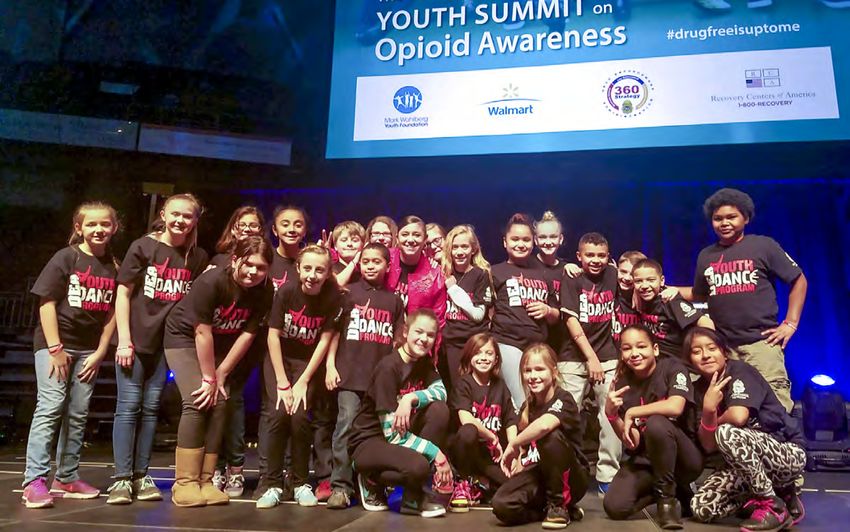
TABLE OF CONTENTS
iv Executive Summary
 1 Introduction
 8 Gaining Stakeholder Buy-In
13 Youth Engagement
27 Community Training
30 Media Outreach
47 Future Activities
49 Lessons Learned
53 Appendix A. Methodology
55 Appendix B. Glossary of Terms
56 Appendix C. References
58 Appendix D. Additional Campaign Information Data Tables
59 Appendix E. Microsite Data Tables
60 Appendix F. Earned Media Coverage
Executive Summary
     BACKGROUND                                                       DEA 360 IN MANCHESTER
     In 2015, in response to the rising number of                     The DEA 360 community outreach strategy in
     opioid-related deaths, the Drug Enforcement                      Manchester included the following key activities:
     Administration (DEA) launched its 360 Strategy
     with the purpose of ending the deadly cycle                      • Kickoff meeting
     of prescription opioid misuse and heroin use.                    • Press release
     In spring 2016, DEA funded Manchester,
     New Hampshire, as a DEA 360 city to combat                       • DEA Youth Dance Program aimed at
     the growing opioid epidemic from three                             promoting healthy lifestyles and avoidance
     perspectives: (1) law enforcement, (2) diversion                   of drugs
     control, and (3) community outreach. Four                        • Partnership for Drug-Free Kids training-of-
     program facilitators were engaged to implement                     trainers awareness-building sessions for
     DEA’s 360 community outreach strategy across                       community stakeholders
     all funded cities.
                                                                      • Television and radio media visits
                                                                      • New Hampshire Youth Summit on
     PURPOSE OF THIS REPORT                                             Opioid Awareness
     This report describes the methods and results                    • Community Anti-Drug Coalitions of
     of an assessment of the reach and impact of                        America's (CADCA) New Hampshire Youth
     community outreach activities of the DEA 360                       Leadership Training
     Strategy in Manchester. Results are based
                                                                      • Formation of the Empower Youth coalition
     on a summary of metrics from each program
     facilitator, as well as nine phone interviews with               • 13-week WakeUp-Manchester
     Manchester community partners.                                     media campaign

       This report was funded by the Drug Enforcement Administration (DEA) under contract number DJD-17-HQ-D-0074. The
       content of this report does not necessarily represent the positions or policies of DEA, nor does the mention of trade
       names, commercial products, or organizations imply endorsement by the U.S. government. This report also contains
       hyperlinks and URLs for information created and maintained by private organizations. This information is provided for
       the reader’s convenience. DEA is not responsible for controlling or guaranteeing the accuracy, relevance, timeliness,
       or completeness of this outside information. Further, the inclusion of information or a hyperlink or URL does not reflect
       the importance of the organization, nor is it intended to endorse any views expressed, or products or services offered.

iv                                                                 DE A 360 STR ATE G Y           M A N C H ES T ER
Key results of the assessment were divided into     LESSONS LEARNED
several sections related to gaining stakeholder
buy-in, youth engagement activities, community      These lessons learned may have broad
trainings, and media outreach.                      applicability for entities embarking
                                                    on a multisector approach to a
Highlights of the assessment are                    communitywide issue.
included below:
                                                    (1) Making Manchester the focus: DEA
• Approximately 8,500 youth and adults              360 cities should ensure the effort feels locally
  attended the New Hampshire Youth Summit           driven to increase buy-in and sustainability.
  on Opioid Awareness.                              This may include addressing city-specific
                                                    issues and needs; relying extensively on
• A three-day youth leadership training was
                                                    community-based organizations; and sharing
  attended by 26 youth—they participated in a
                                                    city specific resources.
  televised town hall and had the opportunity
  to attend an additional CADCA training            (2) Creating transparency among
  in Atlanta.                                       partners: All partners should be clear about
                                                    their roles and the overarching vision for
• A total of 113 adults were present at the
                                                    the 360 Strategy—this is best achieved by
  three training-of-trainer events in Manchester;
                                                    reaching out early and maintaining open lines
  11 parents were trained as parent coaches
                                                    of communication.
  to provide helpline support to other parents
  in need.                                          (3) Tailoring communication for youth:
                                                    Because youth are more likely to be
• During the 13-week WakeUp-Manchester
                                                    engaged with less traditional forms of media
  campaign, there were 1,244 television spots
                                                    (Snapchat and Netflix rather than television
  and 5,156 radio spots.
                                                    and newspapers), they are often missing the
• Overall, there were 75 media hits identified—     important messages being shared about
  this includes 42 from online news sources         the opioid epidemic. DEA 360 cities should
  and 33 from broadcast sources.                    continue to find alternative strategies to share
                                                    information with youth.

                                                                                                        v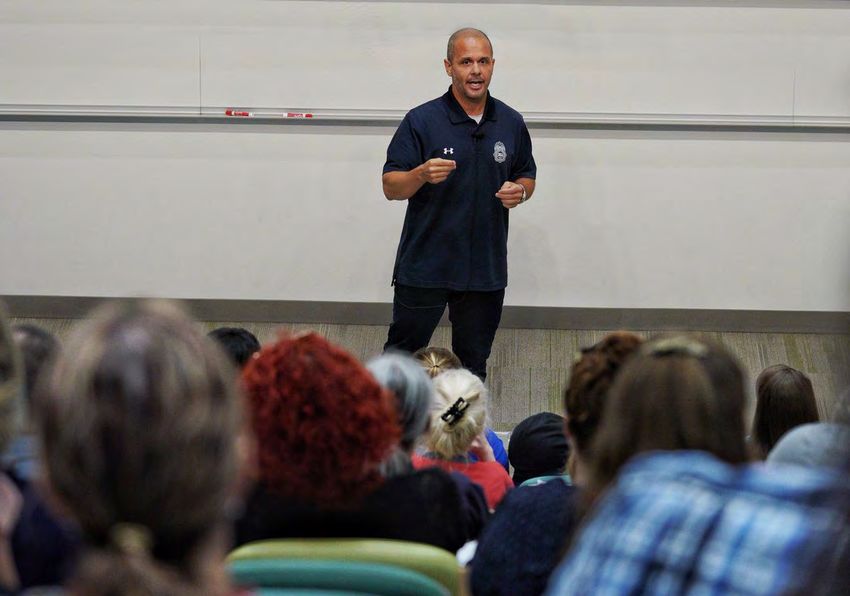
(4) Providing peer-to-peer learning                  additional support both during and after the
     opportunities: DEA 360 provided an important         formal funding period—a community outreach
     opportunity for youth to become motivated            specialist in each city will allow for a more
     and active in the process of prevention—these        comprehensive outreach strategy and follow-up
     youth were energized to be leaders in their          for training participants.
     school communities and ultimately, serve as
                                                          (8) Secure buy-in from the schools to
     ambassadors to their peers and sustain the
                                                          create momentum: To facilitate working
     work moving forward.
                                                          with young people in the community and
     (5) Get creative with additional funding:            create momentum, it is critical to form trusting
     While the DEA Assistant Special Agent in             relationships with the schools. By embedding
     Charge (ASAC) is unable to solicit additional        the DEA 360 Strategy directly in the school,
     funds, partners involved in the DEA 360              these activities have the support of adult
     Strategy in Manchester were able to seek             advisors and can reach other students.
     alternative funding which provided opportunities
                                                          (9) Key Influencers on Twitter: Despite the
     to enhance existing DEA 360 activities.
                                                          limitations placed on DEA related to the use of
     (6) Find a passionate leader: The DEA ASAC           social media, DEA 360 Manchester was able
     is an important factor in gaining buy-in and         to capitalize on the low-cost, wide reach of
     keeping strong momentum in the city. Several         social media by encouraging tweets from key
     community respondents noted that ASAC Jon            influencers, such as actor Mark Wahlberg,
     DeLena’s passion for the work was a critical         and the youth involved in the Empower
     factor in the success of the DEA 360 Strategy.       Youth coalition.

     (7) Ongoing community outreach support:
     Given the extensive outreach campaign, it
     has become increasingly important to bring in

vi                                                      DE A 360 STR ATE G Y     M A N C H ES T ER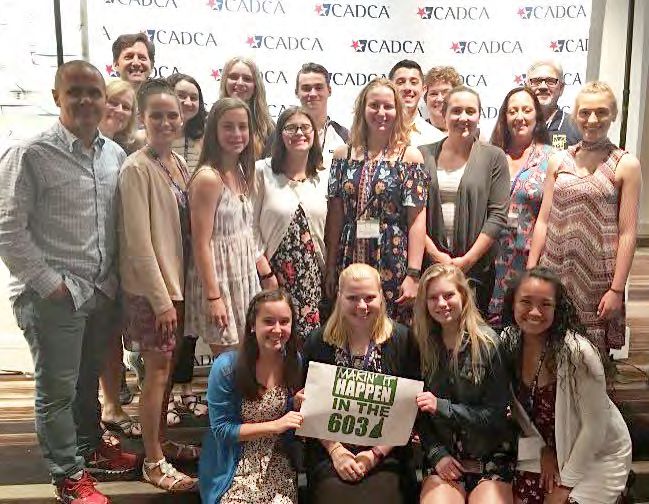
INTRODUCTION

    In 2015, in response to the rising number of opioid-related deaths, DEA launched its 360
    Strategy with the purpose of ending the deadly cycle of prescription opioid misuse and heroin
    use. In spring 2016, DEA funded Manchester, New Hampshire, as a DEA 360 city to combat
    the growing opioid epidemic from three perspectives: (1) law enforcement, (2) diversion control,
    and (3) community outreach. This report describes the results of an assessment of the reach
    and impact of the community outreach strategy. Four program facilitators are engaged to
    implement the DEA 360 Strategy across all funded cities. These include the Community
    Anti-Drug Coalitions of America (CADCA), Partnership for Drug-Free Kids (PDFK), A. Bright
    Idea, and DEA Educational Foundation.

The DEA 360 community outreach strategy in            The DEA’s Assistant Special Agent in Charge
Manchester included the following key activities:     (ASAC) Jon DeLena oversaw the on-the-ground
                                                      implementation of key activities in Manchester.
• Kickoff meeting

• Press release                                       OVERVIEW OF THE REPORT
• DEA Youth Dance Program (YDP) aimed at              The following report is based on a summary of
  promoting healthy lifestyles and avoidance          metrics compiled by each program facilitator,
  of drugs                                            as well as nine interviews with the ASAC,
                                                      community partners, and youth participants.
• PDFK training-of-trainers (TOT) awareness
  building sessions for community stakeholders        The report briefly describes the opioid problem
                                                      in the United States and in Manchester;
• Television and radio media visits
                                                      strategies developed and implemented in
• New Hampshire Youth Summit on                       Manchester related to 1) gaining stakeholder
  Opioid Awareness                                    buy-in, 2) youth engagement, 3) community
                                                      training and education, 4) media outreach;
• CADCA’s New Hampshire Youth
                                                      5) future activities, and 6) lessons learned and
  Leadership Training
                                                      recommendations for improvements for future
• Formation of the Empower Youth coalition            implementation using this Strategy in additional
                                                      DEA 360 cities.
• 13-week WakeUp-Manchester
  media campaign

                                                                                                         1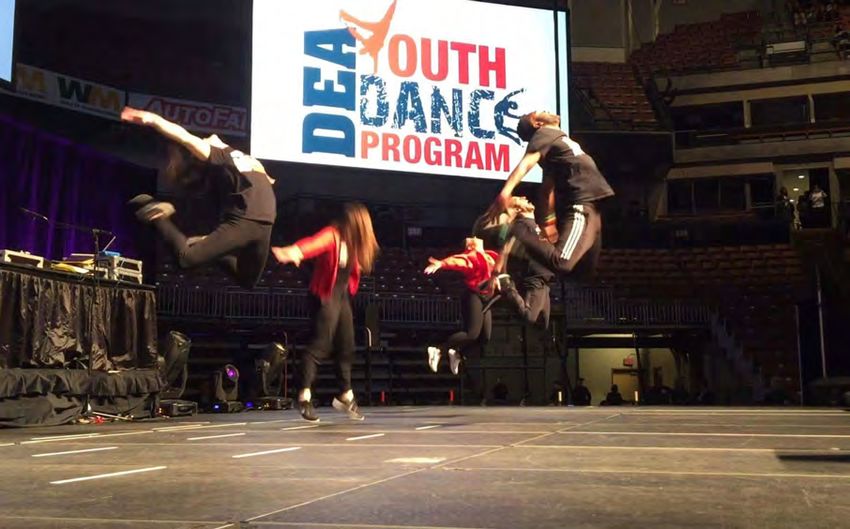
In 2017, as part of the DEA 360 Strategy Performance Analysis Project, DEA contracted with ICF, a
    research and evaluation firm, to conduct an assessment of the DEA 360 Strategy as implemented in
    Manchester and produce a Reach and Impact Report for the city.

        REACH: Number of people exposed to the various components
        of DEA 360 (e.g., number of people trained, number of youth
        participants at the Youth Dance Program, and the reach/
        frequency of the public service announcements [PSAs]).

        IMPACT: Short- and long-term changes on the community as a
        result of DEA 360—this may be related to sustainability of the
        DEA 360 activities.

    OPIOIDS IN THE UNITED STATES                        dealing with emergency calls for overdoses
                                                        and deaths—prevention efforts took a back
    Misuse and addiction to opioids, such               seat to treatment and recovery. According
    as prescription pain relievers, heroin, and         to one community partner, “We were really
    synthetic opioids including fentanyl, is a          focused on triaging a high volume of people
    national epidemic. In 2016, more than               seeking treatment and overdosing, but
    64,000 Americans died as a result of a drug         the volume didn’t match the services in
    overdose. Drug overdoses are now the leading        place. Prevention had to change what we
    cause of death among Americans under                were doing.”
    50 years of age. The epidemic reached such
    extremes across the United States that as
    of October 26, 2017, the president declared
    the opioid epidemic a national public health
    emergency (Hirschfeld Davis, 2017).

    OPIOID USE IN MANCHESTER
    In 2016, New Hampshire had the second
    highest number of opioid-related deaths and
    highest number of fentanyl-related deaths per
    capita with 34.3 deaths per 100,000 residents
    (Centers for Disease Control and Prevention
    [CDC], 2016). The state gained notable
    recognition for its opioid crisis leading up to
    the 2016 presidential election, as candidates
    visited the state and spoke about the issue
    to the media. As the largest city in the state,
    Manchester was the hardest hit by the crisis.
    With the community operating in triage mode—

2                                                     DE A 360 STR ATE G Y   M A N C H ES T ER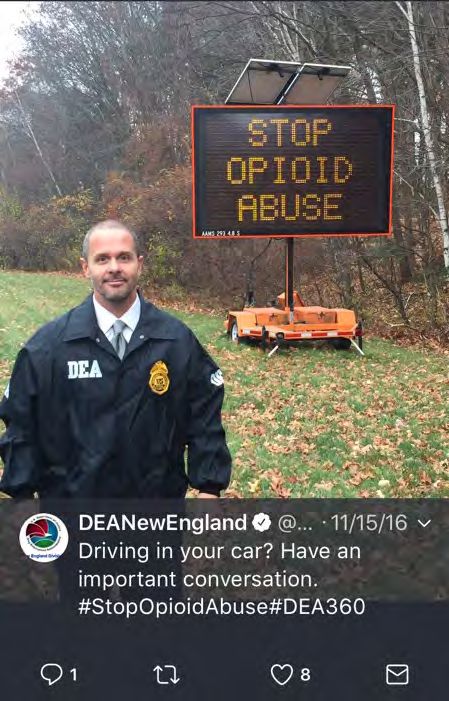
Fentanyl in
    New Hampshire
Fentanyl, a synthetic opioid, has become
popular among drug cartels due to its lower
cost, higher potency, and easier means of
transport than heroin. Dealers often mix illicitly
synthesized fentanyl with other ingredients,
such as whey protein or boric acid, to reduce
its potency prior to selling. However, because
fentanyl is difficult to dilute properly, the
resulting mixture may be deadly.

Based on the National Institute on Drug
Abuse New Hampshire Fentanyl Hot Spot
Study, fentanyl is 50 to 100 times more
                                                     On the left, a lethal dose of heroin; on the right, a lethal
potent than heroin; the study found that while       dose of fentanyl. Photo by the New Hampshire State
fentanyl is less expensive and quicker to take       Police Forensic Lab, source: https://www.statnews.
effect than heroin, the high does not last as        com/2016/09/29/fentanyl-heroin-photo-fatal-doses/
long, requiring more frequent consumption
                                                     • The 2016 state medical examiner report
and increasing the chances of overdose. The
                                                       showed that out of 439 overdose deaths in
study points to Manchester as having multiple
                                                       2015, 283 were from fentanyl and 88 were
factors contributing to the high rates of opioid
                                                       from heroin (New Hampshire Information
addiction and deaths—New Hampshire has
                                                       and Analysis Center, 2016).
the second lowest per-capita spending on
treatment, it is the only state in the Northeast     • Between January 2015 and October 2016
with no needle exchange program, and high              in Manchester, there were 1,340 cases of
rates of prescribing (Plantz, 2017).                   nonfatal and 168 cases of fatal overdoses
                                                       from opioid use (NDEWS Coordinating
“When the pill form of opioids started to
                                                       Center, 2016).
get more expensive and tamper proof,
people went to the alternative, which was            • The Manchester Fire Department responds
heroin. In 2014 into 2015, the overdose                to more overdose calls than fires. Since
fatalities that we had were down in the 30s            the initiation of the Safe Station program
… it was mostly all heroin. Then in 2015, it           in 2016, Manchester fire stations have had
bloomed up to about 100 fatalities and it              over 2,500 visits from individuals struggling
was fentanyl and heroin, and then in 2016,             with substance abuse. Safe Station is a
we went over 100, and it was almost pure               24-hour program located in Manchester
fentanyl. For a city of 115,000 people,                fire stations, where people struggling with
losing 115 citizens is pretty amazing.”                substance abuse may seek help without
                        —Community partner            fear of arrest (Nedlman, 2017).

                                                     • From February to June 2016, New
                                                       Hampshire’s opioid-related emergency
                                                       department visits increased by 70 percent
                                                       (Leins, 2017).

                                                                                                                    3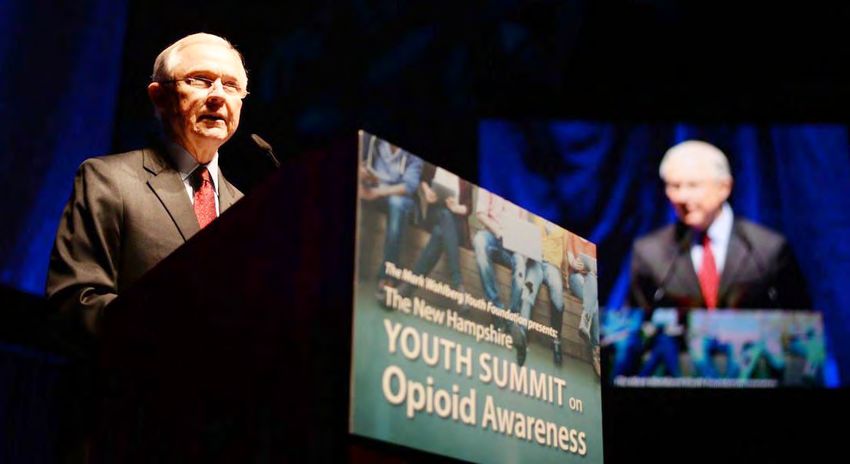
THE DEA 360 STRATEGY                                 The DEA 360 Strategy takes a three-
                                                         pronged approach:
    In response to the rising number of opioid-
    related deaths, DEA implemented its 360              1. Coordinated law enforcement actions
    Strategy aimed at stopping the deadly cycle             against drug cartels and heroin traffickers in
    of prescription opioid misuse and heroin and            specific communities;
    fentanyl use by eliminating the drug trafficking     2. Diversion control enforcement actions
    organizations and gangs fueling violence on the         against DEA registrants operating outside
    streets and addiction in communities. The 360           the law and long-term engagement with
    Strategy includes partnering with health care           pharmaceutical drug manufacturers,
    professionals and engaging and strengthening            wholesalers, pharmacies, and
    community and social service organizations that         practitioners; and
    are best positioned to provide long-term help
    and support for building drug-free communities.      3. Community outreach through local
                                                            partnerships that empower communities
    The following is an organizational chart                to take back affected neighborhoods after
    of the DEA 360 Strategy national and                    enforcement actions and prevent the same
    community partners.                                     problems from cropping up again.

                                                         DEA announced implementation of the DEA
      Drug Enforcement Administration                    360 Strategy in November 2015 and launched
                                                         DEA 360 in Manchester in September 2016.
                                                         Manchester is one of eight cities implementing
      DEA 360 Strategy Program Facilitators              the DEA 360 Strategy; four additional cities
      • Community Anti-Drug Coalitions                   are currently funded to implement DEA 360
        of America                                       in 2018.
      • Partnership for Drug-Free Kids
      • DEA Educational Foundation                       DEA 360 STRATEGY
      • A. Bright Idea                                   COLLABORATING AGENCIES
                                                         DEA 360 was implemented through a
                                                         collaboration with program facilitators
      Community-Based Organizations
                                                         and various community- and state-level
      • Prevention and recovery community                organizations. To implement the DEA 360
      • Local and state-level politicians                Strategy at the local level in Manchester,
      • Media                                            DEA relied on ASAC DeLena to serve as
                                                         the liaison between DEA headquarters (DEA
                                                         HQ), the program facilitators, and the local
      Community Members                                  community partners. During implementation in
                                                         Manchester, the local DEA office established
      • Youth/Parents/School Staff
                                                         partnerships with community organizations and
                                                         representatives from various sectors, including
                                                         the media, prevention community, local law
                                                         enforcement, and youth.

4                                                      DE A 360 STR ATE G Y     M A N C H ES T ER
DEA 360 STRATEGY PROGRAM FACILITATORS
Community Anti-Drug Coalitions of America
Since 1992, CADCA has been the premier membership organization
representing those working to make their communities safe, healthy,
and drug-free (CADCA, n.d.). CADCA brings its expertise in building
effective community coalitions and facilitating valuable dialogues to the initiative to empower
communities and support demand reduction. CADCA’s mission is to strengthen the capacity of
community coalitions by providing technical assistance and training, public policy advocacy, media
strategies and marketing programs, conferences, and special events.
DEA 360 Strategy responsibilities included communicating and coordinating with key coalition
members to prepare for the youth training and town hall event.
Partnership for Drug-Free Kids
Founded in 1987 as an anti-drug advertising campaign and formerly
known as the Partnership for a Drug-Free America, the Partnership is a
nonprofit organization dedicated to reducing teen substance abuse and
helping families affected by addiction (Partnership for Drug-Free Kids,
2017). The PDFK translates the science of teen drug use and addiction for families, providing parents
with direct support to prevent and cope with teen drug and alcohol abuse.
DEA 360 Strategy responsibilities included the launch of several public service announcements and
TOT presentations.
DEA Educational Foundation
Established in 2001, the DEA Educational Foundation educates the American
public on the various costs and consequences of drugs on society through support
of the educational programs and exhibits of the DEA Museum and the operation
of the DEA Youth Dance Program in more than 30 cities around the country (Get
Smart About Drugs, n.d.). By reaching out to America’s schools under the powerful name of DEA and
the DEA Educational Foundation, the DEA Youth Dance Program will inspire youth with healthy and
drug-free messages and will encourage them to exercise and express themselves artistically.
DEA 360 Strategy responsibilities included facilitating four dance classes intended to teach youth
about healthy lifestyles.
A. Bright Idea
Established in 1996, A. Bright Idea is a multimedia organization with
experience in public affairs, graphic design, and strategic communication
for government, commercial, and nonprofit clients (A. Bright Idea, n.d.).
They bring expertise in strategic communication, graphic and logo design, print collateral, and
outreach materials.
DEA 360 Strategy responsibilities included developing an identity in Manchester—A. Bright Idea built
a strategic communication plan and developed and ran the 13-week WakeUp campaign, including
the development of the name and execution of creative assets.
5METHODS AND DATA SOURCES REACH AND IMPACT REPORT
At DEA’s direction, ICF used a mixed-method RESEARCH QUESTIONS
approach to assess the 360 Strategy in The report highlights key findings to respond to
Manchester using quantitative and qualitative the research questions included below.
data. Specifically, the ICF research team
collected, organized, and analyzed quantitative • What strategies were used to encourage
metrics received from DEA’s program facilitators. collaboration in Manchester? What was
ICF also conducted and analyzed qualitative data the impact of these collaboration efforts on
from phone interviews with community partners sustainability or scalability?
and youth from the YDP in Manchester (see
detailed description of Methods in Appendix A). • What impact has the DEA 360 Strategy had
on youth in Manchester?
QUANTITATIVE DATA (METRICS • What outreach strategies were used in
Manchester? What were the key messages/
COMPILATION) calls to action shared with the community?
DEA’s four program facilitators and community What were the numbers reached for the
partners who participated in phone interviews various outreach activities? What impact did
shared relevant quantitative metrics data the outreach efforts have on the community?
related to their deliverables during and after
• Who was trained via the DEA 360 Strategy
the implementation year (October 2016–2017).
in Manchester?
Examples of data shared included sign-in
sheets from trainings, news articles including • How has the DEA 360 Strategy been
mentions of DEA 360, summary documents sustained in Manchester? What has been
of media metrics, dance program attendance the lasting impact of the DEA 360 Strategy
records, training slides, and photos from the on Manchester?
DEA 360 events.
• What were the lessons learned based on
DEA 360 in Manchester?
QUALITATIVE DATA (COMMUNITY
PARTNER AND YOUTH
INTERVIEWS)
ICF conducted nine qualitative interviews
to gather information on DEA 360 program
implementation in Manchester, partners
and collaboration, facilitators and barriers
to implementation, and lessons learned.
Respondents included ASAC DeLena, six
community partners identified by the ASAC
as being central to the community outreach
component, and two youth engaged in DEA
360 activities in Manchester.
6 DE A 360 STR ATE G Y M A N C H ES T ERDEA 360 STRATEGY IN MANCHESTER
DEA implemented its 360 Strategy in Manchester from October 25, 2016 to September 30, 2017, with
a predominant focus on youth engagement. The following timeline highlights key events and activities.
ACTIVITY TIMELINE
OCTOBER 25, 2016 M
Stakeholder/Kickoff Meeting COLOR KEY
M NOVEMBER–DECEMBER 2016
Opioid Crisis PSA (DEA/New Hampshire
NOVEMBER 2, 2016 S
United States Attorney/WMUR)
Youth Dance Program Kickoff at
Parker Varney and Green Acres Schools
S NOVEMBER 7, 2016–APRIL 3, 2017 MEDIA
M EVENTS
Youth Dance Program at Parker Varney School
NOVEMBER 10, 2016–MAY 18, 2017 S
Youth Dance Program at Green Acres School
M NOVEMBER 15, 2016
Press Conference
DECEMBER 13, 2016 S
Memorial High School Presentation SCHOOL
S DECEMBER 14, 2016 S EVENTS
Central High School Assembly Presentation
DECEMBER 15–16, 2016 M
PDFK Media Visits
T DECEMBER 19–20, 2016
PDFK Training-of-trainers
JANUARY 13, 2017 S TRAINING
Souhegan High School Presentation T EVENTS
S JANUARY 30, 2017
Manchester School of
FEBRUARY 1, 2017 S
Technology Presentation
West High School Presentation
C MARCH 7, 2017 COMMUNITY
MARCH 10, 2017 S C EVENTS
New Hampshire Youth Summit on Opioid Awareness
Northeast Regional Vocational High School
(MA) Presentation
T MARCH 10–12, 2017
National Help Line Training (Parent Coach)
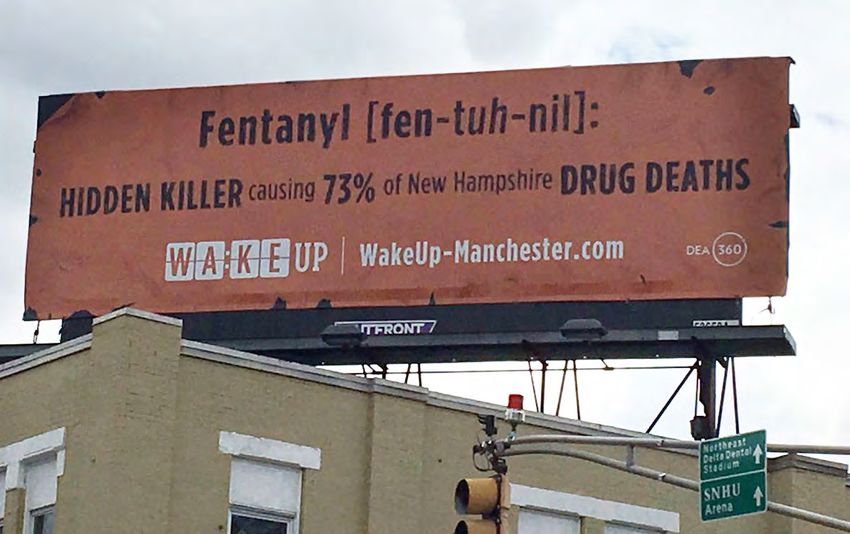
APRIL 24–JULY 2, 2017 M
Billboard Outdoor Advertising
M MAY 1–JULY 30, 2017
WakeUp-Manchester Campaign
MAY 5–7, 2017 T
CADCA Youth Leadership Training
M MAY 9, 2017
CADCA and WMUR Youth Town Hall Event
MAY 18, 2017 S
Soughegan High School Presentation
T JUNE 28, 2017
MA College of Pharmacy Student Training and Education
JULY 23–27, 2017 T
CADCA Midyear Training Institutes in Atlanta
C SEPTEMBER 23, 2017
Art Jam
OCTOBER 18, 2017 M
PSA filming for National Prescription Drug Take Back Day*
T OCTOBER 18, 2017
WMUR Junior Reporter Training
OCTOBER 23–31, 2017 C
Red Ribbon Week*
C OCTOBER 28, 2017
Prescription Drug Take Back Day*
NOVEMBER 10, 2017 T
PSA Training*
*Denotes activities that occurred beyond the formal 360 Strategy end date of 9/30/2017.
7GAINING
STAKEHOLDER BUY-IN
A key goal of DEA 360 is to encourage opportunities for cross-sector collaboration. During
community partner interviews, respondents were asked to describe the vision for DEA 360 in
Manchester, key players and their roles, efforts to collaborate across partners and program
facilitators, and other stakeholders who supported the program. This section presents a
summary of DEA 360 community and state partners, the core leadership group, efforts to obtain
stakeholder buy-in, and the development of a collaborative vision for DEA 360 in Manchester.
In Manchester, ASAC DeLena led the DEA 360 the Safe Station program and working with
Strategy effort, serving as the liaison to DEA the health department to educate the public
HQ, program facilitators, and community and about needle exchange programs. Some
state partners. From the beginning, it was clear community stakeholders felt they were too
that for the community outreach component to busy to become involved with the 360 Strategy.
be successful in Manchester, it had to energize Others questioned whether DEA—as a federal
the community and be sustainable beyond the agency—could understand what was happening
implementation year. in Manchester and what the community needed.
Rather than implementing DEA’s community
The local DEA office was committed to ensuring
outreach component, some community
the community outreach component not only
stakeholders instead wanted DEA to simply
met these goals, but also reached beyond
fund local prevention efforts.
greater Manchester. To achieve this, ASAC
DeLena called upon colleagues, community Undeterred by the initial reception to the
leaders, local and state law enforcement and program, DEA moved forward with the DEA 360
politicians, community-based organizations press conference on November 15, 2016, at
(CBOs), nonprofits, schools, individuals in the Manchester Boys and Girls Club. Together,
recovery, and the media to support and become representatives of the DEA Manchester District
involved in the effort. Office, U.S. Attorney’s Office, Manchester
Police Department, and New Hampshire
When the DEA 360 kickoff was held October 25,
Attorney General’s Office announced that
2016, the effort was initially met with skepticism
the 360 Strategy would be implemented
from many community stakeholders. At the
in Manchester.
time, the community was already implementing
8 DE A 360 STR ATE G Y M A N C H ES T ERWhile some community stakeholders were unconvinced of DEA’s ability to successfully implement
community outreach, the director of the Makin’ It Happen coalition, a community-based coalition
with a 21-year history in Manchester, saw potential for the program to reach youth and expressed
interest in partnering on the effort. With the director of Makin’ It Happen showing support for the
program, attitudes within the community began to change, and the 360 Strategy garnered support
from a diverse range of community- and state-level partners and stakeholders.
MAKIN’ IT HAPPEN COALITION
Mission
To create a coordinated community response among individuals,
organizations, businesses, and communities to promote behaviors
that measurably improve overall drug prevention, health, and well-
being of our youth, with a focus on alcohol, tobacco, and other
drug prevention.
Vision
To create an environment where all youth receive family, social, and
community support in order to achieve their maximum potential
(Makin’ It Happen, n.d.).
9Ultimately, the DEA 360 Strategy garnered support from a diverse range of community- and state-
level partners and stakeholders.
Community- and state-level partners and stakeholders
10 DE A 360 STR ATE G Y M A N C H ES T ERE RSHIP GROUP
L EAD IN
MA
O RE N
C
C
0
HE
36
ST
DEA
ER
Manchester Police
Department Chief
DEA
Manchester
District
Office
Makin’ It Happen U.S. Attorney’s
Director Office, AUSA
DEA 360 STRATEGY LEADERSHIP According to ASAC DeLena,
A core group of leaders was assembled—the “The tipping point for me was career day at
Manchester Police Department police chief; the fifth grade in rural New Hampshire. Groups
New Hampshire U.S. Attorney’s Office Assistant of 10 students came through. I opened
U.S. Attorney (AUSA); and the director of the with: What’s the biggest problem in New
Makin’ It Happen coalition—to provide direction Hampshire? Eventually a kid would speak
to the DEA 360 Strategy in Manchester. up and say heroin or fentanyl and then three
Together, this group developed a youth-focused to four kids would say they knew someone
vision for the program, researched and planned that overdosed.”
program activities, collaborated with program Combined with insights into prevention from
facilitators and partners, coordinated logistics, Makin’ It Happen, it became obvious that
engaged the media, and participated in the Manchester lacked a well-defined opioid and
youth engagement events. heroin prevention strategy for youth. As a result,
A Collaborative Vision the core leadership group determined that the
DEA 360 Strategy in Manchester would focus
Developing a vision for DEA 360 in Manchester on youth engagement.
was a collaborative effort. After engaging with
youth in the community, it became evident
that while many were unaware of and
untouched by the opioid epidemic, others were
experiencing secondary trauma as a result of
losing loved ones.
11SUMMARY
The local DEA office recognized that the To facilitate these ongoing relationships,
community outreach component needed to it was critical that the partners were clear
energize the community and be sustainable about the goals of the 360 Strategy and
beyond the implementation year to be remained transparent about expectations.
successful. ASAC DeLena reached out
Initially, efforts to collaborate with program
to a wide range of community and state
facilitators and community partners proved
stakeholders to partner on the effort.
to be challenging for local DEA given that
DEA 360 garnered support from the law enforcement and prevention worlds
approximately 25 community, state, “speak different languages.” Despite this,
and program facilitators. These partners community partners credited the success
included law enforcement, CBOs, the public of the program to the ASAC’s personality
school system, nonprofit organizations, and diligence.
politicians, Department of Justice staff, and
The involvement of community partners
local media.
was central to secure additional funding;
A small group of key partners were this enabled DEA 360 to expand beyond
identified to lead the DEA 360 effort in greater Manchester. As a government
Manchester. After realizing Manchester agency, the DEA local office was unable
lacked a well-defined strategy for opioid to solicit funds for programming. However,
awareness and prevention among youth, several DEA 360 partners stepped up to
the core leadership group determined that sponsor events, like the youth summit.
youth engagement should be the focus of
the program.
Initially, community stakeholders
questioned whether DEA was the right
entity to implement a community outreach
component in Manchester. However,
after gaining the support of a key partner,
the director of a long-time coalition in
Manchester, other community stakeholders
began to show their support.
12 DE A 360 STR ATE G Y M A N C H ES T ERYOUTH ENGAGEMENT
The core leadership group identified youth engagement as the overarching focus of the DEA
360 Strategy in Manchester. During the partner interviews, respondents were asked to describe
the youth-centered activities in which they participated, the purpose/goals of the activities, and
the facilitators and barriers to implementation. In addition, youth interview respondents were
asked to describe the activities in which they participated, what they learned, and how their
participation affected them. Program facilitators also provided rich context and information
related to the youth strategies such as the CADCA Youth Leadership Training and the DEA
Youth Dance Program.
During the DEA 360 implementation year in respondents commented that prior to DEA 360,
Manchester, youth were exposed to a wide youth varied in their level of awareness about
range of community, state, and national the opioid epidemic.
stakeholders. Youth received training and
mentoring in community-based problem-
solving and had the opportunity to present their Some know more than others. Kids at
concerns to community and state leaders. bigger schools where that happens more
likely know more, but in general they only
The DEA 360 core leadership group in know some information. They might hear
Manchester collaborated with program about it on the news or parents talking
facilitators, partners, and others to implement about it, but they don’t know enough
a variety of youth-centered activities. These about it.
included outreach and awareness efforts, —Individual in recovery
a youth dance program, youth leadership
trainings, a youth-led town hall, and the
formation of a youth coalition—Empower Youth.
While some youth had been personally affected
by the overdose or loss of a loved one, most
OUTREACH AND AWARENESS were not widely exposed to outreach efforts
related to the issue because they were not
EFFORTS watching cable television or using the same
The DEA Manchester District Office wanted types of social media (e.g., Facebook) as their
to bring opioid awareness and prevention to parents. Rather, youth were communicating
youth in the Manchester School District’s high over Snapchat and watching streaming
schools and across the state. Multiple interview services, such as Netflix, rather than television.
13Junior Reporter Training
for National Prescription
Drug Take Back Day
Partnership with
Massachusetts
WMUR College of Pharmacy
Televised Youth and Health Sciences
Mid-Year Training Leaders Town Hall
Institute University Middle School
May 9, 2017 mentorship program
July 23–27, 2017 13 youth met with local
13 youth attended PSA Training and Filming
and state leaders
CADCA Youth Empower
Leadership Training Youth Coalition
May 5–7, 2017 Formed by 26 youth at
26 youth attended leadership training
DEA 360
YOUTH
ENGAGEMENT
Chasing the Dragon
DEA 360 Film sent to all
New Hampshire New Hampshire
Youth Summit on Ongoing work high schools
Opioid Awareness with schools DEA Youth
March 7, 2017 8,500 throughout Dance Program
attended in-person Manchester 53 Youth from
35,000 watched 2 Middle Schools
online
In-School Prevention
Presentations
7 High Schools
Thus, many youth were not aware of the adults in recovery. Believing these stories
dangers of prescription opioid misuse and would resonate with high school students, he
heroin use. developed a partnership with Teen Challenge
in an effort to bring stories of addiction and
To educate youth about the opioid epidemic
recovery to high school students.
and the dangers of addiction, the DEA 360
Strategy comprised multiple youth engagement Over the course of the DEA 360 implementation
efforts. These efforts included giving educational year, ASAC DeLena visited seven high schools
presentations in local high schools; distributing to speak to students about opioid misuse
an educational documentary to high schools prevention to youth. At four of these events,
throughout the state; holding a statewide youth young men and women in recovery joined the
summit on opioid awareness; and hosting an ASAC and shared their personal stories of
informational booth at a local festival. addiction and recovery with students as part of
the presentation.
Prevention Presentations and Personal
Stories of Addiction and Recovery
ASAC DeLena began visiting high schools to We’re finding that kids are going through
speak to students about opioid awareness struggles themselves or their family
and prevention in November 2016. During the members are. Youth come up and say,
presentations, the ASAC shared an overview ‘My friend is using pills. My dad is a drug
of local prevention efforts—he often attended dealer.’ And they ask for advice and
these sessions with the police chief or a young can relate because we (Teen Challenge
adult in recovery. During a Teen Challenge speakers) aren’t that much older
treatment program graduation ceremony in than them.
January 2017, the ASAC was moved while —Individual in recovery
listening to the personal stories of young
14 DE A 360 STR ATE G Y M A N C H ES T ERTEEN CHALLENGE NEW HAMPSHIRE
Teen Challenge New Hampshire provides
adults, teens, and families with an effective and
comprehensive Christian faith-based solution, clinical counseling,
and life-coaching for drugs, alcohol, and other life-controlling
problems in order to become productive members of society.
Confronted by Hope – Walking in Freedom – Living With Purpose
http://tcnewhampshire.org/about-us/history-and-mission/
Chasing the Dragon Documentary
The local DEA office believed that youth
throughout New Hampshire needed to
understand the dangers of prescription opioid
misuse and heroin use. To achieve this goal,
the core leadership group purchased and sent
copies of the short documentary, Chasing
the Dragon: The Life of An Opiate Addict, to
every high school and middle school in New
Hampshire. The film featured real people from
various walks of life who had been addicted to
opioids or whose children had been addicted
and the tragic consequence of the abuse. The
group included a letter with each copy asking
principals/guidance counselors to show the
film to their students.
New Hampshire Youth Summit on
Opioid Awareness
After attending a Massachusetts youth summit
on opioid awareness sponsored by the Mark
Wahlberg Youth Foundation, the DEA 360 core
leadership group was inspired to hold a similar “It was a pretty amazing event. I wasn’t
event in New Hampshire. In early November sure it would all be possible, but when
2016, the core leadership group began meeting DEA 360 folks call, people answer the
with community and state partners to determine phone. Because New Hampshire is pretty
how to bring the summit to New Hampshire. small and everyone is pretty connected
there were right people at the table,
On March 7, 2017, the New Hampshire Youth with the right connections, and they all
Summit on Opioid Awareness was held at the stepped up.”
Southern New Hampshire University (SNHU)
arena. The overarching aim of the summit was —Community Respondent
to demonstrate the benefits of a healthy lifestyle
and promote healthy choices among youth.
15The professionally-produced, half-day event The summit featured an array of entertainers
was designed to educate students, parents, and speakers. Youth entered the arena to the
and teachers about the warning signs and energizing music of a popular deejay and were
dangers of opioid misuse, while at the same treated to a live performance by the YDP dance
time maintaining an uplifting tone. Students teams and a rap artist. The summit also featured
in grades 7 to 12 throughout the state were pre-recorded videos from Mark Wahlberg,
invited to attend. In addition, some youth Matt Bonner, Julian Edelman, Ben LoveJoy,
from Massachusetts attended. The arena also Mike O’Malley, Isiah Thomas, Senator Shaheen,
had an exhibition area where approximately and Senator Hassan. ASAC DeLena recollected,
20 treatment programs and youth organizations
“I will never forget the AG [Jefferson
offering positive and constructive extracurricular
Sessions] calling the night before he flew in
activities shared information.
and it was huge. I’ll never forget introducing
him to the kids. He said, ‘I think you started a
national movement.’”
It was amazing to see that many high
schoolers in one place, giving them the During the summit, the audience watched the
power of their voice and challenging them film, If Only. The film, which was produced
to use their voice. by the Mark Wahlberg Youth Foundation and
—Community Respondent Millennium Health, was designed to raise
awareness among teens, parents, and other
adults about the dangers of prescription drug
misuse and to start a conversation about
The mission of the MARK WAHLBERG YOUTH FOUNDATION is to
improve the quality of life for inner-city youth through a working partnership
with other youth organizations. The Mark Wahlberg Youth Foundation provides
financial and community support to assist various youth-based efforts. The
Mark Wahlberg Youth Foundation and Millennium Health created If Only, a short film that
raises awareness about the dangers of teen prescription drug misuse and abuse.
https://www.markwahlbergyouthfoundation.org/
http://dropthemoff.com/ifonly/
16 DE A 360 STR ATE G Y M A N C H ES T ERNotable Youth Summit Entertainers
and Speakers
• Actress Eliza Dushku
• ASAC DeLena
• DJ Pupdog
• Former Miami Marlins pitcher, Jeff Allison
• James Wahlberg
• Manchester City Mayor, Ted Gatsas
• New England Patriots player,
Patrick Chung
• New Hampshire Governor Chris Sununu
• Rapper Token
In total, 8,500 people attended the summit.
• Shavia Savul, MD
The event also was livestreamed by WMUR-TV
• YDP dance teams and teaching artists and reached another 35,000 students and
• U.S. Attorney General teachers online.
Jefferson Sessions
Art Jam Bridge Fest
On September 23, 2017, WGIR radio along
medication safety. After the film, a group of with other community partners sponsored a
100 parents took the stage holding pictures local music, dance, and art festival—Art Jam
of the children they had lost to the opioid Bridge Fest. Proceeds from the festival went to
epidemic. ASAC DeLena said, “I’ve talked to local organizations to help fight the opioid and
a lot of kids at the event. All kids talk about heroin epidemic in Manchester. Members of the
is seeing the parents after. There were core 360 leadership group, along with several
parents selected to speak. The messages Empower Youth coalition members, hosted a
were heartwarming, even more so than booth at the event where they interacted with
famous people.” community members and shared information on
the opioid epidemic in Manchester.
17DEA YOUTH DANCE PROGRAM
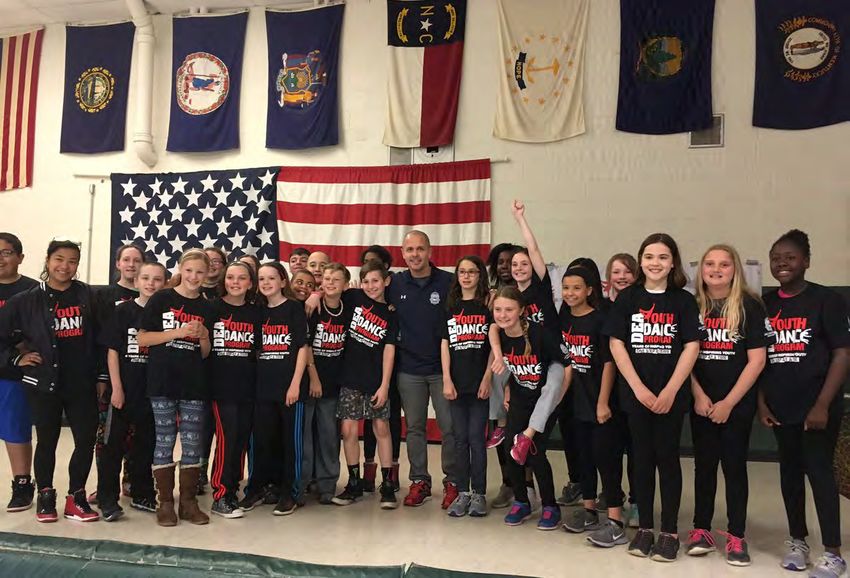
November 7, 2016–April 3, 2017 28 fifth-grade
Parker-Varney Elementary School STUDENTS
PARTICIPATED
November 10, 2016–May 18, 2017 25 fifth-grade
Green Acres Elementary School STUDENTS
PARTICIPATED
YOUTH DANCE PROGRAM
When DEA said, ‘Let’s get your dance
The DEA YDP was established to empower program started,’ I said, ‘I’ll take a
kids by providing a free and positive afterschool basketball team or wrestling. I don’t want
alternative to drugs through the fun, healthy, dance.’ The DEA dance people said,
and expressive art form of dance. The YDP ‘Pay attention. We’re providing a healthy
curriculum incorporated the DEA Educational afterschool activity that’s co-ed for all kids
Foundation’s anti-drug messages and themes. … if they don’t have shoes or baseball
These included teamwork, building self-esteem, gloves.’ When I heard that, I said, ‘Let’s
resisting negative peer pressure, focusing on have the best dance program.’
positive health and attitude, and participating in
—ASAC DeLena
positive alternatives to gang violence and drugs.
The aim of the program was to help students
grow in self-confidence, develop team-building
Though not a typical drug education class on
skills, and learn the power of dance as a
the science and statistics of drug abuse, the
positive alternative to drugs and violence.
YDP served as a vehicle to empower kids and
As part of DEA 360, the YDP was implemented teach them focus and discipline. It gave kids
in two of Manchester’s public elementary the opportunity to express their emotions in a
schools. DEA was initially reticent about healthy way through dance. The YDP offered
implementing a dance program in Manchester. participating youth the following:
1. Exciting and interactive professional
performances where students received
important messages about the importance
of staying drug-free and healthy. Students
learned about working as a team, taking
positive risks in trying something new, and
the power of dance to bring joy through
physical movement.
2. Free dance class series offered in a safe
location. Students had the opportunity to
work with mentors and focus on working in
a positive environment with peers, resisting
18 DE A 360 STR ATE G Y M A N C H ES T ERpeer pressure, building self-confidence, and Participation and interest remained high—one
participating in a healthy activity. school retained 100 percent of the students
(n = 25) and the other retained 96 percent of
3. Performance opportunities for children both
the students (n = 28).
at their schools and on a large scale through
the Youth Summit giving them an exciting When asked to reflect on their child’s
outlet to showcase their accomplishments. participation in the YDP, a parent reported,
“They promote all things our young people
On November 2, 2016, the local DEA office
need to grow in a positive way. Confidence,
hosted the introduction of the YDP at Green
activity, and healthy habits. Most of all, a super
Acres and Parker-Varney Elementary Schools.
incentive to stay off drugs and an overall desire
At each of the events, students and faculty
for living a decent lifestyle!”
watched performances by professional dancers
from Rainbow Tribe, a dance company whose The YDP was a success in the Manchester
vision is “to be an established and recognized schools, with principals and teachers becoming
organization that spreads the joy of dance and involved and dancing with the kids. Fifty-two
promotes the understanding and acceptance of students, along with the teaching artists from
diversity” (Rainbow Tribe, 2012). The performers the Rainbow Tribe dance company, performed
demonstrated different styles of dance for the at the New Hampshire Youth Summit on Opioid
students. Approximately 200 youth and faculty Awareness. According to interview respondents,
attended the performance at Green Acres the local media embraced the positivity of the
and about 150 students and faculty attended YDP as an alternative to the opioid epidemic
the performance at Parker-Varney. Afterward, and highlighted the schools’ dance team
interested students registered to participate in practices and graduations on the news.
the program.
Weekly classes were held at each elementary
school over the 20-week program.
19YOUTH LEADERSHIP TRAININGS
AND TOWN HALL FORUM
Knowing that CADCA specialized in training,
the core leadership group worked with the
organization to conduct a youth leadership
training and town hall in Manchester instead
of a traditional summit. Further, several youth
attended CADCA’s national training in Atlanta
through DEA 360.
DEA 360 New Hampshire Youth five-step planning process for preventing
Leadership Training substance use and misuse that incorporates
On May 5–7, 2017, CADCA held the DEA 360 the guiding principles of cultural competence
New Hampshire Youth Leadership Training and sustainability.
with 26 youth and 8 adult advisors. The DEA Youth-in-action projects are a capstone product
Manchester District Office reached out to in the Key Essentials Course. These projects
school principals in the Manchester School serve as strategic action plans for youth to
District with a request to identify a diverse mix develop and implement youth-led, community-
of youth to participate, such as youth who had based projects. Using seven evidence-based
experienced issues at home, in a three-day behavioral change strategies, with an emphasis
training to provide youth with the skills needed on environmental change, the youth created
for coalition work. The students came from plans to make a measurable impact on
four Manchester high schools and one middle substance abuse in their communities. A youth
school. Adult advisors included ASAC DeLena, participant described, “we were able to do
coalition leaders, school student assistance a community assessment to identify what
counselors, and parents. areas in our community were a problem,
The training centered on CADCA’s Key where different drugs are being used… and
Essentials course—an educational and systems now we are focusing on how do we stop this
change model—aimed at teaching youth and or prevent this.”
their adult advisors how to use teamwork to Teams of youth and adults developed problem
dismantle community problems. The course statements for their communities, completed
incorporated youth and adult team teaching, community assessments, conducted problem
where adult advisors functioned as mentors to analyses, and developed logic models. Finally,
the youth, as well as applied and experiential the teams created youth-in-action project plans,
learning. According to CADCA, the goal of the which incorporated CADCA’s seven evidence-
training was “to build and strengthen youth based behavioral change strategies, aimed
leaders within coalitions so they could become at creating community change in the area of
more meaningfully involved in creating safe, substance abuse prevention.
healthy, and drug-free communities."
During the training, youth and adult advisors
learned how to apply the Substance Abuse
and Mental Health Services Administration’s
Strategic Prevention Framework (SPF) to
community problem-solving. The SPF is a
20 DE A 360 STR ATE G Y M A N C H ES T ERWhen asked to reflect on the leadership component of the training
during a follow-up discussion, a young person said the leader attribute
that stood out to her the most was having a vision.
“ A vision is seeing something in the future and making a
change to make that happen; I feel I can have a part of a greater
vision—maybe not my own vision, but maybe the nation’s vision
”
to get rid of this drug problem.
DEA 360 Youth Leaders On May 9, 2017, youth met with five
Town Hall Forum community and state leaders—the governor, a
representative from the Mark Wahlberg Youth
During the youth leadership training, 13 youth Foundation, a representative from CADCA,
signed up to take part in a televised town hall a school assistance program counselor,
forum a few days later. CADCA led the televised and ASAC DeLena. There were 100 invited
town hall effort, which was intended to provide guests in the audience, including the mayor of
a format for youth to meet with community and Manchester, the Manchester police chief, the
state leaders about their concerns. Chief U.S. Probation Officer from the District
of New Hampshire, the New Hampshire
Attorney General, and the director of the New
At the end of the training, youth Hampshire Liquor Commission Division of
participants completed evaluations, Enforcement. WMUR recorded the town hall
including a question that asked them to forum and shared the event on its website on
describe one thing they would walk away May 11, 2017.
with from the training. Several youth
The youth opened the town hall with a
described how the training affected their
presentation on prevention. They also gave an
interest in and ability to become leaders.
overview of the logic models they developed
during the youth leadership training. The youth
I will walk away with: emphasized employing strategies to really
• A new interest in making a difference in engage with youth, as opposed to simply
my community. handing out information. They provided several
recommendations and suggestions related to
• A mindfulness for how to be a great
the issue; for example, adults should provide
leader in my community.
support in order to address the “why” of the
• A grasp of how to make a difference in problem, rather than relying on punishment.
my community with my new knowledge
and leadership skills. According to interview respondents, the town
hall was completely youth-driven. CADCA did
• A sense that I can help my community in not issue the youth a script to follow, but rather
bigger ways than I expected. allowed the youth to determine what they
wanted to discuss and helped them to prepare
21for the event. One youth town hall forum CADCA 16th Annual Mid-Year
participant related, “It was nerve wracking Training Institute
to speak in front of the governor and an
audience of 50 people, but we realized Thirteen youth from the leadership training
everyone was there to support us. I would and six adult advisors attended CADCA’s
love to do something like this again.” 16th Annual Mid-Year Training Institute:
Engineer Healthy Communities in Atlanta on
After the town hall event, the youth had a July 23–27, 2017. Participation in this event
follow-up meeting with the police chief to was intended to augment skills the youth
discuss implementing some of the strategies had developed as part of the DEA 360 Youth
discussed during the town hall. According to a Leadership Training. Youth attendance at this
youth participant, national training was sponsored in part by
Dartmouth-Hitchcock Health System. During
“We did an interview with the police chief
the training, youth attended CADCA’s Advanced
about things that are bothering us in our
Course, for which the Key Essentials Course is
schools. He is currently working on this.
a prerequisite. One youth participant recalled,
He went to the governor and worked out
what we want to get done. For example, “The Atlanta training was similar to the
right outside the school there were shops training in May, but in Atlanta it was
that sold tobacco. A town ordinance was youth from schools all over the country.
passed so that the shops had to give up [We] came together to address one huge
those products. Another thing was more problem in the country and [learn] how to
compliance checks with the stores. We get across to adults. [We] made posters
met with the head of the drug and alcohol showing where hot spots are. [We] took
police in New Hampshire and set up days back the feeling that [we] aren’t alone
to do compliance checks. We got the and learned from other youth about what
chief of police to do more drug checks in they are doing. [We] learned about how
the schools with dogs. We have already [we] can help make [our] cities drug free
had two in the first semester where we through policy and trainings, etc.”
usually have maybe once a year.”
During the training, the youth also took part
in a medicine safety training developed by
Johnson & Johnson Consumer, Inc. The
youth who attended the Mid-Year Training
22 DE A 360 STR ATE G Y M A N C H ES T ERInstitute will work with students from the An adult advisor/training attendee said, “It’s re-
Massachusetts College of Pharmacy and Health energized me … and it has given me some
Sciences University to conduct the medicine information that I can use in talking with kids
safety training with middle and elementary and has given me new ideas of getting the
school students. information out.”
A youth training participant described the
following: EMPOWER YOUTH COALITION
“In Atlanta, we did the Johnson & Prior to becoming involved with DEA 360, the
Johnson and medication safety training director of Makin’ It Happen planned to develop
and learned to teach younger kids an affiliate youth coalition, Empower Youth.
about what are opioids, what kinds of After learning about DEA 360, the director
pill bottles to look out for. … We worked was convinced that the youth coalition would
on logic models again, but now we dovetail nicely with the goals of DEA 360 and
are planning on going into elementary help to establish a youth focus for the program.
schools and teaching this training to
younger students. We haven’t done it yet,
but are trying to get permission to enter Empower Youth is an umbrella initiative
the schools.” that includes focused trainings to youth,
The adult portion of the program focused on along with identifying opportunities for
sharing ideas with coalitions and community youth to use their voice and be part of
members on a variety of topics, including prevention development conversations
sustainability, youth engagement, and funding. and activities at their school and within
The training also equipped adults with their communities in greater Manchester.
resources to respond to alcohol or drug use
questions from youth.
23“ There is nothing more powerful than youth helping
youth. It’s all about education. We have to educate youth
from a young age to not do drugs. … Peer-to-peer is so
powerful because kids don’t want to hear from adults.
”
They need it from people their age.
During the DEA 360 Youth Leadership Training, pharmacy students from the Massachusetts
Makin’ It Happen recruited all 26 youth College of Pharmacy and Health Sciences
participants to form Empower Youth. The University to mentor middle school students
coalition employed a peer-to-peer model where on medication safety.
coalition members took their ideas, skills, and
lessons learned back to their schools and
engaged their peers and where some older
youth eventually will mentor younger youth.
A community partner stated,
“Makin’ It Happen worked with Empower
Youth members and their advisors to
integrate efforts into existing youth
groups at the high schools. The goal
was to develop “satellite” youth groups
at each school that combine prevention
and environmental strategies to foster a
positive environment at school. Empower
Youth members and their advisors
aimed to meet with Makin’ It Happen
four times a year at regional meetings to
share their progress and lessons learned
across schools.”
Since DEA 360 ended in September 2017,
several youth participated in the filming of
a PSA and a Junior Reporter training for
National Prescription Drug Take-Back Day. In
addition, these youth will be participating in
an upcoming PSA training and partnering with
24 DE A 360 STR ATE G Y M A N C H ES T ERYou can also read


