Foundation Report 2020 - Wellington Regional Growth ...
←
→
Page content transcription
If your browser does not render page correctly, please read the page content below

Foundation Report 2020

                  This is a joint local government, central government and Iwi project and will deliver a
                  30 year spatial plan for the region with a list of projects and investment requirements.

Wellington Regional Growth Framework |   1
Introduction
Ka ora te wai            If the water is healthy            The process for developing the Framework will develop         Significant investment in housing, urban development,
Ka ora te whenua         the land will be nourished         and test possible future scenarios for the region             transport and three waters infrastructure and services
                                                            over the next 30 to 100 years. It will test the need for      as well as regional and district planning and policy
Ka ora te whenua         If the land is nourished
                                                            significant infrastructure and other investments and          changes will be needed to support future growth
Ka ora te tangata        the people will be provided for    recommend a prioritised regional programme of work,
                                                            reflected in a regional spatial plan, that will require       Whilst the Framework is primarily a spatial plan that
Mo te iti - mo te rahi   For the little - for the large                                                                   will describe a long-term vision for how the region will
                                                            joint action and investment. This Foundation Report
                                                            provides background for the Framework and outlines            grow, change and respond to key urban development
                                                            the challenges that need to be addressed regionally.          challenges and opportunities, all of the above
                                                                                                                          challenges will need to be resolved for the future, not
This is the Foundation Report for the Wellington
                                                            The region has an immediate issue relating to a lack          just where and how to develop more housing.
Regional Growth Framework (the Framework). The
                                                            of housing supply, a limited range of housing options
document outlines the context for the development of                                                                      These are regional issues that are best dealt with
                                                            and declining housing affordability, particularly for first
the Framework (a regional spatial plan) and identifies                                                                    together and not individually. Many of these issues
                                                            home buyers.
the key challenges for growth in the region.                                                                              cross local council boundaries (e.g. investment in
                                                            Increasing numbers of vehicles on the roads, capacity         water or transport), and maximum benefit can be had
For the purpose of the Framework and this Foundation
                                                            and reliability issues associated with buses and trains       from planning and investing in these together and not
Report the region includes the territorial authorities of
                                                            and network resilience issues are straining the regional      individually and with central government and mana
Masterton, Carterton, South Wairarapa, Upper Hutt,
                                                            transport system and may not result in the necessary          whenua. This work on the Wellington Regional Growth
Lower Hutt, Wellington, Porirua, Kāpiti Coast and
                                                            transport system shifts that we are seeking such as           Framework provides an opportunity to further build on
Horowhenua. This project is a collaboration between
                                                            improving safety and access, reducing emissions and           established relationships and partnerships with mana
these councils, the Greater Wellington Regional Council,
                                                            reducing reliance on private vehicle travel.                  whenua of the region.
central government and mana whenua of the region.
                                                            Other issues facing the region include projected sea          This Foundation Report is a key milestone in the
This report has been developed based on readily
                                                            level rise, severity of weather events, environmental         Wellington Regional Growth Framework project. The
available data. Some parts of this report do not have
                                                            stewardship pressure and natural hazards. All of which        project partners will continue to work collectively and
complete or consolidated information that extends
                                                            are creating challenges as well as uncertainty.               with other stakeholders on developing the Framework.
to Horowhenua (as it may be based on the Greater
                                                                                                                          The next phase of the project is development of an
Wellington Regional Council area). We expect that           Community infrastructure will also need more                  Options Report and work on this is currently underway.
more up to date data will become available during           coordinated investment to accommodate growth
development of the Framework and additional work            including open spaces, community facilities, schools
may be commissioned.                                        and health care facilities.

                                                                  Wellington Regional Growth Framework |       2
Contents
Introduction............................................................................................................................2       Challenge 2: Impacts of natural hazards and climate change, improving
                                                                                                                                                resilience and enhancing the natural environment                                                                                      29
The Wellington Regional Growth Framework............................................................ 4                                          Natural Hazards and Climate Change                                                                                                    29
What is the Wellington Regional Growth Framework?                                                                                         4     Assets at Risk                                                                                                                        30
Why are we developing a Wellington Regional Growth Framework?                                                                             5     Natural Environment                                                                                                                   32
Who is developing the Wellington Regional Growth Framework?                                                                               6     Challenge 3: Inequitable access                                                                                                       34
Building on the Wellington Regional Investment Plan and links to current projects 7                                                             Inequitable Access                                                                                                                    34
Context.....................................................................................................................................8   Access to Social Infrastructure                                                                                                       38
Tangata Whenua                                                                                                                            8     Access to educational opportunities                                                                                                   39
Development of the Region                                                                                                               10      Challenge 4: Mana whenua and Māori access to affordable housing                                                                       40
The Region Today                                                                                                                        11      Regional Profile                                                                                                                      40
Our People                                                                                                                              12      Why is poor access to housing a problem?                                                                                              41
Our Housing                                                                                                                             13      Housing development                                                                                                                   41
Our Economy                                                                                                                             15      Next Steps                                                                                                                            42
Our Transport System                                                                                                                    17      This Foundation Report                                                                                                                42
The Three Waters Infrastructure                                                                                                         20      Scenario Development                                                                                                                  44
Our Environment, Natural Hazards and Climate Change                                                                                     21      Shared Evidence Base – Technical Reports.............................................................. 45
Our Challenges. ................................................................................................................... 23          Glossary................................................................................................................................ 47
Challenge 1: Lack of sufficient and affordable housing supply and choice,
investment needed in infrastructure                                                                                                     24
Housing – Affordability, Supply and Choice                                                                                              24
Enabling Three Waters Infrastructure                                                                                                    27
Enabling Transport Infrastructure                                                                                                       28

                                                                                                               Wellington Regional Growth Framework |                     3
The Wellington Regional Growth Framework
What is the Wellington Regional Growth Framework?
The Wellington Regional Growth Framework (the                 resilience and natural hazards. It will seek to reflect the   This Foundation Report completes the end of Phase
Framework) is a spatial plan that will describe a long-       housing and urban development aspirations of mana             1 of the project. It sets out our regional context, our
term vision for how the region will grow, change and          whenua in the region.                                         initial evidence base using existing data sources, our
respond to key urban development challenges and                                                                             regional challenges, and presents the case for change.
opportunities in a way that gets the best outcomes and        It will draw on and incorporate the local and regional
maximises the benefits across the region.                     planning and engagement work on growth that has               During development of the Framework we expect that
                                                              been undertaken already and be aligned with the               more up to date data will become available and that
It will develop and test possible future scenarios for the    Transport Outcomes Framework and Government                   our partnership with mana whenua will evolve, so we
region over the next 30 to 100 years. It will test the need   Policy Statement on Land Transport Funding, the               may commission additional work.
for significant infrastructure and other investments and      proposed National Policy Statements on Urban
recommend a prioritised regional programme of work            Development, Highly Productive Land, Freshwater               Treaty of Waitangi obligations will be upheld by the
that will require joint action and investment.                Management and Biodiversity and the Governments’              Framework. Active engagement and collaboration between
                                                              Urban Growth Agenda.                                          project partners will be central to the development
The Framework will identify where areas for housing,                                                                        of the Framework. This includes a commitment to
public transport and roads, three waters infrastructure     Central Government, councils from the region and mana           actively engage with mana whenua in good faith and
(stormwater, wastewater and drinking water),                whenua are working together to develop the Framework            with a commonality of purpose. The Framework seeks
     Diagram
businesses  and1:  Phases
                 jobs,       of Wellington
                       are recommended         Regional
                                          in the context Growth
                                                            and build an enduring regional growth partnership.              to reflect mana whenua perspectives and recognises
     Framework
of issues such as housing affordability, climate change,                                                                    the special relationship that tangata whenua have with
                                                            The phases of the Framework are shown below.                    the environment and their role as kaitiaki.

Diagram 1: Phases of Wellington Regional Growth Framework

                                                                                                   PHASE 4
          PHASE 1                       PHASE 2                     PHASE 3
                                                                                                  Finalise
        Develop                        Develop                     Develop
                                                                                                  Growth
       Foundation                      Options                   draft Growth
                                                                                               Framework for
         Report                        Report                     Framework
                                                                                                consultation

                                                                    Wellington Regional Growth Framework
                                                                                                PHASE 4  |        4
          PHASE 1                       PHASE 2                     PHASE 3
                                                                                                   Finalise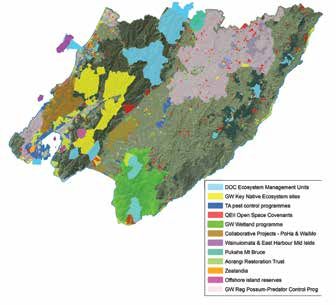
Why are We Developing a Wellington Regional Growth Framework?
The region is growing faster than it has done for many       Community infrastructure will also need more                 override the Framework’s commitment to providing for
decades and is facing immediate and longer-term              coordinated investment to accommodate growth                 the regional outcomes of Māori as Treaty partners. The
housing supply and affordability, urban development          including in open spaces, community facilities, schools      Framework is committed to working with hapū and iwi
and infrastructure challenges.                               and health care facilities.                                  on the development of the spatial plan, following an
                                                                                                                          established kaupapa and recognising tangata whenua
The immediate issues relate to a lack of housing             All these challenges collectively will need to be            aspirations within the region.
supply, a limited range of housing options and declining     resolved for the future, not just where and how to
housing affordability, particularly for first home buyers.   develop more housing. These are regional issues that                            PROJECT OBJECTIVES
Over the next 30 years between 52,000 and 66,000             are best dealt with together and not individually. Many
                                                                                                                                        Increase housing supply, and improve
new homes may be needed for between 91,000 and
151,000 additional people across the region1. This is the
                                                             of these challenges cross local council boundaries and
                                                             maximum benefit can be had from investing in these
                                                                                                                                1       housing affordability and choice
equivalent of accommodating more than another Hutt           together and not individually. It is important that we
                                                                                                                                        Enable growth that protects and enhances
Valley of people and housing into the region.                have a region-wide approach and develop a partnership
                                                                                                                                        the quality of the natural environment
                                                             between central government, local government and                   2       and accounts for a transition to a low/no
Significant investment in housing, urban development,        mana whenua to respond to our regional challenges so                       carbon future
transport and three waters infrastructure and services       that we can address community expectations.
as well as regional and district planning and policy                                                                                    Improve multi-modal access to and
changes will be needed to support future growth.             Central Government’s Urban Growth Agenda (UGA)
                                                             requirements and its long-term outcomes for transport
                                                                                                                                3       between housing, employment, education
                                                                                                                                        and services
Beyond the forecast population and dwelling growth           will also be met. The Framework will therefore include the
there are a number of other challenges facing the region.    requirements of a Future Development Strategy as outlined                  Encourage sustainable, resilient and
Projected sea level rise, severity of weather events,
environmental stewardship pressures, barriers to mana
                                                             in the National Policy Statement – Urban Development.
                                                                                                                                4       affordable settlement patterns/urban
                                                                                                                                        form that make efficient use of existing
whenua in fulfilling their role as kaitiaki and natural      Whilst local planning will continue to focus on local                      infrastructure and resources
hazards are creating challenges as well as uncertainty.      issues, regional collaboration on regional issues will
                                                                                                                                        Build climate change resilience and avoid

Increasing numbers of vehicles on the roads, capacity
                                                             lead to a more effective and efficient result than each
                                                             party planning separately Mana whenua may want to                  5       increasing the impacts and risks from
                                                                                                                                        natural hazards
and reliability issues associated with buses and trains      work across local and regional boundaries and this work
and network resilience issues are straining the regional     provides an opportunity for leadership in this space.
transport system and may not result in the necessary                                                                            6       Create employment opportunities.
transport system shifts that we are seeking such as          The objectives sought from the Framework are to the
improving safety and access, reducing emissions and          side. These have been developed jointly by the project       1
                                                                                                                              A range of growth figures is provided based on ranges from
reducing reliance on private vehicle travel.                 partners and reflect the particular needs for change             Statistics NZ data and the recently completed Housing and
                                                             in the region. These objectives are not intended to              Business Development Capacity Assessments

                                                                    Wellington Regional Growth Framework |   5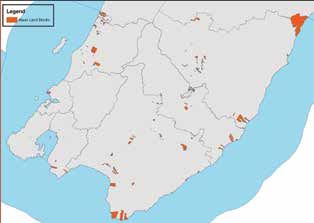
Who is Developing the Wellington Regional Growth Framework?
This project is a collaboration between central                     This project is an important opportunity for regional           (guardianship), Tō Mātou whakapono (judgement
government, the councils of the region and mana                     spatial planning to incorporate Te Ao Māori, and seeks          based on knowledge) and Mahitahi (partnership).
whenua as shown in the table below.                                 to create a Framework which is reflective of its Treaty
                                                                    partners. The project partners already work together, with      Through the development of this Framework we will
We have worked with a range of central and local                    Ara Tahi, Te Upoko Taiao and the Whaitua committees an          operate, as we already do, by recognising the principles
government stakeholders during the development                      example of this. The Framework seeks to build upon and          of the Treaty of Waitangi, supporting the role of mana
of this Foundation Report and will work with a wider                strengthen these existing partnerships.                         whenua as kaitiaki, providing for the relationship of
group of stakeholders during the next phases of work.                                                                               Māori with their ancestral lands, water sites, waahi
                                                                    A kaupapa will inform the Framework to give life to             tapu and other taonga.
We will continue to work with mana whenua during                    the project. The kaupapa may reflect that already
the development of the Framework to enable mana                     adopted by Te Upoko Taiao; including Ki uta ki Tai
whenua participation in the process and ensure mana                 (connectedness), Wairuatanga (identity), Kaitiakitanga
whenua views are incorporated in the Framework.

                    Local government                                     Central government lead partners2                                          Mana Whenua

                   Carterton District Council                            Ministry of Housing and Urban Development                      Ātiawa ki Whakarongotai Charitable Trust
            Greater Wellington Regional Council                         Waka Kotahi – New Zealand Transport Agency                              Muaūpoko Tribal Authority
                 Horowhenua District Council                                                                                                         Ngā Hapū o Ōtaki
                        Hutt City Council                                                                                            Ngāti Kahungunu ki Wairarapa Charitable Trust
                 Kāpiti Coast District Council                                                                                                Ngāti Raukawa (Horowhenua)
                  Masterton District Council                                                                                              Port Nicholson Block Settlement Trust
                      Porirua City Council                                                                                                      Rangitāne Tū Mai Rā Trust
              South Wairarapa District Council                                                                                                 Te Runanga o Toa Rangātira
                    Upper Hutt City Council
                    Wellington City Council

2
    Other key central government agencies we have been working with on the Framework are Department of Internal Affairs, Ministry
    of Transport, Ministry for the Environment, Treasury, Kainga Ora and Ministry of Business, Innovation and Employment

                                                                           Wellington Regional Growth Framework |        6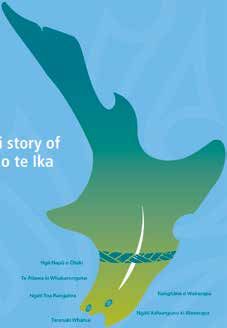
Building on the Wellington Regional Investment Plan and Links to
Current Projects
The Framework is the next stage in collaborative regional strategic planning          Diagram 2: Key Work Being Undertaken Relevant for this Framework
following the completion of the Wellington Regional Investment Plan (WRIP).
It is also developed in the context of other major urban development planning
and regional scale projects currently underway across the region.                         National      National Policy Statement on Urban Development,
                                                                                           policy       Freshwater Management, National Planning
The WRIP has been endorsed by the councils of the Wellington region3 and                  planning      Standards, Urban Growth Agenda
identifies four areas for investment and partnership:

•     building a contemporary economy                                                      Local
                                                                                                        Planning for Growth, SWDC Spatial Planning, PCC District
                                                                                        government
•     developing new housing supply and urban form                                                      Plan Review, KCDC Review of Development Management
                                                                                          growth
                                                                                                        Strategy, UHCC residential and rural zone review
•     accessing opportunities through transport, and                                     planning

•     strengthening our resilience and reducing environmental impact.

It outlined investments already occurring and those that could be required               Transport      Regional Land Transport Plan, Regional Rail Plan,
over the next 30 years. The Framework will build on this and test the                      work         Mode Shift Plan, Regional Public Transport Plan
investments identified in the WRIP.

In addition to the WRIP and existing mana whenua partnerships, a range
                                                                                         Significant    Let's Get Wellington Moving, RiverLink, Porirua East
of activities are currently being undertaken by the project partners that are                           Regeneration, Peka Peka to Ōtaki, Te Aru Tupua
                                                                                        Investments
relevant to the development of this Framework. This includes major region                               (Wellington to Hutt Valley Cycleway)
shaping housing, urban development and transport projects which are being
planned and/or delivered. Some examples are provided in the diagram below.
                                                                                            Iwi
A full list of projects has been compiled and will be available in March 2020             housing       Ngāti Toa project with the Crown in Western Porirua,
                                                                                          projects      PNBST housing project in Wainuiomata
on the Framework website (once the website for this project is live).

                                                                                           Other        Three Waters Review, council
                                                                                                        Long Term Plans, Wairarapa Housing Plan
3
    This work did not include the Horowhenua District Council

                                                                     Wellington Regional Growth Framework |   7
Context
This section of the report provides regional context for the Foundation Report, providing an overview of the characteristics of the region.
Tangata Whenua
Long before European settlers reached New Zealand’s Diagram 3 Iwi ki Te Upoko o te Ika – Further north, before the 1820s the principal tribes of
shores, the region had been the ancestral home to Iwi of the region the Manawatu and Horowhenua region were Rangitāne,
generations of Māori tribes, with areas such as the Muaūpoko and Ngāti Apa. Rangitāne were found
Wellington Harbour being the centre of local Māori life. particularly in Manawatu, Muaūpoko in Horowhenua
and Ngāti Apa along the Rangitikei River.
Wellington’s earliest name, Te Upoko o Te Ika a Māui,
goes back to the Māori story of how Aotearoa New By 1864, European settlement had resulted in the
Zealand was created. According to Māori, the legendary alienation of the majority of Māori land in the region. Only
navigator Maui hooked a giant fish that, when pulled to a small proportion of the region comprises Māori freehold
land today, and this this land predominantly located in rural
the surface, turned into the landform now known as the
areas. According to the Māori Land Court there are 12,529
North Island or Te Ika a Maui.
hectares of Māori Freehold Land, across 526 property
Wellington Harbour and Lake Wairarapa are referred titles, in the Wellington region (not including Horowhenua).
to as the eyes of the fish (Ngā Whatu o te Ika a Maui). This represents just 1.56% of land in the Wellington region.
Palliser Bay, on the south coast of the Wairarapa, is the The Māori Land Court states that Māori Freehold Land
mouth of the fish (Te Waha o te Ika a Maui) and Cape is land that has been investigated by the Māori Land
Palliser and Turakirae Head at either extreme of the Court and a freehold order has been issued or was set
bay are the jaws. The Remutaka, Tararua and Ruahine Muaūpoko Tribal aside by the Crown as Māori freehold land and awarded
mountains make up the spine of the fish, as shown in Authority by Crown Grants to specific individuals or has had the
the diagram. status determined as Māori Freehold Land by order of
Ngāti Raukawa Rangitāne o
the Māori Land Court. The first diagram overleaf shows
Modern archaeology has confirmed that sites found Wairarapa
Ngā Hapū o Ōtaki the Māori Freehold land blocks in the Wellington region.
in the Palliser Bay area of south Wairarapa, along the Ngāti Kahungunu ki
Te Ātiawa ki Whakarongotai
southern Wellington coastline and on Kāpiti Island Wairarapa Historical claims for breaches of the Treaty of Waitangi
are some of the oldest recorded sites in New Zealand, Ngāti Toa Rangatira by the Crown are addressed through the Treaty
dating back some 650 years. Settlement Process. Treaty settlements have provided
Taranaki Whānui financial, commercial and cultural redress to four of
the region’s Iwi:
Wellington Regional Growth Framework | 8• Taranaki Whānui ki Te Upoko o Te Ika in 2008, Marae are a key feature of local Māori society being Diagram 4 Map of Māori Freehold Land
• Ngāti Raukawa in 2012, a place where the Māori language is spoken, where Blocks in the Wellington Region
customs are explored and debated, and where
• Ngāti Toa Rangātira in 2012, and
important ceremonies, such as welcoming visitors,
• Rangitāne o Wairarapa and Rangitāne o Tamaki meeting inter-tribal obligations, or farewelling the dead
Nui-ā-Rua in 2016. are performed. The marae is a wāhi tapu, a 'sacred
place' which carries great cultural significance.
Ngāti Kahungunu ki Wairarapa initialled a Deed of
Settlement with the Crown in 2018. This was ratified Within the region there are tribal marae (those that
by Iwi members in 2019 and is awaiting the conclusion are linked to iwi/hapū/whānau through whakapapa),
of Waitangi Tribunal hearings before it can be signed. urban marae (typically pan-tribal and serving the wider
Muaūpoko Tribal Authority, Te Ātiawa ki Whakarongotai community) and institutional marae (those associated
Charitable Trust and Ngāti Raukawa ki te Tonga (Ngā Hapū with places like education facilities, churches and
o Ōtaki) have not yet reached settlement with the Crown. social service providers).
In 2018, 80,844 people or 16% of the population in the Marae staff and others also undertake activity such as
Wellington region identified as being of Māori descent. health and social services, training and education, assist
This was up from 13.9% in 2013. in public policy development and many provide civil
defence support.
Diagram 5: Mana Whenua and Mātāwaka
The 2013 census identified that 6,486 Māori live in
The second diagram to the right shows where mana Marae in the Wellington Region
the Horowhenua District. This was up 6.8% from the
2006 census. whenua marae and mātāwaka marae are located
through the Wellington region. In addition to the marae ¯ Pukekaraka Marae!
Katihiku Marae !
Tainui Marae
(
(
!
( Raukawa Marae
39% of Māori adults in the Wellington region can speak identified in the diagram there are a number of marae
Whakarongotai Marae
located throughout the Horowhenua district.
Whakataki
some te reo Māori. There are 32 Kōhanga Reo facilities
(
!
(
!
Nukutaimemeha Wharenui
Te Rangimarie marae Te Oreore Marae
and four Te Kura Kaupapa Tongarewa Māori schools
(
! (
!
in the Wellington region. Between 2001 and 2013 there The values of tangata whenua are important and Hongoeka
Marae !
( Hurunui-o-Rangi
include Whakapapa, Mauri, Kawa and Tikanga,
( Marae
!
Te Horouta Marae
was a decline in the proportion of the overall regional
Orongomai Marae Te Wakaiti (
!
Takapuwahia Marae!
( !( Maraeroa Marae Papawai Marae
(
! (
! (
!
(
!
Tūhono Marae Koraunui Marae
Kaitiakitanga, Cultural Landscape, Mahinga Kai and
Ngai Tumapuhiarangi marae
(
!
population able to speak te reo. Only 3.3% of census
( Okautete marae
!
Ngā Hau E Whā Te Tatau o Te Po (Te Mangungu Marae
!
o Paparārangi (
! Hau Ariki Marae
(
! ( Waiwhetu
!!
(
Māori Customary Use.
(
!
Kōkiri Marae !
( Wainuiomata Marae
respondents for the Wellington Region identified as
(
!
!Pipitea Marae
(
Te Kakano o Te
Te Kainga Marae Aroha Marae
(
! Kohunui Marae
Tapu Te!
(
being able to hold an everyday conversation in te reo
(
!
Ranga
The Framework is cognisant of Treaty partner iwi
in 2013.
(
! Mana whenua (
! Matāwaka marae
management plans and recognises that mana whenua
Lower Hutt City Tararua District
Upper Hutt City Masterton District
Wellington City Carterton District
have their own aspirations; including for housing, Porirua City
Kapiti Coast District
South Wairarapa District
education, protection of land, water and other taonga 0 10 20 40 Km
and economic opportunities.
Wellington Regional Growth Framework | 9Development of the Region
People have lived and prospered in this region since the The wider region has gone through a series of was a major commercial centre, with the headquarters
Polynesian explorer Kupe first discovered the area and stages of economic and urban development, over the of many of New Zealand’s largest companies, including
named many of its most prominent places including hundreds of years that people have lived and worked most banks, insurance companies, and oil companies.
Te Whanganui-a-Tara, and Mana, Matiu and Mākaro here. Much of the early development of the region From the 1960’s urban development to house workers
islands. For hundreds of years the region’s coastal was focused on or near the coast, major lakes and in these growing sectors, was primarily low density,
areas have played an important role as a link between rivers, with papakāinga, pā, and much later, whaling private vehicle oriented suburban housing, supported
Te Ika a Maui (the North Island) and Te Waipounamu settlements, and Wellington City in its first decades, all by investment in new motorways. Extensive new areas
(the South Island). Key coastal landmarks were used relying on water-based transport. of urban development opened up in the Hutt Valley and
by Māori to navigate across Cook Strait. This role at on its surrounding hills, on the Kāpiti Coast, around
the centre of New Zealand, continues through to today Later, the decision to move the capital to Wellington the Porirua Harbour and in the northern areas of
with the Cook Strait ferries providing important freight in 1865 provided the region with a significant urban Wellington City.
links between the two islands, and critical national and economic development boost. In the decades
telecommunications and electricity infrastructure following, railways were built from Wellington to the Following the economic reforms of the 1980s, the region’s
coming ashore on the region’s coast. Manawatu and Wairarapa, and settlements grew up economy changed dramatically. Almost all the region’s
along the railway lines in places such as Johnsonville, large-scale manufacturing closed down, and a significant
Since people first settled here, they have been aware Plimmerton, Paekakariki, Levin, Petone, Featherston number of corporate head offices left the region.
of the challenges and opportunities that its rugged and Masterton. A second wave of rail-focused urban
topography and complex geology and seismology development occurred following World War II, when
present to urban and economic development. Easily major state housing development occurred in Lower
developable flat land is limited in the southern, more Hutt and Tawa/Porirua.
urbanised parts of the region. And like many city-
regions on the rim of the Pacific (e.g. Santiago, San Throughout much of the 20th century the region was
Francisco, Vancouver, Portland, Tokyo, Osaka) this a major manufacturing centre, with textile/footwear
region is subject to seismic events (earthquakes and manufacturing focused in Levin, motor vehicle and
tsunami), requiring careful management and mitigation consumer products manufacturing in the Hutt Valley
as urban and economic development occurs. and Porirua, and food and beverage production in
Masterton. As well as being the capital, Wellington City
Wellington Regional Growth Framework | 10The Region Today
Today the region is an interdependent network of cities, towns and rural areas. It is Horowhenua District
Palmerston North
the seat of Government with an upbeat image, and an emerging centre for economic Kāpiti Coast District
enterprise, knowledge and skills, creative and cultural pursuits and lifestyle. It has a Porirua City
Wellington City
modern urban economy paired with a quality natural and social environment.
Hutt City
Upper Hutt City
Overall residents in the region enjoy a high quality of life relative to other parts South Wairarapa District
Levin
of New Zealand. In the 2018 Quality of Life survey, 88% reported that they had a Carterton District
good quality of life, while 3% expressed dissatisfaction. Masterton District
Otaki
Following a long period of transition, and concerted efforts to increase vibrancy,
the region is now growing strongly off the back of new industries. All parts of
Waikanae
the region are experiencing significant population growth, including regional
towns, many of which experienced long periods with little growth, following the Paraparaumu
Masterton
economic reforms.
Carterton
Much of the region has a constrained and challenging topography. This has to a large Greytown
Porirua
extent dictated urban development patterns and resulted in two main, north-south Featherston
Upper Hutt
urban development and movement corridors – with limited east-west connections. Tawa
Lower Hutt Martinborough
There are a number of statutory acknowledgement areas within the region, and a Johnsonville Petone
number of sites which have been vested to Iwi as part of their settlement redress; Wellington
including the Parangarahu Lakes, the Wellington harbour islands (Mātiu/Somes,
Makāro and Mokopuna) and Kāpiti Island. Some areas of the region are covered
by co-management arrangements between mana whenua and government
agencies; such as Whitireia Park and the Wairarapa Moana and Ruamāhanga
River catchment.
Large areas of the region are protected in Department of Conservation and
Regional Council parkland. These provide opportunities for recreation and in
many parts of the region they also contain and frame the region’s housing and As the home of the Capital the region is important to New Zealand as a whole,
urban development current and future footprint. The Wairarapa and Horowhenua and as an international partner and connector. There are other significant
also contain important areas of highly productive land, where the balance challenges emerging as regional growth accelerates, that will require joint local
between primary production and urban development will need to be determined government, central government and mana whenua leadership.
into the future.
Wellington Regional Growth Framework | 11Our People
The population of the region has grown steadily over This growth is being driven by national migration consistent across the region (between 21% and 24% within
the last 20 plus years. The current population of the trends into New Zealand and movement of people from all areas), compared to the current spread of 21% to 30%.
region is 562,79054 compared to 457,69065 in 1996. other parts of New Zealand into the region. This is
contributing to serious housing supply and affordability The diagram below shows ethnicity demographic
In recent years the population of the region has challenges for the region. information about people currently living in the region and
grown at a faster rate (1.4% pa since 2013). After a the projected change through to 2038. This projection
long period where population growth was primarily Demographic projections show that the population in shows that 20% of people in the region will identify as
concentrated in Wellington City and the Kāpiti Coast, the region is aging as illustrated in the diagram below. more than one ethnicity by 2038, an increase of 8% from
most parts of the region are now experiencing The aging demographic change is more pronounced in 2018. The 2018 Quality of Life survey revealed that 63% of
population growth significantly higher than long the districts. respondents in the Wellington region think that increasing
term averages. Levin, Carterton and Porirua have cultural and lifestyle diversity makes their local area a better
experienced growth rates of 2% or more over the last Wellington City is projected to continue to have the largest place to live. Ethnicity and age projections for 2038 show
3 years with growth rates in the Hutt Valley and Kāpiti proportion of the ‘working age’ demographic. The spread that 53% of Māori will be under 30 years old, while for the
from 2018-2019 being 1.18% and 1.27% respectively. of ages 0-9 and 10-19 is projected to become more rest of the population only 31% will be under 30 years old.
Diagram Projected regional demographic change 2018-2038
Diagram 6: Projected Regional Age Demographic Change 2018-2038 Diagram
Diag 4 7: Projected Regional Ethnicity Demographic
Change 2018-2038
2018 2038
2018 8% 10%
13%
19%
15% 76% 73%
2038
19 %
0 100000 200000 300000 400000 500000 600000
Population
European and other
Maori
Asian
Pacific
4
As at June 2019, includes Horowhenua
Age 0–9 Age 10–19 Age 20–39 Age 40–69 Age 70 plus
Key
5
An average increase of 0.9% pa
Wellington Regional Growth Framework | 12Our Housing
Until recently housing growth in the region has been The most significant changes in both dwelling price Over the same period (March 2016 to March 2019) the
steady but more recently housing construction rates and dwelling rent over this period (1994 to 2019) average dwelling rent has increased by 23.9%. As with
have been increasing as shown in the diagram below. has been in the Wairarapa; with the 2019 average dwelling prices, the largest increases over this period
house price in South Wairarapa 6.3 times the average have been in Horowhenua and South Wairarapa (with
Despite a more than 43% increase in new building dwelling price in 1994. This difference is also almost 6 increases of 30% in both areas).
consents from 2012 to 2019 as seen in the diagram times in the Carterton district.
below, construction has not been able to keep pace On a dollar ($) basis, Wellington has the highest
with the increased housing demand on the back of the Dwelling prices rapidly increased across all parts of average house price in the region at $794,000 in
increase in population. the region between March 2016 and March 2019, January 2020, as well as the highest average weekly
on average by 44.8%. The largest increase over rent price at $550 per week as of November 2019.
This is being evidenced by increasingly high rents, this period was seen in the Horowhenua and South
increasing house prices and growing issues with Wairarapa districts; with a 58.5% and a 52.5% increase This is reflected in the 2018 Quality of Life survey which
housing affordability. As evidenced in the diagrams respectively. revealed that 29% of respondents in the Wellington
overleaf, between March 1994 and March 2019 the region think that housing is unaffordable. Housing
average regional dwelling price increased by a factor quality was also identified as an issue for the region,
Diag 5
of 4.98, while dwelling rents over the same period with 24% of respondents having problems with damp or
increased by a factor of 2.72. mould and 16% of respondents unable to afford to heat
their home properly during winter. Damp housing is a
Diagram 8: New Regional Residential Building Consents particular issue for Māori and Pacific households, larger
households, renters and young families.
3000
In addition to the current housing issues, the region is
2500
expecting an increase of between 91,000 and 151,000
people in the next 30 years which will require between
2000 52,000 and 66,000 homes. This is the equivalent
of accommodating more than the population of
1500
another Hutt Valley within the geographical and other
constraints the region has.
1000
In planning for this growth, it will be important to
500 ensure availability of a range of housing options, in the
right places and at the right prices.
0
1991
1992
1993
1994
1995
1996
1997
1998
1999
2000
2001
2002
2003
2004
2005
2006
2007
2008
2009
2010
2011
2012
2013
2014
2015
2016
2017
2018
2019
Wellington Regional Growth Framework | 13Diagrams 9: Twelve Month Rolling Median Dwelling Sales Prices (actual)
Wellington City
Porirua City
Kāpiti Coast District
Hutt City
Upper Hutt City
South Wairarapa District
Carterton District
Masterton District
Horowhenua District
Diagrams 10: Twelve Month Rolling Mean Dwelling Rents (actual)
Wellington City
Porirua City
Kāpiti Coast District
Hutt City
Upper Hutt City
South Wairarapa District
Masterton District
Carterton District
Horowhenua District
Wellington Regional Growth Framework | 14Our Economy
The region has a strong foundation to build off with Diag 8 Diagram 11: Top 5 Employment Sectors • Diag 8 mixes for the Wairarapa districts
The industry
its high knowledge-based industries as well as being (Wellington region only) are reasonably typical for rural-based districts in
the Capital and the centre of Government. We have New Zealand. The high importance of health in
a competitive advantage in the areas of film and Masterton reflects the location of the hospital there.
technology, finance, professional services, arts and
government services. These weightless industries
19 .2%
• The industry mixes for Lower Hutt, Upper Hutt,
GOVERNMENT, Porirua, and Kāpiti Coast are quite typical for
provide a strong starting point to achieve a low-carbon ARTS & urban centres in New Zealand. They all include
economy. Technology will play an ever-increasing role RECREATION amongst others, Manufacturing and Construction
11%
in this. industries. The report noted that the importance
of health services to the Kāpiti Coast is unusual
As well as this the regional economy is diversified
HEALTHCARE given its lack of a hospital, and probably reflects
through the strength of the food bowls of the & SOCIAL its higher age structure.
Wairarapa and Horowhenua. ASSISTANCE
• The high importance of government, professional
Māori and Iwi increasingly play an important role in the
local economy. There is a strong presence of Māori
17 .2% services, finance and ICT for Wellington City is
singular for a territorial authority area in New Zealand.
PROFESSIONAL, SCIENTIFIC,
in business in film, technology and business services TECHNICAL ADMINISTRATIVE
and Māori owned entities play a key role in commercial & SUPPORT SERVICES Central Wellington is the largest employment centre
in the region. There are a number of other major
8.3%
property, housing and social developments.
employment centres in the western and eastern
The current top employment sectors in the region are corridors and a number of smaller regional service
RETAIL
shown in the diagram to the right. TRADE towns in Kāpiti, Horowhenua and the Wairarapa.
All of these are serviced by the rail and State
8.6%
Analysis undertaken as part of the ‘Wellington Regional Highway networks and have significant numbers of
Investment Plan - 2019’ with regards to the industries commuters traveling to central Wellington regularly for
within the Wellington region (excluding Horowhenua) EDUCATION employment (with the exception of Martinborough).
identified that: & TRAINING
Wellington Regional Growth Framework | 15Diag 9 Diagram 9 Employment growth by sector 2018-2050
Diagram 12: Share of Employment Going forward, the region is expecting over 100,000 a household income of $109,431 or more. In the
Growth by Sector 2018-2050 additional jobs over the next 30 years6. The diagram same census, in Horowhenua, just over one third of
to the left shows the projected share of employment households reported household income of $30,000
growth by sector. or less and just over 10% of households reported a
1.7% 1.9% 0.3% 0.5% A recent business land assessment undertaken as part
household income of over $100,000.
of the ‘Housing and Business Development Capacity A PWC report ‘Competitive Cities: A Decade of Shifting
4
.1% Assessment – 2019’ for the metropolitan councils
project a future business land demand over the 2017-
Fortunes – Spotlight on Wellington - 2019’ reported that
Wellington experienced a sizeable rise in discretionary
5 .4%
2047 period of 1,340,472 square metres of new floor income over the decade 2008-2018, extending
area across all business sectors. The report concluded its advantage over other cities. They estimated
that there is sufficient capacity within the region to that discretionary income for a median household
meet projected demand for business land over the next increased by $137 per week.
30 years.
52%
34.1% The region has 12.0% of national employment, 14.9%
of the nation’s professionals and 16.9% of the nation’s
knowledge workers.
The region overall has amongst the highest GDP per
capita in the country at $69,076, generating 14% of
national value added (GDP) whilst being home to 11.5%
Public Services
of New Zealand’s population. Per capita GDP in the
Other Private Services
region is 18% greater than the national average.
Accommodation
Wholesale and Retail Trade
In line with high GDP per capita, the average household
Construction
incomes across the region are also amongst the
Utilities
highest in the country being $66,900 in 2018, 10%
Manufacturing
above the national average of $60,900.
Primary
There are however variations in household incomes in
the region. At the 2013 census within the Wellington
region (excluding Horowhenua), just over one fifth
or nearly 33,000 of households reported having a
household income of $33,000 or less and nearly one
third or just over 45,000 households reported have 6
According to the Greater Wellington Regional Council
economic forecast model
Wellington Regional Growth Framework | 16Our Transport System
State HighwayDiag 10the
1 and Morning PeakRailway
Main Trunk Transport Diagram
by area of origin
provide 13:2016
by mode Morning Peak Transport by Area of Origin by Mode 2016
connections along the western corridor from
Wellington through Porirua, Kāpiti and Horowhenua to NORTH
WEST NORTH
Palmerston North and the Upper North Island. State & REST OF REGION
Highway 2 and the Wairarapa Railway Line provide
connections between Wellington through the Hutt
39 %
51% Car
Occupants
Valley to the towns and rural areas of the Wairarapa.
Both Masterton in the Wairarapa and Levin in 21 %
10% Bus
Passengers
Horowhenua are nearly 100km from central Wellington.
0 %
36% Rail
Passengers
2%
The topography and key transport links have helped to
deliver a relatively compact urban form across most 36% Pedestrians
of the region, a focused and dynamic Wellington city
centre, and relatively high public transport use when
compared to other urban areas in New Zealand.
4% WEST 1% Cyclists
SOUTH EAST
Major natural barriers including the Remutaka Hill
(between the Hutt Valley and the Wairarapa), and
hilly topography between Porirua and the Hutt Valley,
48% Wellington CBD 58% Car
Occupants
and Porirua and the Kāpiti Coast have presented
limits to urban development and limited easy access
22% EAST
23% Bus
Passengers
between the residential and employment areas (east-
west connections).
0% SOUTH 0% Rail
Passengers
The concentration of regional employment in central 26% 15% Pedestrians
4% 4%
Wellington, and the dominance of the knowledge-based
sector working conventional hours means that a large Cyclists
number of people want to travel into and out of central
Wellington at the same time, as can be seen in the
diagram for the morning travel peak. This creates a The significant commuter peak, limited east-west The large number of vehicles travelling into central
significant and concentrated peak demand on the two connectivity across the region, and capacity constraints Wellington also creates conflict and safety issues with
north-south road and rail corridors as well as from other on both the state highway, local roads and public transport, people walking, cycling and using other non-car travel
key west, south and east routes within Wellington City. create significant travel time delays and unreliable journey options. A significant proportion of central city streets are
times for freight, private vehicles and bus services. currently used for moving or parking private vehicles.
Wellington Regional Growth Framework | 17The diagram below illustrates travel time variability School travel makes a significant contribution to trip
on key car journeys and illustrates how travel time numbers, particularly in the morning peak when those
increases significantly during the morning peak. travelling to school are travelling at the same time
as commuters.
Diagram 14: Travel Time Variability
Tawa Pukerua Bay to Lower Hutt Silverstream
Pukerua Bay to Lower Hutt 90 90 90
Silverstream 80 80 80
Travel Time (min)
Travel Time (min)
Travel Time (min)
70 70 70
60 60 60
50 50 50
40 40 40
Titahi Bay 30 30 30
20 20 20
Tairangi School 10
0
10
0
10
0
Takapuwahia 0 1 2 3 4 5 6 7 8 9 10 11 12 13 14 15 16 17 18 19 20 21 22 23 0 1 2 3 4 5 6 7 8 9 10 11 12 13 14 15 16 17 18 19 20 21 22 23 0 1 2 3 4 5 6 7 8 9 10 11 12 13 14 15 16 17 18 19 20 21 22 23
Hours of the Day Hours of the Day Hours of the Day
5th Percentile Average (Median) 95th Percentile 5th Percentile Average (Median) 95th Percentile 5th Percentile Average (Median) 95th Percentile
Tawa
Newlands Waterloo
Churton Park Churton Park Titahi Bay Tairangi School
90 90 90
80 80 80
Travel Time (min)
Travel Time (min)
Travel Time (min)
70 70 70
60 60 60
50 50 50
40 40 40
30 30 30
20 20 20
10 10 10
0 0 0
0 1 2 3 4 5 6 7 8 9 10 11 12 13 14 15 16 17 18 19 20 21 22 23 0 1 2 3 4 5 6 7 8 9 10 11 12 13 14 15 16 17 18 19 20 21 22 23 0 1 2 3 4 5 6 7 8 9 10 11 12 13 14 15 16 17 18 19 20 21 22 23
WELLINGTON Hours of the Day Hours of the Day Hours of the Day
5th Percentile Average (Median) 95th Percentile 5th Percentile Average (Median) 95th Percentile 5th Percentile Average (Median) 95th Percentile
Newlands Takapuwahia Waterloo
90 90 90
80 80 80
Travel Time (min)
Travel Time (min)
Travel Time (min)
70 70 70
60 60 60
50 50 50
40 40 40
30 30 30
20 20 20
10 10 10
0 0 0
0 1 2 3 4 5 6 7 8 9 10 11 12 13 14 15 16 17 18 19 20 21 22 23 0 1 2 3 4 5 6 7 8 9 10 11 12 13 14 15 16 17 18 19 20 21 22 23 0 1 2 3 4 5 6 7 8 9 10 11 12 13 14 15 16 17 18 19 20 21 22 23
Hours of the Day Hours of the Day Hours of the Day
5th Percentile Average (Median) 95th Percentile 5th Percentile Average (Median) 95th Percentile 5th Percentile Average (Median) 95th Percentile
Wellington Regional Growth Framework | 18During the weekends, congestion is increasing Whilst much of the land in the region is bordered by the
particularly in central Wellington and town centres sea, beyond the Cook Strait ferries and visiting cruise
as people travel for sport, shopping, or other ships, there is limited use of the sea as a transport
lifestyle reasons. option between different areas within the region, with
the primary service being one between Queens Wharf
The region provides the northern port for road and and Days Bay.
rail trips between the North and South Islands, via the
Cook Strait ferries. The region has a number of existing
key freight hubs and destinations including Waingawa,
Seaview/Gracefield, Porirua/Tawa, CentrePort and the
Wellington City CBD. Access to CentrePort, and the
safety and reliability of road and rail corridors north of
Wellington, are critical to supporting journeys between
these destinations.
Businesses are reliant on an efficient and reliable
transport system for their economic growth and
prosperity. Network improvements have the ability to
impact the extent to which economic growth occurs
in different parts of the region, and the time and cost
associated with moving freight and/or travelling to
deliver services.
Space constraints on road corridors and limited
alternative routes means that the transport system has
poor resilience to unplanned events (whether they are
caused by natural events such as storms, or network
incidents such as crashes).
Wellington Regional Growth Framework | 19The Three Waters Infrastructure
There are a number of increasing pressures on the Diagram 15: Strategic three waters assets and networks (not all of the region included)
three waters infrastructure in the region including:
• The region growing faster than anticipated putting
pressure on current aging infrastructure.
• Funding challenges for current and new
infrastructure.
• Managing urban growth within &
,
U p p e r H u t t C i t y
environmental limits. 3
Q
&
,
&
,
&
,
• Managing existing infrastructure and designing new P o r i r u a C i t y 3
Q 3
Q
&
,
infrastructure for the impacts of climate change. &
, ,
& &
,
,
& &,
,& , &
, &
,
&
, & &
,
• The vulnerability of the three waters assets to the
&
, &
, &
,
, ,
& &
&
, &
,
&
,
impacts of extreme natural hazards.
&
,
&
,
&
, %
! &,
,&
• Expected changes to legislation that will impact &
,
&
,
&
,
&,
,&
& &
,
&
, ,
S o u t h W a i r a r a p a
on the requirements of the network.
,
&
&
,
&
,&
, &
, & ,
, & D i s t r i c t
& ,
, &&
, & ,
, &
&
,
The diagram to the right provides a current state view &
, &
,
&
, &
, & &
,
&
, ,
&
, &
, &
,
of the strategic three waters assets and networks 3
Q
&
,
&
, &
, 3
Q &
,
&
, &&
,,
&
, &
,
%
!
W e l l i n g t o n
within some parts of the region. It illustrates the C i t y &
,
&
,
&
,,&
&
,
3
Q &
,
H u t t C i t y
number of assets within the region.
&
,
&&
, &
, &
,
,
&
, &
,
&
&
,
&
, ,
&
,
3
Q
&,
,&
The recent ‘Housing and Business Development &
,
&
,
&,
& ,
,
&,
& %
! %
!
&
,
Capacity Assessment – 2019’ report highlighted the
,
& &
,
,
&
&
, &
,
&&
, , ,& &
, ,
&
LEGEND
need for ongoing investment for the renewal and &
,
,
&
&
,
%
! Wastewater Storage Area
,
& &
,
upgrading of infrastructure in the region in order to
&
, ,
& Reservoir
&
,
3
Q Water Treatment Plants
ensure that development capacity is not constrained
Wastewater Tunnel
3
Q Wastewater Treatment Plants
by infrastructure. In some instances there are existing Wastewater Outfall Pipe
WCC Wastewater Sludge Pipe
constraints that are having an immediate impact on Trunk Sewer
GWRC Bulk Water Pipe
the ability of areas to accommodate growth. Stormwater Pipe > 1,000mm
SWDC Stormwater Pipe > 300mm
Water Pipe
Transmission Gully Motorway Designation
City Council Boundaries
Esri, Garmin, GEBCO, NOAA NGDC, and other contributors, Wellington Water
Wellington Regional Growth Framework | 20Our Environment, Natural Hazards and Climate Change
The region has a wide range of natural environmental Diagram 16: Wellington Region • Coastal environments are generally in good
features with many interconnected parts including Conservation Sites and Activity condition, however some beaches regularly record
the coastal environment, waterbodies, mountains and high levels of faecal pollution.
hills, wetlands, terrestrial habitats and landscapes and • Air quality is generally good, however the
urban and rural environments. Wairarapa Airshed is polluted. Elevated PM10
in winter due to domestic fires are a concern
The natural environmental is highly valued and enjoyed
for several areas including the Wairarapa,
by communities for ecological amenity and recreation
Wainuiomata, Upper Hutt and Raumati South.
value. However, opinions vary on how, and the extent
to which, the natural environment should be protected, • Lakes Wairarapa, Onoke and Waitawa are
particularly on private land. There are 33,000 hectares degraded due to discharges from agricultural
of regional parks, and as of July 2009 150,500 and municipal wastewater discharges. By
hectares of the Wellington region was legally protected contrast, regional lakes located amongst forest
by the Department of Conservation, regional councils, cover have recorded high ecological value.
QEII Trust or Ngā Whenua Rāhui. In addition to the • Contaminants, including heavy metals, polycyclic
areas of land with formal protection, there are a wide aromatic hydrocarbons and DDT are present in
range of conservation initiatives being undertaken in both Porirua Harbour and Wellington Harbour at
the region, as can be seen in the diagram to the right. concentrations above ‘early warning’ guidelines.
• 55% of monitored shellfish gathering locations did
The ‘Quality of Life Survey 2018’ provides information
not comply with faecal coliform thresholds.
on the extent to which residents in the region perceive
certain environmental issues are of concern. The
results show that 58% of residents surveyed in the The following represents a a range of environmental
Wellington region felt that water pollution had been a reporting from the region:
problem in their local area. 34% also felt noise pollution
• 15% of the region is prone to erosion and requires
had been a problem and 18% felt that air pollution
re-vegetation to retain soils, particularly in the
had been a problem. Overall 88% of respondents in
eastern Wairarapa hill country.
the Wellington region rated their overall quality of life
positively (responding with either good, very good or • Soil quality is generally “reasonable”, however
extremely good). vegetable growing and dairy farming activities are
having a negative impact; particularly around Ōtaki.
Wellington Regional Growth Framework | 21The region is exposed to a wide range of natural • Frosts declining in the Tararua Ranges from 30 per Diagram 17: Wellington Region Gross
hazards including earthquakes, landslides/slips, annum to near zero. Greenhouse Gas Emissions 2014/15,
tsunamis, flooding and liquefaction. With over 12,300 • Sea levels rise between 0.28 and 0.98m 9, however by Source
kms of rivers and streams in the region and more this could significantly increase depending on the
than 500km of coastline the region is also exposed future of the Antarctic ice sheets.
to climate change impacts. Some of these such as Agriculture 32.79%
Diagram 17: Wellington region Impacts gas
grossatgreenhouse of a emissions
changing regional climate
2014/15, by will include
source Land transport 29.75%
storm surges and increased flooding are being seen
increased coastal erosion and inundation, landslides, Electricity Consumption 12.64%
present and are expected to increase in the region.
drought, water shortages, more frequent and intense Natural Gas 6.12%
Any development will need to be undertaken within storms, new pests and diseases and impacts on Aviation 5.40%
the context of protecting the environment including biodiversity and ocean acidification. Some of these, Solid Waste Disposal 5.31%
taking account of national policy direction such as the such as storm surges and increased flooding, are Industrial Emissions 4.07%
National Policy Statements on Highly Productive Land being seen at present and are expected to increase in Other 3.92%
and Biodiversity. the region. Large areas of central Wellington, Kilbirnie,
Marine transport 2.02%
0.16%
Miramar, Petone, Ōtaki, Waikanae and east of Lake
LPG 1.25%
Key messages from reports by NIWA on the Wellington Wairarapa, are at risk from inundation.
region, ‘Wellington region climate change extremes and
Coal 0.49% 0.49%
Waste Water 0.16%
implications – December 2019’ and ‘Report Summary: This is having an impact on insurance discussions and
Wellington region climate change projections and premiums, with for instance, IAG which covers more
2.02%
than half of the Wellington insurance market deciding
impacts - June 2017’, predict that if global carbon
to limit its home and contents policies in Wellington 1.25%
emissions are not significantly reduced by 2090 the
region will experience: following the Christchurch and Kaikōura earthquakes.
• Annual temperature increases of at least 2°C, and The gross greenhouse gas emissions for the 32.79%
up to 3.5°C in Masterton. Wellington region in 2014/2015 were 3.56 Mt CO2-e.
Most of our emissions are from the transport (37%)
• Annually more hot days (above 25°C) - to increase
and agriculture (33%) sectors as can be seen in the
by 20 for the west of the region, 29 for Wellington
diagram to the right. 3.92%
and 70 for the Wairarapa. Extremely hot days
(above 30°C) will increase by 20 for Masterton.
4.07%
The regional greenhouse gas inventory is currently
• Rainfall in the east of the region reducing by 10% being updated and new data will be available then. 29.75% 5.31%
in spring, summer and autumn7. Increased drought
5.40%
risk in the Wairarapa. Rainfall in the west increasing
in all seasons and by up to 15% in winter8. 7
Compared to 1995 6.12%
8
Compared to 1995
12 .64%
• More frequent extreme rainfall events, particularly
in coastal locations.
9
Note this statistic is for 2100 compared with 1986-2005 average
Wellington Regional Growth Framework | 22You can also read


