BIOPAMA REGIONAL INCEPTION MEETING: CARIBBEAN - Edward Lewis
←
→
Page content transcription
If your browser does not render page correctly, please read the page content below

BIOPAMA REGIONAL INCEPTION MEETING: CARIBBEAN
Edward Lewis, edward.lewis@unep-wcmc.org,
                                                10/ 03/ 2018
Overview

1. Introduce UNEP-WCMC
2. What is the WDPA/Protected Planet?
3. What is GD-PAME and the IUCN Green List?
4. Focus on the Caribbean

                                        10/03/2018

                                                     10/ 03/ 2018
Who are we?
Based in Cambridge, UK
Established nearly 40 years
A unique collaboration between UN Environment and UK charity WCMC
Over 100 experts from 26 countries, covering biodiversity and ecosystem
services of marine, freshwater and terrestrial environments, along with
social scientists, ecological modellers, economists, lawyers, GIS experts,
data managers and thematic experts.
10/03/2018
10/ 03/ 2018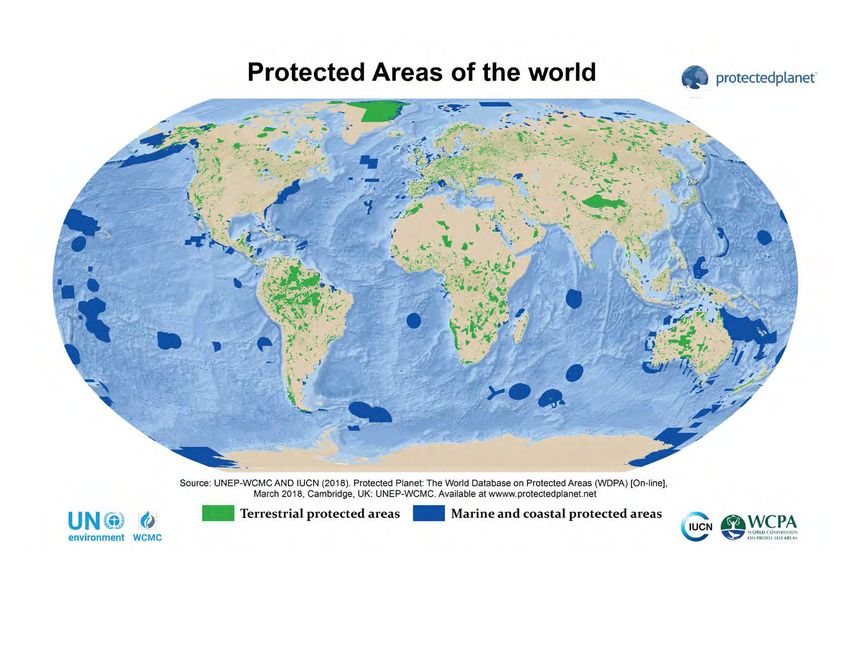
The World Database on Protected Areas (WDPA)
• The World Database on Protected Areas
  (WDPA) is the only global authoritative
  database on terrestrial and marine protected
  areas.

• A joint initiative between the United Nations
  Environment and the International Union for
  Conservation of Nature (IUCN).

• Compiled and managed by the UN
  Environment World Conservation Monitoring
  Centre (UNEP-WCMC) in collaboration with
  governments and non-governmental
  organizations
                                                  10/03/2018

                                                               10/ 03/ 2018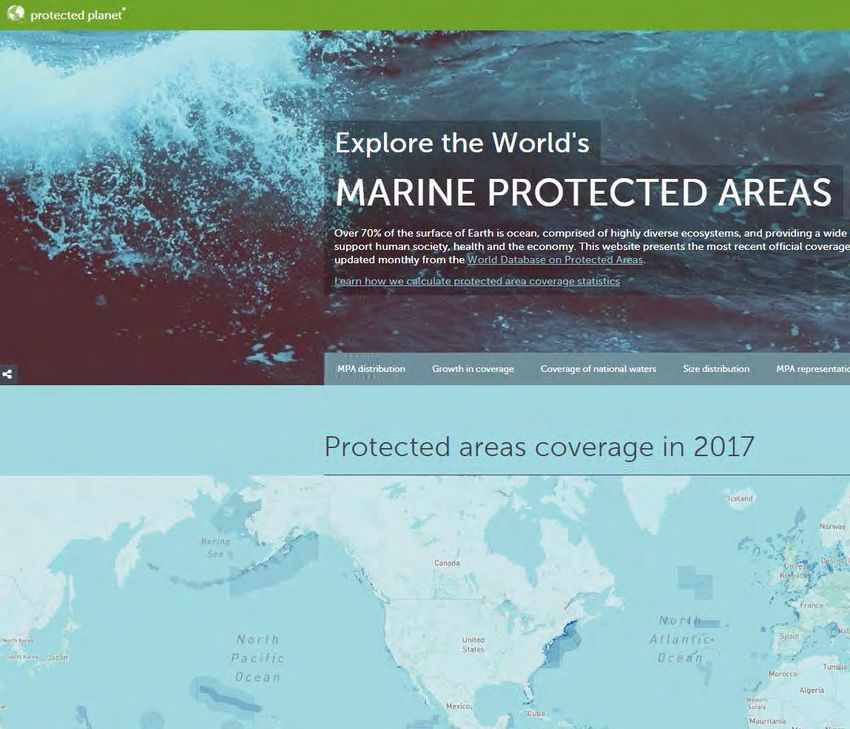
Over 230,000 records                      Number records updated:
245 countries & territories                • In last 12 months: 86%

                              10/03/2018

                                                            10/ 03/ 2018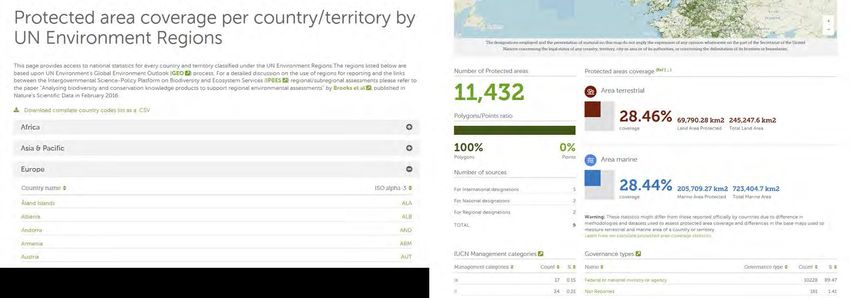
The World Database on Protected Areas (WDPA)

•   We collate all sites that meet the IUCN definition of a protected area.
•   This includes protected areas under all governance types.
•   We collate information on ~28 fields spanning multiple themes.

                                                  10/03/2018

                                                                              10/ 03/ 2018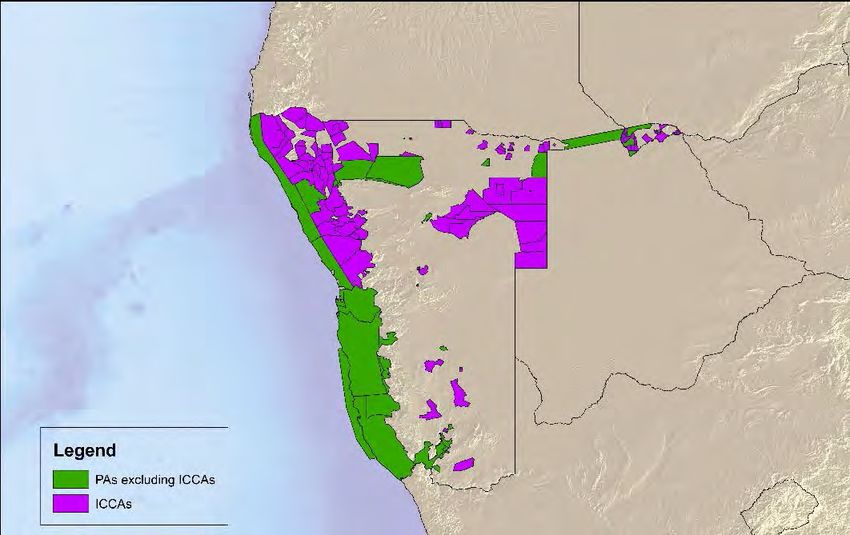
The World Database on Protected Areas (WDPA)

 •   WDPAID,
 •   Designation
 •   Designation year
 •   Size
 •   Management authority
 •   Governance type
 •   Country
 •   Metadata ID                   10/03/2018

                                                10/ 03/ 2018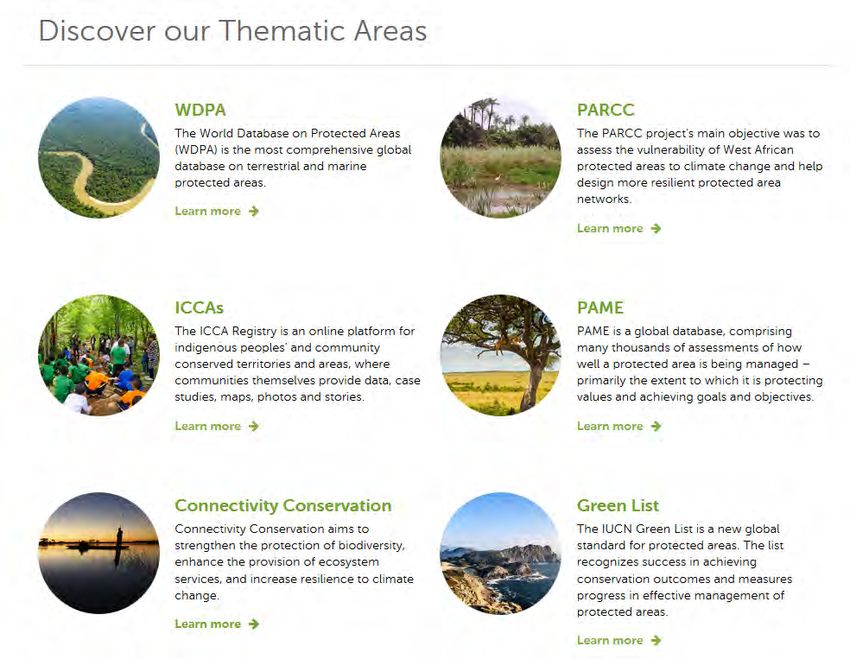
The World Database on Protected Areas (WDPA)

 •   Metadata ID,
 •   Responsible party
 •   Responsible person
 •   Contact email
 •   Update year
 •   Citation

                                   10/03/2018

                                                10/ 03/ 2018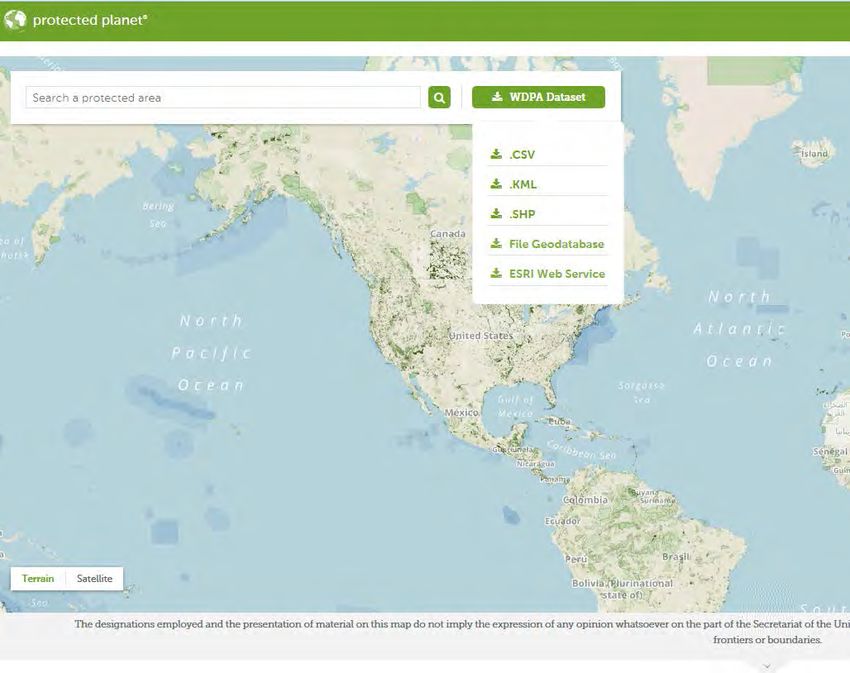
The World Database on Protected Areas (WDPA)

1959: resolution 713 (XXVII) 27th Session
of the UN Economic & Social Council

• A long and established history of
  tracking protected areas.

• A net increase of 40,000 new sites
  between 2013 – 2018

• Particular emphasis to improve the
  quality of the database as well as the
  size.
                                            10/03/2018

                                                         10/ 03/ 2018
Other effective area-based conservation measures
(OECMs)
•   Guidance on what OECMs are will be finalised this year by an IUCN task
    force.

•   They are likely to be clearly-defined areas that contribute to conservation
    in the long-term, but conservation does not need to be their primary
    objective (unlike protected areas).

•   Like protected areas, OECMs can have any governance type
    (government, private, community or shared).

•   Countries can begin reporting on any areas that fit this description to
    UNEP-WCMC.
                                                  10/03/2018

                                                                              10/ 03/ 2018
Protected Planet: www.protectedplanet.net
More than just the WDPA!
10/03/2018
10/ 03/ 2018Regional and national level focus
10/03/2018
10/ 03/ 2018Thematic focus
• There are currently eight
thematic areas:
We will look at two more:
1. Management Effectiveness
2. IUCN Green List
10/03/2018
10/ 03/ 2018Global Database on Protected Area Management Effectiveness
(GD-PAME)
• ‘The assessment of how well protected areas are being managed –
primarily the extent to which management is protecting values and
achieving goals and objectives’ (Hockings et al. 2006).
• Despite a growth in PA coverage biodiversity continues to decline, even
in some PAs. Effective management is more important than just size.
• Well-managed protected areas best conserve biodiversity.
10/03/2018
10/ 03/ 2018Global Database on Protected Area Management Effectiveness
(GD-PAME)
WHA
• 14,297 assessments; 6,802 protected RAPPAM Outlook
areas; 72 countries & territories Report
many
many
IMET national
• Track if a protected area been systems...
assessed, when & using what system
METT GDPAME
• Over 70 different systems in use
• Official reporting requirement to CBD
(call closes Jan 2018) 10/03/2018GD-PAME
• Joint product between the United Nations Environment and the
International Union for Conservation of Nature (IUCN)
• Primary purpose:
• Indicate whether a PA in the WDPA has been
assessed, and
• Indicate whether the PA’s assessment is publicly
available 10/03/2018
10/ 03/ 2018GD-PAME
Basic information fields:
• WDPAID,
• Assessment_ID
• ISO3
• Method
• Year of assessment
• Link to assessment
• Metadata_ID
10/03/2018
10/ 03/ 2018GD-PAME
Example of commonly used methodologies:
• METT (Management Effectiveness Tracking Tool)
• IMET (Integrated Management Effectiveness Tool)
• RAPPAM (Rapid Assessment and Prioritisation of Protected Area Management Tool)
• EoH (Enhancing our Heritage Tool)
• METT-Ramsar
• Etc…More than 70 methodologies reported in the database
10/03/2018
10/ 03/ 2018GD-PAME
Source information fields:
Metadata_ID
Data_title
Responsible_party
Responsible_email
Year
Language
10/03/2018
10/ 03/ 2018The IUCN Green List
• Describes a set of criteria designed to measure site performance for
successful conservation in protected and conserved areas.
• The Green List provides a global benchmark for protected and
conserved areas to assess whether they are achieving successful
conservation outcomes through effective and equitable
governance and management.
• Provides an international benchmark for quality that motivates
improved performance and helps achieve conservation objectives.
10/03/2018
10/ 03/ 2018The IUCN Green List
• Protected Areas that have met the IUCN Green List standards are
clearly stated on Protected Planet.
10/03/2018
10/ 03/ 2018Focus on the Caribbean: WDPA
• 689 protected areas in the region
• 65% terrestrial, 19% coastal and 16% marine
• ~280,000 km2 under protection
• 18% of terrestrial area and 7% of marine area under protection
• 74 different protected area designations
• 7 different forms of stated governance
10/03/2018
10/ 03/ 2018Focus on the Caribbean: WDPA
National data providers (95%)
• e.g. Bahamas National Trust (updated in 2017)
• e.g. Ministry of Environment, Government of Antigua and Barbuda
(updated in 2017)
Regional data providers (1%)
• e.g. UNEP-CEP/SPAW-RAC (updated in 2017)
International data providers (4%)
10/03/2018
• e.g. Ramsar Convention (regularly updated)
10/ 03/ 2018Focus on the Caribbean: WDPA
But do these data still reflect reality?
WDPA data updates range from 1986 to 2018
92% have defined boundaries but 8% do not
Completeness of descriptive information is biased
Are we fully incorporating areas under different governance types?
Are these areas still considered protected areas?
10/03/2018
10/ 03/ 20182018 United Nations List of Protected Areas focused on
Management Effectiveness
• CBD notification sent to Parties in July 2017 requesting Parties to
review and update their ME information in GD-PAME (Ref.:
SCBD/ SPS/ DC/ SBG/ ESE/ 86679)
• Continuous submission of data but deadline for inclusion of
countries ME information in the publication is July 2018
• To be launched at COP 2018 in Egypt 10/03/2018
10/ 03/ 2018Focus on the Caribbean: GD-PAME
Country PAME information submitted to
UNEP-WCMC
Antigua and Barbuda Pending
The Bahamas Pending
Belize Pending
Barbados No
Dominica No
The Dominica Republic Yes
Grenada Pending
Guyana Yes
Haiti Pending
10/03/2018
10/ 03/ 2018Focus on the Caribbean: GD-PAME
Country PAME information submitted to
UNEP-WCMC
Jamaica Pending
Saint Kitts and Nevis Yes
Saint Lucia Pending
Suriname No
Trinidad and Tobago No
Saint Vincent and the Grenadines No
10/03/2018
10/ 03/ 2018Difficulties faced to date (GD-PAME & WDPA)
• Requirement for frequent lines of communication
• Contact focal points change
• Limited time and resources
10/03/2018
10/ 03/ 2018How will the RO help solve these problems?
• Better knowledge of appropriate
contact points
• Better integration into regional
networks
• More frequent and continuous lines of
communication
• More availability to discuss and solve
national and regional problems
10/03/2018
10/ 03/ 2018Why should the WDPA data be updated?
National scale
• A globally reaching platform from which to showcase your protected
area network
1.26 million page views in 2017 (up 68% from 2016)
73,000 downloads spanning ~ 0.5 million users in ~233 countries
• A useful portal from which to refer data requests. e.g. UAE
• Once updated, maintaining the dataset is easy
• Data already is in the WDPA, so we’re not starting from scratch!
10/03/2018
10/ 03/ 2018Why should the WDPA data be updated?
Regional scale
• Have one definitive platform with which to assess and compare all
parts of the region, e.g. areas not included in BIOPAMA.
• The WDPA includes sites with national, regional and international
level designations.
• Provides the ability to undertake gap analyses and identify priorities
in the region.
10/03/2018
10/ 03/ 2018Why should the WDPA data be updated?
International Level
• Indicators: accuracy is important to demonstrate national
and regional progress towards MEAs (e.g. Aichi targets/
SDGs)
10/03/2018
10/ 03/ 2018Why should the WDPA data be updated?
International Level
• Representation: The WDPA is seen thousands of times each
year in the media, scientific papers and in other web portals.
10/03/2018
10/ 03/ 2018Why should the WDPA data be updated?
International Level
• Decision making: Multiple high-profile organisations use the
WDPA in their decision making for a wide variety of purposes.
10/03/2018
10/ 03/ 2018Summary
• The WDPA is the global authoritative database on protected areas and
acts as a bridge between other databases (e.g. PAME).
• Protected Planet is the online platform for these protected areas themes.
• Our current representation of the Caribbean needs to be improved to
better showcase the conservation efforts undertaken here.
• Reporting to the RO should facilitate a much smoother transfer of
information, which benefits everyone. 10/03/2018
10/ 03/ 2018UN Environment
World Cons erva tion Monitoring Centre
Thank you!
www.protectedplanet.net
www.unep-wcmc.org
@unepwcmc
Edwa rd Lewis & Elis e Belle
Protected Area s Progra mme, UNEP-WCMC
Edwa rd.lewis @unep-wcmc.orgADDITIONAL REFERENCE SLIDES
Governance by indigenous peoples’ & local communities

      Protected Areas Coverage     Protection
                                    10/03/2018
                                               of Ecoregions
Not just a technical
exercise, it is also a
relationship building
exercise.
10/03/2018
39You can also read


