Birds of conservation concern 3 2009
←
→
Page content transcription
If your browser does not render page correctly, please read the page content below
210-1392-08-09   7/5/09   12:44   Page 1

                                                                           3
                                           Birds of conservation concern

                                                                       2009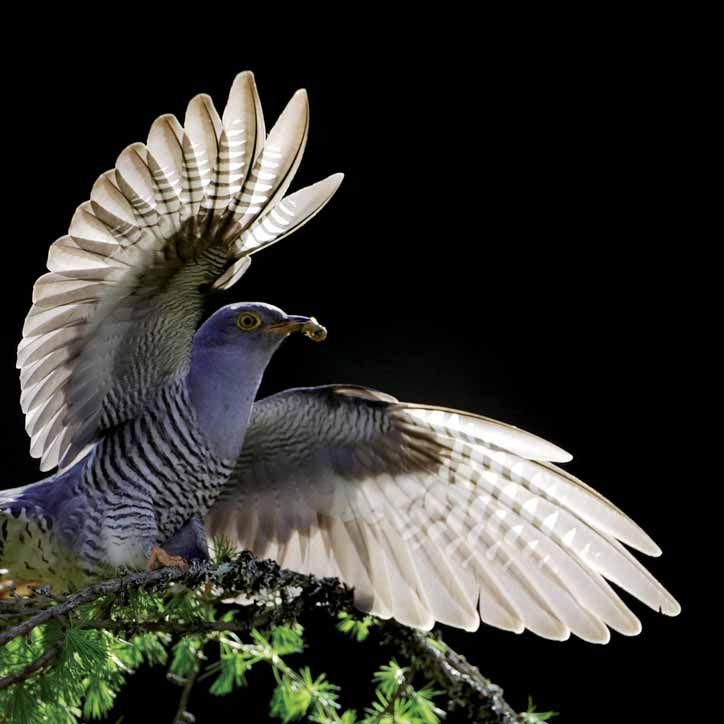
210-1392-08-09   7/5/09   12:45   Page 2

    Birds of conservation concern 3                                                                           Data sources
    • The UK’s leading bird conservation organisations                                                        This review used the most up-to-date information on          • BTO/RSPB/JNCC Wetland Bird Survey and the
      have worked together on the third quantitative                                                          the status of birds in the UK and elsewhere within their       WWT6/JNCC Goose and Swan Monitoring
      review of the status of the birds that occur regularly                                                  ranges. The global and European conservation status            Programme (trends and population estimates for
      here1, updating the last review in 2002.                                                                assessments come from BirdLife International’s                 wintering waterbirds).
                                                                                                              Threatened Birds of the World 2004 and subsequent            • The Rare Breeding Birds Panel and single-species
    • A total of 246 species have been assessed against a                                                     updates, and Birds in Europe: population estimates,            surveys, mostly as part of the Statutory
      set of objective criteria to place each on one of three                                                 trends and conservation status. The latter also provided       Conservation Agencies and the RSPB Annual
      lists – green, amber and red – indicating an                                                            European population estimates. UK population                   Breeding Bird Scheme (trends and population
      increasing level of conservation concern.                 The yellow wagtail (below) and the dunlin     estimates come from the Avian Population Estimates             estimates for scarce and rare breeding birds).
                                                                (below right) are both species of increased   Panel or recent targeted surveys.
                                                                                                                                                                           • Trends in range come from single-species surveys,
    • There are 52 species on the red list, 126 on the          conservation concern.                         Information on trends in population sizes and ranges is        Seabird 2000, and the BTO/IWC7 1968–72 and
      amber list and 68 on the green list. The red list has                                                   from a wide range of sources, most notably:                    BTO/SOC8/IWC 1988–91 breeding bird atlases. Due
      increased by 12 since 2002, with 18 species added                                                                                                                      to the lack of recent range data, relatively few
                                                                                                              • The BTO2/JNCC3 Common Birds Census and the
      but six moved from red to amber. Eleven species are                                                                                                                    species have been assessed against the range
                                                                                                                BTO/JNCC/RSPB4 Breeding Bird Survey (which
      now on the red list due to an important change in                                                                                                                      change criteria.
                                                                                                                provide trends in common breeding birds).
      criteria since the last assessment.
                                                                                                              • The JNCC/RSPB/SOTEAG5 Seabird Monitoring                   Information on distribution comes from the JNCC’s The
                                                                                                                Programme and Seabird 2000 (seabird trends and             UK SPA Network, and BirdLife International’s Important
    • Many farmland and woodland species have failed to
                                                                                                                population estimates).                                     Bird Areas Database.
      recover from declines that led to red listing in the
      past, with some declining further still.

    • Amongst the species with increased conservation
      concern are a number of long-distance migrants
      such as the cuckoo, tree pipit, yellow wagtail, wood
      warbler, and three seabirds: the Balearic shearwater,
      herring gull and Arctic skua (the latter being the only
      species to move straight from green to red).

    • A small number of species have shown signs of
      recovery, with woodlark and stone-curlew moving
      from the red list to amber in response to targeted
      conservation action.

                                                                                                              1
                                                                                                                This review covers the UK, Channel Isles and Isle of Man
                                                                                                              2
                                                                                                                British Trust for Ornithology
                                                                                                              3
                                                                                                                Joint Nature Conservation Committee
                                                                                                              4
                                                                                                                The Royal Society for the Protection of Birds
                                                                                                              5
                                                                                                                Shetland Oil Terminal Environmental Advisory Group
                                                                                                              6
                                                                                                                Wildfowl & Wetlands Trust
                                                                                                              7
                                                                                                                Irish Wildbird Conservancy
                                                                                                              8
                                                                                                                Scottish Ornithologists’ Club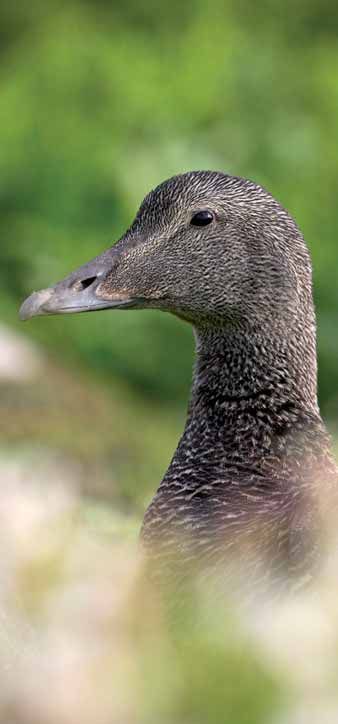
210-1392-08-09    7/5/09      12:45   Page 4

    The criteria                                                                                                        Changes in criteria since
    The criteria used in assessments are intended to         HDrec Historical Decline – Recovery. Red listed for        the last review
    ensure that Birds of Conservation Concern (BoCC)         Historical Decline in a previous review but with
                                                                                                                        Whilst it is preferable to keep the assessment
    listings reflect each species’ global and European       substantial recent recovery (more than doubled in the
                                                                                                                        procedure the same between reviews to ensure
    status as well as that within the UK, and additionally   last 25 years).
                                                                                                                        comparability, we have made some changes since
    measure the importance of the UK population in           BDMp Breeding Population Decline. As for red list
                                                                                                                        2002 which affect the listing of species. Most notably,
    international terms.                                     criteria BDp1 and BDp2, but with moderate decline (by
                                                                                                                        we have introduced a longer time period over which
                                                             more than 25% but less than 50%).
                                                                                                                        we assess population size and range trends of both
    The red list criteria
                                                             WDMp Non-breeding Population Decline. As for red list      breeding and non-breeding populations, in addition to
    Species that meet any of the following criteria are      criteria WDp1 and WDp2, but with moderate decline (by      the existing 25 year period. This longer-term period
    red listed:                                              more than 25% but less than 50%).                          runs from 1969, the beginning of the 25 year time
    IUCN Global Conservation Status. Species listed by       BDMr Breeding Range Decline. As for red list criteria      period used by the first BoCC assessment, over the
    BirdLife International as being Globally Threatened      BDr1 and BDr2, but with moderate decline (by more          entire period of review. This was felt necessary to
    using IUCN criteria.                                     than 25% but less than 50%).                               avoid the inappropriate down-grading (from red to
                                                             BR and WR Rarity. UK breeding population of less than      amber or even green) of species which no longer show
    HD Historical Decline. A severe decline in the UK
                                                             300 pairs (BR), or non-breeding population of less than    severe declines over the most recent 25 years but have
    between 1800 and 1995, without substantial
                                                             900 individuals (WR).                                      made no recovery (or have declined even further).
    recent recovery.
                                                             BL and WL Localisation. At least 50% of the UK             Additionally, we have introduced a new rare
    BDp Breeding Population Decline. Severe decline in the
                                                             breeding (BL) or non-breeding (WL) population found        non-breeder criterion to mirror the breeding criterion.
    UK breeding population size, of more than 50%, over
    25 years (BDp1) or the entire period used for            in 10 or fewer sites.
    assessments since the first BoCC review, starting in     BI and WI International Importance. At least 20% of the
    1969 (“longer-term”) (BDp2).                             European breeding (BI) or non-breedinga (WI)
    WDp Non-breeding Population Decline. Severe decline      population found in the UK.
    in the UK non-breeding population size, of more than
    50%, over 25 years (WDp1) or the longer-term (WDp2).     The green list criteria
    BDr Breeding Range Decline. Severe decline in the UK     All regularly occurring species that do not qualify
    range, of more than 50%, as measured by number of        under any of the red or amber criteria are green listed.
    10 km squares occupied by breeding birds, over 25        The green list also includes those species listed as
    years (BDr1) or the longer-term (BDr2).                  recovering from Historical Decline in the last review
                                                             that have continued to recoverb and do not qualify
    The amber list criteria                                  under any of the other criteria.                           a Population estimates for NW Europe and East Atlantic
                                                                                                                          Flyway used for non-breeding wildfowl and waders respectively.
    Species that meet any of the following criteria, but                                                                b By showing at least a 20% increase since the previous review.
    none of the red list criteria, are amber listed:
    SPEC European Conservation status. Categorised as a                                                                                                                                    The Arctic skua has gone straight
    Species of European Conservation Concern (SPEC 1, 2                                                                                                                                    from the green list to the red list
    or 3).                                                                                                                                                                                 because of a severe decline in the
                                                                                                                                                                                           breeding population.
210-1392-08-09
to the red list.
The red list
7/5/09
12:45
Names in italics indicate species new
Page 6
Skylark
Lesser spotted woodpecker
Wryneck
Nightjar
Cuckoo
Turtle dove
Roseate tern
Herring gull
Arctic skua
Red-necked phalarope
Whimbrel
Black-tailed godwit
Ruff
Dunlin
Temminck's stint
Lapwing
Corncrake
Grey partridge
Capercaillie
Black grouse
Hen harrier
White-tailed eagle
Common scoter
Scaup
Bittern
Balearic shearwater ■
IUCN Global Conservation Status
■
■
■
■
■
■
■
■
HD Historical decline
■
■
■
■
■
■
■
■
■
■
■
■
■
BDp1 Breeding decline 25 year
■
■
■
■
■
■
■
■
■
■
■
■
BDp2 Breeding decline longer-term
■
WDp1 Non-breeding decline 25 year
■
■
WDp2 Non-breeding decline longer-term
BDr1 Range decline 25 year
■
■
■
■
BDr2 Range decline longer-term
■
■
■
■
■
■
■
■
■
■
■
■
■
■
■
■
■
SPEC SPEC status
HDRec Recovering Historical Decliner
■
■
BDMp1 Breeding decline 25 year
■
BDMp2 Breeding decline longer-term
■
WDMp1 Non-breeding decline 25 year
■
WDMp2 Non-breeding decline longer-term
■
■
BDMr1 Range decline 25 year
BDMr2 Range decline longer-term
■
■
■
■
■
■
■
■
■
■
BR Breeding rarity
■
WR Non-breeding rarity
■
■
BL Breeding localised
■
■
■
■
WL Non-breeding localised
BI Breeding internationally important
■
■
■
■
WI Non-breeding internationally important
Corn bunting
Cirl bunting
Yellowhammer
Hawfinch
Lesser redpoll
Twite
Linnet
Tree sparrow
House sparrow
Starling
Red-backed shrike
Golden oriole
Willow tit
Marsh tit
Spotted flycatcher
Wood warbler
Marsh warbler
Aquatic warbler
Savi's warbler
Grasshopper warbler
Redwing
Song thrush
Fieldfare
Ring ouzel
Yellow wagtail
Tree pipit
■
IUCN Global Conservation Status
■
■
■
HD2 Historical decline
■
■
■
■
■
■
■
■
■
■
■
■
■
■
■
■
■
■
■
BDp1 Breeding decline 25 year
■
■
■
■
■
■
■
■
■
■
■
■
■
■
■
■
■
■
■
BDp2 Breeding decline longer-term
■
WDp1 Non-breeding decline 25 year
WDp2 Non-breeding decline longer-term
BDr1 Range decline 25 year
■
BDr2 Range decline longer-term
■
■
■
■
■
■
■
■
■
■
SPEC SPEC status
HDRec Recovering Historical Decliner
■
■
■
BDMp1 Breeding decline 25 year
■
BDMp2 Breeding decline longer-term
WDMp1 Non-breeding decline 25 year
WDMp2 Non-breeding decline longer-term
■
BDMr1 Range decline 25 year
BDMr2 Range decline longer-term
■
■
■
■
■
■
BR Breeding rarity
■
WR Non-breeding rarity
BL Breeding localised
WL Non-breeding localised
BI Breeding internationally important
WI Non-breeding internationally important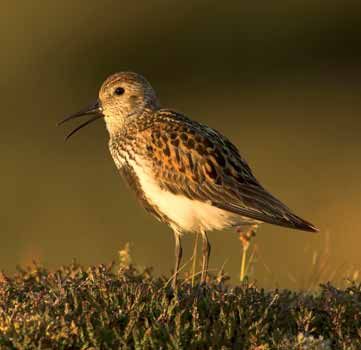
210-1392-08-09 7/5/09 12:45 Page 8
The amber list
WDMp1
WDMp2
WDMp1
WDMp2
see previous pages for criteria codes
BDMp1
BDMp2
BDMp1
BDMp2
BDMr1
BDMr2
BDMr1
BDMr2
HDrec
HDrec
SPEC
SPEC
WR
WR
WL
WL
BR
BR
WI
WI
BL
BL
BI
BI
Red-throated diver ■ Red kite ■
Black-throated diver ■ ■ ■ Marsh harrier ■ ■
Great northern diver ■ Montagu's harrier ■
Little grebe ■ ■ Golden eagle ■
Red-necked grebe ■ ■ Osprey ■ ■
Slavonian grebe ■ ■ ■ ■ ■ Kestrel ■
Black-necked grebe ■ ■ Merlin ■
Fulmar ■ ■ Red grouse ■ ■
Sooty shearwater ■ Quail ■ ■
Manx shearwater ■ ■ ■ ■ Spotted crake ■
European storm-petrel ■ Crane ■ ■
Leach's storm-petrel ■ ■ ■ Oystercatcher ■ ■ ■
Gannet ■ ■ Avocet ■ ■
Shag ■ ■ ■ ■ Stone-curlew ■ ■ ■
Little egret ■ Ringed plover ■ ■
Spoonbill ■ ■ Dotterel ■
Bewick's swan ■ ■ ■ Golden plover ■
Whooper swan ■ ■ Grey plover ■ ■
Bean goose ■ Knot ■ ■ ■
Pink-footed goose ■ ■ Purple sandpiper ■ ■
Greylag goose ■ ■ Jack snipe ■
Barnacle goose ■ Snipe ■
Brent goose ■ ■ ■ Woodcock ■
Shelduck ■ ■ Bar-tailed godwit ■ ■
Wigeon ■ ■ Curlew ■ ■ ■ ■ ■
Gadwall ■ ■ Spotted redshank ■ ■
Teal ■ Redshank ■ ■ ■ ■
Mallard ■ ■ Green sandpiper ■
Pintail ■ ■ ■ ■ Wood sandpiper ■ ■ ■
Garganey ■ ■ Common sandpiper ■ ■
Shoveler ■ ■ Turnstone ■
Pochard ■ ■ ■ ■ Great skua ■ ■
Tufted duck ■ Mediterranean gull ■
Eider ■ Little gull ■
Velvet scoter ■ ■ Black-headed gull ■ ■
Goldeneye ■ Common gull ■ ■
Smew ■ ■ Lesser black-backed gull ■ ■
Honey-buzzard ■ Yellow-legged gull ■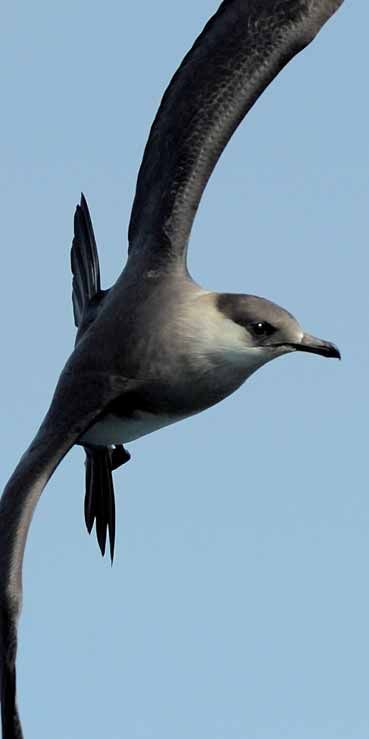
210-1392-08-09 7/5/09 12:45 Page 10
The amber list
WDMp1
WDMp2
WDMp1
WDMp2
BDMp1
BDMp2
BDMp1
BDMp2
BDMr1
BDMr2
BDMr1
BDMr2
HDrec
HDrec
SPEC
SPEC
WR
WR
WL
WL
BR
WI
BR
BL
WI
BL
BI
BI
Iceland gull ■ Pied flycatcher ■
Glaucous gull ■ Bearded tit ■ ■
Great black-backed gull ■ Crested tit ■
Kittiwake ■ ■ Short-toed treecreeper ■
Sandwich tern ■ ■ ■ Chough ■
Common tern ■ Serin ■ ■
Arctic tern ■ Scottish crossbill ■ ■
Little tern ■ ■ ■ Parrot crossbill ■
Black tern ■ Bullfinch ■ ■
Guillemot ■ ■ Lapland bunting ■
Razorbill ■ Snow bunting ■
Black guillemot ■ Reed bunting ■
Puffin ■ ■
Stock dove ■
Barn owl ■
Short-eared owl ■
Swift ■
Kingfisher ■
Green woodpecker ■
Woodlark ■ ■ ■
Shorelark ■
Sand martin ■
Swallow ■
House martin ■ ■ ■
Meadow pipit ■ ■
Water pipit ■
Grey wagtail ■
Dunnock ■
Nightingale ■
Black redstart ■ ■ ■
Common redstart ■
Whinchat ■
Wheatear ■
Mistle thrush ■ ■
Dartford warbler ■ ■
Common whitethroat ■
Willow warbler ■ ■
Firecrest ■ Swift: amber listed as a
declining breeding species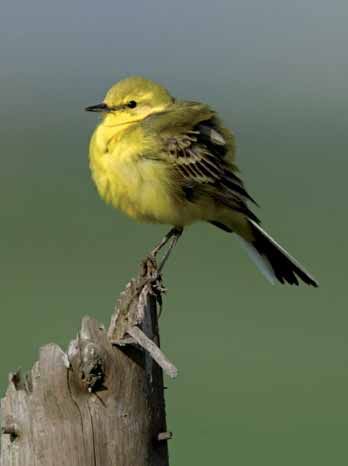
210-1392-08-09   7/5/09   12:45   Page 12

                                                             A new approach:
                                                             red and amber lists for races
                                                             In some cases, it may be appropriate to focus
                                                             conservation attention below the level of species: at
                                                             races (subspecies). Such an approach allows the
                                                             recognition of the importance of the UK for endemic
                                                             races, to distinguish between races of the same species
                                                             that face different pressures, to protect genetic diversity
                                                             and to allow conservation action to be targeted
                                                             efficiently.

                                                             For the first time in the UK, we have assessed the status
                                                             of regularly occurring races. The same data sources and
                                                             criteria were used as for species, although there were
                                                             instances where data were unavailable or were of poor
                                                             quality. In a few cases there is even doubt about the
                                                             validity of races.

                                                             The complete race-level assessment can be found in the
                                                             June 2009 issue of the journal British Birds or online at
                                                             www.britishbirds.co.uk. Here, we give the red listed
                                                             races for which we have a higher degree of concern
                                                             than we do for their parent species.

                                                             Races that have a higher conservation concern than
                                                             their parent species: red listed races

                                                              British name                    Scientific name for race
                                                              Taiga bean goose                fabalis
                                                              European white-fronted goose    albifrons
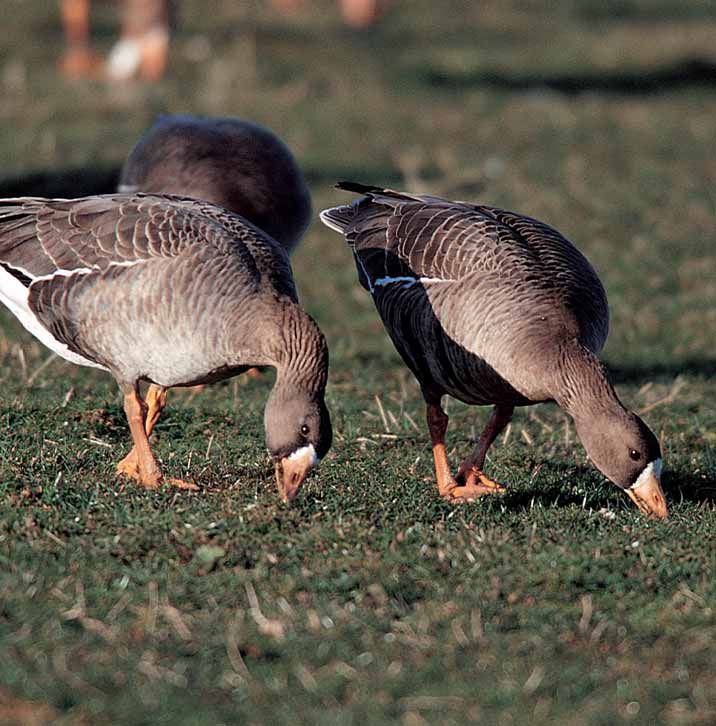
                                                              Greenland white-fronted goose   flavirostris
                                                              Dark-bellied brent goose        bernicla
                                                              Eider                           mollissima
                                                              Stone-curlew                    oedicnemus
                                                              Fair Isle wren                  fridariensis
                                                                                                                           Eider: the race mollissima is on the race
                                                              St Kilda wren                   hirtensis
    White-fronted geese of the Greenland race flavirostris                                                                 red list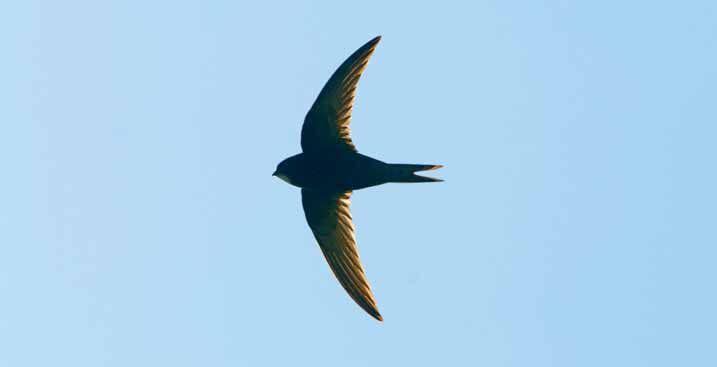
210-1392-08-09   7/5/09   12:45    Page 14

    The new red and amber lists: themes and messages
    The BoCC3 red, amber and green lists provide a tool         Woodland birds                                              species have had only a toehold in the UK in recent       Races
    for guiding conservation action for birds in the UK and     The last BoCC review identified woodland birds as a         decades, and now that appears to be slipping.             The assessment at race level highlights the
    setting priorities for action on individual species. They   new area of concern. BoCC3 reinforces this, with a                                                                    conservation and biodiversity significance of the UK’s
    are not, however, intended to do that in isolation.         further four species – tree pipit, wood warbler, lesser     Recovery                                                  endemic and near-endemic races. It also allows us to
    Many other factors, such as feasibility, likelihood of      redpoll and hawfinch – moving from amber to join            We should use the new BoCC list to recognise that not     target conservation prioritisation more precisely; for
    success, and collateral benefits for other species must     lesser spotted woodpecker and willow and marsh tits         all is doom and gloom, as conservation action is          example, the wintering islandica race of black-tailed
    be considered in setting conservation priorities and        on the red list. Further research is urgently needed to     delivering results. Both stone-curlew and woodlark        godwit is flourishing and green listed: the limosa race
    strategies. The BoCC3 lists should be the starting point    identify what is driving these declines.                    have moved from red to amber since the 2002 review        (which breeds in England) is declining and red-listed.
    for such decisions, not the end point.                                                                                  as a result of targeted conservation action. This         Although most bird conservation work in the UK is
                                                                Seabirds                                                    demonstrates that given the understanding and             targeted at species, this new approach may prove a
    Importantly, all the major bird conservation                Recent widespread breeding failures have raised the         resources it is possible to turn around the fortunes of   valuable tool.
    organisations, both governmental and non-governmental,      profile of the UK’s internationally important seabird       threatened species. We hope that future reviews may
    endorse the BoCC3 lists (see back cover).                   populations, and such concerns are backed up by the         see more species benefit from such action.
                                                                arrival of three seabirds on the red list in addition to
    The growth of the red list since the last assessment is     roseate tern. Arctic skua is the only species to move
    a cause for concern. Whilst few species have moved          from green straight to red, as the result of a severe
    off the red list (34 of the 40 species red listed by the    decline, and it is joined on the red list by herring gull
    previous assessment remain), 18 species have been           and Balearic shearwater.
    red listed for the first time. Eleven species are now on
    the red list because of a change in criteria: trends are    Long distance migrants
    assessed over a long-term period as well as a 25-year       Four of the birds new to the red list – cuckoo, yellow
    window. In addition, 23 species have moved from             wagtail, tree pipit and wood warbler – are sub-Saharan
    green to amber. Examining the new lists, some clear         migrants. Although it is not yet possible to disentangle
    themes emerge:                                              the effects of a range of pressures on the breeding
                                                                grounds, migration routes and wintering grounds, the
    Farmland birds                                              increasing concern afforded to a number of long-
    Both the previous BoCC reviews have highlighted the         distance migrants hints at potential issues outside
    plight of many of our farmland birds, which declined        the UK.
    rapidly in the 1970s and 1980s due to the impacts of
    agricultural intensification. Although much research        Edge-of-range breeders
    has been conducted to identify how to help red listed       Predictions suggest that bird ranges in Europe might
    farmland birds such as skylark, grey partridge and corn     move north and east in response to climate change,
    bunting, and government agri-environment schemes            and there is good evidence that this is already
    have been devised to deliver this help, we are yet to       happening. While a causal relationship has not been
    see substantial recovery related to this action. Reed       demonstrated, the addition to the red list of five
    bunting is the only widespread farmland bird to have        species – Temminck’s stint, ruff, whimbrel, redwing and
    moved off the red list, and yellow wagtail and lapwing      fieldfare – for which the UK lies at the southern edge of
    have moved from amber to red.                               the range may be evidence of such range shifts. These
                                                                                                                            Wood warbler: now on the red list.
210-1392-08-09 7/5/09 12:45 Page 16
CYNGOR
CEFN GWLAD
CYMRU
COUNTRYSIDE
COUNCIL
FOR WALES
www.birdlife.org www.britishbirds.co.uk www.bto.org www.ccw.gov.uk www.gct.org.uk
www.hawkandowl.org www.jncc.gov.uk www.nationaltrust.org.uk www.naturalengland.org.uk www.ni-environment.gov.uk
www.rbbp.org.uk www.rspb.org.uk www.snh.org.uk www.the-soc.org.uk
Welsh Ornithological
Society
www.seabirdgroup.org.uk www.welshos.org.uk www.wwt.org.uk
For more details, please see:
Eaton MA, Brown AF, Noble DG, Musgrove AJ, Hearn R, Aebischer NJ, Gibbons DW, Evans A and Gregory RD (2009) Birds of
Conservation Concern 3: the population status of birds in the United Kingdom, Channel Islands and the Isle of Man. British Birds 102,
pp296–341.
Photographs: (cover) cuckoo (now red listed) by Mark Hamblin, yellow wagtail by Steve Round, dunlin by Danny Green, Arctic skua by Graham Eaton, swift by
David Tipling, Greenland white-fronted geese by Andy Hay, eider by Mike Read, wood warbler by Steve Round (all rspb-images.com)
The Royal Society for the Protection of Birds (RSPB) is a registered charity: England and Wales no. 207076, Scotland no. SC037654
210-1392-08-09You can also read


