Bridging Singapore's Digital Divide in Government Services - June 2021 By Michael Tan, Colin Teo, and Michael Meyer
←
→
Page content transcription
If your browser does not render page correctly, please read the page content below

Bridging Singapore’s Digital
Divide in Government Services
June 2021
By Michael Tan, Colin Teo, and Michael Meyer

Bridging Singapore’s Digital Divide in
                                                       Government Services

                                                       S
                                                           ingapore has been accelerating its rollout of digital     The rapid digital transition inspired by COVID-19 has not
                                                           government services over recent years, with a target      been without its challenges. Building fit-for-purpose and
                                                           of 90-95% of citizen-government interactions to be        user-friendly solutions is difficult over such accelerated
                                                       made available digitally by 2023.                             timelines. Data privacy issues raised by usage of national
                                                                                                                     TraceTogether data have also shown how data sharing
                                                       This ambition builds on Singapore’s impressive digital        concerns risk nurturing hesitancy around the voluntary use
                                                       credentials, with the Singapore Government now                of digital government services.
                                                       reinforcing its commitment to deliver faster, more cost-
                                                       effective services to citizens utilizing digital government   Boston Consulting Group (BCG) has been at the forefront
                                                       services.                                                     of global understanding of technology transformation for
                                                                                                                     decades. It has a long history of exploring how
                                                       A range of initiatives have already been announced to         governments around the world are transforming digital
                                                       nurture this transformation. The launch of the LifeSG app     service delivery for citizens. BCG’s Digital Government
                                                       in 2020 offers a notable example, providing a convenient,     Citizen Survey offers a biennial look at digital service
                                                       single-platform approach for citizens to access more than     provision and satisfaction in countries around the globe,
                                                       40 government services. The LifeSG app tailors content to     providing in-depth analysis of user satisfaction, user
                                                       each user, leveraging growing expectations around             experience, and trust in digital government services. The
                                                       customized and personalized user experience.                  results of these studies provide crucial analysis into the
                                                                                                                     key challenges faced by governments in effectively
                                                       COVID-19 has accelerated already growing expectations of      delivering digital government services, as well as
                                                       digital services, creating a new impetus for this digital     highlighting valuable areas of opportunity and potential for
                                                       transformation imperative. Protecting citizens through        improvement which can further progress provision of these
                                                       social distancing and reduced physical contact has created    services.
                                                       a lasting shift in engagement channels, with digital
                                                       solutions forming an increasingly important element of        The latest BCG 2020 Digital Government Citizen Survey
                                                       continued operations in everything from finance to            provides valuable insight into Singapore’s own provision of
Boston Consulting Group partners with leaders          government services. The importance of this transition has    digital government services, revealing impressive
in business and society to tackle their most           clearly been recognized by the Singapore Government,          performance over recent years. Equally, it identifies a clear
                                                       with the COVID-19 Idea Sprint held in May 2020                digital divide between certain sections of the population
important challenges and capture their greatest
                                                       undertaken to explore ideas for new digital services which    which must be addressed if Singapore is to continue this
opportunities. BCG was the pioneer in business         could assist citizens during the pandemic.                    successful transformation.
strategy when it was founded in 1963. Today, we
help clients with total transformation—inspiring
complex change, enabling organizations to grow,
building competitive advantage, and driving
bottom-line impact.

To succeed, organizations must blend digital and
human capabilities. Our diverse, global teams
bring deep industry and functional expertise
and a range of perspectives to spark change.
BCG delivers solutions through leading-edge
management consulting along with technology
and design, corporate and digital ventures—
and business purpose. We work in a uniquely
collaborative model across the firm and
throughout all levels of the client organization,
generating results that allow our clients to thrive.   BOSTON CONSULTING GROUP                                                                                                      1
Singapore’s Digital Government Foundations Singapore is investing rapidly to build out its digital Dissecting the Digital Divide The Income Divide
government capabilities, with government ICT contracts
Singapore has performed well with provision of its digital valued at USD3.5bn awarded in 2020. That reflects a 35% The broad overall satisfaction in Singapore’s digital Satisfaction in digital government services amongst
government services over recent years, and is ranked increase on 2019. Established initiatives such as government services must be framed against the clear Singapore’s lowest income group—those with annual
fourth out of 36 countries assessed in terms of citizen SingPass—the national digital ID—continue to evolve with digital divide identified in BCG’s analysis. This reveals household income below $12,000—was the lowest
satisfaction in the latest BCG study. (Exhibit 1.) Overall improvements and new features. SingPass Mobile and valuable insight into areas of improvement for future amongst any income group in Singapore. This group
perceptions have also been trending in a positive direction, facial recognition solutions reflect two of the latest service provision. represents the fifth percentile of Singapore’s income
with a 71% increase over the last two years in net iterations of this development, with SingPass Mobile groups. Satisfaction levels were ~30% below that of the
perception of citizens who believe that digital government reaching 1.6mn users by July 2020, just two years after Singapore’s digital divide is evident across two key highest income group—those earning over $124,000—
services are better than those offered by private sector launch. demographic segmentations—income level, and age of highlighting divergent digital experiences across these two
organizations. respondents. This divide can be defined by inequalities in demographics.
Despite Singapore’s impressive overall achievements access to, and satisfaction with, digital government
BCG’s study reveals that Singaporean citizens have access identified in the 2020 Digital Government Citizen Survey, services. These differing satisfaction levels are not directly
to a relatively high number of digital government services, in-depth analysis of the results reveals some important correlated to access to government services, with evidence
with an average 12.1 services accessed by citizens over the areas of improvement if Singapore is to build on its The study reveals that the lowest income group surveyed revealing broadly similar access levels across the range of
last two years. That compares favorably with a global success to date. There is a clear and evidenced digital reported ~30% lower satisfaction in digital government income groups. Just 50% of the lowest income group noted
average of 11 services accessed, and reveals that both divide between certain demographics, notably between services than that of the highest income group surveyed. access to digital government services 1-3 times per month
satisfaction and provision remain equally high in elderly and younger respondents, and those on the lowest or less, compared to 55% in the highest income group.
respondents in Singapore. Reviewing responses across a and highest incomes. The age of respondents also provided an important (Exhibit 3.) This insight would indicate that digital
range of demographics reveals that accessed services were indicator of diverging satisfaction measures, with the connectivity and access are not the fundamental root of
broadly similar across different ages and income groups. youngest and oldest groups revealing contrasting and this digital divide.
potentially hard-to-please priorities and pain points. The
younger demographic—aged 18-34—expressed Across the variety of dimensions assessed in the study, the
Exhibit 1 - Singapore Ranks Highly in Citizen Satisfaction for Digital Government dissatisfaction around ease of use and convenience of lowest income group evidenced by far the least satisfaction
platforms. The oldest group—aged 60+—were least in areas of security, transparency, and communication of
Services satisfied with availability of real-time support and benefits. Just 66% of the lowest income group trusted that
How satisfied are you with the use of the internet in delivering each kind1 of government service? assistance provided for service use. their personal information would be safe from hacking,
compared to 82% in the highest income band. Only 69% of
Global analysis indicates that when such a divide exists, the lower income group noted a belief that personal
Net satisfaction (% respondents) and satisfaction between elderly and youth worsens in information would not be used for any purpose other than
78 77 particular, a country’s total satisfaction with digital which it was collected, compared to 84% for the highest
76 76 76
74 73 government services is likely to decrease. This reveals the income group. This reveals a clear gap in relative trust of
69 68 68 68 importance of acting early to bridge such a gap and tackle digital government services between these two income
66 66 66 66 65
64 63 63 the issue of divergent satisfaction levels before they groups.
62 61 60
59 58 58 undermine overall performance. (Exhibit 2.)
54 53 53
50 50 49 49
48
40 40
Exhibit 2 - Digital Divide Between Elderly and Youth Correlated with Satisfaction
Across Countries
Overall satisfaction in p.p. (n=32)
21
Singapore
80
60
Every 10% difference in
Saudi Arabia
South Africa
Netherlands
Switzerland
Indonesia
Argentina
Singapore
Australia
South Korea
Malaysia
Nigeria
New Zealand
Bangladesh
Hong Kong
France
Austria
Ukraine
Germany
Kazakhstan
Estonia
Poland
Denmark
Morocco
Norway
India
Japan
Sweden
Russia
Kenya
Canada
Qatar
Chile
China
UAE
US
UK
satisfaction decreases
40
overall satisfaction
by 2 p.p.
20
Source: BCG analysis
1
Based on satisfaction with 26 different digital government services
0
0 50 100 150
Singapore Other Countries % difference in satisfaction between elderly and youth1
Source: BCG analysis
1
Difference in % of satisfaction taken by deducting satisfaction score for 18-34 year-olds from 60+ year-olds.
2 BRIDGING SINGAPORE’S DIGITAL DIVIDE IN GOVERNMENT SERVICES BOSTON CONSULTING GROUP 3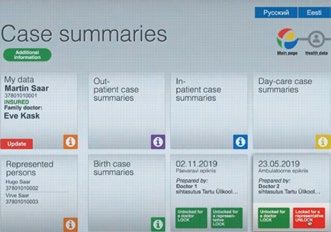
Exhibit 3 - Lowest Income Group 30% Less Satisfied than Highest Income Group address this problem, ringfencing the data so it can only be highest income group in required services not being
accessed in investigations of the most serious crimes, such available online, correlating with earlier findings around
Despite Similar Frequency of Using Government Services revelations have raised fresh concerns among citizens lower share of needs being met.
about trust in government use of data, and highlighted the
Overall net satisfaction score for online government services fragile yet critical importance of transparent data
management and its communication. These interventions The Age Divide
are at greater risk of causing dissatisfaction amongst the
-30% lowest income groups. The Singapore Government finds itself presented with two
Satisfaction score (%)
very different sets of concerns noted by the youngest and
83%
87% Confidence in the benefits of digital government services is oldest age bands studied in this report, revealing age
74%
78% another key area for improvement. Only 72% of lowest demographics as another important area of intervention in
income respondents understood the benefits of online order to tackle diverging satisfaction levels.
60% service delivery, and just 73% understood the social and
public benefits, compared to 89% of those in higher The youngest age group—aged 18-34—demonstrated
income groups who responded to these two questions. heightened expectations in provision of government
services, with 84% of this group expecting similar or better
Alongside comparatively lower satisfaction levels, just digital services than those provided by the best private
Annual household
~40% of the lowest income group reported that most or all sector organizations and global digital leaders. (Exhibit 5.)
income $124K of their needs were met by online government services,
51% 34% 47% 33% 45%
compared to an average of ~65% across all other income Availability of desired services and ease of process were
groups. (Exhibit 4.) This comes despite evidence that the areas that evidenced the most dissatisfaction in younger
lowest income group had the lowest expectations of what groups. This reflects a trend in dissatisfaction for younger
% of group that accessed online government services more than once a week digital government services would deliver for them. groups focused on more subjective measures around ease
of use and responsiveness of platforms.
Expectations in the lowest income group are also the most
modest, with just 72% of this group expecting that digital At the same time, 18% of the youngest group noted that a
Source: BCG analysis government services would deliver as good or better digital desired service was not available online, compared to 8% in
services than those from private organizations. the oldest group, reflecting a significant generational gap in
The question of trust in digital government services is a used for other purposes beyond contact tracing, such as in satisfaction with digital government service provision.
particularly timely discussion, given recent revelations select criminal cases. This comes despite previous The lowest income groups also noted more problems in
around how data collected under Singapore’s reassurances around the siloed use of data. While the provision of relevant services. BCG’s analysis reveals that Further analysis of these findings reveals a clear digital
TraceTogether program to track COVID-19 contacts may be Singapore Government has moved to retrospectively this group experienced 50% more problems than the divide in both expectation and identified areas of
Exhibit 4 - Only 40% of Lowest Income Group has Their Needs Met Despite Exhibit 5 - Youths Expect Digital Government Services to be Equal to the Best
Having Lowest Expectations Global Digital Private Sector Leaders in terms of Speed, Ease, and Availability
Level of needs met by online government services Expectations of online government services Expectations of online government services % of problems encountered when using digital government service
Facet of Gap b/w lowest &
Problem Age Bracket highest age groups
% respondents % expecting at least best private sector standards: UX (p.p. / % 1)
% expecting
online 84% 82% 74% 70% Questions (group) 18-34 60 Plus
government The overall process took too long
72% 80% 80% 85% 84% services to
22% 14% 8p.p./57%
or was too difficult
equal best
Navigation
private sector
and design I could not find what I needed 15% 15%
institutions or
global digital I didn't understand the instructions
50% leaders or didn't know what to do 13% 8%
46% 46% 47% 41%
40% 50%
57 61 46% Channel The service I needed is not
58 flexibility available online
18% 8% 10p.p./125%
52
51%
35 I experienced technical difficulties
or issues completing my request 19% 19%
32% 30% 34% 35% 36% Help and
13 support
7 6 7 9 37% 41% I needed help but none was
18% 19%
available at the time
< $12k $12 - $44k $44k - $87k $87k - $124k > $124k < $12k $12 - $44k $44k - $87k $87k - $124k > $124k 28%
19%
I didn't have all the information or
~40% paperwork 18% 10%
have all/ 18-34 35-49 50-59 60 Plus
most ~65% have all/most needs met
User I couldn't remember my username
needs met issues or password 17% 19%
My expectation is lower Similar to the best online gov.
than any of the above services in the world
Other problems 0% 0%
Needs never met Most needs have been met Similar to best private sector institutions Similar to best pvt.
Needs oen not met All needs have been met Similar to global digital leaders Similar to global digital leaders
sector institutions
Some needs have been met 0% 22%
Source: BCG analysis
Source: BCG analysis 1
% measured against highest income group
4 BRIDGING SINGAPORE’S DIGITAL DIVIDE IN GOVERNMENT SERVICES BOSTON CONSULTING GROUP 5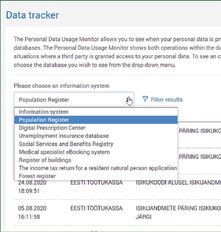
• Trust in data management. Improving transparency,
importance in the delivery of digital government services. and highest income groups on whether their needs are International Learning From the Digital Divide
security, and control of data. This is particularly valued by
The youngest age group noted clear dissatisfaction in areas met is the highest among top-scoring developed countries
the lowest income group and the elderly.
around user experience of online services, while the oldest studied in this report at 36%, compared to a digital divide While Singapore compares favorably in overall satisfaction,
group expressed more concern around provision of real- ranging between 10-20% for other high-performing global international benchmarking provides some valuable • Digital inclusion, including for elderly and lower-income
time support and control of data. peers identified for comparison by BCG. (Exhibit 6.) insight to inform the evolving delivery of the nation’s groups. Catering services to meet specific expectations of
digital government services. Through detailed analysis of the elderly and those in the lowest income groups.
Whilst older citizens had lower expectations than their 36 countries, we have identified three key elements of
younger peers, they evidenced by far the highest Focus for the Future delivery which can help Singapore bridge the existing We have analyzed and established learnings from three
dissatisfaction levels in particular areas of digital digital divide. best-practice global peers which offer valuable insight on
government services related to support and assistance. The evident digital divide identified in this study highlights how Singapore’s services can adapt and evolve in the
• Satisfaction of services. Taking a customer-centric approach
Just 42% of the oldest age demographic were satisfied by important areas of intervention for the Singapore future to tackle the digital divide.
to identify the needs of citizens.
an ability to get advice from other users and share their Government. Analysis reveals a clear divide across income
experience, and only 63% were satisfied by the real-time groups, with the lowest income group having both the
support and assistance available in use of digital lowest satisfaction and least needs met across all income
government services. That compares to 71% and 73% for groups. This dissatisfaction is particularly focused around
the youngest group respectively. areas of confidence in data management and security, and
transparency of data use. Case Study
Another important divergence between these age groups
comes around trusted use of personal data, with just 49% The Singapore Government also faces important Australia: Citizen Satisfaction
of the oldest demographic satisfied about control over how challenges in catering to the differing expectations among
long data was stored, compared to 67% of the youngest group. the oldest and youngest demographic groups, revealing
important parallel concerns which must be met in tandem. Service New South Wales (NSW) designs and provides A recent example of this agile approach can be seen in
Changes to improve user experience will be essential in state government services under one department for the how Service NSW fed into response for the devastating
Comparing Singapore’s Digital Divide bridging this satisfaction gap for the youngest Australian state of New South Wales. It combines over bushfires experienced by the region in 2019-2020. It took
demographic. Enabling appropriate real-time support while 800+ government transactions in one unified service that just one day to launch a dashboard analyzing citizen
Singapore’s digital divide by income is higher than global reassuring and reinforcing data controls and privacy will be includes a phone number, website, mobile app, and series feedback on the impact of the fires, ensuring citizen
peers, reflecting an important need to focus on bridging equally vital in ensuring the needs of the oldest group are of service centers for user support. sentiment on this devastating event was captured in real-
this gap. The differing perceptions of Singapore’s lowest met. time. This provided an invaluable platform for senior
In order to improve satisfaction amongst citizens, Service leaders to adapt their response to target concerns raised
NSW acts as a unified ‘front door’ for key state government by citizens.
Exhibit 6 - Digital Divide for Income in Singapore Wider than Global Peers services, delivering consistently high standards in service
provision and acting on feedback in real-time. Service NSW The Service NSW app has also provided a valuable
operates by consulting with sponsoring government platform to address key COVID-19 challenges. The app was
% of respondents with most or all needs met by online government services agencies, then facilitating ongoing provision of a digital leveraged to create a Covid Safe Check In program for
service. businesses in order to comply with local contact tracing
requirements, inclusive of simple QR code functionality. It
-36% -34% -22% -19% -12% -9%
This citizen-centric approach combines customer journey has also provided an avenue for economic stimulus
research, common design standards, and a single feedback programs, with the Dine & Discover NSW program
process under one department, helping to deliver providing financial incentives to support struggling
66% 61% 65% 53% 77% 54% consistent high standards across services, which improves hospitality and tourism businesses during the pandemic.
68% 49% user satisfaction. The latest analysis reveals citizen The agile framework allows responsive and scalable
51%
43% satisfaction for Service NSW stands at over 95%, compared solutions that can be rapidly deployed to address local
40% to 69% at the time of launch. needs.
42%
The Service NSW survey framework provides a detailed Singapore can learn valuable lessons about going beyond
view of specific dimensions of satisfaction. This not only the unification of services in one single platform, and
allows citizens to better understand the rules and adopt an approach which also unifies the design process,
regulations but provides a single source of truth, and provision of services, and subsequent analysis of feedback
clearer navigation of issues by the state government itself. and responsive iterative improvements under one team.
Singapore could also work to actively track performance of
Singapore Canada China USA Estonia Australia Service NSW analyzes feedback in real-time through services to build understanding and quickly react and
interactive dashboards which can be viewed by senior respond to feedback, leveraging the benefits in citizen
Decreasing % difference leaders and ministers, providing a detailed overview of satisfaction evidenced by Service NSW.
pain points or challenges, and ensuring quick
• Employ a unified approach focused on frontline experience
Lowest income group1 Higher income group2 improvements and responses where needed. This provides
to achieve consistent high standards for citizens, improving
a pathway to quickly adapt provision of digital government
their overall satisfaction in government services.
services as the needs of citizens evolve.
• Utilize real-time analysis of feedback and an iterative
Sourcve: World Bank, government statistics, Center for the Study of Living Standards approach to better meet citizens’ evolving expectations.
1
Represents all households below 10% percentile of household income
2
Represents all households above 10% percentile of household income
6 BRIDGING SINGAPORE’S DIGITAL DIVIDE IN GOVERNMENT SERVICES BOSTON CONSULTING GROUP 7Case Study Case Study
Estonia: Citizen Data Ownership United Kingdom: Digital Inclusion
European country Estonia operates a robust data decision rights which dictate which third-parties may use it The United Kingdom operates a policy whereby all government agencies align with and adhere to inclusivity in
management approach which provides high transparency in some cases. government services are designed and assessed within a the delivery of services.
on use of citizen data, ensuring comprehensive citizen framework for digital inclusion, ensuring lower-income
overview, control, and security of data. By providing a data The national Data Protection Inspectorate provides an groups and the elderly are considered in provision of all This inclusivity-first approach by the United Kingdom has
tracking mechanism for citizens to see how their data is oversight body which allows citizens to file complaints services. This approach promotes digital services that delivered some important benefits for its digital
used, Estonia has helped engender higher levels of trust in around misuse of data, backed up by laws that are recognize and cater for groups with greater barriers to government services. The digital take-up rate for the UK’s
digital government services. empowered to penalize government officials for any accessing digital services, backed up by standardized Carer’s Allowance Digital Service—a grant for eligible
misuse. This robust approach to privacy and transparency assessments to ensure government agencies adhere to carers—reached 74% after it was redesigned and
Estonia’s state portal allows citizens to easily access a list has enabled 99% of government services in Estonia to be these standards. relaunched, up from 53% from the previous service
of queries made by ministries and agencies for their offered through digital platforms, and delivered an 82% delivery. This is a notable improvement for a digital
personal data, offering the ability to track the uses it has trust rate in digital government services. Design of digital government services take a bottom-up government service with a high percentage of applicants
been put to. (Exhibit 7.) Citizens can explore detailed views approach to ensure accessibility across devices, including from older demographics. The transformation of delivery
of the timing of a query, its purpose, and the organization Estonia’s approach presents some key learnings for those with older or lower-end devices, and who may suffer has seen a completion rate for applications rising from
which triggered the query across major databases such as Singapore around promoting trust in the management of from poor connectivity. It also incorporates measures to 71% to 80%.
the population register, social services and benefits registry, data which is fundamental to encouraging citizens to assess language and support channels, ensuring all
and register of buildings. This bolsters trust in citizens who embrace digital government services. specific expectations of inclusivity are met. The success of the UK’s inclusivity-focused approach can
have a clear understanding of how and where their data is provide some valuable lessons for Singapore in attempting
• Provide visibility over how citizens’ data is used in order to
being accessed and used. All transactional services, as well as those requiring spend to bridge the digital divide, particularly in relation to
establish trust in government usage of data, and encourage
approval, must apply a three-stage assessment to provision of services for the oldest population group and
citizens to adopt these services.
Citizens are further empowered with the ability to lock or understand and assess inclusivity measures. That includes those on the lowest incomes. The bottom-up approach
approve access to selected datasets such as healthcare • Provide a degree of data ownership to citizens to increase services such as visa applications, civil court filings, tax ensures inclusivity is an integral part of any service design,
reports. This enables them to not only assess and track assurances that their data is only put to use based on credit renewal, and appeals against motoring offences. The while clear benchmarking assessments ensure all agencies
how data is used, but provides valuable agency through citizens’ own preferences. failure at any stage of the assessment process prevents are aligned on what that should look like when developing
progression to the next stage of development and triggers or transforming any given digital government service.
a need for reassessment. (Exhibit 8.) This ensures that all
Exhibit 7 – Holistic Platform for Data Transparency, and High Degree of Control
Available to Citizens Exhibit 8 - Mandatory 3-stage Assessment Prior to Launching Online
Government Services
Data tracker to access
A data queries
Provides detailed view of timing,
purpose of query and querying Service Design Process
organization for major databases All central governement
e.g. departmenet services require
Improves visibility
assessments if either:
• Population Register A of how citizen
Pass Pass Pass
• Social Services and Benefits data is used • Cabinet Office spend approval Private Public Going
Discovery Alpha
is required Beta Beta Live
Registry
• Register of buildings
• Service is transactional1
Fail Fail Fail
Health portal to control Grants control and
B data access
Examples: Understand user Build Trial best Run service at Iterate
B ownership of data needs and
opportunities
prototypes and
test ideas
prototype with
limited users
scale with
more users
and make
improvements
to citizens • Visa application
Allows citizens to lock individual
health reports, so only select • Filing of civil claims
providers can have access
• Tax credit renewal
Re-assessment required if failure at any stage,
• Pleas against motoring offences without allowing progress to next phase
Assessment 2
1
Exchange information, money, permission, goods or services, or submit personal information that results in a change to a government record
2
Assessment at each stage will focus on showing there has been sufficient work done on user research and needs, service team, assisted digital
Source: Expert interview, Estonia government support and analysing relevant performance
Source: GOV.UK
8 BRIDGING SINGAPORE’S DIGITAL DIVIDE IN GOVERNMENT SERVICES BOSTON CONSULTING GROUP 9B
• Design online services from the bottom up to ensure all CG’s 2020 Digital Government Citizen Survey shows unlock notable improvements in access, inclusivity, and
specific expectations on language and other key features that Singapore remains a world leader in digital satisfaction in digital government services, and boost the
are captured and met to promote digital inclusion. provision of government services, with a top-five country to the top of the Digital Government Citizen
• Provide assessments which agencies must follow in design position demonstrating its success in delivering these Survey rankings. potentially challenging for first place in
and delivery of digital government services, and with services to date. Yet the evidence of a clear digital divide overall satisfaction rankings in a best-case scenario.
checks that agencies must pass in order to progress with between those in the lowest and highest income bands, as
development of these services.Building Benefits through well as diverging priorities of the oldest and youngest If Singapore is to achieve this goal, it will need to
Bridging the Divide groups, shows that targeted intervention will be needed in recognize, and address, the two key areas of digital divide
order to maintain this success. identified in this report:
• Income divide. Ensure appropriate provision of desired
Other countries are not standing still, and the comparative
digital government services while promoting the benefits
improvement in Singapore respondents’ perceptions of
and reinforcing trust and transparency in management of
digital government services leaves no room for
data submitted to digital government services.
complacency. While Singapore demonstrated a 22
percentage point increase in net perception of digital • Age divide. Address questions of user-friendly service
government services performing better than private sector provision raised by the youngest age groups, while at the
digital services between 2018 and 2020, that places it just same time working to tackle the parallel concerns of real-
middle of the pack compared to many of its peers. China, time support, assistance, and transparency raised by the
India, and Morocco all evidenced more than a 40 oldest demographic.
percentage point improvement over that period, while The 2020 Digital Government Citizen Survey shows how
even those nations with a longer history of advanced impressive commitments over past years have reaped
industrialization such as Norway, Germany, Switzerland, valuable rewards for Singapore in citizen engagement and
and the US enjoyed a ~30 percentage point increase. satisfaction. Acknowledging and addressing the findings of
this report, and embracing the opportunity to tackle the
Closing Singapore’s ~30% satisfaction gap in digital divide nation’s digital divide, offers the chance to further deepen
between the lowest income and highest income groups penetration and boost satisfaction in digital government
offers a platform to significantly boost its overall citizen services in the future.
satisfaction in digital government services. This could
10 BRIDGING SINGAPORE’S DIGITAL DIVIDE IN GOVERNMENT SERVICES BOSTON CONSULTING GROUP 11About the Authors
Michael Tan is a managing director and partner in Colin Teo is a principal in Boston Consulting Group’s
Boston Consulting Group’s Singapore office. He is the Singapore office. He is a core member of the firm’s Public
Southeast Asia leader of the firm’s Public Sector practice. Sector practice with a focus on digital topics. You may
You may contact him by email at tan.michael@bcg.com. contact him by email at teo.colin@bcg.com.
Michael Meyer is a managing director and partner in
Boston Consulting Group’s Singapore office. He is the
Southeast Asia leader of the firm’s Technology, Media, and
Telecommunications practice, and a core member of
BCG’s Public Sector practice. You may contact him by
email at meyer.michael@bcg.com.
Methodology
Acknowledgments For Further Contact
The 2020 Digital Government Survey interviewed 24,500
respondents in 36 countries, including 500 respondents in The authors are grateful to Xuan Liang Kok, Clarys Chan, If you would like to discuss this report, please contact one
Singapore. Analysis reveals that respondents in Singapore and Josh Turner for their assistance with this report. of the authors.
displayed a higher level of digital awareness than the
average Singaporean citizen, with 87% of respondents
accessing the internet more than once per day, and all
respondents having more than two devices capable of
accessing the internet
12 BRIDGING SINGAPORE’S DIGITAL DIVIDE IN GOVERNMENT SERVICES BOSTON CONSULTING GROUP 13For information or permission to reprint, please contact BCG at permissions@bcg.com. To find the latest BCG content and register to receive e-alerts on this topic or others, please visit bcg.com. Follow Boston Consulting Group on Facebook and Twitter. © Boston Consulting Group 2021. All rights reserved. 6/21
bcg.com
You can also read


