Carterton District Council - Annual Plan 2017/18 ISSN 1171-7459 (print) ISSN 1179-8815 (online)
←
→
Page content transcription
If your browser does not render page correctly, please read the page content below
Carterton District Council

    Annual Plan 2017/18

       ISSN 1171–7459 (print)
      ISSN 1179–8815 (online)

                Doc ID 39938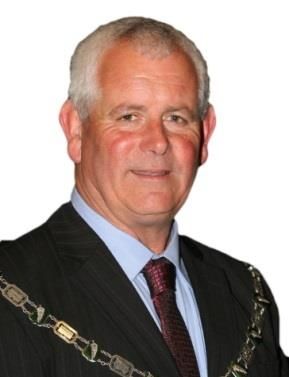
Doc ID 39938

Carterton District

A welcoming and vibrant community
     where people enjoy living

                Doc ID 39938
Doc ID 39938
Directory
                                                                  Contents
Carterton District Council                                                                                                  Page
                                                                  Mayor and councillors                                        6
Holloway Street
                                                                  Senior executives                                            6
(PO Box 9)
                                                                  Message from the Mayor                                       7
Carterton
                                                                  Introduction
Phone 06 379 4030                                                 Specific items for consultation                             8
Fax 06 379 7832                                                   Financial overview                                          9
www.cdc.govt.nz                                                   Policies                                                   10

info@cdc.govt.nz                                                  Community outcomes
                                                                  The vision                                                 14
                                                                  How Council activities relate to the community outcomes    15

                                                                  Council activities and services
Auditors
                                                                  Governance                                                 18
Mari-Anne Williamson
                                                                  Community support                                          21
Audit New Zealand                                                 Regulatory and planning                                    25
                                                                  Roads and footpaths                                        29
Solicitors                                                        Sewerage and the treatment and disposal of sewage          33
WCM Legal                                                         Stormwater drainage                                        37
Mark Hinton                                                       Waste management                                           41
                                                                  Water supply                                               45
Bankers                                                           Administration and support services                        50

Bank of New Zealand                                               Financial information
Johan Otto                                                        General forecasting assumptions                            53
                                                                  Financial forecasting assumptions                          55
                                                                  Accounting policies                                        58
                                                                  Prospective financial statements                           71
                                                                  Statement of special funds reserves                        74
                                                                  Funding impact statement                                   76
                                                                  Financial prudence disclosure statement                    82

                                                                  Appendices
                                                                  A—Schedule of fees and charges 2017/18                     86

CARTERTON DISTRICT COUNCIL | Annual Plan 2017/18   Doc ID 39938                                                                    5
Mayor and councillors Senior executives
Chief Executive
Name Contact Details Jane Davis
Mayor John Booth 06 378 2481 / 027 442 7469 Corporate Services Manager
john.booth@cdc.govt.nz Marty Sebire
Deputy Mayor Russell Keys 06 379 6433 / 027 454 0860
russell.keys@cdc.govt.nz Operations Manager
Cr Rebecca Vergunst 027 742 2264 Garry Baker
rebecca.vergunst@cdc.govt.nz
Cr Tracey O’Callaghan 06 372 7757 / 021 169 8080 Planning and Regulatory Manager
tracey.ocallaghan@cdc.govt.nz David Gittings
Cr Greg Lang 06 372 7080 / 027 898 1618
greg.lang@cdc.govt.nz Community Services Manager
Cr Jill Greathead 06 379 6193 / 027 488 4376 Carrie Mckenzie
jill.greathead@cdc.govt.nz
Cr Brian Deller 06 379 8363 / 027 444 5340 Parks and Reserves Manager
brian.deller@cdc.govt.nz Brian McWilliams
Cr Ruth Carter 06 379 7467 / 027 379 7467
ruth.carter@cdc.govt.nz
Cr Mike Ashby 06 379 7890 / 027 922 2999
mike.ashby@cdc.govt.nz
CARTERTON DISTRICT COUNCIL | Annual Plan 2017/18 Doc ID 39938 6In the submissions, we were strongly challenged on the way we engage our constituents. We
Message from the Mayor have taken this seriously and are upping our game. We appreciate the time and effort that
submitters take. We appreciate that many of them present orally to Council. And we
appreciate straight talk. It is a vital input to our planning process. We will do better.
Mai i te pae maunga, raro ki te tai
Mai i te awa tonga, raro ki te awa raki
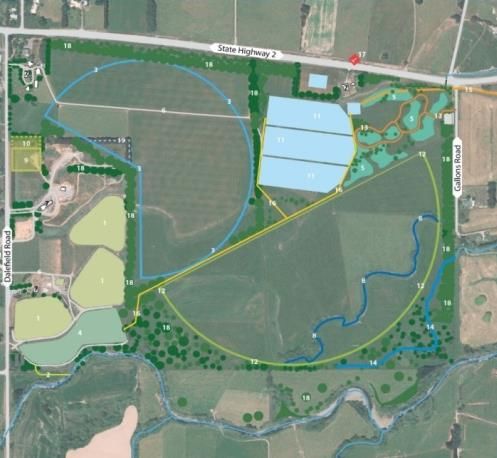
We are pleased that the feedback endorsed our proposal to stage the expansion of sewage
Tēnei te hapori awhi ai e Taratahi
treatment and disposal at Daleton Farm. The construction of the reservoirs that will feed the
second pivot irrigator will be deferred a year. This and the reduced rate-funding of
Whano whano, haramai te toki
depreciation will make the project more affordable for ratepayers, without impacting the
Haumi ē, hui ē, tāiki ē!
project completion date and still meeting our environmental responsibilities.
Over the next year, we will be renewing the asset management plans for the urban water
Change is in the air! And it binds and strengthens our community.
supply, for wastewater, for stormwater, and for roads and footpaths. These along with our
new Growth Strategy will help us update our Infrastructure Strategy. In turn, these will help
This is the first annual plan of the new council elected last year and is based on year three of
inform the preparation over the next year of the 2018–2028 Long Term Plan.
the current Long Term Plan. Having new faces around the Council table has stimulated new
thoughts and new approaches.
As for that other change—the possible amalgamation of the three Wairarapa councils—for the
purposes of this annual plan it is assumed that there will be no amalgamation. If the decision
In the community, change can be felt. There’s a bounce in our step. New businesses are
is to proceed, it will be reflected in the Long Term Plan.
opening in town, housing developments and building activity remain strong, and our
population continues its steady increase.
All this and more is in our Annual Plan for 2017/18 as we keep working towards our vision for
Carterton—a welcoming and vibrant community where people enjoy living.
As a Council we recognise the importance of engagement with our community and the
opportunities to lever off volunteers and service organisations. At this month’s highly
successful Charles Rooking Carter Awards we recognised the passion and commitment of
I wish you all well.
volunteers, business people, and other achievers to make Carterton a caring and thriving place
to live. One of the award recipients reminded us that it takes a village to raise a child, but it
takes a community to support those that serve it.
In our consultation document we sought people’s views on three proposals:
Mayor John Booth
defer some of the construction work of the development project for treating and disposing
28 June 2017
sewage
combine the Taratahi and Carrington water races for rating purposes
amend the finance strategy to reduce the rate-funding of depreciation expenses.
In the feedback, the Carterton community endorsed our proposals and encouraged us to do
more on a number of matters like water conservation, and climate change. We have included
the feedback on the proposals and on other matters raised in the consultation.
CARTERTON DISTRICT COUNCIL | Annual Plan 2017/18 Doc ID 39938 7Consultation topics
The Council has considered two options—
Sewage treatment upgrade
1. The status quo. Continue with the development plan to undertake the construction of
The Council proposed to defer some of the construction work of its development project for the three-chamber storage reservoir in 2017/2018.
treating and disposing sewage effluent. 2. Deferring the construction of the storage reservoir by 12 months but bring forward the
reshaping of the 22Ha for the second centre pivot irrigator.
The resource consents to allow the treatment and disposal of treated sewage over the next 35
years are being sought. These consents will impose environmental standards that all New
Zealand citizens must meet. Our objective is to put in place a regime that minimises the
discharge of effluent to Mangatārere Stream, and achieves swimmable water flows
downstream of the discharge point, at a cost that is affordable to the community.
Consultation for the 2016/17 Annual Plan included options for the timing of the capital
development needed. The consultation envisaged work being brought forward by one year.
Subsequently, in preparation for the renewal of the required resource consents, Council
agreed a development plan that involves:
3
a three chamber 200,000m reservoir to provide storage of treated sewage to be built
in 2017/2018
reshaping 22ha of land including re-aligning an ephemeral water course before
installing a second centre-pivot in 2018/19
continued development of the treatment plant to improve capacity and capability.
Following detailed design work, the cost estimates have firmed. Design and optimisation
work to meet the desired environmental standard for the Mangatārere Stream downstream
of the discharge point has lifted the overall capital cost from $5.1 million to $8.1 million
over the period 2015 to 2023. Of this increase, $2.3 million relates to the improved capacity
of the storage reservoir.
Assessment of the affordability of the accelerated development envisaged in the 2016 Feedback from consultation supported the Council’s preferred position that the
consultation now suggests an increase of $162 in the sewerage rate for 2017/18, whereas construction of the storage reservoir be deferred by 12 months but bring forward the
delaying development of the storage reservoir by 12 months and bringing forward the reshaping of the 22Ha for the second centre-pivot irrigator.
reshaping of the 22ha for the second centre-pivot will reduce the first-year impact on the
sewerage rates by $47. This also eases the levels at which increases occur over the next five
years. By 2022/23, the sewerage rate will increase to about $1200 per annum, whether or
not the construction of the reservoir is deferred.
CARTERTON DISTRICT COUNCIL | Annual Plan 2017/18 Doc ID 39938 8Rating the water race network Finance strategy (depreciation)
The Council proposed to combine Taratahi and Carrington water races for rating purposes. The Council proposed to amend its finance strategy to reduce the rate-funding of its
depreciation expense.
Several hundred rural ratepayers have access to either the Carrington or Taratahi water
races for stock and domestic water supply. Currently, rates are set to cover the cost of depreciation and also the cost of borrowing
(loan principal and interest) for capital expenditure. The exceptions are capital expenditure
Water for Taratahi comes from Waingawa and passes through farms to the North and East on roads (where it is part-funded through subsidy from the NZ Transport Authority), the
of Carterton. Carrington is fed from Mangatārere and runs West of town. treatment and disposal of sewage, and the Events Centre.
The Water Race Committee, representing its users, has recommended that rates no longer The financial strategy provides that rates will only cover the cost of borrowing for sewerage
be calculated separately, rather all costs be combined and one rate be set to cover the and Events Centre assets where the assets are being established through loan finance, and
whole network. their cost of depreciation will only be covered once the loan is paid.
The Committee felt that this is fairer, as the races are managed as one network. This policy is discussed in more detail in the Depreciation section of the Financial Summary
below.
The Council considered two options—
The Council considered two options—
1. The status quo. Continue with separate rates, one for ratepayers accessing the
Carrington water race, and another for the Taratahi water race. 1. The status quo. No change to the funding of depreciation.
2. Changing to the same water race rates both Carrington and Taratahi water races. 2. Extending the policy to all capital expenditure, except for roads, where expenditure is
funded through loan finance.
Feedback from consultation supported the Council’s preferred position that Taratahi and
Carrington water races be considered as a single race for rating purposes. Feedback from consultation supported the Council’s preferred position that for all capital
expenditure funded through loans, that depreciation not be funded by rates.
CARTERTON DISTRICT COUNCIL | Annual Plan 2017/18 Doc ID 39938 9Funding
Financial overview No changes are planned to how the Council will fund its operating and capital expenditure
requirements. Rates are set at a level to produce a desired surplus. In some activities, rates
Capital expenditure are more than the net projected expenses to cover the repayment of loan principal, or to build
The Council plans to spend $5.6 million on capital expenditure over the next year. Of this, up reserves for future year expenses (such as the three-yearly elections). In some other
$1.1 million, or 19 percent, will be on sewage treatment and disposal (more details in the activities, notably the Events Centre, rates are less than the net projected expenses because
consultation topics above) and $2.1 million, or 37 percent, on road and footpaths. not all expenses (especially depreciation) needs to or should be funded.
CDC 2017/18 Annual Plan : Capital Expenditure The chart below shows how the Council will fund the services and projects it will deliver to the
community.
9% Sewerage
6%
14% CDC 2017/18 Annual Plan : Funding Sources
Roads and Footpaths
General Rates, UAGC
15%
27% 11% Targeted Rates
Parks and Reserves
19%
Fees and charges
Water Supply 11%
Grants and subsidies
2%
37% 0.5%
Community Development &
Amenities 2% financial contributions
Interest
46%
Other Income
Operating expenditure
The Council plans to spend $15.2 million on operating expenditure over the next year. Of this,
$3.3 million or 22 percent will be on roads and a further $4.1 million on community support Some of the capital construction of roads and footpaths is funded from subsidies received
(including community amenities, parks and reserves, and community development). from the National Land Transport Fund, and the capital construction of other assets was
partly-funded from external funding. Therefore, we do not need to build up the full amount of
replacement funds.
CDC 2017/18 Annual Plan : Operating
3% Expenditure
Governance We need to borrow to fund other capital expenditure, including for example the planned
2% 7%
5% Roads & Footpaths accelerated programme of sewerage renewals, and expansion of the sewage treatment
16%
Water Supply
capacity. This is because insufficient funds have built up in the past in depreciation reserves.
Sewerage
15% Either it is a new asset, or rates have not covered the cost of depreciation over the full life of
Stormwater
11% the asset.
Waste Management
Community Development
15% 5% Borrowing limits
Parks & Reserves
The Council has set limits on the level of borrowing, shown in the chart below. Planned
Community Amenities
22% interest and debt for 2017/18 are well below the limits and the projected balances in the Long
Regulatory & Planning
Term Plan.
CARTERTON DISTRICT COUNCIL | Annual Plan 2017/18 Doc ID 39938 10Rates increase
1
The Council has decided to limit the increase in average rates in any one year to the increase
in the BERL local government cost index plus 2 percent.
The following chart shows the projected rates from the Long Term Plan and the percentage
increase compared with the self-imposed limit in rates increases.
Depreciation
Charging depreciation each year spreads the cost of an asset over its useful life. Generally,
depreciation is funded by income (including rates) in the same year that the depreciation is
incurred.
Funding of depreciation results in an increase in the Council’s cash balance, and is held in
depreciation reserves for the replacement of relevant infrastructure assets in the future.
The limit for 2017/18 is 4.5 percent increase in the average rates. The Long Term Plan
Council will fully fund depreciation expense, except for the following:
projection for 2017/18 was 0.4 percent.
roads and footpaths
Events Centre building and fitout
This plan includes an increase of 0.7 percent in the average rates other than urban sewerage
all loan-funded capital and renewals expenditure (as planned above—previously this was
services. Overall, including the impact of the sewerage developments, there will be an
limited to loan-funded infrastructure development, such as the accelerated programme of
sewerage renewals and treatment capacity). increase of 3.4 percent in the average rates.
This recognises that either we do not need to build up the full amount of funds for future The impact on individual ratepayers will vary depending upon the targeted rates that are
replacement, or it would not be fair on the current generation of ratepayers to pay both the applicable, the differential rating category, and the valuation of each property.
loan servicing for the current asset and building up funds for its eventual replacement.
In these cases, the Council considers it would be unfair for the current generation of
ratepayers to pay both the loan repayment (to fund the existing asset) and the depreciation
(to fund its replacement). During the terms of the loans, rates will fund the principal
repayment and interest expense, after which rates will fully fund the annual depreciation
1
expense. At the end of the asset life, there will be some depreciation reserves built up to The average rates is the total forecast rates for 2017/18 divided by the total number of forecast rateable
properties at 1 July 2017.
contribute towards the replacement cost.
CARTERTON DISTRICT COUNCIL | Annual Plan 2017/18 Doc ID 39938 11Policies Liability management policy
The Council has a number of funding and financial policies that affect the Plan. The full policies The liability management policy outlines the Council’s approach to borrowing, cash
are set out in the LTP. No changes have been made to these policies through the 2017/18 management and other financial liabilities. It includes the Council's policy on giving security on
Annual Plan process, other than the revenue and financing policy noted below. borrowings:
The objective of the security policy is to ensure that the Council is able to provide suitable security to
Revenue and financing policy investors whilst retaining maximum flexibility and control over assets.
The revenue and financing policy summarises how activities undertaken by the Council are The Council will offer as a security for borrowing a deed of charge over its rates. The Council will not
funded. The aim is to achieve the fairest funding mix for the community as a whole. offer security over assets of the Council, with the exception of borrowing by way of financial lease or
some other form of trade credit under which it is normal practice to provide security over the asset
concerned.
A typographical error has been corrected. The UAGC is assessed on each rating unit, rather
than each separately used or inhabited part of a rating unit.
Development contributions or financial contributions policy
Investment policy
This policy describes the financial contributions the Council will require from developers when
The investment policy sets out the Council's policy in respect to investments. It includes the their property development imposes increased demand on Council services.
Council's general objectives of holding investments:
Remission and postponement of rates policies
to manage short term cash flows in an efficient and prudent manner
to manage a level of liquidity sufficient to meet both planned and unforeseen cash requirements These policies provide for those circumstances where there is legitimate case for some rates
to invest only in approved financial securities to be reduced, or for the payment to be deferred, and include a specific policy on the
to maximise income on investments approved within the policy
remission and postponement of rates on Māori freehold land that is not alienated by
to minimise the risk of investments
commercial activity.
and for holding equity:
Significance and engagement policy
The Council has three small shareholdings with NZ Local Government Insurance Corporation
(Civic Insurance), Airtel Ltd and Farmlands. These investments are required to enable the Council to The decisions the Council makes affect its communities on a daily basis. Some decisions have
utilise specific services. greater significance than others.
As the Council is risk adverse, it prefers not to expose itself to the risks of equity investments. With
This Significance and Engagement Policy explains how the Council will determine the degree
the exception of the above three shareholdings, the Council will not acquire equity investments.
of significance of particular issues, proposals, assets, decisions, and activities.
The Council gives preference to conservative investment policies and avoids speculative
It lets both the Council and the community understand when the community can expect to be
investments. The Council accepts that lower risk generally means lower returns on
engaged in the Council’s decision-making processes, and to know how this engagement is
investment.
likely to take place.
CARTERTON DISTRICT COUNCIL | Annual Plan 2017/18 Doc ID 39938 12Community outcomes CARTERTON DISTRICT COUNCIL | Annual Plan 2017/18 Doc ID 39938 13
The vision Carterton a welcoming and vibrant community where people like to live The community outcomes strong and positive leadership a vibrant and prosperous economy a safe district a healthy district a district that encourages lifelong learning a district that enjoys creativity and recreation a district that values and protects its natural environment a district that promotes sustainable infrastructure and services. CARTERTON DISTRICT COUNCIL | Annual Plan 2017/18 Doc ID 39938 14
How Council activities relate to the community
outcomes
All of the Council’s groups of activities contribute to all the community outcomes. The table
below summarises the most significant relationships.

                                   Community outcome      Strong and        A vibrant and       A safe district   A healthy   A district that   A district that   A district that   A district that
                                                            positive         prosperous                            district   values lifelong       enjoys         values and          promotes
                                                          leadership          economy                                            learning       creativity and     protects its       sustainable
                                                                                                                                                  recreation         natural        infrastructure
Council group of activities                                                                                                                                       environment             and
                                                                                                                                                                                        services
Governance                                                     •
Community support                                                                 •                   •              •              •                 •                 •                 •
Regulatory and planning                                                           •                   •              •                                                  •                 •
Roads and footpaths                                                               •                   •                                               •                                   •
Sewerage and the treatment and disposal of sewage                                 •                   •              •                                                  •                 •
Stormwater drainage                                                                                   •                                                                 •                 •
Waste management                                                                                                     •                                                  •                 •
Water supply                                                                      •                   •              •                                                  •                 •

CARTERTON DISTRICT COUNCIL | Annual Plan 2017/18                                                Doc ID 39938                                                                                   15
Council activities and services CARTERTON DISTRICT COUNCIL | Annual Plan 2017/18 Doc ID 39938 17
(b) to meet the current and future needs of communities for good-quality local
Governance infrastructure, local public services, and performance of regulatory functions in
a way that is most cost-effective for households and businesses.
This group of activities… and
good-quality, in relation to local infrastructure, local public services, and performance of
includes the following services and programmes: regulatory functions, means infrastructure, services, and performance that are—
Council and Committees and other democratic processes (a) efficient; and
public communication, consultation, and information. (b) effective; and
(c) appropriate to present and anticipated future circumstances.
…contributes to the community outcomes
What we will deliver
Strong and positive leadership
Section 14 of the Local Government Act 2002 sets out the principles that the Council must
by conducting Council business in an open, transparent, and democratically accountable follow when performing its role. These are summarised as follows:
manner conduct its business in an open, transparent, and democratically accountable manner
through democratic decision-making at a local level make it aware of and have regard to the views of the community.
by reporting progress against outcomes
by encouraging participation within the district When making decisions, the Council must:
by representing the district’s interests. take account of the diversity of its community and its communities’ interests, now and
into the future
The Council’s continued involvement in the Governance group of activities is contained in: consider the likely impact of any decision on those interests
Local Government Act 2002, which provides the Council with the power of general provide opportunities for Māori to contribute.
competence to undertake any business or activity given certain provisos
Electoral Act 2001 The Council must also:
Local Government Official Information and Meetings Act 1987. ensure prudent stewardship, and efficient and effective use of its resources
take a sustainable development approach, by taking into account the social, economic,
Role and purpose of local government environmental, and cultural interests of its community, now and in the future.
The Local Government Act 2002 (and its subsequent amendments) sets out the purpose and In addition to the Local Government Act, the Council has responsibilities and duties to perform
functions of local authorities. under a number of other Acts, many of which are referred to in this document under the
relevant Council activity.
Under section 10:
What is different from the LTP
The purpose of local government is—
(a) to enable democratic local decision-making and action by, and on behalf of, The upgrade of the mayoral vehicle is planned for 2017/18. This was not included in the Long
communities; and Term Plan.
CARTERTON DISTRICT COUNCIL | Annual Plan 2017/18 Doc ID 39938 18How we will measure what we deliver Renewals plan
The service broken Target for year ending June Renewal expenditure is work that does not increase an asset’s design capacity but restores,
down into Performance 2017 2018 rehabilitates or renews an existing asset to its original capacity. From time to time, Council
2018 Measuring system
measurable measure Annual Annual offices require refurbishment of the fittings to maintain fitness for purpose.
LTP
components Plan Plan
Governance is Expenditure within 100% 100% 100% Regular financial Item 2017/18 2017/18
managed at the approved budget reporting to the
LTP Annual Plan
best possible cost Council
$ $
for the level of
service Building refurbishment - 30,000
Open and Agenda items ≤5% ≤5% ≤5% Council minutes
transparent within ‘public Capital plan
conduct of Council excluded’
business Capital works are those that create new assets, or works that upgrade or improve an existing
Representation of Residents ≥75% ≥75% ≥75% Survey of residents
capacity. They may result from growth, social, or environmental needs.
residents by elected rate the every three years2
members performance of the
Mayor and
Capital works in this group of activities in the next year are as follows:
councillors as 'very
good' or 'fairly Item 2017/18 2017/18
good' LTP Annual Plan
Effective The annual report is 100% 100% 100% Annual report $ $
monitoring of the adopted within Mayoral vehicle - 15,000
financial and non- statutory
financial timeframes, with an
performance of the unqualified audit How the group of activities is funded
Council opinion
Capital
Assets
All new capital expenditure or renewal of existing capital items for the Governance group of
Existing assets activities will be funded by way of the annual depreciation provision.
Mayoral vehicle There are no planned capital costs.
Furniture and office equipment
Computer and laptop. Annual costs
The general approach to funding of the annual net services is that those who benefit (either
directly or indirectly) should pay.
2
NRB CommunitrakTM Survey—every 3 years. The next survey is planned for 2017.
CARTERTON DISTRICT COUNCIL | Annual Plan 2017/18 Doc ID 39938 19The district as a whole benefits generally from governance. Every resident is equally able to
share this benefit should they wish. Every resident shares in the result of the Council’s
decision-making. CARTERTON DISTRICT COUNCIL
PROSPECTIVE FUNDING IMPACT STATEMENT - GOVERNANCE
FOR THE YEAR ENDING 30 JUNE 2018
Governance costs are 100 percent funded from the Uniform Annual General Charge.
LTP Annual Plan LTP
30 June 2017 30 June 2018 30 June 2018
Key assumptions and uncertainties $ $ $
Proposals for change to local government reorganisation in the Wairarapa region are currently Sources of Operating Funding
General rates, UAGC, rates penalties 785,346 713,031 844,574
being reconsidered by the Commission and are unlikely to take effect during the next financial Targeted rates - - -
year. Grants, subsidies and donations - - -
Fees and charges - - -
Internal charges and overheads recovered - - -
At this stage, the timing and extent of any changes are not known. For the purposes of this Local authorities fuel tax, fines, infringement fees and other 48,175 2,000 2,103
Annual Plan, it is assumed that there will be no significant changes to Carterton District Total operating funding 833,521 715,031 846,678
Council during 2017/18. If however any changes arise from current governance proposals Applications of Operating Funding
under consideration, it is likely that Carterton District Council will cease to exist. Payments to staff and suppliers 551,063 535,463 506,464
Finance costs 6,369 5,775 4,638
Internal charges and overheads applied 302,275 165,779 318,772
Changes in other legislation affecting local government or devolution of central government Other operating funding applications - - -
functions to local government are likely to influence the capability and capacity of the Council. Total applications of operating funding 859,707 707,017 829,874
Surplus/(deficit) of operating funding (26,186) 8,014 16,804
Changing demographics is likely to result in the Council needing to review more regularly the
services it provides and the level of service of these activities. These and other uncertainties Sources of Capital Funding
Grants, subsidies and donations - - -
and assumptions are discussed below as they affect each of the Council’s activities. Development and financial contributions - - -
Increase/(decrease) in debt (23,990) (14,358) (25,721)
Gross proceeds from sale of assets - - -
Lump sum contributions - - -
0
Total sources of capital funding (23,990) (14,358) (25,721)
Applications of Capital Funding
Capital expenditure - meet additional demand - - -
Capital expenditure - improve level of service - - -
Capital expenditure - replace existing assets - 45,000 -
Increase/(decrease) in reserves (50,175) (51,344) (8,917)
Increase/(decrease) of investments - - -
Total application of capital funding (50,175) (6,344) (8,917)
Surplus/(deficit) of capital funding 26,186 (8,014) (16,804)
Funding balance - - -
CARTERTON DISTRICT COUNCIL | Annual Plan 2017/18 Doc ID 39938 20Community support …contributes to the community outcomes
A vibrant and prosperous economy
This group of activities…
A safe district
A healthy district
includes the following services and programmes:
A district that enjoys creativity and recreation
Community development A district that encourages lifelong learning
A district that values and protects its natural environment
providing information, advice, and advocacy services to a wide range of people and A district that promotes sustainable infrastructure and services
community groups
providing grants to initiatives that support our strategic objectives Access to cultural and community development services builds social cohesion and
providing and supporting community facilities, amenities, and events contributes to overall cultural and social well-being. The Council contributes because it is part
supporting projects that encourage people to develop skills and increase employment of the social fabric that makes the Carterton community vibrant and a great place to live in.
opportunities
supporting volunteer networks by providing volunteering opportunities Providing grants supports a wide range of initiatives–encouraging healthy lifestyles, enhancing
social cohesion, protecting people’s health and safety, and ensuring people have access to
basic needs.
Parks and reserves
Supporting volunteer networks retains knowledge, expertise, and resources in the community.
maintenance and ongoing development of Carrington, Howard Booth, South End, Sparks,
and Millennium Parks, Memorial Square, their facilities, and a number of small reserves
Community facilities bring people together and help them to access opportunities. They also
acquisition of land for the extension of the parks and reserves network
contribute to people’s sense of belonging and pride.
urban street mowing and maintenance of the various civic areas and recreation reserves
scattered throughout the urban area
Parks and reserves make an important contribution to the well-being and lifestyle of the
maintenance and ongoing development of the district’s rural reserves
community. They provide areas for relaxation, sporting activities, and green and attractive
management of the Council’s forestry assets at the Kaipaitangata and miscellaneous
open spaces in built-up areas. The Council’s continued involvement in parks and reserves is
small roadside blocks.
contained in the Reserves Management Act 1977, which requires the Council to preserve and
manage for the benefit and enjoyment of the public land for recreational use whether active
Community amenities or passive.
Carterton Events Centre Economic growth is vital to the development of the district and region. The Council
Clareville Cemetery contributes to economic development initiatives to support business growth, employment,
Outdoor Swimming Complex and tourism to the district and region. And a well-maintained and safe Holiday Park attracts
public toilets business for the local economy.
Carterton Holiday Park
a number of Council-owned properties, some of which are leased. The maintenance and operation of a range of properties contributes to the overall well-being
of the district’s community, and is important to the economic and social fabric of the district.
CARTERTON DISTRICT COUNCIL | Annual Plan 2017/18 Doc ID 39938 21What we will deliver cemetery contains burials that predate 1900 and it is deemed to be an archaeological site and
subject to the provisions of the Act.
Community development
The Outdoor Swimming Complex is managed to comply with NZS 5826:2000 Pool Water
Quality. The assets are kept in a condition to maintain the existing level of service.
Community development seeks to empower individuals and groups by providing them with
the skills they need to effect change in their own communities.
The Public Toilets are clean and useable during opening hours.
Structured intervention gives communities greater control over the conditions that affect their
The Carterton Holiday Park will be maintained and managed at its existing level of service.
lives. This does not solve all the problems faced by a local community, but it does build up
confidence to tackle such problems as effectively as any local action can. Community
Public and leased properties are managed to a level that provides the best return for the
development works at the level of local groups and organisations rather than with individuals
community.
or families.
The level of service determines the amount of funding that is required to maintain, renew,
To this end, the Council makes contributions in conjunction with the region’s other territorial
and upgrade the community amenities. Changes in the level of service will impact on funding
authorities to organisations to provide agreed services to the Wairarapa region, provides
requirements, and vice versa.
direct funding to the community, or advocates on the community’s behalf.
Parks and reserves What is different from the LTP
The parks and reserves are managed under reserves management plans. These plans are due In April 2016, the Council adopted a new strategic approach for managing the Events Centre.
for review. A best practice management regime ensures the facilities meet the standard This included promoting the Centre as a venue for hire, giving priority to corporate hirers, who
required for each amenity. would be charged more commercial hireage fees, and developing strategic alliances with
providers of complementary services. This has resulted in more revenue forecast and changes
Forestry assets are managed to balance recreational use with providing the best return for the to capital and operating expenditure.
community.
The annual plan includes some capital expenditure items not in the Long Term Plan. These
The level of service determines the amount of funding that is required to maintain, renew, include $100,000 for Cemetery fixtures (such as berms, walls, paths, and buildings), $120,000
and upgrade the parks and reserves. Changes in the level of service will impact on funding to refurbish the storage room at the Events Centre into an additional meeting room and
requirements, and vice versa. building a new storage shed, and $21,500 for a photo booth, portable bar, and other new
furniture and equipment at the Events Centre.
Community amenities
How we will measure what we deliver
The Council aims to maintain the Events Centre in good condition and to maintain the existing
levels of service. The service broken Target for year ending June
down into Performance 2017 2018
2018 Measuring system
The Council’s continued involvement in the Cemetery is contained in the Burials and measurable measure Annual Annual
LTP
components Plan Plan
Cremations Act 1964 and Cremation Regulations 1973, which require the Council to make
Community support Expenditure within 100% 100% 100% Regular financial
provision for and manage burials within the district, and the Historic Places Act 1993, as the
is managed at the approved budget reporting to the
CARTERTON DISTRICT COUNCIL | Annual Plan 2017/18 Doc ID 39938 22The service broken Target for year ending June Assets
down into Performance 2017 2018
2018 Measuring system
measurable measure Annual Annual
LTP Existing assets
components Plan Plan
best possible cost Council
for the level of Library collection
service Carrington Park
A range of Residents satisfied ≥75% ≥75% ≥75% Survey of residents Howard Booth Park
amenities of a with public every three years3
Memorial Square
standard swimming baths
satisfactory to
Millennium Park
Residents satisfied >75% >75% >75% Survey of residents
residents with public toilets every three years South End Park
Percentage of >75% >75% >75% Operational records a number of small reserves
Carterton residents Clareville Cemetery
who are members Outdoor Swimming Complex
of the Library
Toilets
Effective use of Community grants 100% 100% 100% Operational records
Carterton Holiday Park
grant monies budget is
distributed in Events Centre
accordance with Halls
the Council policy Forestry.
High quality sports Residents (who ≥90% ≥90% ≥90% Survey of residents
fields, parks, and have used or visit a every three years Maintenance and operating
reserves park or reserves)
satisfied
Routine and programmed maintenance is the regular ongoing day-to-day work necessary to
High profile or 100% 100% 100% Operational records
offensive graffiti is keep assets operating, including when portions of the asset fail and need immediate repair to
removed within 4 make the asset operational again. Routine maintenance work is carried out by the Council’s
hours of the Council Operations Department.
being aware of it
Prompt response to Calls with a 100% 100% 100% Complaints register Renewals plan
all health and safety potential public
incidents health or safety risk
Renewal expenditure is work that does not increase an asset’s design capacity but restores,
are responded to
within 30 minutes
rehabilitates, or renews an existing asset to its original capacity.
Renewals in this group of activities in the next year are as follows:
Item 2017/18 2017/18
LTP Annual Plan
$ $
Carrington Park lighting 8,392 8,000
3
NRB CommunitrakTM Survey—every 3 years. The next survey is planned for 2017. Park bins and picnic tables 1,574 -
CARTERTON DISTRICT COUNCIL | Annual Plan 2017/18 Doc ID 39938 23Item 2017/18 2017/18 How the group of activities is funded
LTP Annual Plan
$ $ Capital
Holiday park furniture and equipment 13,637 8,000
Cemetery fixtures - 100,000 New capital or renewal of existing capital items for community support will be generally
Cemetery equipment - 4,000 funded by way of the annual depreciation provision or by loans. Parks and reserves, and other
CCTV cameras - 19,144 property may also be funded from recreation reserve levies or special funds. Where capital
Swimming pool building—strengthening or 314,700 - items are loan-funded, rates will fund the principal repayment and interest expense during the
replacement terms of the loan, after which rates will fully fund the annual depreciation expense.
Swimming pool shade sails - 20,000
Events Centre furniture and equipment 48,254 42,200 Annual costs
Library books 75,528 74,000
The general approach to funding of the annual net services is that those who benefit (either
Capital plan directly or indirectly) should pay.
Capital works are those works that create a new asset that did not previously exist or works The Community support group of activities is funded by a combination of Uniform Annual
that upgrade or improve an existing assets capacity. They may result from growth, social, or General Charge, general rates, and fees and charges.
environmental needs.
Key assumptions and uncertainties
Capital works in this group of activities in the next year are as follows:
There will be an ongoing requirement for this activity.
Item 2017/18 2017/18 Increasing promotion of the need to be physically active and lead physically active
LTP Annual Plan lifestyles may result in increased demand and requests for different activities and
$ $ facilities to be available in this group of activities.
Park amenities 12,588 18,000 As the district becomes more built-up there may be an increasing demand for more
Kaipaitangata multi-purpose recreation park 26,225 26,000 recreational reserves/areas for active and passive recreation pursuits.
CCTV cameras 6,144 - This will require ongoing reviews of the resources required to meet expectations.
Cemetery extensions 15,735 -
Events Centre Auditorium equipment 26,225 - Significant negative effects
Events Centre storage shed - 100,000
Events Centre refurbish storage room into meeting - 20,000 It is possible that significant negative effects of this group of activities could arise.
room
Events Centre photo booth - 15,000 Parks and reserves can be a congregating point for anti-social behaviour. Noise and increased
Events Centre new furniture and equipment - 6,500 traffic movements could affect residents next to community amenities. The provision by the
Clock Tower – earthquake strengthening 270,000 Council of a holiday park may ‘crowd out’ private sector accommodation providers. The
CBD Revitalisation Project – Broadway (Stage IV) 500,000 location of cemeteries needs to be carefully assessed to ensure that soil and land type is
suitable for burials as run-off could cause public health risks.
The Council considers that it can manage these risks.
CARTERTON DISTRICT COUNCIL | Annual Plan 2017/18 Doc ID 39938 24CARTERTON DISTRICT COUNCIL Regulatory and planning
PROSPECTIVE FUNDING IMPACT STATEMENT - COMMUNITY SUPPORT
FOR THE YEAR ENDING 30 JUNE 2018
LTP Annual Plan LTP This group of activities…
30 June 2017 30 June 2018 30 June 2017
$ $ $
includes the following services:
Sources of Operating Funding administration of the responsibilities imposed on the Council under Section 31 of the
General rates, UAGC, rates penalties 3,036,836 3,420,381 3,164,545 Resource Management Act 1991, the primary focus being the management of the effects
Targeted rates - - -
Grants, subsidies and donations 16,645 25,900 17,032 of activities on the environment according to the rules set out in the District Plan
Fees and charges
Internal charges and overheads recovered
204,210
-
208,000
-
209,315
-
maintenance and development of the Council’s Geographic Information System (GIS),
Local authorities fuel tax, fines, infringement fees and other 94,211 124,239 96,572 which provides a cadastral mapping database that graphically depicts property and road
Total operating funding 3,351,902 3,778,520 3,487,464 boundaries, and holds valuable data about each property in the district, eg location of
Council service, planning zones, natural hazard areas, and resource consents
Applications of Operating Funding
Payments to staff and suppliers 2,101,062 2,309,512 2,158,492 environmental health
Finance costs 219,150 181,398 213,077
Internal charges and overheads applied 441,637 766,407 476,080 licensing the sale and supply of alcohol
Other operating funding applications - - - civil defence and emergency management
Total applications of operating funding 2,761,849 3,257,318 2,847,648 animal and dog control
Surplus/(deficit) of operating funding 590,053 521,203 639,816
building control
rural fire control.
Sources of Capital Funding
Grants, subsidies and donations - - -
Development and financial contributions 102,400 102,400 104,960
Increase/(decrease) in debt (16,375) (51,727) (213,824) …contributes to the community outcomes
Gross proceeds from sale of assets - - -
Lump sum contributions - - -
A safe district
Total sources of capital funding 86,025 50,673 (108,864)
A healthy district
Applications of Capital Funding
Capital expenditure - meet additional demand 66,560 115,000 15,735 A district that values and protects its natural environment
Capital expenditure - improve level of service 184,320 547,500 65,038
Capital expenditure - replace existing assets 205,312 675,344 483,065
Increase/(decrease) in reserves 219,886 (765,968) (32,886) The Resource Management Act places specific statutory functions on territorial authorities to
Increase/(decrease) of investments - - -
promote the sustainable management of natural and physical resources. Appropriate policy
Total application of capital funding 676,078 571,876 530,952 and programmes are promoted and implemented to ensure minimal adverse effect on the
Surplus/(deficit) of capital funding (590,053) (521,203) (639,816) environment.
Funding balance - - -
And there are other legislative requirements to provide and manage that are important for
the health and safety of the district’s community and environment.
CARTERTON DISTRICT COUNCIL | Annual Plan 2017/18 Doc ID 39938 25A vibrant and prosperous economy Local Government Act 2002, which provides the Council with the power of general
A district that promotes sustainable infrastructure and services competence to undertake any business or activity given certain provisos, eg the making
of bylaws.
The regulatory and planning group of activities benefits every resident and society in general
by promoting sustainable development, whilst encouraging development to occur in a way Changes in the level of service will impact on funding requirements, and vice versa.
that benefits the district and region.
What is different from the LTP
The District Plan balances environmental safeguards and protection for natural assets in
conjunction with the rights of property owners wishing to undertake property development. A replacement animal pound is now planned for 2017/18. It will be either a facility for
Community infrastructure needs are included in the District Plan guidelines for new Carterton District at a cost of $60,000, or a joint facility for the three Wairarapa district
development. councils where Carterton’s contribution will be less than $60,000. The Annual Plan assumes a
Carterton facility.
What we will deliver
A joint pound facility was included in the long-term plan for 2015/16, but did not proceed.
The Council’s continued involvement in the regulatory and planning group of activities is
contained in a range of legislation, including: Carterton’s contribution to the review of the Wairarapa Combined District Plan was included
Resource Management Act 1991 and subsequent amendments, which require the Council in the Long Term Plan as $70,000 operating expenditure in 2021/22. It is now intended to start
to sustain the potential of natural and physical resources to meet the reasonable and in 2017/18, with the $81,000 cost recognised as capital expenditure and amortised over the
foreseeable needs of the next generation life of the new District Plan.
Health Act 1956 and amendments, which require the Council to improve, promote and
protect public health Under the Food Act 2014, new Food Act and Regulations took effect on 1 March 2016. There
Food Act 2014, which makes sure that businesses prepare and sell food that is safe and are transitional periods for a number of functions and the introduction of new functions,
suitable to eat—the Council will continue to be the regulatory authority which Territorial Authorities are required to carry out. These functions include:
Sale and Supply of Alcohol Act 2012, which requires the Council to enforce safe and
responsible sale, supply, and consumption of alcohol in the Carterton district receiving and processing (administration) of applications for registration of food premises
Civil Defence Emergency Management Act 2002, which requires the Council to plan compliance and monitoring activities in relation to template food control plans
adequately for emergencies and for response and recovery in the event of an emergency verification activities for premises operating under a template food control plan.
Dog Control Act 1996 and amendments, which require the Council to put measures in
place to control dogs in public places, through registration, prevent nuisances and ensure With the Council undertaking only statutory functions, it is automatically deemed to be a
public safety Verification Agency under the Act for the above functions and no further requirements need
Animal Welfare Act 1999, which requires the Council to ensure owners of animals, and be met to operate. The Council will continue processing new applications and renewals with
persons in charge of animals, attend properly to the welfare of those animals greater emphasis being applied to auditing operators’ food control programmes.
Building Act 2004 and amendments, which require the Council to ensure that there is
Existing food premises operating under the Food Hygiene Regulations 1974 are to be
strong decision-making at every stage of the building or renovating process
transitioned over a period of three years (March 2016-March 2019). New operators (either
Fencing of Swimming Pools Act 1987, which requires the Council to promote the safety of
new premises or premises under new ownership) must operate under the Food Act 2014.
young children by requiring the fencing of swimming pools
Forest and Rural Fire Act 2002, which requires the Council to maintain a rural fire
organisation capable of responding to fire events
CARTERTON DISTRICT COUNCIL | Annual Plan 2017/18 Doc ID 39938 26Until 2019 a dual system will exist with both the Food Act 1981 regulations, and Food Act 2014 The service broken Target for year ending June
regulations. Until a food business transitions to the Food Act 2014 regime, they will be subject down into Performance 2017 2018
2018 Measuring system
to Council’s current Food Hygiene Registration and Fees. measurable measure Annual Annual
LTP
components Plan Plan
Prompt responses to Complaints are 100% 100% 100% Operational records
Fees and charges have been determined for registration of premises under both the Food Act
enquiries and responded to within
1981 and the Food Act 2014.
complaints 4 working hours, to
advise the
How we will measure what we deliver complainant what
action will be taken
and in what
The service broken Target for year ending June
timeframe
down into Performance 2017 2018
2018 Measuring system Safe and healthy Known food 100% 100% 100% Operational records
measurable measure Annual Annual
LTP food premises and premises and liquor
components Plan Plan
liquor outlets. outlets in the district
The regulatory and Expenditure is within 100% 100% 100% Regular financial
are registered or
planning service is approved budget reporting to the
licensed
managed at the best Council
possible cost for the
required level of Assets
service
Timely processing of LIMs4 processed 100% 100% 100% Operational records
Existing assets
applications within 10 working
days
Non-notified and 100% 100% 100% Operational records Geographic Information System (GIS)
notified resource
consents processed Renewals plan
within
statutory
Renewal expenditure is work that does not increase an asset’s design capacity but restores,
timeframes
rehabilitates, or renews an existing asset to its original capacity.
PIMs5 and building 100% 100% 100% Operational records
consents processed
within statutory Renewals in this group of activities in the next year are as follows:
timeframes
Item 2017/18 2017/18
LTP Annual Plan
$ $
GIS data and equipment 5,255 5,000
Regulatory software and 10,510 5,000
equipment
4
Land Information Memorandums
5
Project Information Memorandums
CARTERTON DISTRICT COUNCIL | Annual Plan 2017/18 Doc ID 39938 27Key assumptions and uncertainties
Capital plan
There will be an ongoing requirement for this activity.
Capital works are those works that create a new asset that did not previously exist or works The demand for this activity will increase and not reduce.
that upgrade or improve an existing asset’s capacity. They may result from growth, social, or This will require ongoing reviews of the resources required to meet expectations.
environmental needs. This will increase user fees and charges for these services.
Capital works in this group of activities in the next year are as follows:
Significant negative effects
Item 2017/18 2017/18
It is possible that significant negative effects of this group of activities could arise.
LTP Annual Plan
$ $
Rules, regulations, and safeguards can restrict or direct people’s actions. This can be seen as a
Animal pound - 60,000
hindrance and can affect people’s choices (eg commercial development, upgrading heritage
Combined District Plan review - 81,000
buildings, or running community events) and imposes compliance costs.
South Carterton sewer/water supply easements 150,000
How the group of activities is funded
Capital
New capital expenditure or renewal of existing capital items for the regulatory and planning
group of activities will be funded by way of the annual depreciation provision or by loans.
Annual costs
The general approach to funding of the annual net services is that those who benefit (either
directly or indirectly) should pay.
The cost of resource management and planning services after taking into account fees and
charges received is funded by a targeted rate, calculated on the capital value of every rateable
property in the district.
Fees and charges are made for resource consents, building control, food hygiene, licensing
sale and supply of alcohol, and dog registration. The remainder in this group of activities is
funded from general rates.
CARTERTON DISTRICT COUNCIL | Annual Plan 2017/18 Doc ID 39938 28CARTERTON DISTRICT COUNCIL Roads and footpaths
PROSPECTIVE FUNDING IMPACT STATEMENT - REGULATORY AND PLANNING
FOR THE YEAR ENDING 30 JUNE 2018
This group of activities…
LTP Annual Plan LTP
30 June 2017 30 June 2018 30 June 2018
$ $ $ includes the management and operation of a safe and efficient roading and footpath network
that serves the needs of the Carterton district. The network comprises roads, bridges,
Sources of Operating Funding footpaths, street lighting, and road signs. The Council also contributes funding for the
General rates, UAGC, rates penalties 416,272 550,972 435,497
Targeted rates 441,797 471,576 390,874 Wairarapa Road Safety Council.
Grants, subsidies and donations - - -
Fees and charges 611,003 606,000 626,889
Internal charges and overheads recovered
Local authorities fuel tax, fines, infringement fees and other
-
11,788
-
13,500
-
12,094
…contributes to the community outcomes
Total operating funding 1,480,860 1,642,048 1,465,354
A vibrant and prosperous economy
Applications of Operating Funding
Payments to staff and suppliers 1,174,349 1,169,557 1,138,022
A safe district
Finance costs 4,216 1,514 3,862 A district that enjoys creativity and recreation
Internal charges and overheads applied 217,259 444,441 233,737
Other operating funding applications - - - A district that promotes sustainable infrastructure and services
Total applications of operating funding 1,395,824 1,615,511 1,375,621
The roading and footpath network benefits every resident in the district and society in general
Surplus/(deficit) of operating funding 85,036 26,537 89,733
and are essential for the social, economic and cultural well-being of the district and region.
Sources of Capital Funding
Grants, subsidies and donations - - -
Development and financial contributions - - - Under the Local Government Act 2002, the Council controls all roads and streets in the district
Increase/(decrease) in debt (5,264) 59,066 (5,618)
Gross proceeds from sale of assets - - - except State Highway 2.
Lump sum contributions - - -
Total sources of capital funding (5,264) 59,066 (5,618) A well-maintained reliable roading network supports the economic vibrancy of the district and
region by the efficient transport of goods from business to business.
Applications of Capital Funding
Capital expenditure - meet additional demand - 231,000 -
Capital expenditure - improve level of service - - -
Capital expenditure - replace existing assets - 60,000 -
Residents and visitors feel safe when the roads, streets, footpaths, and street lighting are well-
Increase/(decrease) in reserves 79,772 (205,397) 84,115 maintained and reliable.
Increase/(decrease) of investments - - -
Total application of capital funding 79,772 85,603 84,115 Recreation opportunities in the district are supported by well-maintained, reliable, and safe
Surplus/(deficit) of capital funding (85,036) (26,537) (89,733) roads to recreation areas and for recreational activity.
Funding balance - - -
Public road safety education programmes and campaign through the Wairarapa Road Safety
Council supports community lifelong learning and improved safety of the public.
CARTERTON DISTRICT COUNCIL | Annual Plan 2017/18 Doc ID 39938 29You can also read


