Chatham Islands Council - Proposed Long-Term Plan 2018-28 Our people, our Islands, our future
←
→
Page content transcription
If your browser does not render page correctly, please read the page content below
Chatham Islands
                                              Council
                                         Proposed Long-Term Plan
                                                         2018–28

Our people, our Islands, our future
Contents

           Welcome from the Mayor and Chief Executive         3   Independent auditor's report                       40
           Profile of the Chatham Islands                     4   Accounting policies                                42
           Our Key Issues                                     5   Financial statements                               45
           Other issues affecting us as a council            6    Prudence graphs                                    48
           Highlighting our Key Projects                      7   Part C: Funding, financial and other policies      50
           Part A: Groups of activities information          9    Revenue and financing policy                       50
           Community outcomes                                 9   Rates remission and postponement policy            56
           Democracy                                         10   Postponements and remission policy on Moriori      57
                                                                  and Māori freehold land
           Infrastructural services                          11
                                                                  Investment policy                                  61
           Community and regulatory services                 17
                                                                  Liability management policy                        61
           Environmental services                            18
                                                                  Policy on development or financial contributions   62
           Emergency management                              20
                                                                  Significance and engagement policy                 63
           Coasts, harbour and navigation                    21
                                                                  Moriori, Māori and Chatham Islands Council         68
           Part B: Financial information                     22
                                                                  Appendix: Funding impact statements                70
           Combined financial and infrastrutcture strategy   22
                                                                  The organisation                                   83
           Key assumptions                                   24
           Our financial and funding considerations          38

                                            2
Welcome from the Mayor and Chief Executive
It is with pleasure that we present to you the proposed          The Government is currently considering a case to increase         We will continue to build effective relationships with our
Long-Term Plan 2018-28. It is a must-read document if you        its contribution, however, the outcome will not be confirmed       regional partners including the Chatham Islands Enterprise
are interested in the progress being made towards Chatham        until May 2018. The Council has assumed an increased               Trust, Ngati Mutunga o Wharekauri Iwi Trust, Hokotehi Moriori
Island Council’s goals of creating a resilient and sustainable   annual Crown contribution sufficient to meet required levels       Trust and other on-island Central Government Agencies.
community that embraces diversity and builds growth for          of operating expenditure for future infrastructure projects
                                                                                                                                    These are the Council’s priorities for ensuring that:
our people, our Islands and our future.                          (e.g. rent for new Council building). If the level of assistance
Our consultation document ‘Have your say’ has been
                                                                 is below this level, Council may need to consider whether          • We lead with integrity and respect,
delivered to all Island households and been made available
                                                                 any shortfall will be funded by reducing expenditure and           • We work collectively for the greater good of the
                                                                 levels of service to affordable levels, or temporarily funding       community to achieve community aspirations,
to interested parties. It is a summary of the ‘big issues’
                                                                 the shortfall though debt. Council prioritises funding of our
rather than outlining every undertaking of Council. This
                                                                 day-to-day operating obligations from the annual Crown
                                                                                                                                    • We strive towards a sustainable future and actively
proposed Long-Term Plan supplements the consultation                                                                                  pursue opportunities that can enhance the wellbeing and
                                                                 contribution, with any remaining allocations attributed to
document by collating our strategies, policies, financial                                                                             prosperity of our community, and
                                                                 infrastructural development projects.
budgets at Council and activity level, and other relevant                                                                           • We are accountable to our community and transparent in
information into one body of works.                              The Crown’s status quo contribution is not sufficient                our decision-making.
                                                                 to provide for improving on-Island infrastructure.
We have had a busy period on the Islands recently. The                                                                              We wish to again highlight our appreciation to all those who
                                                                 Consequently, the levels of investment in infrastructure
Waitangi wharf project has been completed with assistance                                                                           work for and with the Council for their enthusiasm and hard
                                                                 on-island are below that experienced generally within
from the Government, with the official opening in March                                                                             work, including the various Government Agencies for their
                                                                 mainland New Zealand, as an infrastructure project will only
2018. Our new infrastructural contractor, Fulton Hogan                                                                              ongoing financial assistance.
                                                                 commence once funding has been obtained. An increased
is settling in well and we are actively completing pest
                                                                 annual Crown contribution would allow the Council with a           Alfred Preece, Mayor
management initiatives on-island through our regional
                                                                 level of comfort so that it can secure borrowed debt to fund       Owen Pickles, Chief Executive
council contractor, Environment Canterbury.
                                                                 on-Island development (capital projects). Council does not
We are proud to say that we continue to deliver to the           currently have the resources to enter into long-term debt
community, despite unexpected events such as peat                repayments. This plan assumes an increased annual Crown
fires and cyclones stretching our resources. Our staff and       contribution at a level sufficient for the Council to be able
contractors have all performed well under pressure and we        to repay debt over the term of the borrowing. Therefore,
would like to acknowledge and thank them for their passion,      Council has begun the process to seek membership of the
hard work, and ongoing support that they have provided to        Local Government Funding Agency to enable borrowing.
our community.                                                   We have assumed our key infrastructure projects relating
                                                                 to development of the township water schemes and the
The Chatham Islands Council is unique in that approximately
                                                                 Emergency Management Operations Centre will be debt
88% of its funding comes from Central Government Agencies
                                                                 funded. If the level of assistance is below expectation,
to support on-island projects and to meet its statutory
                                                                 Council will need to prioritise these projects.
obligations as a Council with both regional and district
functions. Consequently, the majority of issues facing us as a   Rate affordability for rates and Council dues also remains at
Council focus on certainty and level of funding assistance.      the forefront of our minds, with Council committed to limiting
                                                                 rating increases to reflect inflationary movements, and no
The Crown provides an annual contribution towards meeting
                                                                 proposed increase in Council dues. We believe this is fair and
our statutory responsibilities. The funding level has been set
                                                                 in line with contributions from mainland New Zealand.
at $3.206m per annum (status quo) and will continue to be
paid each year until a decision has been made otherwise.

                                                                                              3
Profile of the Chatham Islands                                                                                                                       Wharekauri
                                                                                                                                                                           Kaingaroa

The Chatham Islands and its people are a unique community, isolated by                                         Waitangi
                                                                                                               West
800 kilometres of ocean from mainland New Zealand.
The Chatham Islands consist of two main inhabited islands, Chatham
Island and Pitt Island. Pitt Island lies 23km south east of Chatham Island                                                        Port Hutt
and both islands are surrounded by a number of smaller islands, all
within a radius of approximately 50km. The main island, Chatham, has an                                                                       Big Bush
area of 90,000 hectares. Pitt Island has an area of 6,300 hectares.                                                                                                       Chatham Island
                                                                                                                                                 Te One
The Islands were formed by a volcanic up-thrust and the land surface is
predominantly flat with a number of peaks, the largest peak rising to 188                                                                 Waitangi
metres. A significant landmark of Chatham Island is ‘Te Whanga’ which
is a large lagoon that covers approximately 20,000 hectares or about                                                           Te Ngaio                                   Owenga
one-fifth of the Island. There are five settlement areas on the main Island
– Waitangi, Te One, Owenga, Port Hutt and Kaingaroa.                                 New Zealand
The ‘livelihood’ for the majority of Islanders is dependent on fishing and
farming. Their continued welfare and the Islands’ viability are linked with
                                                                                                                                                                          Pitt Island
the sustainable management of the natural and physical resource base.
Chatham Islands Council is the smallest local authority in New Zealand.                                Chatham Islands
It has both district and regional council responsibilities.

The Islands at a glance                                                       The most common occupational group on the
                                                                              Chatham Islands is Labourers, compared with
                                                                                                                                           Among households in private occupied dwellings, 54%
                                                                                                                                           own the dwelling, with or without a mortgage; the
Usually 640 people live in the Chatham Islands.                               Professionals in New Zealand as a whole.                     equivalent figure is 65% for New Zealand as a whole.
                                                                              In total, 59% of households have access to the               There are 662 rateable properties and 102
Its population is the smallest in size out                                    Internet, compared with 77% of households                    non-rateable properties.
                                                                              throughout New Zealand.
of the 53 districts in New Zealand.                                                                                                        The unemployment rate in Chatham Islands territory
                                                                              In the Chatham Islands, 4% of households have                is 2.5% for people aged 15 years and over, compared
                                                                              access to a cellphone, compared with 77% for                 with 7.1% for all of New Zealand.
                                                                              New Zealand. This is because there is no cell                Source: Statistics New Zealand 2013 Census Data
                                                                              phone coverage on the Chatham Islands.

                                                                                               4
Our Key Issues                                                    The most fundamental issue affecting
                                                                  the Council is our reliance on Central
                                                                                                                                  Currently, the annual status quo contribution is not
                                                                                                                                  funded at a level which provides for the depreciation of
                                                                                                                                  infrastructure assets; this means we are unable to effectively
Chatham Islands Council is the smallest Council in NZ with        Government funding                                              plan for infrastructural development, due to affordability
640 residents and 662 rateable units. This makes the Council                                                                      and funding uncertainties.
unique in that funding sources available to other councils to     The Chatham Islands’ size and isolation give rise to a local
finance key projects such as rates increases, growth or debt      economy beset by a unique combination of challenges.            We have assumed that the increased Crown contribution,
are not considered viable options for the Council, as this        New Zealand’s commercial fishing industry benefits              if funded, would provide the Council with confidence to
would unfairly burden the community financially.                  substantially from the thousands of kilometres the Islands      enter into borrowing arrangements to fund our priority
                                                                  add to its exclusive economic zone, but we face constraints     infrastructure projects, being our water schemes and half
Impacts on our community:                                         associated with a small population, distance from markets       of the Emergency Management Operations Centre (more
                                                                  and underdeveloped infrastructure. We rely heavily on           detail on these projects is provided on page 9). Should
• There is a significant reliance on external assistance from     Central Government to support us in supplying essential         the Council be in a position to fund infrastructure projects
    Central Government Agencies. On-island development            infrastructure and services, and we devote a significant        through borrowed debt, then time will be saved with Council
    projects are often delayed until funding for the work can     portion of time and resources to maintaining these              no longer having to approach separate Crown entities to
    be confirmed.                                                 relationships.                                                  support various infrastructural projects. Responsibility for
•   A significant portion of Council time and resources
                                                                  The cost of infrastructural development on-island is high,
                                                                                                                                  managing these projects will also return to Council.
    are dedicated to procuring assistance for on-island
                                                                  with both on-island construction and transportation costs       During this period of consultation, the level of the annual
    development outside of necessitated operating
                                                                  added to the cost to develop per capita. The cost of living     Crown contribution remains uncertain. Council will
    requirements.
                                                                  and doing business on the Islands is also high, further         reconsider work priorities once a decision confirming
•   There is a disparity in living conditions between on-island   constraining the development of local industries and            whether the annual Crown contribution will be increased or
    residents and that of mainland New Zealand. This is mostly    contributing to a declining population and standard of living   remain at status quo has been made.
    due to delays to on-island projects due to lack of funding.   on the Island.
                                                                  Historically, the Crown has agreed to provide the Council
                                                                  with an annual Crown contribution to meet our statutory
                                                                  obligations. The annual Crown contribution, based on
                                                                  previous support, is for $3.2 million per annum including
                                                                  our waste management programme (status quo). We will
                                                                  know if the annual Crown contribution will be increased,
                                                                  or remain at status quo by May 2018. Budgeted operating
                                                                  requirements for 2018 onward exceeds the status quo, as
                                                                  we have assumed the funding package will also cover the                       Funding assistance is a continuing
                                                                  NZ Transport Agency funding shortfall and any new items                  relationship with Central Government,
                                                                  of expenditure, such as rent on the new Council office. As                   resulting in a council that is able to
                                                                  the case to increase the Crown’s annual contribution to the
                                                                                                                                              meet its obligations and improve the
Key assumption                                                    Council remains under consideration, there is no certainty
The Council assumes that the annual
                                                                  as to whether the difference will be funded.                             sustainability of the Chatham Islands.
status quo Crown contribution will                                                                                                          If Central Government assistance was
continue, which we require to continue                                                                                                     to terminate; the Council would cease
operating.                                                                                                                                to operate. The risk of this eventuating
                                                                                                                                          is assessed as low, because of funding
                                                                                                                                                  assistance agreements in place.
                                                                                              5
Key assumption
Other issues affecting                                                                                                                      Council assumes assistance will be made available
                                                                                                                                            to fund our infrastructure projects, in the form

us as a council                                                                                                                             of assistance with debt repayment. However,
                                                                                                                                            Council may be unable to complete developments
                                                                                                                                            concurrently. See pages 7 and 8 for our key projects.

1. Infrastructure services                                        2. Rating affordability                                        3. Regulatory
Proposed infrastructural developments on-island are based         The majority of our funding comes from Central Government      Many regulations are not affordable for the Chatham
on the minimum legislative standard, identified critical works,   support. However, approximately 6% of our total funding        Islands. The Chatham Islands Council Act 1995 provides
and views from community consultation. Council set service        comes from our ratepayers. Rating affordability is of key      for differences between the Chatham Islands Council and
levels to be a reflection of the current operating environment,   importance to the community and the Council. Rates struck      other mainland New Zealand councils. Currently, there is
with standards increasing as funding assistance allows on-        by the Council are comparable to mainland New Zealand rural    no systematic regulatory impact assessment to check the
island development. Our key projects proposed over the next       councils. However when Council dues are included, Chatham      implications and relevance of New Zealand legislation and
ten years are outlined on pages 7 and 8.                          Islanders pay significantly more in comparison. Council dues   regulations for Island circumstances.
                                                                  are a tax on imports to and exports from the Island.
Council is focused on ensuring projects are financially viable                                                                   An example relates to the Chatham Islands Resource
before commencement, minimising the financial burden              The Council attempts to keep rate increases in line with       Management Document. The previous fully operational
on the Council and ratepayers. Consequently, our project          the Consumer Price Index (CPI). Therefore, in the combined     document was signed in 2004. Whilst we now have a revised
management is often delayed and may result in a variance          financial and infrastructure strategy, Council has limited     document that is partially operational, the full version has
in levels of service experienced on-island against that of        rating increases to that of inflation, which increases on      not been approved due to service levels not being agreed
mainland New Zealand. Some assets, particularly water             average by 1.8% per annum across the ten-year period. In       with the Minister of Conservation. The impasse being that the
and wastewater, are now also in critical condition due to         addition, Council has specified total rates income must not    National Policy Statement for Fresh Water Management and
deferred expenditure; we expect to spend an additional            exceed 7% of revenue, ensuring rating movements do not         National Coastal Policy to be of a similar level to mainland
$1,280,000 over ten years rectifying this, funded from            significantly impact ratepayers and the community. Income      New Zealand. Council considers this level of testing would
borrowings. In addition, Council previously committed to          from Council dues fluctuates depending on residents’           have no benefit to the Islands, and the costs of compliance
a sludge lagoon, which will result in a disposal facility for     demand for goods, which Council has no control over. Council   would be significant.
septic waste with revised estimates now at $710,000. This         have held dues charges at 1991 levels to ensure greater
                                                                                                                                 In order for Council to balance compliance costs with level
will reduce the current practice of burial in pits and will       certainty for our residents.
                                                                                                                                 of service benefits to the Islands creative solutions need to
provide an engineered environmentally sustainable process.
                                                                                                                                 be implemented. This includes partnering with landowners
As the project has previously been committed to, it is not
                                                                                                                                 to improve pest management, through our gorse contestable
considered a key project warranting consultation.
                                                                                                                                 fund. Since 2012 Council has offered an annual $30,000
We assume our key projects will be funded from borrowings;                                                                       contestable fund that landowners can apply for, in the form
this will only be viable should the annual Crown contribution                                                                    of gorse-killing chemical. The fund has meant that small to
be increased to a level sufficient to fund depreciation,                                                                         moderate infestations of gorse can be eradicated, limiting
which in turn would be used to service and repay the debt.                                                                       further spread and therefore benefiting the whole Island.
We will know if the annual Crown contribution will be
increased, or remain at status quo by May 2018. If the level of
support is below expectation, Council will need to prioritise
infrastructure projects.

                                                                                                 6
Key assumption
Highlighting our                                                                                                                                      Council assumes our roading
                                                                                                                                                      programme will progress and be fully

Key Projects                                                                                                                                          funded by Government Agencies.

Council’s key projects focus on infrastructure. Council           future Crown contribution funding is insufficient, Council will   estimated and due to this uncertainty has been excluded from
seeks to achieve a safe and efficient infrastructural system      have to consider alternative options available to it to fund      the budget. The net impact is considered minimal.
that recognises economic, social and environmental                the difference (refer to options presented on page 5). The
                                                                                                                                    Sustainable and reliable water sources for the townships of
benefits, and meets the immediate and future needs of the         risk of insufficient funding for on-island works is assessed as
                                                                                                                                    Kaingaroa, Owenga, Waitangi and Te One also remain at the
Chatham Islands community.                                        low. However, in the event of a funding shortfall, expenditure
                                                                                                                                    forefront of Council’s key projects. To achieve our community
                                                                  and levels of service would reduce, with the difference being
Council’s approach to providing services on-island is                                                                               outcomes, it is important that the community’s drinking
                                                                  covered through rates, borrowing, or a combination of both.
to maintain the current standard of operation where                                                                                 water standards are met. For this reason, Council is driven
currently operational costs are primarily covered from            2. Township Water Schemes                                         to address issues that have a direct impact on the health and
Government support, and additional applications are made                                                                            safety of the community.
(outside of roading), to Central Government to fund new or        The township water scheme upgrades have been in response
                                                                  to community concerns and non-compliance with the New             Council must also consider the potential changes that
significant renewal capital expenditure. We will know if the
                                                                  Zealand Drinking Water Standards. Recently, Waitangi              may be required to our water infrastructure in response
annual Crown contribution will be increased, or remain at
                                                                  water supply reservoirs have been drained to low levels           to the Havelock North gastroenteritis outbreak of 2016.
status quo by May 2018. This has created a significant level
                                                                  due to leaks and excessive draw-downs, which required             Learnings from the Department of Internal Affairs’ review
of uncertainty in Council’s budgets.
                                                                  conservation notices to be issued. Therefore, it is critical      are likely to be applied nationwide, potentially resulting
The Council aspires to deliver the following projects to the      that such issues of supply be addressed for Waitangi. In          in new standards that would require further upgrades to
Community over the course of the next ten years:                  addition, it is desirable that the water supply reticulation be   water infrastructure on-island. It has been assumed that
                                                                  extended to Te One. A Ministry of Health funded investigation     adequate funding will be made available to the Council
1. Roading Infrastructure                                         and design has been completed. The cost of implementing           for these upgrades. If stricter drinking water standards
Roading work priorities are outlined in the Chatham Islands       the design is expected to cost $3 million, and assumes            are implemented, capital upgrades may not be viable. No
Roading Asset Management Plan and agreed with the NZ              the project will be funded from debt. We will know if the         upgrades have been allowed for the existing Waitangi water
Transport Agency (NZTA). The cost of maintaining these roads      annual Crown contribution will be increased by May 2018.          treatment plant on the basis that the planned scheme
is very high relative to the population. The Chatham Islands      Once there is certainty of funding, Council can consider          upgrade proceeds. Remedial works will be required at
Council work plan focuses on maintaining an efficient, reliable   whether there is sufficient support to commit to funding the      Waitangi if the planned scheme upgrade is deferred.
and safe road network that supports the local economy.            development through debt or delay the project until other
NZTA has committed to invest in maintaining, operating,           support is sourced; either as an outright grant or annual
and renewing local roads. The level of works is reliant on        assistance to repay debt.
funding support from the NZTA and is currently set at 88%         New areas in Te One connecting to the water supply are
of total roading expenditure, averaging across ten years          expected to incur a new water targeted rate for the service.
at $4,136,000 per annum. The difference between roading           It is assumed any increase in operating costs from the
expenditure and the NZTA grant is therefore approximately         establishment of new water schemes will be funded from these
$496,000 per annum over ten years; this shortfall is not          targeted rates from new consumers connecting to the service.
covered by roading rates. It is expected the difference will be   Future rates revenue and operating costs associated with
supported from the annual Crown contribution. However, if         new connections joining the water scheme cannot be reliably

                                                                                               7
3. Emergency Management                                            4. New Council offices and                                       Changes to the Long-Term Plan 2015-25
   Operations Centre                                                  community complex                                             Our priorities are largely unchanged from that of
                                                                                                                                    the Long-Term Plan 2015-25. Changes have arisen
The Emergency Management Operations Centre project                 The construction of the administration and community
                                                                                                                                    due to delays in securing funding for infrastructural
addresses the need for a unified Civil Defence and Emergency       complex remains a key project for the Council. It is
                                                                                                                                    works on-island. This has consequently deferred
Management complex that can respond to the needs of the            proposed this project will be completed in two stages,
                                                                                                                                    the commencement of some of our key projects.
community in the event of a crisis. The Council’s overarching      the first stage being the construction of the museum and
                                                                                                                                    Specifically, this includes the township water schemes,
objective of the centre is to provide an efficient and effective   Council administration facility, with the second stage being
                                                                                                                                    Emergency Management Operations Centre, and
system of emergency management that minimises the                  the development of a community complex.
                                                                                                                                    the Council offices. The Council’s budgeted level of
potential effect of all hazards on the community and the
                                                                   Previously, it was assumed the Council would fund the cost       expenditure assumes a bare minimum approach to
environment. With the challenges associated with isolation
                                                                   of the development and own the building. However, Council        maintain current levels of service, and where affordable,
and remoteness it is necessary to establish a resourced
                                                                   is now working with an on-island organisation to lease a         meeting legislative requirements. There are no
facility that supports, enables and strengthens community
                                                                   purpose built facility, in partnership with the Chatham          significant changes proposed to those levels of service
resilience in such times. A site for the centre has been
                                                                   Islands Enterprise Trust. Whilst the scope and cost of the       set in the Long-Term Plan 2015-25, with the exception of
purchased and was temporarily used as a project base
                                                                   building is still under negotiation, it has been assumed         an increased service for infrastructural development,
during the Waitangi wharf development. Council expects the
                                                                   lease payments will be based on standard commercial              such as the development of water schemes and
building to cost approximately $2 million, based on historic
                                                                   rates, set at 9% of the building’s value, reduced by partners’   potential use of debt to fund on-island development.
estimates. For forecasting purposes it is assumed the project
                                                                   contributions and the one-off funding grant of $1 million
will be completed by 2019/20, funded by a mixture of debt                                                                           To increase the levels of service on-island, additional
                                                                   from the Ministry of Culture and Heritage towards the new
and grants from emergency response partners, including:                                                                             expenditure would be required and funding secured.
                                                                   Museum, subject to approval of the grant being transferred.
Fulton Hogan, Fire and Emergency New Zealand, Maritime                                                                              If the community wished to reduce expenditure by
                                                                   It has also been assumed that these new rental costs will
Safety New Zealand, St John’s, and the Ministry of Civil                                                                            postponing or cancelling works, this could have
                                                                   be covered from an increased annual Crown contribution.
Defence and Emergency Management. Once there is certainty                                                                           detrimental results with an infrastructural failure or
                                                                   Once the first stage has been completed, Council will begin
of funding, Council will revise its cost estimates and consider                                                                     pest outbreak. Such an event would result in greater
                                                                   fundraising to support the development of a community
whether there is sufficient funding assistance to commit                                                                            expense to rectify the situation, countering any cost
                                                                   complex for our Islanders.
Council to funding the development through debt or delay                                                                            savings achieved.
construction until other support is sourced; either as an
                                                                                                                                    The Government is currently considering a case to
outright grant or annual assistance to repay debt.
                                                                                                                                    increase its annual Crown contribution. We assume
                                                                                                                                    that an increased Crown contribution will allow Council
                                                                                                                                    to cover operational costs associated with securing
                                                                                                                                    borrowed debt to fund our planned infrastructure
                                                                                                                                    projects. An additional benefit will be a time saving from
                                                                                                                                    having to approach separate Crown entities to support
                                                                                                                                    various infrastructural projects, and responsibility for
                                                                                                                                    managing the prioritisation of these projects will return
                                                                                                                                    to Council.

                                                                                                   8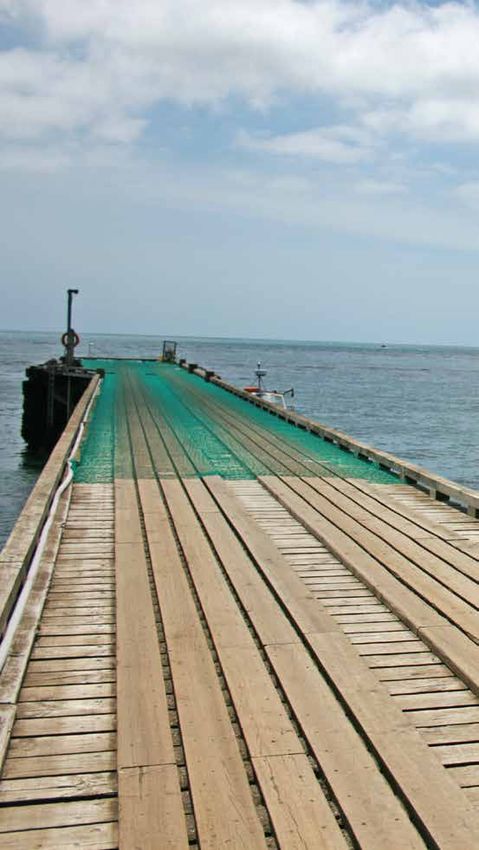
Part A: Groups of
activities information

Community outcomes
Our community outcomes inform and guide our plans to ensure we know what is important to our community. We have identified the following four community outcomes:

SOCIAL WELLBEING: resilient community                                             CULTURAL WELLBEING: embracing diversity
Greater connectivity, especially with on-island broadband projects, sustainable   We value the Chatham Islands way of life and its traditions. We recognise the special
housing; building relationships on and off Island; and enabling us to respond     relationship with both local imi and iwi, and acknowledge the responsibilities it has to Moriori
promptly in times of need.                                                        and Māori under the Local Government Act 2002 and the Resource Management Act 1991.
ENVIRONMENTAL WELLBEING: sustainable action                                       ECONOMIC WELLBEING: growth builders
We will protect our unique setting in a manner that has minimal impact on our     We will work in partnership with organisations to provide economic development opportunities.
environment for current and future generations, giving consideration to our local Such growth will increase prosperity and employment within our community.
imi and iwi traditions.

                                                                                          9
Democracy                                                       Levels of service
Democracy is about representative local decision-making on       Targets 2018-28                      Measure                                  Result for 2016/17
behalf of our people. Our activities include managing local      Residents feel confident that        85% of residents are confident or        Overall, 50% of residents were very
elections, informing residents about our issues or challenges    Council decisions are made in the    very confident* that Council decisions   confident or confident (a decrease of 8% on
and listening to residents’ views, making decisions in the       best interests of the community      are made in the best interests of the    the previous year). Feedback received was
best interests of our community, and managing partnerships                                            community.                               insufficient to provide a clear explanation of
with mana whenua and other groups.                                                                                                             why our community felt this way.
Key activities and rationale for providing the service           Council engages and connects with    80% of residents consider the            New target
This activity enables the interests of our Islanders to be       the communities it serves            information supplied by Council to be
represented in a fair and equitable manner and provides                                               sufficient (i.e. enough or more than
opportunities for the community to participate in decision-                                           enough), as measured by the annual
making processes.                                                                                     residents’ survey.
                                                                *measured by annual survey, on a scale of very confident, confident, unconfident, very unconfident
Contribution to community outcomes
                                                                Levels of service have not changed significantly to those adopted in the Long-Term Plan 2015-25.
Democracy contributes to the embracing diversity
community outcome by ensuring the principles of the
Treaty of Waitangi are recognised, and that relationships
with Moriori and Māori are strengthened and maintained.
It also contributes to the growth builders community
outcome by facilitating relationships with the Chatham
Islands Enterprise Trust and other organisations to provide
development opportunities on-island.

Negative effects
There are no significant negative effects identified for this
group of activities.

                                                                                              10
Infrastructural services
Council is responsible for all public roads and service • Storm water: Minimising damage to property from Negative effects
infrastructure on the Chatham Islands. As owner of these flooding and reducing erosion and water pollution. • Roading: The development of a roading network, despite
networks, the Council has a legal requirement to provide Council undertakes the storm water activity to minimise providing great benefits as a whole, can also cause
infrastructure to a certain standard. the risk of flooding of buildings and property from surface negative effects. This includes local air pollution, road
runoff, as well as reduced erosion and water pollution. run-off (rainwater that becomes polluted on the road
Key activities and rationale for providing the service The main risk is mitigated by controlling the levels at Te surface) to adjacent land and waterways, traffic noise
• Roading: This activity is carried out so that the Whanga by opening the Hikurangi Channel as and when and vibration, visual impacts, traffic accidents, loss and
movement of people and goods within the territory can required. This is necessary to protect productive land damage of land and natural environments, separation of
be convenient and safe. Land transport is part of the around the shores of Te Whanga from inundation and to neighbours, and emission of greenhouse gases. These
essential infrastructure of the territory, vital to wellbeing maintain the balance of marine life within the lagoon. impacts could have a negative effect on public health and
and development. The Council is responsible for all There are no other flood protection or control assets. wellbeing. The most significant being road safety and the
public roads on the Chatham Islands (there are no State • Sewerage: The collection, treatment and disposal of contamination of natural waters.
Highways). As owner of the roading network, the Council
has a legal requirement to provide roads to a certain
wastewater in Waitangi. The Council owns and operates • Solid waste management and minimisation: Leachate
the Waitangi village sewerage system. The collection, from existing landfills could: pollute the natural
standard. In addition, the Council is responsible for all treatment and disposal of wastewater contributes to environment and enter natural watercourses; cause
roading-related assets – footpaths, kerbs, street lighting, the health of the community and minimises adverse problems with litter from landfills, including risk of injury
and signs. Council will progressively move towards environmental effects. to stock; and cause problems with smell, vermin and/or
managing all of its transportation responsibilities in a
Contribution to community outcomes birds at inadequately managed landfill sites. Historically,
more sustainable and integrated way.
waste has been disposed at non-landfill sites. There is a
• Solid waste management and minimisation: The Infrastructural services contribute to the resilient
risk that such practices will not be adequately managed
Council provides waste management and minimisation community, sustainable action and growth builders
and have a negative impact on the environment and
services. Council also maintains closed landfills and community outcomes as these services and assets enhance
health of our community.
responds to illegal dumping incidents. The efficient and community and economic wellbeing.
• Water supply: social, economic and environmental
effective collection and disposal of waste protects both • Our transportation infrastructure enables goods to reach wellbeing could be affected negatively due to the
public health and the environment. Waste minimisation markets and people to work, providing vital connections identification of other users of the Waitangi water supply
activities promote efficient use of resources and extend for economic growth and greater access and mobility. scheme and the over consumption of water at certain
the life of the region’s landfill assets.
• Our solid waste and minimisation structure allows times of the year. This could potentially cause a reduction
• Water supply: Providing a provision of potable water (i.e. material delivered to Council facilities to be processed in the availability of water levels for Waitangi consumers
water suitable for use and consumption by people) to or disposed of in an appropriate and sustainable manner. and emergency services, thereby increasing the risk to
Waitangi village and Kaingaroa; and providing firefighting These activities will be managed to minimise the impact health and safety. Other users such as fishers, farmers
capability in part of Waitangi village. By providing ready on the environment. and local residents, who reside outside the vicinity of the
access to high quality drinking water, Council is primarily
protecting public health. It is also facilitating economic
• Our water supply is taken from the environment, this Waitangi township, are at risk due to limited access to
activity is managed so the impact of the water take does water to meet their social and commercial needs.
growth and enabling the protection of property through
the provision of an adequate firefighting water supply.
not prove detrimental to the surrounding environment, • Storm water: Storm water infiltration could overload the
nor community health. sewerage reticulation and treatment system, causing
untreated sewage to overflow.
No other significant negative effects have been noted for the
remaining areas in this group of activities.
11Levels of service
Roading
Targets 2018-28 Measure Result for 2016/17
Residents are satisfied with chip-sealed 75% of residents are satisfied or very satisfied* with Overall, 83% of respondents were satisfied or very satisfied. Feedback received from
roads chip-sealed roads. the survey praised the new chip-sealed roads.
Residents are satisfied with the unsealed 75% of residents are satisfied or very satisfied* with Overall, 31% of respondents were satisfied or very satisfied. Feedback received from
road network the unsealed road network. the survey highlighted a discontent from the community over the conditions of the
roads, specifically the number of potholes, notably in relation to Owenga Road.
Roads are safe Less than two fatalities or serious injury crashes on the No motor vehicle incidents were reported that caused injury.
road network per year.
Quality road condition The average quality of ride on the sealed network No roughness surveys on the sealed road network have been completed to date.
and unsealed network to be less than 105 and 160
roughness respectively, as per the NAASRA Road
Classification System.
Sufficient road maintenance The percentage of the sealed local road network that is No roughness surveys on the sealed rehab have been completed to date.
resurfaced, is above 5% of the sealed networks.
Footpaths are maintained 100% of footpaths are maintained in accordance with Programmes were intentionally delayed to prioritise chip-sealed road works, meaning
the roading maintenance contract specifications. only 70% of footpath maintenance was completed in-line with planned works.
Respond to service requests in a timely Council will respond to 100% of customer service All customer service requests via Council’s contractor were responded to within five
manner requests relating to roads and footpaths within five working days.
working days.
*measured by annual survey, on a scale of very satisfied, satisfied, dissatisfied, very dissatisfied
12Solid waste management and minimisation
Targets 2018-28 Measure Result for 2016/17
Respond to written requests or 100% of complaints are responded to within five All complaints were addressed within five working days.
complaints in a timely manner working days of notification.
Residents are satisfied with the landfill 75% of residents are satisfied or very satisfied* with New target
and recycling service and ease of use the landfill and recycling service and ease of use.
Waste minimisation activities and services There is a reduction in waste going to landfill per New target
are effective annum.
Residents are aware of waste Minimum of quarterly communication and engagement New target
management services provided by Council activities relating to waste management.
and how to use them
*measured by annual survey, on a scale of very satisfied, satisfied, dissatisfied, very dissatisfied
Water supply
Targets 2018-28 Measure Result for 2016/17
Residents connected to a water scheme 80% of residents connected to a water scheme are Overall, 75% of respondents connected to the Waitangi/Kaingaroa water supplies
are satifsifed with the service satisfied or very satisfied* with the service. were either very satisfied or satisfied with the service. Feedback received was
insufficient to provide a clear explanation related to why our community felt this way.
Water is potable No temporary advisory notices issued to boil water – New target
as issued in consultation with the Ministry of Health.
Water is safe to drink Council’s drinking water complies with: As a small and neighbourhood water supplier, Council meets the drinking water
standards if it either complies with the requirements in part 4, 5, 7, 8 and 9, or if the
• Part 4 of the drinking water standards (bacteria
Council follows a water safety plan and part 10. Council has elected to follow the
compliance criteria)
latter option and is therefore referred to as a participating supplier for Waitangi and
• Part 5 of the drinking water standards (protozoal was fully complying for the 2016/17 year. Ministry of Health has advised that whilst
compliance criteria) Kaingaroa does not meet all the criteria to be a participating supply and did not
fully comply with part 4 and 5 for the 2016/17 year, Council is seen to be taking all
practicable steps to comply with the Health Act.
The reticulation network is maintained The percentage of real water loss from the Council’s Target was not measured; information was not collected during the year.
networked reticulation system does not exceed 20%.
*measured by annual survey, on a scale of very satisfied, satisfied, dissatisfied, very dissatisfied
13Targets 2018-28 Measure Result for 2016/17
Respond to faults in a timely manner Where the Council attends a call-out in response to The following median response times were measured:
a fault or unplanned interruption to its networked
reticulation system, the following median response
• No urgent call-outs had occurred during the year.
times are measured: • All issues were resolved within eight hours.
• Attendance for urgent call-outs: the time from when
• No non-urgent call-outs received.
the Council receives notification to when service • No resolution to non-urgent call-outs required.
personnel reach the site does not exceed two hours.
• Resolution of urgent call-outs: the time from
when the Council receives notification to when
service personnel confirm resolution of the fault or
interruption does not exceed eight hours.
• Attendance of non-urgent call-outs: the time from
when the Council receives notification to when
service personnel reach the site does not exceed
two hours.
• Resolution of non-urgent call-outs: the time
from when Council receives notification to when
service personnel confirm resolution of the fault or
interruption does not exceed eight hours.
Residents are satisfied with drinking water The total number of complaints received by Council No complaints were received.
about any of the following:
• Drinking water clarity
• Drinking water taste
• Drinking water odour
• Drinking water pressure or flow
• Continuity of supply
• And Council's response to any of these issues
Does not exceed five complaints per year. 5% of
properties connected (a percentage has been used
as the scale of the Council coverage (the number
of connections) is below the per 1,000 mandatory
measure).
Demand is managed The average consumption of drinking water per day per In Waitangi, average annual usage was 450L/person/day. No flow records were
resident, within the territorial authority district, is less available for Kaingaroa during the 2016/17 year, however readings for July and August
than 500L/person/day. 2016 indicated flow at 300L/person/day.
14Storm water
Targets 2018-28 Measure Result for 2016/17
Storm water management is adequate The number of flooding events that occur in a territorial No flooding events occurred.
authority district does not exceed two per year.
For each flooding event, the number of habitable
floors affected does not exceed two per year. 5% of
properties connected (a percentage has been used
as the scale of the Council coverage (the number
of connections) is below the per 1,000 mandatory
measure).
Storm water discharge is compliant with Compliance with Council’s resource consents for No discharge notices issued.
our Resource Management Plan discharge from its storm water management is
measured by the number of:
• Abatement notices
• Infringement notices
• Enforcement orders
• Convictions
Non-compliance reports should not exceed three
events per year.
Respond to flooding events in a timely The median response time to attend a flooding No flooding events occurred.
manner event, measured from the time that Council receives
notification to the time that the service personnel
reach the site, will not exceed two hours.
Residents are satisfied with storm water The number of complaints received by Council about Four complaints were received, relating to the high levels of Te Whanga Lagoon.
management the performance of its storm water management does
not exceed five per year. 5% of properties connected
(a percentage has been used as the scale of the Council
coverage (the number of connections) is below the per
1,000 mandatory measure).
15Sewerage
Targets 2018-28 Measure Result for 2016/17
Residents are satisfied with the 75% of residents are satisfied or very satisfied* with the New target
wastewater system wastewater system.
Residents are satisfied with the The total number of complaints received by Council about any No complaints regarding the sewerage were received
wastewater system of the following:
• Sewerage odour
• Sewerage system faults
• Sewerage system blockages
• And Council's response to any of these issues
Does not exceed 2% of properties connected (a percentage has
been used as the scale of the Council coverage (the number of
connections) is below the per 1,000 mandatory measure).
System is adequate The number of dry-weather sewerage overflows from the No sewerage overflow in year, or 0% of properties connected.
sewerage system is less than five per year. 5%* of properties
connected.
Wastewater discharge is compliant Compliance with resource consents for discharge from No notices issued.
sewerage system as measured by the number of:
• Abatement notices
• Infringement notices
• Enforcement orders
• Convictions
These should not occur more than twice per year.
Respond to faults in a timely manner Where the Council attends to sewerage overflows resulting No incidences of blockages or faults occurred.
from a blockage or other fault in the Council’s sewerage
system, the following median response times are measured:
Attendance time: the time when the Council receives
notification to when the service personnel reach the site does
not exceed 12 hours.
Resolution time: the time from when the Council receives
notification to when the service personnel confirms resolution
of the blockage or other fault does not exceed 24 hours.
*measured by annual survey, on a scale of very satisfied, satisfied, dissatisfied, very dissatisfied
Levels of service have not changed significantly to those adopted in the Long-Term Plan 2015-25.
16Community and regulatory services
Council provides community and regulatory services Licensing and building: The Building Act 2004 charges Contribution to community outcomes
which contribute to the development of healthy, active, the Council with the responsibility of receiving, processing Community and regulatory services contribute to the
functioning communities. Council recognises that it plays a and issuing building consents to ensure compliance with embracing diversity community outcome by providing
key role in creating the environment in which communities the New Zealand Building Regulations. To meet legislative material and experiences to increase local historical/
can prosper and enjoy improved health and wellbeing. compliance requirements that consenting authorities be cultural information and materials. Our resources facilitate
Council therefore aims to ensure that adequate parks and accredited, the Council has agreed on the transfer of these and encourage creative, cultural and recreational activities.
reserves are provided for the community and that these are functions to the Christchurch City Council. The Council also Our recreational facilities also promote healthy and active
managed and maintained in a way that meets community has responsibility to ensure compliance with the Health Act lifestyles through social and recreational activity.
expectations and encourages community involvement. The 1956, the Food Hygiene Regulations 1974, Sale of Liquor Act
Council seeks to promote community development through 1989, Local Government Act 2002, Hazardous Substances Negative effects
recreation, the arts, and cultural heritage, and to enhance and New Organisms Act 1996, and Council bylaws. Council’s housing stock and Council buildings require
the health and safety of the community through an effective ongoing maintenance, which if not performed could result
Dog and animal control: Council carries out animal control
and reliable administration of relevant legislation. in significant degradation of the assets. Many activities
functions in accordance with the Dog Control Act 1996, the
Impounding Act 1995, and animal control bylaws. are highly dependent upon the contributions made by
Key activities and rationale for providing the service
volunteers. Council will be seeking to assist organisations
Community services: The Chatham Islands Council to recruit and retain volunteers, to provide appropriate
considers social and community development to be the training, and to ensure that the volunteer experience is a
cornerstone of the wellbeing of the Chatham Islands positive and rewarding one. No other significant negative
community. It views recreation, arts, and culture as essential effects have been noted for the remaining areas in this
to the health and wellbeing of its residents and believes that group of activities.
a strong community is knowledgeable of its heritage, and
preserves and respects achievements of the past.
Levels of service
Targets 2018-28 Measure Result for 2016/17
Residents are satisfied with community 85% of residents are satisfied or very satisfied* with This is an amalgamation of three previous performance targets for community
services, including library and dog and community services. services. In 2016/17 satisfaction with community services was generally 56% satisfied
animal control services or very satisfied; 50% of the community was satisfied or very satisfied with our library
services and 40% were satisfied or very satisfied with dog and animal control.
Respond to complaints about operations 100% of complaints about operations and facilities One of the three complaints received was attended within 24 hours of notification.
and facilities, and remedy faults in a are investigated within 12 hours, with minor faults Two issues relating to housing and the community hall were not remedied within 24
timely manner remedied within 24 hours of notification. hours as they required repair time.
Liquor licensing applications to be 95% of liquor licensing applications are processed 25 liquor licensing applications (or 100%) were received and issued within statutory
processed within statutory timeframes within statutory timeframes. timeframes.
Liquor licenses and food premises are No issues of non-compliance identified or reported. New target
compliant
Island-wide dog inspections (including Pitt At least one inspection annually to ensure dogs are One partial inspection (Chatham Island only) was undertaken during June 2017.
Island) carried out registered, and to check animal welfare.
*measured by annual survey, on a scale of very satisfied, satisfied, dissatisfied, very dissatisfied
Levels of service have not changed significantly to those adopted in the Long-Term Plan 2015-25.
17Environmental services
The Chatham Islands is in a unique situation, as its isolation Key activities and rationale for providing the service Contribution to community outcomes
has meant that many of the animal and plant pests common Council undertakes environmental management This work contributes to our sustainable action and
in New Zealand have either not entered the territory as responsibilities in order to promote the sustainable growth builders community outcomes by having in place
a whole, or are present on only parts of the Islands. The management of our resources and to mitigate the impact policies and plans that promote sustainable management
introduction of such pests could have a devastating effect of human activity on the environment. Many of Council’s of natural and physical resources that keep our Islands
on the economy and many of the ecosystems of the Islands. policies and plans are statutory documents required under unique. Protecting our unique environment will provide
In this respect, land-based activities such as farming legislation. Council’s state of the environment monitoring future opportunities for our growth within our community,
are economically fragile and an inappropriate pest could and information work is undertaken to monitor progress to particularly related to tourism.
threaten the financial security of many Chatham Islanders. achieve environmental outcomes; to help target planning
controls, consent conditions and education programmes; Negative effects
Many of our flora and fauna species and ecosystems are
endemic to the Chatham Islands and if adversely affected by to identify new issues; and to provide information of use to If not contained, the introduction and spread of new plant
pests, could disappear from their natural habitats. the public. Council processes resource consent applications or animal pests pose significant risks for the Chatham
and undertakes compliance activities to reduce the impact Islands. With the exception of insufficient resource planning,
Council seeks to maintain and sustain natural resources of human activity on other people and the environment. no significant negative effects have been noted for the
in order to promote a sound resource base and to protect Council’s biosecurity activities help protect the environment remaining areas in this group of activities.
the environment from risks that could be detrimental to from unwanted plant and animal pests.
the needs of our community for both present and future
generations.
Levels of service
Targets 2018-28 Measure Result for 2016/17
Resource consents processed within 100% of resource consents processed within statutory Full compliance, one subdivision resource consent was received and
statutory timeframes timeframes. consented during the year.
Respond to and initiate investigations in a Any breach to the Resource Management Act 1991 or consent No breaches of the Resource Management Act 1991 or consent conditions
timely manner for: conditions responded to within one hour of notification. reported.
• Breaches of the Resource Management Act
• Breaches of consent conditions
The Chatham Islands Resource Management The Chatham Islands Resource Management is made fully A review of the Chatham Islands Resource Management Document has
Document is compliant operative and steps are taken to update the document as been completed, and the Document was made partially operative in
required by nationally set direction. January 2018. The Document has been awaiting sign-off from the Ministry
for the Environment since December 2015.
Sample and analyse water quality Sample and analyse water quality for all sites on the Chatham All sites monitored and data stored in database (fully available on request)
Islands four times per year. State of the environment water as well as displayed on Council’s website www.cic.govt.nz
quality monitoring programme maintained at current level (all
sites are monitored).
18Targets 2018-28 Measure Result for 2016/17
River flows and Te Whanga Lagoon level Monitor and record river flows, lagoon level and rainfall on All sites monitored and data stored in database (fully available on request)
monitored and data made publicly available Chatham Island. All sites are monitored, with data recorded and as well as displayed on Council’s website.
available to the public e.g. on the website.
Water quality and hydrology data is A summary report (including river flow, lagoon level, and A water quality report was prepared and presented to Council.
available to the public rainfall data) is available by the end of August for the previous
financial year (report provided to Council and then available via
the website).
Pest inspections conducted Two inspections undertaken per financial year. No new pest No new pests were found at risk sites. However, two new incursions were
incursions found at risk sites (results of inspection will be found of German wasps and black ants previously believed to have been
published on the Council website). eradicated/controlled.
Internal borders between Chatham At least one training session to be provided to freight handlers Regular freight handler training occurring via SPS Biosecurity. No new pests
Island, Pitt Island, and New Zealand are at major ports supplying the Chatham Islands. Partnership to be found. Four staff have been trained and equipped to carry out Marine Pest
maintained established with Biosecurity NZ to develop a marine biosecurity surveillance surveys. The first surveys of the four main ports on Chatham
plan as part of the internal border protection. Island have been completed and will occur annually from now on.
Landowners and occupiers do not 80% of plans implemented. The level of plant pest awareness from landowners has significantly
introduce, sell, propagate or distribute pest increased over the past three years. This is primarily due to the two
species proactive resident biosecurity staff on the Island.
There are numerous cases where landowners are contacting the staff of
our contracted service provider, Environment Canterbury, to address pest
issues as a result of their increased level of awareness and concern.
Landowners carry out control of gorse and 80% of plans implemented. The feral goat population has been eradicated from one geographical area
feral goats (over 1,056 shot). This just leaves approximately 40-50 goats left in one
other totally separate area. Biosecurity staff had been working with a new
landowner to achieve the eradication goal and the first stage was carried
out in November 2016 with 72 goats shot (estimated 70% reduction).
Monitor invasive marine pests that are An annual underwater surveillance programme to be The first surveys commenced in early 2017 with all ports covered by
present in New Zealand or are likely to undertaken on all ports on Chatham and Pitt Islands, and the September 2017. Annual surveys will be ongoing.
arrive from other destinations Ministry for Primary Industries to be notified of pest incursions.
Residents are aware of and follow pest Minimum of quarterly communication and engagement activities Regular communications relating to biosecurity activities and projects
management practices relating to pest management, including marine pests. are circulated in the Chatham Islands Community Focus Trust weekly
newsletters, the monthly Chatham Islander magazine, and the quarterly
Council newsletter ‘Uniquely Chathams’.
Levels of service have not changed significantly to those adopted in the Long-Term Plan 2015-25.
19You can also read


