City of Schenectady Comprehensive Plan 2020 - Reinventing the City of Invention - Citywide Plan
←
→
Page content transcription
If your browser does not render page correctly, please read the page content below
Citywide Plan

City of Schenectady
Comprehensive Plan 2020
Reinventing the City of Invention   Brian U. Stratton
                                              Mayor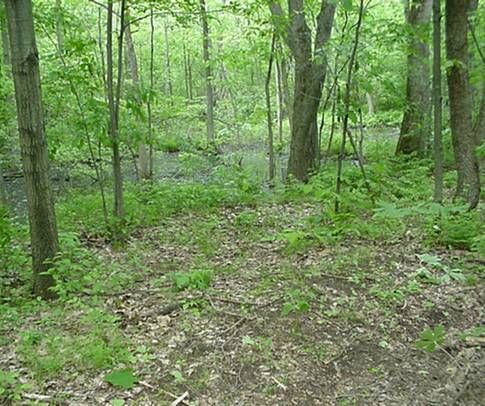
Schenectady 2020                                                                       Table of Contents
Comprehensive Plan

                 Table of Contents

                 Acknowledgements ........................................................................................ i
                 Introduction ................................................................................................ 1
                 Community Profile Summary............................................................................ 6
                 Vision Statement and Themes .........................................................................12
                 Adoption Process .........................................................................................18
                 Implementation Plan.....................................................................................19
                 Vision: Quality City Services Efficiently Delivered ................................................20
                 Vision: Great Homes in Safe and Stable Neighborhoods..........................................34
                 Vision: Beautiful, Clean and Green Community....................................................42
                 Vision: Quality Workforce and Growing Businesses ...............................................49

                               Citywide Plan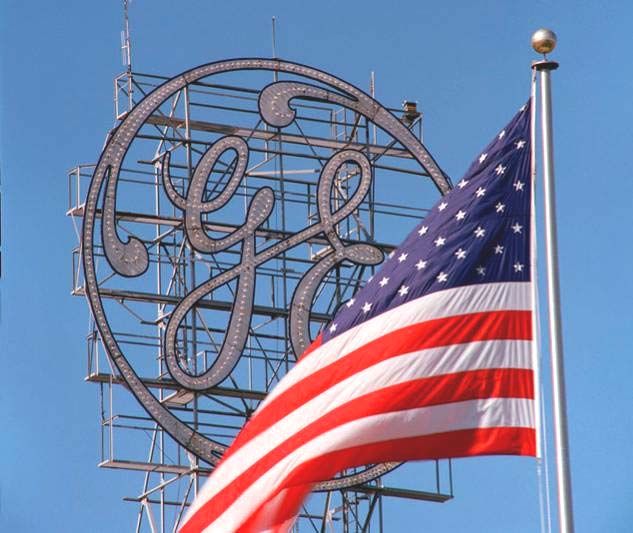
Schenectady 2020                                                                   Acknowledgements
Comprehensive Plan

                           Acknowledgements
                           This Comprehensive Plan is the product of nearly two years of work by dozens of individuals who
                           worked cooperatively for the success of the city of Schenectady. The following people contributed
                           many hours of concerted effort to the production of the plan. Their commitment, energy and
                           enthusiasm made this plan possible.

    Entering Schenectady                                  Mayor Brian U. Stratton
     along Maxon Road

                                                                   City Council
                                                      Joseph Allen           Denise Brucker
                                                      Barbara Blanchard         Frank Maurizio
                                                      Mark Blanchfield          Gary McCarthy
                                                      Margaret King

                                                              Planning Commission
                                                      Sharran Coppola      Julia Stone
                                                      Christopher Rush          Alex Perryman
                                                      Kamla Sahabir             Frederick Lee
                                                      Susan Rosenthal           Bradley Lewis
                                                      Matt Cuevas

                                       Citywide Plan
                                                                                                                         i
                                                                                                                               i
Acknowledgements
Schenectady 2020                                                             Acknowledgements
Comprehensive Plan

                                                           Advisory Committee
                                Tom Carey, New York State Department of Housing and Community Renewal
                                         Eric Ely, Superintendant, Schenectady City School District
                                               Michael Geraci, Chief, City Police Department
                                       Richard Homenick, Schenectady Municipal Housing Authority
                                               Gary Hughes, Schenectady County Legislature
                                   Jim Jamieson, Chair, City of Schenectady Historic District Commission
                                         Sharon Jordan, Director of Operations, City of Schenectady
  Queen Philomena Boulevard                      Jim Kalohn, Schenectady County Planning
                                            Keith Lamp, Building Inspector, City of Schenectady
                              Dennis Packard, Commissioner, Schenectady County Department of Social Services
                                                     Marion Porterfield, Weed and Seed
                                            Richard Purga, Acting Director, City of Schenectady
                                        Charles Steiner, President, Chamber of Schenectady County
                                     Barbara Strangfeld, Schenectady City Council thru November 2006

                                                                  Staff
                                                     Steven Strichman, Zoning Officer
                                                  Christine Primiano, Principal Planner
                                                Cari Hourigan, Zoning Enforcement Officer
                                                Andrew Brick, Deputy Corporation Counsel

                                                                 Others
                                                   Schenectady Energy Advisory Board
                                         Hundreds of Residents throughout the City of Schenectady
                                             Schenectady Metroplex Development Authority

                                  Citywide Plan
                                                                                                               i
                                                                                                                   ii
Acknowledgements
Schenectady 2020                                                                                        Introduction
Comprehensive Plan

                               Introduction
                               Schenectady 2020 Vision Plan
                               A comprehensive plan is simply a stack of papers, but infused with the enthusiasm, commitment
                               and energy of those who care about a city, it becomes a vision for the future and a guide to bring
                               that vision to life. The comprehensive planning process that led to the development of this action
                               plan has shown that this spirit of cooperation and enthusiasm is shared by leaders, residents and
                               partners of the city of Schenectady.
                               The Schenectady 2020 Vision Plan is a guide for the City’s immediate and long-range protection,
   Bellevue Entrance to City   enhancement, and development. It is designed to reinforce Schenectady as a vibrant urban
                               community. The plan was prepared during a two-year planning process initiated after the City
                               administration and Council recognized that the City’s fiscal challenges were forcing choices that
                               should be informed by careful forward-looking planning. The prior City of Schenectady
                               Comprehensive Plan was completed in 1971, before the New York State Legislature enacted
                               sweeping changes to the planning and zoning enabling acts in the 1990’s. Adoption of this Plan
                               means that all land use regulations must be enacted in accordance with The Schenectady 2020
                               Vision Plan. Other government agencies must also consider Schenectady’s vision in devising their
                               plans for capital projects.
                               The comprehensive planning process resulted in a number of important documents: a community
                               profile, nine neighborhood plans, a downtown plan, this city-wide action plan and a new zoning
                               ordinance. The action plan contains a set of initiatives proposed by residents, City Council
                               members, the Mayor, city staff, regional partners, and a team of consultants. Some of the actions
                               are readily achievable within the existing planning and funding framework, while others will
                               require additional creativity, financial resources and innovative collaborations. The Schenectady
                               2020 Vision Plan is a living document that should reflect the latest trends in smart growth

                                                                                                                              1
                                            Citywide Plan
                                                                                                                                    1
Schenectady 2020                                                                                       Introduction
Comprehensive Plan

                            initiatives. It should be continuously updated to reflect positive changes occurring within the
                            Schenectady community. It is important that this Plan be implemented and used as recommended.
                            The integrity of the City’s Zoning Law depends on it, since the Plan comprises the choices of
                            Schenectady’s citizenry about the way they want to live. Their strong commitment and extensive
                            level of participation earns them the right to expect the leadership of Schenectady to fulfill their
                            obligations to implement the plan.
                            This document provides brief background on the city and summarizes the vision and goals
        State Street
   400 Block Looking East   established for Schenectady by citizens and stakeholders during the planning process. The
                            following sections describe specific actions proposed to implement each goal.
                            Schenectady Yesterday, Today and Tomorrow
                            Schenectady’s proud history creates the framework for future growth and development. “The
                            Electric City” was synonymous with economic expansion for decades. Fueled by the growth of the
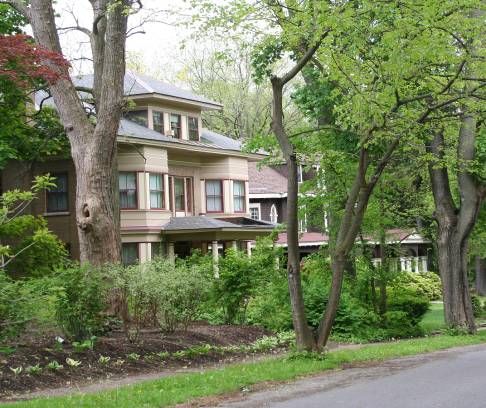
                            middle class, the city’s neighborhoods, including the GE Realty Plot, Hamilton Hill and others
                            enjoyed high rates of homeownership and vibrant commercial corridors. The community was, and
                            still is, enhanced by the presence of Union College, the Stockade District and other historic and
                            heritage resources unparalleled in the region.
                            Essentially a two-company town for most of its history, Schenectady is distinctly different from its
                            neighbors in the Capital Region. All are industrial cities, but while industry was booming at the
                            confluence of the Mohawk and Hudson Rivers well before the Civil War, Schenectady did not
                            achieve such a standing until the 1880s. The remarkable expansion of the General Electric
                            Company between 1890 and 1920 conferred a unique, twentieth century quality on the physical
                            character of the City, virtually bereft of the dense, attached rows that characterize streetscapes in
                            Albany and Schenectady.

                                                                                                                              2
                                         Citywide Plan
                                                                                                                                    2
Schenectady 2020 Introduction
Comprehensive Plan
GE brought change to Schenectady at a magnitude few cities ever experience. Known as “the City
that lights and hauls the world”, in 1914, more people worked at GE than had lived in the entire
city before the company was created. GE’s main plant developed into a mile-square city-within-a-
city, and extraordinary demand spurred rapid housing development in adjacent neighborhoods.
Although downtown State Street was the “preferred address” for many local businesses, from the
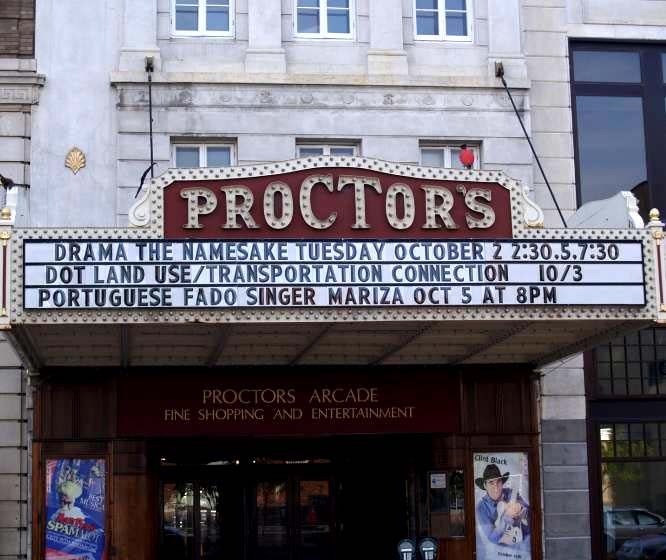
elite classicism of Proctor’s Arcade to the streamlined economy of Woolworth’s, more personalized
services, such as groceries, bakeries, butcher shops, taverns, and tailor’s shops, could be found on
the commercial strips in Schenectady’s growing neighborhoods.
For decades, GE and ALCO were Schenectady’s two major employers. Through the world wars,
County Courthouse the City’s factories were used in the production of heavy military equipment and trains for
612 State Street transport. Following World War II, however, the economic character of the City underwent rapid
behind Veteran’s Park change. As railroading declined in the U.S., so did the prospects of ALCO, which ceased operations
in 1970. General Electric’s gradual decline in Schenectady in the later decades of the 20th century
confronted the community with tougher challenges than most cities ever have to face. The
transition from a company town, to a city with a diverse economy, strong and productive tax base
and vibrant downtown has been an ongoing process for Schenectady, as it has been for other cities
in the region including Albany, Troy and Amsterdam.
Schenectady has always been a model community for the historic preservation movement. It must
now be a model community, and a place where dynamic growth can be balanced with the retention
of its community character – in general and at a specific neighborhood level.
The planning process has built considerable momentum in recent years, fueled in part by the
Metroplex Development Authority and other community partners. Construction of the MVP and
DOT office buildings, the Proctor’s Block including the expansion of Proctors Theatre, Little Italy
and North Jay Street improvements, streetscaping, the Business Improvement Districts,
waterfront planning, improvements by Union College on and around the campus, and brownfield
3
Citywide Plan
3Schenectady 2020 Introduction
Comprehensive Plan
redevelopments, such as College Park, are part of a growing list of accomplishments which this
comprehensive plan will unite and advance.
To achieve its vision Schenectady must maintain a stable population. A continuing decline in
population will make the creation of jobs, improvement of schools, and expansion of cultural
opportunities much more challenging. The plan focuses on increasing tax base productivity and
positioning Schenectady to overcome revenue limitations. Limited revenues due to federal and
state fiscal constraints, unfunded mandates, suburbanization and sprawl, and declining levels of
support for school districts create additional challenges for many cities. In Schenectady’s case,
these factors are worsened by population loss, increasing poverty, a rising percentage of
Jerry Burrell Park
nontaxable land, high density and little developable land, and a significant oversupply of
substandard residential and commercial properties. Without adequate revenues and a stable tax
base, Schenectady will be unable to accomplish what residents demand.
Like the other cities in the Capital District, the growth of suburbs creates competition for the city
as both a residential and a business location. Suburbanization and sprawl have hastened housing
and neighborhood deterioration and increased the concentration of people living in or just above
poverty. Planning to revitalize Schenectady’s urban center and commercial corridors should take a
regional focus through collaboration and intergovernmental partnerships. Schenectady’s leaders
must be involved in, and lead, this regional planning process.
Mayor George Lunn, elected to serve Schenectady in 1911, had the foresight to commission a
landscape architect and early advocate of city planning to develop a blueprint for its growth and
development. After his administration ended, however, the plan faltered. The challenge facing the
city’s leaders and residents today is to implement this plan shaped and driven by broad and
passionate neighborhood support - a plan so vital and vibrant that all stakeholders will work
tirelessly to ensure its accomplishment.
4
Citywide Plan
4Schenectady 2020 Introduction
Comprehensive Plan
A Smart Growth Plan
When the City of Schenectady’s last comprehensive plan was prepared in 1971 the idea of “smart
growth” was unfamiliar and trade-offs between livability, preservation, and economic expansion
were commonplace. This plan’s emphasis on smart growth encourages development that serves
the economy, community, and the environment.
A divergent national coalition of 32 organizations called the Smart Growth Network has come
together to support smart growth by adopting a set of ten principles. The principles help
communities recognize and value what smart growth is and identify strategies to achieve it. The
Schenectady 2020 Vision Plan adopts the following ten principles and recognizes that the actions
400 Block of State Street recommended in this Plan will be needed to put them into practice:
Smart Growth Principles
• Mix land uses
• Take advantage of compact building design
• Create a range of housing opportunities and choices
• Create walkable neighborhoods
• Foster distinctive, attractive communities with a strong sense of place
• Preserve open space, farmland, natural beauty and critical environmental areas
• Strengthen and direct development towards existing communities
• Provide a variety of transportation choices
• Make development decisions predictable, fair and cost effective
• Encourage community and stakeholder collaboration in development decisions
5
Citywide Plan
5Schenectady 2020 Community Profile Summary
Comprehensive Plan
Community Profile Summary
The Schenectady Vision Plan 2020 consists of a number of documents including a detailed
community profile, nine neighborhood plans, a downtown plan and this policy-oriented city-wide
plan. The community profile summarizes existing conditions and provides a narrative explanation,
appropriate graphs and tables, and illustrative maps. It is available as Appendix A to this report
and summarized below:
Demographics
Schenectady, like other large upstate New York urban municipalities, is struggling with a
Vale Cemetery Caretakers Cottage declining population, increasing number of low and very low income residents, and a shrinking
907 State Street
labor force qualified for 21st century jobs. The 2000 population decreased by 5.7% to 61,821 and
projections show a continued decline. The loss of population puts neighborhoods at risk for
increasing rates of abandonment, vacancy and absentee ownership of investment property. Tax
burden is distributed among fewer tax payers, challenging the delivery of basic city services. The
City of Schenectady is aging at a rate slightly faster than the state as a whole. If this trend
continues, the needs of seniors will begin to demand greater attention. The majority of the
population is between 20 and 64 with a considerable number at their peak earning years, between
40 and 64. An increase in the number of school aged children could affect the school system
resulting in larger class sizes, and the need to hire additional teachers and create new classrooms.
The City is significantly behind the region and the County in educational attainment.
Work and Wealth
With the exception of General Electric, the largest employers located in the City of Schenectady
are in the government, health care and education sectors. After adjusting for inflation, median
incomes in the City decreased between 1990 and 2000. The median household income declined
10.1%, while the median family income decreased 10.8%. More than two-thirds of City residents
6
Citywide Plan
6Schenectady 2020 Community Profile Summary
Comprehensive Plan
are low and moderate income. Incomes have not kept pace with inflation. More residents are living
below the poverty line than ever before. Retail trends for the City of Schenectady over the last
three Economic Census in 1992, 1997 and 2002 show a decline in all metrics including number of
retail establishments, total sales, sales per store and number employed.
Real Estate and Tax Base
A relatively high percentage of Schenectady’s land area is dedicated to roads and rights of way due
in part to the construction of an extensive network of highways and access roads to the General
Electric facilities. Approximately 32% of Schenectady’s assessed value is tax exempt.
Schenectady’s residential properties generate 66% of the City’s taxable value while accounting for
1310 Union Street only 42% of its land area. There is a wide disparity between Schenectady’s neighborhoods in terms
of their impact on the tax base, with the Stockade generating 2.3 times the tax revenue expected
based on land area alone, and Woodlawn generating 80% of the tax revenue expected based on
land area. While Schenectady’s per capita spending is comparable to similar New York State cities,
its capita revenue is only 85% of that of similar New York State cities. Sales taxes provided a
smaller percentage of total revenues for Schenectady compared to similar New York State cities.
Its assessed value is lower than that of most similar New York State cities both on a citywide and
per acre basis.
Housing
Schenectady was built to support a population of 95,692 in 1930. The City’s structures, industrial
properties, roadways, and parks have not been scaled back at the rate that the population has
declined. The oversupply of buildings is creating blighting conditions in some neighborhoods as
well as vacancy rates. There has been a rise in renter occupants from 44.7% in 1990 to 55.3% in
2000. Vacancy rates have risen considerably over the last decade, in both for-sale housing (4.6%)
and rental units (9.3%). Over half of all housing units in the City were built prior to 1940. There
are approximately 2,828 subsidized housing units in the City. The Schenectady Municipal
7
Citywide Plan
7Schenectady 2020 Community Profile Summary
Comprehensive Plan
Housing Authority manages 1,015 public housing units and 1,289 Section 8 units and maintains
long waiting lists for housing. Three of the City housing providers (Habitat for Humanity, Better
Neighborhoods Inc. and the Community Land Trust) are concentrating on building homes in
coordinated target areas in Hamilton Hill to maximize impact. The key issues identified by
housing providers include lack of affordable housing, impact of high property taxes, homebuyer
credit issues, and code enforcement. The key issue identified by residents is the need for increased
code enforcement, as well as the absence of low-maintenance, quality housing attractive to seniors
and young families.
Infrastructure and Transportation
Erie Boulevard & General Electric The City’s water system has adequate supply capacity and a well-maintained distribution system.
The age of the equipment at the City’s sewage treatment plant is something that will need to be
addressed in coming years, particularly to support expanded commercial and industrial activity.
Age is also an immediate problem for the City’s sewer collection system. Older pipes in the
collection system require frequent repair. Similar to older systems in other communities around
the country, stormwater infiltration and inflow remains a significant issue for the City. The City of
Schenectady is currently developing a strategy for remedying its sewer system problems. National
Grid provides natural gas service and electric power distribution throughout the City of
Schenectady. The City of Schenectady is well served by a network of Interstate highways, state
highways, and local streets. CDTA is currently undertaking a comprehensive look at their route
structure and performance of public transit in an effort called the Transit Development Plan
(TDP). They anticipate holding Schenectady-specific outreach workshops in the fall of 2007.
Several transportation projects in the City are on the region’s Draft Transportation Improvement
Program (TIP) for 2005-2010 including the redesign and reconstruction of Erie Boulevard. The
design process commenced in 2007 and construction will be completed by 2011.
8
Citywide Plan
8Schenectady 2020 Community Profile Summary
Comprehensive Plan
Natural Resources
Portions of the Mohawk Riverfront and the ravine used as a rail bed separating the Bellevue and
Mont Pleasant Neighborhoods are within the 100-Year Floodway. The Lisha Kill and adjacent land
in the Woodlawn Preserve are designated a Class I freshwater wetland and is in a 500-Year
Floodway. Flooding in the Woodlawn neighborhood continues to be a problem. The Woodlawn
Preserve is an undeveloped wetland with a unique ecosystem, home to several rare species. The
Mohawk River is a vital link in the transportation and recreation waterways of the northeast and
forms the City’s northwest boundary. It is currently recreation-oriented with very little
transportation or cargo uses.
City Pump House Historic Resources
Foot of North Ferry Street
The City of Schenectady is home to five historic districts, three of which are listed on the National
and State Registers of Historic Places. Additionally, there are fourteen National or State historic
sites. Various groups have identified additional potential historic districts around the City.
Organizations serving Schenectady whose missions and/or activities concentrate on historic
preservation or design includes the Schenectady Heritage Foundation, City of Schenectady
Historic District Commission, City Hall Centennial Commission, Schenectady County Historical
Society, and the Friends of Vale.
Recreation
The City provides approximately 700 acres of park, recreation and open-space land. Overall,
existing recreation/open space in the region exceeds the traditional 10 acres per 1,000 population
standard established by the National Recreation and Park Association, although much of this
acreage is provided by Central Park, Schenectady Municipal Golf Course and the Woodlawn
Preserve. However, the City seems to be underserved by existing mini-parks, neighborhood parks
and community parks. Targeted improvements include development of playing fields, renovation
to the golf course and clubhouse, and the creation of a greenway to connect Central Park to Vale
9
Citywide Plan
9Schenectady 2020 Community Profile Summary
Comprehensive Plan
Park and the downtown. A Master Plan for Steinmetz Park has just been completed, and a Master
Planning effort for Central Park is forthcoming.
Government
The City of Schenectady has a mayor/council form of government where officers serve four-year
terms. The City Council is responsible for passing legislations, adopting the budget, auditing the
performance of the government and the adoption of resolutions and policy positions. The Mayor is
responsible for hiring of department heads and administration of the budget. The City’s Planning
Commission consists of nine members, the Board of Zoning Appeals has seven members, and the
Historic District Commission consists of seven members, all of which are appointed by the Mayor
November 2007
City Council Meeting and City Council.
Public Safety
The Schenectady Police Department employs approximately 160 sworn officers and 75 civilians
making it the seventh largest police department in New York State. Serving under the
Commissioner of Public Safety, the command staff of the Schenectady Police Department consists
of a Chief of Police and three Assistant Chiefs. The Department includes three bureaus, the Field
Services Bureau, Administrative Services Bureau and Investigative Services Bureau. Each bureau
is under the command of an Assistant Chief. The Department also has many specialty divisions
where members go through intense specialty training while retaining these positions. Some of
these positions are Special Operations, Vice Squad, Forensics, K-9, Youth Aid, Counter-terrorism,
Sniper Sharp-shooter, Hostage Negotiator, D.A.R.E., Motorcycle Patrol, and a Bike Patrol.
The Schenectady Fire Department employs 119 full-time fire-fighters. They serve the community
from four stations, located in Woodlawn/Central State Street, Mont Pleasant, Downtown, and the
Northside. Serving under the Commissioner of Public safety, the command staff of the
Schenectady Fired Department consists of a Fire Chief, Assistant Chief, and three Deputy Chiefs,
that head up a HazMat Bureau, an Emergency Medical Bureau, and a Training Bureau.
10
Citywide Plan
10Schenectady 2020 Community Profile Summary
Comprehensive Plan
Schools
The Schenectady City School District, which operates independently from the municipality, served
nearly 10,000 residents during the 2006-2007 school year. Approximately 47.6% of the students
were eligible for the free lunch program. The drop out rate during the 2003-2004 school years was
5.8%.
The City School District operates eleven elementary schools, three middle schools and one high
school. They also operate a Career Center, an Adult Education Center, and in 2007 opened a new
early childhood education center Plans are underway to add an additional School in the former
St. Luke’s Elementary School in 2008.
Elmer Avenue School The Roman Catholic Diocese operates an elementary school, and a combined middle school/high
school. A Charter School located just across the municipal boundary in Rotterdam also serves city
residents. Two colleges serve the City: Union College and Schenectady County Community
College.
11
Citywide Plan
11Schenectady 2020 Vision
Comprehensive Plan
Vision Statement and Themes
To address the trends detailed in the Community Profile, this Plan outlines an overall vision for
future conservation and development of the City. Schenectady’s vision emerged through a two year
planning effort that included three visioning sessions in the community, more than twenty-two
neighborhood workshops, dozens of interviews, focus groups, two downtown workshops and a city-
wide neighborhood planning summit. Consultations were held with City Commissions and City
officials. An internet web site was developed on which all plan documents were posted. Steps in
the process were as follows:
Municipal Golf Course
18th Green • Three Visioning Workshops
o Identified the preferred future
o Drafted the vision statement
• Focus Groups and Interviews
o Advocates for the disabled
o Youth (Schenectady’s Promise)
o Economic Development Organizations
o Jay Street Merchants
o Downtown Schenectady Improvement Corporation (DSIC)
o ACES Nonprofit Leadership Group
o Little Italy Merchants and Stakeholders
o Colleges
o Ellis Hospital
o Schenectady School District
o United Way
12
Citywide Plan
12Schenectady 2020 Vision
Comprehensive Plan
• Bellevue Neighborhood Meetings
o Used as a pilot for neighborhood process
o Conducted three neighborhood workshops
o Drafted neighborhood plan
• First Round of Neighborhood Meetings
o Conducted meetings in each of the remaining eight neighborhoods
o Prepared issues list for each neighborhood
• Second Round of Meetings
Fairview Park from o Conducted meetings in each of eight neighborhoods
Campbell Avenue o Reviewed issues list
o Sorted actions into city-wide vision areas and goals
o Drafted neighborhood plans
o Prepared summary of each draft plan
• Final Neighborhoods Meeting
o Conducted meeting at which all neighborhoods were present
o Prepared summary handouts of each neighborhood plan
o Made draft neighborhood plans available on internet, at City Hall, and
Public Library
o Accepted comments through October 2006
o Revised plans based upon comments
• Downtown Meetings
o Conducted East Front Street Neighborhood Association and College Park
Neighborhood Association meetings
13
Citywide Plan
13Schenectady 2020 Vision
Comprehensive Plan
o Conducted two downtown meetings
o Sorted comments by vision theme and goal area
o Drafted downtown plan
o Circulated plan to economic development and nonprofit organizations
o Revised plan based upon input
o Made draft plan available on internet, at City Hall, and Public Library
o Accepted comments through October 2006
o Revised plan based upon comments
Vale Park 5K Road Race • City-wide Plan
o Addressed policy related issues
o Focused on issues that affect more than one neighborhood
o Identified programs that will serve more than one neighborhood
Schenectady launched the community planning process in June 2005 with three major public
visioning workshops designed to expand citizen awareness of issues and trends facing the city.
Hundreds of residents, property owners and business owners attended the meeting to share ideas
and ask questions. The community visioning workshops were an opportunity for residents,
businesses and stakeholders to imagine the future of the city. A group exercise helped residents to
identify strongly held community values, challenges facing the city and the image and flavor of a
vibrant community. The exercise asked participants to answer three questions:
• “What I love about the city of Schenectady…”
• “Things I would change about Schenectady…”
• “When these things are preserved or changed, Schenectady will…”
14
Citywide Plan
14Schenectady 2020 Vision
Comprehensive Plan
Participants identified many things that they love about Schenectady. One of the main themes
that emerged was that Schenectady is a welcoming, open community with a hometown
atmosphere. People valued opportunities to get involved in their community saying, “Schenectady
is small enough to make a difference, big enough to make an impact.” The Mohawk River was
identified as a critical resource. Excellent transportation access and circulation, historic
structures, colleges, hospitals, community arts and cultural centers were also identified as
important assets.
The top needs identified were tax base enhancement, development of a stronger commercial
center, and an expansion of commercial and retail uses in general. Neighborhood blight and need
for more code enforcement was cited as a critical issue. Downtown revitalization and waterfront
Moyston Street
in Vale Neighborhood development were identified as high priorities for the City. Residents wanted to see some
incompatible businesses moved out of residential neighborhoods and into attractive and well-
maintained commercial areas. Many felt that the city could be doing a better job of marketing its
assets. The need to improve Schenectady’s parks and create more places for people to gather was
mentioned by several participants.
Workshop participants would like to see a prosperous Schenectady where people have choices
about where to live and work with strong commercial areas, a variety of housing options and
protected natural resources. The ideal Schenectady will have a vibrant downtown center,
attractive gateways and jobs that will encourage today’s youth to stay in Schenectady or entice
them back after a time away. Schenectady will support small business development that will
create a balance of white and blue-collar jobs. Abandoned properties would be redeveloped to
create new homes and businesses.
15
Citywide Plan
15Schenectady 2020 Vision
Comprehensive Plan
Vision Statement
“Schenectady is a city rich in history and heritage and the very birthplace of
American technical innovation. Today, Schenectady remains a culturally diverse,
yet contemporary community of proud people who believe a brighter future lies
within the strengths of their city’s many assets, including beautiful parks,
dynamic and architecturally unique neighborhoods, and the Mohawk River. Now,
through 2020, Schenectady will actively build upon this foundation of strength to
become a highly preferred destination for Capital Region families of all cultures
and faiths, who seek quality homes and better schools in safe neighborhoods.
They will be joined by businesses both large and small, both cultural and
Woodlawn Preserve
Vernal Pond technical, seeking to expand with the benefit of an outstanding and educated
workforce and to thrive within a city poised to continue its proud history of
American achievement.”
16
Citywide Plan
16Schenectady 2020 Vision
Comprehensive Plan
Vision Elements
This plan focuses investments in people, laws, technology, educational, financial and physical
infrastructure that is essential if the City is to create economic opportunity and accomplish high
levels of employment for residents. The plan outlines new ways to stimulate the tax revenues
necessary to improve quality of life, provide efficient municipal services, maintain park and
recreation resources and revitalize the commercial corridors. It focuses on reestablishing
Schenectady’s historical reputation as a center for technology by targeting four areas that are the
foundation of a prosperous community.
Four vision elements frame the goals and action plan for the next fifteen years:
Athol Road
• Quality City Services Efficiently Delivered
• Great Homes in Safe and Stable Neighborhoods
• Beautiful, Clean and Green Community
• Quality Workforce and Growing Businesses
These vision elements, along with goals and actions outlined below, establish an implementation
framework city government and others can follow to reach the preferred future together. They
answer the question “How do we get there?” The actions involve adoption of specific strategies and
policies, such as zoning laws and regulations, which are needed to guide the City towards
fulfillment of its vision. A full review of the City’s zoning and land management practices is also
near completion.
17
Citywide Plan
17Schenectady 2020 Adoption
Comprehensive Plan
Adoption Process
The Schenectady 2020 Vision Plan is the official statement of guiding principles for future
collaboration and development within the City. It should be consulted to ensure that future
development is consistent with the plan as the City moves toward achievement of its vision. Before
The Schenectady 2020 Vision Plan can be adopted or amended, it must first be subject to public
hearings, as well as review under the State Environmental Quality Review Act (SEQR). The Plan
must follow the specific adoption procedures found in § 272-A of New York State City Law. These
include making the Plan document available to members of the public at the City Clerk’s office at
1617 Union Street least ten days prior to the public hearings.
Façade Grant Recipient Within 90 days after the plan is transmitted to the City Council, the Council must hold a public
hearing. The City Council is responsible for conducting the SEQR review of the Plan, and must
issue either a Negative Declaration or a Positive Declaration and Findings prior to adoption. Once
adopted, The Schenectady 2020 Vision Plan must be filed in the office of the City Clerk, and a copy
must also be filed in the City Clerk’s office and the Schenectady County Department of Economic
Development and Planning.
18
Citywide Plan
18Schenectady 2020 Implementation Plan
Comprehensive Plan
Implementation Plan
Like a roadmap, a comprehensive plan shows an overall route as well as interim stops. Good
planning stimulates results that residents will enjoy for decades, but the consequences of poor
planning can last just as long. Even small decisions can have remarkable results. Municipal
development decisions, made one-at-a-time over the years may seem innocuous enough. However,
viewed cumulatively, they can alter the City in profound ways.
Implementation is the key to a successful comprehensive plan. Preparing and adopting The
Schenectady 2020 Vision Plan is not the end of the process. Instead, it is the beginning of a
Marriott Avenue continuous planning effort. Its realization will benefit the City as a whole by raising the quality of
life for all residents and making Schenectady a more attractive place for business, education,
recreation, and tourism. The action plan component of the Comprehensive Plan is intended to
provide city leaders and other stakeholders, both current and future, with guidance regarding the
kind of place residents would like Schenectady to become.
This Plan Shall be reviewed periodically every five years or on a more frequent basis as
circumstances require.
19
Citywide Plan
19Schenectady 2020 Implementation Plan
Comprehensive Plan
Vision: Quality City Services Efficiently Delivered
Basic city services, efficiently delivered, are the foundation of this action plan. Schenectady will be a
city whose tax base supports high quality and environmentally sustainable municipal services.
Schenectady will provide excellent customer service at all levels of city government, including
proactive public safety and crime prevention, well maintained public infrastructure, a healthy
environment and protected historic resources. It will deliver these services efficiently, equitably and
cost effectively.
Schenectady will aggressively enact and fairly enforce laws, codes, and zoning practices that
2306 Campbell Avenue preserve character, safety and livability. Its scale and convenience will be enhanced by improved
commuter amenities including high speed rail, transit oriented redevelopment and multi-modal
facilities for bicyclists and pedestrians. Schenectady’s investment in roads, bridges, trails,
telecommunications systems, sewers, and the water distribution system are expected to yield
significant benefits for the city’s economy and improve the appearance and quality of life of its
neighborhoods. The city will also pursue urban amenity projects including improved access to
libraries, recreational opportunities, theater, the arts, and transit service.
In guiding implementation of this plan, the city will continue to maximize citizen participation in
key decisions and manage public/private partnerships to get important projects accomplished. The
city will also adopt a business-style approach to local government, including developing fee-for-
service formats and establishing a strong “virtual city” presence with many municipal functions
accessible online.
Infrastructure
From a transportation perspective, The City is very conveniently located as a workplace, commuter
base and visitor destination. The ready availability and adequate capacity of utility services is a
major factor for meeting basic resident service needs and for attracting new residential or
20
Citywide Plan
20Schenectady 2020 Implementation Plan
Comprehensive Plan
commercial development to the City. Questions about the adequacy of existing services are key
concerns. As development continues, the demand on the City for enhanced public infrastructure will
grow, making it a critical aspect of economic development planning in the years ahead.
Historic Preservation
The uniqueness of Schenectady can easily be lost without careful attention to the issues of
community character and historic preservation. Facilitated by strategies such as the National Trust
for Historic Preservation’s Main Street program, communities large and small are integrating and
relying on historic preservation as part of their community and economic development programs. In
doing so, these communities have taken steps to identify, protect, enhance and promote their
1068 & 1058 Douglas Road historic and cultural resources. These strategies help maintain and enhance property values,
enhance community pride, establish a unique sense of place, stabilize neighborhoods, facilitate
tourism and attract additional investment.
Tax Base
Land and the improvements built upon it are the basis for the municipal taxation system currently
in place in the city of Schenectady and across New York State. Schenectady’s ability to raise
revenue to provide infrastructure and services for the community is driven by effective performance
of its tax base. The productivity of Schenectady’s tax base is influenced by how effectively land is
used, properties are built and maintained, uses are buffered, and the level of reinvestment by the
public and private sectors. From the citizen’s perspective, tax burden is one of many factors that
influences where people buy homes, whether they reinvest in property and where they develop or
expand businesses. From the perspective of municipal staff, a community’s tax base drives its ability
to invest in amenities and provide professional services that residents expect.
Today, the city of Schenectady’s tax base relies heavily on residential property tax with nearly
seventy cents of every dollar entering the tax pool coming from a residential use. The amount of tax
exempt land places a greater share of the tax burden on a limited number of acres. In Schenectady,
21
Citywide Plan
21Schenectady 2020 Implementation Plan
Comprehensive Plan
economic stability or growth depends upon optimizing the tax base by making every acre of land as
productive as it can be without compromising community vitality or natural resources. In the City’s
relatively suppressed market, this will likely require incentives and other actions for it to be
competitive.
The city’s tax base enhancement strategy requires the establishment of long-term goals. These goals
focus on:
• Demolition and redevelopment of vacant and underutilized commercial and
industrial sites
• Increasing the productivity of the commercial and industrial sectors through
430 State Street Demolition (2006) incentives and programs that facilitate growth, establish new development sites,
from Stratton Plaza and help property owners to reinvest
for Proctors Block Project
• Acquire and demolish deteriorated residential structures, with a primary focus
large-scale residential redevelopment offering quality housing products
• Reducing burden on residential property owners by redistributing it to other
sectors, by rewarding reinvestment and by creating new residential development
to carry some of the burden
• Evaluating the inventory of vacant land and rezoning some developable acres for
new tax generating uses in a manner that does not disrupt environmental quality
22
Citywide Plan
22Schenectady 2020 Implementation Plan
Comprehensive Plan
GOAL ONE: PROVIDE STRONG FINANCIAL STEWARDSHIP, VISIONARY MUNICIPAL LEADERSHIP AND PROACTIVE
MUNICIPAL SERVICES IN ALL AREAS DESCRIBED BELOW. SERVICES WILL BE PROVIDED IN A FRAMEWORK OF
OPEN GOVERNMENT THAT ENCOURAGES THE INVOLVEMENT OF RESIDENTS
Action 1: Provide Professional Services through the City Clerk/Vital Records
Department
Tasks:
• Implement improved record retention, access and management strategies
• Complete computer scanning of all records
• Improve interdepartmental access to information and records
• Make all codes and legislation searchable online
• Achieve complete automation/computerization within ten years
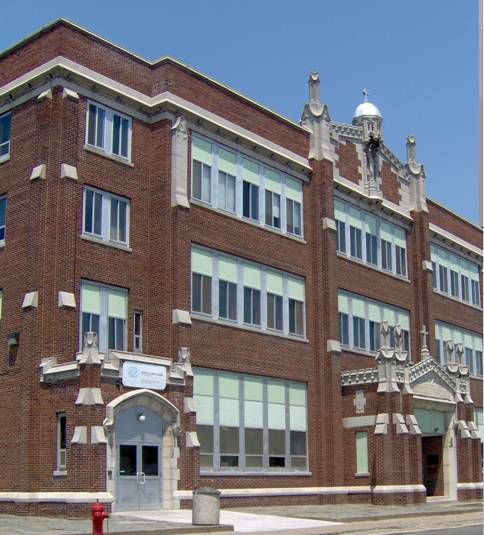
Action 2: Provide Professional Services through the Assessment Department
Boys & Girls Club Tasks:
402 Craig Street • Complete revaluation of all property in the City between 2007 and 2009
• Identify, adopt and implement tax incentives for residential properties as described in
neighborhood plans
Action 3: Provide Professional Services through the Law Department
Tasks:
• Complete a comprehensive review, analysis and modernization of City Code and Charter to
identify redundancy and/or outdated provisions
• Propose amendments that enhance efficiency and conform code to current operational
structure
• Enhance staffing to coordinate and prosecute code enforcement and compliance cases
• Encourage interdepartmental cooperation and shared computer system access
• Identify and implement strategies that deal with specific issues identified in neighborhood
plans including:
o Enforcement against “demolition by neglect”
23
Citywide Plan
23Schenectady 2020 Implementation Plan
Comprehensive Plan
o Enforcement of nuisance abatement laws
o Speed legal process for code enforcement
o Create a searchable web-based list of code violations/violators
o Increase fines, tax penalties and other civil penalties for nuisance properties and
illegal conversions
o Implement a process to fine contractors for violating city ordinances
o Require financial institutions to provide adequate maintenance on foreclosed
properties during their ownership
o Adjust tax lien policy to consider retention/foreclosure of properties in potential
redevelopment areas
o Refine tax lien process to speed reuse of abandoned properties
1108 Ardsley Road Action 4: Provide Professional Services through the General Services/Neighborhood
Revitalization Department (Includes Engineering, Code Enforcement, and
Bureau of Service, Parks and Recreation)
Tasks:
• Continue to maintain one centralized department
• Recognize the establishment of one department in the City Charter
• Develop and implement a public works facility improvement/ replacement program
• Develop middle management to plan for retirement of existing personnel
• Develop a Geographic Information System/Global Positioning System (GIS/GPS) based
inventory to locate all existing water, sewer and stormwater infrastructure in the City and
surrounding service districts. Include a detailed database that addresses issues such as pipe
size, flow capacity, condition and other relevant information as may be required to manage
the system
• Require all new development projects to provide detailed information on the “as-built”
condition of new infrastructure installed. All data should be provided in a digital format that
can be readily integrated into the base inventory
24
Citywide Plan
24Schenectady 2020 Implementation Plan
Comprehensive Plan
Action 5: Provide Well-Maintained 21st Century Municipal Infrastructure, with Adequate
Capacity to Provide Quality Drinking Water and Safe Waste Management
Tasks:
• Maintain compliance with state and federal waste water treatment legislation
• Continue to implement 15 year long-range sewer infrastructure plan
• Increase preventative maintenance on the sewer system
• Develop a plan to address flooding issues citywide
• Address code and zoning issues related to placement of photovoltaics, or other passive or
energy efficiency mandates on new construction
• Work cooperatively to evaluate and promote alternative energy sources at larger
development projects. Consider creating incentives for developers to increase use of solar,
Green Street Railroad Overpass
wind, geothermal and other energy sources
Action 6: Provide Professional Services through the Engineering Department
Tasks:
• Establish the Engineering and Surveying Services Department
• Build new public works facility within ten years
• Use engineering incentives and facilities to attract new high technology companies to the city
and make sites ready for development
• Identify funding sources to replace the city’s aging infrastructure
Action 7: Provide Professional Services through the Code Enforcement/ Building
Inspection Department
Tasks:
• Implement initiatives outlined in individual neighborhood plans
• Continue City-wide intensive sweep for code violations
• Continue increasing code enforcement staffing as appropriate including an officer assigned to
each neighborhood within five years
• Continue Abandoned Housing Program
25
Citywide Plan
25Schenectady 2020 Implementation Plan
Comprehensive Plan
• Improve the administrative efficiency of the department by implementing Permit/Notice
Software on the MUNIS system, computerizing the Code Enforcement Office and increasing
interdepartmental cooperation
• Create and implement a “Lead-Based Paint Hazard Control” initiative to assist property
owners with lead paint issues, including education for tenants and property owners as well
as control method and activities as regulated by HUD
• Continue close cooperation with the Weed and Seed Program
• Establish a demolition program that aids in the creation of redevelopment sites
• Revise and strengthen penalties for non-compliance with city codes and ordinances
• Provide financial assistance and compliance incentives for low income and older homeowners
38 Broadway • Educate residents about City Codes through direct mailings, newsletters, and other public
relations efforts and a “new homeowners” page on the City web site to inform about garbage
pick-up, recycling, and other services
• Ensure that all codes are available and searchable through the City’s web-site
• Adopt a demolition by neglect ordinance to prevent abandonment or poor maintenance
(particularly of historic properties)
Action 8: Provide Professional Planning and Zoning Services through the Department
of Development
Tasks:
• Reallocate responsibilities to allow for increased demands on planning staff as development
pace increases. Add staff as necessary
• Ensure adequate staff is available to spearhead neighborhood redevelopment projects,
possibly through the Schenectady Urban Renewal Agency
• Identify and continually inventory redevelopment sites
• Add additional staff within ten years
• Provide ongoing training for municipal boards on planning and zoning issues. Encourage
participation in training for municipal officials provided by the New York State Department
of State and New York Planning Federation
26
Citywide Plan
26Schenectady 2020 Implementation Plan
Comprehensive Plan
• Implement neighborhood initiatives including liaison work with neighborhood groups
• Improve interdepartmental coordination of plan development including review of the
Comprehensive Plan and development of the Five Year HUD Consolidated Plan
Action 9: Provide Professional Services through the Department of Development
Tasks:
• Ensure close coordination of projects related to demolition and new construction for housing
• Ensure that there is close coordination of projects related to the provision of affordable
housing including housing rehabilitation, new construction, and code enforcement
• Increase leveraging of Consolidated Plan resources with other private funding
• Continue to provide Economic Development support for Metroplex, the City IDA, and
226 Broadway and Parking Garage applicable State and Federal Economic Development Programs
• As administrator of the Schenectady Local Development Corporation, continue to provide
support for small businesses and streamline municipal economic development processes
• Continue to assist the HUD-approved “Community Development Block Grant (CDBG)
Neighborhood Revitalization Strategy Area (NRSA),” allowing for additional public service
funding in support of a sustainable living environment, the provision of decent housing, and
to create economic opportunity for NRSA residents in the Central State Street (CT 217) and
Hamilton Hill (CT 209 & 210.02) neighborhoods. CDBG-funded NRSA activities should be
based on the recommendations of the citywide and neighborhood plans in conjunction with
the Enterprise Community’s “Strategic Plan,” as adopted in 1996
Action 10: Provide Professional Public Safety Services through the Police Department
Tasks:
• Enhance minority recruitment efforts
• Aggressively enforce all quality of life ordinances
• Address vacancies by planning in advance for potential retirements. Achieve and maintain
full authorized strength. Seek accreditation for the department in 2008
• Assign a community police officer to each neighborhood
27
Citywide Plan
27Schenectady 2020 Implementation Plan
Comprehensive Plan
• Address critical lack of storage for evidence, recovered/found property and records retention.
Consider development of a large indoor and outdoor facility to allow for retention of motor
vehicles, large confiscated/found items and evidence
• Construct a new centralized public safety center complex to include police, fire, emergency
management operations and administration by 2015
• Increase the Department’s authorized strength to 180 police officers by 2015
• Expand the use of wireless video surveillance cameras throughout the City
• Aggressively pursue law enforcement assistance grants of all nature
Action 11: Provide Professional Public Safety Services through the Fire and Emergency
Services Department
Nott Memorial Tasks:
Union College • Complete analysis and mapping of call locations
• Address increasing demand with expanded staff and modernized facilities
• Improve coordination with code enforcement and other departments including shared
computer systems
• Expand “Save A Life” programs in schools regarding crime and fire reduction
• Evaluate location of all fire stations and develop a plan to relocate stations or build new facilities
• Continue minority recruitment program
GOAL TWO: ENSURE STATE OF THE ART ACCESS TO UTILITY SERVICE, TELECOMMUNICATIONS
INFRASTRUCTURE AND ENERGY SOURCES
Action 1: Provide 21st Century Telecommunications Infrastructure
Tasks:
• Become a model wireless telecommunication center; provide state of the art wireless citywide
• Update and continually improve the city website
• Encourage local Internet Service Providers (ISP’s) to continue upgrades and improvements to
broadband access
• Expand wireless access points and improve internet infrastructure to insure reliable service
28
Citywide Plan
28Schenectady 2020 Implementation Plan
Comprehensive Plan
GOAL THREE: ENSURE THAT EXCELLENT TRANSPORTATION AMENITIES ARE ACCESSIBLE TO PEDESTRIANS,
BICYCLISTS, DRIVERS, AND PUBLIC TRANSIT USERS
Action 1: Create a Multi-Modal Community with Well-Maintained Roadways,
Manageable Traffic and Beautiful Streetscapes
Tasks:
• Work with CDTA to improve public transportation options to residents
• Encourage traffic calming plans in consultation with neighborhood associations for
neighborhood corridors and neighborhood streets
• Develop streetscaping standards for use on neighborhood corridors
• Ensure that stop signs and other traffic signs are visible by regularly trimming trees and
Bradley Boulevard
replacing deteriorated signs
• Create attractive gateways at the major entrances to the City, including:
o Broadway
o State Street – both ends
o Union Street
o Nott Street
o Rosa Road
o Erie Boulevard
o Maxon/Aqueduct
o Hamburg
o Altamont/Chrisler
• Develop an integrated system of walking and biking trails
• Improve commuter amenities and strengthen connections to the Albany International
Airport
• Improve the Amtrak station, to create a quality facility with efficiently inter-modal
connections
• Improve the downtown I-890 feeder tributaries and connectors to improve safety and
recapture prime land for commercial uses
29
Citywide Plan
29Schenectady 2020 Implementation Plan
Comprehensive Plan
• Review parking requirements for alternate side of the street parking/snow emergency
parking with residents, Public Safety and Public Works staff,
• Create more neighborhood off-street parking
• Create a comprehensive wayfinding signage program
• Enforce prohibition against asphalt sidewalks when concrete is required
• Create a sidewalk and curb replacement program to improve sidewalks throughout the City
and create a system to target improvements in each neighborhood
• Create a sidewalk and curb incentive program to assist property owners with repairs
• Increase emphasis on parking enforcement and increase fines
• Improve street maintenance through negotiated agreements for shared services with the
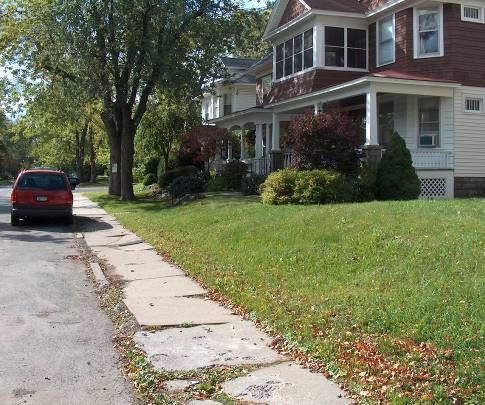
Sidewalks in need of repair along County
1300 block of Parkwood Boulevard • Require that private contractors who cut the pavement to make repairs properly patch the
road or sidewalk
• Evaluate and develop appropriate methods for road system drainage to address chronic
flooding problems in certain areas of the City
• Identify funding sources to annually repave streets, replace sidewalks throughout the city
that are in need
• Develop a methodology for annual road inspections that would document existing conditions,
project future conditions, and provide for prioritization of future maintenance, rehabilitation
or replacement of the transportation network
• Secure funding for traffic signal upgrades to 30 +/- intersections (Some signals date from the
early 1970’s)
• Update or perform improvements to other signalized intersections to improve traffic flow
and/or pedestrian access to support local development
• Implement Transit Oriented Development incentives and standards
• Implement the findings of the State Street/Route 5 Transit Oriented Development (TOD)
study
30
Citywide Plan
30You can also read


