City of Yokohama Yokohama Medium-Term 4-Year Plan - Outline Edition
←
→
Page content transcription
If your browser does not render page correctly, please read the page content below
City of Yokohama
Yokohama Medium-Term 4-Year Plan
          2018-2021
          Outline Edition
Yokohama Medium-Term 4-Year Plan 2018 - 2021
The Yokohama Medium-Term 4-Year Plan sets forth the medium- and long-term strategy ex-
tending to 2030 and the policies to be promoted on a priority basis over the four years of its
term. Its objective is to enable Yokohama to make a further leap toward the future, based on
the foundation of achievement laid so far. In addition, the Plan describes the administrative
and financial operations that will provide the basis for deployment of these policies. Imple-
mentation of the Plan will be grounded in the perspective of respect for human rights.
▶ Arrival of the shrinking-population society and hyper-aged society
The population of Yokohama, which has continued to increase, is also projected to peak in
2019 and begin to decline thereafter. In 2030, the number of citizens aged 65 or over is ex-
pected to top 1 million.
Figure 1 Estimate of Yokohama's Future Population
図1
図1 横浜市の将来人口推計
横浜市の将来人口推計
4 (Millions of persons) 図1~3
図1~3 資料
資料:政策局
: 「横浜市将来人口推計」
政策局 (
(平成29年12月)
「横浜市将来人口推計」 平成29年12月)
Population peak (medium estimate)
400
400(万人)
(万人)
2019: 3.73m
3.8 人口ピーク
(中位推計)
人口ピーク(中位推計) (High estimate)
2019年
2019年 373万人
373万人 In the case of a higher
380
380 birthrate and a lower
(高位推計)
(高位推計)
3.6 mortality rate
出生
出生 ::高、
高、 死亡
死亡 ::低低
360
360 の場合
の場合
3.4
340
340
3.2
320
320 1.6% decline
3 (3.725 → 3.665m)
1.6%減少
1.6%減少
300
300 (372.5万人→366.5万人)
(372.5万人→366.5万人)
(Low estimate)
2.8
In the case of a lower birthrate
(低位推計)
(低位推計)
and higher mortality rate
280
280 Actual Estimated 出生
出生 ::低、
低、死亡
死亡 ::高高
0
実績 推計値 の場合
の場合
001990 1995 2000 2005 2010実績 2015 推計値
2020 2025 2030 2035 2040 2045 2050 2055 2060 2065
(year)
(年)
(年)
1990
1990 1995
1995 2000
2000 2005
2005 2010
2010 2015
2015 2020
2020 2025
2025 2030
2030 2035
2035 2040
2040 2045
2045 2050
2050 2055
2055 2060
2060 2065
2065
図2 横浜市の年齢3区分別人口 図3 横浜市の年齢3区分別人口の割合
(万人) 図2 横浜市の年齢3区分別人口
Figure 2 Population
実績 推計値 of Yokohama by Age (three groups) (%)
図3
Figure 3 実績 横浜市の年齢3区分別人口の割合
Percentage Shares of Yokohama's Population by Age (three groups)
推計値
400 75歳以上
80
((万人)
persons )
Millions of
Actual
実績 Estimated
推計値
65~74歳 老年人口
(%) 実績
Actual 推計値
Estimated
4 75 or over 15~64歳 :生産年齢人口 (%)
400
350 75歳以上
Aged population
0~14歳
65 - 74 65~74歳 :年少人口
老年人口
80
80
70 72.1
15 - 64 15~64歳
: Productive age population
:生産年齢人口 69.4
3.5 66.6
350
300 0 - 14 : Low-aged
0~14歳:年少人口population 70
70
60 72.1 64.0 62.9
69.4 62.5 61.0 15~64歳
66.6 58.5
3
300 75歳以上 60
60 64.0 55.6
250 50 62.9 62.5 54.2 53.8 53.9 15~64歳
15 - 64
53.9 53.7
75 or over
64.0 61.0
61.058.5
2.5 75歳以上
65~74歳 50
55.6
250
200 50
40
54.2
34.8
53.8 53.9 53.9
35.4 35.4 35.5
53.7
35.6
33.3
65 - 74
65~74歳
30.4
2
200
150 40
40
30 25.0
26.0
27.8
33.3 34.8 35.4 35.4 65歳以上
35.5 35.6
23.4 23.8 24.0
20.1 27.8
27.8
30.4 22.7
65歳以上
23.3
1.5
150
100 15~64歳 30
30
20 14.0
17.0 23.4
23.4 25.0
26.0
15.6 16.5 16.7 17.9
20.1
23.8
65 or over
75歳以上
24.0 23.3
13.3 13.1 22.7
20.1 12.7 20.1 0~14歳
1
100
50
15 - 64
15~64歳 20
20
10 13.9
14.0
17.0
13.6 15.6 16.5
16.5 16.7
17.9
75歳以上
75 or over
13.3
8.9
12.7
12.7
10.9
13.1
12.0 11.5 11.2 11.1 11.1 11.0 10.9 10.7 10.6 10.6
0~14歳
0 - 14
0.5 0~14歳 10 13.9
5.1 6.9
13.6
50
0 10
0 10.9
12.0 11.5 11.2 11.1 11.1 11.0 10.9 10.7 10.6 10.6
2000 2005 2010 2015 2020 2025 2030 2035 2040 2045 2050 2055 2060 2065(年) 00~14歳
- 14 2000
5.1
2005
6.9
8.9
2010 2030 2035 2040 2045 2050 2055 2060 2065(年)
2015 2020 2025 11.2
10.9
00 00 (年)
2000*図2、
2000 2005 3の実績値については、
2005 2010
2010 2015
2015 2020
2020 2025
2025 2030総務省統計局
2030 2035
2035 2040 「国勢調査」
2040 2045
2045 2050 より作成。
2050 2055
2055 2060
2060 2065 (year )
2065(年) 2000 2005*65歳以上人口割合には75歳以上人口割合を含む。
2000 2005 2010
2010 2015
2015 2020
2020 2025
2025 2030
2030 2035
2035 2040
2040 2045
2045 2050
2050 2055
2055 2060
2060 2065
2065 (year)
*図2、
3の実績値については、総務省統計局
「国勢調査」
より作成。 * The share*65歳以上人口割合には75歳以上人口割合を含む。
for persons aged 65 or over includes that for those aged 75 or over.
Source for figures 1 - 3: "Estimated Future Population of Yokohama," City of Yokohama Policy Bureau, December 2017; actual figures in Figure 2 and Figure 3 are
based on the "National Census," Bureau of Statistics, Ministry of Internal Affairs and Communications.
1
The situation surrounding Yokohama
▶Accelerated competition between cities ▶Activation in suburban areas
▶Globalization, changes in the industrial ▶Increase in the vitality of local
structure, and technical innovation communities
▶Rising interest in culture and the arts ▶Enhancement of disaster preven-
▶Urban development emphasizing flowers tion & mitigation awareness, and
and greenery, and quickening of approach- reinforcement of response to all
es in the environmental field, such as initia- sorts of disasters
tives to prevent global warming ▶Deterioration of public facilities
▶Strategic & systematic land use
▶ Changes in the transportation network
There are expected to be major changes in the flow of people and things around Yokohama. In
connection with them, the city is getting vital opportunities for further growth and advancement.
◇Yokohama Kanjo Road ◇Kanagawa Tobu Line
Kita Route: opened in 2017 Nishiya - Hazawa: to be opened in FY2019
Hokusei Route: to be opened in time for the Tokyo 2020 Olympic and Paralympic Games (Sotetsu & JR direct connection)
Minami Route & Yokohama Shonan Road: to be opened in FY2020* Hazawa - Hiyoshi: to be opened in FY2022
* In the case of smooth completion of land acquisition etc. through procedures based on the Land Expropriation Law. (Sotetsu & Tokyu direct connection)
oad
an R
Tokyo
Route
Chuo Road
Gaik
anjo
oK
Shinagawa
u
Ch
To be opened in 2027:
Chuo Shinkansen (linear motorcar)
Kanagawa
Hashimoto
Tobu Line
Yokohama Kanjo Hokusei Route
Hiyoshi Tokyo International
Ken-o Road Airport at Haneda
Former Kamiseya Communication Station
Nishiya
Yokohama Kita Route
ay
ssw
Port of Yokohama
pre
Ebina JCT
Tomei Expr
Ex
New essw
i
me
ay
To
Samukawa Kita IC Legend
Former Fukaya Communication Site
Chuo Shinkansen
Under construction (roads)
In service (roads)
Under construction (railways)
Yokohama Shonan Road Yokohama Kanjo Minami Route In service (railways)
Tokaido Shinkansen
2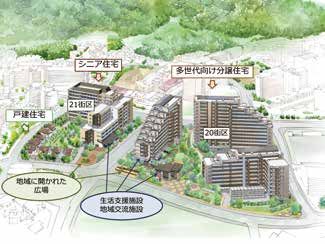
Framework of the Yokohama Medium-Term 4-Year
    Plan 2018 - 2021
                                          [Plan period]
                                          - FY2018 - 2021

    ▶ 1.     Aims
     To build communities that keep the civic life safe and secure, where people want to take up residence
     and continue to live.
     To heighten the appeal and brand power of Yokohama by hosting big international events* and making
     the most of opportunities for a further leap.
     To stimulate the Yokohama economy, assure the financial foundation, and achieve ongoing growth and
     advancement for the city.
     * Big international events (during the Plan period) 2019: 7th Tokyo International Conference on African Development, Rugby World Cup 2019™
                                                         2020: Tokyo 2020 Olympic & Paralympic Games

    ▶ 2.     Basic stance
      The city is taking approaches with an emphasis on the following points as its basic stance in formulation
      and promotion of the Plan.
      (1) Approaches based on the perspective of sustainable development goals (SDGs)
      (2) Promotion of full use of data and open innovation
      (3) Resolution of issues as viewed from the perspective of local communities

    ▶ 3.     Plan composition

                    Six strategies for achieving ongoing growth and advancement toward 2030

           Achieve robust economic growth and                                    Be an advanced environmental city full
            the creative city of art and culture                                        of flowers and greenery

                  Take up the challenge of                                             Build a city where people and
                   the hyper-aged society                                         companies come together and take action

            Develop diverse human resources                                                  Build a resilient city
                  to create the future                                                      that creates the future

                        Approaches during the four years of the Plan period (FY2018 - 2021)

             38 policies                         38 policies to resolve the wide range of issues in various fields

             Administrative and                  Approaches to sustainable administrative and financial operations
             financial operations                to provide the basis for promoting the policies

3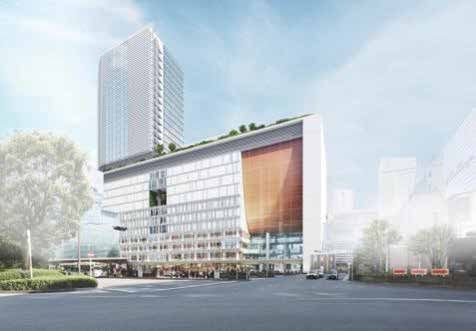
Yokohama approaches based on SDG perspectives
The United Nations Sustainable Development Summit held in September 2015 saw the adoption of
an action plan for the whole international community toward 2030. This plan posts 17 sustainable
development goals (SDGs) accompanied by 169 related targets.
Action by a wide range of concerned entities as well as national governments and international
institutions is important for attainment of SDGs. Yokohama too is committed to the promotion of
initiatives in each field with an emphasis on the philosophy behind SDGs. To this end, this document
connects each of the medium- and long-term strategies in the Plan with one or more of the SDGs.
* The related SDGs are indicated to the right of the strategy title.

                                 End poverty in all of its forms       Reduce income inequality within
                                 everywhere                            and among countries

                                 End hunger, achieve food security     Make cities and human settlements
                                 and improved nutrition, and           inclusive, safe, resilient, and
                                 promote sustainable agriculture       sustainable

                                 Ensure healthy lives and promote      Ensure sustainable consumption
                                 well-being for all at all ages        and production patterns

                                 Ensure inclusive and equitable        Take urgent action to combat
                                 quality education and promote         climate change and its impacts
                                 lifelong learning opportunities for
                                 all

                                 Achieve gender equality and           Conserve and sustainably use the
                                 empower all women and girls           oceans, seas, and marine resources
                                                                       for sustainable development

                                 Ensure availability and sustainable   Protect, restore, and promote
                                 management of water and               sustainable use of terrestrial
                                 sanitation for all                    ecosystems, sustainably manage
                                                                       forests, combat desertification, halt
                                                                       and reverse land degradation, and
                                                                       halt biodiversity loss

                                 Ensure access to affordable,          Promote peaceful and inclusive
                                 reliable, sustainable and modern      societies for sustainable develop-
                                 energy for all                        ment, provide access to justice for
                                                                       all, and build effective, accountable
                                                                       and inclusive institutions at all
                                                                       levels

                                 Promote sustained, inclusive and      Strengthen the means of
                                 sustainable economic growth, full     implementation and revitalize the
                                 and productive employment, and        global partnership for sustainable
                                 decent work for all                   development

                                 Build resilient infrastructure,
                                 promote inclusive and sustainable
                                 industrialization, and foster
                                 innovation

                                                                                                               4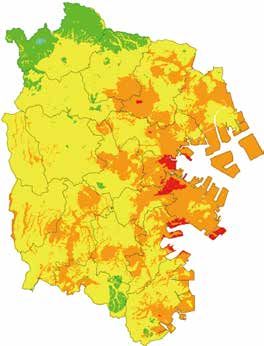
Achieve robust economic growth
        Strategy 1:
                                           and the creative city of art and culture

    ▶ Promotion of the growth and advancement of city companies,
        and attraction of strategic corporate siting
       Support the ongoing growth and advancement of companies in the city.
       Promote approaches linked to the reinforcement of industrial bases in coordination with urban develop-
       ment measures, and strategic corporate siting.
       Promote vibrant urban agriculture.

    ▶ Creation of appeal & vitality by a creative city of art and culture

       Create a new appeal and vitality in Yokohama by building full-fledged theaters etc. offering exposure to
       first-rate culture and arts. Promote urban development keyed by creativity, produce new value, and aim
       for a culturally rich civic life.

    ▶ Attraction of visitors and revitalization
        of the local economy through tourism, MICE, and sports
       Reinforce promotion and achieve a tourism- and MICE*-oriented city brimming with vitality.
       Aim to make Yokohama a sports-oriented city by enriching the civic life and increasing levels of city vitality
       through sports.
       * MICE: A collective acronym for Meetings by companies etc.; Incentive travel offered by companies etc.; international Conventions
               held by international institutions & groups, learned societies, etc.; and Exhibitions & Events including trade fairs and shows.

    Main related policies

                                                                          [Generation of innovation and attraction
                                                                                                  of strategic corporate siting]
                                                                             Promote open innovation through partnership
                                                                          linking industry, academia, government, and financial
                                                                          concerns, and strive to attract siting by more compa-
                                                                          nies.

    Demonstration of automated driving in the Minato Mirai 21 zone

                                                                          [Creation of appeal & vitality
                                                                                           by a creative city of art and culture]
                                                                             Publicize the appeals of Yokohama inside and out-
                                                                          side Japan by holding festivals of the arts that under-
                                                                          score its distinctive character, in the spheres of con-
                                                                          temporary art, dance, and music.

                                                        ©oono ryusuke
    Yokohama Bayside Ballet against the background of the port at night
5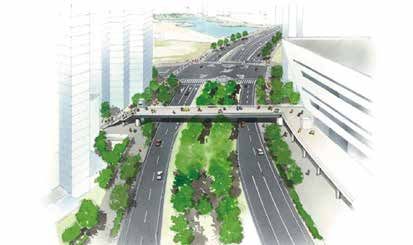
Effects of the Yokohama Ordinance on Measures of Support
                         in Specified Areas for Promotion of Corporate Siting etc.

         Creation of employment for about 34,000 people in the city (cumulative total up to FY2017)
         Tax revenue exceeding the amount of support (cumulative total up to FY2014) and projection
         of further expansion of effects
                                                                                                     Unit: Billion yen
                        50
                                             Tax breaks          Cumulative total to FY2017
                        40                                      Tax revenue:about 42.9 billion yen
                                             Subsidies
                                                                Support: about 33.5 billion yen
                        30                   Tax revenue        Difference: about 9.4 billion yen

                        20

                        10

                          0
                               2005 2006 2007 2008 2009 2010 2011 2012 2013 2014 2015 2016 2017
                                                 Source: Economic Affairs Bureau, City of Yokohama

                                                                       [Promotion of tourism and MICE]
                                                                          Prepare new MICE facilities etc., and strive to attract
                                                                       medium- and large-sized international conferences,
                                                                       which have high economic ripple effects, and meet-
                                                                       ings in growth fields such as the Internet of Things
                                                                       (IoT).

Conceptual depiction of the new MICE center upon completion

                                                                       [Communities and living nurtured by sports]
                                                                         Promote open innovation through partnership Pro-
                                                                       vide opportunities for all citizens to enjoy (do, watch,
                                                                       or support) sports close to their homes, regardless of
                                                                       age and whether or not they have disabilities.

The Yokohama Marathon, run over a course featuring city landmarks
                                                                                                                                    6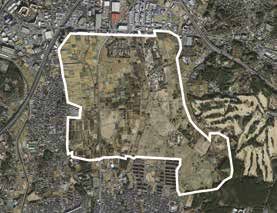
Be an advanced environmental city full
        Strategy 2:
                                            of flowers and greenery

    ▶ Urban development for harmony between
        a rich natural environment and modern living
       Build a city brimming with appeal and vitality, accenting flowers, greenery, agriculture, and water.
       Preserve and create water and green environments to bequeath the natural environment to the next generation.
       Examine and practice effective use of the diverse functions of the green infrastructure*1.

    ▶ Low-carbon, recycling-oriented urban development
        supporting economic activities
       Build an SDGs Future City*2 that takes approaches for an environmental future city to a new stage.
       Create and publicize a big-city model for initiatives in the areas of global warming and energy.
       Construct a sustainable recycling-oriented society and achieve a sanitary and clean city.

    ▶ Conduct environment-related promotion and
        publicize approaches inside and outside Japan
       Promote the practice and rooting of environment-friendly lifestyles.
       Publicize environment-friendly approaches inside and outside Japan, and heighten Yokohama's profile.
        *1 Green infrastructure: The social capital for promotion of sustainable, appealing urban development using the diverse functions of the
                                 natural environment
        *2 SDGs Future City:     Cities taking excellent approaches for attainment of SDGs (selected by the national government in June 2018)

    Main related policies

                                                                      [Promotion of Garden City Yokohama
                                                                       to link flowers, greenery, agriculture,
                                                                                         and water with the city and living]
                                                                         Take a wide range of approaches utilizing flowers,
                                                                      greenery, agriculture, and water; strive to link this to
                                                                      attraction of the International Horticultural Exhibition;
                                                                      and thereby heighten the level of city activity and
                                                                      vitality.

    Satoyama Garden in Garden Necklace Yokohama 2018

                                                                      [Creation of a big-city model for initiatives
                                                                              in the areas of global warming and energy]
                                                                         Work for the simultaneous resolution of social and
                                                                      economic issues involving the environment as an
                                                                      SDGs Future City with a zero carbon goal, and publi-
                                                                      cize Yokohama's initiatives inside and outside Japan.

    At the ceremony for certification of Yokohama's selection as an
    SDGs Future City
7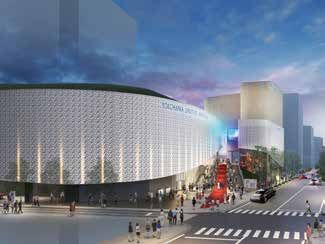
Yokohama environmental measures - degree of satisfaction and wishes
Approaches to energy conservation
❶ and new energy use
Creation of greenery
❷ (central waterfront district)
(%) 40 Preservation and creation
of greenery in parks and Preservation of large green tracts
❸ in suburban areas
Measures to combat along roads, rivers, etc.
global warming Reinforcement of
40.7, 33.2
Preservation of ❹ the water cycle functions
30.2, 29.5
30 Yokohama's Diffusion of next-generation
distinctive scenery ❺ automobiles
Preservation of 50.3, 27.6 Concern for the environment in road
❻ construction, redevelopment projects, etc.
the life environment
29.7, 22.3 Beautification Proper management of chemical
❼ substances
Wishes
20 Preservation of of the city Waste
biological diversity ❶ reduction
47.9, 19.7
❷ ❽ Promotion of agriculture
27.1, 18.0 and recycling
❸ 62.5, 22.7
❹ ❾ Preservation of farm land
❺
10 ❼ ❻ Promotion of environmental education
❾ ❽ Support for and collaboration with
environmental activities
Overseas spread of environmental
0 technology
0 10 20 30 40 50 60 70 Diffusion of environment-friendly
(%) products
Degree of satisfaction
Source: "FY2017 Survey of Citizen Environmental Awareness,
" Environmental Planning Bureau, City of Yokohama
[Promotion of sustainable resource recycling
and cleanliness]
Strive to augment and bolster facilities to support
resource recycling while promoting environmental
action, in keeping with the goals of the Yokohama 3R
Dream Plan.
Learning about 3R activity at an event
[Practice and rooting of
environment-friendly lifestyles]
Aspire to a sustainable society by implementing
programs of environmental education, practice of en-
vironmental action, and environmental promotion for
a wide range of ages, based on coordination with citi-
zens, companies, etc.
Experiencing energy conservation with children
8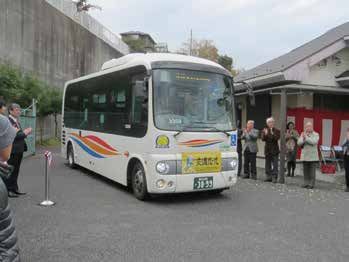
Strategy 3:                     Take up the challenge of the hyper-aged society

    ▶    Building of communities marked by mutual support
       Build communities where all people can live as they wish in safety and health, enabling solution of com-
       munity and life issues through coordination with local citizens and related groups.

    ▶ Continuation of healthy, independent living

       Increase the ranks of citizens able to lead healthy, independent lives at advanced ages, and lengthen the
       healthy life expectancy*.

    ▶ Construction of setups for provision of medical and
        nursing care when needed
       Construct and support inclusive local care systems enabling people to live as they wish in familiar
       surroundings as long as they live.
       Achieve a society whose members can live in health and with peace of mind, by preparing setups for
       efficient and effective provision of high-quality medical services, and promoting seamless coordination
       with health, medical, and nursing care services.
       Provide support for decisions by patients themselves in selection of life styles of their own volition, and
       make arrangements so they can receive the kind of medical and nursing care they desire.
        * Healthy life expectancy: the period of living without constraints on daily activities due to health problems

    Main related policies

                                                                   [Promotion of local welfare and healthcare
                                                                             through participation and collaboration]
                                                                      Support action to establish local centers with fuller
                                                                   arrangements for mutual assistance in the communi-
                                                                   ty.

    A workshop held at a local center

                                                                   [Assurance of citizen security by programs
                                                                       for building health, managing health risks, etc.]
                                                                      Encourage all generations to get into the habit of
                                                                   healthy activities and help these activities take root
                                                                   through programs that citizens will have fun using on
                                                                   a continuous and routine basis.

    Yokohama Walking Point program

9
Benefits of Participation in Social Activities Causes of Need for Support
The locomotive syndrome* accounts for about half
of the reasons for certification of need for support.
Support of family life 3.2
Making of acquaintances for living in
the neighborhood with more peace of mind 50.6 Senile dementia
0.8%
Improvement of relations
with the family 5.7 No reply
7.6%
Acquisition of new friends 56.8
Fractures & falling
20.5%
Better rhythm in daily life 24.7 Other
18.8%
More economic margin 2.0
Joint diseases
Sense of fulfillment from
38.2 14.2%
contribution to society Respiratory diseases
More attention to maintenance of health 1.9% Cerebrovascular
32.8 diseases
and to personal appearance
7.6% Debilitation
Other 1.8 Cardiac due to old age
diseases 11.9%
No particular benefit 8.3%
for daily life 8.1
Cancer 4.7% Spinal cord injury 3.8%
Unclear 0.2
(%)
0.0 20.0 40.0 60.0 Source: "7th Health and Social Welfare Plan & Nursing Insurance Program Plan for
Elderly in Yokohama" and "FY2016 Fact-Finding Survey of Elderly in Yokohama,"
Source: "FY2016 Survey on the Economic & Social Environment of the Aged," Cabinet Office Health and Social Welfare Bureau, City of Yokohama
* Locomotive syndrome: reduced mobility for standing, sitting walking, etc. due to impairment of locomotive organs because of a
decline in muscular strength or bone and joint diseases along with aging
[Fuller services and development of communities
& human resources for construction
of inclusive community care systems]
Condition the environment for action to prevent
the need for nursing care and to build health, and
augment services etc. to enable residents to live at
home with peace of mind.
At a Genkizukuri Station
[Fuller setups for provision of community medical
services and promotion of advanced medicine]
Work to ensure the requisite number of hospital
beds in order to make Yokohama's vision for commu-
nity medicine a reality. Redevelop hospitals in order
to assure arrangements for provision of community
medical services.
Conceptual depiction of the new civic hospital slated to open in
2020
10Strategy 4 (1) Build a city where people and companies come together and take action
– central area generating growth and vitality –
▶ Attractive urban development in the central waterfront area,
central Shin-Yokohama, the Keihin waterfront area, etc.
Draw on the features and appeals of each district while reinforcing functions in areas including the Keihin
waterfront area in addition to the central waterfront area, which has long driven Yokohama's growth (con-
sisting of the vicinity of Yokohama Station, Minato Mirai 21 zone, the Kannai and Kangai districts, the vicin-
ity of Yamashita Pier, and the vicinity of the Higashi-Kanagawa waterfront district), and the central part of
Shin-Yokohama.
Promote urban development by means such as public-private partnership.
▶ Urban development facilitating full activity by people and companies
Integrate industrial promotion and urban development, prepare employment and living environments,
and build communities marked by safety and security.
▶ Urban development generating vitality and movement
Promote urban development that generates interaction between people and movement around districts.
Main related policies
[Functional reinforcement to inject central areas with plenty of appeal and vitality]
Pursue urban development oriented toward economic revitalization and sustained growth in
the central waterfront area, which has been Yokohama's iconic center; the central part of
Shin-Yokohama, whose potential is rising with construction of the Kanagawa Tobu railway line,
and the area along that line; and the Keihin waterfront area, one of the leading industrial zones
in all of Japan.
Yokohama Station West Gate Development Building (tentative name) Pedestrian deck in the vicinity of the new MICE facility
11Districts of the central waterfront area, central Shin-Yokohama, Keihin waterfront area, etc.
Hiyoshi Station
Hiyoshi &
Shin-Tsunashima Station Tsunashima districts
(tentative name)
Yok
oha
ma
Kan
jo H
okus
ei Ro Kanagawa Tobu Line
ute
Yo
ko
ha
Shin- m
aK
Yokohama
Central Shin-Yokohama Station
ita
Rou
te
Hazawa Station Higashi
(tentative name) Kanagawa
waterfront
Nishiya Station vicinity
Keihin waterfront area
Yokohama
Station
vicinity Minato Mirai 21 zone
Central waterfront area
Yamashita
Kannai & Kangai Pier
districts vicinity
Redevelopment of Yokohama Cultural Gymnasium (main arena) Advanced Bus System using articulated buses (conceptual depiction of a bus)
12Strategy 4 (2) Build a city where people and companies come together and take action
– suburban areas where all would like to take up residence and live permanently –
▶ Compact urban development in suburban areas
Form centers to support the local life and economy in the vicinity of railway stations, in a manner adapted
to the area characteristics, diverse lifestyles, and changes in styles of work etc.
In residential districts, introduce functions to support daily life, ensure places of employment nearby, and
prepare residential environments drawing on rich natural environments.
Maintain and expand bus service and other public transportation linking the vicinities of railway stations
and residential districts, strengthen coordination with various principals, examine ways of using ICT, and
take other action toward introduction of new transportation services.
▶ Induction of strategic land use and urban development
Promote urban development by inducing strategic land use attracting people and companies, taking
advantage of opportunities presented by conditioning of the urban infrastructure.
In the former sites of US military facilities that are precious city assets, promote land use to revitalize the
area and city districts, toward the resolution of wide-area issues while making full use of large expanses,
siting conditions, etc.
Main related policies
[Compact urban development for vibrant suburban areas]
Promote urban development preferred by all generations, including youth, by reinforcing the
life center functions of station vicinities and enhancing the appeal of residential tracts. On the
former sites of US military facilities, pursue strategic land use while striking a good balance with
preservation of greenery and farm land, and harmonizing projects with the peripheral environ-
ment.
Housing for senior citizens
Multi-generation housing for subdivision
21 Zone
Detached housing
20 Zone
Square open to the community
Life support facilities
Community interchange facilities
District for promotion of sustainable residential tracts (Tokaichiba, Midori Ward) Former Kamiseya Communication Station
13Urban Development for Activation of Suburban Areas
Districts along the Tokyu Den-en-toshi Line
Susukino
Azamino Station
Center Kita Hiyoshi Station
Kanagawa Tobu Line
Station
Center Minami Shin-Tsunashima
Station
Station
Kawawacho Kawamukocho
(tentative name) Legend
Nagatsuta Station Minami-Kochi district
Station
Districts for promotion of sustainable suburban
Toka ichiba Nakayama
Tsurumi
residential tracts
Station
Station Main large-scale projects
Shin-Yokohama (at least 2,000 housing units)
Former Kamiseya Wakabadai Hazawa Station Station
Communication (tentative name) Main life centers
Hikarigaoka
Station Tsurugamine Station Urban development
Seya Station Futamatagawa (urban redevelopment and land readjustment)
Station Yokohama (including projects under consideration)
Station
Construction of centers by inducing strategic land use
(zones under construction in the vicinity of stations and interchanges)
Sakon-yama
Districts along
京急沿線南部地域 US military facilities
the Sotetsu (including sites already returned)
Icho Kami-iida
Izumino Line Negishi Kanagawa Tobu Line
Minami-Nagata Dependent
Housing Locations for the siting of new stations
Kamiooka Station Area
Yumegaoka Station
Shimoiida Station Shin-Sugita Railway network
Totsuka Station
Former Fukaya Station
Communication
Yokodai
Noba
Site Dream Heights
Southern Kanazawa
Ofuna Station
districts along Seaside Town
the Keikyu Line
Kanazawa-bunko Station
Kanazawa-hakkei Station
[Fuller transportation functions close
to citizens]
Yokohama shall maintain and augment
means of transportation close to citizens for
area transport facilitating mobility by all.
Bus service introduced through action by the district on its own initiative
14Strategy 5 Develop diverse human resources to create the future
▶ Support and education for children and child-rearing
Prepare environments conducive to having and raising children with peace of mind into the future.
Promote education that widens possibilities for children and build appealing schools.
Take action to protect the sound growth of children.
▶ Support for activity by women, senior citizens, and youth
Support activity by women and achieve a society enabling all to lead more fulfilling lives with a good
work-life balance.
Aim for a society enabling senior citizens and youth to fully exercise their capabilities and strengths.
▶ Achievement of a society enabling activity by all in accordance
with their wishes
Aspire to a society whose members recognize each other's diversity and respect human rights.
Achieve a society enabling children and adults with disabilities to make their own selections and
decisions.
Provide support for people facing difficulties in life.
Achieve a society in which many cultures coexist.
Main related policies
[Support for children and childrearing
from infancy to school age]
Take steps to eliminate waiting lists for nursery
schools in order to meet the continually increasing
needs for them, and work to heighten their quality in
order to help enrich childrearing.
A nursery school program for children less than 1 year old
[Promotion of education to nurture
the growth of children to create the future]
Promote learning activities applying ICT, for devel-
opment of skills for information use, programming,
etc., along with the revision of the national rules for
learning instruction.
A class on programming based on partnership with a company
15Outlook for Labor Force Population and Share Women's Labor Force Share in Yokohama
(national statistics) (M-shaped curve)
(Tens of thousands of persons)
(%)
7000 60.2% 62.0%
59.4% 60.8% 100 2015: 82.9%
(2010: 79.7%) 16.7pt 2015: 66.2%
58.0% 1985
6800 (2010: 59.6%)
57.6% 55.5% 80 2005
6587 6589 54.0%
6600 Case of lack of proper Case of proper progress
progress in economic
2010
in economic growth
growth and labor and labor participation 50.0%
participation 60 2015
6400 6362
6314
46.0%
40
6200
42.0%
6000 20
38.0%
5800
5800 34.0% 0
15 - 19 years old
20 - 24 years old
25 - 29 years old
30 - 34 years old
35 - 39 years old
40 - 44 years old
45 - 49 years old
50 - 54 years old
55 - 59 years old
60 - 64 years old
65 - 69 years old
70 - 74 years old
75 years or over
5600 30.0%
2014 2020 2030
(Actual)
Source: "FY2015 Report by the Employment Policy Research Group," Source: "Outline of Yokohama, Basic Statistical Results for Employment etc.,
Ministry of Health, Labour and Welfare FY2015 National Census"
[A city conducive to work and activity by women]
Hold events for learning and interchange, support
female entrepreneurs, and expand opportunities for
development of leadership skills among working
women, etc.
Women's Networking Conference in Yokohama & Women's Business Festa
[A city with active senior citizens]
Support the empowerment of senior citizens by
means such as referral to employers and volunteer
work matching the individual's lifestyle, and augment
provisions for their continued activity.
A unit supporting worthwhile employment
16Strategy 6 (1) Build a resilient city that creates the future
– A safe and secure city with a high resilience to disasters –
▶ Reinforcement of ability to cope with disasters
Reinforce ability to cope with disasters by studying ways to expand and diversify means of conveying
disaster information to citizens and visitors, and improving the fire department headquarters etc.
▶ Development of human resources and districts with a high resilience to disasters
Augment disaster prevention training and education for a wide range of generations, achieve and main-
tain a 100% fire brigade sufficiency rate, support disaster prevention activities led by districts, and other-
wise promote self-help and -assistance efforts.
Improve disaster response on the district level by augmenting support for autonomous mutual assistance
activities in districts for persons requiring special support in the event of disaster, reinforcing the func-
tions of district disaster prevention centers, and other such steps.
▶ Building of a city that is resistant to disasters
Build a city that is resistant to earthquakes, post-quake conflagrations, and other disasters by augmenting
urban infrastructural facilities such as emergency transport routes, fireproofing buildings mainly in zones
under fire prevention regulations, etc.
Build a city that is resistant to localized torrential rains etc. by comprehensive measures to prevent inun-
dation, approaches to mitigating damage by eliminating failure to escape, and steadily making zones
along slopes safe.
Main related policies
[Building of a disaster-resistant city
(measures to prevent damage
from earthquakes, winds, and rains)]
Improve emergency transport routes and steadily
bury utility poles along roads toward Yokohama's
goal of mitigating disasters in its strategy for earth-
quake disaster prevention.
Before After
Burial of utility poles
Steadily implement comprehensive measures to
prevent flooding linked with urban development
projects encompassing rivers, sewerage, parks &
green tracts, roads, and other elements throughout
river basins.
Conceptual depiction of the Maioka River Retarding Basin
17Ground Motion Forecast Distribution Results Estimate of Building Loss due to Fire After an Earthquake
(in the event of an earthquake on the order (in the event of an earthquake on the order
of the Genroku Kanto Earthquake) of the Genroku Kanto Earthquake)
Source: "Yokohama Disaster Prevention Plan," Source: "Yokohama Disaster Prevention Plan,"
General Affairs Bureau, City of Yokohama General Affairs Bureau, City of Yokohama
Number of
Intensity of 7 buildings lost
Intensity of upper 6 0-1
Intensity of lower 6 1-5
Intensity of upper 5 5 - 10
10 - 20
Intensity of lower 5
> 20
Intensity of 4 Zero buildings lost
[Development of human resources and
districts with a high resilience to disasters
(promotion of self-help and -assistance)]
Promote the development of human resources to
lead disaster prevention and mitigation activities in
districts, augment disaster education for all genera-
tions, and improve capabilities for fire prevention and
initial response.
A women's fire brigade in action
Based on the lessons learned from large-scale natu-
ral disasters so far, strengthen support for people
requiring assistance in times of disaster and improve
disaster prevention measures from a women's per-
spective.
A disaster prevention drill at a social welfare institution evacuation shelter
18Strategy 6 (2) Build a resilient city that creates the future
– A safe and secure city with a high resilience to disasters –
▶ Augmentation of urban infrastructural facilities supporting
the civic life and Yokohama economy
Construct the Yokohama Kanjo Road and urban planning roads, promote continuous grade separation of
roads and railways, construct the Kanagawa Tobu Line, study railway lines in visions, and form road and
railway networks to support the movement of people and things.
▶ Build a port with international competitiveness
Build a comprehensive logistics center integrating container terminals and logistics facilities, construct
facilities for a center of automotive cargo handling, and take other steps to reinforce the port's functions
as a hub of East Asian trade.
Improve accommodation of the diversifying assortment of cruise ships and the environment for receiving
tourists throughout the port, promote strategic attraction of visits in coordination with concerned parties,
and link this to revitalization of the local economy.
▶ Systematic and effective maintenance and updating of public facilities
Promote sure maintenance and updating of public facilities.
Rebuild public buildings and renovate them through projects for multi-use etc.
Take action to ensure the quality of public works projects, and recruit and nurture principals for the same.
Main related policies
[Reinforcement of the urban infrastructure
through augmentation
of the transportation network]
Bolster access links with wide-area road networks
and strive to improve regional convenience and
safety.
Yokohama Kanjo Hokusei Route (Yokohama Aoba IC & JCT)
[Comprehensive port conditioning for stronger
international competitiveness and enriched civic life]
Condition the port so that it will be preferred as a
strategic international container port. Take aim at
making Yokohama a world-class port and foremost
destination in Japan for cruise ships.
Temporary CIQ facilities on Daikoku Pier
19Transportation Network, Port Facilities, and Other Urban Infrastructural Facilities
Extension of the high-speed railway No. 3 Line
Tokyu Line
Hiyoshi
Yokoham
Station
Yokohama Kanjo Hokusei Route
Kanagawa
a Ka
Tobu Line Shin-
njo
Tsunashima
wa
Ra
Station
y
il
(tentative name)
y Yokoh
i wa a t
me ss igh cargo
Toxpre Fre
E Shin- ma kaido or both s
Kit e To ne f ger
of th h Li ssen
Yokohama aR
Hazawa Station
Station
(tentative name)
out
e Use Branc and pa
(tentative name) JR Line
Former
Kamiseya Nishiya Station
Communication Station
ad
the Yokohama Kanjo Roof
Reinforcement of
Western section
automobile-handling functions
Sotetsu Line
Reinforcement of functions for
Y ok o
accommodation of cruise ships
ha m
New Honmoku Pier
aK
oR
an
a il
j
wa Reinforcement of
Former Fukaya y
Communication container-handling
Site functions Legend
Minami Honmoku Pier Under consideration
(roads)
Under construction
(roads)
In service (roads)
Planned lines
(railways)
Under construction
Yokohama Shonan Road Yokohama Kanjo Minami Route (railways)
In service
(railways etc.)
Locations of proposed
new stations
[Systematic and effective maintenance
and updating of public facilities]
Steadily maintain and update public facilities based
on sure checking and a proper order of priorities, with
extension of service life as the principle aim.
Maintenance work on a bridge girder
20Administrative Realistic administrative operations and
operations further improvement of citizen services
Project Reviews - Trend of Monetary Effect and Number
▶ 1. Ongoing review of Monetary effect of reviews
(hundreds of millions of yen)
Monetary effect of reviews
Number of reviews
Number of
reviews
administrative operations 1200
based on the background 120
1092 1101 1100 1176
1100
of the times 116
110 1000
Check the effectiveness and efficiency of projects,
105
constantly review office work, and construct simple 100 102
104
900
but effective executive systems for steady promotion
of requisite initiatives under the tough financial 0 0
FY2015 FY2016 FY2017 FY2018
circumstances.
Source: "Project Reviews," on the website of the General Affairs Bureau, City of Yokohama
▶ 2. Administrative operations making full use of data and ICT
Promote efficient and effective administrative operations through policy formation emphasizing data
and open data arrangements, and achieve efficient administrative operations as well as stable and effec-
tive administrative services using ICT.
▶ 3. Work style reform and recruitment & development of
personnel to support the city's future
Achieve flexible work styles adapted to the life situations of personnel, recruit and develop diverse human
resources, and heighten the capabilities of the city hall organization as a whole
Types of Co-Creation Targeted by Yokohama
▶ 4. Co-creation based on closer
coordination with the private
Open innovation
sector
Citizen activity Universities
groups
Take approaches to co-creation in various administra- NPOs etc. etc.
tive fields with companies, groups, and a wide range Dialogue
of other private-sector principals inside and outside
the city, to resolve social and community issues Administrative
authorities
Companies
etc.
through open innovation.
Various civic networks
▶ 5. Provision of administrative services from
the citizen perspective and collaboration with communities
Provide administrative services from the citizen perspective to achieve local communities where anyone
can continue to reside with peace of mind, and strengthen city employee powers of coordination to
achieve sustainable local communities.
21Financial Achievement of both policy implementation
operations and maintenance of sound finances
▶ 1. Management of the outstanding debt with the General Account,
through systematic use of municipal bonds
Systematically issue municipal bonds for full-fledged approaches to investment for Yokohama's growth and advance-
ment and to the maintenance and renovation of public facilities, and properly manage the outstanding debt (balance
of borrowings) with the General Account to prevent imposing an excessive burden on future generations.
Achievement of both policy promotion and
maintenance of sound finances
- Ordinance concerning responsible financial operations in Yokohama into the future -
Systematic issuance of municipal funds from the medium- and long-term perspectives
Assurance of equilibrium Management of the outstanding debt
in the Yokohama-type primary balance in the General Account
Visualization of financial information and use of financial indicators
(observance of the ratio for judgment on soundness, comparison with other main designated cities, etc.)
▶ 2. Reinforcement of the financial foundation through
stable assurance of financial resources
Stably ensure municipal tax revenue through proper promotion of tax administration and improved
convenience for taxpayers, and strive to increase the collection rate for, and decrease the amount of,
receivables (arrears) through further rationalization of credit management.
▶ 3. Proper management and strategic use of assets in hand
Actively pursue the use of land and buildings owned by the city for the public good and welfare where
possible and their sale etc. to acquire financial resources. Manage public structures based on approaches
including reorganization for multi-purpose and -use arrangements and more efficient operation.
Diagram of Approaches to Maintenance and Reorganization of Public Structures in Accordance
with "Perspectives on Public Structure Management in Yokohama"
Lengthening of service life Reorganization Leveling
Continuous
provision of
Rebuilding Rebuilding Rebuilding needed
Temporal shift More efficient scale Leveling of the rebuilding load services
(1) Efficient and effective maintenance (2) Efficient and proper operation (3) Efficient facility quantity (4) Creation of new financial resources
▶ 4. Promote efficient financial operations
Tighten measures for thorough contraction of costs and acquisition of financial resources, and promote
initiatives and projects more efficiently and effectively through diverse modes of public-private partner-
ship and use of private-sector funds.
▶ 5. Ensure and enhance the transparency of financial operations
Promote financial operations from medium- and long-term perspectives, and enhance the transparency
of financial operations through the dissemination of information on financial administration.
22This outline edition introduces part of the Yokohama Medium-Term 4-Year Plan 2018 - 2021. More details of the plan are available for viewing at the website of the Yokohama Policy Bureau and in the booklet (for a fee). (URL: http://www.city.yokohama.lg.jp/seisaku/seisaku/chuki2018-/) * The booklet is on sale at the Citizen Information Center (within Yokohama City Hall). October 2018 Editing and publication: Policy Division, Policy Bureau, Yokohama City Government 1-1 Minato-cho, Naka-ku, Yokohama, 231-0017 Japan Tel: 045-671-2010 Fax: 045-663-4613
You can also read


