Conflict and humanitarian crisis in Iraq
←
→
Page content transcription
If your browser does not render page correctly, please read the page content below
Conflict and
humanitarian crisis in Iraq

Public health risk assessment
and interventions

24 October 2014

 HQ/PEC/ERM/SCT/2014.4/PHRA     Photo: WHO/Iraq/A. Zouiten
Contents

              List of content							                                                            1
              Acronyms and abbreviations					                                                   2
              Preface								                                                                   3
              Executive summary							                                                          4

         1. Background and risk factors				                                                     9
              1.1 Country information						                                                     9
              1.2 Crisis impact							                                                          11
              1.3 Current health situation						                                                12

         2. Priority health concerns					                                                       14
              2.1 Access to health services					                                                14
              2.2 Communicable and infectious diseases			                                       16
              2.3 Noncommunicable diseases					                                                 18
              2.4 Mental health							                                                          19
              2.5 Reproductive and sexual health					                                           20
              2.6 Infant and child health						                                                 21
              2.7 Environmental health						                                                    22
              2.8 Technological hazards						                                                   22

    Annex 1   WHO recommended case definitions				                                              24

    Annex 2   Indicators for priority emergency response activities		                           27

    Annex 3   Heat map of health risks in the current crisis			                                 30

1                                                                               Conflict and humanitarian crisis in Iraq
                                                    Public health risk assessment and inverventions - 24 October 2014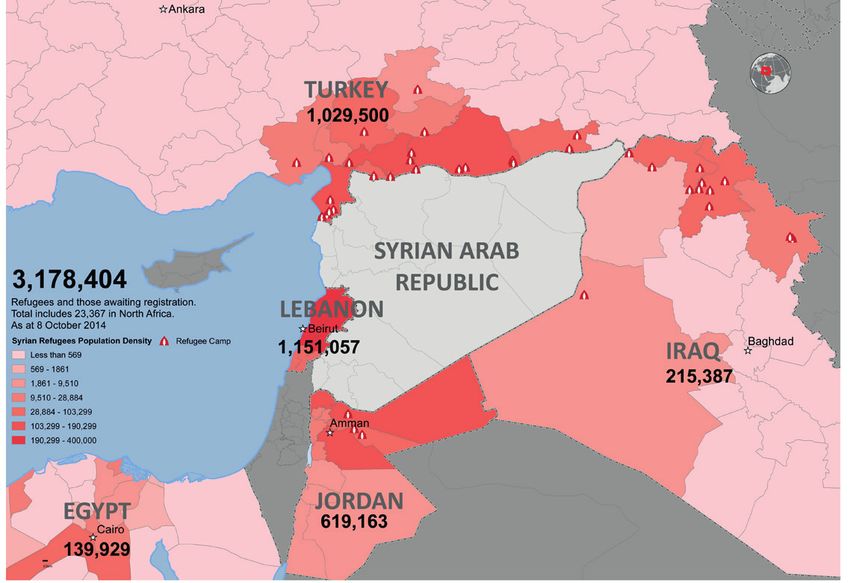
Acronyms and abbreviations

      AOG      Armed opposition group
     CCCM      Camp Coordination and Camp Management Cluster
        IDP    Internally displaced person
         ISF   Iraqi Security Forces
       ISIL    Islamic State of Iraq and the Levant
       KR-I    Kurdistan Region in Iraq
     KRG-I     Kurdistan Region Government in Iraq
      MOH      Ministry of health
      NGO      Nongovernmental organization
     OCHA      Office for the Coordination of Humanitarian Affairs
       PHC     Primary health care
      PTSD     Post-traumatic stress disorder
     SGBV      Sexual and gender-based violence
         STI   Sexually-transmitted infection
    UNAMI      United Nations Assistance Mission for Iraq
    UNHCR      Office of the United Nations High Commissioner for Refugees
     WASH      Water, Sanitation and Hygiene Cluster
      WHO      World Health Organization

2                                                                               Conflict and humanitarian crisis in Iraq
                                                    Public health risk assessment and inverventions - 24 October 2014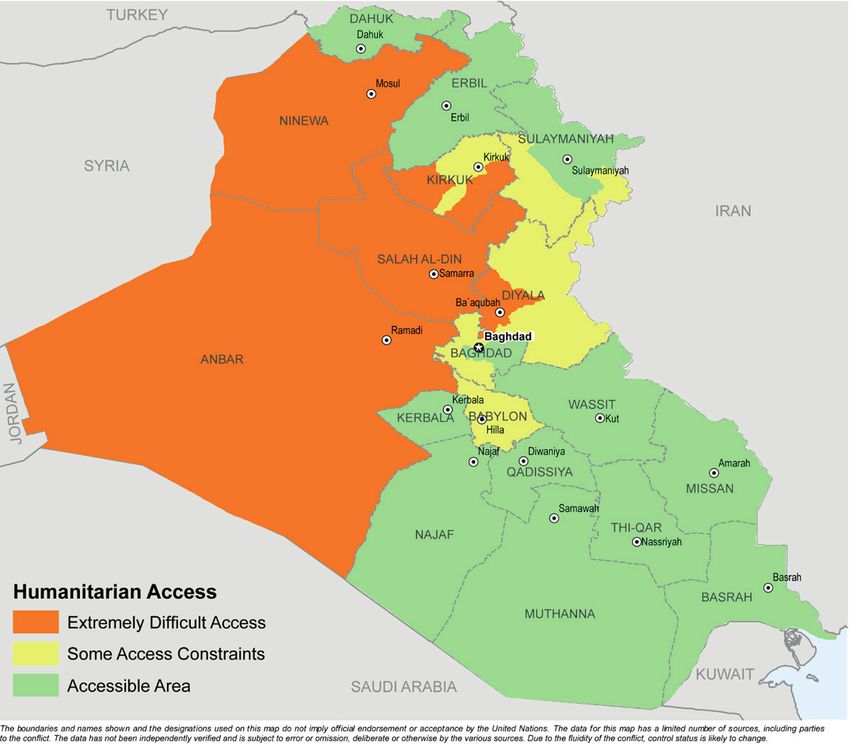
Preface

    The purpose of this public health risk assessment is to provide all health
    sector partners, including professionals of local and national authorities,
    non-governmental organizations (NGOs), donor agencies and United Nations
    agencies currently working with populations affected by the emergency in
    the Republic of Iraq, with up-to-date technical guidance on the major public
    health threats faced by the affected population.

    The topic areas addressed have been selected on the basis of the burden
    of morbidity, mortality and potential for increased burden of disease in the
    affected areas.

    Public health threats represent a significant challenge to those provid-
    ing health-care services in this evolving situation. It is hoped that this risk
    assessment will facilitate the coordination of activities among all partners
    working among the populations currently affected by the crisis and that
    it helps in guiding needs assessments and the orientation of emergency
    health response strategies.

3                                                                         Conflict and humanitarian crisis in Iraq
                                              Public health risk assessment and inverventions - 24 October 2014
Executive summary

    Iraq has a long history of social unrest and population displacement dating
    back to the early 1990s. Several decades of conflict, which has undermined
    socioeconomic development and resulted in degradation of national infra-
    structure coupled with a recent resurgence of violence in the region,
    means that the country now faces a complex emergency situation and
    humanitarian crisis.

    As a result of Islamic State of Iraq and the Levant (ISIL) offensives and the
    Anbar crisis, more than 1.8 million Iraqi people have been newly displaced
    since January 2014. The security situation in Anbar, Diyala, Ninewa and
    Salah-al Din remains volatile and unpredictable, rendering humanitarian
    access to these regions highly problematic (see figure 1.1 below). In the
    north-eastern parts of the country, host communities are facing difficulties
    in assisting both the newly displaced Iraqi population and over 213 000
    Syrian refugees who have settled in this region over the last two years.
    Population displacement on this scale is severely testing the capacity and
    resilience of existing public services, including health systems.

    The conflict situation continues to evolve as new military offensives cause
    further eruptions of violence across the region. Further displacements may
    result as a consequence.
    Figure 1.1 Humanitarian access as of 9 September 2014

                       Source: Office for the Coordination of Humanitarian Affairs, 2014

4                                                                               Conflict and humanitarian crisis in Iraq
                                                    Public health risk assessment and inverventions - 24 October 2014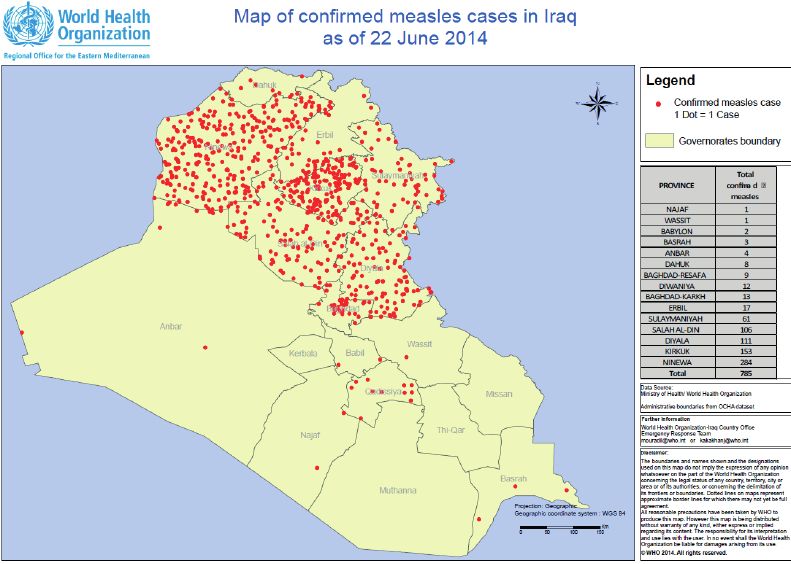
Crisis impact
    Displacement

    There have been four distinct waves of internal population displacement since
    the start of 2014, in January, June, August and October. An estimated 500 000
    people fled Mosul on 10 June alone, including a number of Palestinians who,
    already stateless, have been subjected to secondary displacement.

    Those who were displaced earlier on (i.e. in the early waves of displacement
    occurring in January and June) have had more opportunities to find
    accommodation within their host communities, staying either with friends
    or family, in rented houses or hotels. However, the more recently displaced
    have been forced to settle in either public facilities, makeshift shelters or
    other communal living arrangements which makes their situation extremely
    precarious, especially as the winter season approaches.

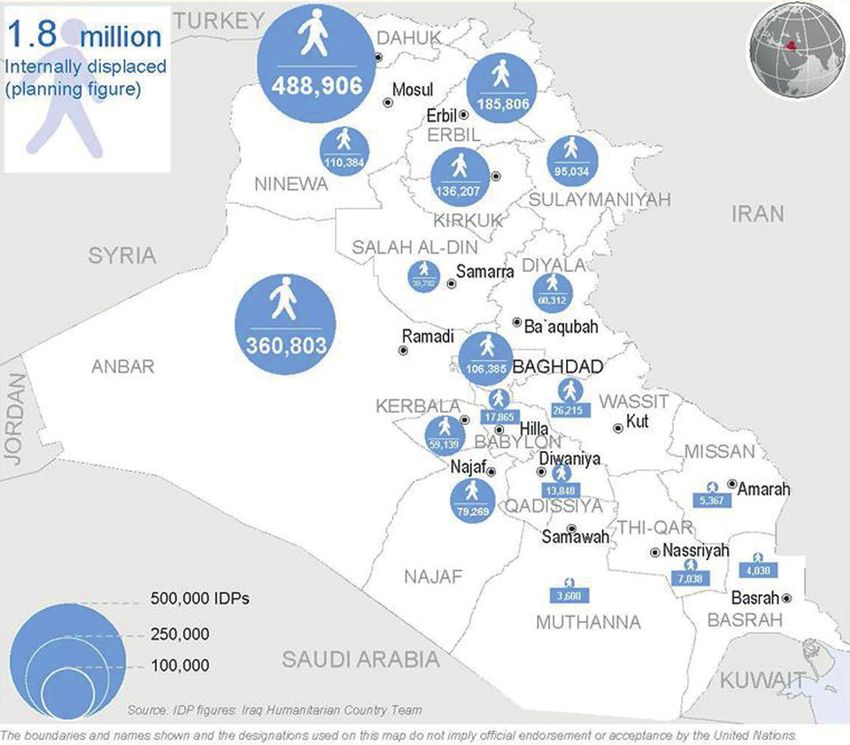
    Many of Iraq’s 1.8 million newly displaced persons (IDPs) are now spread
    across approximately 26 IDP camps and over 1700 informal IDP sites (see
    map below) and face an uncertain future. The impact of the new crisis on
    the 215 000 Syrian refugees hosted in 11 camps in Iraq is not clear at the
    current time but their situation is being monitored closely by the United
    Nations Assistance Mission for Iraq (UNAMI and UNHCR). At least 300 000
    people, mainly from Yazidi families, are known to have moved into the
    Sinjar mountains, straining yet further the resources of the host communities.
    Figure 1.2 Displacement by destination 14 September 2014

                  Source: Office for the Coordination of Humanitarian Affairs, 2014

5                                                                                 Conflict and humanitarian crisis in Iraq
                                                      Public health risk assessment and inverventions - 24 October 2014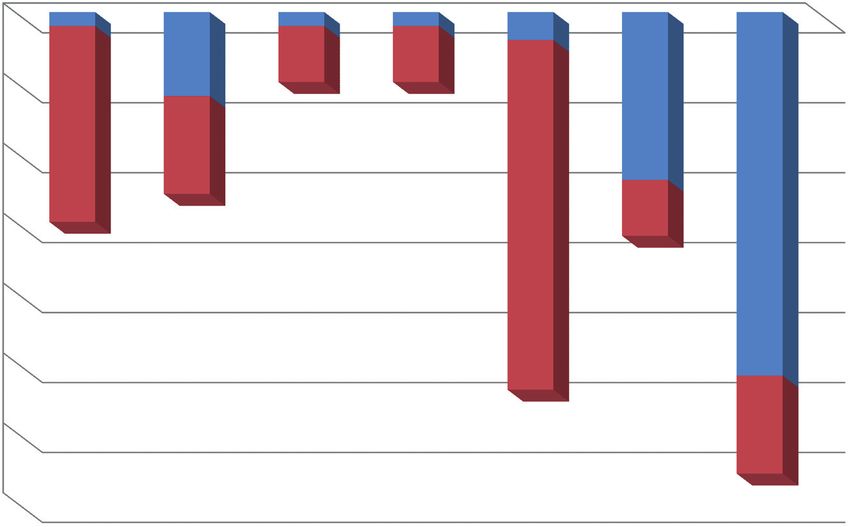
Health System impacts
    In many areas, the health infrastructure and access to health services have
    been disrupted due to the conflict. In the security-compromised governorates
    of Anbar, Diyala, Kirkuk, Ninewa and Salah-al Din a number of health facilities
    have been damaged by bombing and shelling.

    In active conflict zones, service delivery problems caused by damaged infra-
    structure are compounded by interruptions in the supply of medicines and by
    fuel shortages which have contributed to the disruption of electricity and
    water supplies to hospitals, health centres and vaccine stores. Staff shortages
    are also adding to the difficulties in providing adequate health care. Around
    50% of the specialized health care staff has left Anbar, Dyiala, Ninewa and
    Salah-al Din since June 2014.

    At present, many health facilities across Anbar, Diyala, Kirkuk, Ninewa and
    Salah-al-Din are experiencing frequent shortages of staff, electricity, medical
    supplies and/or water. Since July, the routine immunization programme has
    been severely disrupted. An estimated 80% of health facilities are not func-
    tional in the conflict-affected area of Sinjar due to a combination of a lack of
    health personnel and medical supplies (see figure 1.3).
    Figure 1.3 Status of functioning health facilities in Ninewa Governorate

    35
          Non functional
          Functional
    30                                                                                     7

    25

    20

    15                                                     25               4             26
    10                    7
            14
                                                                           12
     5
                          6            4          4
             1                         1          1         2
     0
         Tel Kaif   Al-Hamdaniya   Makhmoor   Sheikhan   Sinjar        Al-Ba'aj        Tel Afar

                                                          Source: WHO Regional Office for Iraq

    Immediate priorities for health response
    In terms of health impacts, Anbar, Dahuk, Diyala, Erbil, Kirkuk, Ninewa,
    Salah-al Din and Sulaymaniyah are considered to be the worst affected
    governorates. Populations considered to be most at risk are children under
    five years of age, women who are pregnant or of childbearing age, people
    vulnerable to violence and sexual or gender-based violence (SGBV) and the
    elderly, especially those from single households.

6                                                                                    Conflict and humanitarian crisis in Iraq
                                                         Public health risk assessment and inverventions - 24 October 2014
Health sector priorities
Priority interventions include the following:
a. Restore emergency and essential primary and secondary health services,
including medical referral services and ensure availability of life-saving
emergency services for the affected populations
b. Address trauma and emergency surgical conditions (abdominal and others).
c. Provide reproductive health care, especially safe deliveries, obstetric and
neonatal care and care for victims of SGBV.
d. Ensure continuity of treatment of chronic conditions and noncommuni-
cable diseases.
e. Procure, store and distribute life-saving and essential medicines and
supplies.
f. Provision of safe drinking water, adequate sanitation and hygiene facilities.
g. Strengthen disease surveillance and early warning response systems for
outbreak-prone diseases.
h. Strengthen preparedness for, prevention and management of, the most
common infectious diseases (diarrhoeal diseases, respiratory tract
infections), and prepare for the upcoming winter season.
i. Ensure availability of integrated vaccination services, with a focus on
measles and polio.
j. Address child health, including referral and care of children with medical
complications of severe acute malnutrition.
k. Ensure wider provision of emergency mental health and psychosocial
care.
l. Promote infection control in health-care facilities, including safe transfusion
and medical waste management; enhance coordination among health
facilities.
m. Disseminate public health risk communications to the public.
n. Provide protection for health-care workers and health facilities in
conflict zones
o. Ensure that people have access to the minimum set of HIV prevention,
treatment and care services; ensure continuity of treatment for tuber-
culosis (TB) in an integrated way.
p. Ensure appropriate access, joint planning and an integrated approach
to the response by working with other priority clusters, in particular the
Protection, Shelter, Water, Sanitation and Hygiene (WASH) and Camp
Coordination and Camp Management (CCCM) clusters.
7 Conflict and humanitarian crisis in Iraq
Public health risk assessment and inverventions - 24 October 2014Non-health sector priorities impacting health
Priority interventions include the following:
a. Provision of sufficient and safe drinking water.
b. Provision of adequate sanitation and hygiene facilities.
c. Provision of safe food, including complementary food for children under
two years of age.
d. Provision of adequately-sized and ventilated shelter and housing.
8 Conflict and humanitarian crisis in Iraq
Public health risk assessment and inverventions - 24 October 20141. Background
and risk factors
1.1 Country information
Recent political history: In October 2005, the Iraqi people approved a new
constitution and in December 2005 duly elected Iraq’s first full-term consti-
tutional government in nearly a half century. In January 2009 and again in
April 2013, elections for provincial councils were held in all but four of the
country’s governorates, the Kirkuk Governorate and the three governorates
comprising the Kurdistan Region Government in Iraq (KRG-I). A national
legislative election was held in March 2010 and the new government was
approved in December 2010.
Demographic data: Iraq’s population tripled between 1970 and 2010, from
just over 10 million to around 33 million, and according to United Nations
Population Division estimates, is set to quadruple to almost 50 million by
2030. The Iraqi population is relatively young, with over a third of the popu-
lation aged under 15 years (see Box 1.1). Approximately two thirds (66%) of
the population live in urban areas, although the proportion varies signifi-
cantly across the regions. Baghdad has the highest urban population (93%),
whereas Diyala has the highest rural population (56%). Although fertility
rates have decreased over the past decade, fertility in Iraq remains high,
with a national average total fertility rate of 4.3 (see Box 1.1).
Box 1.1 Democraphic data: key demographic indicators
Total population (2011) 33 227 000
Population growth rate
% per year (2011) 3.5
Crude birth rate
per 1000 people (2011) 38.0
Crude death rate
per 1000 people (2011) 4.2
Life expectansy at birth
years (2010) 72.7
Fertility rate
number of births per woman (2010) 4.3
Urban population
% of total (2010) 66.0
Source: Democraphic, social and health indicators for countries of the
Eastern Mediterranean 2012. WHO Regional Office for Eastern Mediterranean
9 Conflict and humanitarian crisis in Iraq
Public health risk assessment and inverventions - 24 October 2014Box 1.2 Population age distribution 2014 (estimated)
Both sexes
Age group Males Females
No (% of total)
All ages 32 585 692 (100.0) 16 503 474 16 082 218
Under 15 years 11 971 659 (36.7) 6 093 069 5 878 590
15 - 24 years 6 379 414 (19.6) 3 237 212 3 142 202
25 - 54 years 11 818 346 (36.3) 6 032 379 5 785 967
55 - 64 years 1 366 635 (3.2) 652 973 713 662
Over 65 years 1 049 638 (3.2) 487 841 561 797
Source: CIA Factbook
Box 1.3 Box 1.4 Box 1.5
Languages Ethinc groups Religions
Muslim 99%
Arabic (Official language) Arab 75-80%
(60-65% Shia, 32-37% Sunni)
Kurdish (Official language) Kurdish 15 - 20% Christian 0.8%
Turcoman, Others 2%
Turkmen1 (a Turkish dialect) (Hindu, Buddhis, Jewish,
Assyrian or other 5% folk religion)
Assyrian1 (Neo-Aramaic)
Armenian
1
Official language in areas
where speakers constitute the Source: WHO Country data
majority of the population
Iraq is prone to various natural hazards, including flooding, heat waves and
high winds. There is also a significant earthquake risk in the north-western
part of the country. In addition, the country faces the threat of infectious
disease outbreaks (such as cholera and measles), which along with social un-
rest continues to adversely impact Iraq’s potential for economic development.
10 Conflict and humanitarian crisis in Iraq
Public health risk assessment and inverventions - 24 October 20141.2 Crisis impact
Iraq has a history of social unrest and population displacement that dates
back to the early 1990s. Several decades of conflict, which has undermined
socioeconomic development and resulted in degradation of national infra-
structure and health systems coupled with a recent resurgence of violence
in the region, means that the country now faces a complex emergency
situation and humanitarian crisis.
As a result of Islamic State of Iraq and the Levant (ISIL) offensives and the
Anbar crisis, some 1.8 million Iraqis have been newly displaced from their
homes since January of this year (see figure 1.2). These displacements took
place in four main waves, in January, June, August and most recently in
October 2014. It is estimated that some 500 000 Iraqis fled their homes in
Mosul on 10 June alone, including a number of Palestinian families who
were already stateless and have been subjected to secondary displacement.
Those leaving Mosul have tended to move either from the west bank to the
east bank of the city, to other parts of the Ninewa Governorate, or further
north to the Kurdistan Region. Movement to the latter region has since
been restricted as the KRG-I will only permit entry to those with family or
a sponsor already residing in the Kurdistan Region.
Many of Iraq’s 1.8 million internally displaced persons (IDPs) are residing
in the 26 IDP camps and 1700 informal IDP sites that have been set up
across the country (see figure 1.2). Those that were displaced earlier in
the crisis (January and June) have been more likely to find accommodation
within host communities, whereas the more recently displaced (August)
have been forced to settle in public facilities and makeshift shelters, or
make other communal living arrangements. For example, up until relatively
recently, almost 80% of the displaced population who arrived in the Kurdistan
Region have been housed within host communities, spread among friends
and families, rented houses and hotels. The remaining 20% are living in
public spaces and houses under construction and are in urgent need of
food, water, shelter and access to health care and other non-food items.
Their situation is becoming increasingly precarious as savings run out and
as winter approaches.
The scale of the recent displacement places a severe burden on public
services, including the health system, and comes on top of earlier widespread
displacement in the region, largely as a consequence of the Syrian conflict.
Over the past few years, close to a quarter of a million (215 000 million)
Syrians have left their homes and have settled in northern parts of Iraq
(see figure 1.4). It is believed that at least 300 000 people, mainly Yazidis,
have moved into the Sinjar mountains.
Ongoing assessments indicate that displaced families are continuing to
move, often on a daily basis. IDP settlements appear to be poorly organized
and there are reports that some individuals are deliberately concealing their
displacement status. These factors make it extremely difficult to establish
needs. Moreover, the situation is constantly changing: new military offensives
and eruptions of violence make further waves of displacement a likely scenario.
In addition to the challenges created by large numbers of IDPs, the volatile
security situation in Anbar, Diyala, Ninewa and Salah-al Din is making
humanitarian access highly problematic. The lack of humanitarian access
11 Conflict and humanitarian crisis in Iraq
Public health risk assessment and inverventions - 24 October 2014to areas controlled by armed opposition groups is rendering upwards of
two million people, including children, extremely vulnerable to public health
risks (see figure 1.3). Those considered to be most at risk include children
under five years of age, women who are pregnant or of child-bearing age,
people vulnerable to violence and sexual or gender-based violence (SGBV)
as well as the elderly, especially those from single households.
1.3 Current health situation
Across Iraq, health
system functioning and
access to health services
have been disrupted due
to the conflict in Anbar,
Dahuk , Diyala, Erbil,
Kirkuk, Ninewa, Salah-al
Din and Sulaymaniyah
are currently considered
to be the worst affected
governorates in terms
of health needs. In the
Photo: WHO/ Saad Al-Dahwi
security compromised
governorates (Anbar, Diyala, Kirkuk, Ninewa and Salah-al Din) a number of
health facilities have been damaged by bombing and shelling; substantial
damage to three health facilities has been reported. Casualties among civil-
ians and the Iraqi Security Forces (ISF) running into the hundreds had been
reported in these areas; the highest numbers of casualties appear to come
from the Ninewa Governorate and its capital Mosul, and the parts of the
Diyala and Salah-al Din Governorates that lie towards the north of Baghdad.
In addition to infrastructure damage, health-care provision is being com-
promised by shortages of staff, fuel and electricity, medicines and other
medical supplies, and clean water. It is reported that around 50% of the
specialized health personnel have left Anbar, Dyiala, Ninewa and Salah-al
Din since June 2014 and that 80% of health facilities in the conflict-affected
area of Sinjar are not functioning due to a combination of a lack of health
personnel and medical supplies (figure 1.3). From July onwards, the routine
vaccination programme has been severely affected by the conflict.
Situation in Mosul
Most of the 14 hospitals in the Mosul region (nine within the city itself and
five outside Mosul), are fully functional with the exception of one in Mosul
(Ibn Sina Hospital) – which was damaged by a strong explosion but still has
two functioning units (paediatrics and dialysis unit) –and one outside Mo-
sul. The main food contractor for the hospitals has left Mosul, so the local
community is donating food for patients in hospitals. All primary health care
centres in Mosul are functioning, although the staffing levels are down to
30–50%. At the time of writing, there are no reported shortages of medicines
in Mosul.
12 Conflict and humanitarian crisis in Iraq
Public health risk assessment and inverventions - 24 October 2014However, the lack of security in Mosul and the surrounding areas is making
it difficult for the population to access basic supplies and health services to
meet their needs. These problems are compounded by the lack of humani-
tarian space and secure access to conduct needs assessments and provide
medical support. Shortages in fuel are anticipated to have a critical impact
on the functionality of health facilities and the vaccination cold chain.
Situation in the Kurdistan Region of Iraq
In north-eastern parts of Iraq, the health system has been struggling to
cope with the pressures caused by the arrival of almost a quarter of a mil-
lion Syrian refugees over the past two years. These pressures are now being
compounded by the additional influx of IDPs, many of whom originate from
the north-western parts of the Ninewa Governorate and who fled from
armed opposition forces when they took control of Tal Afar.
While health indicators for the Kurdistan Region are generally better than
those for the rest of Iraq, catering for an additional 550 000 people (Syrian
refugees and new IDPs) is stretching the capacity of the region’s hospitals
and primary health care facilities well beyond their capacity. This is likely to
translate into an increased threat of infectious disease outbreaks (due to
the strain placed housing, water supply and sanitation services and the dis-
ruption to routine immunization programmes), greater maternal and child
mortality and morbidity (due to reduced access to basic health care, im-
munization and emergency obstetric care) and compromised care for those
with chronic diseases, disabilities and mental health problems.
Figure 1.4 Destination of Syrian refugees, as of 8 October 2014
Source: Office of the United Nations High Commissioner for Refugees, 2014
13 Conflict and humanitarian crisis in Iraq
Public health risk assessment and inverventions - 24 October 20142. Priority health concerns
As the conflict situation is still evolving, the full extent of the humanitarian
crisis in Iraq has yet to be seen. Health concerns are thus also in a state
of flux and the situation demands continual reassessment. What is clear
however, is that the country faces complex and multiple threats to public
health as a result of a combination of damage to the physical infrastructure
of health facilities (hospitals, primary health care clinics), reduced numbers
of health workers (doctors, nurses, paramedics), disruptions to supply
chains and large-scale displacement of the civilian population. The situation
is especially acute in and around Mosul and other security-compromised
areas and in the Kurdistan Region to the north of the country which is host
to large numbers of displaced persons.
2.1 Access to health services
Risk assessment
Health system functioning has been severely disrupted across much of the
country due to the ongoing conflict. Access to health services is thus prob-
lematic for many Iraqis, both in the government- controlled areas and in
the AOG-controlled areas where international aid organizations are work-
ing to deliver essential services to the civilian population under difficult
circumstances. For many, the barriers to access are also financial: many of
Iraq’s 1.8 million IDPs cannot afford expensive health care as their financial
resources and reserves are used up in securing more basic items such food
and shelter.
On top of the problems caused by extensive infrastructure damage, many
health facilities are struggling to maintain basic service levels due to supply
issues. Availability of key health resources, including medicines and medical
supplies, have been compromised due to road inaccessibility, particularly
in the wake of major disruption to the health supply chain from Baghdad in
June. Fuel shortages have also contributed to further disruption in the sup-
ply of electricity and water to hospitals, health centres and vaccine stores,
particularly in active conflict zones.
Many health facilities across the country are currently experiencing acute
shortages of medicines and medical supplies and are no longer able to cope
with health needs of the local population, especially in regions that are host
to large numbers of IDPs. This is particularly a problem in Anbar, Dahuk,
Dyiala, Erbil, Kirkuk, Ninewa, Salah-al Din and Sulaymaniya where supply
chain interruptions have been especially frequent . As a result of popula-
tion displacements, many health-care facilities are having to operate with
much reduced staffing levels, as low as 50% in some areas.
14 Conflict and humanitarian crisis in Iraq
Public health risk assessment and inverventions - 24 October 2014In addition to disruptions to basic health-care services, including routine
vaccination programmes, the prevailing insecurity and ethnic nature of
the crisis is challenging patient referral for chronic conditions, thus further
increasing the likelihood of death and long-term disability (see section
2.3: Noncommunicable diseases). Emergency services are also being se-
verely compromised. With the recent escalation in the level of violence, the
number of people presenting with wounds and injuries has risen, and now
account for the largest proportion of surgical interventions. The manage-
ment of the injured is further complicated by delays in presenting for care,
the limited access to skilled personnel and the lack of appropriate infec-
tion control measures or equipment. Complications of untreated injuries,
pregnancy and abdominal conditions include death, infections, tetanus and
long-term disability.
Priority interventions
In light of the ongoing situation, the functional and structural safety of
health facilities remains a priority for the whole country. Interventions
should prioritize the provision of primary health care services to the dis-
placed population through primary health care (PHC) centres and mobile
clinics with the support of international and national NGOs. The minimum
package of services should include both basic curative and preventive
health services, as well as emergency obstetric care and care for noncom-
municable diseases, disabilities and mental health.
In order to fill the gaps in supplies, health cluster partners need to focus on
providing medicines, vaccines, medical supplies, medical equipment to PHC
centres and hospitals, as well as disability aid, to areas with a high influx of
IDPs and to security-compromised areas. By providing incentives to minis-
try of health staff, health cluster partners can support overwhelmed health
facilities and enhance service delivery to IDPs and host communities.
Prioritizing supplies for the functional health facilities and enhancing the
outreach of the referral system for secondary and specialized care (e.g. ob-
stetric, trauma, chronic diseases and disabilities) will help ensure emergen-
cy management capacity of the health system and will contribute to reduc-
ing death and long-term disability. Mass casualty management is another
area where capacity needs to be built as a matter of priority.
15 Conflict and humanitarian crisis in Iraq
Public health risk assessment and inverventions - 24 October 20142.2 Communicable and infectious diseases
Risk assessment
The escalation of fighting in Iraq coupled with large-scale population
displacements increases the risk of outbreaks of infectious diseases and
presents major challenges for the control of such diseases. Early indications
are that the prevalence and incidence of several communicable diseases
(e.g. measles, diarrhoea, hepatitis, typhoid) have increased since the onset
of the crisis (see figure 2.1).
Figure 2.1 Confirmed measles cases, June 2014
Source: WHO, 2014
Critical health risks of concern to WHO include the spread of measles and
other communicable diseases that are spread from person to person
through respiratory droplets (such as diphtheria, influenza and pertussis, as
well as acute respiratory infections), especially in overcrowded areas where
internally-displaced persons are located. Among this group of diseases,
measles (endemic in Mosul) is of immediate concern, given the scale of
recent outbreaks which occurred in 2008 and 2010 and again in 2014
starting in the north of the country.
Rates of acute respiratory infections (ARIs), already a leading cause of mortality
and morbidity among the under-fives in Iraq, are expected to rise as a direct
consequence of the current crisis. Low birth weight, malnourished and non-
breastfed children and those living in overcrowded conditions are at higher
risk of acquiring pneumonia.
Infants of less than six months of age, who are not breastfed have five times
the risk of dying from pneumonia than infants who are exclusively breastfed
for the first six months of their life. Available data indicate that only a third
of Iraqi mothers are able to recognize the early signs and symptoms of
respiratory distress.
16 Conflict and humanitarian crisis in Iraq
Public health risk assessment and inverventions - 24 October 2014Polio as re-emerged has public health concern in the country. After 14 years
of being polio free, Iraq recorded its first polio case in early 2014 in Baghdad.
Since then one further case has been recorded. Both of these new wild
polio cases have been linked to the Syrian refugee population. With low
levels of routine immunization and high numbers of unvaccinated or
under-immunized children, especially in the conflict zones, the region is
now vulnerable to a larger outbreak of polio.
Structural damage to water supply and sewerage systems and poor
environmental health conditions in overcrowded IDP camps has meant
that the incidence of water-related infectious diseases, in particular diarrhoeal
diseases, has risen in several parts of the country, especially in the hard-
to-reach areas. Pressures on housing, water supply and sanitation have also
increased threat of further cholera outbreaks, especially in the Kurdistan
Region of Iraq where cholera is endemic and there are high numbers of
new IDPs. A large-scale outbreak in 2007 (4696 suspected cases, including
24 deaths) was followed by smaller outbreaks in 2008, 2009 and 2010.
So far this year several cholera alerts have been issued in the region but
no confirmed cases of cholera have been reported.
Deterioration of hygiene and sanitary situations in temporary shelters and
IDP camps also increases the risk of contracting hepatitis (A and E), which
is spread by the ingestion of contaminated food and water. The risk of the
spread of several other endemic water- and food-borne diseases, including
typhoid fever (Salmonella typhi), Crimean Congo haemorrhagic fever and
leishmaniasis, is also increased; of these, typhoid is of greatest concern
given the country’s recent history of outbreaks (in 2007,2008, 2009 and
2010) and the frequent interruptions of electricity and water supplies during
the summer months of 2014 which have already resulted in a number
of new cases.
The malaria risk is perceived to be relatively low. No indigenous cases have
been reported in Iraq since 2009. The last indigenous case due to P. falciparum
was reported in 1969, while the last two local cases due to P. vivax were
recorded in 2008. Imported malaria cases originate from African and
South-East Asian countries, but their numbers are very low and do not
exceed several cases a year (11 imported cases were reported in 2011).
In terms of chronic communicable diseases such as tuberculosis (TB) and
HIV/AIDS, the primary concern is the public health risk posed by the
discontinuation and/or disruption of services and medicines used to manage
those with these conditions. After peaking in 2011 (a notification rate of 28
cases per 100 000 population and 9248 reported cases), the incidence of TB
had been steadily declining in more recent years as a result of the
implementation of a revitalized national tuberculosis programme in 2012.
The prevalence of HIV infection remains relatively low in Iraq (at less than
0.1%), with the majority of cases occurring in men and haemophiliacs (of
the 269 cases registered between 1986 and 2007, 85% are males and 77%
are haemophiliacs who became infected in the early 1980s).
17 Conflict and humanitarian crisis in Iraq
Public health risk assessment and inverventions - 24 October 2014Priority interventions
Interventions to tackle the priority health concerns include sustaining and
upgrading immunization programmes, especially for measles. Recent
outbreaks, including one in 2014, highlight the need for further vigilance
and to boost routine coverage of infants with the measles vaccine through
national and subnational supplementary campaigns, with the aim of achieving
coverage targets of at least 90% nationwide and 80% in every district.
Currently access to safe drinking water and sanitation is poor, with 21% of
households unable to access an improved water source and 16% without
proper sanitation. Improving access to clean drinking water and sanitation
will require strengthening both inter-sectoral and cross-sectoral coordination
(see section 2.7 Environmental health).
Ensuring the sustainability of key infectious disease programmes (e.g. for
typhoid, hepatitis A, hepatitis E, Crimean Congo haemorrhagic fever and
leishmaniasis), as well as continuity of care for those with TB and HIV
infection, is another immediate priority. Rapid identification of those on
treatment for TB and HIV infection and prompt resumption of services are
vital to ensure continuity of care. In the case of TB, it is crucial to reduce the
risk of development and spread of multidrug-resistant tuberculosis
(MDR-TB) and extensively drug-resistant tuberculosis (XDRTB). Given that
sexual transmission is now the dominant mode of HIV transmission in the
country, there is a need to raise awareness about the health risks of
unprotected sex.
2.3 Noncommunicable disease
Risk assessment
In the current crisis, people suffering from chronic diseases (e.g. diabetes,
hypertension) are experiencing reduced access to medications because of
disruptions in the supply chains (see section 2.1 Access to health services).
Shortages inevitably cause price rises, placing medications beyond the
reach of many or at the very least act as a severe drain on family incomes
and resources. The regular monitoring of patients suffering from chronic
diseases is also being compromised especially in areas with disrupted,
non-functional and overburdened health services.
In the absence of routine management, chronic sufferers of the major
noncommunicable diseases will experience more severe health problems
and are also more likely to die to as a result of their condition. Increases in
the incidence of acute myocardial infarction, ischaemic stroke, severe and
life-threatening asthma attacks, epilepsy attacks and diabetic complications
such as limb gangrene ketoacidosis and blindness are thus likely longer-
term consequences of the current crisis.
18 Conflict and humanitarian crisis in Iraq
Public health risk assessment and inverventions - 24 October 2014Priority interventions
Given that unmanaged noncommunicable diseases place a considerable
burden on health services, efforts should be focused on emergency treat-
ment of exacerbations of disease (e.g. diabetes, hypertension, stroke), as
well as minimizing treatment interruptions.
Figure 2.3 Burden of noncommunicable diseases, mental health and injuries1, 2011
(% of total deaths, all ages)
Noncommunicable diseases
Communicable diseases
Communicable,
maternal, prenatal and
nutritional conditions 24%
Injuries
32%
Other noncommunicable
diseases 9%
Diabetes 1% Cardiovascular
Respiratory diseases 2% diseases
Cancer 7% 25%
Source: Noncommunicable disease country profiles 2011. Iraq. Geneva, World Health Organization, 2011
(http://www.who.int/nmh/countries/irq_en.pdf, accessed 1 July 2013).
2.4 Mental health
Risk assessment
Despite a decade-long active mental health programme, prevalence of
mental health disorders remains high in Iraq (12-month prevalence is
estimated to be 11%) while service provision remains low (the treatment
gap for management of mental health disorders is estimated at 94%).
Although Iraq boasts a substantial number of highly competent and skilled
psychiatrists, the majority are based in the major urban centres, leaving
much of the country without provision. Psychosocial care and support for
post-traumatic stress disorders (PTSDs) is especially inadequate.
Six trauma centres have been established: two in Baghdad, one in Mosul,
one in Basra, one in Dahuk and one in Diwaniyah.
Priority interventions
Given the already high numbers of individuals with mental health disorders,
and an anticipated increase in the incidence of a range of mental health
1
In 2011, noncommunicable diseases, including heart disease, stroke, cancer, respiratory diseases and
diabetes, accounted for 44% of all deaths in Iraq (figure 2.3). Morbidity from these conditions is also sig-
nificant; the most frequently reported chronic conditions among the higher age groups are high blood
pressure (41.5 cases per 1000 population), diabetes (21.8 cases per 1000), joint diseases (18.6 cases per
1000), heart disease (12.0 cases per 1000) and gastrointestinal disease (11.2 cases per 1000), accord-
ing to the Iraq family health survey for 2006/2007. Immediately prior to the crisis, integration of the
management of noncommunicable diseases at primary health care centre level had achieved a near 50%
coverage, with a focus on management of hypertension and diabetes.
19 Conflict and humanitarian crisis in Iraq
Public health risk assessment and inverventions - 24 October 2014disorders as a result of the current crisis2 , continued and rapid development
of mental health programmes is a high priority. When developing services,
it is important to differentiate between normal psychological distress
and moderate or severe mental disorders. Normal psychological distress
may be reduced through supporting culturally appropriate mourning and
community-self-help and by providing psychological first aid to people in
acute distress after an exposure to extreme stressors and other forms of
non-clinical psychosocial support. The latter can be made available through
programming in different sectors.
Moderate or severe mental disorders require clinical treatment, in addition
to psychosocial support. Continued access to care should be assured for
people with severe mental disorders.
2.5 Reproductive and sexual health
Risk assessment
The escalation of conflict in Iraq is putting the reproductive health of women
at risk. Access to reproductive health services, including obstetric emergency
care, is badly affected in conflict areas and also in regions where large numbers
of IDPs are placing a heavy burden on existing health services.
Reliable data on reproductive and sexual health are limited, but what data
are available suggest that service coverage is patchy. Although the rate of
first-visits to antenatal care facilities is relatively high, the percentage of
pregnant women who attend for the recommended number of visits (four
and above) is still low (29%). The same is true for postnatal coverage (41%)3.
Prior to 2014, around a third of all births took place outside health-care
institutions, yet over a fifth (22%) of deliveries are classed as high risk and in
need of advanced medical support4. Rates of maternal mortality in Iraq are
moderately high but estimates vary widely, from 63 maternal deaths per
100 000 live births5 to 24 per 100 000 live births6.
It is anticipated that in the wake of the crisis, the proportion of births taking
place outside health-care institutions and without specialist obstetric care
will increase, with possible longer-term consequences for maternal and
neonatal mortality.
A further concern is a possible rise in the level of sexual and gender-based
violence (SGBV)7, which often occurs in the context of conflict and may be
commanded or condoned as a tactic of war. Sexual violence can have multiple
physical, psychological and social effects on survivors, their social networks
2
WHO projects that, on average, in emergency situations the percentage of people with a severe mental
disorders (e.g. psychosis, severely disabling presentations of mood and anxiety disorders) increases by
1% over and above the baseline level, and that the percentage of people with mild or moderate mental
disorders (most presentations of mood and anxiety disorders) increases by 5-10% above baseline.
3
Ministry of Health, 2009
4
See: http://www.who.int/gho/countries/irq.pdf?ua=1
5
United Nations Maternal Mortality Estimation Inter-Agency Group, 2010
6
Ministry of Health, 2011
7
Sexual and gender-based violence includes rape, sexual slavery, forced prostitution, forced pregnancy,
enforced sterilization, or any other form of sexual violence against women, men, girls or boys.
20 Conflict and humanitarian crisis in Iraq
Public health risk assessment and inverventions - 24 October 2014and their communities. Sexual and reproductive health consequences in-
clude sexually transmitted infections, HIV infection, unwanted pregnancies,
unsafe abortions, gynaecological problems and physical injuries. Psychological
and mental health consequences include non-pathological distress (such as
fear, sadness, anger, self-blame, shame, sadness or guilt), anxiety disorders
(including PTSD), depression, medically unexplained somatic complaints,
and alcohol and other substance use disorders, as well as suicidal ideation
and self-harm. Social consequences include stigma and its sequelae, in
particular, social exclusion, discrimination, rejection by family and community,
and further poverty.
Priority interventions
Response action in humanitarian emergencies should address “safe pregnancy”
with “safe delivery” and ensure uninterrupted access to emergency obstetric
care. Recommended priority interventions for victims of sexual and other
forms of gender- based violence include medical case management (e.g.
prevention and treatment of sexually transmitted infections (STIs) including
post-exposure HIV prophylaxis) and provision of community-based psycho-
social support.
2.6 Infant and child health
Risk assessment
A large proportion (around 50%) of the Iraqi population is under the age of
20 years. Infants and children under the age of five years in particular are at
high risk of repeated episodes of diarrhoeal disease because of unsanitary
environmental conditions, unsafe water supply and poor hygiene practices,
conditions which have been steadily worsening since the onset of the current
crisis. Rates of malnutrition are also high in this age group. According to a
survey conducted in 20128, acute malnutrition (wasting) is running at 7%,
underweight at 8% and chronic malnutrition (stunting) at 22%.
Diarrhoeal and acute respiratory infections, compounded by malnutrition,
already account for two thirds of deaths among children under 5 years of
age, and the numbers are likely to increase.
Priority interventions
It is important that vulnerable groups, especially young children, pregnant and
lactating women, and older persons continue to have access to appropriate
and adequate food.
Over and above this, breastfeeding should be supported and actively pro-
moted, in accordance with the inter-agency Operational Guidance on Infant
Feeding in Emergencies9. Breastfeeding is the single most important protect-
ing factor for reducing child mortality and morbidity, particularly in emergency
settings where there is not only a heightened risk of diseases related to lack
of safe water, poor sanitation and hygiene but also an influx of breast milk
substitutes.
Multiple Indicator Cluster Survey, 2012
8
http://www.who.int/nutrition/publications/emergencies/operational_guidance/en
9
21 Conflict and humanitarian crisis in Iraq
Public health risk assessment and inverventions - 24 October 2014In these settings, donations of infant formula and other breast milk substitutes
can increase morbidity and mortality in infants and young children and thus
should be discouraged and if necessary the targeting, use, procurement and
distribution of these products should be strictly controlled.
2.7 Environmental health
Risk assessment
Iraq currently faces major environmental challenges, brought about by a
combination of years of war and underinvestment which have eroded the
nation’s physical infrastructure and vital environmental services such as
water supply and sewerage systems. The problems have been compounded
by a series of natural disasters, including decades-long drought, desertification
and periods of flooding. The Iraqi government has listed environmental
services as a priority in its national development plan, in order to meet
international treaty obligations and to ensure that its plans for economic
and human development include environmental considerations.
Priority interventions
In terms of public health measures, the promotion of safe hygiene practices
in the context of water, sanitation and hygiene (WASH) sector-related
interventions is the immediate priority. In addition, joint epidemic response
planning, vector control programmes and cholera response strategies
should highlight and factor in environmental risks.
2.8 Technological hazards
Risk assessment
The ongoing conflict increases the risk of releases of potentially hazardous
chemicals into the environment with consequent impacts on health. Possible
scenarios include chemical release from damaged factories, warehouses
and workshops, and the deliberate release of highly toxic chemicals such as
chlorine. In 2007, there were a number of incidents in Iraq in which trucks
carrying chlorine cylinders were bombed, releasing chlorine gas into the
immediate environment.
The main industry in Iraq is the oil industry. Damage to industry infrastructure
such as oil drilling sites, refineries and pipelines, whether deliberate sabo-
tage or otherwise, carries a risk of environmental contamination and the ity
that drinking water and food sources will become polluted with crude and/
or refined petroleum compounds. Oil installation fires, producing plumes
pollutant and irritant smoke, represent another potential hazard to human
health and the environment.
22 Conflict and humanitarian crisis in Iraq
Public health risk assessment and inverventions - 24 October 2014In June 2014, Islamic State militants took control of the Muthanna chemical
weapons complex, which is located approximately 70 km from Baghdad.
The complex is believed to hold 2500 rockets filled with sarin, about 180
tonnes of sodium cyanide, as well as munitions and storage vessels
containing residues of mustard agent, all sealed in two bunkers. The sarin
rockets are old, degraded and thought to be unusable. The status of the
sodium cyanide is unknown. It is believed that the chemicals would be
extremely hazardous to anyone attempting to handle them. The intentions
of ISIL with regard to the chemicals and their capacity to manipulate these
chemicals are unknown at present.
Public health risks will largely depend on the nature and quantity of the
chemicals involved in any release. The affected populations may suffer
either traumatic or chemical injuries as a direct result of a chemical release
or indirect health consequences following the ingestion of contaminated
drinking water and food sources, or both.
Priority interventions
As priority interventions, public access to sites of a chemical release should
be controlled to prevent exposure and, if possible, the chemical release
should be contained. It is important that chemically-contaminated patients
are decontaminated before they enter a health-care facility to prevent staff
and other patients being affected by the chemicals. Health authorities should
provide information to health-care staff and the public about the hazards of
high-risk chemicals and the appropriate action to take.
Health staff should be trained in the recognition and management of symp-
toms of chemical exposures10.
10
Information in Arabic on a range of highly toxic chemicals, including what to do in case of chemical
release, can be found at: http://www.emro.who.int/ceha/ceha-infocus/chemical-accidents-management.
html and at http://who.int/environmental_health_emergencies/deliberate_events/en/. The International
Chemical Safety Cards provide concise information in English on a range of chemicals and can be
accessed at: http://www.inchem.org/documents/icsc/icsc/eics0126.htm and http://www.ilo.org/dyn/icsc/
showcard.home.
23 Conflict and humanitarian crisis in Iraq
Public health risk assessment and inverventions - 24 October 2014Annex 1 WHO recommended
case definitions
Acute diarrhoea
Acute diarrhoea (passage of three or more loose stools in the past 24 hours)
with or without dehydration.
Suspected cholera
In an area where cholera is not known to be present:
• a person aged > 5 years with severe dehydration or death from
acute watery diarrhoea with or without vomiting.
In an area where there is a cholera outbreak:
• a person aged > 5 years with acute watery diarrhoea with
or without vomiting.
To confirm a case of cholera:
• isolation of Vibrio cholera O1 or O139 from a diarrhoeal stool sample.
Bloody diarrhoea
Acute diarrhoea with visible blood in the stool.
To confirm a case of epidemic bacillary dysentery:
• take a stool specimen for culture and blood for serology,
• isolation of Shigella dysenteriae type 1.
Acute flaccid paralysis (suspected poliomyelitis)
Acute flaccid paralysis in a child aged < 15 years, including Guillain–Barré
syndrome, or any acute paralytic illness in a person of any age in whom
poliomyelitis is suspected.
Acute Haemorrhagic Fever Syndrome
Acute onset of fever (duration of less than 3 weeks) and any of the following:
• haemorrhagic or purpuric rash,
• vomiting with blood,
• cough with blood,
• blood in stools
• epistaxis, or
• other haemorrhagic symptoms.
24 Conflict and humanitarian crisis in Iraq
Public health risk assessment and inverventions - 24 October 2014Acute Jaundice Syndrome
Illness with acute onset of jaundice and absence of any known precipitating
factors and/or fever.
Acute lower respiratory tract infections/ pneumonia
In children aged less than five years old:
• cough or difficulty breathing, and
• for infants aged 2 months to 1 year, breathing 50 or
more times per minute, or
• for children aged 1 to 5 years, breathing 40 or
more times per minute, and
• no chest in-drawing, no stridor, no general danger signs.
Severe pneumonia:
• cough or difficulty breathing and one or more of the following:
• inability to drink or breastfeed,
• severe vomiting,
• convulsions, lethargy or unconsciousness, or
chest in-drawing or stridor in an otherwise calm child.
Acute viral hepatitis (A or E) 10
Any person with discrete onset of an acute illness with signs or symptoms
consistent with acute viral hepatitis typically including fever, acute jaundice,
nausea, dark urine, anorexia, malaise, extreme fatigue, and right upper
quadrant tenderness and/or elevated serum aminotransferase levels (ALTs)
(>2.5 times the upper limit of normal, as defined by the performing laboratory.
Malaria
Person with current fever or history of fever within the past 48 hours (with
or without other symptoms such as nausea, vomiting and diarrhoea,
headache, back pain, chills, muscle pain) with positive laboratory test for
malaria parasites (blood film, thick or thin smear) or rapid diagnostic test).
In children
Uncomplicated malaria:
• Fever and no general danger signs such as lethargy or unconsciousness,
convulsions, or inability to eat or drink. Where possible, confirm malaria
with laboratory test.
Severe malaria:
• Fever and general danger signs (lethargy or unconsciousness,
convulsions, or inability to eat or drink).
10
An interim recommended case definition.
25 Conflict and humanitarian crisis in Iraq
Public health risk assessment and inverventions - 24 October 2014Measles
Fever and maculopapular rash (i.e. non-vesicular) with:
• cough and coryza (i.e. runny nose), or
• conjunctivitis (i.e. red eyes).
Any person in whom a clinical health worker suspects measles infection.
To confirm a case of measles:
• Presence of measles-specific IgM antibodies.
Meningitis
Suspected case:
• sudden onset of fever (>38.5 °C) with stiff neck.
• in patients aged < 12 months, fever accompanied by a bulging fonta-
nelle.
Probable case of bacterial meningitis:
• suspected case of acute meningitis, as defined above, with turbid cer-
ebrospinal fluid.
Probable case of meningococcal meningitis:
• suspected case of meningitis, as defined above and Gram stain showing
Gram-negative diplococcus, or
• ongoing epidemic or petechial or purpural rash.
Confirmed case of meningococcal meningitis:
• suspected or probable case, as defined above, with either positive-CSF
antigen detection for Neisseria meningitidis or positive CSF culture or
blood with identification of N. meningitidis.
Tetanus
Adult tetanus
Either of the following signs 3–21 days following an injury or wound:
• trismus of the facial muscles or risus sardonicus
• painful muscular contractions.
Neonatal tetanus
Any neonate with normal ability to suck and cry during the first 2 days of life
who, between day 3 and day 28, cannot suck normally, or any neonate who
becomes stiff or has spasms or both.
Unexplained Fever
Fever (body temperature >38.5 °C) for >48 hours and without other known
aetiology.
Unexplained cluster of health events
An aggregation of cases with similar symptoms and signs of unknown cause
that are closely grouped in time and/or place.
26 Conflict and humanitarian crisis in Iraq
Public health risk assessment and inverventions - 24 October 2014Annex 2 Indicators for priority emergency
response activities11
Code Sub-Domain Title Description
H-C.1 H1 General clinical services Number of outpatient consultations Proxy indicator for accessibility and utilization of
& essential trauma care per person per year (attendance rate health services that may reflect the quality of services.
or consultation rate) It does not measure the coverage of this service, but
the average number of visits in a defined population.
H-A.1.a H1 General clinical services Number of functional basic health units/ Proxy indicator of geographical accessibility, and of
& essential trauma care 10 000 population equity in availability of health facilities across different
administrative units.
H-A.1.b H1 General clinical services Number of functional health centres/ Proxy indicator of geographical accessibility, and of
& essential trauma care 50 000 population equity in availability of Health Facilties across different
administrative units
H-A.1.c H1 General clinical services Number of functional district-rural Proxy indicator of geographical accessibility, and of
& essential trauma care hospitals/250 000 population equity in availability of Health Facilties across different
administrative units
H-A.9a H1 General clinical services Number and Percentage of non Indicator of the consequence of the crisis on the
& essential trauma care functional health facilities availability of the health services
H-A.9b H1 General clinical services Number and Percentage of health Indicator of support by health cluster partners beside
& essential trauma care facilities supported by humanitarian MoH to the health system; in very disrupted health
organisations system can be a proxy for functional health facilities/
services as non-supported health facilities have
stopped functioning
H-A.5 H1 General clinical services Number of inpatient beds per Indicator for the availability of hospital beds across
& essential trauma care 10 000 population crisis areas and proxy indicator of equity in the
allocation of resources.
H-A.7 H1 General clinical services Number of health workers per Key indicator to monitor the availability of health
& essential trauma care 10 000 population workers. It can serve as a proxy to monitor equity in
the allocation of resources by humanitarian actors
across different groups within the humanitarian case
load and/or crisis affected population versus local
populations.
H-A.8 H1 General clinical services Number of community health workers Indicator monitoring the availability of human
& essential trauma care per 10 000 population resources key to delivering community-based
intervention.
H-C.2 H1 General clinical services Number of consultations per clinician Measure for the workload and proxy indicator of the
& essential trauma care per day quality of care.
H-A.9 H1 General clinical services Number and percentage of functional Proxy indicator for the physical availability and
& essential trauma care; health facilities providing selected geographical accessibility of selected services
H2 Child health; relevant services relevant to the local context.
H3 Communicable diseases;
H4 Sexual and Reproductive
Health
H-C.3 H5 Non communicable Coverage of measles vaccination (%) Measles coverage refers to the percentage of children
diseases and mental health; who have received at least one dose of measles-con-
H6 Environmental Health taining vaccine in a given year. This indicator is used
for estimating the vaccine coverage of the total EPI
strategy. To avoid overestimation, measles vaccination
coverage is often used as a proxy since it is usually
lower than DPT3 coverage.
11
http://www.humanitarianresponse.info/applications/ir/indicators/global-clusters/7?search_api_views_
fulltext=&page=2
27 Conflict and humanitarian crisis in Iraq
Public health risk assessment and inverventions - 24 October 2014You can also read


