Creativity in children's furniture design - Iowa Research Online
←
→
Page content transcription
If your browser does not render page correctly, please read the page content below

-

Creativity in children's furniture design
Holden, Allison Marissa
https://iro.uiowa.edu/discovery/delivery/01IOWA_INST:ResearchRepository/12730635030002771?l#13730825830002771

Holden. (2013). Creativity in children’s furniture design [University of Iowa].
https://doi.org/10.17077/etd.636zbp6a

https://iro.uiowa.edu
Free to read and download
Copyright 2013 Allison Holden
Downloaded on 2022/02/26 03:37:04 -0600

-

CREATIVITY IN CHILDREN'S FURNITURE DESIGN

                          by
               Allison Marissa Holden

       A thesis submitted in partial fulfillment
        of the requirements for the Master of
                  Arts degree in Art
             in the Graduate College of
               The University of Iowa

                      May 2013

Thesis Supervisor: Associate Professor Monica Correia
Graduate College
                       The University of Iowa
                          Iowa City, Iowa

                  CERTIFICATE OF APPROVAL

                    _______________________

                         MASTER'S THESIS

                          _______________

This is to certify that the Master's thesis of

                       Allison Marissa Holden

has been approved by the Examining Committee
for the thesis requirement for the Master of Arts
degree in Art at the May 2013 graduation.

Thesis Committee: ___________________________________
                   Monica Correia, Thesis Supervisor

                     ___________________________________
                      Steve McGuire

                     ___________________________________
                      Isabel Barbuzza

                     ___________________________________
                      Anthony Castronovo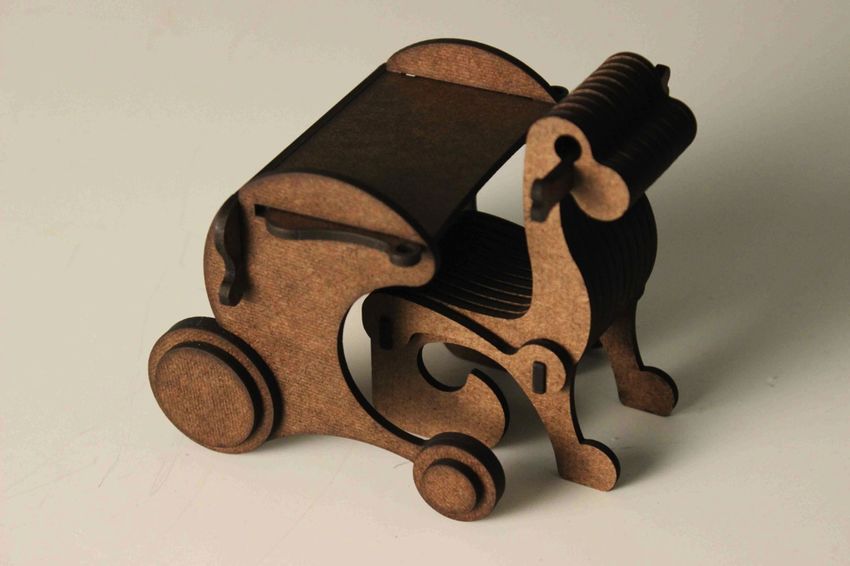
To my family for their love and support.

                   ii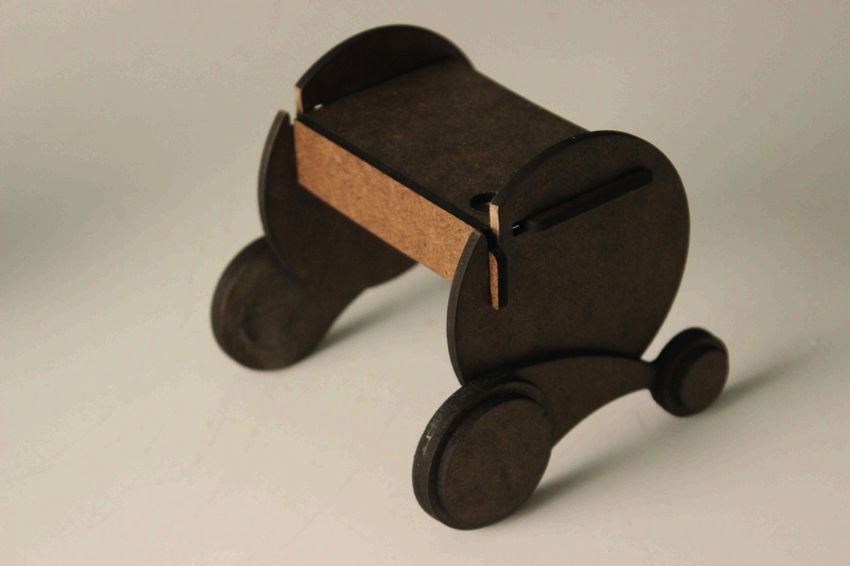
It is the pervading law of all things organic and inorganic,
           Of all things physical and metaphysical,
       Of all things human and all things super-human,
            Of all true manifestations of the head,
                    Of the heart, of the soul,
        That the life is recognizable in its expression,
      That form ever follows function. This is the law.

                                            Louis Sullivan
          The Tall Office Building Artistically Considered

                            iii
ACKNOWLEDGMENTS

       Thank you to my family for encouraging me to be my own person and supporting

me throughout my college career. It wasn’t until after doing this research that I realized

how lucky I am to have parents like Linda and Rick without whom I wouldn’t be the

creative person I am today.

       Thank you to my mentor, Professor Monica Correia, for helping me discover how

my creativity can be translated into a career in 3D design. Monica saw potential in an

undergraduate graphic design student that would have gone unfulfilled without her

insight and encouragement. I will be forever grateful.

                                             iv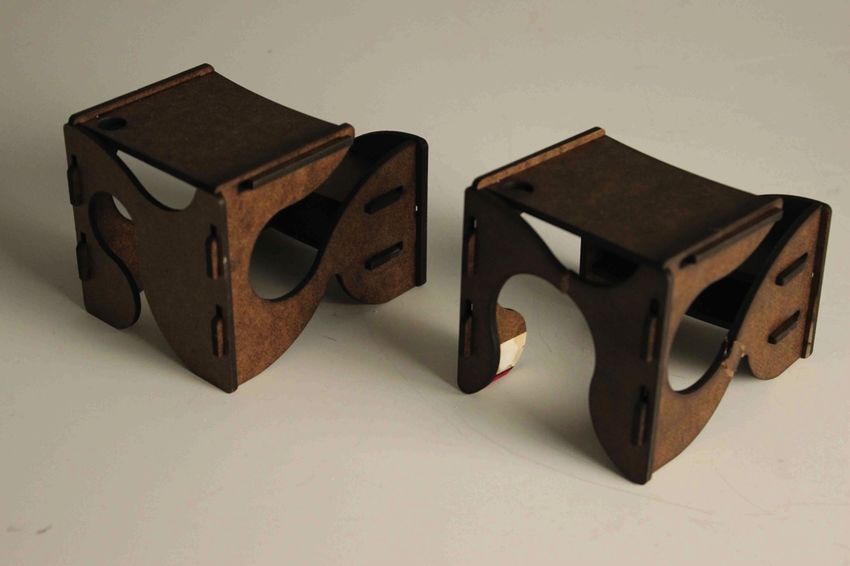
TABLE OF CONTENTS

LIST OF TABLES ............................................................................................................. vi

LIST OF FIGURES .......................................................................................................... vii

PREFACE ........................................................................................................................ ix

CHAPTER I. RESEARCH ..................................................................................................1
        The History of Creative Study ..........................................................................1
        The Importance of Creativity............................................................................2
        RTA Design ......................................................................................................3
        Human Factors and Ergonomics (HF&E) ........................................................4
        Research Conclusions and Design Goals .........................................................6

CHAPTER II. DESIGN .......................................................................................................7
        Design Technique .............................................................................................7
        The Chair ..........................................................................................................7
        The Nightlight .................................................................................................13
        The All-In-One Desk ......................................................................................15
        The Carriage Desk ..........................................................................................19
        The Coat Rack ................................................................................................22

CHAPTER III. PRODUCTION ........................................................................................24

CONCLUSION ..................................................................................................................27

BIBLIOGRAPHY ..............................................................................................................28

                                                                v
LIST OF TABLES

Table 1 Standard seat and table height for children. ............................................................4

                                                       vi
LIST OF FIGURES

Figure 1 IKEA’s Lovet Table, introduced in 1956. .............................................................3

Figure 2 Correct ergonomic seated position of a 5-year-old child. AutoCAD
     drawing. ......................................................................................................................5

Figure 3 Carriage Desk and Chair miniature model. 2013. Masonite. ..............................6

Figure 4 Adult lounger sketches. 2012. ..............................................................................9

Figure 5 First drawings of chair. AutoCAD drawing. ........................................................9

Figure 6 Small-scale CNC laser cut. Masonite. ................................................................10

Figure 7 Final AutoCAD drawing of Chair. 2012. ...........................................................10

Figure 8 Full-scale cut of Chair. MDF..............................................................................11

Figure 9 Optional Arduino-powered bone joint. 2012. Masonite, acrylic. ......................11

Figure 10 Final full-scale cut of Chair. Birch plywood. ...................................................12

Figure 11 Final full-scale cut of Chair. Birch plywood. ...................................................12

Figure 12 3-inch LED orb purchased from SaveOnCrafts.com. .......................................13

Figure 13 Nightlight. 3ds Max render. Production in progress. ......................................14

Figure 14 Small-scale laser cuts of All-in-One Desk. 2013. Masonite ...........................16

Figure 15 Final full-scale cut of All-in-One Desk. 2013. Birch plywood. ......................16

Figure 16 Final full-scale cut of All-in-One Desk. 2013. Birch plywood. ......................17

Figure 17 Final full-scale cut of All-in-One Desk. 2013. Birch plywood. ......................17

Figure 18 Final full-scale cut of All-in-One Desk. 2013. Birch plywood. ......................18

Figure 19 First small-scale laser cut of the Carriage Desk. 2013. Masonite ...................20

Figure 20 Second small-scale laser cut of the Carriage Desk. 2013. Masonite. ..............20

Figure 21 Final full-scale cut of Carriage Desk with Chair. 2013. Birch plywood. ........21

Figure 22 Final full-scale cut of Carriage Desk. 2013. Birch plywood. ..........................21

Figure 23 Coat Rack design development. 2013. AutoCAD drawing. ............................22

Figure 24 Final full-scale cut of Coat Rack. 2013. Birch plywood. ................................23

Figure 25 Final full-scale cut of Coatrack. 2013. Birch plywood. ..................................23

                                                                vii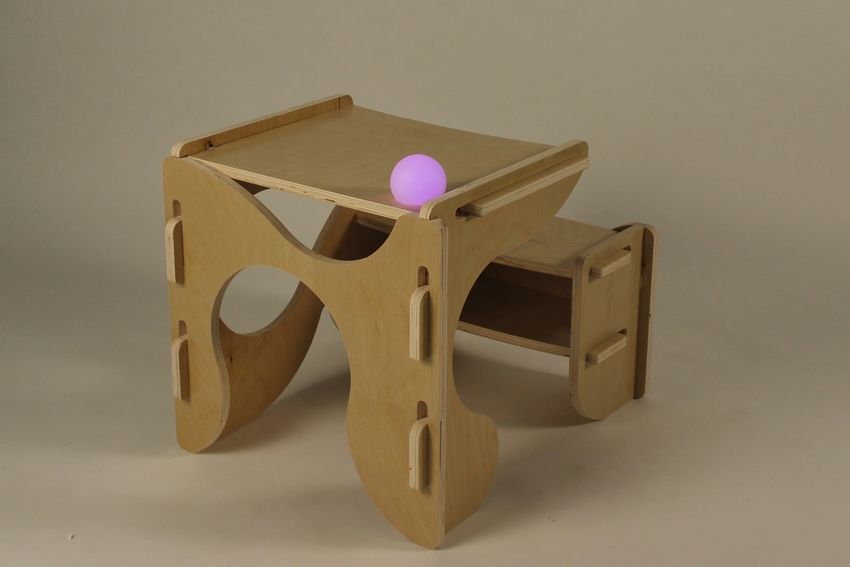
Figure 26 Result of CNC cut. 2013. Birch plywood........................................................25

Figure 27 Using the hand router to remove tabs. 2013. Birch plywood. .........................25

Figure 28 Children’s Furniture Series. 2013. Birch plywood. .........................................26

                                                   viii
PREFACE
Research shows the importance of a childhood home environment encouraging of
creative and imaginative play.
This series is a set of children’s furniture that, in addition to being play toys,
stimulates creativity, interactivity and understanding of design construction. When a
child understands how furniture is assembled and is encouraged to be creative in play, he
or she gains valuable learning experiences while having fun. Together, a child and adult
can easily assemble all the pieces of furniture without any need for tools. Much like a
puzzle, the child has fun assembling the furniture while, at the same time, learns valuable
lessons of spatial relationships and structural stability. This also leads to an
understanding of safety in play. The added element of a portable three-inch LED orb
encourages interaction once all pieces are assembled.
Abstract design elements were used to stimulate imagination during play. Using
basic Gestalt design principles, the furniture series was designed to not only be structural
but also beautiful and intriguing. The curved abstract shapes encourage the child to take
control and imagine the furniture as integral components of their play scene.
ix1
CHAPTER I
RESEARCH
The History of Creative Study
The term “creativity” is a fairly new concept in civilization. Ancient thinkers
lacked the concept of creativity and, instead, focused on the importance of discovery.
When asked in The Republic, “will we say, of a painter, that he makes something?” Plato
answers, “certainly not, he merely imitates.” (Tatarkiewicz). Ancient views depicted
creativity as a direct influence of God, and it was not until the Renaissance when
creativity was viewed as a quality of the individual (Albert).
During the Enlightenment of the 18th century, philosopher Thomas Hobbes wrote
of imagination’s importance, which was further referenced by William Duff as a quality
of genius surpassing traditional intelligence (Dacey). The interest in creative study was
halted until the arrival of Darwinism in the late 19th century when it was causally linked
to human survival in quickly changing environments (Albert). After this time, several
theories were developed in relation to the creative process. One of the first was by
Graham Wallas, who, in his 1926 book Art of Thought, broke down creative thought into
a five stage problem-solving process: preparation, incubation, intimation, illumination
and verification (Wallas). This creative process, among others, is still studied by
psychologists today.
J.P. Guilford is credited for his psychometric study of creative intelligence in
which convergent and divergent thinking skills are measured separately. His work
suggests that divergent thinkers, or creative thinkers, tend to have higher IQs than the rest
of the population (Guilford).2
The Importance of Creativity
Having creativity as an adult is essential. It gives us the problem-solving skills
necessary to promote progress in society. As technology advances, creative jobs are
highly valued requiring innovative individuals to perform work that machines or
repetitive work alone cannot accomplish. Contrary to popular belief, creativity is not a
hereditary or inbred quality but rather a learned trait stemming from early childhood
found most conducive in creative home environments (Ellinger).
Doireann O’Conner is a lecturer in Early Childhood Care and Education at The
Institute of Technology in Sligo, Ireland. In her study of child’s play across Ireland,
O’Connor found adults to be stifling creativity in today’s children by controlling them
with rules and structured activities. She explains that creativity is developed through play
during preschool years when children are not afraid to experiment. During these
formative years, children’s thoughts are receptive to creative problem-solving solutions
(O’Conner). Psychology professor Leif Kennair furthers O’Conner’s theory in the article
“Children’s Risky Play from an Evolutionary Perspective”. He explains when a child is
playing, he or she must be exposed to risks in order to develop normally or else he or she
can develop anxiety disorders in adulthood (Kennair). It is clear that these researchers
concluded that childhood experimentation is needed to develop creative thought.
Studies aside, play is something every adult remembers of childhood. For every
generation, the toys and games sparking the most creativity were the ones in which the
children had the most control. Take a box for example. To a child, a simple box can be
imagined as anything: a rocket ship, a racecar, a house, etc. Give a child a box and he or
she will imagine it in creative ways. Why? Because a box does not tell the child what it
should be. Instead, the child’s imagination tells the box what it will be. The uncontrolled
nature of this type of playtime contributes to personality development and creative
thought through role-playing, decision-making and problem-solving.3
RTA Design
Swedish designer Gillis Lundgren first created the Ready-to-Assemble (RTA)
furniture concept when he wanted to fit a table into his car. He designed the Lovet Table,
a side table made of pieces that pack flat and fit together using simple tools (Figure 1).
He sold his design to IKEA who built their company around the RTA concept. Today
IKEA remains one of the largest furniture retailers in the world.
Lundgren’s RTA concept offers a convenient solution to both manufacturers and
consumers. By packing the furniture pieces flat, manufacturing time is shortened because
the furniture does not need to be assembled before shipping to a store. This also saves
space while shipping thus cutting freight cost. The consumer also benefits by being able
to transport the furniture easily from store to its destination.
Figure 1 IKEA’s Lovet Table, introduced in 1956.
Source: Arttattler.com, accessed March 10, 20134
Human Factors and Ergonomics (HF&E)
In design, one of the fundamental objectives is user comfort. To properly achieve
that goal, the designer researched anthropometrics, ergonomics and psychology to design
the furniture. Anthropometrics is the study of human body measurements while
ergonomics is the study of comfort for proper body position.
Child anthropometric data conducted by the Centers for Disease Control and
Prevention includes a variety of body measurements of children from all ages. From
these measurements, the designer drew an accurate depiction of a 5-year-old child in a
seated position using AutoCAD software for use as a reference of correct ergonomic
body position while seated (Figure 2).
In conjunction, the designer researched standard seat height and tabletop height
measurements for children’s furniture according to age (Table 1). This, in combination
with the anthropometric study, was implemented to the furniture design making them fall
in line with standards while promoting proper posture and comfort.
Table 1 Standard seat and table height for children.
Age in Years 0-1 1-2 2-3 3-4 4-6 6-9 9-13 13+
Chair Seat Height 5” 6.5” 8” 10” 12” 14” 16” 18”
Table Top Height 12” 14” 16” 18” 20” 22” 24-26” 26-30”
Source: Communityplaythings.com, accessed October 05, 20125 Figure 2 Correct ergonomic seated position of a 5-year-old child. AutoCAD drawing.
6

                            Research Conclusions and Design Goals

       The children’s furniture collection of the thesis was designed keeping O’Connor

and Kennair’s studies in mind. Expanding IKEA’s RTA strategy, the furniture pieces are

packed flat and can be easily assembled without tools. This allows a child to assemble

the furniture with an adult, teaching problem-solving skills interactively. Each furniture

piece also comes with a miniature model so a child can practice assembling without an

adult present (Figure 3).

       During assembly, structural furniture design is also taught to a child. This safely

exposes the child to potential safety risks rather than relying on adult intervention.

Because the child has learned how the structure is built, he or she understands its limits.

Figure 3 Carriage Desk and Chair miniature model. 2013. Masonite.
7
CHAPTER II
DESIGN
Design Technique
The basic shape of a circle and connecting curves were used because of their
inherent and high-energy nature. The curved shapes create abstract compositions,
encouraging imaginative play. Large curves eliminate sharp corners conducive to basic
safety in design. These design concepts were developed while designing the series’ first
piece, the chair.
The Chair
The chair was inspired by sketches done of an adult sized lounger which can be
assembled without tools (Figure 4). Curvilinear and organic shapes incorporated into the
side profile allowed for experimentation of the seat shape, figure and ground relation, and
the means of the legs touching the floor. The idea was to repeat this shape along the X
axis in order to create the surface of the seat and back.
This process was adapted into a child-friendly chair design. Keeping in mind
only the form of the chair, the first drawings closely resembled a llama with a long neck,
long legs and arching back (Figure 5). A common mistake made by designers of form
over function was revealed when it was learned that the chair lacked functionality.
Working around the form, three joining pieces were constructed: one at the head, one at
the back of the seat, and one at the front of the seat. A slotted design created in
AutoCAD failed while assembling a small-scale Masonite CNC laser cut prototype as the
center pieces fell off the joint (Figure 6). In response to this failure, the joint design
adjusted so that the two end slots were flipped upside down, allowing gravity to secure
the pieces together.
After the joints were designed and the structure was stable, several revisions of
the profile design were done starting with ergonomics. Following research, the chair8
form changed dramatically: the arched seat became only slightly curved to avoid pressure
points on the back of the thighs, the neck was made more vertical for better back support,
the seat depth shrank considerably and the seat height rose to meet the standard 12-inch
height for 4-6 year olds (Figure 7). Additional small-scale models were CNC laser cut
from Masonite and a full-scale prototype was CNC cut from MDF (Figure 8). The full-
scale chair proved to be stable and minor adjustments were made for comfort.
To make the chair more interactive, the connecting joint at the top of the chair
extended into handlebars protruding from either side. By using handlebars, the child can
sit backwards on the chair and “ride” it. Housed inside the handlebars, an Arduino Uno,
a programmable prototyping circuit board, was added as an optional addition (Figure 9).
The Arduino powers eight buttons on the handlebars that, when pressed, play different
musical tones through two speakers housed inside the handlebar joint. The optional
addition adds a fun interactive element to the design. And, by using a basic musical
scale, the child can create a unique melody.
The final full-scale assembled model measures 13.55” wide, 27.25” high, and
18.75” deep (Figures 10-11).9 Figure 4 Adult lounger sketches. 2012. Figure 5 First drawings of chair. AutoCAD drawing.
10

Figure 6 Small-scale CNC laser cut. Masonite.

Figure 7 Final AutoCAD drawing of Chair. 2012.
11

Figure 8 Full-scale cut of Chair. MDF.

Figure 9 Optional Arduino-powered bone joint. 2012. Masonite, acrylic.
12

Figure 10 Final full-scale cut of Chair. Birch plywood.

Figure 11 Final full-scale cut of Chair. Birch plywood.
13

                                       The Nightlight

       A concept to tie all of the furniture pieces together needed to be found before

proceeding to the next design. A portable 3-inch battery powered RGB LED orb that

changes color from SaveOnCrafts.com would serve that purpose (Figure 12). The orb

integrated into the next furniture designs by creating areas to “house” them. In this way,

a child can take the orb from one piece of furniture to the next and integrate it to his or

her playtime.

       A table nightlight is currently in production to house the LED orb. The nightlight

will be produced using a thermoformed plastic and a birch plywood base. The plastic is

formed with a groove to hold the LED orb and contains a switch which turns on a dim

LED housed inside the base when the orb is lifted. This nightlight serves as a “home”

device for the LED orb, and acts as a guide for the child when he or she removes the orb

during the night. The nightlight also reminds the child to maintain an orderly room by

replacing the orb when finished with play.

Figure 12 3-inch LED orb purchased from SaveOnCrafts.com.
14 Figure 13 Nightlight. 3ds Max render. Production in progress.
15

                                   The All-In-One Desk

       Designing the chair offered a valuable lesson for the next furniture pieces.

Envisioning the chair, the common mistake was made of creating form before function.

With lesson learned, the All-in-One Desk design process began using basic shapes,

focusing on how the pieces could be assembled securely using AutoCAD. The previous

research on seat and table height as guidelines were implemented into the desk

dimensions. After the basic structure was complete, an additive/subtractive method was

used for the design.

       In order for the desk’s design to relate with the chair, repeated circular shapes

were used which is a major design element throughout the chair’s design. The goal was

to create a continuation of curves throughout the entire desk so every angle is distinct and

intriguing with areas for the child to hide, crawl and poke his or her head. The desk

features a shelf under the seat for storage, one-way entrance, and a circular cutout for the

LED orb on the desktop.

       The following features add user customization. The joints of the side panels are

symmetrical so the open entrance can be assembled on either side of the desk. This is

appealing to users who must have the desk facing a certain direction. The front and back

panels can also be rotated 180 degrees for a different appearance, if needed.

       Because of safety concerns, small-scale Masonite models were created to test for

stability (Figure 13). After using anthropometric research, large front cutouts were

added, so that a child’s head would not risk being trapped.

       The final assembled full-scale model measures 21” wide, 20.75” high, and 27”

deep (Figures 14-17). The desktop dimensions are 18” wide and 16” long (deep).
16 Figure 14 Small-scale laser cuts of All-in-One Desk. 2013. Masonite Figure 15 Final full-scale cut of All-in-One Desk. 2013. Birch plywood.
17

Figure 16 Final full-scale cut of All-in-One Desk. 2013. Birch plywood.

Figure 17 Final full-scale cut of All-in-One Desk. 2013. Birch plywood.
18

Figure 18 Final full-scale cut of All-in-One Desk. 2013. Birch plywood.
19

                                    The Carriage Desk

       To accompany the chair, a portable desktop on wheels resembling a carriage was

designed. When the desk is rolled in front of the chair, it gives the appearance of an

animal pulling a carriage. When the child plays, he or she can imagine being the driver

or passenger depending where he or she sits.

       Like the All-in-One Desk, the Carriage Desk was developed by first making it

stable and then using an additive/subtractive design method. Small-scale Masonite laser

cuts were created to test structural stability before adding design elements. The initial

design used separate pieces of wood for the side panels and wheels (Figure 18). Later,

they were combined into one piece for stability and sustainability (Figure 19). The

design uses circles and connecting curves and features a circular cutout at the front of the

desk to create legroom and lessen visual weight. The design of the wheels relates to the

side panels of the chair, with adjustments making the back wheels larger than the front

for a dynamic visual effect.

       The final full-scale model features wheels rotating along a ¼” fluted wood dowel

rod (Figures 20-21). The dowel rod is glued to pocket cut caps on either side of the

wheel. This is the only piece of furniture in the series that includes hardware and the

consumer would buy the desk with the wheels pre-assembled. The final full-scale

assembled model measures 25.5” wide, 22.5” high, and 24.5” deep. The desktop

dimensions are 20” wide and 13.25” long (depth).
20 Figure 19 First small-scale laser cut of the Carriage Desk. 2013. Masonite Figure 20 Second small-scale laser cut of the Carriage Desk. 2013. Masonite.
21

Figure 21 Final full-scale cut of Carriage Desk with Chair. 2013. Birch plywood.

Figure 22 Final full-scale cut of Carriage Desk. 2013. Birch plywood.
22

                                      The Coat Rack

       The freestanding coat rack was designed with four hooks, one in each direction.

The center of the coat rack houses a LED sphere at the point where the X and Y slices

meet. The sphere can be placed from only one side of the coat rack securing it while also

serving as a problem-solving game for the child.

       The design uses repetition of a 4-inch circle both in the figure and ground space.

Because of concern for a comfortable reaching height for the hook, anthropometric

guidelines were implemented into the dimensions. The coat rack went through the most

design revisions in the series, resulting in several small-scale Masonite models (Figure

23). Most of the changes involved adjustments to the lower half. The design began with

two pieces but later was revised to three pieces in order to pack into a smaller space when

unassembled.

       The final full-scale model measures 24” long, 46” high, and 17” deep (Figures 24-

25).

Figure 23 Coat Rack design development. 2013. AutoCAD drawing.
23 Figure 24 Final full-scale cut of Coat Rack. 2013. Birch plywood. Figure 25 Final full-scale cut of Coat Rack. 2013. Birch plywood.
24

                                      CHAPTER III

                                     PRODUCTION

       The final pieces were cut using a computer numerical control (CNC) wood router.

The material used is ¾” sustainable birch plywood with a thick veneer. The designs were

created using AutoCAD (Computer Aided Design) software and transferred to the CNC

wood router which cut the wood based on the computer file. The router bed holds a 4’ by

4’ sheet. Pieces were placed close together in five separate AutoCAD files in order to

minimize wasted material.

       After the files were created in AutoCAD, the software platform PartWorks was

used to convert the file to be readable by the wood router. In PartWorks, tabs were added

along the shapes’ edges in order to secure it to the wood while being cut.

        Once the file was ready, the wood router was prepared for cutting. This included

both saving the PartWorks file to the CNC router computer’s desktop and also securing

the 4’ by 4’ plywood sheet to the router bed with screws. Each cut took approximately
thirty minutes to complete (Figure 26), after which the screws in the plywood were

removed and tabs cut off using a hand router (Figure 27). The pieces were removed from

the plywood, sanded using an electric hand sander, and assembled without tools (Figure

28). All the furniture pieces were formatted in this manner with the exception of the

Carriage Desk, in which case the wheels were attached with a ¼” fluted wood dowel rod
using wood glue.

       This CNC cutting process has the potential to be mass produced by a

manufacturing company. It is a quick and easy production technique that is becoming

more commonly used in the manufacturing industry today.
25 Figure 26 Result of CNC cut. 2013. Birch plywood. Figure 27 Using the hand router to remove tabs. 2013. Birch plywood.
26

Figure 28 Children’s Furniture Series. 2013. Birch plywood.
27

                                      CONCLUSION

       Abstract design was used in order to create a series of children’s furniture that

stimulates creative and imaginative play. Through involvement in the assembly process,

children who use this furniture will develop the valuable creative problem-solving skills

essential in adulthood. It is anticipated that this furniture series will expand with

complementary pieces in order to develop a complete bedroom furniture set using the

same design principles applied in this series.
28
BIBLIOGRAPHY
Albert, R.S.; Runco, M.A. (1999). “A History of Research on Creativity”. In Sternberg,
R.J.. Handbook of Creativity. Cambridge University Press. p. 5.
Dacey, John (1999). “Concepts of Creativity: A History”. In Mark A. Runco and Steven
R. Pritzer. Encyclopedia of Creativity, Vol. 1.
Ellinger, Bernice D. (1966). “The Genesis of Creativity”. The Reading Teacher, Vol. 19,
No. 7, pp. 493-497.
Guilford, J. P. (1967). “Creativity: Yesterday, Today and Tomorrow”. The Journal of
Creative Behavior, Vol. 1, p. 3-14.
Kennair, L.; Sandseter, E. (2011). “Children’s Risky Play from an Evolutionary
Perspective: The Anti-Phobic Effects of Thrilling Experiences”. Evolutionary
Psychology, Vol. 9, No. 2, pp. 257-284.
McDowell, M.A.; Fryar, C.D.; Ogden, C.L.; Flegal, K.M. (2006). “Anthropometric
Reference Data for Children and Adults: United States, 2003-2006”. National Health
Statistics Reports.
Nickerson, R.S. (1999). “Enhancing Creativity”. In R.J. Sternberg (Ed.), Handbook of
Creativity (pp. 392-430). New York: Cambridge University Press.
O’Connor, D. (2012). Developing Creativity and Innovation through Education:
Doireann O’Connor at TEDxCIT [video file]. Retrieved from
http://tedxtalks.ted.com/video/Developing-Creativity-and-Innov
Tatarkiewicz, Wladyslaw (1980). A History of Six Ideas: an Essay in Aesthetics, p. 244.
Wallas, Graham (1926). Art of Thought.You can also read


