DISASTER ALWAYS BE PREPARED - FLOOD SAFETY - Florida Department of ...
←
→
Page content transcription
If your browser does not render page correctly, please read the page content below
DISAST ER
PR E PA R E DN E S S G U I DE
JULY/AUGUST 2018 ELDER UPDATE — SPECIAL EDITION VOLUME 29, NUMBER 4
ALWAYS BE PREPARED Governor Rick Scott
Jeffrey S. Bragg Bringing everyone together to discuss June 1 is the ALF is equipped with life-saving
Department of our roles and responsibilities before, beginning of equipment to keep residents safe dur-
Elder Affairs during, and after an emergency is help- hurricane sea- ing emergencies.
ing us to reaffirm our relationships to son, and with it
Each year we ensure stronger collaboration in meet- Being prepared for potential emer-
learn that no mat- comes the
ing the needs of older Floridians fol- threat of sud- gencies and having a plan of action
ter how prepared lowing a hurricane. is a responsibility we must take seri-
we are for Hurri- den and unex-
pected severe ously. Every Floridian should have
cane Season, we Please take emergencies seriously. If an emergency plan, prepare a disas-
can always do bet- an evacuation order is issued, follow it weather. In the
past two years, ter kit, and know where to go if
ter. Hurricane immediately. Proper and timely evacu- evacuation is necessary. Make sure
Irma had a historic effect on Florida as ation can be the difference between life our state has experienced seven
major storms, which is why I’m urg- you have at least three days of food,
it stretched coast to coast causing wide- and death. While it may be difficult to water, medication and other essential
spread damage and becoming the costli- leave your home, your support network, ing all Floridians to be prepared.
supplies, know your evacuation route
est hurricane in Florida history. More and your friends, it could be even worse After the devastating impact that and have all of your important docu-
than 6.3 million people were evacuated; to ignore the warnings of emergency Hurricane Irma had on Florida last ments together.
state offices, large entertainment parks, officials and stay behind. Individuals fall, we have been busy preparing
and airports were closed; and the with special needs are eligible for evac- for the upcoming hurricane season. In the event that an evacuation is
National Guard, emergency officials, uation assistance should they need it. With the Florida Legislature, I fought ordered in your area, leave immedi-
and electrical companies stood ready If you have special needs, and family to secure a week-long sales tax holi- ately. Do not ignore the direction of
to help. But even with additional prepa- or friends are not available to help you, day from June 1-7, and I urge you to local officials and risk your own
rations, there are always things that you may qualify for assistance services. use this time to stock up on critical safety. Make sure to watch your local
cannot be predicted and lessons to be Register with your local emergency supplies like canned food and bottled news stations and stay tuned to the
learned. That’s why this year, the management agency before disaster water. I also directed FDOT to study weather forecasts, you do not want
Department of Elder Affairs convened strikes. Whatever your circumstances, and implement improvements to to be caught off guard if a major
Disaster Preparedness Workshops each family or household needs to have evacuation routes and fuel availabil- hurricane is bearing down on our
across the state with our Aging Network a plan to protect itself during a disaster. ity to help Floridians find the gas state.
partners, including Area Agencies on This guide contains important contact they need and evacuate quickly. We
Aging, emergency management offi- information and other resources to help also passed historic legislation to Continued on page 11
cials, the Department of Health, and you to get prepared. Please stay safe ensure that every nursing home and
local services providers, to name a few. this hurricane season.
July/August 2018 A LOOK INSIDE
Preparations During A Disaster
Key Facts About Hurricane Readiness....................... 2 Practice Generator Safety........................................16
Manufactured Homes and Hurricanes...................... 3 Protect Your Home, Even After A Storm Passes........16
Heat Stress and Heat Stroke...................................... 4 Getting Medical Care During A Disaster...................17
Floods: Be Prepared and Stay Safe............................ 5 Florida 511, Safety Tips For Motorists.......................18
Be Alert, Seek Shelter From Tornados....................... 6 Disaster Recovery
What To Do In Severe Weather, Older Adults Re-entering Your Flooded Home.............................19
Preparedness Guide, Weather Radio Broadcasts...... 7 Be Prepared For Financial Disaster...........................19
Serving in The Medical Reserve Corps....................... 8 Keeping Safe After a Disaster: What To Do.............. 20
Don’t Forget to Plan For Your Pets............................ 9 Questions Frequently Asked After a Disaster...........21
Planning Ahead For Hearing Impaired Elders..........10 Staying Safe From Crime During Storm Season...... 22
Prescription Refills, Family Emergency Plans...........11
Disaster Supply Kit.................... 12-13 Disaster Contact Information
Information For Individuals With Special Needs......14 Government and Volunteer Agencies,
Homeowners Insurance Check-Up...........................15 Special Needs Registries...........................................24
FLOOD SAFETY
MORE ON PAGE 5
ELDERAFFAIRS.ORG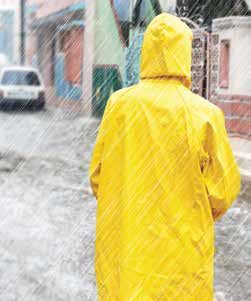
2                                                           PREPARATIONS
                                                                                                                                      SPECIAL EDITION 2018
                                                                                                                                               Elder Update

ELDER UPDATE
(USPS 403-710/ISSN 1060-4545)
                                    KEY FACTS ABOUT HURRICANE READINESS
                                    If you are under a hurricane watch or     • Disposable cleaning cloths, such         you to leave if you are in a low-lying
Elder Update is a bimonthly         warning, here are some basic steps to       as baby wipes, for the whole             area or within the greatest potential path
publication mailed in state to      take to prepare for the storm:              family to use in case bathing            of the storm. Be aware that most shelters
Florida residents at no cost to                                                 facilities are not available.            and some hotels do not accept pets. If
                                    • Learn about your community’s                                                       a hurricane warning is issued for your
recipients. Out of state, Elder       emergency plans, warning                • Personal hygiene supplies,
Update can be accessed at                                                                                                area or you are directed by authorities
                                      signals, evacuation routes, and           such as soap, toothpaste,                to evacuate the area:
elderaffairs.org.                     locations of emergency shelters.          sanitary napkins, etc.
                                                                                                                          • Take only essential items with you.
Rick Scott                          • Identify potential home hazards         • An emergency kit for your car
Governor                              and know how to secure or protect         with food, flares, booster cables,        • If you have time, turn off the
                                      them before the hurricane strikes.        maps, tools, a first aid kit, fire          gas, electricity, and water.
Jeffrey S. Bragg                      Be prepared to turn off electrical        extinguisher, sleeping bags, etc.
Secretary                             power when there is standing                                                        • Disconnect appliances to reduce
                                      water, fallen power lines, or          You can find more information on plan-         the likelihood of electrical
Ashley Chambers                                                              ning for an emergency at ready.gov.            shock when power is restored.
Communications Director               before you evacuate. Turn off gas
                                      and water before you evacuate.         Preparing to Evacuate                        • Make sure your automobile’s
Rick Burnham                                                                 Expect the need to evacuate and prepare        emergency kit is ready.
Editor in Chief                     • Buy a fire extinguisher, and
                                      make sure your family knows            for it. The National Weather Service
                                                                             will issue a hurricane watch when there      • Follow the designated
Liz Jameson                           where it is and how to use it.                                                        evacuation routes.
Editor                                                                       is a threat to coastal areas of hurricane
                                    • Locate and secure your important       conditions within 24-36 hours.              If You Are Ordered
Haven Capone                          papers, such as insurance policies,                                                NOT to Evacuate
Layout & Graphic Design               wills, licenses, stocks, etc.          When a hurricane watch is issued, you
                                                                             should:                                     The great majority of injuries during a
Page Merkison                       • Post emergency phone                                                               hurricane are cuts caused by flying glass
Emergency Coordinating Officer        numbers at every phone.                 • Fill your automobile’s gas tank or       or other debris. Other injuries include
                                                                                make arrangements with friends           puncture wounds resulting from
Elder Update welcomes               • Inform local authorities                  or family for transportation.            exposed nails, metal, or glass, and bone
submissions from readers.             about any special needs, i.e.,                                                     fractures. To get through the storm in
                                      elderly or bedridden people,            • Fill your clean water containers.        the safest possible manner:
However, due to the volume of
submissions, acknowledgements         or anyone with a disability.            • Review your emergency plans               • Monitor the radio or television
cannot be mailed. Articles          • Make plans to ensure your                 and supplies, checking to see               for weather conditions.
selected for publication must         pets’ safety at floridadisaster.          if any items are missing.
provide accurate information          org/planprepare/pet-plan/.                                                          • Stay indoors until the authorities
                                                                              • Tune into the radio or                      declare the storm is over.
to Florida’s elders about                                                       television for weather updates.
aging-related programs and          Emergency Supplies                          Listen for disaster sirens                • Do not go outside, even if the
services and complement the         You Will Need                               and warning signals.                        weather appears to have calmed
Department’s mission. The           Stock your home with supplies that may                                                  – the calm “eye” of the storm can
editor reserves the right to edit                                             • Secure any items outside                    pass quickly, leaving you outside
                                    be needed during the emergency period,      which may damage property
submitted material.                 including:                                                                              when strong winds resume.
                                                                                in a storm, such as bicycles,
Department of Elder Affairs         • Clean containers for water, enough        grills, propane tanks, etc.               • Stay away from all windows and
4040 Esplanade Way                    for a 3-5 day supply of water                                                         exterior doors, seeking shelter
                                                                              • Cover windows and doors                     in a bathroom or basement.
Tallahassee, Florida 32399-7000       (five gallons for each person).           with plywood or boards.
Phone: 850-414-2000                                                                                                         Bathtubs can provide some
                                    • A 3-5 day supply of non-                • Place vehicles under cover,                 shelter if you cover yourself with
TDD: 850-414-2001                     perishable food.                          if at all possible.                         plywood or other materials.
POSTMASTER:                         • A first aid kit.                        • Fill sinks and bathtubs with              • Prepare to evacuate to a shelter
Send address changes to:            • A battery-powered radio,                  water as an extra supply.                   or to a neighbor’s home if
Elder Update                          flashlights, and extra batteries.                                                     your home is damaged, or if
Department of Elder Affairs                                                   • Adjust the thermostat on                    you are instructed to do so
4040 Esplanade Way                  • Sleeping bags or extra blankets.          refrigerators and freezers to the           by emergency personnel.
Tallahassee, Florida 32399-7000                                                 coolest possible temperature.
                                    • Prescription medicines and                                                         For more information, visit cdc.gov/
Periodicals postage paid at           special medical supplies.              If You Are Ordered to Evacuate              disasters/hurricanes or call CDC at
Tallahassee, Florida, and                                                    Never ignore an evacuation order.           1-800-CDC-INFO (English and Span-
                                    • Baby food, prepared formula,           Authorities will be most likely to direct
additional offices.                   diapers, and other baby supplies.                                                  ish) or 1-888-232-6348 (TTY).

                                     The Atlantic hurricane season lasts from June 1 - November 30,
                                     with the peak season from mid-August to late October.
SPECIAL EDITION 2018
Elder Update PREPARATIONS 3
2018 Atlantic Tropical
Cyclone Names
In the event that more than 21 named
tropical cyclones occur in the Atlantic
basin in a season, additional storms will
take names from the Greek alphabet.
The World Meteorological Organization
established this naming convention.
Alberto Helene Oscar
Beryl Isaac Patty
Chris Joyce Rafael
Debby Kirk Sara
Ernesto Leslie Tony
Florence Michael Valerie
Gordon Nadine William
Source: nhc.noaa.gov/aboutnames.shtml
Manufactured Homes and Hurricanes
Manufactured homes have been the choice of countless damaged or destroyed, they often damaged the home
seniors in Florida since the first ones were built right itself. Flying debris from additions also damaged some
after World War II. In the 60 years since then, homes. Homeowners should have the following items
construction and windstorm safety requirements for checked, preferably by a licensed aluminum contract-
manufactured homes have been strengthened many ing company:
times, most recently in the aftermaths of Hurricane •T
he posts must be securely
Andrew in 1992 and the back-to-back batterings of attached to the ground.
the 2004 and 2005 hurricane seasons.
• The posts must be securely attached to the roof.
Home Maintenance and Preparation
Things that should be checked at least annually, pref- •T
he roof must be securely attached to
erably by knowledgeable professionals, include the the frame, with no loose panels.
following: •T
he addition must be properly and
• T
he tie-down and anchoring system. securely attached to the home.
Especially in older homes, this should
include (1) possible rusting of anchors and Community Living
connections, (2) tightening of tie-down When living in a manufactured home community,
straps, and (3) possible upgrading of the homeowners can prepare for disasters by following
system by adding of anchors and straps these steps:
The Saffir-Simpson wherever a home’s construction will allow.
• C
hecking for possible wood rot and termite
• I f you are a winter Floridian, ensure that
the community office knows when you
Hurricane Scale damage. In the most recent hurricanes,
investigators found that in older homes, this was •T
are in Florida and when you are not.
he community should know the addresses
CATEGORY 1 Winds 74-95 mph; a major reason for failure at points of connection of your other residences, as well as those
Minimal damage of main members, which allowed the winds to phone numbers, to inform you about
penetrate the home’s airtight envelope and led to the condition of your home and to assist
CATEGORY 2 Winds 96-110 mph; failure of the entire structure. Sometimes, simply in taking a census of residents.
Moderate damage caulking and painting the home will help seal it.
•W
hen you leave Florida, all items in and around
CATEGORY 3 Winds 111-129 mph; • I f a home has a roof-over, or a one- your home should be secured against wind.
Extensive damage piece membrane roof cover, check
for adequate fasteners. For more information on manufactured homes in
CATEGORY 4 Winds 130-156 mph; Florida, go to www.55plusfloridamanufacturedho
mes.com
Extreme damage Home Additions
A Florida Department of Highway Safety and Motor Source: Florida Manufactured Housing Association
CATEGORY 5 Winds greater than Vehicles report found that when home additions – such
157 mph; Catastrophic damage as carports, garages, screened rooms, and sheds – were4 PREPARATIONS
SPECIAL EDITION 2018
Elder Update
HEAT STRESS AND HEAT STROKE: A DEADLY COMBINATION
Though Florida is known as the Sunshine State, it What Actions Should You
could also qualify as the “Hot State.” Each summer, Take To Be Prepared?
millions of residents and tourists enjoy the warm
weather and sunny beaches, but most are unaware of NEVER LEAVE CHILDREN OR PETS IN A PARKED CAR. The
just how hot it can get in Florida. Surrounded by the temperature can rise to 135 degrees in less than 10
Atlantic Ocean and the Gulf of Mexico, the state is minutes and can cause death to children or pets. If
always influenced by tropical moisture, especially in you see a child or pet left unattended in a parked car,
the summer. you should call 9-1-1 and alert authorities.
Because older adults are more likely to have chronic SLOW DOWN. Strenuous activities should be reduced,
medical conditions that upset normal body responses eliminated, or rescheduled to the coolest time of the
to heat and are more likely to take prescription medi- day. Individuals at risk should stay in the coolest
cines that impair the body’s ability to regulate its available place, not necessarily indoors.
temperature, many older adults are not able to adjust DRESS FOR SUMMER. Lightweight, light-colored clothing
as well as young people to sudden changes in reflects heat and sunlight, and helps your body main-
temperature. tain normal temperatures and should be worn if at all
Heat Stroke possible.
Heat stroke is the most serious heat-related illness DRINK PLENTY OF WATER. Your body needs water to
anyone can face. It occurs when the body becomes keep cool. Drink plenty of fluids even if you don’t
unable to control its temperature and is marked by feel thirsty. People who have epilepsy or heart, kidney,
the following symptoms: or liver disease; are on fluid restrictive diets; or have
• The individual loses the ability to sweat and, a problem with fluid retention should consult a physi-
therefore, is unable to cool down; and cian before increasing their consumption of fluids.
DO NOT DRINK ALCOHOLIC BEVERAGES!
• Body temperature rises to 106 degrees
F or higher within 10 to 15 minutes. DON’T TAKE SALT TABLETS UNLESS SPECIFIED BY A PHYSI-
CIAN. People on salt restrictive diets should consult a
physician before increasing their salt intake.
Warning signs for heat
SPEND MORE TIME IN AIR CONDITIONED PLACES. Air con-
stroke may include: ditioning in homes and other buildings markedly
• An extremely high • Red, hot, and dry reduces danger from the heat. If you cannot afford an
body temperature skin (no sweating) air conditioner, spending some time each day (during
(above 103°F) hot weather) in an air conditioned environment affords
During Cold Weather • Throbbing headache
• Rapid, strong pulse
• Nausea
some protection.
DON’T GET TOO MUCH SUN. Sunburn makes the job of
Even though it’s known as the Sunshine State, • Dizziness heat dissipation that much more difficult.
Florida can experience its share of dangerously
cold weather. To deal with this, Floridians Heat Exhaustion If you see any signs of severe heat stress, you may be
should follow the Five Ps of Cold Weather Heat exhaustion is a milder form of heat-related illness dealing with a life-threatening emergency. Have some-
Preparedness: that can develop after several days of exposure to high one call for immediate medical assistance.
• Protect people • Protect exposed temperatures and inadequate or unbalanced replace- Cool the affected person by using any of the following
pipes ment of fluids. steps:
• Protect plants
• Practice fire safety Warning signs of heat • Get the person to a shady area;
• Protect pets
exhaustion may include: • Immerse them in a tub of cool water, place
Once you have made your preparations, there are the person in a cool shower, spray the
several steps you should take to be protected from • Heavy sweating • Fatigue person with cool water from a garden hose,
the cold. Stay indoors and use safe heating sourc- • Headache • Moist, cool skin sponge the person with cool water, or, if the
es. Be aware of the fire danger from space heaters humidity is low, wrap the person in a cool,
and candles, and be sure to keep those devices • Paleness • Weakness wet sheet, and fan him or her vigorously.
away from all flammable materials such as cur- • Nausea or vomiting • Fast, weak pulse
tains and furniture. Don’t use charcoal or other • Monitor body temperature and
fuel-burning devices indoors, including grills that • Muscle cramps • Dizziness continue cooling efforts until the body
produce carbon monoxide. Installing proper temperature drops to 101 degrees F.
• Fainting • Fast, shallow breaths
smoke and carbon monoxide detectors is a good
way to further protect yourself. If you have to be If emergency medical personnel are delayed, call the
outdoors, try to stay dry and in areas protected hospital emergency room for further instructions. Do
from the wind. Wear multiple layers of loose- not give the person alcohol to drink. Get medical
fitting, warm clothing, and be sure to drink plenty assistance as soon as possible.
of non-alcoholic fluids and eat high-calorie foods.SPECIAL EDITION 2018
Elder Update PREPARATIONS 5
RECOVERING FROM A FLOOD
• DO NOT return to your home until approval
has been given by local officials.
• Check for structural damage before
reentering your home to avoid being
trapped in a building collapse.
• If your home sustained damage from the
flood, you will need to do the following:
»» File a claim with your homeowners
insurance company;
»» Keep power off until an electrician
has inspected and granted clearance
for reentry to into your home;
»» Take pictures of any floodwater
in your home; and
»» Make a list of any damaged or lost items.
• Wear gloves, protective clothing, and boots
to clean and disinfect after a flood. Visit
floodsmart.gov for more information
on preventing and cleaning mold.
• Watch out for animals who may have
lost their homes and taken shelter in
your home during the flood, as they may
aggressively defend themselves.
• Check local announcements on safety of the
water supply in your home, as you cannot
assume that the water is safe to drink. Drinking
contaminated water can cause illness.
FLOODS: Be Prepared and Stay Safe • DO NOT eat any food that may have
come into contact with floodwaters.
• Discard wooden cutting boards, plastic utensils,
Floods can happen to anyone, almost anywhere, any- • Have an emergency plan:
baby bottle nipples, and pacifiers that may
time, and they can happen fast. So whether you live »» For step-by-step instructions on building have come into contact with contaminated
near the water or not, you should always be ready. your Family Emergency Plan, visit www. floodwaters. Metal pans or ceramic dishes and
Below are some important tips that can assist you in floridadisaster.org/planprepare/. The utensils should be thoroughly washed with
being ready before, staying safe during, and recover- site includes suggestions for a Disaster soap and hot water and sanitized by boiling
ing after a flood. Supply Kit, shelter information, emergency them in clean water or by immersing them
BEFORE A FLOOD contacts, and information on your local for 15 minutes in a solution of one-quarter
emergency management agency. cup of household bleach per gallon of water.
• Make copies of important documents (mortgage For more info, visit floridahealth.gov.
papers, insurance, bank information, passport, STAYING SAFE DURING A FLOOD
deeds, receipts for any expensive household • Prevent mold by removing wet
items, etc.). Keep copies in your home and • Stay tuned to your local television or radio contents immediately.
originals in a safe place outside of your stations when flood warnings have been issued,
so you can following the officials’ instructions. • If your homeowners insurance policy does
home, like a safe deposit box in a bank. not cover losses from floods or you did not
• Take photos of your most valuable possessions • DO NOT drive through a flooded area. As have flood insurance, you may be eligible for
(jewelry, antique furniture, electronics, little as two feet of water can lift and move assistance from the National Flood Insurance
musical instruments). Keep a set of pictures vehicles of any size. More people drown in Program. This program is a federally backed
in your home and store a duplicate set on a their cars than anywhere else during a flood. flood insurance program that is available
flash drive, USB drive, or a CD outside of • DO NOT walk through a flooded area. to residents and business owners. For more
your home with other important documents. A person can be knocked down by as information on this program, call 1-800-
little as six inches of moving water. 427-5593, or visit floodsmart.gov.
• Make an itemized list of other possessions,
such as small appliances, clothes, books, etc. • Keep away from downed power lines and Sources: floodsmart.gov, floridadisaster.org/geta-
any other electrical wires. A major cause plan, and floridahealth.gov.
• Review and know what your flood insurance
policy covers, and contact your agent to verify of death in floods is by electrocution.
that you have the proper level of coverage.6 PREPARATIONS
SPECIAL EDITION 2018
Elder Update
Be Alert and Seek Shelter From Tornados
• Some tornadoes appear as a visible funnel
extending only partially to the ground
THE FUJITA SCALE • Some tornadoes are clearly visible
while others are obscured by rain
The Fujita scale (F-scale) uses or nearby low-hanging clouds.
observed damage to determine
a tornado’s wind speed. Tornado Safety Before the Storm
EF0 Gale Tornado; 65-85 mph • Develop a plan for you and your family for
EF1 Moderate Tornado; 86-110 mph home and work, and when outdoors.
EF2 Significant Tornado; 111-135 mph • Participate in frequent drills.
EF3 Severe Tornado; 136-165 mph • Know the county in which you live,
and stay tuned to weather bulletins.
EF4 Devastating Tornado; 166-200 mph
EF5 Incredible Tornado; 200 + mph • Keep a highway map nearby to monitor the
storm’s movement from weather bulletins.
• Listen to radio and television for information.
• If planning a trip outdoors, listen to the
latest forecasts, and take necessary action
if threatening weather is possible.
• Know who is most at risk: people in
automobiles; the elderly, very young,
and physically or mentally impaired;
people in manufactured (mobile) homes;
or people who may not understand the
warning due to a language barrier.
If a warning is issued
• In a home or building, move to a pre-
designated shelter, such as a basement.
• If an underground shelter is not available, move
to an interior room or hallway on the lowest
floor, and get under a sturdy piece of furniture.
• Stay away from windows.
• Get out of automobiles.
A tornado is defined as a violently rotating column • A Tornado Warning is issued when a tornado • Do not try to outrun a tornado in your
of air extending from a thunderstorm to the ground. has been sighted or indicated by weather radar. car; instead, leave it immediately.
In an average year, 800 tornadoes are reported nation- Move to your pre-designated place of safety. • If caught outside or in a vehicle, lie flat
wide, resulting in 60 deaths and more than 1,300 in a nearby ditch or depression.
injuries. Tornadoes can occur anywhere, and at any • Stay informed of weather conditions by tuning
time of the year. In the Southeast region, peak tornado in to local radio and television stations or • Manufactured (mobile) homes, even if
occurrence begins in March and lasts through May. by listening to a NOAA weather radio for tied down, offer little protection from
the latest tornado watches and warnings. tornadoes and should be abandoned.
Tornadoes are also closely associated with hurricanes
and often occur during hurricane season, June 1 Remember, tornadoes occasionally develop in areas Each year, many people are killed or seriously injured
through November 30. The Southeast is also suscep- in which no severe thunderstorm watch or warning by tornadoes despite advance warning. Some may
tible to waterspouts – weak tornadoes that form over is in effect, so listen for that information as well. not hear the warning while others may have received
warm water. Waterspouts sometimes move inland, Remain alert! the warning but did not believe a tornado would
become tornadoes, and cause damage and injuries. Environmental Clues actually impact them. After you have received the
warning or observed threatening skies, you must
Know what to listen for • Dark, often greenish sky make the decision to seek shelter before the storm
• A Tornado Watch is issued when • Wall cloud arrives. It could be the most important decision you
tornadoes are possible in your area. will ever make.
Remain alert for approaching storms. • Large hail
• Loud roar, similar to a freight trainSPECIAL EDITION 2018
Elder Update PREPARATIONS 7
WHAT TO DO IN SEVERE WEATHER CDC’s Older Adults
Thunderstorms are our most common experience of
severe weather. They arrive suddenly, with little warn-
If Caught Outdoors and No Shelter Is Nearby
• Find a low spot away from trees, fences, and
Preparedness Guide
ing except the darkening sky as the thundercloud poles – especially metal fences and poles. As many Floridians already know, some older
approaches. If you see tall, puffy cumulus clouds adults may have difficulty keeping themselves
growing and daylight rapidly dimming, observe these • Get to higher ground if flooding is possible.
Abandon cars and climb to higher ground. Note: safe and healthy during an emergency or a natural
safety measures: disaster. Conditions such as impaired mobility,
Most flash flood deaths occur in automobiles.
Before the Storm multiple chronic health conditions, or difficulty
• Check weather forecasts before leaving • If you are in the woods, take shelter with memory may cause some older adults to need
for extended periods outdoors. under the shorter trees. extra help planning for and dealing with situations
• Move to a sturdy building or car. such as hurricanes and floods. Disasters and emer-
• Watch for signs of approaching storms. gencies also can disrupt the help that many older
• Postpone outdoor activities if thunderstorms • DO NOT take shelter in small sheds, under adults rely on for independent living, such as
are imminent. This is your best way to avoid isolated trees, or in convertible automobiles. assistance from friends, family, and home-based
being caught in a dangerous situation. • If you feel your hair start to stand on end medical care.
If You Are Near a House or Other Building or your skin tingle, or if you hear crackling It is critical that older adults, their caregivers, and
• Make sure that all children are accounted for. sounds, lightning may be about to strike you. their communities plan for their safety before an
Squat low to the ground on the balls of your event occurs. To aid states, communities, and
• Secure outdoor furniture. feet. Place your hands on your knees with partner organizations in planning for older adults,
• Go indoors. If the storm is severe, with frequent your head between them. Make yourself the the Centers For Disease Control’s Healthy Aging
and close lightning bursts, head for a room smallest target possible and minimize your Program and Public Health Law Program have
in the middle of a house or other building. contact with the ground. Do not lie flat. released a guide, Identifying Vulnerable Older
In the City Adults and Legal Preparedness Options for
• Keep away from objects that might Increasing Their Protection During All-Hazards
conduct electricity (such as radiators, • Do not stand on a rooftop during a thunderstorm.
Emergencies: A Cross-Sector Guide for States
pipes, and metal door frames). If You Are on or in Water and Communities. This guide presents practical
• Stay away from windows. • Get out of boats and stay away from water. strategies and legal options for protecting older
• If swimming, get out of the pool, lake, or adults during all-hazards emergencies. A web
• Do not take a bath or shower during a portal for both professionals and the public has
storm. Water helps to conduct electricity, ocean at the first sign of lightning or thunder.
Find indoor shelter or get into a car. also been launched that serves as a one-stop shop
and walls don’t always protect from for resources, tools, and information related to
the high energy of a lightning bolt. • Stay out of the water for at least 30 minutes all-hazard preparedness for older adults. For more
• Do not get close to electrical appliances after hearing the last thunderclap. information, please visit cdc.gov/aging/emer-
such as plug-in radios and TVs. Source: floridadisaster.org gency or call 1-80 0 - CDC-I N FO
Use battery-operated radios. (1-800-232-4636).
• Restrict all calls to cell phones.
NOAA Weather Radio Broadcasts
National Weather Service warnings, tones to other kinds of attention-getting
watches, forecasts, and other hazard devices like strobe lights, pages, bed
information are available 24 hours a day shakers, personal computers, and text
for all types of hazards – both natural printers.
and man-made.
A NOAA radio, with both electric power
Weather radios equipped with a special and battery backup, should be standard
alarm tone feature can sound an alert and equipment in every home. NOAA radios
give you immediate information about a can be purchased at stores that sell elec-
life-threatening situation, enabling you tronics. NOAA weather radios still work
to take action. The hearing and visually even though the nation changed to digital
impaired can also get these warnings by television signals.
connecting weather radios with alarm
Additional information is available at nws.noaa.gov/nwr.8 PREPARATIONS
SPECIAL EDITION 2018
Elder Update
Serving in
the Medical
Reserve Corps:
Hurricane Season
and Beyond
Communications Office
Florida Department of Health
Older adults across the country continue to make the
Sunshine State a part-time or permanent home.
According to the U.S. Census Bureau, these seniors,
who live, work, and play here, currently equate to
more than 19 percent of Florida’s population. A record
number of these elders remain very active, looking
to see how they can best contribute their time and
talents in their chosen communities. With hurricane
season underway, now is the perfect time to consider
becoming a member of Florida’s Medical Reserve
Corps.
The Medical Reserve Corps Network is a community-
based group of volunteers from medical and non-
medical backgrounds that supports public health and
medical efforts by promoting good health across the
state and works closely with local officials when
responding to emergencies.
Whether the need is large or small, MRC members
include doctors, nurses, pharmacists, paramedics, and
other volunteers who are committed to sharing their
knowledge and expertise to help Florida’s communi-
ties when the need arises.
Senior adults, regardless of age, who are interested
in volunteering are encouraged to join one of Florida’s
33 MRC units located around the state, where they
will gain membership status after completing mini-
mum Florida MRC Volunteer Program requirements.
The MRC is looking for people with medical and
non-medical experience, and the time commitment
is flexible. Training is always provided at no cost.
Mission support volunteers (non-medical volunteers)
can also play a large part in providing volunteer ser-
vices during emergencies. Senior adults have a wealth
of experience communicating with people of all ages,
which can be of great benefit during local MRC Unit-
approved events and emergency-related activities.
Make a difference not only in your life, but in the
lives of others, and become a part of this dynamic
team today.
For more information about becoming a Medical
Reserve Corps volunteer, visit FloridaMRC.com.
Register to volunteer at ServFl.com.SPECIAL EDITION 2018
Elder Update PREPARATIONS 9
DON’T FORGET TO
PLAN FOR YOUR PETS
ASK LOCAL ANIMAL SHELTERS if with your pets, know where your ani-
they provide emergency shelter or foster mals are likely to be, know where your
care for pets in a disaster. Animal shel- pet disaster supplies kit is kept, and
ters may be overburdened caring for have a key to your home. If you use a
the animals they already have, as well pet-sitting service, they may be avail-
as those displaced by a disaster, so this able to help, but discuss the possibility
should be your last resort. well in advance.
Pet-Friendly Shelters Planning and preparation will enable
Many county emergency management you to evacuate with your pets quickly
officials are considering the need to and safely. But bear in mind that ani-
provide shelters that will accommodate mals react differently under stress. Out-
pets and owners. Some counties already side your home and in the car, keep
have pet-friendly shelters. dogs securely leashed. Transport cats
in carriers. Don’t leave animals unat-
In some cases the pets are kept sepa- tended anywhere they can run away.
rately from people, but the pet shelter The most trustworthy pets may panic,
is often near the people shelter. hide, try to escape, or even bite or
Pet Evacuation Kits scratch. And when you return home,
In addition to your human disaster kit, give your pets time to settle back into
prepare a disaster kit for your pet. You their routines. Consult your veterinarian
will find suggestions for items to include if any behavior problems persist.
in the pet disaster kit on page 13.
Service Animals
Know What to Do as a Service animals for the blind, hearing
Disaster Approaches impaired, handicapped, or others with
• Warnings are often issued special needs will be allowed to stay in
hours, even days, in advance. emergency shelters with their owners.
At the first hint of a coming Check with your county’s emergency
disaster, act to protect your pet. management office for more
information.
• Call ahead to confirm
emergency shelter arrangements After a Disaster
for you and your pets. If after a disaster you have to leave
• Check to be sure your pet town, take your pets with you. Pets are
disaster supplies are ready to unlikely to survive on their own.
There is one important rule to remem- an emergency. Keep a list of “pet-
ber regarding pets and disasters: If you friendly” places, including phone num- take at a moment’s notice. In the first few days after the disaster,
are told to evacuate, please do so – and bers, with other disaster information • Bring all pets into the house leash your pets when they go outside,
take your pets with you. It is not safe and supplies. If you have notice of an so that you won’t have to always maintaining close contact.
to leave pets behind. Animals left impending disaster, call ahead for search for them if you have Familiar scents and landmarks may be
behind can be injured, lost, or killed, reservations. to leave in a hurry. altered, and your pet may become con-
and pets left inside your home can fused and lost. Wild animals and
escape through storm-damaged areas, ASK FRIENDS, RELATIVES, OR OTH- • Make sure all dogs and cats are downed power lines may be hazards
such as broken windows. ERS outside the affected area whether wearing collars and securely that have been introduced to the area
they could shelter your animals. If you fastened, up-to-date identification. due to the disaster.
Animals turned loose to fend for them- have more than one pet, they may be Attach the phone number and
selves are likely to become victims of more comfortable if kept together, but address of your temporary shelter The behavior of your pets may change
exposure, starvation, predators, con- be prepared to house them separately. or of a friend or relative outside after an emergency. Normally quiet and
taminated food or water, or accidents. the disaster area. You can buy friendly pets may become aggressive
Leaving dogs tied or chained outside PREPARE A LIST OF BOARDING or defensive. Watch animals closely.
FACILITIES and veterinarians who temporary tags or put adhesive
in a disaster is a death sentence for tape on the back of your pet’s Leash dogs and place them in a fenced
them. could shelter animals in an emergency; yard with access to shelter and water.
include 24-hour phone numbers. ID tag, adding information
Plan for Your Pet’s Evacuation with an indelible pen. Online Resources
BEFORE AN EMERGENCY OCCURS, floridadisaster.org/petplan.htm
CONTACT HOTELS AND MOTELS contact your county’s emergency man- You may not be home when the evacu-
outside your immediate area to check agement office to find out whether there ation order comes. Find out if a trusted pets-allowed-hotels.com
policies on accepting pets and restric- are pet-friendly shelters in your area neighbor would be willing to take your
tions on number, size and species. Ask pets and meet you at a prearranged loca- petswelcome.com
and to learn the requirements for bring-
if “no pet” policies could be waived in ing your pet to the shelter. tion. This person should be comfortable Sources: fema.gov10 PREPARATIONS
SPECIAL EDITION 2018
Elder Update
planprepare to build your e. Extra batteries for any assistive
Special Needs Emergency Plan. listening device you might
If you need assistance during use, such as hearing aids
or after an event, register for and cochlear implants.
the Florida Special Needs
Registry. Contact your local f. NOAA weather radio with text
emergency management agency alerts and visual/tactile alerts;
for additional information. or portable AM/FM radio
A list of county emergency with EXTRA BATTERIES.
management agencies can be g. Portable TTY with
found at floridadisaster.org/ EXTRA BATTERIES.
planprepare, or on the last page
of this guide. If you are deaf h. Service animal identification
or hard of hearing, registering and immunization papers.
with the Special Needs Registry (4) Maintain Your Plan and Kit.
does not mean you have to go Check/rotate supplies every six
to a Special Needs Shelter. months.
d. Shelters – The law requires Other Helpful Information
that you be allowed to go to Carry a pre-printed card that has your
a general population shelter contact information, contact informa-
with the rest of your family, tion of persons to notify on your behalf,
even if you require the services in case of emergency, and key phrases
of an interpreter or have a that will help others to communicate
service animal. If you have with you.
other medical needs such as the
use of a respirator, nebulizer, Some possible key phrases are:
or electricity-dependent • “I use American Sign Language
medical equipment, then you (ASL) and need an interpreter.”
should go to a Special Needs
Planning Ahead for
Shelter [see (2)c above]. • “I need announcements
written or signed.”
e. Caring for Your Service
Animal – If you have a service • “I cannot hear sirens or alarms.”
Hearing Impaired Elders
animal, make sure that you Identify a support network: Only you
have the proper identification, can best identify your capabilities and
equipment, and supplies for needs; select trusted individuals in-
your service animal with you. town and out-of-town, who can form
These will be required to check your support network to assist you in
Disasters can strike quickly and with- (2) Have a Checklist: into an emergency shelter, case of a disaster.
out any warning. They can force you a. Emergency Contact Information and you should keep a copy
to leave your neighborhood or prevent – If you are deaf or hard of of the animal’s identification Carry an Emergency Health Care
you from leaving your home. Local hearing, develop an emergency in your disaster kit. (EHC) card: An EHC card should be
emergency first-responders may not communication plan. Ask an carried during an emergency. Your
be able to reach you right away. What out-of-state relative or friend (3) Build a Disaster Supply Kit. EHC card will provide valuable infor-
would you do if basic services – water, who can communicate with In addition to supply kit staples such as mation to those who may need to assist
gas, electricity, telephone – were cut you to be the contact person. canned goods, can opener, seven-day you. Additional information on EHC
off? Knowing what to do is YOUR If you or your out-of-state supply of medicine, gallons of bottled cards can be obtained through your
responsibility! Taking these four sim- relative does not have a TTY water, and basic toiletries, people who local emergency management agency
ple steps before a disaster strikes can or pager, ask a hearing person are deaf or hard of hearing should or FloridaDisaster.org.
make all the difference to you and your to contact them for you. include the following:
Disaster Preparedness Resources
family in the hours/days following the a. Battery-operated light source for the Deaf and Hard of Hearing
event. b. Weather Alerts – If you are
deaf or hard of hearing, get a with EXTRA BATTERIES Florida Division of Emergency Man-
(1) Be Informed: NOAA (National Oceanic and to aid in lip-reading and agement: f loridadisaster.org/
a. Know your evacuation route(s). Atmospheric Administration) ASL comprehension. planprepare.
weather radio with text alerts b. Notebook and pen for Nationwide Emergency Email Alerting
b. Designate a post- and visual/tactile alerts,
disaster meeting spot writing notes. Network: emergencyemail.org
and program it to pick up
for family members. weather alerts for your county c. Cell phone with text message To sign up for text messages from
c. Learn your local emergency (instructions will be inside the feature or two-way pager. FEMA: fema.gov/text-messages
weather broadcast station. radio box). Keep it turned on. d. Car charger for cell For more information about
c. Special Needs Registry – phone and pager. NOAA Weather Alert Radios, visit
Before an emergency occurs, noaa.gov.
visit floridadisaster.org/SPECIAL EDITION 2018
Elder Update PREPARATIONS 11
Prescription Refills Building
medication. The law authorizes payment to pharma-
cies for at least a 30-day supply of any prescription
medication. It does not matter when a pharmacist Your Family
most recently filled the prescription.
This law is in effect under the following conditions: Emergency Plan
• The person seeking the prescription Since your family cannot be together 24 hours
medication refill must live in a county that a day, you need to consider how you would
is under a hurricane warning issued by the find each other in a disaster. Have a plan ready
National Weather Service; is declared to be before the emergency occurs, outlining for
under a state of emergency in an executive yourself, your friends, and your family where
order issued by the Governor; or has you will stay in case a disaster strikes. The
activated its emergency operations center Division of Emergency Management offers a
and its emergency management plan. website that allows you to create a plan based
on your specific needs. Visit floridadisaster.
• The prescription medication refill must org/planprepare/ to build your Family Emer-
be requested within 30 days after any of gency Plan.
the conditions described above occur,
Florida law requires all health insurers, managed care until these conditions are terminated by Escape Routes: D etermine primary and alter-
organizations, and other entities that are licensed by the authority that issued the conditions or nate routes to take to get out of your house.
the Office of Insurance Regulation and provide pre- when these conditions no longer exist.
scription medication coverage as part of a policy or Where to Meet: Establish a place to meet
contract to waive time restrictions on prescription • The time period for the waiver of prescription
medication refills may be extended in 15- or family members in the event an emergency
medication refills. This requirement includes suspend- happens and you are separated. Include in your
ing electronic “refill too soon” edicts to 30-day increments by emergency orders issued
by the Office of Insurance Regulation. plans both a location near your home (e.g., a
pharmacies. neighbor’s house or yard) and one that is out-
The law enables those who are insured or are subscrib- During emergencies, you can find further announce- side the immediate area (e.g., the parking lot
ers of prescription medication plans to refill prescrip- ments at ahca.myflorida.com. Medicare beneficiaries of a specific grocery store).
tions in advance of a hurricane. To do this, there must and those with End-Stage Renal Disease (ESRD) may
be authorized refills remaining for the prescription call 1-800-633-4227 for more information. Family Communications: Y our family may
not be together when disaster strikes, so plan
how you will contact one another. Think about
how you will communicate in different situa-
AMERICAN RED CROSS tions. Create a contact card for each family
member.
Safe and Well Website Family Contacts: Plan who will be notified
that you are safe and can communicate your
location to other family members. FEMA and
the American Red Cross have created websites
In the wake of a disaster, the American Red Cross The Safe and Well website is also available in to help displaced individuals find family and
encourages all those affected to register on the Safe Spanish at sanoysalvo.org. People without access friends after a disaster: National Emergency
and Well website. This secure, easy-to-use tool, to a computer, without electricity, or in need of Family Registry and Locator System:
available at safeandwell.communityos.org/cms/ help from an interpreter can call the Red Cross at fema.gov, or American Red Cross Safe and
index.php, allows concerned loved ones all across 1-800-REDCROSS (1-800-733-2767) to register. Well List: safeandwell.communityos.org/
the country to search for registrants’ posted mes- Family members outside the disaster-impacted area cms/index.php.
sages, to see that they are safe. can register a survivor as soon as they hear from
them, to reassure other concerned loved ones.
The site allows people inside a disaster or emer-
gency affected area to list themselves as “safe and With one registration on the Safe and Well website, Governor Rick Scott…
well” by customizing a message for their loved a person displaced by disaster can provide peace continued from page 1
ones or selecting from pre-scripted messages. Sur- of mind to many loved ones. This also helps ease
vivors can also update their Facebook and Twitter congestion on public and cellular telephone systems As you make your emergency plan, remember the
status through the Safe and Well website. and reduces the burden on emergency responders. unique needs of your family when making your
As the nation’s partner in emergency preparedness emergency supply kit and be sure to include all
Concerned family members and friends can search and response, the American Red Cross provides
for loved ones in the affected area by entering the medicines. Ask your doctor about storing prescrip-
this tool to help those whose lives have been affect- tion medications such as heart and high blood pres-
person’s name and pre-disaster phone number or ed by disaster. The Safe and Well website is avail-
address. If their loved one has registered, they will sure medication, insulin and other prescription drugs.
able 24 hours a day, seven days a week. Families Be sure to plan for accessibility needs as well. To
be able to see their message. are encouraged to make the website part of their make your plan, visit floridadisaster.org/
disaster preparedness planning. getaplan.12 DISASTER SUPPLY KIT
SPECIAL EDITION 2018
Elder Update
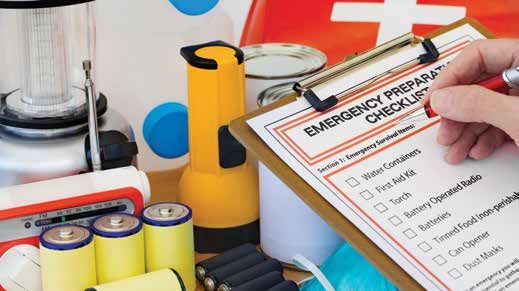
ASSEMBLE YOUR DISASTER KIT
You may need to survive on your own If You Are Preparing Your Own Con-
after a disaster. This means having your tainers of Water It is recommended
own food, water, and other supplies in that you purchase food-grade water
sufficient quantity to last for at least storage containers from surplus or
three days. Local officials and relief camping supplies stores to use for water
workers will be on the scene after a storage. Before filling with water, thor-
disaster, but they cannot reach everyone oughly clean the containers with dish-
immediately. You could get help in washing soap and water, and rinse
hours, but it could take days.
Basic services such as electricity, gas,
completely so there is no residual soap.
Follow directions below on filling the HOME You r disaster
supplies kit should
contain essential food, water, and
container with water. supplies for at least three days.
water, sewage treatment, and telephones
may be cut off for days, a week, or even If you choose to use your own storage Keep this kit in a designated place and
longer. Or you may have to evacuate at containers, choose two-liter plastic soft have it ready in case you have to leave
a moment’s notice and take essentials drink bottles – not plastic jugs or card- your home quickly. Make sure all
with you. You probably will not have
the opportunity to shop or search for
board containers that have had milk or
fruit juice in them. Milk protein and
FOOD family members know where the kit is
kept and can lift and carry the kit.
the supplies you need. fruit sugars cannot be adequately The following are things to consider
when putting together your food Additionally, you may want to consider
removed from these containers and having supplies for sheltering for up to
A disaster supply kit is a collection of provide an environment for bacterial supplies:
basic items that members of a household two weeks, and plan for possible power
growth when water is stored in them. • Avoid foods that will make you outages at home.
may need in the event of a disaster. Cardboard containers also leak easily thirsty. Choose salt-free crackers,
KIT LOCATIONS
Since you do not know where you will
and are not designed for long-term stor-
age of liquids. Also, do not use glass
whole grain cereals, and canned
foods with high liquid content.
WORK This kit should be in
one container, and
ready to “grab and go” in case you are
be when an emergency occurs, prepare containers because they can break and evacuated from your workplace.
are heavy. • Stock canned foods, dry mixes,
supplies for home, work, and and other staples that do not
vehicles. Make sure you have food and water in
If Storing Water in Plastic Soda Bot- require refrigeration, cooking, the kit. Also, be sure to have comfortable
tles, Follow These Steps Thoroughly water, or special preparation.
WATER clean the bottles with dishwashing soap You may already have many of
walking shoes at your workplace in case
an evacuation requires walking long
How Much Water Do I Need? You and water, and rinse completely so there these on hand. (Note: Be sure to distances.
should store at least one gallon of water
per person per day. A normally active
person needs at least one-half gallon of
is no residual soap. Sanitize the bottles
by adding a solution of one teaspoon of
non-scented liquid household chlorine
include a manual can opener.)
• Include special dietary needs. CAR In case you are stranded,
keep a kit of emergency
supplies in your car.
water daily just for drinking. bleach to a quart of water. Swish the Maintaining Your Kit This kit should contain maps, food,
In determining adequate quantities, sanitizing solution in the bottle so that water, manual can opener, first aid kit,
it touches all surfaces. After sanitizing Just as important as putting your sup-
take the following into account: plies together is maintaining them so and manual, flares, jumper cables,
the bottle, thoroughly rinse out the sani- flashlight and extra batteries, battery-
• Individual needs vary, depending tizing solution with clean water. they are safe to use when needed.
powered radio and extra batteries, fire
on age, physical condition, Here are some tips to keep your supplies extinguisher (5 lb.,A-B-C type),
activity, diet, and climate. Filling Water Containers Fill the ready and in good condition: blanket, rain gear, and seasonal
bottle to the top with regular tap water. supplies.
• Children, nursing mothers, and If the tap water has been commercially • Keep canned foods in a dry place
ill people need more water. treated from a water utility with chlo- where the temperature is cool.
• Very hot temperatures can double rine, you do not need to add anything • Throw out any cans that become • Re-think your needs every
the amount of water needed. else to the water to keep it clean. If the swollen, dented, or corroded. year and update your kit as
water you are using comes from a well your family’s needs change.
• A medical emergency might or water source that is not treated with • Store boxed food in tightly
require additional water. chlorine, add two drops of non-scented closed plastic or metal containers • Keep items in airtight plastic
liquid household chlorine bleach to the to protect from pests and bags and put your entire disaster
• Water is used for sanitation supplies kit in one or two easy-
needs as well as for drinking. water. Tightly close the container using to extend its shelf life.
the original cap. Be careful not to con- to-carry containers, such as
• Use foods before they go bad, and an unused trashcan, camping
How Should I Store Water? To pre- taminate the cap by touching the inside replace them with fresh supplies.
pare the safest and most reliable emer- of it with your finger. Place a date on backpack, or duffel bag.
gency supply of water, it is recom- the outside of the container so that you • Place new items at the back
mended that you purchase commercially know when you filled it. of the storage area and You can visit floridadisaster.org/plan-
bottled water. Keep bottled water in its older ones in the front. prepare to build your Family Emer-
original container and do not open it Store in a cool, dark place. Replace the gency Plan. A customized Disaster
water every six months if not using • Change stored food and water Supply Kit will be generated as part of
until you need to use it. Be sure to supplies every six months.
observe the expiration or “use by” date. commercially bottled water. your plan.
Be sure to write the date you
store it on all containers. Source: fema.govYou can also read


