Effectiveness of eHealth Interventions in Improving Medication Adherence for Patients With Chronic Obstructive Pulmonary Disease or Asthma: ...
←
→
Page content transcription
If your browser does not render page correctly, please read the page content below
JOURNAL OF MEDICAL INTERNET RESEARCH                                                                                                          Schulte et al

     Review

     Effectiveness of eHealth Interventions in Improving Medication
     Adherence for Patients With Chronic Obstructive Pulmonary
     Disease or Asthma: Systematic Review

     Mieke H J Schulte1*, PhD; Jiska J Aardoom1,2,3*, PhD; Lisa Loheide-Niesmann1,4, MSc; Leonie L L Verstraete1, MSc;
     Hans C Ossebaard5, PhD; Heleen Riper1,6,7, Prof Dr
     1
      Department of Clinical, Neuro- and Developmental Psychology, Vrije Universiteit, Amsterdam, Netherlands
     2
      Department of Public Health and Primary Care, Leiden University Medical Center, Leiden, Netherlands
     3
      National eHealth Living Lab, Leiden, Netherlands
     4
      Behavioural Science Institute, Radboud University, Nijmegen, Netherlands
     5
      Dutch National Healthcare Institute, Diemen, Netherlands
     6
      Department of Psychiatry, Amsterdam University Medical Center (VUmc), Vrije Universiteit, Amsterdam, Netherlands
     7
      GGZ inGeest Specialized Mental Health Care, Research and Innovation, Amsterdam, Netherlands
     *
      these authors contributed equally

     Corresponding Author:
     Heleen Riper, Prof Dr
     Department of Clinical, Neuro- and Developmental Psychology
     Vrije Universiteit
     Medical Faculty
     Van der Boechorststraat 7
     Amsterdam, 1081 BT
     Netherlands
     Phone: 31 20 59 82619
     Email: h.riper@vu.nl

     Abstract
     Background: Poor treatment adherence in patients with chronic obstructive pulmonary disease (COPD) or asthma is a global
     public health concern with severe consequences in terms of patient health and societal costs. A potentially promising tool for
     addressing poor compliance is eHealth.
     Objective: This review investigates the effects of eHealth interventions on medication adherence in patients with COPD or
     asthma.
     Methods: A systematic literature search was conducted in the databases of Cochrane Library, PsycINFO, PubMed, and Embase
     for studies with publication dates between January 1, 2000, and October 29, 2020. We selected randomized controlled trials
     targeting adult patients with COPD or asthma, which evaluated the effectiveness of an eHealth intervention on medication
     adherence. The risk of bias in the included studies was examined using the Cochrane Collaboration’s risk of bias tool. The results
     were narratively reviewed.
     Results: In total, six studies focusing on COPD and seven focusing on asthma were analyzed. Interventions were mostly
     internet-based or telephone-based, and could entail telemonitoring of symptoms and medication adherence, education, counseling,
     consultations, and self-support modules. Control groups mostly comprised usual care conditions, whereas a small number of
     studies used a face-to-face intervention or waiting list as the control condition. For COPD, the majority of eHealth interventions
     were investigated as an add-on to usual care (5/6 studies), whereas for asthma the majority of interventions were investigated as
     a standalone intervention (5/7 studies). Regarding eHealth interventions targeting medication adherence for COPD, two studies
     reported nonsignificant effects, one study found a significant effect in comparison to usual care, and three reported mixed results.
     Of the seven studies that investigated eHealth interventions targeting medication adherence in asthma, three studies found
     significant effects, two reported nonsignificant effects, and two reported mixed effects.
     Conclusions: The mixed results on the effectiveness of eHealth interventions in improving treatment adherence for asthma and
     COPD are presumably related to the type, context, and intensity of the interventions, as well as to differences in the

     https://www.jmir.org/2021/7/e29475                                                                     J Med Internet Res 2021 | vol. 23 | iss. 7 | e29475 | p. 1
                                                                                                                          (page number not for citation purposes)
XSL• FO
RenderX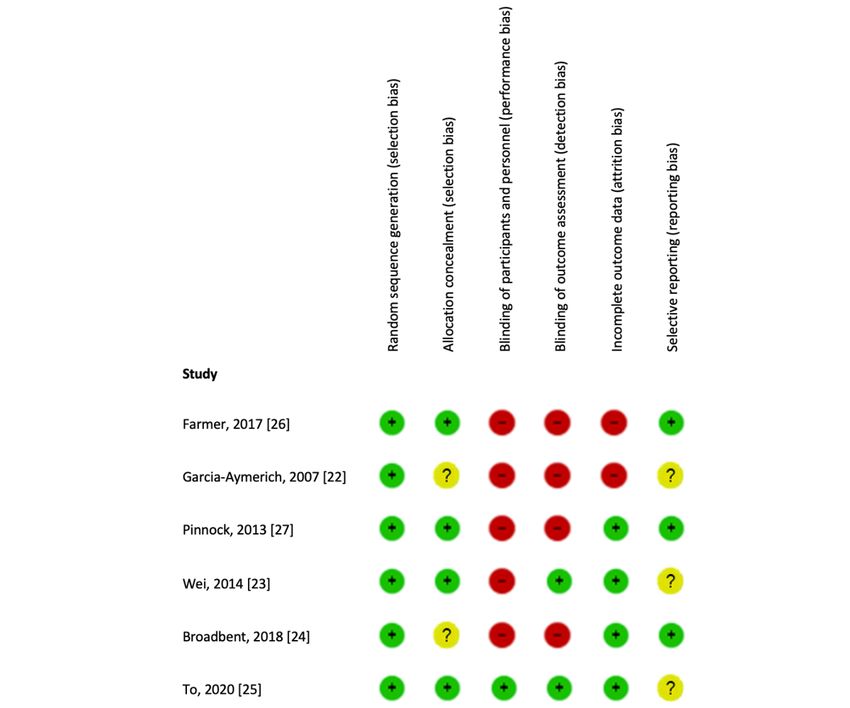
JOURNAL OF MEDICAL INTERNET RESEARCH                                                                                                 Schulte et al

     operationalization and measurement of adherence outcomes. Much remains to be learned about the potential of eHealth to optimize
     treatment adherence in COPD and asthma.

     (J Med Internet Res 2021;23(7):e29475) doi: 10.2196/29475

     KEYWORDS
     chronic obstructive pulmonary disease; asthma; medication adherence; exercise adherence; treatment adherence; eHealth;
     systematic review; COPD; adherence; exercise; treatment; review

                                                                          Increasingly, eHealth is being used in the provision of health
     Introduction                                                         care services such as patient communication, monitoring, and
     With a global prevalence of over 299 million people living with      education. In general, eHealth can be an effective tool to address
     chronic obstructive pulmonary disease (COPD) and almost 273          poor treatment adherence in patients with chronic diseases, as
     million people living with asthma in 2017 [1], COPD and asthma       indicated by the results of numerous studies focusing on
     are common chronic lung diseases. They are a worldwide public        different target populations [13-17]. However, to our knowledge,
     health concern and they increasingly affect the lives of patients    no systematic review or meta-analysis has yet been performed
     due to climate change and pollution [2]. The clinical and            investigating the effects of eHealth interventions on adherence
     economic burden of asthma and COPD have been widely                  specifically for patients with COPD and only limited research
     established [3]. Both these respiratory diseases are typically       has focused on youth or adult asthma populations. Bonini [18]
     treated and managed with drug therapies, often in the form of        conducted a systematic review of the literature published in
     daily inhaled medication. Full adherence is important for optimal    2016 that assessed the effects of eHealth on asthma
     management and treatment of COPD and asthma [4-6]. This is           management, incorporating multiple components including
     especially the case when patients become more vulnerable, such       medication adherence in children and adults. The findings
     as during environmental disruptions or the current COVID-19          suggested an overall beneficial effect of eHealth on asthma
     pandemic [7].                                                        control and management, whereby eHealth included mobile
                                                                          health systems (mHealth), telemedicine, electronic health
     Unfortunately, adherence to treatment regimens for COPD and          records, and digital app interventions. A recent meta-analysis
     asthma is often poor. Adherence to inhaled corticosteroids (ICS)     investigated the effect of eHealth on ICS adherence in patients
     in adult patients with asthma is estimated to range from 22%         with asthma (including both children and adults), comprising
     to 63% [8]. Medication adherence in patients with COPD               15 randomized controlled trials with a total of 13,907
     reportedly ranges from 0.3% to 68%, depending on the type            participants. Compared with usual care, a small but significant
     and combination of medications [9]. Adherence is a complex,          overall effect of eHealth interventions was observed. In addition,
     multifaceted concept, including many potential contributing          a pooled analysis of four studies provided evidence for the
     factors, which can be medication-related (eg, side effects) or       superiority of mHealth interventions such as SMS text messages
     patient-related (eg, forgetfulness, medication beliefs) [10]. Poor   and audiovisual reminders as compared to usual care [19].
     adherence can severely impact patients’ health outcomes, with
     consequences including an increased risk of mortality and            The aim of our study was to systematically review the
     exacerbations, as well as diminished disease control and quality     effectiveness of eHealth interventions in improving medication
     of life [5]. Poor adherence has furthermore been associated with     adherence in adult patients with COPD or asthma. In this review,
     higher health care utilization and costs [5,6]. Therefore, there     the results were presented separately for asthma and COPD in
     is an urgent need for interventions that can improve treatment       order to enable investigation of potential differences between
     adherence in individuals with COPD or asthma.                        the diseases, as well as to allow for potential nuance in terms
                                                                          of the effectiveness of specific eHealth interventions for the
     A recent Cochrane review comprising 28 randomized controlled         two diseases separately.
     trials reported positive effects of various interventions to
     improve adherence to ICS in asthma in comparison to usual            Methods
     care [11]. After approximately 71 weeks of follow-up, a 20%
     improvement was achieved for people who were given education         No review protocol was made beforehand and the review was
     about adherence (20 trials) or who were provided with electronic     not registered in any database or registry. The PRISMA
     monitoring or reminders to use their inhaler (11 trials). Another    (Preferred Reporting Items for Systematic Reviews and
     review investigated the effect of interventions to improve           Meta-Analyses) checklist can be found in Multimedia Appendix
     medication adherence in COPD [12]. Overall, five of the seven        1.
     studies reported significant improvements in adherence.
     Effective strategies involved brief counseling, monitoring, and
                                                                          Search Strategy
     feedback on adherence through electronic medication delivery         Our search strategy was part of a broader search performed in
     devices, as well as multicomponent interventions including           a research project on the role of eHealth in treatment adherence
     education, self-management, motivational interviewing, and           in chronic lung disease, including obstructive sleep apnea
     extra support (eg, clinic visits, phone calls) by health care        (OSA), asthma, and COPD. The results regarding OSA have
     professionals. Whether such strategies produced effects of           been published elsewhere [20]. The search was conducted in
     similar magnitudes remains unclear.                                  the electronic databases of the Cochrane Library (Wiley),

     https://www.jmir.org/2021/7/e29475                                                            J Med Internet Res 2021 | vol. 23 | iss. 7 | e29475 | p. 2
                                                                                                                 (page number not for citation purposes)
XSL• FO
RenderX
JOURNAL OF MEDICAL INTERNET RESEARCH Schulte et al
PsycINFO (EBSCO), PubMed, and Embase. The search results population, interventions, outcomes, and results were extracted
were limited to available full-text articles in English or Dutch by means of a data extraction form in an Excel spreadsheet by
with publication dates from January 1, 2000, to October 29, JA (January 1, 2000, through March 20, 2018) and MS (March
2020. Numerous terms related to eHealth technology, patient 21, 2018, through October 29, 2020).
adherence, and the target populations (asthma, COPD) were
combined, using both free-text and index terms (for the full
Quality Assessment
search string, see Multimedia Appendix 2). In addition, reference The Cochrane Collaboration’s risk-of-bias tool [21] was used
lists of the included studies, as well as relevant systematic to assess the quality of all included studies. Two reviewers (JA
reviews, were checked for potentially relevant additional studies. and LL or MS and LV, depending on publication date; see
above) independently evaluated the following dimensions of
Study Selection and Data Extraction risk of bias: (1) adequacy of random sequence generation, (2)
Inclusion criteria were as follows: (1) The target population adequacy of concealment of allocation sequence to personnel,
comprised patients aged ≥18 years with COPD or asthma. (2) (3) blinding of study participants and personnel, (4) blinding
One or more main component(s) of the intervention were of outcome assessors, (5) adequacy of handling of incomplete
delivered by eHealth technology, or an eHealth component was outcome data, and (6) selective outcome reporting. Each study
investigated as an add-on intervention to usual care. The criteria was rated per dimension as “low risk,” “high risk,” or “unclear
to qualify as an eHealth intervention were that (A) the risk.” Disagreements between reviewers were resolved by
intervention was delivered via information and communications discussion.
technology such as telephone calls, telemedicine (eg,
videoconferencing), websites, smartphone apps, or SMS text
Data Analysis
messages; and (B) the intervention was delivered independently Due to the limited number of available studies and the
of time and place (eg, videos delivered in face-to-face sessions heterogeneity of the studies in terms of designs and
were not considered eligible). (3) Intervention effects were characteristics, as well as the assessments and
compared to a control group, with exclusion of control operationalizations of medication adherence, the results were
conditions containing the same eHealth component as the narratively reviewed and no meta-analysis has been performed.
experimental condition. (4) Outcomes were assessed in terms
of at least one quantitative measure of adherence to the medical Results
treatment—that is, to oral or inhaler medication. (5) Adherence
measures were compared statistically between study conditions. Search and Screening
(6) The study design was a randomized controlled trial. Figure 1 depicts the PRISMA flow diagram of study
identification and selection. The pooled systematic search
All titles and abstracts were independently screened by two
resulted in a total of 6447 potentially relevant articles covering
reviewers (JA and LL: January 1, 2000, through March 20,
COPD or asthma. After removal of 2520 duplicates, a total of
2018; MS and LV: March 21, 2018, through October 29, 2020).
3923 articles were selected for title and abstract screening. A
Subsequently, the full-text articles of the selected papers were
total of 78 studies were then selected for full-text screening. Of
screened to determine eligibility for this review. Covidence
these, 32 targeted COPD and 46 targeted asthma. Full-text
software was used to manage the screening process and the
screening of the eligibility criteria eventually led to the inclusion
risk-of-bias assessments. Data on study reference, design,
of 6 studies targeting COPD and 7 studies targeting asthma.
https://www.jmir.org/2021/7/e29475 J Med Internet Res 2021 | vol. 23 | iss. 7 | e29475 | p. 3
(page number not for citation purposes)
XSL• FO
RenderXJOURNAL OF MEDICAL INTERNET RESEARCH Schulte et al
Figure 1. PRISMA flowchart describing study identification and selection process. PRISMA: Preferred Reporting Items for Systematic Reviews and
Meta-Analyses.
in three others. The studies were conducted in Europe, China,
Results for COPD and New Zealand.
Study Characteristics Quality Assessment
Multimedia Appendix 3 provides an overview of study and Figure 2 presents the results of the risk-of-bias assessment for
intervention characteristics; of the six included studies, two each study separately. None of the studies were rated as having
interventions were internet-based and four were telephone-based. low risk of bias on all six dimensions. The majority of studies
Interventions involved the telemonitoring of symptoms and had a high risk of performance bias (n=5) and detection bias
adherence, education and counseling (eg, knowledge of the (n=4). These were due to the lack of blinding and participants
disease, smoking cessation, inhaler techniques), and self-support self-reporting their medication adherence while being aware of
modules (eg, to help patients identify disease exacerbations or their allocated study condition. Studies with a high risk of
to support psychological well-being). Medication adherence attrition bias (n=2) generally did not analyze the data according
was a primary outcome in three studies and a secondary outcome to an intention-to-treat design, thus excluding participants who
did not adhere to the intervention or were lost to follow-up.
https://www.jmir.org/2021/7/e29475 J Med Internet Res 2021 | vol. 23 | iss. 7 | e29475 | p. 4
(page number not for citation purposes)
XSL• FO
RenderXJOURNAL OF MEDICAL INTERNET RESEARCH Schulte et al
Figure 2. Risk of bias analysis on individual studies investigating effectiveness of eHealth interventions on medication adherence in patients with
chronic obstructive pulmonary disease.
was operationalized. In one study, telephone-based integrated
Effects of eHealth Interventions on Medication care resulted in significant effects in terms of the percentages
Adherence of self-reported medication inhaler adherence and observed
The effectiveness of the interventions is shown in Table 1. Of correct inhaler maneuvers, whereas no effects were found for
the six included studies, four studies focusing on medication the percentages of self-reported oral medication adherence [22].
adherence in COPD demonstrated the eHealth intervention to In another study, telephone-based telemonitoring did not result
be more effective than care as usual in terms of improving in significant effects on adherence to the medication regimen,
medication adherence on at least one of the operationalizations but there were significant effects on the percentages of people
of adherence [22-25]. However, three of these four studies adhering at least 80% to the regimen; in both those
reported nonsignificant effects when other operationalizations operationalizations, adherence was measured objectively by an
of medication adherence were used [22,24,25]. In addition, two administration tracker attached to the device [25]. In the last
studies found no differences between participants who received study, telemonitoring and treatment reminders delivered by an
the eHealth intervention (ie, online monitoring and as-needed internet-linked robot resulted in significant results when
telephone contact) supplemental to care as usual, or care as medication adherence was measured with a self-reported
usual only [26,27]. Both of these studies used the self-report questionnaire, but nonsignificant results when the percentages
Medication Adherence Rating Scale (MARS). of medication adherence were measured objectively by an
administration tracker attached to the device [24].
Telephone-based pharmaceutical care including education and
counseling was found to be effective as compared to care as Results for Asthma
usual in terms of adherence operationalized as pill count [23].
The three studies that reported mixed results all investigated Study Characteristics
the effect of an eHealth intervention as an add-on to care as Multimedia Appendix 3 presents the details on study and
usual. These studies differed regarding the type of intervention intervention characteristics. Of the seven included studies
and the technology used, as well as how medication adherence focusing on asthma, six interventions were telephone-based
https://www.jmir.org/2021/7/e29475 J Med Internet Res 2021 | vol. 23 | iss. 7 | e29475 | p. 5
(page number not for citation purposes)
XSL• FO
RenderXJOURNAL OF MEDICAL INTERNET RESEARCH Schulte et al
[28-33] and one was internet-based [34]. Interventions involved Quality Assessment
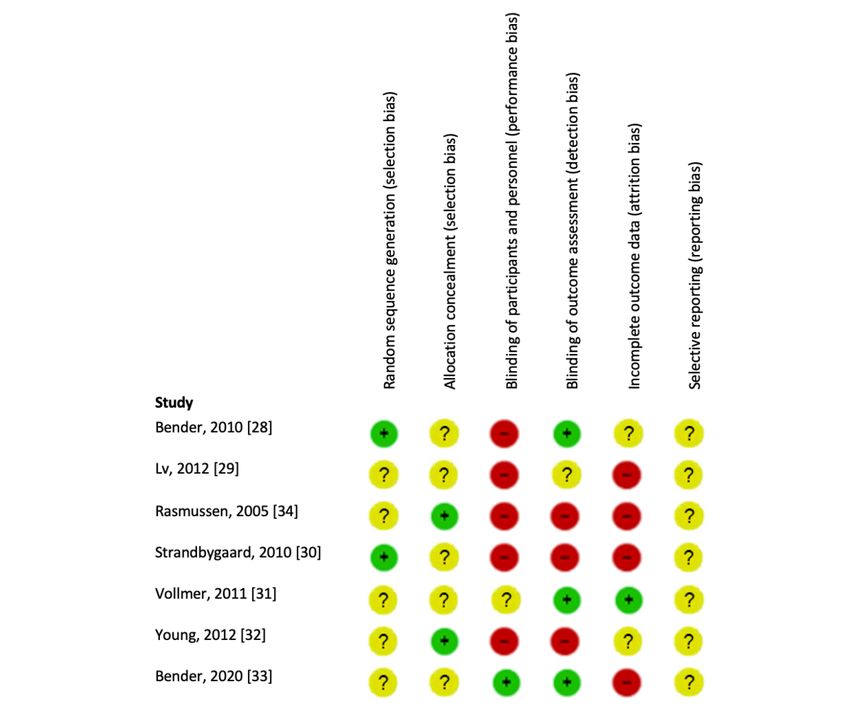
monitoring and management of medication, including reminders Figure 3 presents the results of the risk-of-bias assessment.
for intake and refills, as well as pharmacist consultations. None of the studies were rated as having low risk of bias on all
Control conditions included, among others, asthma education, six dimensions. A substantial number of studies had a high risk
monitoring and treatment by a general practitioner or specialist, of performance bias (n=5) or detection bias (n=3), due to the
and inhaler use tracking. Study periods ranged from 2.5 to 18 lack of blinding. Most studies also had a high risk of attrition
months. Overall, five studies included medication adherence as bias (n=4), mainly because they did not analyze the data in an
a primary outcome. Most studies were conducted in the United intention-to-treat design.
States (n=4).
Figure 3. Risk of bias analysis on individual studies investigating effectiveness of eHealth interventions on medication adherence in patients with
asthma.
system for monitoring, medication reminders, and education
Effects of eHealth Interventions on Medication was found to significantly increase self-reported medication
Adherence adherence [28,31]. One of these studies operationalized
The effectiveness of the interventions is displayed in Table 1. medication adherence on the basis of self-report [31], whereas
We determined that five of the seven included studies on the other tracked inhaler use or assessed inhaler weight [28]. In
medication adherence in asthma reported significant effects on another study, a guided standalone internet-based monitoring
at least one of the operationalizations of medication adherence and management tool was found to significantly increase
compared to control conditions [28,30,31,33,34]. However, at self-reported medication adherence as compared to a control
the same time, two of these five studies reported nonsignificant group receiving monitoring and treatment by a general
effects when other operationalizations of medication adherence practitioner or specialist [34]. Another study also investigating
were used [30,33]. In addition, two studies reported the effect of SMS text message medication reminders as an
nonsignificant effects [29,32]. In two studies, a standalone add-on to care as usual reported mixed results depending on
eHealth intervention involving an interactive voice response how adherence was operationalized [30]. Compared to care as
https://www.jmir.org/2021/7/e29475 J Med Internet Res 2021 | vol. 23 | iss. 7 | e29475 | p. 6
(page number not for citation purposes)
XSL• FO
RenderXJOURNAL OF MEDICAL INTERNET RESEARCH Schulte et al
usual, there was a significant improvement in the percentage of increase in self-reported use of controller medication was found
inhaler use, but not in the percentage of participants collecting in the SMS text message/telephone group as compared to the
their medication refills, as recorded in pharmacy reports. email group. Telephone-based pharmacist consultations as an
Another study also investigated the effect of a standalone add-on to care as usual did not result in a significant increase
monitoring and management support tool, but provided via SMS in self-reported adherence rates compared with care as usual
text message or telephone interactive voice response or via email [32]. Lv and colleagues [29] investigated the effect of a
[33]; the results were mixed depending on the operationalization standalone eHealth intervention using SMS reminders about
of medication adherence and the group comparisons. Comparing asthma management; they reported nonsignificant effects in
the combined intervention groups with care as usual, the study comparison with care as usual or with verbal or written asthma
found no significant effects on self-reported medication education. Medication adherence was defined as the percentage
adherence. When the intervention groups were compared, no of participants that were adherent, although the exact
significant effect was found on self-reported use of reliever operationalization was unclear.
medication or on the asthma medication ratio, but a greater
https://www.jmir.org/2021/7/e29475 J Med Internet Res 2021 | vol. 23 | iss. 7 | e29475 | p. 7
(page number not for citation purposes)
XSL• FO
RenderXJOURNAL OF MEDICAL INTERNET RESEARCH Schulte et al
Table 1. Effects of eHealth interventions for medication adherence in chronic obstructive pulmonary disease and asthma: study resultsa.
Condition; reference and study design; Outcome measure Between-group results Between- Study quality (num-
and outcome operationalization group statis- ber of dimensions
tic (P value) unclear/low/high
risk)b
Chronic obstructive pulmonary disease
Farmer, 2017 [26], add-on to care as usual .77 0/3/3
Medication adherence Medication Adherence Rate Scale Difference in score from base-
line to 12 months. TG: 0.17
(2.47) vs CG: 0.33 (3.65).
Garcia-Aymerich, 2007 [22], add-on to care as usual 2/1/3
Percentage of oral medication Medication Adherence Scale 12-month results. TG: 90% vs .57
adherence CG: 85%
Percentage of inhaler medica- Inhaler Adherence Scale 12-month results. TG: 71% vs .009
tion adherence CG: 37%
Percentage of correct inhaler Observed inhaler skills 12-month results. TG: 86% vs .001
maneuvers CG: 24%
Pinnock, 2013 [27], add-on to care as usual 0/4/2
Medication adherence Medication Adherence Rate Scale 12-month results. TG: 24.0 .05
(1.7) vs CG: 23.7 (1.9)
Wei, 2014 [23], standalone 1/4/1
Percentage of medication adher- Pill count 12-month results. TG: 66.5 .04
ence (8.6) vs CG: 54.4 (12.5)
Broadbent, 2018 [24], add-on to care as usual 1/3/2
Percentage of medication adher- Administration tracker on device TG: 48.5% vs CG: 29.5% .03
ence
Medication adherence Medication Adherence Rate Scale Difference in score from base- .06
line to 4 months. TG: 1.63
(0.56) vs CG: 0.12 (0.55)
To, 2020 [25], add-on to care as usual 1/5/0
Medication regimen adherence Ratio number of doses taken (admin- 2-month results. TG: 99.8 .12
istration tracker) / number of doses (15.0) vs CG: 92.7 (30.0)
prescribed
Percentage of ≥80% adherence Ratio number of doses taken (admin- 2-month results. TG: 85.7 vs .02
istration tracker)/number of doses CG: 71.4
prescribed
Correct inhaler technique Inhaler use checklist 2-month results. TG: 91.9 (7.8) .002
vs CG: 79.9 (17.1)
Asthma
Bender, 2010 [28], standalone 3/2/1
Percentage of inhaled corticos- Electronic tracking device CG: 64.5 (17.2) vs TG: 49.1 .003
teroids adherence (number of (16.8)
taken puff/number of pre-
scribed puffs)
Lv, 2012 [29], add-on to care as usual 4/0/2
Percentage of adherers Not specified TG: 80 vs CG1: 74.1 vs CG2: .11
50
Rasmussen, 2005 [34], standalone 2/1/3
Percentage of inhaled corticos- Self-reported as almost always tak- TG: 87 vs CG2: 54JOURNAL OF MEDICAL INTERNET RESEARCH Schulte et al
Condition; reference and study design; Outcome measure Between-group results Between- Study quality (num-
and outcome operationalization group statis- ber of dimensions
tic (P value) unclear/low/high
risk)b
Strandbygaard, 2010 [30], add-on to care as usual 2/1/3
Percentage of inhaled corticos- Administration tracker on device TG: 81.5 vs CG: 70.1 .02
teroids adherence
Percentage collecting medica- Pharmacy reports TG: 64.3 vs CG: 66.7 .69
tion
Number of days until collecting Pharmacy reports TG: 32 (13-50) vs CG: 29 (13- .56
medication 49)c
Vollmer, 2011 [31], standalone .002 4/2/0
Change in medication adher- Difference in modified medication TG: 0.40 (0.32) vs CG: –0.04
ence possession ratio (0.24)
Young, 2012 [32], standalone .07 3/1/2
Percentage of low adherers Morisky Medication Adherence TG: 47.0 vs CG: 26.0
Scale
Bender, 2020 [33], standalone 3/2/1
Reliever medication use Number of beta-agonist canisters 6- to 18-month results. CG: .19
dispensed 4.71 (0.23) vs TG1+TG2: 4.96
(0.16)
Reliever medication use Number of beta-agonist canisters 6- to 18-month results: TG1: .72
dispensed 5.15 (0.27) vs TG2: 4.76 (0.19)
Controller medication use Number of inhaled corticosteroids 6- to 18-month results: CG: .19
canisters dispensed 6.43 (0.26) vs TG1+TG2: 6.70
(0.20)
Controller medication use Number of inhaled corticosteroids 6- to 18-month results: TG1: .03
canisters dispensed 6.85 (0.31) vs TG2: 6.55 (0.24)
Ratio used medication Asthma medication ratio 6- to 18-month results: CG: .99
0.58 (0.01) vs TG1+TG2: 0.57
(0.01)
Ratio used medication Asthma medication ratio 6- to 18-month results. TG1: .05
0.57 (0.01) vs TG2: 0.58 (0.01)
a
CG: control group; TG: treatment group.
b
Risk of bias according to six dimensions of the Cochrane Collaboration’s risk of bias tool.
c
Values represent means (ranges).
our rather inconclusive and mixed findings, all of the
Discussion abovementioned overview studies highlighted the considerable
General Discussion amount of heterogeneity among study designs and outcomes,
and the limited number of high-quality studies conducted.
This review investigated the effects of eHealth interventions in
improving adherence to medication treatment by patients with Differences in operationalization may have contributed to the
COPD or asthma. In general, mixed results were found and no discrepant results, in that self-report questionnaires such as the
definite conclusions could be drawn. MARS [36] might be less sensitive in detecting actual changes
in treatment adherence than more direct adherence assessments
The mixed results of the current review may be explained by such as pill counts or inhaler use tracking devices. Indeed, such
differences in study design, type and intensity of eHealth variations in objective and subjective measurements of
interventions, type of control condition, and assessment and medication adherence have been widely reported in the literature
operationalization of outcome measures. Previous reviews and [37,38]. To the best of our knowledge, this is the first systematic
meta-analyses have demonstrated small but significant effects review to investigate the effects of eHealth interventions on
of eHealth interventions in improving medication adherence medication adherence in adult patients with COPD or asthma.
for patients with asthma [18,19], as well as for more diverse Our findings are limited by the small number of included studies
populations of chronically ill patients [13] and individuals with and considerable heterogeneity regarding different study aspects.
long-term medication [35]. The latter two studies found positive This challenges the interpretation of eHealth intervention effects
effects in 66% and 59% of the studies, respectively. In line with
https://www.jmir.org/2021/7/e29475 J Med Internet Res 2021 | vol. 23 | iss. 7 | e29475 | p. 9
(page number not for citation purposes)
XSL• FO
RenderXJOURNAL OF MEDICAL INTERNET RESEARCH Schulte et al
in terms of medication adherence for patients with asthma and effective for different subgroups, ultimately leading to more
COPD. personalized or tailor-made treatments. Preliminary research
suggests that increased adherence can improve patient outcomes
Future Research Directions and Recommendations as well as reduce health care costs [5,39]. However, more
Given the limited number of high-quality studies, more studies research is needed to elucidate the cost- effectiveness of eHealth
that minimize potential bias risks are needed to create a more interventions targeting adherence in comparison to usual care.
substantial and reliable body of research on the effectiveness Finally, future studies of eHealth interventions should therefore
of eHealth interventions to improve treatment adherence in incorporate cost-effectiveness analyses to elucidate effects in
COPD and asthma. Furthermore, as a wide variety of outcome relation to costs as compared with usual care.
measures have been used, future studies could benefit from
standardizing measures with respect to adherence outcome. In Conclusion
addition, standardizing the operationalizations of such outcome No firm conclusion can be drawn due to the small numbers of
measures and reporting effect sizes instead of mere statistics in studies and their heterogeneous results. Much remains to be
terms of significance could potentially lead to more clear-cut learned about the potential of eHealth in optimizing treatment
results. Future research would benefit from studies with adherence in COPD and asthma—for example, in terms of what
sufficient statistical power. This would also allow for subgroup types and intensities of eHealth intervention components are
analyses, which could provide more insight into what types, effective for what types of individuals.
intensities, and components of interventions might be more
Acknowledgments
This study was funded by the Dutch National Health Care Institute. The funder was not involved in carrying out the research
activities. We would like to thank Caroline Planting for her help in conducting the literature search.
Conflicts of Interest
None declared.
Multimedia Appendix 1
PRISMA 2020 checklist.
[DOCX File , 32 KB-Multimedia Appendix 1]
Multimedia Appendix 2
Search string.
[DOCX File , 21 KB-Multimedia Appendix 2]
Multimedia Appendix 3
Study and intervention characteristics.
[DOCX File , 20 KB-Multimedia Appendix 3]
References
1. GBD 2017 Disease and Injury Incidence Prevalence Collaborators. Global, regional, and national incidence, prevalence,
and years lived with disability for 354 diseases and injuries for 195 countries and territories, 1990-2017: a systematic
analysis for the Global Burden of Disease Study 2017. Lancet 2018 Dec 10;392(10159):1789-1858 [FREE Full text] [doi:
10.1016/S0140-6736(18)32279-7] [Medline: 30496104]
2. Shin S, Bai L, Burnett RT, Kwong JC, Hystad P, van Donkelaar A, et al. Air Pollution as a Risk Factor for Incident Chronic
Obstructive Pulmonary Disease and Asthma. A 15-Year Population-based Cohort Study. Am J Respir Crit Care Med 2021
May 01;203(9):1138-1148. [doi: 10.1164/rccm.201909-1744oc]
3. GBD 2015 Chronic Respiratory Disease Collaborators. Global, regional, and national deaths, prevalence, disability-adjusted
life years, and years lived with disability for chronic obstructive pulmonary disease and asthma, 1990-2015: a systematic
analysis for the Global Burden of Disease Study 2015. Lancet Respir Med 2017 Sep;5(9):691-706 [FREE Full text] [doi:
10.1016/S2213-2600(17)30293-X] [Medline: 28822787]
4. Vrijens B, Dima AL, Van Ganse E, van Boven JF, Eakin MN, Foster JM, et al. What We Mean When We Talk About
Adherence in Respiratory Medicine. J Allergy Clin Immunol Pract 2016 Sep;4(5):802-812 [FREE Full text] [doi:
10.1016/j.jaip.2016.05.019] [Medline: 27587314]
5. Mäkelä MJ, Backer V, Hedegaard M, Larsson K. Adherence to inhaled therapies, health outcomes and costs in patients
with asthma and COPD. Respir Med 2013 Oct;107(10):1481-1490 [FREE Full text] [doi: 10.1016/j.rmed.2013.04.005]
[Medline: 23643487]
https://www.jmir.org/2021/7/e29475 J Med Internet Res 2021 | vol. 23 | iss. 7 | e29475 | p. 10
(page number not for citation purposes)
XSL• FO
RenderXJOURNAL OF MEDICAL INTERNET RESEARCH Schulte et al
6. van Boven JFM, Chavannes NH, van der Molen T, Rutten-van Mölken MPMH, Postma MJ, Vegter S. Clinical and economic
impact of non-adherence in COPD: a systematic review. Respir Med 2014 Jan;108(1):103-113 [FREE Full text] [doi:
10.1016/j.rmed.2013.08.044] [Medline: 24070566]
7. Kaye L, Theye B, Smeenk I, Gondalia R, Barrett MA, Stempel DA. Changes in medication adherence among patients with
asthma and COPD during the COVID-19 pandemic. J Allergy Clin Immunol Pract 2020 Jul;8(7):2384-2385 [FREE Full
text] [doi: 10.1016/j.jaip.2020.04.053] [Medline: 32371047]
8. Bårnes CB, Ulrik CS. Asthma and adherence to inhaled corticosteroids: Current status and future perspectives. Respir Care
2015 Mar 12;60(3):455-468 [FREE Full text] [doi: 10.4187/respcare.03200] [Medline: 25118311]
9. Ingebrigtsen TS, Marott JL, Nordestgaard BG, Lange P, Hallas J, Dahl M, et al. Low use and adherence to maintenance
medication in chronic obstructive pulmonary disease in the general population. J Gen Intern Med 2015 Jan 23;30(1):51-59
[FREE Full text] [doi: 10.1007/s11606-014-3029-0] [Medline: 25245885]
10. George M, Bender B. New insights to improve treatment adherence in asthma and COPD. PPA 2019 Jul;Volume
13:1325-1334. [doi: 10.2147/ppa.s209532]
11. Normansell R, Kew K, Stovold E. Interventions to improve adherence to inhaled steroids for asthma. Cochrane Database
Syst Rev 2017 Apr 18;4(4):CD012226 [FREE Full text] [doi: 10.1002/14651858.CD012226.pub2] [Medline: 28417456]
12. Bryant J, McDonald V, Boyes A, Sanson-Fisher R, Paul C, Melville J. Improving medication adherence in chronic obstructive
pulmonary disease: a systematic review. Respir Res 2013 Oct 20;14(1):109 [FREE Full text] [doi: 10.1186/1465-9921-14-109]
[Medline: 24138097]
13. Anglada-Martinez H, Riu-Viladoms G, Martin-Conde M, Rovira-Illamola M, Sotoca-Momblona JM, Codina-Jane C. Does
mHealth increase adherence to medication? Results of a systematic review. Int J Clin Pract 2015 Jan;69(1):9-32. [doi:
10.1111/ijcp.12582] [Medline: 25472682]
14. Hamine S, Gerth-Guyette E, Faulx D, Green BB, Ginsburg AS. Impact of mHealth chronic disease management on treatment
adherence and patient outcomes: A systematic review. J Med Internet Res 2015 Feb 24;17(2):e52 [FREE Full text] [doi:
10.2196/jmir.3951] [Medline: 25803266]
15. Tao D, Xie L, Wang T, Wang T. A meta-analysis of the use of electronic reminders for patient adherence to medication in
chronic disease care. J Telemed Telecare 2014 Aug 21;21(1):3-13. [doi: 10.1177/1357633x14541041]
16. Thakkar J, Kurup R, Laba T, Santo K, Thiagalingam A, Rodgers A, et al. Mobile Telephone Text Messaging for Medication
Adherence in Chronic Disease: A Meta-analysis. JAMA Intern Med 2016 Mar 1;176(3):340-349. [doi:
10.1001/jamainternmed.2015.7667] [Medline: 26831740]
17. Kini V, Ho PM. Interventions to Improve Medication Adherence: A Review. JAMA 2018 Dec 18;320(23):2461-2473.
[doi: 10.1001/jama.2018.19271] [Medline: 30561486]
18. Bonini M. Electronic health (e-Health): emerging role in asthma. Curr Opin Pulm Med 2017 Jan;23(1):21-26. [doi:
10.1097/MCP.0000000000000336] [Medline: 27763999]
19. Jeminiwa R, Hohmann L, Qian J, Garza K, Hansen R, Fox BI. Impact of eHealth on medication adherence among patients
with asthma: A systematic review and meta-analysis. Respir Med 2019 Mar;149:59-68 [FREE Full text] [doi:
10.1016/j.rmed.2019.02.011] [Medline: 30803887]
20. Aardoom JJ, Loheide-Niesmann L, Ossebaard HC, Riper H. Effectiveness of eHealth Interventions in Improving Treatment
Adherence for Adults With Obstructive Sleep Apnea: Meta-Analytic Review. J Med Internet Res 2020 Feb 18;22(2):e16972
[FREE Full text] [doi: 10.2196/16972] [Medline: 32130137]
21. Higgins J, Green S. Cochrane Handbook for Systematic Reviews of Interventions (Version 5.1.0). 2011. URL: https:/
/handbook-5-1.cochrane.org/ [accessed 2021-07-16]
22. Garcia-Aymerich J, Hernandez C, Alonso A, Casas A, Rodriguez-Roisin R, Anto JM, et al. Effects of an integrated care
intervention on risk factors of COPD readmission. Respir Med 2007 Jul;101(7):1462-1469 [FREE Full text] [doi:
10.1016/j.rmed.2007.01.012] [Medline: 17339106]
23. Wei L, Yang X, Li J, Liu L, Luo H, Zheng Z, et al. Effect of pharmaceutical care on medication adherence and hospital
admission in patients with chronic obstructive pulmonary disease (COPD): a randomized controlled study. J Thorac Dis
2014 Jun;6(6):656-662 [FREE Full text] [doi: 10.3978/j.issn.2072-1439.2014.06.20] [Medline: 24976987]
24. Broadbent E, Garrett J, Jepsen N, Li Ogilvie V, Ahn HS, Robinson H, et al. Using Robots at Home to Support Patients
With Chronic Obstructive Pulmonary Disease: Pilot Randomized Controlled Trial. J Med Internet Res 2018 Feb 13;20(2):e45
[FREE Full text] [doi: 10.2196/jmir.8640] [Medline: 29439942]
25. To KW, Lee IF, Choi KC, Cheung YTY, Yu DSF. An information-motivation-behavioural-based model and adherence to
inhalation therapy and other health outcomes in patients with chronic obstructive pulmonary disease: A pilot randomized
controlled trial. Int J Nurs Pract 2020 Apr;26(2):e12799. [doi: 10.1111/ijn.12799] [Medline: 31903654]
26. Farmer A, Williams V, Velardo C, Shah SA, Yu L, Rutter H, et al. Self-Management Support Using a Digital Health System
Compared With Usual Care for Chronic Obstructive Pulmonary Disease: Randomized Controlled Trial. J Med Internet Res
2017 May 03;19(5):e144 [FREE Full text] [doi: 10.2196/jmir.7116] [Medline: 28468749]
27. Pinnock H, Hanley J, McCloughan L, Todd A, Krishan A, Lewis S, et al. Effectiveness of telemonitoring integrated into
existing clinical services on hospital admission for exacerbation of chronic obstructive pulmonary disease: researcher blind,
https://www.jmir.org/2021/7/e29475 J Med Internet Res 2021 | vol. 23 | iss. 7 | e29475 | p. 11
(page number not for citation purposes)
XSL• FO
RenderXJOURNAL OF MEDICAL INTERNET RESEARCH Schulte et al
multicentre, randomised controlled trial. BMJ 2013 Oct 17;347:f6070 [FREE Full text] [doi: 10.1136/bmj.f6070] [Medline:
24136634]
28. Bender BG, Apter A, Bogen DK, Dickinson P, Fisher L, Wamboldt FS, et al. Test of an interactive voice response intervention
to improve adherence to controller medications in adults with asthma. J Am Board Fam Med 2010 Mar 05;23(2):159-165
[FREE Full text] [doi: 10.3122/jabfm.2010.02.090112] [Medline: 20207925]
29. Lv Y, Zhao H, Liang Z, Dong H, Liu L, Zhang D, et al. A mobile phone short message service improves perceived control
of asthma: a randomized controlled trial. Telemed J E Health 2012 Jul;18(6):420-426. [doi: 10.1089/tmj.2011.0218]
[Medline: 22667695]
30. Strandbygaard U, Thomsen SF, Backer V. A daily SMS reminder increases adherence to asthma treatment: a three-month
follow-up study. Respir Med 2010 Feb;104(2):166-171 [FREE Full text] [doi: 10.1016/j.rmed.2009.10.003] [Medline:
19854632]
31. Vollmer W, Feldstein A, Smith D, Dubanoski J, Waterbury A, Schneider J, et al. Use of health information technology to
improve medication adherence. Am J Manag Care 2011 Dec;17(12 Spec No):SP79-SP87 [FREE Full text] [Medline:
22216772]
32. Young HN, Havican SN, Griesbach S, Thorpe JM, Chewning BA, Sorkness CA. Patient and phaRmacist telephonic
encounters (PARTE) in an underserved rural patient population with asthma: results of a pilot study. Telemed J E Health
2012;18(6):427-433 [FREE Full text] [doi: 10.1089/tmj.2011.0194] [Medline: 22656403]
33. Bender BG, Wagner NM, Shoup JA, Goodrich GK, Shetterly SM, Cvietusa PJ, et al. Adults With Asthma Experience No
Increase in Asthma-related Exacerbations When Digital Communication Technology Tools Are Employed to Offset Provider
Workload: A Pragmatic Randomized Trial. Med Care 2020;58(4):352-359. [doi: 10.1097/MLR.0000000000001265]
[Medline: 32197029]
34. Rasmussen LM, Phanareth K, Nolte H, Backer V. Internet-based monitoring of asthma: a long-term, randomized clinical
study of 300 asthmatic subjects. J Allergy Clin Immunol 2005 Jun;115(6):1137-1142. [doi: 10.1016/j.jaci.2005.03.030]
[Medline: 15940125]
35. Pouls BPH, Vriezekolk JE, Bekker CL, Linn AJ, van Onzenoort HAW, Vervloet M, et al. Effect of Interactive eHealth
Interventions on Improving Medication Adherence in Adults With Long-Term Medication: Systematic Review. J Med
Internet Res 2021 Jan 08;23(1):e18901 [FREE Full text] [doi: 10.2196/18901] [Medline: 33416501]
36. Thompson K, Kulkarni J, Sergejew A. Reliability and validity of a new Medication Adherence Rating Scale (MARS) for
the psychoses. Schizophrenia Research 2000 May;42(3):241-247. [doi: 10.1016/s0920-9964(99)00130-9]
37. Van Steenis MNA, Driesenaar JA, Bensing JM, Van Hulten R, Souverein PC, Van Dijk L, et al. Relationship between
medication beliefs, self-reported and refill adherence, and symptoms in patients with asthma using inhaled corticosteroids.
Patient Prefer Adherence 2014 Jan;8:83-91 [FREE Full text] [doi: 10.2147/PPA.S44185] [Medline: 24470757]
38. Lam WY, Fresco P. Medication Adherence Measures: An Overview. Biomed Res Int 2015;2015:217047 [FREE Full text]
[doi: 10.1155/2015/217047] [Medline: 26539470]
39. Sokol MC, McGuigan KA, Verbrugge RR, Epstein RS. Impact of medication adherence on hospitalization risk and healthcare
cost. Med Care 2005 Jun;43(6):521-530. [doi: 10.1097/01.mlr.0000163641.86870.af] [Medline: 15908846]
Abbreviations
COPD: chronic obstructive pulmonary disease
ICS: inhaled corticosteroids
MARS: Medication Adherence Rating Scale
OSA: obstructive sleep apnea
PRISMA: Preferred Reporting Items for Systematic Reviews and Meta-Analyses
Edited by G Eysenbach; submitted 08.04.21; peer-reviewed by B Pouls, I Yang; comments to author 27.04.21; revised version received
12.06.21; accepted 14.06.21; published 27.07.21
Please cite as:
Schulte MHJ, Aardoom JJ, Loheide-Niesmann L, Verstraete LLL, Ossebaard HC, Riper H
Effectiveness of eHealth Interventions in Improving Medication Adherence for Patients With Chronic Obstructive Pulmonary Disease
or Asthma: Systematic Review
J Med Internet Res 2021;23(7):e29475
URL: https://www.jmir.org/2021/7/e29475
doi: 10.2196/29475
PMID: 34313593
https://www.jmir.org/2021/7/e29475 J Med Internet Res 2021 | vol. 23 | iss. 7 | e29475 | p. 12
(page number not for citation purposes)
XSL• FO
RenderXJOURNAL OF MEDICAL INTERNET RESEARCH Schulte et al
©Mieke H J Schulte, Jiska J Aardoom, Lisa Loheide-Niesmann, Leonie L L Verstraete, Hans C Ossebaard, Heleen Riper.
Originally published in the Journal of Medical Internet Research (https://www.jmir.org), 27.07.2021. This is an open-access
article distributed under the terms of the Creative Commons Attribution License (https://creativecommons.org/licenses/by/4.0/),
which permits unrestricted use, distribution, and reproduction in any medium, provided the original work, first published in the
Journal of Medical Internet Research, is properly cited. The complete bibliographic information, a link to the original publication
on https://www.jmir.org/, as well as this copyright and license information must be included.
https://www.jmir.org/2021/7/e29475 J Med Internet Res 2021 | vol. 23 | iss. 7 | e29475 | p. 13
(page number not for citation purposes)
XSL• FO
RenderXYou can also read


