ELEMENTARY MIDDLE HIGH - 2020-2021 Code of Student Conduct Student Rights and Responsibilities
←
→
Page content transcription
If your browser does not render page correctly, please read the page content below
Code of Student Conduct~
          Student Rights and Responsibilities
         and Character Development Handbook

                                       2020-2021

                                      ELEMENTARY
                                        MIDDLE
                                         HIGH
 The DeKalb County School District provides translation of the Code of Student Conduct~Student Rights and
Responsibilities and Character Development Handbook, courtesy of the DeKalb International Welcome Center.
 Request for a translated hard copy may be made to the school principal or an electronic version is available at
                   www.dekalbschoolsga.org/student-support-intervention/student-relations.

                     The English language version is considered the most accurate.

In the event of a disagreement or discrepancy between the translation and the original English version of this
           handbook or any notice or disclaimer therein, the original English version will prevail.
This page was intentionally left blank
2020-2021 Parent/Guardian Signature Page
                                 Please return this page within three (3) days to your school.

                                                       Parent/Guardian
                                                  Acknowledgement of Receipt
Please read and review the Code of Student Conduct – Student Rights and Responsibilities and Character Development
Handbook with your child and emphasize your child’s role in helping to maintain a safe and orderly school learning
environment. Also, this handbook includes important information related to student records, the Family Educational Rights
and Privacy Act (FERPA), and other rights and responsibilities. Please sign below to acknowledge that you and your child
received this handbook. Then, cut along the dotted line and return to your child’s school as soon as possible.
Thank you for your support.

                                    Student Summer School/Program Responsibilities
I affirm that I understand I am responsible for adhering to all rules, regulations, procedures, policies, state, local and federal
laws found in the 2020-2021 Code of Student Conduct ~ Student Rights and Responsibilities and Character Development
Handbook during the 2020-2021 school year and all summer programs following the 2020-2021 school year. I further
understand that I am immediately subject to the Levels of Consequences listed in the 2020-2021 Code of Student Conduct ~
Student Rights and Responsibilities and Character Development Handbook if I am found in violation of any infraction during
the 2020-2021 school year and all 2021 DeKalb County School District summer school/programs.

                                        Consent for Student to Participate in Surveys
Each year the Georgia Department of Education conducts surveys of 3rd through 12th grade students. The topics surveyed
include drugs, violence, mental health issues, driving habits, exercise and diet. The surveys are anonymous and no personal
identification is required. The surveys allow the School District to support and evaluate needs-driven programming for
students. Participation in the surveys is optional. Refer to the Protection of Pupil Rights Amendment section on page 68 for
more information. This survey is separate and distinct from the District Safety Audit, which ALL students will be asked to
complete.

_________ I do not consent to my child participating in the Georgia Department of Education Georgia Student Health
         Survey.

_________ I consent to my child participating in the Georgia Department of Education Georgia Student Health Survey.

                                                DeKalb County School District
                                                        Safe School Pledge
My individual choices and actions, when multiplied by those of other students throughout the DeKalb County School District
will make a difference. By honoring this pledge, I can do my part to make our schools safe and successful.

I believe that I can be a good student. I believe I can show good character. I believe that when I work hard, I will succeed,
so I will work hard each day to do my best. I can learn. I will learn. To help keep my school safe, I pledge to adhere to
guidelines established within the Code of Student Conduct~Student Rights and Responsibilities and Character Development
Handbook. I understand that a violation of serious school rules may result in a ten (10) day suspension followed by a District
due process hearing. This process may result in additional consequences that may include my expulsion from school or my
being assigned to an alternative school/program.

                                                Compulsory Education
I affirm and understand the consequences and penalties for failing to comply with laws of the state of Georgia regarding
Compulsory Education, Student Attendance Protocol and Attendance/Discipline (see pages 39-40 and 43) for more
information).

        Student Name (Please Print) __________________________________________________________________

        Student Signature_______________________________ Date _______________________________________

        Parent/Guardian Signature________________________ Date _______________________________________

        Comment:

             Please sign, date and return to your child’s Homeroom Teacher within three (3) days to your school.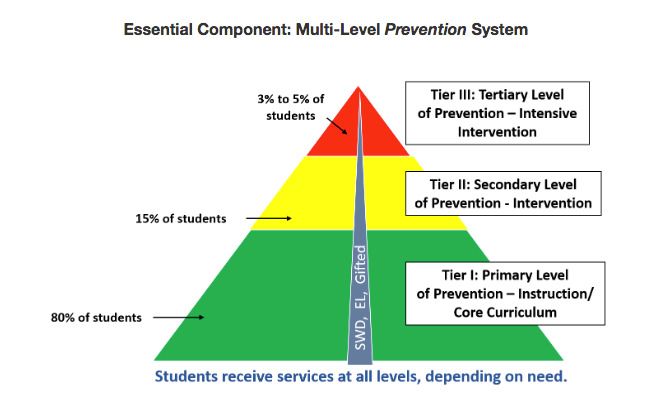
This page was intentionally left blank
Amharic
የ DeKalb ካውንቲ ት/ቤት ዲስትሪክት የ DeKalb አለማቀፋዊ አቀባበል ማእከል የትህትን መገለጫ በማድረግ የ
የተማሪ ሥነ ምግባር ደንብ ~ የተማሪ መብቶች እና ኃላፊነቶች እና የባህሪ እድገት መመሪያ መጽሐፍ ትርጉም ይሰጣል፡፡ የተተረጎመ የወረቀት ቅጅ ለማግኘት ጥያቄ ለት / ቤቱ ርዕሰ-መምህር
ሊቀርብ ይችላል ወይም የኤሌክትሮኒክስ ሥሪት በ www.dekalbschoolsga.org/student-support-intervention/studentrelationsይገኛል። የእንግሊዝኛ ቋንቋ እትሙ በጣም ትክክለኛ
እንደሆነ ይቆጠራል እና ልዩነት ሲኖር ያሸንፋል።
Arabic
ﺑﺈﺫﻥ ﻣﻦ ﻣﺮﻛﺰ، ﺗﻮﻓﺮ ﻣﻘﺎﻃﻌﺔ ﻣﻘﺎﻃﻌﺔ ﺩﻳﻜﺎﻟﺐ ﺗﺮﺟﻤﺔ ﻣﺪﻭﻧﺔ ﺳﻠﻮﻙ ﺍﻟﻄﻼﺏ ~ ﺣﻘﻮﻕ ﻭﻣﺴﺆﻭﻟﻴﺎﺕ ﺍﻟﻄﻼﺏ ﻭﻛﺘﻴﺐ ﺗﻄﻮﻳﺮ ﺍﻟﺸﺨﺼﻴﺔ
ﻳﻤﻜﻦ ﻃﻠﺐ ﻧﺴﺨﺔ ﻣﻄﺒﻮﻋﺔ ﻣﻄﺒﻮﻋﺔ ﻟﻤﺪﻳﺮ ﺍﻟﻤﺪﺭﺳﺔ ﺃﻭ ﺗﺘﻮﻓﺮ ﻧﺴﺨﺔ ﺇﻟﻜﺘﺮﻭﻧﻴﺔ ﻋﻠﻰ.ﺍﻟﺘﺮﺣﻴﺐ ﺍﻟﺪﻭﻟﻲ ﺩﻳﻜﺎﻟﺐ
www.dekalbschoolsga.org/student-support-intervention/student-relations.
.ﻳﻌﺘﺒﺮ ﺇﺻﺪﺍﺭ ﺍﻟﻠﻐﺔ ﺍﻹﻧﺠﻠﻴﺰﻳﺔ ﺍﻷﻛﺜﺮ ﺩﻗﺔ
Bengali
DeKalb County School District DeKalb International Welcome Center-এর স ◌ৗজেন! িশ$াথ'র আচরণ িশিশ– িশ$াথ'র অিশকারও ক/ি◌েত িএং চশর2 উ4য়য
পু ি9কার অযু ি◌◌াদ ;দায ক
Karen
Nepali
DeKalb County School District ले िवाथआचारसव ि◌◌ं ता ~ िवाथकोअिवकारतथादािवरचरर िवकाससतेपुका को अनु ि◌◌ादन
दान गछ ।
ि◌◌ो DeKalb International Welcome Center को सौज# $%प
दान गरर&् । िवािलका ि
ाना(ापकसँग अनु ि◌◌ाद गररएको कागजी
वतवलवप मा-
सवक&् ि◌◌ा www.dekalbschoolsga.org/student-support-intervention/student-relations मा िवद् ि◌◌ू तीि◌ िसं/रण उपल2 र् । अङ्4झी भाषाको
िसं/रण सबैभ:ा स ◌ी मावनने र् र अङ्4ी र अनु ि◌◌ादनमा वभ;ता दे एमा अङ्4झी भाषाको िसं/रण ि
ोग गररने र् ।
Somali
Dugsiga Degmada Gobolka DeKalb wuxuu bixiyaa fasiraada Buug-yaraha Xeerka Anshaxa Ardayga~Xaquuqaha Ardayga iyo
Masuuliyadaha iyo Hormarinta Dabeecada, xushmada Xarunta Soo dhaweynta Caalamiga ah ee DeKalb. Codsiga koobiga warqada ee la
turjumay waxaa lagu sameyn karaa maamulaha dugsiga ama nooca korontada waxaa laga heli karaa
www.dekalbschoolsga.org/studentsupport-intervention/student-relations. Nooca Luuqada Ingiriiska waxaa loo tixgeliyaa mida ugu
saxsan oo way dabagelysaa markii ay jiraan farqi.
Spanish
El Distrito Escolar del Condado de DeKalb ofrece traducción del Manual del Código de Conducta Estudiantil ~ Derechos y
Responsabilidades del Alumno y Desarrollo del Carácter, cortesía del Centro de Bienvenida Internacional de DeKalb. Usted puede
solicitar una copia al director de la escuela o una versión electrónica está disponible en www.dekalbschoolsga.org/student-support-
intervention/studentrelations. La versión en inglés es considerada la más actualizada y prevalecerá cuando hay una discrepancia.
Swahili
Wilaya ya Shule ya Jimbo la DeKalb hutoa tafsiri ya Kijitabu cha Kanuni ya Maadili Mema ya Wanafunzi~Haki na Majukumu na Ukuzaji
Tabia, kwa hisani ya DeKalb International Welcome Center. Ombi la nakala halisi iliyotafsiriwa linaweza kufanywa kwa mwalimu mkuu
au toleo pepe linapatikana kwenye www.dekalbschoolsga.org/student-support-intervention/student-relations. Toleo la lugha ya
Kiingereza linachukuliwa kuwa sahihi zaidi na litatumika wakati kuna utata wowote.
Telugu
DeKalb ?@ A BCDF E E G దI ◌ా L M N ర వ Q త S TయVవW ~ G దI ◌ా L M ల హ Z@ [, \ ]◌ా త [ మర M_ అaQ అ b వ
◌ృ దd ◌ి f◌ా ◌ౌ◌ం డ ◌్jక E, DeKalb ఇౌంటno షనA rs ◌ౌ◌ం tంటQ uv◌ూ అxyzం అౌందt d { ంద.d అxవzdంచబBన ~f◌్
tం ?@ A N◌ిT◌ి A◌్క@ అ◌ా L M◌ౌ◌ంచవ దI ఎలE@ ◌ిTక E rర www.dekalbschoolsga.org/student-support-
intervention/student-relations వదద లbt{ంద.d ఇౌం ం rర ల ఖ తనద d రర Mగంచబందd మర M_ y
I tం ఉ Gజ ం ¡t{ంద.d
Tigrinya
ዲስትሪክት ቤት-ትምህርቲ ዲካልብ ካውንቲ፡ ትርጉም ናይ መጽሓፍ - ሓበሬታ ደንቢ ጠባያት ተማሃሮ ~ መሰላትን ሓላፍነታትን ተማሃሮን ምምዕባል ባህርያትን ኣዳልዩ ይርከብ፣ ፍቓድ ድማ
ካብ ኣህጉራዊ መቐበሊ ደካልብ (DeKalb International Welcome Center) ረኺቡ ኣሎ። ዝተተርጎመ ተነባቢ ቅዳሕ ንምርካብ ንናይ ትምህርት ቤት ርእሰ መምህር ምውካስ ወይ ድማ
ኤሌክትሮኒካዊ ግልባጥ ኣብ www.dekalbschoolsga.org/studentsupport-intervention/student-relations. ምርካብ ይከኣል። ብቋንቋ ኣንግሊዝኛ ዝቐርብ ግልባጥ ካብ ካልኦት ዝዛየደን
ተገራጫውነት ምስዝህሉ ድማ ዝዕወት ብምዃኑን ዝለዓለ ግምት ይወሃቦ።
Vietnamese
DeKalb County School District cung cấp bản dịch của Quy Tắc Ứng Xử dành cho Học Sinh~Quyền và Trách Nhiệm của Học Sinh và Sổ
Tay Phát Triển Tính Cách, được phép của DeKalb International Welcome Center. Quý vị có thể yêu cầu hiệu trưởng trường cung cấp
một bản dịch bằng giấy hoặc tìm bản dịch điện tử có sẵn tại www.dekalbschoolsga.org/student-support-intervention/student-relations.
Bản tiếng Anh được coi là chính xác nhất và sẽ được áp dụng khi có sự không thống nhất.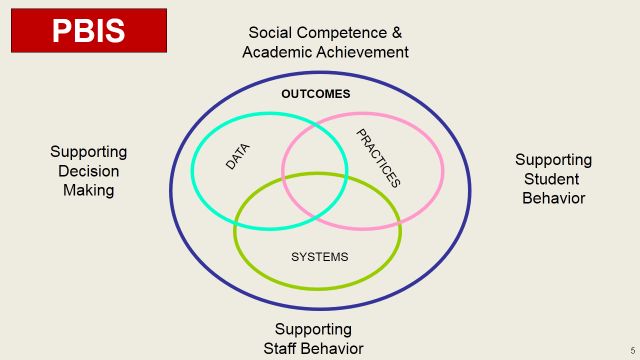
TABLE OF CONTENTS
Topic                                                                                  Page(s)
 Parent/Guardian Signature Page                                                          1
 Translation Availability Statement                                                     3-4
 Policy Statement                                                                        6
 Purpose of the Code of Student Conduct                                                  6
 Learning and Compliance with Code of Student Conduct                                    7
 Equal Educational Opportunities                                                         7
 Disciplinary Jurisdiction over Student Conduct                                          8
 Investigation of Misconduct                                                             8
 Violations Index                                                                       9-11
 Character Traits                                                                      12-13
 Response to Intervention (RTI)                                                        14-15
 Positive Behavioral Interventions and Supports (PBIS)                                   15
 Restorative Practices                                                                   16
 Behavioral Strategies, Disciplinary Options, and Consequences                           17
 Levels and Consequences Matrices                                                      17-25
 Offenses and Consequences                                                             26-50
 Bus Expectations/Bus Stop Rules/Matrix                                                51-53
 Explanation of Behavioral Strategies, Disciplinary Options, and Consequences          54-55
 Definitions of Types of Discipline                                                    56-57
 Restroom and Locker Room Expectations                                                  57
 Student Discipline Procedures/DTM/Due Process/Appeals                                 57-60
 Student Placement                                                                     61-62
 Searches                                                                              62-63
 Keeping Weapons Out of School                                                         64-65
 Student Rights and Responsibilities                                                    66
 Release of Student Information                                                        67-68
 Student Complaint Procedures                                                          69-70
 Internet and Technology Usage                                                         71-72
 Supplemental Safety and Discipline Information                                        73-81
 Seclusion and Restraint                                                               81-82
 Notice of Rights of Students and Parents Under Section 504                            83-84
 Section 504 Procedural Safeguards                                                     85-86
 Special Education: A Parent’s Guide to Understanding Rights and Responsibilities      87-89
 Appendix                                                                               90
 Parents’ Right to Know ~ Professional Qualifications of Teachers/Non-Discrimination
 Statement
                                                                                         91
 Discipline Due Process Flowchart                                                       92
 Bullying/harassment/hazing Flowchart-Form                                             93-94
 Notes                                                                                 95-96
THE CODE OF STUDENT CONDUCT –
STUDENT RIGHTS AND RESPONSIBILITIES AND CHARACTER DEVELOPMENT HANDBOOK
POLICY STATEMENT
The DeKalb County Board of Education is committed to providing the best possible education for children who attend its
schools. This commitment requires not only rigorous courses, highly-qualified teachers, and well-equipped facilities, but
also a safe, positive environment for our students, staff, parents, stakeholders, and community partners. The Board of
Education expects all students to adhere to strict standards of acceptable behavior to foster learning.
The Code of Student Conduct ~ Student Rights and Responsibilities and Character Development Handbook identifies the
rules of student behavior applicable to all DeKalb students and the procedures for imposing discipline on students who
violate these rules. When discipline must be administered, the Code of Student Conduct ~ Student Rights and
Responsibilities and Character Development Handbook ensures that it is fair and serves the best interests of all students
in the School District.
In general, discipline is designed to correct a student’s misconduct and encourages the student to be a
responsible citizen of the school community. Disciplinary actions will be administered based on the
discretion of the handling administrator in proportion but not limited to the severity of the unacceptable
behavior, its impact on the school environment, the student’s age and grade level, the student’s previous
discipline history, substantial injuries and other relevant factors.
In considering the nature or severity of the behavioral situation, the disciplinary process may include
student support services provided by the District and other public entities or community organizations. The
Board prefers to reassign disruptive students to alternative educational settings rather than suspend or
expel such students from school, as authorized by Georgia law.
Parental notification and parental involvement are essential to any effort to modify a student’s inappropriate behavior.
The Code of Student Conduct – Student Rights and Responsibilities and Character Development Handbook will only be
effective if parents and guardians, teachers, and school administrators work together to improve student behavior and
enhance academic performance. Parents, educators, and community members are urged to communicate concerns
about student behavior or the student discipline process to the school principal or the Department of Student Relations.
The Code of Student Conduct – Student Rights and Responsibilities and Character Development Handbook is authorized
pursuant to Board Policy JCD.
THE CODE OF STUDENT CONDUCT –
STUDENT RIGHTS AND RESPONSIBILITIES AND CHARACTER DEVELOPMENT HANDBOOK
PURPOSE
The Code of Student Conduct – Student Rights and Responsibilities and Character Development Handbook is intended to
inform students in grades K-12 of the types of behaviors that are unacceptable. It is impossible to write a Code that
addresses every conceivable variation of prohibited behavior. Consequently, students should understand they may be
disciplined for any misconduct that disrupts the orderly mission of the school, that endangers safety or that is otherwise
determined by school administration to be inappropriate, whether or not it is specifically listed in the Code of Student
Conduct – Student Rights and Responsibilities and Character Development Handbook.
Individual schools and classroom teachers may impose campus or classroom rules in addition to those
found in this Code of Student Conduct – Student Rights and Responsibilities and Character Development
Handbook. These rules may be explained by the teacher, posted in classrooms, or distributed to students,
and may or may not constitute violations of the Code of Student Conduct – Student Rights and
Responsibilities and Character Development Handbook. The determination of whether or not a student has
violated the Code of Student Conduct – Student Rights and Responsibilities and Character Development
Handbook will be based solely on a preponderance of the evidence. In other words, is it more likely to be
true than not true, based on the evidence, that the student did or did not violate the rule?THE CODE OF STUDENT CONDUCT –
STUDENT RIGHTS AND RESPONSIBILITIES AND CHARACTER DEVELOPMENT HANDBOOK
LEARNING AND COMPLIANCE
All students, regardless of age or grade level, are required to know the contents of the Code of Student Conduct –
Student Rights and Responsibilities and Character Development Handbook and abide by it and any other rules of conduct
imposed by the school district and/or the school they attend. The Code of Student Conduct – Student Rights and
Responsibilities and Character Development Handbook is distributed to all schools and centers. Prior to the distribution of
the Code of Student Conduct – Student Rights and Responsibilities and Character Development Handbook, it is reviewed
with the faculty and staff before school begins and students arrive to ensure their understanding.
The Code of Student Conduct – Student Rights and Responsibilities and Character Development Handbook is distributed
and taught to students during the first week of school. A signed Parent/Guardian Signature Page found on page
1 is required from each student and parent/guardian. A parent or legal guardian that does not acknowledge
receipt of the student code of conduct shall not be absolved of any responsibility with respect to the information
contained in the student code of conduct. A district-wide mandatory test on the Code of Student Conduct – Student
Rights and Responsibilities and Character Development Handbook is administered to students within the first two weeks
of school. This test may be administered during the traditional school day or electronically during virtual instruction.
Student test scores are recorded. Class meetings are held during the first three weeks of school to discuss discipline and
the application of discipline procedures.
Students who enter the School District during the school year will receive the Code of Student Conduct –
Student Rights and Responsibilities and Character Development Handbook and will be tested on its
contents.
Students sent to in-school suspension for the first time are re-taught and re-tested on the Code of Student Conduct –
Student Rights and Responsibilities and Character Development Handbook. Teachers are required to conduct a more
thorough review of the Code of Student Conduct - Student Rights and Responsibilities and Character Development
Handbook with younger students in grades K-3, Exceptional Education, and English Speakers of Other Languages (ESOL)
to ensure their understanding.
Students are urged to ask faculty or staff members for clarification of any part of the Code of Student
Conduct – Student Rights and Responsibilities and Character Development Handbook they do not
understand.
EQUAL EDUCATIONAL OPPORTUNITIES
The DeKalb County School District provides equal educational opportunities for all students, regardless of their race, color,
religion, national origin, gender, disability, age, sexual orientation, and gender identity. No student shall be subjected to
discrimination or harassment because of the student’s race, color, religion, national origin, gender, disability, age, sexual
orientation, and gender identity in any of the District’s educational programs, activities, or practices, including
implementation of this Code of Student Conduct – Student Rights and Responsibilities and Character Development
Handbook.
The School District maintains a complaint procedure that affords students a prompt, fair, and orderly means of resolving
complaints of discrimination.DISCIPLINARY JURISDICTION OVER STUDENT CONDUCT
The DeKalb County School District has discipline authority over its students whenever the interests of the School District
are involved. Therefore, the Code of Student Conduct – Student Rights and Responsibilities and Character Development
Handbook applies at the following times and places:
• On school grounds at any time;
• Off school grounds at a school bus stop or at a school activity, function, or event;
• While the student is on a school bus or School District-sponsored transportation;
• While the student is participating in virtual instruction;
• When either the alleged perpetrator or the alleged victim is en route from school, to home, en route from a
school activity, function, or event.
• When utilizing district technology resources, including but not limited to equipment, networks, virtual
platforms, and software;
• Off school grounds while the student is participating in or attending school-sponsored or school-related
activities, such as field trips, conferences, or athletic events, or is otherwise subject to the jurisdiction of
school authorities;
• Off school grounds while attending a school-sponsored or school-related activity of another school system in
Georgia;
• Off school grounds when the behavior of the student could result in the student being criminally charged
with a felony and which makes the student's continued presence at school a potential danger to persons
or property at the school or which disrupts the educational process (O.C.G.A. § 20-2-751.5(c)); or is in
violation of state cyberbullying definition (O.C.G.A. § 20-2-751.4);
• Off school grounds when a student leaves school without permission of a school official (Absent Without
Leave).
INVESTIGATION OF MISCONDUCT
When a violation of school rules is reported or suspected, the principal or designee will determine whether an
investigation is warranted and, if so, will instruct appropriate personnel to conduct an investigation. The investigation
should be timely and include interviews with the alleged perpetrator(s), victim(s), identified witnesses, teacher(s), staff
members, and others who might have relevant information. Written statements should be obtained from all individuals
who are interviewed. Video surveillance, if available, should be reviewed and secured. If administrators believe a request
for a due process hearing will be made, he/she should attempt to preserve video surveillance of any misconduct. Any
other physical and documentary evidence should be collected and preserved. School counselors, school social workers,
school police, and other support staff should be utilized for their expertise as determined by the circumstances of the
matter. At an appropriate time during or after the investigation, the parent or guardian will be notified. However, if the
incident involves an injury or similar situation, appropriate medical attention should be provided, and the parent or
guardian should be notified immediately. Furthermore, if the incident involves a threat to safety or intervention of law
enforcement is otherwise determined to be appropriate, appropriate authorities shall be contacted and the school
investigation will proceed to the extent possible while avoiding interference with any law enforcement investigation or
detention.
The determination of whether or not a student has violated the Code of Student Conduct – Student Rights and
Responsibilities and Character Development Handbook will be made based solely on a preponderance of the evidence.
In other words, is it more likely to be true than not true, based on the evidence, that the student did violate the rule?
For short term suspensions (10 days of suspension or less) there is no formal appeal process. If you disagree with this
decision, you may petition to the school principal. If you disagree with the principal’s decision, you may petition in
writing to the regional superintendent. Please refer to the Discipline Due Process flowchart in the Code of Student
Conduct – Student Rights and Responsibilities and Character Development Handbook for a summary of the District’s
discipline process. If a referral for District due process hearing is made, the student will be provided with the
opportunity to participate in a disciplinary hearing and appeals process, as described herein.VIOLATION(S) INDEX
Topic Page(s)
ALCOHOL (Possession and/or Use) 30-32
AGGRAVATED ASSAULT (Attempt/Threat to Injure with a Weapon) 35
AGGRAVATED BATTERY (Causing Serious Injury or Death) 36
ASSAULT (Student, Faculty, Staff or Visitors) 34-35
ATTENDANCE (Excused/Unexcused Absences, Attendance Protocol, Chronic Tardiness) 39-40, 43
AUTO-INJECTABLE EPINEPHRINE (Epi-Pens) 32
BATTERY (Causing Injury) 35
BEEPER/PAGER 26-27
BITING 34-35
BREAKING AND ENTERING 33, 47-48
36-38, 73-76,
BULLYING
93-94
BURGLARY 33
BUS MISBEHAVIORS/EXPECTATIONS/MATRIX 44,51-53
BYSTANDER BATTERY 36
CELL PHONES 26 -27
COMPUTER (Unauthorized Use, Hacking, Password Violations, Etc.) 33-34, 48
CONDUCT OUTSIDE OF SCHOOL HOURS/AWAY FROM SCHOOL 45
COUNTERFEITING/POSSESSION OF COUNTERFEIT MONEY, CHECKS, BANK CARD 33
CYBERBULLYING/CYBERSTALKING 36-38, 73-76
DAMAGE/DESTRUCTION OF PROPERTY (Actual or Attempted) 32-33
DISRUPTIVE BEHAVIOR (Chronic talking, horse playing, etc.) 39
DISTURBANCES (Classroom and/or School) 41-42
DRESS CODE 49-50, 80
DRUGS (Illegal/Synthetic Substances, Look-Alike Drugs or Prescribed Medication) 30-32
DRUG-RELATED PARAPHERNALIA (Papers, Pipes, Clips, Bags, Other Related Items) 32
ELECTRONIC COMMUNICATION DEVICES (Cell Phones, Pagers, Etc.) 26-27, 36-38
EXTORTION 33, 37
FAILURE TO ACCEPT DISCIPLINARY ACTION 43
FALSE EMERGENCY REPORT (Pulling a Fire Alarm, Bomb Threat or Calling 911) 41
FIGHTING/PHYSICAL ALTERCATION 34-35
FIRE (Arson, Setting Fires) 32-33
FORGERY 48
GAMBLING 45-46
GANG-RELATED ACTIVITY (Violence, Retaliation, Recruitment, Dress, Paraphernalia) 41-42
GUNS (Pistols, Rifles, BB, Pellet, Facsimile or Look-Alike) 28-29
HARASSMENT (Racial, Ethnic, Disability, Sexual Orientation, Gender Identity) 36-38, 73-76
HAZING 36-38, 73-76
HITTING/PHYSICAL CONTACT TO STUDENTS/SCHOOL PERSONNEL/VISITORS 34-35
IDENTIFICATION CARDS 49
INAPPROPRIATE SEXUAL BEHAVIOR 48-49
9INDECENT EXPOSURE 49
INHALANTS 30-32
INSUBORDINATION (Talking Back, Walking Away, Refusing to Comply) 39
INTENT TO SELL/DISTRIBUTE DRUGS 31
INTENTIONAL PHYSICAL CONTACT WITH SCHOOL PERSONNEL 30
INTENTIONAL PHYSICAL CONTACT CAUSING HARM TO SCHOOL PERSONNEL 30
INTERNET/INTRANET USAGE 26-27, 36-38
INTIMIDATING ACTIONS 36-38
KICKING 34-35
KNIVES/RAZORS/BOX CUTTERS 28-29
LOITERING ON ANY SCHOOL CAMPUS/UNAUTHORIZED ENTRY AFTER HOURS 47-48
MARIJUANA 30-32
MEDICATION 32
MISREPRESENTATION (Cheating, Lying or Providing False Statements/Information) 48
MISUSE OF CHEMICALS 31
OBSCENE MATERIALS/GESTURES 42-43
PARKING ON CAMPUS (Parking and/or Traffic Violations) 47
PORNOGRAPHY 42-43
POSSESSION OF DRUGS 31-32
POSSESSION OF STOLEN PROPERTY 33
PRANKS 41
PROBATION (Local and District-Wide) 47
PROFANITY, CURSING, OBSCENITY and/or DEROGATORY LANGUAGE 42-43
RECKLESS VEHICLE USE 46-47
REFUSAL TO FOLLOW INSTRUCTIONS OF ADMINISTRATORS/FACULTY/STAFF 39
REPEATED VIOLATIONS 46-47
RIOT or CHAOS 41
ROBBERY 33
RUDE/DISRESPECTFUL BEHAVIOR 39
SENDING INAPPROPRIATE MESSAGES/PICTURES/VIDEOS (SEXTING) 26-27, 37
SEXUAL HARASSMENT/COMMENTS/FAVORS 49
SHOVING/PUSHING 34-35
SIMPLE BATTERY 34-35
SKIPPING CLASS/LEAVING THE SCHOOL CAMPUS WITHOUT AUTHORIZATION 40
SPITTING ON OTHERS 42-43
TAKING PICTURES/VIDEOS AT SCHOOL 26-27, 37
TERRORISTIC THREATS (Threats to the School) 41
THEFT /STEALING (Actual or Attempted) 33
THREATS OR INTIMIDATION (Staff or Student) 34, 36-38
THROWING OBJECTS 50
TOBACCO (Cigarettes, Cigars, Chewing Tobacco, e- Cigarettes, Snuff, Tobacco Products) 26
TRESPASSING 47-48
10UNSAFE ACTION 50
USE/UNDER THE INFLUENCE OF DRUGS 31-32
VANDALISM 32-33
VERBAL CONFRONTATION/PROVOCATION/ALTERCATION 34
WEAPONS 28-29
11DEKALB COUNTY SCHOOL DISTRICT
2020-2021 CHARACTER TRAITS
“The function of education is to teach one to think intensively and to think critically. Intelligence plus character that is the
goal of true education.” –Martin Luther King, Jr.
Character Education is the deliberate effort to help people understand, care about, and act upon core ethical values. An
intentional and comprehensive character education initiative provides a lens through which every aspect of school
becomes an opportunity for character development.
Benefits of Character Education:
• Promotes character development through the exploration of ethical issues across the curriculum
• Develops a positive and moral climate by engaging the participation of students, teachers and staff, parents, and
communities
• Teaches how to solve conflicts fairly, creating safer schools that are free of intimidation, fear, and violence, and
are more conducive to learning*
Character traits are essential for students to prepare for greatness! These traits should be modeled and maintained by
adults and students.
Respect, Responsibility & Caring
Modeling cornerstones of good character
Respect
Showing high regard for self, others and property
Responsibility
Being accountable for your own behavior
Honesty
Being truthful in word and action
Caring
Showing concern for the well-being of others
Justice and Fairness
Demonstrating impartial, unbiased and equitable treatment for all
Citizenship
Being an informed, responsible and caring participant in your community
Courage
Doing the right thing in the face of difficulty and following your conscience instead of the crowd
Perseverance
Staying on task and not giving up. Demonstrating commitment, pride and positive attitude in completing tasks
Hope
Believing you will be successful
*Character Education Informational Handbook & Guide, DPI
http://www.ncpublicschools.org/docs/charactereducation/handbook/content.pdf
12Character Traits Found in the Code of Student Conduct - Student Rights and
Responsibilities and Character Development Handbook
This handbook supports the belief that appropriate behaviors and positive character must be
modeled and maintained by all staff and students in order to have safe and orderly schools.
Rules for expected student behavior should be taught and aligned with the following character
traits.
CHARACTER TRAIT RULE
Respect/Responsibility/Caring Offense #1: Tobacco
Respect/Responsibility/Caring Offense #2: Electronic Communication Devices
Responsibility/Caring/Citizenship Offenses #3a, 3b: Weapons
Respect/Responsibility/Caring Offenses #4a, 4b: Intentional Physical Violence
Responsibility Offenses #5a, 5b, 5c Drugs/Alcohol
Honesty/Respect Offenses #6a, 6b, 6c: Property
Respect/Responsibility/Caring Offenses #7a, 7b, 7c, Bullying/Harassment/Hazing/Fighting/
7d, 7e, 7f, 7g: Assault/Battery
Respect/Responsibility/Caring Offense #8a, 8b: Refusal to Follow Instructions
Responsibility/Courage/Perseverance Offense #9: Unlawful Absence/Truancy
Responsibility/Courage/Perseverance Offense #10: Skipping Class
Respect/Responsibility/Caring Offense #11: Classroom Disturbance
Respect/Responsibility/Citizenship Offense #12: School Disturbance
Responsibility/Respect/Citizenship Offense #13: Profanity/Vulgarity/Obscenity
Responsibility/Respect/Courage Offense #14: Failure to Accept Disciplinary Action
Responsibility/Respect/Courage Offense #15: Chronic Tardiness
Responsibility/Respect/Caring Offense #16: Bus Misconduct
Responsibility/Respect/Citizenship Offense #17: Conduct Outside of School Hours
Responsibility Offense #18: Gambling
Responsibility/Respect/Hope Offense #19a: Repeated Violations
Responsibility/Respect/Courage Offense #19b: Violation of Probation
Responsibility/Citizenship Offense #20: Parking and Traffic Violations
Respect/Responsibility/Courage Offense #21: Loitering/Trespassing
Honesty/Respect Offense #22: Providing False Information
Responsibility/Respect/Caring Offense #23: Inappropriate Sexual Behavior
Responsibility Offense #24: Identification Card Violation
Responsibility/Respect/Citizenship Offense #25: Student Dress Code Violation
Responsibility/Respect/Citizenship Offense #26: Unsafe Action
13Multi-Tiered Systems of Support and Response to Intervention
General Education Multi-Tiered Systems of Support (MTSS), Tiers 1-3
Introduction
In Georgia, General Education includes a three-tiered system of academic and social-emotional-behavioral supports. Tier
1 includes core educational practices to support standards-based instruction, Tier 2 is moderate intensity support to
address skill specific growth, and Tier 3 is intensive skill-specific support organized through Student Support Team (SST)
process. SST is a Federal and State initiative that is defined in Georgia Board Rule 160-4-2-.32. In addition to General
Education MTSS supports, Georgia schools also provide specialized educational services through education programs for
students that meet eligibility criteria. Delivery models include Special Education, Gifted Programming, and/or English
Language Learners Services.
DeKalb County School District (DCSD) MTSS
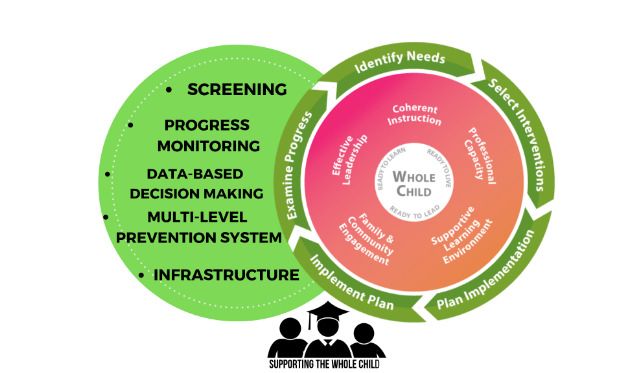
MTSS is a required element of the continuous school improvement process. MTSS involves alignment of appropriate
assessment with purposeful instruction for all students. The DCSD MTSS framework supports both academic and
behavioral development, teaching to mastery, maximizing the growth of every learner, and continuous school
improvement. The processes within MTSS are not extra or additional duties, but rather they represent how we teach
diverse learners to maximize the growth and development of each pupil. A key element within the MTSS is ongoing data
monitoring for student response to intervention (RTI) to inform intentional decision-making for instructional planning and
supports.
Interventions are types of instruction targeted to meet the academic and/or behavioral learning needs of a student.
Interventions are in addition to the general classroom instruction. These added learning tools are well researched and
evidence-based to deliver specific instructional strategies and techniques. The intensity of intervention supports increase
at each tier of the MTSS framework. The framework is intended to be fluid, as students make progress they may move
to less intense supports on lower tiers or return to Tier 1 Core Instruction. There are several types of instructional
activities and strategies available to layer the learning techniques and tools used to improve a student’s learning.
Essential Components of the MTSS Framework
The key components in Georgia’s MTSS-RTI process include:
141. The three tiered delivery model gives learning support that is matched to the student’s need.
2. Evidence-based instruction is the core of a teacher’s classroom lesson plan.
3. Evidence-based interventions that increase or decrease in intensity if the results of the progress monitoring show
a change is needed.
4. The use of a variety of ongoing assessment (test) data determines which students need supports to meet
academic and/or behavior expectations.
5. Delivery of resources for learning interventions are based on student assessment data and classroom observation.
Parents can help with the MTSS-RTI process by actively participating in your child’s education and being a partner in the
success of the teaching and learning in school. Parents can also read the Georgia Standards of Excellence for your child’s
grade or course by going to the parent page of www.GeorgiaStandards.org., ask for ways you can help at home to
improve your child’s school performance, review and ask questions about your child’s progress on assessments during
parent conferences, become knowledgeable about the classroom intervention process in your school or district, and if
your child is being supported with an intervention, request progress updates so you know if the intervention is working.
POSITIVE BEHAVIORAL INTERVENTIONS AND SUPPORTS (PBIS)
Positive Behavioral Interventions and Supports (PBIS) is an evidence-based, data-driven framework proven to reduce
disciplinary incidents, increase a school’s sense of safety and support improved academic outcomes. More than 27,000
U.S. schools are implementing PBIS and saving countless instructional hours otherwise lost to discipline. The premise of
PBIS is that continual teaching, combined with acknowledgement or feedback of positive student behavior will reduce
unnecessary discipline and promote a climate of greater productivity, safety and learning. PBIS schools apply a multi-
tiered approach to prevention, using disciplinary data and principles of behavior analysis to develop school-wide, targeted
and individualized interventions and supports to improve school climate for all students. (OSEP Technical Assistance
Center on Positive Behavior Interventions & Supports, 2009)
Behavioral support is provided for ALL students school-wide. This system of support offers all students social skills
instruction, positive and proactive discipline, social behavior expectations, active supervision and monitoring, positive
acknowledgement, fair and corrective discipline, and parent training and collaboration. Parents report that their main
school concern is the safety of their child (Neilsen Gatti, Stansberry-Brusnahan, & Nelson, 2007). Challenging behaviors
in schools that range from disruptive classroom behaviors to physical violence are safety concerns and they represent
barriers to teaching and learning. Educators and parents both share this concern. Rather than relying on a mixed bag of
short-term solutions for individual students and situations, schools should focus on proactive ways to define, teach, and
sustain appropriate student behaviors across all school settings including the classroom, lunchroom, restrooms, and
playground. The primary goal of PBIS is to help schools design effective environments that will increase teaching and
learning for all students. (Georgia Department of Education, GaPBIS)
The ten critical elements of School-Wide, Tier 1 PBIS include the PBIS Team and principal, clear expectations and rules,
teaching behavior, data entry and analysis, acknowledgment (feedback), effective discipline process, faculty commitment,
implementation, classroom, and evaluation.
(Georgia Department of Education, GaPBIS)
RESTORATIVE PRACTICES
15DeKalb County School District is utilizing an innovative tools aimed at improving climate and culture when the school
community is affected by a student violating the rules of the Code of Student Conduct ~ Student Rights and
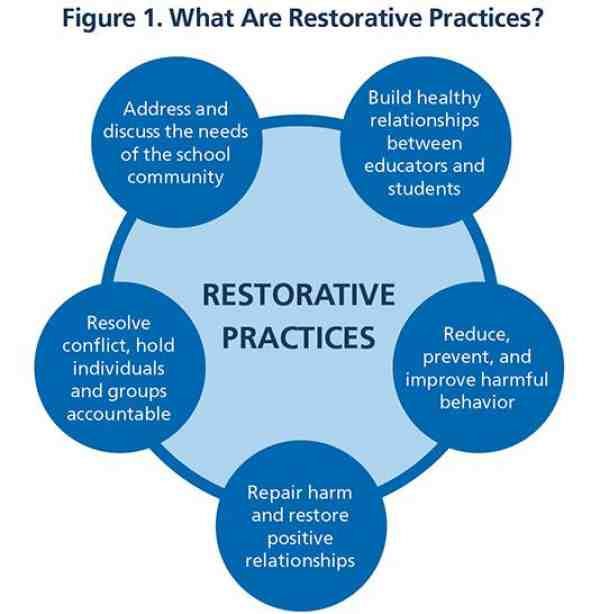
Responsibilities and Character Development Handbook called Restorative Practices. The goal of restorative practices is
to develop community and to manage conflict and tensions by repairing harm and building relationships rather than
simply punishing the wrongdoer.
The use of restorative practices helps to:
• reduce crime, violence and bullying,
• improve human behavior,
• strengthen civil society,
• provide effective leadership,
• restore relationships, and
• repair harm.[1]
Information sourced via The American Federation of Teachers.
http://www.aft.org/ae/winter2015-2016/resources
Restorative practice promotes dialogue between those who have been hurt and those who have inflicted the harm. This
allows the victim and wrongdoer to have an opportunity to discuss how they have been affected by the violation and to
decide what should be done to repair the harm and relationship. This is a victim-sensitive tool that encourages victims to
take an active role in addressing the violation. Wrongdoers are encouraged to take responsibility for their actions, to
repair the harm they have done by apologizing, returning stolen property, community service, or restitution. This may
allow for the greatest victim contentment and wrongdoer accountability.
During the restorative conference, the victims, wrongdoers, both parties’ family and friends, staff, and other community
members volunteer to participate in a structured, scripted meeting to address the violation, consequences, and
restitution. The conference facilitator arranges the meeting, reads a script, and keeps the conference focused, but
intentionally does not actively participate in structuring the outcome of the conference. The goal of the conference is for
the participants to arrive at a jointly acceptable agreement that addresses the harm caused by the wrongdoer and
necessary reparations.
Wachtel, Ted. "Defining Restorative". International Institute for Restorative Practices. Retrieved 11 July 2012.
BEHAVIORAL STRATEGIES, DISCIPLINARY OPTIONS, AND CONSEQUENCES
16Progressive discipline is designed to correct a student’s misconduct and encourages the student to be a
responsible citizen of the school community. Progressive discipline should promote positive student behavior
while establishing clear and fair consequences for unacceptable behavior; and state what is unacceptable.
Disciplinary actions are administered in proportion to the severity of the unacceptable behavior, its impact on the
school environment, the student’s age and grade level, the student’s previous discipline history, and other
relevant factors. All due process procedures required by federal and state law will be followed through the
progressive discipline process.
The school discipline process should include appropriate consideration of support processes to help students
resolve such problems. These resources may include, but are not limited to, Student Support Team, positive
behavioral supports, counseling with school counselor, school social worker involvement, school resource officer
reports, behavior, attendance and academic contracts or plans, peer mediation, and prevention programs. The
offenses have a range of seven (7) levels of prohibited behaviors. Each offense provides interventions as well as
a range of consequences including suspension and expulsion.
Each violation in the Code of Student Conduct – Student Rights and Responsibilities and Character Development
Handbook is followed by a box similar to the one below. The minimum and maximum consequences for each
violation are indicated. Multi-tiered Systems of Support (MTSS) must be conducted prior to expelling or
suspending a student in kindergarten through third grade for 5 or more consecutive or cumulative
days; unless student possessed a weapon, drugs or other dangerous instrument or the student's
behavior endangers the safety of other students or school personnel. Exceptional Education Student
procedures must apply. (O.C.G.A. § 20-2-740) In addition to discipline, behaviors may also be reported to
law enforcement at the District’s discretion and as required by law, including O.C.G.A. § 20-2-1184 and 19-7-5.
Major offenses including, but not limited to, drugs and weapon offenses, can lead to schools being named as an
Unsafe School according to the provisions of State Board Rule 160-4-8-.16.
Teacher selected strategies should be used for minor acts of student misconduct. Teachers should keep
a written record of the violation and strategies used to address the behavior. If a Level 1 violation
repeatedly or substantially interferes with the learning environment, it may be elevated to a higher level
after teacher selected strategies have been utilized. Necessary strategies and positive behavioral
interventions and supports will be provided through the MTSS-RTI process at Tier 1 (pages 14-15).
Examples of behaviors that may impact only the student
Calling out in class
Inappropriate Noise
Chewing gum
Tapping pencils
Writing on self
Playing with toys in class
Writing on desk
Not in seat
Not prepared for class
Off-tasks behaviors
LEVEL 1 Drawing instead of working
Tardy to class
Criticizing teacher one on one
Whining
Wearing a hat in school
Giving “attitude”, rolling eyes, heavy sighs, sucking teeth
Eating food when not allowed
Strategies for Managing Behaviors: Conference with student and other individuals as needed;
Build relationships that support academic achievement; Discussion about expectations; Review
classroom procedures and expectations; Eye contact; Proximity; High levels of supervision;
Verbal warning; and Pre-teaching of expectations.
Disciplinary Options may include: Time out in room; Time away in buddy classroom; Loss of
privilege; Reflection sheet; Moving seat; Parent contact; Reinforcement of appropriate
behaviors; De-escalation strategies; and Redirect behavior. Exceptional education student
procedures must apply. For students with an Individual Education Plan (IEP) or 504 Plan, see
pages 83-89.
17Level 2 violations include infractions which are more severe in nature than Level 1 and interfere with
classroom instruction and/or orderly operation of the learning environment, school transportation or a
school-sponsored activity. These violations include minor misconduct and misbehaviors directed against
persons or property but do not seriously endanger the health, safety, and well-being of others. Necessary
strategies and positive behavioral interventions and supports will be provided and documented through the
Response to Intervention process at Tier 1. Certain level 2 violations might result in Tier 2 or Tier 3
intervention supports if safety concerns for the student or others are present (pages 14-15).
Certain Level 2 violations may be elevated to Level 3 violations or higher based on the severity or context of
the misconduct if this behavior jeopardizes the health, safety, or well-being of others.
Examples of behaviors that interfere with the learning of others:
Touching
Poking
Standing on furniture
Constant talking
Out of seat and interfering with others learning
Inappropriate chair manners
Consistently not following directions
Unauthorized electronic device usage including but not limited to cell phones and I-pods
Running away and leaving the
classroom
Throwing items in classroom
LEVEL 2 Disrespectful language to adult (i.e. I hate you, you suck, this sucks, I’m Done!)
Yelling at teacher
Moving or kicking furniture in an angry way/tantrum
Bus misbehavior
Gambling
Strategies for Managing Behaviors: Build relationships that support academic achievement;
Discussion about expectations; Review classroom procedures and expectations; Eye contact;
Proximity; High levels of supervision; Verbal warning; Pre-teaching of expectations; Mentoring;
Consultation with grade level teams/school counselor/school psychologist for
classroom/individual behavior management ideas; Restorative practices; Teach Pro-Social
behaviors; and Use of safe place for students to retreat to help self-regulate.
Disciplinary Options may include: Time out in room; Time away in buddy classroom; Loss of
privileges; Reflection sheet; Moving seat; Parent conference; Reinforcement of appropriate
behaviors; De-escalation strategies; Redirect behavior; Behavior Contract; In-School
Suspension; Restorative justice; and problem solving with your grade level team. Corrective
Strategies should be used to manage additional behaviors with the involvement of the student,
parent, teacher, or other internal supports. Exceptional education student procedures must
apply. For students with an Individual Education Plan (IEP) or 504 Plan, see pages 83-89.
Level 3 violations include infractions which are more severe in nature than Level 2 and interfere with the
orderly operation of the learning environment, school transportation or a school-sponsored activity. These
violations include repeated, unrelated acts or misconduct and misbehaviors directed against persons or
property and may impede the learning or jeopardize the health, safety, or well-being of others. Necessary
strategies and positive behavioral interventions and supports will be provided and documented through the
MTSS-RTI process at Tier 1. Certain Level 3 offenses may be elevated to Tier 2 of the MTSS-RTI
framework provided that Tier 1 supports have been completed and documented with fidelity.
In addition, certain Level 3 offenses may be elevated to Tier 2 or Tier 3 intervention supports if
safety concerns are present for the student or others (pages 14-15). If students have accumulated
2-4 out of school suspensions or an accumulation of 5 or more out of school suspension days, a Tier 2
behavior support plan should be created, implemented, and documented with fidelity. If the student
LEVEL 3 accumulates 5 or more suspensions, a Tier 3 plan should be created, implemented, and documented with
fidelity. Certain Level 3 violations may be elevated to Level 4 violations or higher based on the severity or
context of the misconduct if it seriously disrupts the school environment, or presents threats to health,
safety, or property.
Examples of behaviors that affect an orderly environment:
Any level 1 or 2 that takes excessive teacher time and takes away from student learning.
Talking back to adult
Throwing items in classroom at others
Lying
Cheating
18 Forgery
Fighting (Simple Battery)
Inappropriate language
Pushing
School disturbance
Bullying, Harassment, Hazing
Disrespect to peers/adults
Leaving room without permission
Banging on window
Vandalizing school property
Unauthorized electronic device usage including but not limited to cell phones and I-pods
Conduct outside of school hours or away from school
Unsafe action
Strategies for Managing Behaviors: Behavior Contract; Detention; In-School Intervention;
Mediation; Mentoring; Discipline Warning Letter to Parents; Referral Process; Restorative
Practice; Shadowing; Substance Abuse Education; and Violence Education.
Disciplinary Options may include: In-School Suspension for 1-3 days with Instructional Module.
Exceptional education student procedures must apply. For students with an Individual
Education Plan (IEP) or 504 Plan, see pages 83-89.
Level 4 violations include infractions, which are serious acts of misconduct including, but not limited to,
repeated misbehavior that is similar in nature, behavior that results in serious disruptions of the school
environment and behavior that presents threats to health, safety, or property. Necessary interventions and
positive behavioral interventions and supports will be provided and documented through the MTSS-RTI
process. Certain Level 4 offenses may be elevated to Tier 2 or Tier 3 of the MTSS-RTI framework
provided that Tier 1 supports have been completed and documented with fidelity. In addition,
certain Level 4 offenses may be elevated to Tier 2 or Tier 3 intervention supports if safety
concerns are present for the student or others (pages 14-15). If students have accumulated 2-4 out
of school suspensions or an accumulation of 5 or more out of school suspension days, a Tier 2 behavior
support plan should be created, implemented, and documented with fidelity. If the student accumulates 5 or
more suspensions, a Tier 3 plan should be created, implemented, and documented with fidelity (pages 14-
15). Certain Level 4 violations may be elevated to Level 5 violations or higher based on the severity or
context of the misconduct.
Examples of behaviors that affect an orderly environment:
Any level 1, 2 or 3 behavior that takes excessive teacher time and takes away from student learning.
Talking back to adult
Throwing items in classroom at others
LEVEL 4 Lying
Cheating
Forgery
Fighting (Simple Battery)
Inappropriate language
School disturbance
Bullying, Harassment, Hazing
Disrespect to peers/adults
Leaving room without permission
Banging on window
Vandalizing school property
Unauthorized electronic device usage including but not limited to cell phones and I-pods
Conduct outside of school hours or away from school
Unsafe action
Disciplinary Options may include: Targeted Behavioral Contract. Consequence: Out-of-School
Suspension for 1-5 days. Exceptional education student procedures must apply. For students
with an Individual Education Plan (IEP) or 504 Plan, see pages 83-89.
Level 5 violations include infractions which are serious acts of misconduct including, but not limited to,
repeated misbehavior that is similar in nature, behavior resulting in serious disruptions of the school
environment, behavior that present threats to health, safety, or property. Student will be placed on a
LEVEL 5 mandatory Probationary Contract which may result in expulsion if the student is found in violation of the
contract, may result in expulsion. Necessary interventions and positive behavioral interventions and supports
will be provided and documented through the MTSS-RTI process. Certain Level 5 offenses may be
19elevated to Tier 2 or Tier 3 of the MTSS-RTI framework provided that Tier 1 supports have been
completed and documented with fidelity. In addition, certain Level 5 offenses may be elevated
to Tier 2 or Tier 3 intervention supports if safety concerns are present for the student or others
(pages 14-15). If students have accumulated 2-4 out of school suspensions or an accumulation of 5 or
more out of school suspension days, a Tier 2 behavior support plan should be created, implemented, and
documented with fidelity. If the student accumulates 5 or more suspensions, a Tier 3 plan should be created,
implemented, and documented with fidelity (pages 14-15). Certain Level 5 violations may be elevated to
Level 6 violations or higher based on the severity or context of the misconduct.
Examples of Harmful and Illegal Behaviors:
Actions that cause harm
Intentional/Unintentional Violence against school employees
Stealing
Fighting (Simple Battery)
Battery
Drugs
Weapons
School disturbance
Biting
Bullying, Harassment, Hazing
Throwing furniture or other objects
Stealing
Threatening to do injury to person or property
Sexual harassment
Sexual behaviors
Alcohol
Disciplinary Options must include: School-based review of previous strategies and interventions
implemented; Participation in GRIP Program (Growing Responsibly, Increasing Opportunities).
Consequence: Suspension for 6-10 days with a Probationary Contract. Exceptional education
student procedures must apply. For students with an Individual Education Plan (IEP) or 504
Plan, see pages 83-89.
Level 6 violations include infractions which are of a serious and aggravated nature such that the student
shall be removed from class and will be subject to a required 10-day suspension served by the
LEVEL 6 student and a District due process hearing that may result in additional consequences, to include, but
not limited to, additional suspension, in-school suspension, social restriction, community service and
assignment to an identified program or alternative school. The Department of Public Safety, Social Worker,
and other outside law enforcement or other agencies may investigate Level 6 violations and independent law
enforcement investigations may result in state criminal or juvenile proceedings being initiated by such outside agencies
against the student accused of a Level 6 violation. Certain Level 6 violations may be elevated to Level 7
violations or higher based on the severity or context of the misconduct. Level 6 infractions should be met
with Tier 3 intervention supports through MTSS-RTI framework upon the student’s return from suspension.
At the re-entry conference, a Tier 3 behavior intervention plan should be created. The plan should then be
implemented and documented with fidelity (pages 14-15).
Examples of Harmful and Illegal Behaviors:
Actions that cause harm
Intentional/Unintentional Violence against school employees
Stealing
Fighting (Simple Battery)
Battery
Aggravated Assault
Aggravated Battery
Bystander Battery
Drugs
Weapons
School disturbance
Biting
Bullying, Harassment, Hazing
Throwing furniture or other objects
Threatening to do injury to person or property
Sexual harassment
Sexual behaviors
Alcohol
20Consequence: Long-Term Suspension. Exceptional education student procedures must apply.
For students with an Individual Education Plan (IEP) or 504 Plan, see pages 83-89.
Level 7 violations include infractions which are of a serious and aggravated nature such that the student shall
be removed from class and will be subject to a required 10-day suspension served by the student and a
LEVEL 7 District due process hearing that may result in additional consequences, to include, but not limited to
expulsion, additional suspension, in-school suspension, social restriction, community service and assignment
to an identified program or alternative school, but to continue beyond the current semester. The student
may be excluded from ALL units of the District for a specified period of time through permanent expulsion if
applicable. The Department of Public Safety, Social Worker, and other outside law enforcement or other
agencies may investigate Level 7 violations, an independent law enforcement investigations may result in
state criminal or juvenile proceedings being initiated by such outside agencies against the student accused of
a Level 7 violation. Level 7 infractions should be met with Tier 3 intervention supports through MTSS-RTI
framework upon the student’s return from suspension. At the re-entry conference, a Tier 3 behavior
intervention plan should be created. The plan should then be implemented and documented with fidelity
(pages 14-15).
Examples of Harmful and Illegal Behaviors:
Actions that cause harm
Intentional/Unintentional Violence against school employees
Stealing
Fighting (Simple Battery)
Battery
Aggravated Assault
Aggravated Battery
Bystander Battery
Drugs
Weapons
School disturbance
Biting
Bullying, Harassment, Hazing
Throwing furniture or other objects
Threatening to do injury to person or property
Sexual harassment
Sexual behaviors
Alcohol
Consequence: Expulsion. Exceptional education student procedures must apply. For students
with an Individual Education Plan (IEP) or 504 Plan, see pages 83-89.
21You can also read


