Evaluation of the Effect of Household Cleansers on the Color Change of Two Types of Permanent Soft Liners: An In Vitro Study
←
→
Page content transcription
If your browser does not render page correctly, please read the page content below
Original Article

 Evaluation of the Effect of Household Cleansers on the Color Change
     of Two Types of Permanent Soft Liners: An In Vitro Study

                       Ehsan Jafari 1, Davoud Nodehi 2, Fatemeh Fallah 3

 1
   Assistant Professor, Department of Prosthodontics, Faculty of Dentistry, Bojnourd University of
                                Medical Sciences, North Khorasan, Iran
 2
   Assistant Professor, Department of Prosthodontics, Faculty of Dentistiry, Mashhad University of
                                     Medical Sciences, Mashhad, Iran
   3
     Dentist, Faculty of Dentistiry, Bojnourd University of Medical Sciences, North Khorasan, Iran

                              Received 31 May 2019 and Accepted 20 October 2019

Abstract                                                     Keywords: Soft liner material, Color change, Household
Introduction: Many patients use household cleaners to        cleansers
clean denture which can cause discoloration and damage
soft liners. The purpose of this study was to evaluate the      --------------------------------------------------------
effect of household cleansers on the color change of two         Jafari E, Nodehi D, Fallah F. Evaluation of the Effect of
types of permanent soft liners. Methods: In this             Household Cleansers on the Color Change of Two Types of
                                                             Permanent Soft Liners: An In Vitro Study. J Dent Mater Tech
interventional study, 80 permanent silicone soft liners,
                                                             2019; 8(4): 197-204.
including 40 heat-cured liners (Molloplast-B, Detax
Gmbh & Co. KG, Ettlingen, Germany) and 40 self-cure
liners (Mucopren soft, Kettenbach GmbH & Co. KG,                                    Introduction
Eschenburg, Germany) were made in brass molds with               Removable dentures are alternatives for missing
dimensions of 15×2 mm in accordance with the                 teeth, and their success depends on aesthetics, function,
manufacturer's instructions. The samples were immersed       and patients’ comfort. In edentulous patients, denture’s
in distilled water for 24h and the initial color was         pressure is directly delivered to the underlying mucosa
determined using a colorimeter. Then, each group (n=10)      by means of acrylic resin, which causes tissue damage
was immersed for 8h daily in 2.5% vinegar, 2.5%              and bone resorption (1). Soft liners are substances
hypochlorite, 2.5% hand washing liquid, and distilled        introduced to the market in order to solve this problem
water (control). Color measurements were performed           and have been used extensively in removable dentures for
after 7 and 30 days of immersion in solutions and data       over a century (2). Due to their elastic property, these
were analyzed using ANOVA, independent t-test, and           substances are widely used in patients who cannot
Tukey's post hoc tests. Results: In distilled water,         tolerate the prosthesis, or patients with ridge resorption,
hypochlorite, and vinegar, the mean color change after       sensitive mucosa, bone resorption, and bruxism (3).
one month was significantly lower in Molloplast-B than       Moreover, these substances can equally distribute the
Mucopren (P=0.042, P
be utilized for more than 30 days even for months or plate had six 15×2 mm cylindrical spaces for soft liners
years as some studies suggest (5). These substances (1).
require some properties, such as compatibility with the
oral tissue, shape and colour stability, resistance to
wearing, strong bond to the denture, and also resistance
against the dynamic situation of the oral cavity. These
properties should not be affected by cleaning methods
(6).
The liners' color stability is an important criterion to
assess their functional ability; moreover, color change
indicates aging and damage which have a negative
impact on patients’ satisfaction (7). Figure 1. The dimension of a brass mold
Since the structure and surface roughness of these
substances lead to the colonization of microorganisms
(8), patients should regularly perform the cleaning
methods which can cause alteration in some of the liners Fabrication of heat-cured soft liners is as follows:
properties, such as discoloration, swelling and water The inner surface of the mold was greased by
absorption, imbibition, and microorganism’s growth (9). Vaseline to facilitate the extraction of soft liners to make
The most common and effective way to remove the Molloplast-B samples. Then, the soft liners were placed
biofilm from the denture’s surface is the utilization of the in the spaces using a clean plastic spatula. Three plates of
chemical cleansers besides the mechanical methods (10). the mold were attached to each other, the excess liners
Household cleaners are among the cleansers which are were removed using a scalpel, and the molds were placed
used by many patients due to their accessibility. These under a pressure of 100 KP for 10-15 min. For
cleansers are cheap and can normally be found at homes polymerization, the molds were placed in the cold water
(11). Daily use of these cleaners affect the physical and inside the curing units (Polymerizer FOR MUFLAS M-9
mechanical properties of these liners and can lead to MESTRA, SPAIN). In this unit, the temperature
discoloration and esthetics defects which eventually gradually increases up to 100C/121F and remains in this
results in spending more time and expense on their repair. situation for 2 h. Subsequently, the samples cool down
Sometimes, the patient is satisfied with the prosthesis slowly. It should be noted that the process of curing the
and feels comfortable with it; however, the issue of soft liner was followed according to the manufacturers’
aesthetics is the reason behind the patient’s instructions.
dissatisfaction (12, 13). Therefore, the color stability of
the liners is of great importance, and it is necessary to Fabrication of self-cured soft liners is as follows:
choose the right and ideal cleansers to reduce possible Soft liners were injected into the molds. The molds
alterations (14). Although these cleaners are used by the were put under pressure so that the excess liners would
majority of people, there is a dearth of research be evacuated to make Mucopren soft samples. Then,
investigating the effects of cleansers on the liners. excess liners were removed using a scalpel. For
Furthermore, it is of utmost importance to find a suitable completion of polymerization, molds were placed in the
therapeutic method to disinfect the dentures without 45-50 °c water according to the manufacturers’
harming their mechanical properties (15, 16). Therefore, instruction. After polishing the samples, 80 samples of
this study was conducted to determine the effect of soft liners with a size of 15×2 mm were made in this
household cleansers on the color change of soft liners study. All samples were immersed in distilled water for
which was an important indicator for their replacement. 24 h (2).
To this end, this study also attempted to enhance the
people's knowledge about the effect of household Colour measurement of the samples is as follows:
cleansers on the quality of the prosthesis. After the determination of the initial color by a
colorimeter device (Konica Minolta CR-400, JAPAN),
Materials and Methods each of the 40 self-cured and heat-cured samples of
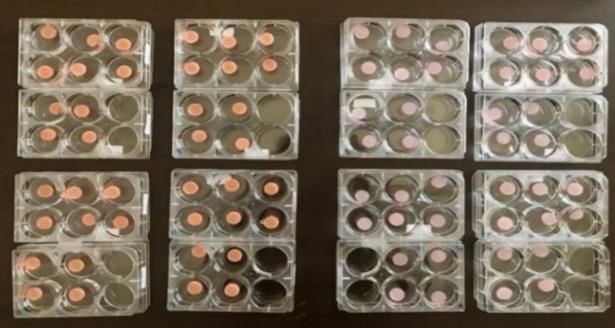
Table I presents the materials used in this study (i.e., silicone soft liners were randomly divided into 4 groups.
40 heat-cured and 40 self-cured silicon liners). In order Each group was immersed in either distilled water, 2.5%
to make the samples, 65×40×6 mm brass mold with 3 white vinegar, 2.5% bleaching hypochlorite sodium
separate and attachable plates was made using screws solution, or 2.5% hand washing liquid for 8 h at the room
(Figure 1). The upper and lower plates were flat in order temperature (Figure 2), and for the rest of the day, they
to prepare a smooth surface for liners, and the middle were placed in distilled water (13,17,18) (Table I).
198 JDMT, Volume 8, Number 4, March 2019 Effect of Household Cleansers on the LinersSolutions were changed daily, and samples were washed of the groups. A P-value less than 0.05 was considered
by distilled water and dried in the open air (2). The color statistically significant.
of soft liners was measured after 7 and 30 days using a
colorimeter device. Results
According to the results obtained from ANOVA to
study the discoloration, an association was observed
between the type of the liner and that of the cleanser
(PTable II. Comparison of discoloration between soft liners after a week sorted by the cleansers
Results of independent t-test Standard deviation Mean Soft liner Cleanser
t=3.84 0.33 1.07 Molloplast
Distilled water
P=0.001 0.38 1.68 Mucopren
t=10.47 0.21 1.22 Molloplast
Sodium hypochlorite
P>0.001 0.35 2.58 Mucopren
t=13.79 0.21 1.30 Molloplast
Vinegar
P>0.001 0.56 3.92 Mucopren
t=1.00 0.51 1.34 Molloplast
Hand washing liquid
P=0.331 0.32 1.15 Mucopren
Table III. Comparison of discoloration between soft liners after a month sorted by the cleansers
Results of independent
Standard deviation Mean Soft liner Cleanser
t-test
t=2.19 0.516 1.32 Molloplast
Distilled water
P=0.042 0.31 1.74 Mucopren
t=42.41 0.35 2.62 Molloplast
Sodium hypochlorite
P>0.001 0.54 11.27 Mucopren
t=4.27 0.55 1.57 Molloplast
Vinegar
P=0.002 2.72 5.32 Mucopren
t=0.28 0.92 1.68 Molloplast
Hand washing liquid
P=0.780 0.51 1.78 Mucopren
According to the results obtained from two-by-two of Tukey’s post hoc test suggested that the mean color
comparisons of cleansers using Tukey’s post hoc test for change was significantly higher in the sodium
the Molloplast-B group, it was shown that the mean color hypochlorite group, compared to others. It should be
change in sodium hypochlorite group was significantly noted that the difference between distilled water and
higher than that in other cleansers. However, no handwashing liquid was not statistically significant
significant difference was observed among the other (Table IV).
cleansers. With regard to Mucopren soft liner, the results
Table IV. Pairwise comparisons of the cleansers regarding the discoloration of the soft liners after one month using
Tukey's post hoc
Mucopren Molloplast-B
Second cleanser First cleanser
P-Value P-Value
* *
>0.001 >0.001 Sodium hypochlorite
*
0.11 0.733 Vinegar Distilled water
0.997 0.706 Hand washing liquid
* *
>0.001 0.001 Vinegar
* * Sodium hypochlorite
>0.001 0.048 Hand washing liquid
*
0.11 0/986 Hand washing liquid Vinegar
*The difference between the two groups is significant.
200 JDMT, Volume 8, Number 4, March 2019 Effect of Household Cleansers on the LinersFigure 3. Effect of cleansers on the discoloration of Molloplast-B soft liner based on time
Figure 4. Effect of cleansers on the discoloration of Mucopren soft liner based on time
Discussion processes of the oropharynx and anti-fungal solutions
The process of denture cleaning is an important (12, 21).
aspect of oral hygiene since denture is a place for the With this background in mind, this study aimed to
accumulation of food and also the growth of bacteria and investigate the effect of these common, accessible, and
fungi. This condition is aggravated in soft liners due to affordable household cleaners. These cleansers are
their increased porosity. In order to prevent these relatively easy to be utilized and are employed by most
problems, the utilization of chemical cleansers is of the people (22), whereas the utilization of denture
considered a matter of importance (2, 19). Moreover, cleansers which have been assessed in most of the studies
mechanical methods are not effective enough to reduce (4, 18, 23) is limited due to lack of information, high
the number of microorganisms solely, and the use of prices, and also low accessibility (10). In this study, the
cleansers can affect the mechanical and chemical concentration of cleansers and the duration of immersion
properties of the soft liners. Therefore, it is necessary to were determined based on the previous studies (13, 17,
choose a suitable and ideal cleanser to reduce the number 18).
of possible changes (20). This study employed the CIE Lab system due to its
Sodium hypochlorite (i.e., diluted home bleachers) is wide use to assess color variations based on the
effectively utilized in cleaning dentures by removing recommendations by the American Diabetes
plaque and mild stains which is able to break the bond of Association. Color variations are demonstrated by ∆E in
organisms to the denture. High concentrations of sodium this system (2).
hypochlorite solution can cause discoloration of the Based on this classification, after a week, the amount
denture in the long term. Diluted acids, such as citric acid of color change was at a clinically acceptable level
or household vinegar are used to clean the residues, (∆E=2.58) in Mucopren soft liners using a 2.5% sodium
disinfect wounds, as well as control the inflammatory hypochlorite solution. In a study conducted by Pisani et
Fallah et al. JDMT, Volume 8, Number 4, December 2019 201al. (3), the amount of color change was at a good level acceptable. Due to the lack of similar studies regarding
(∆E=1.83) after one week of immersion in 1% the effect of this cleanser on liners, this study can prepare
hypochlorite sodium. Moreover, after one month in our the ground for further studies regarding the effect of this
study, the amount of color change in this solution was in cleaner on the prevention of colonization of bacteria and
the mismatch level which was clinically significant fungi on the denture's surface, the strength of bond with
(∆E=11.27). These results are in accordance with the acryl, and also other important properties of the liners.
findings of a study performed by Pisani et al. (3) Despite the lack of similar studies, the main component
(∆E=5.17). The observed differences between these two of this cleanser is Sodium Lauryl Sulfate (SLS) which is
studies regarding ∆E might be attributed to the similar to the Clinsodent® denture cleanser which was
concentration of sodium hypochlorite and the duration of used in the studies performed by Kumar et al. (11) and
immersion. In the present study, the highest color change Dhamande et al. (28). The results of these two studies
in both soft liners was observed in sodium hypochlorite suggested that this cleanser (i.e., Clinsodent®)
solution which is in accordance with the results obtained effectively reduced the activity of fungi, especially
from a study by Pisani et al. (3). Candida which was related to the presence of SLS in this
An important factor in discoloration caused by cleanser.
sodium hypochlorite is the temperature of the solution. The major limitation of this study was the in-vitro
According to Devlin et al. (24), the number of situation. Patients do not regularly clean their dentures,
discoloration increases as the temperature rises. whereas this happens routinely in an in-vitro situation.
Therefore, one of the reasons for variations among Therefore, clinical findings must be less than what is
different studies can be attributed to diversities in observed in the in-vitro situation. Another limitation is
chemical interactions at different temperatures. the difference between the concentrations of solutions
Accordingly, in order to prevent such interactions and used by the patients. Moreover, this study only
also considering the fact that cleansers are normally used investigated the change of color in soft liners, whereas
in the room temperature, the immersion method was other important features, such as surface roughness,
employed in the room temperature. bonding strength to the acryl, and viscoelastic and anti-
In this study, in all cleansers, except hand washing microbial properties of cleansers which are issues of
liquid, the number of discoloration in self-cure silicone clinical interest have not been investigated in this study.
soft liners was significantly higher than that in the heat-
cured silicon soft liners. There was also no significant Conclusion
difference regarding discoloration among all cleansers, It can be concluded that the mean number of
except sodium hypochlorite in heat-cured silicone soft discoloration in all cleansers was higher in the Mucopren
liners, whereas the color change of self-cured soft liners group, compared to Molloplast-B. Moreover, the highest
was significant in cleansers. Therefore, based on these amount of color change in both soft liners was observed
findings, the application of heat-cured resins is in sodium hypochlorite and the lowest change was
recommended due to more stability of color. These observed using vinegar in the Molloplast-B group.
results are in line with the findings of studies conducted Additionally, the mean number of discoloration after
by Anil et al. (25), Yanikog˘lu et al. (26) and Jin et al. a period of one month was only in Mucopren soft liners
(23). which were immersed in sodium hypochlorite or vinegar
Soft liner discoloration depends on internal and which was clinically significant.
external factors. The internal discoloration occurs in the
liner’s polymer matrix due to physical and chemical Acknowledgment
reactions and external discoloration relates to the
The authors extend their gratitude to Bojnourd
absorption of external stains and coarseness of the related
University of Medical Sciences for their contribution in
surface (27). In the present study, all samples were
conducting this study.
finished to eliminate the superficial coarseness and had
smooth surfaces. The reason behind the significant
difference between the color of these two auto
Conflicts of interest
None declared.
polymerized and heat-cured soft liners is due to the high
rate of polymerization in heat-cured liners (26).
Therefore, based on the results of this study, the References
employment of heat-cured soft liners is more 1. Garg A, Shenoy KK. A comparative evaluation of
recommended because they are less susceptible to effect on water sorption and solubility of a
discoloration. temporary soft denture liner material when stored
The handwashing liquid used in this study led to little either in distilled water, 5.25% sodium hypochlorite
discoloration in both soft liners which is clinically
202 JDMT, Volume 8, Number 4, March 2019 Effect of Household Cleansers on the Linersor artificial saliva: An in vitro study. solubility and color change. Braz J Oral Sci.
J Indian Prosthodont Soc. 2016;16(1):53-62. 2015;14(3):219-223.
2. Alaa’a MS. Effect of 5.25% sodium hypochlorite on 15. de Luna Malheiros-Segundo A, Pisani MX,
color stability of acrylic and silicone based soft Paranhos HdFO, de Souza RF, Silva-Lovato CH.
liners and a denture base acrylic resin. J Indian Effect of a denture cleanser on hardness, roughness
Prosthodont Soc. 2014;14(2):179-86. and tensile bond strength of denture liners. Braz J
3. Pisani MX, da Silva CHL, Paranhos HFO, Souza Oral Sci. 2016.7(26):1596-1601.
RF, Macedo AP. Evaluation of experimental 16. Meşe A. Effect of denture cleansers on the hardness
cleanser solution of Ricinus communis: effect on of heat-or auto-cured acrylic-or silicone-based soft
soft denture liner properties. Gerodontology. denture liners. Am J Dent. 2007;20(6):411-5.
2012;29(2):179-85. 17. Hollis S, Eisenbeisz E, Versluis A. Color stability of
4. Niarchou A, Ntala P, Pantopoulos A, Polyzois G, denture resins after staining and exposure to
Frangou M. Effect of immersion cleansing in color cleansing agents. J Prosthet Dent. 2015;114(5):709-
stability and hardness of soft denture reliners. J 14.
Craniofac Surg. 2012;23(2):426-9. 18. Saraç D, Saraç YŞ, Kurt M, Yüzbaşioğlu E. The
5. Ergun G, Nagas IC. Color stability of silicone or effectiveness of denture cleansers on soft denture
acrylic denture liners: an in vitro investigation. Eur J liners colored by food colorant solutions. J
Dent. 2007;1(3):144-51. Prosthodont. 2007;16(3):185-91.
6. Brożek R, Koczorowski R, Rogalewicz R, Voelkel 19. Kiesow A, Sarembe S, Pizzey RL, Axe AS,
A, Czarnecka B, Nicholson JW. Effect of denture Bradshaw DJ. Material compatibility and
cleansers on chemical and mechanical behavior of antimicrobial activity of consumer products
selected soft lining materials. Dent. Mater. commonly used to clean dentures. J prosthet dent.
2011;27(3):281-90. 2016;115(2):189-98.
7. Moffa EB, Giampaolo ET, Izumida FE, Pavarina 20. Cakan U, Kara O, Kara HB. Effects of various
AC, Machado AL, Vergani CE. Colour stability of denture cleansers on surface roughness of hard
relined dentures after chemical disinfection. A permanent reline resins. Dent. Mater. J.
randomised clinical trial. J Dent. 2011;39(3):65-71. 2015.34(2):246-51.
8. Mutluay MM, Tezvergil-Mutluay A. The influence 21. Zarb GA, Hobkirk J, Eckert S, Jacob R.
of cyclic stress on surface properties of soft liners. Prosthodontic Treatment for Edentulous Patients-E-
Odontology. 2017;105(2):214-21. Book: Complete Dentures and Implant-Supported
9. Porwal A, Khandelwal M, Punia V, Sharma V. Prostheses. 13nded. St. Louis, Missouri: Elsevier
Effect of denture cleansers on color stability, surface Health Sciences; 2013.P.420.
roughness, and hardness of different denture base 22. Jafari AA, Falah-Tafti A, Lotfi-Kamran MH,
resins. J Indian Prosthodont Soc. 2017;17(1):61-67. Zahraeii A, Kazemi A. Vinegar as a removing agent
10. Peracini A, Davi LR, de Queiroz Ribeiro N, de of Candida albicans from acrylic resin plates.
Souza RF, da Silva CHL, Paranhos HdFO. Effect of Jundishapur J Microbiol. 2012;5(2):388-392.
denture cleansers on physical properties of heat- 23. Jin C, Nikawa H, Makihira S, Hamada T, Furukawa
polymerized acrylic resin. J prosthodont Res. M, Murata H. Changes in surface roughness and
2010;54(2):78-83. colour stability of soft denture lining materials
11. Kumar MN, Thippeswamy H, Swamy KR, Gujjari caused by denture cleansers. J. Oral Rehabil.
AK. Efficacy of commercial and household denture 2003;30(2):125-30.
cleansers against Candida albicans adherent to 24. Devlin H, Kaushik P. The effect of water absorption
acrylic denture base resin: An in vitro study. Indian on acrylic surface properties. J Prosthodont.
J Dent Res. 2012;23(1):39-42. 2005;14(4):233-238.
12. Poorshahab MS. Comparison Of The Influence Of 3 25. Anil N, Hekimoglu C, Sahin S. Color stability of
Types Of Denture Cleanser On Color Change Of heat-polymerized and autopolymerized soft denture
Acrylic Resin Of Denture Base. Res Dent Sci. liners. J. prosthet dent. 1999;81(4):481-484.
2012;9(1):15-19. 26. Yanıkoğlu N, Denizoğlu S, Ceylan G, Meral K.
13. Hafezeqoran A, Ghanizadeh M, Rahbar M, Evaluation of colour change of resilient liner
Koodaryan R. Effect of Denture Cleansers on the materials in different solutions. Mater. Res
Color Changes of Thermoplastic Denture Base Innovations. 2009;13(2):103-6.
Material. J Int Oral Health. 2016;8(6):716-719. 27. Palasuk J, Kaewkumnerd D, Sangchanpakdee K,
14. Pisani MX, Leite VMF, Badaró MM, Malheiros- Saengkhiaw T, Yuthavong S, Jittapiromsak N.
Segundo AdL, Paranhos HdFdO, Silva CHLd. Soft Effect of Denture Cleaning Solutions on Water
denture liners and sodium perborate: sorption,
Fallah et al. JDMT, Volume 8, Number 4, December 2019 203Sorption, Solubility and Color Stability of Resilient denture cleansing agents to reduce the fungal biofilm
Liners. Int J Dent Med Res. 2019;12(1):12-18. activity from heat polymerized denture acrylic resin:
28. Dhamande MM, Pakhan AJ, Thombare RU, An in vitro study. Contemp Clin Dent. 2012;
Ghodpage SL. Evaluation of efficacy of commercial 3(2):168-172.
Corresponding Author
Fatemeh fallah
Dentist, Faculty of Dentistry, Bojnourd
University of Medical Sciences, North Khorasan, Iran
Tell: 05837233611
Email: fateme.fallah91@gmail.com
204 JDMT, Volume 8, Number 4, March 2019 Effect of Household Cleansers on the LinersYou can also read


