Expected Free Flow of Traffic - Tripartite Ministers Approve New Harmonized Guidelines - Common Market for Eastern and Southern Africa ...
←
→
Page content transcription
If your browser does not render page correctly, please read the page content below

NEWS
                                                             Vol 3 July-Sept 2020

 Free Flow of Traffic
      Across COMESA, EAC, SADC
            Expected
Tripartite Ministers Approve New Harmonized Guidelines

                                                   1     COMESA Newsletter Vol. 3/20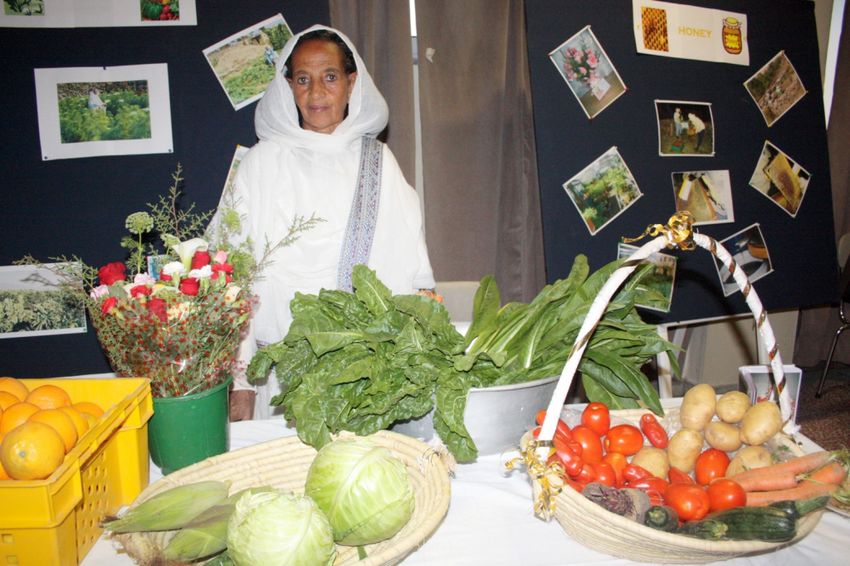
Editorial
2

                                                                                                       CONTENTS
    COVID -19 Should not Justify
    Reintroducing NTBs in COMESA
                                                                                                 1       COMESA Ministers Adopt COVID-19 Food
                                                                                                         Security and Nutrition Plan

                    F                                                                            2
                          or several years, COMESA region has maintained a                               82% of NTBs in COMESA are Operational
                          success rate of resolving non-tariff barriers by over                          and Easy to Monitor
                     95%. Indeed the goal has been to attain 100% rate to
                     ensure unfettered flow of goods and services across
                                                                                                 4       Tripartite Transport Facilitation Laws set
                                                                                                         to be Harmonized from Cape to Cairo
                     the region. A 100% success rate is achievable, because
                     it is a win-win situation where the aggregate of good is                    10      Region has Increased Staple Crop
                     higher than the aggregate bad. In any case, belonging                               Production
                     to an economic bloc such as COMESA, entails making                          11      COMESA-EAC-SADC Develop Electronic
    some sacrifices for the greater good of the participating members.                                   Corridor Trip Monitoring System
    With the Covid-19 pandemic rampaging across our region and the
    globe, the commitment towards honoring the free trade protocols                              13      Regional-Wide Post-Covid-19 Recovery
                                                                                                         Plan is a Top Priority
    seems to be facing an acid test. Gradually, there has been a notable
    upsurge of NTBs as countries strive to contain continued spread                              16      COMESA’s New Plan for the Next Five
    of the virus. The most common are restrictions on movement of                                        Years
    goods and services across borders. Whereas the measures could
    be understandable given the battering that Covid has visited on the
                                                                                                 19      50 Million African Women Speak Platform
                                                                                                         Launched in Zimbabwe
    economies, these are not enough reasons to justify the re-introduction
    of NTBs. By and large, such restrictions run counter to the spirit of                        22      Great Lakes Trade Facilitation Project
    establishing the COMESA Free Trade Area, which was based on the                                      Extended to end of 2021
    need for establishing an economic community of nations. As reported                          25      FEMCOM Supporting Eritrean Women
    in this edition, at least 82% of the reported NTBs in the region are                                 Farmers Tackle COVID-19 Challenges
    mainly operational, those imposed on imports and exports of goods                                    through Agriculture
    and services and are easy to identify and monitor. But there are the
    complex ones, the behind-the-border measures imposed internally                              29      Zambia Toasts SG Kapwepwe for Being

    and include domestic legislations. Nevertheless, there is optimism                                   Named Among
    that the emergence of NTBs will not last long based on two factors:                                  100 Influential African Women
    one, that Covid-19 will be stopped, very soon now that a number of                           32      Taking Stock of the Implementation
    curative and preventive measures are succeeding. The development                                     of Regional Guidelines, two Months After
    of several vaccines, which have achieved high levels of efficacy is a
    major breakthrough. The second point is that regional frameworks
    that enable smooth trade and transport facilitation are in place and
    countries are implementing them. Also notable is the online platform
    for monitoring NTBs not just in COMESA but at the Tripartite and
    AFCFTA levels. In addition, the Council of Ministers is expected to
    adopt the revised COMESA Regulations on the Elimination of NTBs
                                                                                                     EDITORIAL TEAM
    and its working procedures. This willl enforce the application of the
                                                                                                     EDITOR:
    provisions of the COMESA Treaty on dealing with a Member State                                   Mwangi Gakunga
    that fail to fulfill an obligation under the Treaty or has infringed such
    provision.                                                                                       CONTRIBUTORS:
                                                                                                     Muzinge Nampito-Chibomba
                                                                                                     Daniel Banda
    Mwangi G
                                                                                                     ARTWORK/LAYOUT:
                                                                                                     Philip Sipho Kambafwile

                                             Disclaimer                                              PHOTOGRAPHY
    The COMESA News is published by the Corporate Communications Unit of the Common Market           Daniel Banda,
      for Eastern and Southern Africa – COMESA. Articles and photos in this publication may be       Mwangi Gakunga
       freely reproduced but with acknowledgement of the source. The views expressed in this         Muzinge Nampito-Chibomba
                     publication do not necessarily reflect the policy of COMESA.                    Matthews Lungu
File Photo: Meeting of the COMESA Ministers of Agriculture, 2015.

                     COMESA Ministers Adopt COVID-19
                      Food Security and Nutrition Plan
M     inisters responsible for agriculture,
      environment and natural resources
have adopted the COMESA COVID-19
                                                                    to supporting smallholder farmers to
                                                                    increase production and productivity,
                                                                    through access to inputs, services and
                                                                                                                 has supported Member States to adopt
                                                                                                                 Climate Smart Agricultural policies and
                                                                                                                 strategies and implementation of the
Food Security Response Plan to help the                             improved technologies including seeds,       Comprehensive African Agriculture
region deal with the impacts of Covid-19                            planting materials, fertilizer, veterinary   Development Programme (CAADP)
on regional food security.                                          products and animal feeds.                   through technical and advisory support.

In their 7th joint meeting conducted                                Speaking at the official opening,            The Secretariat has also supported the
virtually, the Ministers expressed concern                          Secretary General (SG) Chileshe Mpundu       development of livestock and fisheries
about the unfolding effects of Covid-19                             Kapwepwe said a lot more still needed        development through provision of
on food and nutrition and called on                                 to be done for the region to effectively     financial, technical and organizational
Member States to immediately mobilise                               address the challenges of climate            support in the development and
resources to support the implementation                             change, transboundary plant pest and         implementation of policies and
of the regional plan to ensure food                                 animal diseases, and degradation of          strategies.
security.                                                           natural resources.
                                                                                                                 Through its Agency, the Alliance for
The Ministers have also committed                                   She called for the need to build the         Commodity Trade in Eastern and
themselves to ensure that food and                                  resilience of agriculture and agri-food      Southern Africa (ACTESA), COMESA
agricultural input markets and supply                               systems as well as ecosystems for            Secretariat has been working with
chains, along with associated logistics                             greater functionality and efficiency.        Member States and partners in
and services remained open and                                      This will also call for adoption of          harmonizing and domestication of the
functional in line with the COMESA-EAC-                             comprehensive approach to early              seed trade regulations to promote cross-
SADC Tripartite COVID-19 guidelines                                 warning, disaster preparedness and           border seed trade for increased access to
adopted last week.                                                  response including social protection &       quality seeds by the farmers.
                                                                    safety net systems.
In a Declaration issued at the end of                                                                            Representatives of partners organization
the one-day meeting, the Ministers                                  The SG urged Member States to                including the Alliance for a Green
pledged to support agricultural research                            collectively deal with food safety issues    Revolution in Africa (AGRA), the United
to develop, transfer and disseminate                                to further open-up markets and enhance       Nations Industrial Development
technologies, innovations and                                       trade in safe agricultural and food          Organization (UNIDO), Forum for
management practices that are climate-                              commodities in the region and in the         Agricultural Research in Africa (FARA)
resilient, market-responsive, suited to                             context of African Continental Free Trade    and the African Union Inter-African
assorted agro-ecological contexts and                               Area.                                        Bureau for Animal Resources (AU-IBAR)
end-user preferences in the region.                                                                              among others attended the meeting.
                                                                    As part of efforts to boost sustainable
The Ministers committed themselves                                  agricultural productivity, the Secretariat

                                                                                                                   1     COMESA Newsletter Vol. 3/20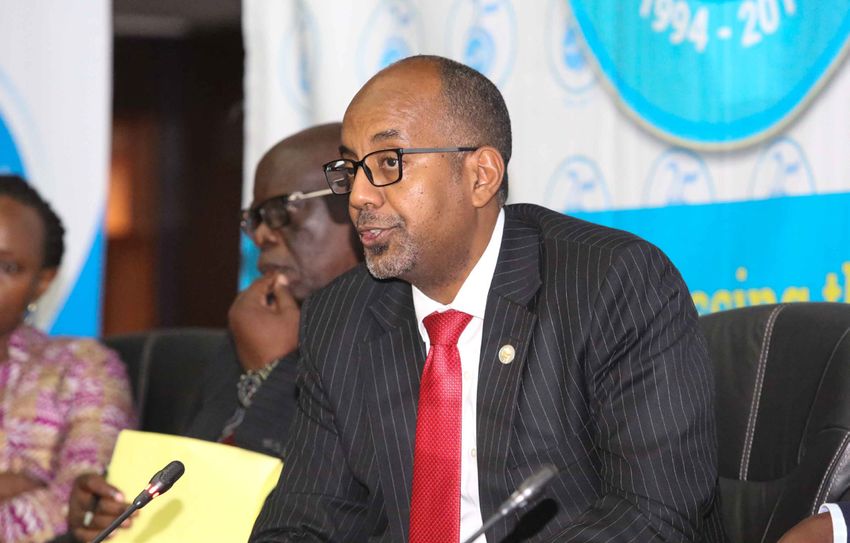
2

                        82% of NTBs in COMESA are
                       Operational and Easy to Monitor
                        But Behind-the-border type of NTBS are more complex
                                                                                                                          A police roadblock

    A
           t least 82% of the reported Non-                                                  institutional structures to resolving all
           Tariff Barriers in the COMESA                                                     types of NTBs require sustained review.
           region are those imposed on
    imports and exports of goods and                                                         Regulations should take into account
    services and are largely operational by                                                  the nature, forms and categories of
    design. According to trade experts, these                                                various non-tariff measures, domestic
    type of NTBs are easy to identify and                                                    policies, laws and regulations and the
    monitor.                                                                                 diversity of economic sectors. But
                                                                                             even more importantly, the regulations
    Thus, from an analytical perspective,                                                    and procedures should be inclusive,
    the relatively high rate of resolution of                                                considering small scale enterprises,
    NTB cases in COMESA, which is over                                                       youth and women as important players in
    95%, does not necessarily imply that the                                                 the integration process.
    mechanisms established to eliminate
    NTBs are effective. Rather it shows that                                                 Although all Member States have
    mechanisms in place capture more of          outstanding Intra-COMESA NTBs.              established NTBs Focal Points, several
    the operational as opposed to the behind-                                                countries are yet to formalize and
    the-border types of NTBs.                    Dr Onyango said several strategies and      operationalize their National Monitoring
                                                 mechanisms have so far been put in          Committees. These are considered
    The behind-the-border measures are           place to reduce the occurrences and         critical to the implementation of the
    mainly imposed internally and include        eliminate NTBs since the establishment      regulations and elimination of NTBs, even
    domestic legislations covering health,       of COMESA, particularly following the       most important is sharing experiences
    technical, product, labor, environmental     advent of the FTA regime. However,          and developing capacities to identify,
    standards, internal taxes or charges, and    the NTBs have remained prevalent and        categorize and report them as they
    domestic subsidies.                          continue to constrain the growth and        occur.
                                                 expansion of intra-COMESA trade and
    According to the COMESA Director             investments.                                Dr Onyango underscored the importance
    of Trade, Dr Christopher Onyango, (in                                                    of sustained capacity building and
    picture) the latter category is much more    He called for continuous reviewing          information sharing to strengthen the
    complex and difficult to identify and have   and improving of existing regulations       ability to capture emerging issues and
    in recent times become major sources         and mechanisms taking into account          finding lasting solutions to NTBs. Going
    of NTBs.                                     changing eco-systems, understanding         forward, he said COMESA Secretariat will
                                                 key causes, analyzing regulatory regimes,   endeavor to elevate capacity building and
    He was speaking at the opening of the        production techniques and technological     research in the efforts to strengthen NTB
    virtual 8th Meeting of the COMESA NTBs       advancements. In the COMESA region,         mechanisms and effectively support their
    Focal Points which took place from           some NTBs have remained unresolved          elimination from the region.
    8 - 10 July 2020. The objective of the       for long, some dating back to 2000.
    meeting was to deliberate on the revised                                                 The meeting was attended by delegates
    COMESA Non-Tariff Barriers regulations,      He added that in as much as willingness     from Burundi, Djibouti, D.R. Congo,
    the 2nd draft of the Working Procedures      and commitment of parties involved          Comoros, Egypt, Eswatini, Kenya,
    on implementation of COMESA                  may be critical, the effectiveness and      Madagascar, Malawi, Mauritius, Rwanda,
    NTBs regulations and to consider the         capability of the mechanisms and            Seychelles, Somalia, Sudan, Tunisia,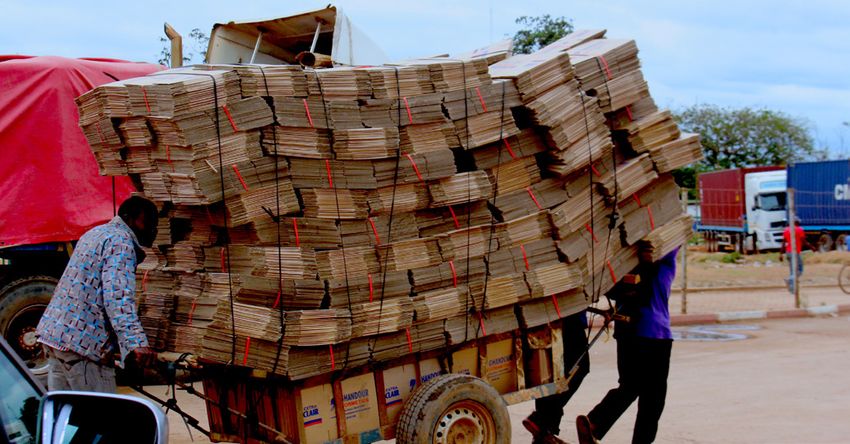
COMESA Launches Mobile App
   to Facilitate Operations of the                                                                                 Consumer
 Regional Customs Transit Scheme
                                                                                                                    Alert on
                                                                                                                    Pyramid
                                                                                                                   Schemes

                                                                                                            C    OMESA Competition Commission
                                                                                                                 (CCC) issued an alert in September
                                                                                                            advising consumers in the region to be
                                                                                                            on the lookout for pyramid schemes,
                                                                                                            whereby people are encouraged to
                                                                                                            join and recruit others at a fee to make
                                                                                                            money. Members of a pyramid scheme
File Photo/ Crew prepare a transit goods truck operating under RCTG, departing to Uganda from the Port of   make money through the recruitment of
Mombasa, Kenya
                                                                                                            others.

T    he COMESA Regional Customs
     Transit Guarantee Scheme (RCTG-
Carnet) launched a Mobile Application
                                                         Sureties and Agents, delays at border
                                                         points and revenue leakage.
                                                                                                            A statement from CCC Headquarters
                                                                                                            in Malawi announced that the
on 11 September 2020 to provide access                   The COMESA RCTG Carnet is the second
                                                                                                            Commission’s attention had been drawn
to real-time information to clearing and                 of its kind in the world after the European
forwarding agents in the region. The                     Transports Internationaux Routiers (TIR)           to the activities of a scheme known
Application is accessible on Google Play                 Carnet and the only one in the region and          as Crowd1, which marketed itself as a
Store and Apple Store and provides a                     the African continent. It is recognized by         digital multi-level company and whose
one-stop shop for the agents in member                   the World Customs Organization (WCO).              operations were being investigated in
countries to view current Bond balance                                                                      some jurisdictions.
and active Carnets, get notifications on                 The RCTG Scheme has 13 members
Carnet acquittals and expiry of RCTG                     namely Burundi, Djibouti, DR Congo,                Specifically, the Commission noted
Bonds.                                                   Ethiopia, Madagascar, Malawi, Kenya,               that authorities in the Philippines and
                                                         Rwanda, South Sudan, Sudan, Tanzania,              Namibia found that Crowd1 members
The scheme popularly known as the                        Uganda and Zimbabwe. Currently, the
                                                                                                            made money by recruiting others. The
RCTG CARNET is a guarantee used for                      Scheme is operational in five countries;
                                                                                                            organization has since been banned in
goods in transit as an undertaking to                    namely: Burundi, Kenya, Rwanda,
                                                                                                            Namibia. In Philippines, authorities are
comply with Customs obligations within                   Tanzania and Uganda. The RCTG Carnet
each transit country. Its objective is                   is fully digitalized and integrated with the       said to have issued a cease and desist
to ensure that governments of transit                    National Customs IT Systems.                       order to Crowd1 for operating without a
countries can recover duties and taxes                                                                      license.
from the guarantors should the goods                     During the year 2018, nearly $2 billion
be illegally disposed-off in the local                   COMESA RCTG Carnets for customs                    Further, authorities in Mauritius and
market. The CARNET offers Customs                        duty and taxes for goods in transit in the         New Zealand had issued investor alerts,
Administrations a secure regional                        Northern and Central Corridor countries            advising the public to exercise caution in
system of control replacing the nationally               were issued.                                       their dealings with Crowd1.
executed practices and procedures.
                                                         Find the App on google and apple store
                                                                                                            Consumers were advised to exercise
COMESA Member States introduced the                      on:-
                                                                                                            caution when dealing with Crowd1 and
Scheme in 2012 to address difficulties                   https://play.google.com/store/apps/
                                                                                                            also conduct research about companies
experienced by transport operators,                      details?id=com.comesa.rctgmobile
freight forwarders and clearing agents.                  https://apps.apple.com/us/app/
                                                                                                            they wish to invest in to avoid losing
These included high cost of Bond /                       id1530035067#?platform=iphone                      their hard-earned money.
Guarantee and collaterals charged by

                                                                                                               3     COMESA Newsletter Vol. 3/20
4

        Tripartite Transport Facilitation Laws set to be
             Harmonized from Cape to Cairo
    C    ross border road transport laws,
         regulations, standards and systems
    are set to be harmonized from Cape to
                                                    agreements for signature by the Heads
                                                    of State and Government. The meeting of
                                                    the Tripartite Council of Ministers will be
                                                                                                  Multilateral Cross Border Road Transport
                                                                                                  Agreement provides for a framework
                                                                                                  for enabling a comprehensive cross
    Cairo following the endorsement of two          conducted before the end of this year.        border road transportation management
    anchor Multilateral Agreements and five                                                       system, which is based on quality
    Model Laws.                                     The COMESA-EAC-SADC vehicle load              regulation as opposed to economic
    The two anchor multilateral agreements          management agreement sets out the             regulation.
    are the COMESA-EAC-SADC Vehicle                 harmonized regulations and standards
    Load Management Agreement (VLMA)                and the methodology for calculating           The transport management system is
    and the COMESA-EAC-SADC Multilateral            overload fees. The purpose is to retrieve     supported by an electronic Tripartite
    Cross Border Road Transport Agreement           the additional cost to the infrastructure     Transport Registers and Information
    (MCBRTA). The two had been adopted              caused by overloading, as well as the         Platform System (TRIPS), which enables
    by the Tripartite Sectoral Ministerial          permissible load limits with the view         the exchange of data between the
    Committee on Infrastructure (TSMCI) at          to protect the road pavement as well          Member/Partner States, from their
    its 2nd meeting held in October 2019 in         as to ensure road safety. This Draft          own National Transport Information
    Lusaka, Zambia.                                 Agreement also provides the basis for         Systems (NTIS) that consist of a number
                                                    cooperation between the Member/               of modules, amongst others a vehicle
    The accompanying model laws endorsed            Partner States of the Tripartite Free Trade   system, a driver system, an operator
    were COMESA-EAC-SADC Vehicle Load               Area regarding vehicle load management,       system and a transgression system.
    Management Model Law, COMESA-                   law enforcement, information sharing,
    EAC-SADC Cross Border Road Transport            as well as mechanisms for dispute             The draft instruments were developed
    Model Law, COMESA-EAC-SADC Road                 resolution.                                   through the Tripartite Transport and
    Traffic Model Law, Draft COMESA-                                                              Transit Facilitation Programme (TTTFP)
    EAC-SADC Road Traffic and Transport             The COMESA-EAC-SADC Multilateral              of COMESA, EAC and SADC. The joint
    Transgressions Model Law, and Draft             Cross Border Road Transport Agreement,        programme is funded by the European
    COMESA-EAC-SADC Transport of                    provides for a Tripartite legal framework     Union under the 11th European
    Dangerous Goods by Road Model Law.              for harmonization of road traffic and         Development Fund.
                                                    transport related aspects, including
    The COMESA-EAC-SADC Tripartite                  vehicle registration documents, transport     The meeting was opened by the Minister
    Sectoral Ministerial Committee on Legal         operator registration, vehicle fitness        of Justice of Madagascar, Hon Jonny
    Affairs (TSMCLA) endorsed the tripartite        testing, driver training and testing, as      Richard Andriamahefarivo and also
    draft legal instruments on transport and        well as driving license categories based      addressed by the Executive Secretary
    transit facilitation during a virtual meeting   on appropriate international standards,       for the Southern Africa Development
    held on 18 September 2020. Thereafter,          including United Nations Standards.           Community Dr. Stergomena Lawrence
    the Tripartite Ministerial Council will                                                       Tax who is also the Chair of the Tripartite
    consider them and then recommend the            Further, the Draft COMESA-EAC-SADC            Task Force.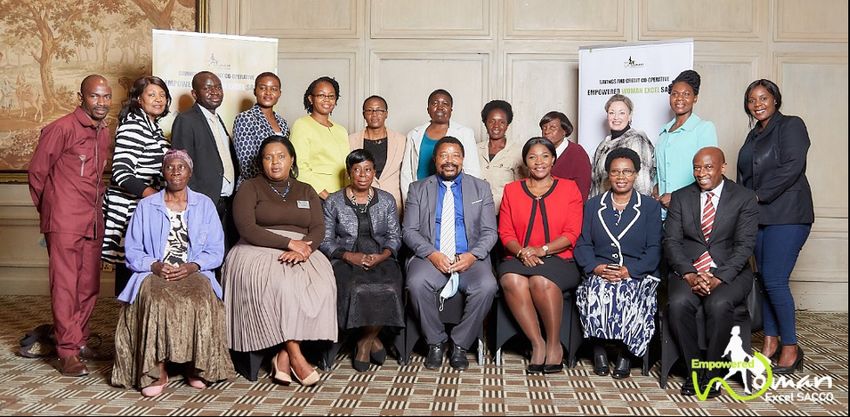
COMESA Welcomes the new
     Continental One-Stop-Shop for Medicines
T    he launch of the African Medical
     Supplies Platform (AMSP) in June
this year, was an invaluable One Stop
                                              strained health systems.

                                              “By reducing costs through pooled
                                                                                         the region - during and post Covid-19.
                                                                                         “Evidence from analytical data indicate
                                                                                         that there are various products in the
Shop that would ensure access to safe         procurement, this initiative goes a long   medical industry that COMESA countries
and affordable quality medicines in           way in easing the financial burden and     can produce and export to each other
Africa. The platform was developed            strengthening national responses to the    if the capacities of pharmaceuticals
to serve as a consolidated online             pandemic,” she told the guests.            manufacturing enterprises related to
marketplace to facilitate the provision of                                               Good Manufacturing Practice (GMP)
COVID-19-related medical products by          She added: “COVID-19 has shown the         Quality Management Systems (QMS)
addressing supply chain issues such as        limitations of globalization and global    and Regional Standards are improved,”
shortages, delays in distributing supplies,   supply chains, which have been easily      Secretary General said.
accessibility and affordability.              disrupted due to the various lockdowns
                                              and the unprecedented shortages of         She added that it is against this
In September 2020, COMESA and                 tradable commodities and services in our   background that the COMESA and ECA,
the Economic Commission for Africa            countries.”                                in partnership with Africa Centre for
(UNECA) joined hands to showcase the                                                     Diseases Control, Afreximbank, and the
platform to key stakeholders, among           Of greatest concern in the region has      AU Special Envoy, Mr. Strive Masiyiwa
them, ministers in charge of finance and      been shortages or constrained supplies     convened the high level virtual meeting,
health from the African continent. The        of essential pharmaceutical products,      to showcase the opportunities offered by
aim was to demonstrate how it would           including medicines, personal protective   the African Medical Supplies Platform.
help address health challenges posed          equipment and potential increases in
by the COVID-19 and how governments
could scale up interventions to stop
further spread of the pandemic.
                                              substandard and counterfeit products.
                                              Consequently, the costs of these
                                              essential medicines and other health
                                                                                         “ By reducing costs
                                                                                           through pooled
                                                                                         procurement, this
                                              products have escalated thereby further    initiative goes a long
At the event conducted online, COMESA         limiting their access by health workers    way in easing the
Secretary General Chileshe Mpundu             and the sick.
                                                                                         financial burden and
Kapwepwe cited financial constraints
as one of the biggest stumbling blocks        COMESA had in the immediate past
                                                                                         strengthening national
to effectively manage the pandemic            started working on a programme to
                                                                                         responses to the
considering that majority, if not all         strengthen production capacity of          pandemic,” she told the
economies in Africa have financially-         pharmaceutical and medical supplies in     guests.

                                                                                           5    COMESA Newsletter Vol. 3/20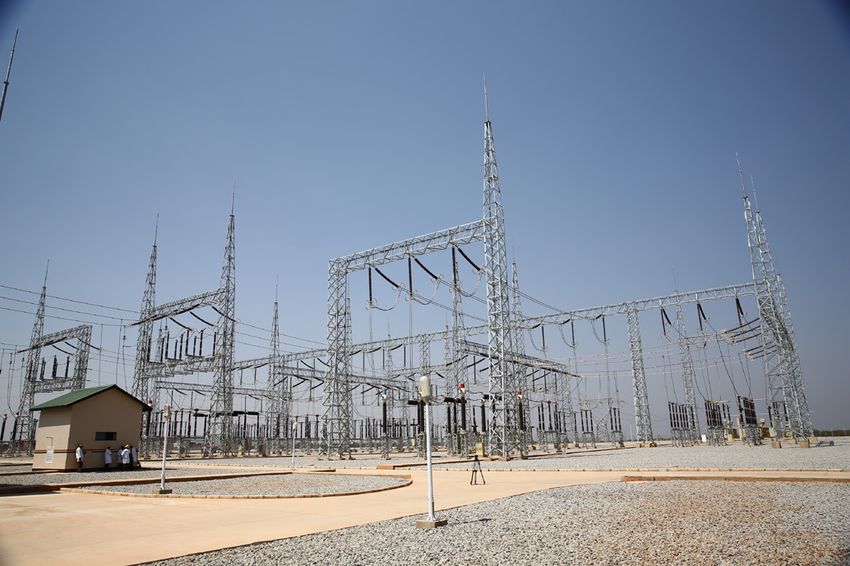
6

                   File Photo: Participants at a past symposium of Central Bank Governors

          Experts Discuss Trade Negotiation Modalities in
                                              Time of COVID-19
    T    rade experts from the 21 COMESA
         Member States met on 16
    September 2020 to review progress on
                                                                competitive and trade with third parties
                                                                outside the region and globally,” she said.
                                                                                                              session.

                                                                                                              “Online negotiations may be very
    trade negotiations between countries and                    COMESA considers Trade in Services            challenging and may be impossible but
    to review progress towards concluding                       as a fundamental economic activity            through online and virtual platforms
    Trade in Services negotiations. The                         globally given its contribution to job        exchange of requests and offers, it is still
    virtual meeting, which was the 8th                          creation, building competitiveness and        possible with other technical work on
    for the COMESA Technical Working                            significantly contributing to economic        improving the drafting and presentation
    Group on Trade in Services, considered                      growth. It creates the need for Member        of the initial offers,” said the Senior Trade
    the complexities prevailing during the                      States to streamline their policies and       Officer.
    COVID-19 period and provided technical                      promote it among themselves.
    and policy guidance from the Member                                                                       At the meeting, the Secretariat shared
    States regarding the negotiations.                          Mrs. Twizeye added: “This makes the           information and updated Member States
                                                                Trade in Services agenda important            on the submission of draft offers for
    Speaking at the meeting, Senior Trade                       for COMESA hence the need for this            sectors that the countries were willing
    Officer at the COMESA Secretariat Mrs.                      meeting so that despite COVID-19 impact       to open for the others. It also shared
    Alice Twizeye stressed the importance                       across the world, our Member States           preliminary technical analysis of the
    of concluding negotiations on Trade                         can take necessary actions and explore        initial offers submitted and information
    in Services in all the seven identified                     new opportunities to the prevailing           on capacity building initiatives planned
    priority sectors. These were: business,                     challenges.”                                  for the coming months.
    communication, financial, transport,
    construction, energy-related and tourism                    Previously, most of the trade negotiations    The delegates provided suggestions on
    services.                                                   were conducted in physical meetings.          how to move forward on some of the
                                                                However, in view of pressing need for         issues to advance the negotiations on
    “These have potential to enhance the                        negotiations to progress, the Secretariat     the schedules that have already been
    development and diversification of                          decided to convene the virtual meeting        submitted during this COVID period to
    regional services as well as facilitate                     to provide Member States with relevant        enable work to continue. At least 60
    an increase in Trade in Services                            updates in light of the current logistical    delegates participated in the meeting.
    and proactively find solutions to be                        challenges of convening a physical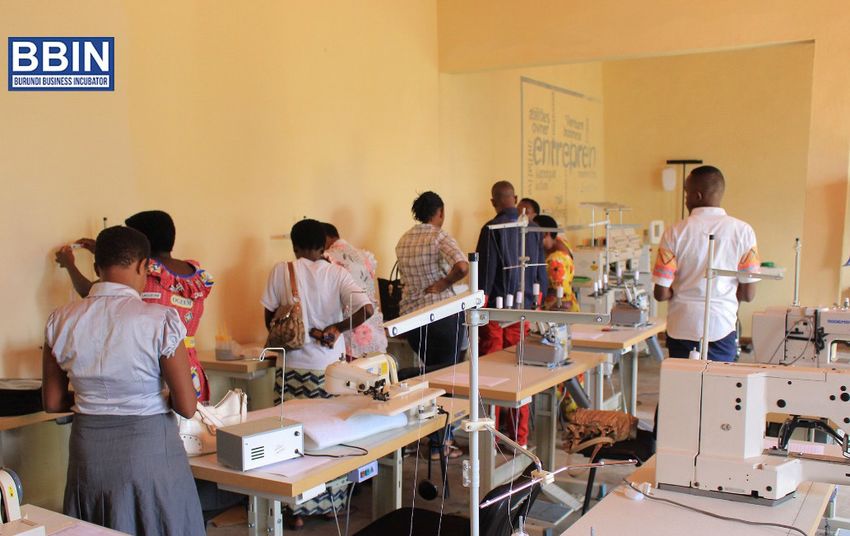
COMESA Bank in an Unprecedented
                    Funds Mobilization
               as World Bank Approves $425 Million Towards Infrastructure Financing

T   he World Bank Board of Directors
    approved a total of US$425 million in
International Development Association
                                                                                                 and distribution, as well as infrastructure,
                                                                                                 in TDB Member States.

(IDA) financing to support infrastructure                                                        President and Chief Executive Officer
development in the Eastern and                                                                   of the TDB Mr. Admassu Tadesse
Southern Africa through the Trade and                                                            described the past quarter of this year
Development Bank (TDB) and COMESA                                                                as a season of new and expanded
Secretariat.                                                                                     multilateral and bilateral partnerships on
                                                                                                 an unprecedented level.
This funding falls under the Regional
Infrastructure Financing Facility Project                                                        Mr Tadesse noted that the TDB and
(RIFF), which aims at expanding long-                                                            COMESA flags were flying high and new
term finance to private firms in selected                                                        Member States from beyond COMESA
infrastructure in the power sector, as well                                                      were continuing to knock on the doors.
as in the transport, logistics, and social        This guarantee provides protection to the      And as the region was embracing the
sectors. This is the first regional facility of   lenders against the risk of Non-Honoring       newcomers, in the spirit of the AfCFTA,
this kind in Africa. The new transactions         of Financial Obligations by a Regional         the bank was dutifully preserving TDB’s
will support regional integration and             Development Bank (‘NHFO-RDB’) and              character as a COMESA-based specialist
private sector development, and in                supports TDB’s access to commercial            regional bank, with membership and
turn, the sustainable socio-economic              bank financing at longer tenors and lower      operations well beyond COMESA
development of the region TDB serves.             interest rates than would otherwise have       Reacting to the positive developments,
                                                  been available.                                Secretary General of COMESA Chileshe
TDB provides trade and project finance                                                           Mpundu Kapwepwe, congratulated the
to its 22 member states, which includes           TDB has also attracted two new                 TDB for the new partnerships.
countries from the wider COMESA-EAC-              European funding partners with
SADC Tripartite Free Trade Area, and              initial long-term funding of USD 80            “We take immense pride in achievements
will use the facility to diversify its long-      million. They include a 10-year EUR 50         of the Bank as a COMESA institution,
term funding sources, sharpen focus               million term loan facility signed with         which is actualizing the vision and
on critical food and fuel imports, and            Cassa Depositi e Prestiti (CDP), Italy’s       foresight of the founding members of
facilitate imports of COVID-19 equipment          Development Finance Institution, for on-       building strong institutions which can
and construction materials for healthcare         lending to the private sector – particularly   deliver the mandate for the benefit of the
facilities through its structured trade           SMEs – located in some TDB Member              region,” she said.
finance business                                  States, and operating in agribusiness,
                                                  social infrastructure, health, education,
This is the first time IDA and the                transports and logistics.                                “We take immense
Multilateral Investment Guarantee                                                                   pride in achievements of
Agency (MIGA) - the political risk                The other is similarly a 10-year USD                the Bank as a COMESA
insurance and credit enhancement arm              25 million term loan facility signed                   institution, which is
of the World Bank Group - are jointly             with the development bank of Austria,            actualizing the vision and
supporting a regional development                 Oesterreichische Entwicklungsbank AG              foresight of the founding
bank. MIGA is providing TDB a credit              (OeEB). The funds will finance projects               members of building
enhancement of EUR 334.4 million on a             in various development areas such                strong institutions which
ten-year loan from private commercial             as renewable energy including hydro,               can deliver the mandate
banks, that will help TDB expand trade            windmills, solar, cogeneration and                     for the benefit of the
finance activities.                               geothermal projects, energy efficiency in                  region,” she said.
                                                  industry, housing, electricity transmission

                                                                                                   7     COMESA Newsletter Vol. 3/20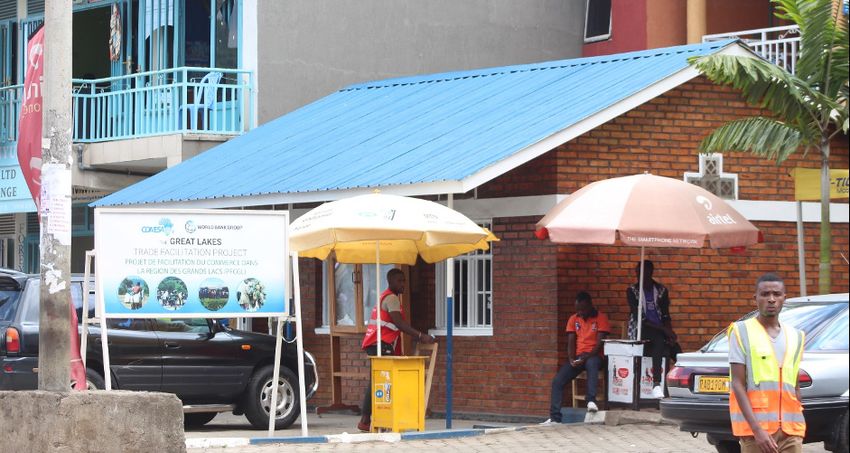
8

                                                         FILE PHOTO/

    Traffic in motion on a highway

      Free Flow of Traffic Across COMESA, EAC, SADC Expected
                                     as Tripartite Ministers Approve New Harmonized Guidelines

    T   he Tripartite Council of Ministers of the three regional
        economic communities in the eastern and southern Africa
    have approved new harmonized trade and transport facilitation
                                                                        The Ministers also agreed on the development and integration
                                                                        of electronic surveillance systems to monitor drivers’ health
                                                                        and movement of trucks, which will be undertaken by
    guidelines for the movement of persons, goods and services          Member/Partner States. They noted that COVID-19 cross-
    across the region.                                                  border restrictions have mainly targeted truck drivers leading
                                                                        to their stigmatization. This has not only affected the drivers
    Dubbed the Tripartite Guidelines for the Movement of                and local communities, but also negatively impacted the
    Persons, Goods and Services across the Tripartite Region            ongoing efforts to contain the spread of COVID-19.
    during COVID-19 Pandemic, the guidelines consolidate those
    developed earlier by COMESA, the East African Community             “Those mobility restrictions to contain COVID-19 have affected
    and the Southern Africa Development Community into one,             regional trade and transport, and resulted in shortage of
    and will henceforth be applied across the 28 Member States.         goods, and long queues at ports of entry and exit, translating
    These are:                                                          into increased cost of doing business and consumer prices,
                                                                        but this will be a thing of the past,” said the Chairperson of the
         •          the COMESA-Guidelines for Movement of Goods         Tripartite Task Force Dr Stergomena Tax, who is the Executive
                    and Services across the COMESA Region during the    Secretary of SADC.
                    COVID-19 Pandemic,
         •          the EAC-Administrative Guidelines to Facilitate     With the Tripartite guidelines in place, she noted, the smooth
                    Movement of Goods and Services during COVID-19      flow of traffic for goods and services will ensure economic
                    Pandemic;                                           development of Member and partner States who have been
         •          and the SADC-Guidelines on Harmonization and        affected by the pandemic and help them build their economies
                    Facilitation of Cross-Border Transport Operations   once again.
                    across the Region during the COVID-19 Pandemic
                                                                        The Tripartite Council Chairperson who was represented
    The harmonization of these guidelines was necessitated by           by Assistant Minister for Foreign Trade, Agreements and
    the overlapping membership of countries among the three             International Relations of Egypt, Hon.Tarek Shalaby, said the
    economic blocs and the shared traffic on their transport            harmonization of guidelines presents an opportunity towards
    corridors, which have been negatively impacted by the current       the realization of the Tripartite Free Trade Area (TFTA).
    COVID-19 response measures.
                                                                        “The attainment of tripartite and continental integration can
    In a meeting conducted in July 2020 via teleconference,             only be realized with the harmonization of regional initiatives
    the Ministers directed the Tripartite Task Force to establish       and overcoming the challenges of overlaps and multiple
    the required institutional arrangements for monitoring the          membership of COMESA, EAC and SADC,” he said.
    implementation of the Guidelines. Ministers in charge of trade
    and transport and other government officials attended the           Secretary General of COMESA, Chileshe Kapwepwe and Mr
    meeting.                                                            Kenneth Bagamuhunda, the representative of the Secretary
                                                                        General of EAC, H.E. Ambassador Liberat Mfumukeko
Packed seeds in preparations for sowing, organization and storage for safety.
Improved Seed Trade, will
Unlock Regional Food Security
S ustainable agriculture is an essential
factor in advancing trade within
COMESA and the rest of Africa. Over the
investment and increased seed
production and trade among others.
different actors in the seed sector for the
sustainability of the industry.
last two decades, Africa has remained Among the key recommendations of Further, CBC was called upon to come
a net food importer, with agricultural the Webinar was the need to develop up with a Seed Statistics Information
accounting for about 60% of Africa’s harmonized legislation across the System. This would address the
total trade in agricultural products. region and one stop shop to provide challenge posed by lack of real-time trade
Furthermore, agricultural product imports relevant permits for the seed industry. data on seeds, which delays and affects
account for around 13% of total imports. Participants noted that some of the decision making process.
authorities are not based at one place
The COVID-19 pandemic has which in turn increase costs and time for Currently, COMESA is working with
brought agriculture and food security getting the necessary documentations. Member States to benchmark
issues to the fore and it presents They agreed that strong inter-agency seed standards and regulations to
a formidable threat to trade in regulatory processes and information International accepted levels. The
agricultural commodities. This has flows need to be put in place to map out involvement of both private and public
necessitated bringing together experts simpler clearance processes at domestic sector is needed mostly through private-
to discuss and come up with practical and transboundary trade facilitation level. public dialogue so that policies are well
recommendations to cushion the sector informed and also practical solutions can
from pandemic related disruptions. The meeting also recommended that a be identified.
peer review be conducted to monitor the
This is what informed the COMESA authenticity of seed in the region to avoid Panelists included the Regional Director
Business Council (CBC) webinar on 27 cases of counterfeit and those found for Syngenta Foundation East Africa, Mr.
July 2020 themed: “Unlocking Food wanting to be penalized. This will be done Osure George, Regional Head Africa &
Security Through Improved Seed Trade through strengthening the supply of the Middle East at Advanta Seeds, Mr. Ndavi
in COMESA”. This was a public-private volumes of truly certified seeds marketed Muia and the Corporate Engagement
consultative platform on agricultural in the region, as well as information Lead – Africa for Bayer Crop Science
transformation and improved trade within sharing campaigns, which is key in Mr. Jimmy Kiberu. Others were, Dr.
COMESA and brought together regional sensitizing farmers on quality seeds. John MacRobert, the Acting Chairman
seed producers and traders. for Zimbabwe Seed Trade Association
The CBC was urged to engage local and Mrs. Providence Mavubi, Director,
Discussions hinged on, access to quality seed companies and governments Industry and Agriculture at COMESA.
and affordable seed, trade facilitation to strengthen the existing business CBC Chief Executive Officer Ms. Sandra
in the movement of seed across the environment, as this will motivate Uwera moderated the Webinar.
borders during COVID-19, measures companies to make investments in
to curb illicit trade in seed and policy countries that they are operating in. It
and regulatory frameworks to facilitate will also strengthen dialogue between
9 COMESA Newsletter Vol. 3/20with a positive impact on yields.
10 Region has Increased
Staple Crop Production In Madagascar, paddy yields are
forecast to be below average in 2020 in
the paddy producing districts in Anosy
and Ihorombe, as a result of erratic
rainfall and seasonal totals that have
been below average, hindering crop
development.
In Malawi, production of other cereal
crops, mainly rice and sorghum, was
also estimated at above average levels
as favourable weather conditions
boosted the area planted and yields.
Overall, cereal production in 2019 is
estimated at 3.7 million tonnes, 12
percent above the five year average.
In Rwanda, the cereal production was
File Photo: Vegetable farm in Mphatini, Eswatini at about 733 000 tonnes, about 3% up
from 2018 and 12 percent above the
M ost countries in the COMESA
region have recorded an above
average yield in the production of
Zambia produced 3.4 million Metric
Tonnes (MT) of maize, representing
69% more than the 2018/19 season
average of the previous five years.
In Mauritius, the production of paddy,
staple foods for the 2019/2020 farming which was slightly above 2 million the principal cereal produced in the
season, and this is expected to reduce MT. In addition, the country recorded country, increased on a yearly basis,
hunger among the 560 million people. 20,000MT of sorghum, 35,000MT of mostly on account of favourable
rice, 45,000MT of millet, 50,000MT weather conditions that boosted yields.
COMESA Seed Expert Dr John Mukuka of sunflower and 300,000MT of Soya In addition, the yield of vegetables and
attributes the increase to the fact that beans among others. fruits are estimated to be 35% above
90% of the 80 million smallholder the level of the corresponding period in
farmers involved in the production of In Burundi, the 2019 aggregate cereal 2018.
staple foods in the Member States, now production was about 326 000 MT,
have access to affordable, quality and similar to the 2018 output and about In Tunisia, the preliminary forecasts
improved seed. However, the production 10% above the average of the previous for the 2019 cereal production point
of the same staple food crops for the five years. to a bumper cereal crop of almost 2.2
coming season of 2020/21 is likely to million MT, over 55 percent above the
drop due to the impact of COVID-19. The 2019 cereal production in Egypt 2018 weather-stricken harvest and
is forecast at 22 million MT, about the over 40 percent above the average.
Dr Mukuka estimates that agricultural same quantity as in 2018, but about For the 2019 harvest, about 700,000
production is likely to contract between 6% below average due to decline in rice hectares were planted with wheat and
2.6% and up to 7% in the region due to production. 620,000 hectares with barley, compared
COVID-19. This might result in increased to 620,000 and 525, 000 hectares,
prices of food (especially staples such According to the data, Eswatini respectively, planted in 2018.
as wheat, maize and rice) due to mainly harvested an estimated 95 000 tonnes
disruptions to the agriculture and input of maize in May 2019 which was 16% In Zimbabwe production of cereals
supply chain. below the previous year’s high level, but in 2019 was below average level of
still 10% above the five year average. 944,000 MT due to unfavorable weather
This data on staple food production has conditions. To increase imports, the
been collected from selected member In Ethiopia, harvesting of the 2019 main government lifted the ban on imports
countries under the COMESA Seed “Meher” season crops is well underway of Genetically Modified (GM) grains
Harmonisation Implementation Plan and production prospects are generally in December 2019, introducing a rule
(COMSHIP) in collaboration with the favourable. In western key producing that provides for grains to be put into
Indaba Agricultural Policy Research areas of Benishangul Gumuz, western quarantine before being milled into flour.
Institute (IAPRI) in Zambia and FAO’s Amhara and western Oromiya regions, (this report was published in July 2020)
Global Information and Early Warning the June - September 2019 “Kiremt”
System (GIEWS). rains were up to 30% above average,File Photo: Cargo freighters at the Kazungula border between Zambia/Botswana
COMESA-EAC-SADC
Develop Electronic Corridor Trip Monitoring System
A regional electronic Corridor Trip
Monitoring System (CTMS) which
will allow cross border road transport
Secretariat Mr Baptiste Mutabazi
revealed in Lusaka that the CTMS will
enable operator, vehicle and driver
Thereafter, the CTMS will be rolled out
to other corridors in the Tripartite region
based on Member States preparedness.
operators, drivers, regulators and law information to be readily available According to transport experts at
enforcement agencies to record and along regional transport corridors at COMESA Secretariat, a number of
monitor driver wellness data such as the roadside and at border posts to activities have been undertaken in
COVID-19 test results has been approved all regulatory and law enforcement preparation for piloting and roll out of
by the Tripartite group. The CTMS will agencies. the CTMS which include presenting it
also enable operators to track the driver, to COMESA Member States in June, to
crew and truck movements against pre- The CTMS is an immediate remedial EAC Partner States in July and to SADC
approved route plans. response to the COVID-19 pandemic and Member States also in June this year.
its use will in future be further enhanced
The CTMS is supported by the current through the Tripartite Transport The CTMS will in future be integrated
legal and regulatory framework existing Registers and Information Platform with the EAC Regional Electronic Cargo
both at regional and national level, which System (TRIPS) which is now under Tracking System (RECTS) which has
include inter-alia: REC Treaties, Protocols development, as a corridor performance been enhanced to include Driver Tracking
and Agreements, Corridor Agreements, management tool for smart corridors, Mr too and is currently being piloted in the
Bilateral Road Transport Agreements as Mutabazi noted. East African region.
well as National COVID19 regulations
being implemented by Tripartite He added that the CTMS was being
Member/Partner States. developed and deployed in a phased
manner and was first released in June
The system will eventually be reinforced this year. It will be piloted on a section
by the legal provisions in the Tripartite of the Trans Kalahari Corridor that is
Multilateral Cross Border Road Transport Botswana, Namibia and South Africa,
Agreement adopted by the Tripartite a sections of the Walvis Bay Namibia-
Sectoral Ministerial Committee on Ndola Zambia-Kasumbalesa DRC
Infrastructure held in Lusaka in October Corridor and a section of the North-South
2019. Corridor that is South Africa, Botswana,
Zambia up to Kasumbalesa Border post.
Director of Infrastructure at COMESA
Mr Baptiste Mutabazi
11 COMESA Newsletter Vol. 3/2012 Unconventional Monetary Policies Necessary to
Address the Impact of COVID-19
Dollar and Euro Bills
C entral Banks in the COMESA
region implemented new policy
instruments and made changes to
Central Banks provide collateralized long-
term funding to banks to aid monetary
transmission through the banking
transfers abroad etc.
He however cautioned that such
their monetary policy frameworks to system and to support provision of measures should be implemented with
address the low growth and increased new credit to bridge financing needs of due regard to countries international
unemployment that resulted from the specific sectors,” Mr. Zeidy stated. obligation, in a transparent manner,
negative impact of COVID-19. be temporary and lifted once crisis
However, before implementing such conditions decreases.
According to the report published tools, he noted, careful consideration
in September by the Director of the should be given to the potential financial Other proposals made include the need
COMESA Monetary Institute (CMI), Mr risks to Central Bank balance sheets, for countries to initiate fiscal stimulus
Ibrahim Zeidy, most of the banks in the the operational readiness of such tools, packages to minimize the impact
region and beyond applied different potential distortions and spill overs of the Coronavirus pandemic on the
combinations of what have been labelled and the importance of transparency national economies; fiscal stimulus to
as Unconventional Monetary Policy Tools and accountability in the use of such taxpayers impacted by COVID-19 and
(UMPTs) and adapted their operations to instruments. tax suspension, waiver of tax payments
the circumstances in their jurisdictions. in critical sectors and encouraging local
“Central Banks should consider lowering sourcing by the public sector to support
In view of this, the CMI came up with key the interest rate to increase loans to Small and Medium Enterprises (SMEs)
recommendations of possible tools for businesses (and decrease their cost) and and other businesses.
the Central Banks to consider in addition provide commercial banks with more
to the UMPTs during the pandemic. They liquidity to support business activities,” he Mr. Zeidy proposed that governments
include the need to provide funding to said. He added that a temporary use of through Central Bank can also
market segments where liquidity has capital flow management measures can renegotiate external debt payment
dried up. help prevent a free fall of the exchange plans, and conditions to ensure
rate such as restrictions on resident smooth servicing of the debt, including
“The possible tool to consider is providing investments and transfers abroad, caps suspension of interest rates payments
funding for Lending Schemes whereby and other limitations on non-resident during the time of the crisis.Regional-Wide Post-Covid-19 Recovery Plan is a Top Priority
Secretary General Chileshe Kapwepwe flanked by Assistant Secretary General- Administration and Finance Dr Dev Haman (R) and staff during the virtual meeting with the
Mauritius Minister of Foreign Affairs, Regional Integration and International Trade Hon Nandcoomar BODHA (not in picture)
A s COVID-19 pandemic raged across
the globe, COMESA Secretariat
continued engaging multilaterally and
Union and the World Bank among others,
to support Member States during the
pandemic and after.
With regard to the ratification of the
COMESA, EAC and SADC Free Trade
Area, the Minister said Mauritius was
bilaterally with Member States to share looking forward to the conclusion of
experiences and updates on virtual She said, various support facilities had the negotiations on Rules of Origin and
platforms. been secured including a $850,000 Market Access to ratify the Agreement.
commitment from the AfDB to support The Tripartite was launched in 2015 and
Towards the end of September, Secretary the development of pharmaceutical had by then been signed and ratified by
General, Chileshe Mpundu Kapwepwe products and creation of value chains eight countries, six short of the required
conducted a virtual mission to Mauritius for COMESA Member States. Further threshold of 14.
where she met the Minister of Foreign discussions were underway to upscale
Affairs, Regional Integration and this project with additional resources and “Negotiations have been lengthy as some
International Trade Hon. Nandcoomar expand its scope. of the products involved are sensitive,”
Bodha. the Minister noted. “It would be important
COMESA was also conducting socio to share the outcomes of bilateral
In the ensuing discussions covering a economic studies on the impact of the negotiators with all parties regarding
wide range of issues, the two agreed pandemic to Member States to support market access.”
on the need to prioritize a regional-wide their recovery efforts. Further, it had set
post-Covid-19 recovery plan to assist up a portal for exchange of information The SG said lack of funding had also
Member States get their economies on essential goods that are available slowed down the tripartite negotiations
back on their feet and focusing resource in the region. Ms. Kapwepwe said the and this situation also been exacerbated
mobilization efforts towards supporting platform will enable Member States to by COVID-19 pandemic.
the plan. share information and connect buyers
to suppliers thereby promoting and The two also discussed preparation
Minister BODHA, whose Ministry is in fostering regional intra-COMESA trade. of the 2021 -2025 COMESA Medium
charge of coordination of COMESA Term Strategic Plan (MTSP) which was
programmes in Mauritius lauded Other matters discussed included being developed. Minister Bodha said
COMESA Secretariat for cutting the implementation of the COMESA the development of the ocean economy,
its budget by 10% and passing the Free Trade Area Agreement and the maritime security and climate change
benefit to the Member States. Hence, importance to Member States to avoid were the main priorities of the island
Member States will reduce their annual introducing any new trade barriers and States and should be placed top on the
subscriptions to the regional economic resolution of the pending ones to boost agenda of the next COMESA strategic
bloc by the same percentage next year. regional trade and support post-Covid-19 plan.
He urged the organization to adopt economic recovery.
a No-budget increase policy to help Secretary General Kapwepwe hailed
the Member States in their economic “What we need is regional approach for Mauritius for setting the best example
recovery efforts. economic recovery, with a harmonized in the region in the management and
plan for all Member States as this will containment of the Covid-19 pandemic.
Secretary General Kapwepwe said enable us forge partnerships with the The country had by then flattened the
COMESA had actively engaged development partners as opposed to curve and had no active cases.
development partners including the going alone,” the SG noted.
African Development Bank, the European
13 COMESA Newsletter Vol. 3/20Phase II of Tripartite Capac-
14
ity Building Programme Be-
gins as AfDB Provides $1.1m
for Implementation
C OMESA Secretariat received $1.1
million funding from the African
Development Fund (AfDB) for the
implementation of the Tripartite Capacity
Building Programme Phase II. The funds
will support COMESA, East African
Community (EAC) and the Southern
Africa Development Community
(SADC) and their Member States to
operationalize the Tripartite Free Trade
Area (TFTA), a major milestone for Africa
integration.
File photo: Kinshasa, DR Congo The programme has two key areas,
which includes improving the capacity
to implement the TFTA agreement and
RISM Programme Sensitizes over improving transparency in trade to tackle
600 Congolese Stakeholders on the non-tariff barriers. Key outputs from the
second phase will be the development
COMESA Rules of Origin of guidelines, procedures, regulations
and manuals required to operationalize
I n September this year, over 600 as preferential trade regimes that make the Agreement in areas such as rules of
origin and dispute settlement.
stakeholders comprising of border them more competitive on the local and
officials and local economic operators regional markets.
The programme will support the
from the Democratic Republic of
establishment of online databases for
Congo (DRC) completed trade related Despite its enormous potential, especially non-tariff measures in Tripartite Regional
skills training designed to enhance in agriculture and labour, D.R. Congo’s Member countries, building on the
better understanding of the potential local industries have been negatively pilots under Phase 1. This is expected
opportunities that the COMESA market impacted by lack of integration into to improve transparency in trade, speed
offers. regional and global value chains. Further, up the resolution of non-tariff barriers
the lack of information, which is essential (NTBs), deter arbitrary application of
The training was provided under the for decision-making limits export regulatory measures that hinder trade,
COMESA Regional Integration Support possibilities. and improve awareness of traders about
Mechanism (RISM) with funding from legitimate regulatory requirements,
the European Union. This was part of a Over the past few months, the RISM which provides a foundation for them to
Grant Agreement signed in August 2019 Programme, has also funded training improve their capacity for compliance.
of 489,600 Euros between COMESA and seminars and workshops to build the
D.R. Congo. capacity of economic operators and The programme will also enhance
awareness of traders and the business
state actors operating at border posts.
community on the market access
The training covered the COMESA Rules
opportunities available under the
of Origin, regional economic integration, Participants from Bukavu, Uvira,
Agreement. Launched in 2015, the TFTA
national regulation of COMESA Rules Kinshasa, Kolwezi, Lubumbashi,
consolidates the markets of the three
of Origin, COMESA Preferential Tariffs, Kasumbalesa, Goma and Bunia Regional Economic Communities (RECs)
COMESA Simplified Trade regime (STR), benefitted from the training. Similar to address the challenge of fragmented
the functioning of the COMESA Free trainings at D.R. Congo’s borders which markets and proliferation of non-tariff
Trade Area (FTA) and mechanisms and had been temporarily suspended due to barriers, which inhibit cross border trade.
procedures to request and benefit from COVID-19 are set to resume as soon as
preferential tariff treatment within that the travel bans are lifted. An additional Together, COMESA-EAC-SADC covers a
framework. 200 participants from Kisangani, Matadi, USD1.3 trillion market representing 56%
Kananga, Mbuji Mayi are targeted in the of Africa’s Gross Domestic Product and
Under RISM, the regional business next round. approximately 740 million consumers in
community get the opportunity to benefit 27 countries.
from the COMESA Free Trade Area suchEnergy Infrastructure Development will
Unlock the Region’s Vast Potential
ENEGRY
The Zambia -Tanzania - Kenya (ZTK) Power Inter-connector project substation in Kazama, Zambia
T he power outages being experienced
in the Eastern Africa-Southern Africa-
Indian Ocean have continued to affect
“As economies grow, so does the
demand for energy as chronic shortages
harnessed. The situation is exacerbated
by inadequate regional infrastructure
in energy leading to low levels of
productivity leading to Africa loosing hold back potential for economic growth,” competitiveness of the countries in the
12.5% of production time compared he said. “This, underscores the need local, regional and global markets and
to 7% for South Asia. This has been for new approach as we seek to craft power shortfalls.
attributed to lack of adequate regional
infrastructure in energy. Dr. Cheluget stressed the need for more
generation capacity and optimization of
Recent studies have shown that many the general system losses of electricity
African countries, some of which are which is currently higher than average of
in the Eastern and Southern Africa and 12 per cent.
the Indian Ocean (ESA-IO) suffer power
shortages and regular interruptions to Participants to the meeting represented
services. Regional Economic Communities (RECs),
Association of Energy Regulators, Power
Dr Kipyego Cheluget, the Assistant Pools, Regional Centres for Renewable
Secretary General in charge of Energy and Energy Efficiency, the
Programmes in COMESA, says that European Delegation to Zambia and
bridging the energy gap is one of COMESA.
the main priorities of the region’s
infrastructure development as it will One of the proposals made to the
reduce the cost of doing business and meeting was the need for countries to
enhance the competitiveness. secure their energy sources by tapping
into indigenous resources to ensure the
He was speaking during the 6th region is not dependent on imports of
Technical Steering Committee (PTSC) fuel to light cities and power economic
of the project on Enhancement of strategies to increase the implementation growth. Currently, there are several oil
Sustainable Regional Energy Market for of power projects in both generation and and gas exploration activities in some of
Eastern Africa, Southern Africa and the transmission.” the regional States, which governments
Indian Ocean (ESREM-EA-SA-IO) meeting and private sector can invest in
on 15th September 2020. The ESREM He noted that COMESA region was infrastructure such as transmission
project is supported by the European richly endowed with power generating interconnectors and pipelines.
Union. natural resources of which only a few are
15 COMESA Newsletter Vol. 3/2016
COMESA’s New Plan for the Next Five Years
T he COMESA Secretariat has
developed a draft Medium-Term
Strategic Plan (MTSP) covering 2021-
for the Secretariat as the facilitating and
coordinating office.
for regional integration programmes,” the
SG said.
2025 which is geared to support “It is important that we, as a Member The plan is designed to create an
structural transformation of the region State’s driven organization develop a enabling economic environment
and boost overall economic development strategic plan that will enable the region focusing on trade facilitation, market
through trade facilitation and investment to build on its successes and override its integration, infrastructure development,
promotion. challenges.” industrialization including small and
medium enterprise development and
To formulate this new MTSP, the She asked Member States to regional industrial clusters, institutional
Secretariat used a wide consultative domesticate the Strategic Plan once and regulatory policies, capacity
approach with key stakeholders both finalized, by aligning it with their National development as well as resource
internally and externally. Consultations Development Plans (NDPs) and take mobilization.
were undertaken at different levels on ownership of the implementation
including the African Union Commission process. This would be central towards The Plan will also be used to engage
under Agenda 2063, SDG Centre for attainment of the long-term goals of COMESA’s strategic partners and
the Sustainable Development Goals COMESA. mobilize financial and non-financial
(SDGs) as well as with partner Regional resources and also provide a framework
Economic Communities (RECs) to gather She also emphasized the need for a for developing the organization’s annual
information for the upcoming strategy. As regional buy-in while acknowledging work programmes and budgets. It will
a result, alignment was established at the that the speed towards attaining the be presented to the COMESA Council
global, continental, regional and subject regional integration agenda would of Ministers in November this year for
specific levels. come about when Member States and approval and subsequent implementation
non-state actors fulfill their roles and from January 2021.
As part of the strategy formulation responsibilities.
process, the draft MTSP 2021 -2025 “It is important that
was presented to the Member States The SG also urged Member States to we, as a Member State’s
for validation on 17 September 2020, entrench ownership through funding
during a virtual meeting attended by 60 of regional integration programmes.
driven organization
participants from the 21 Member States. Currently, over 70% of the programmes develop a strategic plan
are funded by cooperating partners. that will enable the
COMESA Secretary General (SG) Chileshe region to build on its
Kapwepwe addressed the delegates “Sustainability of programmes under
and told them that the process to such funding arrangements is not easy
successes and override
develop an inclusive and sustainable to foresee. We need to think about its challenges,”
successor strategy was a key priority reversing the reliance of external funding Secretary GeneralYou can also read


