FOOTBALL FACILITIES BUILDING DEVELOPMENT GUIDE - Facilities | Football Victoria
←
→
Page content transcription
If your browser does not render page correctly, please read the page content below
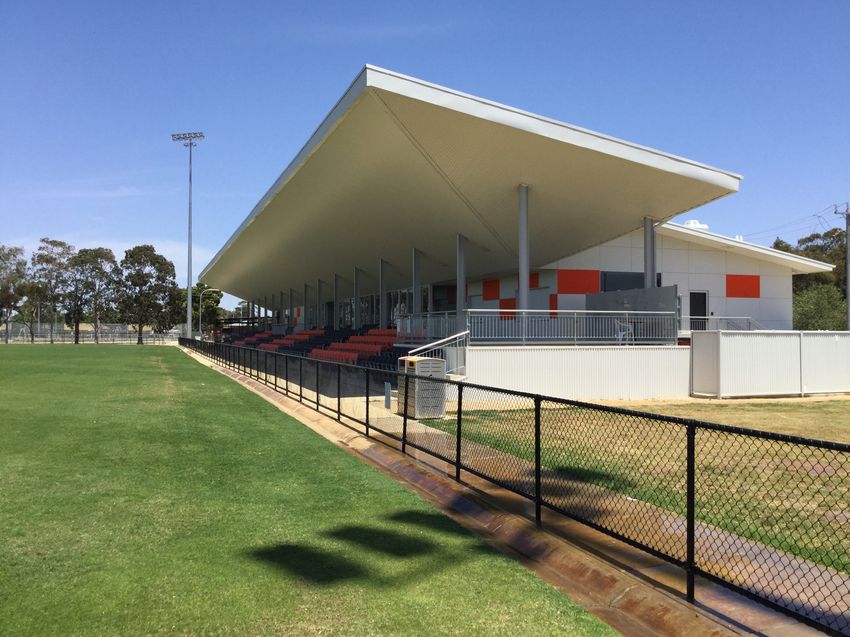
FOOTBALL FACILITIES BUILDING DEVELOPMENT GUIDE
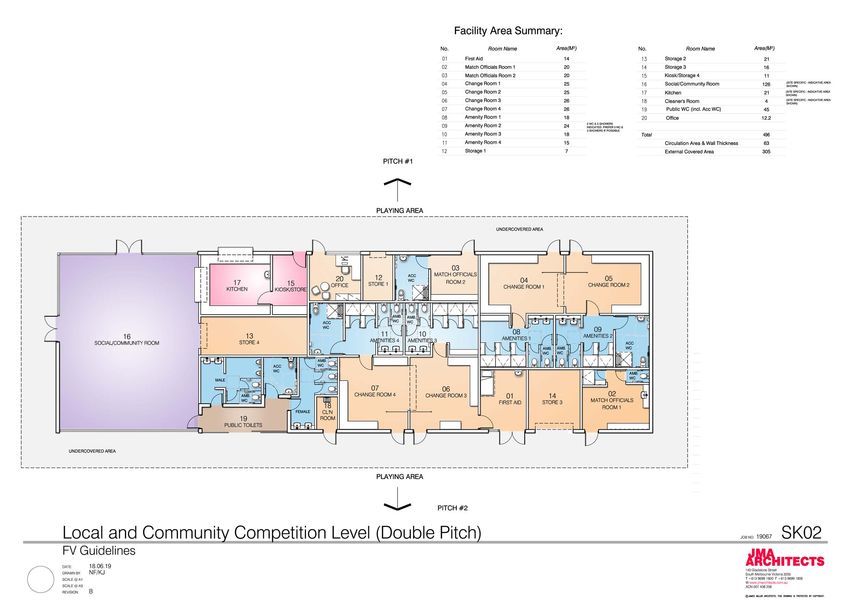
TABLE OF CONTENTS
1.     INTRODUCTION                                                               P3

2. SITING AND MASTERPLANNING
   CONSIDERATIONS                                                                 P5

3. TYPES OF FACILITIES                                                            P 13

5      KEY DESIGN PRINCIPLES                                                      P 15

6      FIT FOR PURPOSE                                                            P 19

7      PUTTING A PROJECT TOGETHER                                                 P 20

ACKNOWLEDGMENT

Football Victoria would like to acknowledge the work and commitment carried out by
JMA Architects for their expertise in architectural design of sporting pavilions which is
shown through the development of this building development guideline.
The guideline has been developed to assist Local Council Authorities, consultants,
building designers, developers, clubs and associations to plan and deliver successful
facility projects.

DISCLAIMER: This Guide has been developed to provide general guidance to local Councils, clubs and associations
in Victoria to assist them with building development projects. The contents of this Guide should not be used for any
other purpose or reproduced or communicated without the consent of Football Victoria. Football Victoria makes no
representation or warranty about the accuracy or completeness of the information contained in this Guide. You should
not rely solely on the information in this Guide and should make independent inquiries, including seeking professional
advice. To the extent permitted by law, Football Victoria disclaims any responsibility and liability for any cost, expense,
loss or damage incurred by any entity or person relying on the information contained in this Guide.
INTRODUCTION
Football associations, clubs and facility
owners eg. local councils are best
placed to determine which facilities
should be upgraded and developed.

This Guide is focused on delivery of            pavilion in the context of the wider
building facilities projects and should be      sporting precinct.
read in conjunction with other guidelines    • Types of facilities – a facility that caters
published by Football Victoria when             for local & community competitions
undertaking new or upgraded football            at junior level would have different
capital works projects:                         functional spaces and requirements
• Football Lighting – Effective Lighting        to a facility designed to host NPL
   Guide                                        matches.
• Construction & Management – Natural        • Facilities planning considerations – the
   Pitches Guide                                spatial requirements of each of the
• The Smart Guide to Synthetic Football         functional areas and the relationship
   Fields (including Hybrid Technology)         with other areas within the building.

• Field Dimensions and Pitch Markings        • Key design principles – overview of
   Guide                                        some of the key design principles to
                                                be considered such that the building
• Football Club Facility Development –          will cater for people of all abilities,
   Project Planning                             are family and female friendly in order
This document seeks to provide a brief          to promote inclusive participation for
overview of some of the key issues to be        all users.
considered when developing plans for         • Fit for purpose – the building design
any new facilities, broadly including the       must be suitable for its local context
following:                                      with the selected materials, finishes
• Facility siting and Masterplanning            and fixtures ideally being durable and
   considerations – where to locate the         suitable for sporting facility.

                                                                   P3 of 32 | FOOTBALL FACILITIES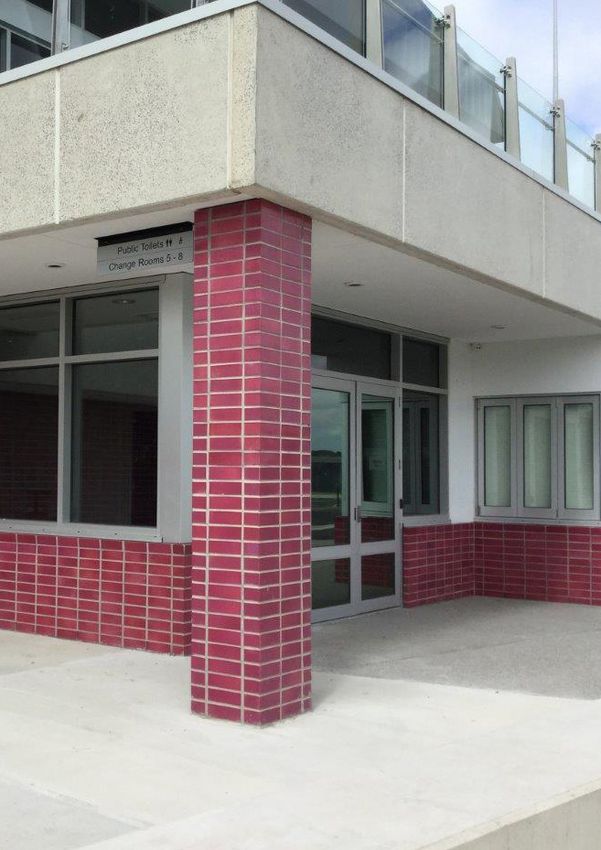
• Putting a project together – a brief       It will be important to discuss your
    overview of some of the steps and        development needs early with your
    processes in procuring a building        Council and / or facility manager and
    project.                                 work with them to develop and provide
Various Guidelines, rules and regulations,   the appropriate documentation required.
determined on a Council-by-Council
basis, must be adhered to before any
development works can be undertaken in
Victoria and, in some instances, they can
be complex to understand.

P4 of 32 | FOOTBALL FACILITIES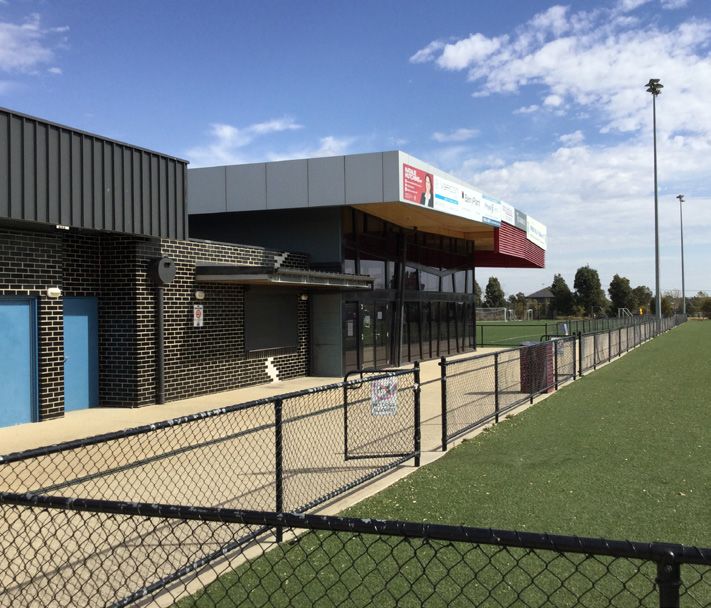
SECTION 2
Siting and Masterplanning
Considerations
The siting and orientation for any new pavilion facility
should be considered holistically with regards to the
wider precinct masterplan and is critical to the successful
activation of the site. The siting of the proposed facilities
should be such that it is easily accessible for people with all
abilities and are welcoming for all ages and genders.

Where the facility is located within a       of the north-south axis in order to reduce
larger sporting precinct, other users are    glare associated with players looking
to be considered as part of the pavilion     directly into the sun. Preferably, the
design. For example, the siting should       proposed pavilion is to be located on
promote use by multiple groups with          the western or south/western side of
a focus on enhancing shared use and          the pitch, with covered spectator areas
consolidation of facilities such as public   between the building and the pitch
amenities, change facilities, storage and    to provide shelter from the prevailing
social spaces. The following are some of     weather and such that the spectators will
the key considerations when undertaking      not be looking into the low afternoon
precinct masterplaning and the siting of     western sun.
new facilities:                              Where multiple pitches are proposed
Orientation of the Pitches & Pavilion        (refer to functional relationship diagram
Location                                     under Section 4.0), the pavilion may be
                                             located between the two pitches and
Refer to the relevant Football Victoria
                                             running in a north-south direction, with
Guidelines for the design and required
                                             the main pitch preferably to the east of the
dimensions of the pitches.
                                             pavilion and the secondary / training /
Ideally playing pitches are to be            junior pitch to be located on the west side
orientated to be within 10 to 15 degrees     of the pavilion.

                                                                 P5 of 32 | FOOTBALL FACILITIES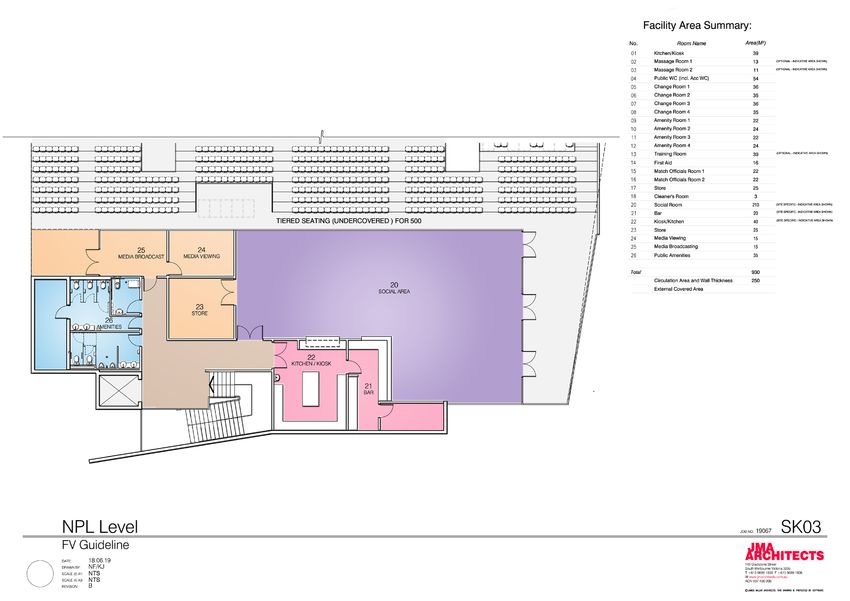
The pavilion should also be ideally         In larger sporting precincts, it is preferred
located on the site to enhance              that roadways and general accessways
accessibility for all precinct users to     be provided around the playing fields in
all facilities and amenities. It is also    order to enable access by both services
preferable that any park / reserve public   and emergency vehicles.
toilets be consolidated into the main       Pedestrian Pathways
pavilion.
                                              Provide DDA compliant pedestrian
Car Parks & Roadways                          pathways from the car park to the
Formalised car parking should be located pavilion. Pathways should have
in close proximity with the pavilion, which appropriate lighting (for all hours) and
should be supported by local drop-off         should have a clear line of sight to
points and access for ambulance vehicles. promote safety. Pathways should be
In addition, the general car park can be      integrated with pedestrian pathways
supplemented with informal overflow car throughout the site to encourage
parking opportunities around the park         activation across the precinct.
and playing fields. Car parking sizes and     Ancillary Amenities
space quantities are to be sufficient for the
proposed use and both the anticipated         It is preferable to provide ancillary
participants and visitors/spectators for      supporting amenities, such as
both the outdoor facilities (pitches) and     playgrounds, BBQ facilities and general
the pavilion (calculated on a combined        outdoor seating within close proximity
basis). Disability Discrimination Act (DDA) and with clear sightlines for supervision
car parking spaces must be provided, and from the main pavilion to encourage
a DDA compliant are to be provided from safe flexible use and to promote a family
the car park to the pavilion. Appropriate     friendly environment.
and safe lighting (for all hours) to the car
park should be provided to alleviate any
perceived or actual security concerns.

P6 of 32 | FOOTBALL FACILITIES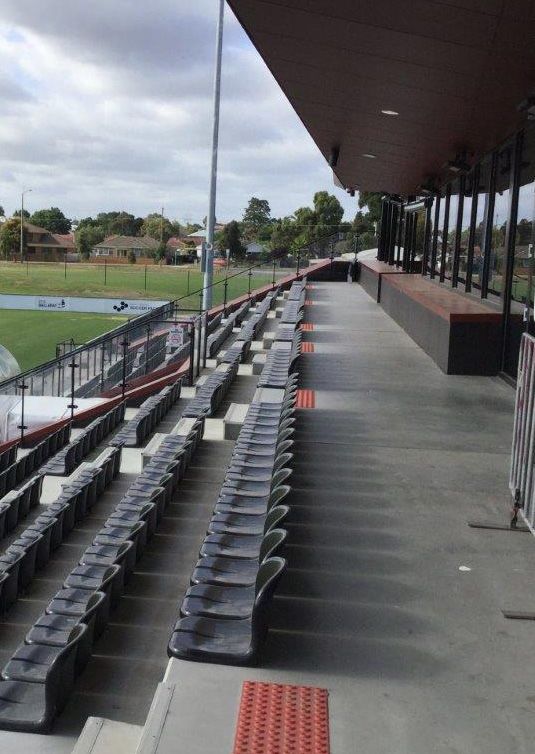
SECTION 3
Types of Facilities

A facility used for community competition in a local
neighbourhood would have vastly different functional and
spatial requirements to a facility designed to host regional
competitions or NPL games. It is therefore important when
undertaking masterplanning or feasibility studies for a
new pavilion that the proposed facility be classified into
categories against its intended use, such that the provision
of amenities be fit for purpose.

Facilities could be generally classified      Local & Community Competition
under the following 3 categories:             Level (Senior)
NPL Level Facilities                          These are local facilities designed to
These facilities are designed to host         cater for local-level Senior competition
NPL games and are primarily used for          within individual suburbs, townships
regional games / elite level competitions.    or municipalities. It is often found /
They have a higher level of amenities         likely that these facilities are co-located
provision and designed and maintained         within a larger multi-sport precinct.
to a high standard; with facilities such as   These facilities and associated pitches
a large social / multipurpose spaces and      are suitable for “home and away” local
undercovered tiered seating which can         league competition sport. The facilities,
cater for large numbers of spectators and     together with its associated social spaces,
corporate functions.                          are usually the host and the home base of
                                              a local and often co-shared / seasonable
                                              club.

                                                                  P7 of 32 | FOOTBALL FACILITIES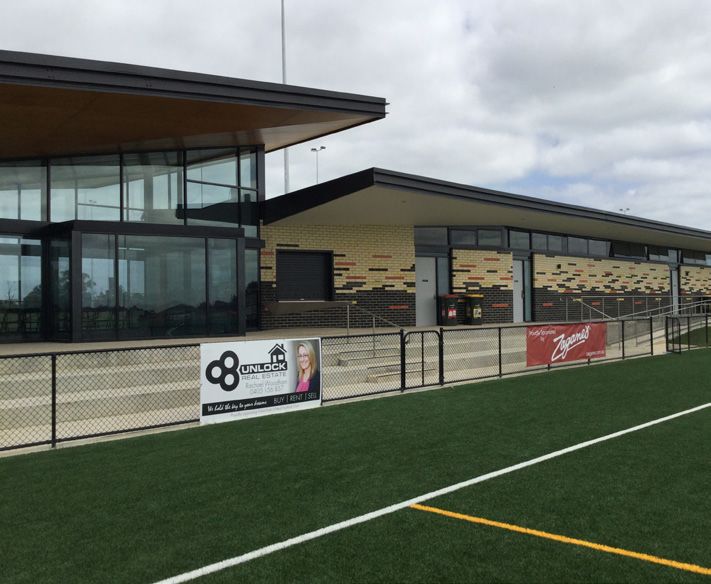
Local & Community Competition                            Senior level Club / organisation. Should
Level (Junior)                                           the user needs, project budget and
                                                         spatial opportunities allow, it is generally
Similar to the Local and Competition
                                                         recommended that Junior facilities
Level (Senior) category, these facilities
                                                         be designed and constructed to the
have a reduced level of amenities
                                                         equivalent Senior level facility standards
(compared with NPL), which would be
                                                         to allow for flexibility in use and future
suitable for hosting competitions at Junior
                                                         opportunities.
levels. Junior level facilities are seldom
standalone and are usually an extension                  The following is a summary of minimum
and or co-located with the associated                    accommodation requirements for each of
                                                         the above categories:

                                 NATIONAL PREMIER           LOCAL & COMMUNITY COMP LEVEL
                                      LEAGUE
                                                             SENIOR LEVEL           JUNIOR LEVEL

OUTDOOR

Pitch Size                        100-105m x 60-68m         96-105m x 60-68m       90-105m x 50-68m

Pitch Runoff (min.)                       3m                        3m                     3m

                                  2m wide x 2.2m high
                                   covered race from
Covered Players Race                                                NIL                    NIL
                                    change rooms to
                                     playing fields

Technical Area                    Formally line marked       Marked by cones        Marked by cones

BUILDING

Players Change Room               4no. @ 35sqm each            2no. @ 25sqm          2no. @ 25sqm

                                  4no. @ 25sqm (min.        2no. @ 16sqm (min.     2no. @ 16sqm (min.
Players Amenities                 3 pans, 3 showers in      2 pans, 2 showers in   2 pans, 2 showers in
                                         each)                     each)                  each)

                                                                                       No min size.
Match Officials Room                    20sqm                     20sqm             (More than 15sqm
                                                                                     recommended)
                                                                                            Continued >
P8 of 32 | FOOTBALL FACILITIES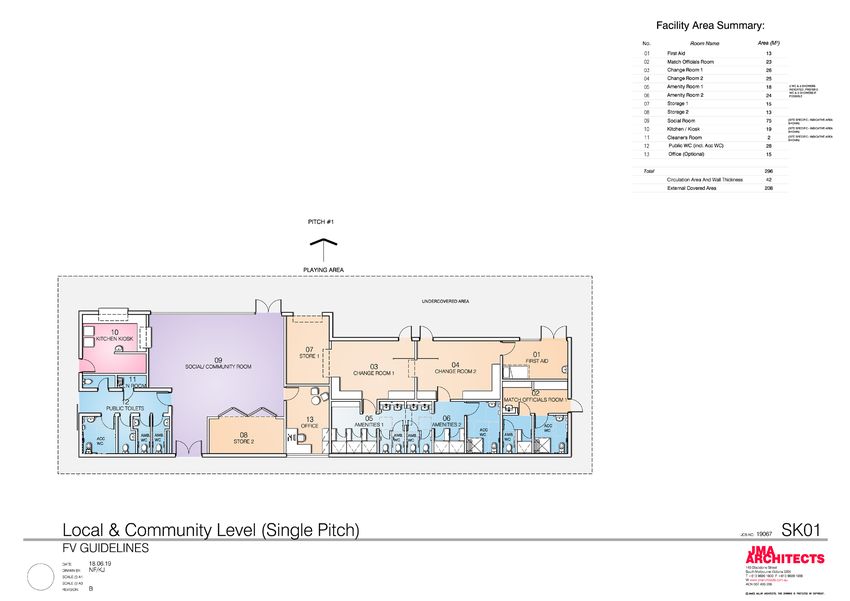
NATIONAL PREMIER          LOCAL & COMMUNITY COMP LEVEL
                              LEAGUE
                                                    SENIOR LEVEL             JUNIOR LEVEL
                                                   Dedicated amenities     Dedicated amenities
                         12sqm (Dedicated toilet
Match Officials                                     not required. Can       not required. Can
                         and shower required - 2
Amenities                                           be shared use with      be shared use with
                            pans, 2 showers)
                                                       public DWC              public DWC

                                                      No min. (more         Screened off area,
First Aid                        10sqm                 than 10sqm           no dedicated area
                                                     recommended)               required

Media Viewing                    15sqm                Not required             Not required

Broadcast / Filming              15sqm                Not required             Not required

                           500 people seated       80-100sqm (approx.
Undercovered Viewing
                          (300sqm). Preferred      standing room for up          25-50sqm
Area
                             tiered seating           to 200 people)

Cleaners                         5sqm                     5sqm                      5sqm

Store                            40sqm                   15sqm                     15sqm

Kitchen Kiosk               Site Dependent           Site Dependent           Site Dependent

Multipurpose / Social
                            Site Dependent           Site Dependent           Site Dependent
Room

Public M/F Toilets               45sqm                   20sqm                     20sqm

Public Disabled Toilet           7sqm                     7sqm                      7sqm

                                                                      P9 of 32 | FOOTBALL FACILITIES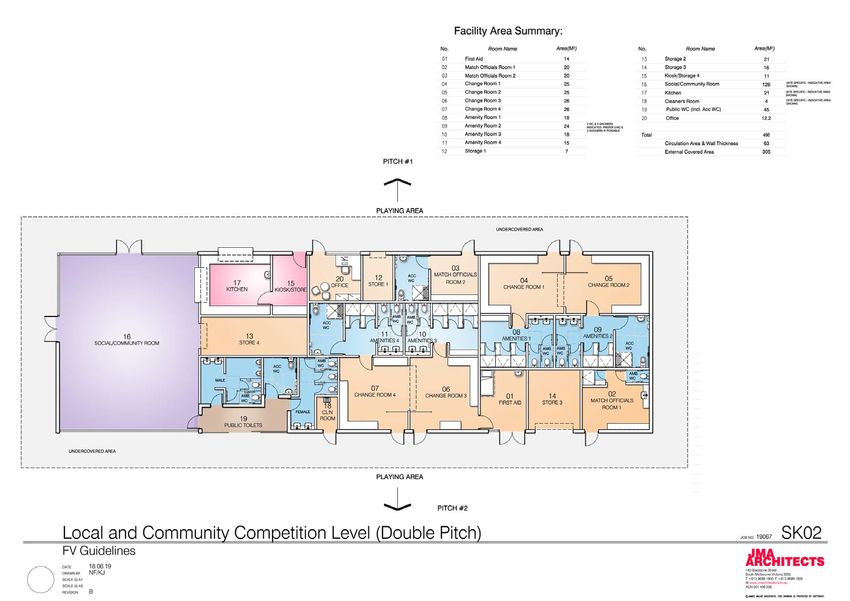
SECTION 4
Facilities Planning Considerations

Whilst each individual facility would be designed to suit
the site-specific context and requirements, the below
functional diagram depicts the general functional and
spatial relationships between the key accommodation
spaces within the facility, the playing fields and
surrounding amenities.

 The following is a brief overview of some    Players Amenities
 of the key functional areas (also refer to
                                             Allow for 1 no. dedicated players
 minimum accommodation requirements
                                             amenities space per change room. The
 in Section 3.0)
                                             minimum size and number of fixtures
 Change Rooms                                and fittings requirements are noted in
 A minimum of 2 change rooms (1 no.          minimum accommodation requirements
 home and 1 no. away) per pitch is           in Section 3.0. All amenities are to cater
 required for local and community level      for all gender use. The use of urinals
 and 4 no. change rooms per pitch for        should be avoided with individual toilet
 NPL Level. The minimum sizes for the        cubicles with full height partitions being
 change rooms are noted in the minimum       the preferred accommodation. Individual
 accommodation requirements in Section shower cubicles with change areas
 3.0. Players should ideally access the      inside should be always be provided.
 pitch via a Player’s Race (NPL). Bench      Provision of a shelf for personal items and
 seating should be provided with clothes     a power point adjacent to wash basins
 hooks to change rooms and direct private is preferred. Where existing facilities
 access into the players amenities is always are being upgraded, priority should be
 required. Consider introducing roller       given to the upgrade of facilities that do
 shutter doors between change rooms to       not support all gender use, e.g. urinals
 enable change rooms to be opened up         into toilet enclosed cubicles and open
 for flexible use.                           shower areas into enclosed shower stalls.

P10 of 32 | FOOTBALL FACILITIES
The below diagram assumes a stand-alone football specific
facility and not integrated as part a multi-sport facility:
P11 of 32 | FOOTBALL FACILITIESConsider the provision of a minimum of Media & Broadcasting Areas
1 no. dedicated players accessible (DDA)
This accommodation is generally only
toilet and shower in each facility, which
required at NPL level and is optional at
is beyond the minimum requirement
for Local and Community Level sites.
for 1 no. general accessible facility
The areas are required to have direct
to meet National Construction Code
unimpeded sightline to the pitch, an
requirements.
elevated position and also located at a
Medical / First Aid mezzanine level where possible. The
Refer to minimum accommodation Media area should ideally be undercover,
requirements in Section 3.0 for the or indoors with an openable window to
facility requirement. The First Aid area enable protected and undisrupted video
should ideally provide a hygiene wash recording.
basin, double swinging doors (and at
a minimum one and half leaf swinging
door) arrangement and be easily SITE SPECIFIC ELEMENTS:
accessible from both the playing field The follow accommodation elements vary
and ambulance space within the car park. from site to site and are dependent on the
Ideally the room should be located away project budget, spatial constraints and
from the public spectating area and the user group requirements. There are no
Social Room. minimum recommended areas from FV for
Match Officials / Amenities the following areas:
Refer to the minimum accommodation Social / Multipurpose Space
requirements in Section 3.0 for the facility The social / multipurpose space should
requirement. Match Officials should have have a clear view to the main playing
a separate direct access to the pitch / pitch and should be ideally located
playing field. The Match Officials room adjacent to any undercover spectating
should have a write-up area and space areas. The provision of such spaces would
to enable referees to congregate and facilitate social interactions between
interact. Amenities for Match Officials direct sporting participants and the
should be suitable for unisex use as per wider community. The sizing of such a
the Players Amenities. Where dedicated space should be influenced by the likely
Match Official amenities are provided, spectator attendance and any other
consider providing accessible (DDA) community user requirements.
showers and toilets for Match Official use.
P12 of 32 | FOOTBALL FACILITIESAccess to the kitchen / kiosk / bar the bar is to be included as part of the
facilities from the Social Room is desirable building, it is recommended the bar
and public amenities are required and consumables / beverages be visually
should be functionally located in close shut-off from the rest of the Social Room
proximity. The Social Room should when not in use to promote a family
be flexible to enable use by the wider friendly environment.
community with independent access from Office & Administrative Area
the sporting facilities to enable after hours
use. Office and administrative areas for
club use is dependent on the end user
Public Amenities requirements. Such spaces could also
The quantity of public amenities to be be used as a secondary meeting room.
provided is site specific and should Access to kitchenette facilities is desirable
take into consideration the likely crowd where possible. Consider the use of an
attendance numbers. Public amenities operable wall for any secondary meeting
must include at least 1 no. accessible room to enable the space to be opened
toilet. It is preferable to consolidate park up and used as part of the main Social
/ reserve public toilets into the main Room.
pavilion building / facility. The public Sample Designs
amenities should be directly accessible
externally and should have a clear view The following are three illustrative design
without any hidden corners for security options of different facilities which meet
purpose. Shared use of public amenities the preferred FV Facilities standards and
with the Social Room amenities via an spatial requirements:
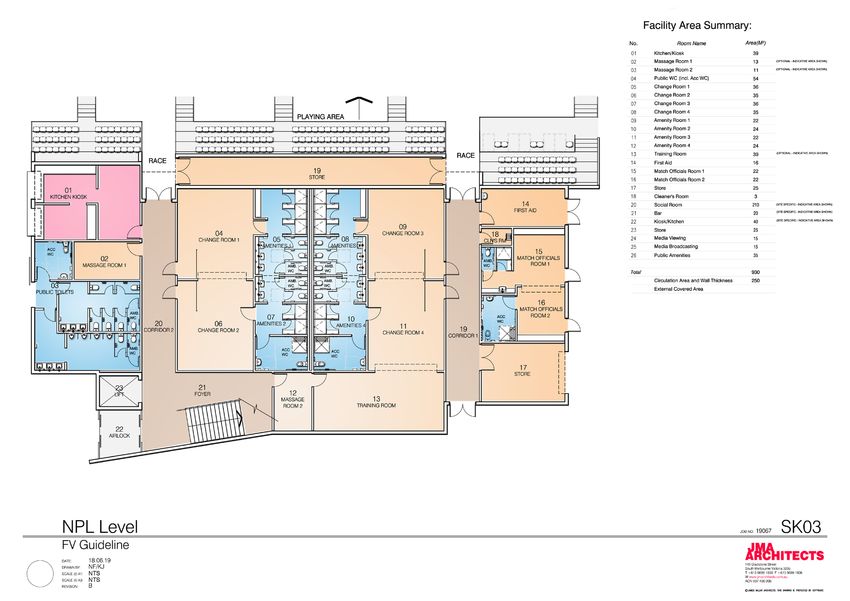
airlock may be considered. • Local & Community Level Facility for a
Kitchen / Kiosk / Bar single pitch
Sizing of such facilities should be • Local & Community Level Facility for
determined by anticipated use. Access two pitches
to storage is important and compliance • NPL Level Facility
with local municipal Health Department It should be noted that the drawings
standards is required. It is preferable that provided are not intended for detailed
the kitchen / kiosk be located to facilitate design, construction or costing purposes.
both an internal servery into the Social Any proposed facility should seek
Room and external servery for spectators. independent architectural advice to
Where possible, design serveries such ensure that any site specific opportunities
that volunteers in the kiosk have a view / constraints, user group functional needs
of the playing field and game. Where and budgeting requirements are met.
P13 of 32 | FOOTBALL FACILITIESP14 of 32 | FOOTBALL FACILITIES LOCAL & COMMUNITY LEVEL (SINGLE PITCH) Refer to Page 15 for the Facility Area Summary
LOCAL & COMMUNITY LEVEL
(SINGLE PITCH)
Refer to Page 14 for diagram

FACILITY AREA SUMMARY

                               P15 of 32 | FOOTBALL FACILITIES
P16 of 32 | FOOTBALL FACILITIES LOCAL & COMMUNITY COMPETITION LEVEL (DOUBLE PITCH) Refer to Page 17 for the Facility Area Summary
LOCAL & COMMUNITY
COMPETITION LEVEL (DOUBLE PITCH)
Refer to Page 16 for diagram

FACILITY AREA SUMMARY

                                   P17 of 32 | FOOTBALL FACILITIES
P18 of 32 | FOOTBALL FACILITIES NPL LEVEL (GROUND FLOOR) Refer to Page 19 for the Facility Area Summary
NPL LEVEL (GROUND FLOOR)
Refer to Page 18 for diagram

FACILITY AREA SUMMARY

                               P19 of 32 | FOOTBALL FACILITIES
P20 of 32 | FOOTBALL FACILITIES NPL LEVEL (FIRST FLOOR) Refer to Page 21 for the Facility Area Summary
NPL LEVEL (FIRST FLOOR)
Refer to Page 20 for diagram

FACILITY AREA SUMMARY

                               P21 of 32 | FOOTBALL FACILITIES
SECTION 5
Key Design Principles
In addition to Football Victoria Guidelines and fulfilling
the user groups and stakeholder’s brief and functional
requirements, it is important that the proposed design
complies with the relevant standards, codes, government
acts and regulations.
The following are some of the key Universal Design
standards and acts:
Any sporting facilities should provide
• The Building Act 1993 (Vic) opportunities to bring together people
• The Building Regulations (2018) from different backgrounds, age, gender
and ability. It is important that the design
• Building Code of Australia / National
goes beyond just fulfilling minimum
Construction Code (NCC)
compliance obligations with the Disability
• Relevant Australian Standards Discrimination Act to provide an inclusive
• The Environment Protection Act environment for all, including not just
sporting participants, but also the match
• Work Health & Safety Act,
officials, volunteers who assist with
Occupational Health & Safety Act
running the pavilion and the spectators.
• The Disability Discrimination Act (DDA) Designs should be carefully considered
and its relevant standards including such that that all areas of the facilities are
Disability (Access to Premises Buildings) accessible by people of all abilities, both
Standards 2010, AS1428 Parts 1, 2 & 4 inside and around the building. On a
Design for Access and Mobility practical level (where feasible), provision
The following are some Key Design of individual accessible amenities for
Principles and Considerations when the public, the players and the match
undertaking design for a new building: officials should be highly prioritised and
inclusive elements such as accessible
kiosk / kitchen / bar serveries should be
considered for all users.
P22 of 32 | FOOTBALL FACILITIESFemale & Family Friendly Design for example appropriate levels of
lighting, elimination of “dead” or
The proposed building design should
hidden areas, orientation and façade
seek to introduce female and family
design to facilitate active and passive
friendly design principles which expand
supervision.
and maximise participation and use.
As noted in Sections 3.0 & 4.0 of this • The change of levels around
Guideline, some of the measures to the building should be carefully
promote participation by all genders may considered to eliminate any hazards.
include the following: • Provision of safe access to all
• Ensure all amenities are unisex in accommodation areas and also for
design. maintenance staff.
• Provision of family friendly amenities • Location of equipment such as
such as baby change tables in the condensers for ease of access and
building. servicing – ground level is preferred.
• Ensure the proposed facility is • Avoidance of door swings and awning
perceived to provide a high level of windows impeding on paths of travels.
security, in particular the provision of Environmentally Sustainable Design
sufficient lighting for night access.
The construction and ongoing
• Ensure alcohol is not prominently maintenance of any built facility
displayed when the bar is not would inevitably have an impact on
operational. the environment and it is therefore
• Provide family friendly ancillary paramount that the design incorporate a
services, such as playgrounds in close range of initiatives that would minimise
proximity to the main pavilion building environmental impacts. Some key
to promote interactions with people of initiatives are as follows:
all gender and ages and their carers. • Consider potential reuse and
OH&S and Safety in Design repurposing of existing spaces and
accommodation.
All facility design should take into account
OH&S considerations such that the • Passive design and building
proposed facility is safe for both the users orientation to minimise solar gain and
and the facilities operators. Some of the heat loss.
measures / considerations may include: • Selection of sustainable building
• Ensure the building provides a materials - materials with a high
high level of security through both recycled content (e.g. concrete) come
passive and active design measures, at a considerable additional cost.
P23 of 32 | FOOTBALL FACILITIES• Extensive double glazing and highly • Use of low energy lighting throughout
rated insulation products, even to (LED).
areas that are not conditioned is ideal. • Consider the use of PV cells, co-
• Use of water saving (WELS rated) generation and battery storage.
fixtures, particularly in sporting • Rain water harvesting for irrigation and
amenities. gray water flushing
• Preference for natural ventilation of • Heat recovery pumps (where
the facility over mechanically operated appropriate).
systems.
P24 of 32 | FOOTBALL FACILITIESP25 of XX | FOOTBALL FACILITIES
SECTION 6
Fit for Purpose

The general design and layout of any facility should always
be informed by the facility use and functions. A strong
emphasis is placed on constructing buildings that are 'fit
for purpose' in order to ensure that user needs are met
and that future projects / alterations to new buildings is
avoided. In addition to adherence to the Football Victoria
Guidelines, any new development should also align
with the relevant local Council’s Pavilion strategies and
Guidelines.

Types of Constructions                        a regional NPL level facility may strive for a
                                              higher level finish.
Types of construction for proposed
facilities are dependent upon site context, In order to keep capital costs down,
user / asset owner preference and           some Councils may elect to use light
budgetary requirements. Whilst most         weight external building construction
Local and Community level developments      for all sports pavilions, as compared
are single level, in dense urban precincts  with masonry (brick, block and concrete)
with constrained open space, a multilevel   constructions which is comparably
construction may be adopted to provide      higher. Light weight construction may be
for the minimum required floor spaces.      used in combination, for example fibre
                                            cement sheet and metal (colorbond)
The level of finishes should also take into
                                            cladding with stud framing and villaboard
account the types of facility and its use
                                            or plasterboard internal linings. While
and prominence within the local area
                                            the adoption of these materials reduces
or wider region. For an example, a local
                                            cost, it also reduces the robustness of the
level neighbourhood reserve pavilion
                                            spaces and increases maintenance costs
may target a medium level of finish, whilst
                                            across the life cycle of the asset. However,

P26 of 32 | FOOTBALL FACILITIES
there are other Councils where the Welcoming Ambiance &
current preferred (and adopted) building Adaptability for Multipurpose Use
material for external walls is double block
The building palette should be chosen
or block veneer as opposed to light
to provide a light and uplifting ambiance
weight construction.
that creates a welcoming environment
Appropriate Materials Selection for users of all abilities, ages, gender and
Building materials, finishes and fixtures backgrounds. This requirement should
selections for sports pavilions should consider the material and finish durability
be durable / robust, modern and and cost effectiveness over the building
cost effective. It is preferred that the life cycle. Colour palettes with historically
materials are generally locally sourced strong specific gender connotations
(not imported), so that they are readily should be avoided, instead neutral,
available, easily maintainable and natural materials that are appropriate to
replaceable should breakages occur. the site-specific context are preferred.
The selection of building materials To promote inclusiveness in the design,
(internally and externally) should also the facility should cater for users beyond
take into account overall life cycle costs. sporting communities. Co-location and
For example, an externally painted FC sharing of facilities with other community
sheet product may have a lower initial services should be encouraged. Although
capital costs but would require routine the display of sporting memorabilia
maintenance / repainting compared provides a positive sense of identity for
with proprietary pre-finished products. the Clubs and forms a critical element
Material selection should also take into within the Club’s “home” base, its
account impact resistance and whether placement within the facility should be
the building is located in an area that us carefully considered such that other users
prone to vandalism and graffiti whilst of the facilities (such as community groups
still adhering to budgetary constraints. or other sporting clubs during the off-
Examples of internal finishes that season) would feel welcomed.
would generally meet a medium level
of specification are commercial grade
synthetic carpeted or vinyl finished
floors to Social areas, vinyl or epoxy floor
finishes to players change rooms and
amenities, painted fibre cement sheet
walls and ceilings to change rooms for
impact resistance, laminate finishes to
joinery and minimal tiling to wet areas
(showers and vanities).
P27 of 32 | FOOTBALL FACILITIESSECTION 7 Putting a Project Together A rigorous planning process is vital for the successful delivery of any project. Prior to development of any plans, consultation should be undertaken with all relevant stakeholders, including other users (other sports and community groups) of the grounds, the landlord / leaseholder. As most football facilities are likely to be constructed in public reserves and / or sporting precincts, the Local Government / Council would be the most likely be the landlord / proprietor of the grounds and facilities. Early engagement with Council is vital, and well utilised, it must meet the needs as they would be an invaluable source and requirements of the Club. It is critical of advice in relation to any applicable the Club’s needs are clearly defined to planning controls / restrictions and the formulate a project brief and scope. longer-term masterplan and capital works This would need to identify the likely plans for the precinct. costs, timeframe for delivery, external Another useful resource to assist with and internal stakeholders and potential project planning at the early inception funding partners. The project brief stage is Football Victoria’s Football and scope should form the basis of the Club Facility Development – Project commencement of the project ‘business Planning. The following is a brief summary case’. and overview of the key steps in the Feasibility Studies & Business Case procurement of a building. Once a project brief has been Brief Establishment & Project established, it is important to test the Scoping viability and feasibility of the project prior For a sporting facility to be successful to undertaking significant design work. P28 of 32 | FOOTBALL FACILITIES
At this stage, different development          • State and Federal Government
options should be tested, i.e. whether           pledges and promises
to refurbish and or extend existing           • Sport and Recreation Victoria (SRV)
facilities, or demolition and rebuild. The       grants
potential site(s) should be identified and
tested against their benefits, constraints    • Clubs fund raising activities
and limitations, with the objective of        • External commercial tenants and
confirming a preferred site. Engagement          financiers
with other stakeholders such as tenants,      It should be noted that a schematic
other Sporting Clubs, current & potential     design prepared by qualified Architects
users and Council is critical to ensure the   and a Cost Plan prepared by a Quantity
requirements and interests are aligned.       Surveyor is a requirement for the
Different man                                 application of some of the above noted
Schematic Design, Budget &                    funding sources.
Funding                                       Detailed Design & Planning
Once the feasibility of the project is        Application
proven, the functional requirements           Once funding is secured, detailed design
and brief should be well defined and          should be undertaken to prepare plans,
a clearer vision for the project will         engineering and specifications to a
emerge. Architects and engineers              level of detail suitable for tendering and
should be engaged to develop the              construction. It is during this stage that
ideas and undertake spatial planning          finer details of the propose facilities,
in line with the brief and Football           such as external elevations, interior
Victoria’s recommended Guidelines,            designs, proposed fixtures and finishes,
site constraints, engineering and design      will be developed by the Architect in
principles as outlined in earlier parts       consultation with the user groups.
of this document. A Quantity Surveyor
should be engaged to undertake a Cost         Most developments, (especially sites
Plan to establish and confirm the budget      where there are specific planning controls
for the development. A well-developed         such as heritage overlays, flood zones,
Schematic Design will assist in obtaining     vegetation overlays) would require a
support from Council and securing             Planning Permit from a Local Planning
funding. Funding avenues that can be          Authority, which is most likely the Local
sought include the following:                 Council. It is vital to seek clarification
                                              with the Planning Authority to establish
• Funding from Council’s Capital Works        whether a Planning Permit is required.
   programmes                                 The preparation of a Planning Permit

                                                                 P29 of 32 | FOOTBALL FACILITIES
application may require further input Tendering and Construction
from specialist consultants to undertake
Design documentation is developed to
reviews such as arboriculture and
define the required scope of works to
tree assessments, traffic and parking
enable fair and competitive tenders by
assessments, planning assessments
different Contractors. Once the design
by a planning consultant and acoustic
has been completed and Planning
assessments. The purpose of the Planning
approvals granted, a Contractor can be
Permit is to ensure that the development
appointed to undertake construction
is compliant with the locality master and
works. Different methods of construction
urban planning objectives and does not
procurement can be selected based on
adversely affect surrounding neighbours
the relevant project size, any specific
and amenities. There are instances where
timing and funding requirements.
a Planning Permit may not be required:
Where external funding partners are
• Interior fitout works where the involved, the procurement methods
construction does not affect the and Contractual requirements will often
external elevations / appearance or require Local Council approval.
the footprint of the proposed building.
The selection and the management of the
• Construction of external DDA ramps Contractor during the construction phase
and pathways. includes administering the Construction
• Sporting pavilions and amenities in a Contract, assessing the Contractors works
Public Recreation Use Zones (PPRZ) and ensuring the quality is achieved. This
undertaken for or on behalf of the Local process is typically managed by the Local
Council where the total construction Council, external Project Manager or the
value is less than $1.0m. Architect.
Regardless of whether a Planning Permit Prior to the Contractor commencing
is required, a Building Permit would be on site, detailed planning should be
required to be obtained from either a undertaken to establish whether any
private registered Building Surveyor mitigating measures are required as a
or the Council’s Building Department. result of the construction works. This
The purpose of the Building Permit is to may include reviewing the construction
ensure that the development is compliant programme and commencement date to
with the current National Construction coincide with the off season, the phasing
Code and relevant Australian standards, / staging of construction works and
including but not limited to compliance whether any temporary amenities and
with the Disability Discrimination Act. facilities are required on site during the
construction works.
P30 of 32 | FOOTBALL FACILITIESP31 of XX | FOOTBALL FACILITIES
FOOTBALL VICTORIA

Level 3, 436 St Kilda Road
Melbourne Vic 3004
info@footballvictoria.com.au
www.footballvictoria.com.au

140 Gladstone Street
South Melbourne Vic 3205
T 03 9699 1800
F 03 9699 1808
E info@jmarchitects.com.au
W www.jmarchitects.com.au
You can also read


