Grass Seed Mixtures - seeds
←
→
Page content transcription
If your browser does not render page correctly, please read the page content below
seeds

    Grass Seed
    Mixtures

                  2023

growing through
innovation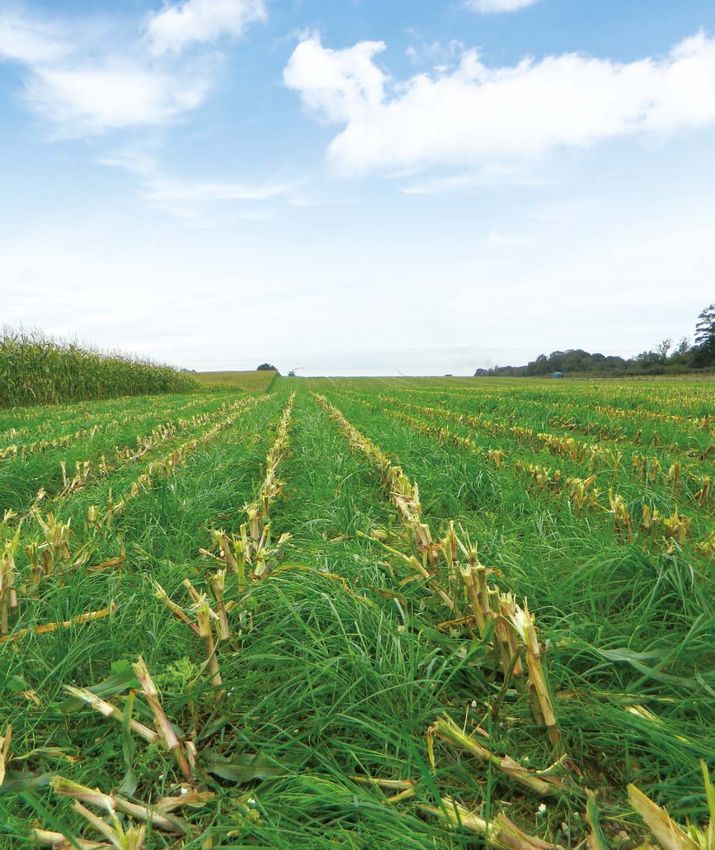
seeds

                                                               Contents
    2022 was a record-breaking year. Input costs
    soared to heights never experienced before                 Seed technology                                   4

    and the weather throughout much of the                     Seed quality                                      5
    country was the driest and hottest on record.
                                                               Why replace your grass swards                     5
    Optimising production from forage has never been
                                                               Over seeding and clover mixtures                  6
    more important and quality grass leys are central to the
    profitability of any ruminant livestock enterprise.        Mixture selector                                  9

    The TechniSward range of grass leys are designed to        Standard grass seed mixtures                     10
    be highly productive and have resilience built in. They
    contain only the best varieties from the BSPB/AHDB         Drought and flood mixtures                       18
    recommended lists, the SRUC Scottish lists and the
                                                               Herbal grazing mixtures (GS4 compliant)          20
    Teagasc PPI index. Quality and innovation are at the
    forefront of our mixtures, and we are proud to support     Maize undersowing mixtures                       22
    the SRUC via the levy payment and the British Grassland
    society through corporate membership. TechniSward grass    Equine mixtures                                  24
    mixtures combine varieties with high fibre digestibility
                                                               Forage crops                                     26
    and high sugar to ensure maximum animal performance
    and make use of the latest grass breeding innovations to   Amenity grass mixtures                           29
    produce a sward that will stand up to the rigours of an
    increasingly unpredictable climate.                        Silage inoculants                                30

    Agrovista have specialist technical advisors to help you
    choose the correct grass mixture for your needs. In
    addition, our agronomists can help ensure your soils and
    inputs are tailored to obtain maximum return for your
    investment in grassland.

    Please contact your local Agrovista agronomist or
    contact enquiries@agrovista.co.uk for further details.

2                                                                                           growing through innovation   3
SEED QUALITY/ GRASS SWARDS
Lorem Ipsum DOLOR SIT AMET
Seed quality Germination rates
100 91.4% 92.8% 92.4%
All seed varieties used in TechniSward grass 90
90% 90% 90%
80% 80%
mixtures are produced to the very highest standards, 80 75%
far exceeding the HVS minimum standards for 70
60
germination and weed seed contamination.
50
40
Each variety and mixture has been submitted to 30
extensive trial work before being chosen and all 20
The technology
varieties in TechniSward mixtures are listed on the 10
0
BSPB recommended list and SRUC list for Scotland.
Italian ryegrass Perennial ryegrass Timothy
behind UK Minimum Germination
TechniSward
Technisward MINIMUM Germination
Technisward Actual Germination
TechniSward mixtures could contain up to 1 million more viable
seeds per acre compared to the government minimum standard
Combining high sugars and growing population from grasses and legumes that
we ourselves cannot eat, and often from ground
cell wall digestibility upon which we cannot grow food crops for human
Agrovista works with leading seed breeders to consumption makes perfect sense.
produce seed mixtures that combine the best
Added to this grasses and forage legumes are also
Why
production and quality traits available.
very good at recycling and storing carbon, removing
Using varieties that contain higher levels of water- greenhouse gasses from the environment, and helping
soluble carbohydrates (sugars), allows the rumen
bacteria to convert more of the plant protein into
to combat climate change.
replace your
Festuloliums
grass leys
meat and milk, meaning less protein is wasted,
resulting in improved performance and lower
A festulolium is a type of intergeneric hybrid that
ammonia and methane emissions.
possesses a wider range of agronomic traits than
Cell wall components contain up to 60% of the traditional interspecific hybrids.
energy found in a grass plant, and it is for this reason
The word festulolium comes from the Latin names
that ruminants developed their multi chambered
for fescue; Festuca and ryegrass; Lolium. The parent
digestive tract, enabling them to make use of cell
plants of a festulolium can be any ryegrass crossed • Over time sown species die off leaving • New grass leys grow more
wall carbohydrates, something no other mammal can
do. Using grass varieties that exhibit greater cell wall
with any type of fescue. The most common crosses space that is taken up by weed vigorously and respond better to
are between Italian or perennial ryegrass and meadow grasses and broad-leaved weeds fertiliser inputs, thus reducing
digestibility means that much more of the plants’
fescue or tall fescue.
energy is available for rumen fermentation.
• A typical 5-year-old ley contains only wastage and cost as well as
The resulting hybrids demonstrate: reducing environmental impact
The combination of high sugar and available cell 50% of the original sown species
wall carbohydrates make TechniSward grass leys • Greater stress tolerance
• Reductions in energy yield and energy • The addition of clover following
some of the most productive, cost effective and • Deeper roots
environmentally friendly options available. density add up to an annual loss of effective weed control can also
• Improved disease resistance
c86,400 MJ of energy per hectare. provide up to 250 kg of Nitrogen
In an age when environmental responsibility is as • Higher yields (up to 3 tonnes more DM per year
important as food security, being able to produce compared to the parent ryegrass) Equivalent to six and a half tonnes of per hectare annually
sustainable, energy and protein rich food for a • Higher levels of hybrid vigour concentrate feed
4 www.agrovista.co.uk growing through innovation 5
Overseeding and clover mixtures
Lorem Ipsum DOLOR SIT AMET

                                                                                             Overseeding, or “stitching in” of a new ley into an old sward can
                                                                                             bring multiple benefits.
                                                                                             Over time swards naturally lose their vigour and become open in the bottom. This space is quickly
                                                                                             taken up with weed grasses and broad-leaved weeds reducing the productivity of the sward.
                                                                                             Overseeding offers a cost-effective solution without the loss of production or cost
                                                                                             associated with a complete reseed.

                                                                                             Introducing Clover                                      Establishment
                                                                                             Clover safe sprays are now virtually non-existent and   The key to success with overseeding is achieving
                                                                                             so introducing clover into a new ley by overseeding     a good seed to soil contact and reducing
                                                                                             after weed control has been carried out is a cost       competition from existing grasses. Therefore,
                                                                                             effective and practical solution to this problem.       the optimum time for overseeding is in mid-
                                                                                                                                                     summer when grass growth slows, as long as
                                                                                             Typically, overseeding white clover at 3.5kg/ha will
                                                                                                                                                     moisture is present.
                                                                                             provide sufficient clover in the established sward to
                                                                                             boost protein yield, increase dry matter intakes and    Overseeding immediately after a defoliation, either
                                                                                             provide up to 180kg/ha of nitrogen.                     by cutting or grazing but not topping is advised
                                                                                                                                                     and scarification to remove thatch and shallow
                                                                                                                                                     rooted weed grasses is also highly beneficial.
                                                                                                                                                     Livestock can continue to graze after sowing
                                                                                                                                                     thus reducing competing grasses. Upon seedling
                                                                                                                                                     emergence stock must however, be removed or
                                                                                                                                                     they will take out the emerging seedlings.
                                                                                                                                                     Specialist overseeding drills are now widely
                                                                                                                                                     available and are by far the best means of
                                                                                                                                                     establishment, though a grass harrow with an
                                                                                                                                                     air seeder attached can do a good job, especially
                                                                                                                                                     with clover seed. Rolling, ideally with a Cambridge

                                 Overseeding
                                                                                                                                                     roll is a must with all establishment methods.

                                 and clover            Key benefits

                                 mixtures              • Cost effective solution where
                                                           a short-term boost to
                                                           production is needed
                                                       • Enables rejuvenation of
                                                           worn-out pastures where
                                                           ploughing is not an option
                                                       • Effective means of establishing
                                                           clover into a sward after weed
                                                           control has been carried out

                             6   www.agrovista.co.uk                                                                                                                               growing through innovation   7
Overseeding and clover mixtures
TechniSward GrassMax™ cut
Mixture selector
Mixture selector
• Specialist cutting mixture providing up to a three-
year boost to production
Mixture Page Cutting Grazing Duration Clover Organic Diploid:
• Available with red or white clover (years) options version Tetraploid
30% Lofa Festulolium
ratio
35% Tetragraze (T) Hybrid ryegrass
Catch crop 11 3333 3 1-2 50:50
35% Nolwen (T) Intermediate perennial ryegrass
Turbo charge 11 3333 3 2-3 Red 15% 15:85
Optional Optional
Red White Multi- Cut Plus 12 3333 3 3-4 Red 25% 3 0:100
Clover Clover
Super Cut 12 3333 3 4-5 Red 20% 25:75
TechniSward GrassMax™ dual purpose Endurance 13 3333 333 5 White 7% 20:80
Dual purpose 14 333 3333 6 White 6% 62:38
• Suitable for grazing or dual-purpose leys
providing up to four years production
Cut and Graze 14 3333 333 6 White 6% 3 38:62
• Available with 10% white clover
HS Intensive graze 15 33 3333 5+ White 7% 53:47
35% Tetragraze (T) Hybrid ryegrass
35% Hurricane (T) Late perennial ryegrass Early bite 16 33 3333 6+ White 7% 58:42
30% Nolwen (T) Intermediate perennial pyegrass
Long term 16 33 3333 6+ White 6% 3 64:36
Optional Hay maker 17 3333 33 5+ 100:0
White
Clover
Haylage 17 3333 3 2 35:65
TechniSward clover blends Drought prone 19 333 3333 4+ Std
Flood prone 19 333 3333 4+
• TechniSward clover blends can be added to any grass
mixture or be used for overseeding into new leys
Herbal light land 21 3 3333 4+
following weed control or for boosting clover content
in existing swards
Herbal
21 3 3333 4+
med-heavy land
White clover blends Grazing Dual purpose Cutting
Small 54% 27% - Maize undersowing 23 33 0.5 - 3
Medium 46% 23% -
Large - 30% 60% Horse paddock 25 3 3333 5+
Very large - 20% 40%
Herbal horse paddock 25 3333
Red clover blend
Diploid 70% Forage crops 26-28 3333
Tetraploid 30%
Amenity mixtures 29 7+
Std = Included as standard
8 www.agrovista.co.uk growing through innovation 9
Standard grass seed mixtures
Lorem Ipsum DOLOR SIT AMET
TechniSward Catch crop 1-2
years
Italian ryegrass blend specifically designed
to fill short term gaps in a crop rotation
3 Intensive cutting Beef grazing
3 Cutting Sheep grazing
Dairy grazing 3 Aftermath grazing
• Minimum suggested sowing rate of 12kg/acre (30kg/ha)
• Provides good early production for cutting or grazing
50% Sikem Italian ryegrass • Can be autumn or spring sown
• Vigorous establishment and winter hardiness lends to
50% Turgo Tetraploid Italian ryegrass
sowing after maize
• High sugar content provides a rapid lactic fermentation
TechniSward Turbo charge 2-3
years
A highly productive intensive cutting ley
suitable for aftermath grazing
3 Intensive cutting Beef grazing
Key benefits 3 Cutting Sheep grazing
Standard 3
Dairy grazing Aftermath grazing
• TechniSward standard grass seed
mixtures are premixed meaning
grass seed
• Minimum suggested seed rate 14kg/acre (35kg/ha)
that delivery lead times are shorter • 6 day spread of heading dates for optimum silage quality
than with bespoke mixtures Variety Heading date • Intensive cutting with good aftermath grazing
mixtures
• Quick recovery after cutting
• Mixtures designed to fit most Hunter (T) Italian ryegrass 19th May
• Ideal for haylage production
situations, eliminating the need for
Alamo Italian ryegrass 21st May • Contains Perseus Ryegrass Plus™ for yield, persistency
more costly bespoke mixtures and disease resistance
Perseus Festulolium 25th May
• Tried and tested over time • 15% red clover option available
meaning complete reliability Astoncrusader (T) Hybrid ryegrass 19th May
Optional
Red
Clover
10 www.agrovista.co.uk growing through innovation 11
Standard grass seed mixtures
Standard grass seed mixtures
TechniSward Multi cut plus 3-4 TechniSward Endurance 5+
years years
High production specialist multi cutting mixture A specialist long term cutting mixture
containing 100% ryegrass plus festuloliums that also provides high quality grazing
3 Intensive cutting Beef grazing Intensive cutting Beef grazing
3 Cutting Sheep grazing 3 Cutting Sheep grazing
Dairy grazing 3 Aftermath grazing 3 Dairy grazing 3 Aftermath grazing
• 5 day spread of heading date for optimum quality • Minimum recommended sowing rate 15kg/acre (37kg/ha)
• Minimum suggested seed rate 14kg/acre (35kg/ha) • Incredibly dense hard-wearing sward
Variety Heading date • 4-6 cuts per year plus aftermath grazing Variety Heading date • Huge yield potential over multiple cuts
• High sugar content provides a rapid lactic fermentation • High sugar content provides a rapid lactic fermentation
Lofa Festulolium 22nd May and drives intakes Agaska Intermediate perennial ryegrass 30th May and drives intakes
Perseus Festulolium 25th May • 25% red clover option available Diwan (T) Intermediate perennial ryegrass 30th May • 7 day spread of heading dates for optimum quality
• Up to 3.5 tonnes/ha more dry matter from ryegrass plus • Excellent cell wall digestibility means that quality is
Perun Festulolium 21st May varieties compared to standard Italian ryegrass Nashota (T) Late perennial ryegrass 5th June maintained for longer if cut ting is delayed
• Organic version available • White clover option available
Gracehill (T) Late perennial ryegrass 2nd June
Optional
Optional
Red
Clover
Endurance performance White
Clover
Conservation Conservation
yield ME
Grazing yield Grazing ME 104% 105%
TechniSward Super cut 4-5 101% 101%
years
Endurance has now been a part of the
Medium term mixture for cutting with TechniSward offering for two years and is
excellent quality aftermath grazing
Figures expressed as a percentage of perennial ryegrass bench- proving to be a huge success.
mark figures from the AHDB/BSPB recommended lists
First year sales were exceptional for a new
3 Intensive cutting Beef grazing mixture and the second year saw volumes
more than double, with repeat orders
3 Cutting Sheep grazing
making up a large part of that volume.
Dairy grazing 3 Aftermath grazing
The combination of high yields, high
levels of water-soluble carbohydrates and
• Minimum recommended sowing rate 14kg/acre (35kg/ha)
excellent cell wall digestibility together
• Huge yield potential
with class leading ground cover set it
Variety Heading date • Suitable for Multicut systems and zero grazing apart from the crowd.
• High sugar content provides a rapid lactic fermentation
Lofa Festulolium 22nd May and drives intakes
Astoncrusader (T) Hybrid ryegrass 19th May • Now available with 20% red clover
Boyne Intermediate perennial ryegrass 21st May
Optional
Seagoe (T) intermediate perennial ryegrass 23rd May Red
Clover
12 www.agrovista.co.uk 13
Standard grass seed mixtures
Standard grass seed mixtures
TechniSward Dual purpose 5+ TechniSward HS intensive graze 6+
years years
A truly dual-purpose mixture. Denser A medium to long term specialist grazing
than Cut and Graze and therefore more mixture for rotational grazing systems
suited to long periods of grazing
Intensive cutting 3 Beef grazing
Intensive cutting 3 Beef grazing
3 Cutting Sheep grazing
3 Cutting 3 Sheep grazing
3 Dairy grazing Aftermath grazing
3 Dairy grazing 3 Aftermath grazing
• Minimum recommended sowing rate 15kg/acre (37kg/ha)
• Minimum suggested sowing rate of 15kg/acre (37kg/ha) • 100% Aber High Sugar grasses
Variety Heading date • Suitable for all classes of grazing livestock Variety Heading date • Produces a dense, palatable, and highly digestible
AberZeus Intermediate perennial ryegrass 27th May • Capable of producing 2-3 cuts of quality silage or haylage sward that produces right through the season
AberZeus Intermediate perennial ryegrass 27th May
• 62% diploid varieties ensures tremendous sward density • Paddocks can be shut up to produce excellent
AberSpey (T) Intermediate perennial ryegrass 30th May AberSpey (T) Intermediate perennial ryegrass 30th May quality silage
• Season long performance
Cancan Late perennial ryegrasss 12th June AberBann Late perennial ryegrass 7th June • White Clover option available
• White clover option available
Wetherby Late perennial ryegrass 2nd June AberGain (T) Late perennial ryegrass 5th June
Optional
Nashota (T) Late perennial ryegrass 5th June Optional White
White Clover
Clover
Thegn (T) Late perennial ryegrass 6th June Intensive graze performance
Grazing ME
107% Early
Grazing yield grazing yield Late summer
TechniSward Cut and graze 5+ 105% 105% grazing yield
years 104%
Intensive graze has been designed
High yielding multi-purpose mixture to meet the demands of extended
Figures expressed as a percentage of perennial ryegrass bench-
with a slight leaning towards more mark figures from the AHDB/BSPB recommended lists
grazing systems using only
cutting than grazing Germinal High Sugar Grasses.
Varieties have been selected to
Intensive cutting 3 Beef grazing give exceptional production at both
3 Cutting Sheep grazing ends of the grazing season and
include AberGain which is the top
3 Dairy grazing 3 Aftermath grazing
performing late tetraploid on both
the Teagasc PPI list and the BSPB
• Minimum recommended sowing rate 14kg/acre (35kg/ha)
recommended list
Variety Heading date • 62% Tetraploid inclusion provides sugars for a rapid
fermentation
Galgorm Intermediate perennial ryegrass 23rd May
• 2-4 cuts plus quality grazing
Diwan (T) Intermediate perennial ryegrass 30th May • High inclusion of DLF Fiber Energy™ varieties gives flexibility
around cutting dates without compromising digestibility
Seagoe (T) Intermediate perennial ryegrass 23rd May
• White clover option available
Agaska Intermediate perennial ryegrass 30th May • Organic version available
Nashota (T) Late perennial ryegrass 5th June
Optional
White
Clover
14 www.agrovista.co.uk 15
Standard grass seed mixtures
Standard grass seed mixtures
TechniSward Early bite 6+ TechniSward Haymaker 5+
years years
A specialist long-term, hard-wearing mixture Specialist hay mixture with
that will produce quality forage over a long 100% diploid varieties, ensuring
grazing season rapid, even drying
• The inclusion of Timothy and Meadow fescue
Intensive cutting 3 Beef grazing
produces a fine quality, palatable hay with a
3 Cutting 3 Sheep grazing pleasant aroma
• Fojtan festulolium, though early heading, possesses
Dairy grazing Aftermath grazing
excellent cell wall digestibility meaning forage qual-
ity is maintained longer
• Optimum suggested sowing rate of 15kg/acre (37kg/ha)
• Provides a very dense sward suitable for winter
Variety Heading date • Excellent early production that persists throughout the Variety Heading date
sheep grazing
season and well into the autumn
Galgorm Intermediate perennial ryegrass 23rd May Fojtan Festulolium 20th May
• Produces a dense highly palatable sward
AberSpey (T) Intermediate perennial ryegrass 30th May • Fojtan Festulolium helps to make this mixture very Agaska Intermediate perennial ryegrass 30th May
drought tolerant
AberZeus Intermediate perennial ryegrass 27th May Boyne Intermediate perennial ryegrass 21st May
• Timothy provides early grazing up to a month ahead of
Fojtan Festulolium 20th May ryegrasses Cavendish Late perennial ryegrass 5th June
Nashota (T) Late perennial ryegrass 5th June • Available with white clover or white clover and plantain Laura Meadow fescue 5th June
Dolina Timothy 8th June Dolina Timothy 8th June
Optional
White Optional
Clover Plantain
TechniSward Long term 6+ TechniSward Haylage 2
years years
An extremely versatile long-term mixture Specialist haylage mixture will produce
that will thrive in any area of the UK three to four cuts of quality haylage
suitable for all livestock
Intensive cutting 3 Beef grazing
• Produces excellent coarse hay/haylage suitable
3 Cutting 3 Sheep grazing for the equine market
• High tetraploid inclusion ensures a rapid
3 Dairy grazing 3 Aftermath grazing
fermentation when wrapped
• Minimum suggested sowing rate of 15kg/acre (37kg/ha) • Provides good quality aftermath grazing
• Timothy provides highly palatable early bite • Over grazing should be avoided as with all
Variety Heading date Variety Heading date tetraploid grasses
• A dense and durable sward that will withstand 35% Fox Italian ryegrass
Galgorm Intermediate perennial ryegrass 23rd May hard grazing Alamo Italian ryegrass 21st May
• Persistent and winter hardy 30% Hunter Tetraploid hybrid ryegrass
AberZeus Intermediate perennial ryegrass 27th May Hunter (T) Italian ryegrass 19th May
• White clover option available 35% Cazzano Tetraploid italian ryegrass
Diwan (T) Intermediate perennial ryegrass 30th May Cazzano (T) Italian ryegrass 21st May
• Organic version available
Cancan Late perennial ryegrass 12th June
Thegn (T) Late perennial ryegrass 6th June Optional
White
Clover
Nashota (T) Late perennial ryegrass 5th June
Dolina Timothy 8th June
16 www.agrovista.co.uk growing through innovation 17
Drought and flood mixtures
Lorem Ipsum DOLOR SIT AMET
TechniSward Extreme drought prone 5+
years
A specialist long term grazing mixture that can
withstand long periods of hot dry weather
• Minimum recommended sowing rate 15kg/acre (37kg/ha)
• Incredibly dense hard-wearing sward
• Contains deep rooting varieties including Fojtan and
Hipast tall fescue plus™ festuloliums
• White clover helps maintain ground cover, reducing
moisture losses to evaporation
Fojtan Festulolium
Drought tolerance mechanisms
Hipast Festulolium
Nolwen (T) Intermediate perennial ryegrass
Thegn (T) Late perennial ryegrass
Donata Soft leaved cocksfoot Fojtan/ Donata Nolwen/ Laura
Hipast Thegn
Laura Meadow fescue
Deep root mass Root growth speed
Grazing white clover blend Adapted leaf morphology
TechniSward Extreme flood prone 5+
years
A specialist long term grazing mixture
specifically designed for flood prone land
• Minimum recommended sowing rate 15kg/acre
(37kg/ha)
KeyKey benefits
Benefits • Incredibly dense hard-wearing sward
Drought
• Contains deep rooting varieties including Fojtan and
• Deep rooting varieties stand
• ????????????? Hipast tall fescue plus™ festuloliums
out in dry summers • Creeping red fescue helps to prevent soil erosion due
and flood
• High quality early production to its extensive creeping stolons
Fojtan Festulolium
and fast recovery after cutting/ • All varieties are proven to be winter hardy, give good
ground cover and have excellent stress tolerance
grazing Hipast Festulolium
mixtures • Excellent winter hardiness and
stress tolerance
Dolina Timothy
Bowie Late perennial ryegrass
• Designed to withstand Donata Soft leaved cocksfoot
challenging environmental Laura Meadow fescue
conditions Evora Smooth stalked meadow grass
Maxima Creeping red fescue
18 www.agrovista.co.uk growing through innovation 19Drought Tolerance Animal Health and Performance
Lorem Ipsum DOLOR SIT AMET
Herbal grazing mixtures
Diverse swards containing a range of grasses, herbs Diverse swards containing herbs and legumes
and legumes have a wide range of root types and depths, benefit livestock performance in several
Maize key varieties
from shallow fibrous roots to deep penetrating tap roots different ways:
that can extend to several metres below ground, breaking
• Legumes are protein rich and have the
through compacted soil to reach moisture at levels that
benefit of fixing N
ryegrass could never reach.
• The deep roots of many of the species bring
Additionally; the diverse root structures in herbal leys
up essential minerals, trace elements and vitamins
help to build soil organic matter and for every 1%
from deep within the soil
increase the soils water holding capacity can increase
by up to 188,000l per hectare. • Some legumes are bioactive meaning that they
contain condensed tannins or polyphenol oxidase.
Soil Health and Fertility These compounds can protect protein from
rumen fermentation meaning that the risk of bloat
Diverse herbal mixtures are made up of multiple
is reduced, and the protein is degraded in the
stratified layers both above and below ground with the
hind gut where it is used more efficiently by the
different species growing to different heights within
animal, losses to methane are also reduced
the sward and with varying leaf sizes and shapes. This
allows for maximum capture of sunlight whatever the • Protein losses in conserved forages is reduced
time of day and position of the sun. This in turn means meaning there is more available for livestock
that more CO2 and water are converted to sugars. Sugar
• Some herbs and legumes have anthelmintic
that is surplus to the plants requirements is released
properties, and so reduce parasitic worm burdens
into the soil around the roots and is used by the
mycorrhizal fungi encouraging them to colonise the area • The diverse nature of the sward tends to drive up
around the roots where they form a symbiosis with the utilisation and dry matter intakes
plant which helps the plant to make use of soil nutrients
such as phosphorous.
Herbal GS4
grazing
TechniSward Herbal light land compliant
20% Fojtan Perennial plus festulolium 4% Lucerne
mixtures
14% Nolwen (T) I PRG 1.5% Birds foot trefoil
16% Donata Cocksfoot 3.5% Plantain
7% Winnetou Timothy 1% Chicory
4% Laura Meadow fescue 1.75% Sheeps burnet
Key benefits 10% Red clover blend 1% Sheeps parsley
• Improvements in soil 16% Sainfoin 0.25% Yarrow
structure and fertility
• Drought tolerance GS4
TechniSward Herbal medium to heavy land compliant
• Improved animal
performance and health 25% Lofa Hybrid plus festulolium 3% Birds foot trefoil
22% Nolwen (T) L PRG 4% Plantain
• Good for building soil
10% Winnetou Timothy 2.5% Sheeps burnet
carbon stocks
12% Donata Cocksfoot 1% Chicory
• May be suitable for 5% Laura Meadow fescue 1% Sheeps parsley
environmental schemes 10% Red clover blend 0.25% Yarrow
4% Alsike clover 0.25% Black medick
20 www.agrovista.co.uk growing through innovation 21Maize undersowing mixtures
Concerns around the environmental impact of growing a maize crop
need to be taken seriously and treated as a matter of priority
Future environmental legislation may well require that maize stubbles are protected from soil
erosion and nutrient leaching by utilising cover crops. Establishing a cover crop after maize has
been harvested, especially in a late season where weather conditions have deteriorated is a
significant challenge.
Undersowing the maize crop with a grass seed mixture designed specifically for that purpose has
proved to be successful when done correctly. It is imperative to sow at the right time with the
right species so the growing crop isn’t affected.
TechniSward Soilmax At
sowing
• Specifically designed to be drilled at the same
time as the maize crop (inter-row)
• The slower germinating tall fescue and tall fescue
plus helps to suppress weed emergence without
competing with the maize
• As the grasses mature the root mass develops,
helping retention of any residual nutrients which
Key benefits are left in the soil post-harvest
• The deep rooting grass species help to improve
• Reduce nitrate leaching soil structure
45% Fojtan Tall fescue plus
• Potential for better • Sow at 3 to 5kg/acre (7.5–12.5kg/ha)
digestate utilisation 55% Tower Tall fescue
• Improves soil structure
• Helps to reduce soil erosion
• Increase soil organic TechniSward Enviromax 4-6 leaf
stage
matter levels
Maize • Potential for winter
livestock grazing
• An under-sown mix which is more suited to being
sown inter-row once the maize has established and
undersowing
is at the 4-6 leaf stage
• The inclusion of perennial ryegrass helps to ensure
the quicker and more reliable establishment
mixtures
needed to survive in the growing maize crop
• It is important that the grass is established before
the maize canopy fully develops
• Excellent ground cover post-harvest with a fibrous
root system for soil stabilisation
70% Hopi Tetraploid late perennial ryegrass
• Capable of providing high quality winter grazing
30% Fojtan Tall fescue plus
• Sow at 3 to 5kg/acre (7.5–12.5kg/ha)
22 www.agrovista.co.uk growing through innovation 23Lorem Ipsum DOLOR SIT AMET
TechniSward Horse paddock
Equine mixtures
A persistent and hard-wearing, ryegrass
free paddock mixture that is low in the plant
sugars that can cause laminitis in horses
• Though slower to establish than mixtures containing
ryegrasses, this mixture will be incredibly dense and
resilient once established and will be more drought
tolerant than ryegrass mixtures, reducing the need for
supplementary feeding during dry summers
• The relatively small seed size of these grasses means
that a sowing rate of 14kg/acre will provide a sufficient
26% Fojtan Tall Fescue plus festulolium
plant density in most situations. Jumping paddocks and
14% Winnetou Timothy other high traffic areas should be sown at 17-20kg/acre
16% Donata Soft leaved cocksfoot
21% Evora Smooth stalked meadow grass
15% Maximan Creeping red fescue
8% Laura Meadow fescue
TechniSward Herbal horse paddock
A mixture of traditional grasses, herbs and
legumes designed for competition horses
and brood mares
• The addition of beneficial herbs and the bioactive
legume Birdsfoot Trefoil have been shown to improve
health and performance in competition horses. Diverse
herb rich swards supply essential minerals such as
copper via Yarrow. Copper deficiency in pregnant
mares during the third trimester has been linked to
Developmental Orthopaedic Disease
Equine
26% Fojtan Tall Fescue plus Festulolium • Sow at 14kg/acre
14% Winnetou Timothy • This mixture may not be suitable for overweight horses
Key benefits and ponies.
mixtures
12% Donata Soft leaved cocksfoot
• Lower sugar, no 20% Evora Smooth stalked meadow grass
ryegrass mixtures 12% Maximan Creeping red fescue
• Highly palatable 8% Laura Meadow fescue
• Dense and hard wearing 2% Ribwort plantain
• Drough tolerant 2.5% Birds foot trefoil
1.75% Sheeps burnet
• Long growing season
1.5% Sheeps parsley
0.25% Yarrow
24 www.agrovista.co.uk growing through innovation 25Lorem Ipsum DOLOR SIT AMET
Rapid Root (for autumn use)
Forage crops
The forage rape element of this mixture ensures a rapid establishment and high protein yields, whilst the stubble
turnips are high in energy and improve the stock holding capacity. Sow mid-April to mid-September
60% Forage rape Sowing rate 6-8.5 kg/ha
35% Stubble turnip Pack size 5 kg
5% Kale Treatment Untreated
Winter graze (for use December onwards)
This mixture is ideal for sowing after winter cereals to provide grazing from December onwards, winter hardiness is
excellent. Sow from mid-July to mid-September.
35% Forage rape Sowing rate 6-8.5 kg/ha
60% Stubble turnip Pack size 5 kg
5% Kale Treatment Untreated
Stubble turnips
• Extremely versatile crop that can be grown for either
summer or autumn/winter use for grazing in situ
Forage
• Bulbing and leafy varieties are available
Key benefits
crops
• Economical to grow
• Reduces bought in
feed costs
• Provides a break in
cropping Dry matter yield (t/ha) Dry matter content (%) Crude protein D-value ME (MJ / kg DM)
4-4.5 9-12 17-18 70 10.5-11
26 www.agrovista.co.uk growing through innovation 27Amenity
grass
Amenity grass mixtures
Fodder beet
mixtures
Forage crops
• Grown as a main crop rather than a break crop,
Fodder beet has similar inputs to sugar beet.
The roots are very palatable with a high
energy value
• Fodder beet can be lifted and stored or grazed
in situ
TechniSward multi purpose landscaper
Dry matter yield (t/ha) Dry matter content (%) Crude protein D-value ME (MJ / kg DM) • Extremely hard-wearing land scaping mixture
perfectly suited for use in caravan/camping sites
18-22 12-19 12-13 78 12.5-13.5 and event car parks
• 50:50 mixture of amenity ryegrass and creeping
red fescue
Extended Graze
• Extended graze is a mixture of Italian ryegrass and
hybrid forage brassica
• Sown in late summer or early autumn at a rate of
20-25kg/ha, this mixture can be grazed within 6-8
weeks of sowing and will go on to product quality
forage for up to 12 months
TechniSward Pro Master 51
• The forage brassica element will provide a second
grazing providing a residual stubble height of 4-6
inches is left following the first grazing • Hard wearing Lawn with ryegrass that will
• Adding berseem clover to this mixture can lift protein establish quickly
yield, fix nitrogen for the following crop and improve • Ideal for general purpose lawns. Contains
soil structure
Double 4turf® amenity ryegrass for improved
colour and increased drought tolerance
Dry matter yield (t/ha) Dry matter content (%) Crude protein D-value ME (MJ / kg DM)
15 12-15 13-15 68 10-11
Spitfire hybrid brassica
• Spitfire is a kale/rape hybrid brassica, capable of
very high yields with excellent feed value
TechniSward Pro Master 52
• A medium tall variety with a low dry matter stem
which boosts utilisation, Spitfire can provide up to • An economical and hard wearing fine lawn mixture
three grazing periods containing only fescues for ease of management
• Spitfire demonstrates high vigour, establishing • Suited to cutting with a cylinder mower
quickly and providing a utilisable crop within 9
weeks of sowing
Dry matter yield (t/ha) Dry matter content (%) Crude protein D-value ME (MJ / kg DM)
7-9 12-15 17-19 70 10.5-11.5
28 www.agrovista.co.uk growing through innovation 29Giving nature a helping hand Feed-out
Silage Inoculants
Conserved forages form the bulk of most ruminant Once the clamp has been opened and exposed to
livestock’s daily dry matter intake for much of the year, oxygen, spoilage organisms such as yeasts and moulds
and as such, the quality of that forage is a major pre- will quickly become active, resulting in heating of the
determinant of enterprise efficiency. clamp and losses of both nutrients and dry matter.
In essence silage making is a straightforward process; Using an inoculant containing crop specific
cut and chop the crop, clamp, or bale it, exclude air, microorganisms influences and enhances the natural
and let the bacteria in the clamp do the rest…simple! fermentation process and maintains aerobic stability in
the presence of oxygen.
However, much can go wrong, even when
best practice is observed, and the knock-on effect on The result is optimal preservation of dry matter
animal performance and farm profitability can be huge. and nutrients, meaning improved animal health and
performance.
There are two critical points at which things can go wrong.
Ensiling
The principal objective of silage making is to achieve
a rapid pH drop down to a safe and stable level. The
“No matter how
more rapid the acidification is, the more we are able to good you are at
preserve nutrients and reduce dry matter losses. making silage, the
results are almost
always better when
an inoculant
is used.”
Product Crop type Benefits
Grass below 25% DM ermentation
•F
Pioneer 1188 nimal performance
•A
Grass and clover below 30% DM
Grass above 35% DM with good digestibility ignificantly improves aerobic
•S
stability
Pioneer 11A44
Silage
Cereal silages
Key benefits Grass or grass and clover 25% DM and ermentation
•F
above with good digestibility nimal performance
•A
Inoculants
• Enhances the natural
erobic stability in as little
•A
fermentation process Pioneer 11G22
Grass or grass and clover 25% DM or above as 7 days
Rapid React with poor digestibility
• Rapid pH drop
• Reduced Dry Matter Arable silages
losses
Grass and clover 25% DM and above ermentation
•F
• Optimal nutrient with poor digestability nimal performance
•A
retention Pioneer 11GFT ibre digestibility
•F
Cereal silages erobic stability
•A
30 www.agrovista.co.uk growing through innovation 31Agrovista UK Limited
Rutherford House
Nottingham Science
& Technology Park
University Boulevard
Nottingham
NG7 2PZ
T: 0115 939 0202
E: enquiries@agrovista.co.uk
@AgrovistaUK
www.agrovista.co.uk
12/22
Use plant protection products safely. Always read the label and product information before use.You can also read


