High Performance Conditioning Shampoo with Hyaluronic Acid and Sustainable Surfactants
←
→
Page content transcription
If your browser does not render page correctly, please read the page content below
cosmetics
Article
High Performance Conditioning Shampoo with Hyaluronic
Acid and Sustainable Surfactants
Kelly Yorke and Samiul Amin *

                                          Department of Chemical Engineering, Manhattan College, New York, NY 10471, USA; kyorke01@manhattan.edu
                                          * Correspondence: samin01@manhattan.edu

                                          Abstract: Recently, consumers have become invested in more natural and sustainable ingredients
                                          contained in personal care products. Unfortunately, cationic surfactants are still heavily relied on
                                          as primary conditioning agents in products such as conditioning shampoos because of their ability
                                          to cling well to the negatively charged surface of hair follicles. Additionally, sulfates are utilized
                                          as cleansing agents because they are highly effective and low cost. The objective of this study is to
                                          find a more sustainable formulation for a conditioning shampoo without compromising the desired
                                          wet combing, rheological, and surface activity properties. The systems which were investigated
                                          contained hyaluronic acid (HA) at a variety of molecular weights and concentrations, in combination
                                          with a surfactant, either acidic sophorolipid (ASL) or alkyl polyglucoside (APG), and varying the
                                          presence of sodium chloride. A Dia-stron was utilized to test the wet combing force, a rheometer
                                          recorded the viscosity at various shear rates, and a tensiometer measured the surface tension of
                                          the samples before a visual foaming study was conducted. Molecular weight and concentration
                                          seemed to have a large impact on wet combing force, as well as rheology, with the largest molecular
                                          weight and concentration producing the lowest friction coefficient and desired rheological profile.
                                The addition of a surfactant significantly aids in the reduction in surface tension and increased

                                          foamability. Therefore, the optimal system to achieve the largest reduction in wet combing force,
Citation: Yorke, K.; Amin, S. High
                                          large viscosity with shear-thinning behavior, and relatively low surface tension with decent foaming
Performance Conditioning Shampoo
                                          is composed of 1% HA at 800 kDa, 10% ASL and 1% NaCl. This system shows a viable sulfate-free
with Hyaluronic Acid and
                                          and silicone-free option that can achieve both conditioning and cleansing.
Sustainable Surfactants. Cosmetics
2021, 8, 71. https://doi.org/10.3390/
cosmetics8030071                          Keywords: hyaluronic acid; biosurfactants; biobased surfactant; lubrication; rheology; surface
                                          tension; foaming
Academic Editor: Chang-Hun Huh

Received: 20 July 2021
Accepted: 3 August 2021                   1. Introduction
Published: 6 August 2021
                                               Consumers have continued to demand products that are used on their hair and skin
                                          be more sustainable and come from more natural sources. However, synthetic cationic
Publisher’s Note: MDPI stays neutral      surfactants are still heavily used in conditioners because of their ability to adhere well to
with regard to jurisdictional claims in
                                          the negative hair follicles and sulfates continue to be the surfactant of choice for sham-
published maps and institutional affil-
                                          poos because of their impeccable cleansing and foaming properties. To develop a more
iations.
                                          sustainable formulation for conditioning shampoos, the objective is to use more natural
                                          alternatives for the conditioning agent and surfactant choice. As previously mentioned,
                                          typical conditioning agents include cationic surfactants and silicone oil; however, cationic
                                          surfactants normally have poor lathering and cleansing abilities and do not pair well with
Copyright: © 2021 by the authors.         anionic surfactants. Although Benhur, Diaz and Amin demonstrate that silicone oil is
Licensee MDPI, Basel, Switzerland.        effective in conditioning and wet lubrication properties, the goal is to provide more differ-
This article is an open access article
                                          entiation in the industry in regard to the conditioning system while also moving in a more
distributed under the terms and
                                          sustainable direction [1]. One conditioning agent heavily used in the skin care industry
conditions of the Creative Commons
                                          is hyaluronic acid (HA) because it is not only biocompatible, but it also has benefits such
Attribution (CC BY) license (https://
                                          as hydration, skin rejuvenation to prevent signs of aging and skin plumping to minimize
creativecommons.org/licenses/by/
                                          wrinkles [2]. HA is becoming a notable ingredient used in facial fillers due to these precise
4.0/).

Cosmetics 2021, 8, 71. https://doi.org/10.3390/cosmetics8030071                                        https://www.mdpi.com/journal/cosmetics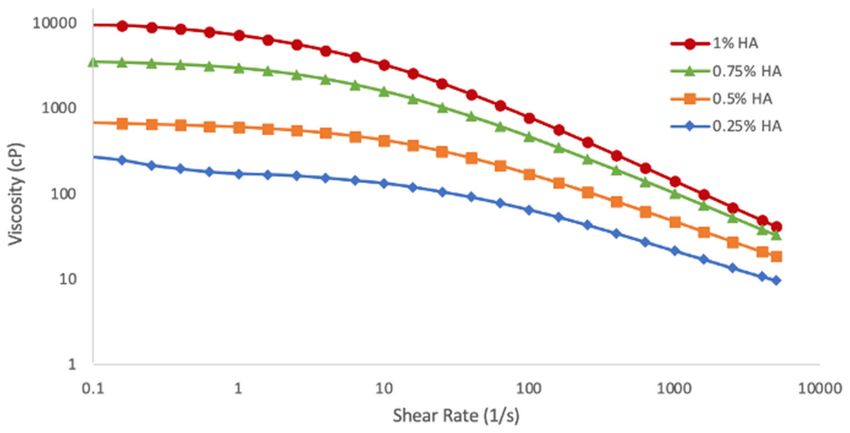
Cosmetics 2021, 8, 71                                                                                            2 of 20

                        benefits. The skin care industry is not the only industry that utilizes hyaluronic acid as its
                        uses depend on its molecular weight. For example, Snetkov et al. completed an in-depth
                        review on the structure and activity of HA in addition to explaining the possible biological
                        uses for HA, such as its ability to act as an inducer of heat shock proteins or aid in the
                        development of embryonic cells [3]. While it can accomplish both functions, they can only
                        be achieved at a specific molecular weight [3]. This demonstrates how the molecular weight
                        of hyaluronic acid can change the physical and physicochemical properties of the molecule.
                        Additionally, Snetkov et al. review a few derivatives of hyaluronic acid, their properties,
                        and their applications such as hyaluronic acid sodium salt (NaHA) [3]. NaHA does not
                        differ significantly from HA, mainly in terms of their structures because HA is a linear
                        heteropolysaccharide and NaHA forms a twin helix structure when in solution [3]. Overall,
                        the properties, and therefore the applications, of both HA and NaHA are quite similar.
                        While HA has been shown to have desirable lubricating and viscosity building properties,
                        HA alone cannot serve as a basis for a conditioning shampoo because cleansing still needs
                        to be achieved. Therefore, hyaluronic acid will be further explored both independently and
                        in combination with surfactants which have a more sustainable advantage for a possible
                        conditioning shampoo system.
                              The second formulation adjustment is based on selecting a more sustainable surfactant
                        choice when compared with the usual sulfates. A more natural surfactant is becoming
                        more desirable over sulfates because sulfates have the ability to irritate the skin or hair.
                        However, these anionic surfactants are the preferred benchmark surfactants because they
                        have exceptional cleansing parameters such as low surface tension, high foamability and
                        the ability to form wormlike micelles in dual-surfactant systems, resulting in a gel-like
                        viscosity. Amin et al. discusses these parameters, including the physical and chemical
                        properties of two sulfates, sodium lauryl ether sulfate (SLES) and sodium lauryl sulfate
                        (SLS) [4]. These surfactants are typically compared with more natural alternatives to
                        determine whether the properties exhibited are competitive enough to make the switch to
                        the natural approach without losing product performance properties. Two viable options
                        to replace sulfates include the use of biosurfactants or biobased surfactants. Biosurfactants
                        are synthesized from yeast, bacteria and other microorganisms [5–8]. Drakontis and
                        Amin provide an overview different biosurfactant applications and various performance
                        properties [6]. Studies have been conducted on the optimization of surface activity and
                        rheological properties of various biosurfactants [6–10]. Biobased surfactants, on the other
                        hand, are manufactured from biobased sources such as starches or sugars. There is very
                        limited optimization and application research on biobased surfactants to our knowledge.
                        The two different surfactants that will be analyzed in this experiment are the acidic form
                        of sophorolipid (ASL) and alkyl polyglucoside (APG), which are a biosurfactant and a
                        biobased surfactant, respectively. These surfactants have been chosen because since they
                        are both sustainable alternatives, this study can look into the potential differences in results
                        due to the use of a biosurfactant compared against a biobased surfactant. Additionally,
                        these two surfactants have been commercially scaled up and are sold at a reasonable
                        cost. This study will optimize the addition of hyaluronic acid to each of these two natural
                        surfactants in an attempt to find an efficient cleansing shampoo with hydrating properties.
                              The specific physico-chemical properties that are going to be tested to determine the
                        product performance of the samples are wet combing force, rheology and surface tension
                        with some foaming. First, focusing on wet combing force, Newman, Cohen and Hayes
                        describe the method to quantify and compare the effect of different cosmetic products on
                        the required force to comb through a hair tress [11]. This technique is then used to calculate
                        the reduction in the required force to determine the lubrication efficacy of a product. As
                        previously mentioned, hyaluronic acid can be used in a variety of industries, for example, as
                        an effective lubricating agent in the medical field. Kawai et al. study the effect of hyaluronic
                        acid lubricating a joint [12]. The experiment concluded that hyaluronic acid decreases the
                        friction coefficient, which proves its ability to increase lubrication between joints. In the
                        personal care industry, Babgi et al. observed the effects of applying hyaluronic acid to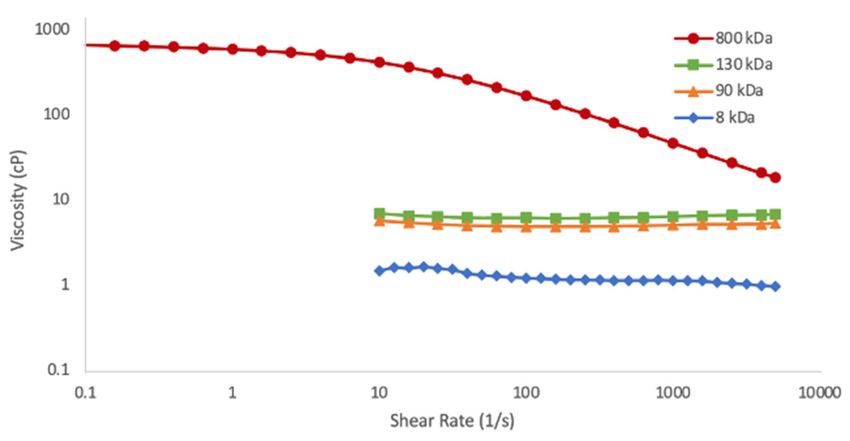
Cosmetics 2021, 8, 71                                                                                            3 of 20

                        a healthy root surface as a conditioning agent [13]. In this study, the roots treated with
                        HA resulted in higher cell viability compared to other samples. In a separate experiment
                        conducted by Mueller et al., HA was able to increase the surface roughness of the root,
                        which resulted in enhanced cell attachment and spreading onto the surface [14]. To our
                        knowledge, there has not yet been research conducted on the conditioning effects of APG
                        or acidic sophorolipid. The desired outcome is that hyaluronic acid, in combination with
                        APG or ASL, will increase the reduction in wet combing force, therefore showing a decrease
                        in the friction coefficient.
                             Rheology is critical for wet combing performance because it has the ability to influence
                        lubrication properties. It is typically studied for personal care products because rheology
                        correlates with various product attributes such as storage, removal from the container,
                        and the rubbing into the hair or skin. Falcone, Palmeri and Berg conduct an experiment
                        focused on studying the rheological properties of hyaluronic acid at different molecular
                        weights and concentrations [15]. They found that at higher molecular weights, HA acts as
                        an entangled polymer in solution that significantly differs from lower-molecular-weight
                        HA. Additionally, the viscosity significantly depends on the concentration and molecular
                        weight of HA. For both properties, viscosity will increase as molecular weight increases or
                        as concentration increases. Pisarcik, Bakos and Ceppan address the typical flow curve of
                        hyaluronic acid, expressing how solutions containing HA are non-Newtonian with shear-
                        thinning behavior [16]. After analyzing the importance of each parameter, the objective
                        is to develop a solution combining hyaluronic acid and alkyl polyglucoside or acidic
                        sophorolipid to minimize surface tension, increasing foamability and the reduction in
                        the wet combing force as a shear-thinning, non-Newtonian sample. Pingali, Benhur and
                        Amin study the rheological response of sophorolipid in combination with chitosan [17].
                        They were able to show that the viscosity of sophorolipid alone is quite low and therefore
                        demonstrates Newtonian behavior. When chitosan is added to the system, the repulsive
                        interactions allow for entanglements to occur and cause the viscosity to increase. The
                        rheological properties of APG were observed by Moore et al. and it was discovered that
                        both longer APG chains and higher concentrations were able to produce higher-viscosity
                        samples [18]. It is also important to note, even if original samples do not demonstrate high
                        viscosities, the ability to build viscosity in systems is a desirable property. Rheology has
                        the potential to influence the texture of the sample as well as the lubrication properties of
                        the systems.
                             Once the properties correlating to the conditioning aspect of the samples have been
                        optimized, the next step is to optimize surface tension. Surface tension is a quantitative
                        measurement demonstrating a solution’s ability to remove dirt, which directly correlates
                        with cleansing efficacy [10]. This property is critical for products such as shampoo and body
                        washes because their primary function is to clean the skin or hair. While this parameter
                        is not crucial for the conditioning aspect of this study, it can aid in further optimization.
                        Krause, Bellomo and Colby observed the surface tension of HA solutions and they discov-
                        ered that solutions with higher concentrations of at least 0.35% have larger surface tension
                        due to the significant amount of molecules at the air–water interface, hindering rapid
                        absorption [19]. However, when concentrations were below this amount, hyaluronic acid
                        had the ability to lower surface tension. This is confirmed with another study conducted
                        by Knepper et al., who observed the surface tension after varying both molecular weight
                        and concentration of HA solutions [20]. When looking at the properties of sophorolipid,
                        the lactonic form may have a better ability at lowering surface tension; however, the acidic
                        form produces better foam and has better solubility [21]. Ma, Li and Song analyzed the
                        surface and biological activity of sophorolipid and determined that since the acidic form of
                        the sophorolipid produced a lower critical micellar concentration, this had better surface
                        properties than the lactonic form [22]. Lastly, the effects of adding APG to water at different
                        chain lengths was studied by Sulek [23]. It was determined that overall, APG significantly
                        lowers the surface tension from the original water value, but specifically, as chain length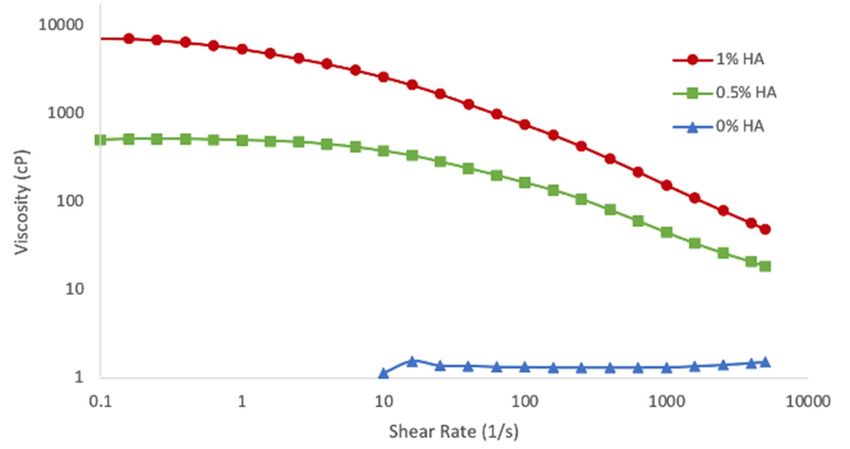
Cosmetics 2021, 8, 71                                                                                          4 of 20

                        increased, the surface tension decreased. Overall, the optimal results for surface tension of
                        any HA-surfactant system would show the smallest value.
                              In addition to surface tension, foaming is another parameter that is important to
                        consumers; however, not necessarily in terms of product performance but sensory perfor-
                        mance. Foamability is typically governed by the surface tension, more specifically, surface
                        adsorption [24]. There have only been a few studies conducted on the foaming abilities
                        of hyaluronic acid. For example, Liu et al. mixed HA with an amphiphilic molecule to
                        observe the foaming qualities [25]. They determined that the viscous amphiphilic solu-
                        tion could be utilized as a decent foaming agent and under intense stirring, can produce
                        self-foaming solutions. Another study investigated how hyaluronic acid can affect foam
                        stability, where Chen et al. discovered that HA can help improve a solution’s foaming
                        half-life and therefore stabilize the foam more [26]. As previously mentioned, the acidic
                        sophorolipid typically has better foaming properties when compared with the lactonic form.
                        However, Hirata et al. conducted an experiment showing that when compared against
                        other surfactants, sophorolipids typically have low foaming properties [27]. Zhou et al.
                        analyzed the foaming abilities of APG and discovered that as chain length increases, a
                        larger foam volume, which was also more stable, formed [28]. This is valid considering
                        that Sulek showed that the longer chain lengths produced a lower surface tension value
                        and both parameters do correlate with one another [23]. The objective of this study is to
                        optimize the wet combing force, rheology, and surface activity of a solution containing
                        hyaluronic acid and a natural surfactant and develop a successful sulfate- and-silicone-free
                        conditioning shampoo.

                        2. Materials and Methods
                        2.1. Materials
                             The sodium salt of hyaluronic acid at three different molecular weights (8, 90, and
                        130 kDa) was obtained from Sigma Aldrich. Hyaluronic acid (HA) at a different molecular
                        weight (800 kDa) was obtained from BOS Essential, supplied by Amazon. DI water was
                        used to turn samples into solutions and then citric acid (20%) was added to adjust the
                        pH of the samples. Alkyl polyglucoside (APG, 50%) was donated by BASF and the acidic
                        form of sophorolipid (ASL, 50.54%) was provided by Holiferm, UK. Sodium chloride,
                        purchased from Fisher Scientific, was used to test the counterion effect on surface activity
                        and rheology.

                        2.1.1. Effect of Hyaluronic Acid Molecular Weight
                              The effect of the hyaluronic acid molecular weight in solution was observed by creating
                        four different samples, all at 0.5 wt. % HA and 99.5 wt. % DI water. The four molecular
                        weights observed were 8, 90, 130 and 800 kDa. All samples were mixed on a stir plate at
                        1000 rpm for 4 h, the pH was adjusted to approximately 6.5 with 20 wt. % citric acid and
                        then set to rest for 24 h in 17 ◦ C. Samples were then brought to room temperature before
                        tests were conducted.

                        2.1.2. Effect of Hyaluronic Acid Concentration
                              In order to interpret the effect of hyaluronic acid concentration, four samples were
                        created, varying the concentration, all using the hyaluronic acid with a molecular weight of
                        800 kDa. The four concentrations measured were 0.25, 0.5, 0.75 and 1 wt. %. The samples
                        were then bought up to mark using DI water. All samples were mixed on a stir plate at
                        1000 rpm for 4 h, the pH was adjusted to approximately 6.5 with 20 wt. % citric acid and
                        then set to rest for 24 h in 17 ◦ C. Samples were then brought to room temperature before
                        tests were conducted.

                        2.1.3. Effect of Hyaluronic Acid on Acidic Form of Sophorolipid
                             The effect of hyaluronic acid on ASL was observed by formulating 3 samples, all
                        containing 10 wt. % of ASL, but varying the concentration of hyaluronic acid present. One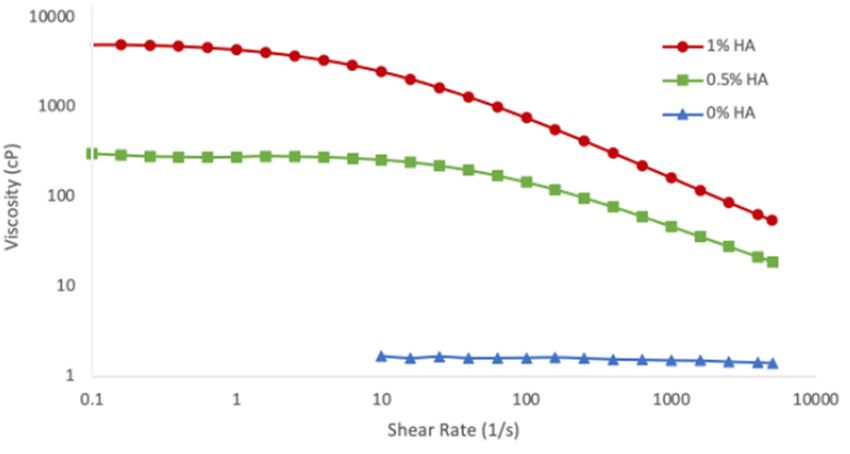
Cosmetics 2021, 8, 71                                                                                            5 of 20

                        sample had 0 wt. % HA and 90 wt. % DI water, the second sample had 0.5 wt. % HA and
                        89.5 wt. % DI water and the last sample had 1 wt. % HA and 89 wt. % DI water. All samples
                        were mixed on a stir plate at 1000 rpm for 4 h, the pH was adjusted to approximately 6.5
                        with 20 wt. % citric acid and then set to rest for 24 h in 17 ◦ C. Samples were then brought
                        to room temperature before tests were conducted.

                        2.1.4. Effect of Hyaluronic Acid on Alkyl Polyglucoside
                             The effect of hyaluronic acid on APG was measured by formulating 3 samples, all
                        containing 10 wt. % of APG, but varying the concentration of hyaluronic acid present. One
                        sample had 0 wt. % HA and 90 wt. % DI water, the second sample had 0.5 wt. % HA and
                        89.5 wt. % DI water and the last sample had 1 wt. % HA and 89 wt. % DI water. All samples
                        were mixed on a stir plate at 1000 rpm for 4 h, the pH was adjusted to approximately 6.5
                        with 20 wt. % citric acid and then set to rest for 24 h in 17 ◦ C. Samples were then brought
                        to room temperature before tests were conducted.

                        2.1.5. Effect of Salt Addition
                             In order to analyze the effect of counterion addition, 2 samples were created, both
                        containing 1 wt. % NaCl, 1 wt. % HA and 88 wt. % DI water but the first being 10 wt. %
                        ASL and the second being 10 wt. % APG. These samples were then compared with the two
                        samples without NaCl, containing 1 wt. % HA, 89 wt. % DI water and 10 wt. % ASL or
                        APG, respectively. All samples were mixed on a stir plate at 1000 rpm for 4 h, the pH was
                        adjusted to approximately 6.5 with 20 wt. % citric acid and then set to rest for 24 h in 17 ◦ C.
                        Samples were then brought to room temperature before tests were conducted.

                        2.2. Sample Preparation
                              The 15 mL samples, which varied in hyaluronic acid molecular weight, concentration,
                        surfactant addition and salt addition, were formulated in 30 mL glass vials. No buffer
                        solution was used to dilute the mentioned ingredients, and therefore the only solvent was
                        DI water. Citric acid was added as needed to adjust the pH of each sample to approximately
                        6.5. The glass vials were placed on a hot plate and set to stir at 1000 rpm for 4 h at room
                        temperature. Some samples exhibited large viscosity as the hyaluronic acid dissolved
                        and were continue to stir manually using a spoonula until homogeneous. Afterwards,
                        the samples were placed in a refrigerator, set to 17 ◦ C, and left to rest for 24 h. Prior to
                        testing, samples were allowed to be brought to room temperature. The wet combing force,
                        viscosity and surface tension of samples were measured without dilution. Select samples
                        were diluted to 1 wt. % to observe foamability.

                        2.2.1. Wet Combing Force
                             To calculate the reduction in wet combing force of a hair tress, the force needed to
                        comb through a wet hair tress was measured three different times on the Dia-stron MTT175
                        flexible miniature tensile tester. The hair tresses were virgin dark brown Caucasian hair
                        which were 15 cm long, sealed with a 1” wide flex swatch and weighed approximately 2 g.
                        The first measurement was taken from a wet hair tress, prior to the sample application. The
                        second measurement was taken after 1 mL of sample was applied to the wet hair tress. The
                        third measurement was recorded after the sample had been rinsed off of the hair tress. The
                        combing force required pre and post treatment was compared to determine the percent
                        reduction in wet combing force.

                        2.2.2. Mechanical Rheology
                             TA instrument DHR-3 rheometer (TA Instruments, New Castle, DE, USA) was used to
                        measure the viscosity of the samples as well as produce a flow curve. A 40 mm parallel
                        plate was used for each experiment with a Peltier plate controlling the temperature at 25 ◦ C
                        and the gap at 100 µm. The viscosity was taken over a range of shear rates from 0.1 s−1 to
                        5000 s−1 .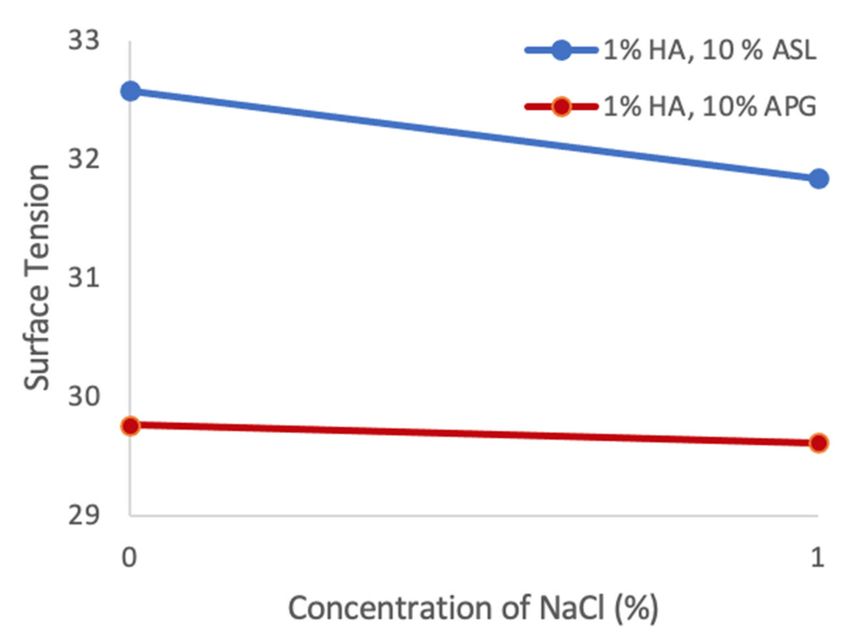
Cosmetics 2021, 8, 71                                                                                         6 of 20

                        2.2.3. Surface Tension
                            Surface tension at the air–water interface was tested at 20 ◦ C using the Du Noüy ring
                        method on the Attension Sigma 701 Tensiometer (Biolin Scientific, Gothenburg, Sweden).
                        A small vessel was used for each test with 15 mL of sample.

                        2.2.4. Foaming
                             The foam test was performed by diluting the samples to 1 wt. % of original sample,
                        then holding the samples together and shaking uniformly, 8 times. The foam build-up was
                        recorded at T = 0, 15 s, 30 s, 1 min and 5 min.

                        3. Results
                             Given that the objective of this study is to optimize various performance properties,
                        the data pertaining to the wet combing force, rheology, surface tension and foaming will
                        be explored.

                        3.1. Wet Combing Force
                             The reduction in wet combing force can illustrate how effective each sample is at
                        lubrication and therefore how well it can decrease the friction coefficient of the hair. The
                        percent reduction was measured for a variety of samples outlined below.

                        3.1.1. Effect of Hyaluronic Acid Molecular Weight
                             Various formulations were prepped, each consisting of 0.5 wt. % hyaluronic acid of a
                        different molecular weight, with no sodium chloride or surfactant present. Table 1 shows
                        the corresponding percent reduction in wet combing force for each molecular weight of
                        hyaluronic acid.

                        Table 1. Effect of HA Molecular Weight on Wet Combing Reduction Force.

                                         HA MW (kDa)                          Wet Combing Reduction Force %
                                              8                                               85.0
                                             90                                               79.5
                                             130                                              49.2
                                             800                                              54.2

                             Observing the table above, it can be seen that the lowest molecular weight studied
                        was 8 kDa, resulting in an 85% reduction, which is the largest observed reduction in wet
                        combing force. The larger the percent reduction in wet combing force, the more effective
                        the sample is at conditioning the hair, which is the desired result. As the molecular weight
                        increased to 90 and 130 kDa, the reduction dropped to 79.5% and 49.2%, respectively. The
                        largest hyaluronic acid molecular weight utilized was 800 kDa, which produced a slightly
                        larger reduction of 54.2% in wet combing force when compared to the 130 kDa sample.

                        3.1.2. Effect of Hyaluronic Acid Concentration
                             Four samples were prepared using the 800 kDa hyaluronic acid in four different
                        concentrations and used to test the wet combing reduction force. Table 2 outlines the
                        resulting reductions with the concentration of hyaluronic acid present.

                        Table 2. Effect of HA Concentration on Wet Combing Reduction Force.

                                          HA (wt. %)                          Wet Combing Reduction Force %
                                             0.25                                             43.3
                                             0.5                                              54.2
                                             0.75                                             59.5
                                             1.0                                              60.8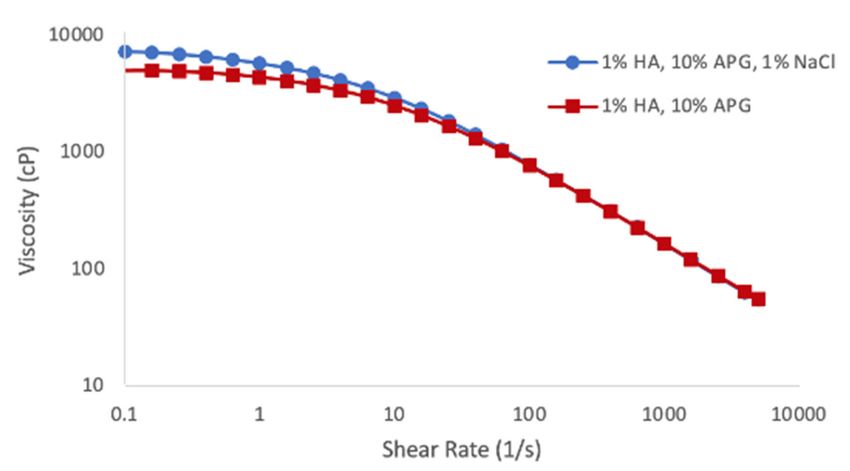
Cosmetics 2021, 8, 71                                                                                           7 of 20

                             As expected, the sample with the highest concentration of hyaluronic acid pro-
                        duced the largest reduction in wet combining force at 60.8%. As the concentration de-
                        creases to 0.75%, 0.5% and 0.25%, the percent reduction decreases as well to 59.5%, 54.2%
                        and 43.3%, respectively.

                        3.1.3. Effect of Hyaluronic Acid and ASL
                             The reduction in wet combing force was recorded for samples containing different
                        concentrations of 800 kDa hyaluronic acid and 10 wt. % ASL. The results can be found in
                        Table 3.

                        Table 3. Effect of HA Concentration with ASL on Wet Combing Reduction Force.

                                           HA (wt. %)                        Wet Combing Reduction Force %
                                               0                                           54.4
                                              0.5                                          66.7
                                              1.0                                          71.9

                             Similar to the results in the previous section, as the concentration of hyaluronic acid
                        increases, the percent reduction in wet combing force also increases. Here, the addition
                        of ASL, a biosurfactant, has led the overall percent reduction to increase, with the highest
                        reduction being 71.9% at 1 wt. % HA. The sample which contains no hyaluronic acid and
                        only 10 wt. % ASL illustrates a percent reduction of 54.4% and the sample with 0.5 wt. %
                        HA falls in between the two results at 66.7%.

                        3.1.4. Effect of Hyaluronic Acid and APG
                             Similar formulations varying the hyaluronic acid concentration were prepared re-
                        placing the 10 wt. % of ASL with 10 wt. % APG. Table 4 below gives an overview of the
                        concentration of HA in each sample and the resulting reduction in wet combing force.

                        Table 4. Effect of HA Concentration with APG on Wet Combing Reduction Force.

                                           HA (wt. %)                        Wet Combing Reduction Force %
                                               0                                           30.2
                                              0.5                                          42.4
                                              1.0                                          48.7

                             As previous trends are further confirmed, the samples with the lower concentration of
                        hyaluronic acid are not as efficient in terms of reducing the wet combing force for a hair
                        tress. The sample containing only APG and no HA resulted in a wet combing reduction
                        force of 30.2%, which increased to 42.4% and 48.7% as HA concentration increased to
                        0.5 wt. % and 1 wt. %, respectively.

                        3.1.5. Effect of Salt Addition
                            Four different formulations were utilized to study the effect of salt addition on systems
                        containing hyaluronic acid and a surfactant. Tables 5 and 6 below show the reduction
                        in wet combing force for systems containing 1% HA, 10% surfactant and either 0% or
                        1% NaCl.

                        Table 5. Effect of HA Concentration with ASL on Wet Combing Reduction Force.

                                                                                                    Wet Combing
                              HA (wt. %)                ASL (wt. %)        NaCl (wt. %)
                                                                                                  Reduction Force %
                                  1.0                       10                   0                      71.9
                                  1.0                       10                  1.0                     78.1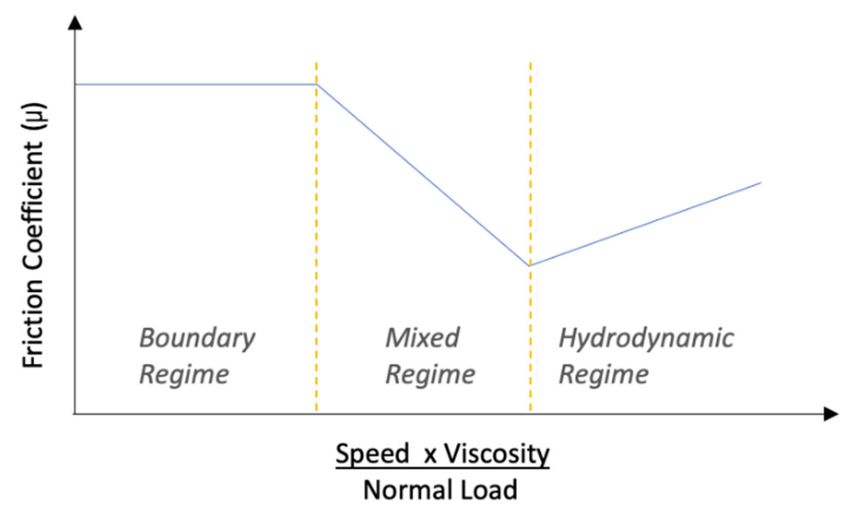
Cosmetics 2021, 8, 71                                                                                           8 of 20

                        Table 6. Effect of HA Concentration with APG on Wet Combing Reduction Force.

                                                                                                   Wet Combing
                              HA (wt. %)               APG (wt. %)             NaCl (wt. %)
                                                                                                 Reduction Force %
                                   1.0                      10                        0                 48.7
                                   1.0                      10                       1.0                45.0

                              Observing the effect of salt addition on the system containing the acidic sophorolipid,
                        at 0% NaCl, the reduction in wet combing force is at 71.9%; and at 1% NaCl, there is a
                        significant increase to 78.1%, which is the largest reduction in wet combing force out of
                        all the systems containing HA and a surfactant. Salt addition had a reverse effect on the
                        system containing APG, where the reduction in the wet combing force decreased from
                        48.7% to 45% as salt increased from 0% to 1%.

                        3.2. Rheological Properties
                             Rheology was used to analyze several parameters of the sample which can lead to
                        predictions in the texture of a system, how a system will act under different shear conditions
                        and can connect viscosity to tribological performance. The rheological profiles of different
                        studies are depicted below.

                        3.2.1. Effect of Hyaluronic Acid Molecular Weight
                              The formulations previously prepared, each consisting of 0.5 wt. % hyaluronic acid of
                        a different molecular weight, with no sodium chloride or surfactant present, were used for
                        further characterization. Figure 1 shows the corresponding flow curve for each molecular
                        weight of hyaluronic acid.

                        Figure 1. Effect of HA molecular weight on viscosity vs. shear rate.

                             As seen in the graph above, the hyaluronic acid with the 800 kDa molecular weight
                        can be classified as non-Newtonian with shear-thinning behavior, which are the desired rhe-
                        ological effects. The other three lower-molecular-weight hyaluronic acids were Newtonian
                        and decreased in viscosity as the molecular weight decreased.

                        3.2.2. Effect of Hyaluronic Acid Concentration
                             The four samples prepared with the 800 kDa hyaluronic acid at different concentrations
                        were used again to measure the viscosity as shear rate increases. Figure 2 outlines the
                        resulting flow curves as the concentration of hyaluronic acid varies.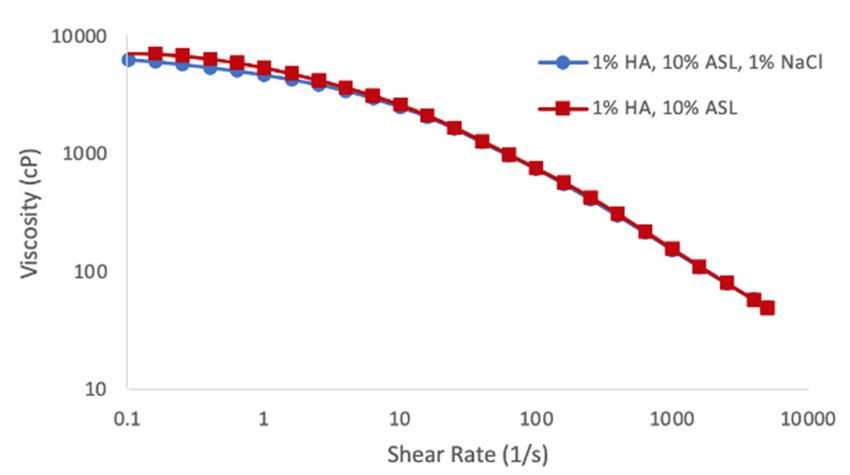
Cosmetics 2021, 8, 71                                                                                          9 of 20

                        Figure 2. Effect of HA concentration on viscosity vs. shear rate.

                              After analyzing the figure above, all concentrations of the 800 kDa hyaluronic acid are
                        non-Newtonian, demonstrating shear-thinning properties. It can also be seen that 1 wt. %
                        HA has the highest overall viscosity, and decreases as concentrations decreases, resulting
                        in 0.25 wt. % HA to have the lowest overall viscosity.

                        3.2.3. Effect of Hyaluronic Acid with ASL
                             The viscosity vs. shear rate was recorded of samples containing different concentra-
                        tions of 800 kDa hyaluronic acid and 10 wt. % ASL. The results can be found in Figure 3.

                        Figure 3. Effect of HA concentration with ASL on viscosity vs. shear rate.

                             The samples containing 10 wt. % ASL and either 1 wt. % HA or 0.5 wt. % HA
                        continue to be non-Newtonian with shear-thinning behavior as seen previously. It can
                        also be observed the sample with 1 wt. % HA has the highest overall viscosity. The
                        sample containing 10 wt. % ASL without hyaluronic acid is Newtonian and has the lowest
                        overall viscosity.

                        3.2.4. Effect of Hyaluronic Acid with APG
                            Similar formulations varying the hyaluronic acid concentration, replacing the 10 wt. %
                        of ASL with 10 wt. % APG, were characterized. Figure 4 below gives an overview of the
                        concentration of HA in each sample and the resulting flow curve.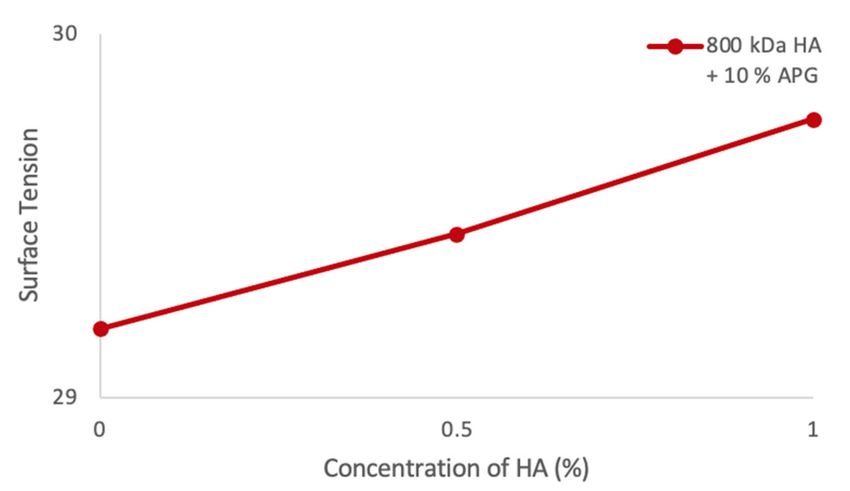
Cosmetics 2021, 8, 71                                                                                        10 of 20

                        Figure 4. Effect of HA concentration with APG on viscosity vs. shear rate.

                              The viscosity vs. shear rate effects of HA concentrations with APG are very similar to
                        the trends shown with HA and ASL. 1 wt. % HA and 10 wt. % APG have the highest overall
                        viscosity, and show shear-thinning, non-Newtonian characteristics along with 0.5 wt. %
                        HA and 10 wt. % APG. The sample containing only 10 wt. % APG has the lowest overall
                        viscosity and is Newtonian.

                        3.2.5. Effect of Salt Addition
                            The four formulations that were utilized to study the effect of salt addition on sys-
                        tems containing hyaluronic acid and a surfactant were used to test rheological properties.
                        Figures 5 and 6 below show the flow curves for systems containing 1% HA, 10% surfactant
                        and either 0% or 1% NaCl.

                        Figure 5. Effect of NaCl concentration for HA + ASL on viscosity vs. shear rate.
Cosmetics 2021, 8, 71 11 of 20
Figure 6. Effect of NaCl concentration for HA + APG on viscosity vs. shear rate.
Observing the effect of salt addition on the system containing the acidic sophorolipid,
both samples have a very similar flow curve; however, at lower shear rates, the viscosity
of the sample containing 0% NaCl is slightly higher than the sample containing 1% NaCl.
The opposite trend is seen in the system containing APG, where, at lower shear rates, the
sample containing 1% NaCl has a slightly higher viscosity than in the sample without
NaCl. All four samples remain to be seen as non-Newtonian with shear-thinning behavior.
3.3. Surface Activity: Surface Tension at the Air–Water Interface and Foaming
Surface tension enabled the system to undergo further optimization once the condi-
tioning properties and rheological profiles had been established. Therefore, after analyzing
the rheological profiles on the various molecular weight hyaluronic acids, the formulation
composed of 800 kDa showed the desired rheological effects. To further the optimization
of samples, surface tension values were only recorded for formulations containing the
800 kDa HA. The surface activity of various systems is illustrated below.
3.3.1. Effect of Hyaluronic Acid Concentration
Formulations varying the concentration of hyaluronic acid were used to measure
surface tension. The results are shown in Figure 7.
Figure 7. Effect of HA concentration on surface tension.Cosmetics 2021, 8, 71 12 of 20
Analyzing the graph above, it can be shown that as the concentration of hyaluronic
acid increases, the surface tension increases as well. The lowest surface tension recorded
was 58.717 at 0.25 wt. % HA and jumps to 68.267 at 0.5 wt. % HA. From there, the increase
in surface tension is more gradual, increasing to 70.932 and culminating at 72.353 for
0.75 wt. % HA and 1 wt. % HA, respectively.
3.3.2. Effect of Hyaluronic Acid with ASL
The systems containing 10 wt. % ASL and a variety of hyaluronic acid concentrations
were used for further characterization. The surface tension results are shown in Figure 8.
Figure 8. Effect of HA concentration and ASL on surface tension.
The addition of a surfactant drastically decreased the overall surface tension; how-
ever, a similar trend is observed where surface tension increases as the concentration of
HA increases. The surface tension of pure ASL is 31.875, which increases to 32.119 at a
concentration of 0.5 wt. % HA. At 1 wt. % HA, the resulting surface tension is 32.578.
3.3.3. Effect of Hyaluronic Acid with APG
Similarly, the effect of hyaluronic acid concentration on surface tension was measured
for systems containing APG as its primary surfactant. The corresponding results are shown
in Figure 9.
Figure 9. Effect of HA concentration and APG on surface tension.Cosmetics 2021, 8, 71 13 of 20
The figure above has kept on trend, increasing in surface tension as hyaluronic acid
concentration is increased, but APG has decreased the overall surface tension measure-
ments. The lowest surface tension value recorded was 29.189 at 0% HA. Surface tension
then increased to 29.450 and 29.765 at 0.5 wt. % HA and 1 wt. % HA, respectively.
3.3.4. Effect of Salt Addition
The effect of salt was observed for two systems, both containing 1 wt. % HA but one
system with 10 wt. % ASL and the other with 10 wt. % APG. The concentration of NaCl
varied between 0 and 1 wt. %. The surface tension values of both systems are shown in
Figure 10.
Figure 10. Effect of NaCl concentration on surface tension.
Observing the system containing the acidic sophorolipid, salt addition had a greater
effect on changing the surface tension. At 0% NaCl, the surface tension was 32.578, whereas,
at 1% NaCl, the surface tension decreased to 31.837. The system containing APG did not
change much; however, the surface tension did decrease slightly from 29.765 to 29.613 at
0% NaCl and 1% NaCl, respectively.
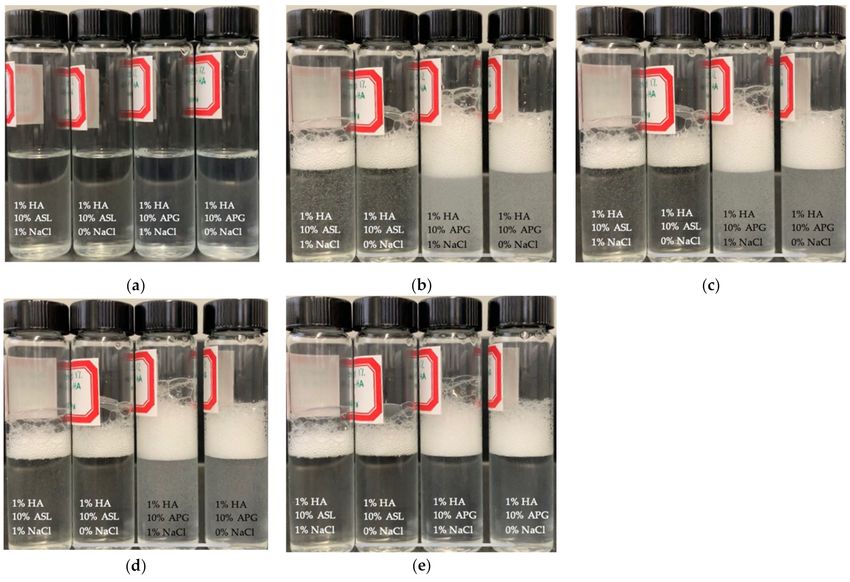
The 1 wt. % dilutions were made of the formulations mentioned, in order to reduce
viscosity, for the foaming study. The first five minutes of foam was recorded and is shown
below in Figure 11.
The best way to observe foamability is to analyze the total foam volume as well as
how long bubbles last in the liquid phase. After analyzing the foaming for both systems, it
can be seen that the salt concentration does not nearly impact the foaming abilities as much
as the surfactant. The system containing APG has both a larger total foam volume, and has
bubbles that last longer in the liquid phase. The 1% salt for the APG does have a slightly
better total foam volume and more dense bubble presence in the liquid phase. The system
containing ASL has a smaller total foam and has bubbles that escape to the air–water
interface more rapidly. These results are further diminished with the removal of NaCl,
showing that the 1% NaCl produces slightly better results. Overall, each system, regardless
of the type of surfactant or whether NaCl is present, is homogeneous and quite stable.Cosmetics 2021, 8, 71 14 of 20
Figure 11. Effects of NaCl concentration on foaming for samples containing HA with ASL and HA
with APG, measured at: (a) T=0 s; (b) T=15 s; (c) T=30 s; (d) T=1 min; (e) T=5 min.
4. Discussion
The most efficient way to determine the optimal system of hyaluronic acid combined
with a natural surfactant is to focus on the properties of each system. The discussion will
further analyze the results found on wet combing force, rheological properties and surface
activity of each sample prepared.
4.1. Wet Combing Force
As aforementioned, the wet combing force is measured on a hair tress several times,
once before the hair is treated with the conditioning system, once while the system is in
the hair, and a final time after the conditioning system has been rinsed out of the hair. The
proper equation to calculate the reduction in wet combing force is
Force Required ( Pretreated Hair − Treated Hair )
× 100 = % Reduction (1)
Force Required Pretreated Hair
The higher the reduction value, the better the conditioning and lubricating properties
seen in the sample because less friction is present in the treated hair, meaning less force
is required to comb through the hair. This illustrates how the reduction in wet combing
force has an inverse relationship with the friction coefficient. Given that wet conditioning
correlates with the lubrication process, both can be further explained using a Stribeck curve,
seen below in Figure 12 [29].
When analyzing the x-axis of the curve, the viscosity is the main contributor because
the speed and normal load parameters were held constant during the study. Additionally,
the viscosity is observed from right to left on the graphs, so it shows that an initial decrease
in viscosity will cause a decrease in the friction coefficient in the hydrodynamic regime.
In the mixed regime, as viscosity decreases, the friction coefficient will begin to increase
until it reaches the boundary regime, where the friction coefficient will remain constant
regardless of viscosity change. Each regime demonstrates a different part of the lubrication
process—for example, initial conditioning typically correlates with the hydrodynamic
regime, and the mixed regime is the washing of hair and the boundary regime corresponds
to dry conditioning. Wet combing has the potential to be found in either the hydrodynamic
or mixed regime.Cosmetics 2021, 8, 71 15 of 20
Figure 12. Stribeck curve.
There are two trends exhibited when comparing the reduction in wet combing force
between the four different molecular weight hyaluronic acids. Looking specifically at the
lower-molecular-weight (8, 90 and 130 kDa) hyaluronic acids, as the molecular weight in-
creases, the viscosity increases, and the reduction in wet combing force decreases, meaning
the friction coefficient increases. This could place these Newtonian samples in the hydro-
dynamic regime. For the highest molecular weight (800 kDa), the reduction in combing
force increases slightly from the 130 kDa sample, meaning the friction coefficient decreases
while viscosity increases. There are two possible explanations for the increase in reduction
found between these two molecular weights. Most likely, because the 800 kDa HA is
non-Newtonian, both low shear rate and high shear rate viscosities have to be consid-
ered. The first possible explanation occurs at higher shear rates such as 105 , where due to
shear-thinning behaviors, the viscosity of the 800 kDa would actually be lower than that
of the 130 kDa HA. With lower viscosity, yet the same larger reduction in wet combing
force and, in turn, smaller friction coefficient, this would put the 800 kDa sample in the
hydrodynamic regime as well. For the second possible explanation, at low shear rates, the
800 kDa hyaluronic acid has a larger viscosity, a larger reduction in wet combing force and
therefore a smaller friction coefficient. This could show that the sample might be in the
mixed regime, and that it was able to form a thicker, lubricating layer on the hair surface
which decreased the friction coefficient. This possible change in regime could be confirmed
by conducting tribology; however, that was outside of the scope of this study.
The effects of hyaluronic acid concentration on the reduction in wet combing force
were also explored. Pure 800 kDa hyaluronic acid at 0.25, 0.5, 0.75 and 1 wt. %, as seen in
the flow curves, are non-Newtonian, and the overall viscosity increases as concentration
increases, so viscosity at different shear rates does not need to be considered when utilizing
the Stribeck curve. Another observed trend is that as concentration increases, the reduction
in combing force increases, so the friction coefficient decreases. It can be assumed these
samples reside in the mixed regime, which can be understandable given that the mixed
regime correlates with wet combing after conditioning.
Next, the effects of HA concentration, combined with either ASL or APG, on the
reduction in wet combing force were studied. Regardless of the surfactant, the samples
containing 0.5 or 1 wt. % HA were non-Newtonian and the samples without HA were
Newtonian. This does not affect the comparison of viscosity because even at higher shear
rates, the viscosities of the samples containing HA will not drop below the sample without
HA. That being said, as the concentration of hyaluronic acid increases, the overall viscosity
increases and the reduction in wet combing force increases. In terms of the curve, as
viscosity increases, the friction coefficient decreases, meaning these samples may also beCosmetics 2021, 8, 71 16 of 20
in the mixed regime. When observing the difference between the two surfactants present,
ASL has a slightly higher viscosity than APG at each HA concentration, and consequently,
ASL has a better reduction in wet combing force. This is most likely due to its ability to
form a thicker layer on the hair’s surface, reducing the friction force, if the samples are in
fact in the mixed regime.
Lastly, the Stribeck curve can also be used to explain the correlation between salt
addition on two systems—1 wt. % HA + 10 wt. % ASL and 1 wt. % HA + 10 wt. %
APG. When 1 wt. % NaCl is added to the system with ASL, the viscosity decreases, but
the reduction in wet combing force increases meaning the friction coefficient decreases.
This result can infer that this system is probably in the hydrodynamic regime. On the
other hand, when salt is added to the system containing APG, viscosity increases, wet
combing force reduction decreases and the friction coefficient increases. This could also
potentially place the samples in the hydrodynamic regime. As previously stated, both the
hydrodynamic and the mixed regime may be used to describe wet combing—it ultimately
depends on the thickness of the sample to dictate which regime. Since viscosity is so crucial,
the rheological properties of the systems are explored next.
4.2. Rheological Properties
While viscosity has already been discussed slightly in the wet combing force section,
it is important to further analyze the profiles of each system. Starting with the viscosity
profiles of the different molecular weight hyaluronic acids, it was observed that the three
lower-molecular-weight hyaluronic acids, at 8, 90 and 130 kDa, were Newtonian and
had relatively low viscosities. While there are no previous studies to our knowledge of
hyaluronic acid solution at such low molecular weights, it can be assumed that since they
are so low, entanglements were most likely unable to be formed, or if they were formed,
the entanglement density was very low. The 800 kDa HA was non-Newtonian, with shear-
thinning tendencies, and has relatively large viscosity at lower shear rates. Overall, the
trend seen is that as molecular weight increases, viscosity increases, possibly because as
molecular weight increases, more entanglements occur, especially at 800 kDa. This similar
trend had been observed in several studies, showing hyaluronic acid has the ability to
become more entangled at higher molecular weights [15,16,30].
Second, the effects of HA concentration were studied using rheology. It can be seen
that all four concentrations produce non-Newtonian, shear-thinning behavior and as
concentration increases, viscosity increases. This could potentially be due to an increase
in either density of entanglements present as concentration increases, an increase in the
length of the entanglements, or a slight variation in shape of the entanglements. In a
study by Ambrosio et al., it was shown that both molecular weight and concentration
have a proportional relationship with viscosity but that molecular weight had a larger
impact on rheology [30]. This is demonstrated in the two graphs showing both sets of flow
curves, given that changing molecular weight changes the entire behavior of a solution
and concentration only slightly changes the overall viscosity.
After, the rheological properties of systems containing HA combined with ASL or
APG were analyzed. It was shown that for both surfactant systems, the samples that did
not contain any HA were low viscosity, Newtonian systems. This is understandable given
that HA has the ability to help build viscosity and the surfactants alone typically have
lower viscosities at a concentration of 10%, confirmed by Pingali, Benhur and Amin, as
well as Moore et al. [17,18]. As the concentration of HA increased in both systems, they
become non-Newtonian, shear-thinning and high viscosity samples. This can elude that as
HA is introduced, entanglements may be easily formed, or micelles form given that there
is now a surfactant present in these systems.
The last rheological properties that need to be examined are the flow curves when
salt is added to the systems containing 1% HA and 10% of surfactant, either ASL or APG.
When 1 wt. % NaCl is added to the system with ASL, the viscosity decreases very slightly
at low shear rates but then remains constant with the system containing 0 wt. % NaClCosmetics 2021, 8, 71 17 of 20
as the shear rate increases. A similar trend is observed with the APG system, where at
higher shear rates, the viscosities are the same; however, the viscosity increases slightly as
sodium chloride is added at the lower shear rates. These, very minor changes could even be
considered insignificant and ultimately shows that the potential for entanglements seems
to rely more on the concentration of hyaluronic acid more than whether or not sodium
chloride is present in the system.
4.3. Surface Activity: Surface Tension at the Air–Water Interface and Foaming
Now that wet combing force and rheology have been analyzed, exploring surface
tension will help further optimize the materials used to create an efficient conditioning
shampoo. As formerly determined, the surface tension was only observe for systems
containing the 800 kDa HA, due to its desired rheological profile when compared against
the other molecular weight hyaluronic acids. Therefore, the effects of hyaluronic acid
concentration were studied and it could be seen that as concentration increases, surface
tension value increase as well. This could potentially be due to the fact that at higher
concentrations, HA begins to block the air–water interface enforcing a hydrophobic effect.
A similar trend was exhibited in the study conducted by Krause et al. because at very small
concentrations, HA was able to decrease surface tension; however, past a concentration of
0.35 wt. %, surface tension values increases due to a steric hinderance of molecules on the
surface [19].
Continuing on, the concentration effects of HA paired with either ASL or APG on
surface tension were measured. Regardless of surfactant, a very similar trend was observed
where HA concentration increased, the surface tension values increased; however, these
values had a much lower starting point, given that a surfactant was now present in the
system. Surfactants naturally lower the surface tension because they adsorb quickly at
the surface. When comparing the individual surfactants, APG has a slightly lower surface
tension recorded at each HA concentration than ASL. In an experiment conducted by Sulek,
it was discovered that APG significantly lowers the surface tension from that of water
because APG easily forms a surface phase that differs significantly from the bulk phase [23].
Ultimately, as the hyaluronic acid concentration increases, there is more potential for
competition against the surfactants at the air–water interface; however, the surfactants still
form most of the surface phase.
The last surface tension analysis was focused on the addition of sodium chloride to a
system containing 1 wt. % HA and either 10 wt. % ASL or 10 wt. % APG. When studying
the system containing ASL, as salt concentration increased, the surface tension drastically
decreased. This trend is confirmed in an experiment conducted by Li et al. who studied
the effects of salt on sophorolipid at the air–water interface [31]. It was observed that salt
addition not only lowered the critical micellar concentration (CMC) and surface tension
values for ASL but also increased the maximum adsorption capacity, showing NaCl shields
the charge of the hydrophilic headgroups, favoring the surface activity of ASL. This can
ultimately show that salt increases surface activity, therefore decreasing the surface tension
values. Observing the system with APG, as salt concentration increased, surface tension did
not change significantly, only slightly decreased. An experiment conducted by Staszak et al.
explains the effects of NaCl on different anionic, zwitterionic and nonionic surfactants [32].
It was discovered that when sodium chloride was added to nonionic surfactants, such as
APG, there typically a very small or insignificant effect on the CMC or surface tension
values, most likely due to a salting in or out of the hydrophobic groups. This was seen in
our experiment given the insignificant change in surface tension value for the APG system.
The systems comparing the salt effects were further used for a foaming study. When
comparing the samples of 1% HA with 10% APG to the samples with 1 % HA and 10% ASL,
the samples had a larger total foam volume as well as more stable bubbles lasting in the
liquid phase. This is understandable because foaming and surface tension often correlate
and APG’s surface tension is lower than ASL’s. This is also confirmed by Hirata et al.,
who mention how sophorolipids have overall lower foamability than most surfactants andCosmetics 2021, 8, 71 18 of 20
Zhou et al. who discuss APG’s very stable foaming abilities [27,28]. When 1 % of salt is
added to both samples, there is a very small difference between the samples without salt,
but it can be seen that the bubbles are slightly more stable in the liquid phase. This again is
most likely due to the correlation of surface tension since the surface tension does decrease
when salt is added, which should, in turn, enhance foaming properties.
5. Conclusions
The wet combing force reduction, rheological properties and surface activity of a
sustainable conditioning system containing hyaluronic acid partially in combination with
ASL or APG were investigated for the first time. Effects of hyaluronic acid molecular
weights and concentration were explored, in addition to combining 800 kDa HA with
either ASL or APG. Lastly, the effect of adding sodium chloride to a system containing 1%
HA and 10% surfactant was analyzed.
The wet combing force highlighted the significant impact of HA molecular weight,
concentration and the type of surfactant present in the system on the ability to increase
the reduction in force required and decrease the friction coefficient of the hair tress. The
lowest molecular weight of hyaluronic acid (8 kDa) produced the largest reduction between
molecular weights. As the concentration of the 800 kDa hyaluronic acid increased, the
reduction in wet combing force also increased. Hyaluronic acid with ASL produced a
larger wet combing force reduction when compared against APG. Salt had a smaller effect
on the reduction, but sodium chloride increased the reduction for ASL and decreased the
reduction for APG.
The rheological properties directly impacted wet combing force reduction so molec-
ular weight and concentration of HA had the largest impact on rheology. As molecular
weight increased, systems turned from Newtonian to non-Newtonian with shear-thinning
behaviors. Overall, the viscosity, specifically at low shear rates, increased as molecular
weight increased. Similarly, as the concentration of hyaluronic acid increased, viscosity
increased, with all systems exhibiting non-Newtonian, shear-thinning behavior, the desired
profile for a conditioning shampoo. The surfactant and salt addition had a very small effect
on the overall viscosity.
The surface activity was tested to optimize the conditioning system into an effective
cleansing system as well. As hyaluronic acid concentration increased, whether alone or
in combination with a natural surfactant, surface tension increased. However, when the
HA is used with a surfactant, the overall surface tension is still significantly lower. The
lowest surface tension is found with pure APG at 29.189 mNm. The lowest surface tension
for a system containing hyaluronic acid is 0.5% HA with 10% APG at 29.45. Effect of salt
concentration was also analyzed and it was found that as salt concentration increased,
surface tension either decreased slightly or had an insignificant change. Foaming ability
seemed to correlate with surface tension because the samples containing salt had slightly
better foaming abilities than those without and the systems containing APG had better
foamability than the systems with ASL.
Overall, the system containing 1 wt. % hyaluronic acid, 10 wt. % acidic sophorolipid
and 1 wt. % NaCl exhibited an excellent reduction in wet combing force, a desired rheology
profile through the formation of entanglements, and a decent decrease in surface tension
with suitable foam generation. This system is highly biocompatible, natural and sustainable
without compromising these essential performance parameters. Future studies should
focus more on tribological properties to confirm lubrication regimes.
6. Patents
An international patent application has been filed with the number PCT/US2021/033398
utilizing work reported in this manuscript.Cosmetics 2021, 8, 71 19 of 20
Author Contributions: Each author had a specific roll in this study, outlined here. Conceptualization,
S.A.; methodology, K.Y.; software, K.Y.; validation, K.Y.; formal analysis, K.Y.; investigation, K.Y.;
resources, K.Y.; data curation, K.Y.; writing—original draft preparation, K.Y.; writing—review and
editing, S.A.; visualization, K.Y.; supervision, S.A.; project administration, S.A. All authors have read
and agreed to the published version of the manuscript.
Funding: This research received no external funding.
Institutional Review Board Statement: Not applicable.
Informed Consent Statement: Not applicable.
Data Availability Statement: The data presented in this study are available on request from the
corresponding author.
Acknowledgments: The authors would like to acknowledge BASF for donating APG. We would
also Liangchen Xu for initial work performed on this project.
Conflicts of Interest: The authors declare no conflict of interest. The funders had no role in the design
of the study; in the collection, analyses, or interpretation of data; in the writing of the manuscript, or
in the decision to publish the results.
References
1. Benhur, A.M.; Diaz, J.; Amin, S. Impact of polyelectrolyte-surfactant interactions on the rheology and wet lubrication performance
of conditioning shampoo. Int. J. Cosmet. Sci. 2021, 43, 246–253. [CrossRef]
2. John, H.E.; Price, R.D. Perspectives in the selection of hyaluronic acid fillers for facial wrinkles and aging skin. Patient Prefer.
Adherence 2009, 3, 225–230. [CrossRef]
3. Snetkov, P.; Zakharova, K.; Morozkinda, S.; Olekhnovich, R.; Uspenskaya, M. Hyaluronic acid: The influence of molecular weight
on structural, physical, physico-chemical, and degradable properties of biopolymer. Polymers 2020, 12, 1800. [CrossRef] [PubMed]
4. Amin, S.; Blake, S.; Kennel, R.C.; Lewis, E.N. Revealing new structural insights from surfactant micelles through DLS, micro
rheology and Raman spectroscopy. Materials 2015, 8, 3754–3766. [CrossRef]
5. Begum, F.; Xu, L.; Amin, S. Surfactants. In Kirk-Othmer Encyclopedia of Chemical Technology; John Wiley & Sons, Inc.: Hoboken, NJ,
USA, 2020; pp. 1–34. [CrossRef]
6. Drakontis, C.E.; Amin, S. Biosurfactants: Formulations, properties, and applications. Colloid Interface Sci. 2020, 48, 77–90.
[CrossRef]
7. Benhur, A.M.; Pingali, S.; Amin, S. Applications of biosurfactants and biopolymers in sustainable cosmetic formulation design.
J. Cosmet. Sci. 2020, 71, 455–480.
8. Zhou, Y.; Harne, S.; Amin, S. Optimization of the surface activity of biosurfactant-surfactant mixtures. J. Cosmet. Sci. 2019, 70,
1–10.
9. Xu, L.; Amin, S. Microrheological study of ternary surfactant-biosurfactant mixtures. Int. J. Cosmet. Sci. 2019, 41, 364–370.
[CrossRef]
10. Maxwell, R.; Costache, M.C.; Giarrosso, A.; Amin, S. Optimizing interactions between soluble silk fibroin and capryl glucoside
for design of a natural and high-performance co-surfactant system. Int. J. Cosmet. Sci. 2021, 43, 68–77. [CrossRef]
11. Newman, W.; Cohen, G.; Hayes, C. A quantitative characterization of combing forces. J. Soc. Cosmet. Chem. 1973, 24, 773–782.
12. Kawai, N.; Tanaka, E.; Takata, T.; Miyauchi, M.; Tanaka, M.; Todoh, M.; Van Eijden, T.; Tanne, K. Influence of additive hyaluronic
acid on the lubricating ability in the temporomandibular joint. J. Biomed. Mater. Res. 2004, 70A, 149–153. [CrossRef]
13. Babgi, W.; Alhajaji, M.; Al-Mehmadi, L.; Elbaqli, R.; Khayat, N.; Aldahlawi, S.; Youssef, A. Effect of root conditioning agents
hyaluronic acid, EDTA, and chlorhexidine on the attachment of human gingival fibroblasts to healthy root surface. Saudi Dent. J.
2020, in press. [CrossRef]
14. Mueller, A.; Fujioka-Kobayashi, M.; Mueller, H.-D.; Lussi, A.; Sculean, A.; Schmidlin, P.R.; Miron, R.J. Effect of hyaluronic acid on
morphological changes to dentin surfaces and subsequent effect on periodontal ligament cell survival, attachment and spreading.
Clin. Oral Investig. 2017, 21, 1013–1019. [CrossRef]
15. Falcone, S.J.; Palmeri, D.M.; Berg, R.A. Rheological and cohesive properties of hyaluronic acid. J. Biomed. Mater. Res. 2006, 76A,
721–728. [CrossRef] [PubMed]
16. Pisarcik, M.; Bakos, D.; Ceppan, M. Non-Newtonian properties of hyaluronic acid aqueous solution. Colloids Surf. A Physiochem.
Eng. Asp. 1995, 97, 197–202. [CrossRef]
17. Pingali, S.; Benhur, A.M.; Amin, S. Engineering rheological response in chitosan-sophorolipid systems through controlled
interactions. Int. J. Cosmet. Sci. 2020, 42, 407–414. [CrossRef] [PubMed]
18. Moore, J.E.; McCoy, T.M.; de Campo, L.; Sokolova, A.V.; Garvey, C.J.; Pearson, G.; Wilkinson, B.L.; Tabor, R.F. Wormlike micelle
formation of novel alkyl-tri(ethylene glycol)-glucoside carbohydrate surfactants: Structure-function relationships and rheology.
J. Colloid Interface Sci. 2018, 529, 464–475. [CrossRef]You can also read


