INSIDE THIS ISSUE - Bone Cancer Research Trust
←
→
Page content transcription
If your browser does not render page correctly, please read the page content below

BCRT.ORG.UK                   ISSUE 5 - WINTER 2019

INSIDE
THIS ISSUE
NEW RESEARCH
PROJECTS
AWARDED

HIGHLIGHTS
FROM THE
BONE CANCER
CONFERENCE

DEDICATED
SUPPORT AND
INFORMATION
SERVICE MAKES
AN IMPACT

NEW RESEARCH
UPDATES
PLUS MUCH MORE...

                         MAXI MAKES EVERYONE
                         SMILE! HE HAS THE
                    BIGGEST PERSONALITY AND
                    LIGHTS UP A ROOM.
                    JULIE SHARES HER SON’S
                    INSPIRATIONAL STORY

                                      PAGE 6
                                      UNITED - ISSUE 5 WINTER 2019   1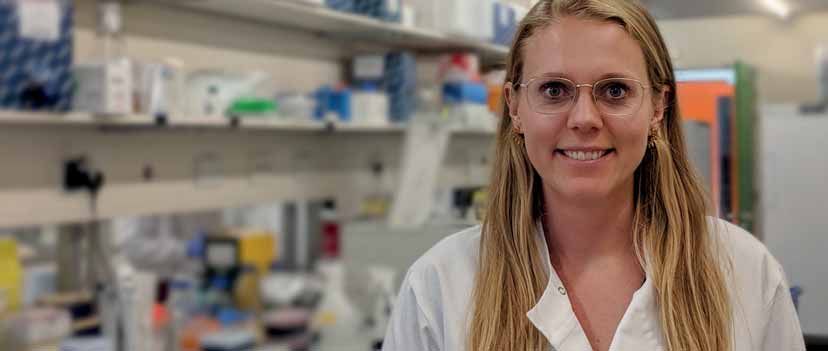
EDITOR’S NOTE                                                                                                                                                              NEWS IN BRIEF

    WELCOME TO A VERY
    FESTIVE ISSUE OF UNITED!                                                                         NEWS
                                                                                                     IN BRIEF
    You’ll notice this issue of United looks a little
    bit different as we enter the festive period and
    launch our Christmas Shine A Star Appeal. In
    this edition we’ve got lots of sparkling updates,
    twinkling interviews and bright research discoveries.
    Let’s start with our little superstar Maxi! At just 15 months old Maxi underwent major surgery
    and months of treatment, he is now four years old and his mum, Julie, has shared their           RESEARCH SYMPOSIA
    inspirational story with us on page 6.                                                           This year we held an Osteosarcoma Symposium in collaboration with
                                                                                                     Children with Cancer UK, which brought together researchers and
    We’ve recently awarded two new pioneering research projects. The first aims to develop
                                                                                                     medical professionals from across the globe to identify progress,
    a new blood-based test for detection of small tumour-derived DNA fragments in the
                                                                                                     challenges that need to be overcome and opportunities to move
    blood from osteosarcoma and chordoma patients. You can find this on page 8 where we
                                                                                                     research forward. The symposium made a huge impact and following
    interviewed the lead researcher Dr Lyskjaer. The second was awarded to Professor Burchill
                                                                                                     its success we are holding our first Chondrosarcoma Symposium in
    who is investigating a novel gene implicated in treatment-resistant Ewing sarcoma. Read
                                                                                                     November and are delighted to announce we will be holding a Ewing
    Professor Burchill’s interview on page 12.
                                                                                                     Sarcoma Symposium in 2020, which also marks 100 years since
    This year we received an unprecedented number of requests to attend the Bone Cancer              Professor James Ewing first identified Ewing sarcoma as a form of
    Conference so in response we’ve decided to hold two conferences in 2020. On page 4
                                                                                                     cancer. In 2020 a second Osteosarcoma Symposium will be held to
    you can read a few highlights from our 2019 conference and see how you can sign up for
                                                                                                     progress our international collaboration and work established at the
    one of the 2020 Bone Cancer Conferences. We can’t wait to see you all in London and
                                                                                                     2019 symposium.
    Manchester!

    You’ll find new research discoveries on pages 9 and 14, which are shining examples of the
    progress our researchers have made thanks to your continued support and donations.

    Since the launch of our new Support and Information Service in May, the service has
                                                                                                     BONE CANCER AWARENESS WEEK
    gone from strength to strength. Our Support Manager, Louise, has been holding
                                                                                                     During Bone Cancer Awareness Week 2019 we were #HereForYou
    Support Groups across the UK as well as launching other aspects of our service. On
                                                                                                     and launched our first ever Digital Support Groups for each primary
    page 10 you can find out more about the service and how to contact us, if you ever
                                                                                                     bone cancer and tumour. During the week over 300 people joined the
    need us.
                                                                                                     groups, with many more joining the groups since their launch. You can
    As 2019 draws to a close, we would like to say a huge thank you to the bone cancer               join a group at bcrt.org.uk/digitalsupportgroups. Your support during
    community who have continued to support our vital work; you are all stars! On behalf             the week was incredible, with many ‘bun-derful’ cakes baked for our
    of everyone at the Bone Cancer Research Trust we would like to send you our very                 first ever Bake it for Bone Cancer Day! Vital awareness and funds were
    best wishes this festive season.                                                                 raised as you took to the streets, supermarkets and train stations with
    We’re going to be shining stars all Christmas, but did you                                       your buckets, banners and our stand-out #TeamBones t-shirts! For
    know you can shine your very own? Follow this shooting                                           the week our reach was over four million and we couldn’t have done it
    star all the way to page 7 to find out how.                                                       without you! Thank you.

    Deborah Flyde
    Communications Manager
                                                                                                     BONE CANCER BALL
                                                                                                     Once again, the Bone Cancer Ball was a HUGE success! Over 500
                                                                                                     people attended the ball and helped us raise life-saving funds. Thank
                                                                                                     you to everyone who attended and supported the event. Tickets for our
                                                                                                     2020 Bone Cancer Ball will be going on sale soon - watch this space!

2     UNITED - ISSUE 5 WINTER 2019                                                                                                                                               UNITED - ISSUE 5 WINTER 2019   3
It feels like
                                                                                                                                a family
                                                                                                                                Relative of a
                                                                                                                                  Patient             CONFERENCE

    BONE CANCER
    CONFERENCE
    Following the incredible success and dramatically increased guest
    numbers at the Bone Cancer Conference 2019, we are delighted to
    be holding two Bone Cancer Conferences in 2020, one in London and
    one in Manchester.                                                                   “Makes you                                                        “The talks
                                                                                        know you are                                                     were so good,
    Below are just some of the highlights from this year and more                        not alone”                                                     I didn’t want to
    information about how you can register for one of our                                  Relative of a                                                miss anything ”
                                                                                             Patient
    2020 conferences.                                                                                                                                            Relative of a
                                                                                                                                                                   Patient

                                                                                                                          100% of guests
                                                                                                                          want to attend
                                                                                                                              again

                                                                                                            Whether you’re a patient, former patient, family member,
                                                                             92% rreduction                supporter, researcher or medical professional - everyone is
                                                                           in feelings
                                                                                eling
                                                                                  in of very
“Reassuring to                                                              high
                                                                               gh or
                                                                                  o extreme
                                                                                     e
                                                                                     extrem
                                                                                                                  welcome to join us at the Bone Cancer Conference
know I am not                                          “Informative              anxiety                                          for a day of inspiration and support.
 alone feeling                                         and thought
 the way I do”                                          provoking”                              Visit bcrt.org.uk/Conference or call us on 0113 258 5934
       Former Patient                                     Former Patient
                                                                                          to register for one of our 2020 Bone Cancer Conferences now.

4    UNITED - ISSUE 5 WINTER 2019                                                                                                                       UNITED - ISSUE 5 WINTER 2019   5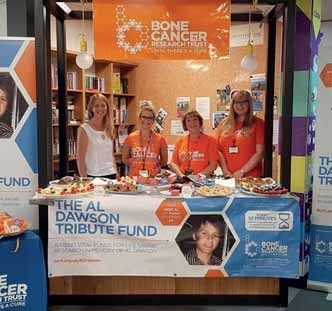
PATIENT STORY PATIENT STORY
M a x i s t
MAXI’S STORYo r y
This Christmas we are shining a very special star for Maxi
After surgery Maxi wasn’t himself. He didn’t
smile and that showed us he was in a lot
of pain.
15th March, Maxi started his post-
surgery chemotherapy and fell
very sick again.
and looked like a baby lamb walking for the first
time, very unsteady.
6th September 2017, Maxi’s MRI, PET and CT scans
came back clear and he also took his first steps with
his new leg.
Maxi had physiotherapy and hydrotherapy over a short
and his family, who have kindly shared their inspirational Maxi started his physio while period of time when we arrived back home however, it
story all the way from Australia. still having his chemotherapy and did take two years to start intensive physiotherapy and
had an outer metal brace on his leg hydrotherapy due to medical teams from Tasmania and
which was screwed into his bone. On Melbourne trying to communicate and be
In November 2016 at just 15 months old, Maxi was We were to spend the next 9 months in Melbourne.
22nd June the metal work was removed, on the same page. Maxi continues to have
diagnosed with osteosarcoma. Maxi underwent weeks of
Maxi’s treatment regime was 11 weeks of chemotherapy and Maxi could get around well. He loved having around 15 appointments a month.
chemotherapy and rotationplasty surgery. Maxi’s mum,
followed by surgery and then another 18 weeks of the brace off.
Julie has shared her son’s story and how, despite everything Maxi, now four years old, makes
chemotherapy following his surgery.
he has been through, he always makes everyone smile and His last chemotherapy was on the 1st August everyone smile! He has the biggest
lights up a room. Nothing could have prepared us for how sick Maxi was 2017, four days before his 2nd birthday. We had personality and blows people away
about to get. We were told there was a celebration for Maxi on the hospital ward and a with his knowledge of his favourite
On the 26th October 2016, we noticed Maxi’s foot was
a risk Maxi would lose his leg, but we birthday party at the apartment. animals and dinosaurs. Maxi is always happy
turning outwards as he walked, he was struggling to put any
never thought that it might actually and he’s always asking if you’re happy too.
weight on his leg, so we took him to see the doctor. There We went back home to Tasmania on the 8th of
happen. We were so hopeful right We think Maxi is an absolute star!
we were told he had a temperature and a virus in his knee. August, which was very long awaited.
up until the decision by surgeons
Over the next seven days he got worse, not wanting to bear To read Maxi’s full story please visit bcrt.org.uk/Maxi
was revealed. We had to go back to Melbourne in September for the
any weight, Maxi reverted back to crawling. We returned to n of his prosthetic
fitting p leg. Maxi tried it on for the first time
the doctor only to be told that it was just the way a baby Maxi was very ill during his
walks. We pushed for an X-ray, and on the same day we got chemotherapy and as a result had bad
a phone call to be told that there was a shadowing on his mouth sores from the Methotrexate.
right knee and to go straight to A&E. He also needed blood and platelet
transfusions throughout. He lost his hair,
Maxi had a full body X-ray and we were told it could either
eyelashes, eyebrows and had really
be a childhood cancer, a cyst or a low-grade tumour. We
bad bruising. He fell very ill between
didn’t believe it could be cancer and we held on to the hope
his chemo sessions and we would often
of it being the other alternatives.
spend around 7 days back in hospital. An
We went back to hospital the next day for an MRI scan, this MRI and a PET scan showed that after
was followed by a biopsy and then Maxi was sent home with his first two blocks of chemotherapy,
a cast on his leg. 14 days after his biopsy we received a call the tumour had thankfully reduced
and we were told we had to fly to Melbourne for more scans. in size.
I begged on the phone to find out what was going on and We were then given two YOU CAN SHINE A STAR FOR
that’s when we were told Maxi had osteosarcoma in his options for Maxi; an above
ABSOLUTELY ANYONE WHO IS
right knee. the knee amputation or a
SPECIAL TO YOU THIS CHRISTMAS!
rotationplasty. We were told
Three days later we were in Melbourne and Maxi had
limb salvage surgery was not an
PET scans and a Hickman line to receive SHINE A STAR TODAY AT
option because of Maxi’s age.
chemotherapy through. It was then it SHINEASTAR.ORG
was then confirmed it was a high-grade We were just in shock and disbelief. With the help of a lot
malignant tumour - osteosarcoma. of people, we decided on a rotationplasty.
Thankfully his tumour was isolated
Maxi’s surgery was on the 23rd February 2017
bringing Maxi’s chances of survival
and lasted for nine hours. It was excruciating DID YOU KNOW?
?
up to 75%, from around 35% if it had
waiting, with all our hope that the surgery would ROTATIONPLASTY IS WHERE THE BOTTOM OF THE FEMUR, KNEE AND THE UPPER TIBIA ARE
spread.
run smoothly. SURGICALLY REMOVED. THE LOWER LEG IS THEN ROTATED 180 DEGREES AND ATTACHED TO
THE FEMUR. RESULTING IN A BACKWARD FACING FOOT TO REPLACE AND ACT AS THE KNEE.
6 UNITED - ISSUE 5 WINTER 2019 UNITED - ISSUE 5 WINTER 2019 7
RESEARCH                                                                                                                                                                                                              RESEARCH

    Q&A                              AN INTERVIEW WITH
                                     DR IBEN LYSKJAER
                                                                                                            ?
    We spoke to Dr Lyskjaer about our new research project which
    aims to develop a new blood-based test for detection of small                                                                                               RESEARCH
    tumour-derived DNA fragments in the blood from osteosarcoma
    and chordoma patients.                                                                                                                                      FINDING
    CAN YOU TELL US A BIT ABOUT YOURSELF AND                    WHAT DIFFERENCE COULD THIS PROJECT                                                              Bone Cancer Research Trust
    YOUR BACKGROUND?                                            MAKE FOR PATIENTS WITH CHORDOMA AND                                                             project finds protein that promotes
                                                                OSTEOSARCOMA IN THE FUTURE?
    I am a postdoctoral researcher at the University College
                                                                                                                                                                osteosarcoma lung metastasis and an
    London Cancer Institute. I finished my PhD in Health         This pilot-study will be the first step towards applying
    Sciences from Aarhus University, Denmark, last year,        circulating tumour DNA analysis to monitor disease
                                                                                                                                                                inhibitor that could prevent it.
    where I focused on designing a blood-based test for the     status, response to treatment before and after surgery, and
    detection of tumour DNA in colorectal cancer. After my      to detect residual disease in patients with osteosarcoma                                        KEY FINDINGS OF THIS RESEARCH
    PhD, I moved to London in order for me to investigate the   and chordoma. Ultimately, this will provide a more
    complex characteristics of sarcoma tumours.                                                                                                                 A protein called FGFR1 was found to have a key role in controlling the
                                                                personalised treatment for patients, detect relapse early     PROFESSOR AGAMEMNON
                                                                                                                              GRIGORIADIS                       communications within osteosarcoma cells that result in the formation of
                                                                using a non-invasive simple blood test and provide more
    TELL US ABOUT THE PROJECT AND ITS AIMS?                                                                                   KING’S COLLEGE LONDON             lung metastases. When FGFR1 was stopped from functioning by using an
                                                                accurate prognoses. An added benefit of such tests
                                                                                                                                                                inhibitor, which is currently in clinical trials for other cancers, the spread of
    This project aims at developing a new blood-based test      would subsequently result in a reduction in the schedule
                                                                                                                              Funding     was   awarded    to   cancer cells to the lungs was reduced.
    for detection of small tumour-derived fragments (known      of often inconvenient and expensive medical imaging that
                                                                                                                              Professor         Agamemnon
    as circulating
       c           tumour DNA or ctDNA) in the blood from       patients undergo for surveillance.                                                              Since this finding we have awarded further funding to Professor Grigoriadis
    osteosarco
       eosar
    osteosarcoma and chordoma patients. Tumours shed small                                                                    Grigoriadis who is based at       and he is now investigating the possibility of inhibiting other signalling
    pieces
        es of DNA
              D   into the blood stream, and by looking for     WHAT WOULD YOU SAY TO OUR SUPPORTERS                          King’s College London, to         proteins at the same time as FGFR1, in order to achieve a greater reduction
    osteosarco
    osteosarcoma and chordoma tumour-specific markers/           WHO ARE RAISING FUNDS FOR RESEARCH?                           investigate novel approaches      in metastatic spread.
    tags we ca
            can measure the levels of tumour DNA in the                                                                       to   reduce       the   spread,
                                                                We are grateful to all Bone Cancer Research Trust                                               A complementary piece of research also funded by the Bone Cancer
    body.
      dy. So far,
             f    we have identified tumour-specific markers
                                                                supporters that continue to raise money and make              resistance to treatment and       Research Trust, discovered that osteosarcoma patients with high levels of
    for a var
          variety
          v       of tumou
                      um
                     tumours and with the funding awarded
                                                                projects like ours possible.                                  recurrence of osteosarcoma.       FGFR1 had poorer responses to chemotherapy. This study was carried out
    fro
      om the Bo
    from     Bone Cancer Research Trust we are now able
                                                                                                                                                                by Professor Adrienne Flanagan OBE and Dr Sandra Strauss from University
    to ttest
         est our
              ur markers in both
                            b    tumour and blood DNA from
                                                                                                                                                                College London, and provided a rationale for inclusion of patients with
    pa nts with
    pati
    patients th oste
                osteosarco
                osteosarcoma and chordoma.                      For more information about this pioneering
                                                                                                                                                                osteosarcoma in clinical trials using FGFR inhibitors.
    We will
       will be able
                ble to
                    t use these markers to measure the level    project visit bcrt.org.uk/Iben
    o
    off tumour
          mou DNA
               DN in the blood and determine whether the                                                                                                        We hope that further investigations in this area would arrive at the

    test c
         can be used
                use to monitor patients post treatment for                                                                                                      development of new treatments for metastatic disease, to benefit patients

    residual
        du disease and early disease relapse.                                                                                                                   in whom the presence of these proteins is confirmed.

8     UNITED - ISSUE 5 WINTER
                       W NTER 2019
                              2                                                                                                                                                                                        UNITED - ISSUE 5 WINTER 2019   9
SUPPORT                                                                                                                                                                                SUPPORT

                                                                                               W ha t i s t h e i m p a c t?
 SUPPORT AND                                                                                 Since the launch of our Support and Information Service
                                                                                             in May, we have provided support to over 400 people

 INFORMATION                                                                                 75% of people who came to one of our support
                                                                                             groups felt less anxious afterwards

 SERVICE                                                                                     Over 350 people have joined our Digital Support
                                                                                             Groups since they launched in October, during

          Ma k in g a D i f f e r e n c e                                                    Bone Cancer Awareness Week

                                                                                                                                                 It gave me a chance to speak openly knowing
                                                                                                                                                 that the group fully understood what I went
                                                                                                                                                 through. Hearing everyone’s stories I realised
                                                BONE CANCER AND                                                                        that I’m not alone in facing a disease so very rare. I
                                                                                                                                       found it has helped towards my healing process and
                                                BONE TUMOUR                                                                            I’m hoping these support groups will be beneficial to
                                                                                                                                       other patients too.
                                                SUPPORT GROUPS
                                                Our Support Groups provide you with
                                                dedicated information and emotional
                                                support   whether  you’re a   patient,
                                                family member or friend who has
                                                been affected by primary bone cancer.                        I enjoyed listening to the Q&A
                                                                                                             with another patient as it sparked
                                                We launched our support groups during                        conversation afterwards.
                                                Sarcoma Awareness Month in July. Since
                                    SHEFFIELD   then our Support Manager, Louise, has
                                                supported over 120 people at the groups,
                                                across 12 locations.

                                                For    more   information on   our
                                                planned support groups please visit
                                                Bcrt.org.uk/SupportGroups                                                                           I would encourage all bone cancer patients
                                                                                                                                                    or survivors to attend one of the Bone
                                                                                                                                                    Cancer Research Trust support groups,
                                                                                                                                            whether you’ve just been diagnosed, going through
                                                                                                                                            treatment or life beyond cancer.

10   UNITED - ISSUE 5 WINTER 2019
                                     For support contact us on 0800 111 48 55              or email SUPPORT@BCRT.ORG.UK                                                          UNITED - ISSUE 5 WINTER 2019   11
RESEARCH FUNDRAISING
This year we awarded a
research grant to Professor
Sue Burchill from Leeds
University. Professor Burchill
SPECIAL FUNDS
explains more about the new We have over 40 Special Funds across the UK.
Ewing sarcoma research
They all have one thing in common, they want to raise funds
project and the difference it
will make for future patients.
and awareness to change the outcomes for those affected by
primary bone cancer, both now and in the future.
WHAT IS A SPECIAL FUND? WHAT HELP DO YOU RECEIVE?
CAN YOU TELL US ABOUT THE PROJECT ES-CSCs, with the goal of accelerating new treatments
Our Special Funds are usually set up in memory of a Our Special Funds team are on hand to support you every
AND ITS AIMS? into early phase clinical trials to improve outcomes. The
loved one, inspired by someone who has survived primary step of the way. We look after all your admin tasks such
We have recently shown that Ewing sarcoma is driven combination of targeted treatment to kill ES-CSCs with
bone cancer or set up by a person living with primary as the legal stuff, thanking supporters and Gift Aid so that
by a sub-population of cells that divide and are resistant chemotherapy is predicted to improve outcomes and
bone cancer. you can concentrate solely on raising much needed funds
to current treatments, so-called Ewing sarcoma cancer minimise treatment-induced side effects.
By setting up a Special Fund you create a dedicated and awareness.
stem-like cells (ES-CSCs). Improved outcome for some fund in your name or the name of your loved one. It is a We provide you with your own Special Fund logo, a
patients will only be achieved when drugs to target HOW IMPORTANT IS THE FUNDING PROVIDED
wonderful way for friends, family and colleagues to join page on our website and all the materials you need to
these cells have been identified and incorporated into BY THE BONE CANCER RESEARCH TRUST?
together to do something that really matters to them. fundraise; including personalised banners, collection tins
treatment. We have identified a lead protein that drives the Without the support of the Bone Cancer Research Trust it
and buckets, wristbands, leaflets and even balloons to
growth and renewal of ES-CSCs. This protein is therefore would not be possible to undertake our research in Ewing
WHAT DO THE SPECIAL FUNDS DO? promote your fund! We are also on the other end of the
an attractive target for the design of new treatments. sarcoma or attract and train future research scientists in
Those running Special Funds have complete control over phone to help with fundraising advice and ideas or just
However, the protein exists in two different forms called A the field.
their fundraising, you can choose how you wish to raise for a chat.
and B. With funding from the Bone Cancer Research Trust To find out more and to meet some of our
funds and when. This could be anything from bake sales
we will determine whether A and B, just A or just B are YOU’VE BEEN SUCCESSFUL IN RECEIVING special funds, visit bcrt.org.uk/Funds. Or call
and bucket collections, to skydives and
expressed in Ewing sarcoma and ES-CSCs. GRANTS FROM US IN THE PAST, DO YOU THINK our friendly Special Funds team, Kate and
marathons or organising events such
WE ARE STIMULATING THE BONE CANCER Lauren on 0113 258 5934.
as golf days, cinema nights or music
HOW IS THE PROJECT A CONTINUATION OF RESEARCH COMMUNITY?
festivals! Nothing is too big or too
RESEARCH PREVIOUSLY FUNDED BY THE BONE Yes. It’s a wonderful charity to work with as they are
small, as every penny really does
CANCER RESEARCH TRUST? committed to promoting and sustaining the best research
count in our fight against primary
With support from the Bone Cancer Research Trust and for patient benefit.
bone cancer.
Ewing’s Sarcoma Research Trust we have been able to
collect and characterise patient-derived Ewing sarcoma WHAT WOULD YOU SAY TO BONE CANCERR
cells. These cells provide a unique and precious resource RESEARCH TRUST SUPPORTERS WHO
HO ARE
to test treatments that might be used to improve RAISING FUNDS FOR RESEARCH?
outcomes and identify targets like protein A and B that A huge thank you. Your commitment and enthusiasm
usias to
could then be exploited to eradicate the cells responsible s
raise funds for the Bone Cancer Research Trust is essential
for progression and relapse. for the continuation and expansion of research into bon
bone
tment
cancers, to improve outcomes and minimise treatment
WHAT DIFFERENCE COULD THIS PROJECT induced side-effects for everyone. Together we can beat
MAKE FOR EWING SARCOMA PATIENTS IN THE bone cancer.
FUTURE?
Confirmation of the driver protein in ES-CSCs and
To read the full interview and find out more about
ut
subsequent identification of drugs to target this protein
the project visit bcrt.org.uk/SueBurchill
will allow us to fast-track targeted treatment to eradicate
12 UNITED - ISSUE 5 WINTER 2019 UNITED - ISSUE 5 WINTER 2019 13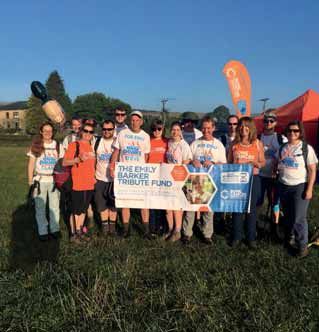
RESEARCH RESEARCH
E
? Q&A WITH OUR PHD
RESEARCH STUDENT
TYLER BARR
I am truly grateful to each supporter of the BoneBo e Cancer
C cer
Research Trust, as it is their support which makes
es researc
research
c to
improve outcomes for bone cancer patients possible.
After losing her friend to Ewing sarcoma, WHY IS FUNDING FOR A PHD STUDENTSHIP DE H
HIP
GRANT IMPORTANT?
Tyler tells us more about her drive to
Funding for PhD studentships is so important. It allows
succeed and the difference our PhD
at
research to be carried out to investigate new treatment
RESEARCH research project ‘Oncolytic virus therapy options for bone cancer patients. The length of this
for Ewing sarcoma’ could make to
patients. for the research to progress. BCRT have been na
re an
project, which is four years, allows time to learn more and
o offer
able to
FINDING CAN YOU TELL US ABOUT YOURSELF AND HOW
YOU GOT INVOLVED WITH EWING SARCOMA
many opportunities for studentships over rrecent
which is amazing.
WHAT DIFFERENCE DO YOU THINK YOUR
ent years
RESEARCH?
WORK COULD MAKE TO EWING SARCOMA
PROFESSOR JOHN ANDERSON, Research project identifies a protein I completed a First-Class Honours degree in Biomedical
PATIENTS IN THE FUTURE?
GREAT ORMOND STREET Science in 2017. It inspired me to do a Masters degree in
INSTITUTE OF CHILD HEALTH,
that enables cancer cell growth. Current treatment options for Ewing Sarcoma
oma ar
a
are
Molecular Medicine at the University of Leeds. I completed
UNIVERISTY COLLEGE LONDON very limited, and new treatment options are vital
al to
o
a research project investigating the use of Oncolytic Virus
KEY FINDINGS OF THIS RESEARCH improve patient outcomes. The Oncolytic Viruses being
therapy for colorectal cancer. While working on the project,
investigated in the lab have shown positive results in
The Bone Cancer Research Transcription factors are proteins that help turn specific genes “on” Professor Graham Cook was awarded a PhD Studentship
other cancers, and importantly, have demonstrated
by binding to DNA. Once the genes are turned on, other proteins are Grant from BCRT, I applied and was successful.
Trust funded a study by safety in patients. This has important implications for
produced that promote cancer growth. I lost a friend, Will, to Ewing Sarcoma in 2015, and while
Professor John Anderson Ewing sarcoma patients, as it reduces the time between
I always knew I wanted to undertake a PhD in cancer
from the Great Ormond Street Professor Anderson’s research revealed that a transcription factor lab-based research and clinical trials. Promising results
ul in
immunotherapy, when this project came up it was very
Institute of Child Health, named STAT3 is present and active in 58% of the Ewing sarcoma tissues the lab could be quickly taken to the clinic for
or trials iin
close to my heart and gave me a personal drive to succeed.
he studied, and that Ewing sarcoma cells containing active STAT3 grow Ewing sarcoma patients.
University College London,
faster than those in which STAT3 is absent.
that aimed to identify a new WHAT IS A DAY IN THE LAB LIKE?
WOULD YOU LIKE TO SAY ANYTHING
NG TO O
OUR
biological target for the STAT3 was inactivated using an inhibitor named S3i-201, and by doing so, A day in the lab consists of culturing Ewing sarcoma SUPPORTERS?
treatment of Ewing sarcoma. the growth of Ewing sarcoma cells was reduced. cell lines, which I use to screen Oncolytic Viruses, to
I am truly grateful to each supporter of BCRT, as itt
A second part of the research discovered that inactivation of STAT3 determine if these agents can kill Ewing sarcoma cells.
h to improve
is their support which makes research
also affected the ability of Ewing sarcoma cells to release proteins Oncolytic Viruses are an immunotherapy, so their effect
ts possible
outcomes for bone cancer patients possible.
named chemokines that activate the body’s immune response against on immune cells is also investigated. I obtain immune cells
cancer cells. from blood samples and assess the ability of Oncolytic
To read Tyler’s full interview an
and for more
Viruses to activate ‘killer’ cells of the immune system. I
Further studies need to be performed and this is an ongoing area of information about the research
arch proj
project vi
visit
also work on developing a more representative 3D model
interest for the Bone Cancer Research Trust and researchers. bcrt.org.uk/TylerBarr
of Ewing sarcoma, which we can use in the lab to screen
Oncolytic Viruses.
14 UNITED - ISSUE 5 WINTER 2019 UNITED - ISSUE 5 WINTER 2019 15
HOW YOU CAN HELP OUR
                  COMMUNITY DURING THE
                     FESTIVE SEASON
                                                                         Show your support
                                                                                       SUPPORT THE...

 JINGLE BONES -                                                            HELP STAMP OUT PRIMARY BONE
 CHRISTMAS JUMPER DAY!                                                     CANCER THIS CHRISTMAS!
 “By taking part in Jingle Bones,                                          Over the festive period join
 we feel like we are making a                                              our dedicated team of Stamp
 difference and that something                                             Champs       and     save     your
 positive can come from losing                                             used    postage         stamps.
 Jude.”        Helen Anderton,                                             1kg    of    stamps       helps
 Jude’s Mum.                                                               pay for 1 hour of life-
 Join     us    on   Friday    13th                                        saving research, so please
 December (or whenever is best                                             encourage your friends, family,
 for you) and don your favourite                                           workplaces, schools and clubs to
 winter woollies to help raise festive funds for our                       get on board this Christmas and start saving stamps!
 vital work!

                                                                           Start collecting now and request a Stamp
 Find out more at bcrt.org.uk/JingleBones                                  Appeal pack at bcrt.org.uk/Stamps

ABOUT UNITED
United is a free magazine for supporters of the Bone Cancer Research Trust. The Bone Cancer Research Trust is the leading charity
dedicated to fighting primary bone cancer. The contents of United are the copyright of the publishers. Articles may be reprinted
without charge provided that credit is given to United magazine. A copy of any reprinted article should be sent to the address below.
Please let us know your thoughts and feedback about United by emailing info@bcrt.org.uk.

Editorial: Deborah Flyde, Mat Cottle-Shaw Design: Romana Carter

                                                                                                    INSTITUTE OF FUNDRAISING
                                                                                                    YORKSHIRE & HUMBER AWARDS
                                                                                                    Fundraising Team and Campaign of the Year

                                                                                                    THE NATIONAL CHARITY AWARDS
©Bone Cancer Research Trust 2019                                                                    National Healthcare & Medical Research
                                                                                                    Charity of the Year
10 Feast Field, Horsforth Leeds LS18 4TJ | bcrt.org.uk | 0113 258 5934
   @BCRT        BoneCancerResearchTrust    @bonecancerresearch                          Charitable Incorporated Organisation (CIO) Number - 1159590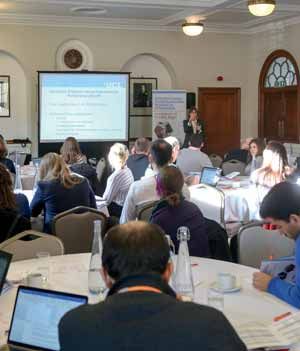
You can also read


