Investor Presentation - Investor Relations July 2018 - SCA
←
→
Page content transcription
If your browser does not render page correctly, please read the page content below
Investor Presentation
       Investor Relations
           July 2018
A strong and integrated value chain

                                                                                                         Sales (SEKm)      EBITDA 1) (SEKm)

                                                                                                       16,664              3,761
                                                                                                       EBITDA margin 1)   Industrial ROCE 2)
                       Forest                      Renewable                             Wood
                                                    energy
                                                                                                       22.6%                 13%
                                                                                                         Forestland          Net growth

                         Pulp                                                            Paper           2.6    m ha       3.0     m m3fo

Note: 1) Adjusted EBITDA and EBITDA margin. 2) Adjusted ROCE for the industrial segments; Wood, Pulp                                          2
and Paper. ROCE adjusted for capex invested in the Östrand project.
Financial figures refer to 2017.
Europe’s largest private forest owner
                                                            Kraftliner mill
     Forestland                                             Paper mill
                                                            Pellet production
                                  6%
    2.6     m ha                 of Sweden
                                                            Pulp mill
                                                            Saw mill
                                                            Saw mill, partly-owned

Productive forestland                            Munksund

    2.0     m ha
                                             Obbola
                                             Rundvik
                        Stugun                Bollstabruk
  Standing volume        Gällö                Härnösand
                                              Östrand
                                              Tunadal

  232      m m3fo
                                              Ortviken

                                                                                     3
Global trends favoring fiber
       based renewable materials
 Increased
                           Growing
demand for
                          demand for                     Eco-awareness
renewable
                          virgin fiber
 materials

                                         More packaged
             E-commerce
                                             goods

                                                                         4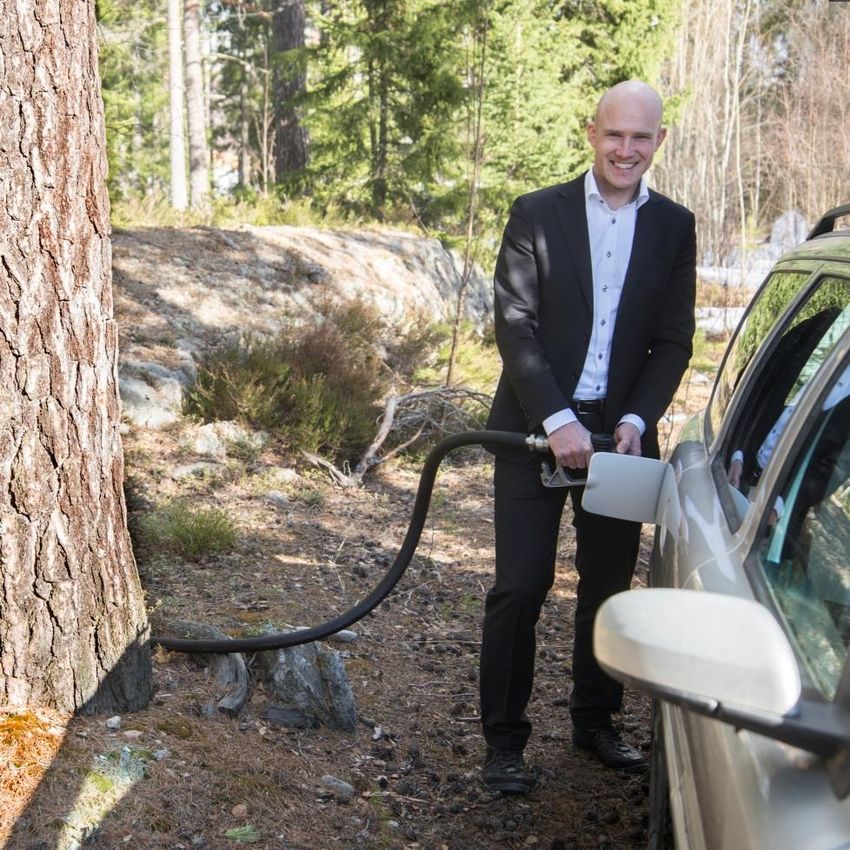
Cash flow funded growth opportunities
Value
2025?
Biorefinery
20192021/22 optionality
20192021 Kraftliner expansion
ROCE
Biofuel production
2020 from crude tall oil
Leverage
20182019
Increase share of
5.0 TWh wind
power on SCA land
SEK 50m pilot plant
Environmental permit
20152018
White-top Kraftliner
Pre-project to prepare for
Credit rating expansion at Obbola
Östrand expansion
Joint venture with St1
signed
Integrated
value chain Agreements signed
for construction in
2018-2020
SEK 196m investment
+50kt white-top kraftliner
SEK 7.8bn investment
Production began in June
Further growth potential
Time
5
Profitable growth strategy

                         1
                             Forest – the source for value creation

                         2
        Increased
                             Paper – Kraftliner expansion
        value from
         each tree       3
                             Pulp – start-up of a SEK 7.8bn investment

  Growing                4
forest asset                 Renewable energy – the next value creator

                         5
                             Wood – moving forward in the value chain

                                                                         6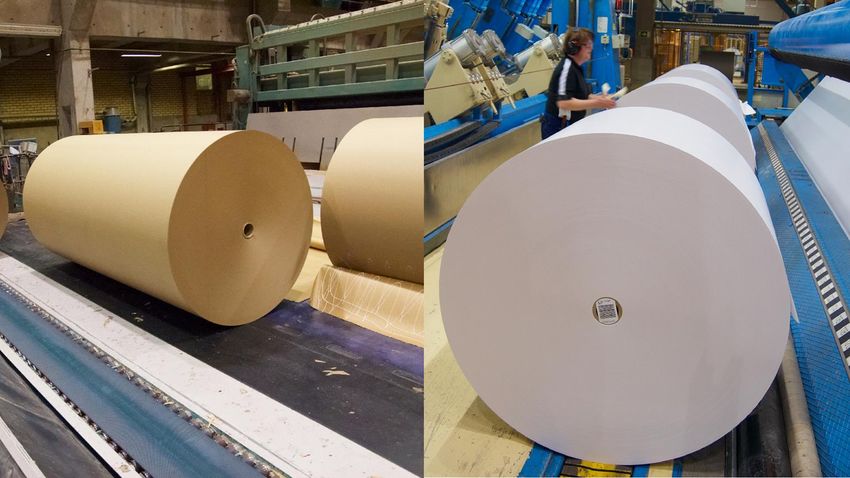
Forest – the source
 for value creation
The forest is our source for value creation

 Growth        Harvesting      Land value

                                              8
Profitable growth since 1950
    Standing volume                                         Growing                  Harvest plan              Increasing
                                                                                                                Increasing   Land value 1)              Increasing
    million m3fo                                           asset base                million m3sub              cash
                                                                                                                 cashflow
                                                                                                                      flow   SEK/m3fo (real value)      land value

                                   +60%                                                              +120%                                   +260%

                                                        232                                                  4.3
                                                                                                                                                     396

                   146

                                                                                             2.0

                                                                                                                                     109

                  1950                                 2017                                 1950             2017                   1950             2017

Note: 1) Average price Sweden, real price (2017 price level). Source Lantmäteriet.                                                                              9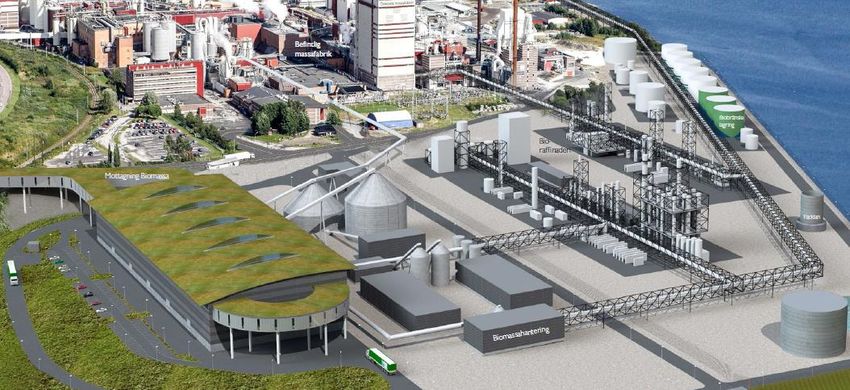
Significant real growth of 3.5%
Forest growth metrics (m m3fo)

   Gross growth of standing forest                     9.5

   Natural losses and pre-commercial thinning          -1.3
                                                                    Real growth rate of 3.5% (in relation to the standing
   Available growth of standing forest                 8.2          volume of 232m m3fo)

                                                              (1)   Current cash flow
   Annual harvesting                                   -5.2         New harvesting plan every 8-10 years
                                                                    Harvesting increase to >7m m3fo in 2114

   Annual net increase of standing forest              3.0          Future cash flow

Note: 1) Corresponding to approximately 4.3m m 3sub.                                                                        10
Forest – strategic direction
Maximize growth
Increase sustainable harvesting level
Secure raw material supply
Secure biodiversity for future generations
Prevent further restrictions in ownership rights
11Paper – Kraftliner expansion
Kraftliner – strategic growth area                 Publication paper – maximize
Munksund – grow the share of value-added           cash flow
products: white-top, heavy duty and wet strength   Positive cash-flow through operational excellence
Obbola – increase production capacity and          and optimized product and market mix
improve efficiency

                                                                                              13
Prepare for profitable growth in Kraftliner
1. Increase share of White-top in Munksund
SEK 196m investment
White-top Kraftliner capacity increased from 150k tonnes to 200k tonnes
Expected completion in May 2019
2. Transfer mid-grammage brown products from Munksund to Obbola
Investment enables contribution optimization of Obbola paper mill
Cost savings in addition to increased share of White-top at Munksund
3. Expand capacity and reduce costs of goods in Obbola
Environmental process initiated
Pre-project to prepare for Kraftliner expansion at Obbola initiated
14Favorable long-term trends for Kraftliner
Favorable long-term trends... ...driving demand for virgin fiber
E-commerce – 20% growth CAGR Kraftliner demand Europe / Growth CAGR
k tonnes
6,000 ~2%
Increasing world trade ~2%
2.7%
5,000
4,000
Substitution of plastics White
3,000
Unbleached
2,000
Shelf ready packaging
1,000
0
Food safety 2012 2017 2022e 2026e
Source: Numera. 15Increased capacity needed to meet demand
Kraftliner growth limited by shortage of supply
100% Operating rates (shipment-to-capacity)
Not enough supply to
satisfy demand
+800kt
98% capacity
needed by
96% 2026
94%
Virgin
92%
90% Recycled
88%
86%
2012 2013 2014 2015 2016 2017
Source: Numera. 16Opportunity for increased capacity
Obbola one of few brown field
Pre-project to prepare Kraftliner expansion at Obbola initiated
opportunities in Europe
Access to fresh fiber Total capacity Obbola
(ktonnes/year)
New ~800 kt paper machine
Technical requirements
Expansion of existing pulp line
• Virgin fiber
Infrastructure
• Recycled fiber
700-800
450
Chemical pulp
Potential investment decision
based on outcome of pre-project
Leading non-integrated
supplier
Present New capacity
17Pulp – start-up of a SEK 7.8bn investment
World’s largest NBSK pulp line in operation

                       Production began in June according to plan
                       • On budget and on time

7.8
  SEKbn
investment             Ramp-up period of 12-18 months
                       • 2018 – volumes in line with 2017
                       • 2020 – first full year at full capacity

                       World-class competitiveness
                       and cost position

                       Meeting long-term growth in
                       tissue and white packaging

                                                                    19
1mt pulp mill with enhanced competitiveness
Total capacity (tonnes/year)
World-class competitiveness
Post completion
• Doubled NBSK capacity
• Fixed cost reduction of SEK 350 per tonnes
compared to pre project level
• Improved energy balance – from a net consumer
of 0.1 TWh to a net producer of 0.5 TWh
Present
900,000
• Wood supply secured, but with potentially higher NBSK
transportation cost
• Leading pulp quality for tissue products 430,000
100,000 100,000
CTMP
20Growing demand for pulp
…driving increased tissue demand
Strong market growth…
and shortage of virgin fiber
Global market (m tonnes) CAGR Index (global market)
BSK 1.8% 26 150
0.1 Growing tissue demand, Tissue production CAGR
4 140 shrinking supply of high +3.4%
2 0.9%
23 grade recycled fiber from
22 130 Printing & Writing
26 120
Total: 66 110
100 Printing & Writing consumption
BHK
34 90 CAGR
-1.8%
80
70
Bleached Softwood Kraft Bleached Hardwood Kraft
2007 2012 2017 2007 2009 2011 2013 2015 2017
Sulfite Unbleached Kraft
Mechanical pulp
Source: CEPI, RISI, PPPC, SCA. 21Pulp – strategic direction
1
Start-up
2
Ramp-up
3
Quality
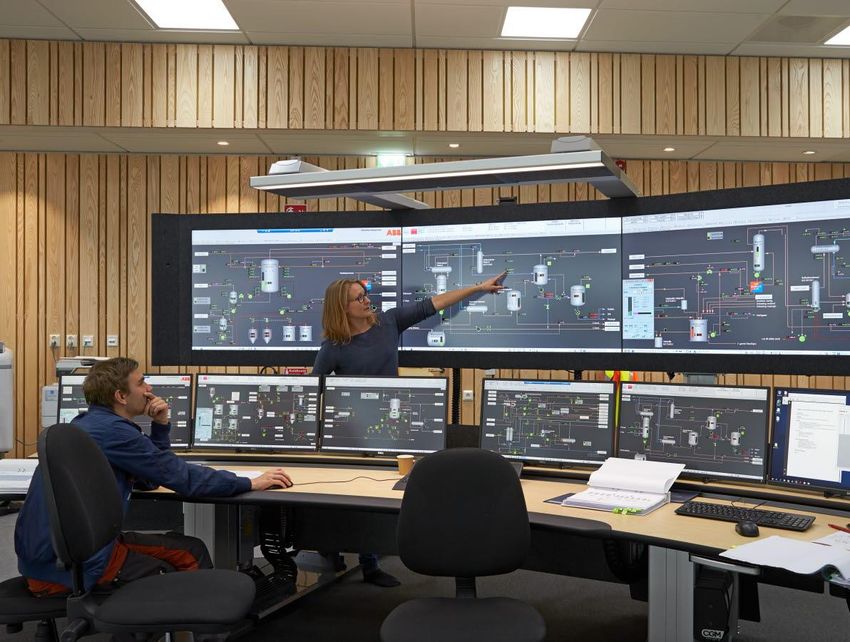
22Renewable energy – the next value creator
Östrand investment enables biofuel potential

60,000                                      Energy
                                                                        Synergies
tonnes                                      surplus

                                                                                 Energy and
 Doubled tall oil production                   Net energy producer 1)
                                                                            production optimization

 Note: 1) Net energy producer at Östrand.                                                        24
SCA and St1 to start a joint venture for
the production of biofuels from tall oil
Development of HVO volume in Sweden
Reduction of CO2 by blending biofuels
160
• Sweden: 21% diesel and 4.2% gasoline by 2020
• EU: 7% renewable energy in transport
Monthly HVO volume (k m3)
140
The HVO market is growing rapidly due to 120
its compatibility with fossil diesel 13% share
100
in Swedish
Joint venture with St1 for the production of liquid biofuels HVO
transport sector
80
• Moving forward in the value chain
• SEK ~0.5bn investment by JV 60
• Annual production of ~100k tonnes HVO or biojet
40
• SCA to supply ~60k tonnes CTO out of ~170k tonnes
• Additional products include LPG, Naphtha, Turpentine 20
HVO drop in
and Pitch bioenergy
0
Dec-11 Dec-12 Dec-13 Dec-14 Dec-15 Dec-16 Dec-17
Source: SPBI. 25
Note: HVO = Hydrogenated Vegetable Oil.Biorefinery potential enabled
through the Östrand investment
Energy surplus and byproducts from pulp Long-term
potential
production create opportunities in biorefinery 2025?
SEK 50m invested in a pilot plant in Obbola for the
production of liquid biofuels from black liquor
Environmental permit application for two full scale
biorefinery lines initiated
Investments enable debottlenecking of the
recovery boiler
26Doubled wind power production by 2020
Land with excellent wind conditions 5.0 TWh
Construction scheduled
Land available through leasing to start in 2018-2020
2.7
Target of 5.0 TWh by 2020 will be exceeded
Current wind power
on SCA land
2.3
EBITDA contribution of SEK 60-70m by 2020
27Wood – moving forward in the value chain
One of the largest and most efficient
              sawmill operations in Europe
From 11 to 5 highly automated and efficient sawmills
                                                                   2007                                   2017

  SEK ~2.0bn
  invested since                  2.2m m3
       2007
                       1.8m m3                                                 Boden

                                                               Vilhelmina              Munksund                        Munksund
                          11         5
                       sawmills   sawmills
                                                        Jämtlamell               Holmsund
                                                                                Rundvik                          Rundvik
                                                       Gällö                                      Gällö
                                                                             Bollsta                         Bollsta
                                                       Graninge
                                                                            Tunadal                         Tunadal
                         2007       2017
                                                                        Tjärnvik
   Average capacity/
                         160k       430k
   mill: (m3/year)

                                                                                                                           29
Long-term profitable growth with focus
on value added products
Wood sales (SEKbn)
+9% p.a.
Profitable growth
6.0
4.7 Higher and more stable
margins over a business
cycle
Customized products
1.1 based on customer
insights
1997 2007 2017
Wholesalers Wood Industry Building Materials Trade
30Product innovation
Pine heartwood
decking
Outdoor cladding
with concealed
fitting
31Wood – strategic direction
Continued profitable growth through focus on:
• Building Materials Trade in Scandinavia, UK and France
• Industrial customers with high demand for customized products
Optimized production sites for world-class efficiency:
• Well invested large scale units
• Focus on automatization and optimization
Digitalization
• New tools and services for a growing e-commerce market
32Q2 summary
SCA’s performance Q2 2018

    EBITDA (SEKm)                                         Industrial ROCE 1)                            EBITDA development (SEKm)

       1,034                                       13% / 19%*
                                                                                                                              43%
                                                                                                                                         1,175
                                                                                                                   1,049      1,078
                                                                                                                                                    1,034

                                                                                                         724
     EBITDA margin                                          Net debt/EBITDA                                                              27%
                                                                                                                              25%
                                                                                                                                                    22%
    22.1%                                                         1.7x                                   17%
                                                                                                                   25%

                                                                                                          Q2 '17     Q3 '17     Q4 '17     Q1 '18      Q2 '18
                                                                                                                                                    Excluding Pulp
Note: 1) ROCE for the industrial segments; Wood, Pulp and Paper (* Industrial ROCE adjusted for capex                                                           34
invested in the Östrand project). ROCE calculated as LTM.
Contribution by segment and quarter
Forest Wood Pulp Paper
2,383
2,426
2,220
Net sales (SEKm)
2,096
2,072
2,046
1,998
1,859
1,846
1,637
1,567
1,503
1,426
1,364
1,361
1,320
1,312
1,298
1,296
1,287
1,261
1,261
1,210
1,162
672
668
668
644
641
589
585
485
Q3 Q4 Q1 Q2 Q3 Q4 Q1 Q2 Q3 Q4 Q1 Q2 Q3 Q4 Q1 Q2 Q3 Q4 Q1 Q2 Q3 Q4 Q1 Q2 Q3 Q4 Q1 Q2 Q3 Q4 Q1 Q2
'16 '16 '17 '17 '17 '17 '18 '18 '16 '16 '17 '17 '17 '17 '18 '18 '16 '16 '17 '17 '17 '17 '18 '18 '16 '16 '17 '17 '17 '17 '18 '18
EBITDA (SEKm) and EBITDA margin
618
586
481
439
371
338 325 364 316 358 30%
295 304 24% 25% 293 271 268 291 25% 26%
22% 21% 22%
30% 32% 230
28% 187 184 172 15% 16% 178 16% 14%
23%
26% 25% 25% 23% 143 161 145 154 160 12% 158 149 13% 14%
102 104
71
11% 12% 11% 12% 13% 11% 13% -112
9%
Q3 Q4 Q1 Q2 Q3 Q4 Q1 Q2 Q3 Q4 Q1 Q2 Q3 Q4 Q1 Q2 Q3 Q4 Q1 Q2 Q3 Q4 Q1 Q2 Q3 Q4 Q1 Q2 Q3 Q4 Q1 Q2
'16 '16 '17 '17 '17 '17 '18 '18 '16 '16 '17 '17 '17 '17 '18 '18 '16 '16 '17 '17 '17 '17 '18 '18 '16 '16 '17 '17 '17 '17 '18 '18
35Forest Q2 2018 vs. Q2 2017
Net sales (SEKm) EBITDA (SEKm) EBITDA margin
-4% 2%
Stable wood supply to industries
31.9%
30.1%
1,210 1,162 364 371
Continued price increases, especially for imported
wood
Inventory build-up to meet Östrand’s increasing
pulpwood demand
Q2 2017 Q2 2018 Q2 2017 Q2 2018 Q2 2017 Q2 2018 Sales down 4%
• Lower volumes due to the expansion stop at Östrand
Price development – Pulpwood and Sawlogs
EBITDA up 2%
120
• Higher prices
110
100
90
80
Q2 '16 Q3 '16 Q4 '16 Q1 '17 Q2 '17 Q3 '17 Q4 '17 Q1 '18 Q2 '18
Pulpwood Sawlogs
36Wood Q2 2018 vs. Q2 2017
Net sales (SEKm) EBITDA (SEKm) EBITDA margin
13% 49% Continued strong demand with increasing prices
1,846 230 12.5%
1,637 Low inventory levels
9.4%
154
Sales up 13%
• Higher prices
EBITDA up 49%
Q2 2017 Q2 2018 Q2 2017 Q2 2018 Q2 2017 Q2 2018 • Higher prices
Price development – Solid Wood Products • Positive currency effects
• Increased raw material costs
125
120
115
110
105
100
95
Q2 '16 Q3 '16 Q4 '16 Q1 '17 Q2 '17 Q3 '17 Q4 '17 Q1 '18 Q2 '18
Price index SEK
37Pulp Q2 2018 vs. Q2 2017
Net sales (SEKm) EBITDA (SEKm) EBITDA margin
-17% Expanded Östrand pulp mill in operation
585 71
12.1% • Expansion stop to complete the final
485 stage of the sequential start-up
• Limited production in the quarter
• Production began in June 2018 according to plan
• SEK 6.6bn invested up to Q2, out of SEK 7.8bn in total
-23.1%
-112
Strong pulp market with further price increases
Q2 2017 Q2 2018 Q2 2017 Q2 2018 Q2 2017 Q2 2018
Sales down 17%
Price development – NBSK Pulp • Lower deliveries due to the expansion stop
145 • Higher prices
135 Negative EBITDA
125 • Planned costs related to the start-up
115 of the expanded pulp mill
105
95
Q2 '16 Q3 '16 Q4 '16 Q1 '17 Q2 '17 Q3 '17 Q4 '17 Q1 '18 Q2 '18
Price index SEK
38Paper Q2 2018 vs. Q2 2017
Net sales (SEKm) EBITDA (SEKm) EBITDA margin
17% 112% Continued strong Kraftliner market
2,426 618 25.5%
2,072
Improved market for Publication paper
14.1% Sales up 17%
291
• Higher Kraftliner prices
EBITDA up 112%
Q2 2017 Q2 2018 Q2 2017 Q2 2018 Q2 2017 Q2 2018 • Higher Kraftliner and Publication paper prices
Price development – Price development – • Positive currency effects
Kraftliner Publication paper
• Stable cost development
160 160
140 140
120 120
100 100
80 80
Q2 Q2 Q2 Q2 Q2 Q2
'16 '17 '18 '16 '17 '18
Price index SEK
39Balance sheet SEKm Jun 30, 2018 Dec 31, 2017 Forest assets according to IAS 41 1) 31,693 31,386 Deferred tax relating to Forest assets -6,529 -6,905 Forest assets, net of deferred tax 25,164 24,481 Working capital 3,150 2,861 Working capital/Net sales 2) 17% 18% Other capital employed 16,200 15,377 Total capital employed 44,514 42,719 Net debt 7,348 5,966 Net debt/EBITDA 3) 1.7x 1.6x Equity 37,166 36,753 Net debt/Equity 20% 16% Note: 1) Gross value before deferred taxes. 2) Calculated as an average of working capital for 13 months as 40 a percentage of 12-month rolling net sales. 3) 12-months EBITDA, up to end of each period.
Share information
SCA’s transformation journey
Forest Products
2017 split
2017
Forest Products
2007-2016 Divestments:
Acquisitions: Packaging business
Divestments: 2016
• Vinda, tissue, China Two publication paper mills
• Packaging
• P&G, tissue, EU • Two publication paper mills Hygiene
• Georgia-P., tissue, EU
1975-2006 Forest Products
and Packaging
Acquisitions : 2006
• Mölnlycke, Sweden
• PWA, tissue, Germany Hygiene
• Georgia-Pacific, AfH tissue, USA
1929 Forest Products
SCA founded
1929
42Share price development
Share price development since distribution of Essity
Current market cap
105 40,000
SEK 63billion +43%
100
35,000
95 June 12
June 12 Q1
Openingprice
Opening price 30,000
90 SCA B:
SCA B:61.60
61.60
Closing
Closingprice
price
Volume (thousands)
Q4 25,000
SCA
SCA B:B:62.60
62.60
85
Share price (SEK)
80 20,000
Q3
75
15,000
70
10,000
Q2
65
-4%
5,000
60
55 0
12/Jun 3/Jul 24/Jul 14/Aug 4/Sep 25/Sep 16/Oct 6/Nov 27/Nov 18/Dec 8/Jan 29/Jan 19/Feb 12/Mar 2/Apr 23/Apr 14/May 4/Jun 25/Jun 16/Jul
Volume (B-share Nasdaq Stockholm) SCA B OMX Stockholm 30 (rebased SCA B) Q-report
Source: FactSet. 43
Note: As of July 20, 2018.Shareholder structure
SCAs largest shareholders as of June 30, 2018
# Shareholder Capital Votes Number of shareholders
1 Industrivärden 9.5% 29.7%
2
3
Norges Bank
Handelsbanken Pensionsstiftelse
7.2%
1.4%
9.6%
3.4%
~96,000
4 AMF Försäkring & Fonder 4.7% 3.0%
5 Swedbank Robur Fonder 4.0% 2.2%
Swedish ownership
6 BlackRock 3.5% 1.9%
7
8
Livförsäkringsbolaget Skandia
Pensionskassan SHB Försäkringsförening
0.5%
0.7%
1.4%
1.3%
~47%
9 Schroders 2.3% 1.3%
10 Vanguard 2.2% 1.2%
Number of shares
Top 10 36.0% 55.1%
Others
Total
64.0% 44.9%
100.0% 100.0%
~702m
Source: Monitor. 44Growing forest asset
Swedish forest transformation
                  Exploitative selective logging of the 1920’s 1)   The forest landscape of today

Note: 1) Source SLU, Skogsbilder.                                                                   47
Improved practices has increased growth
Growth plan at different taxations (standing volume / hectare)
m3fo/ha
1 130 2017
232m m3fo
Silviculture 2.0m ha
120
Tax IX
vs 2014
Tax VI
2 110
+14 m fo/ha
3
Fertilization
100
Tax VI
vs 1984
3 Tax II
Improved seedlings
90
+7 m fo/ha
3
80
4 70
Introduction of lodgepole pine
60
1954 1959 1964 1969 1974 1979 1984 1989 1994 1999 2004 2009 2014 2019 2024
Tax II (1953-54) Tax VI (1983-84) Tax IX (2012-13)
Source: SCA measurements and estimates. 48
Note: Taxation = forest inventorisation. Lodgepole pine = Pinus contorta.Young forests and lodgepole pine
drive biological growth
High share of young forests currently in a strong growth phase
Age classification Tree species
Standing volume, % 0-20 Standing volume, %
1% Deciduous
21-50
Strong growth phase 15% Lodgepole pine
Spruce
33% 33% of volume 36% 9% 9% of volume
80+ 48%
61% of growth 18% of growth
Pine
40%
18%
51-80
Source: Tax IX (2013). 49
Note: Lodgepole pine = Pinus contorta.Planning, planning, planning
i Calculation of sustainable yield – 100+ years
• Inventories, recalculations every 6-10 years
Planning key ii
to increase Ecological landscape plans – 100+ years
• Set aside areas, areas for special management
growth
iii Stand selection for harvesting plans – 10 years
Frequency
• Estimations of volumes and qualities
iv
Road construction – 5 years
v Operational field planning for harvests – 1-3y
• Seasonal adaptions, consultations reindeer herding
vi Supply planning – month, week, day
• Balancing harvesting, wood transport and industry supply
50Improved seedlings
The world’s largest forest tree nursery with
capacity to produce 100 million seedlings per year
>25% faster
growth potential
than natural
regeneration
Selective breeding bring seed with higher quality,
survival rate and growth
On site R&D to improve growth and protection
Innovative seedling systems
51Global climate change
Global warming will have a significant
Increased growth in northern Sweden Increased risk
impact on the climate in northern Sweden
Significant longer growth period – Increased risk for storms, fire,
earlier in spring, later in autumn × infestation and snow damage
25-30% increased growth Damage to soils and water due to
by the end of the century × shorter period of ground frost
3-4˚C increase
in temperature
by 2100
Source: Skogsstyrelsen. 52
Note: Based on base case which includes a significant decrease in emissions. Areas
furthest from the equator will receive the largest changes.Based on
Increase in both standing volume current
practices
and harvesting level
Harvesting from own forest (m m3sub) Standing timber volume (m m3fo)
+165% +75%
6 300
5 250
4 200
3 150
2 100
Increasing cash flow Growing asset base
1 50
0 0
1950 1960 1970 1980 1990 2000 2010 2020 2030 2040 2050 1950 1960 1970 1980 1990 2000 2010 2020 2030 2040 2050
Cutting plan Timber harvest
Note: Historic growth based on Tax I-VIII. Current growth and forecast based on Tax IX (2013) 53
and current practices.Nature conservation impacting
current harvesting level
Forest holding by age class (by area – ha)
30%
Large share of the forest in harvestable age
25% is saved for nature conservation
20% High share of young forests currently in a
strong growth phase
Nature conservation
15%
• Harvesting will rise when the younger forests
reach harvestable age around 2035
10%
5%
0%
Age (y): 120
Harvestable age
54Responsible forest management
% of productive FSC 21%
Nature conservation areas currently
forest land requirement
excluded from
harvesting
Voluntary set-asides 5-8% ≥5%
Nature considerations during harvesting
operations 10-15% ~5-10%
Alternative forms of forest management 3-5% –
Sum (over the rotation
period of the forest) ~20% ~10-15%
55Technological and organizational
development drives productivity
Productivity development (m3sub/ day’s work)
1 Organizational development
70
Technical development
60
2
50
Instruction, training and feedback Storm felling
40
3
Ownership structure 30
Technical revolution
20
4
Coaching and business development 10
0
55 65 75 85 95 05 15
56Efficient wood sourcing organization
secures wood supply
Europe’s largest
private forest owner
Terminal
50% self Kiruna
2.6
Industry (pulp wood)
sufficiency Industry (saw logs)
m ha Forest district
Murjek
Wood supply unit
Plant nursery
Wood sourcing Train/truck boarder
Railway
to industries Luleå
SCA’s forest holding
Storuman
10
Piteå
m m3sub Lycksele
Hoting
Umeå
Control of Krokom Rundvik
Östersund
infrastructure Bollsta
Bensjö Härnösand
8 timber
terminals
Östavall Töva Sundsvall
57Attractive offering for local forest owners
Relationship i
with 14,000 Harvesting services – leading cost position
forest owners
ii
Silviculture and advisory services
iii
Strong financial and industrial partner
iv
SkogsvingeTM – a digital tool
58Paving the way for a renewable future
SCA’s growing forest binds ~4m tons CO2 Our forests will be as rich in timber,
annually and provide renewable materials biodiversity and nature experience
as today
21% of the productive forest land is excluded
from harvesting to preserve biodiversity
Carbon dioxide emissions from fossil fuels
reduced by ~50% since 2010
95% fossil free production
59Europe’s largest private forest owner
Sustainable forest management
Significant growth through young forest and active management
Stable and long-term increasing harvesting rate
High productivity and efficient value chain
Securing timber and biodiversity for future generations
60Increased value from each tree
Capital allocation
              High return
                                               M&A
               projects

Stable and                     Strategic                        Investment
increasing                                                      Grade Rating
                             Investments

                               Creating
                              Creating
                             Shareholder
   Dividend                  Shareholder                  Capital Structure
                                Value
                                Value

Supported
                                                                  Net Debt
by strong                    Forest Asset                        to EBITDA
cash flow

               Real growth                   Integrated
                 of 3.5%                    value chain

                                                                               62
Value creation for the forest owner
Price Revenue Volume Price Revenue Volume
~510 63% 48% ~280 37% 52%
Saw logs Pulp wood
Note: Price in SEK/m3sub. 63Integrated value chain creates
Increased
significant value add from one tree
value from
each tree
Income / m3sub 4)
Wood raw material 1) Saw logs ~510
Growing (m m3sub)
forest asset Pulp wood ~280
~9 Forest owner
+ Wood products
~390
+ Pulp
EBITDA margin 2)
+ Publication paper
22.6% + Kraftliner
+ Chips
+ Pellets
x5
+ Wind power
Industrial ROCE 3)
+ District heating
13% + Green electricity
+ Combined logistics
SCA 2,000+
Note: 1) Excluding chips from own sawmills. 2) Adjusted EBITDA margin. 3) Adjusted ROCE for the 64
industrial segments; Wood, Pulp and Paper (adjusted for capex invested in the Östrand project).
4) Net sales and other income. Financial figures refer to 2017.Investment in value chain drives profitability
Increase value from byproducts
Utilization
of land
2025?
Increase
Biorefinery
Value
value add
20192021/22
optionality
Kraftliner
20192021 expansion
20192021/22
Increased 2020
HVO production
from CTO
value from 5.0 TWh wind
SEK 50m pilot
20182019 power on SCA land
each tree
Increase share Pre-project to
plant
Environmental
prepare for permit
20152018 of WT Kraftliner
expansion at
Joint venture
Obbola
Östrand
with St1 signed
expansion
Growing Agreements
signed for
construction in
forest asset SEK 196m
investment
2018-2020
+50kt white-top
SEK 7.8bn inv. kraftliner
Production
began in June
Time
65Forest seasonality
Net sales (SEKm) EBITDA (SEKm) Harvesting of own forest (k m3sub)
1,312
1,298
1,296
1,287
1,468
1,261
1,261
1,414
1,234
371
1,210
364
1,368
1,353
358
1,162
1,322
338
325 32%
312 316
30% 304
295
28%
26%
964
25% 25% 25%
898
23% 23%
695
664
Revaluation of forest – lower revaluation High level of harvesting from own
when harvesting from own forest is high forest in Q2 and Q4
Q2 Q3 Q4 Q1 Q2 Q3 Q4 Q1 Q2 Q2 Q3 Q4 Q1 Q2 Q3 Q4 Q1 Q2 Q2 Q3 Q4 Q1 Q2 Q3 Q4 Q1 Q2
'16 '16 '16 '17 '17 '17 '17 '18 '18 '16 '16 '16 '17 '17 '17 '17 '18 '18 '16 '16 '16 '17 '17 '17 '17 '18 '18
66Factors affecting relative profitability
~40 & ~60 80+
Thinning Final harvesting i Price to industry
Income / m3 Index Income / m3 Index
Income
• Market prices, externally sourced wood sold at cost
Price 80 Price 100
Harvesting cost -40 Harvesting cost -25
Gross profit 40 Gross profit 75
ii
Harvesting efficiency
30% • Industry leading cost position
Forest holding by age
25%
20% Increased profitability as fast growing iii
young forest reaches harvestable age
Young forest currently in a strong growth phase
15%
• Lower harvesting level
10%
• Higher level of thinning and share of planted forest
5%
0%
Age (y): 120 iv Gains from wood swaps
~10 ~40 & ~70 Nature conservation • Attributed to industry
Pre com. thinning Fertilization
Costs
Road construction v
Capital gains on land swaps and land sale
Silviculture
Note: Forest holding by hectare. 67Internal market prices
m m3sub Wood sourcing 2017 Wood sourcing post Östrand
Supplies industry segments with wood
12 12
Central Sawmills
Sold at market price suppliers
• Prices based on market prices in SCA’s 10 10
Central Sawmills
region suppliers Locally
8 8
purchased
Price premium for certified forest Locally
Pulp and
paper
purchased
6 6
No EBITDA contribution from externally Chips from Pulp and Chips from
sourced wood (sold at cost to industry) 4
own sawmills paper
4
own sawmills
• Östrand investment will increase Forest’s Own forest Own forest
sales but not EBITDA 2 2
0 0
SCA wood sourcing SCA wood usage SCA wood sourcing SCA wood usage
68Leading cost position
Harvesting cost (index)
220
1 Consumer price index
200
Optimization and efficient
180
forest management Storm felling
160
2 140
SCA harvesting cost
120
Industry leading cost position
100
80
3
Economies of scale 60
• Europe’s largest private forest owner 40
• Relationship with 14,000 forest owners
20
0
85 90 95 00 05 10 15
69Forest portfolio optimization
through buying and selling land Stable price at
~270
SEK/m3fo
1
SCA’s land purchases 2014 2015 2016 2017
1Move forest closer to the industry
Volume (thousand m3fo) 1,655 185 123 261
2 Price (SEK/m3fo) 264 273 263 259
2Improve forest consolidation
Value (SEKm) 437 50 32 68
3
Swap of land for nature reserves
3 SCA’s land divestments 2014 2015 2016 2017
× Volume (thousand m3fo) 1,405 270 176 385
Legal restrictions
• Prevailing law in Sweden prohibits legal Price (SEK/m3fo) 322 310 274 270
entities from the net purchase of forest land
from private individuals Value (SEKm) 452 84 48 104
70Improving forest consolidation
Forest land swaps Acquisition of land to create larger consolidated areas
SCA’s forest land
SCA gains
Counterparty’s forest land
SCA gives to counterpart
Forest ownership in Roggsjön 1955 Forest ownership in Roggsjön 2017
71Wood swaps drive both financial
and environmental gains
Wood swaps totaling 1-1.5m m3sub annually
SEK 60 m
annual saving
Cost saving from lower transportation costs
Reduced emissions
Collaboration with several large forest owners
72IAS 41 valuation Book value
135
SEK/m3fo
Price assumption (nominal SEK/m3sub)
Accounting valuation and regulations
500 CAGR
+2% Forest valuation is divided into two components
450 • Actual land – IAS 16 Property, plant and equipment
− At acquisition cost (acquired long ago) and road investments
400 Price assumption 2017
• Growing forest – IAS 41 Biological assets
432 SEK/m3sub
350
IAS 41 principals
300 • Calculation based on existing harvesting plans, growth
2014 2015 2016 2017 2018 2019 2020 2021 2022 2023
assessments and technology
Harvest assumption (million m3sub/year) • No global warming effects included
8.0
• Environmental restrictions taken into account
6.0 +40%
• Latest forest survey conducted in 2012-2013
4.0
Harvesting plan • New assessment approximately every 8 years
2.0 4.35.9 by 2114
Assumptions
0.0
• WACC 5.25%
• Price and cost based on 5 year averages
• 2% price and cost inflation
73Market valuation of forest assets
Value of forest land (2017, SEK/m3fo)
Assumptions
• WACC / required return 276
270
259
• Price
Forecast harvesting plan
• Growth and harvesting
• Improved seedlings 135
• Silviculture and fertilization
• Technical development
• Climate change
Land value
• Land value not included in IAS 41 Book value SCA SCA LRF northern
purchases divestments Sweden
74Clear focus on premium priced
high quality products Fast product renewal – 35% of current
Price products did not exist 5 years ago
Expanding high-
quality offering
Launch of SCA Frontier
– competing with
wood free products • New paper category – Fine wood
containing paper
Wood free
products
• Competing with wood free paper
Wood containing • Cost effective paper
products
• Well received in the market
Recycled based
products
Quality
76This presentation may contain forward-looking statements. Such statements are based on our current expectations and are subject to certain risks and uncertainties that could negatively affect our business. Please read SCA’s most recent annual report for a better understanding of these risks and uncertainties.
You can also read


