ISSUES and OPTIONS PAPER for Performing Arts Spaces (Indoor and Outdoor) - Interim report for Discussion and Comment Coffs Harbour City Council
←
→
Page content transcription
If your browser does not render page correctly, please read the page content below
ISSUES and OPTIONS PAPER
             for
   Performing Arts Spaces
    (Indoor and Outdoor)
Interim report for Discussion and Comment
         Coffs Harbour City Council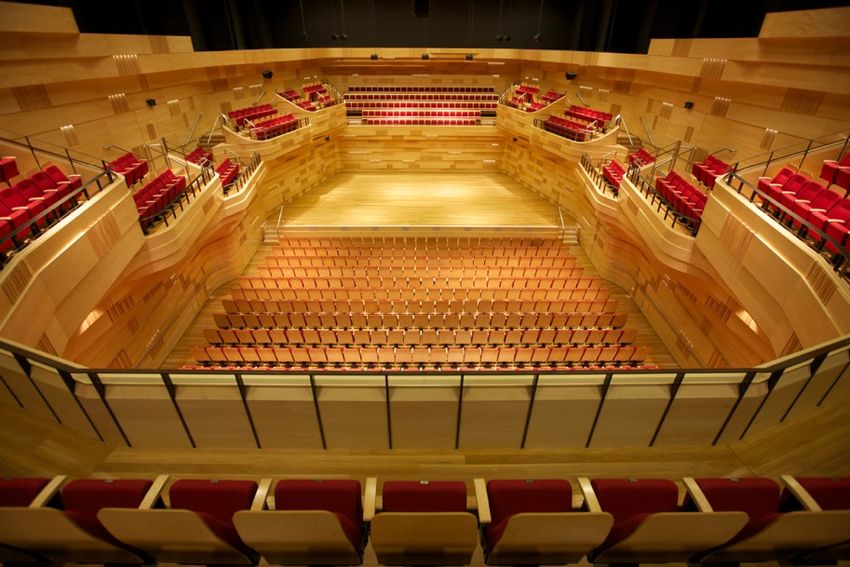
Coffs Harbour City Council

                                    Discussion Paper for the Performing Arts

                                                                                    DRAFT
                                                                 Friday, November 29, 2019

                                                Hawkridge Entertainment Services
                                                                                                      Tim Long
                                                                                              Managing Director

                                                                                                     Nick Tobin
                                                                                           Associate Consultant
Disclaimer

This report (Paper) has been produced independently by Hawkridge Entertainment Services (HES) on the request of Coffs
Harbour City Council. The information, statements, statistics and commentary (together the ‘Information’) contained in
this Report have been prepared by HES from publicly available material and from discussions held with stakeholders. HES
does not express an opinion as to the accuracy or completeness of the information provided, the assumptions made by
the parties that provided the information or any conclusions reached by those parties. HES have based this Report on
information received or obtained, on the basis that such information is accurate and, where it is represented to HES as
such, complete. The Information contained in this Report has not been subject to an audit.

DISCUSSION PAPER FOR THE PERFORMING ARTS
PREPARED FOR COFFS HARBOUR CITY COUNCIL                                                PREPARED: 29 NOVEMBER 2019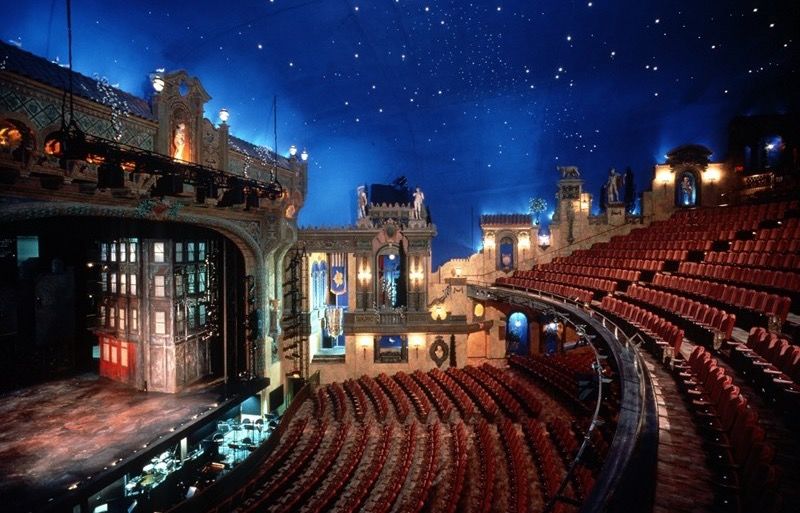
Table of Contents
Table of Contents ................................................................................................................................................ 3
List of Images .............................................................................................................................................4
List of Figures .............................................................................................................................................4
List of Tables ..............................................................................................................................................4
Executive Summary ........................................................................................................................................... 5
Key Interim Findings ......................................................................................................................................... 7
Current Project Status.................................................................................................................................... 12
Setting the Context .......................................................................................................................................... 14
  Why invest in a Performing Arts Centre ..............................................................................................14
  What is a Performing Arts Centre? ......................................................................................................14
  Further definition of Theatre types......................................................................................................17
  Cultural Infrastructure Benefits ...........................................................................................................21
  Key benefits from engaging with the performing arts ........................................................................21
  Historical Summary - Coffs Harbour Performing Arts Spaces..............................................................22
Methodology ...................................................................................................................................................... 23
Purpose of this Discussion Paper .............................................................................................................23
Limitations ...............................................................................................................................................23
Background........................................................................................................................................................ 24
Council decisions since 2010 initiating this research ...............................................................................24
Documentation Reviewed ............................................................................................................................ 26
  Council Documentation .......................................................................................................................26
  Community and Stakeholder surveys and reports ...............................................................................26
  Previous consideration of location ......................................................................................................27
  Other plans that this study works in conjunction with ........................................................................27
  Broader Policy context.........................................................................................................................27
  Regional Plans .....................................................................................................................................27
  Federal .................................................................................................................................................27
  Other....................................................................................................................................................28
Design and infrastructure trends - Performing Arts facilities ........................................................ 29
Indoor Venues..........................................................................................................................................29
Outdoor Venues .......................................................................................................................................30
Demand - Drivers for usage ......................................................................................................................... 31
  Demographics......................................................................................................................................31
Benchmarking regional venue data and information ........................................................................ 35
Venue reviews................................................................................................................................................... 36
Indoor Venues Analysis ............................................................................................................................38
   Current Venue Stock ............................................................................................................................38
   Venue Needs Analysis ..........................................................................................................................39
   Contemporary Theatre Requirements .................................................................................................47
Outdoor Venues .......................................................................................................................................49
Stakeholder Feedback ................................................................................................................................... 50

DISCUSSION PAPER FOR THE PERFORMING ARTS
PREPARED FOR COFFS HARBOUR CITY COUNCIL                                                                                                                   Page | 3
Next Steps for a Performing Arts Centre ................................................................................................. 53
Consideration of Location ........................................................................................................................53
Costing ranges..........................................................................................................................................58
Next steps ........................................................................................................................................................... 60
Appendices......................................................................................................................................................... 62
Appendix 1 – Historical Timeline .............................................................................................................62
Appendix 2 – Venue Hire Charges ...........................................................................................................68
Appendix 3 – Common Performing Arts Terminology .............................................................................70
Appendix 4 – Areas of a Theatre ..............................................................................................................75

List of Images
Image 1. Spiegeltent ................................................................................................................................11
Image 2. Performing Arts Centre .............................................................................................................17
Image 3. The Concourse, Chatswood - Concert Hall ................................................................................17
Image 4. Capitol Theatre, Sydney ............................................................................................................18
Image 5. Theatre sectional.......................................................................................................................19
Image 6. Small (Black Box) Theatre..........................................................................................................19
Image 7. The Horden Pavilion in Concert mode and Banquet mode ......................................................20
Image 8. Enmore Theatre ........................................................................................................................20
Image 9. Jetty Memorial Theatre.............................................................................................................28
Image 10. Park Beach Night Markets .......................................................................................................37
Image 11. Theatre stage with performer .................................................................................................52
Image 12. Albury Entertainment Centre ..................................................................................................55
Image 13. Civic Theatre Newcastle ..........................................................................................................57

List of Figures
Figure 1. Coffs Harbour ancestry .............................................................................................................31
Figure 2. Coffs Harbour Change in ancestry 2011 to 2016 ......................................................................31
Figure 3. Coffs Harbour Rate of Unemployment .....................................................................................32
Figure 4. Coffs Harbour Employment by Industry 2018 ..........................................................................32
Figure 5. Coffs Harbour Business registrations ........................................................................................33
Figure 6. Regional Theatres - Comparison of distance from CBD ............................................................57

List of Tables
Table 1. Performing Arts venues in regional NSW ...................................................................................15
Table 2. Regional Performing Arts Venues - LGA population and seating capacity.................................35
Table 3. Regional Performing Arts Venues - Number of performance spaces and yearly operational cost
      ........................................................................................................................................................36
Table 4. Regional theatres in NSW - Distance from CBD .........................................................................56
Table 5. Significant cultural infrastructure construction in the past 10 years .........................................58

DISCUSSION PAPER FOR THE PERFORMING ARTS
PREPARED FOR COFFS HARBOUR CITY COUNCIL                                                                                                                       Page | 4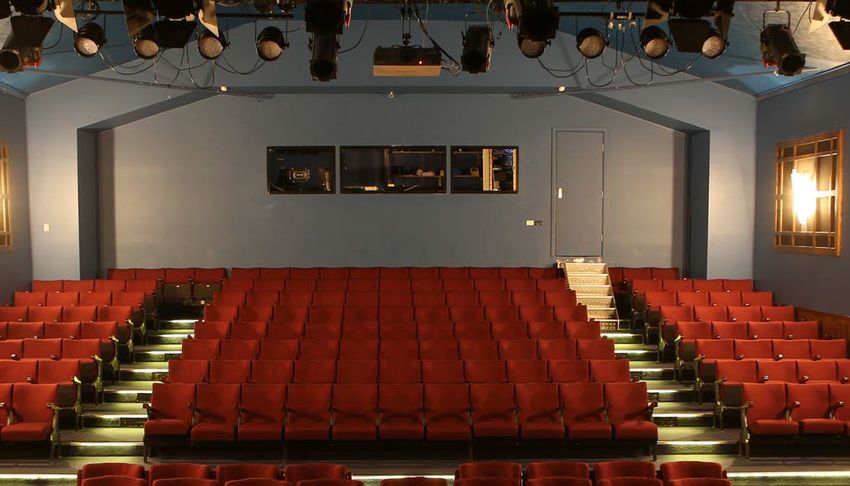
Executive Summary
Hawkridge Entertainment Services were engaged by Coffs Harbour City Council to undertake an Issues
and Options Analysis for Performing Arts Spaces for the Coffs Harbour Local Government Area (LGA).
This document is a Discussion Paper which outlines the interim findings of the research for stakeholder
and community comment and input.

Initial research and stakeholder discussions have indicated that there is an immediate need for
approximately 15% to 20% of hirers for a venue with a larger stage to cater for Dance and Eisteddfod
performances, an unquantified need for a venue suitable for touring producers and promoters (small to
medium scale) and a need to plan for a Performing Arts Centre in Coffs Harbour. As a growing Regional
City, the needs identified are for a theatre of approximately 600 to 1,000 seat capacity and at the same
time to retain the Jetty Memorial Theatre as a secondary theatre providing for the ability to scale
depending on the artist and performance.

Construction of a new, fit for purpose centre would take approximately six years and cost between
$50m to $60m in 2019 figures. The centre would cost between $850,000 and $2,000,000 to operate per
year but would provide significant economic benefits to the region through the activity that occurs in
the centre as well as the wider economic impact that can occur from the activity within and around the
centre. In addition to the considerable economic benefits, a performing arts centre would:
    • enhance the quality of life for the residents of Coffs Harbour and help to make it a great place
         to live,
    • provide exceptional experiences for children;
    • enhance economic development and provide new opportunities for local businesses while
         attracting employees to the area;
    • attract more visitors by providing more entertainment opportunities;
    • ensure that performing arts companies, as well as children and youth, across the region have a
         place to perform that is of excellent quality;
    • increase the community of performing artists by providing learning experiences in an
         outstanding venue; and
    • connect people of all ages and cultures through the experience of live performances.

It is unlikely that any proponent other than Council is able to fund a significant amount of any new
construction. Council needs to make the decision whether to commit to the construction of
a new performing arts centre or not and, if proceeding, to include the cost of the project in all future
Council budgeting as well as financial, strategic and asset planning.

The location of a new indoor Performing Arts Centre should be in the Coffs Harbour CBD. Council’s
documentation clearly outlines the provision of major cultural infrastructure in the CBD and most
recently through the City Centre Masterplan adopted in 2013. This decision is based on sound
fundamental planning principles. Industry best practice also recommends the location of any new major
performing arts space to be in CBD locations with easy access to complementary facilities including
restaurants, café, retail outlets and other entertainment activity. Further, both government and
architectural planning documentation advocates for cultural infrastructure to be located in active,
central locations. Benchmarking against other regional theatres confirms the most usual location for a
Performing Arts Centre is in the central business district or within walking distance of the central area.

DISCUSSION PAPER FOR THE PERFORMING ARTS
PREPARED FOR COFFS HARBOUR CITY COUNCIL                                                           Page | 5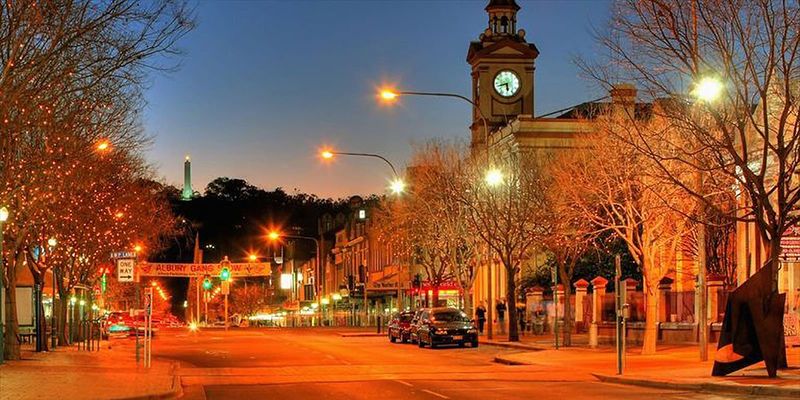
There are a number of short-term actions and options that are recommended for consideration
to increase the performing arts activity in Coffs Harbour LGA that include:
     ·   Undertake a feasibility for the performing arts centre that will include a review of the most
         suitable location in Coffs Harbour CBD, the subsequent cost planning of the chosen site and
         development of the operating model including financial operating costs.
     ·   Undertaking a business/strategic plan update of the Jetty Memorial Theatre, review the
         proposed rehearsal space extension plans and consider funding construction or matched
         funding allocation for grant opportunities.
     ·   The development of a Coffs Harbour Venues Guide to assist potential hirers.
     ·   Improve infrastructure, in particular stage size and storage where feasible on existing or new
         Council multipurpose facilities or venues such as the proposed Woolgoolga Indoor Sports
         Facility or Sportz Central.
     ·   Where possible and feasible Council should use its available mechanisms to assist land owners
         or building proponents who have performing arts facility development plans in order to
         increase the number of performance and rehearsal spaces in the region.
     ·   Council to take a more active role in the attraction of major Arts events particularly in the
         performing arts to further develop the cultural profile of the region.
     ·   Review the opportunities for Coffs Harbour City Council to facilitate pop up venues in order to
         assess the demand for future facilities and develop the cultural profile for the city.

The provision of outdoor performing arts spaces in the Coffs Harbour area is good and limited changes
to infrastructure are required. Individual promoters of major events and performances have different
requirements and therefore choose the location depending on the particular needs in that
circumstance. Sometimes the requirements change depending on the artists performing. In addition,
major music festival promoters generally travel with their own sound, lighting, staging and audio-visual
equipment and can consequently set up their equipment in a range of locations. However small
improvements including easy access to services (power, water, sewerage etc.) will assist to ensure that
large performing arts events continue to be attracted to the city.

DISCUSSION PAPER FOR THE PERFORMING ARTS
PREPARED FOR COFFS HARBOUR CITY COUNCIL                                                          Page | 6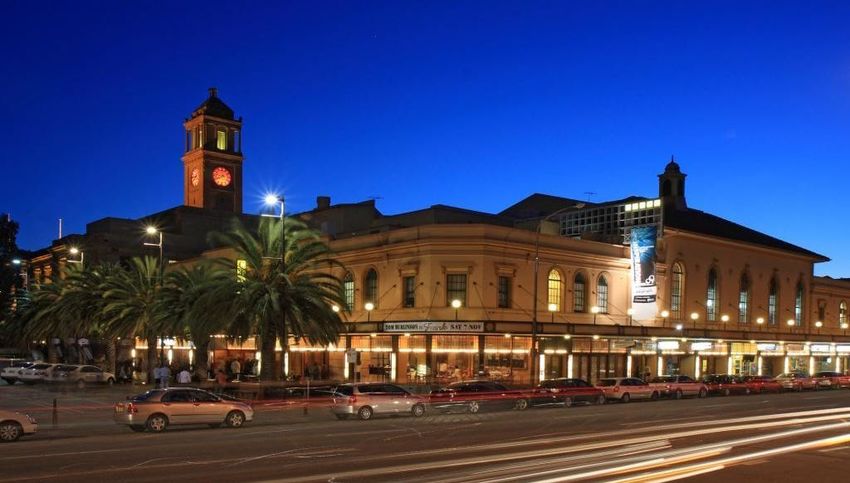
Key Interim Findings
There have been multiple explorations into the performing arts infrastructure in the Coffs Harbour Local
Government Area (LGA) over a number of years. Several locations and types of venue have been
explored to increase the performing arts infrastructure. Feedback obtained through the Creative Coffs
- Cultural Strategic Plan 2017-2022 consultations and other community engagement has highlighted a
wide range of needs and ideals in relation to performing arts spaces. There is very strong demand for
additional performing arts spaces but there is not a widely agreed set of characteristics in relation to
the purpose, type and facility location, along with technical components and the level of specification
required for both indoor and outdoor performing arts infrastructure.

The consultant team are aware that there is negative community sentiment around the perception that
Council has not acted on building a Performing Arts Centre for a significant period of time. This feedback
has been expressed for various reasons including the perceived outcomes associated with the
demolition of the former Civic Centre. Additionally, there is considerable stakeholder fatigue from the
numerous times the direct stakeholders have been consulted and whilst many are hopeful that “maybe
it (building a venue) will happen this time” there is still a strong sense of disbelief that Council will act.
For these reasons, there is a need for Council to either move forward with the project in a clear and
ordered way linked to long-term financial planning or to make the decision not to proceed with the
project.

This report will address current concerns in relation to the lack of adequate performance spaces in the
LGA and the options and requirements Council would need to consider in any future infrastructure
provision. It will also outline a number of economic considerations for planning and operating
performing arts facilities. A number of clear themes have developed from the interim analysis in
exploring issues and options for performing arts in the Coffs Harbour region. These preliminary findings
have been summarised below:

Issues - indoor performance spaces
         Research for this paper and discussions with stakeholders have identified that there is a lack of
         a facility that has the technical capacity to cater for larger groups of performers who require a
         greater stage size than is currently available. However, the immediate urgency to construct a
         new Performing Arts Centre of above 600 seats requires further analysis including a greater
         understanding of the operational costs to Council. Any decision made should anticipate a
         timeline of at least six years from initial planning to opening.

         The inability for dance schools, the Coffs Harbour Eisteddfod and commercial promoters and
         producers to find suitable venues on a regular basis indicates this demand which is confirmed
         by the venue analysis. There is also a gap in the delivery of cultural product due to the inability
         of some producers to find a suitable venue in the Coffs Harbour region.

         The results of sector engagement coupled with sector analysis and industry feedback also found
         that Coffs Harbour would not be able to attract enough product
         (shows/artists/bands/performances) to make a venue over 1,000-seats economically
         sustainable. It would also not be suitable for a significant amount of the likely hirers due to its
         size. In addition, current population analysis and demographics indicate that a larger venue
         over 1,000 seats may not be fully utilised due to factors such as the low socio-economic
         demographics of the area and the rate of unemployment (particularly youth unemployment).

DISCUSSION PAPER FOR THE PERFORMING ARTS
PREPARED FOR COFFS HARBOUR CITY COUNCIL                                                               Page | 7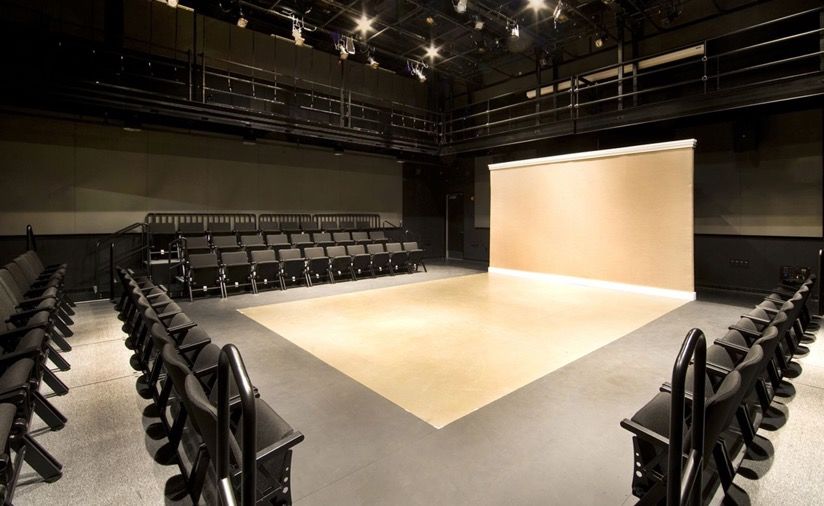
Long term options for indoor performance spaces

        A performing arts centre with a theatre with seating for approximately 600 to 1,000 with
        appropriate rehearsal and back of house facilities would be the suggested model for Coffs
        Harbour City Council to undertake a feasibility on. The feasibility study would include analysis
        on areas such as:
            o Seating capacity;
            o Flat floor (retractable seating) or fixed seating;
            o Tiering (One or two levels);
            o Operational expenses;
            o Definition of the performance space and associated spaces;
            o Complementary commercial activities;
            o Ongoing operational costs;
            o Potential funding models;
            o Location within the City Centre Masterplan area.

        The design and construction timeframe for a venue of this size and capacity would be
        approximately 6 years based on the following activities:
            • Feasibility Study/Business Case Development (6 months);
            • Functional Brief Development (3 months);
            • Expression of Interest process (6 months);
            • Design (9 months);
            • Development Application submission (12 months);
            • Detailed Design (6 months);
            • Procurement of builder – Design & Construct Contract or full documentation (6 – 9
               months);
            • Construction (24 months).

        These timeframes are approximate and may vary on the community consultation required and
        the level of design required for each stage. Community consultation will be a critical component
        that would occur at all stages of the project. The time required to establish funding approvals
        may also be in addition to this timeline.

        It is expected that the cost of a performing arts centre would be between $50m – $60m (2019),
        with escalation costs and contingency, depending on the final scope. The location of parking
        within the theatre complex (underground) would be approximately another $5-10 million plus
        escalation allowance. Operational costs for performing arts centre in a regional location are
        estimated at between $850,000 to $2,000,000 per year based on analysis of existing venues.

        The capital cost of building a performing arts centre is unlikely to be funded by anyone else
        other than Coffs Harbour City Council. It is very unlikely that any private equity would be
        injected into the project as indications from other regional theatres shows that returns are not
        achievable. There may be opportunities to receive Federal or State grant monies however these
        are only received through a competitive funding process. In the past couple of years, there has
        been increased NSW State Government investment in cultural infrastructure funding however
        it has been significantly over-subscribed due to high demand and a significant backlog of needs
        outstanding over many years of limited funding. Comparatively, funding programs available for
        sporting infrastructure has remained constant over this time.

DISCUSSION PAPER FOR THE PERFORMING ARTS
PREPARED FOR COFFS HARBOUR CITY COUNCIL                                                          Page | 8
There are very few if any relevant examples of public private partnerships that have built
        cultural or performing arts infrastructure. This option is not likely to be a viable pathway,
        particularly when commercial organisations are seeking a return on their investment and
        performing arts centres operate at a cost. There may be the opportunity for other organisations
        to manage the facility once constructed however they would require an annual subsidy.

        Any new theatre space is unlikely to be detrimental to the Jetty Memorial Theatre (JMT) as the
        majority of users (excluding dance schools) have indicated that they would remain in some form
        at the JMT given their audience size and production methodology. The intrinsic differences in
        the current JMT and any likely proposed venue such as stage size, seating capacity,
        technical/production capacity would indicate that it would be advisable to maintain both
        venues as public cultural infrastructure assets and provide scalable options for potential hirers.
        This would mean that an operational subsidy is required for both venues; however, a shared
        management model may be considered to enable efficient operations. For this reason, a
        detailed business plan for both venues would need to be developed.

Location of indoor performing arts space
        Council’s planning and policy decisions in particular the Local Growth Management Strategy
        Coffs Harbour to 2040 and beyond and Coffs Harbour City Centre Masterplan 2031 clearly
        indicate that a long-term new facility should be located in Coffs Harbour City Centre. Both
        documents articulate the benefits of this action and this study has confirmed that this course
        of action is entirely appropriate. This also aligns with current performing arts infrastructure
        design best practise frameworks which outline the importance of:
                       1. Pursuing the development of community precincts/hubs and co-located
                            services;
                       2. Planning and developing facilities that address current community needs as
                            well as future aspirations;
                       3. Implementing best practice in urban and environmental design;
                       4. Ensuring equity and access for the community;
                       5. Effective and efficient facility management; and
                       6. Maintaining financial sustainability for Council.

        Recommended actions include:
                 • Undertake a feasibility study for an indoor performing arts centre as
                     previously stated;
                 • Ensure the project is part of all forward planning including financial, strategic
                     and asset management plans; and
                 • Secure an appropriate site within the city CBD masterplan area after
                     completion of the feasibility study.

Short to medium term actions for indoor performance spaces
        There are a number of short- and medium-term actions that can be taken to increase the
        viability of a new performing arts centre as well as to increase the potential audience to Arts
        activity in the region. The provision of performing arts activity by Council other than the
        activities at the Jetty Memorial Theatre is minimal based on the activities outlined in the Coffs
        Harbour Event Strategy 2020. However, in the last 3 years an outreach program has
        commenced in line with Creative Coffs – Cultural Strategic Plan 2017-2022 to extend the JMT
        program. Performances have taken place in outlying community halls including opera at D-
        Block Theatre at the Coffs Harbour Education Campus and events at Sportz Central.

DISCUSSION PAPER FOR THE PERFORMING ARTS
PREPARED FOR COFFS HARBOUR CITY COUNCIL                                                           Page | 9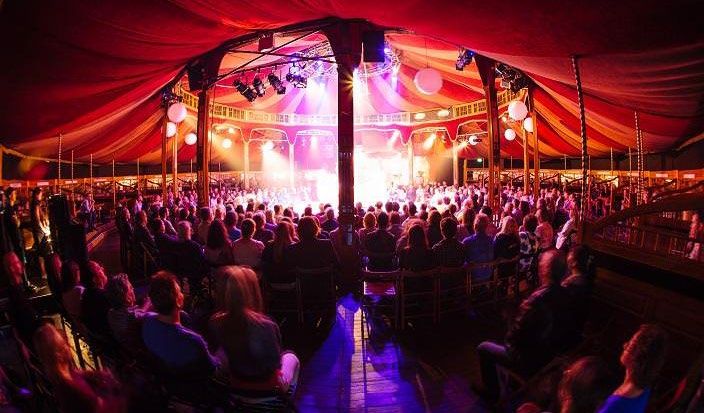
In order to improve the development and therefore supply of Performing Arts activity in Coffs
        Harbour, Council should investigate and resource temporary or pop up arts and cultural events
        that they can coordinate or support such as:
                     • Spiegeltent activities;
                     • Globe Theatre/ Shakespearian performances;
                     • Fringe Festival;
                     • Music Festivals - Blues/Country/Classical/Jazz/Classic Rock.

        Whilst the Coffs Harbour CBD is the preferred location of these temporary events and activities,
        the temporary location is not as important as the frequency in order to build the Coffs Harbour
        area’s cultural profile.

        Recommended actions include:
           • Undertake a feasibility for the performing arts centre that will include a review of the
              most suitable location in Coffs Harbour CBD, the subsequent cost planning of the
              chosen site and development of the operating model including financial operating
              costs.
           • Undertaking a business/strategic plan update of the Jetty Memorial Theatre, review
              the proposed rehearsal space extension plans and consider funding construction or
              matched funding allocation for grant opportunities.
           • The development of a Coffs Harbour Venues Guide to assist potential hirers that
              includes contacts, functionality, pricing, capacity, technical capacity, equipment
              available etc.
           • Improve infrastructure, in particular stage size and storage where feasible on existing
              or new Council multipurpose facilities or venues such as the proposed Woolgoolga
              Indoor Sports Facility or Sportz Central.
           • Where possible and feasible Council should use its available mechanisms to assist land
              owners or building proponents who have performing arts facility development plans in
              order to increase the number of performance and rehearsal spaces in the region.
           • Council to take a more active role in the attraction of major Arts events particularly in
              the performing arts to further develop the cultural profile of the region.
           • Review the opportunities for Coffs Harbour City Council to facilitate pop up venues in
              order to assess the demand for future facilities and develop the cultural profile for the
              city.

Issues - Outdoor Performing Arts Spaces
         There are a number of diverse and significant spaces that can be effectively utilised for outdoor
         performances across the Coffs Harbour region. No single site is recommended as each site has
         its own uniqueness and set of offerings. This is particularly important for commercial festivals
         and events as every promoter has a different set of requirements and brings a different amount
         of technical infrastructure. For larger promoters that travel over multiple locations throughout
         NSW and Australia they will travel with a significant amount of their own technical
         infrastructure including stages, lighting, sound and audio-visual equipment. Generally, they
         look for sites that do not have this infrastructure.

        The preferred locations for promoters for the delivery of outdoor events are:
                    • Park Beach Reserve;
                    • Jetty Foreshore; and
                    • Botanic Gardens.

DISCUSSION PAPER FOR THE PERFORMING ARTS
PREPARED FOR COFFS HARBOUR CITY COUNCIL                                                          Page | 10
Options
The three preferred sites could benefit from improvements; however, this may not need to be
in the form of permanent infrastructure. Promoters in particular are not in favour of large
permanent structures such as amphitheatres. Proposed improvements would be based around
the provision of services such as direct sewer outlets and energy including providing three
phase power at suitable locations across the site.
Other potential improvements include Council adding to fixed infrastructure to make it easier
for events to occur including fencing, connectivity (bridges, transport) and temporary facilities.
Ancillary amenities such as a reception room, including food and beverage upgrades or Café at
the Botanic Gardens may increase the variety and type of large events that may utilise the
space, for example, weddings or conferences.
It is also proposed that further analysis of the financial and social/cultural impact of major
entertainment and music events be undertaken to understand the full impact on the region. It
is recommended that Council:
• Undertake an evaluation process to gauge the impact of cultural events on
Coffs Harbour and the broader region. This may take the form of data
collection via a survey method, either during or post events. Events targeted
may include commercial and community events and the information gathered
aims to gain a clearer understanding of the economic and social impact of
cultural events. An opportunity may present at the February 15 2020
Castaway Beach.
In a similar way, community-based events and activities are able to utilise a range of existing
sites depending on their requirements. There may be some small infrastructure improvements
that assist the efficiency of the delivery of events. Further analysis of the potential for an
amphitheatre space will be undertaken prior to the completion of the final report.
Image 1. Spiegeltent
DISCUSSION PAPER FOR THE PERFORMING ARTS
PREPARED FOR COFFS HARBOUR CITY COUNCIL Page | 11Current Project Status
Hawkridge Entertainment Services has undertaken a range of activities in relation to the delivery of the
Issues and Options Paper for Performing Art Spaces (Indoor and Outdoor). A brief outline of activities
undertaken including the current status is outlined below:
Review of documentation
The review of relevant documentation has occurred and is completed.
Venue analysis and benchmarking
Hawkridge Entertainment Services have reviewed a number of venues across Coffs Harbour Local
Government Area and spoken to the Managers/Coordinators of those spaces. Indoor venues reviewed
include:
• Coffs Harbour Regional Conservatorium;
• Jetty Memorial Theatre;
• Cavanbah Centre;
• Life House Church;
• Sawtell RSL – Princess Room;
• Showgrounds Exhibition Hall;
• Showgrounds Norm Jordan Pavilion;
• Sportz Central;
• Coffs Harbour Education Campus (Lecture Theatre D);
• C.ex; and
• Branson Centre (Bishop Druitt College).
Indoor venues still to be reviewed are as follows:
• Aanuka Beach Resort;
• Opal Cove Resort;
• Pacific Bay Resort;
• Coffs Harbour Racing Club.
Outdoor venues that have been reviewed are as follows:
• Botanic Gardens;
• Jetty Foreshores;
• Park Beach Reserve;
• City Hill;
• Brelsford Park;
• Coffs Harbour Education Campus (CHEC);
• South Coffs Island (Quarry);
• C.ex International Stadium;
• Showgrounds.
Outdoor venues still to be reviewed are as follows:
• Coffs Harbour Racing Club;
• Yarrawarra Aboriginal Cultural Centre.
DISCUSSION PAPER FOR THE PERFORMING ARTS
PREPARED FOR COFFS HARBOUR CITY COUNCIL Page | 12Additional review of amphitheatres and the use of outdoor spaces for community events will occur.
Discussions have also occurred with a number of other regional performing arts venues however further
information is still required and more analysis of the information collected needs to be undertaken
including:
• Ascertaining the components of the operational costs to ensure comparison is fair;
• Completing outstanding discussions with regional performing arts venues.
Demand – Drivers for usage
Interim analysis of demographic, sociographic and economic trends has occurred however further
analysis particularly of economic drivers is required prior to the delivery of the final draft report.
Stakeholder and Community Engagement
The first round of engagement which commenced in September 2019, has targeted a range of sector
stakeholders, with discussions occurring with approximately 30 organisations and individuals who hire
venues across the Coffs Harbour region for performing arts activities.
These include representatives from:
• Schools and education institutions;
• Community theatre groups;
• Community music performance groups;
• Eisteddfod groups;
• Dance schools;
• Local and national Promoters;
• National Producers.
There will be opportunities between December 2019 and March 2020 for community members to
provide feedback on community and cultural facilities, including their views on performing arts spaces
in an online survey available via the Have Your Say platform.
Further consultation and information sessions are planned for February and will be an opportunity to
test the preliminary findings and receive feedback on the recommendations.
Performing Arts Centre next steps
The Issues and Options Paper for Performing Arts Spaces (Indoor and Outdoor) is a discussion paper
providing a status update to this project. This report forms part of the information gathering process to
provide a clear analysis for comment and discussion. It serves an important purpose understanding that
within the community there are many views, ideals and detailed history in relation to performing arts
infrastructure. These preliminary findings will be considered through a community engagement process
in February and March 2020. Following this testing of the findings, final recommendations will be
established and presented in a final report to Council.
DISCUSSION PAPER FOR THE PERFORMING ARTS
PREPARED FOR COFFS HARBOUR CITY COUNCIL Page | 13Setting the Context
Why invest in a Performing Arts Centre
A performance arts space can be the anchor facility for expanding the educational, cultural and
economic growth of Coffs Harbour as a Regional City and become a destination that will draw a range
of visitors to the region. The performance space in the Coffs Harbour region can enhance residents
‘quality of life by providing new entertainment options as well as fostering new and existing community
arts groups.
A performance space in the Coffs Harbour region has the potential to:
• Enhance the quality of life for the residents and help to make it a great place to live;
• Provide exceptional experiences for children;
• Enhance economic development and provide new opportunities for local businesses while
attracting employees to the area;
• Attract more visitors by providing more entertainment opportunities;
• Ensure that performing arts companies across the region have a place to perform;
• Build a community of performing artists by providing learning experiences in an outstanding
venue;
• Connect people of all ages and cultures through the experience of live performances.
What is a Performing Arts Centre?
A performing arts centre can be defined as a centre with multiple types of performance spaces engaged
in the presentation and rehearsal of performing arts activity including but not limited to theatre, drama,
music, opera, musical theatre, physical theatre and circus. The best-known example is the Sydney Opera
House which contains a Concert Hall, Drama Theatre, Playhouse Theatre, Studio Theatre, Small Recital
Space and rehearsal and recording studios and has a number of resident companies including the
Sydney Symphony and Australian Opera.
A performing arts centre can also have supporting facilities (Rehearsal, Production, Retail, etc.); and
complementary facilities (Gallery, Studios, Cafe, etc.).
A performing arts centre is comprised of one or more performance venues with supporting facilities
such as rehearsal spaces that reflect:
1. A vision for a city;
2. The needs of local user groups; and/or
3. The needs of the local audience; and
4. An appreciation for the role of the arts in society.
Performing arts centres create a "critical mass" of performance venues with the combination of two or
more venues plus supporting facilities under one roof. While the capital cost is higher than it is when
building one venue, the benefits are numerous:
1. Allows for a broad range of programming;
2. Provides user groups (clients) and audiences (customers) with choice;
3. Satisfies community and audience demands;
4. Allows a combination of incubator and presenting venues;
5. Creates synergy between local and visiting artists;
6. Improves revenue generating capacity;
7. Provides economy of scale (multiple venues, one set of resources);
8. Mitigates operating risks; and
9. Offers exponential increases in economic impact.
DISCUSSION PAPER FOR THE PERFORMING ARTS
PREPARED FOR COFFS HARBOUR CITY COUNCIL Page | 14Examples: Sydney Opera House, The Concourse, Joan Sutherland Performing Arts Centre, Riverside Theatres Parramatta. It should be noted however that there are no definitive prerequisites or conditions required to take on the name “Performing Arts Centre”. It is common for terms such as performing arts centre, theatre, entertainment centre or even a completely individualised name such as The Glasshouse in Port Macquarie to be used in the same context. The most relevant feature of all of these venues is that they all have a performance space and in the case of regional NSW venues, it is usually a theatre with a seating capacity of between 400 and 1,000. The following table outlines the main performing arts venues in regional NSW with their seating capacity and management type. Table 1. Performing Arts venues in regional NSW Venue Seating Capacity Management Orange Civic Theatre 502 Internal Council Bathurst Memorial 642 Council owned company Entertainment Centre Dubbo Regional Theatre and 500 Internal Council Convention Centre Albury Entertainment Centre 818 Internal Council Cessnock Performing Arts Centre 466 Internal Council Capitol Theatre 402 Internal Council Wagga Wagga Civic Theatre 491 Internal Council Jetty Memorial Theatre 252 Internal Council Blue Mountains Theatre and 418 Internal Council Community Hub The Glasshouse 590 Internal Council Manning Entertainment Centre 495 Internal Council Shoalhaven Entertainment 902 Internal Council Centre Civic Theatre Newcastle 1,450 Internal Council The Crossing Theatre Narrabri 1,000 Internal Council Griffith Regional Theatre 528 Internal Council Illawarra Performing Arts Centre 515 External Management Lismore City Hall 507 External Management Tweed Heads Civic and Cultural 500 Internal Council Centre Byron Theatre 246 Community Saraton Theatre and Cinema 950 Privately Owned Grafton Performing Arts Venues Performing arts venues are distinguished and defined by their vision, mission, management, programming, type, stage and seating capacity. DISCUSSION PAPER FOR THE PERFORMING ARTS PREPARED FOR COFFS HARBOUR CITY COUNCIL Page | 15
Vision
Generally, refers to the purpose within which an organization is entrusted to perform a service.

Mission
Mission usually describes the purpose in more specific terms, for example presenting the arts to an
audience; hiring facilities to user groups; producing performing arts; or some combination of these three
in an order of priority. While the primary purpose of the not-for-profit performing arts is public and
community service, these activities may also be described in business terms.

Depending upon the size of the facility and the market which it serves, three programming
arrangements are listed in order of their possible risks and potential returns:
    • Hiring or Renting - the management licenses or "rents" the use of its facility to individual users
       for a fixed fee or guaranteed minimum plus a percentage of box office receipts. Management
       assumes no responsibility for the choice of the event or its promotion.
    • Presenting - the management buys a show for a fixed fee or cost-profit sharing agreement and
       promotes it to its audience with the aim of recovering costs and/or achieving a net surplus in
       ticket sales.
    • Producing - the management creates and finances a show and promotes it with the aim of
       recovering costs through box office, sponsorships, subsidy and/or future licensing agreements.

Management
Venues are usually owned by governments or government agencies. They are managed internally by
Council, as not-for-profit corporations, managed by external venue management companies or by
resident theatre companies. In general, venues owned by Council are managed by Council and there are
only a few examples where this does not occur.

Programming
Music, dance, theatre and opera have subsets such as: popular versus classical music (or amplified music
versus unamplified music); modern dance versus ballet; straight plays versus musical theatre; and
operetta versus grand opera. Each programming subset has different physical, acoustical, visual and
technical requirements of a performing arts venue.

Theatre Types
Concert hall, recital hall, dance theatre, drama theatre, playhouse, black box, studio, lyric theatre and
opera house are all terms that imply a set of facility characteristics suited to a particular performing art.
Cinemas have a different set of characteristics from performing arts theatres.

Stage Types
Proscenium, thrust and arena stages (definitions) refer to types of stages and seating arrangements
applicable to venues primarily designed for dance, theatre and opera. The most common form of
theatre is a proscenium arch theatre. A true concert hall has an end stage configuration with no division
between the house and the audience.

Seating Capacity
In a theatre development process, the choice of seating capacity and type of facility should be made on
the basis of user group demand, potential audience size (or market share), the types of performances
contemplated and a cost/benefit analysis.

DISCUSSION PAPER FOR THE PERFORMING ARTS
PREPARED FOR COFFS HARBOUR CITY COUNCIL                                                             Page | 16
Image 2. Performing Arts Centre
Studio
Concert Hall
Theatre
Further definition of Theatre types
Concert Hall
A Concert Hall is generally designed for classical orchestral, small ensembles and choral music, as well as
jazz, pop and rock music on occasions. It is used in an acoustic setting on most instances without the use of
amplification.
Examples: Sydney Opera House Concert Hall, The Concourse Concert Hall (Chatswood) and the Richard
Bonynge Concert Hall (Penrith).
Image 3. The Concourse, Chatswood - Concert Hall
DISCUSSION PAPER FOR THE PERFORMING ARTS
PREPARED FOR COFFS HARBOUR CITY COUNCIL Page | 17Recital Hall/room A Recital Hall is similar to the Concert Hall above but smaller in scale. Medium and small-scale classical orchestral and choral music, jazz and pop/rock music also with readings such as poetry. Generally, performances are a single night or day. Example: City Recital Hall – Angel Place (Sydney) Commercial Lyric theatre A commercial lyric theatre presents large scale drama and musical theatre productions usually initiated by the management or a promoting organisation (producer) with long runs (performances) over several months. Such theatres usually present new plays and musicals and originate the new productions. They generally have seating capacities above 1,200 to provide enough seats to generate revenues to pay for the productions which are expensive to mount (create) and deliver often to the large numbers in the cast (performers). Examples: The State Theatre (Sydney), The Capitol Theatre (Sydney) and the Lyric Theatre (Sydney). Image 4. Capitol Theatre, Sydney Medium scale Theatre Most medium scale theatres are proscenium theatres, where the stage is located at one end of the auditorium and is physically separated from the audience space by a proscenium wall. This is sometimes called a “two-box” arrangement—the auditorium and stage occupy two separate “boxes” or rooms. The stage box provides fly space and wings and permits a wide variety of scenic and lighting effects. The auditorium box is the audience chamber, which can take many forms. These theatres are generally built on either one or two levels with the second level being a balcony space which overhangs the lower level. The design and configuration mean that the theatre can easily and effectively present a range of performances including dance, music, theatre and musical theatre. Most regional venues have this type of theatre. DISCUSSION PAPER FOR THE PERFORMING ARTS PREPARED FOR COFFS HARBOUR CITY COUNCIL Page | 18
Example: Most regional theatres, The Concourse Theatre - Chatswood, Riverside Theatre - Parramatta

Image 5. Theatre sectional

Small-scale theatre
Small theatres often feature a unique or especially intimate actor/audience relationship. This may be
defined by a fixed seating arrangement, or the relationship may be created by temporary seating set up
in a found space or in a flexible, purpose-built space. Sometimes small theatres are also called black box
theatres, studio or courtyard theatres to indicate the style of the room. This effectively means a simple
space with four black walls and minimal technical infrastructure.

Examples: The Space at NIDA, The Studio at The Glasshouse

Image 6. Small (Black Box) Theatre

DISCUSSION PAPER FOR THE PERFORMING ARTS
PREPARED FOR COFFS HARBOUR CITY COUNCIL                                                          Page | 19
Arena/Entertainment Centre
Facilities for the presentation of very large-scale contemporary music concerts and other spectacles
covering sport, music, events and conferences, hired by commercial organizations who initiate and
promote groups and companies as one-off events or part of a tour. Generally, these venues have a
seating capacity/capacity above 4,000.
Examples: Qudos Bank Arena (Sydney) and the Horden Pavilion (Sydney).

Image 7. The Horden Pavilion in Concert mode and Banquet mode

Contemporary Music Venues
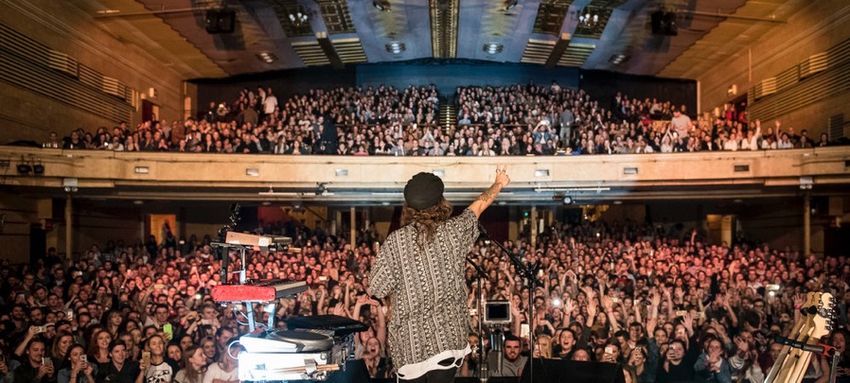
Contemporary music venues are generally large rooms that have often previously served a function as
a tiered auditorium theatre or a cinema. Most have been converted in some way to allow for standing
room or a dancing area/mosh pit as this is the preferred way for some patrons to experience the
performance. Generally, they have a combination of both seating and standing areas.

Examples: The Enmore Theatre (Sydney), the Metro Theatre (Sydney) and Max Watts (Sydney).
Image 8. Enmore Theatre

DISCUSSION PAPER FOR THE PERFORMING ARTS
PREPARED FOR COFFS HARBOUR CITY COUNCIL                                                     Page | 20
Cultural Infrastructure Benefits
There are a range of benefits that the development of cultural infrastructure delivers and the core
reasons for the development of cultural infrastructure are listed below.

    ·   Cultural: to safeguard an aspect of cultural heritage; continuity of art forms, display of
        performing skills and sustaining national, local or ethnic traditions; to retain and improve an
        existing stock of facilities and established companies for the performing arts, or to provide new
        facilities to ensure cultural opportunities.
    ·   Economic: direct employment of staff and performers; benefits to secondary businesses such
        as poster and programme printing and material supply; a widening of the tourist and
        conference market which, in turn, brings money into the town or city; an attraction to
        encourage relocation, and location of organisations, institutions, industry and commerce in an
        area with subsequent employment benefits.
    ·   Educational: to cultivate an appreciation of the art forms through the exposure of audiences
        to examples; to form part of an educational programme for schoolchildren, students and those
        in adult education.
    ·   Prestige: re-enforcement of regional identity and providing facilities equal to or better than
        those of comparable communities.
    ·   Quality of life: performing arts as acceptable complementary activities to work and domestic
        obligations as a positive use of leisure time which enriches life culturally and also socially.
    ·   Cultural Democracy: to stimulate and foster participation in the performing arts by all sections
        of a community, defined locally, as a creative activity.

Key benefits from engaging with the performing arts
Some of the key benefits from engaging with the performing arts are outlined below:
            1. Critical Reflection - Participants gain valuable life skills by learning the importance of
                feedback, both positive and constructive. The arts also provide a place of solitude,
                where participants can immerse themselves without interference from their
                environment. This also provides a space for participants to engage in self-reflection –
                a vital skill for life.
            2. Collaboration - Performing arts is a discipline that encourages teamwork, whether that
                is in writing, creating or during the act of performing. Participants have the opportunity
                to engage in creative collaboration, a skill they have limited chance to develop outside
                of a rehearsal space.
            3. Creativity - Through creative expression participants learn to understand the world in
                a unique way, preparing them to navigate the challenges of life. There is also great
                cross-over between performing arts and other disciplines – the creative thinking and
                study techniques learned during rehearsal can be transferred to other areas.
            4. Communication - Communication skills can be accelerated through performing arts, as
                participants learn to use verbal and non-verbal techniques in new ways to deliver their
                message. Some participants also find new levels of confidence through performing
                arts.
            5. Health, ageing and well-being - The contribution of arts and culture to improving
                health and wellbeing has been extensively studied, with activities that include
                dedicated arts therapies, the use of art and design to produce better healthcare
                environments, community arts interventions to improve social inclusion and mental
                health, and the benefits of engagement for older people. Studies of health in the
                Nordic countries show an association between long-term arts engagement and
                positive health outcomes.

DISCUSSION PAPER FOR THE PERFORMING ARTS
PREPARED FOR COFFS HARBOUR CITY COUNCIL                                                          Page | 21
6. The engaged citizen: civic agency & civic engagement - Participation in arts and culture
may produce engaged citizens, promoting not only civic behaviours such as voting and
volunteering, but also helping articulate alternatives to current assumptions and fuel
a broader political imagination. All are fundamental to the effectiveness of democratic
political and social systems. Arts and cultural engagement help minority groups to find
a voice and express their identity. They can engage people in thinking about an issue
in the context of reflection and debate.
Historical Summary - Coffs Harbour Performing Arts Spaces
There is an extensive history in relation to the history of the development of cultural facilities including
performing arts spaces, outlined in Appendix 1. A summary of the timeline below outlines the history
of Coffs Harbour City Council related and supported cultural facility development:
•Council purchases City Hill land. A convenant details intended uses of the land.
•Concept design developed for Henry Kendall Arts Centre on City Hill including a library,
gallery, museum, theatre/ auditorium, music centre and community arts centre as well as
1980's future options for civic administration, a hotel and a convention centre.
•Property swap between C.ex and Council enables Coffs Harbour Education Campus (CHEC) to be built.
•Former Civic Centre is demolished.
•Development Application (DA) approved for City Hill Arts Centre. Plans include galleries and artists
1990's studios. Bunker Gallery and Bridge Club developed however full plan did not progress.
•Strategic Plan adopted for the City Centre to become the commercial, cultural and civic heart of the
Coffs Harbour LGA.
•Concept plans incl. performing arts venue developed for Fitzroy Oval and Showground - unsuccessful.
Early 2000's Grants obtained however facility unable to be commenced.
•Major renovations of Jetty Memorial Theatre completed.
• Cultural Precinct Concept Plan for Brelsford Park (inc. performing arts venue ) released.
• City Hill lower land gazetted as zoned for medium density residential development.
Mid 2000's • Studies and reports continue for a performing arts space at Brelsford Park.
•Performance Space removed from Brelsford Park Masterplan.
•Coffs Harbour City Centre Masterplan 2031 adopted including an Entertainment Centre within the City
Centre.
• CHEC Lecture Theatre D upgraded for enhanced performance uses.
• Rehearsal space at the jetty Memorial Theatre progresses to DA stage.
2010's
• Council resolves to progress a report for Stage 2A - Issues and Options for Performing Arts Spaces
(Indoor and Outdoor).
DISCUSSION PAPER FOR THE PERFORMING ARTS
PREPARED FOR COFFS HARBOUR CITY COUNCIL Page | 22You can also read


