KAMADA INVESTOR PRESENTATION - NASDAQ & TASE: KMDA - Insert Photo
←
→
Page content transcription
If your browser does not render page correctly, please read the page content below

Insert Photo

KAMADA        INVESTOR
  TITLE (CPITAL LETTERS) PRESENTATION
NASDAQ & TASE: KMDA                     April 2019
FORWARD LOOKING STATEMENT

This presentation is not intended to provide investment or            This presentation includes certain non-IFRS financial
medical advice. It should be noted that some products under           information, which is not intended to be considered in isolation
development described herein have not been found safe or              or as a substitute for, or superior to, the financial information
effective by any regulatory agency and are not approved for any       prepared and presented in accordance with IFRS. The non-IFRS
use outside of clinical trials.                                       financial measures may be calculated differently from, and
                                                                      therefore may not be comparable to, similarly titled measures
This presentation contains forward-looking statements, which          used by other companies. In accordance with the requirement of
express the current beliefs and expectations of Kamada’s              the SEC regulations a reconciliation of these non-IFRS financial
management. Such statements involve a number of known and             measures to the comparable IFRS measures is included in an
unknown risks and uncertainties that could cause Kamada's             appendix to this presentation. Management uses these non-
future results, performance or achievements to differ                 IFRS financial measures for financial and operational decision-
significantly from the prospected results, performances or            making and as a means to evaluate period-to-period
achievements expressed or implied by such forward-looking             comparisons. Management believes that these non-IFRS
statements. Important factors that could cause or contribute to       financial measures provide meaningful supplemental
such differences include, but are not limited to, risks relating to   information regarding Kamada’s performance and liquidity.
Kamada's ability to successfully develop and commercialize its
products and product candidates, the progress and results of          Forward-looking statements speak only as of the date they are
any clinical trials, the introduction of competing products, the      made, and Kamada undertakes no obligation to update any
impact of any changes in regulation and legislation that could        forward-looking statement to reflect the impact of
affect the pharmaceutical industry, the difficulty of predicting,     circumstances or events that arise after the date the forward-
obtaining or maintaining U.S. Food and Drug Administration,           looking statement was made, except as required by applicable
European Medicines Agency and other regulatory authority              securities laws. You should not place undue reliance on any
approvals, the regulatory environment, restrains related to third     forward-looking statement and should consider the
parties’ IP rights and changes in the health policies and             uncertainties and risks noted above, as well as the risks and
structures of various countries, environmental risks, changes in      uncertainties more fully discussed under the heading “Risk
the worldwide pharmaceutical industry and other factors that          Factors” of Kamada’s 2018 Annual Report on Form 20-F as well
are discussed under the heading “Risk Factors” of Kamada’s            as in Kamada’s recent Forms 6-K filed with the U.S. Securities
2017 Annual Report on Form 20-F as well as in Kamada’s recent         and Exchange Commission.
Forms 6-K filed with the U.S. Securities and Exchange
Commission.

                                                                                                                                          2
                                                                                                                     Kamada / April 2019
KAMADA COMPANY OVERVIEW

                                                                      COMMERCIAL
Kamada is focused on
plasma-derived                                             FDA approved products: GLASSIA® for
protein therapeutics                                 2     AATD; KEDRAB® for Post-exposure
                                                           prevention of rabies infection
for orphan indications,
with a commercial                                     4    IgG products marketed world wide
product portfolio and
a late-stage clinical                                20    Products exclusively distributed in Israel
pipeline.
                                                                US Commercial Partners

                                                                 ∕

          ADVANCED CLINICAL PIPELINE                      Revenues US$M                   $230M
                                                                                         Market Cap
Lead product candidate:   Inhaled AAT for AATD                                           (03/29/19)
                                                                            125-
                                                                      115
                          AAT-IV for GvHD; Lung                 103         1301
Development programs:
                          Transplant; T1D            70    77                            $50.6M
                                                                                       Cash (12/31/18)
Early Stage programs:     rAAT; Organ Preservation
                                                     2015 2016 2017 2018 2019             No debt

                                                                                                         3
1. Guidance                                                                             Kamada / April 2019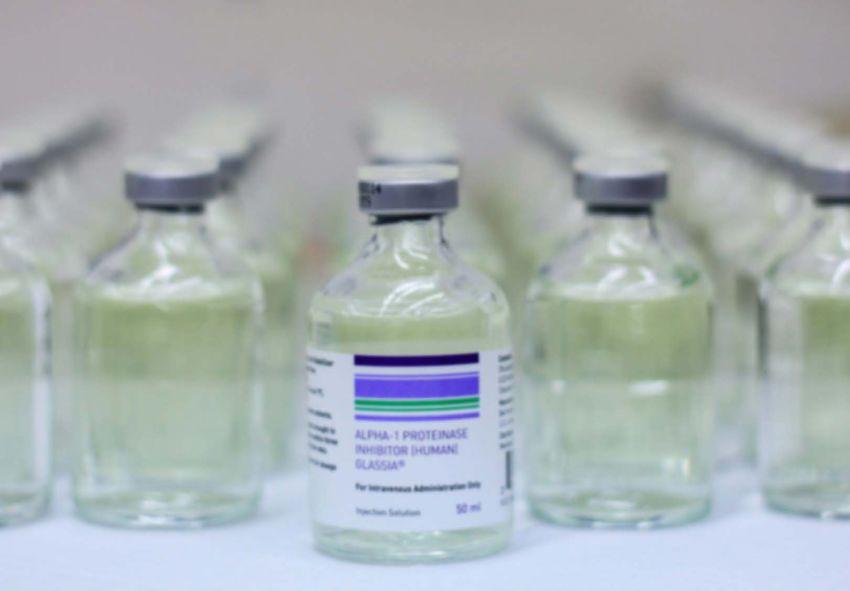
HIGH VALUE PRODUCT PORTFOLIO AND PIPELINE

      Product              Indication                                       Phase I Phase II Phase III Market

                                              FDA approved (2010)                                               U.S. distribution through
Glassia® (IV AAT)       AAT Deficiency
                                              Launched (2010)                                                                  /
KamRab®/KedRab®         Prophylaxis for       FDA approved (2017)                                               U.S. distribution through
(IM Anti-Rabies)        Rabies                Launched (2018)
Clinical Development
                                              EU Phase 2/3 (completed)
                                              MAA withdrawn (June 2017)                                          May seek partner
Inhaled AAT             AAT Deficiency    1   EMA accepted new Ph3 design                                        upon IND/CTA
                                              US Phase 2 (completed)                                             approval
                                              FDA review of path forward
                        Graft vs Host         Phase 1/2 (completed)                                              Ph2 in collaboration
G1-AAT (IV)
                        Disease (GvHD) 1      Phase 2 (ongoing)                                                  with MAGIC 3
                                                                                                                 In collaboration with
L1-AAT (IV)             Lung Transplant       Phase 2 (ongoing)
                                                                                                                 Takeda/Shire
                                                                                                                 Seeking partner for
D1-AAT (IV)             Type 1 Diabetes 2 Phase 2 (completed)
                                                                                                                 further development
Early Stage Development

Recombinant AAT         AAT Deficiency        Early development

                        Organ                                                                                    Massachusetts
AAT (liquid)                                  Ex-Vivo study
                        preservation                                                                             General Hospital
                                                                                                                                         4
1. Orphan drug designation (US & EU); 2. Orphan drug designation (US only);
                                                                                                                    Kamada / April 2019
3. Mount Sinai Acute GVHD International Consortium
EXPERIENCED MANAGEMENT TEAM

                   NAME                           ROLE
   Amir London            CEO

   Chaime Orlev           CFO

   Michal Ayalon, PhD     VP Research and Development

   Yael Brenner           VP Quality

   Eitan Kyiet            VP Business Development

   Eran Nir               VP Operations

   Orit Pinchuk           VP Regulatory Affairs & PVG

   Ariella Raban          VP Human Resources

   Michal Stein, MD       VP Medical Director (Immunology)

   Naveh Tov, MD, PhD     VP Clinical Development & Medical Director (Pulmonary)

                                                                                       5
                                                                      Kamada / April 2019
INCREASING REVENUE GROWTH AND
PROFITABILITY
                                      FY 2015     FY 2016     % Change    FY 2017    % Change FY 2018 % Change
                    US $ M
                                      Audited     Audited     2016/2015   Audited    2017/2016 Unaudited 2018/2017

            Proprietary Products            43          56      30%           80       42%          91     14%
            Distribution Products           27          21      -22%          23        8%          24      2%
            Total Revenues                  70         77       10%          103       33%         115     11%
            Gross Profit                    15         21       39%           32       50%          42     30%
            Gross Profit (%)              22%          28%                   31%                   36%
            R&D                            (17)        (16)                   (12)                  (10)
            S&M and G&A                    (10)        (11)                   (13)                  (12)
            Operating Profit (Loss)       (11)          (5)                    7                    19
            Net Profit (Loss)             (11)          (7)     40%            7       204%         22     223%
            Adjusted EBITDA1                (6)         (1)     83%           11      1200%         24     108%

                                   2019 Revenue Guidance of $125-130M;
                           An anticipated 9% to 13% Increase Over Full-Year 2018
                               Continued Profitability and Positive Cash Flow

                                                                                                                              6
1. See Appendix A for Adjusted EDITDA reconciliation                                                         Kamada / April 2019
Alpha-1
Antitrypsin
Deficiency
(AATD)
              Insert Photo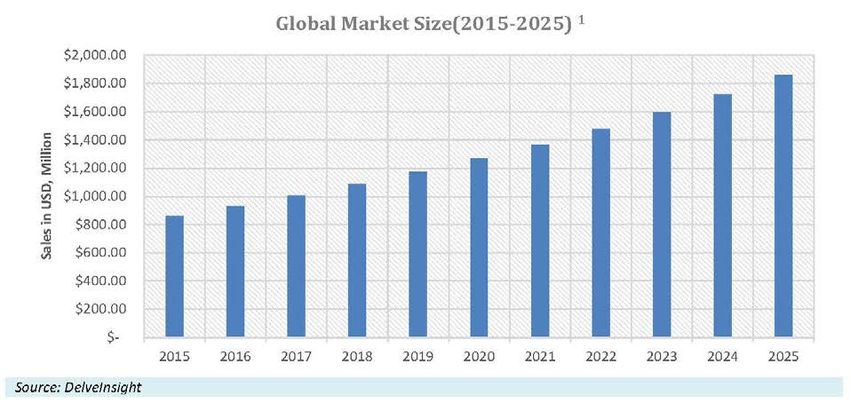
WHAT IS ALPHA-1 ANTITRYPSIN

                    •   Alpha-1 Antitrypsin (AAT)
                          52-kDa serum serine-protease inhibitor that is produced by
                          hepatocytes and mononuclear phagocytes.
                          It is the most predominant protease inhibitor in the plasma.
                          Concentrations of 1-3 mg/ml that are upregulated several folds
                          during inflammation.

                    •   Clinical Presentation
                          Subjects genetically deficient of AAT have low circulating levels
                          and are at increased risk for lung, liver and pancreatic diseases.

                    •   Extensively used and extremely safe
                          Plasma-derived AAT has been used since the 1980’s and its safety
                          profile is exceptional.
                          AAT is extensively researched for use in multiple indications due to
                          its anti-inflammatory and immunomodulatory properties.
                          AAT is an acute phase protein with a major role within the
                          inflammatory processes homeostasis.

                                                                                                 8
                                                                                Kamada / April 2019
AAT DEFICIENCY
Potentially Lethal and Often Undiagnosed

           AAT                                                    AAT
           Level                                               Deficiency
                             U.S.           EU

    Genetic condition        Affects more than      Causes predisposition
    causing decreased       100,000 people in the     to lung and liver
  levels of AAT in blood       U.S. and lower              diseases
        and tissues          numbers in Europe        AAT deficiency-associated lung
                                                    disease is characterized by airway
                                                       obstruction and destructive
                                                    changes in the lungs (Emphysema)

                                                                                        9
                                                                      Kamada / April 2019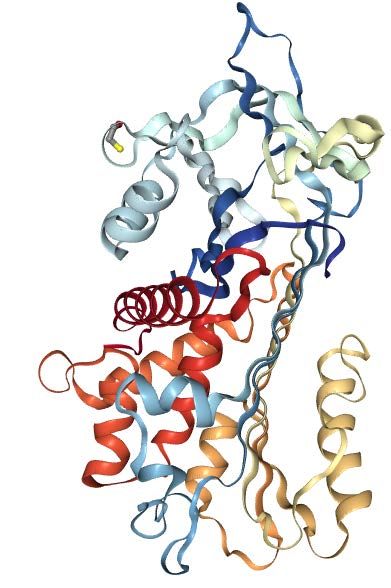
AAT DEFICIENCY (AATD) IS A $1B MARKET
Significant expansion opportunity

●    Most of AATD patients are
     undiagnosed & untreated

●    Better disease awareness and
     availability of diagnostics contribute
     to increased demand

●    Growing U.S. market – 6-8% annual
     growth1

●    Average annual reimbursement (U.S.)
     ~$80-$100K per patient

                              • AATD prevalence1: Approx. 115,000 (U.S.) & 72,000 (EU5)
                                but only approx. 7,300 (U.S.) and 1,800 (EU5) patients treated 1
                              • Expected to reach $1.8B by 2025

                                                                                                                          10
    1. Source: Delveinsight AATD – Market Insights, Epidemiology and Market Forecast – 2015; 2017 data   Kamada / April 2019
GLASSIA®: Liquid AAT for the Treatment of AAT Insert Photo Deficiency
GLASSIA® IS A DIFFERENTIATED PRODUCT

                    • Glassia® was the first liquid, FDA-approved ready-to-
                     use, plasma-derived AAT product:
                        o   No reconstitution required
                        o   Reduces treatment time
                        o   Reduces risk of contamination and infection
                    • Kamada’s highly purified liquid product is
                     manufactured through a proprietary process
                    • Glassia® is sold in the U.S. by Takeda/Shire
                    • Self-infusion approved by FDA in 2016

                                                                                      12
                                                                      Kamada / April 2019
GROWTH OF GLASSIA DRIVEN BY STRATEGIC
PARTNERSHIP WITH TAKEDA/SHIRE
Glassia is sold in 5 countries
Significant Revenues to Kamada through 2020, majority of sales in the U.S.
followed by 20 Years of Royalties
68
• Cumulative minimum/maximum revenues of $120M/$150M to 66
Kamada expected for 2019-2020
• Kamada is the BLA holder; Kamada manufactures and supplies 43
Glassia to Takeda/Shire at least through 2020
30
• Commencing 2021, Shire/Takeda has the option to manufacture
Glassia and pay royalties (low DD%1 through 2025 & SD%2
thereafter) to Kamada through 2040
• Territories – U.S., Canada, Australia, and New Zealand 2015 2016 2017 2018
Glassia World Wide Revenues
• Agreement covers all future AAT-IV indications in the territories (in $M)
13
1. Double Digits
Kamada / April 2019
2. Single DigitsAdvanced Immune Globulin Platform Technology Insert Photo
KamRAB/KedRAB
Human Rabies Immune Globulin

                                                                          U.S. Market
                                                                          • FDA Approval - August 2017
                                                                          • Successful product launch: April 2018 in
                                                               U.S.         collaboration with Kedrion
                                                                          • $12M – Kamada’s FY2018 KedRAB sales to Kedrion
                                                                          • Approx. 40,000 post-exposure prophylaxis
                                                                            treatments administered each year, representing
U.S. Market:                                                                approx. $150M market opportunity1
Strategic agreement with Kedrion for the clinical
development and marketing of KedRAB in U.S.

                                                                          Worldwide
                                                                          • More than 1.5M vials sold by Kamada to date =
                                                                            approx. 300,000 people treated WW
Substantial WW Market (WHO estimates)                                     • Major markets: India, Thailand, Israel, Russia
~10 million people worldwide require medical
treatment against rabies each year after being                            • Health Canada Approval – November 2018
exposed to an animal suspected of rabies                                  • Approved Supplier of the WHO/PAHO
infection

                                                                                                                              15
1. The plasma protein market in the United States, 2017, The Marketing Research Bureau Inc                   Kamada / April 2019
IMMUNE-GLOBULINS PORTFOLIO
KamRAB KamRho D IV KamRho D IM Anti- Snake Venom
Post-exposure Second-line therapy Prevention of Israeli MOH strategic
prevention of rabies for pediatric Rh-D immunization partnership supplying
infection (KedRab in and adult patients in Rh-negative all national treatment
the US) with ITP1 pregnant women requirements
16
1. Immune Thrombocytopenic Purpura Kamada / April 2019Distribution
Product
Segment
Insert PhotoDISTRIBUTION PRODUCTS SEGMENT
Exclusive distributor in Israel for leading biopharmaceutical companies
• Marketing and distribution of specialty pharmaceutical products of leading international
pharmaceutical companies in the Israeli market through a dedicated salesforce
• Expanding product portfolio through new agreements
Main therapeutic fields
Immunology Hematology & Hemophilia
Hospital & Critical Care Respiratory
Infectious Diseases Transplantation
18
Kamada / April 2019Inhaled AAT for Alpha-1 Antitrypsin Insert Photo Deficiency (AATD)
INHALED AAT ANTICIPATED BENEFITS

                                                                                                   X3
                                                                                      ELF2                      Most effective
                                                    Improved                       levels 2-3                  mode of treatment
                                                    Quality Of                        fold                       for reaching
                                                    Life (QOL)                    greater than                  primary site of
Inhaled AAT targets a                                                                                               injury3
                                                                                       IV
world wide market of
      over $1B
  Alpha-1 Foundation                          Inhaled AAT ~ 50% of the dosage                     Intravenous AAT ~ 2% of the dosage
 survey1 confirms high                          reaches airway tree and alveoli                      reaches alveoli and airway tree

   level of patients’
interest in Inhaled-AAT

                                           Airway Obstruction                                                       Alveoli Emphysema
                                           • FEV1/SVC4                                                              • DLCO5
                                           • FEV1                                                                   • CT densitometry

                                                                                                                                         20
1. COPD: Journal of Chronic Obstructive Pulmonary Disease, Volume 10, 2013; 2. ELF = Epithelial Lining Fluid             Kamada / April 2019
3. Kamada’s clinical data; 4. Forced Expiratory Volume/Slow Vital Capacity; 5. Diffusing Capacity Carbon Monoxide
INHALED AAT DEMONSTRATED REDUCED FEV11
DETERIORATION COMPARED TO AAT-IV
IV studies Inhaled
Seesholm 1997 AATD reg 1998 Dirksen 1999 Wenecker 2001 Chapman 2005 KAMADA INH
0
-10
-20
-30
-40
-50
-60
-70
-80
13.4 ml/y diff 50 ml/y diff
-90
AAT Placebo
21
1. FEV1 = Forced Expiratory Volume in The 1st Second Kamada / April 2019INHALED AAT MOVING FORWARD
• Ongoing discussions with the FDA addressing concerns and
questions regarding the safety and efficacy of Inhaled AAT for the
treatment of AATD
U.S.
• Revised proposed Ph3 protocol and additional information
provided during recent months to the FDA
• Continued clinical development pending IND approval
• Phase 2/3 completed; Study endpoints were not met; statistical
significant lung function improvement was observed
EU
• MAA submitted based on data showing Lung Function
Improvements; MAA withdrawn (June 2017) EMA viewed data as
insufficient for approval
• Proposed new Ph3 protocol accepted by EMA in a Scientific Advice
meeting (July 2018)
Considering all strategic options for Inhaled-AAT, including marketing partner
22
Kamada / April 2019AAT REPRESENTS AN EXCITING POTENTIAL
THERAPY FOR MULTIPLE INDICATIONS
Anti-Inflammatory
AAT 01 GvHD
is a safe plasma- Immune
derived protein Modulatory
Lung
with known and 02 Transplant
newly discovered
therapeutic Tissue Protective
roles 03
Type-1
Diabetes
Antimicrobial
Strong safety profile, encouraging pre-clinical data and clinical experience coupled with biochemical
rationale may position AAT as a high-potential future treatment in various indications
23
Kamada / April 2019GRAFT VERSUS HOST DISEASE (GVHD):
01 A Major Complication of Hematopoietic Cell Transplantation
DEADLY SEARCHING FOR AN EFFECTIVE
SIDE EFFECTS TREATMENT
of bone marrow
30-40% transplantations will No established prophylactic
develop acute GvHD treatment
of acute GvHD will not Existing prophylaxis may be
40-50% respond to steroid associated with severe AEs
treatment (SR-aGvHD)
No established treatment for
GvHD – An Unmet Medical Need
mortality rate of patients
~70%
with SR-aGvHD
24
Kamada / April 2019COLLABORATION WITH MAGIC1 TO EVALUATE
01 AAT FOR PREEMPTION OF SR-GVHD
Proof-of-Concept Study: Innovative • Utilization of novel blood biomarker algorithms
approach may identify patients at high risk for SR-GvHD and
• Open label single arm multicenter
non-relapse mortality (NRM)
study conducted in 5 US centers
which are members of Mount Sinai
• Early intervention could prevent patients from
Acute GVHD International
further disease deterioration
Consortium (MAGIC) 1
• Study is co-funded by Mount Sinai Study objective • To assess the safety and preliminary efficacy of IV
and Kamada, and is sponsored by AAT as preemptive therapy in patients at high risk
the Icahn School of Medicine at for the development of SR-GvHD after BMT
Mount Sinai (ISMMS) and Led by
Prof James L.M. Ferrara, MD, and
Prof. John Levine, MD, MS Design • 30 patients treated with IV AAT for 2 months with
• Interim results expected by the end a follow-up period of 1 year after BMT
of 2019
Endpoints • Proportion of High Risk patients who develop SR-
Kamada has exclusive rights to develop
GvHD by day 100 post BMT, as well as safety,
and commercialize AAT for preemption
severity of GvHD, mortality, etc.
of GvHD using the MAGIC Biomarkers
25
1. A consortium of 23 BMT centers in the USA, Europe and Asia that conducts clinical trials to prevent and treat
Kamada / April 2019
acute GVHD (aGvHD).ADVANCING THE LUNG TRANSPLATATION
02 OPPORTUNITY
Adults Lung Transplants
Lungs have the highest rate of rejection among 100
Recipients Survival Rate1
transplanted solid organs
~33% will experience acute rejection within the first year
80
~50% will develop chronic rejection within the first 5 years Bilateral/Double
Lung (N=28,135)
60 Single Lung
No new treatment options have been made (N=17,099)
% of pts.
available for years
Strong need for improved post-transplant therapies over 40
existing options (toxicity, immunosuppressive)
20
Median survival (Yrs.):
Kamada initiated the first clinical trial designed Bilateral/Double lung: 7.1
Single lung: 4.5
specifically to prevent lung transplant rejection 0
0 5 10 15 20
Yrs.
26
1. JHLT. 2015 Oct;34(10): 1264-1277 Kamada / April 2019ON-GOING PHASE 2 STUDY WITH AAT IV
02 For Prevention of Lung Transplant Rejection
Phase 2: Study objective • To assess the safety of AAT IV and the effect on rate
and severity of acute and chronic lung rejection as
• Prospective, open label, well as pulmonary infections, in subjects undergoing
standard-of-care (SOC) first lung transplantation
controlled, randomized,
parallel group single Design • 30 lung transplant recipients randomized 2:1 to
center study receive AAT IV on top of standard-of-care (SOC) or
SOC alone, for 48 weeks plus 12 months of follow-up
• In collaboration with
Shire/Takeda led by Prof.
Mordechai Kramer, Endpoints • Safety: Related adverse events (AEs)
Rabin Medical Center, • Efficacy: Changes in FEV1 from baseline and overall
Israel effect, incidence and rate of acute lung rejection
• Top-line data from the
Phase 2 trial anticipated Interim results • IV AAT demonstrated a trend towards improvements
by the end of 2019. (29 Pts; 1 year) in multiple key clinical outcomes, including days on
mechanical ventilation post-transplant, pulmonary
function at week 4 and week 48 post-transplant and
the six-minute walk test.
27
Kamada / April 2019AAT (IV) AS POTENTIAL TREATMENT FOR NEWLY
03 DIAGNOSED TYPE‐1 DIABETES (T1D) PATIENTS
MARKET OPPORTUNITY AAT IMPACT EXPECTED BENEFITS
Type-1 Diabetes Studies have shown Preservation of beta cells
Occurs when the immune system
that AAT may protect correlates with reduced risk
attacks and destroys beta cells in
the pancreas beta cell islets of long-term complications
• More than 10 million suffer from Preclinical models have shown that • DCCT2 indicated that patients
Type 1 diabetes globally administration of AAT: with C-peptide on MMTT ≥0.2
• 100,000 new patients/year • Delays the progression of pmol/mL were less likely to
diagnosed globally autoimmune diabetes develop retinopathy and
• In the U.S. alone: 3 million • Inhibits insulitis and beta-cell hypoglycemia complications3
patients, with 30,000 new apoptosis • Higher / sustained levels of C-
patients diagnosed annually1 • Decreases beta-cell peptide correlate with reduced
inflammation incidences of microvascular
complications3
28
1. JDRF publication; 2. The Diabetes Control and Complications Trial (DCCT) Kamada / April 2019
3. Greenbaum et al, 2012; 3. Steffes et al, 201303 T1D - PHASE 2 STUDY
Study • To evaluate efficacy and safety of AAT) in
Phase 2 Completed: objective treatment of newly diagnosed Type 1
Diabetes patients
Double-Blind,
Design • Two doses, placebo controlled, randomized
Randomized, Placebo- with 70 pediatric and young adult patients.
Controlled, Multicenter One year study
Study Endpoints • Beta cell preservation (C-peptide AUC),
HbA1C, hypoglycemic events and insulin daily
dose
Results • In overall study population, no significant
treatment effect was observed.
• In the pre-determined subgroup of patients
between the ages of 12-18 years old, a trend
toward better efficacy was demonstrated in
the high dose arm of AAT (120mg/kg)
• Presented results in an oral session at 78th
Scientific Sessions of the American Diabetes
Association (ADA), 2018
29
Kamada / April 2019KEY VALUE CREATING 2019 MILESTONES
Inhaled AAT for AATD - Continued FDA discussion
1H/2019
targeting IND approval
Inhaled AAT for AATD phase 3 pivotal study – First patient
2H/2019
in (pending IND/CTA approval)
Organ preservation program – Define regulatory and
1H/2019
commercial path
End of
Lung transplant phase 2 study – Top line data
2019
End of
GvHD phase 2 study – Last Patient In and interim report
2019
Secure strategic collaborations through co-development
2019
agreements for IgG and /or AAT for new indications
Achieve $125-130 million in annual revenues,
2019
profitable, cash flow positive
30
Kamada / April 2019INVESTMENT HIGHLIGHTS
• Leader in plasma-derived protein therapeutics, focused on Alpha-1 Antitrypsin (AAT) and specific
hyper-immune IgGs
COMMERCIAL • 2 FDA approved products
STAGE • Glassia® for AAT Deficiency (AATD); first FDA-approved liquid, ready-to-use IV AAT. Commercialized in the U.S.
BIOPHARMA through Takeda. Estimated revenues: $120-$150 MM (2019-2020 cumulative); followed by 20 years of royalties.
• KedRAB® for anti-rabies prophylaxis treatment. Commercialized in the U.S. through Kedrion. Launched in April
2018.
• Focused on global leadership in AATD
• Inhaled AAT for AATD
• Completed Ph2 (U.S.) and Ph2/3 (EU), MAA withdrawn June 2017;
EMA accepted new pivotal Phase 3 design;
BROAD •
• FDA discussions ongoing re development path forward;
PIPELINE/ IP • New pivotal Phase 3 pending IND/CTA approval
• AAT IV for other indications developed through strategic collaborations
• Fully integrated propriety manufacturing technology for protein purification from human plasma
• Distributed biopharmaceutical products segment in Israel
• 2017 Revenue: $102.8M (33% YoY); aEBITDA: $11.5M
COMPELLING • 2018 Revenue: $114.5M (11% YoY); aEBITDA: $23.9M; cash flow positive
• 2019 Revenue guidance: $125-$130M; profitable; cash flow positive
FINANCIAL • Cash: $50.6M (December 31, 2018); No Debt
PROFILE • Strong balance sheet allows execution on pipeline and business development initiatives
• Listed on TASE (2005) & Nasdaq (2013)
31
Kamada / April 2019THANK YOU
www.kamada.com
Kamada Investor Presentation / April 2019APPENDIX A
Appendix A: Reconciliation of Non-IFRS Measures Non-IFRS financial measures have limitations as an
analytical tool and should not be considered in isolation
Adjusted EBITDA is defined as net income (loss), plus from, or as a substitute for, our IFRS results. We expect to
income tax expense, plus financial expense, net, plus continue reporting non-IFRS financial measures, adjusting
depreciation and amortization expense, plus non-cash for the items described below, and we expect to continue
share-based compensation expenses, plus or minus to incur expenses similar to certain of the non-cash, non-
income or expense in respect of exchange and translation IFRS adjustments described below. Accordingly, unless
differences and derivatives instruments not designated as otherwise stated, the exclusion of these and other similar
hedging. items in the presentation of non-IFRS financial measures
should not be construed as an inference that these items
are unusual, infrequent or non-recurring. Adjusted EBITDA
We present adjusted EBITDA because we use this non- is not a recognized term under IFRS and does not purport
IFRS financial measure to assess our operational to be an alternative to any other IFRS measure. Moreover,
performance, for financial and operational decision- because not all companies use identical measures and
making, and as a means to evaluate period-to-period calculations, the presentation of adjusted EBITDA may not
comparisons on a consistent basis. Management believes be comparable to other similarly titled measures of other
this non-IFRS financial measure is useful to investors companies.
because: (1) they allow for greater transparency with (US$K, Unaudited) YE2015 YE2016 YE2017 YE2018
respect to key metrics used by management in its Net Income (Loss)…………………………...... (11,270) (6,733) 6,901 22,296
financial and operational decision-making; and (2) they Taxes on income……………………………..... 0 1,722 269 (1,955)
Financial expenses (income) , net…...... 471 (343) (338) (480)
exclude the impact of non-cash items that are not directly Depreciation and amortization
attributable to our core operating performance and that expense…………………………………………..... 3,227 3,501 3,523 3,703
may obscure trends in the core operating performance of Share-based compensation charges… 1,907 1,071 483 948
Expense (income) in respect of
the business. currency exchange and translation
differences and derivatives
instruments, net……………………………...... (625) (127) 612 (602)
Adjusted EBITD…......................................... (6,290) (909) 11,450 23,910
33
Kamada / April 2019INHALED AAT –
IN THE WORDS OF THE KEY OPINION LEADERS
EU Phase 2/3: “The study analysis suggests exciting results that US Phase 2:
may lead to wider acceptance of the inhaled
route of administration of alpha- 1 antitrypsin
“The study results augmentation therapy, which could be a real “The results of this study are
demonstrated primarily that breakthrough for AATD patients.” extremely compelling. Based on
the overall treatment effect Robert A. Sandhaus, Ph.D., M.D., FCCP, Founder the results of this study, it is clear
on lung functions, is of and Director of the Alpha1-Antitrypsin Deficiency that inhaled AAT is the most
significant clinical value. Program at National Jewish Health in Denver, effective mode of treatment for
This study is the first study reaching the primary sites of
Colorado, and the Clinical Director of the Alpha-1
ever that is indicative of potential lung injury, and
Foundation
inhaled AAT’s ability to restoring AAT inhibitory capacity.
potentially reduce lung I look forward to the start of a
inflammation as expressed pivotal study in the U.S. to
by its preservation of lung “These new analyses confirm the clinically- confirm these results.”
function and the changes meaningful lung function improvement seen
shown in symptoms.” with inhaled AAT patients in this study. These Prof. Mark Brantly, MD, the
results are impressive and underscore the initial Primary Investigator in this study
findings from this study. In my opinion, inhaled who serves as a Vice Chair of
Prof. Jan Stolk, MD, Research, Department of Medicine,
Department of Pulmonology, AAT has shown to be an efficacious treatment
for this orphan disease.” Chief Division of Pulmonary, Critical
Leiden University Medical
Care and Sleep Medicine, Professor
Center, Principal Investigator Prof. Kenneth Chapman, M.D., Director of the of Medicine, Molecular Genetics
of the Phase 2/3 clinical trial Canadian Registry for the Alpha-1 Antitrypsin and Microbiology at the University
and acting Chairman of the Deficiency (Asthma and Airway Centre in Toronto of Florida College of Medicine and
Alpha 1 International Registry Western Hospital, University of Toronto) and an
(AIR) Alpha One Foundation Research
investigator in the Phase 2/3 clinical trial. Professor.
34
Kamada / April 2019AAT IV – NEW INDICATIONS
IN THE WORDS OF THE KEY OPINION LEADERS
GvHD Phase 2: GvHD Phase 2:
“…we are very excited to initiate the first preemptive treatment “We are delighted to collaborate with Kamada on this
study utilizing the MAGIC biomarkers. AAT has shown encouraging groundbreaking, first-in-class trial... Identification of risk through
efficacy signals in previous GvHD studies... We believe that biomarkers is at the forefront of GvHD research, and we believe
Kamada’s IV AAT is a promising drug candidate for the preemption this trial is a key milestone in our effort to make transplant safer
of SR-aGvHD, which could positively impact survival rates.” and more effective.”
Prof. John Levine, M.D., M.S., Professor of Pediatrics and Medicine, James L.M. Ferrara, M.D., Professor of Pediatrics, Oncological Sciences
Hematology and Medical Oncology at the Tisch Cancer Institute at and Medicine, Hematology and Medical Oncology at the Tisch Cancer
ISMMS and Co-Director of MAGIC Institute at ISMMS, and Co-Director of MAGIC
Lung Transplant Phase 2:
“Decreasing post-transplantation mechanical ventilation duration of lung-transplanted patients and reducing proportion of PGD are
meaningful clinical targets that may also reduce long-term complications, such as chronic rejection... I am encouraged by the interim
results of this study and believe that further advanced powered studies are warranted to validate these meaningful signals of
improvement.”
Prof. Mordechai R. Kramer, M.D., head of the Pulmonary Institute, Rabin Medical Center (Belinson Campus) and a professor at Sackler Medical
School Tel-Aviv University. He is an expert in all areas of pulmonary care and considered one of the top specialists in the field.
T1D Phase 2:
“Given this study was not powered to show efficacy, the results are very encouraging… The results of this subgroup are intriguing and
warrant further studies in a larger population. Subgroup segmentation by age is common in this complicated disease, and the fact that
we see the same positive trend in this age group for all three measures – C-peptide, daily insulin requirement, and HbA1C – suggests
that the results are consistent and could be promising.”
Peter Gottlieb, M.D., Professor of Pediatric and Medicine, Barbara Davis Center for Diabetes, University of Colorado School of Medicine and a
leading member in TrialNet, an NIH-sponsored network of institutions and researchers dedicated to the prevention of type-1 diabetes.
35
Kamada / April 2019You can also read


